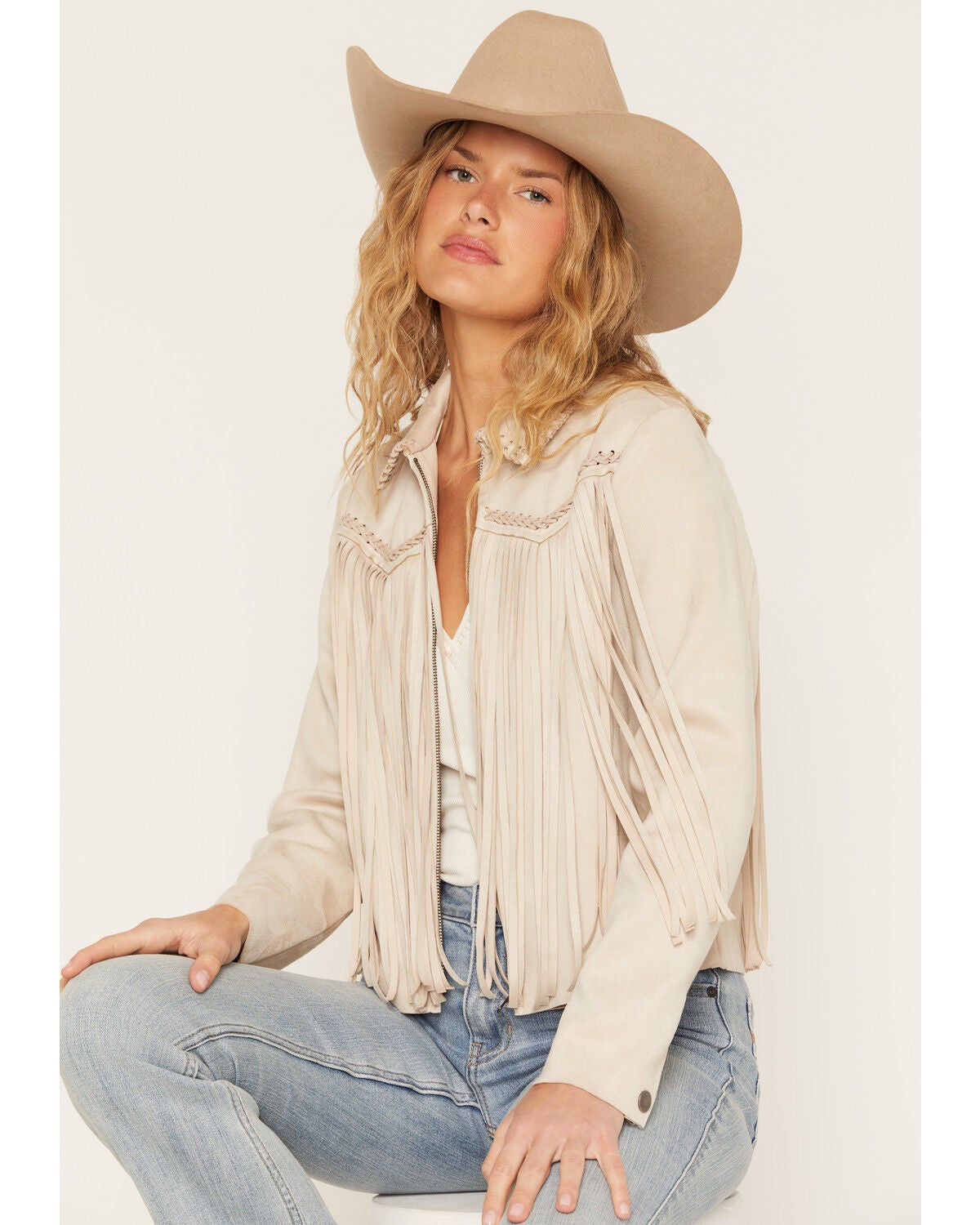
Fringe Coats

Shop fringe coats for western-inspired outerwear with trim that adds texture and movement. Check individual product descriptions for fit, length, and care details to find a layer that works for your wardrobe.

Shop Your Store: Shop Your Store: Find a Store

(Turn off Shop Your Store to see all items)

(Turn off Shop Your Store to see all items)

close
  • Recommended
  • Lowest Price
  • Highest Price
Skip pass products
  • Women's Shyanne Faux Suede Fringe Jacket
    Original Price $89.99 $61.97
    31% Total Savings
  • Women's Idyllwind Lonestar Fringe and Studded Faux Suede Jacket
    Original Price $129.99 $89.97
    31% Total Savings
  • Women's Shyanne Tribal Tapestry Fringe Coat
    Original Price $159.99 $110.97
    31% Total Savings
  • Women's Shyanne Faux Suede Fringe Trench Coat
    Original Price $129.99 $89.97
    31% Total Savings
  • Women's Shyanne Cascade Front Faux Suede Fringe Jacket
    Original Price $79.99 $54.97
    31% Total Savings
  • Women's Shyanne Open Front Faux Suede Fringe Jacket
    Original Price $109.99 $75.97
    31% Total Savings
  • Women's Shyanne Faux Suede Fringe Jacket
    Original Price $199.99 $138.97
    31% Total Savings
  • Women's Shyanne Cascade Front Fringe Faux Suede Fringe Jacket
    Original Price $79.99 $54.97
    31% Total Savings
  • Women's Shyanne Faux Suede Cascade Front Fringe Jacket
    Original Price $79.99 $54.97
    31% Total Savings
  • Women's Shyanne Faux Suede Fringe Jacket
    Original Price $89.99 $61.97
    31% Total Savings

End of products

Fringe Coats

Fringe coats are outerwear with narrow strips of leather, suede, fabric, or similar material attached along the chest, back, sleeves, or hem. That trim gives a coat movement and a distinct western character, whether the rest of the design is simple or detailed. A short fringe accent across the back yoke creates a different look from long strands that run down the sleeves, and placement matters as much as length. Chest fringe draws attention to the front of the coat, while a fringed hem emphasizes its shape as the wearer walks. Rooted in western dress and traditional leather garments, fringe remains a recognizable detail on both everyday outerwear and statement pieces. Fringe coats and jackets span several materials, each with its own feel and care requirements. Suede has a soft, napped surface that gives fringe a rich texture without a glossy finish. Smooth leather has a more defined surface and can develop creases and character through regular wear. The weight and flexibility of the hide affect how freely the trim moves; soft, narrow strands swing differently from thick, broad strips. Denim brings a familiar, casual feel, with seams and woven texture that work naturally alongside fringe. Wool and wool-blend designs can pair a more structured body with flowing trim, while synthetic materials offer other textures and finishes. A coat may also combine materials, so the fringe and main body do not always call for the same treatment. Lining, closures, pockets, and seam construction help determine how the finished garment wears beyond its appearance. A lined sleeve may slide more easily over a shirt, while a substantial front closure helps the coat hold its intended shape. The strongest overall look comes from proportion: the length of the coat, the cut through the shoulders, and the amount of fringe should work together rather than compete. A plain body with a single line of trim can be just as distinctive as fringe placed across several panels.

Fit determines whether a fringe coat feels natural in regular wear or spends most of its time on a hanger. Shoulder seams should sit where the design intends, without pulling across the upper back when the arms reach forward. A fitted coat needs enough room through the chest and sleeves for the clothing worn underneath, while a relaxed cut should still allow comfortable movement without excess fabric bunching at the sides. Trying the coat over a usual shirt or sweater gives a more useful sense of fit than judging it over a thin layer alone. Sitting down, bending the elbows, and reaching toward a steering wheel help reveal tight areas that standing still can hide. Sleeve length also deserves attention because fringe adds movement beyond the sleeve itself. Long strands near the hands may brush a tabletop or catch on a bag strap, while shorter trim tends to stay closer to the garment. Coat length changes the balance of an outfit. A hip-length fringe jacket keeps the belt and much of the jeans visible; a longer fringe coat creates a continuous line over pants or a dress. Straight-leg jeans, a plain shirt, and boots let the texture stand out without much effort. A simple dress or a clean-cut pair of trousers gives the same detail a more dressed-up setting. Matching every western element is not necessary. When the coat already has prominent fringe, quieter accessories keep the outfit from feeling crowded. These coats suit casual dinners, live music, gatherings, and everyday wear when the cut and material fit the occasion. For a sleeveless version of the look, Fringe Vests leave more of the shirt visible and remove the bulk of a full sleeve. Fringe outerwear is designed for dress and personal style, not as protective workwear. Loose trim needs to stay clear of moving machinery, open flames, and other places where it could catch. That distinction matters when choosing a coat for time away from the job rather than for the work itself.

Care and construction have a direct effect on how well a fringe coat holds its shape. Secure stitching at the fringe attachment points matters because those areas take strain whenever strands catch or pull. Even spacing, sound seams, and closures that operate smoothly are useful signs to consider alongside the look of the material. Leather and suede require care suited to their finish, and a cleaner intended for smooth leather may not be appropriate for suede. The care label should guide cleaning, conditioning, and storage, especially when the garment mixes materials. A suede brush may help lift surface dust and restore the nap where the manufacturer permits it; smooth leather may call for a compatible cleaner or conditioner used sparingly. Testing an approved care product on an inconspicuous area helps avoid a visible change in color or texture. Fabric and synthetic coats have their own requirements, and machine washing is only appropriate when the label allows it. Fringe can twist, tangle, or become misshapen with rough handling, so cleaning methods matter as much as cleaning products. Hanging the coat on a broad, supportive hanger helps maintain the shoulders, while enough space around it keeps the trim from being crushed between other garments. A strand caught under a bag strap or chair arm is best freed gently rather than pulled loose. Heavy bags can also rub repeatedly against the same area, affecting both the coat surface and the fringe. For gifting, a fringe coat makes the most sense for someone who already enjoys western clothing, textured outerwear, or a distinct finishing layer. Familiarity with the recipient’s preferred fit, usual coat length, and comfort with noticeable trim is more useful than choosing by appearance alone. Someone who wears simple jackets may prefer restrained fringe along a yoke, while a person drawn to expressive clothing may appreciate longer trim or a broader placement. The right fringe coat combines that personal preference with comfortable movement, dependable construction, and care requirements that fit everyday life.

FAQs