Fringe Cowgirl Boots

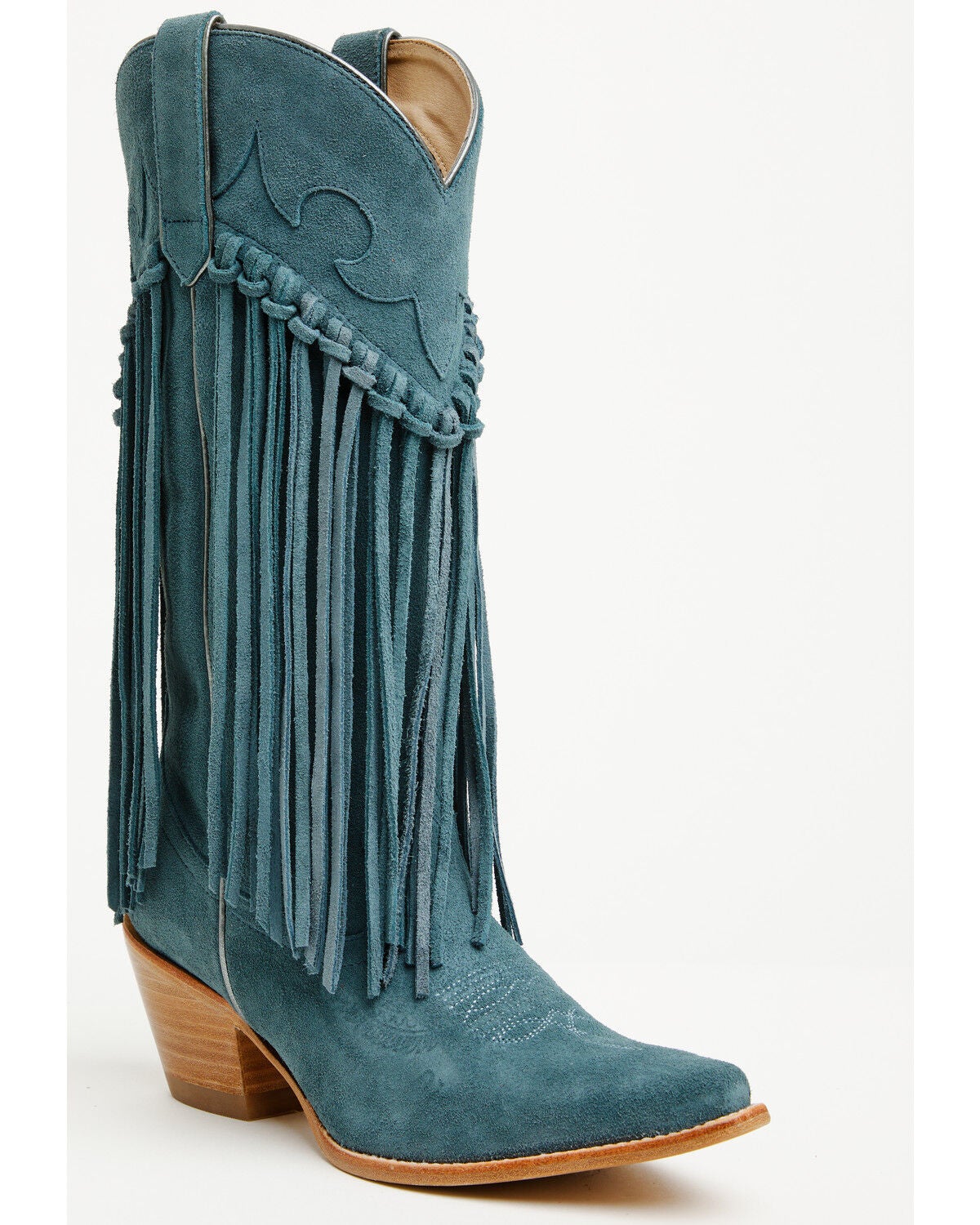
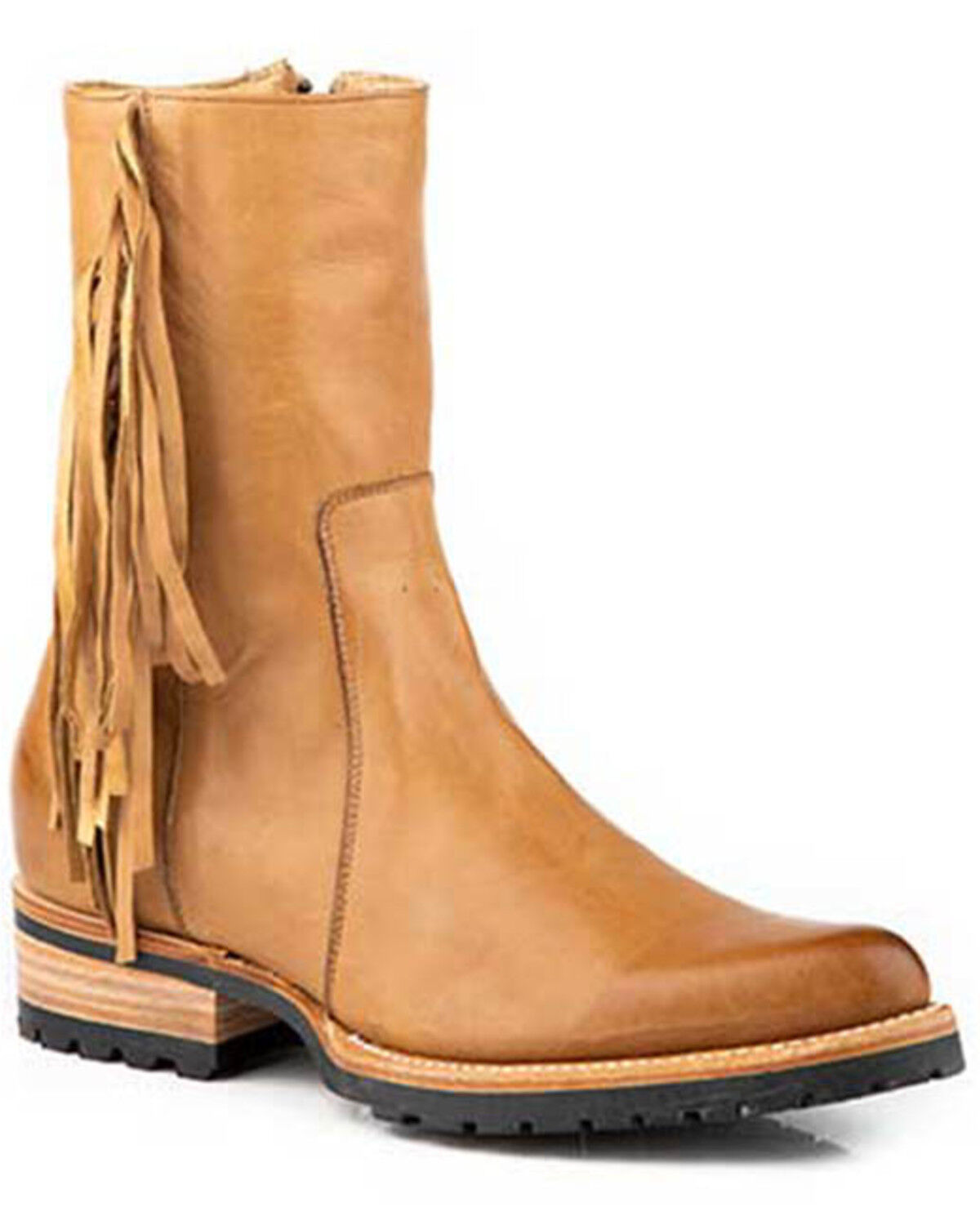
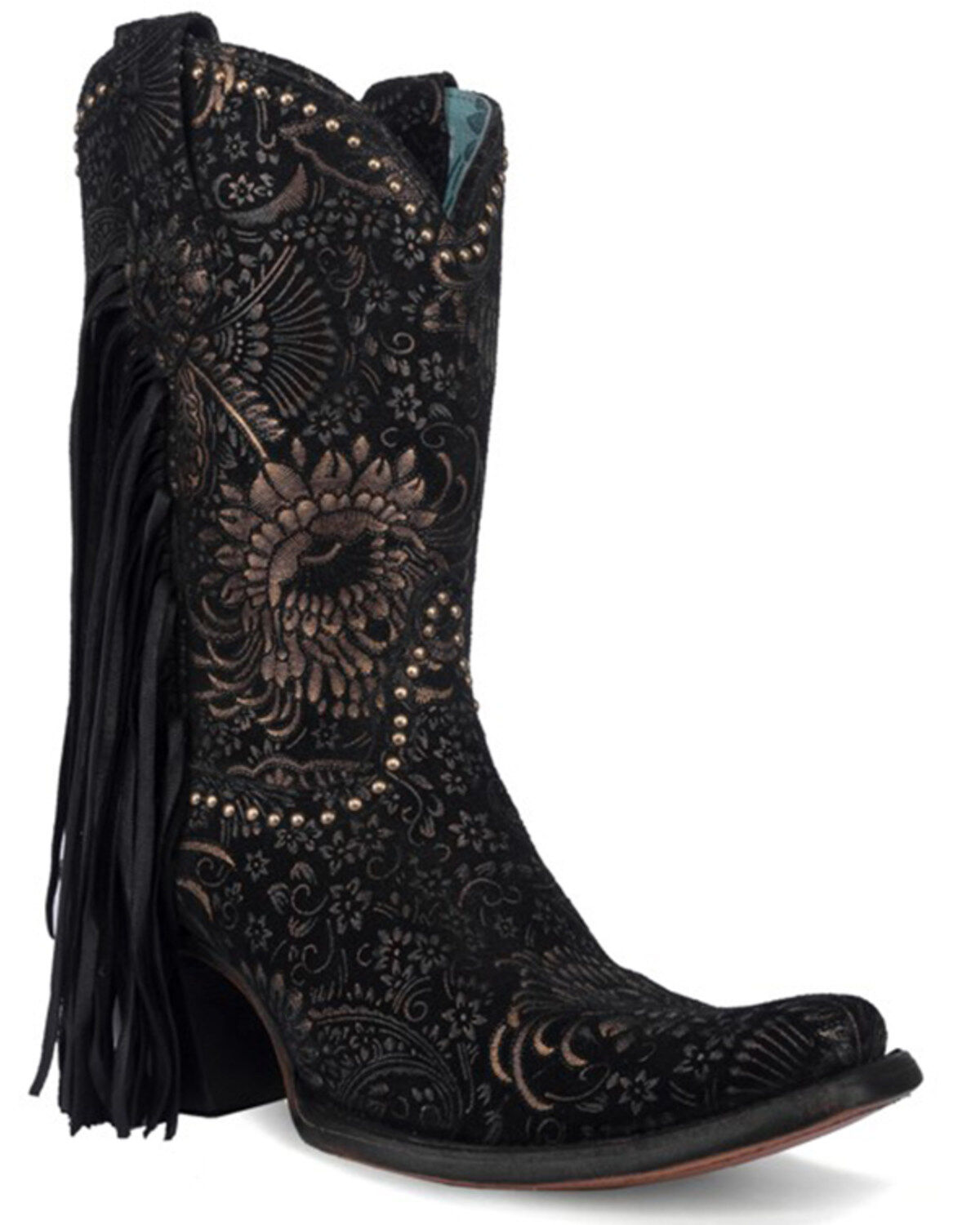
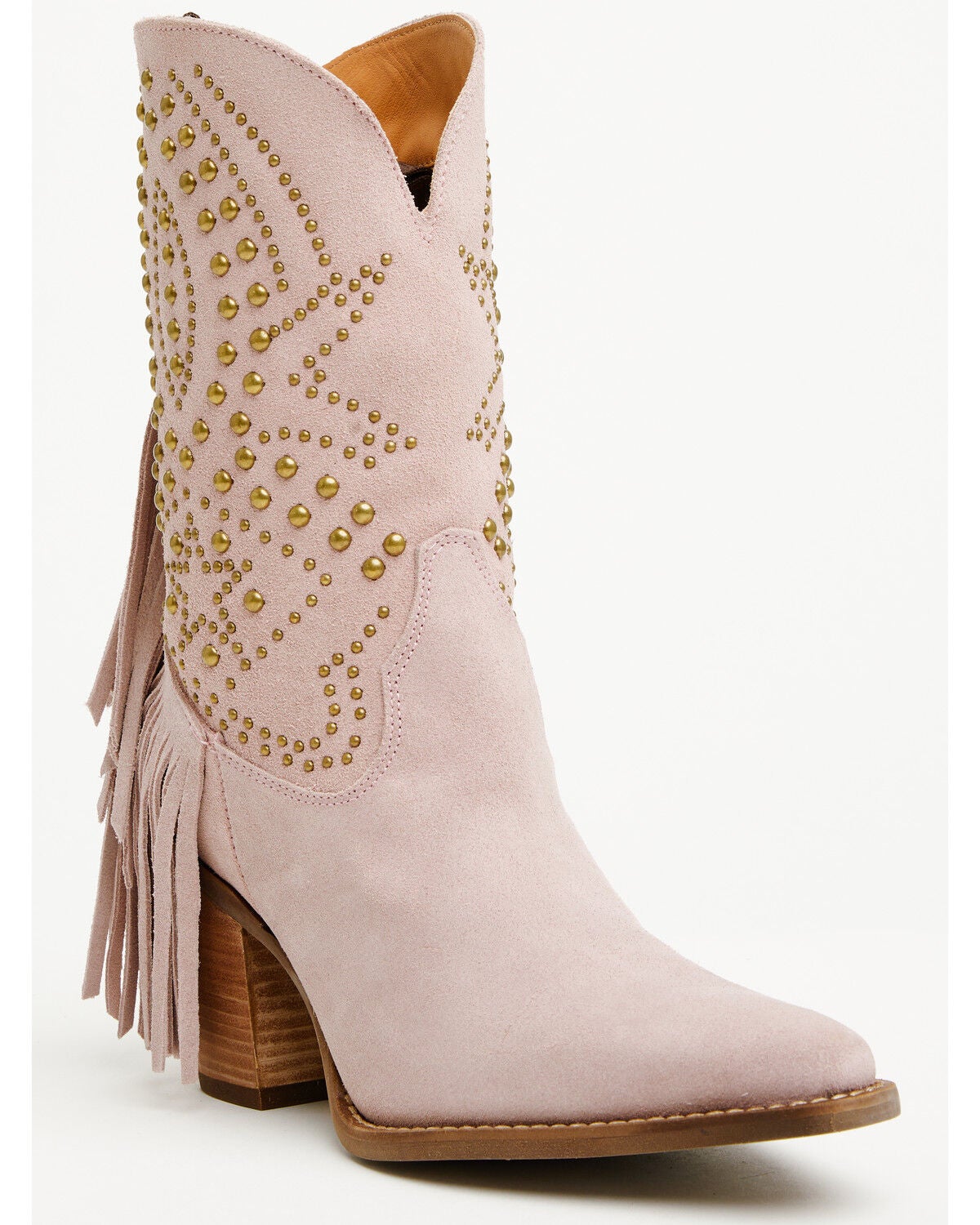
Shop fringe cowgirl boots for western style with detail that moves as you walk. Browse women’s western boots with fringe accents, and compare the shaft height, toe shape, and heel height listed for each pair to find the right fit for your wardrobe.

Shop Your Store: Shop Your Store: Find a Store

(Turn off Shop Your Store to see all items)

(Turn off Shop Your Store to see all items)

close
  • Recommended
  • Lowest Price
  • Highest Price
Skip pass products

End of products

Fringe Cowgirl Boots

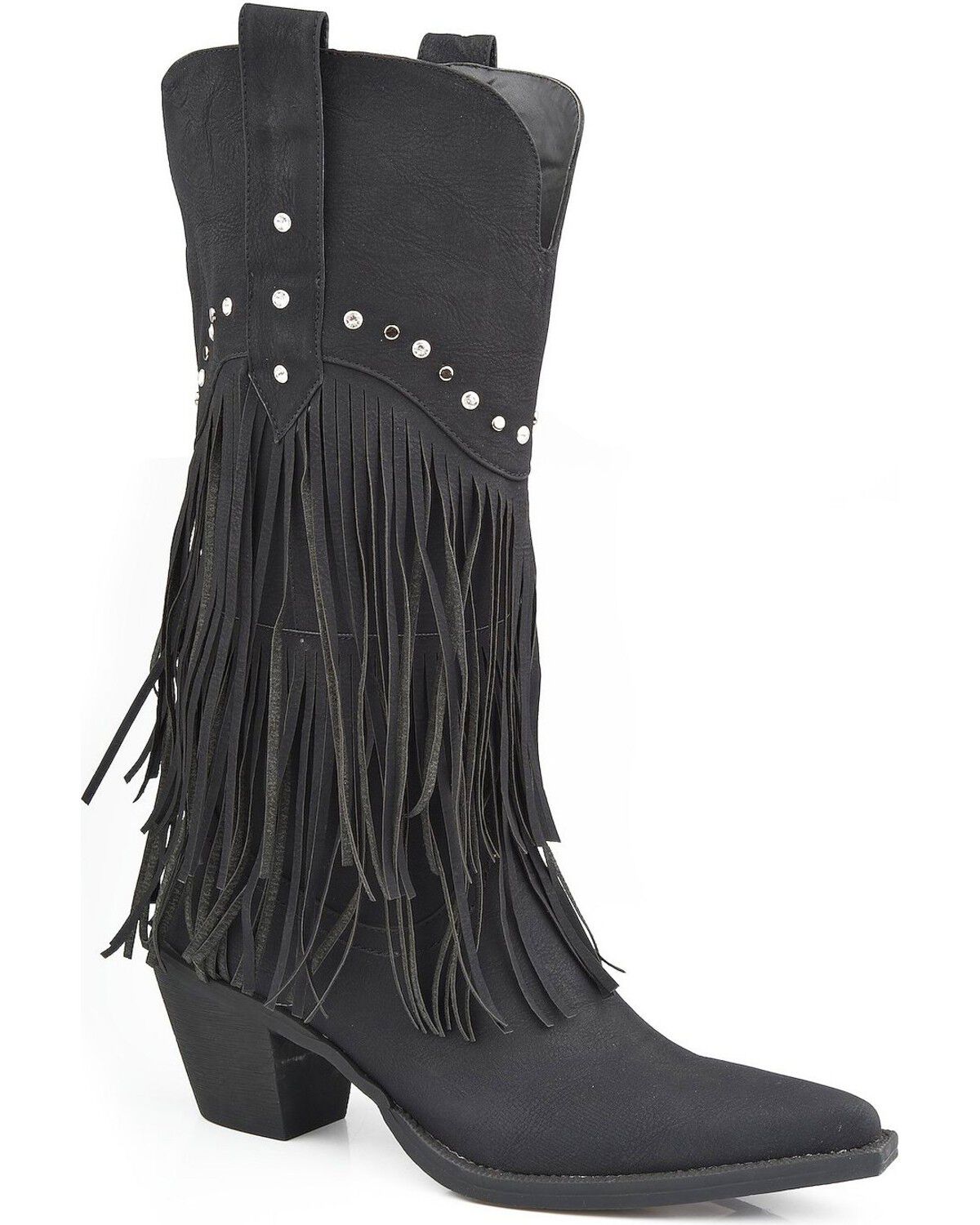
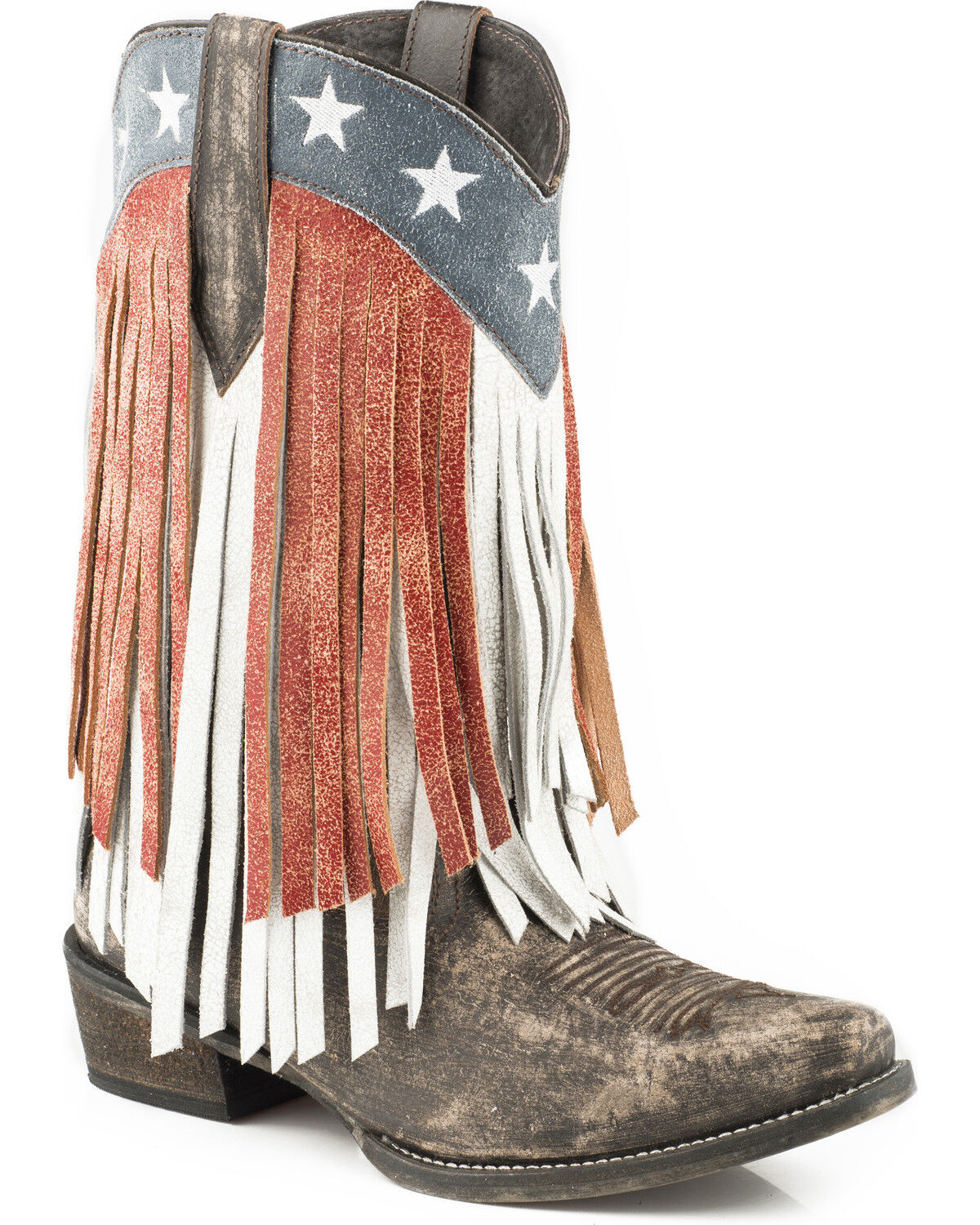
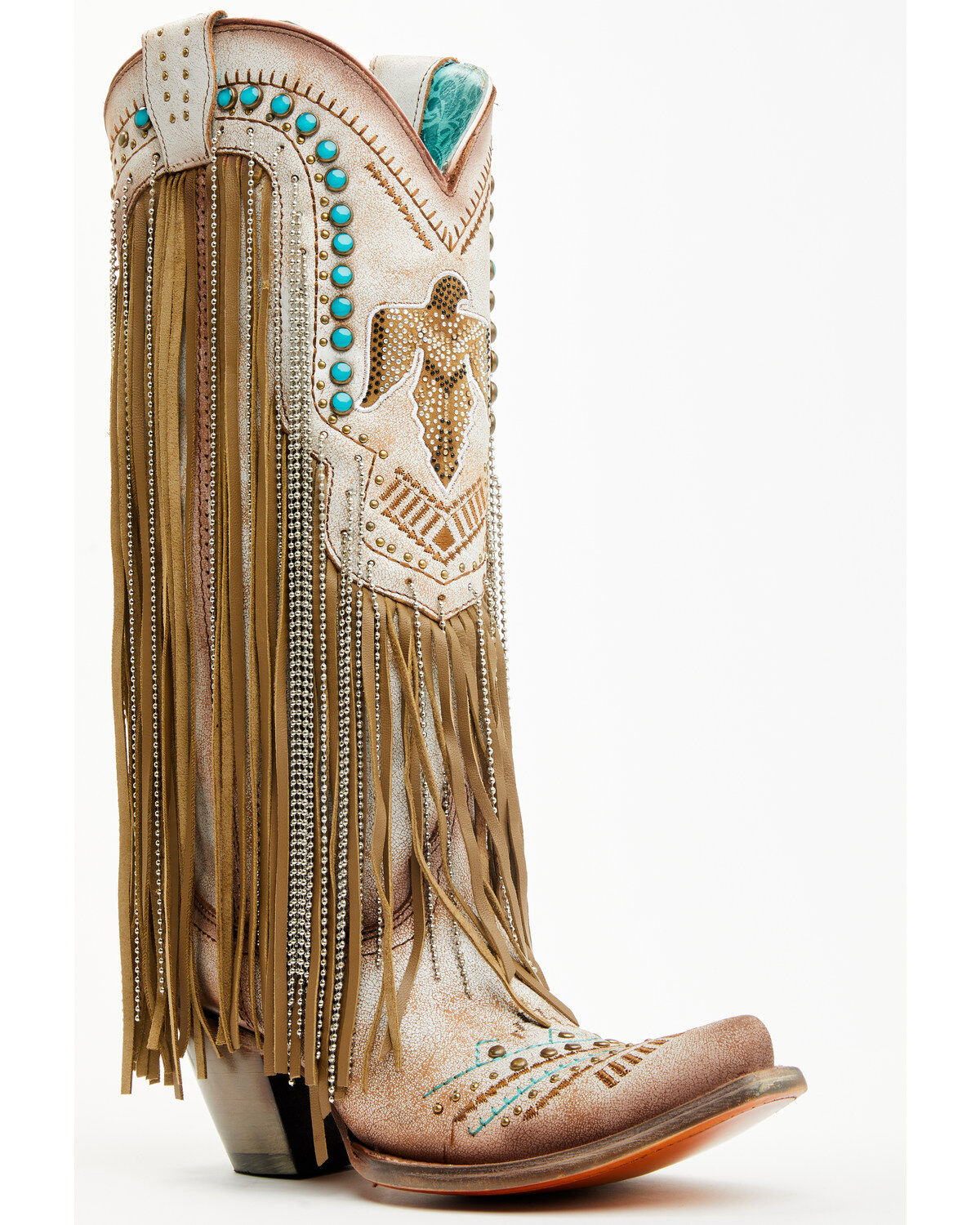
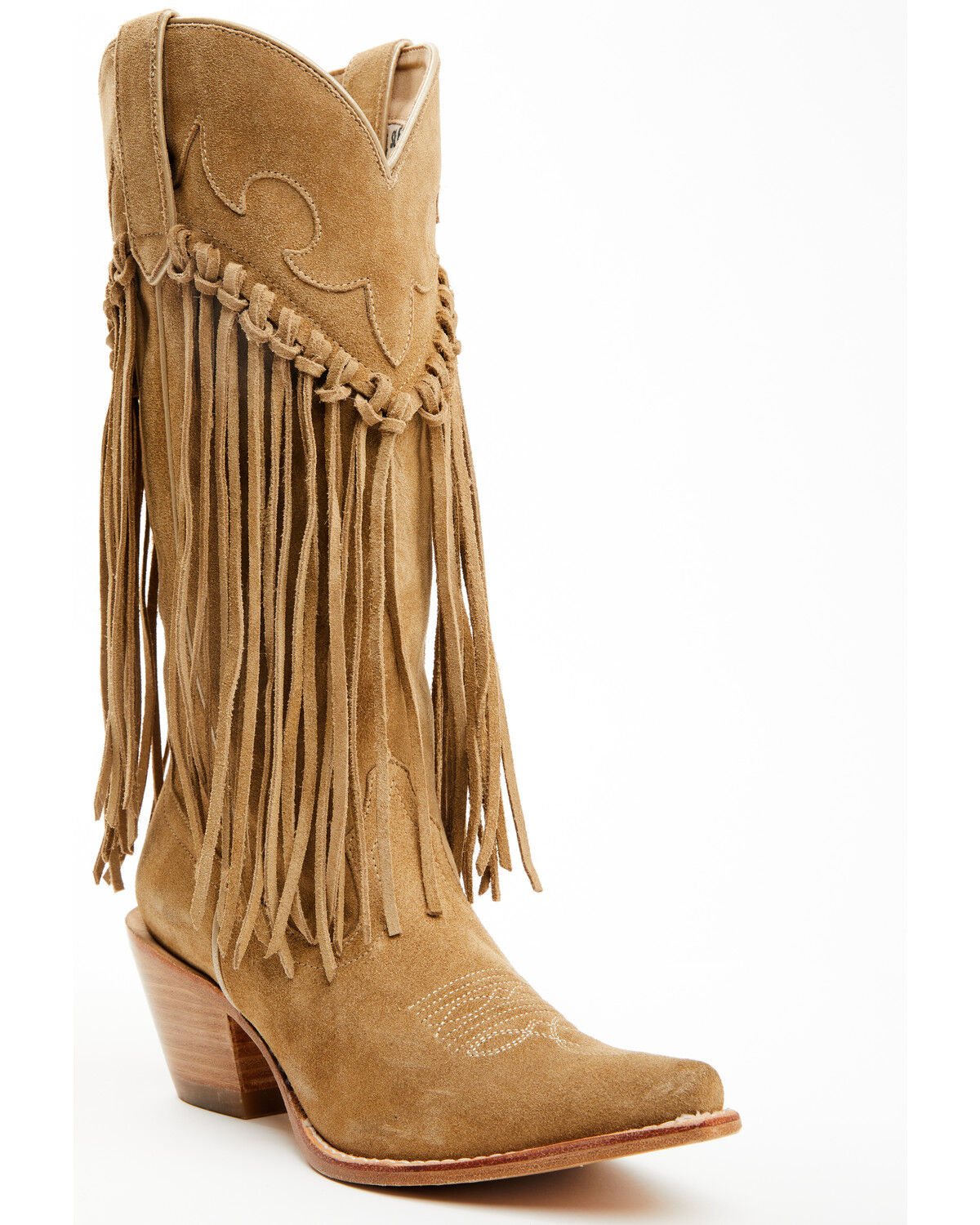
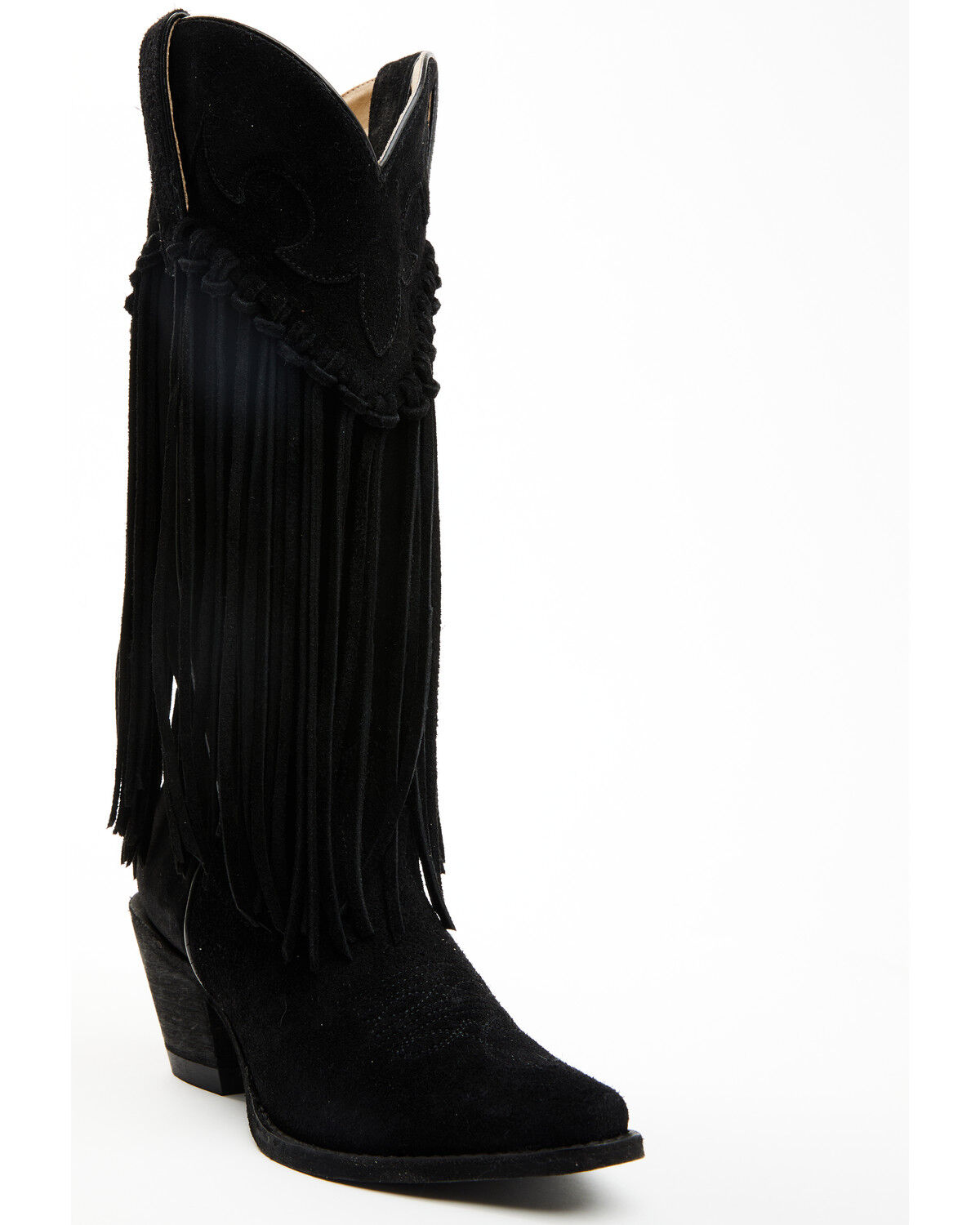
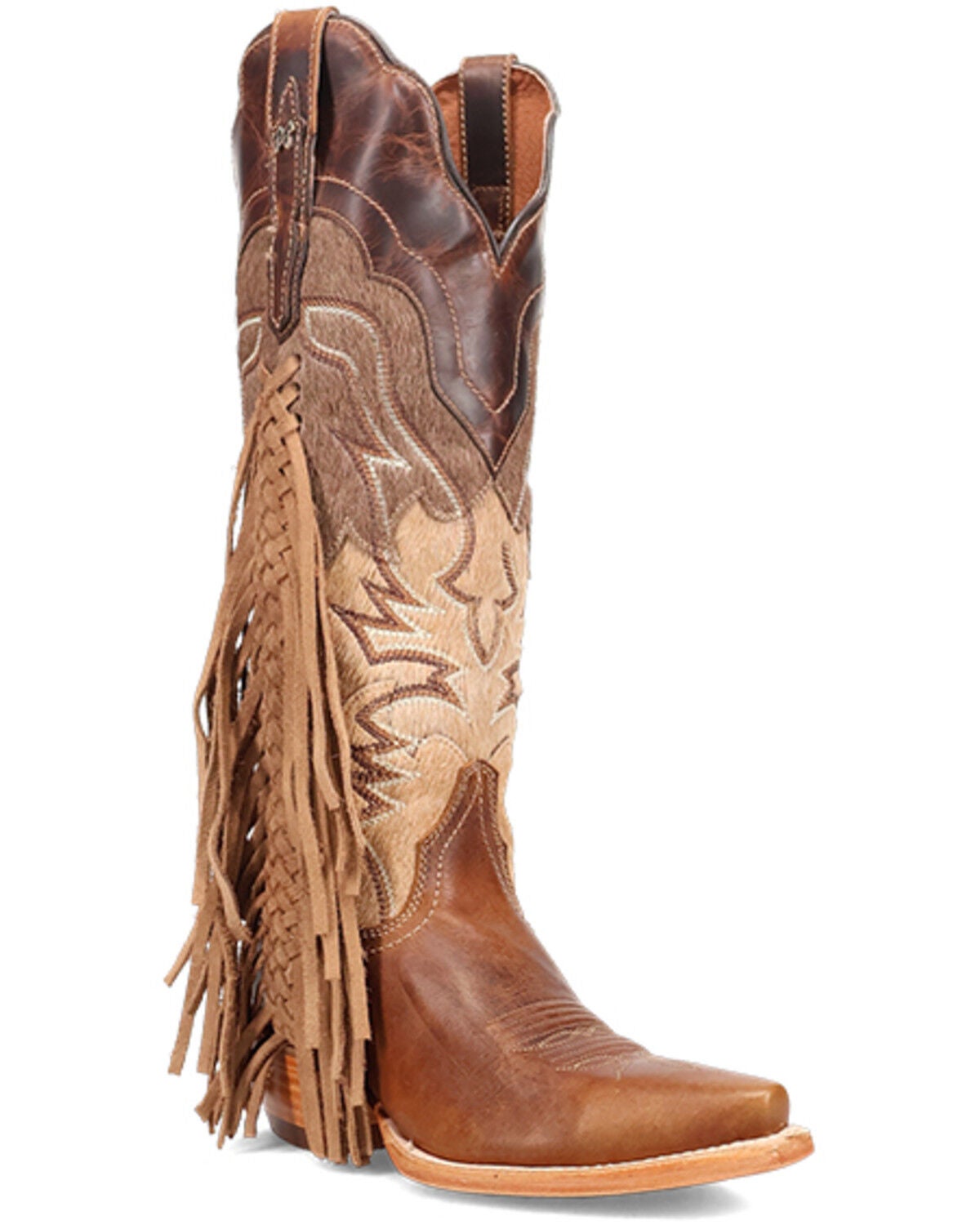
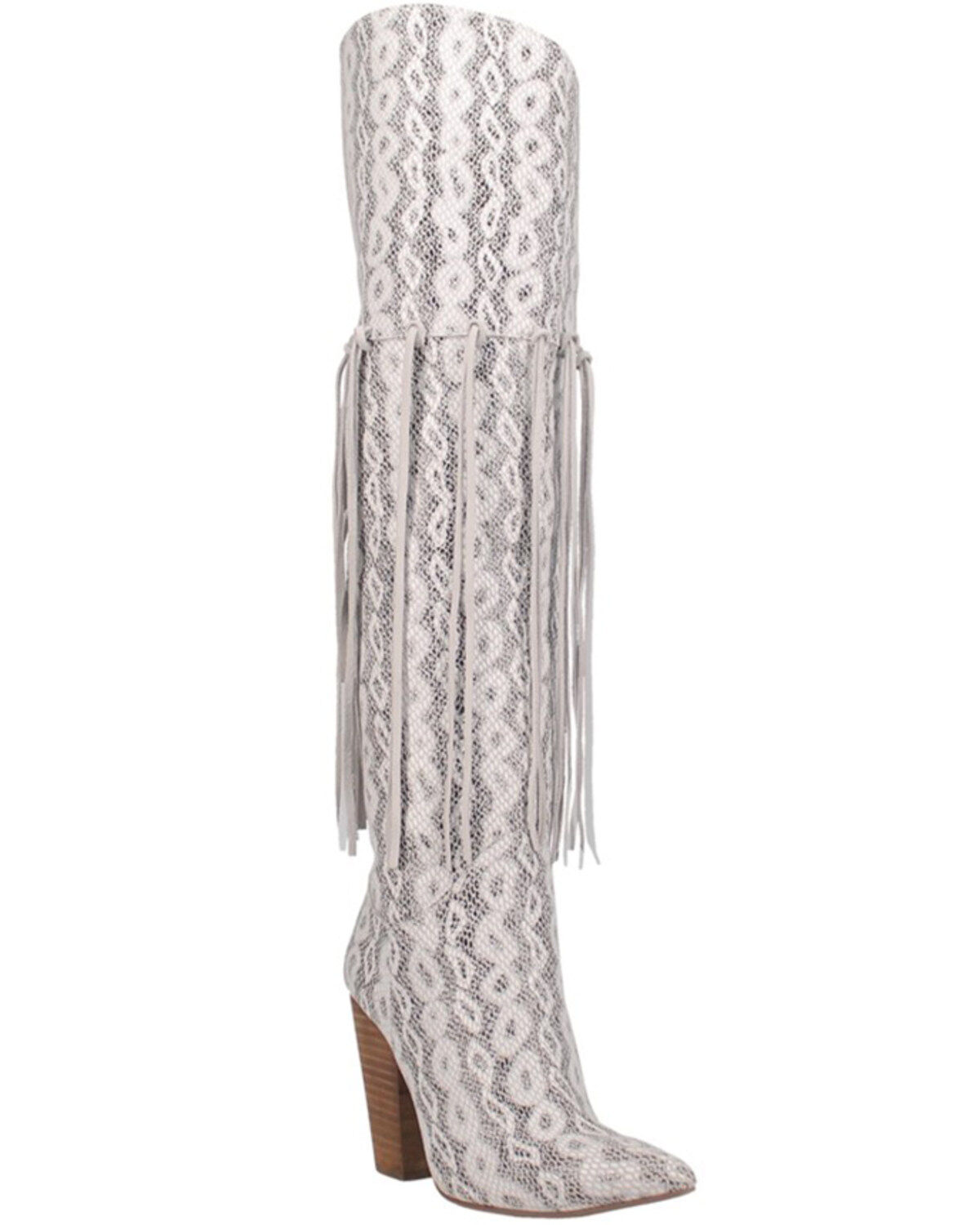
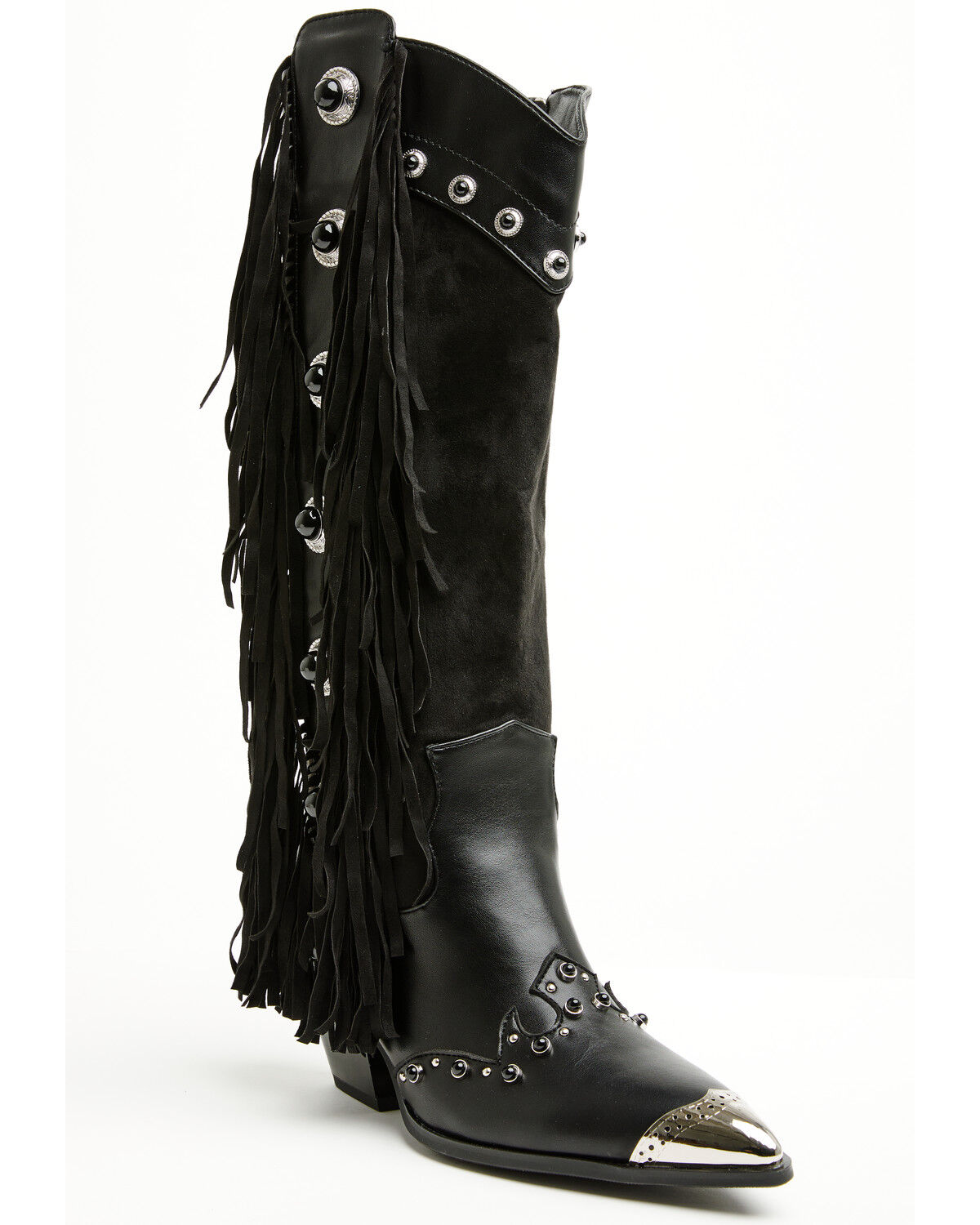
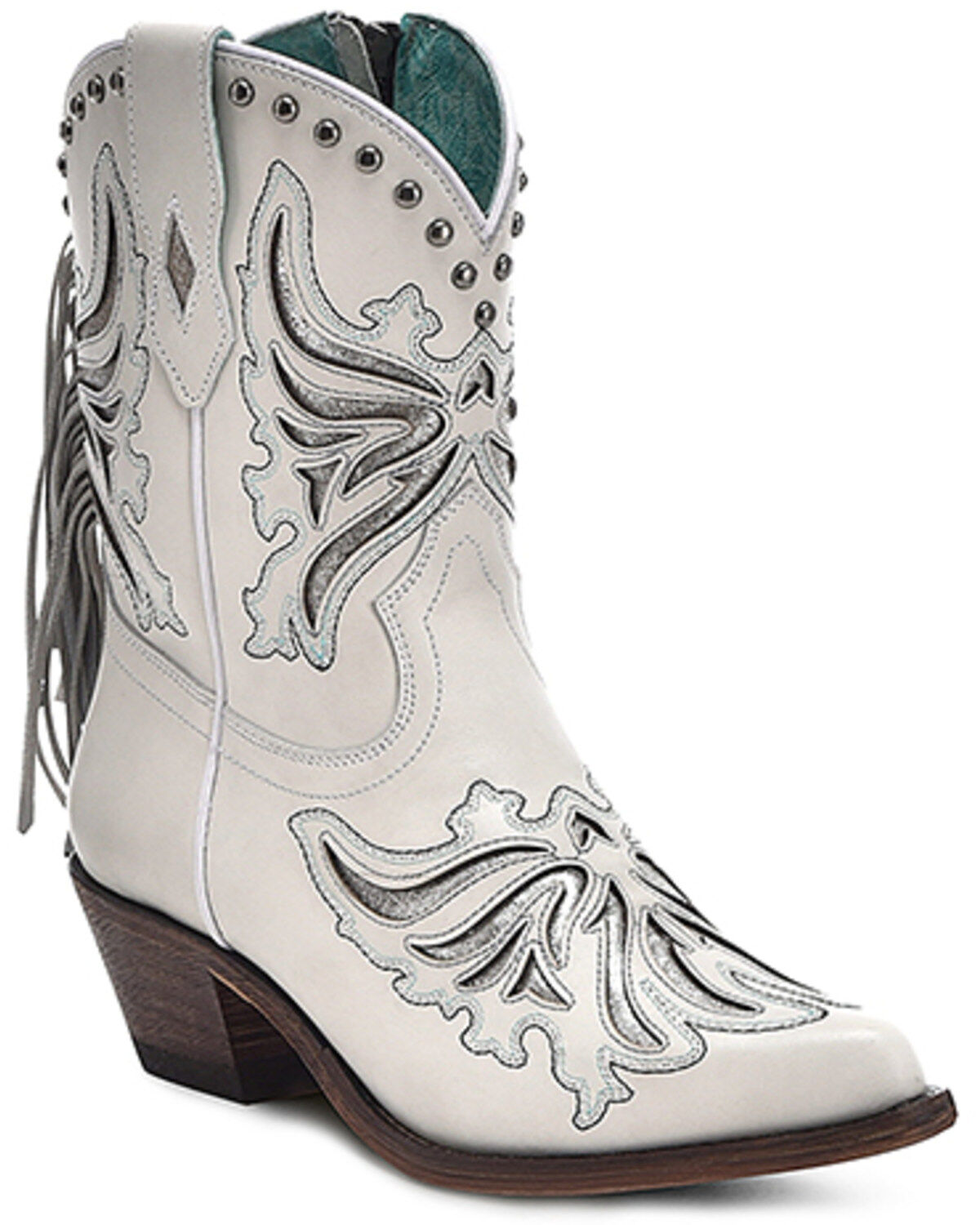
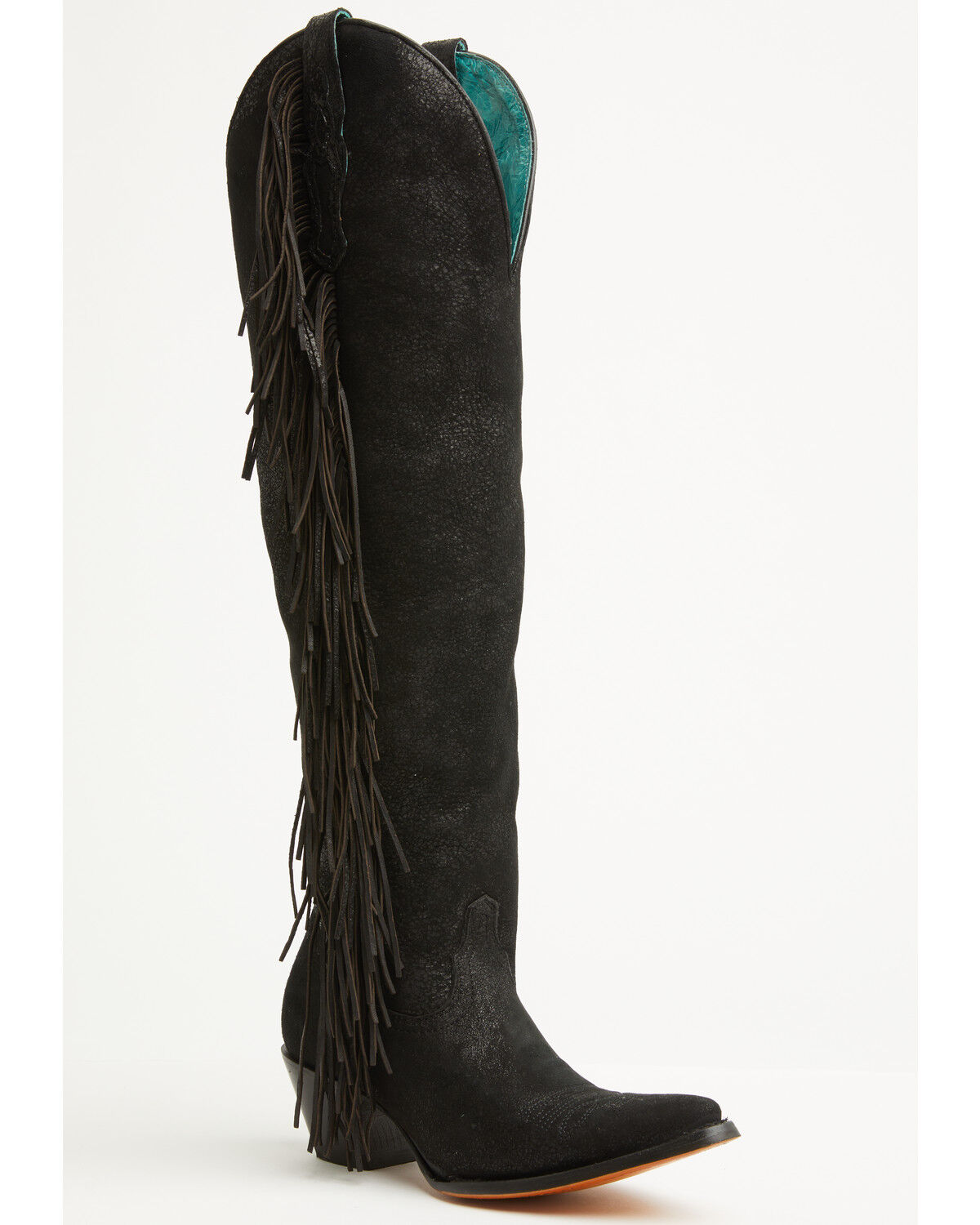
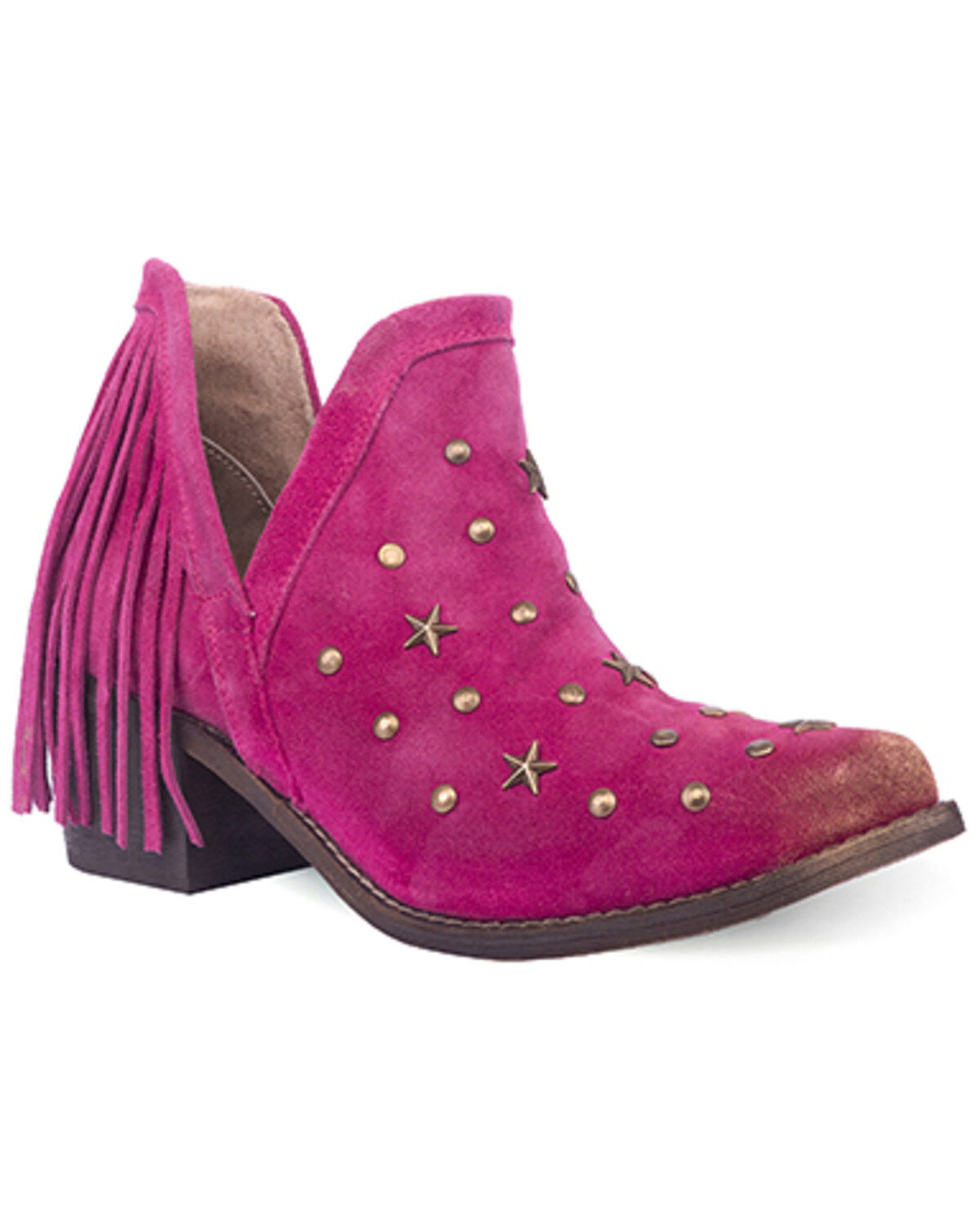
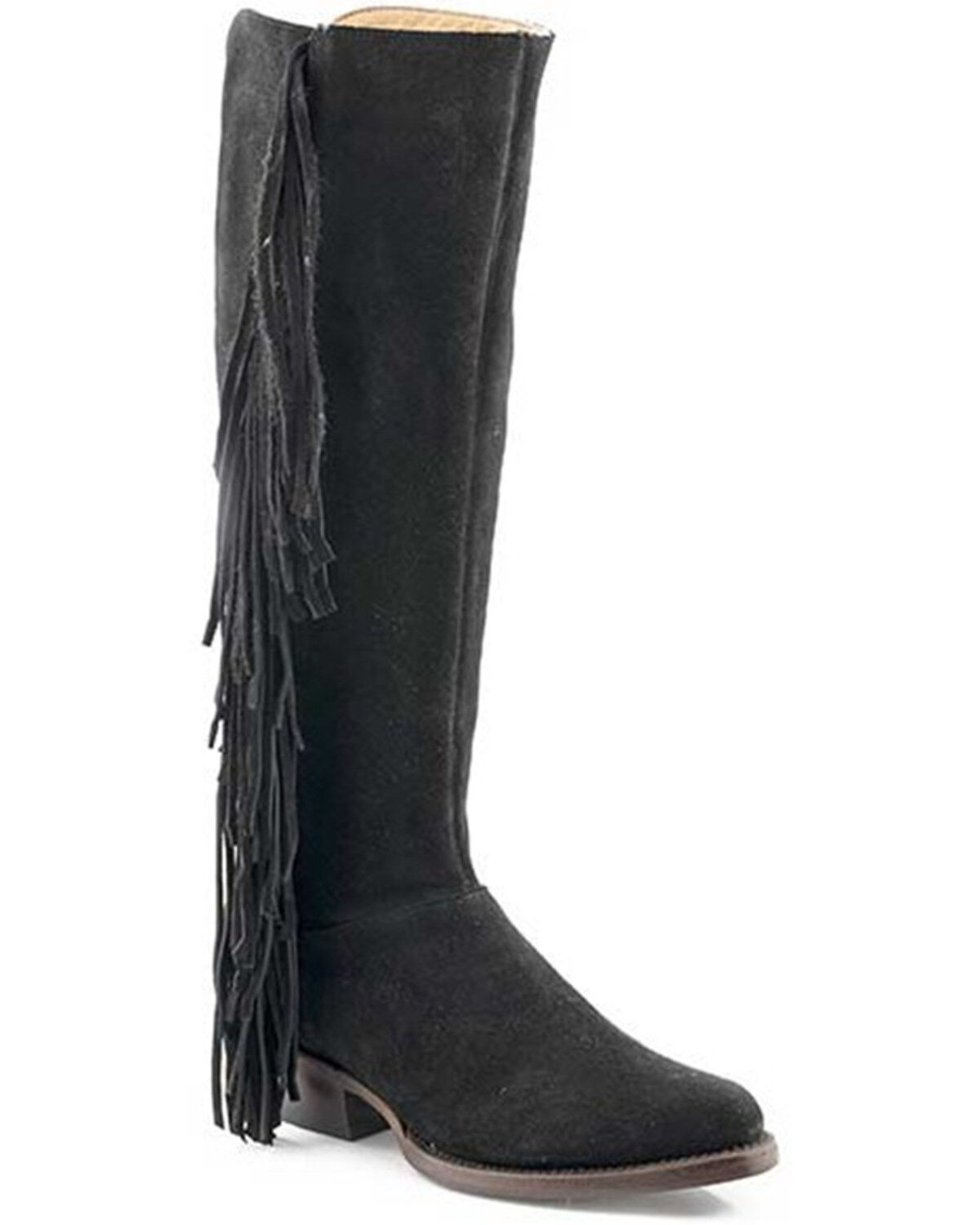
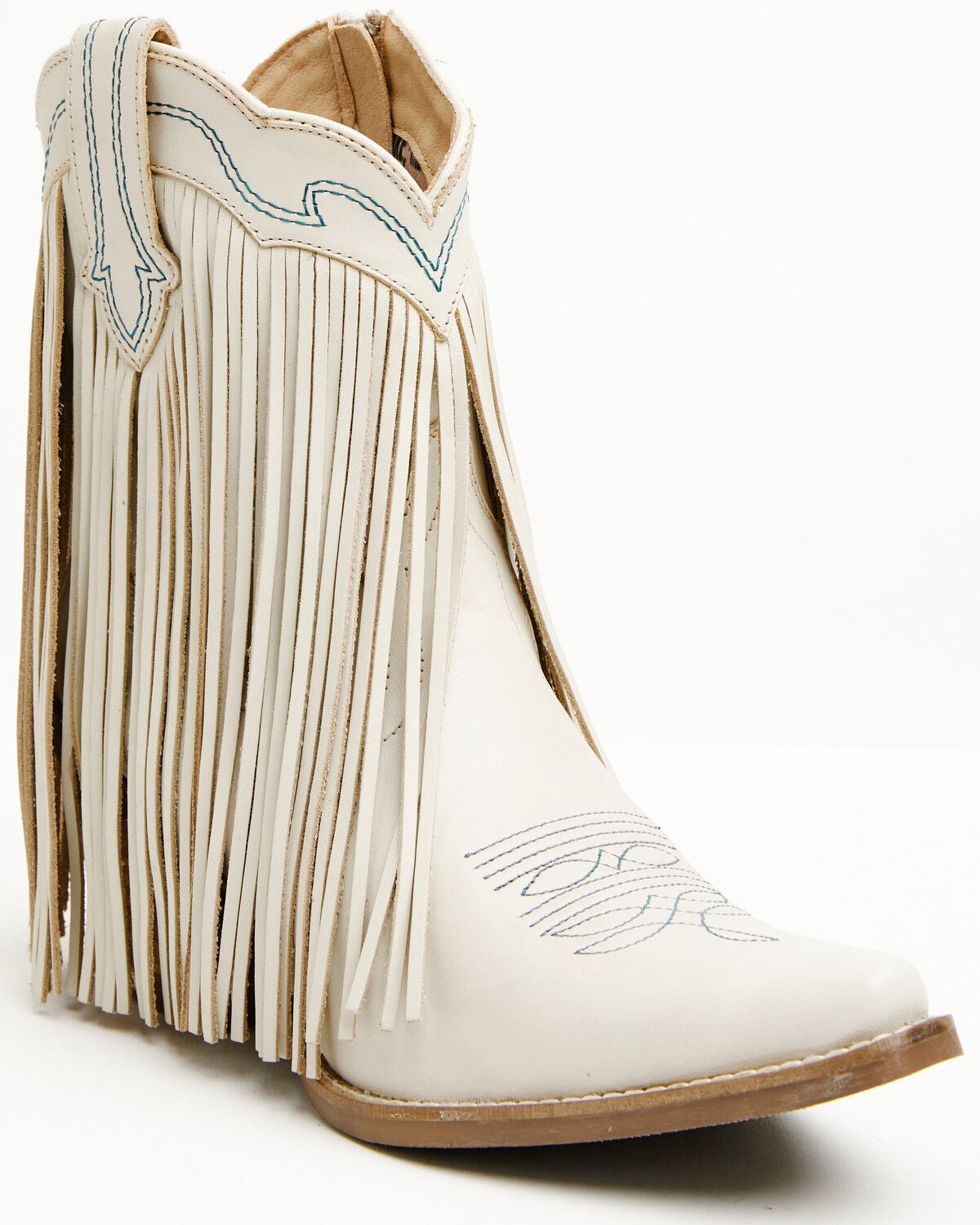
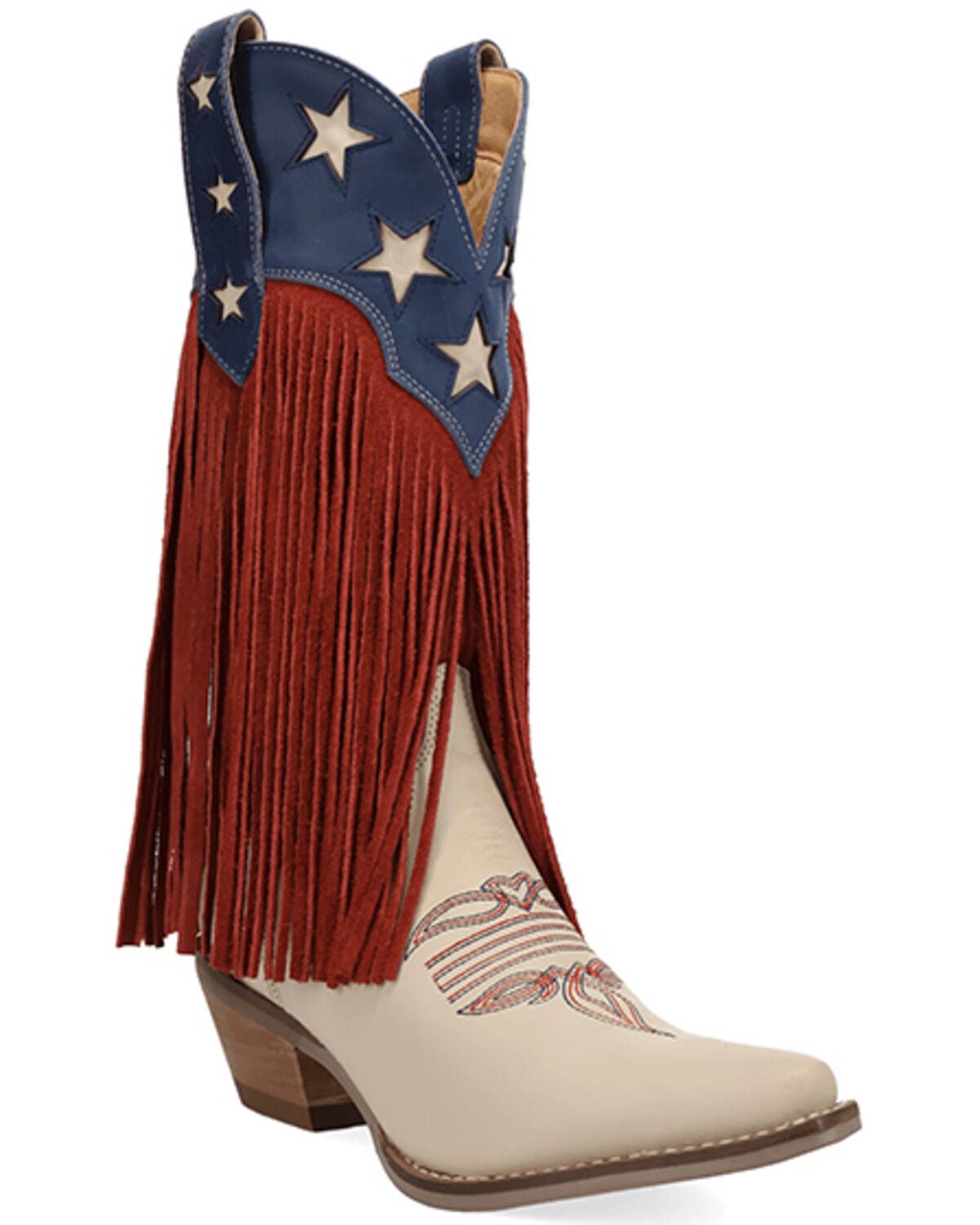
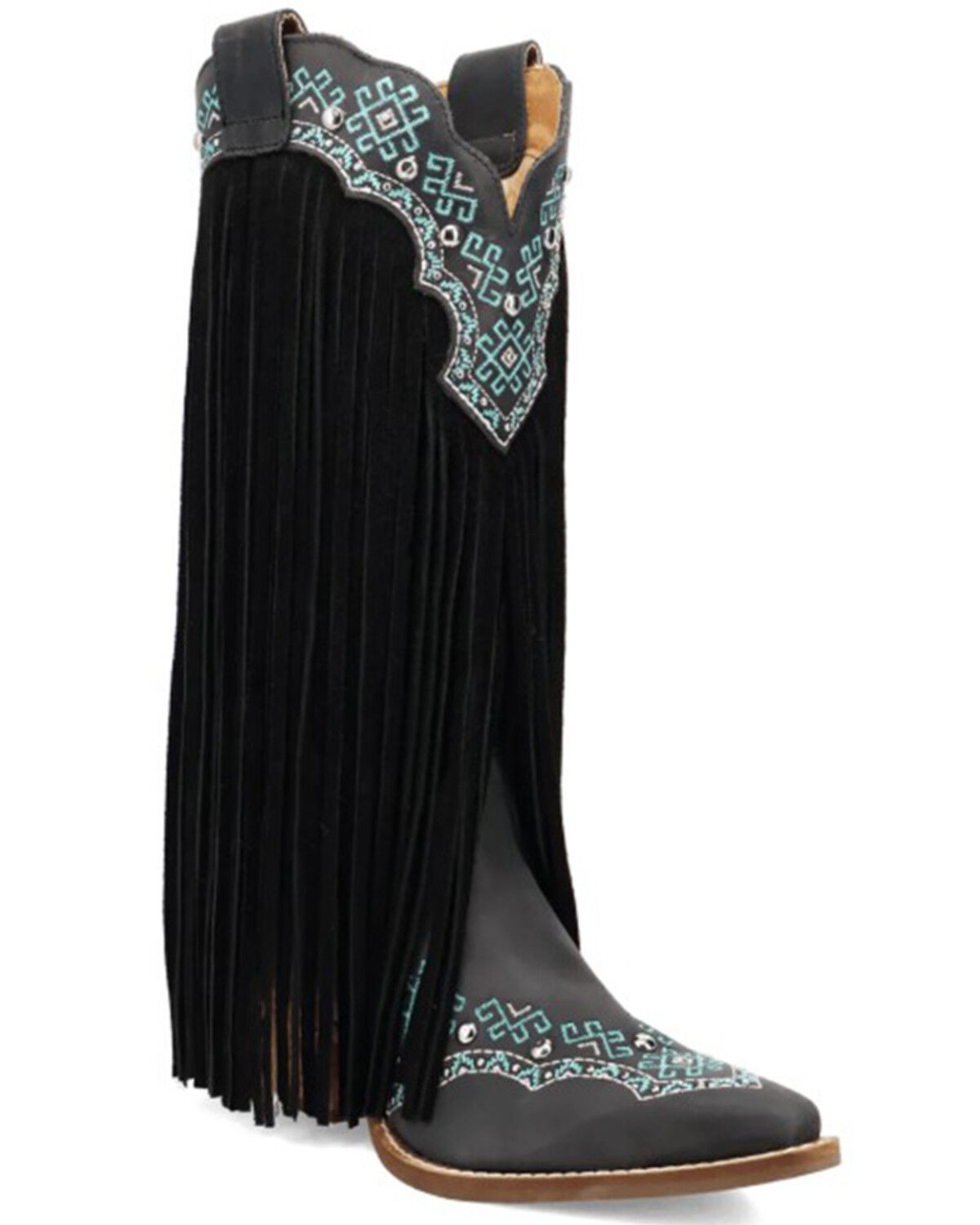
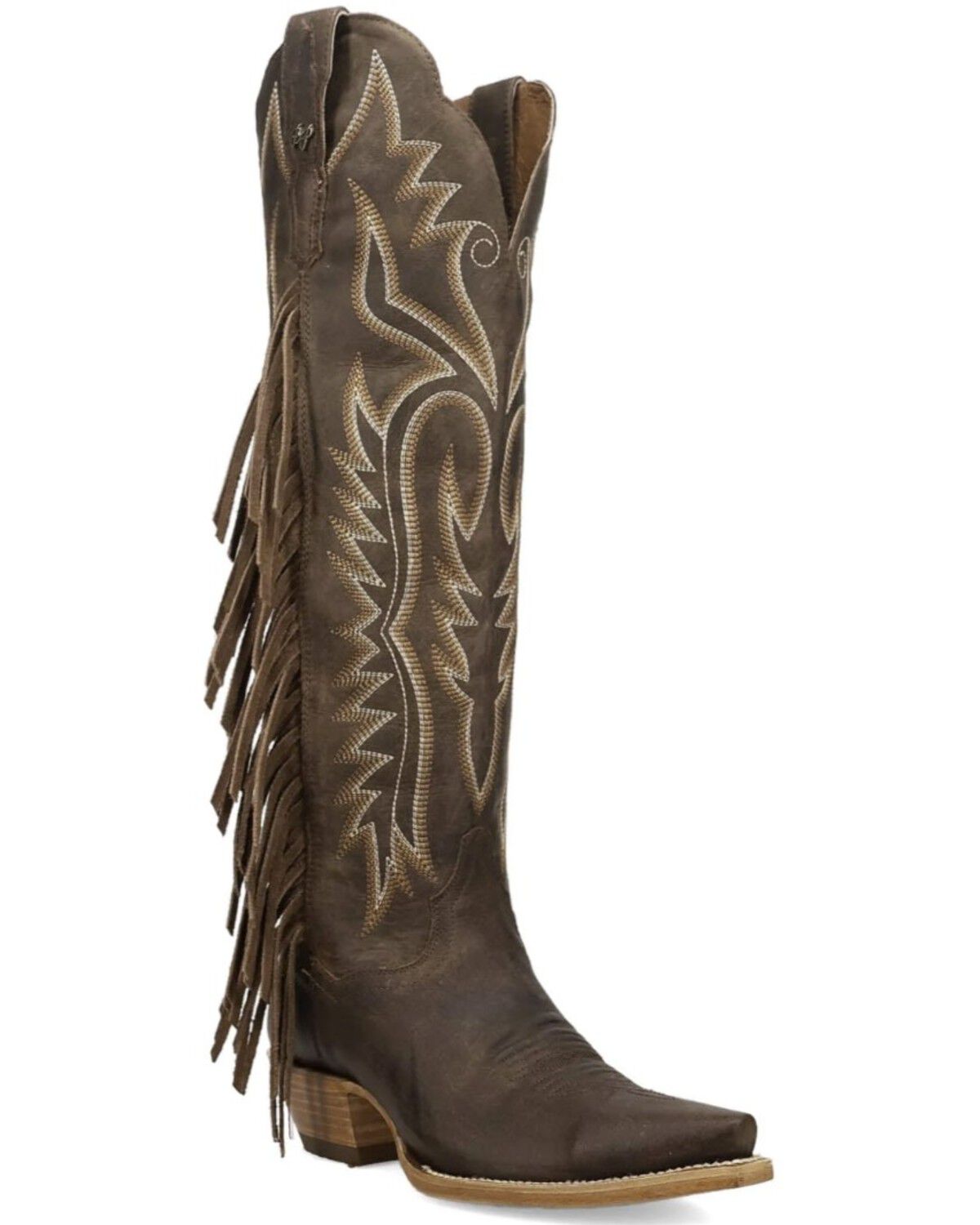
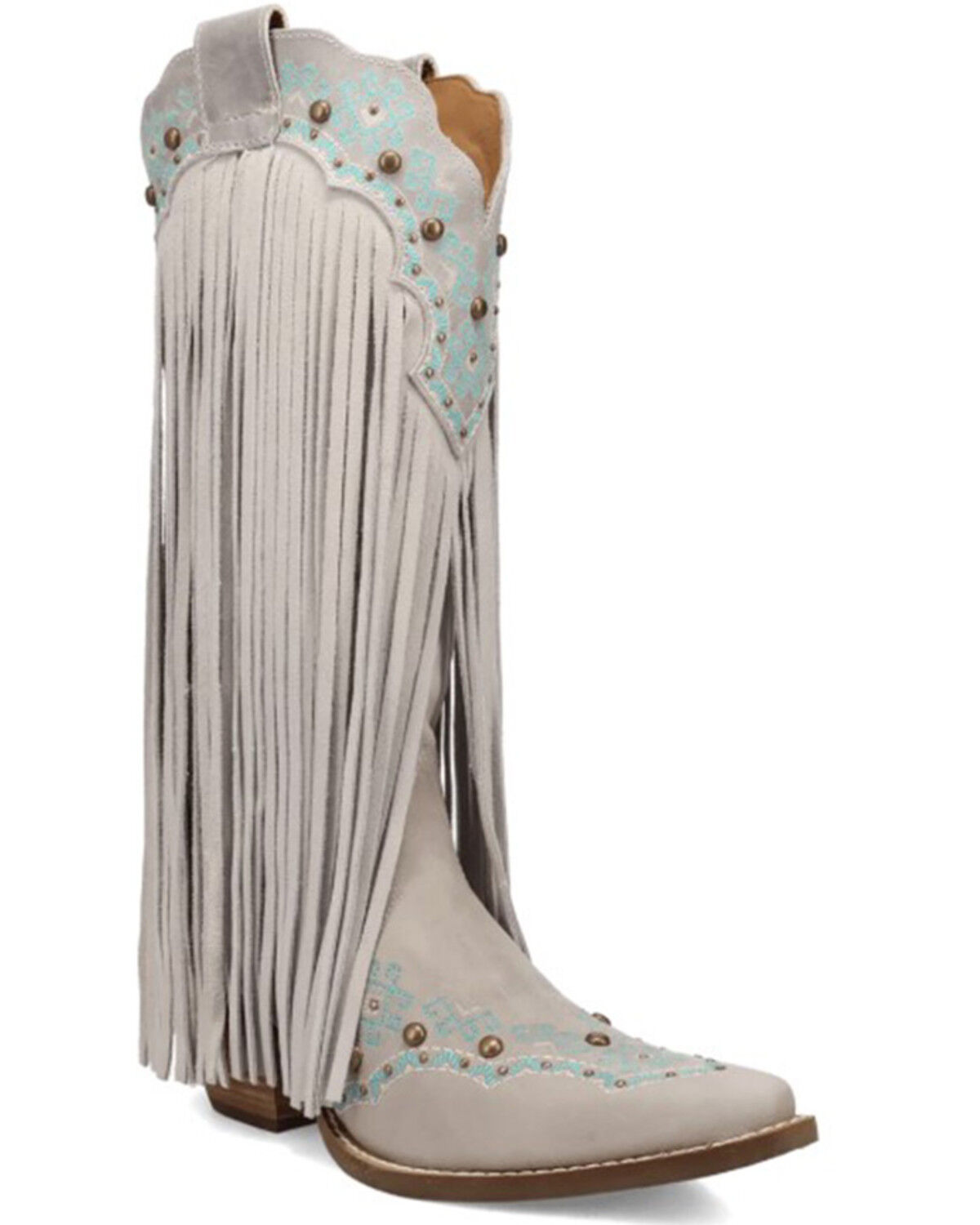
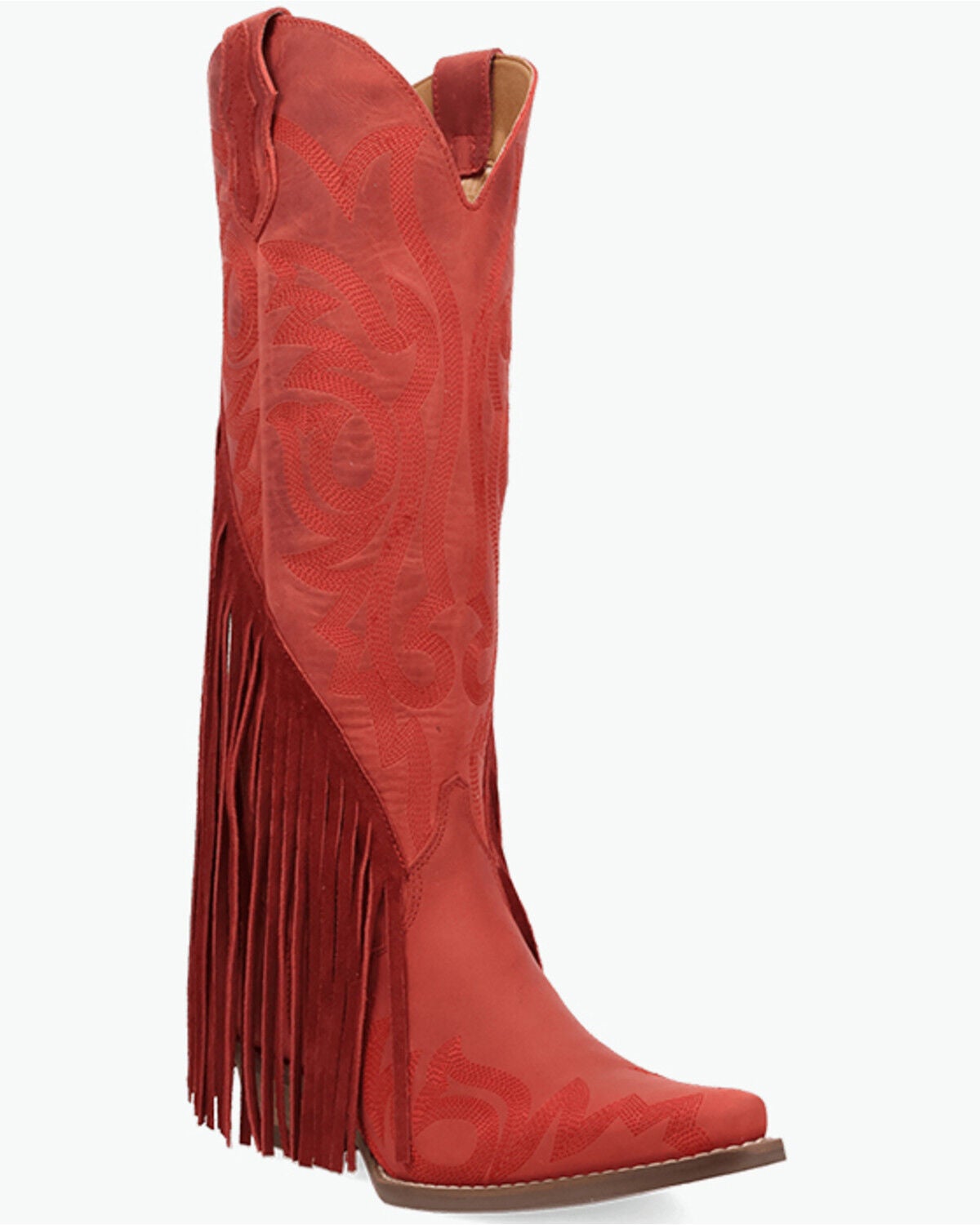
Fringe cowgirl boots are western boots finished with strips of leather, suede, or other material that move with each step. That detail gives a familiar boot shape a distinct look without replacing the features that define it: a shaped toe, a western heel, and a shaft that sits above the ankle or extends farther up the leg. Fringe may follow a side seam, circle the top of the shaft, or fall in layered rows. Short fringe adds texture close to the boot, while longer strands create more movement and make the shaft a stronger part of an outfit. Materials affect both appearance and everyday wear. Smooth leather has a defined surface that can develop character with use, while suede has a soft, brushed texture that makes the fringe especially noticeable. Synthetic uppers offer another finish, with care requirements that depend on the material. Construction matters as much as the fringe itself. Secure attachment points, consistent stitching, and neatly finished edges help decorative details hold up to repeated wear. Ankle-height styles work well with cropped jeans and dresses, while taller shafts create a more pronounced western silhouette with skirts, shorts, or jeans worn inside the boots. Black and brown fringe boots are easy to pair with denim, simple shirts, and leather accessories. Lighter colors create contrast against dark jeans or a patterned dress, and White Fringe Boots bring a distinct light-colored option to the same western shape. Embroidery, stitching, and metal accents can add detail, though a simpler outfit gives the fringe room to stand out. These boots suit concerts, line dancing, casual outings, and celebrations where western footwear fits the setting. They can also be part of everyday clothing for someone who prefers a more expressive boot. The best match depends on how much movement, shaft coverage, and decoration feels comfortable, not just how the boots look in a photograph. A pair with restrained side fringe serves a different purpose in a wardrobe than a tall boot with several rows of long strands.

Fit determines whether fringe cowgirl boots become a regular choice or stay reserved for short outings. The foot should feel supported through the instep, with enough room for the toes to rest naturally rather than press against the front or sides. A pointed or snip toe can look narrow without requiring the toes to fill the tapered tip; the important fit is around the widest part of the foot. Square and rounded toes offer different shapes, but width and overall sizing still depend on the construction. A small amount of heel movement can be normal in a new pull-on leather boot. Excessive lifting, rubbing, or pressure is not something to dismiss as part of breaking in a pair. Leather may soften with wear, but a boot that is too short will not gain meaningful length. Shaft fit deserves equal attention, especially on taller styles. The opening should accommodate the calf without digging in, and a zipper should close without being forced. Jeans tucked into the shaft take up additional space, while a dress leaves the shaft resting directly against the leg or a sock. Trying boots with the socks intended for regular wear gives a more useful sense of fit. Anyone who wears an insert should account for the space it occupies inside the boot. Heel height, cushioning, and outsole construction also shape the wearing experience. A lower heel may feel more familiar for extended walking, while a higher western heel changes how weight rests through the foot. Leather outsoles and rubber outsoles behave differently on various surfaces, so the intended setting matters. An evening of dancing calls for a different balance of movement and grip than walking across parking lots and uneven paths. Decorative fringe boots should not be assumed to provide the protection needed for demanding work or the features required for riding. Product specifications establish those capabilities. Long fringe also needs clearance from the ground and nearby objects. A hem that catches the strands can interrupt their movement or pull at the attachment points.

Care helps preserve both the boot material and the fringe that gives these styles their character. Smooth leather generally benefits from removing loose dirt with a soft brush or cloth, followed by a cleaner and conditioner suitable for the finish. Too much conditioner can darken leather or leave residue, so small amounts and a test on a less visible area are sensible. Suede requires a different approach. A suede brush can lift surface dirt and help restore the nap, while a cleaner made for suede is better suited to marks than products intended for smooth leather. Synthetic materials should be cleaned according to their care instructions rather than treated as leather. Fringe deserves a gentle touch regardless of the upper material. Pulling on individual strands, scrubbing aggressively, or catching them in a zipper can strain the points where they attach. Dirt caught between layers is easier to address with careful brushing than with force. Any cleaning or protective treatment should be compatible with the material and finish, including light colors that may show changes more clearly. After cleaning, boots should dry naturally away from direct heat. Upright storage with appropriate shaft support helps prevent deep folds, and enough space between pairs keeps fringe from being crushed or tangled. Sole wear, loose stitching, and damaged heel caps are worth addressing before they affect comfort or cause further damage. For someone who wears western clothing often, fringe cowgirl boots can be a useful gift with a personal feel. Foot size alone does not tell the whole story; preferred toe shape, heel height, shaft height, and calf fit all influence whether a pair suits the wearer. A person who lives in jeans may appreciate a different silhouette than someone who mostly wears dresses to dances and celebrations. Material preference matters, too, especially when choosing between the brushed look of suede and the defined finish of smooth leather. Thoughtful choices keep the focus on a pair that fits the person, works with familiar clothing, and can be worn comfortably beyond a single occasion.

FAQs