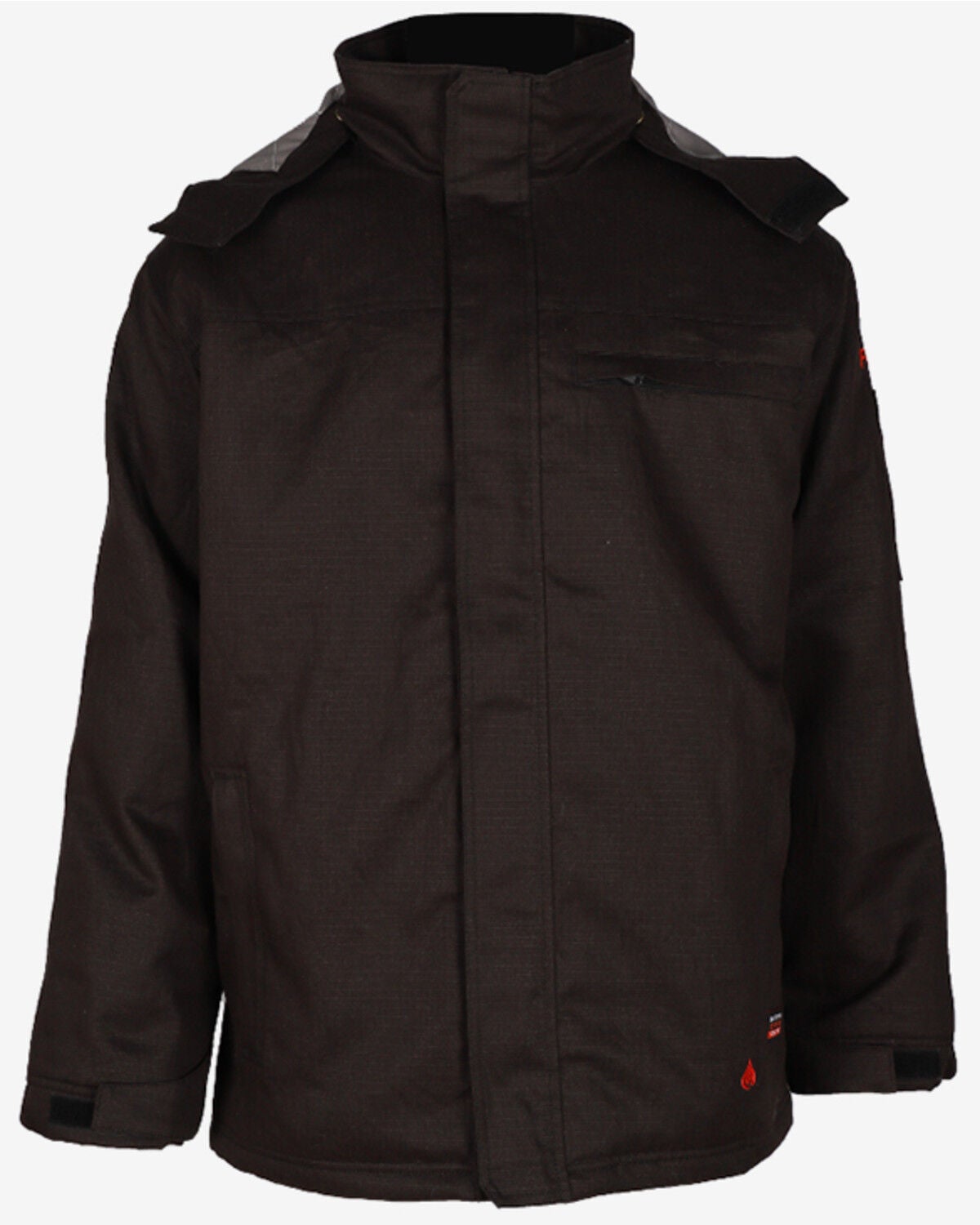
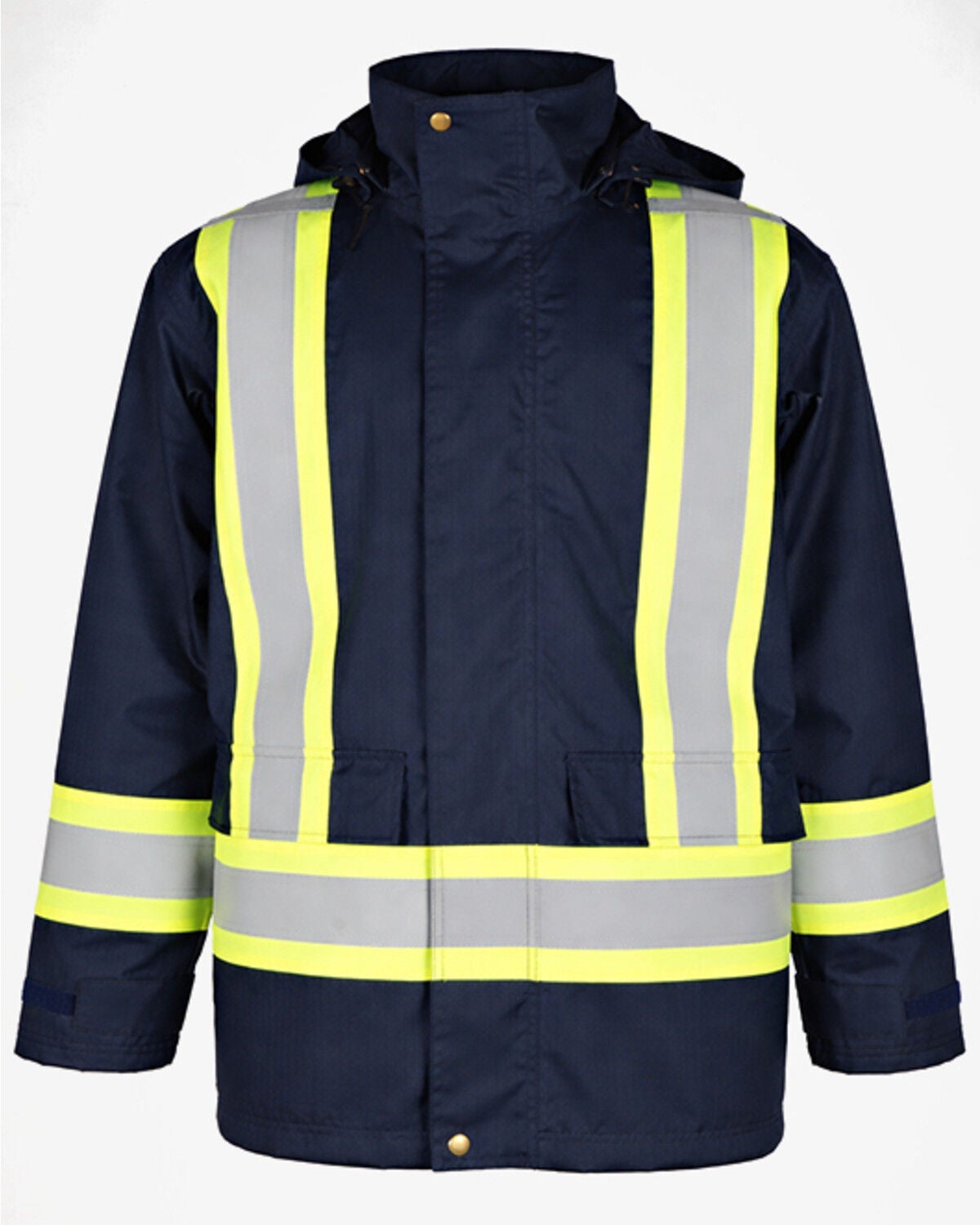
Fire Resistant Jackets
Find fire resistant jackets for your workday and layering needs. Browse flame-resistant outerwear, compare available fits and features, and review each product’s safety information to confirm it meets your workplace requirements.
(Turn off Shop Your Store to see all items)
Fire Resistant Jackets
Materials and construction determine how a fire resistant jacket feels through a full shift. Some fabrics use cotton or cotton blends treated for flame resistance. Others use fibers with flame-resistant properties built into their structure. Neither description, by itself, establishes the jacket’s protection level, service life, or suitability for a particular task. Testing, garment construction, and care requirements provide that information. Fabric weight also does not tell the whole story. A substantial shell may stand up well to repeated rubbing against tools or equipment, but weight alone is not an arc rating. Lighter materials can offer easier movement, provided they meet the required protection level. Seams, pocket edges, elbows, and front closures deserve attention because those areas see repeated stress. A jacket worn while reaching into a control cabinet needs room across the shoulders and upper back. One worn while climbing, crouching, or stepping into machinery needs enough length to maintain coverage without catching on surrounding equipment. Check the fit over the clothing required underneath, not just over a casual shirt. Reach forward, raise both arms, and bend at the waist. The hem should maintain appropriate overlap with the pants, and the sleeves should not pull far above the wrists. Excess fabric can create snagging concerns, while a tight fit can restrict movement and strain seams. A jacket should close fully without pulling across the chest or abdomen. Cuffs, collars, and front fasteners need to stay secured as directed for the garment to provide its intended coverage. Pocket placement matters when tools, a radio, or a harness are part of the workday, but convenience should never interfere with required protective equipment. Layering also requires care. An ordinary outer jacket can burn over protective clothing, and certain nonprotective fabrics underneath can melt during an exposure. Follow workplace requirements for every layer. When coordinating a jacket with Fire Resistant Denim, confirm that both garments meet the job’s requirements. Separate arc ratings cannot simply be added together to establish a layered system’s rating.
Consistent care helps preserve the protection and durability built into fire resistant jackets. Start with the sewn-in care label, including instructions for washing, drying, and any limits on cleaning products. Different fabrics and treatments can require different handling, so a routine that works for ordinary workwear may not be appropriate. Use the cleaning method specified by the manufacturer, and do not use bleach, fabric softener, starch, or other additives unless the instructions expressly allow them. These products can affect flame resistance or leave residues that change how a garment performs. Oil, grease, fuel, and other flammable contamination require particular attention. A jacket should not return to hazardous work with contamination that could burn, even if the fabric itself remains flame resistant. When normal cleaning does not remove the substance, follow the employer’s procedures and the garment manufacturer’s direction before wearing it again. Inspection is just as important as laundering. Look closely at worn cuffs, torn pocket corners, open seams, damaged fasteners, and areas rubbed thin by belts or equipment. A small opening can leave skin or an underlying layer exposed, and a closure that will not stay fastened can compromise coverage. Repairs should follow the manufacturer’s instructions and use appropriate materials; ordinary patches, thread, or replacement components may not preserve the garment’s protective performance. Labels should remain readable so the jacket’s ratings and care requirements can still be verified. Follow the manufacturer’s service-life guidance and workplace replacement rules rather than judging a jacket by appearance alone. Repeated wear, contamination, damage, and improper cleaning can all affect whether it remains suitable for use. Keep protective workwear away from fuel, solvents, and other contaminants during storage and transport. For workers who wear this clothing regularly, practical details make a difference: sleeves that allow a full reach, closures that work reliably, and pockets that remain accessible without disrupting coverage. Those features support daily use, but verified protection comes first. A well-fitted, properly maintained fire resistant jacket should meet the required hazard protection and let the wearer carry out the job without fighting the garment.
FAQs
Consider the pocket layout, front closure, collar style, and overall cut. Choose details that suit your daily routine and the way you prefer to dress.
Pair a fire-resistant jacket with jeans, a button-down shirt, and work boots for a straightforward workwear look. Keep colors simple for easy outfit combinations.
A jacket is an outer layer, while a work shirt is generally worn as a primary clothing layer. Compare individual garment descriptions for details on construction, lining, and closures.
Follow the jacket’s care label for washing and drying instructions. Check it before choosing detergent, water temperature, or a dryer setting, since care requirements vary by garment.
Store the jacket clean and fully dry in a dry closet or cabinet. Follow any storage directions on the garment label, and avoid packing it tightly if you want to limit wrinkles.
Top selling and popular products
Men's Carhartt Flannel Lined Loose Fit Firm Duck Active Jacket
A heavyweight brown cotton duck jacket with quilted-flannel lining, rib knit cuffs, and multiple pockets.
Men's Carhartt Washed Duck Sherpa Lined Hooded Work Jacket
A durable brown cotton duck work jacket featuring sherpa lining, rib knit cuffs, and multiple secure pockets.
Men's Dickies Insulated Eisenhower Work Jacket
A charcoal grey insulated work jacket with water-repellent, quick-dry fabric and adjustable waistband tabs.
Men's Carhartt Gilliam Work Jacket
A black nylon work jacket with water-repellent finish, quilted lining, and multiple secure pockets for functionality.
Men's Carhartt Washed Duck Sherpa Lined Hooded Work Jacket
A durable brown cotton duck work jacket with sherpa lining, rib knit storm cuffs, and ample storage pockets.
Men's Carhartt Washed Duck Sherpa-Lined Zip-Front Work Hooded Jacket -
A rugged brown cotton duck jacket with sherpa lining, zip front, and multiple secure pockets for warmth.
Men's Carhartt Washed Duck Sherpa Lined Hooded Work Jacket - Big & Tal
A rugged dark brown cotton duck work jacket with sherpa lining, storm cuffs, and multiple secure pockets.
Men's Carhartt Full Swing Armstrong Active Work Jacket
A durable pecan cotton duck work jacket with fleece lining, bi-swing back, and multiple secure pockets.
Men's Carhartt Dark Brown Washed Duck Sherpa Lined Work Coat
A rugged dark brown washed duck cotton work coat with sherpa lining and quilted nylon sleeves for warmth.
Men's Carhartt Rain Defender Thermal Lined Zip Hooded Work Sweatshirt
A black fleece zip hoodie with thermal lining, water-repellent finish, and secure hand warmer pockets.