Exotic Cowgirl Boots

Shop exotic cowgirl boots for a distinctive take on women’s western footwear. Compare the available styles, and check each pair’s material, fit, and care details to find boots that suit your wardrobe and how you plan to wear them.

Shop Your Store: Shop Your Store: Find a Store

(Turn off Shop Your Store to see all items)

(Turn off Shop Your Store to see all items)

close
  • Recommended
  • Lowest Price
  • Highest Price
Skip pass products

End of products

Exotic Cowgirl Boots

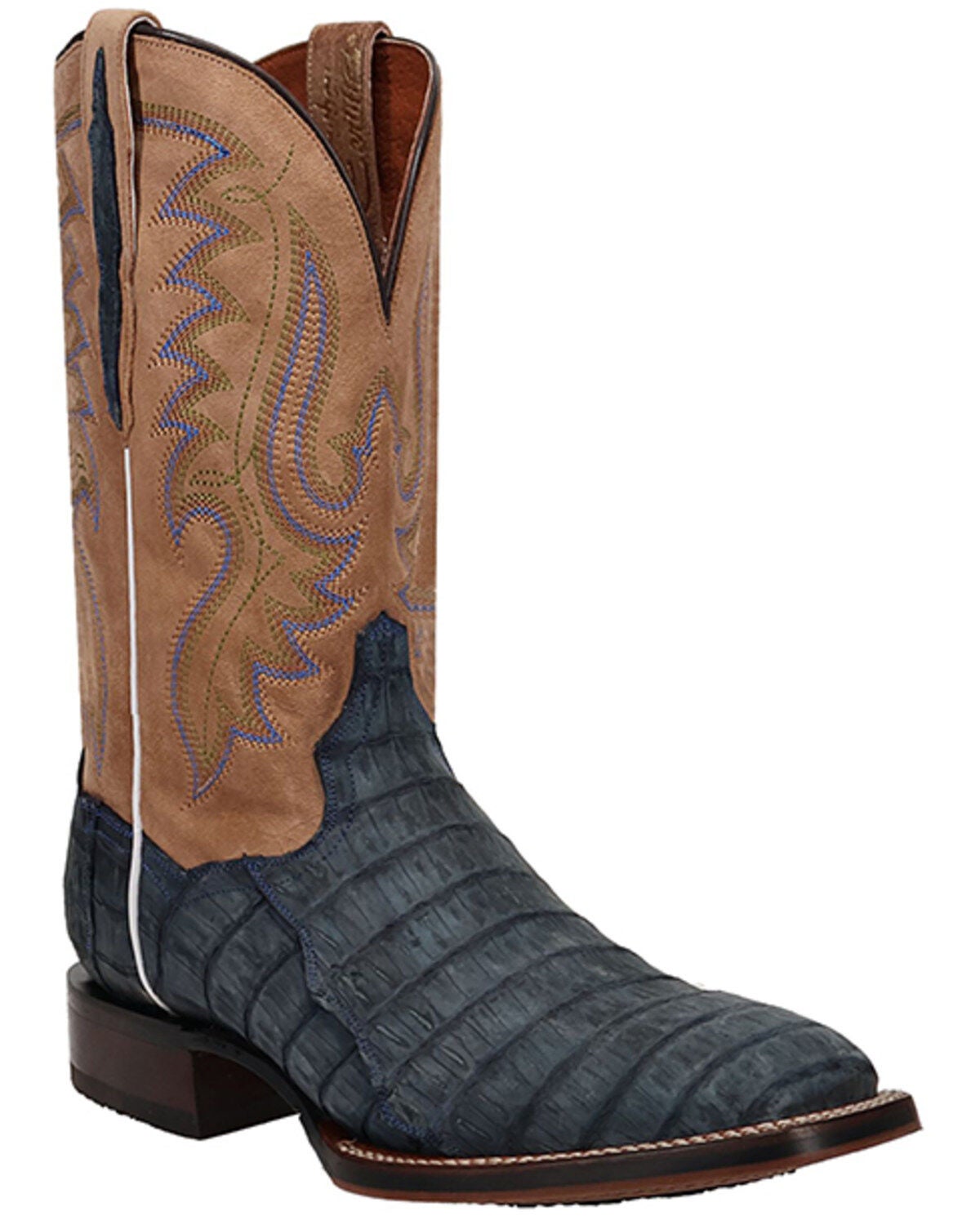
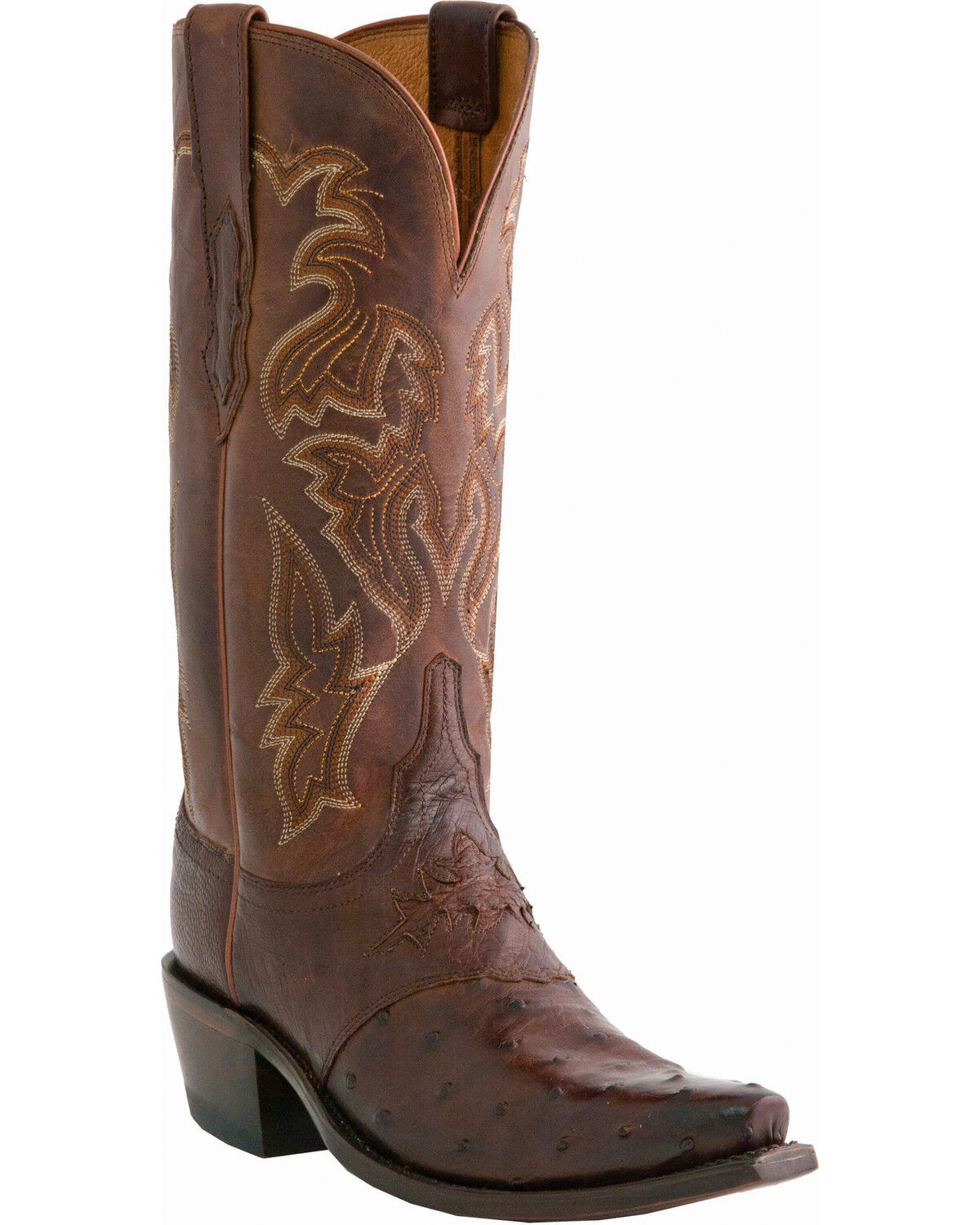
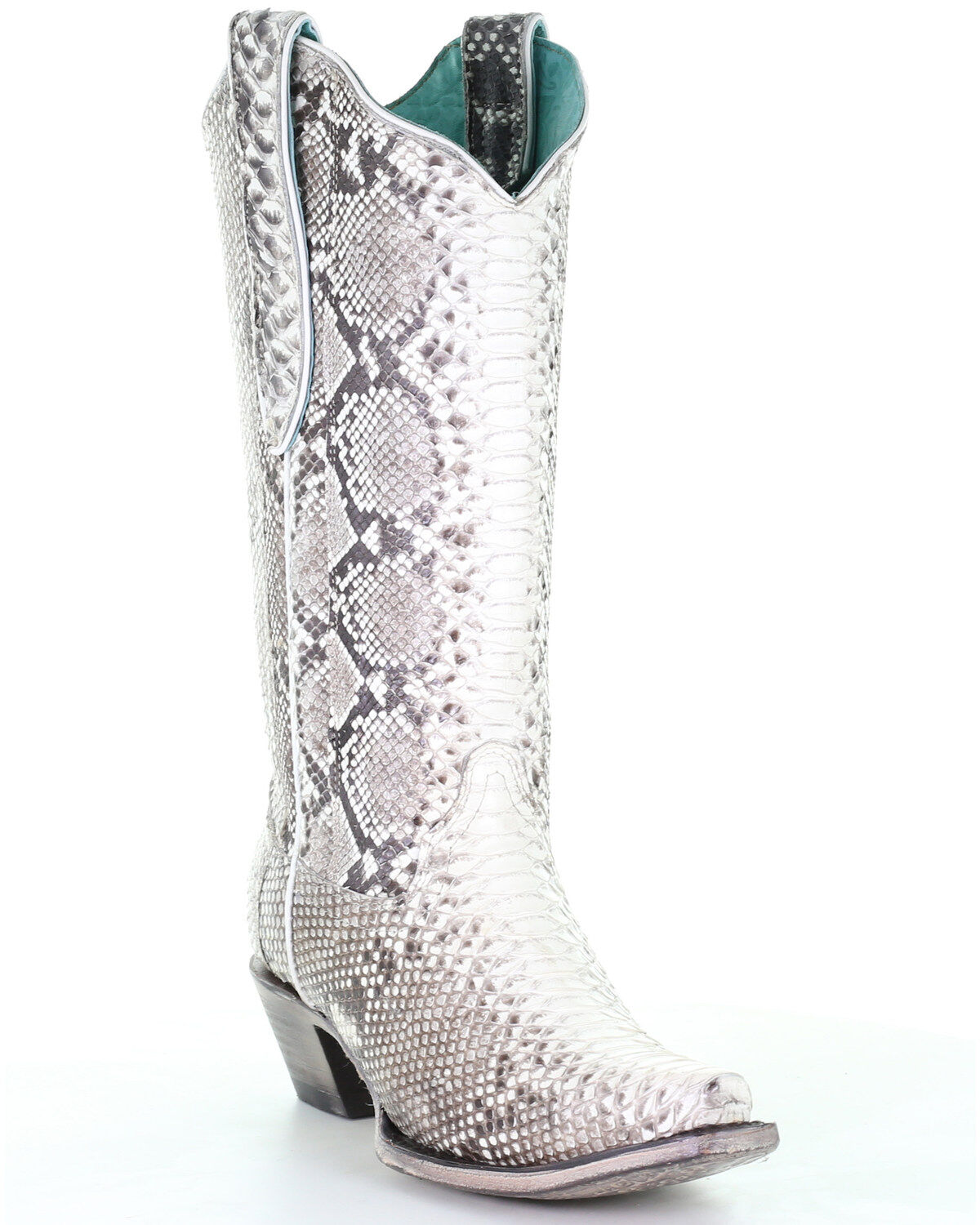
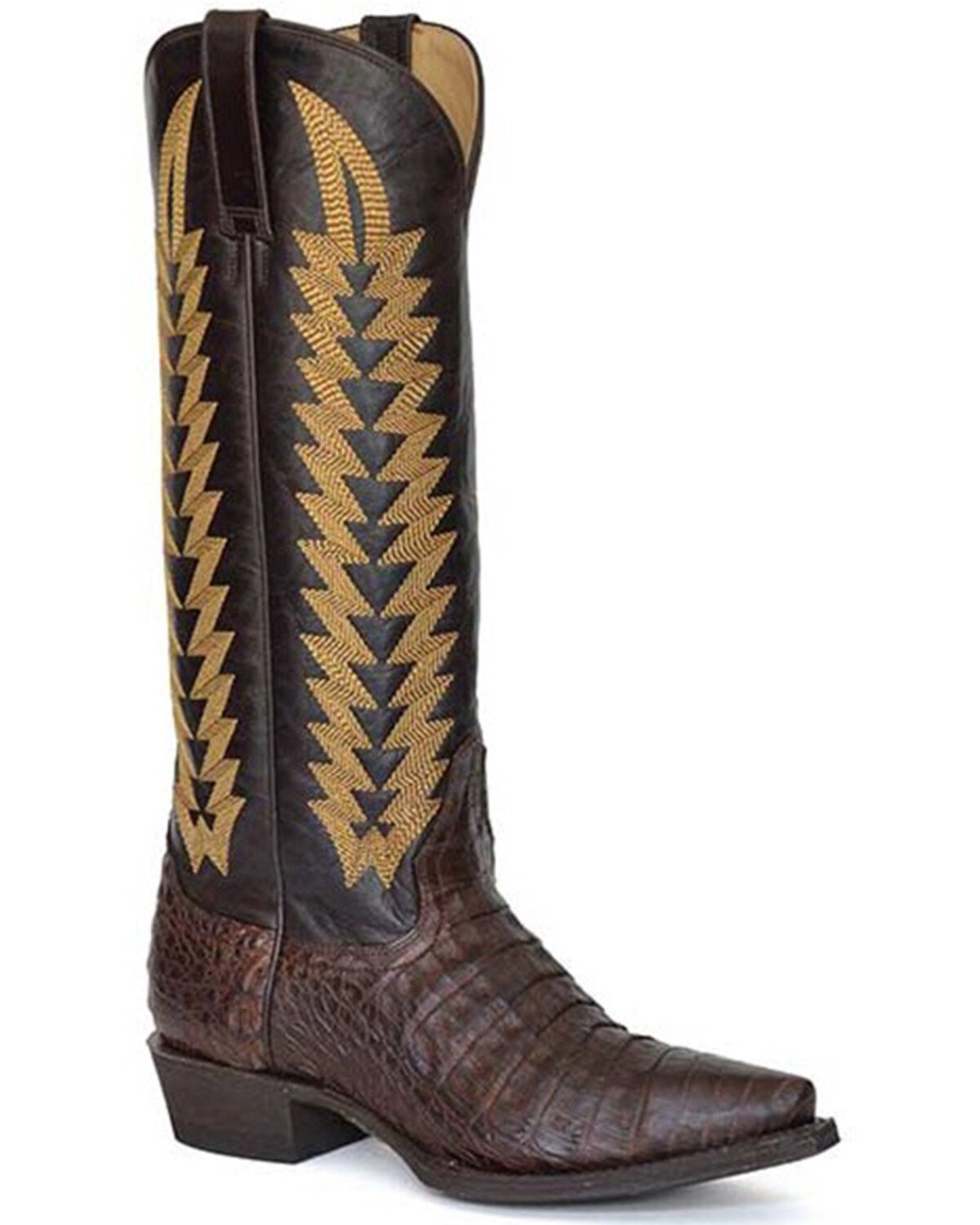
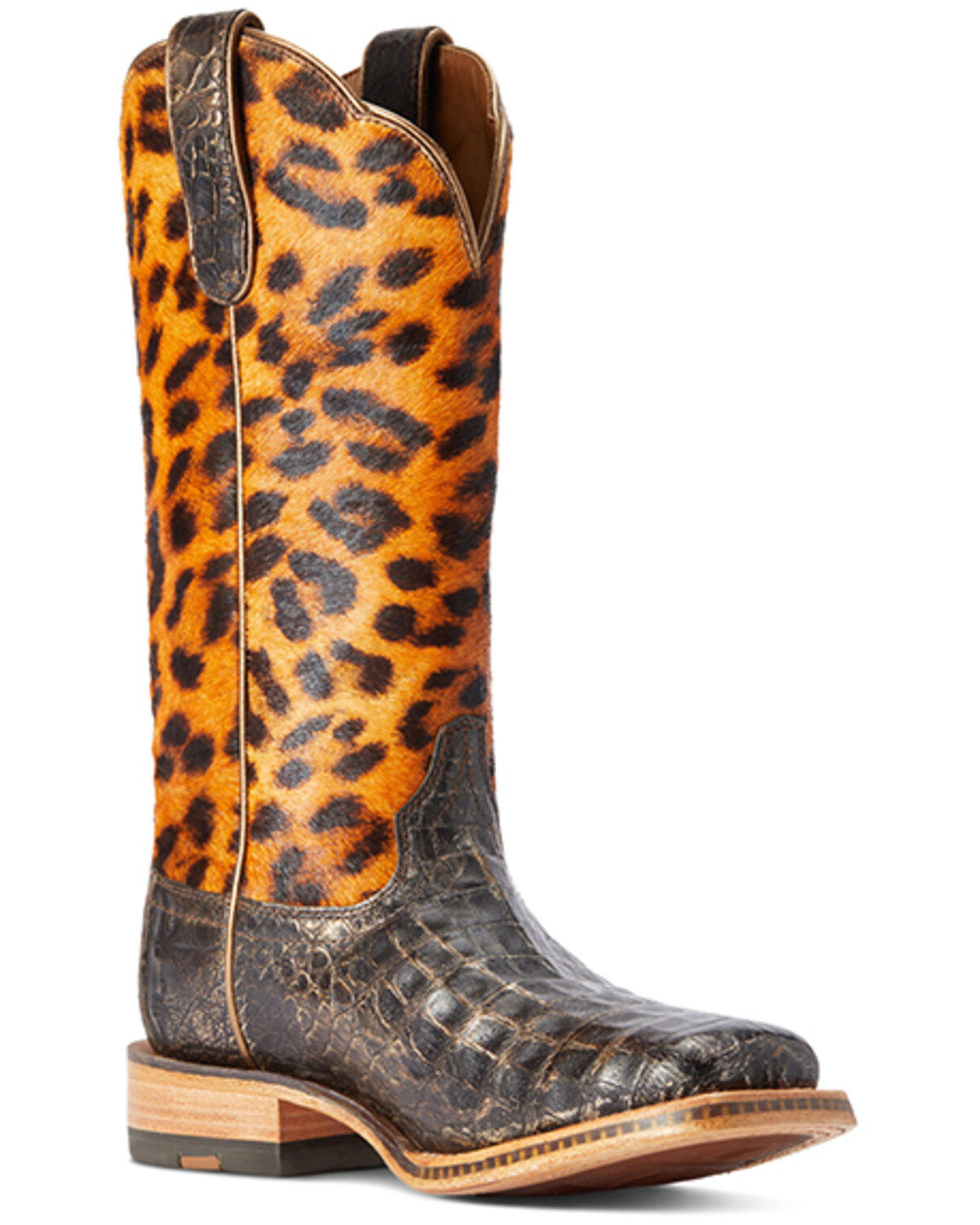
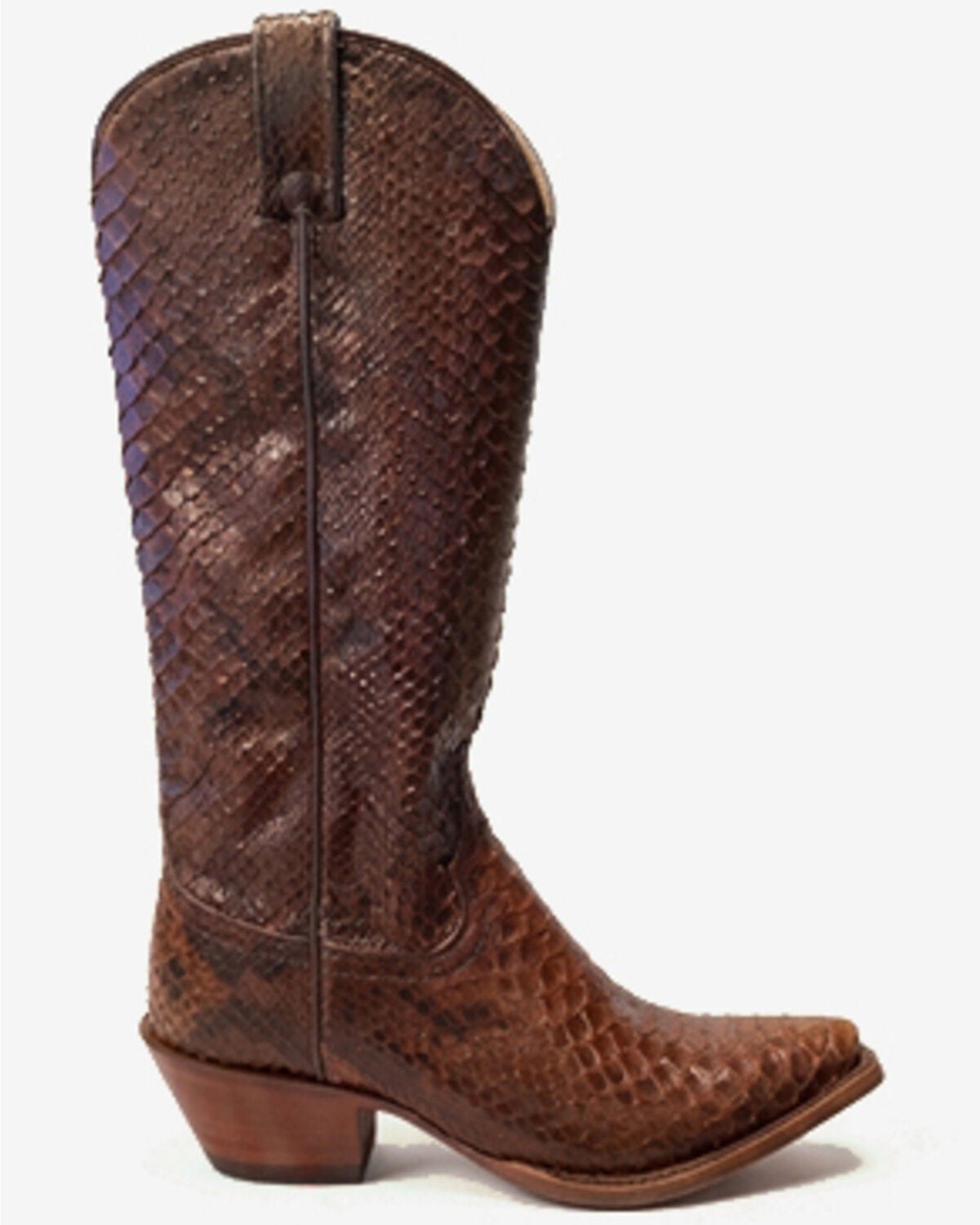
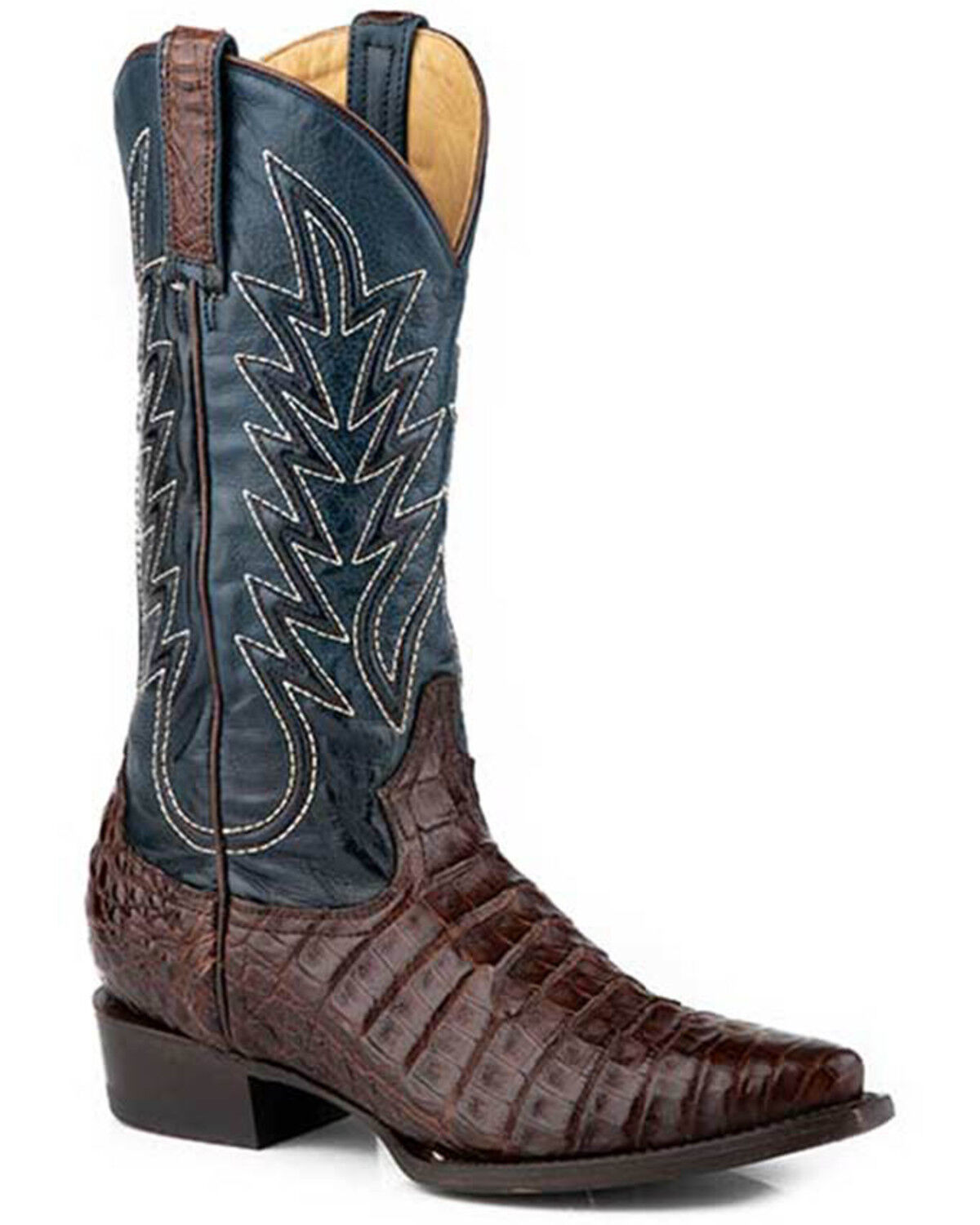
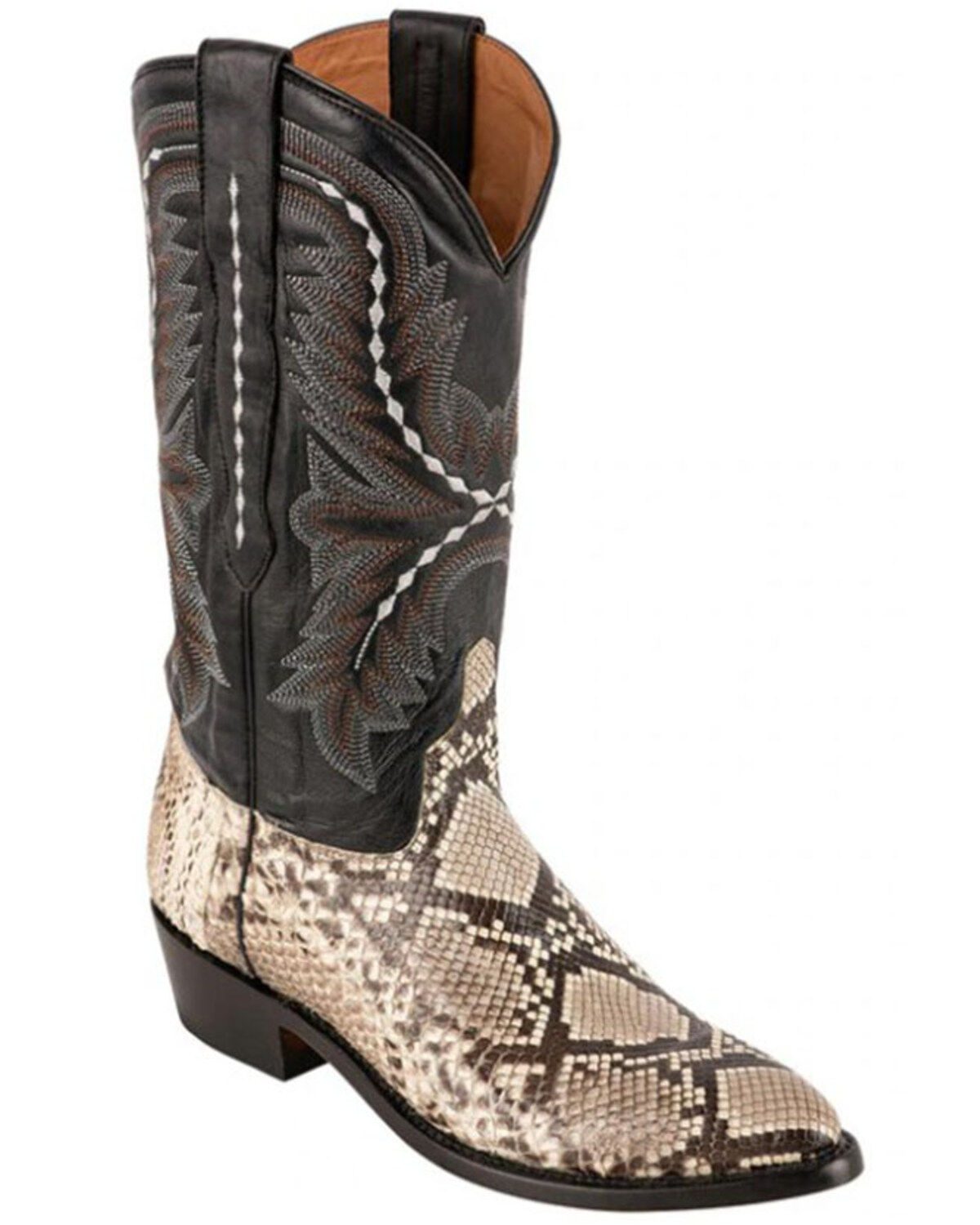
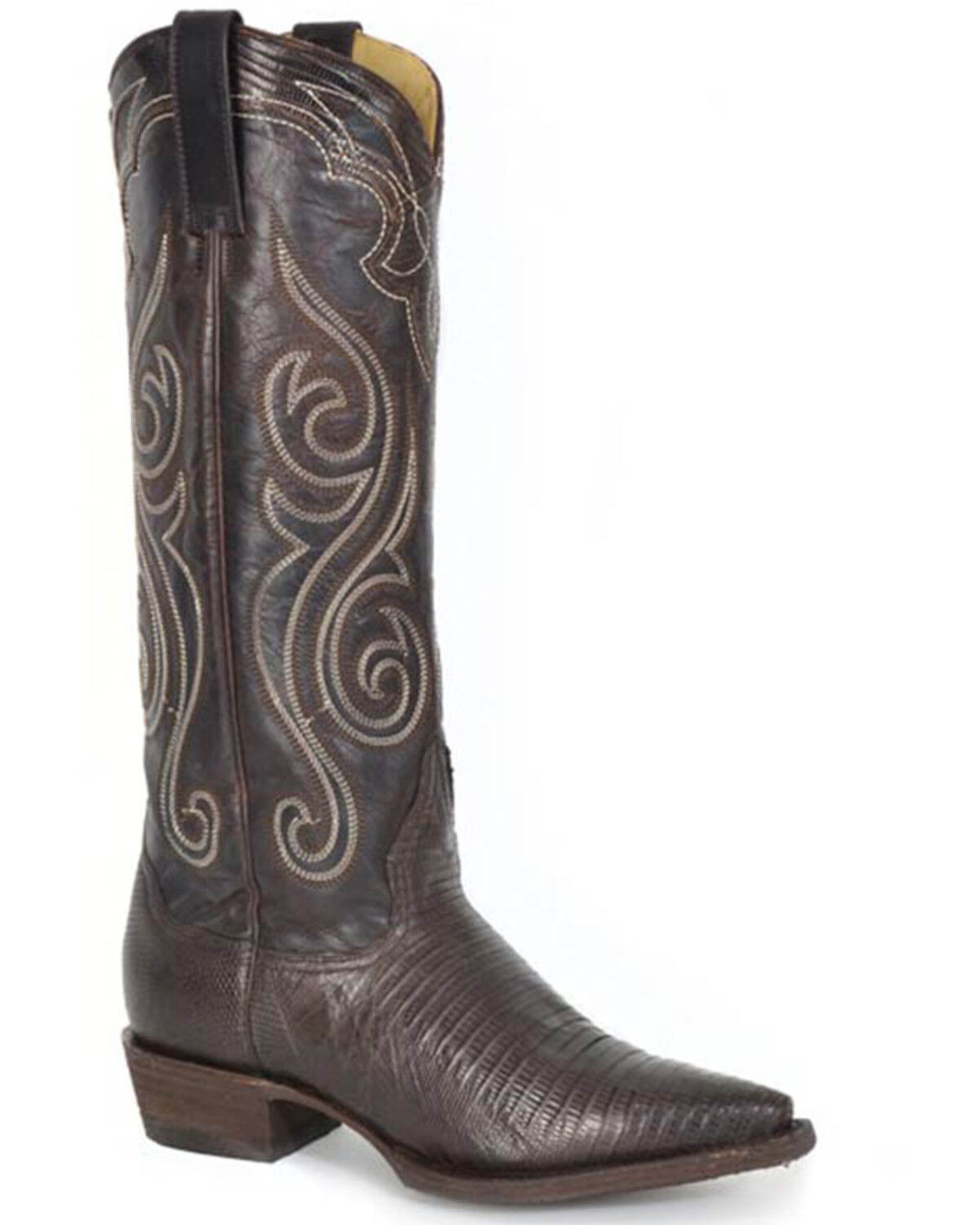
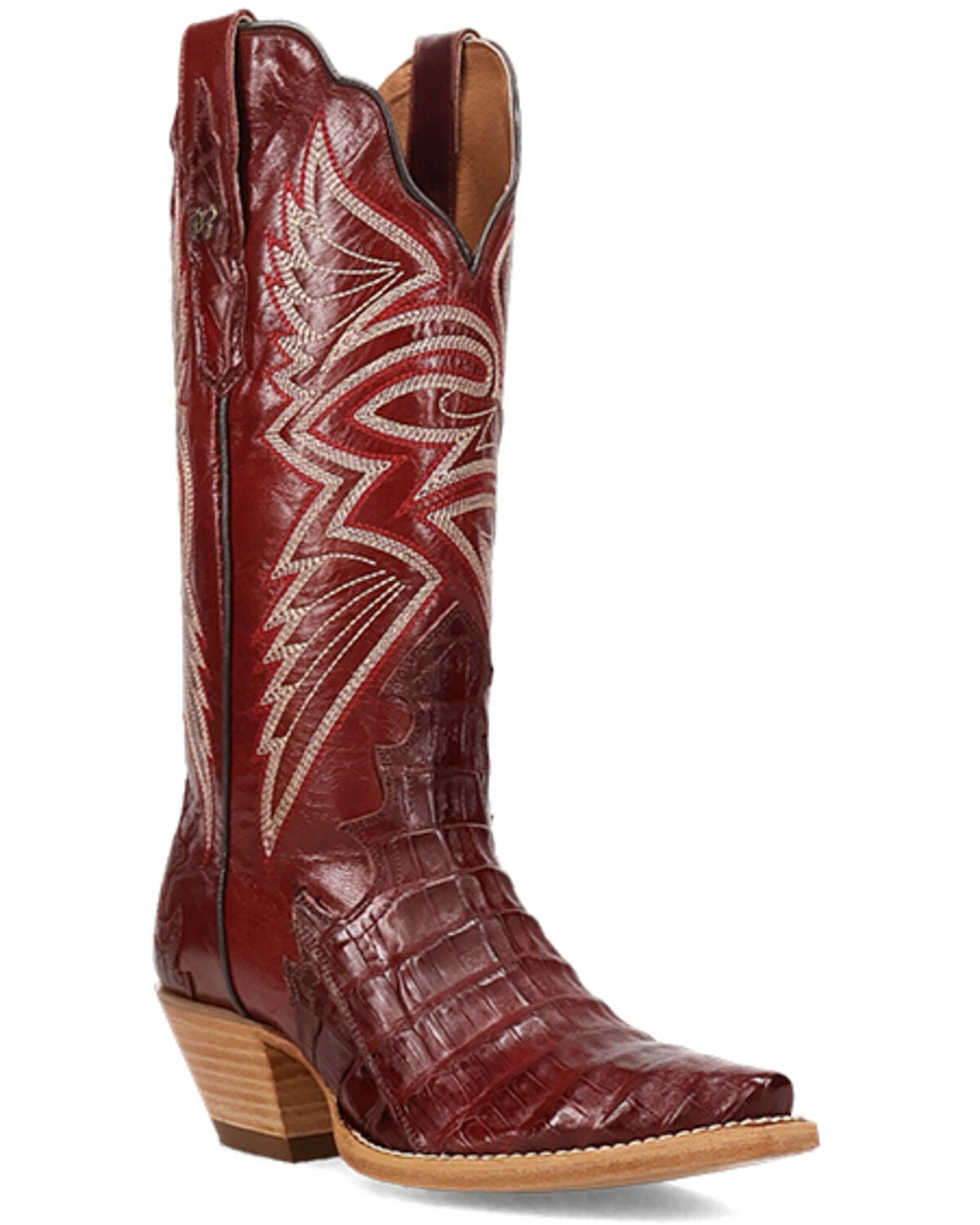
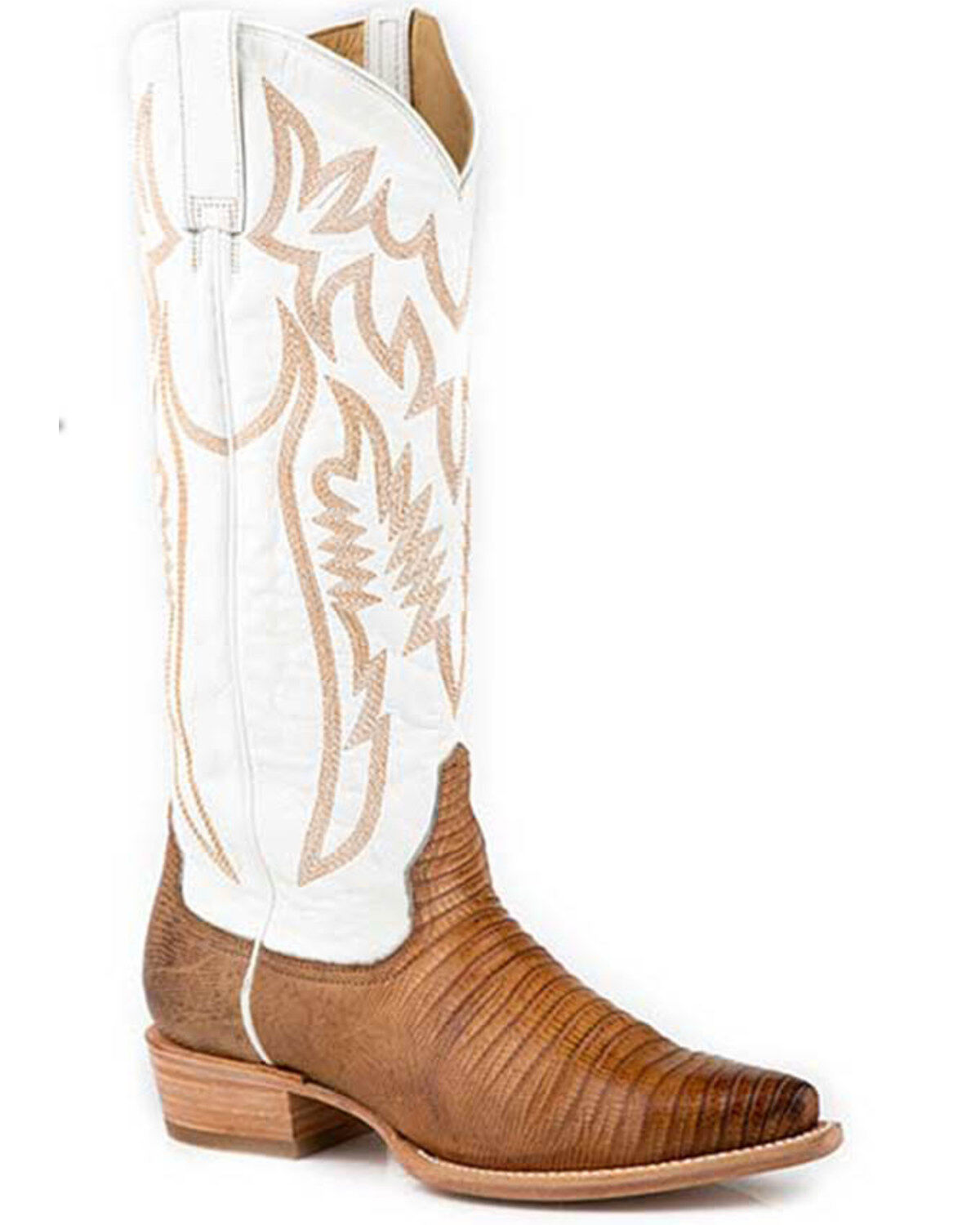
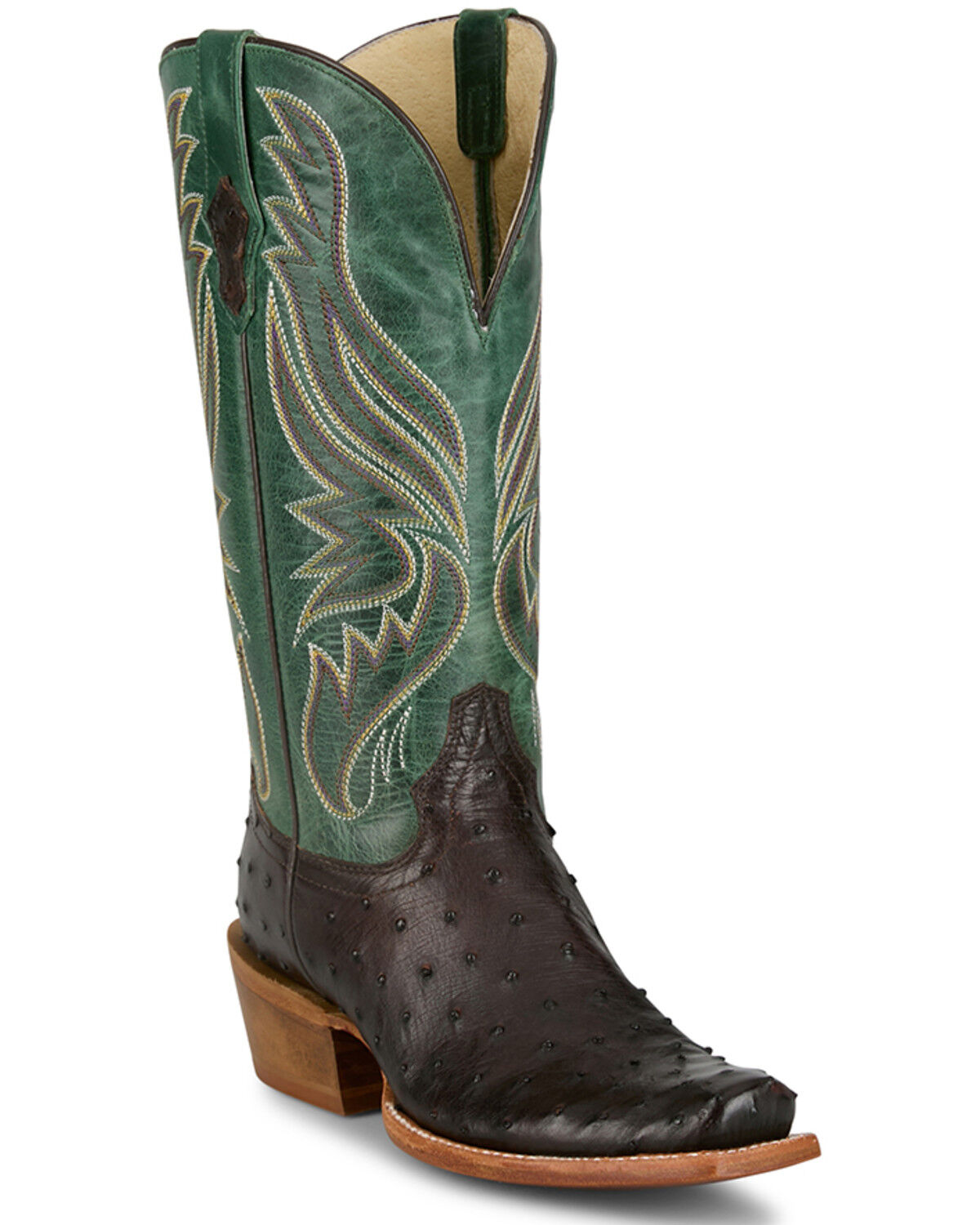
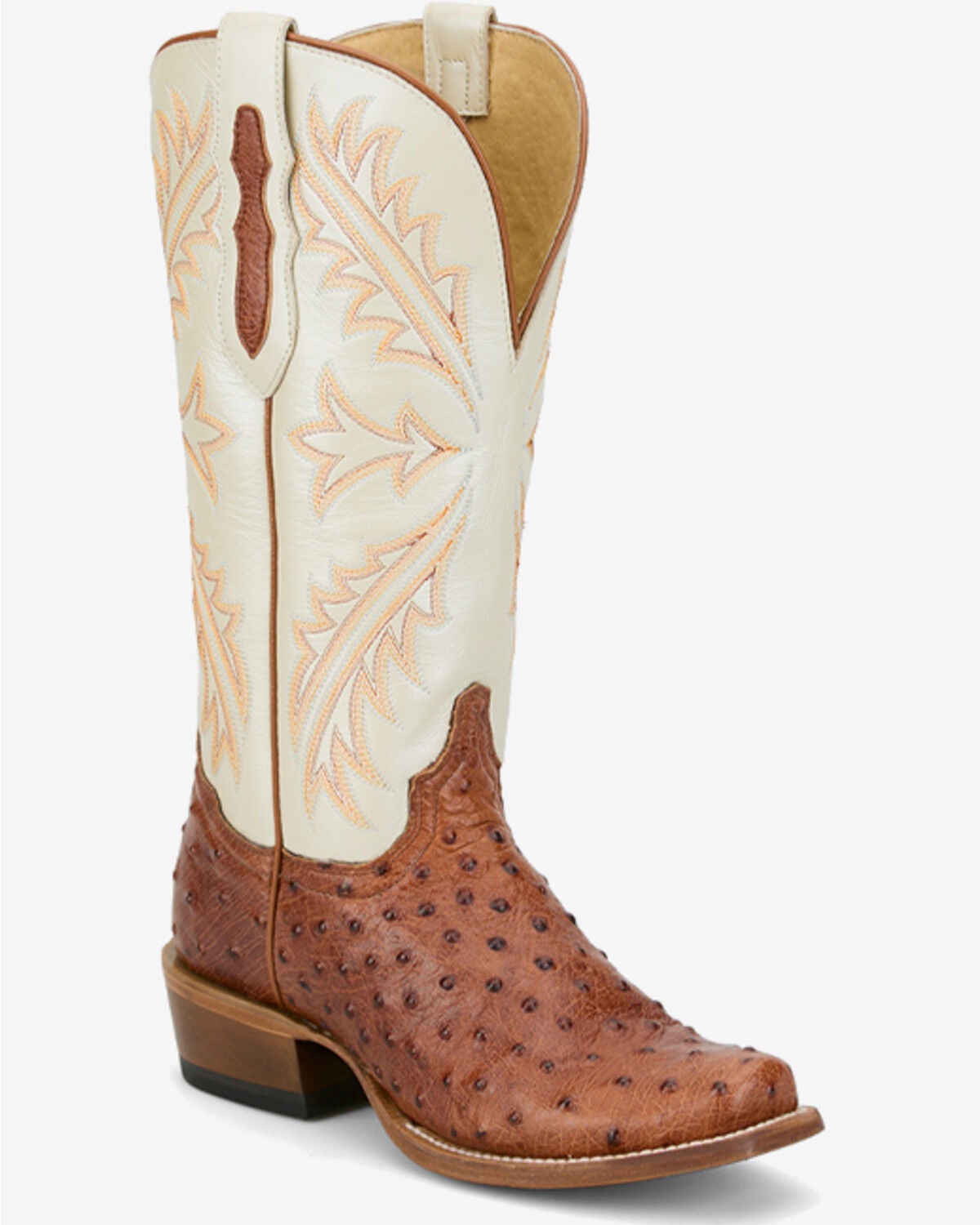
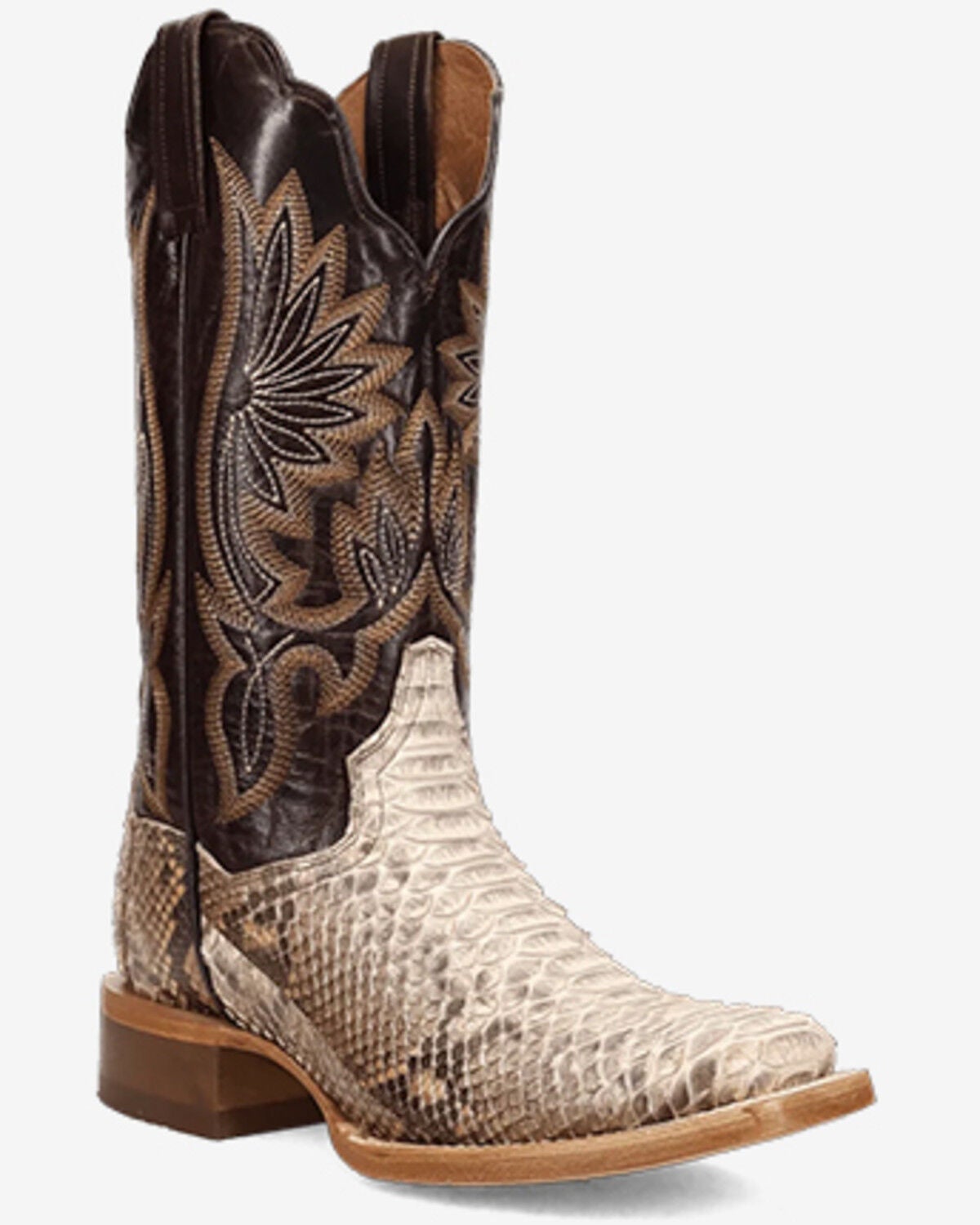
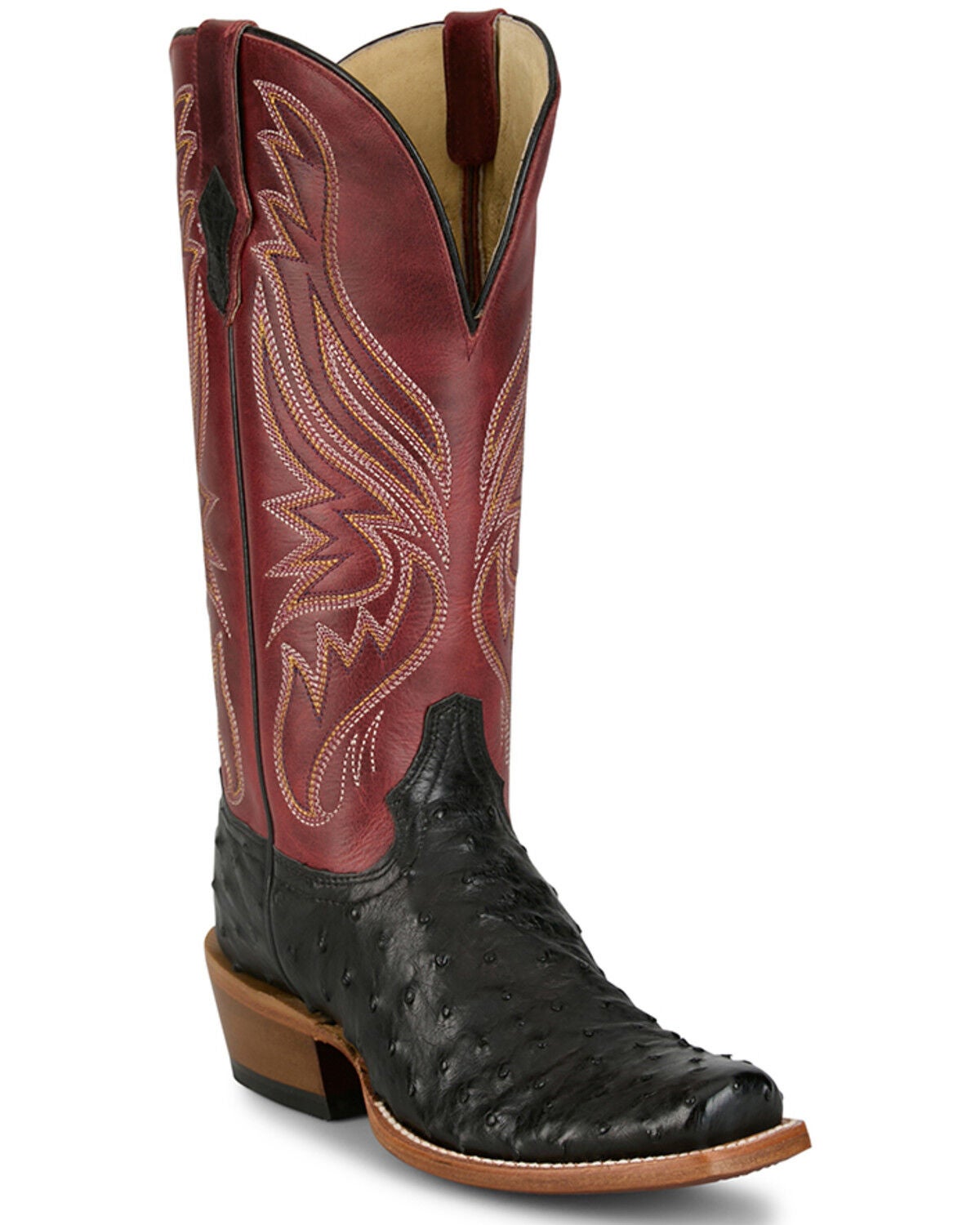
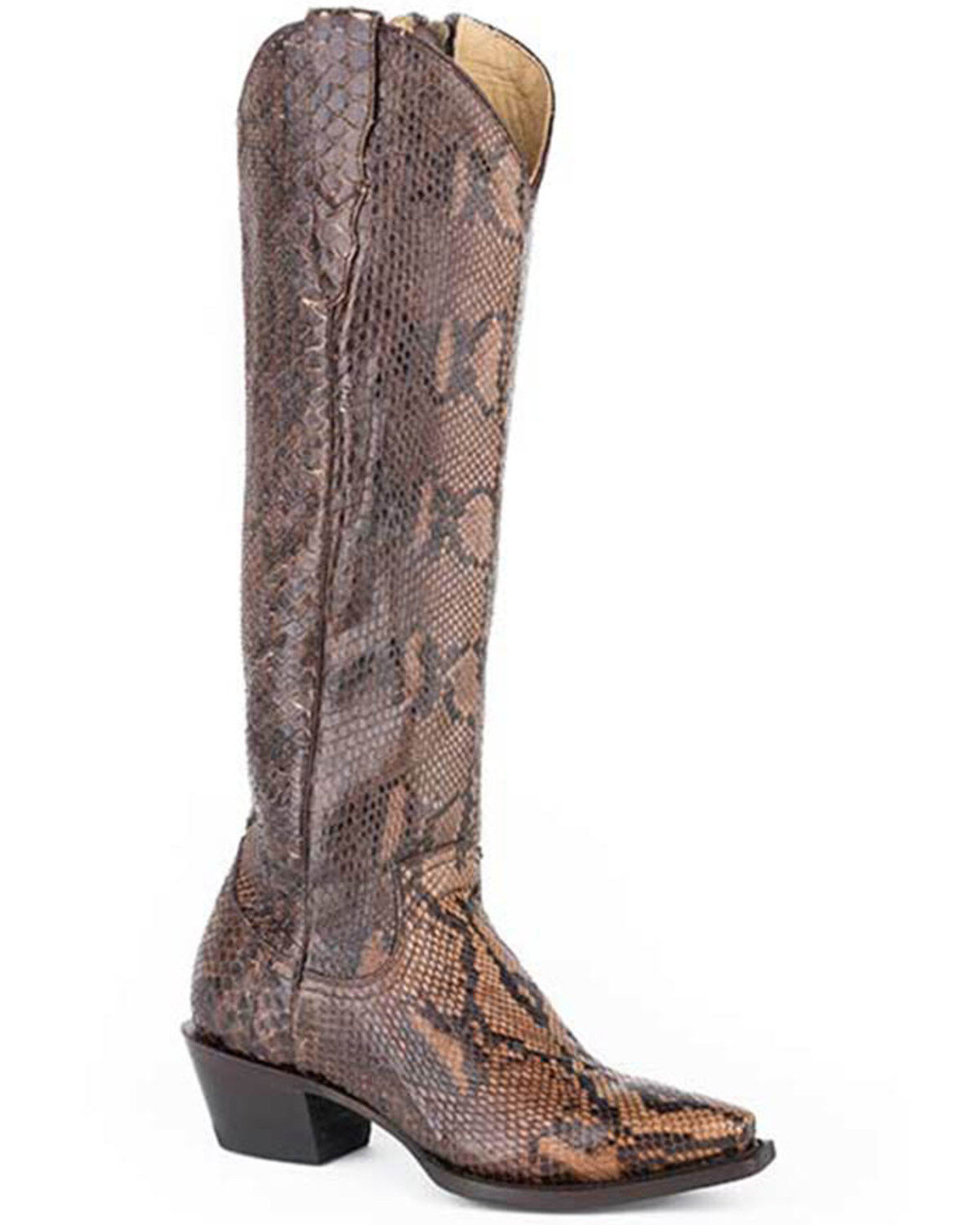
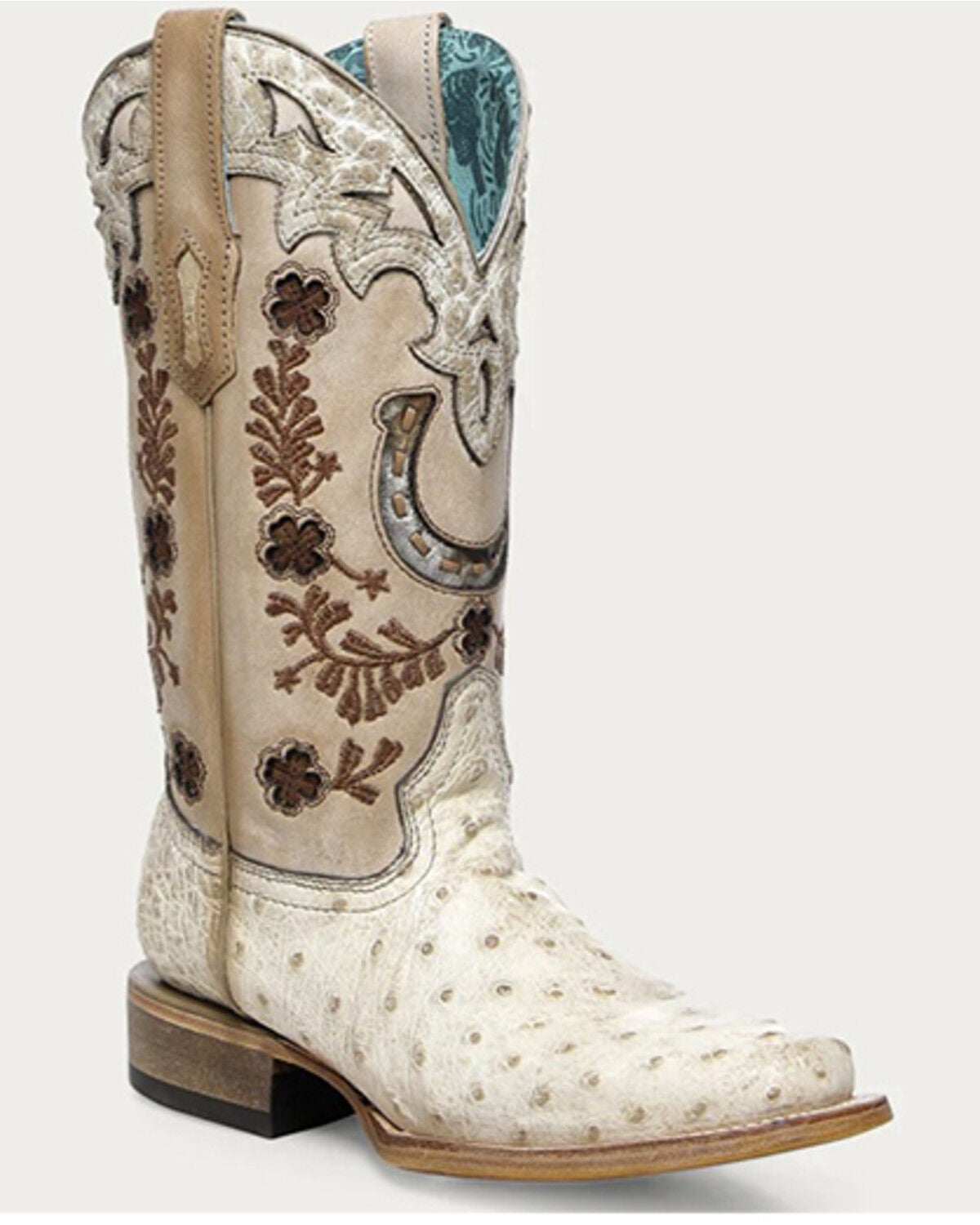
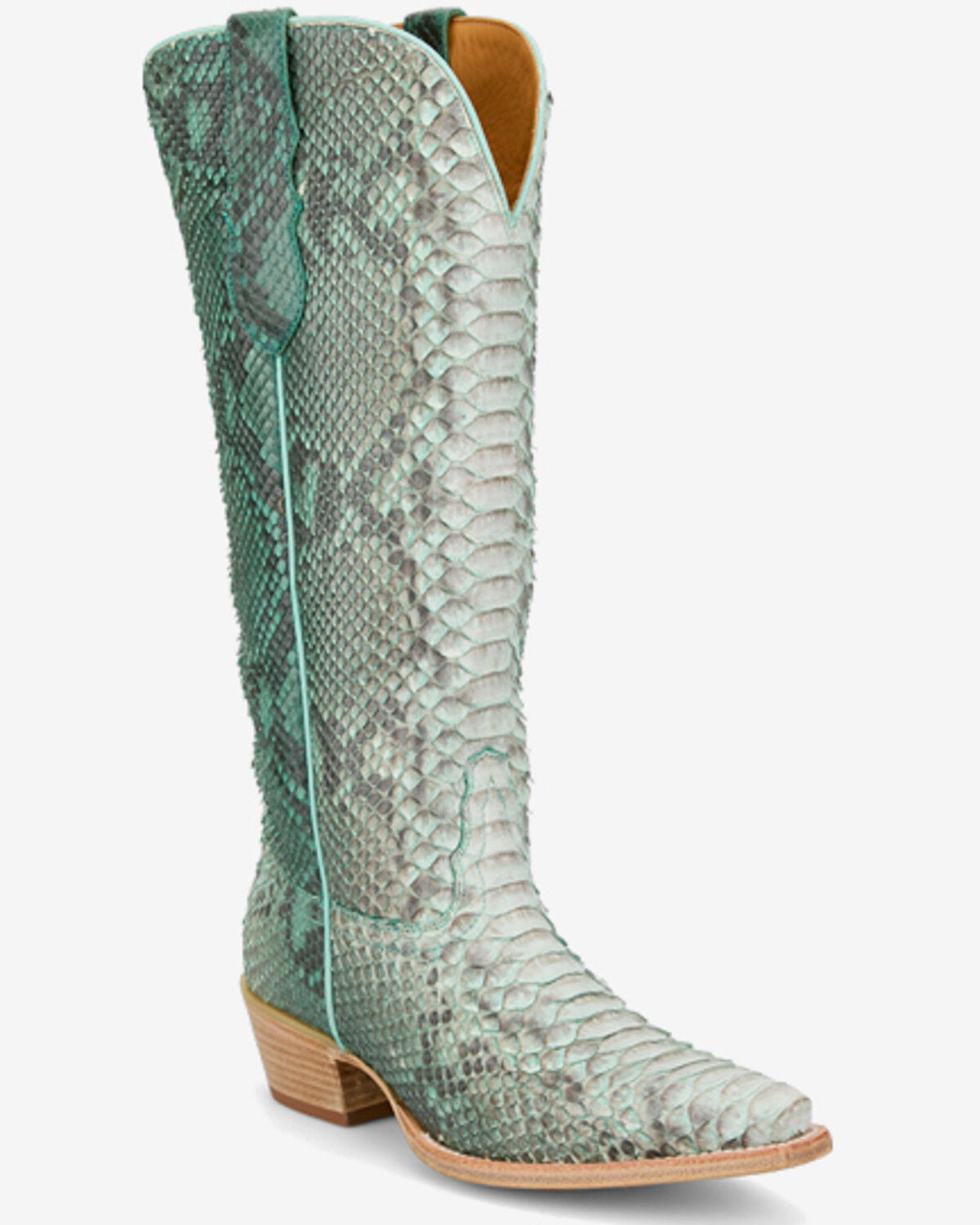
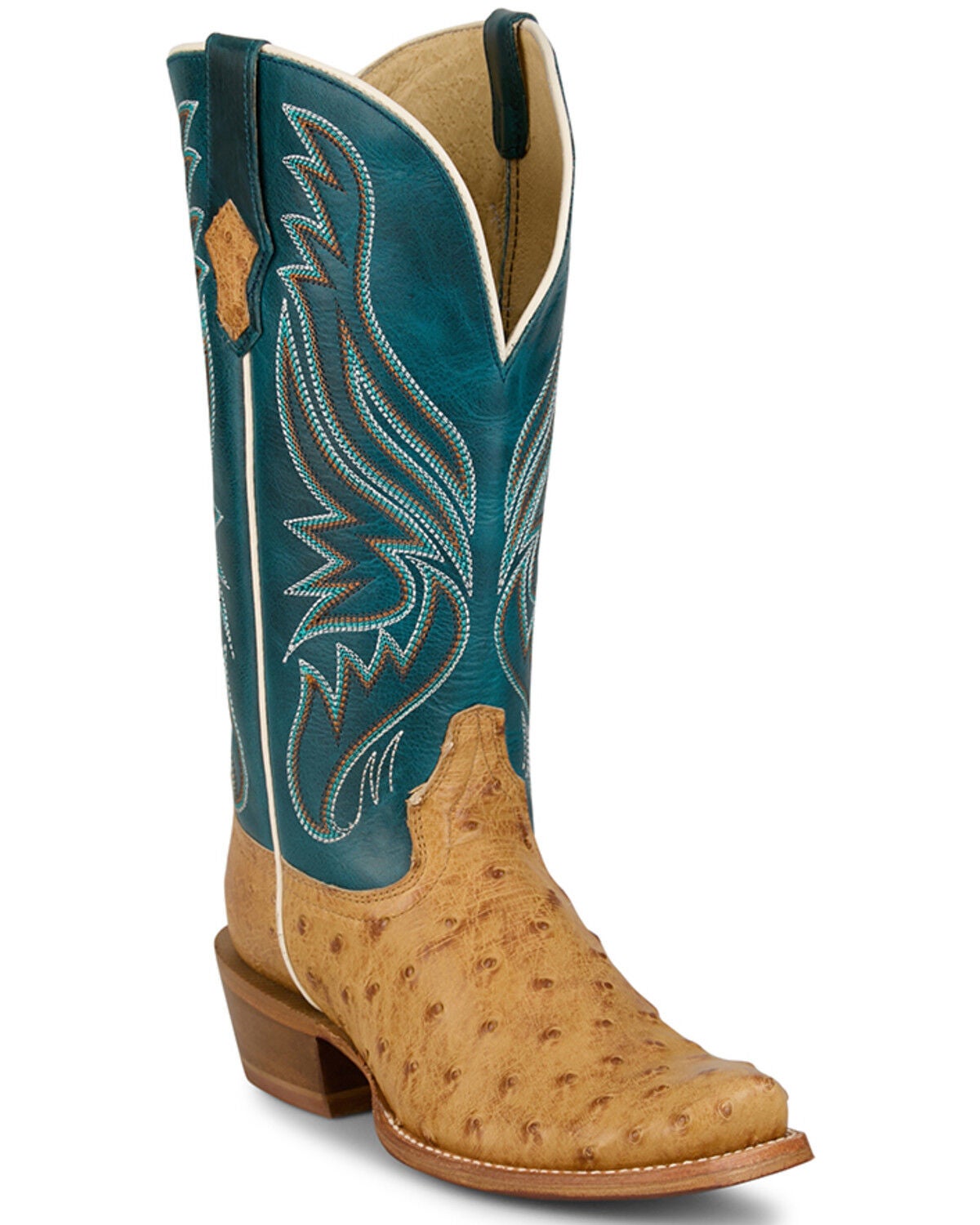
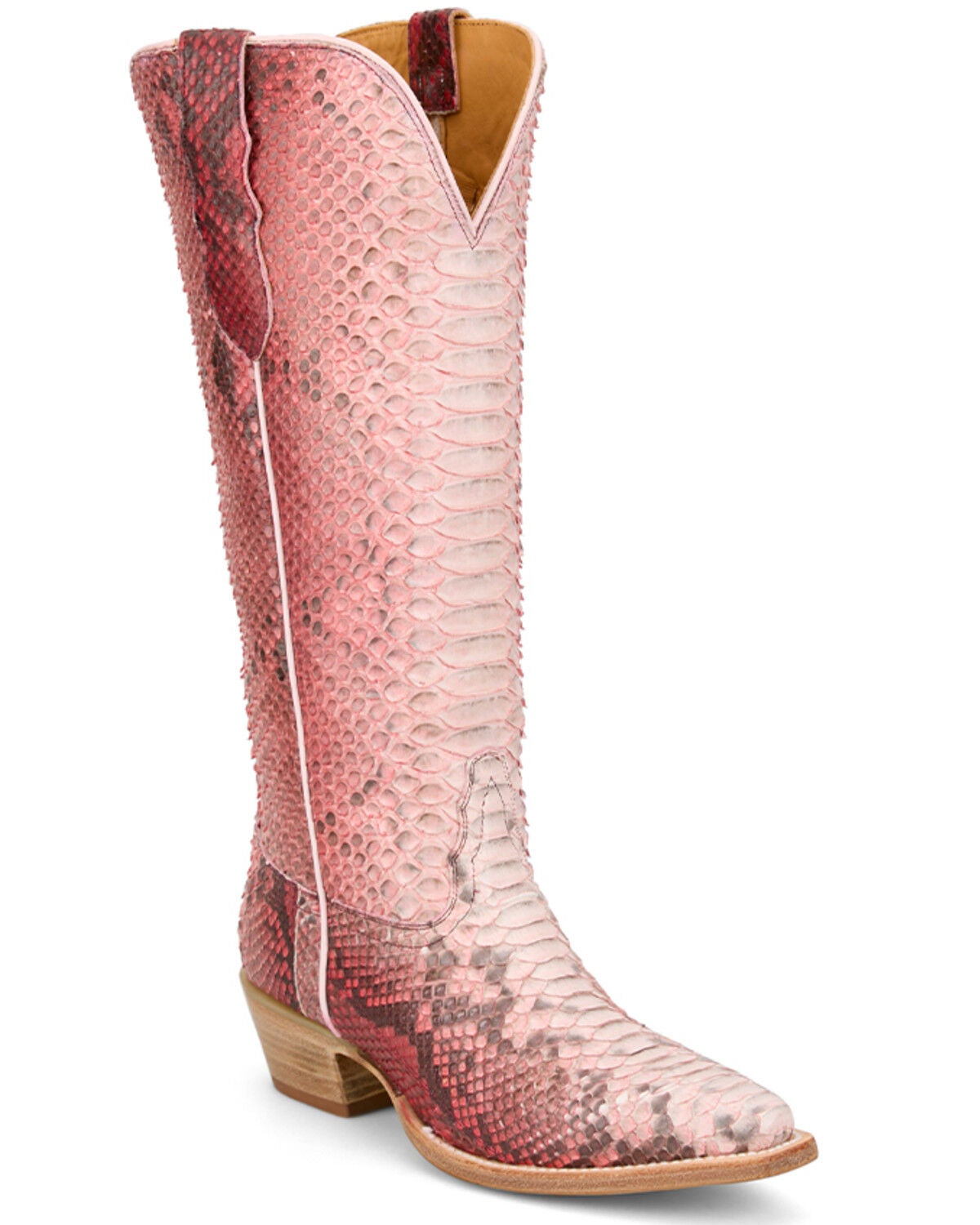
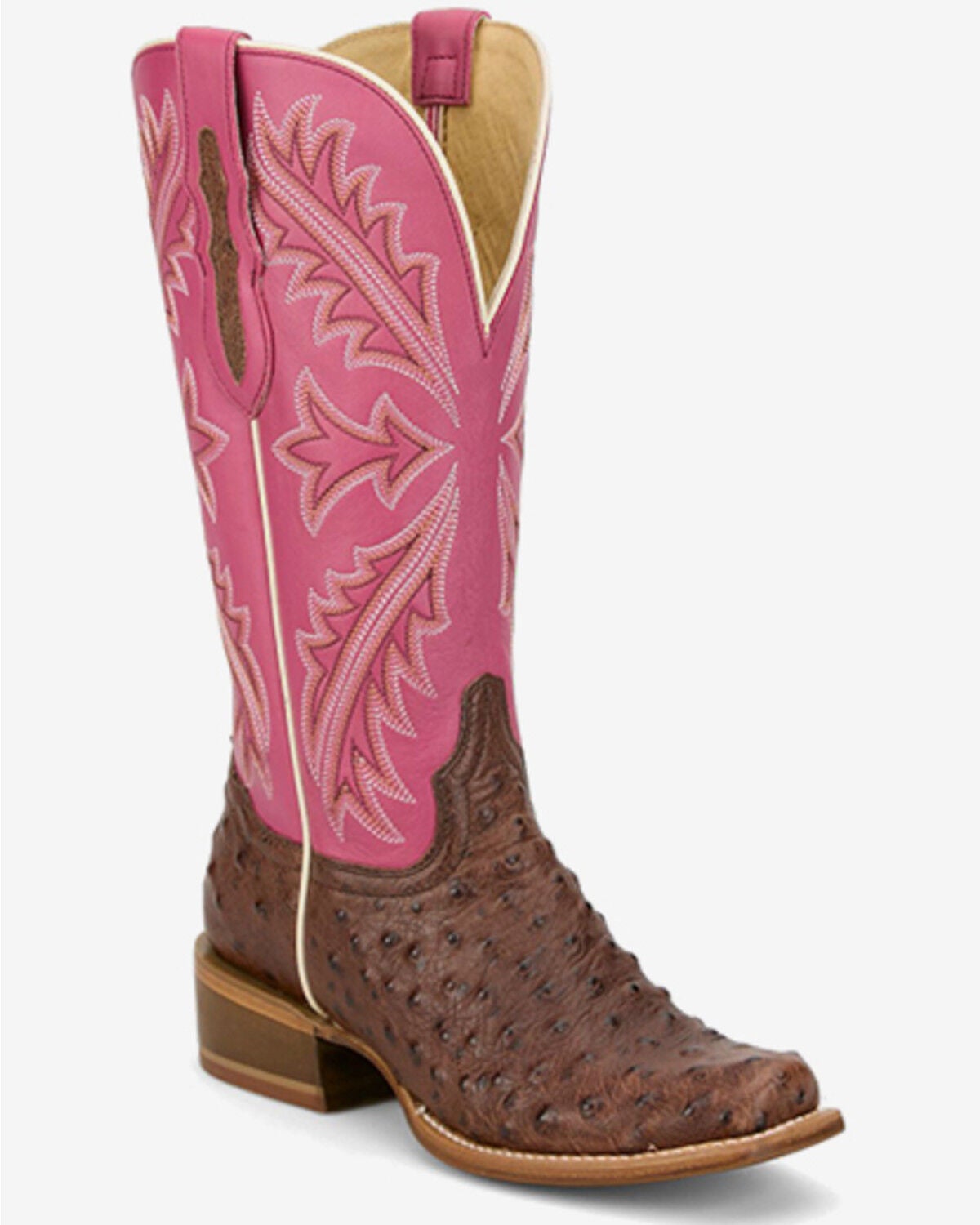
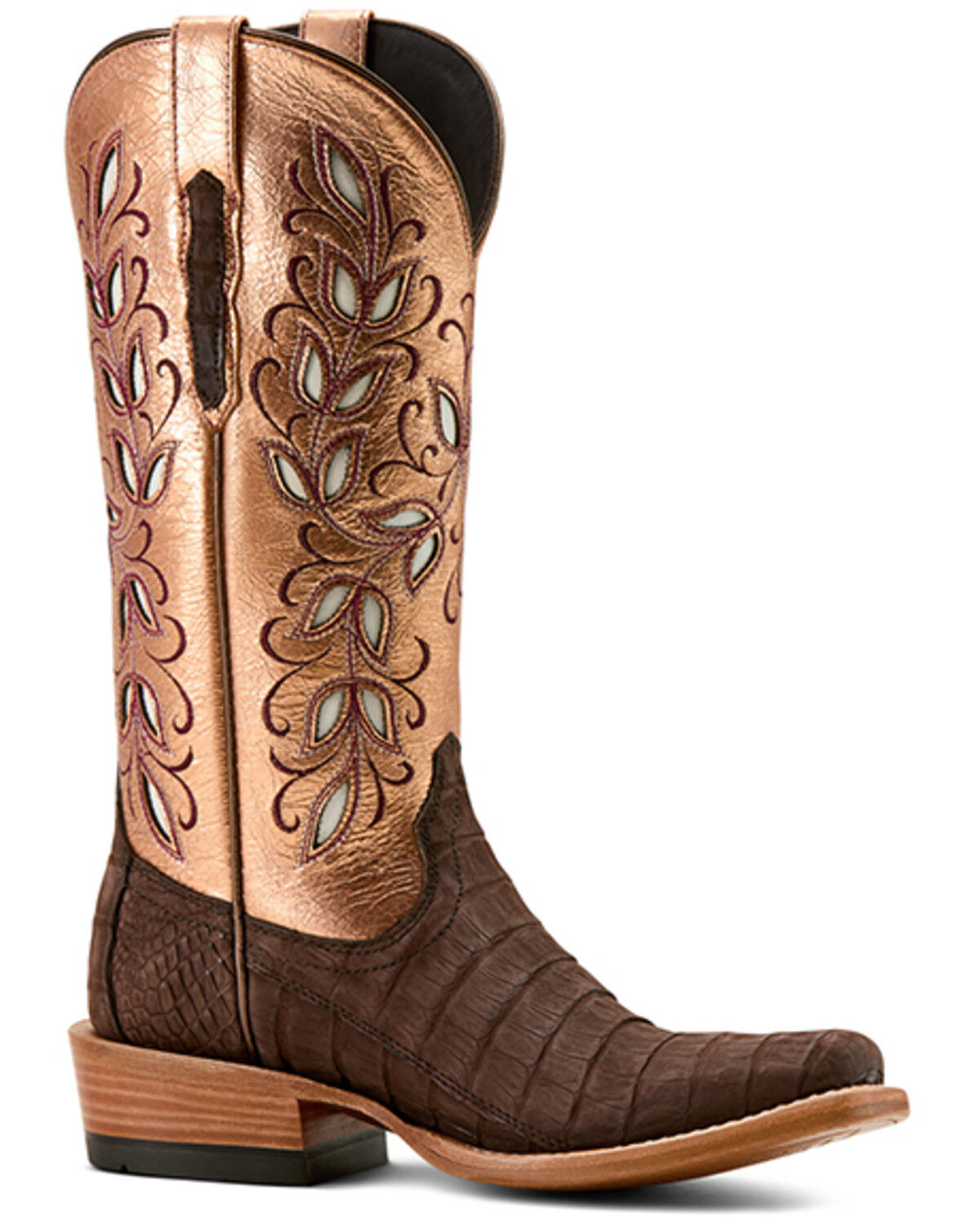
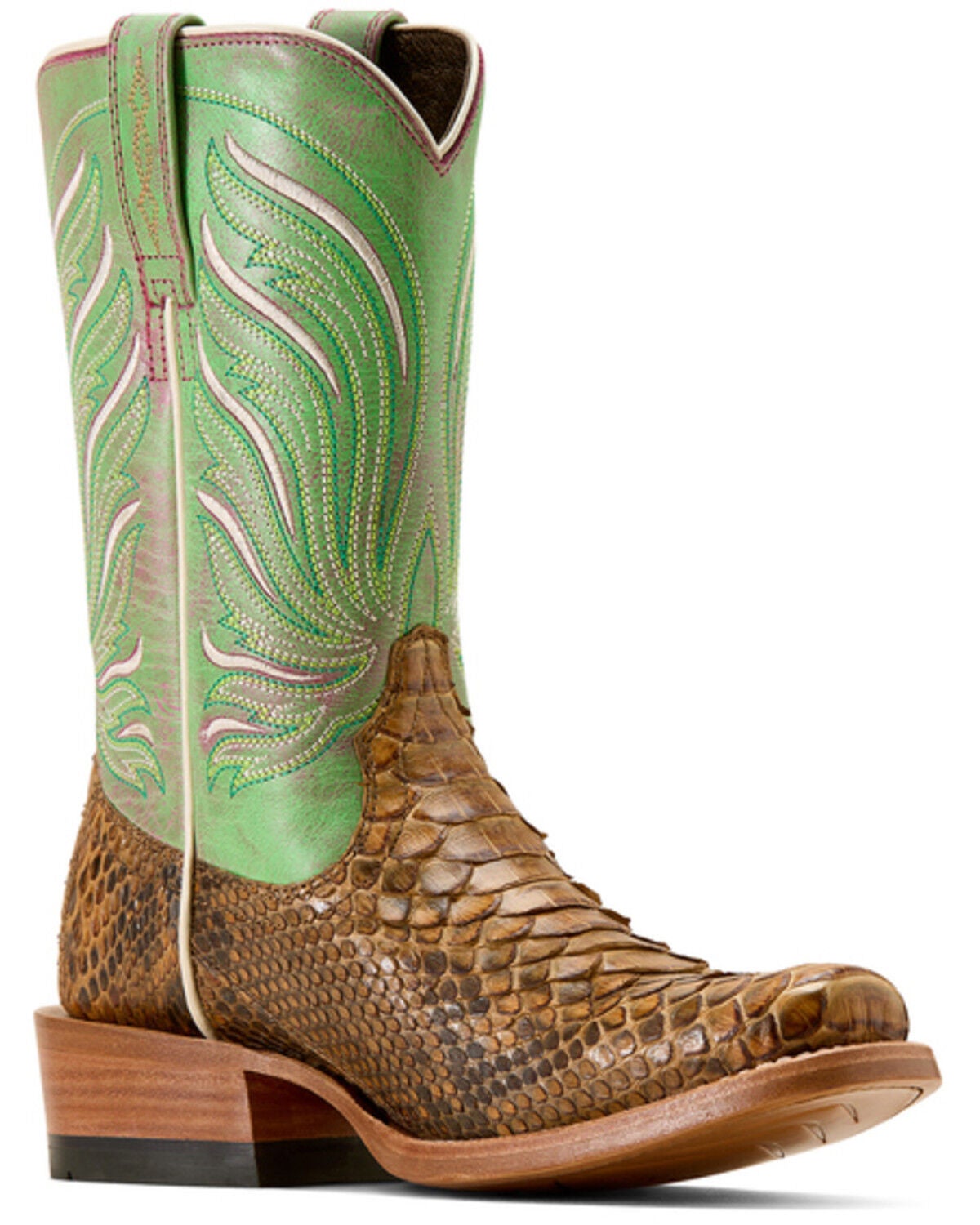
Exotic cowgirl boots are women’s western boots made with distinctive leathers such as ostrich, python, caiman, alligator, or lizard. Their appeal starts with the hide itself: raised quill marks, overlapping scales, or defined tile patterns that give the leather depth without relying on added decoration. Genuine exotic leather is different from cowhide embossed with an exotic pattern. Both can create a textured western look, but the material description matters because appearance alone does not always tell the full story. Full-quill ostrich has rounded bumps where feather follicles formed, creating a recognizable texture across the foot of the boot. Smooth ostrich comes from areas without those prominent quill marks and offers a more understated appearance. Ostrich leather is valued for its pliable feel, though the finished boot’s comfort also depends on its lining, construction, and fit. Python and other snakeskin leathers have overlapping scales and natural patterns that can remain visible beneath the finish. Their texture makes even a simple boot silhouette stand out. Caiman and alligator feature more defined sections across the hide, giving the foot a structured look; flexibility varies with the part of the hide used, its treatment, and the boot’s construction. Lizard leather generally has smaller scales, creating a finer pattern that works well with restrained stitching and clean lines. Natural markings and color variation are part of genuine exotic leather’s character, so a pair may have subtle differences rather than perfectly identical patterns. Many exotic western boots combine an exotic leather foot with a traditional leather shaft. That combination keeps the distinctive hide visible beneath jeans while leaving room for stitching, embroidery, or a plain shaft above it. Dye and finish also influence the effect. Dark, tonal finishes can make the texture more subtle, while contrasting colors bring out individual scales or quill marks. The result can be understated enough for regular wear or detailed enough to anchor an outfit for a wedding, an evening out, or a western event.

Fit deserves as much attention as leather when choosing exotic cowgirl boots. A pull-on western boot should hold the instep securely without squeezing it, leave room for the toes, and support the foot through a normal walking stride. Some heel movement can be normal in a new pair before the sole becomes more flexible, but repeated rubbing, excessive lifting, or a foot that slides forward points to a fit problem. Break-in should soften the boot’s movement, not serve as a solution for painful pressure. Exotic leather does not stretch uniformly, and a firm or scaled hide should not be expected to become a different size through wear. Toe shape affects both appearance and the space inside the boot. Square toes offer a broad-looking profile, round toes keep a traditional shape, and snip toes create a narrower visual line. A pointed silhouette does not necessarily mean the toes should reach the tip; the foot needs to sit in the intended position behind it. Width, instep height, and the shape of the boot’s last matter more than the toe name alone. Trying boots with the socks intended for regular wear gives a more useful sense of fit. Walking, turning, and standing in them can reveal pressure that is easy to miss while seated. Shaft height and circumference matter, too, especially when boots will be worn with skirts or fitted jeans. The shaft should allow comfortable movement without digging into the calf. Heel height, cushioning, arch support, and outsole construction influence how a pair feels over several hours. Leather soles offer a traditional finish, while rubber outsoles can provide a different balance of flexibility, cushioning, and traction. Grip depends on the outsole and the walking surface, not simply whether the boot has a western shape. Exotic leather can wear well with suitable care, but prominent scales and textured sections need protection from repeated scraping. These boots suit everyday outfits and dressed-up occasions; an exotic leather upper alone does not provide the protective features required for demanding work.

The texture that makes exotic leather distinctive also shapes its care needs. Dust can settle around ostrich quill marks, between small lizard scales, and along the edges of snakeskin scales. A soft cloth or a gentle brush appropriate for the material helps remove that buildup without rough handling. For scaled leather, cleaning in the direction the scales lie reduces the chance of catching and lifting their edges. Care products should be intended for the exact leather and finish, since a conditioner suitable for ordinary cowhide may darken, stain, or otherwise affect an exotic hide. Heavy oils, harsh cleaners, and excessive product can change the appearance rather than improve it. A small test in a less visible area helps show how the finish responds before treating the entire foot. Manufacturer care directions take priority, particularly for painted, metallic, or other specialty finishes. If moisture reaches the boots, letting them dry naturally away from direct heat helps protect both the leather and the construction. Storage matters between wears: boots keep their shape better when the shafts are supported and the leather is not crushed against other footwear. Time to air out between wears also helps manage moisture inside the boot. Outsole edges, heel caps, and stitching deserve attention alongside the upper, since worn components can affect comfort and shorten the useful life of an otherwise well-kept pair. In an outfit, exotic cowgirl boots often need little competition. Bootcut jeans show the foot and toe while covering much of the shaft; a skirt or dress brings the full silhouette into view. Plain clothing lets natural leather patterns remain the main detail, while a tonal boot can sit comfortably alongside embroidered western wear. Exotic Dress Boots carry that same emphasis on distinctive leather into more formal western styling. Exotic cowgirl boots can also make a thoughtful gift for someone who already wears western footwear and appreciates natural materials. Knowing the recipient’s usual fit, preferred toe shape, and comfort with heel height makes the choice more personal than choosing by color alone.

FAQs