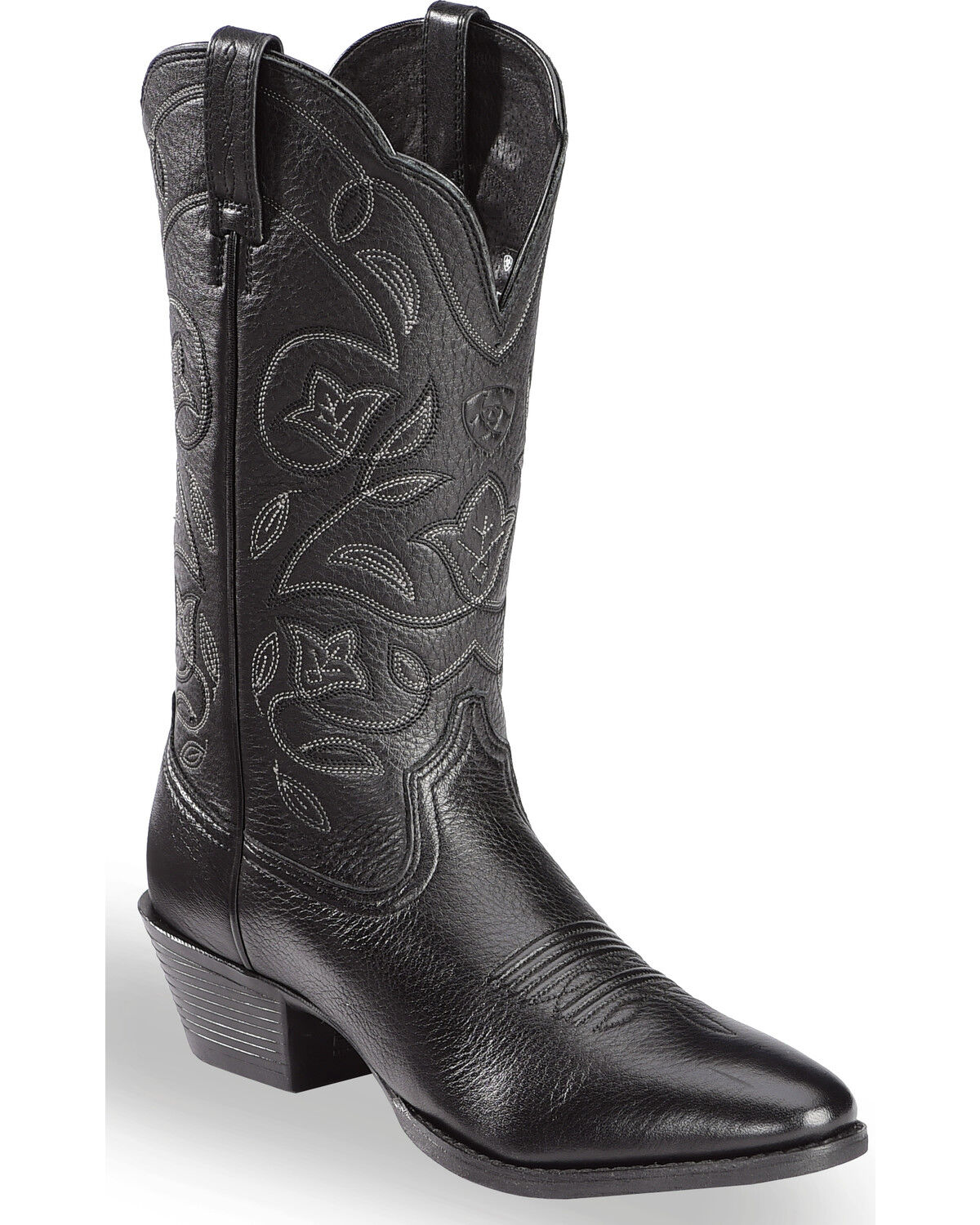
Distressed Cowgirl Boots

Find distressed cowgirl boots for a weathered, worn-in look that pairs well with jeans or dresses. Compare each pair’s finish, toe shape, and shaft height to choose women’s western boots that suit your style.

Read More

Shop Your Store: Shop Your Store: Find a Store

(Turn off Shop Your Store to see all items)

(Turn off Shop Your Store to see all items)

close
  • Recommended
  • Lowest Price
  • Highest Price
Skip pass products
  • Women's Circle G Dragonfly Embroidered Western Boots - Square Toe
    Original Price $160.99 $119.97
    25% Total Savings
  • Women's Idyllwind Retro Rock Western Boots - Round Toe
    Original Price $229.50 $179.50
    22% Total Savings
  • Women's Durango Distressed Flag Western Boots - Square Toe
    Original Price $180.99 $134.97
    25% Total Savings
  • Women's Shyanne Lasy Floral Embroidered Western Boots - Snip Toe
    Original Price $204.99 $154.99
    24% Total Savings
  • Women's Laredo Distressed Sidewinder Western Boots - Snip Toe
    Original Price $166.99 $99.97
    40% Total Savings
  • Women's Ariat Chandler Distressed Western Booties - Snip Toe
    Original Price $189.99 $129.97
    32% Total Savings

End of products

Distressed Cowgirl Boots

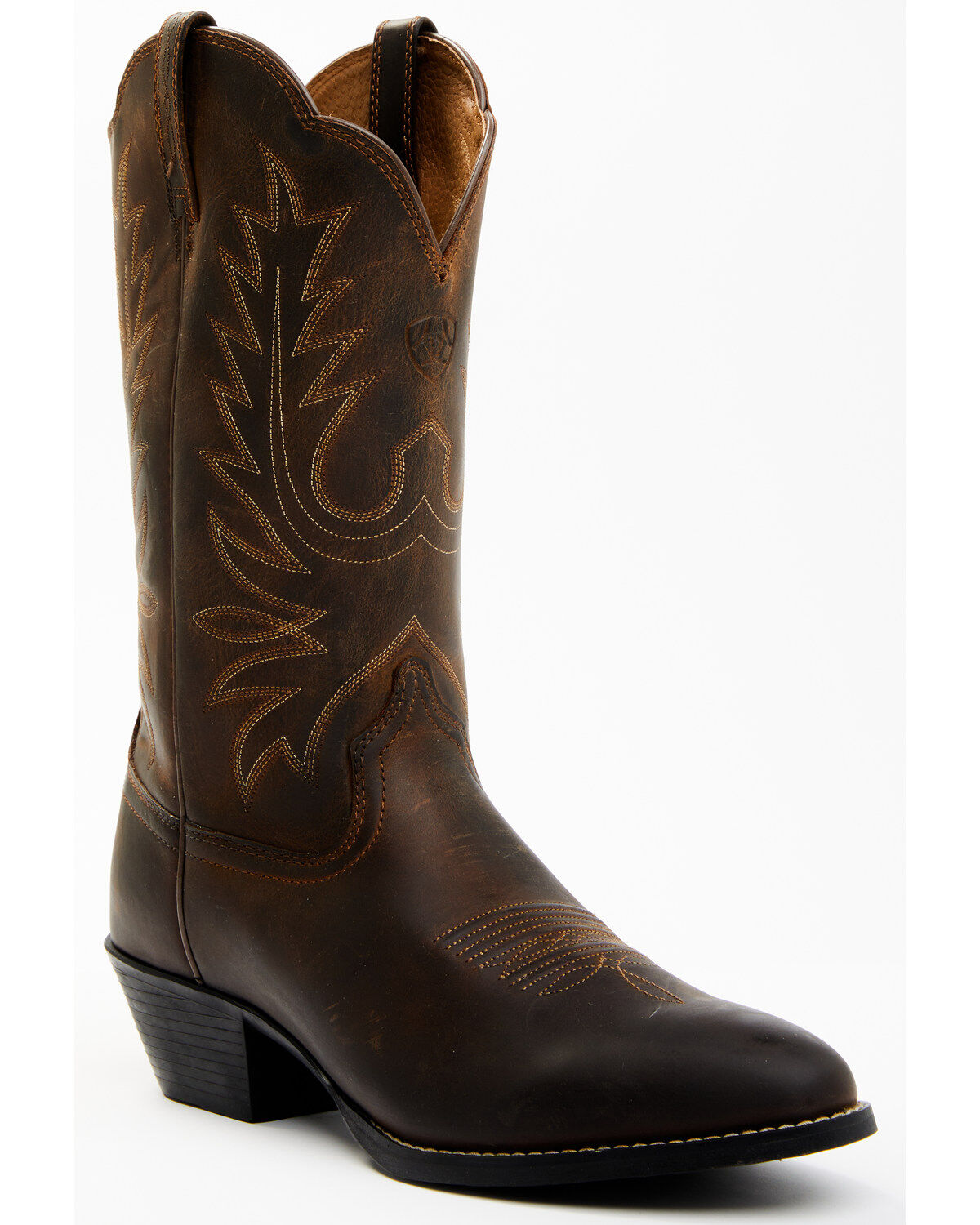
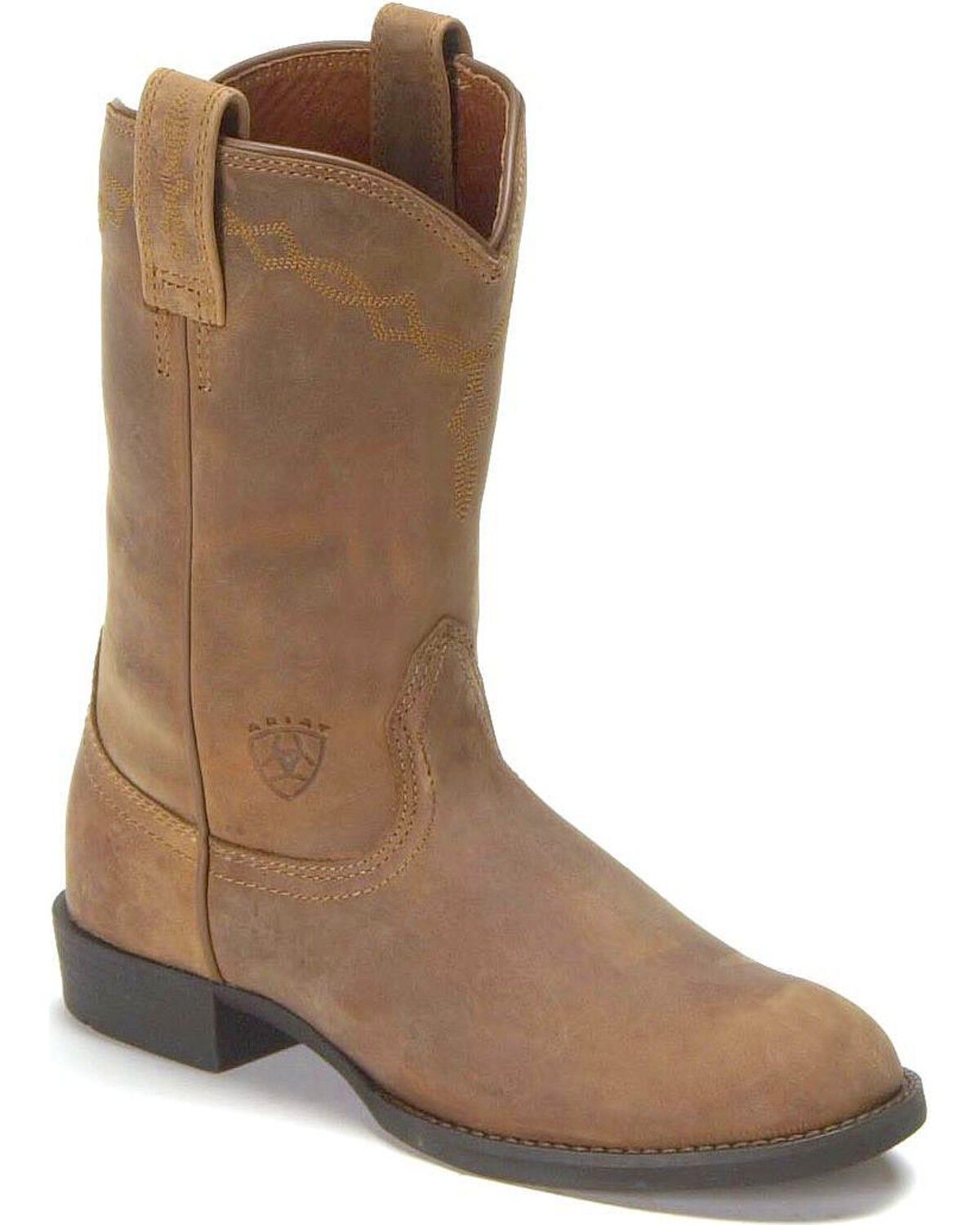
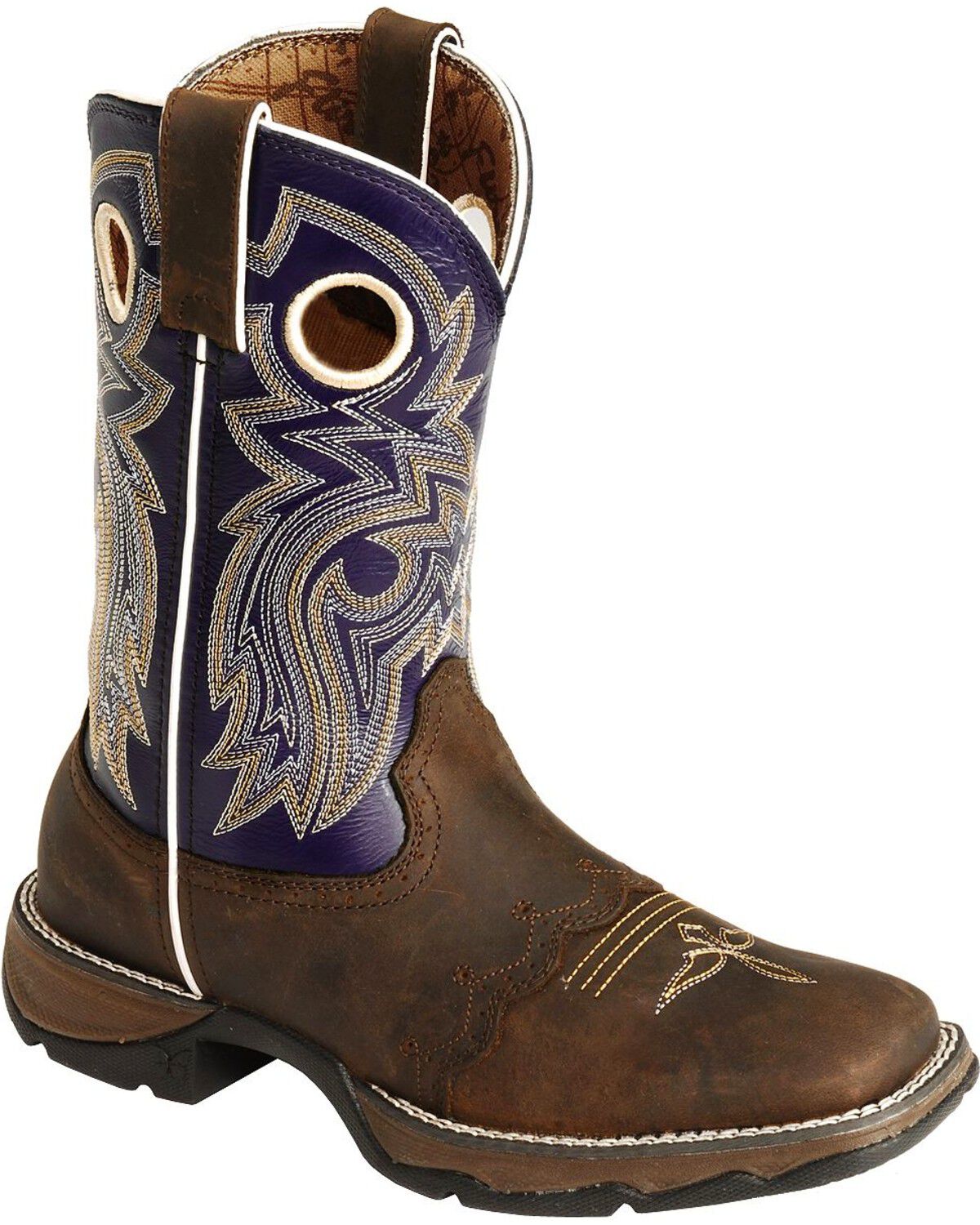
Distressed cowgirl boots are women’s western boots with an intentionally worn-in finish, often marked by faded color, rubbed edges, and variations across the surface. That character gives them a vintage look without requiring years of wear. The appearance may be broken in, but a new boot can still need time to conform to the foot. Distressing describes the finish, not a guarantee of softness, cushioning, or flexibility. On leather boots, darker seams, lighter toes, and uneven shading can bring out the grain and give each pair a slightly different appearance. Full-grain leather retains its natural surface character and can develop more variation with regular wear. Other leather treatments create a more consistent finish, while suede has a soft nap that gives color a muted look. Man-made materials can also carry a distressed effect, though they generally age differently from leather. Material matters as much as appearance when comparing boots for regular use. Construction, lining, and the way the upper bends all affect how a boot feels through a full day. Traditional western details remain part of the appeal: shaped shafts, pull straps, stitched patterns, and heels that give the boot a distinct profile. Brown and tan finishes make variations in the leather easy to see, while darker finishes can keep the worn effect more understated. Toe shape changes the overall impression, too. A broad square toe has a different profile from a narrow snip toe, even when the leather treatment is similar. Under straight-leg or bootcut jeans, much of the shaft stays covered, leaving the toe and heel to define the look. With a dress or skirt, shaft height and stitching become more visible. Distressed finishes work well with denim, cotton, and other familiar textures without needing every piece of an outfit to match. They suit everyday wear, dinners, concerts, and other occasions where western boots feel at home.

Fit determines whether distressed cowgirl boots become a regular choice or spend most of their time in the closet. A worn-looking upper should not distract from pressure at the toes, a cramped forefoot, or a shaft that catches uncomfortably behind the knee. The widest part of the foot should sit near the widest part of the boot, with enough room for the toes to rest naturally. A pointed-looking toe can extend beyond the foot as part of its shape, so the outside silhouette does not tell the whole fit story. The instep should feel secure rather than painfully tight. A small amount of heel movement can be normal in new pull-on western boots, particularly before the sole becomes more flexible, but excessive movement can lead to rubbing. Leather may ease across pressure points with wear; it should not be expected to add needed length or correct a poor fit. Sock thickness also changes the feel, especially across the instep and around the heel. Fit is best judged with the socks intended for regular wear and with both boots on, since feet can differ slightly in size. Shaft height and calf room deserve the same attention as foot length. A taller shaft can feel different when sitting, climbing stairs, or bending, and a wider opening may sit differently beneath jeans. Underfoot construction matters for the intended use. Cushioned footbeds can help soften contact with firm floors, while the amount of arch support varies by construction. Leather outsoles provide a traditional feel and can be smooth underfoot; rubber outsoles often add grip, though traction depends on the tread and surface. Heel height affects balance and how weight is carried during extended standing or walking. A distressed fashion finish does not establish suitability for riding, jobsite use, or tasks that require protective footwear. Those uses depend on the boot’s actual construction and stated features, not its western appearance.

Care helps preserve the difference between an intentional distressed finish and damage that shortens a boot’s life. Surface dust can settle into stitching and creases, while dried mud can pull at the finish if it is scrubbed away aggressively. A soft brush or cloth is often enough for routine cleaning, with material-specific care used for marks that need more attention. Smooth leather and suede require different treatment. Leather conditioner can help maintain suitable leather, but it may darken the color or reduce the contrast that makes a distressed finish distinctive. Testing any cleaner, conditioner, or protective treatment on a small, less visible area helps reveal that change before treating the whole boot. Suede generally calls for a suede brush and products intended for its nap rather than the oils used on smooth leather. The maker’s care directions remain important because surface treatments vary. When boots become damp, room-temperature drying away from direct heat helps protect the material; a heater or hot dryer can stiffen leather and affect adhesives. Boot trees or shaft supports can help maintain shape during storage, and allowing boots to air between wears helps the interior dry. Regular attention to heel wear, loose stitching, and sole edges can catch a repair before it becomes more involved. Some traditionally constructed boots can be resoled, but repair options depend on how they are made. For a related look, the strap-and-ring detail associated with Distressed Harness Boots adds visible hardware to an aged-looking finish. For a gift, fit and personal preference matter more than guessing from appearance alone. Someone who already wears western boots may have clear preferences for toe shape, heel height, shaft room, and leather feel. A first pair benefits from the same attention to fit, with enough versatility for the recipient’s usual jeans, dresses, and daily routine. The strongest choice combines the worn-in character they want with construction and comfort suited to how they will actually wear the boots.
Read More

FAQs