Distressed Boots

Find distressed boots with a weathered, worn-in look that pairs naturally with jeans and western wear. Browse for a finish that suits your style, and check each pair’s product details for sizing and fit—a distressed appearance does not necessarily mean a broken-in feel.

Read More

Shop Your Store: Shop Your Store: Find a Store

(Turn off Shop Your Store to see all items)

(Turn off Shop Your Store to see all items)

close
  • Recommended
  • Lowest Price
  • Highest Price
Skip pass products

End of products

Distressed Boots

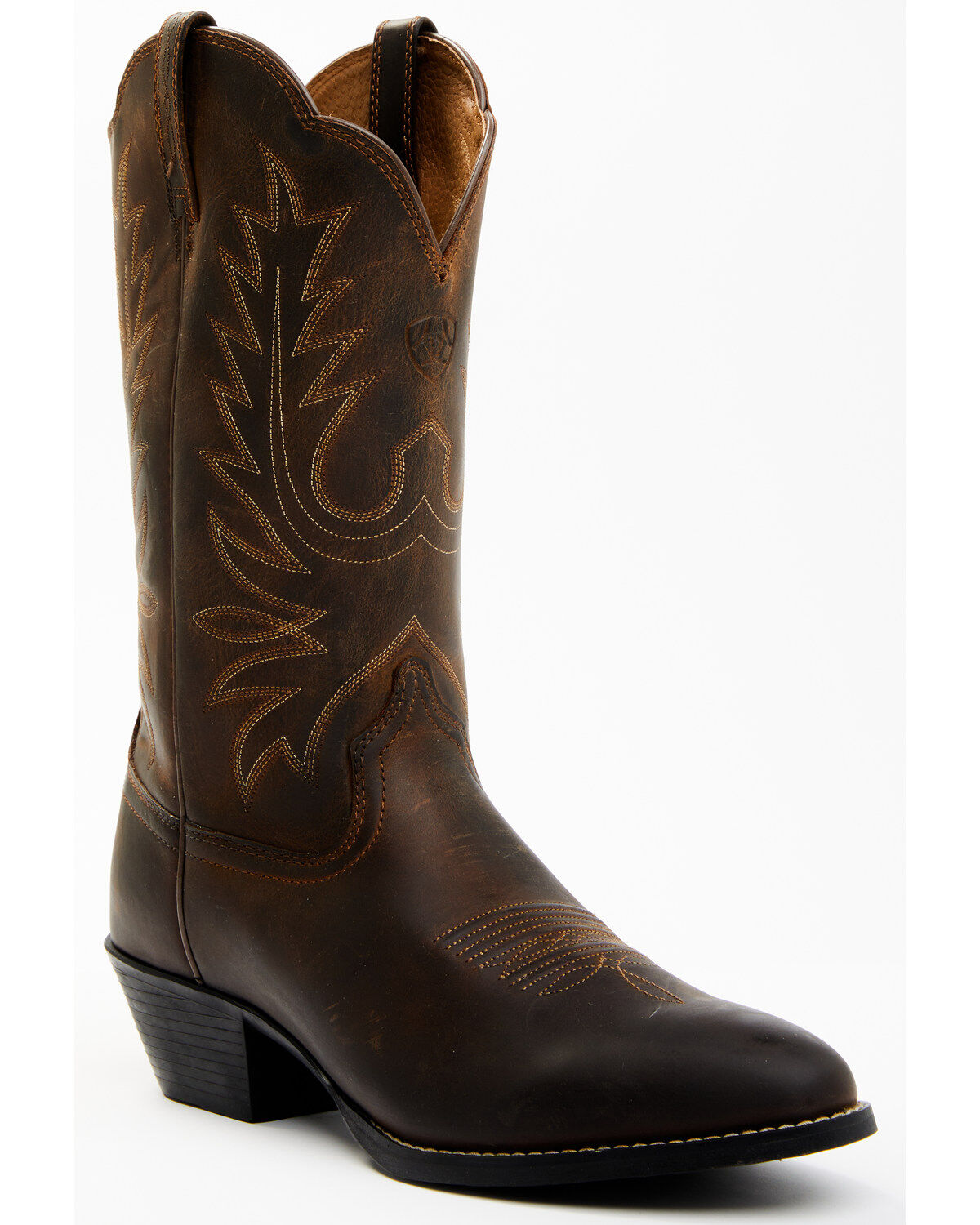
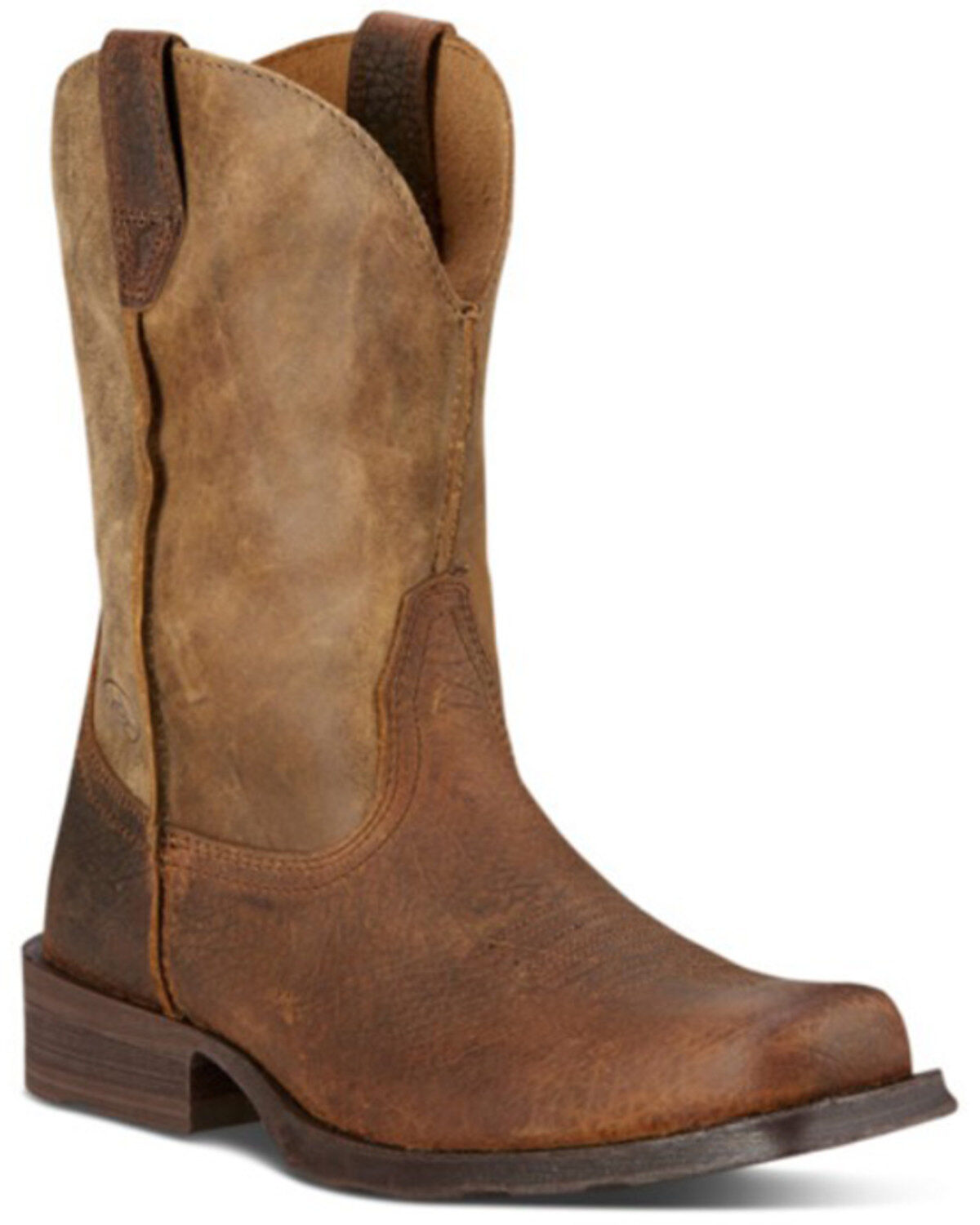
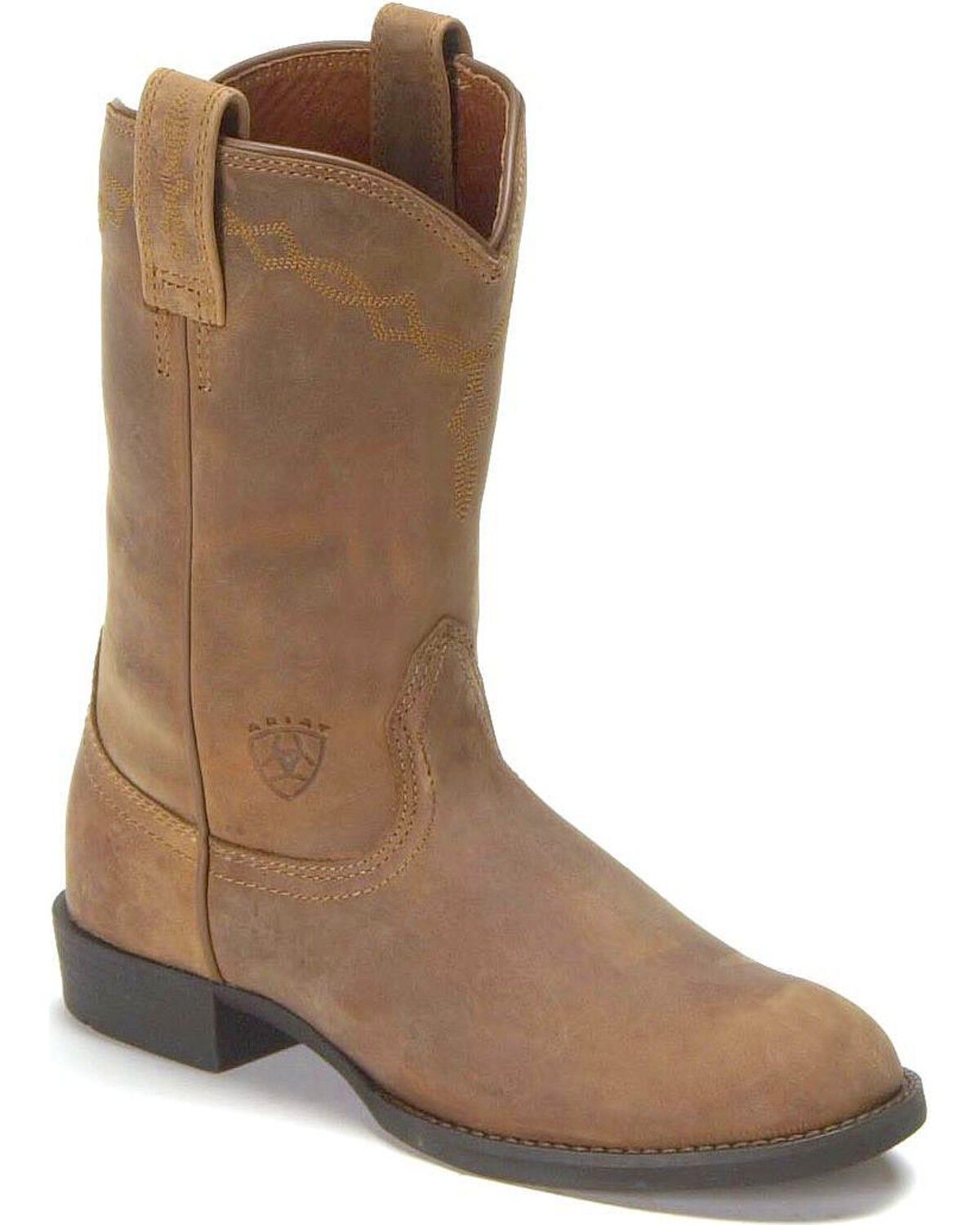
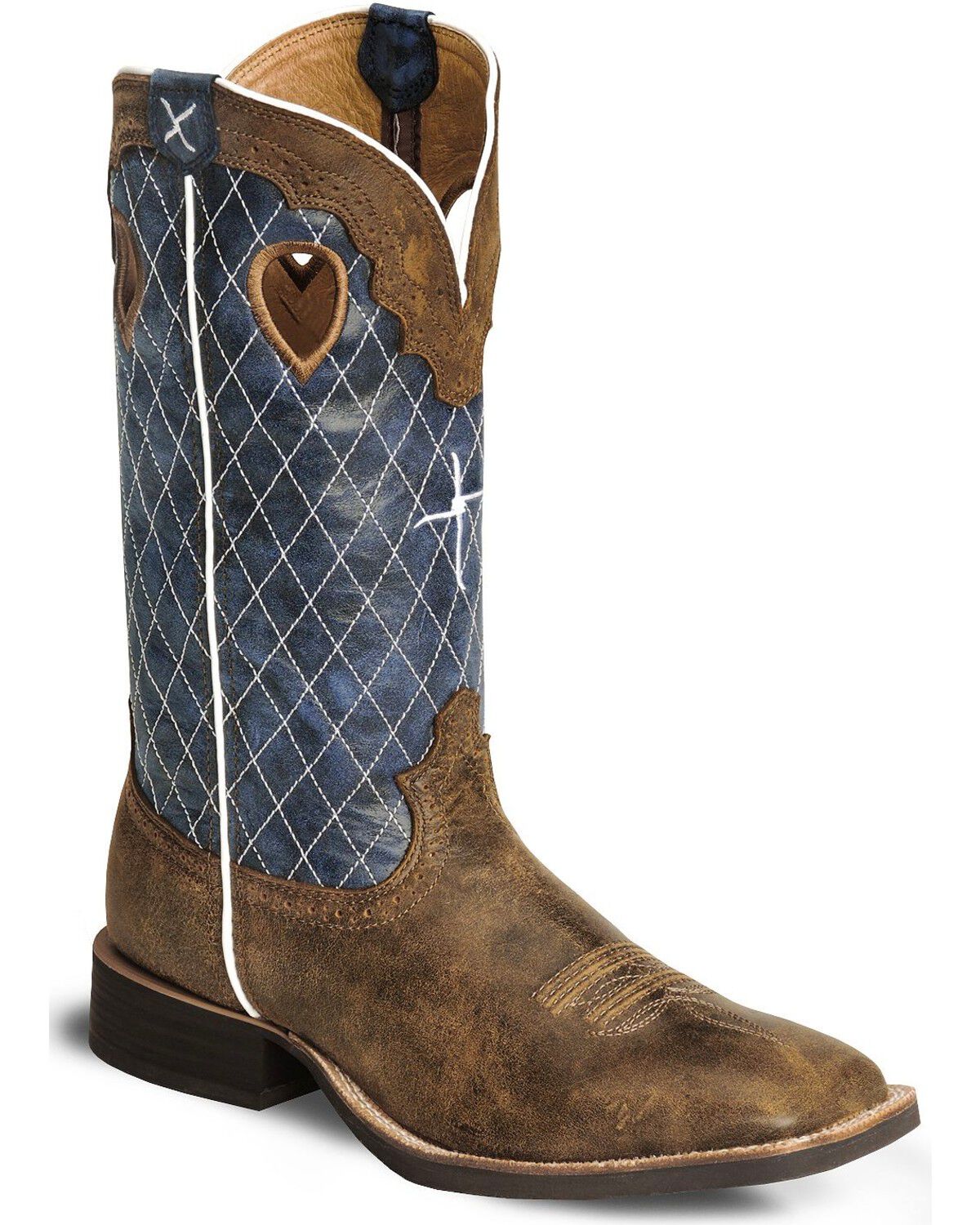
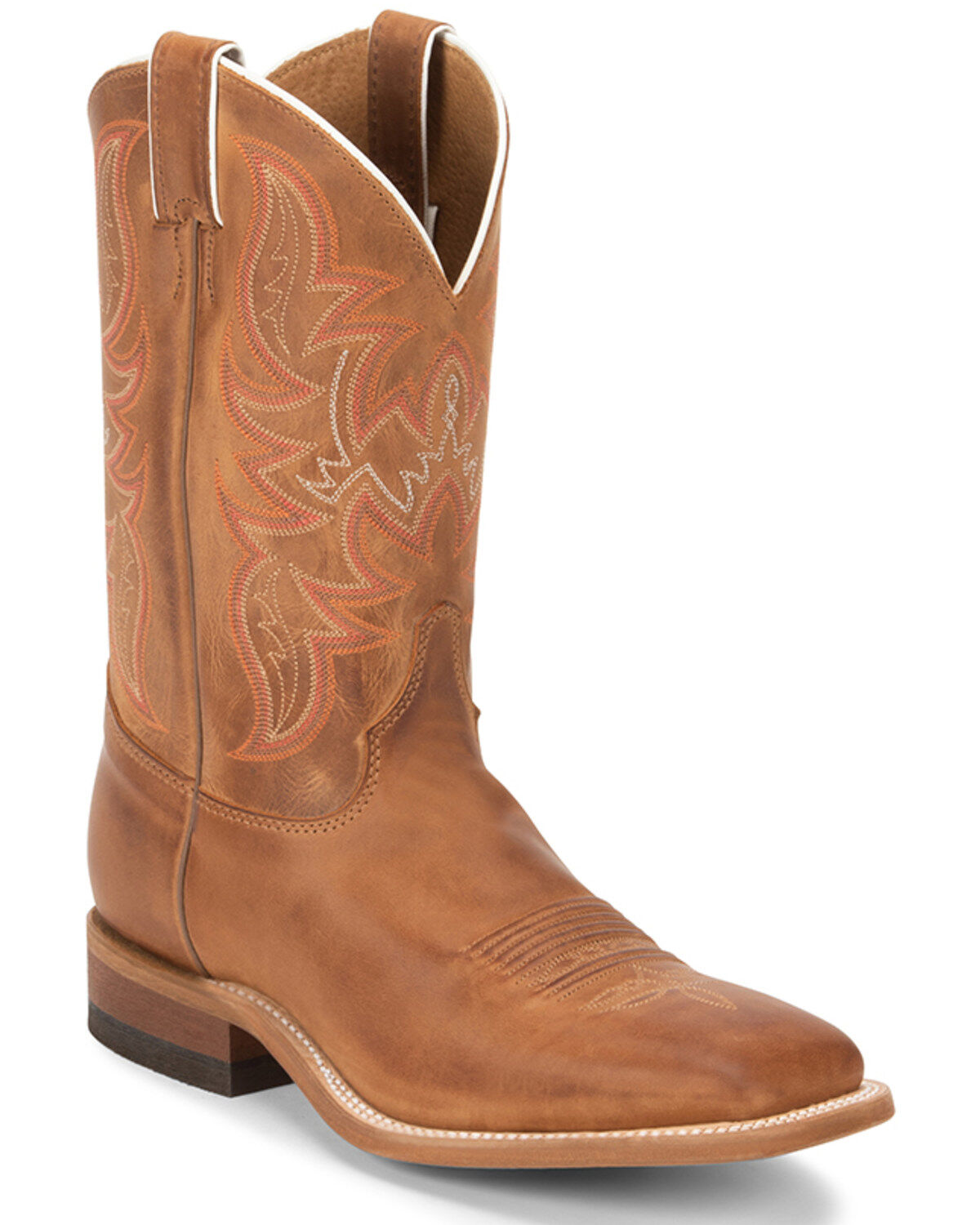
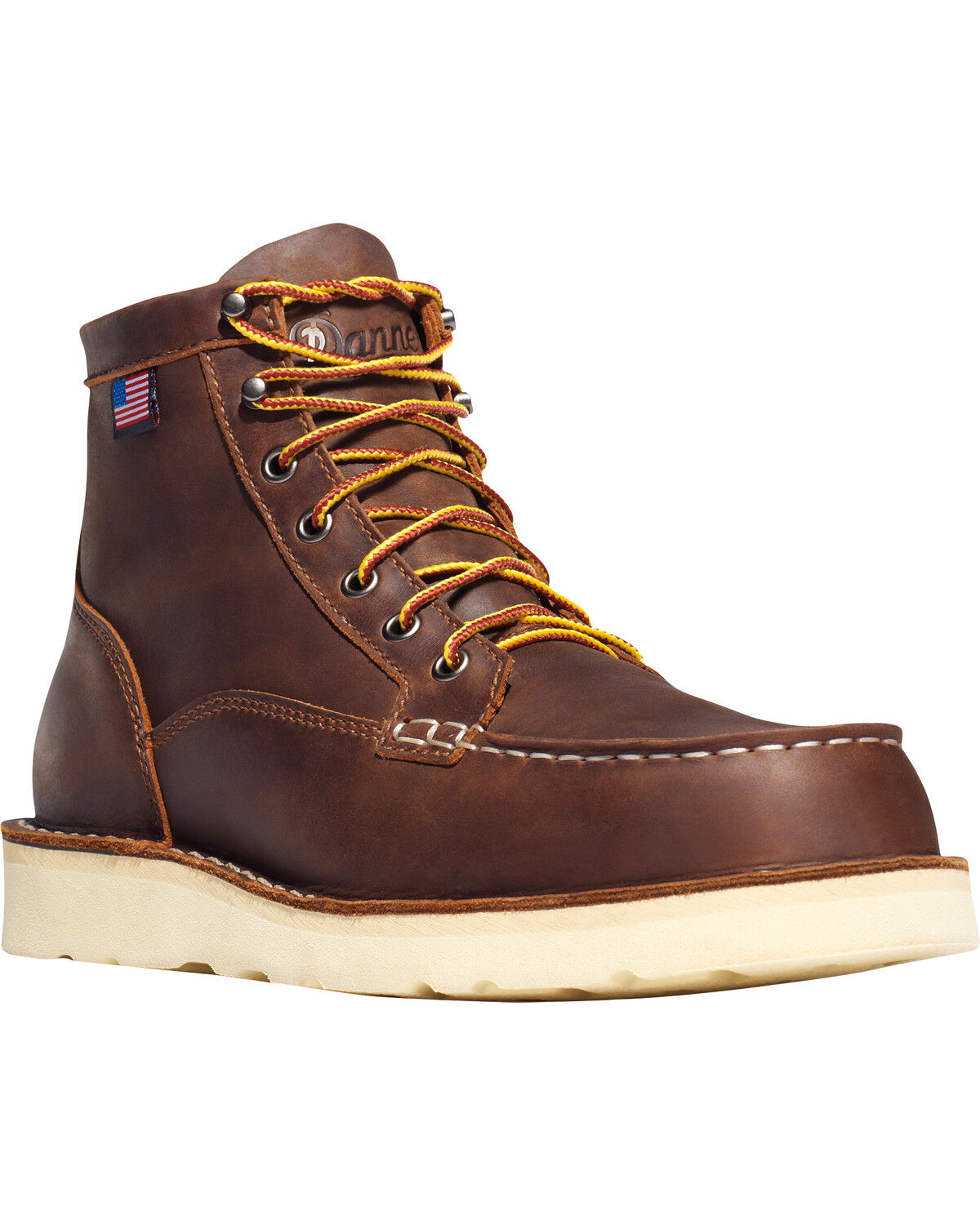
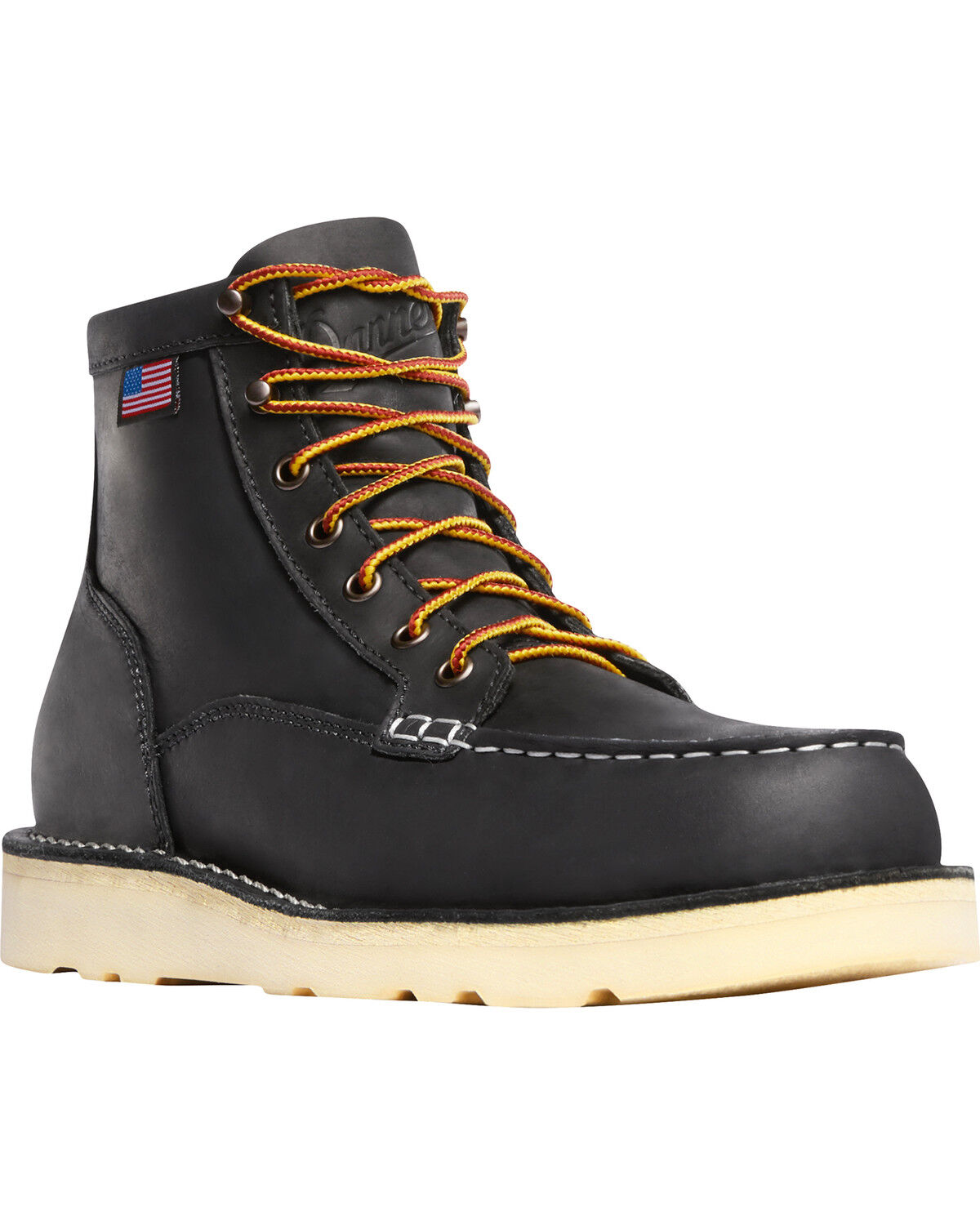
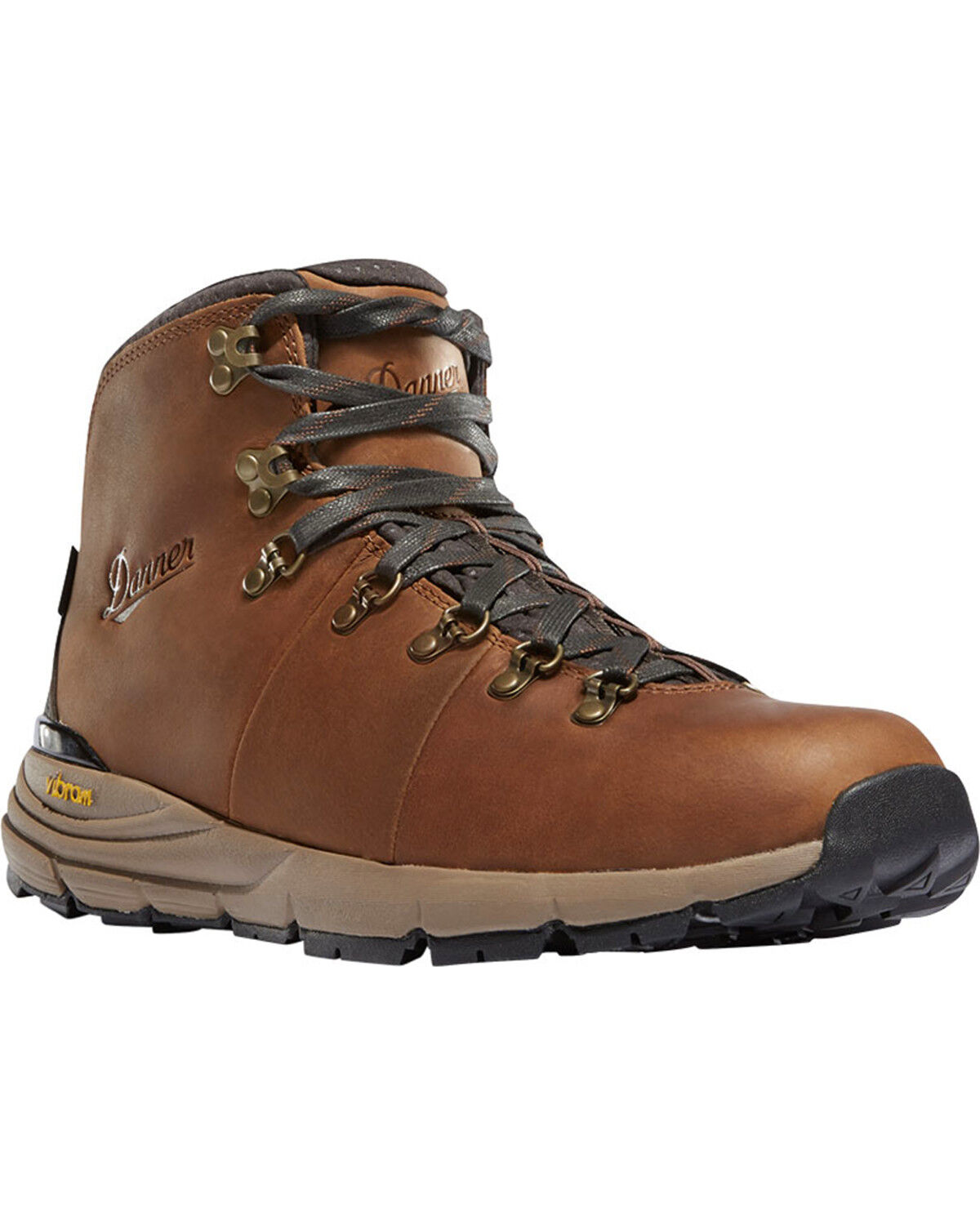
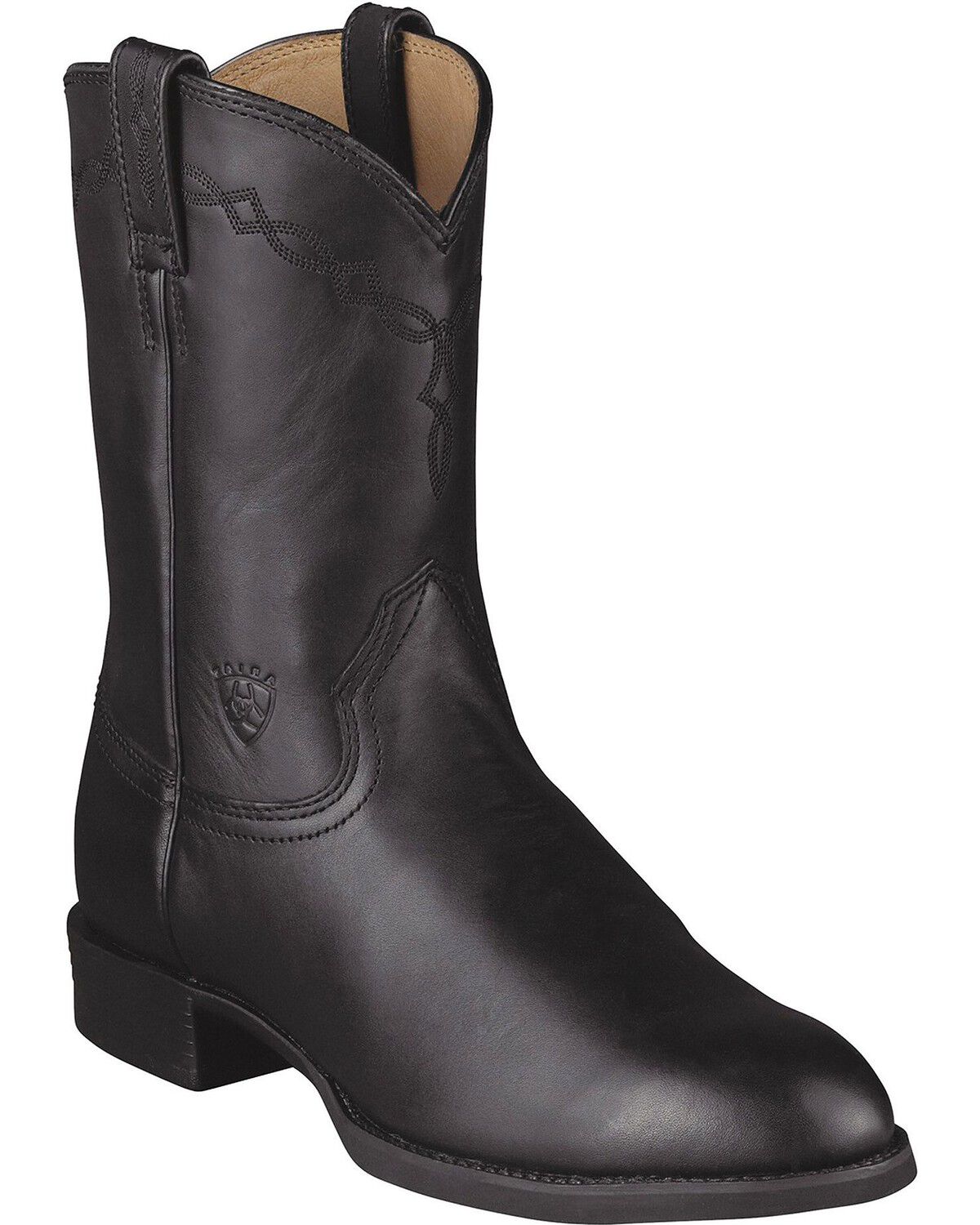
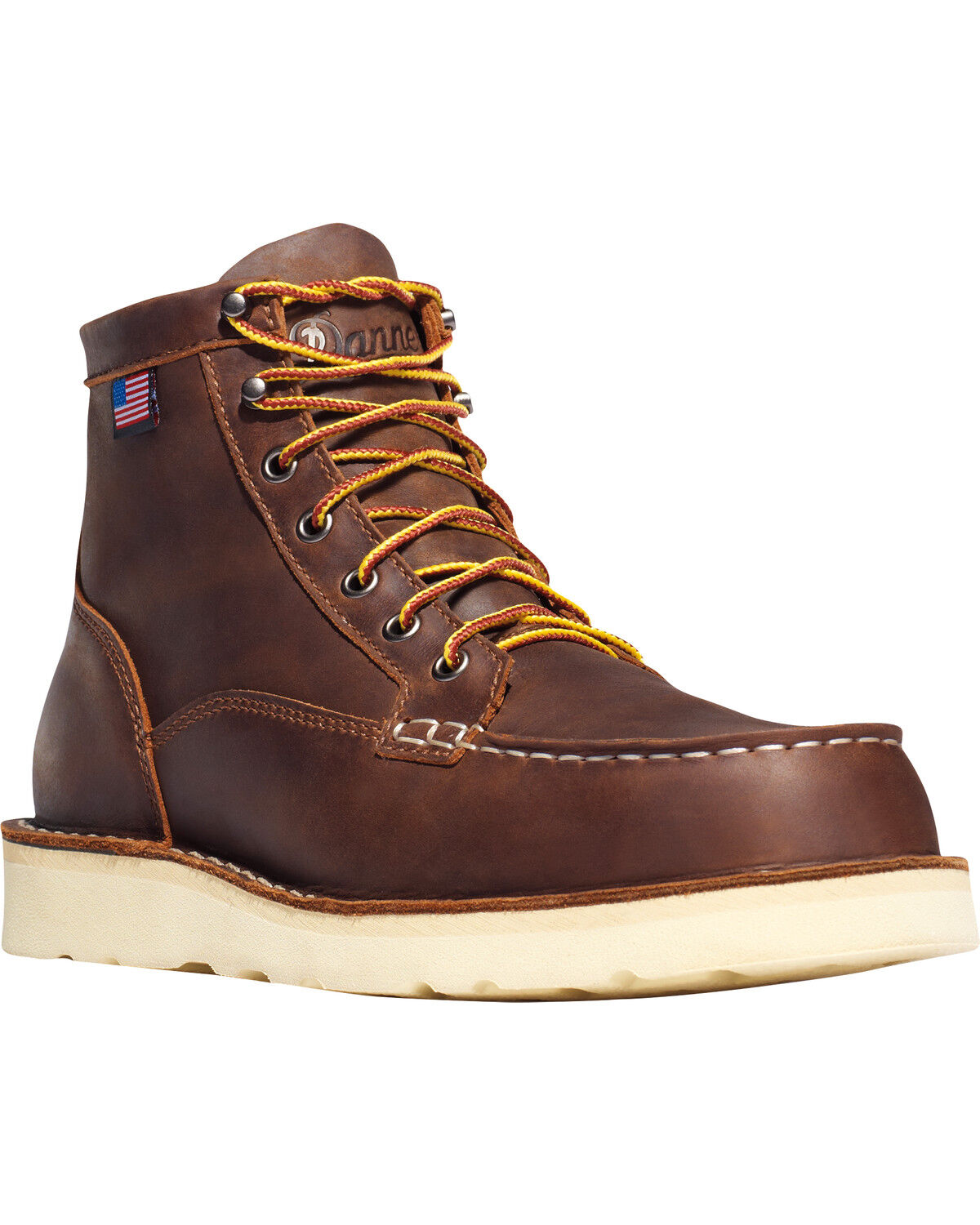
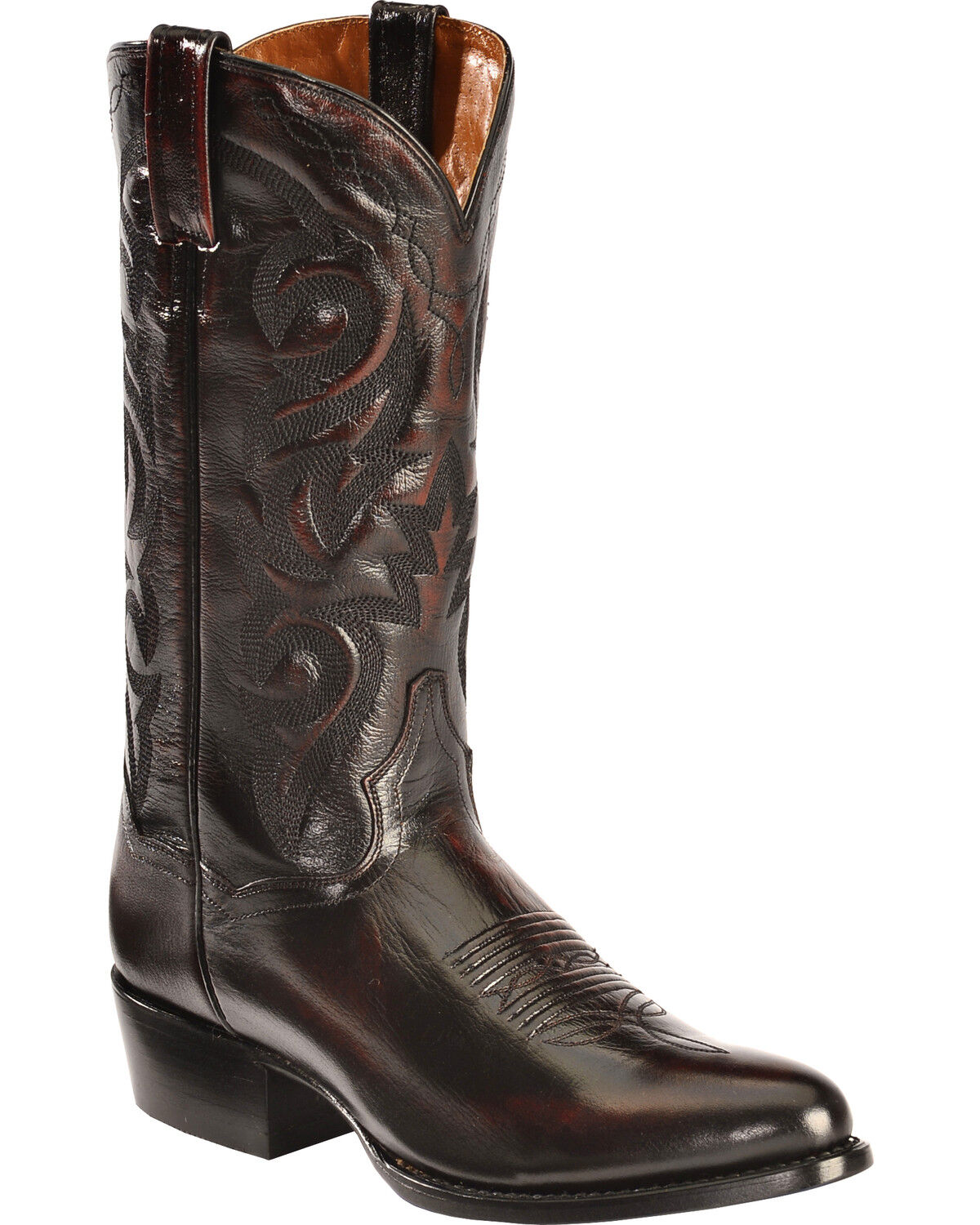
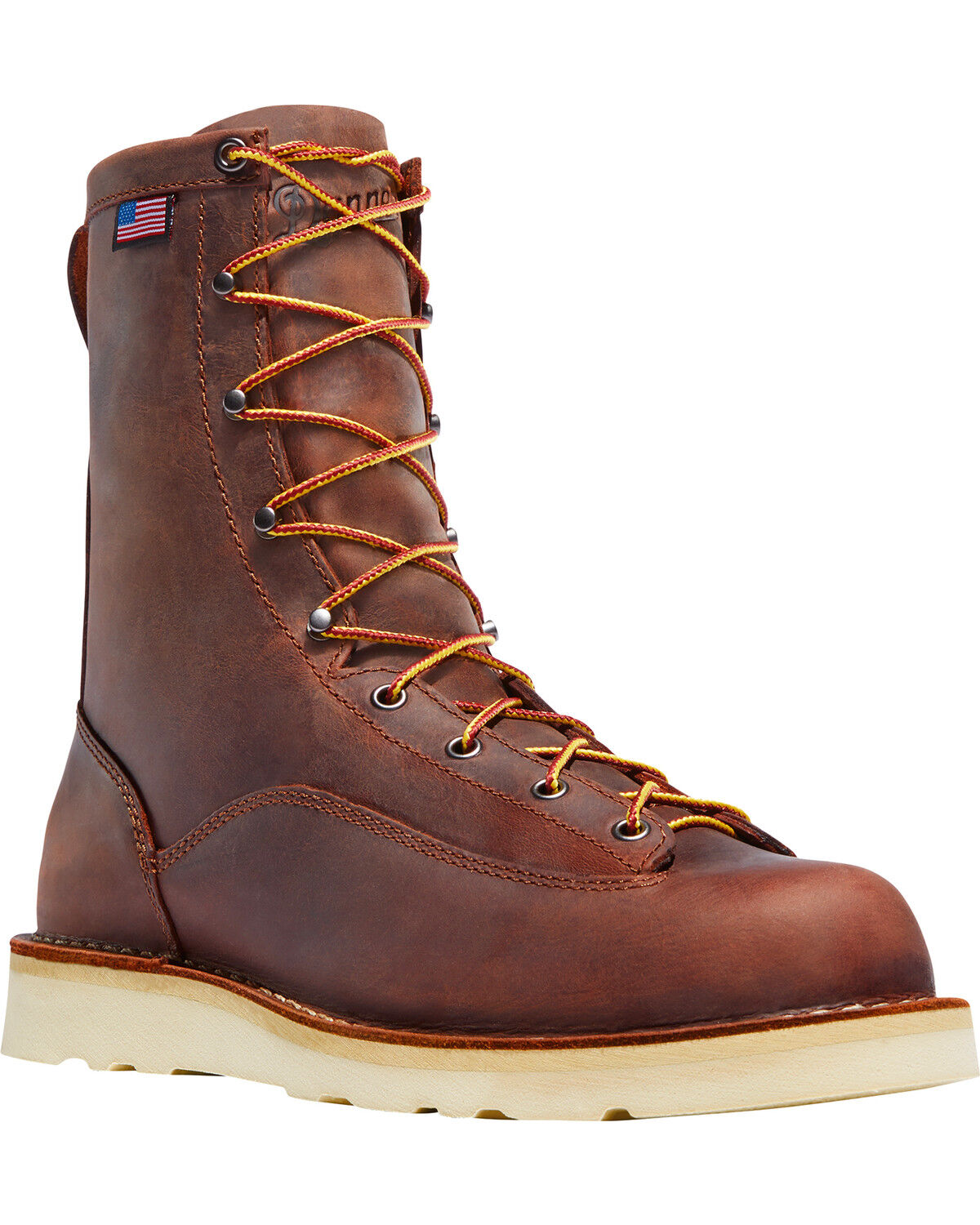
Distressed boots are made with finishes that give new footwear a worn-in appearance, often through scuffing, brushing, washing, or hand-applied color treatments. The result can range from lightly rubbed edges to pronounced variations across the toe, heel, and shaft. Unlike damage caused by years of use, intentional distressing is part of the original design. It gives leather depth without requiring the wearer to create every mark from scratch. Brown distressed boots often show lighter highlights over darker undertones, while black and gray finishes can have a faded, charcoal-like appearance. Some surfaces feel smooth and waxy; others have a dry, textured finish that brings out the grain. Full-grain leather can retain natural markings, while suede and nubuck have a raised texture that needs different care from smooth leather. Not every distressed finish uses the same material or process, so the material description matters as much as the photograph. The look also changes with the shape of the boot. A square toe creates a broad profile, a round toe keeps the outline simple, and a snip toe gives western boots a narrower point. Tall shafts provide more room for stitching and contrasting tones, while shorter shafts keep the focus on the foot and ankle. Distressed Harness Boots add straps and metal rings to that worn-in look, creating a more substantial profile than a plain shaft. Traditional western stitching, understated pull tabs, and rubbed seams offer other ways to add detail without relying on bright color. Distressing can vary from one pair to another, especially when finishing is done by hand. That variation is part of the appeal: the leather does not have to look perfectly uniform to look well made. Paired with straight-leg denim, canvas pants, or a simple dress, distressed leather brings visible texture to an otherwise straightforward outfit. It works best when the boot’s shape and finish suit the way it will actually be worn.

A worn-in appearance does not necessarily mean a broken-in fit. New distressed leather boots may still feel firm through the sole, heel counter, and instep, and they need the same attention to sizing as other leather footwear. A pull-on boot should hold the instep securely without squeezing it, with enough toe room to stand and walk comfortably. A small amount of heel movement can be normal in a new pull-on design, but excessive lifting, sliding, or pressure is not something to dismiss as part of the style. Leather may soften and conform with wear, but a boot that is too short will not become the right length. Toe shape, width, arch support, and the socks worn with the boots all affect fit. Shaft height and circumference matter, too, particularly when pants are tucked inside or when a taller shaft sits close to the calf. For everyday wear, walking comfort and a stable heel can matter more than dramatic stitching or heavy distressing. Someone spending hours on hard floors may prefer cushioning and a flexible sole, while someone wearing boots mainly for dinners or gatherings may place more weight on silhouette and finish. Outsole material makes a difference: leather soles give many western boots a traditional profile, while rubber soles can provide traction depending on their tread and construction. A distressed finish alone does not establish that a boot is suitable for riding, motorcycle use, or jobsite work. Those uses require the appropriate design and, where relevant, stated safety features. Harness straps and a rugged-looking upper are style details, not proof of protection. Durability comes from the combination of leather quality, secure stitching, sole attachment, heel construction, and proper fit. Some stitched constructions can allow resoling, but repair options depend on the individual boot and its condition. Even with a deliberately worn surface, seams should be sound and the structure should support regular use. For frequent wear, those less visible details deserve as much attention as the color across the toe.

Care should preserve the intended finish rather than polish every mark away. Loose dirt can usually be removed with a soft brush or cloth before it settles into stitching and creases. Smooth leather may tolerate a lightly damp cloth, but suede, nubuck, waxed surfaces, and specialty finishes need products and methods suited to their material. The maker’s care directions are the best starting point because distressing treatments react differently to cleaners, conditioners, and protectants. A conditioner can darken leather or reduce the contrast between lighter and darker areas, so testing a small, hidden section first helps avoid an unwanted change across the entire boot. Heavy polish can also cover the subtle color variation that made the finish appealing. Suede generally needs a suitable brush and dedicated care products rather than the cream used on smooth leather. After cleaning, boots should dry at room temperature away from direct heat. Boot trees or shaft supports can help maintain their shape in storage, and letting a pair rest between wears gives the interior time to air out. The distinction between intentional wear and actual damage remains important over time: a rubbed toe may belong to the design, but a separating sole, loose heel, or deep crack needs attention. Resoling or other repairs may extend the use of a well-built pair when the construction allows it. Distressed boots can also make a practical gift for someone who already prefers western footwear or textured leather, provided their size, width, and preferred shaft height are known. An existing pair can offer useful clues about toe shape and heel height, though sizing can vary between designs. For the wearer, the lasting appeal is straightforward. These boots bring a relaxed finish to everyday clothing without needing elaborate styling. A hem that falls cleanly over the shaft leaves the toe and heel visible, while a shorter hem shows more of the leather and stitching. The strongest choice balances that appearance with a comfortable fit, construction suited to the intended use, and care that keeps the leather in good condition.
Read More

FAQs