Denim vs. Chambray Western Shirts

Denim vs. Chambray Western Shirts offers a clear starting point for choosing your next western shirt. Compare the look, feel, and styling of each fabric to find the right fit for your wardrobe, whether you are dressing for work, weekends, or everyday wear.

Read More

Shop Your Store: Shop Your Store: Find a Store

(Turn off Shop Your Store to see all items)

(Turn off Shop Your Store to see all items)

close
  • Recommended
  • Lowest Price
  • Highest Price
Skip pass products
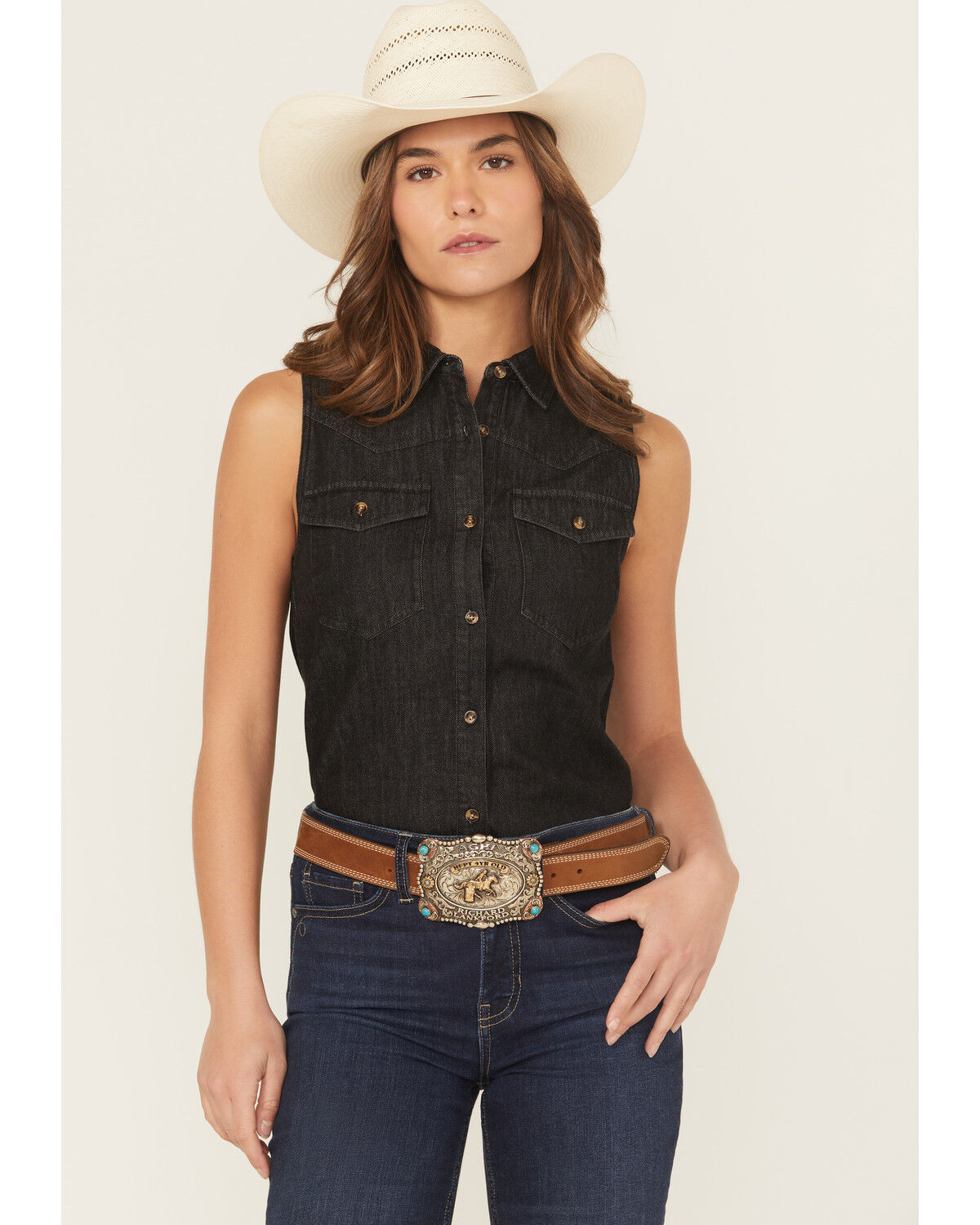
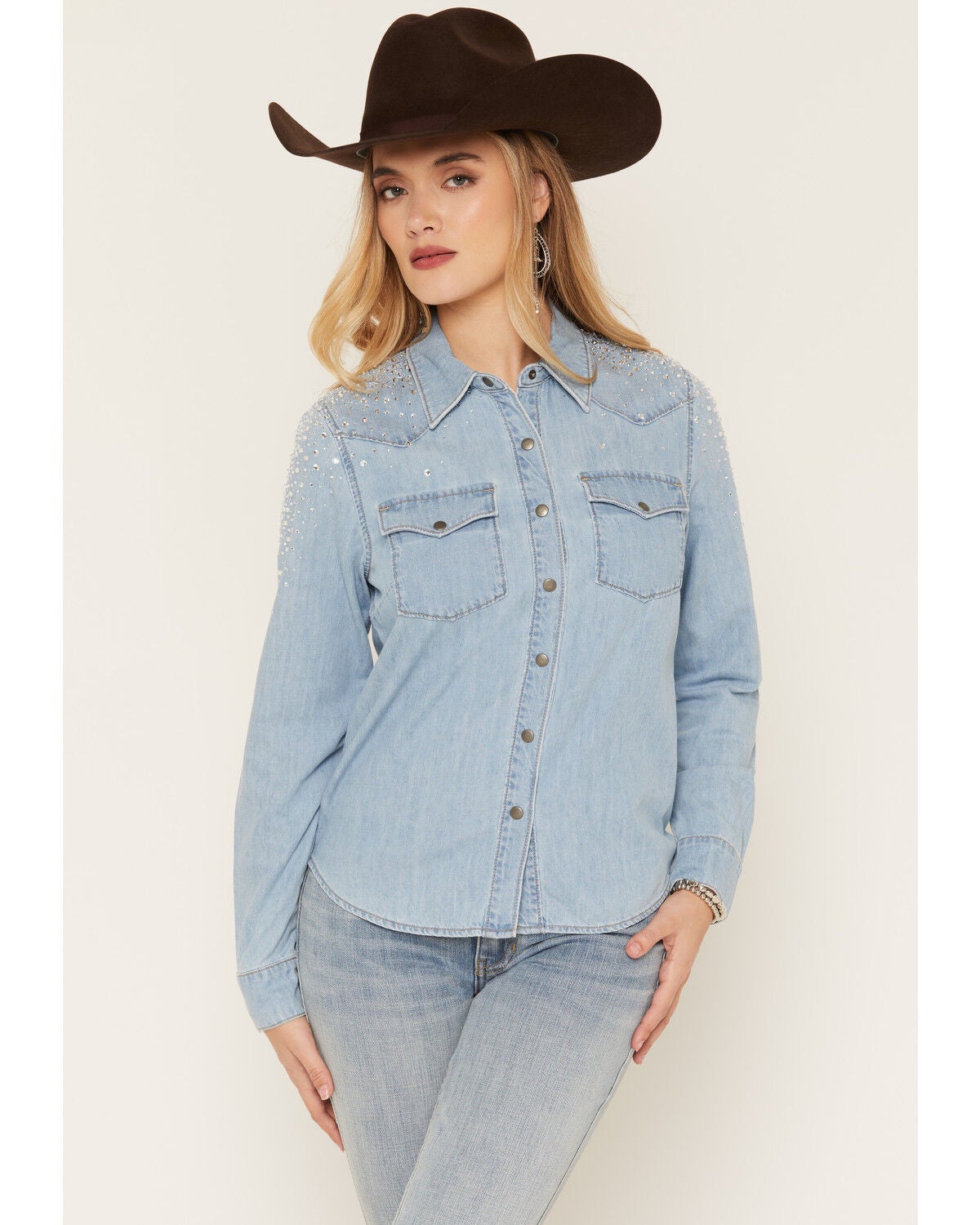
  • Women's Shyanne Chambray Sleeveless Button-Down Western Shirt

    Original Price $49.99 $33.97
    32% Total Savings
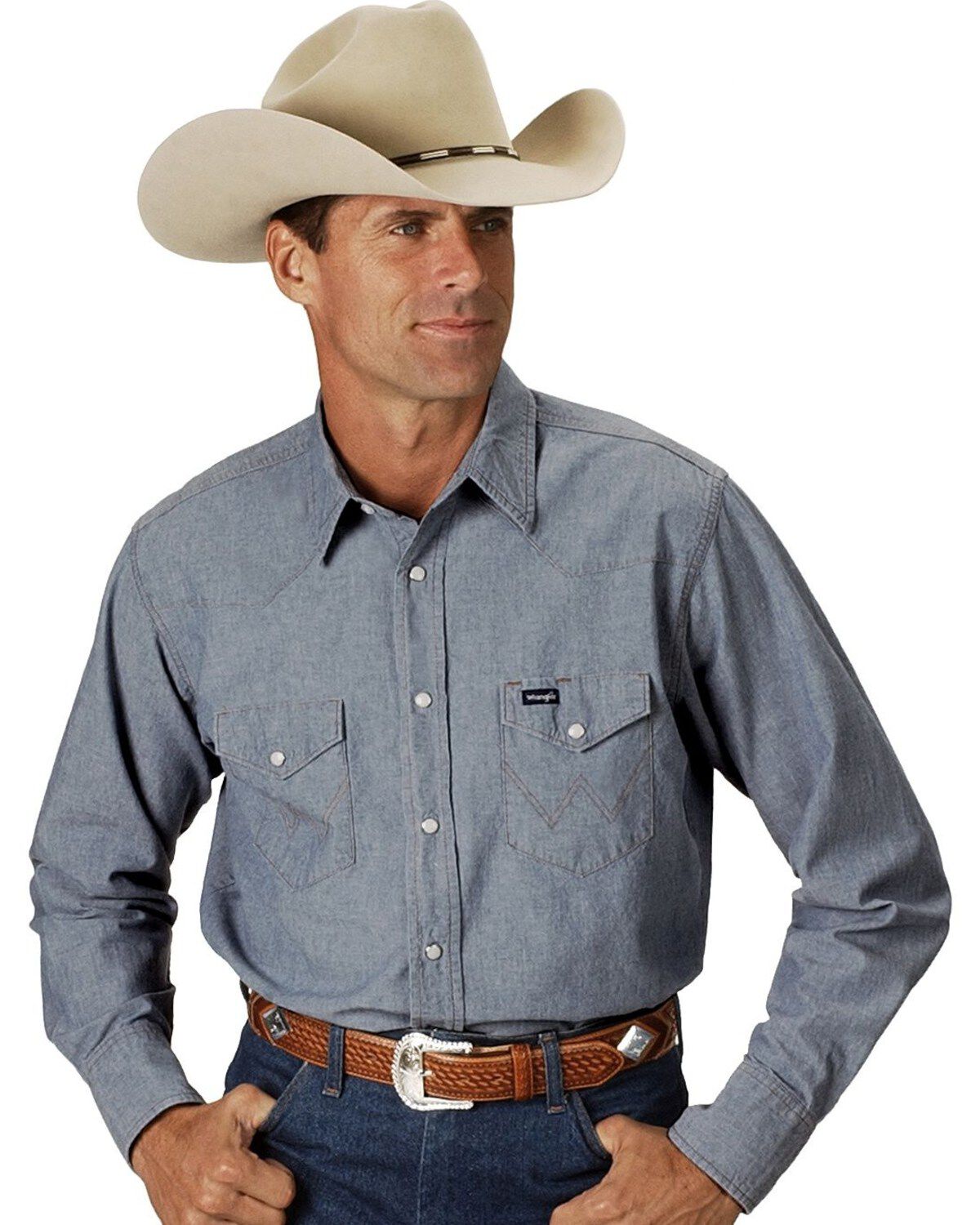
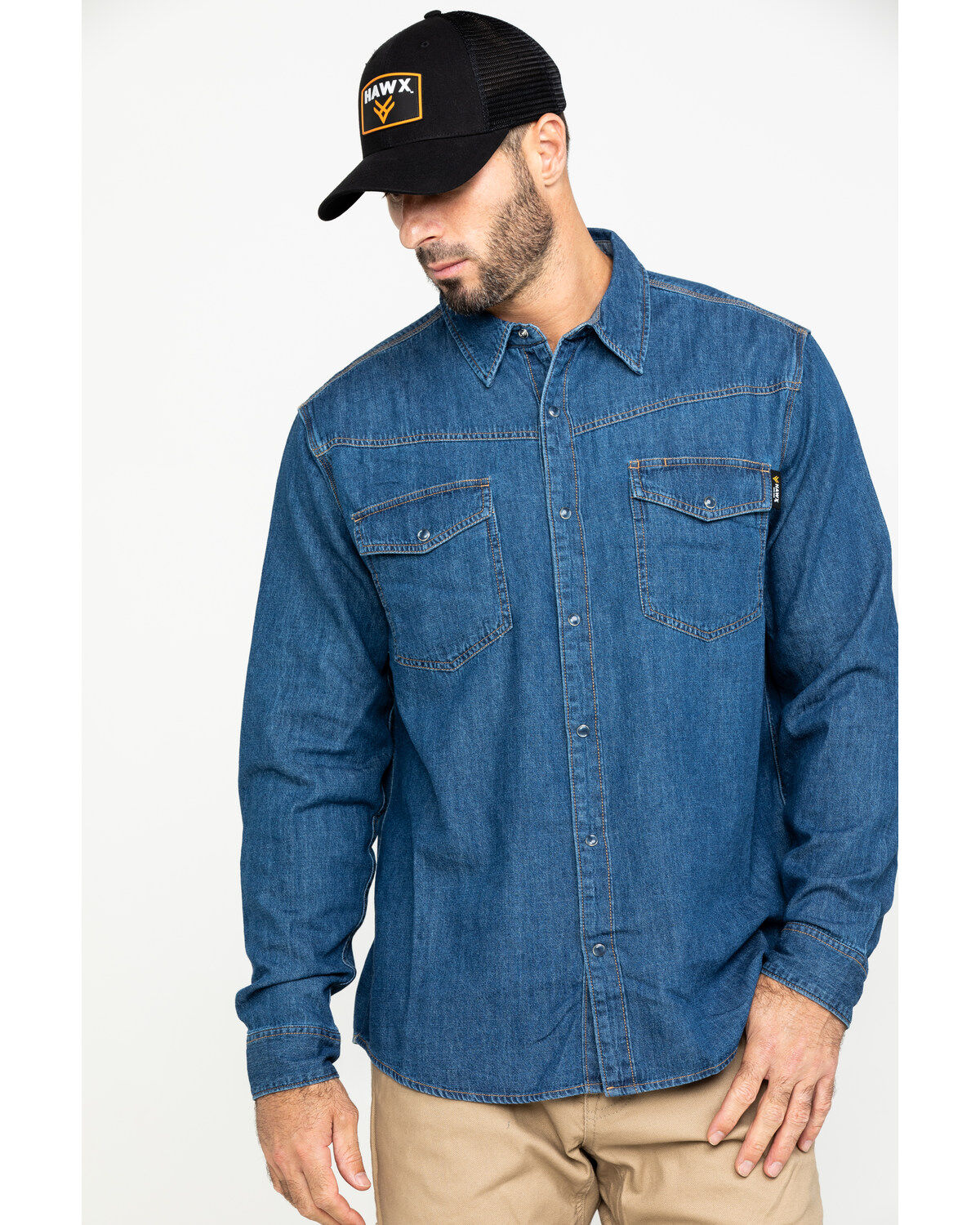
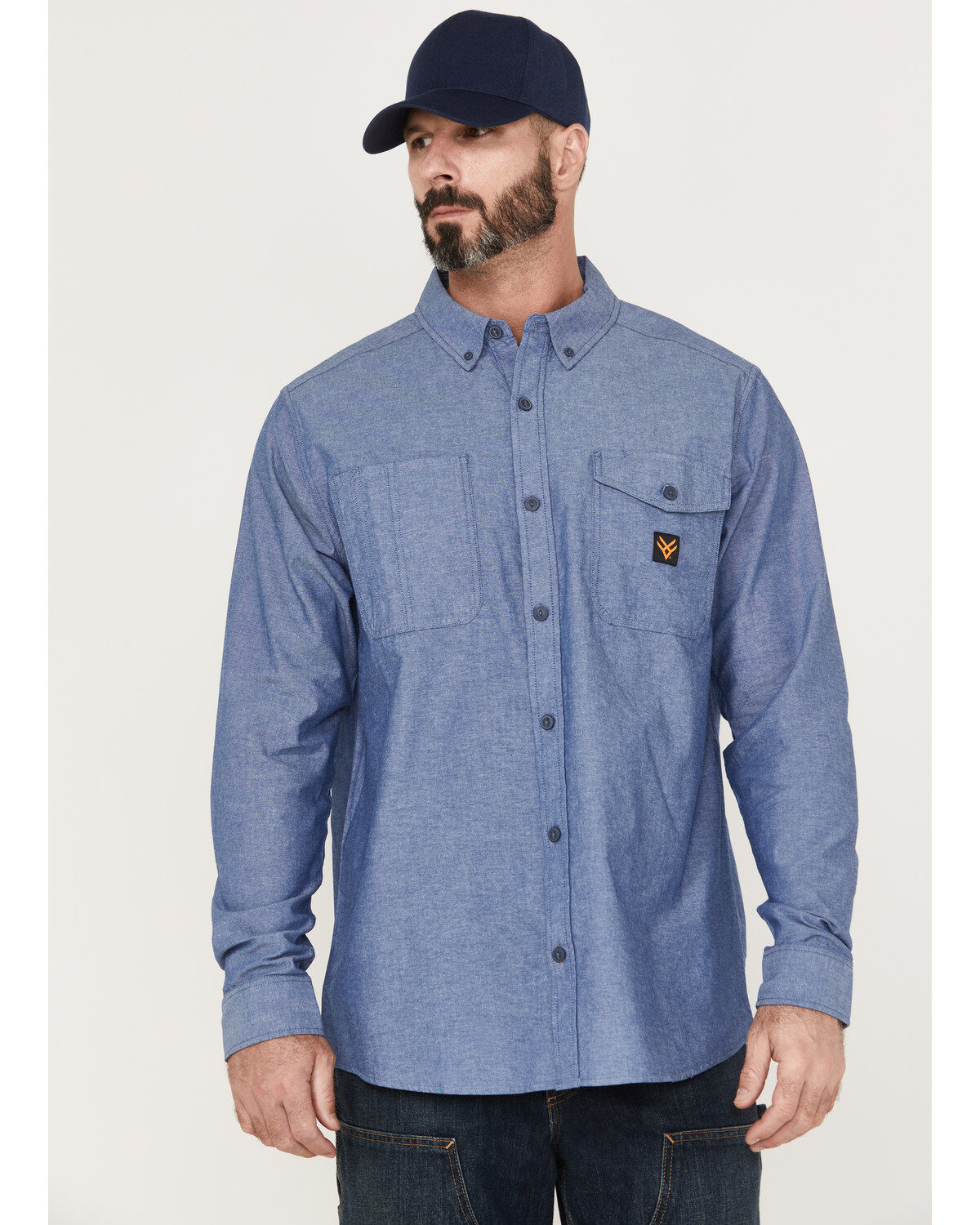
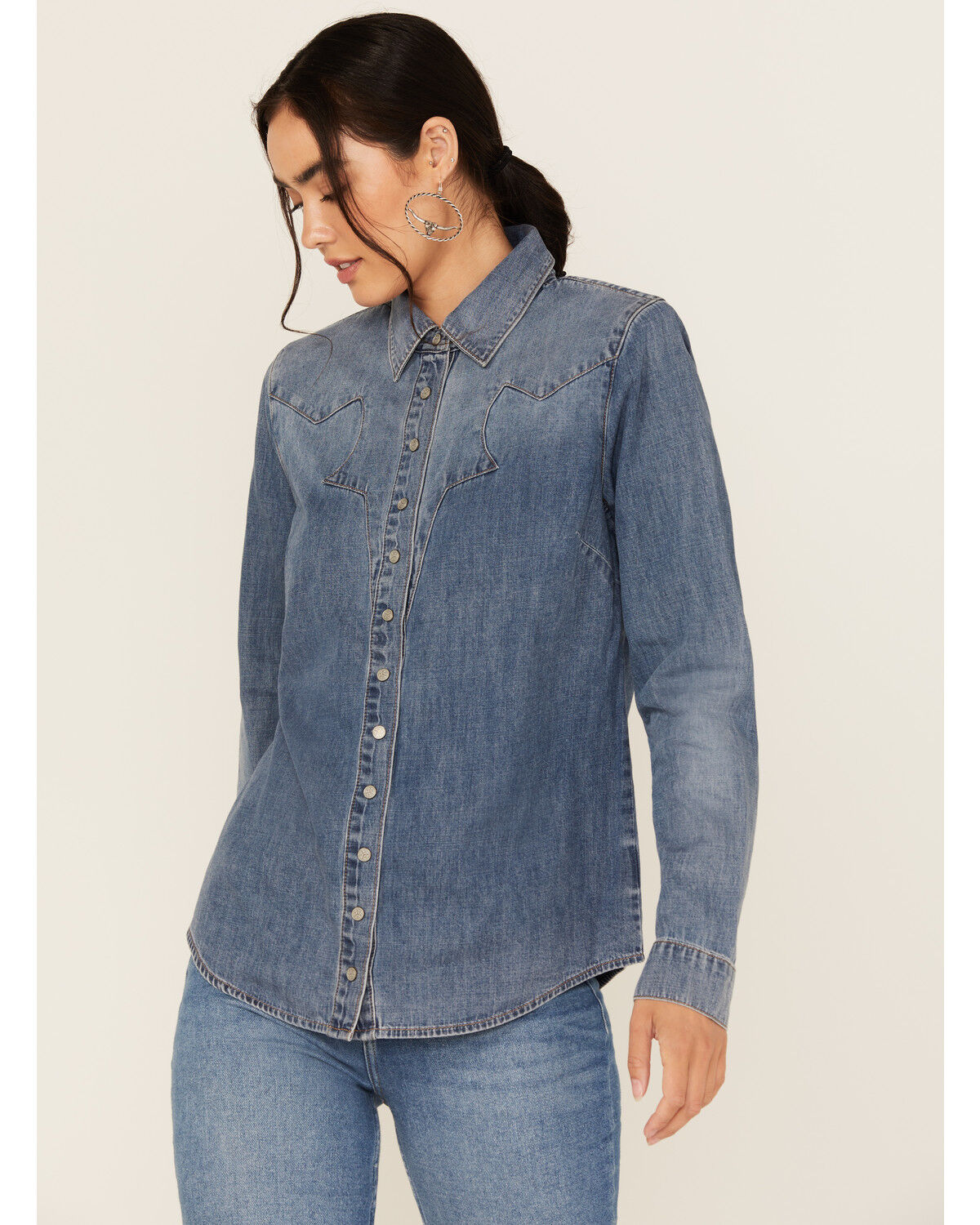
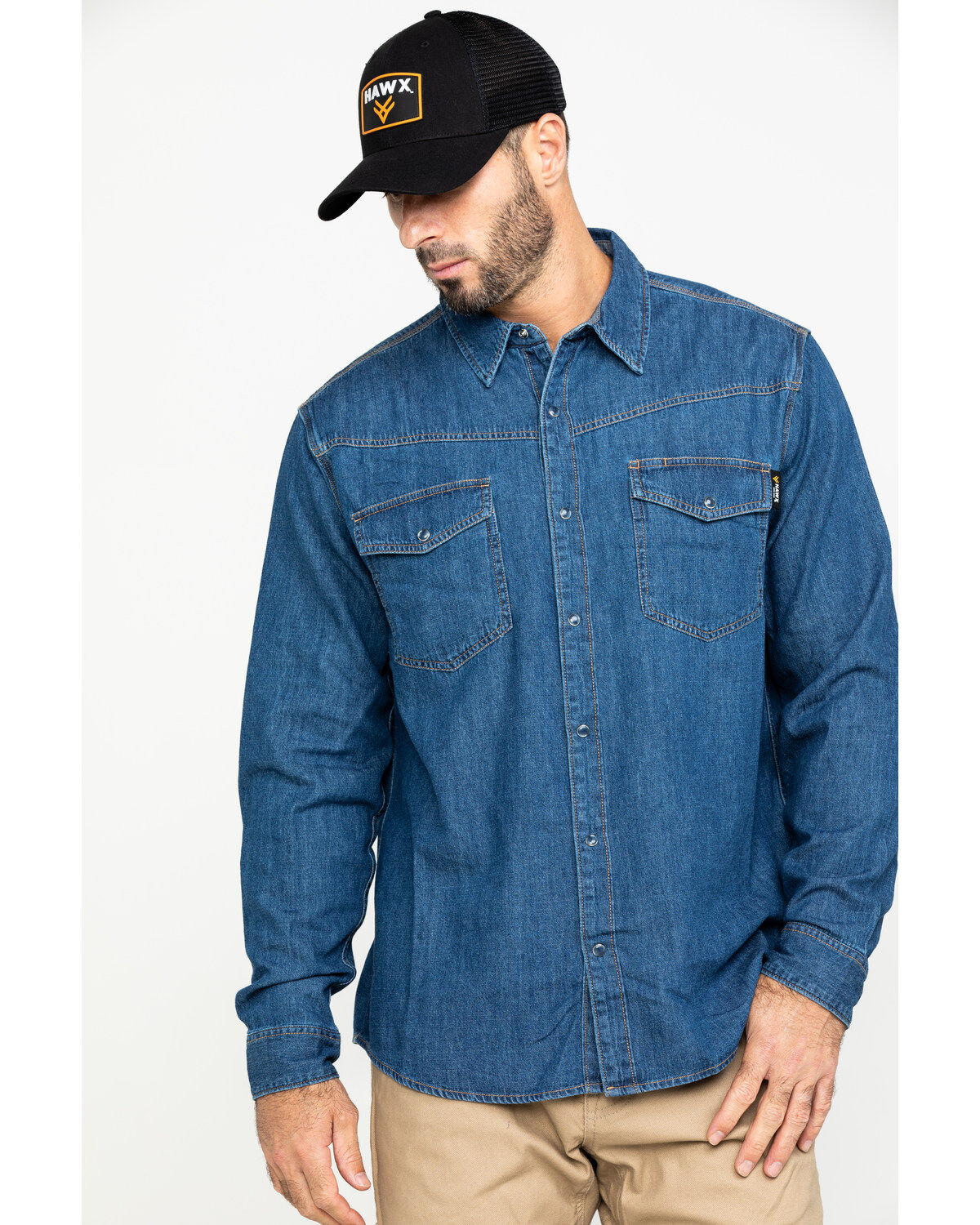
  • Men's Hawx Stonewashed Denim Snap Long Sleeve Work Shirt

    Original Price $39.99 $17.98
    55% Total Savings
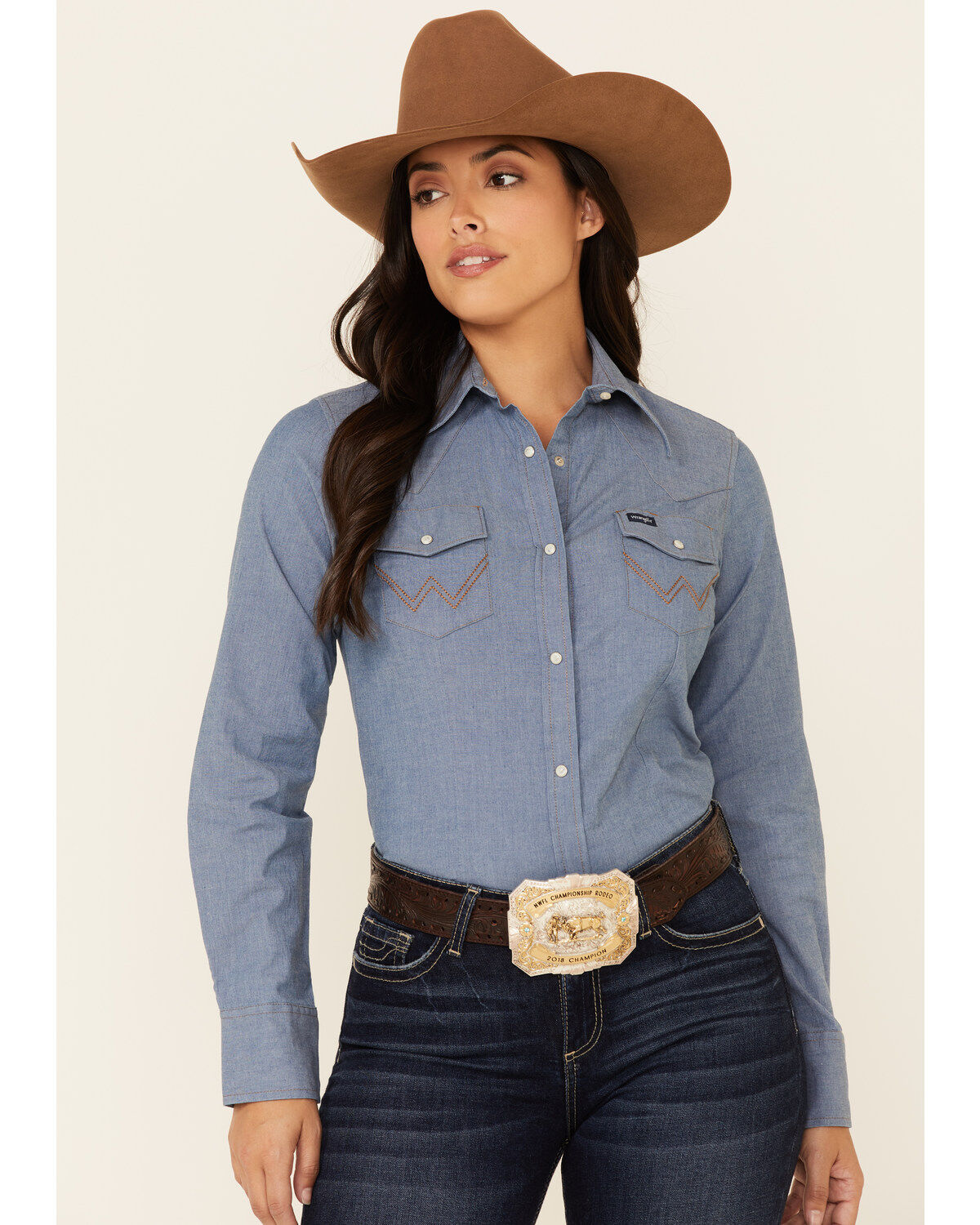
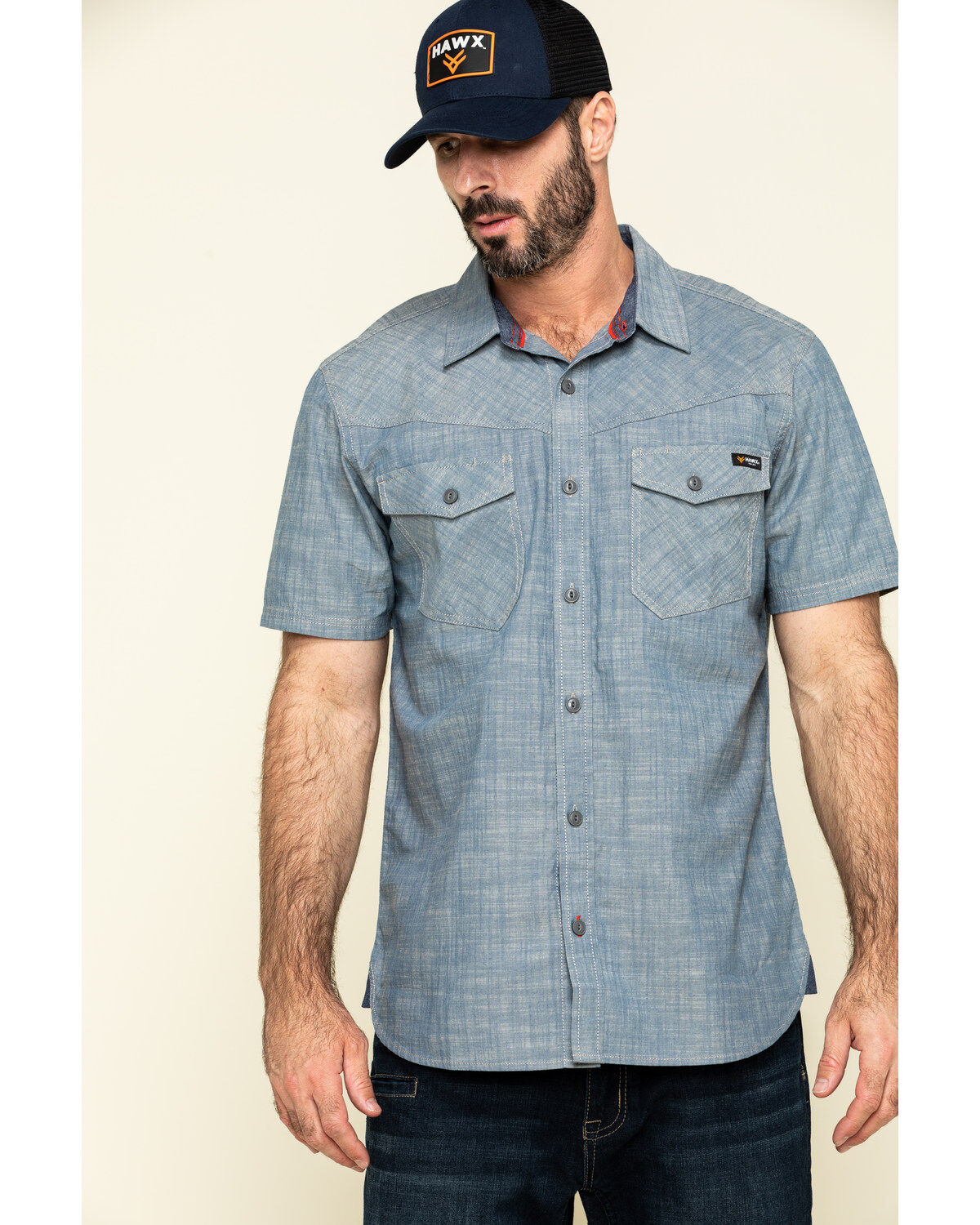
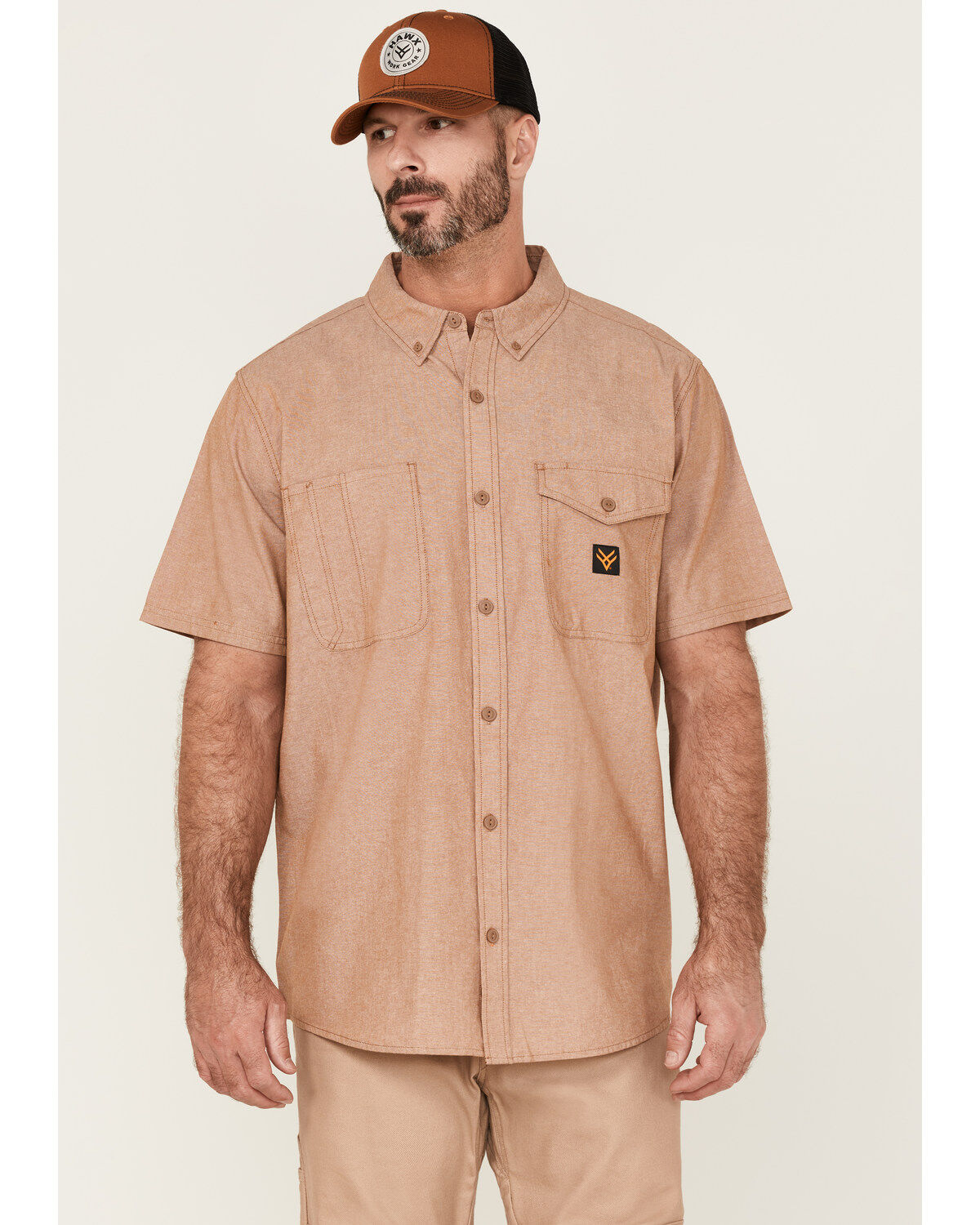
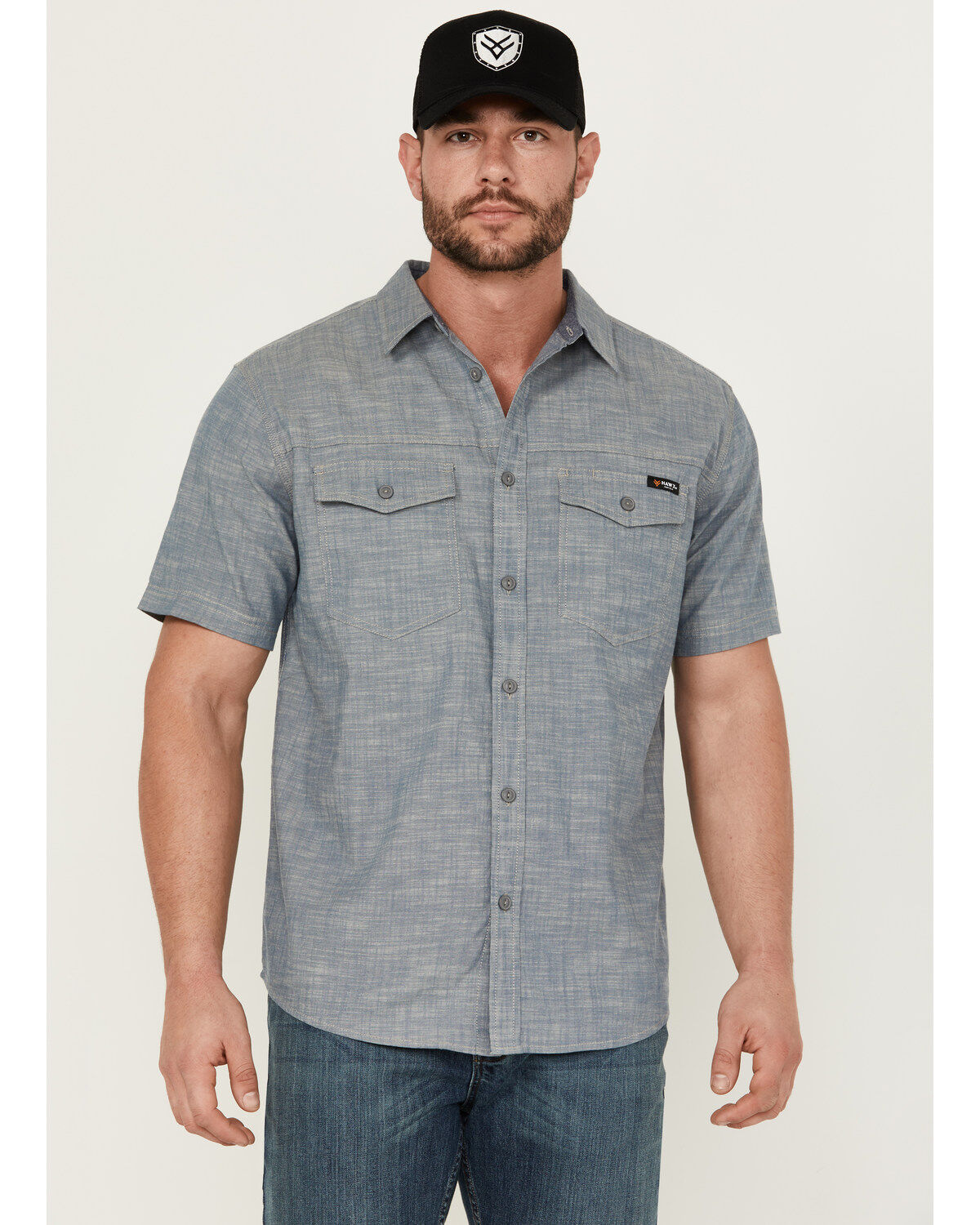
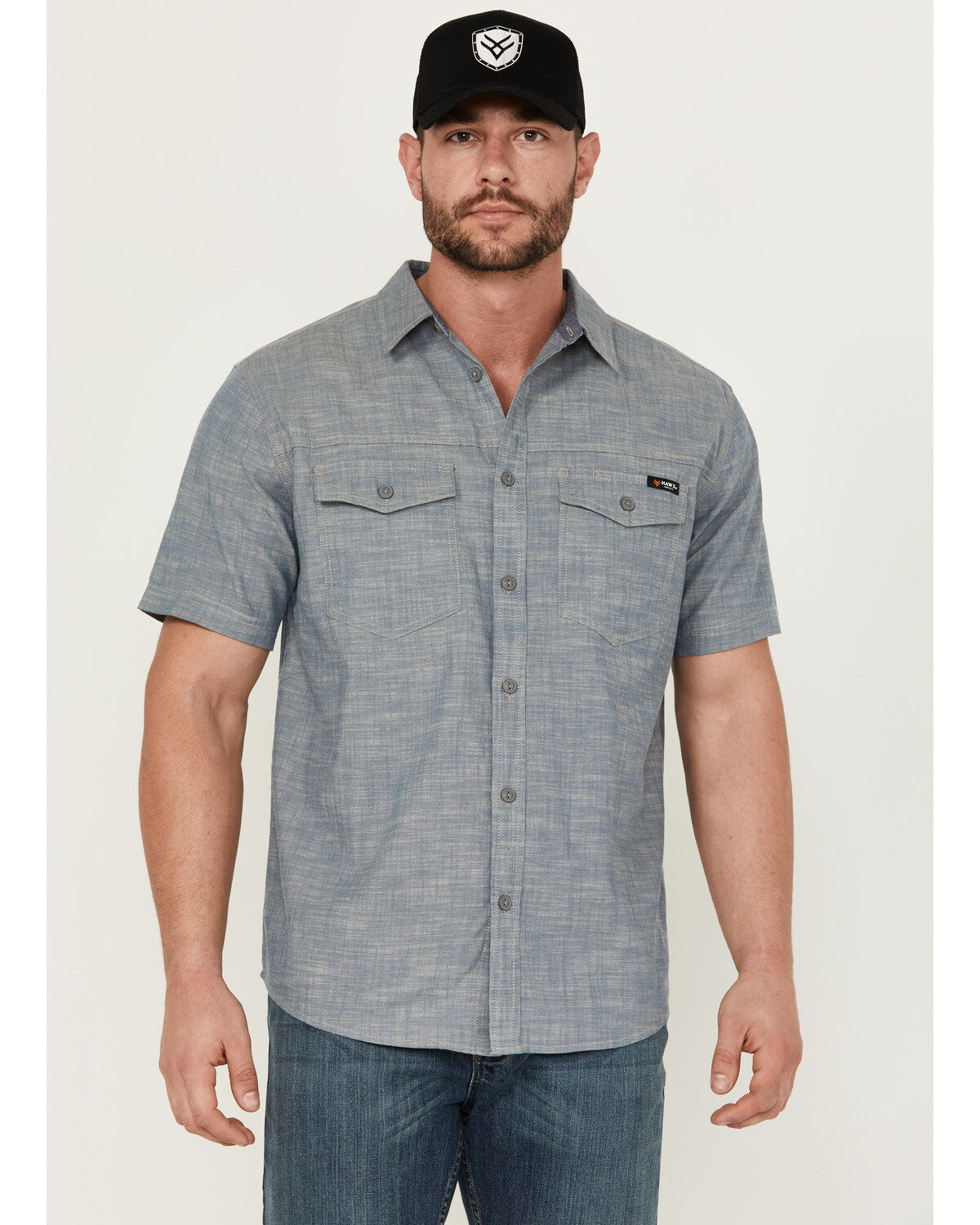
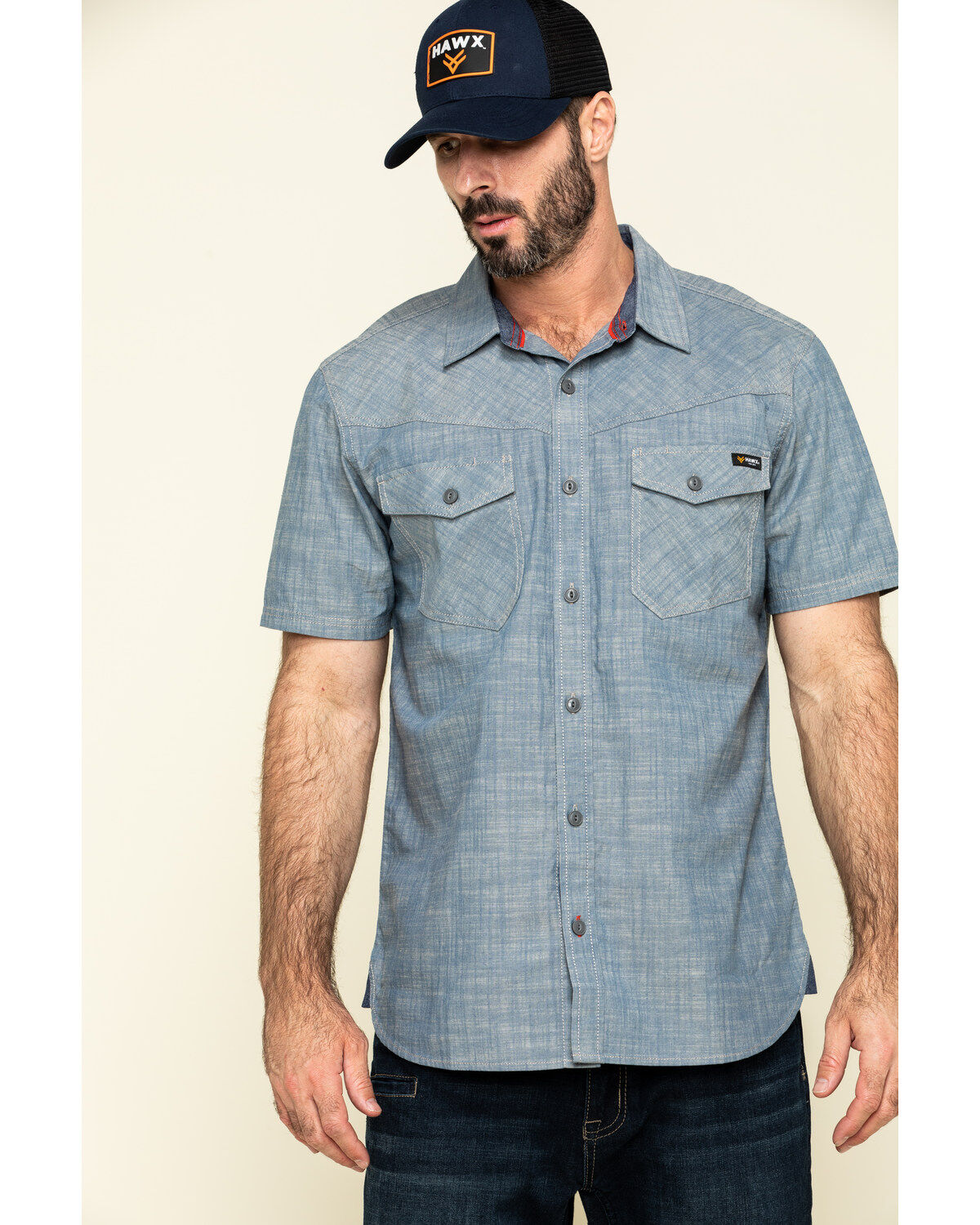
  • Men's Hawx Rancho Chambray Solid Short Sleeve Work Shirt

    Original Price $39.99 $29.97
    25% Total Savings
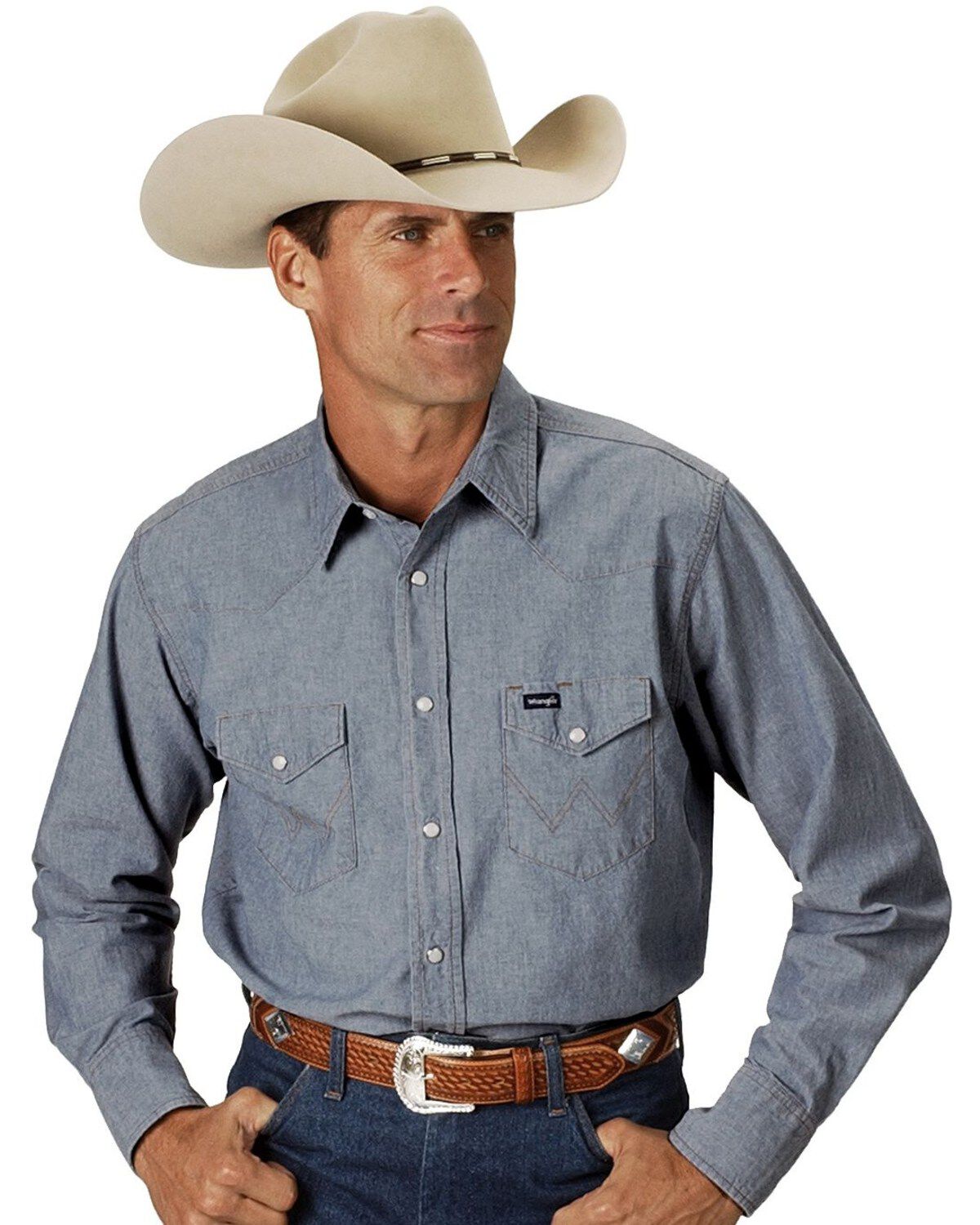
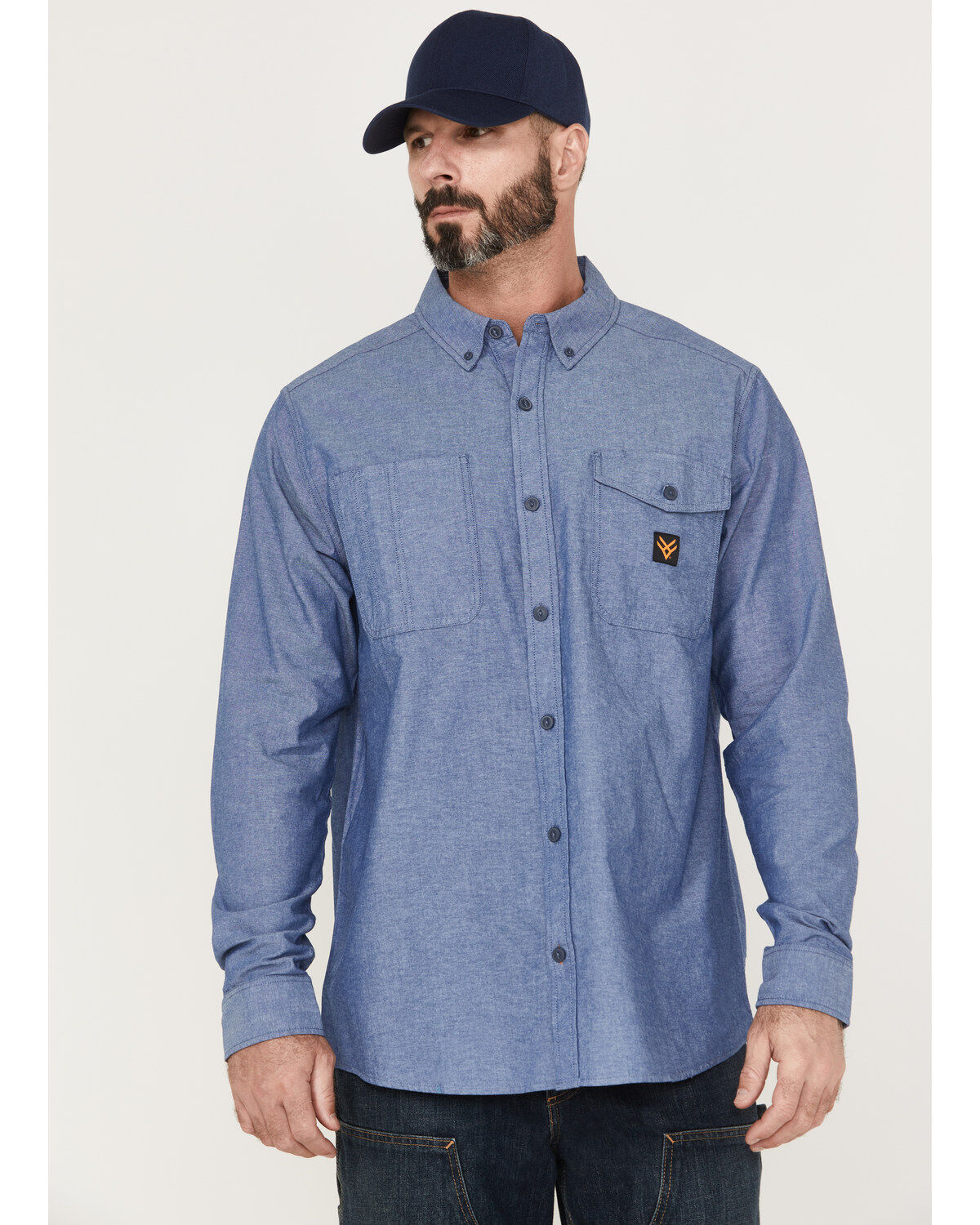
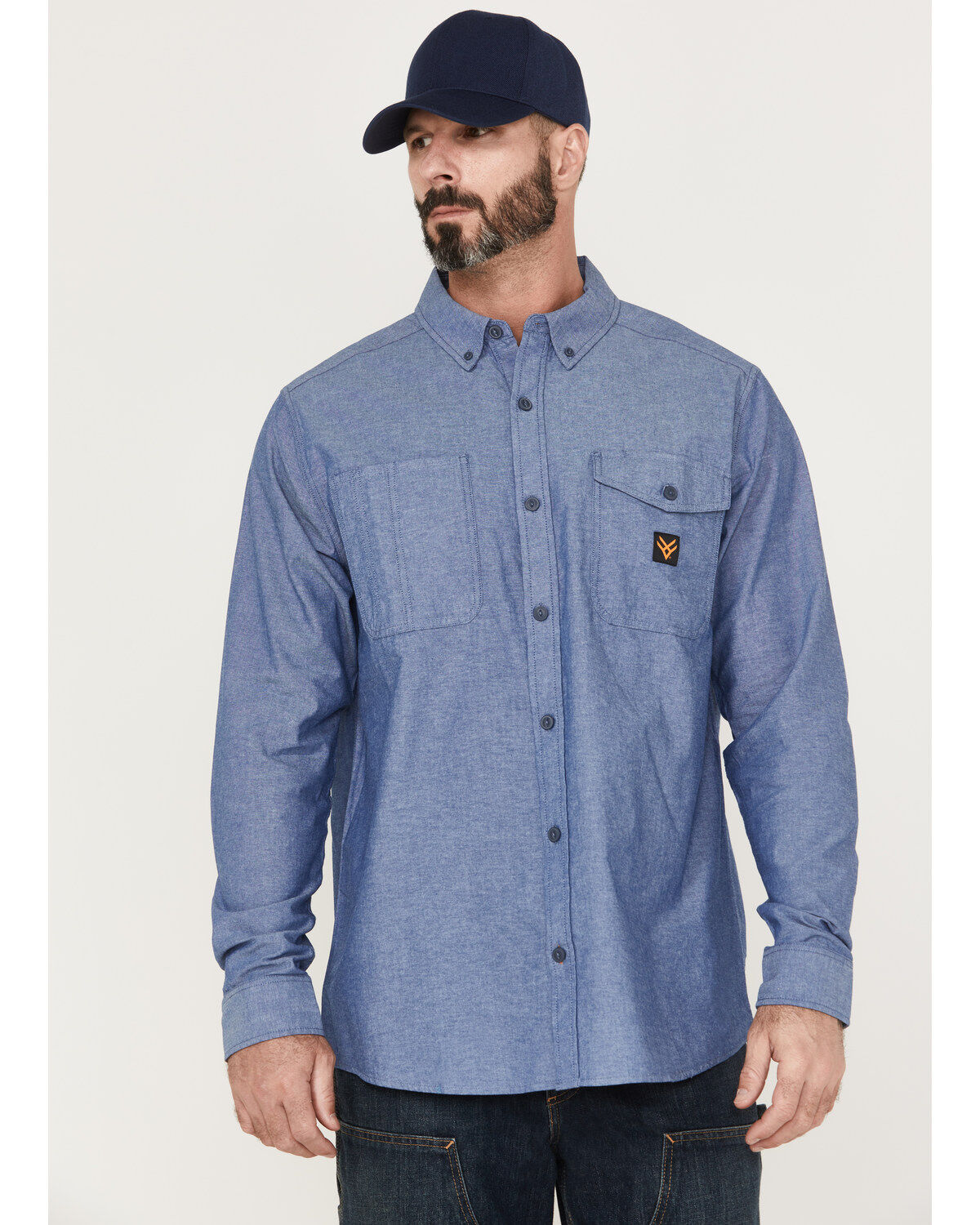
  • Men's Hawx Chambray Sun Protection Western Shirt

    Original Price $44.99 $39.97
    11% Total Savings
  • Men's Hawx Rancho Chambray Solid Short Sleeve Work Shirt - Tall

    Original Price $42.99 $29.97
    30% Total Savings

End of products

Denim vs. Chambray Western Shirts

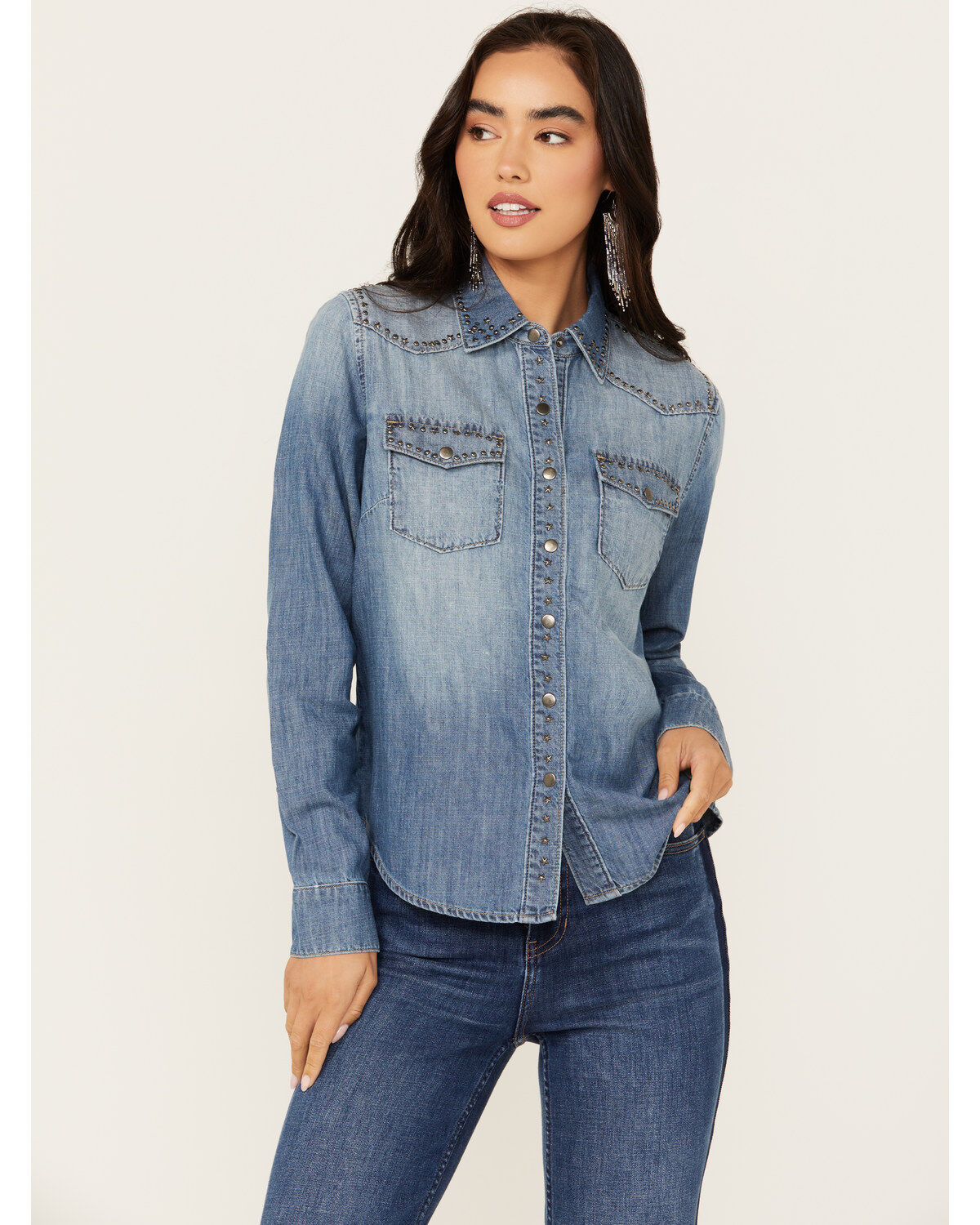
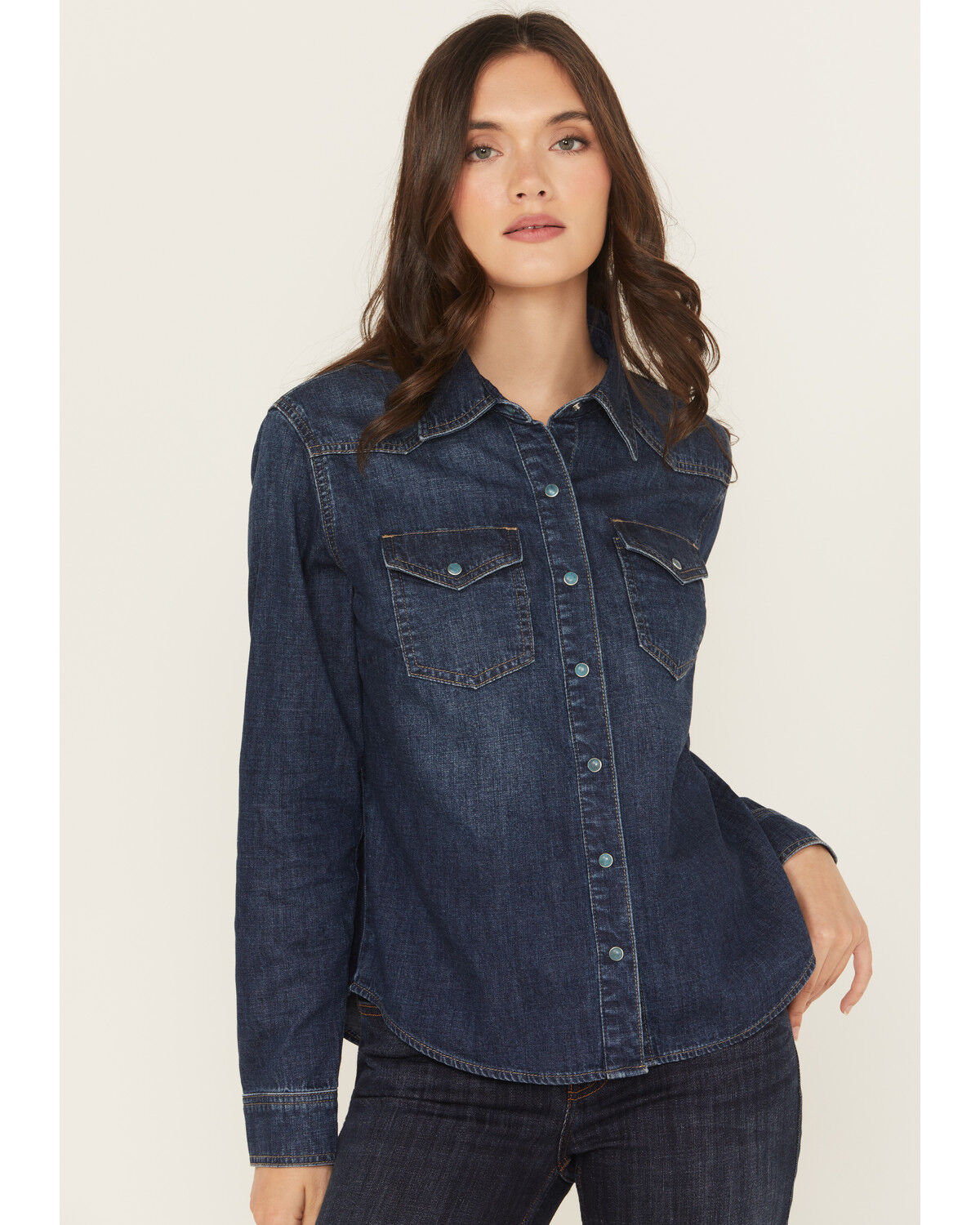
Denim and chambray Western shirts share a familiar look, but they are not the same fabric. The main difference comes from the weave. Chambray uses a plain weave, with the threads crossing over and under one another in a simple pattern. This gives the fabric a smooth surface, a lighter weight, and a soft drape that feels comfortable from the first wear. Denim uses a twill weave, which creates the subtle diagonal rib associated with the fabric. Traditional denim shirts usually have a darker face and a lighter interior, while chambray tends to look more similar on both sides. Those details affect more than appearance. Chambray is breathable and easy to layer, making it useful when the weather is mild or when a shirt needs to feel light beneath a jacket or vest. Denim is generally more substantial, structured, and resistant to everyday wear. It may feel firm at first, then soften and conform to the wearer over time. For a closer look at a classic blue color family, browse Mens Indigo Denim Western Shirts. Both fabrics work well with Western shirt construction, including pointed front and back yokes, dual chest pockets, snap closures, and shaped hems. These details give a shirt its recognizable profile without limiting it to one setting. A denim shirt can suit a ranch, workshop, roadside stop, or casual dinner. Chambray can carry the same Western character with a lighter feel and a less structured appearance.

The right choice between denim and chambray depends on how the shirt will be used, the climate where it will be worn, and the kind of fit that feels natural. Choose chambray when breathability and ease matter most. Its lighter construction works well during warmer days, indoors where heavy layers are uncomfortable, or under a jacket when temperatures shift. It also makes a practical base layer because it does not add much bulk beneath outerwear. A relaxed chambray shirt can be worn untucked with jeans, canvas pants, or work trousers, while a trimmer fit can sit neatly beneath a vest or coat. Denim is a better choice when durability, warmth, and a more defined shape are priorities. Its heavier hand gives it a sturdy feel that works as a standalone layer through the cooler months. It can also serve as a light outer layer over a T-shirt or thermal shirt, especially when the day starts cold and warms later. Weight matters, but construction matters too. Look for secure stitching, comfortable arm movement, and pockets that sit flat rather than pulling across the chest. Western yokes should follow the shoulder without restricting reach, and snap closures should lie evenly when fastened. Consider sleeve length carefully if the shirt will be worn for physical work or layered beneath a coat. A shirt that fits through the shoulders but leaves room through the torso is often easier to wear throughout a long day. Those buying for someone else can use the same points as a guide. Denim and chambray shirts make useful gifts because they are practical, easy to coordinate, and suited to a range of personal styles. A heavier denim shirt is a sound choice for someone who prefers workwear, outdoor layers, or clothing that develops character with wear. Chambray may be better for someone who favors softer fabrics, lighter layers, or a clean shirt that can move between casual and polished settings.

Color and finish also influence how a Western shirt fits into a wardrobe. Deep blue denim has a strong, structured presence and pairs naturally with lighter jeans, khaki, gray, brown, or black trousers. Lighter washes create a more relaxed look and can balance darker pants or boots. Chambray often has a quieter, more even appearance, which makes it easy to wear with denim without creating too much contrast. When wearing a blue shirt with blue jeans, choose noticeably different shades or fabric weights so the outfit looks deliberate rather than uniform. The same principle applies to layering. A chambray shirt under a heavier jacket keeps the outfit comfortable without competing with the outer layer, while a denim shirt can add structure beneath a vest or stand on its own when the temperature allows. Fabric care helps preserve the fit and finish. Follow the garment label, avoid unnecessary washing, and allow the shirt to dry in a way that protects its shape. Denim may soften and show natural wear at areas that bend or receive frequent use. Chambray generally remains light and flexible, though it can also change in color and texture over time. Neither fabric needs to look overly formal to appear considered. The best choice is the one that matches the wearer’s routine: chambray for a breathable, adaptable layer; denim for a tougher, warmer shirt with more structure. Both bring the practical details of Western wear together with everyday versatility, giving men a dependable option for work, travel, outdoor use, casual gatherings, and cooler-season layering.
Read More

FAQs