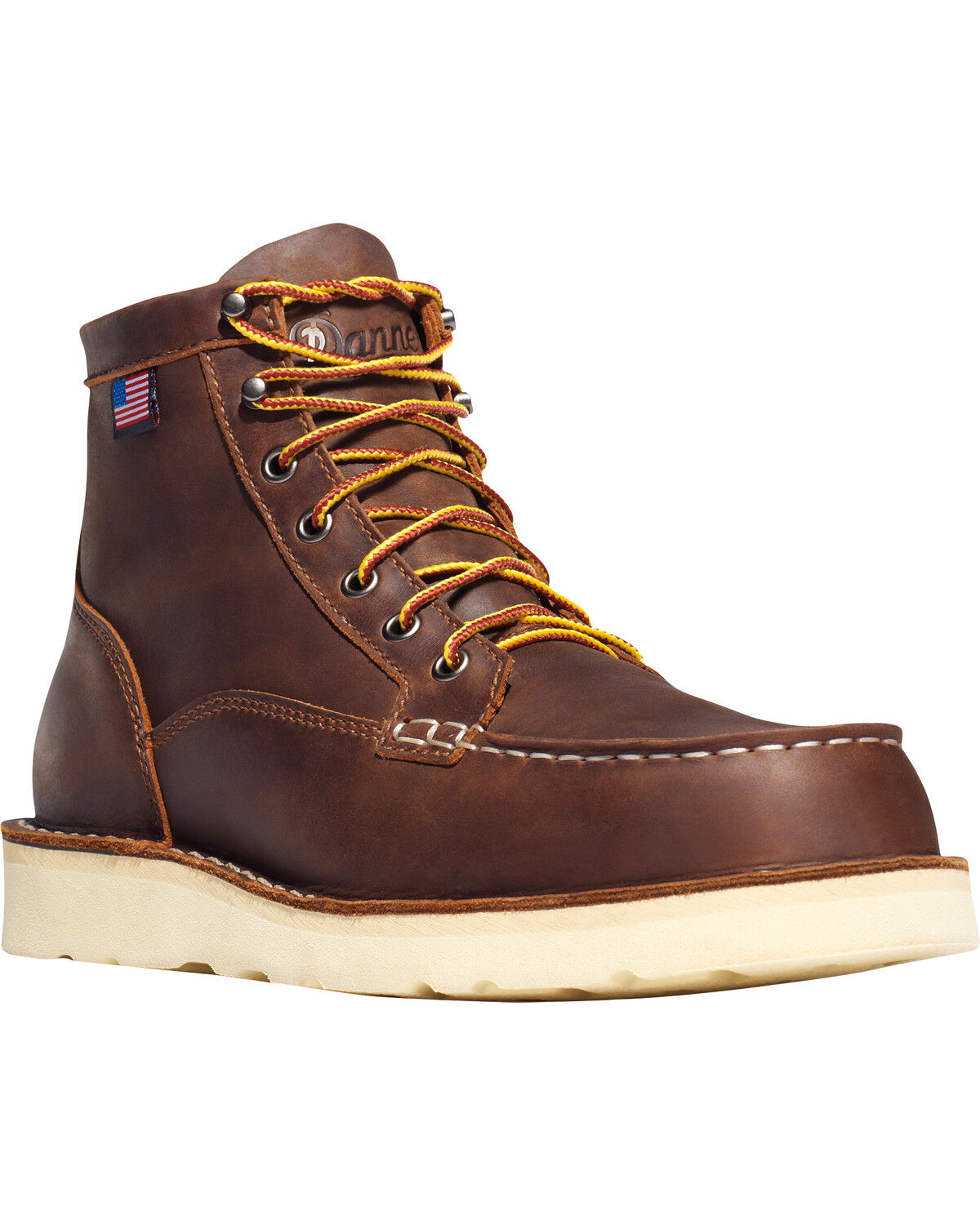
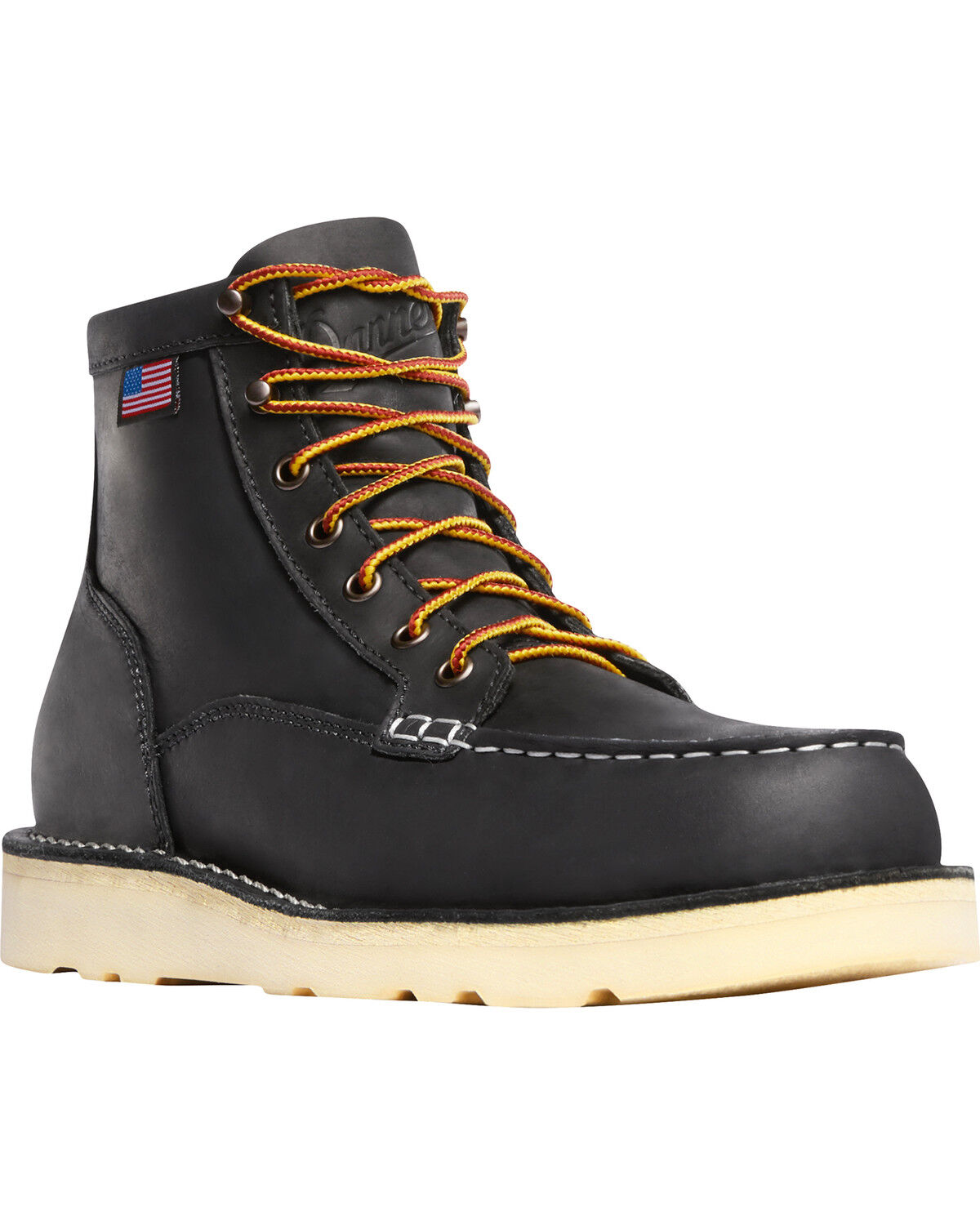
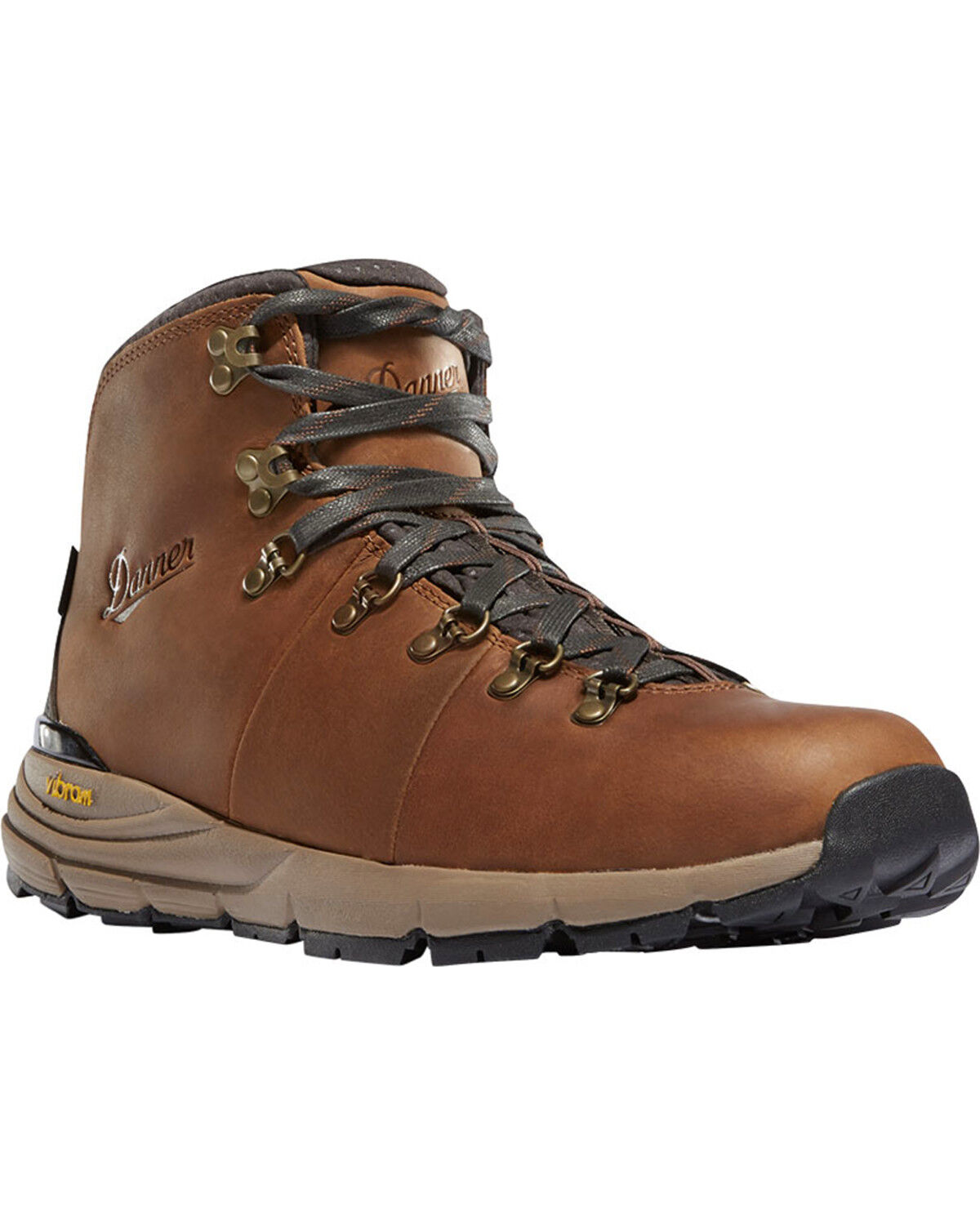
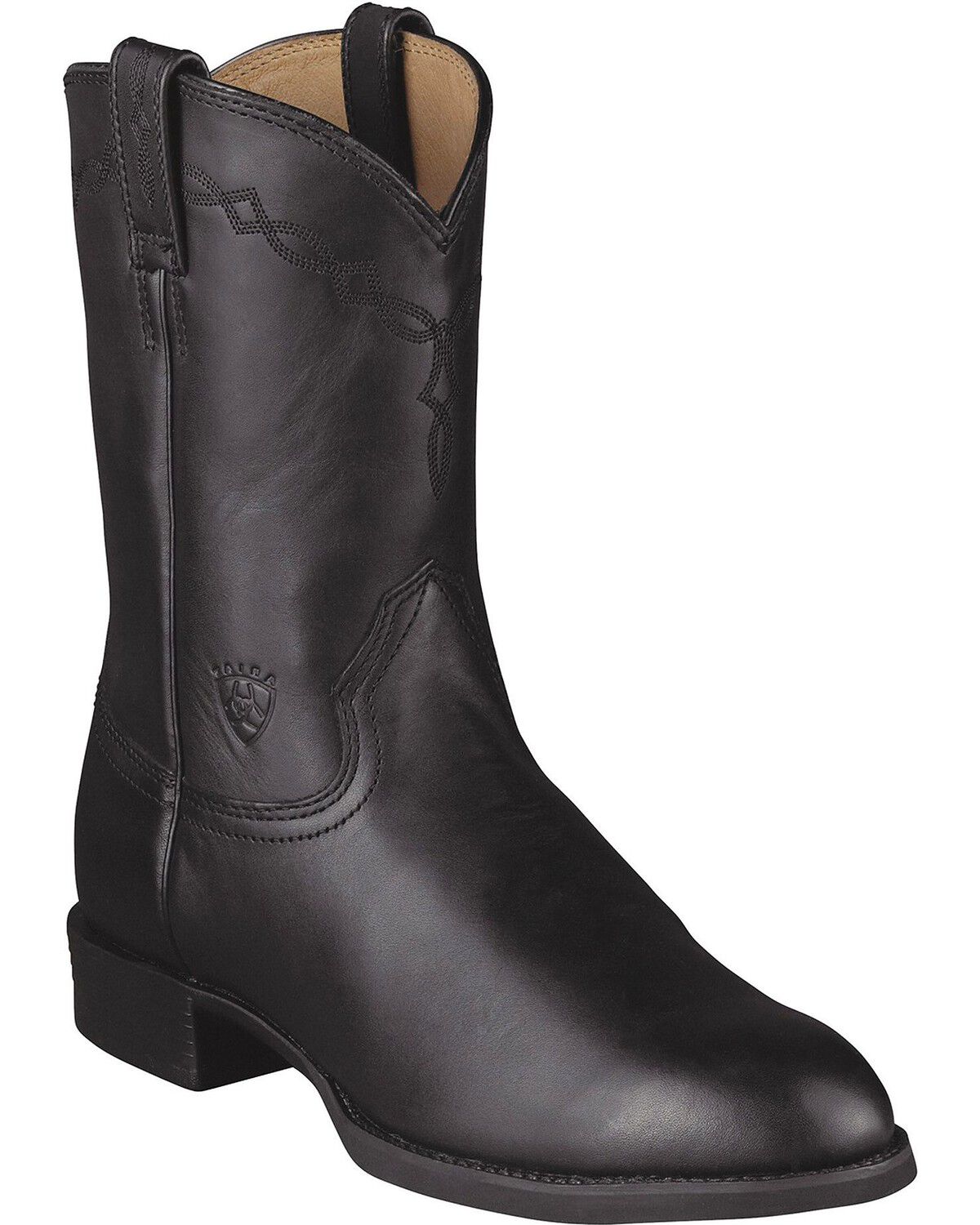
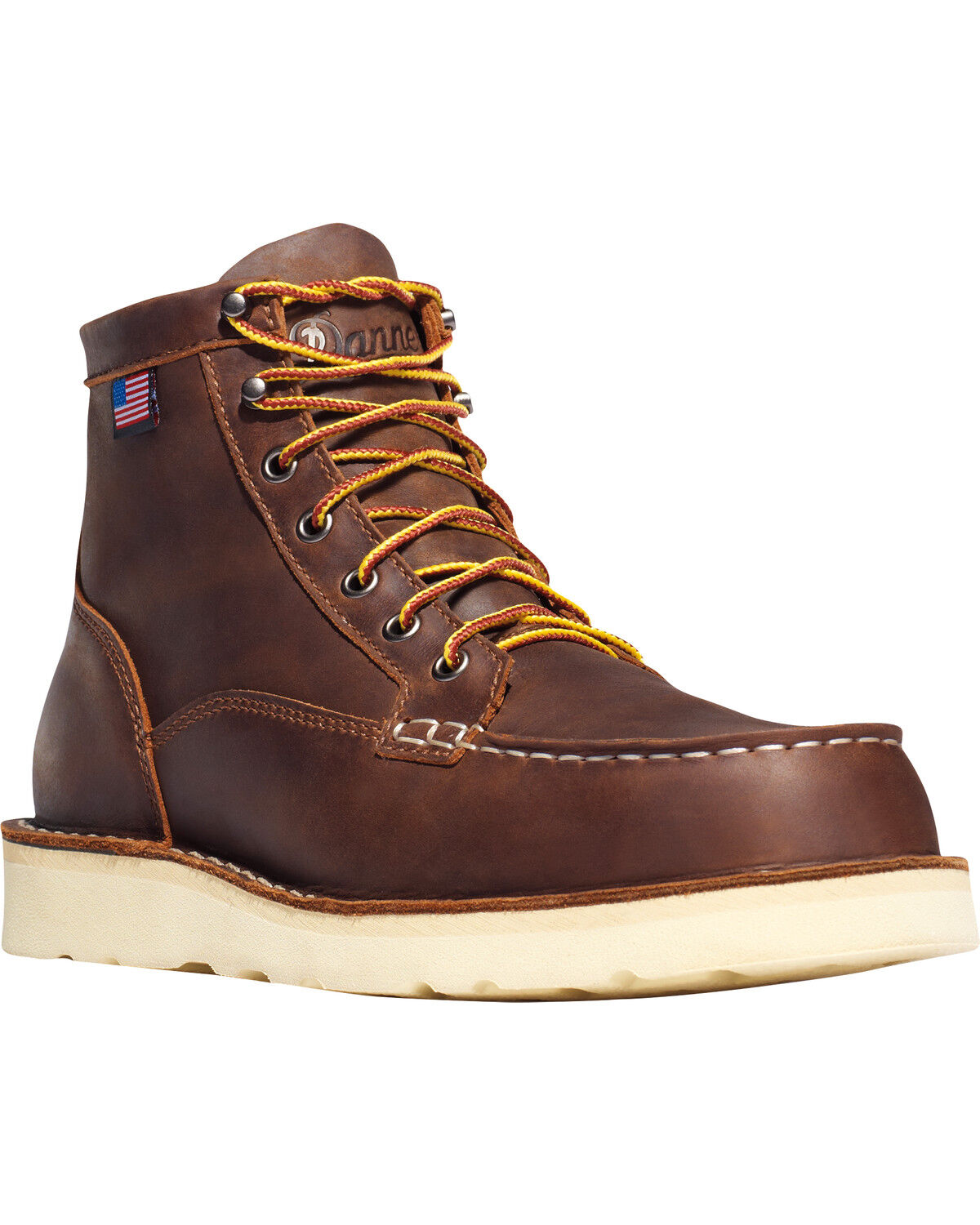
Step into a world where style meets functionality with our curated selection of cutter heel boots. Perfect for those who appreciate a touch of flair without... sacrificing comfort, these boots are designed to elevate your wardrobe with their unique heel design. Whether you're headed to the ranch or hitting the town, cutter heel boots provide the perfect blend of Western charm and modern sophistication. Explore our collection and discover how these boots can seamlessly fit into your lifestyle, offering both durability and timeless appeal.
Read more
Cutter Heel Boots
Step into a world where style meets functionality with our curated selection of cutter heel boots. Perfect for those who appreciate a touch of flair without... sacrificing comfort, these boots are designed to elevate your wardrobe with their unique heel design. Whether you're headed to the ranch or hitting the town, cutter heel boots provide the perfect blend of Western charm and modern sophistication. Explore our collection and discover how these boots can seamlessly fit into your lifestyle, offering both durability and timeless appeal.
Cutter heel boots bring a clean, refined shape to Western footwear without giving up the structure needed for riding and everyday wear. The defining detail is the cutter toe: a narrow, tapered square toe that sits between a traditional square toe and a sharper snip toe. It gives the boot a streamlined profile while leaving more room across the front than a pointed toe typically allows. Most cutter heel boots also feature an angled, underslung riding heel, often around 1.75 inches tall, with a spur shelf or spur lip at the back. That heel design helps keep the foot positioned in a stirrup and offers a stable base when walking, working around livestock, or spending long hours on your feet. The result is a boot that looks polished under denim but still carries the practical shape associated with the saddle. Cutter heel boots suit riders, ranch hands, Western competitors, and anyone who prefers a narrower toe and a defined riding heel. They also work well for occasions that call for a more finished look, from a country wedding to an evening gathering where ordinary work boots would feel too heavy. For a similar riding-inspired profile with a different overall shape, browse Horseman Heel Boots.
When choosing cutter heel boots, start with the fit through the instep, heel, and toe box rather than relying only on your usual shoe size. A properly fitted Western boot should feel secure over the instep, with the heel lifting slightly as you walk during the break-in period. That movement is normal; the leather settles as it conforms to your foot. Your toes should not press against the end of the boot or feel pinched along the sides, and the ball of your foot should rest at the widest part of the boot. Try them on with the socks you expect to wear, especially during cooler months when a thicker pair may change the fit. A cutter toe offers useful room compared with a sharp snip toe, but it remains more tapered than a broad square toe, so foot shape matters. The heel should feel planted without rubbing, and the sole should bend naturally near the ball of the foot instead of folding under the arch. If you plan to ride, make sure the heel and sole move cleanly through your stirrups and that the spur shelf does not interfere with your equipment. If the boots will serve mainly as daily footwear, consider the balance between a riding heel and all-day comfort on hard floors, gravel, or pavement. Leather construction also deserves attention. Cowhide is a dependable choice for regular wear, with a familiar grain and a straightforward break-in process. American bison leather has a pronounced texture and a substantial feel, while exotic leathers can bring distinct grain patterns and a dressier finish. Material affects price, weight, flexibility, and care requirements, so choose based on how often the boots will be worn and the conditions they will face. A pair reserved for gatherings may call for a different leather than one expected to handle barn dust, wet ground, and daily chores.
Cutter heel boots can become part of a dependable rotation when they are cared for with the same practical attention given to any hard-working piece of gear. Brush away dry dirt after wear, let damp leather dry naturally away from direct heat, and use a conditioner suited to the boot’s specific material. Avoid soaking the boots or applying an untested product, since excessive moisture and the wrong conditioner can darken leather, weaken finishes, or alter the grain. A boot tree or clean paper inside the shaft can help the boots hold their shape while they rest. Rotate pairs when possible so the leather has time to air out between wears. For riding, inspect the sole, heel, and welt regularly, especially if the boots are used around rough ground or placed in stirrups often. A worn heel can change the way the foot sits, while a damaged sole can reduce traction and stability. For casual wear, keep the toe clean and conditioned, since the tapered shape tends to show scuffs along its front edge. Cutter heel boots also make a thoughtful gift for someone building a Western wardrobe, preparing for a new riding season, or looking for footwear that can move from the arena to a more formal setting. They offer a recognizable Western silhouette without relying on excessive ornament, and the angled heel gives them a purpose beyond appearance. During the cooler months, they pair naturally with denim, flannel, canvas jackets, and heavier layers, while their clean profile remains easy to wear when the weather turns mild. A well-fitted pair should feel steady on the ground, secure in the stirrup, and comfortable enough to become the boots reached for without much thought.