Crocodile Boots

Shop crocodile boots for a textured look in western footwear. Compare the listed materials, toe shapes, and heel heights to narrow your options, and review each pair’s sizing information before choosing your fit.

Read More

Shop Your Store: Shop Your Store: Find a Store

(Turn off Shop Your Store to see all items)

(Turn off Shop Your Store to see all items)

close
  • Recommended
  • Lowest Price
  • Highest Price
Skip pass products

End of products

Crocodile Boots

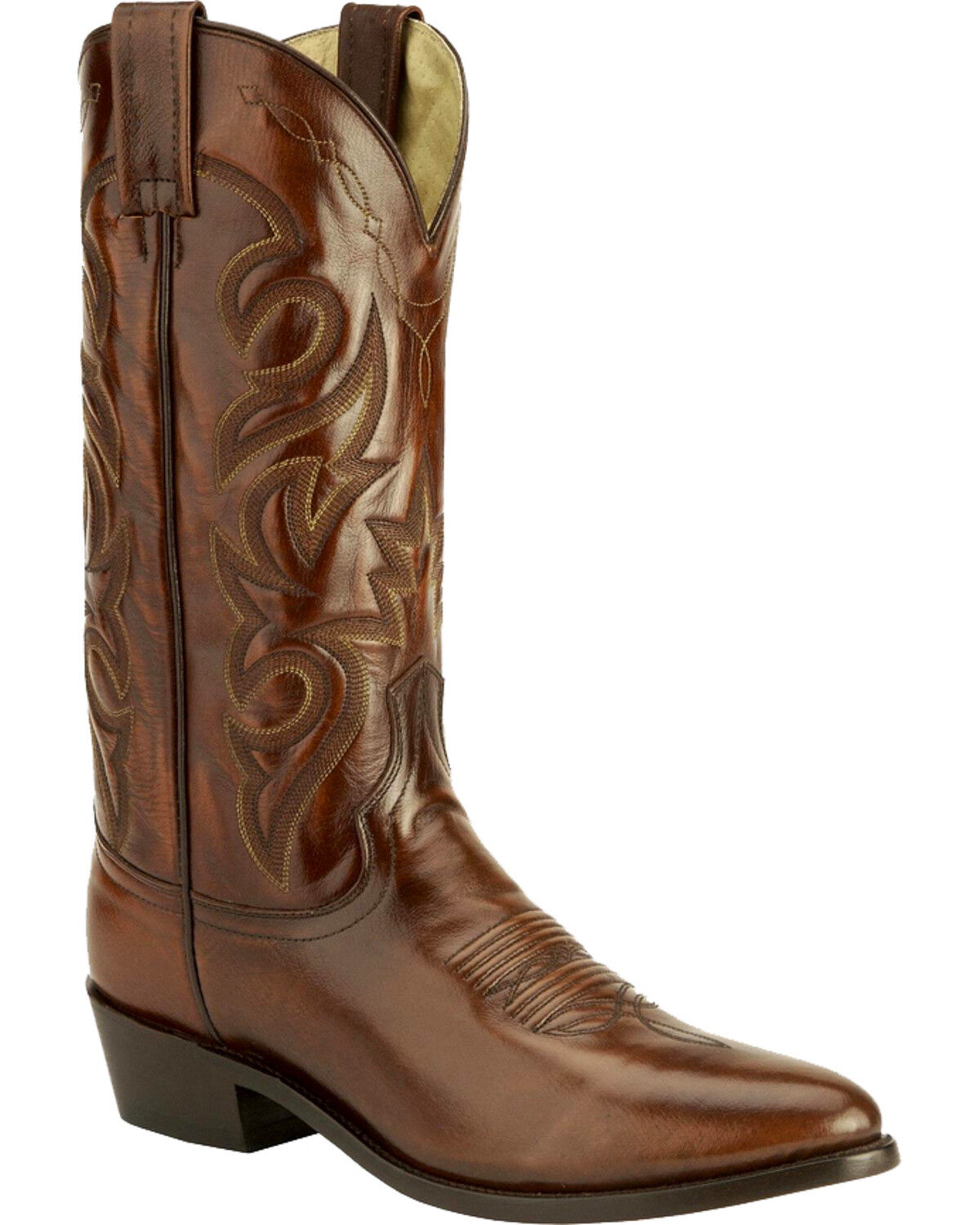
Crocodile boots have a distinct look built around the leather itself: defined scales, natural variation, and a surface that gives even a simple boot plenty of character. Genuine crocodile leather can show different patterns depending on the section of hide used, from flatter, more regular belly scales to more pronounced texture elsewhere. Those differences help explain why two pairs with the same general color and shape may not look identical. Embossed leather can also carry a crocodile-style pattern, but it is a different material, so the leather description matters more than appearance alone. Construction details deserve the same attention as the finish. A boot may combine a crocodile leather foot with a shaft made from another leather, and its lining, stitching, heel, and outsole all affect how it feels and wears. For a traditional western profile, crocodile leather cowboy boots for men bring that distinctive texture to a familiar boot shape. Toe shape changes the overall impression, with round, square, and narrower profiles offering different proportions beneath jeans or dress pants. A darker finish tends to keep the pattern understated, while lighter tones can make individual scales and natural markings more visible. Neither needs much extra detail to carry an outfit. Straight-leg jeans, a clean western shirt, and a leather belt give the boots room to be noticed without competing patterns. For a wedding, dinner, or an occasion that calls for more polish, trousers with enough room through the lower leg can sit neatly over the shaft. The hem should fall cleanly rather than bunch heavily or catch on the boot. Crocodile boots can suit someone who wears western footwear daily or someone who reserves a distinctive pair for important occasions. Their appeal comes from the balance of familiar construction and an uncommon leather surface, not from elaborate decoration.

Fit determines whether crocodile boots become a regular part of a wardrobe or spend most of their time in the closet. With pull-on construction, the instep needs to hold the foot securely because there are no laces to adjust. A new pair should feel snug through that area without sharp pressure, numbness, or a pinched feeling across the ball of the foot. Some heel movement can be normal before the sole becomes more flexible, but the foot should not slide forward with each step. Toes need room to rest naturally, and the widest part of the foot should line up with the widest part of the boot. A square toe is not a substitute for the correct width, and a pointed profile should not require squeezing into a smaller size. Trying boots with the socks intended for regular wear gives a more useful picture than trying them with unusually thin or thick socks. Walking on a clean indoor surface helps reveal rubbing at the heel, pressure over the instep, or a shaft that presses against the calf. Leather can soften with wear, but break-in should not be counted on to correct a poor fit. Comfort also depends on the construction beneath the foot. Lining materials, cushioning, arch support, heel height, and outsole flexibility can make similar-looking boots feel quite different. Leather outsoles offer a traditional finish, while rubber outsoles can provide different traction and wear characteristics depending on their design. The intended use should guide that choice. A pair worn mostly to dinners and celebrations faces different demands than one worn through a full day of standing and walking. Crocodile boots should not be assumed to provide the protection of work footwear; tasks requiring a safety toe, electrical hazard protection, or other rated features call for boots specifically marked for those needs. For everyday wear, consider the whole day, including stairs, long hallways, and time spent on your feet. A striking leather pattern matters less if the fit makes every step uncomfortable.

Care helps preserve the texture, finish, and structure that make crocodile boots distinctive. Dust can settle along the edges of the scales and around stitching, so a soft brush or clean cloth is useful after wear. Remove loose dirt gently rather than scrubbing hard across the surface. Cleaning and conditioning products should be appropriate for exotic leather and consistent with the boot maker’s directions. Heavy oils, household cleaners, and treatments intended for unrelated materials can alter the color or leave residue. Testing an approved product on a small, less visible area first can help reveal an unwanted change before treating the entire foot. Conditioning is not a matter of applying as much product as possible; the right amount and frequency depend on the leather, finish, and how the boots are used. Spills should be wiped away promptly, and damp boots should dry naturally away from direct heat. Storage matters between wears, too. Keep the shafts upright without forcing them out of shape, give the boots space rather than stacking other footwear on top, and choose a location away from prolonged direct sunlight. Allowing the interior to dry between wears helps manage moisture from normal use. Outsoles and heel caps take much of the wear, and checking them before they wear through can make timely repair easier. A qualified boot repair professional can assess stitching, sole wear, and the condition of the leather without guessing at what needs attention. For a gift, crocodile boots are best matched to the recipient’s established fit and habits. A familiar toe shape, preferred heel height, and usual clothing offer better direction than choosing solely by color. An experienced boot wearer may appreciate the natural scale pattern and careful construction, while someone new to pull-on boots benefits from a fit check before regular wear. Whether chosen for personal use or a meaningful occasion, a well-fitting pair with appropriate care can remain a distinctive part of a wardrobe for years.
Read More

FAQs