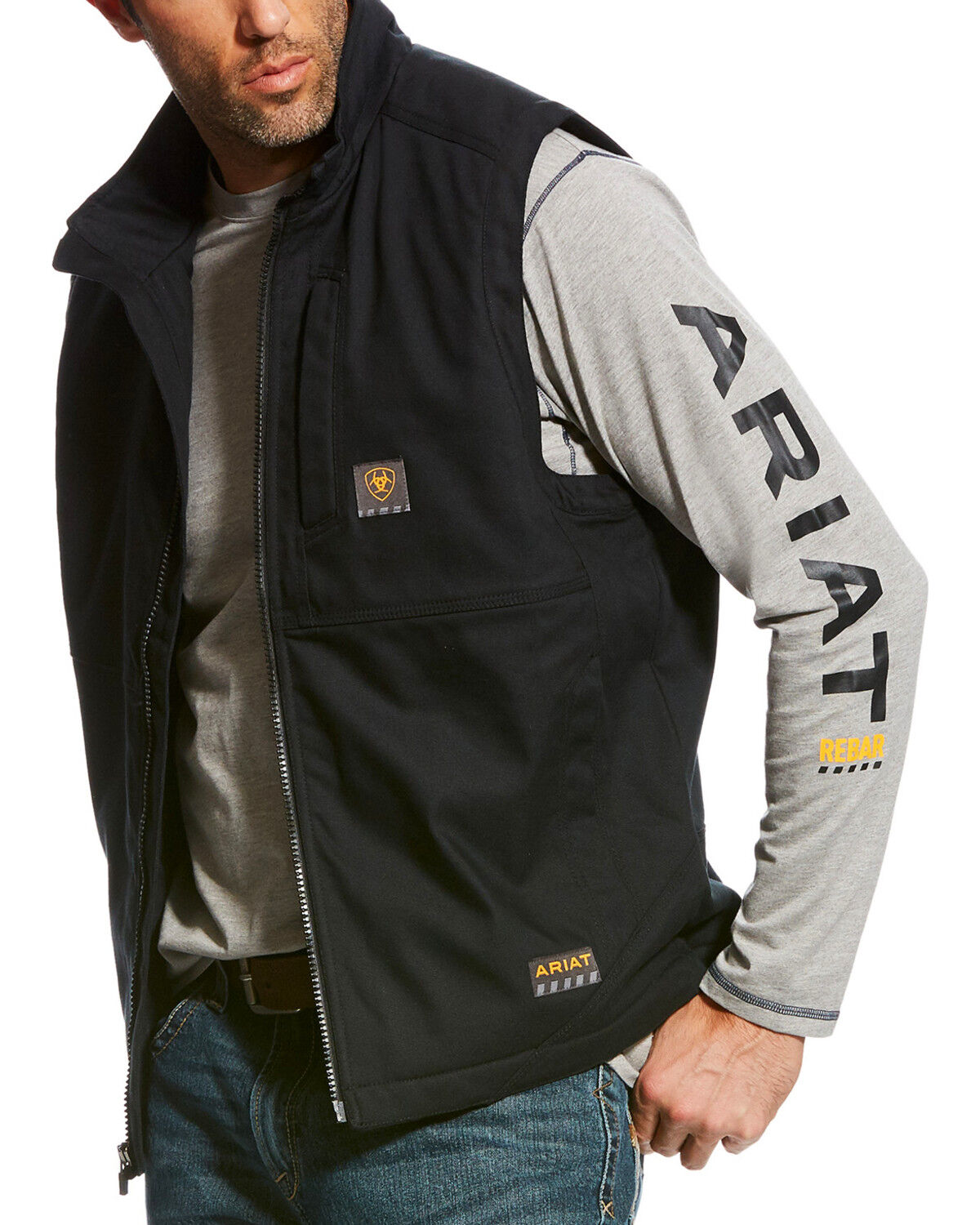
Cowboy Vests

Find cowboy vests to add a layer to your western wardrobe. Browse the selection for a look that works with your shirts and jeans, and check each vest’s fit and details to find the right match for everyday wear or a more dressed-up outfit.

Shop Your Store: Shop Your Store: Find a Store

(Turn off Shop Your Store to see all items)

(Turn off Shop Your Store to see all items)

close
  • Recommended
  • Lowest Price
  • Highest Price
Skip pass products
  • Men's Blue Ranchwear Solid Button-Down Duck Canvas Vest
    Original Price $79.99 $38.97
    51% Total Savings

End of products

Cowboy Vests

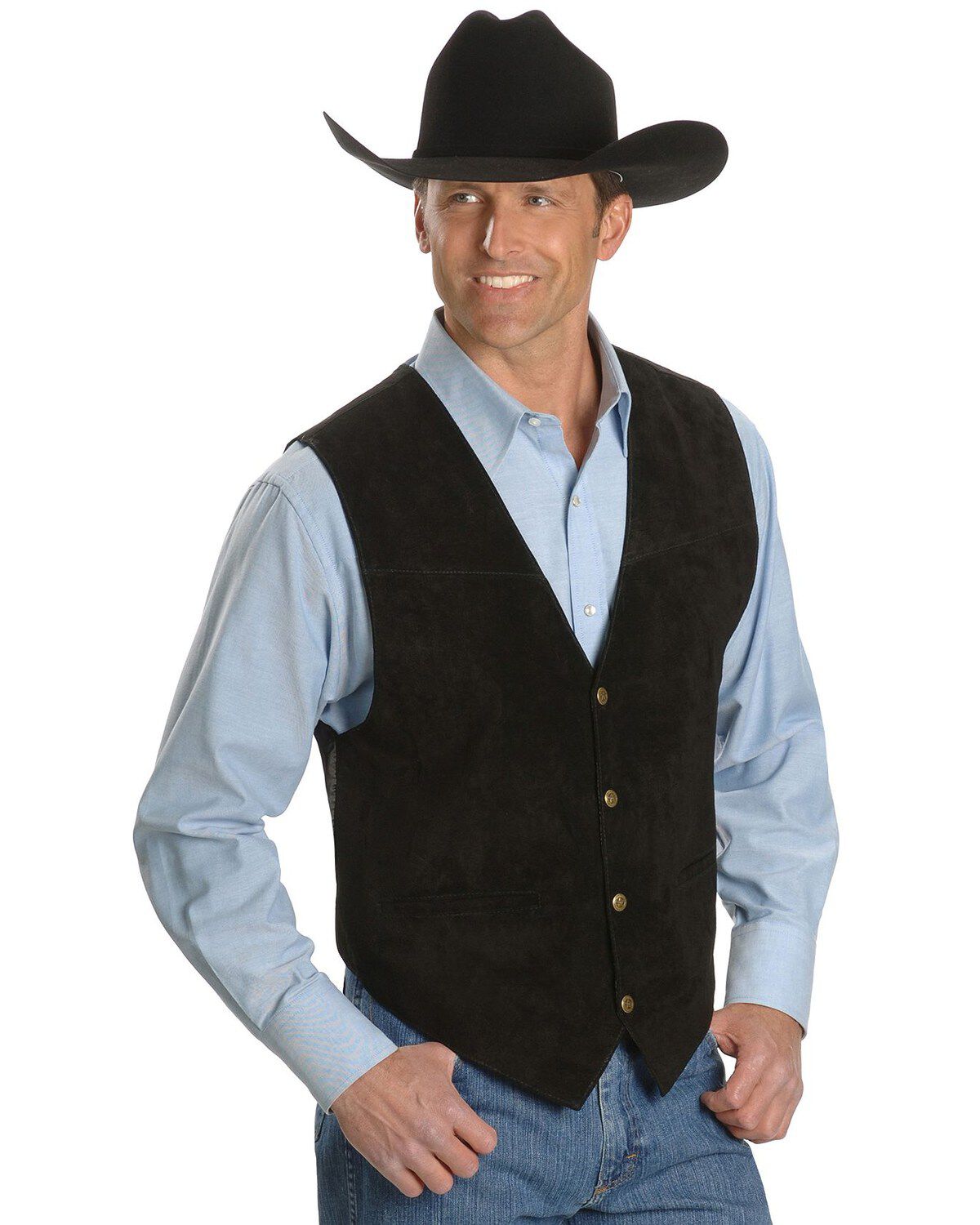
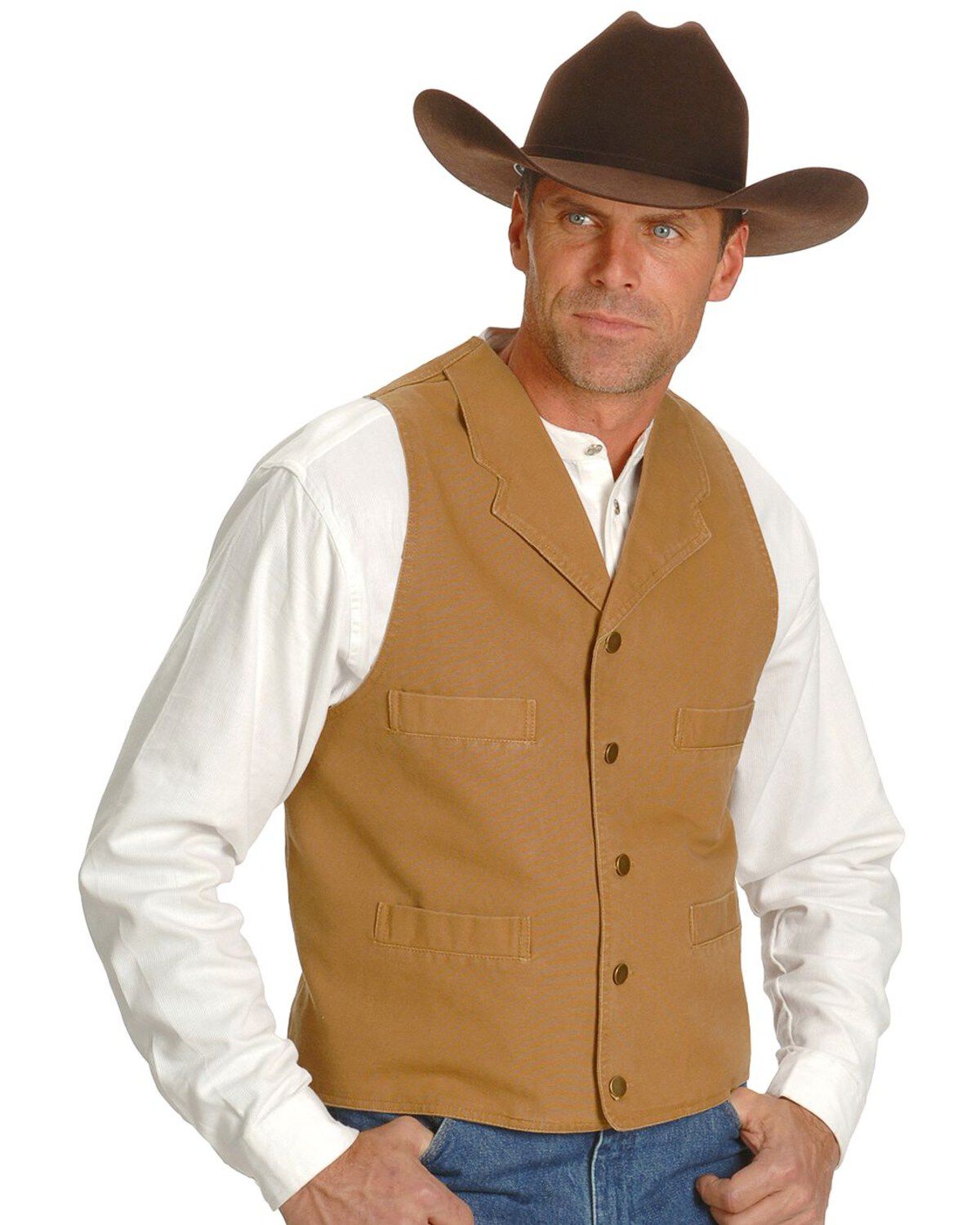
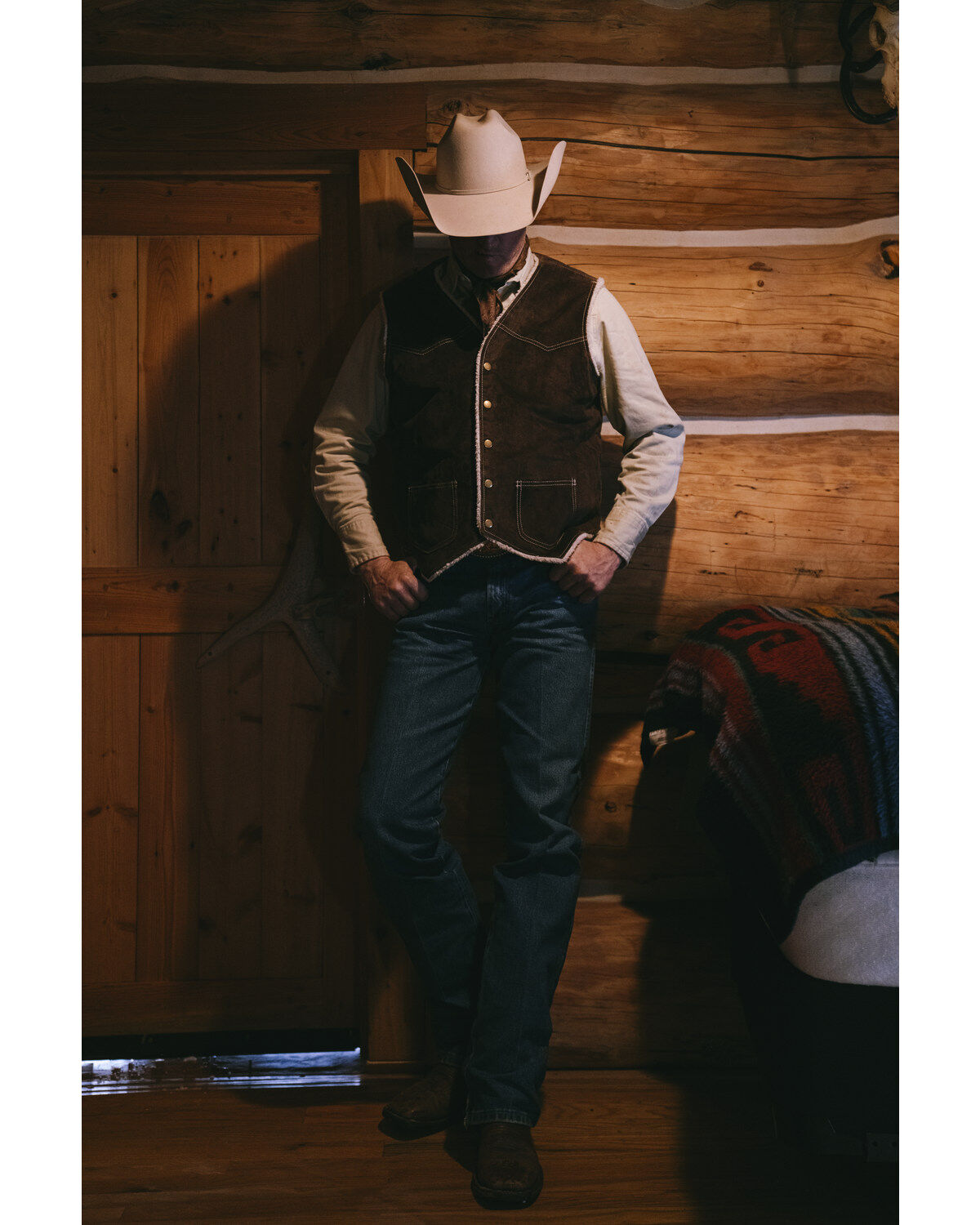
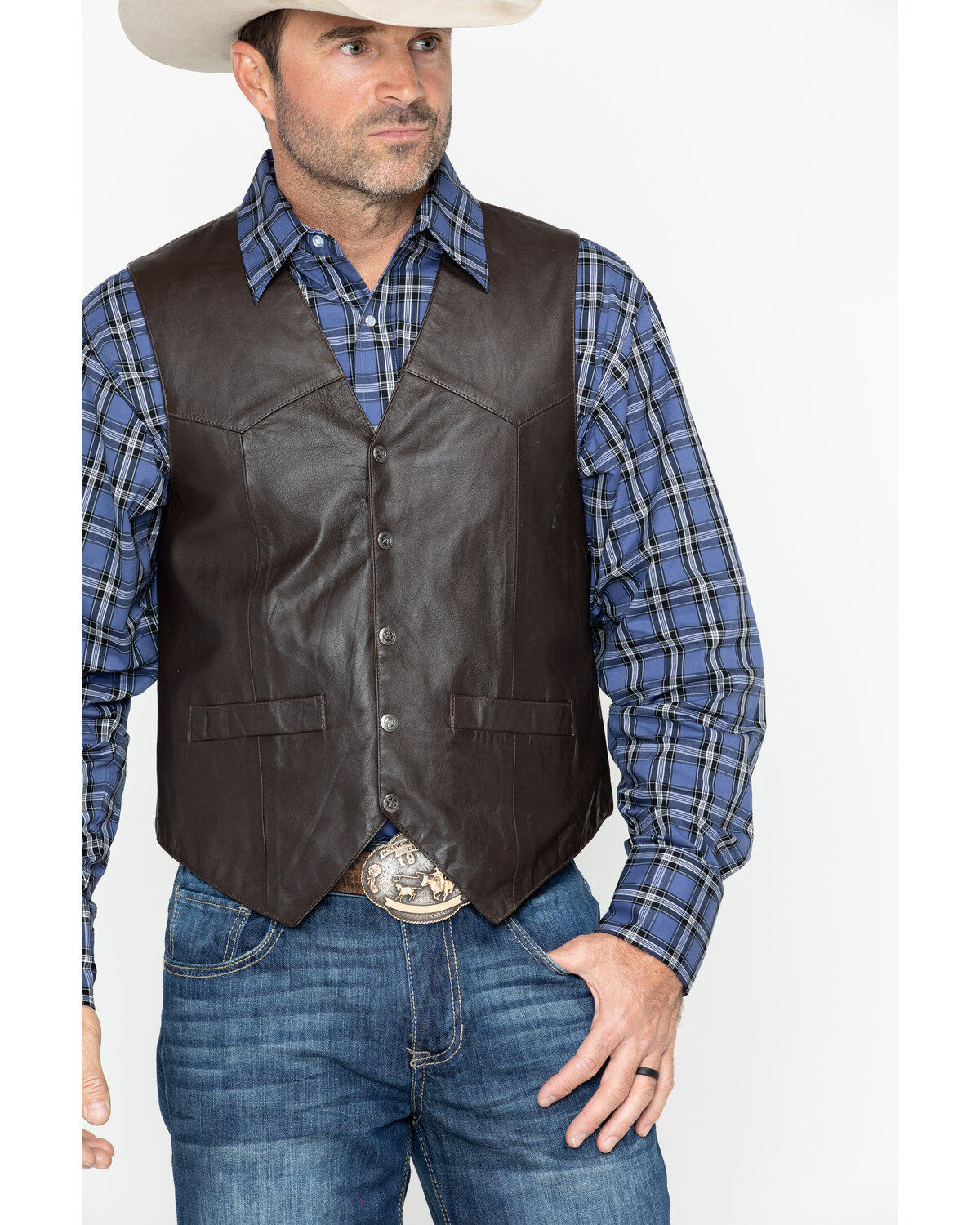
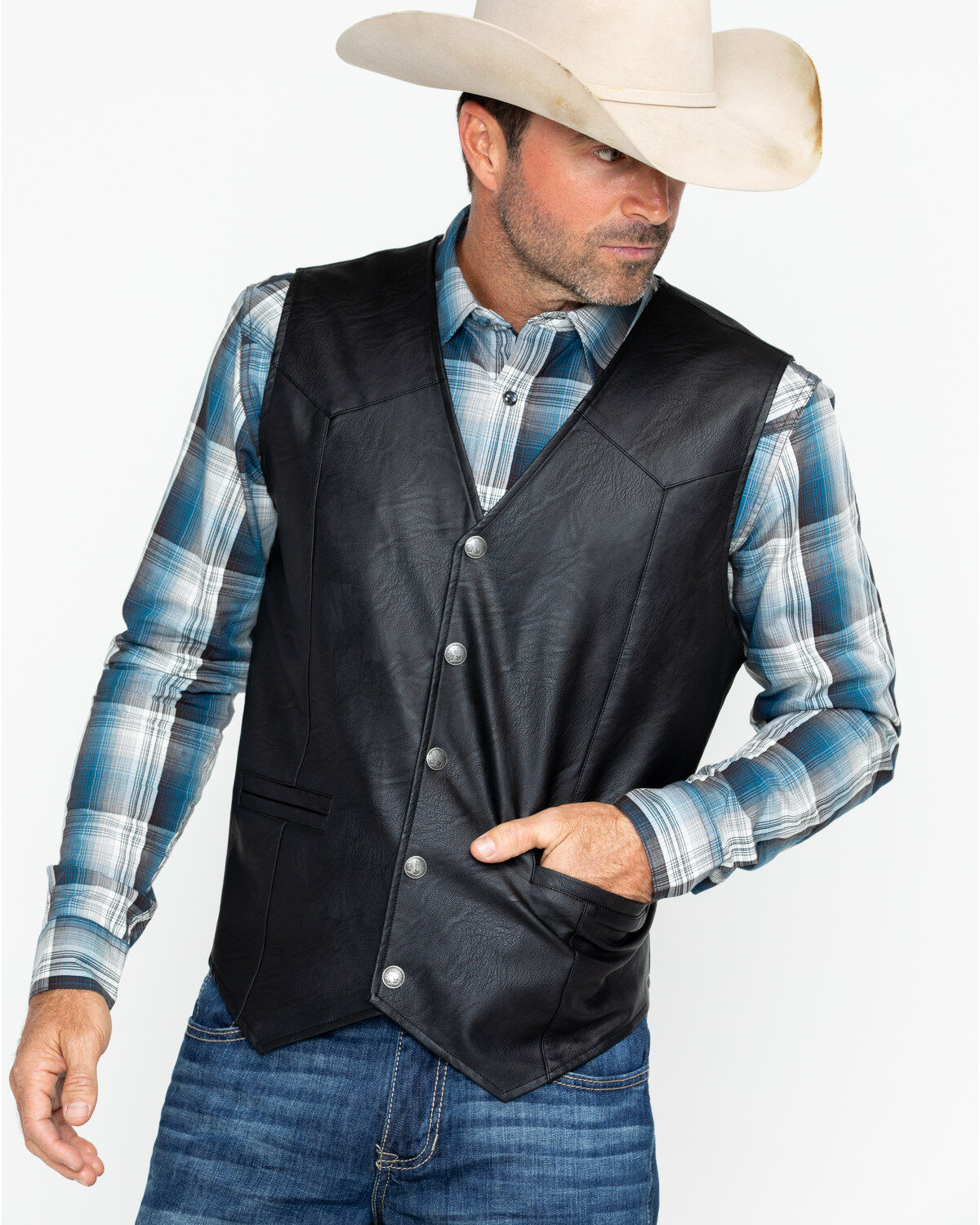
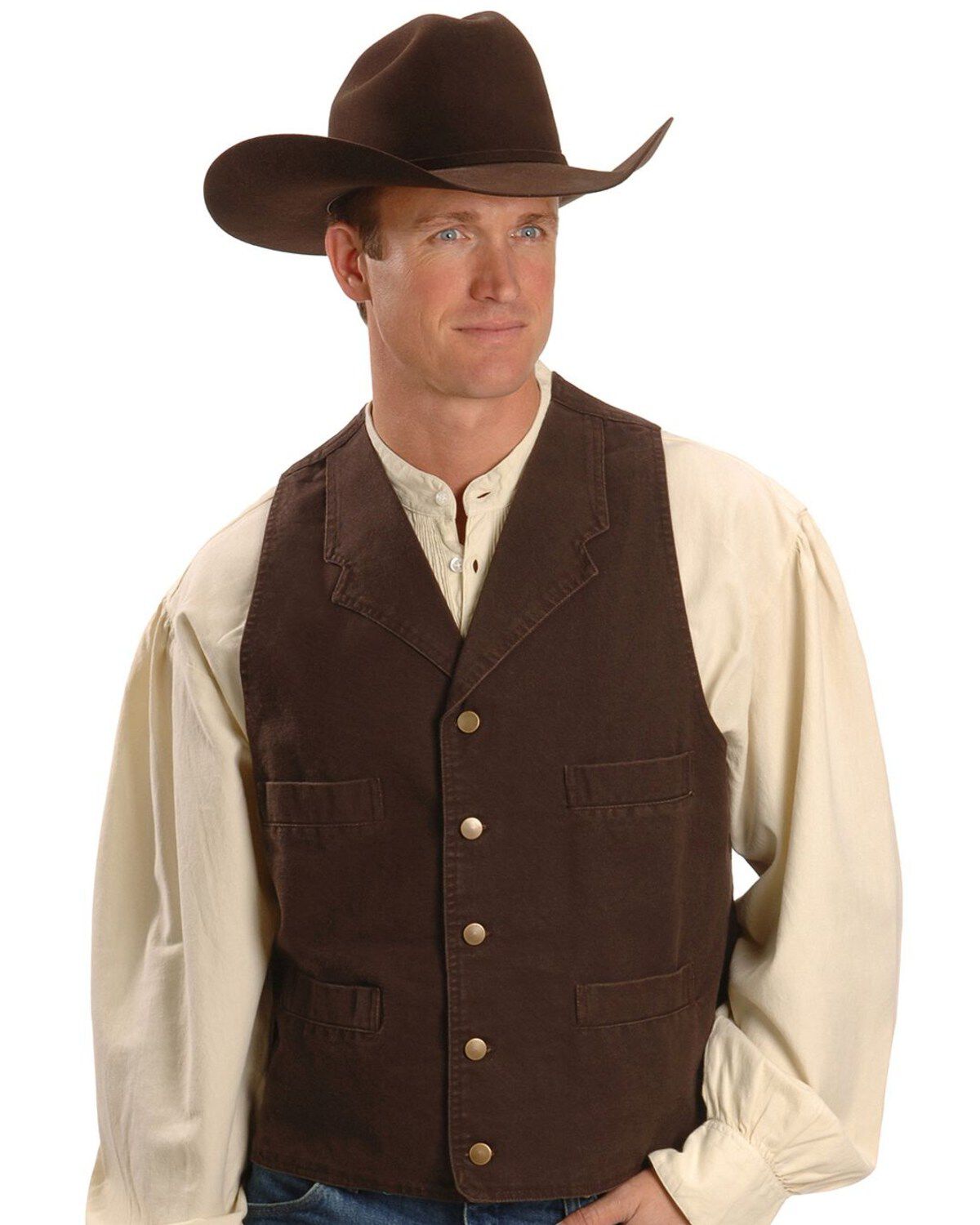
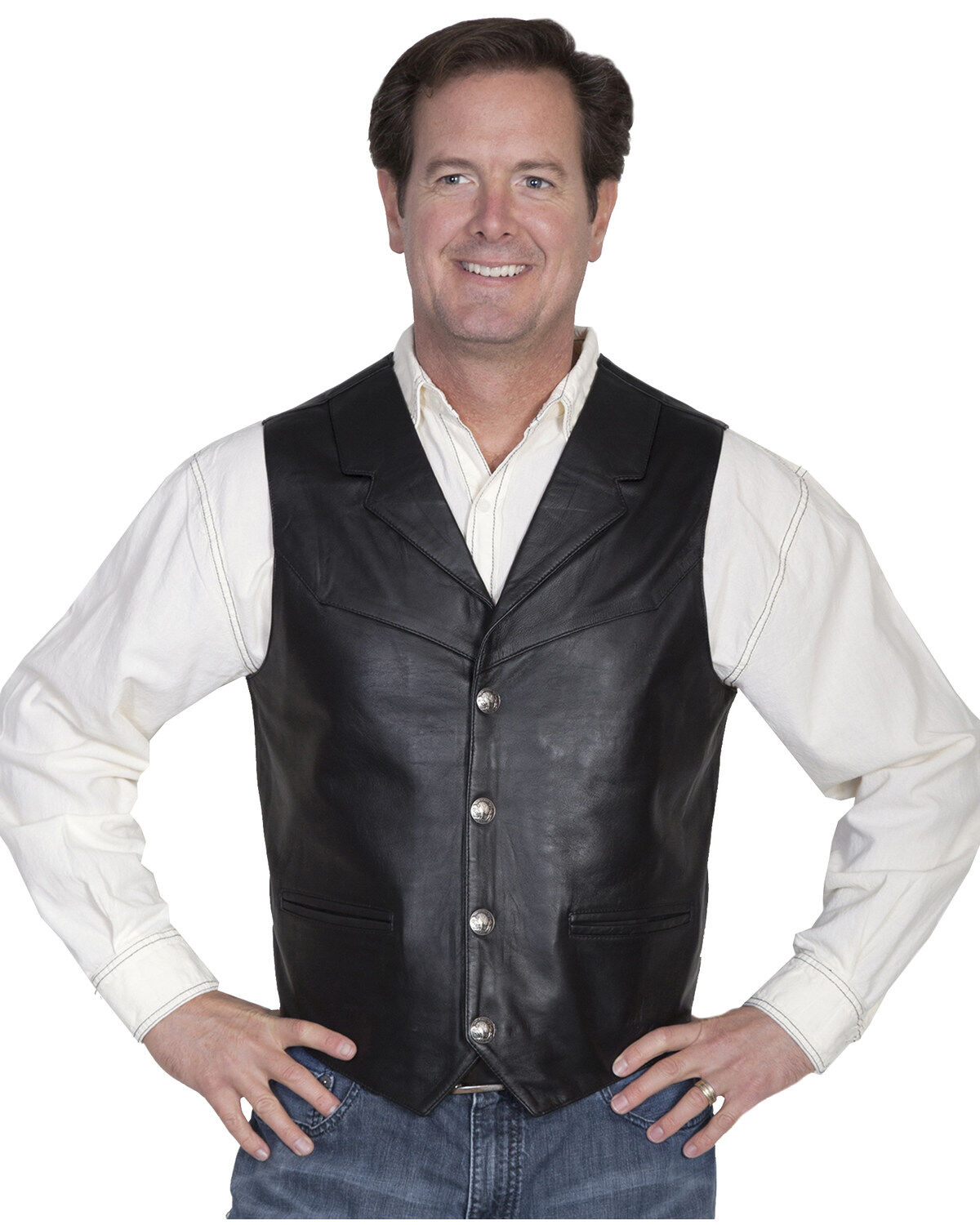
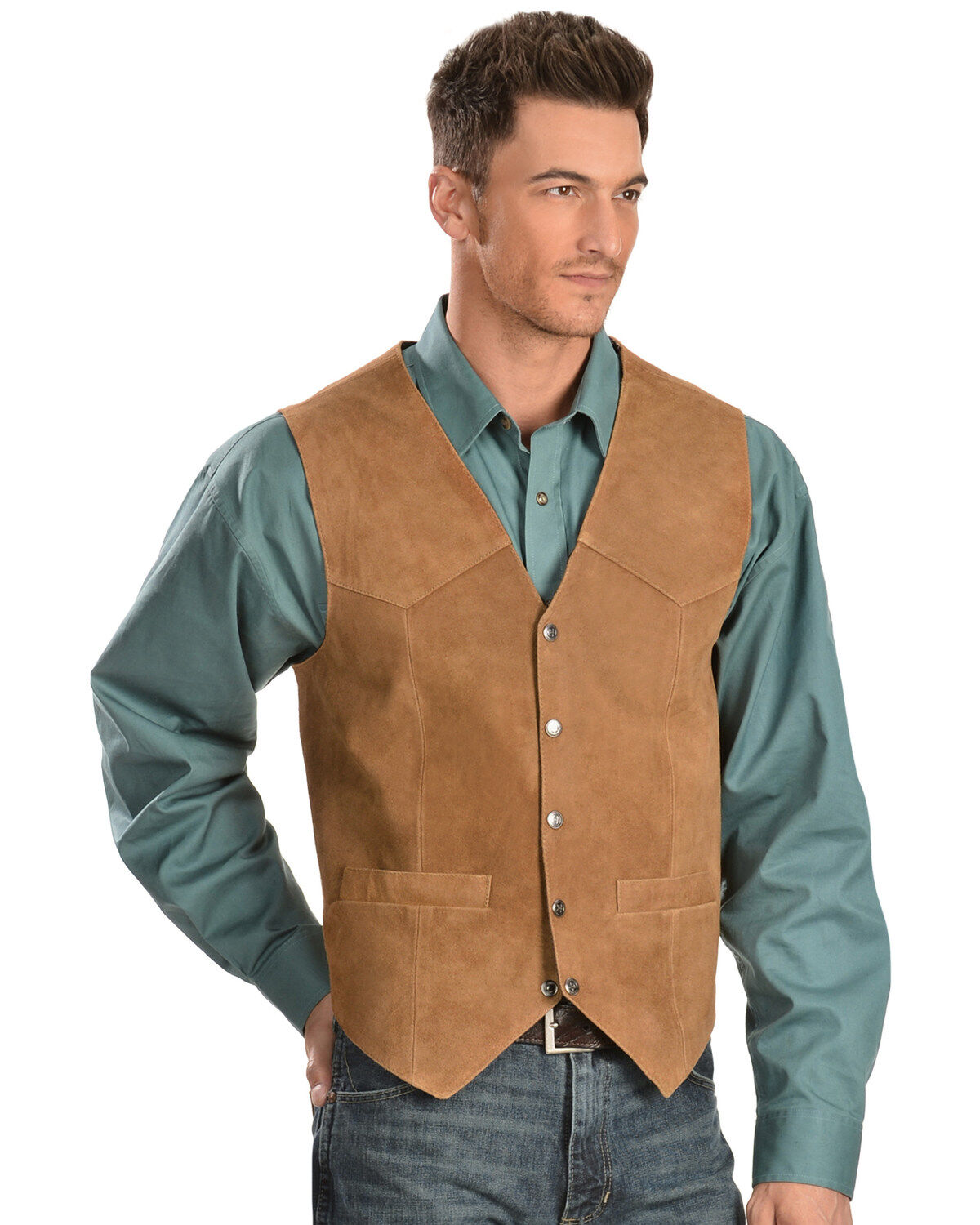
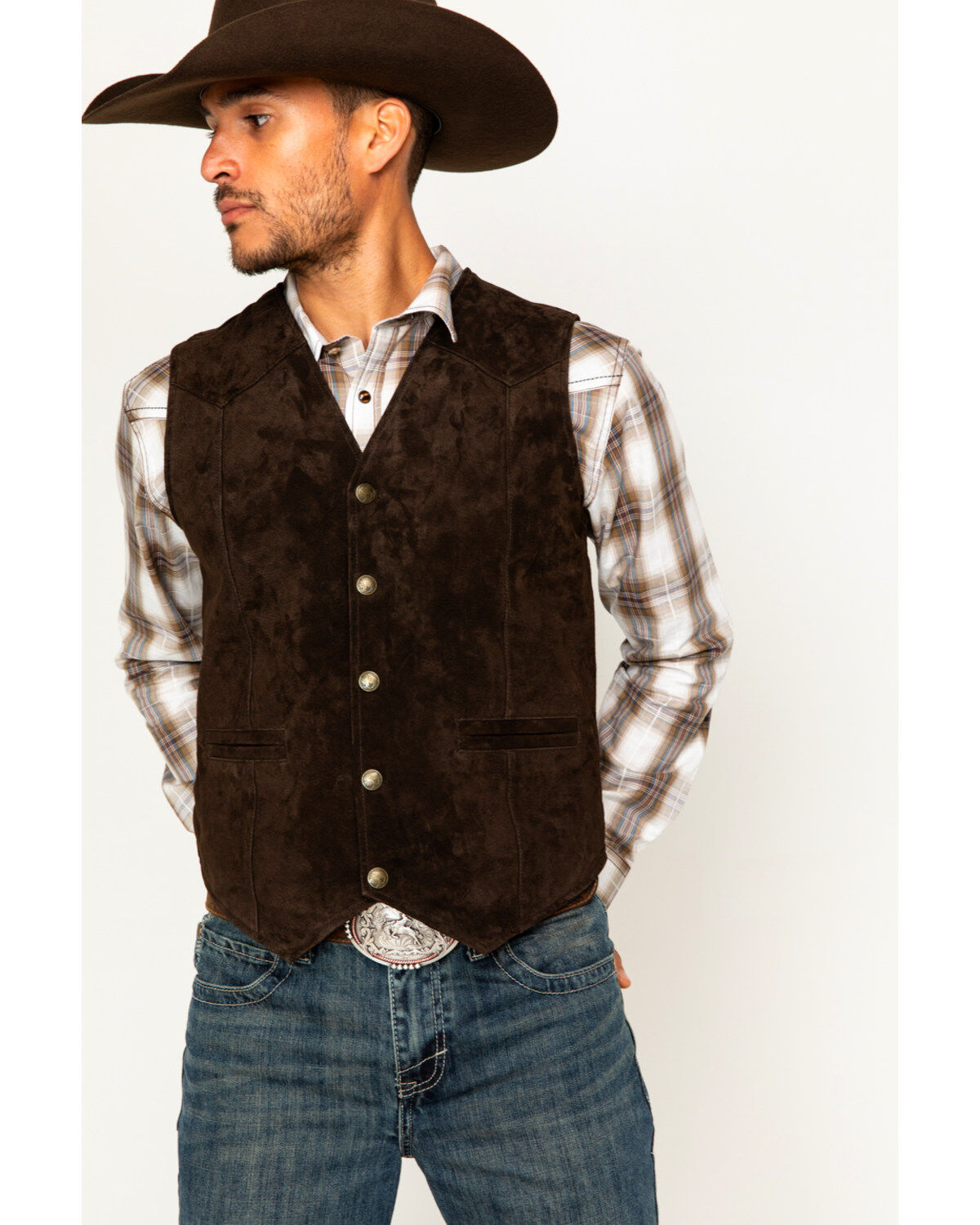
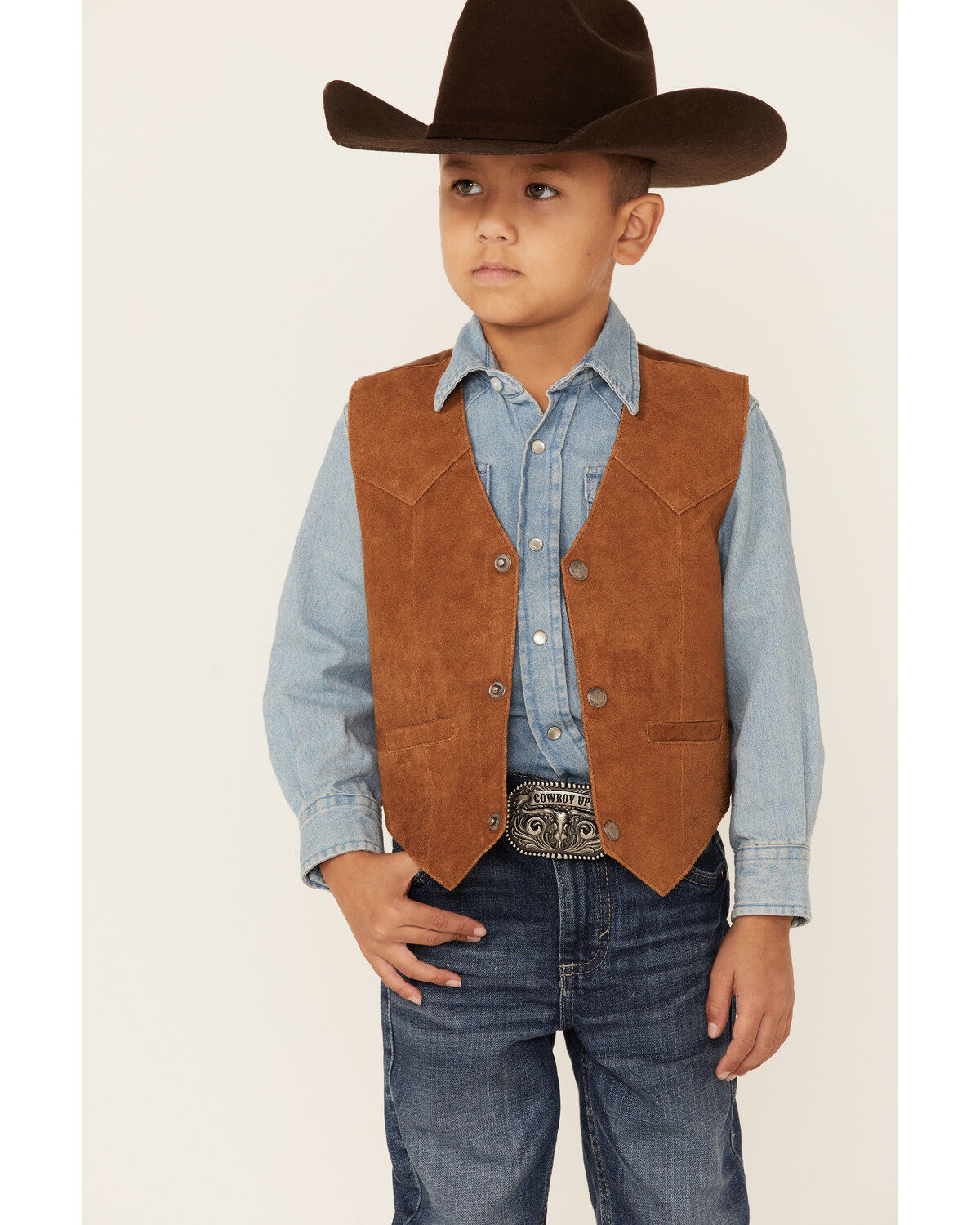
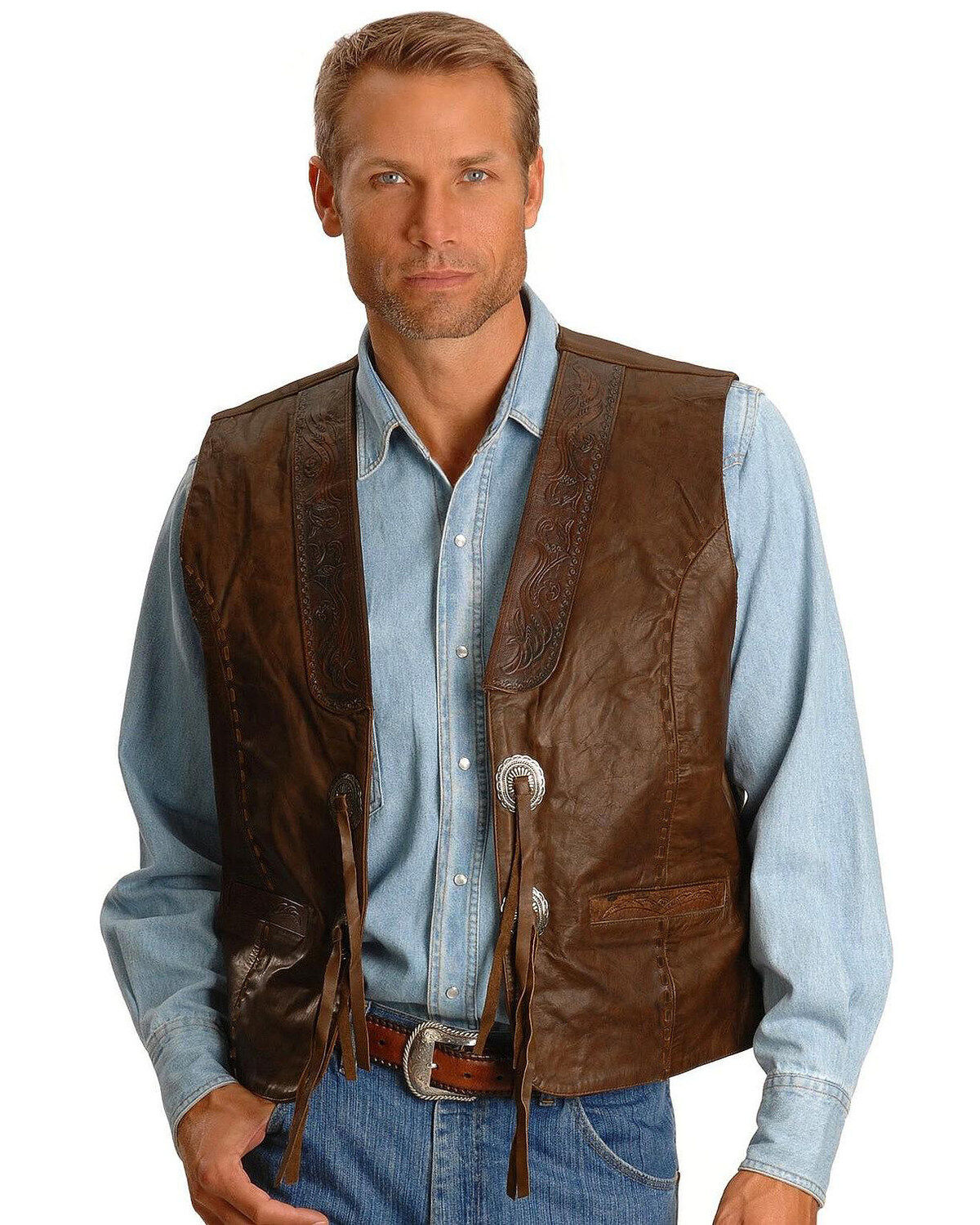
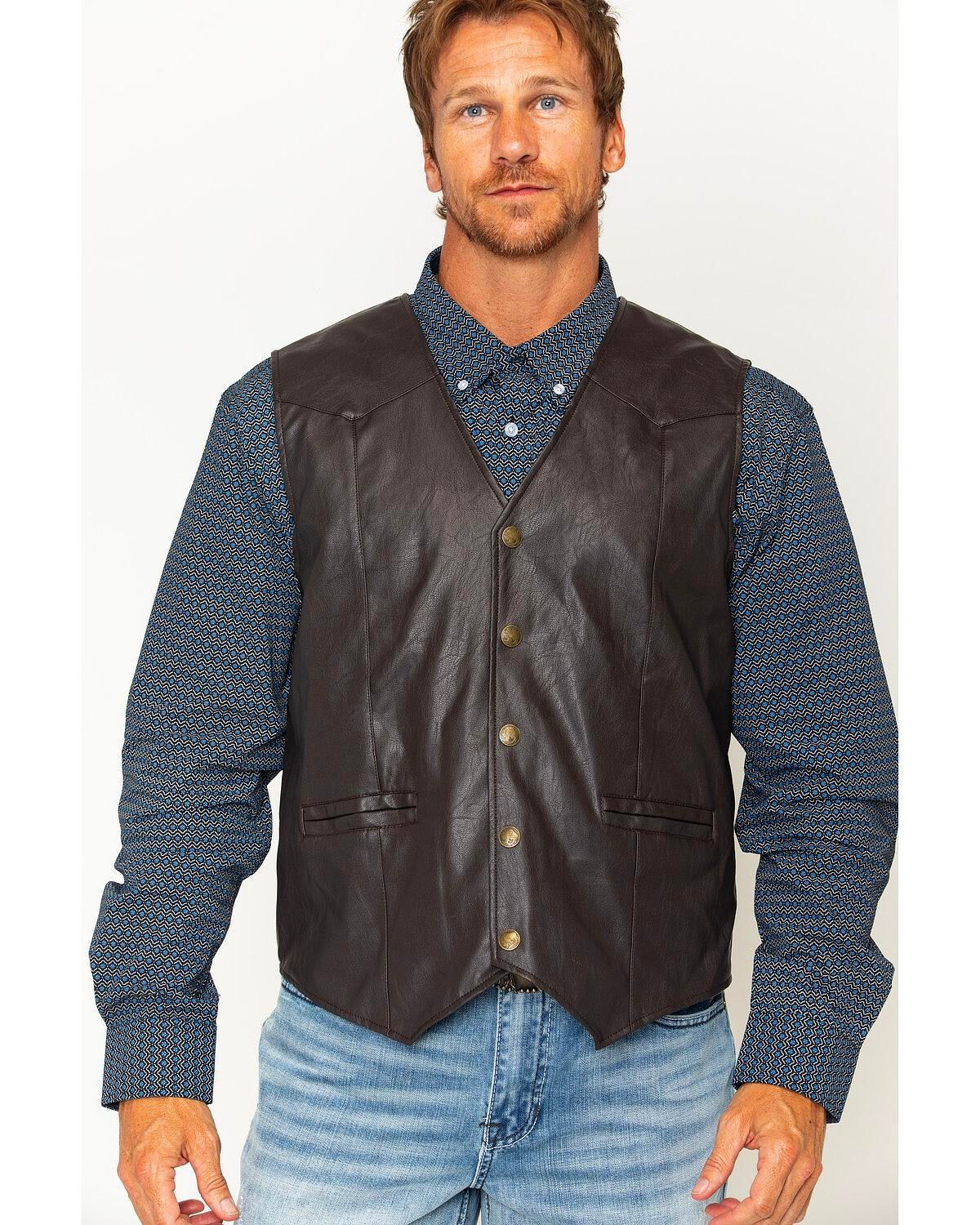
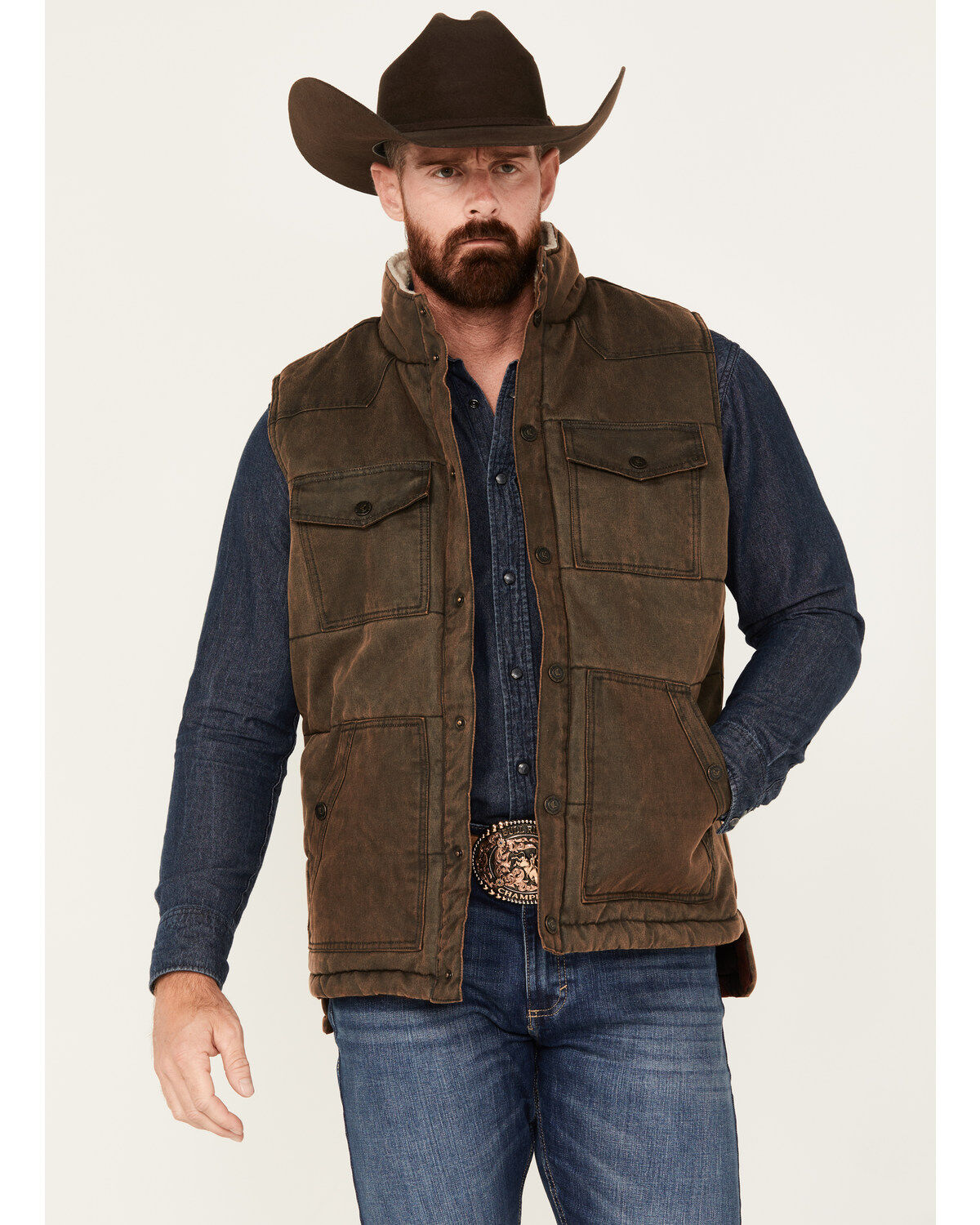
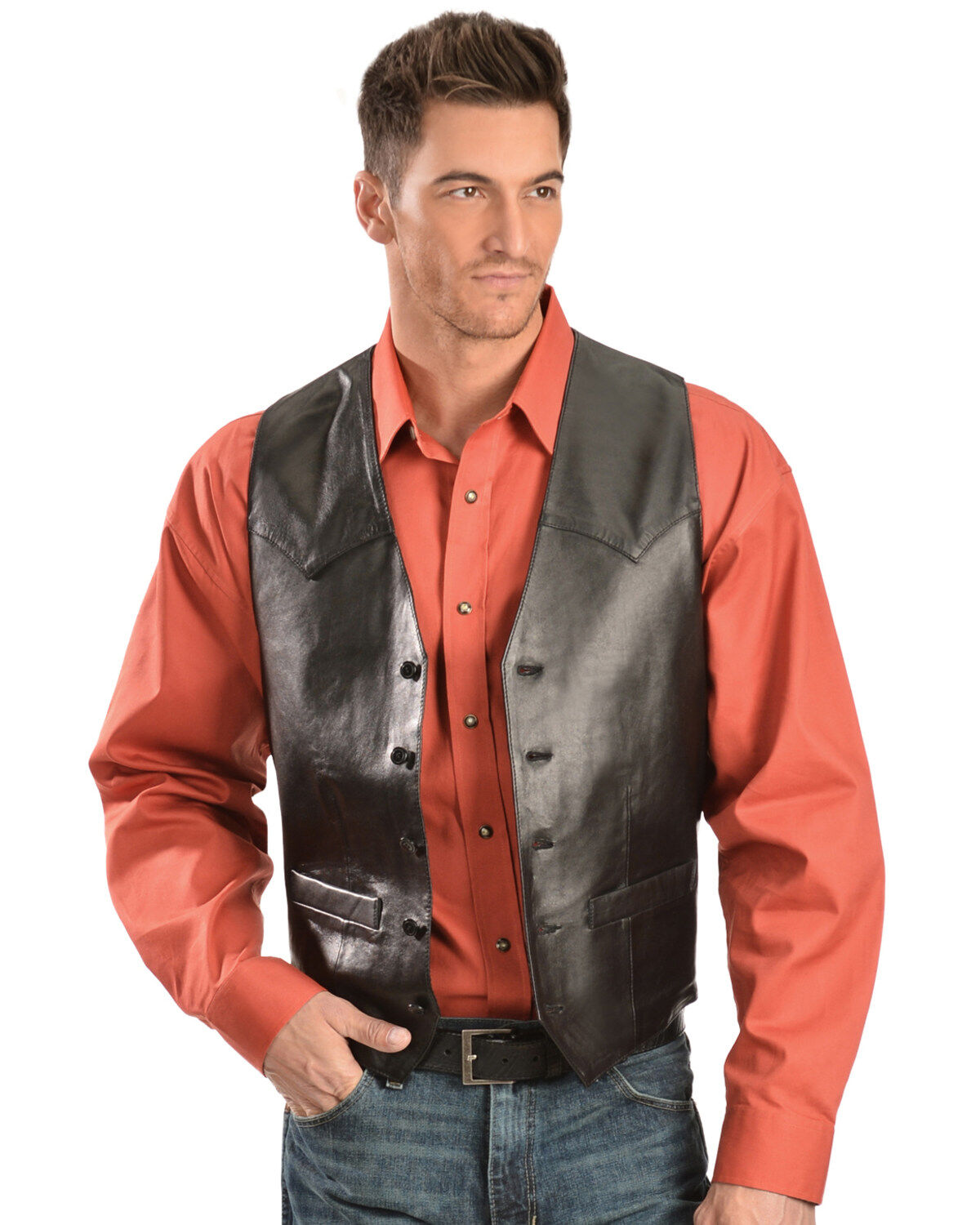
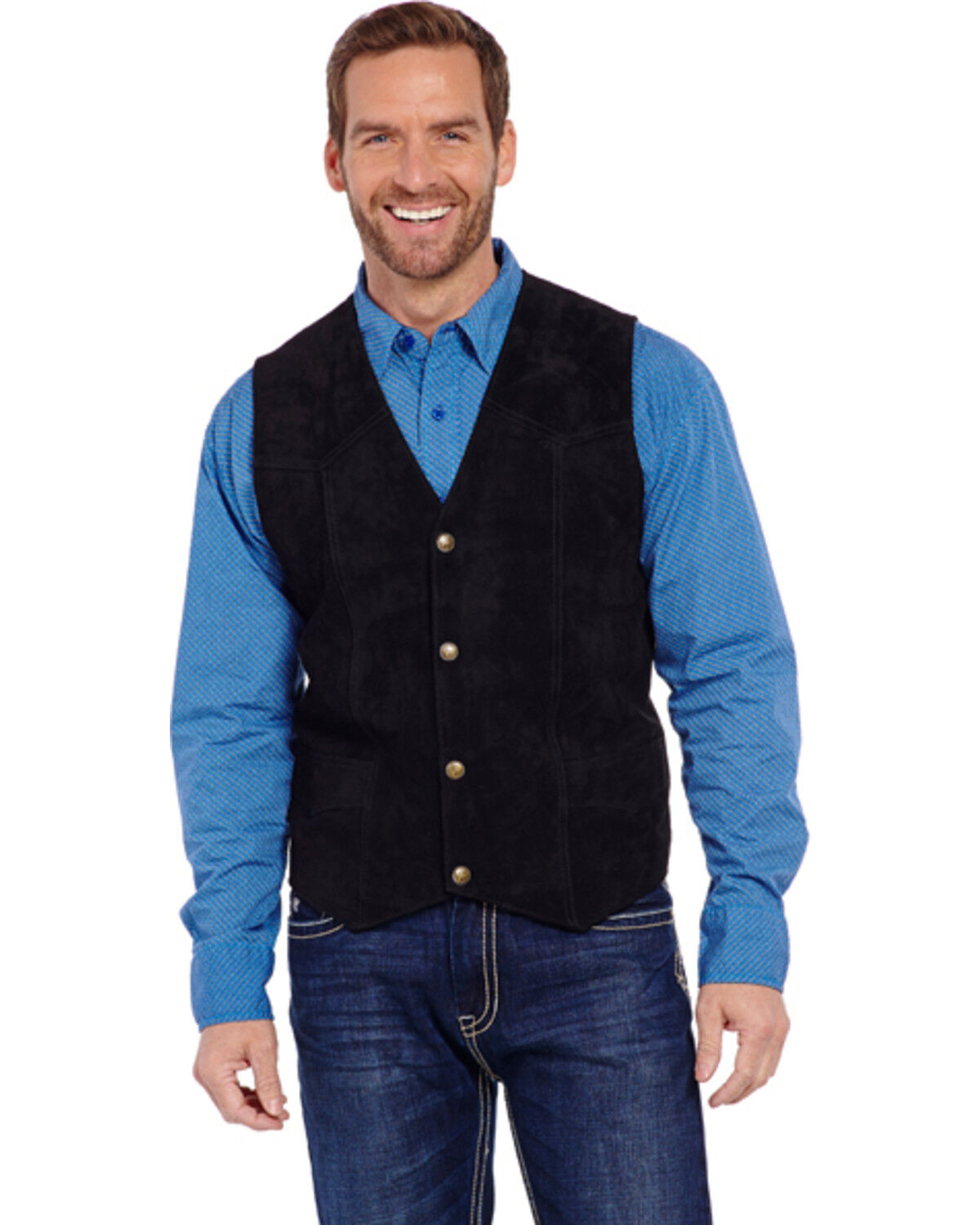
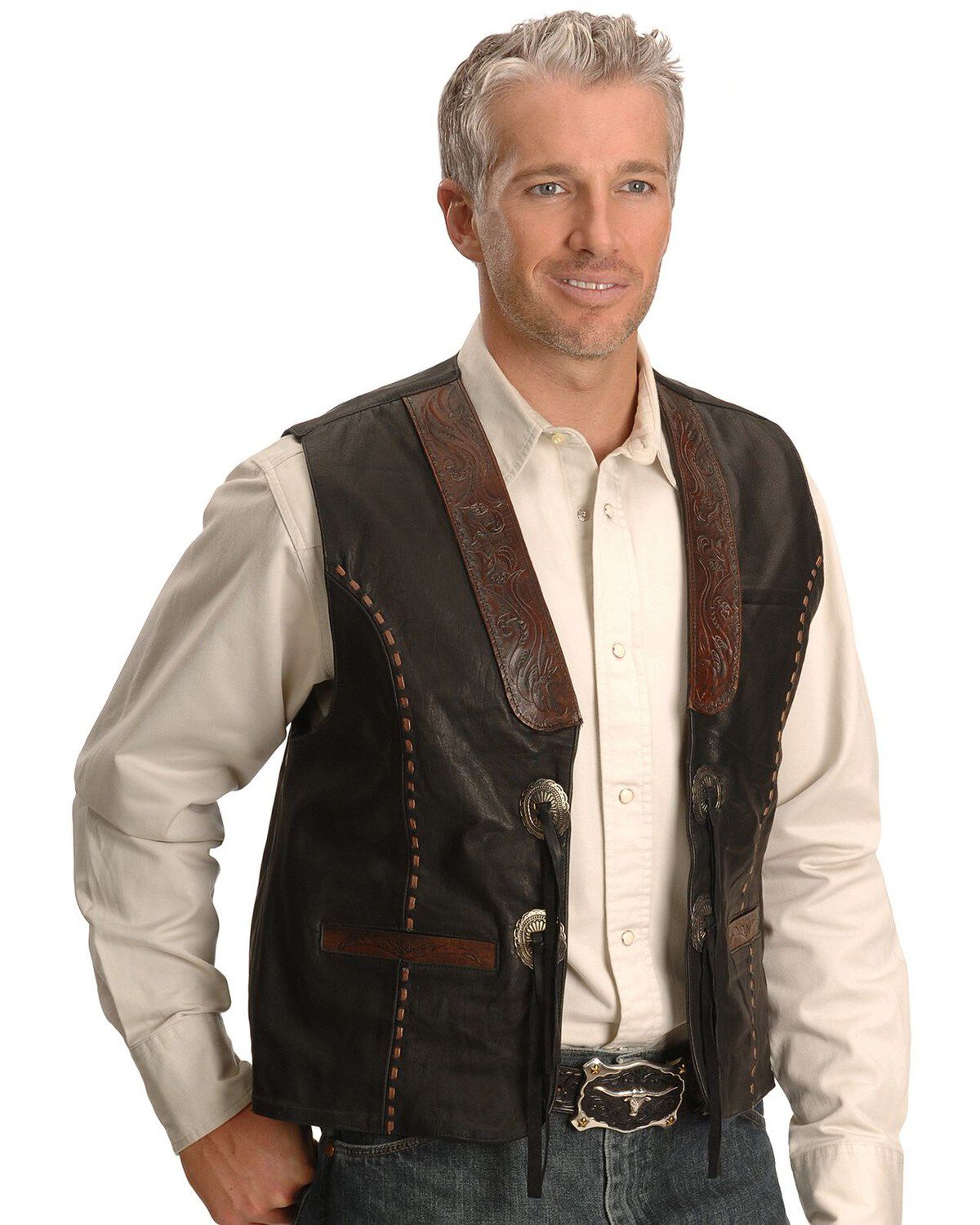
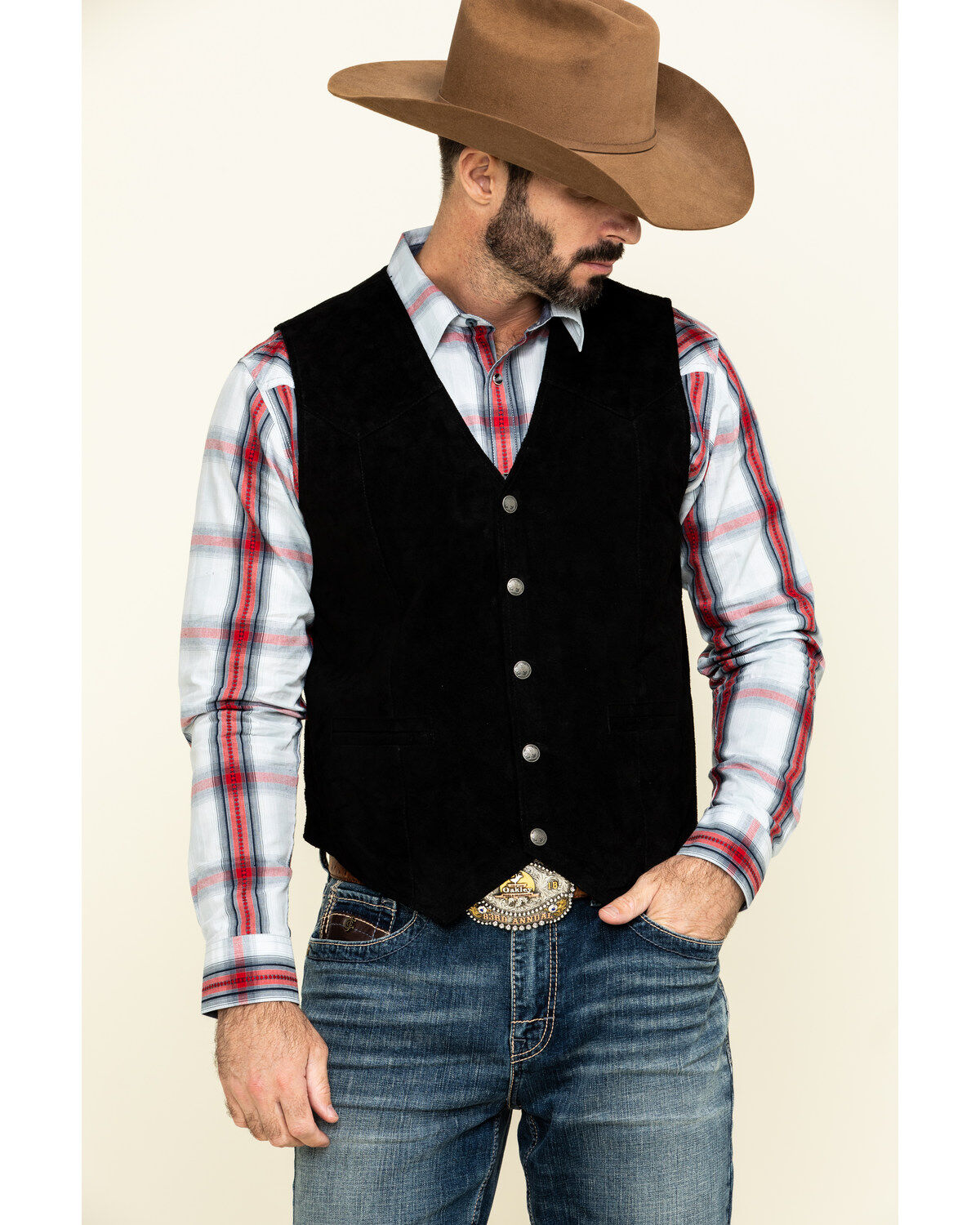
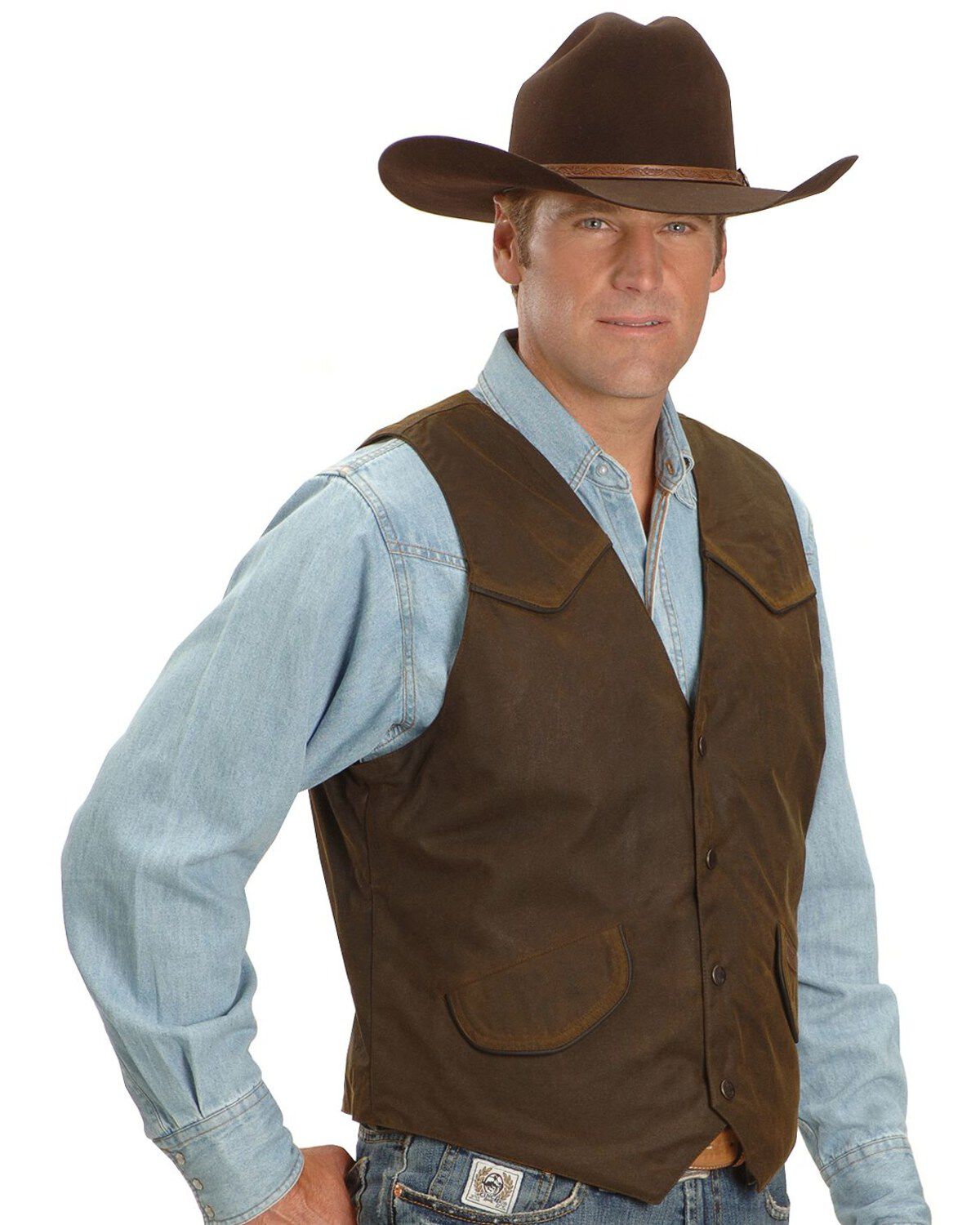
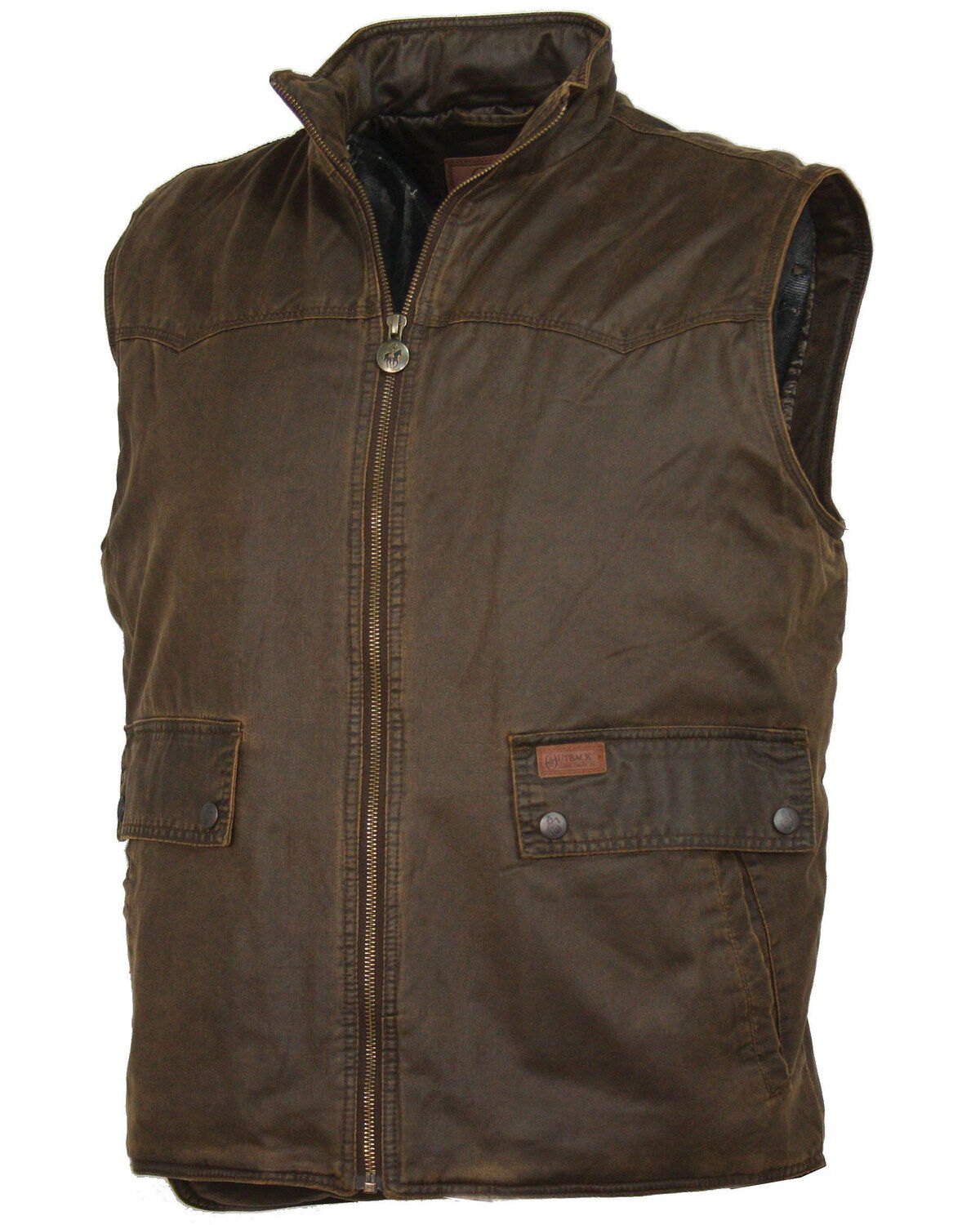
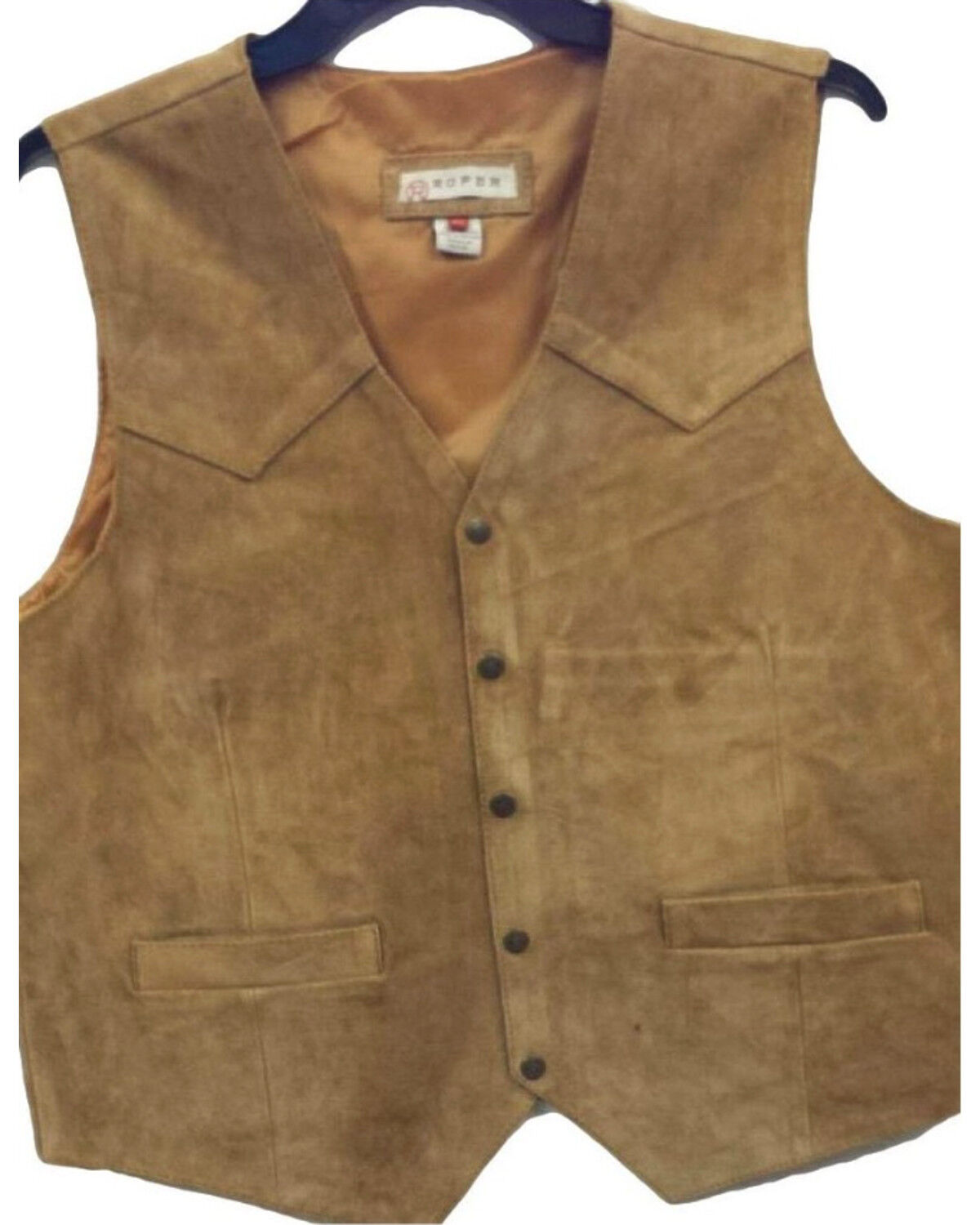
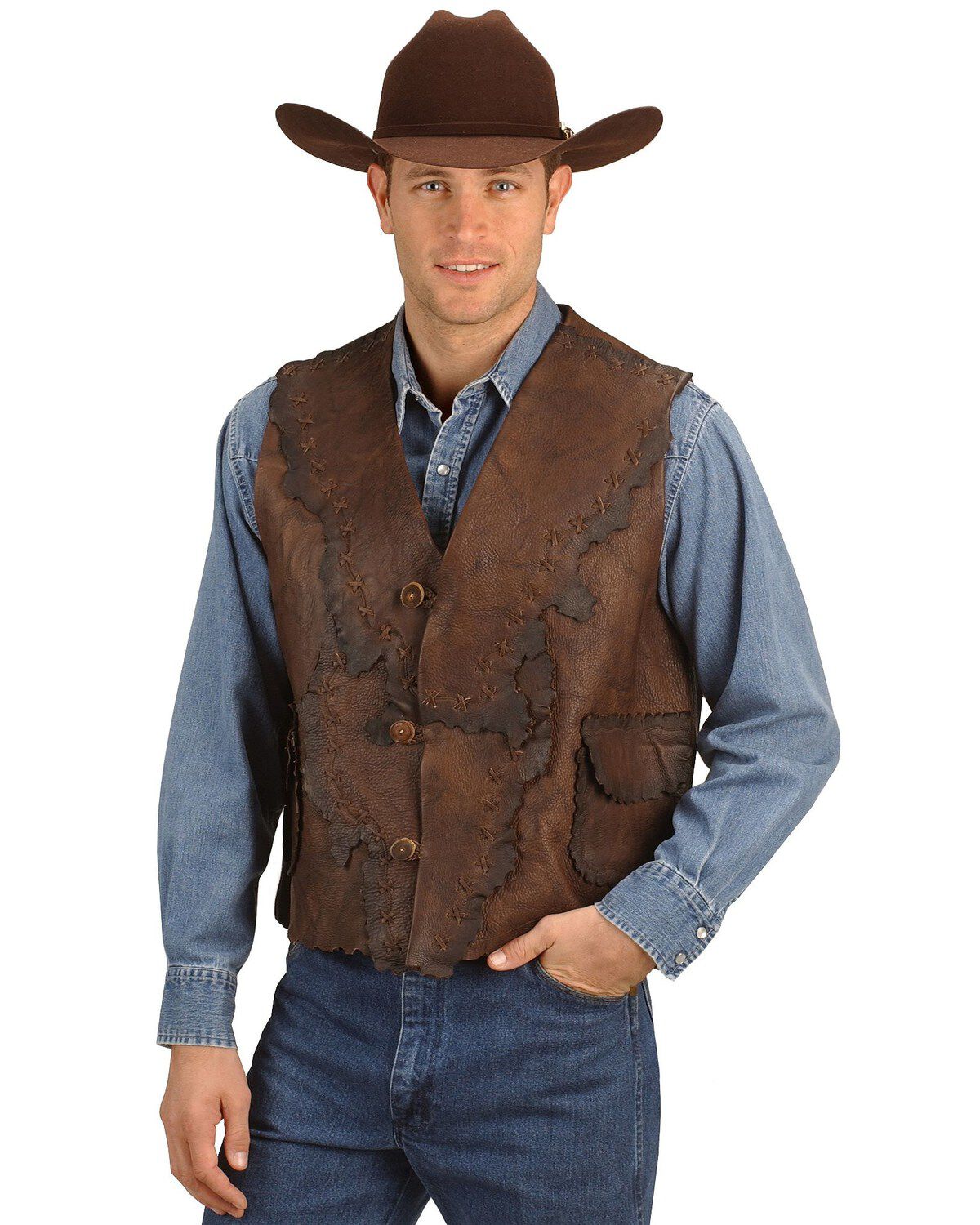
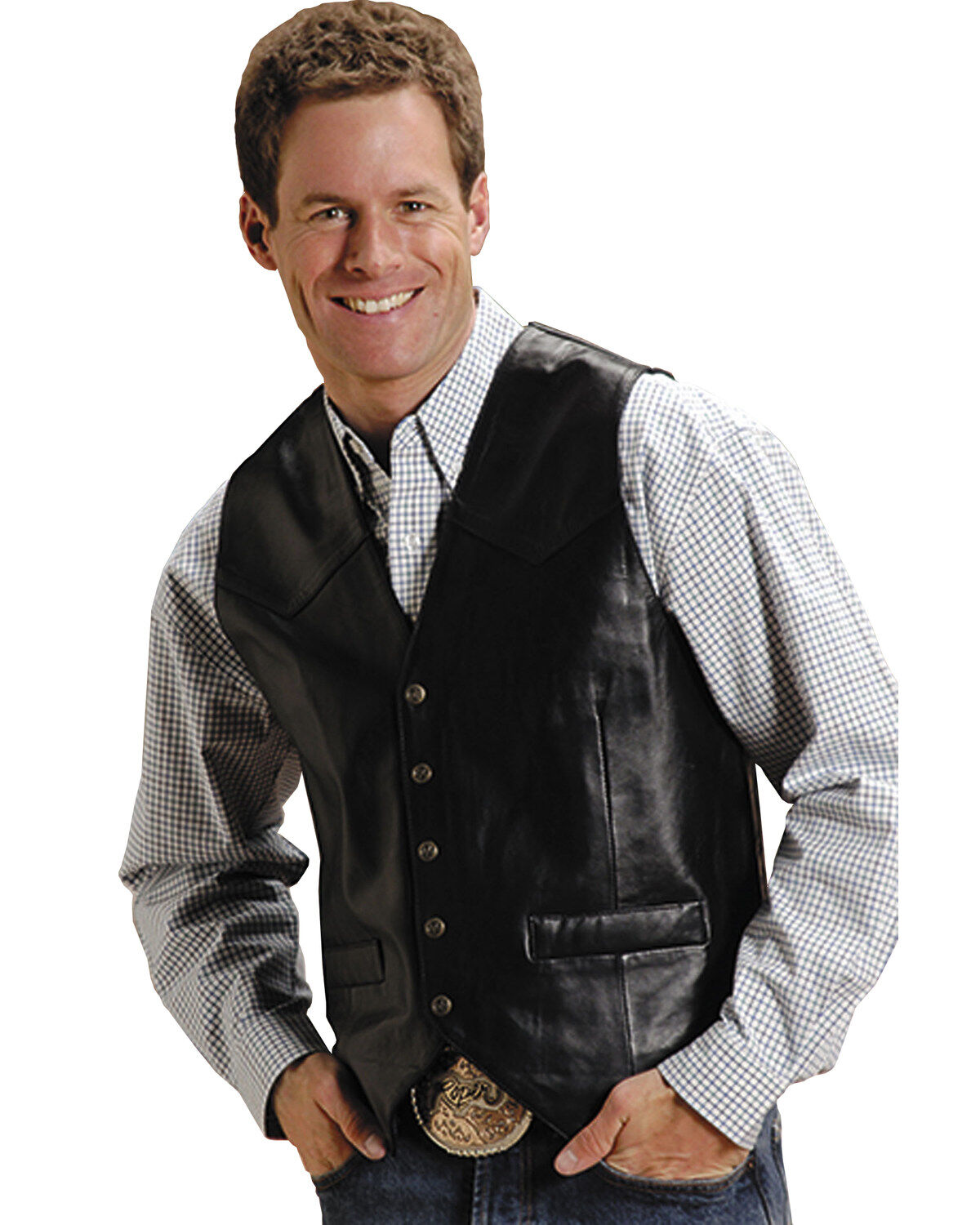
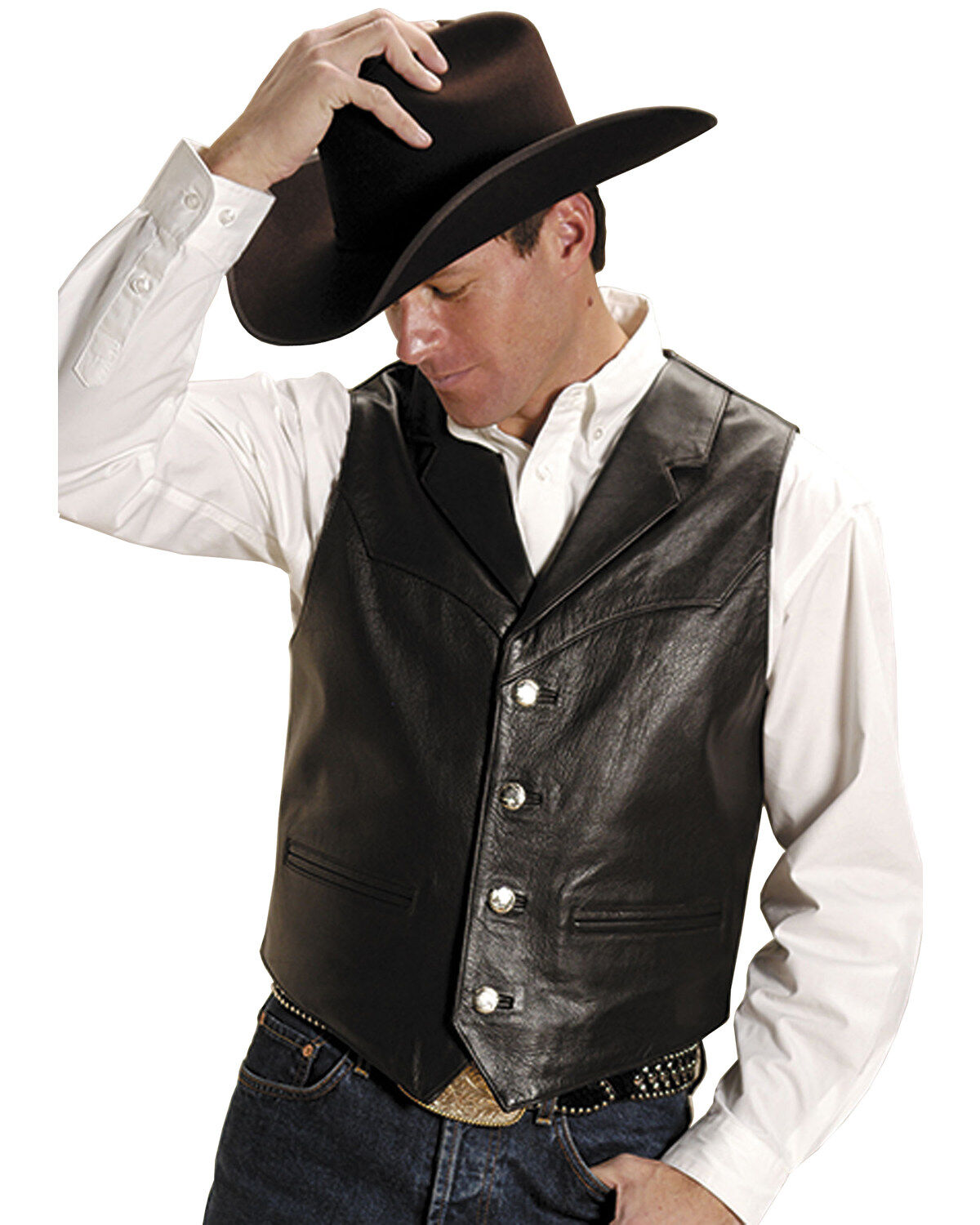
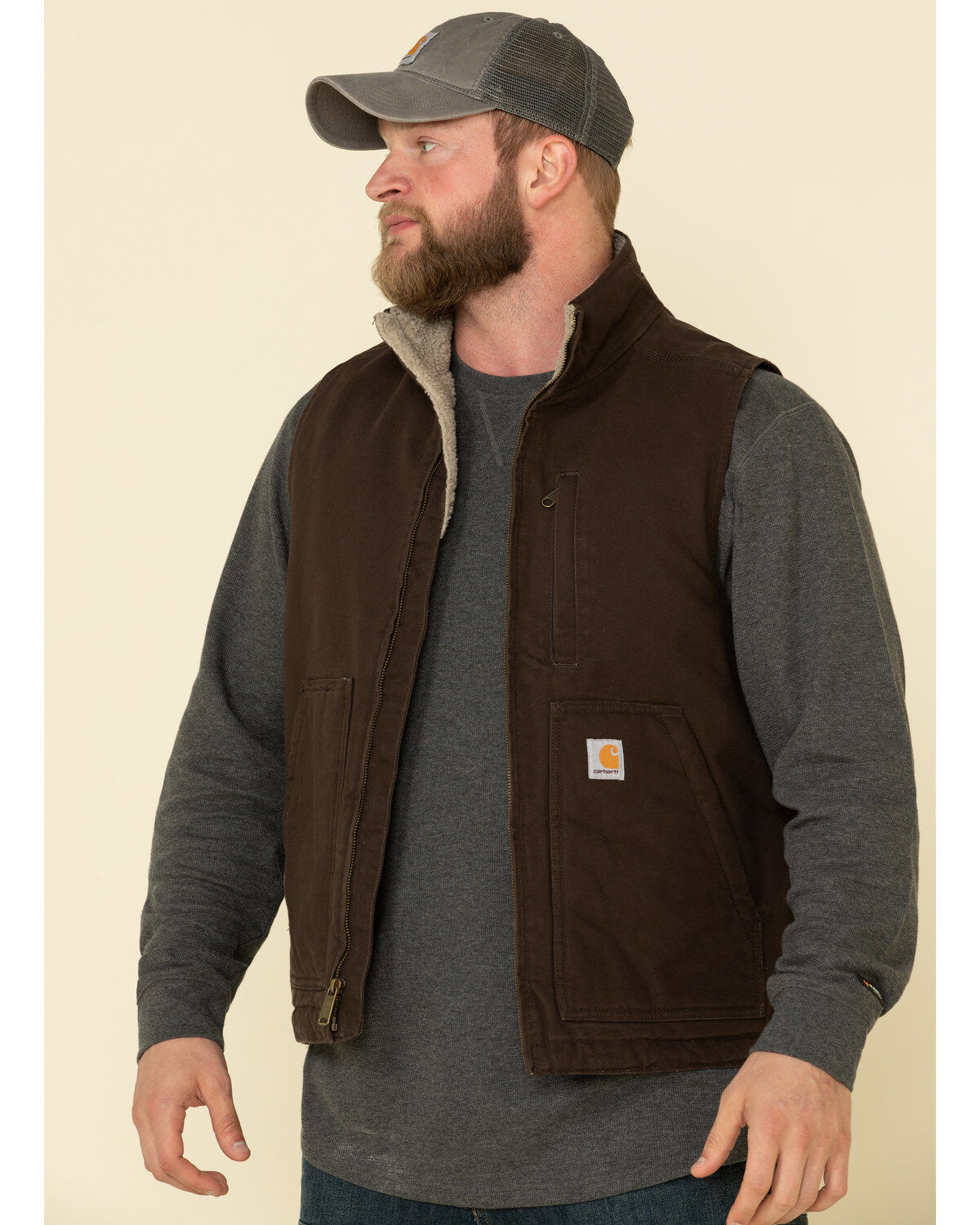
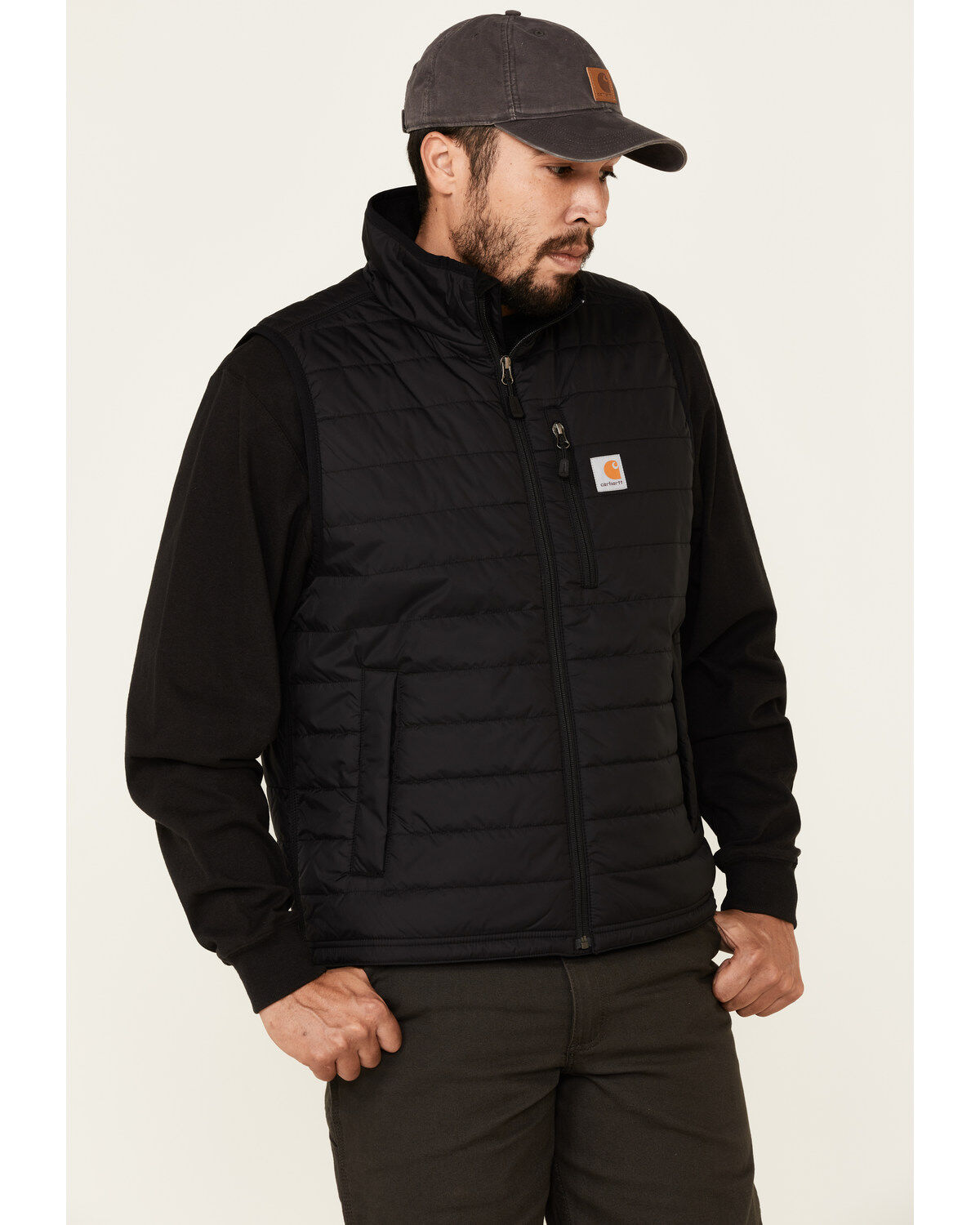
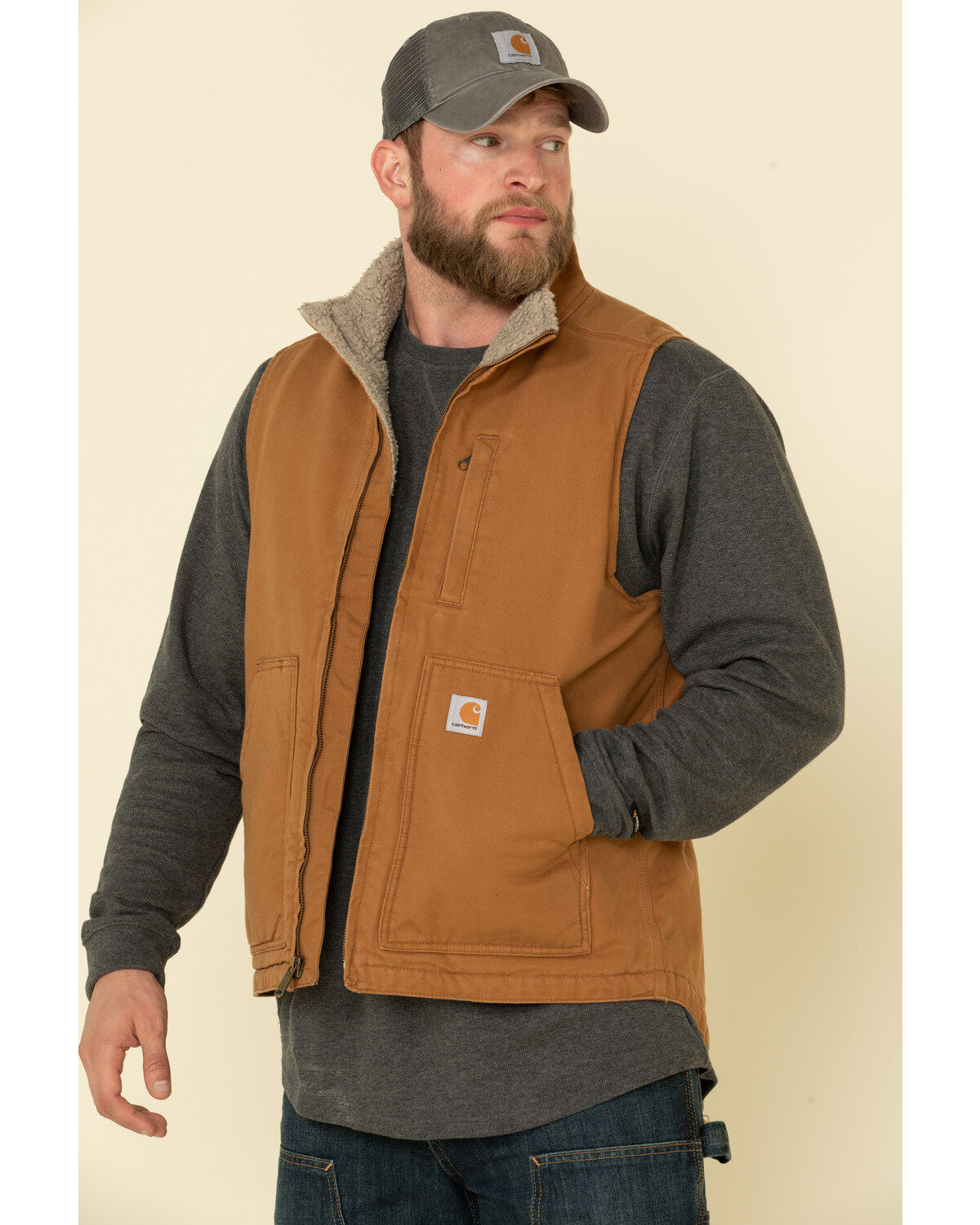
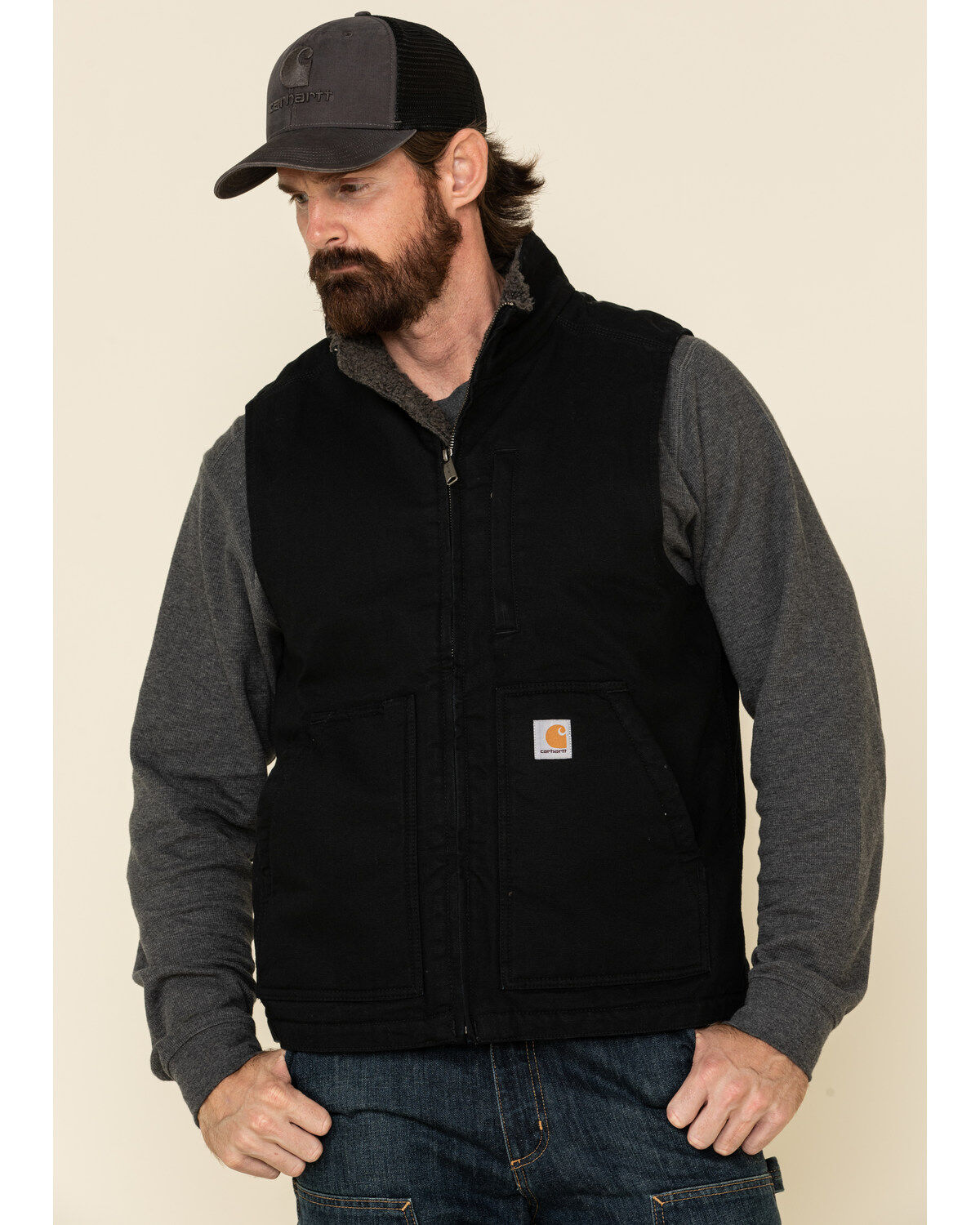
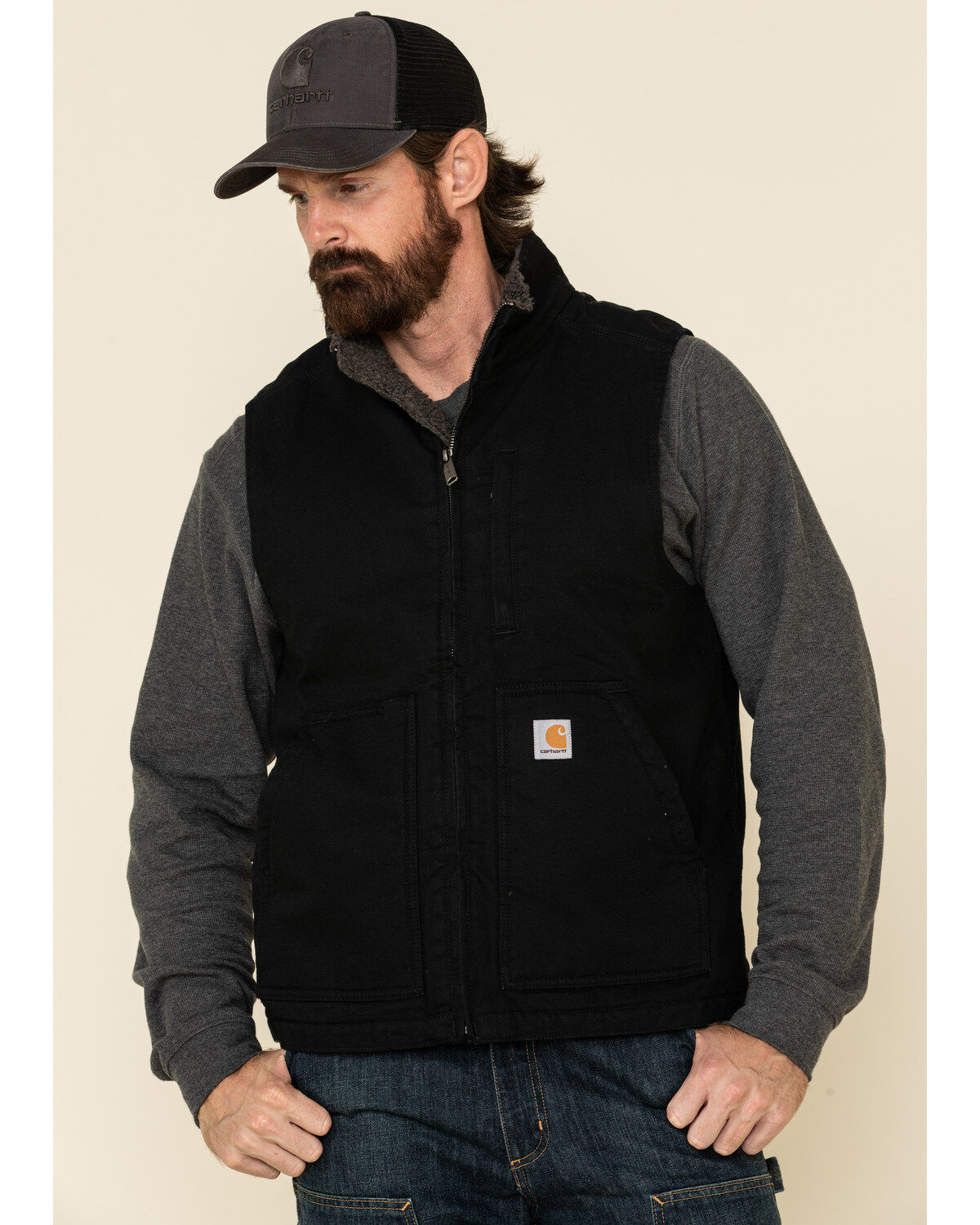
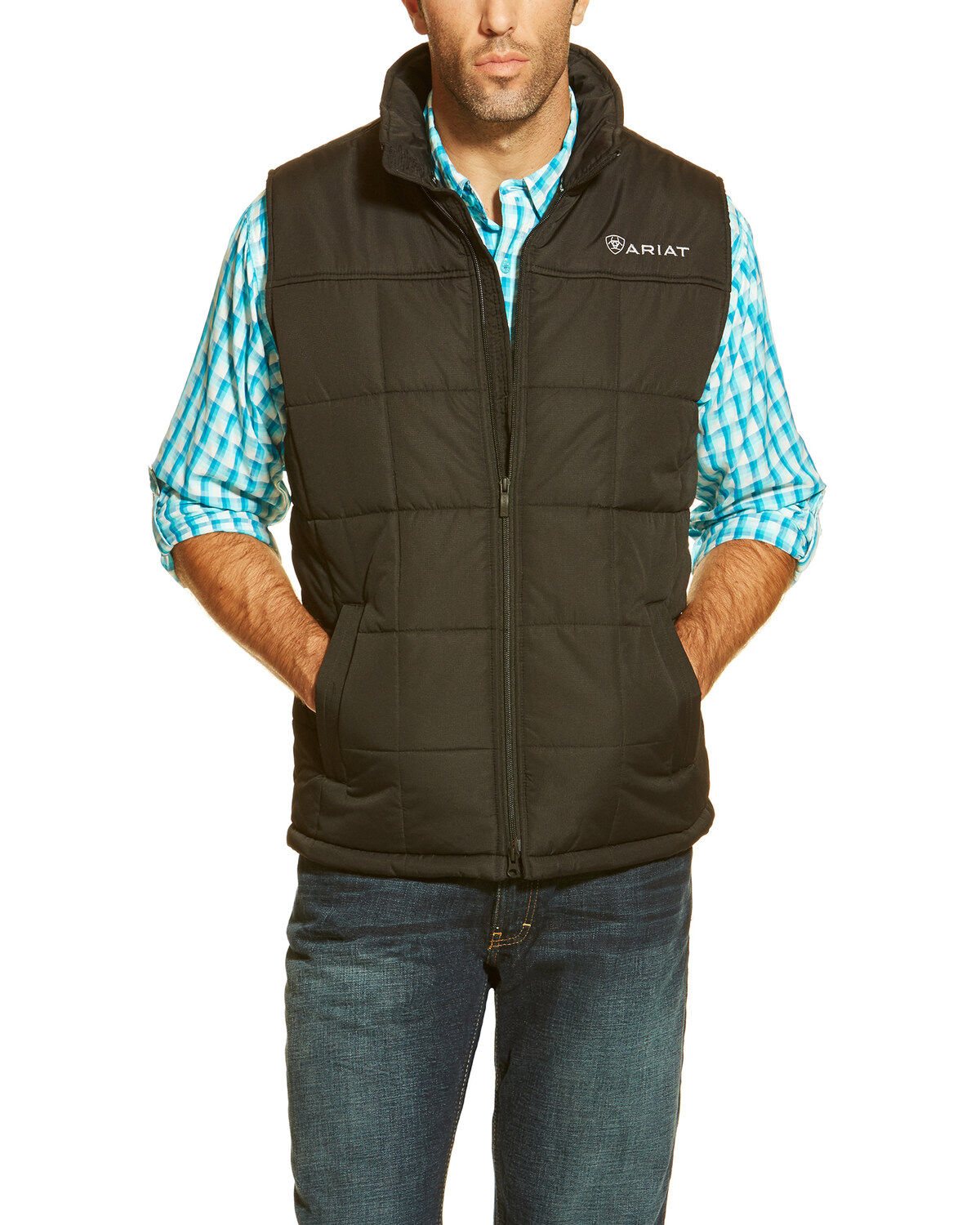
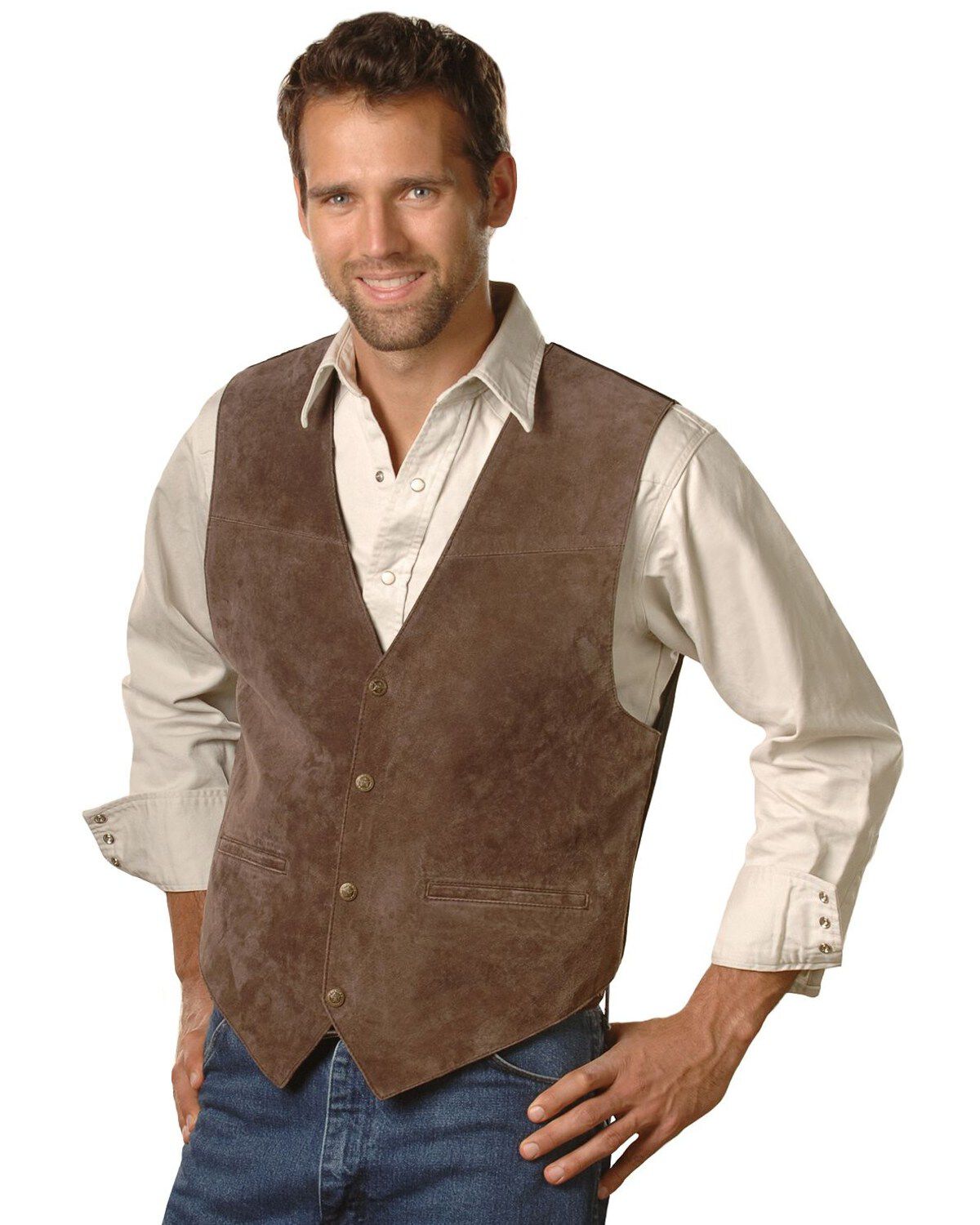
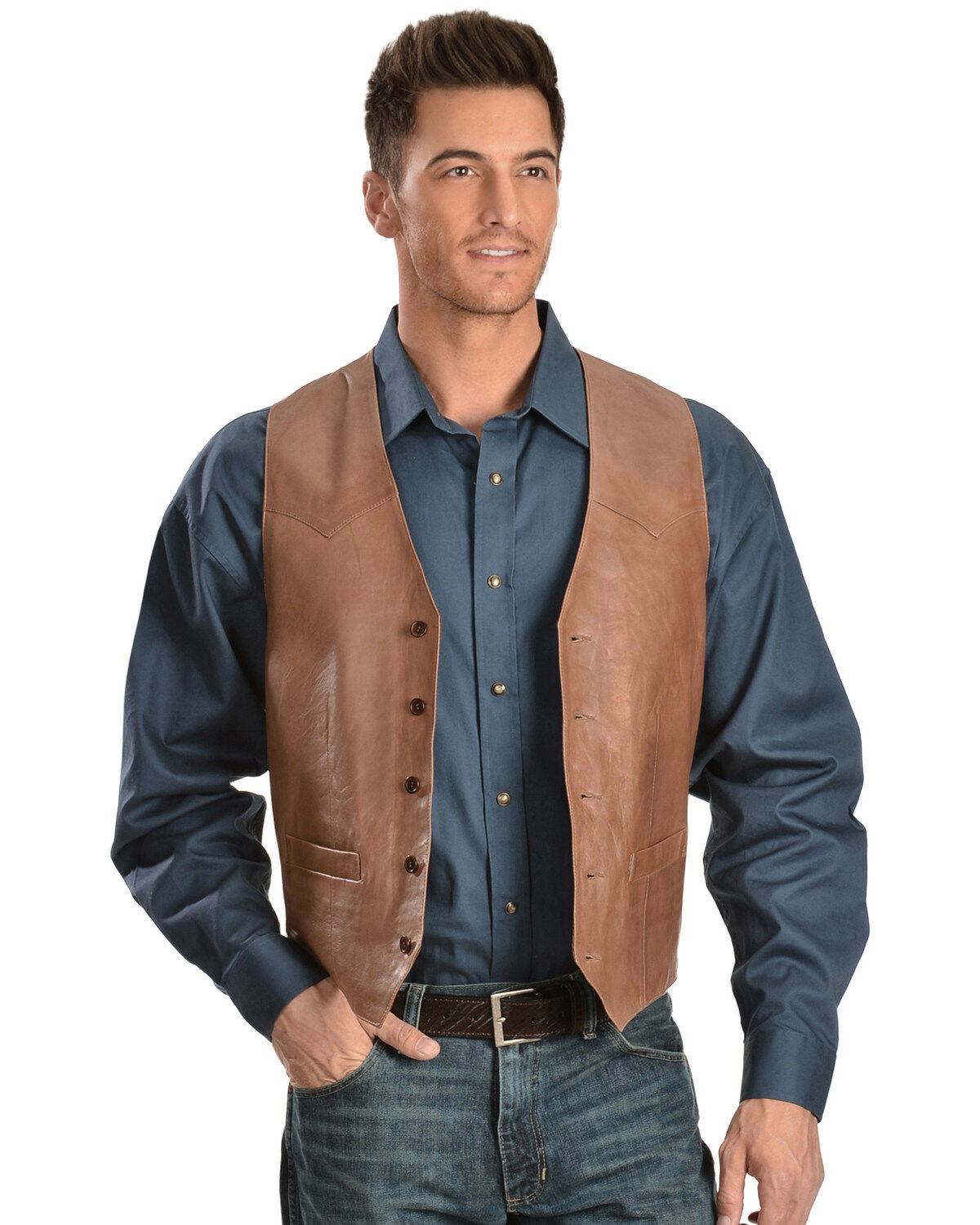
Cowboy vests bring structure to a western outfit without covering the shirt sleeves or restricting the arms with another full layer. Their roots run through ranch work and traditional western dress, where a close-fitting vest kept small essentials within reach and gave a shirt-and-trousers outfit a finished look. That balance still matters. A vest can sit over a plain work shirt for a day at the ranch, add definition to denim for a rodeo, or complete a dressed-up outfit with pressed trousers and cowboy boots. The material sets much of the character. Smooth leather has a firm feel and a surface that develops marks and character with wear. Suede offers a softer, textured finish, while denim brings a familiar feel that works naturally with western shirts. Cotton canvas emphasizes utility, especially when paired with substantial seams and practical pockets. Woven wool and wool-blend fabrics give tailored cowboy vests a more refined appearance suited to dinners, weddings, and other occasions where a clean silhouette matters. Fabric weight, lining, and construction affect how each material hangs. A heavier shell usually holds its shape more firmly, while a lighter fabric follows the body with less bulk. An unlined vest can feel less structured; a lined version often slides more easily over a shirt and has a smoother interior finish. Traditional details may include a pointed front hem, a deep neckline, welt pockets, or an adjustable back strap. Other designs take a straighter shape with larger pockets and simpler closures. Neither approach needs much added detail to make an impression. A well-proportioned vest lets the texture of the fabric, the shape of the shoulders, and the quality of the stitching do the work. For everyday wear, subtle details make the vest easy to pair with different shirts. For a more formal setting, a neat front and an even hem help create a deliberate outfit rather than the look of a separate piece added at the last minute.

Fit is especially noticeable in a cowboy vest because the front, armholes, and hem remain exposed. The shoulders should rest flat rather than extend well beyond the natural shoulder line, and the front should close without pulling across the chest or creating gaps between fasteners. A close fit gives a tailored appearance, but it still needs room for the shirt underneath and ordinary movement. Reaching forward to handle a gate, sitting in a truck, or bending to pick up gear can reveal pressure points that are not obvious while standing. Deep armholes provide space around the upper arms, though too much depth can leave the sides hanging loosely. A shorter, traditional vest often works best with pants that sit higher at the waist, while a longer cut provides more coverage over untucked shirts. Torso length matters as much as the size marked on the label. A hem that repeatedly catches on a belt buckle or bunches while seated can interrupt an otherwise good fit. Adjustable back straps can refine the waist, but they cannot correct shoulders or a chest that are too small. Shaped seams may provide a closer fit through the waist or room through the chest, depending on the cut. Closure style also affects daily use. Buttons suit a traditional waistcoat profile, snaps offer straightforward fastening, and a zipper creates a continuous front closure. Pocket placement deserves equal attention. Small welt pockets keep the outline clean, while larger pockets can hold items such as a folded note, keys, or a small wallet. Loaded pockets may change how the vest hangs, particularly in lighter fabrics. Reinforced pocket openings, secure fasteners, and consistent stitching are useful signs of construction intended for repeated wear. At a wedding, a tailored vest can complement a tucked western shirt and a belt without hiding either. For a concert or a night out, denim or leather can add texture to a simple shirt. Around the ranch, ease of movement and pockets that remain comfortable while seated often matter more than dress details.

Care requirements vary enough that the label should remain the first reference, especially when a vest combines different fabrics, linings, or trims. Leather generally benefits from gentle surface cleaning and a conditioner intended for that leather finish, tested first in a hidden spot. Too much product can change the color or leave a residue. Suede needs a different approach: a suitable brush can lift the nap and remove loose dirt without flattening its texture. A treatment made for smooth leather may stain suede, so the two should not be handled the same way. Washable denim and canvas still need attention to the stated washing and drying instructions, since shrinkage can alter the chest, length, and armholes. Tailored wool fabrics, structured linings, and certain trims may require professional cleaning to preserve the shape. Between cleanings, emptying the pockets and giving the vest space on a suitable hanger helps prevent sagging and creases. Leather should be stored away from direct heat, and any vest should be put away clean and dry. Durability depends on more than a substantial outer fabric. Pocket edges, button attachments, zipper seams, and the lining around the armholes take regular stress and deserve attention. Addressing a loose stitch or fastener early can help prevent a larger repair. Appearance also changes with use. Denim may soften and fade, and leather may develop a patina, while tailored fabrics tend to look best when their surface and shape are maintained. For those drawn to traditional cuts and worn-in character, Vintage Western Vests offer a related western style to consider. Cowboy vests can also make a thoughtful gift for someone who regularly wears western shirts, attends rodeos, or prefers a dressed-up western outfit for special occasions. The recipient’s usual shirt size, preferred fit, and willingness to care for the material are more useful than guessing from appearance alone. A familiar color and a practical cut can make the vest a natural part of an established wardrobe, whether it is worn with well-used jeans or reserved for occasions that call for sharper dress.

FAQs