Cowboy Heels

Shop cowboy heels for the look of western boots with added height. As you browse, consider heel height, toe shape, and fit to find a pair that works with your jeans, skirts, or dresses.

Read More

Shop Your Store: Shop Your Store: Find a Store

(Turn off Shop Your Store to see all items)

(Turn off Shop Your Store to see all items)

close
  • Recommended
  • Lowest Price
  • Highest Price
Skip pass products

End of products

Cowboy Heels

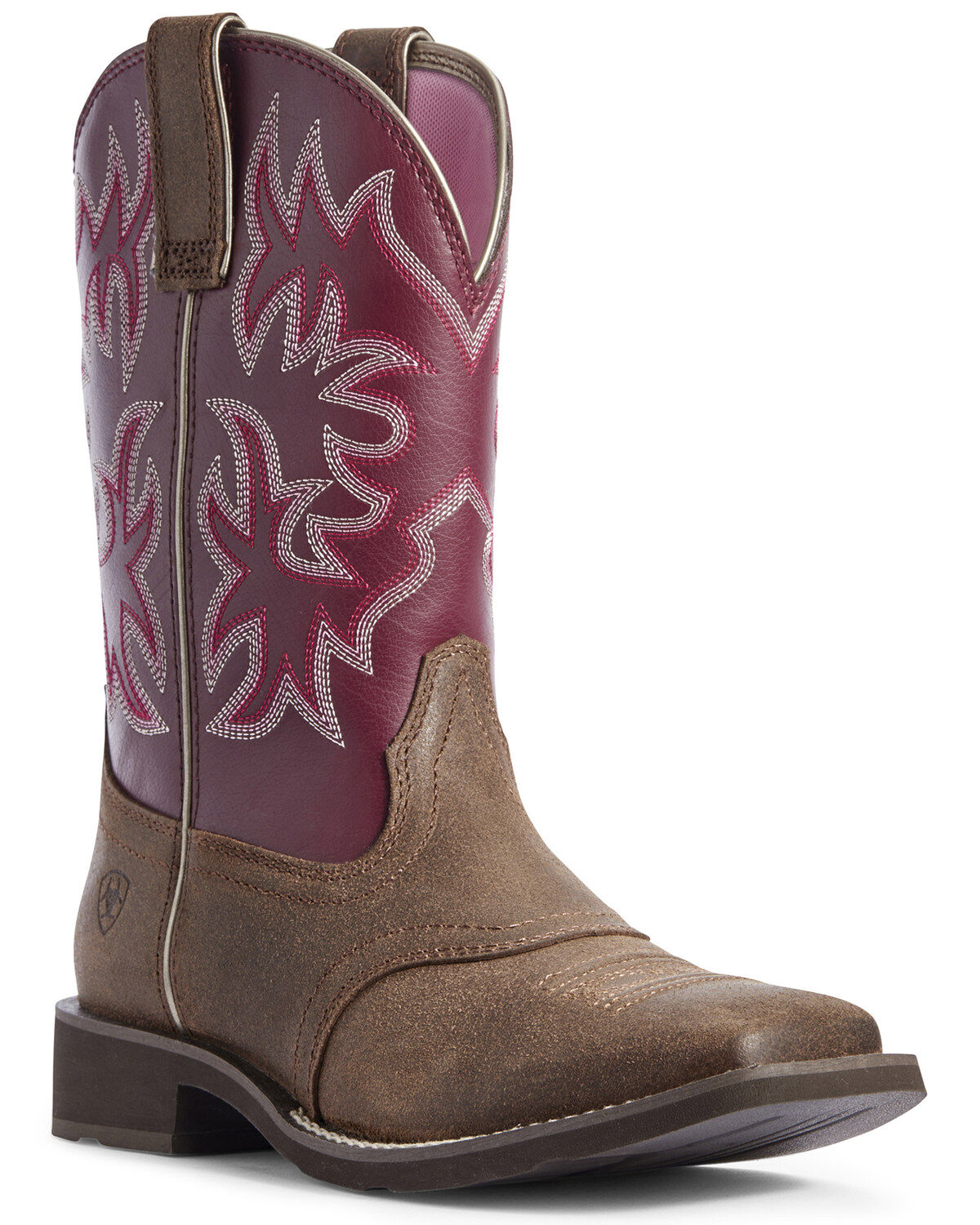
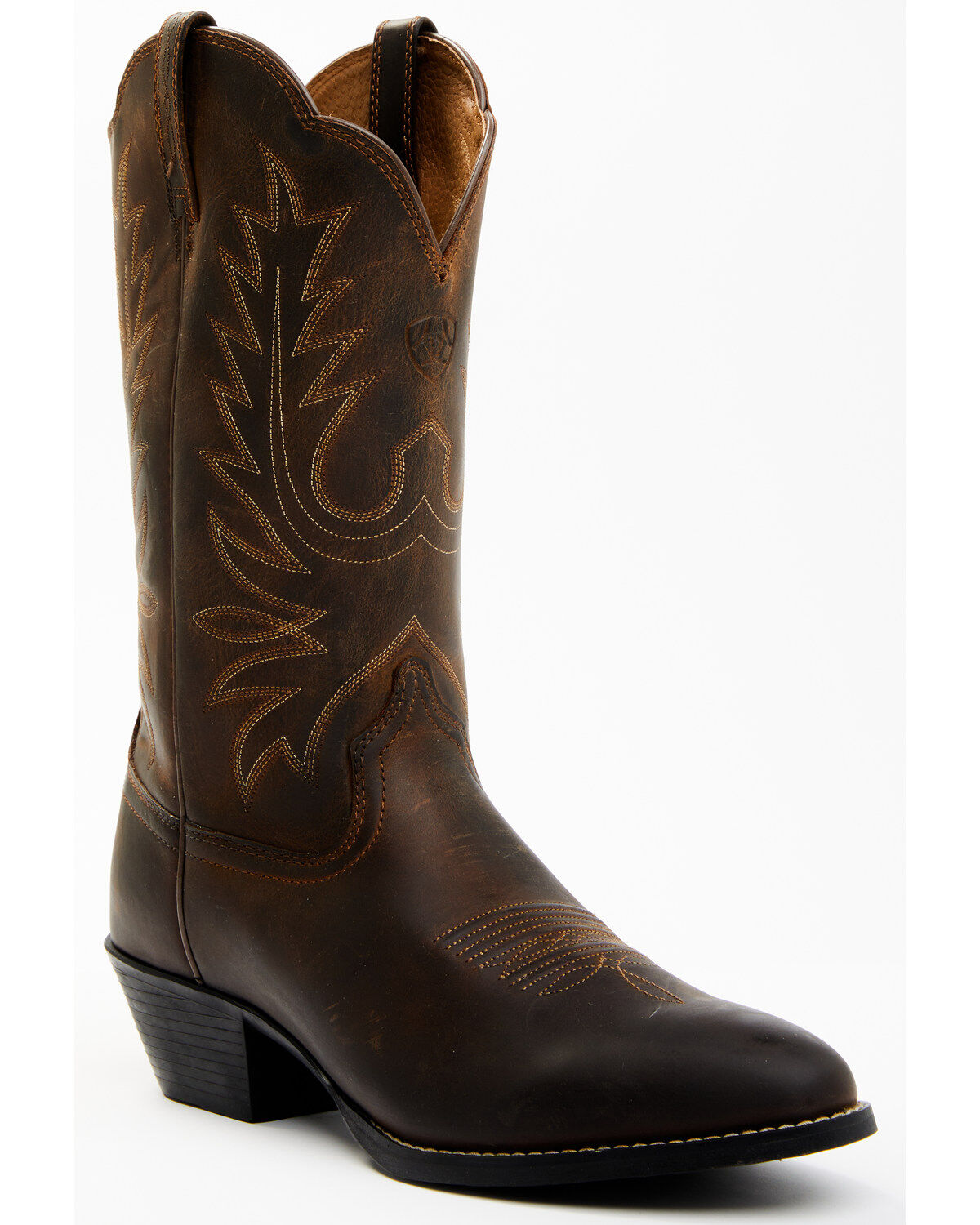
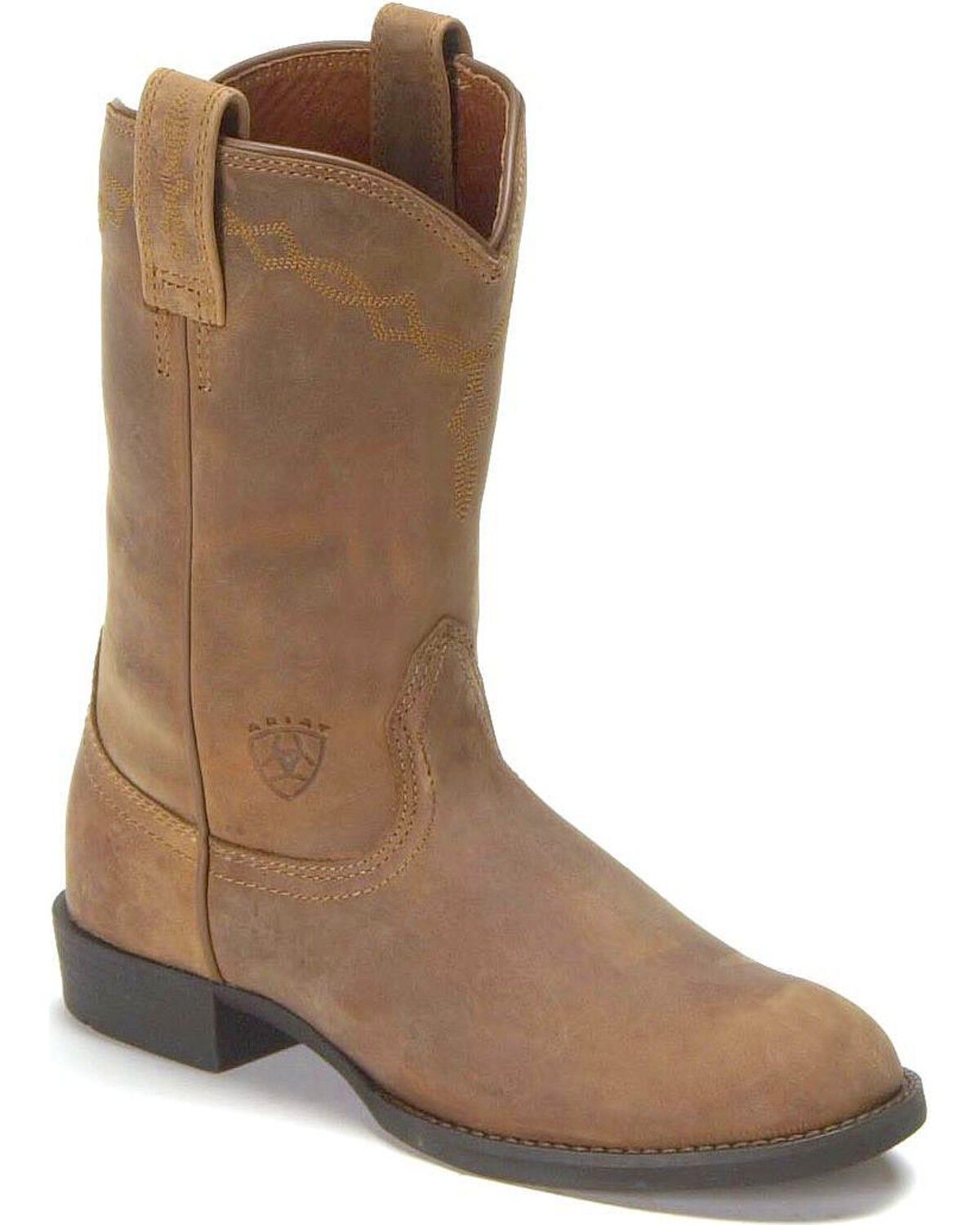
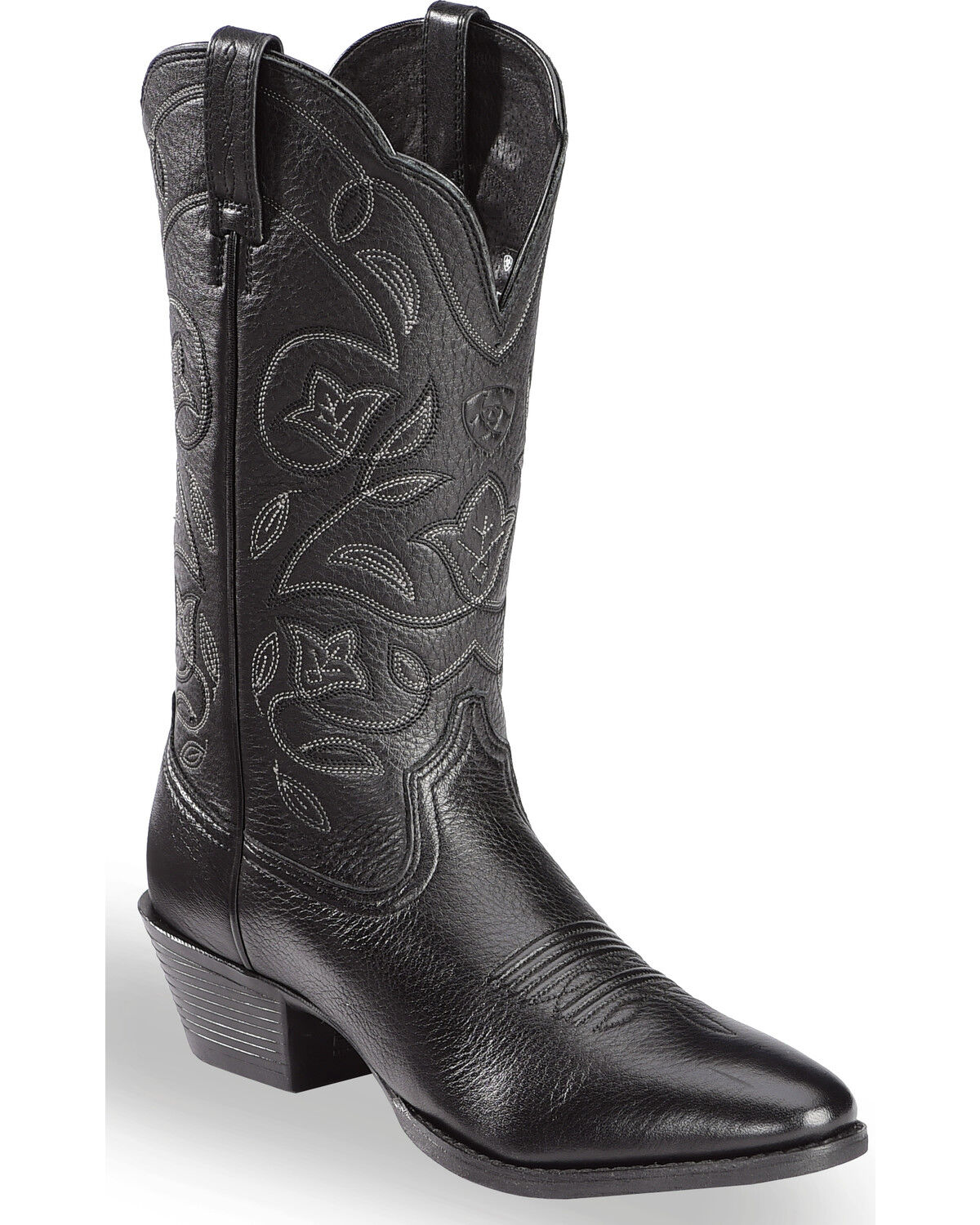
Cowboy heels combine western boot details with added height. Pointed, snip, square, or rounded toes, decorative stitching, shaped shafts, and raised heels give this footwear its recognizable character. The heel may be a traditional angled shape, a broad block, a wedge, or a slender fashion heel, depending on the design. That variety matters: a low, wide heel creates a different stance and feel than a tall, narrow one, even when the uppers look similar. Traditional cowboy boot heels have roots in riding footwear, but western-inspired fashion heels are often intended for everyday outfits, dinners, dancing, and dress occasions rather than riding. An ankle-height silhouette keeps the outline compact and works well with cropped denim or a straight skirt. A taller shaft puts more emphasis on the boot itself, especially with a dress or jeans worn inside the shaft when the fit allows. Under bootcut jeans, the toe and heel carry most of the look, so their proportions deserve attention. The hem should clear the ground without catching beneath the heel, and the leg opening should fall over the shaft without bunching. Smooth leather, subtle stitching, and a restrained finish can make cowboy heels easy to pair with tailored pieces. More visible embroidery, textured leather, or contrasting panels give a simple outfit a stronger western character. Neither approach requires a full western outfit. Dark jeans and a plain shirt leave room for the footwear to stand on its own, while a dress with a clean hem shows more of the shaft and stitching. The most useful choice is one that fits both the occasion and the clothes already in regular rotation. For a closer look at boot silhouettes with added height, explore Cowgirl Boots With Heel. Pay attention to the side profile as well as the front view; the angle of the heel, curve of the arch, and height of the shaft all affect how the finished outfit looks.

Materials and construction influence how cowboy heels feel, wear, and hold their shape. Smooth leather can soften with wear and develop character, though its finish determines which cleaners and conditioners are appropriate. Suede has a soft, textured surface that needs a different care routine, while synthetic materials require care suited to their particular finish. Decorative stitching adds visual detail, but comfort depends more on the shape inside the footwear, the lining, the footbed, and how securely the foot sits. Heel height alone does not tell the whole story. The slope from heel to forefoot, the width of the heel base, and any platform beneath the front of the foot can change the feel of the same stated height. A broad heel generally provides a larger contact area than a narrow one, but outsole material and surface conditions still affect footing. Leather soles and rubber soles can behave differently on polished floors, pavement, and loose ground. For an evening that includes walking several blocks before standing through dinner, those differences matter more than they might for a short, mostly seated occasion. Fit should be checked with the socks intended for wear. Toes need room without being forced into the tapered tip, and the widest part of the foot should align with the widest part of the footwear. A pointed toe should not require squeezing the toes together. Pull-on boots should feel secure across the instep without painful pressure; a little heel movement can be normal in some new boots, but repeated rubbing or pronounced lifting deserves attention. Zip closures can make entry easier, though they do not correct an unsuitable fit. Taller shafts also need enough room around the calf to avoid pinching or restricting movement. Walk on a clean indoor surface, turn, and stand long enough to notice pressure beneath the ball of the foot. Leather may soften, but a painful fit should not be treated as something that wear will reliably fix.

Durability comes from appropriate use as much as from the upper material. Secure stitching, sound heel attachment, and an outsole suited to the intended setting all contribute to dependable wear. A fashion heel should not be treated as protective work footwear or assumed suitable for riding simply because it has western styling. For regular walking, consider how the heel feels over distance and whether the sole provides suitable traction for the surfaces involved. For dancing, the balance between grip and movement matters, and the rules or floor requirements of the venue may influence the choice. Care starts with removing loose dirt before it works into seams and textured surfaces. Use a soft cloth or an appropriate brush, and follow the care directions for the material rather than applying the same treatment to every pair. Smooth leather may benefit from a compatible conditioner used sparingly; suede generally calls for a suede brush and products intended for its nap. Test any treatment in a discreet area, since finishes can darken or change appearance. If footwear gets wet, let it dry naturally away from direct heat. Store it clean and dry, with enough support to keep taller shafts from folding sharply. Check heel tips and soles for uneven wear, particularly if one side begins wearing down faster than the other. A qualified repair professional can assess whether worn parts are replaceable before damage spreads. Cowboy heels can make a thoughtful gift for someone who already enjoys western footwear, but the details are personal. Usual size is only a starting point; preferred heel height, toe shape, shaft height, calf fit, and intended use are just as important. Someone who spends most occasions standing may value a lower, broader heel, while someone dressing for seated dinners may prefer a taller silhouette. The right pair should reflect the wearer's habits, not just the appearance of the boot. A secure fit, suitable materials, and consistent care help turn distinctive footwear into something that earns regular wear.
Read More

FAQs