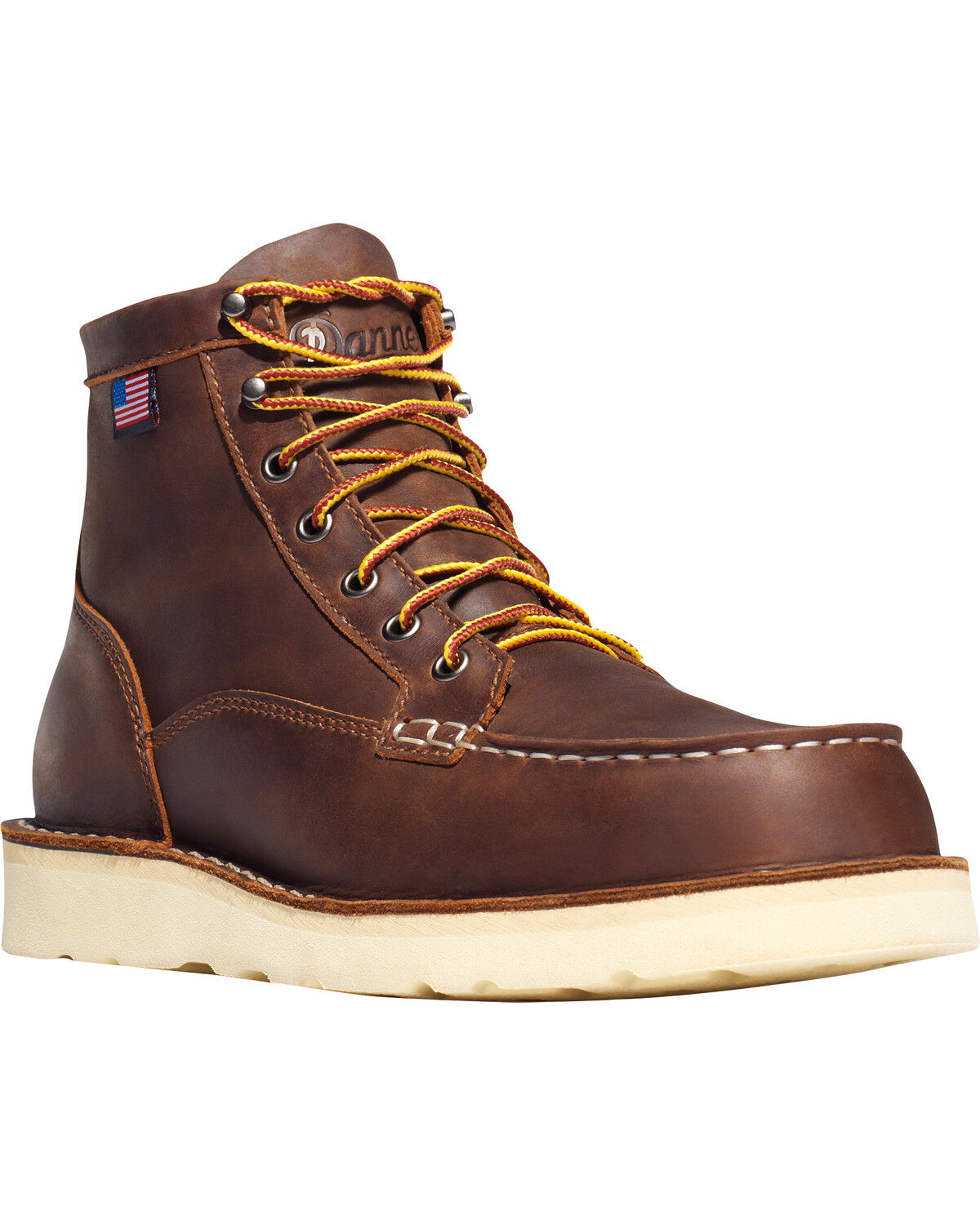
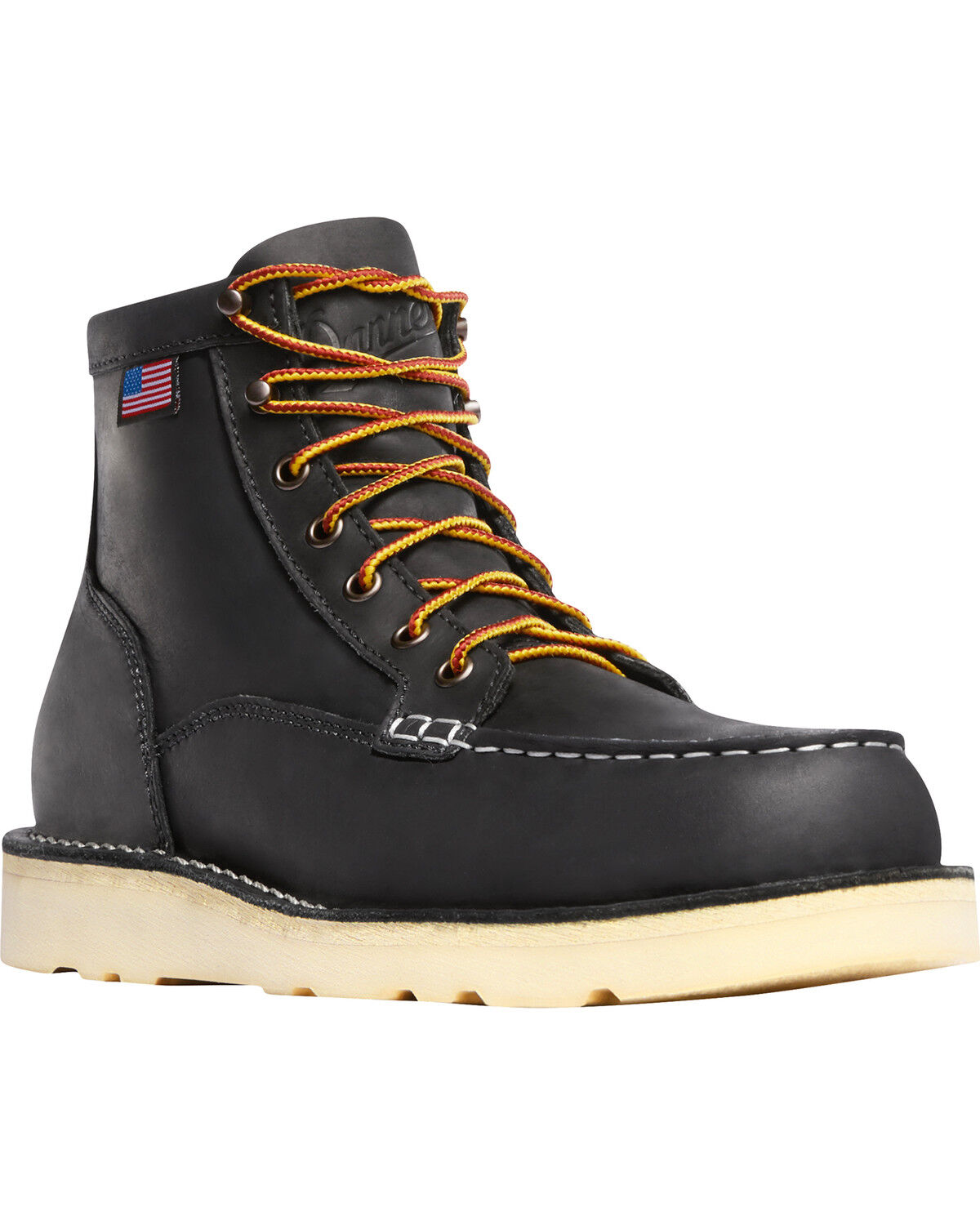
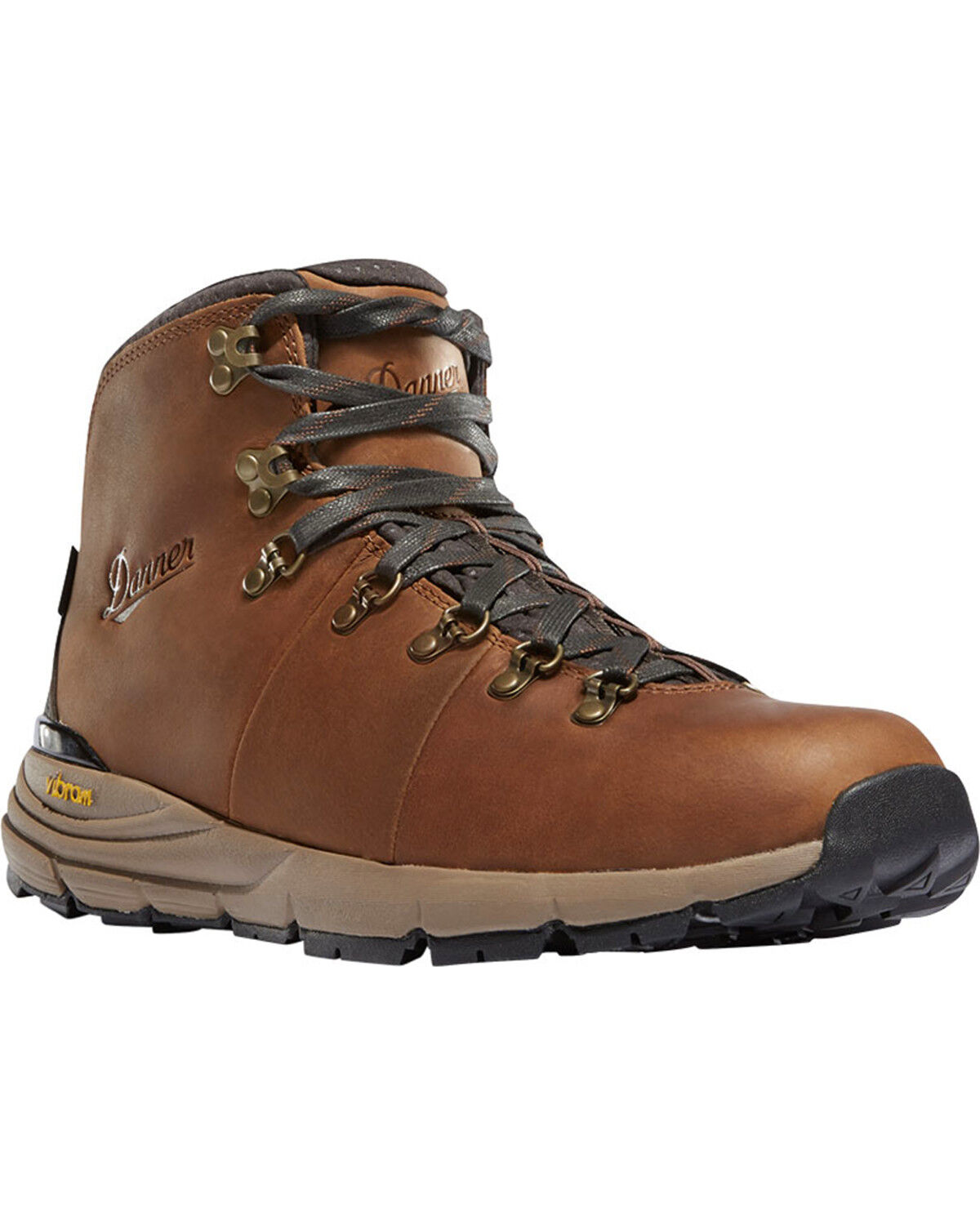
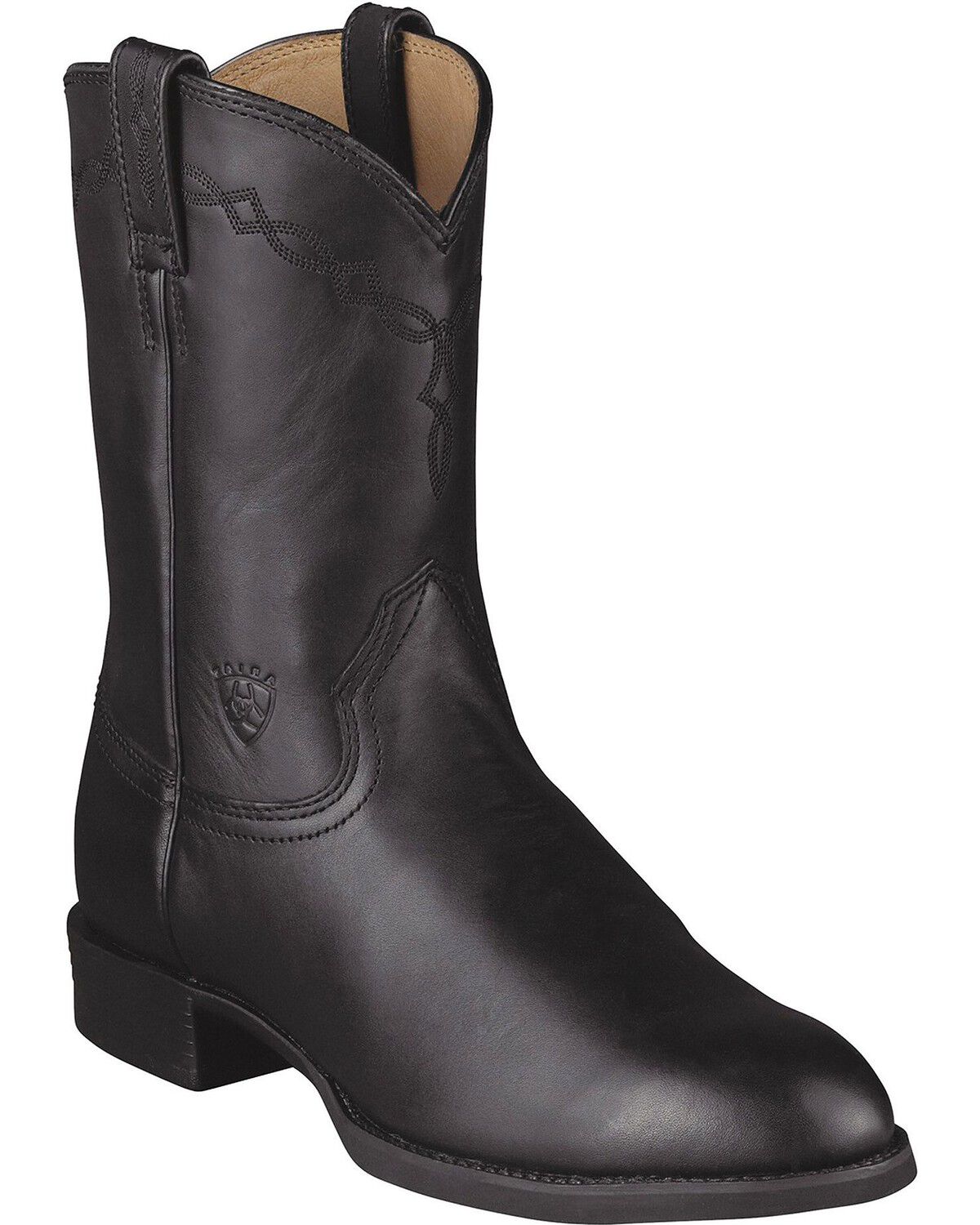
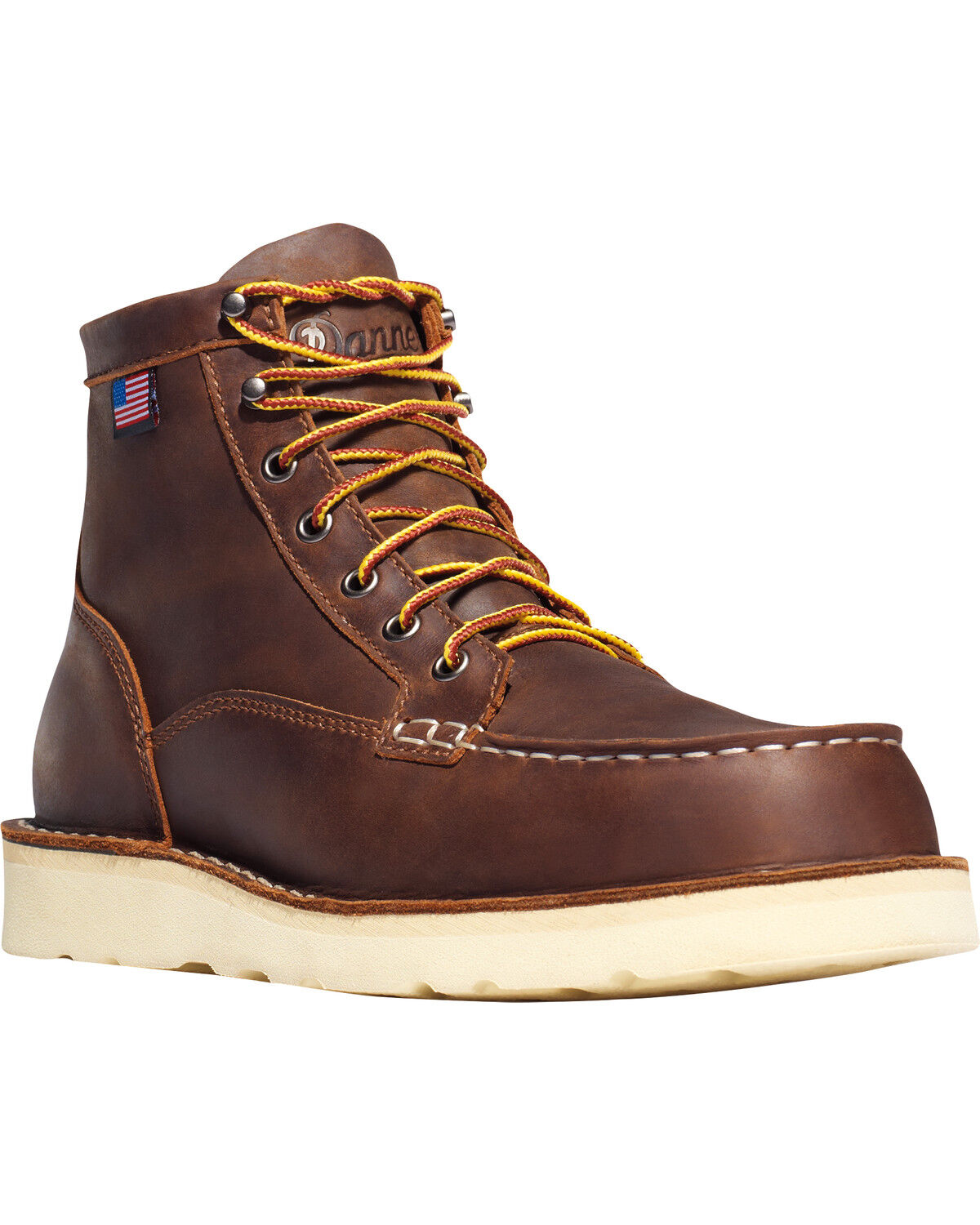
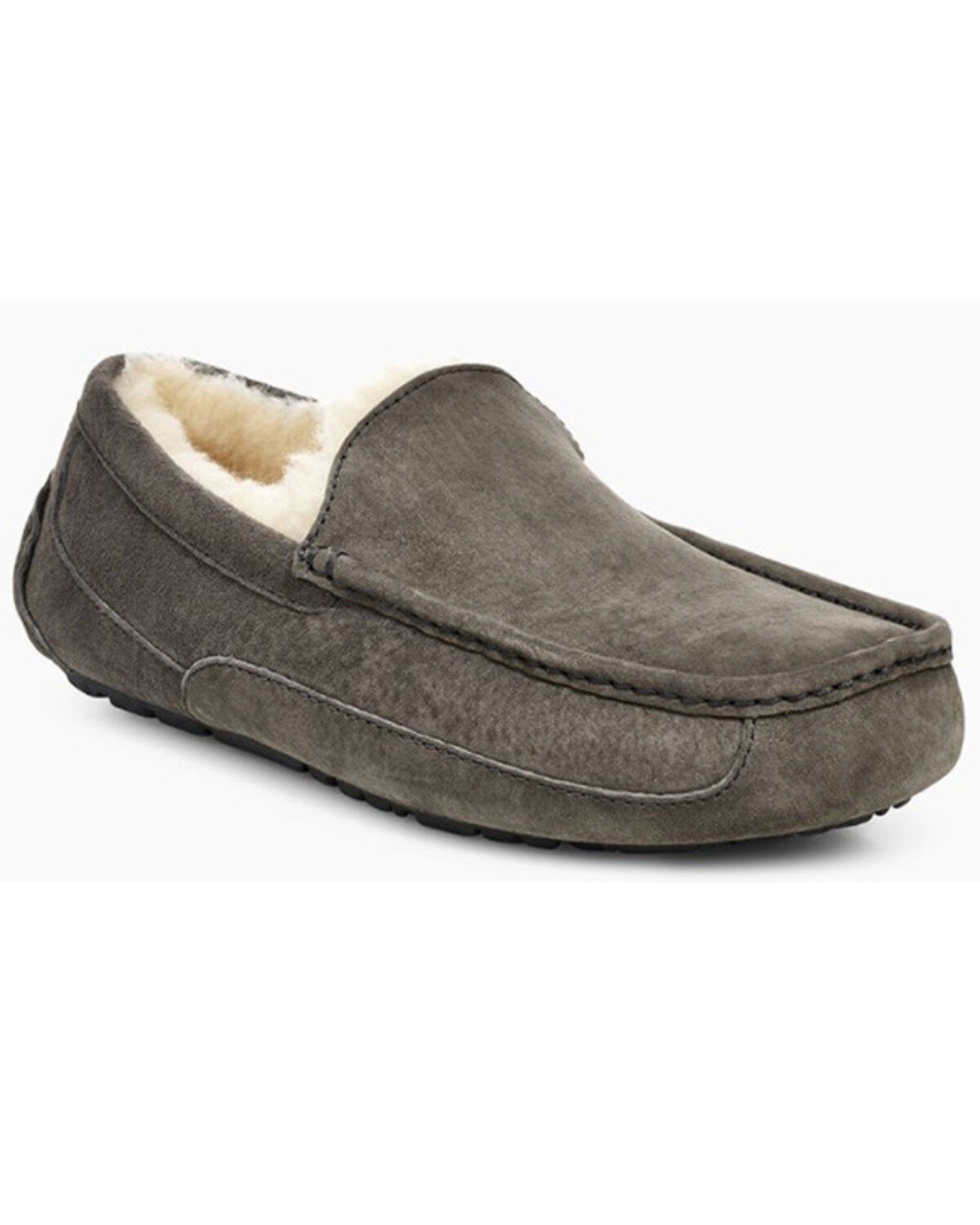
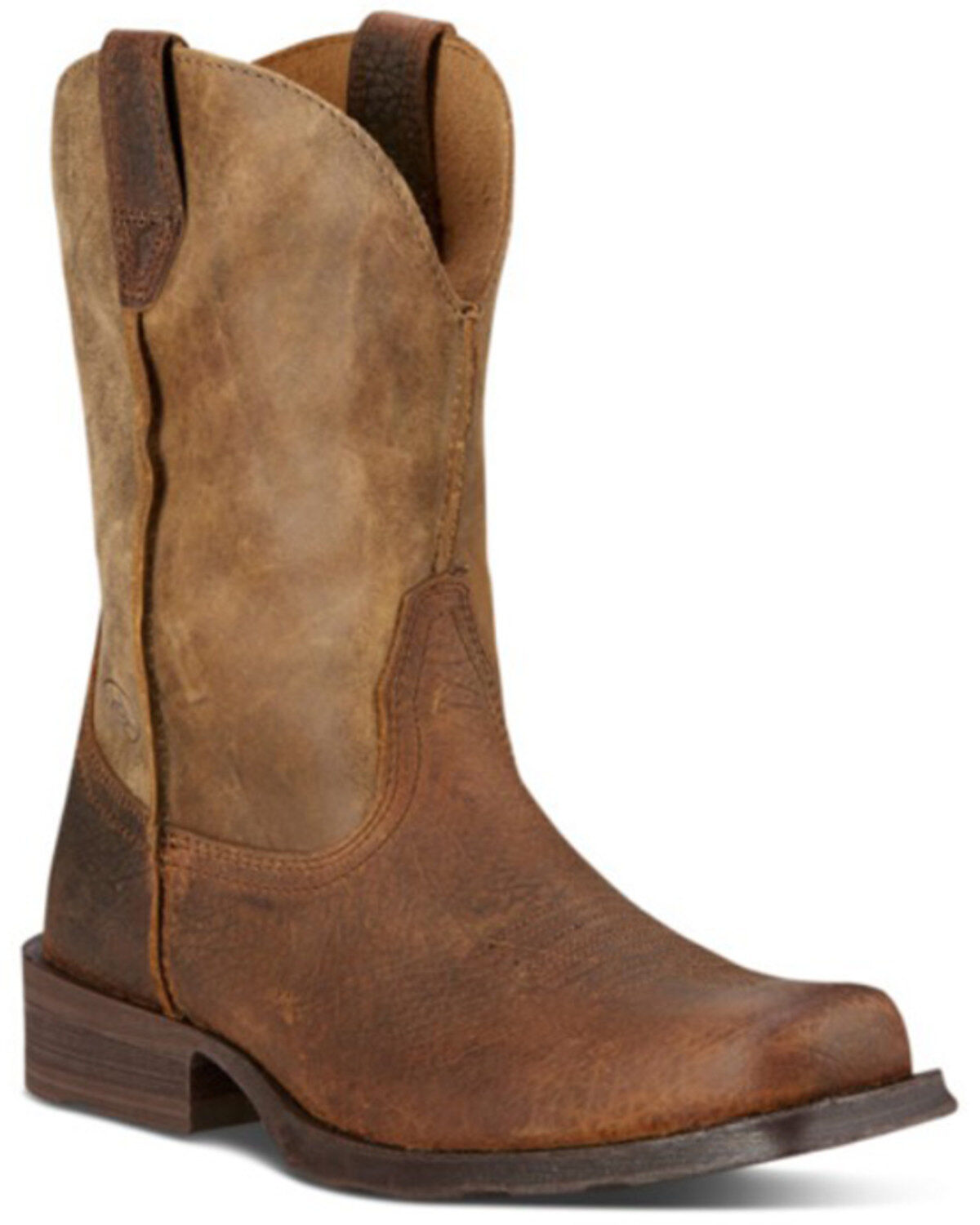
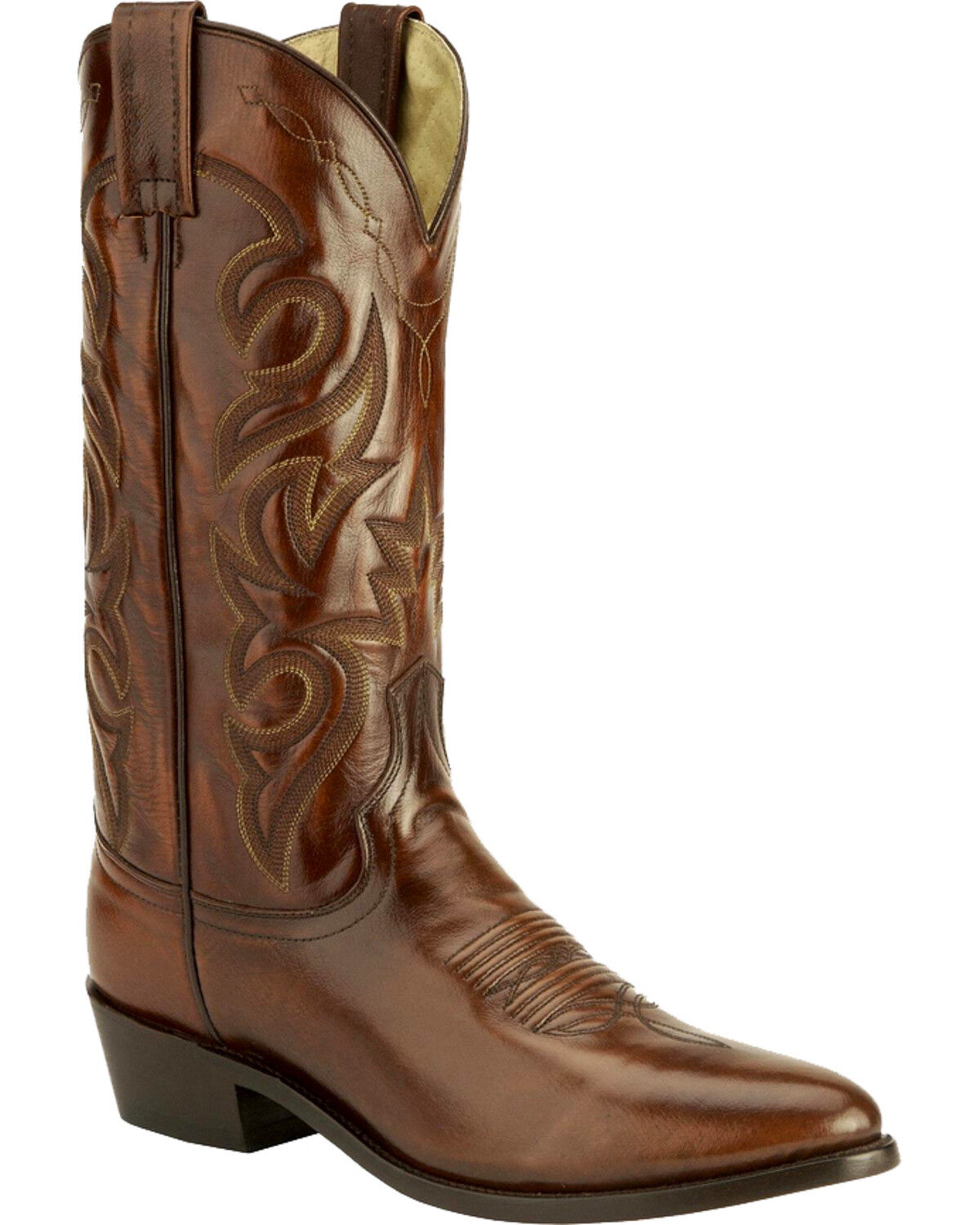
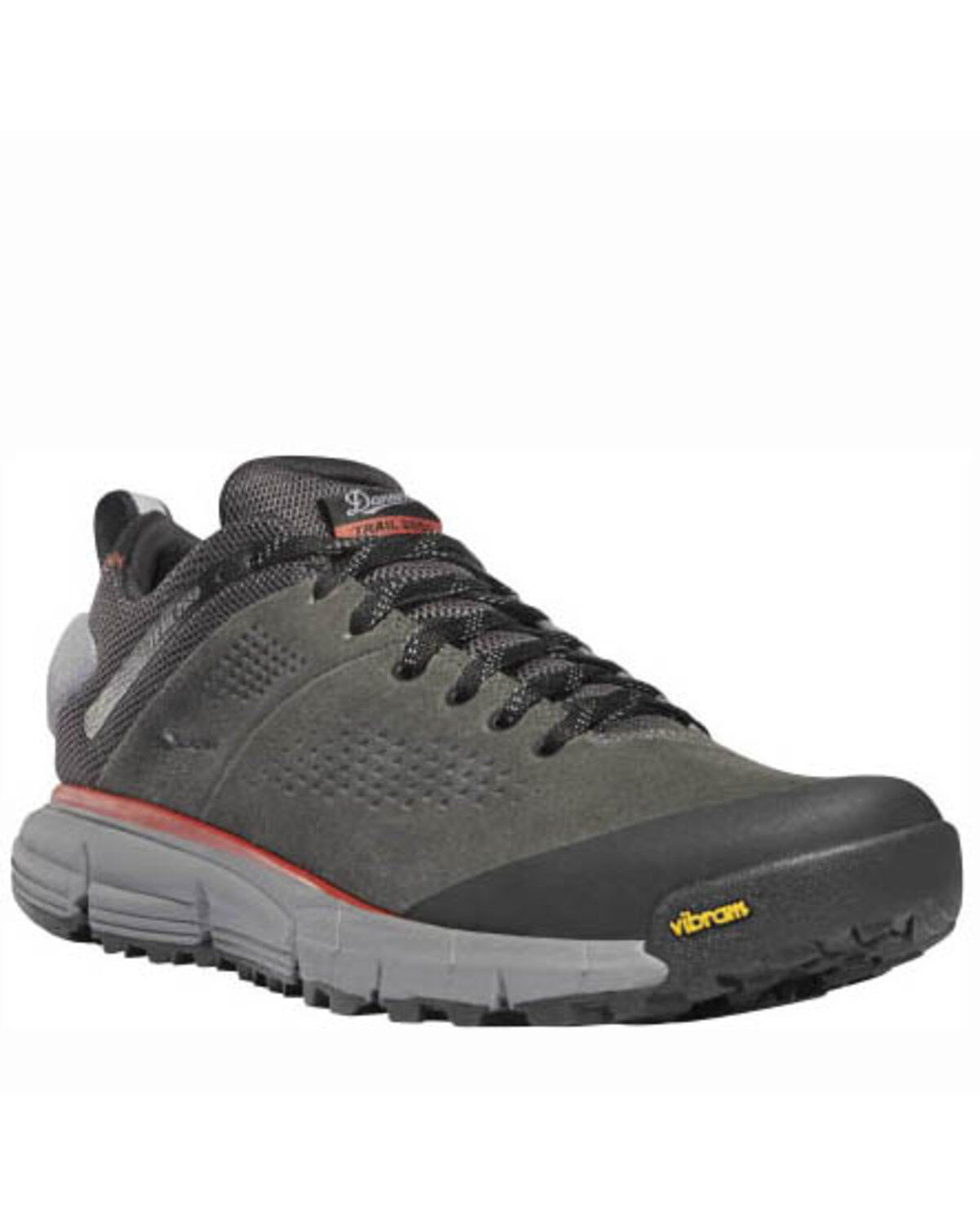
Composite Safety Shoes
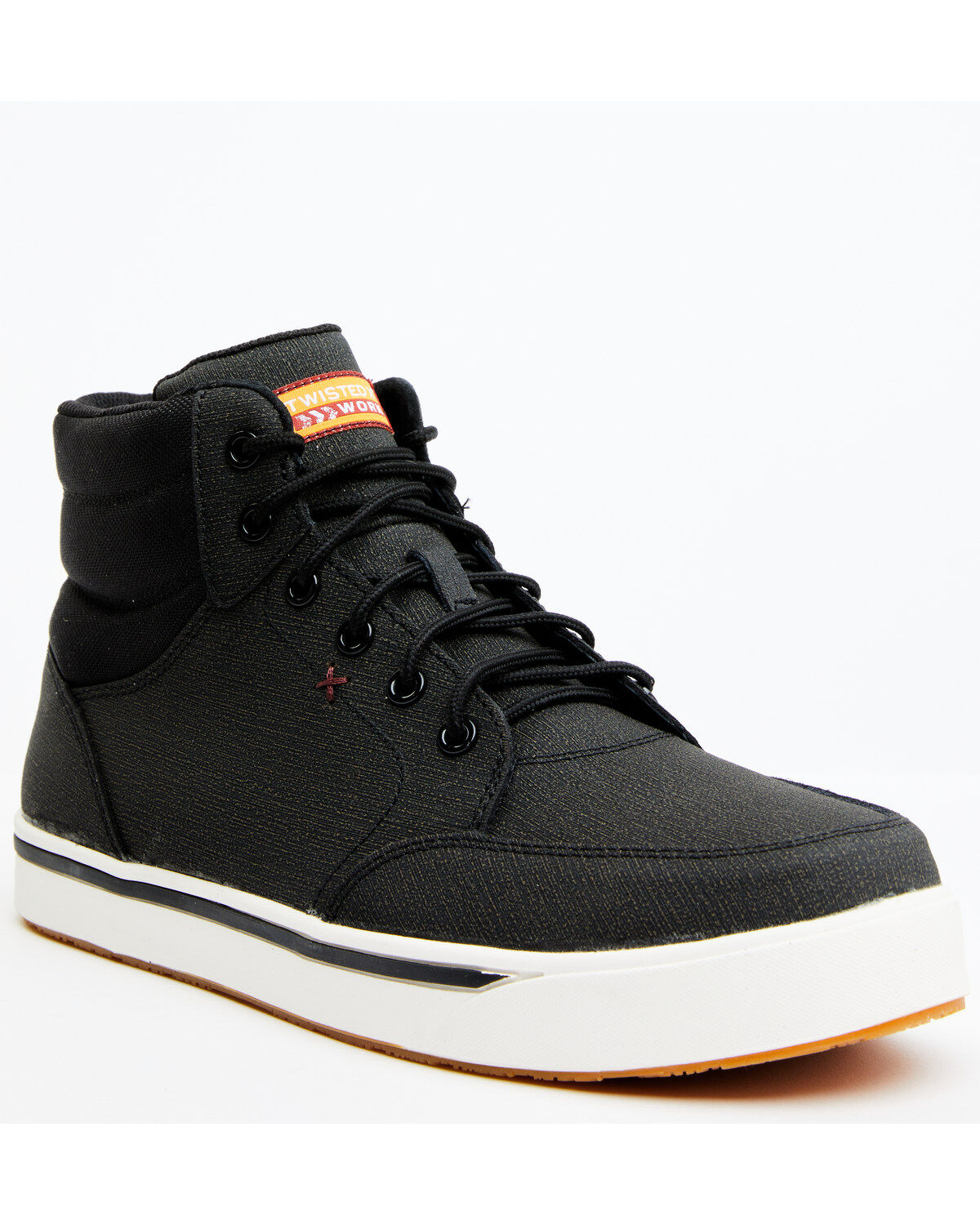
Find composite safety shoes for jobs that require protective footwear. Browse the available styles, compare fit and listed safety features, and check each pair against your workplace requirements before choosing.
-
$269.99
-
$239.99
-
$249.99
-
$189.99
-
$329.99
-
$279.95
-
$239.95
-
$229.99
-
$129.95
-
$244.95
-
$124.95
-
$189.95
-
$314.99
-
$159.95
-
$124.95
-
$149.95
-
$149.95
-
$119.95
-
$129.95
-
$177.99
-
$144.99
-
$129.95
-
$209.95
-
$209.95
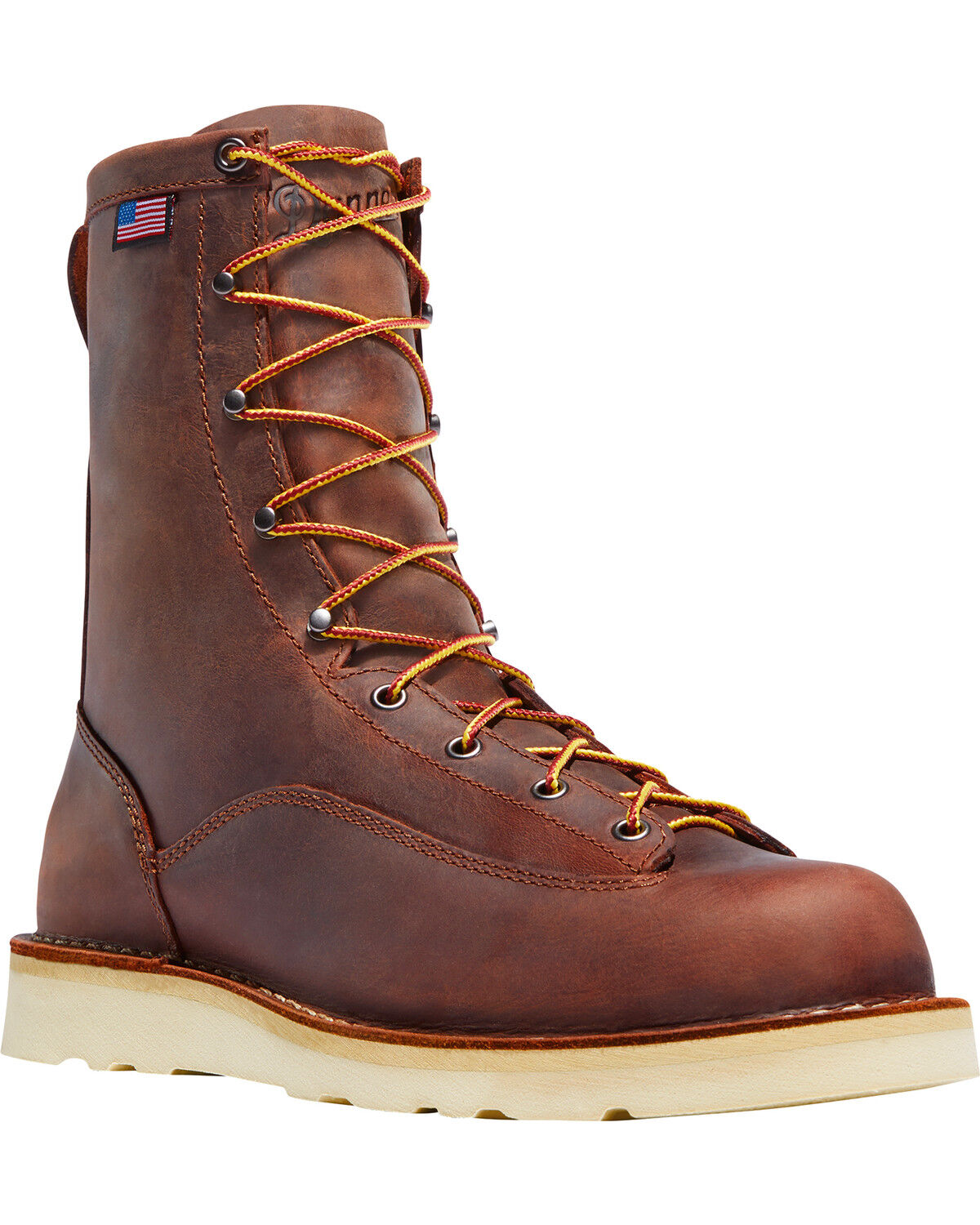
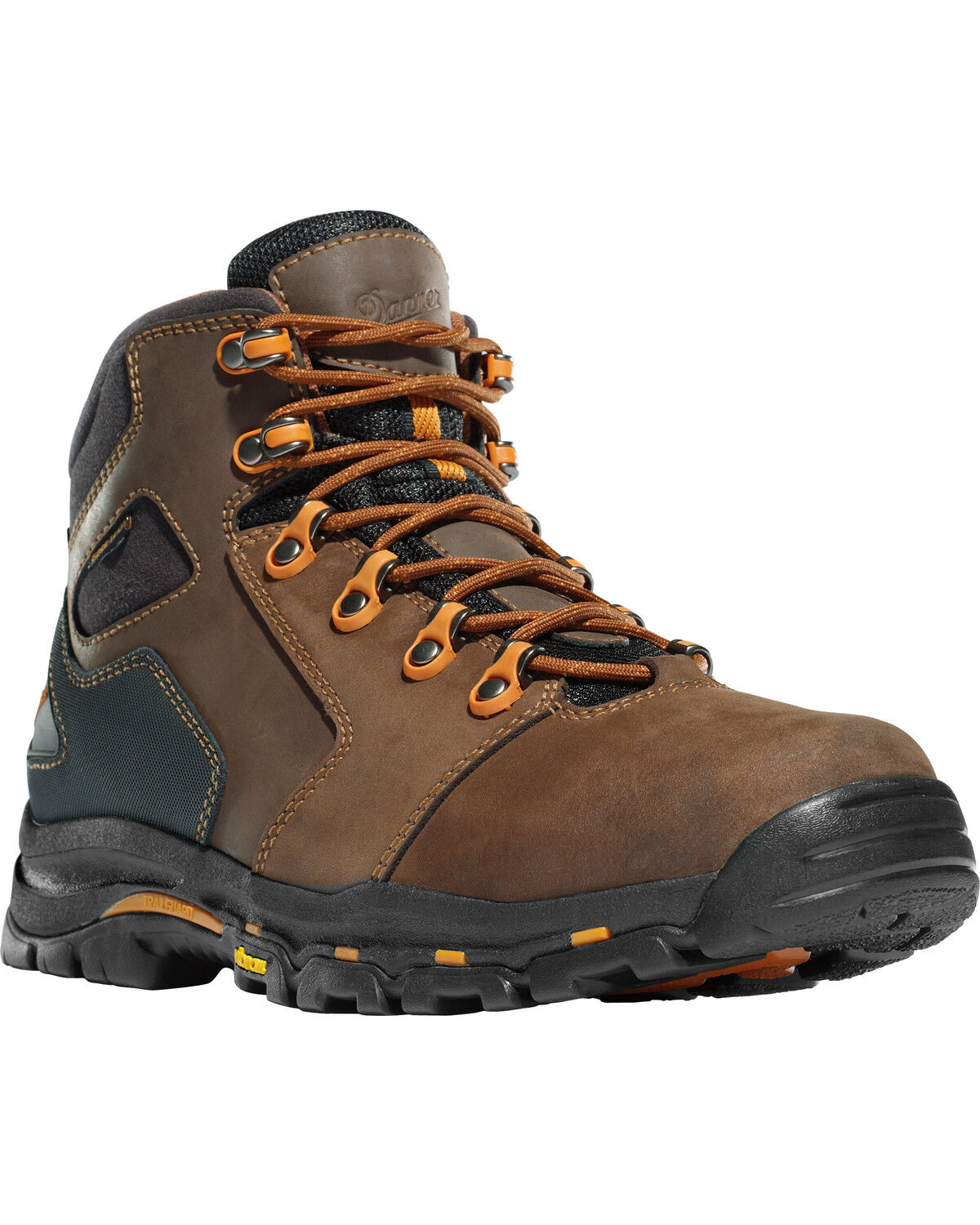
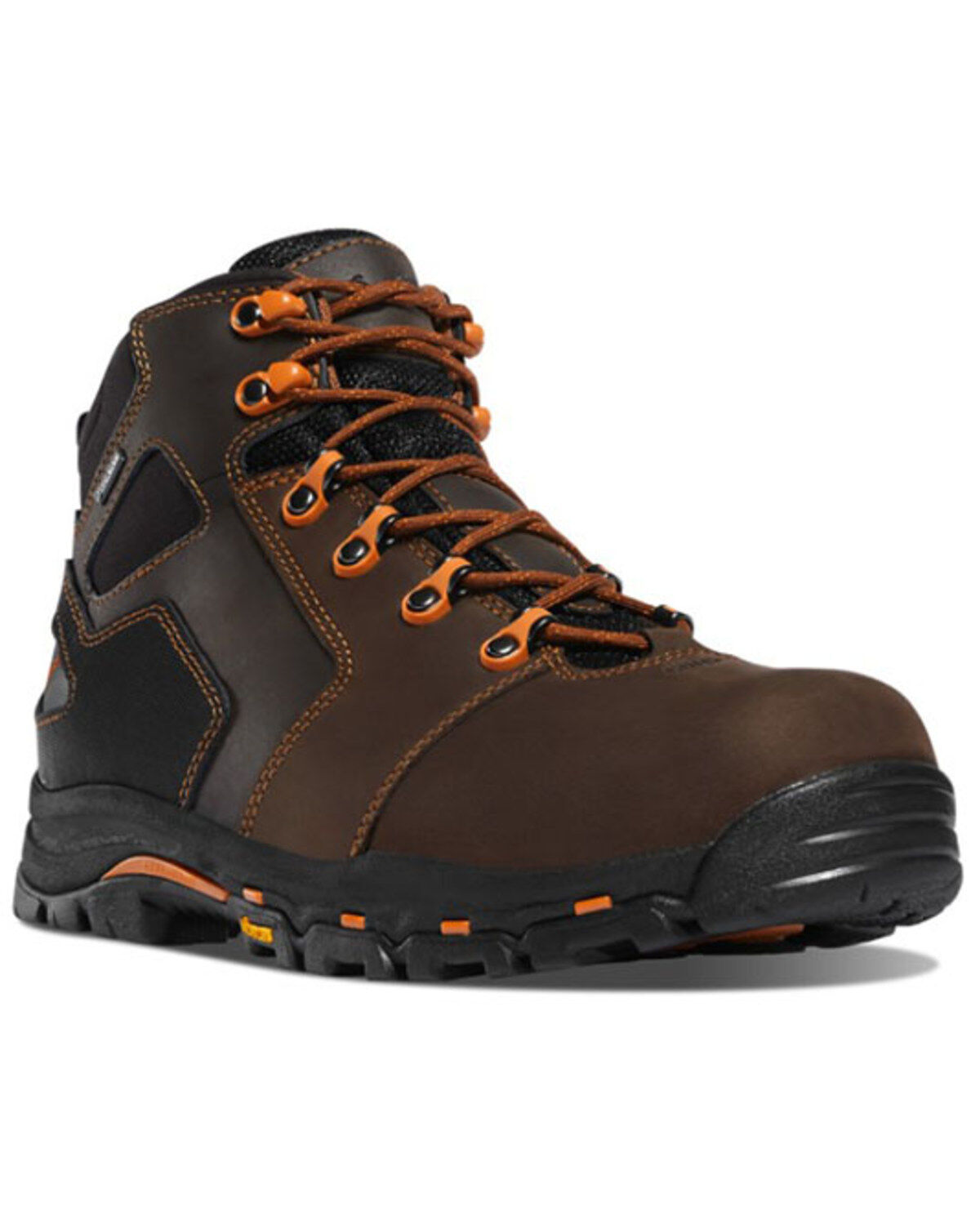









End of products
Composite Safety Shoes
FAQs
Pair composite-toe shoes with straight-leg jeans or work pants and a button-down shirt. Keep colors simple for a clean, straightforward look.
Composite-toe shoes generally have a lower cut that leaves more of the ankle visible. Work boots have a taller profile that extends above the ankle.
Compare the toe shape, stitching, closure, and color. Understated details pair easily with everyday clothing, while contrasting accents create a more distinct look.
Follow the manufacturer's care instructions for the shoe's materials. Start by removing loose dirt with a soft brush, and use only cleaning products suited to the upper.
Let the shoes dry before storing them in a dry, ventilated space away from direct heat and sunlight. Leave enough room around them so other footwear does not crush or crease the uppers.