Comfortable Western Dresses For Everyday Wear

Find comfortable western dresses for everyday wear, from casual days out to relaxed evenings. Browse western-inspired styles with your preferred fit and length in mind, and check each dress’s fabric and care details to find one that suits your daily routine.
Read More

Shop Your Store: Shop Your Store: Find a Store

(Turn off Shop Your Store to see all items)

(Turn off Shop Your Store to see all items)

close
  • Recommended
  • Lowest Price
  • Highest Price
Skip pass products
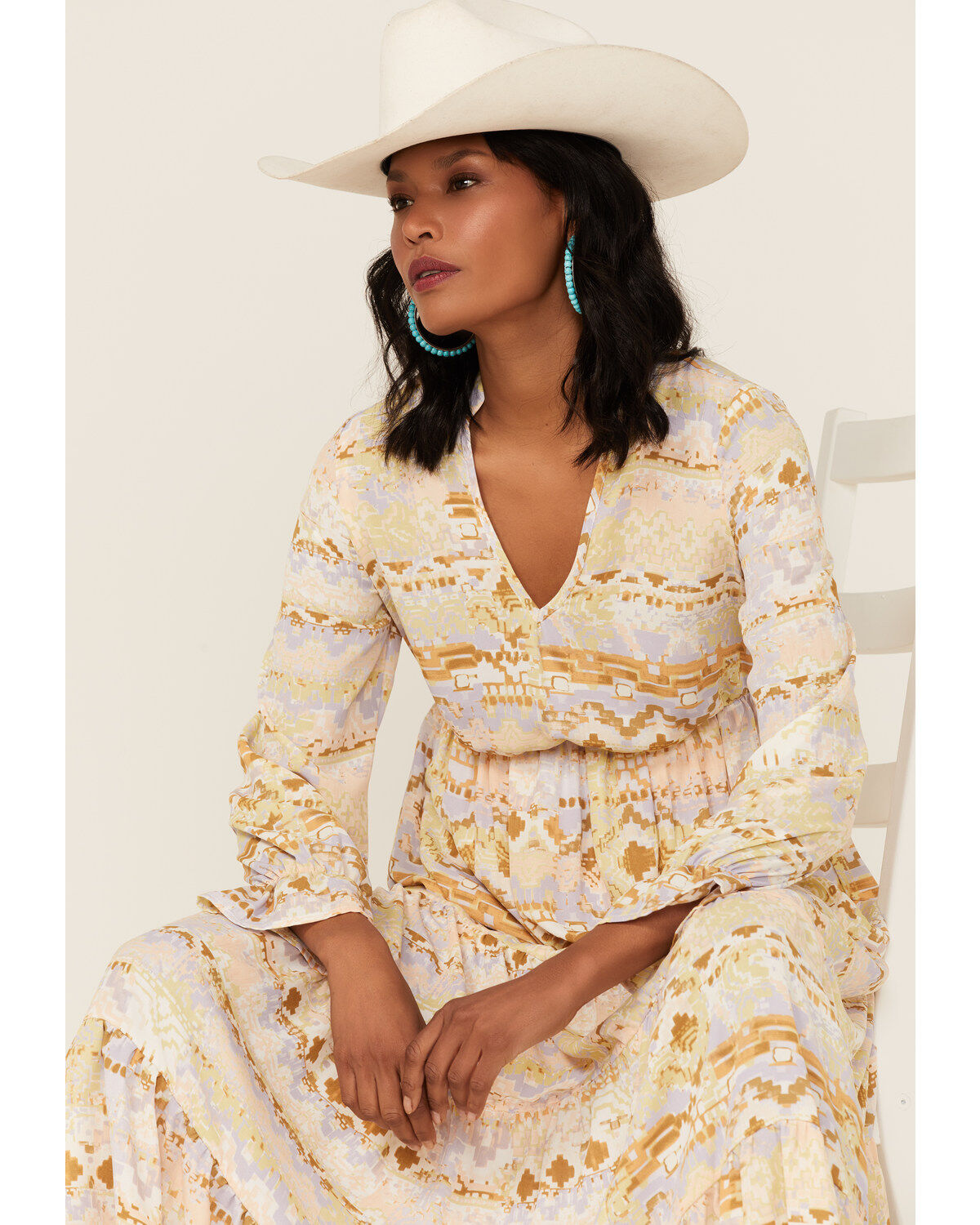
  • Women's Shyanne Watercolor Southwestern Long Sleeve Maxi Dress

    Original Price $64.99 $44.97
    31% Total Savings
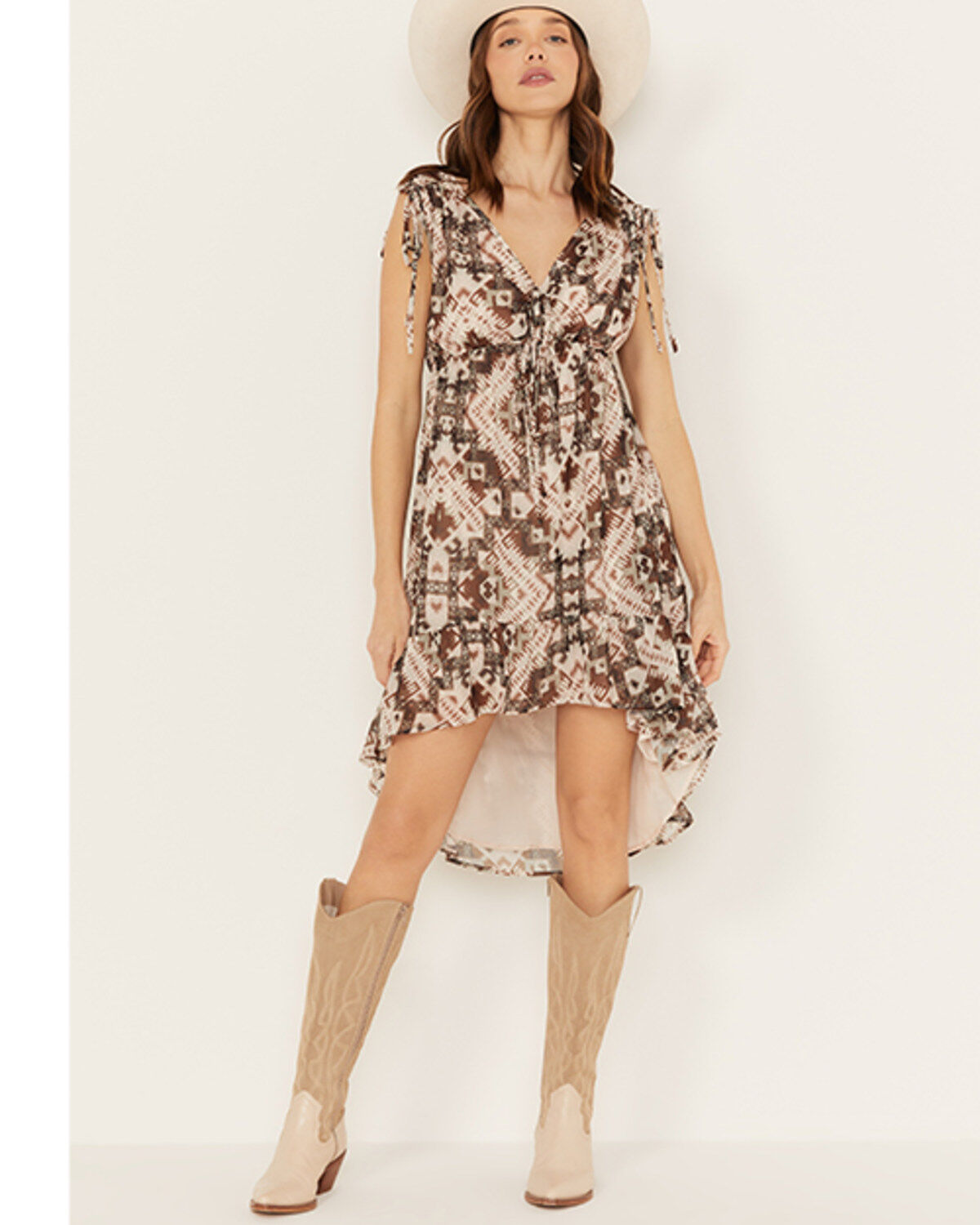
  • Women's Shyanne Printed Chiffon High-Low Dress

    Original Price $79.99 $32.98
    59% Total Savings
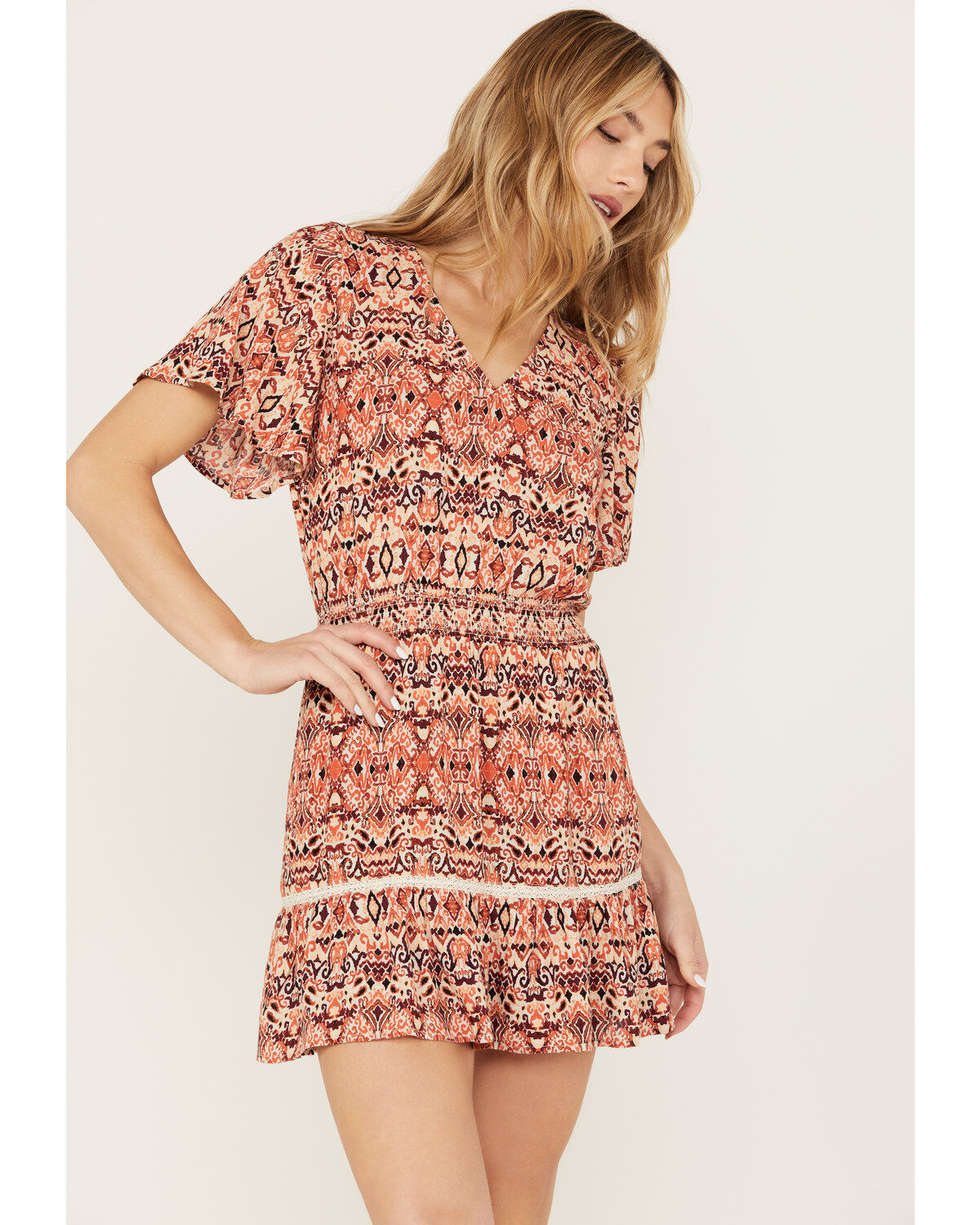
  • Women's Idyllwind Blossom Flutter Sleeve Smocked Mini Dress

    Original Price $64.99 $26.98
    58% Total Savings
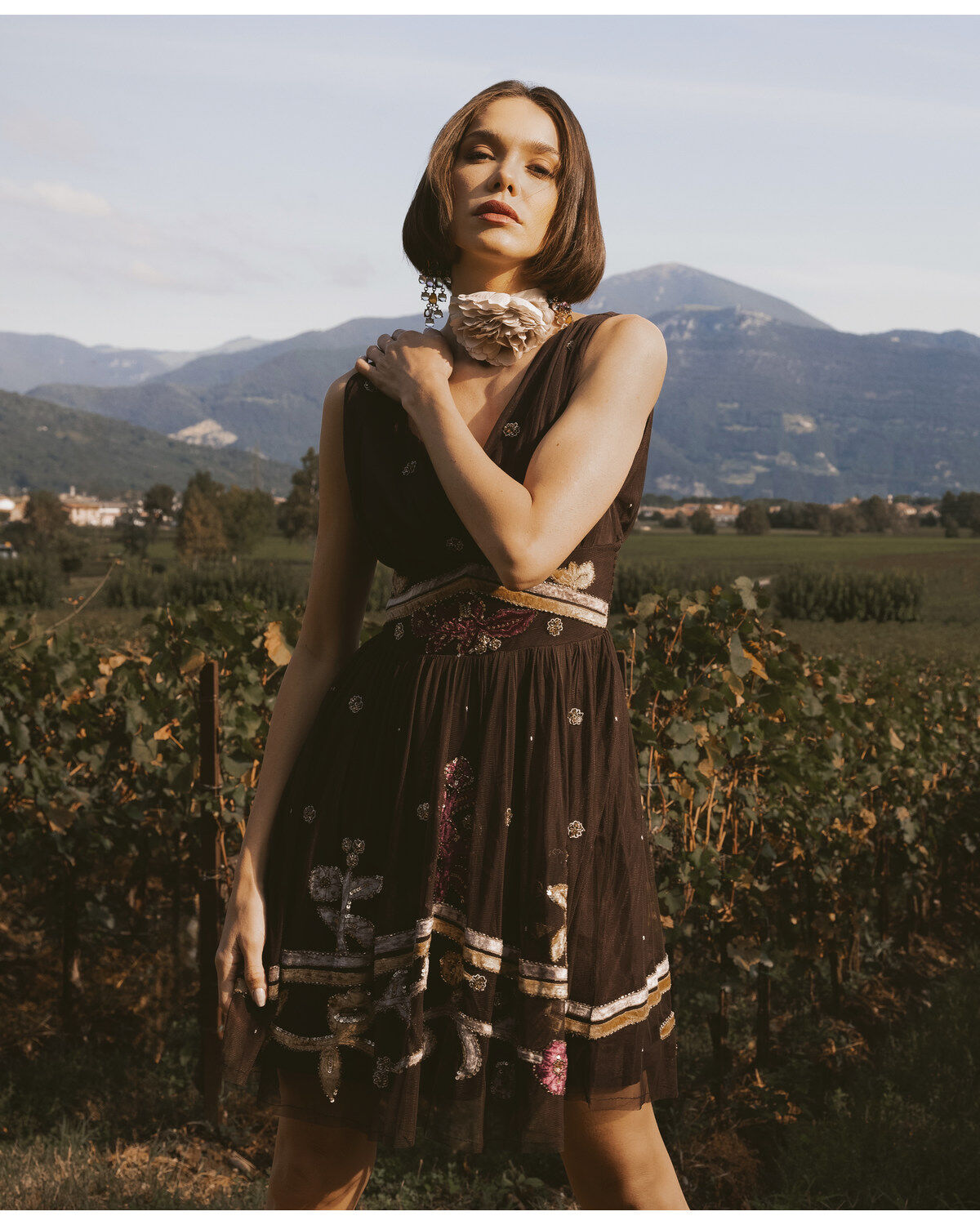
  • Women's Shyanne Embroidered Tulle Mini Dress

    Original Price $139.99 $96.97
    31% Total Savings
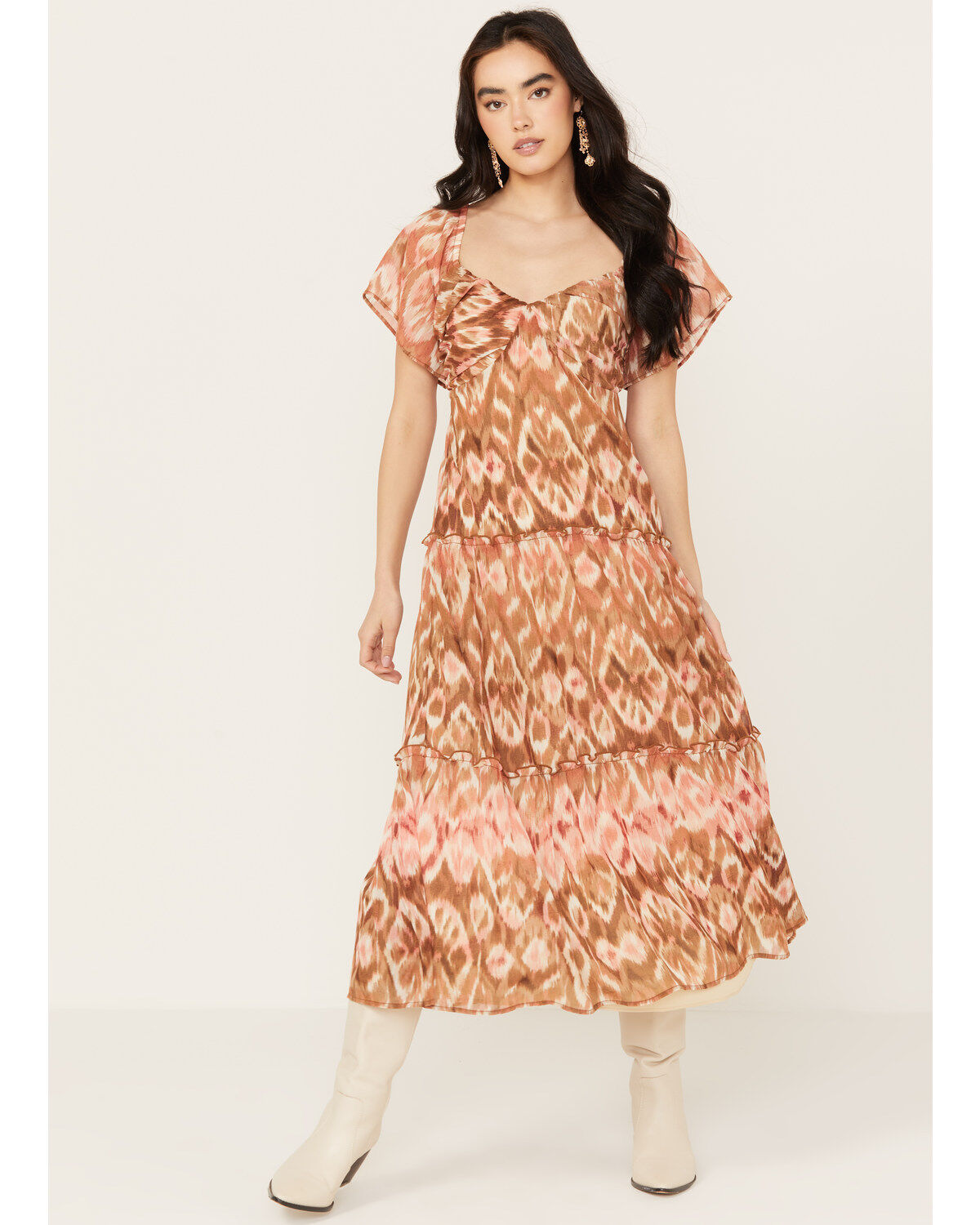
  • Women's Shyanne Ikat Midi Dress

    Original Price $84.99 $58.97
    31% Total Savings
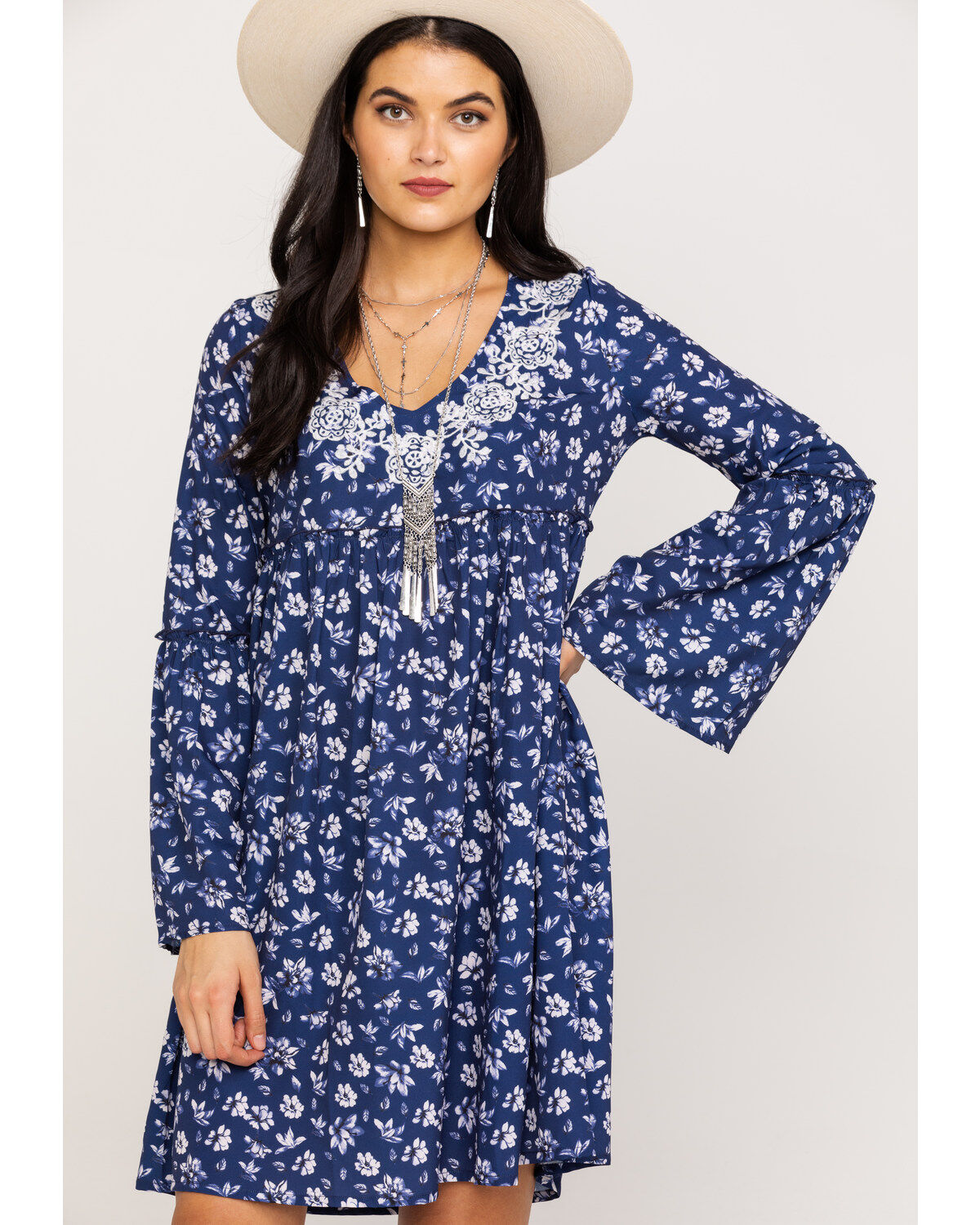
  • Women's Roper Floral Print Mini Dress

    Original Price $59.99 $24.58
    59% Total Savings
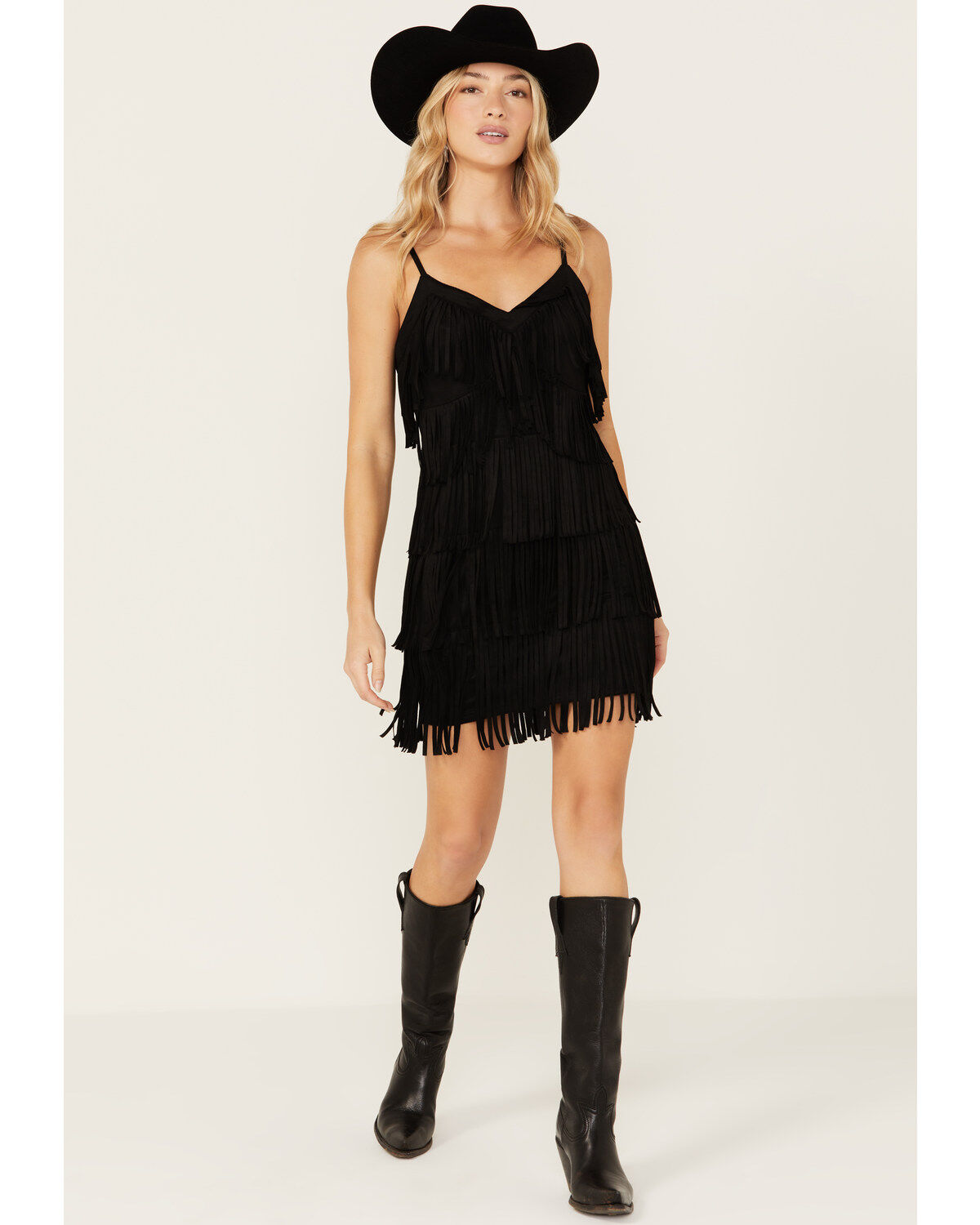
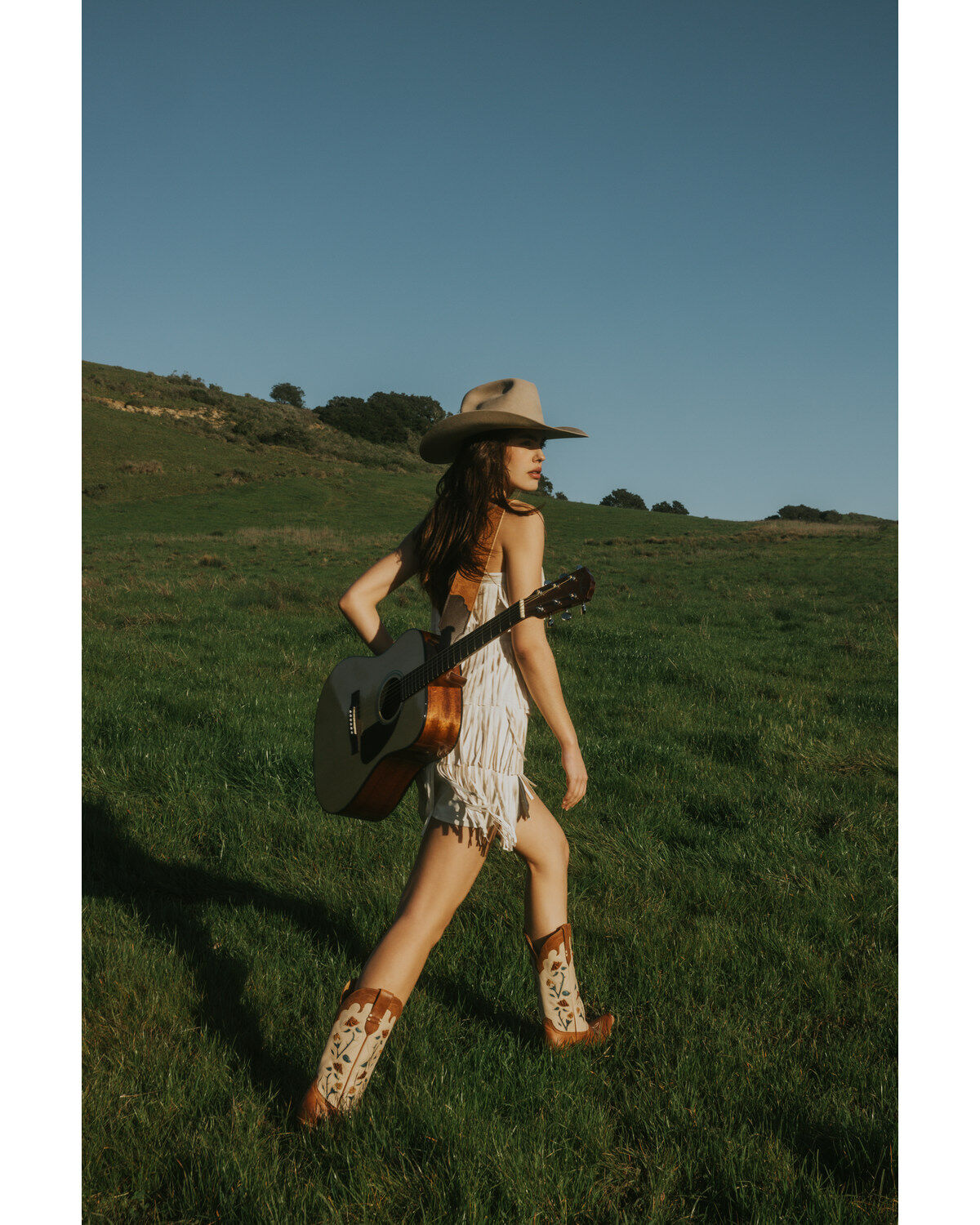
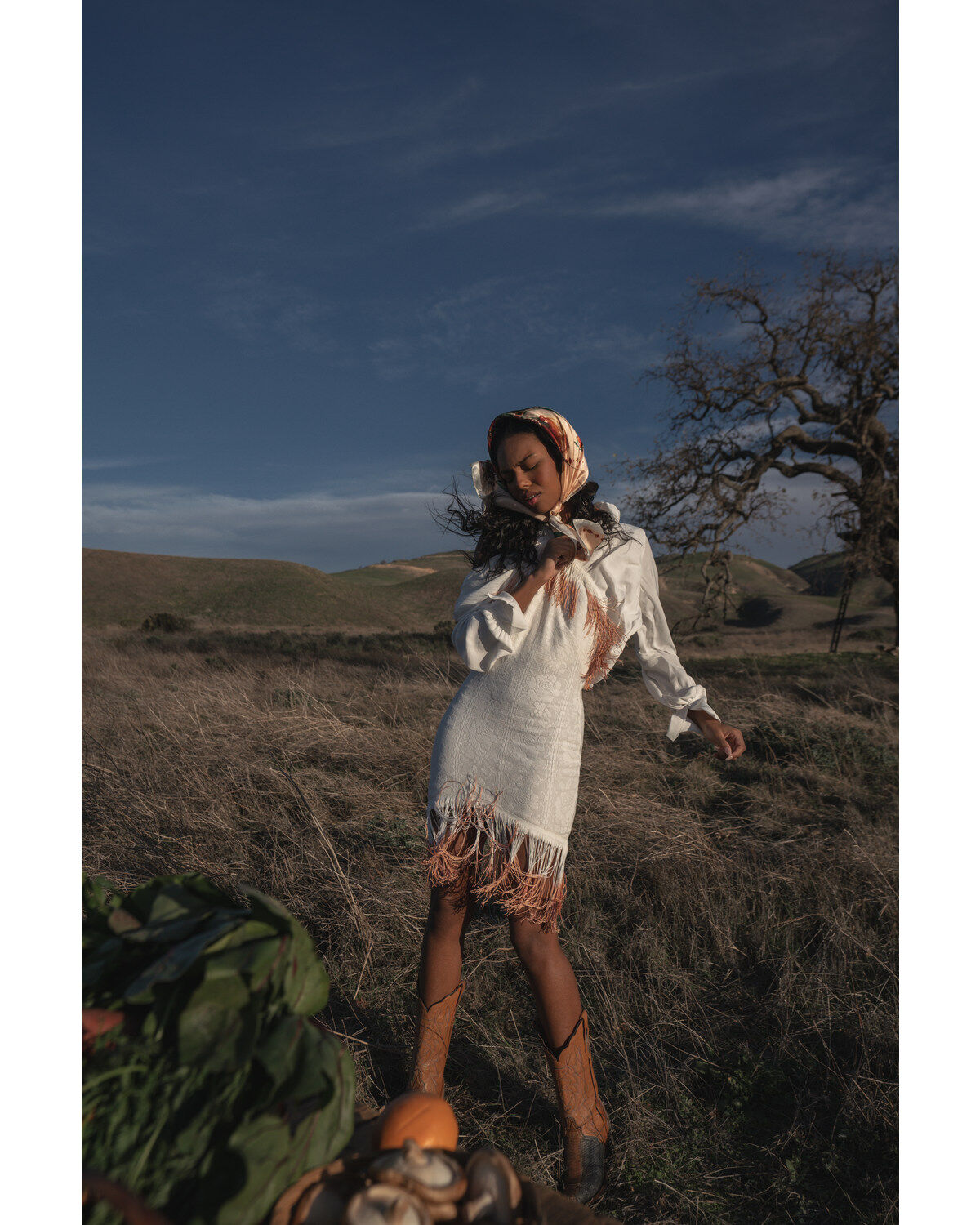
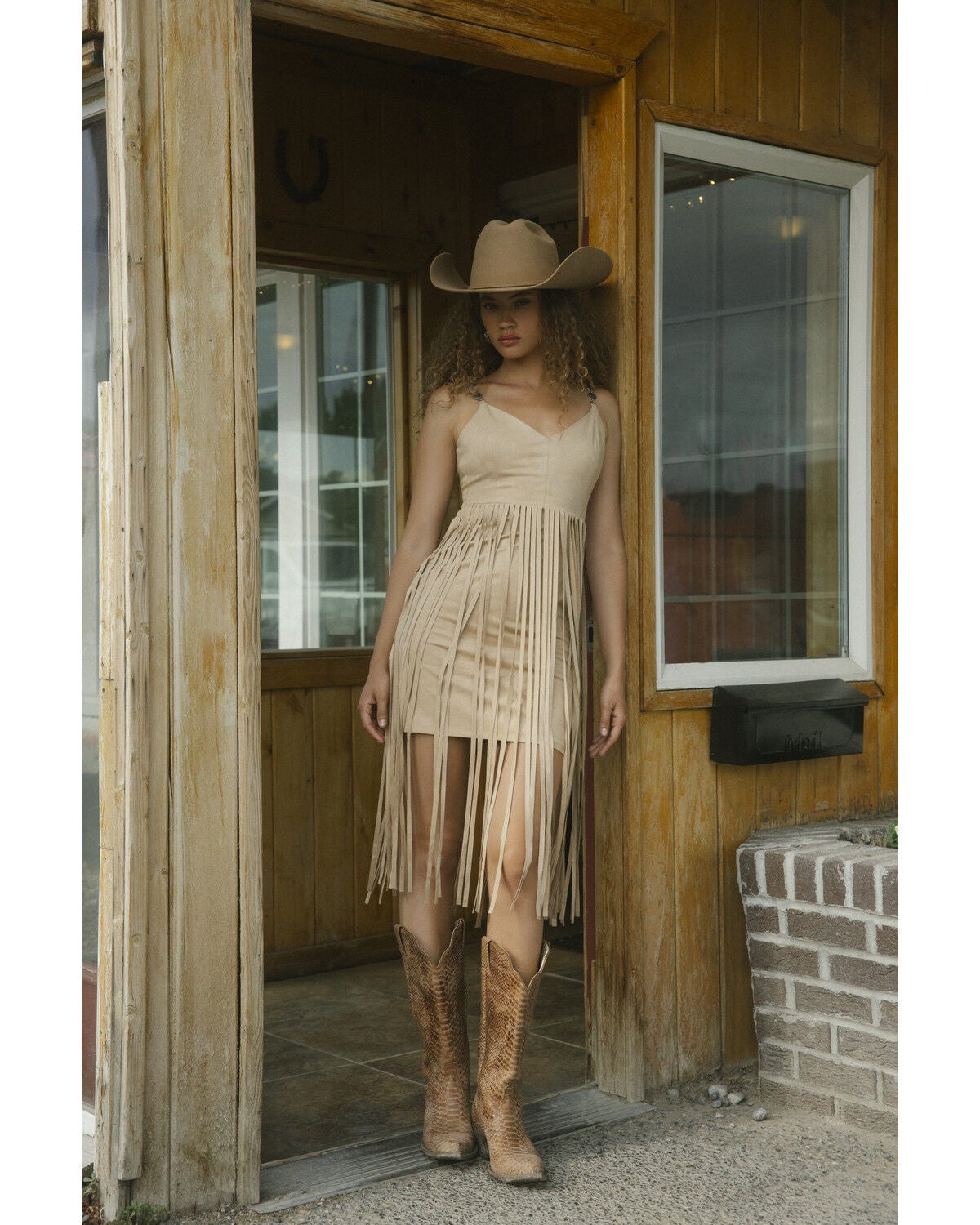
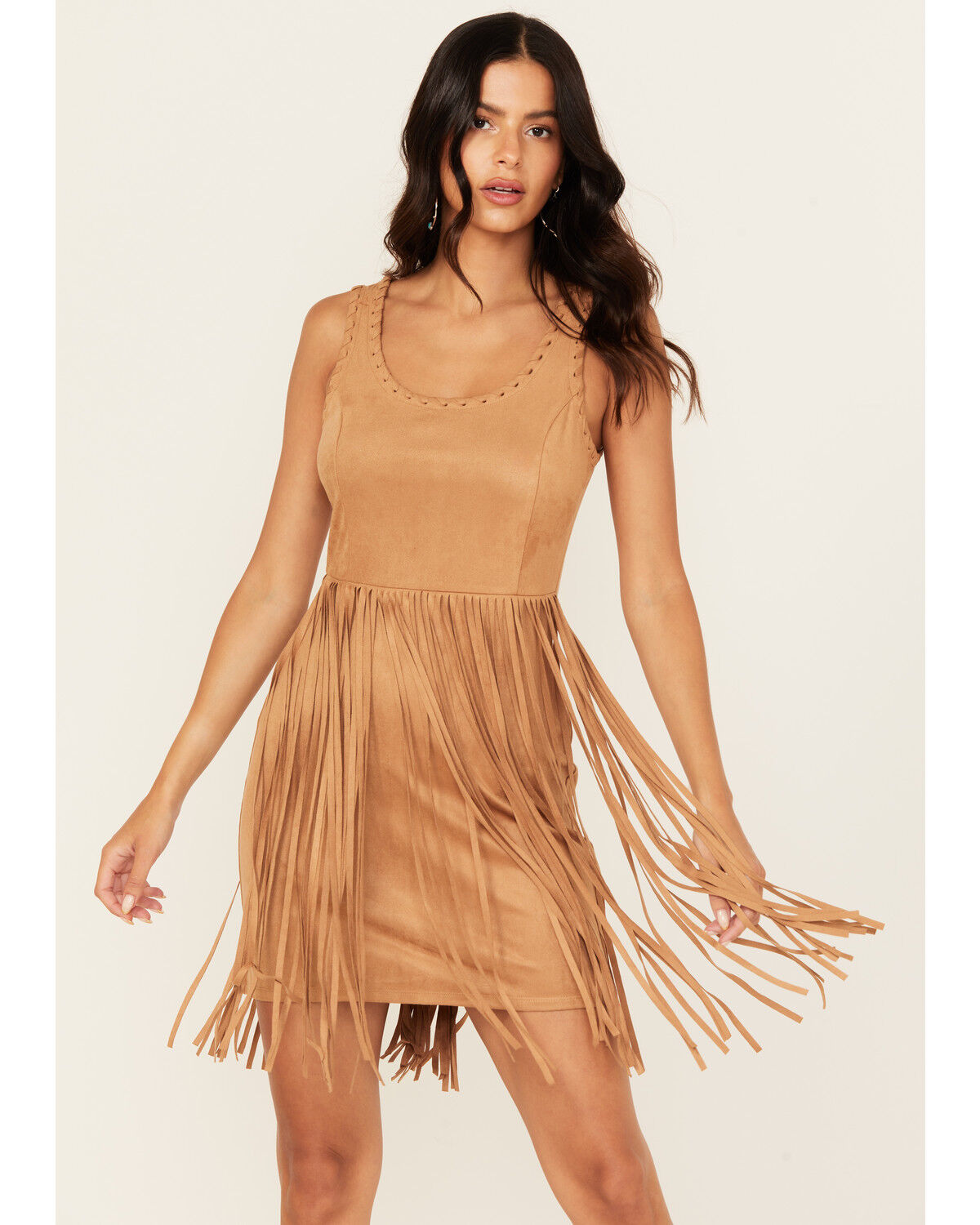
  • Women's Shyanne Fringe Halter Bodycon Mini Dress

    Original Price $74.99 $51.97
    31% Total Savings
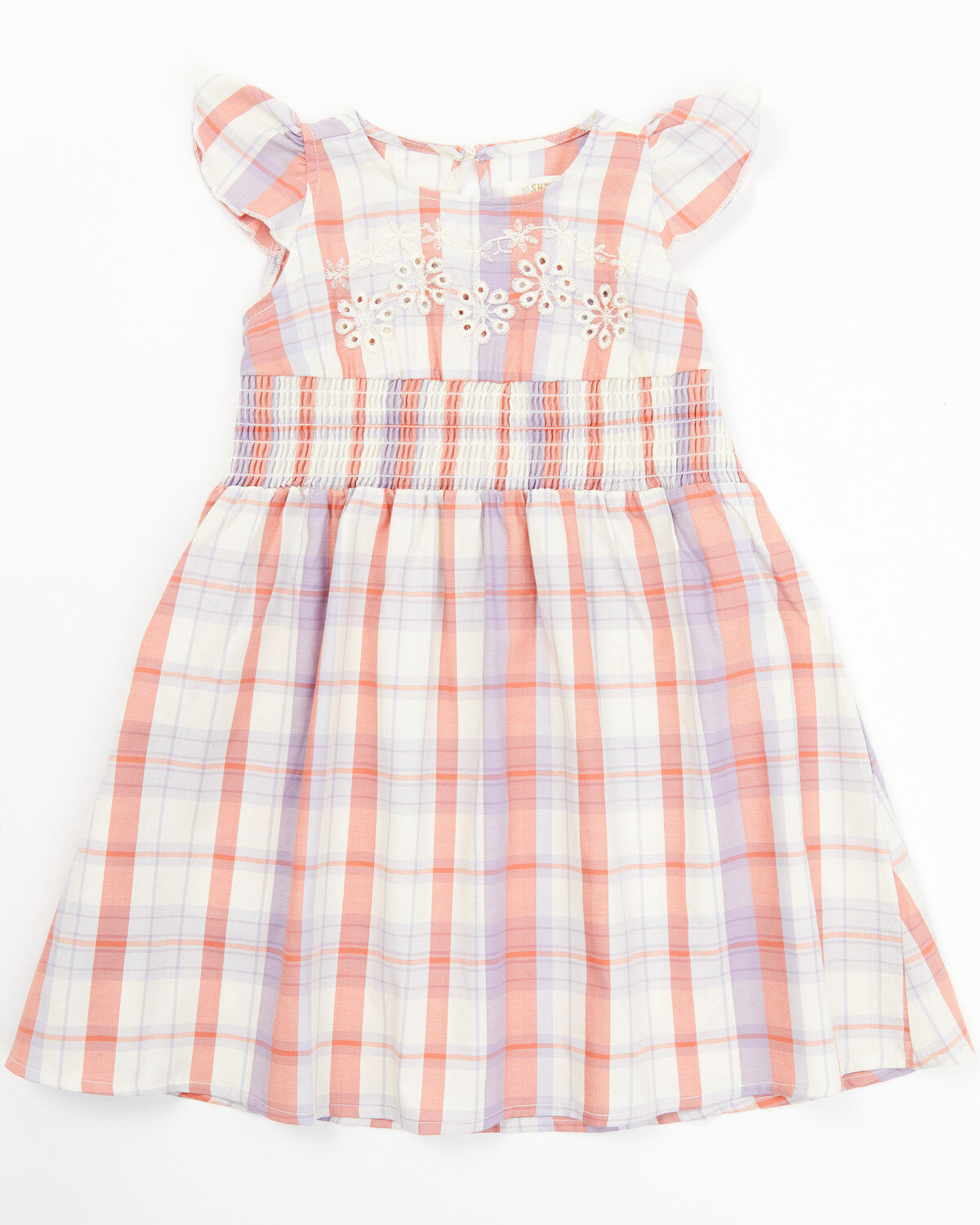
  • Girls' Shyanne Toddler Plaid Print Ruffle Dress

    Original Price $36.99 $24.97
    33% Total Savings
  • Women's Idyllwind Ramsey Concho Trim Faux Suede Mini Dress

    Original Price $79.99 $54.97
    31% Total Savings
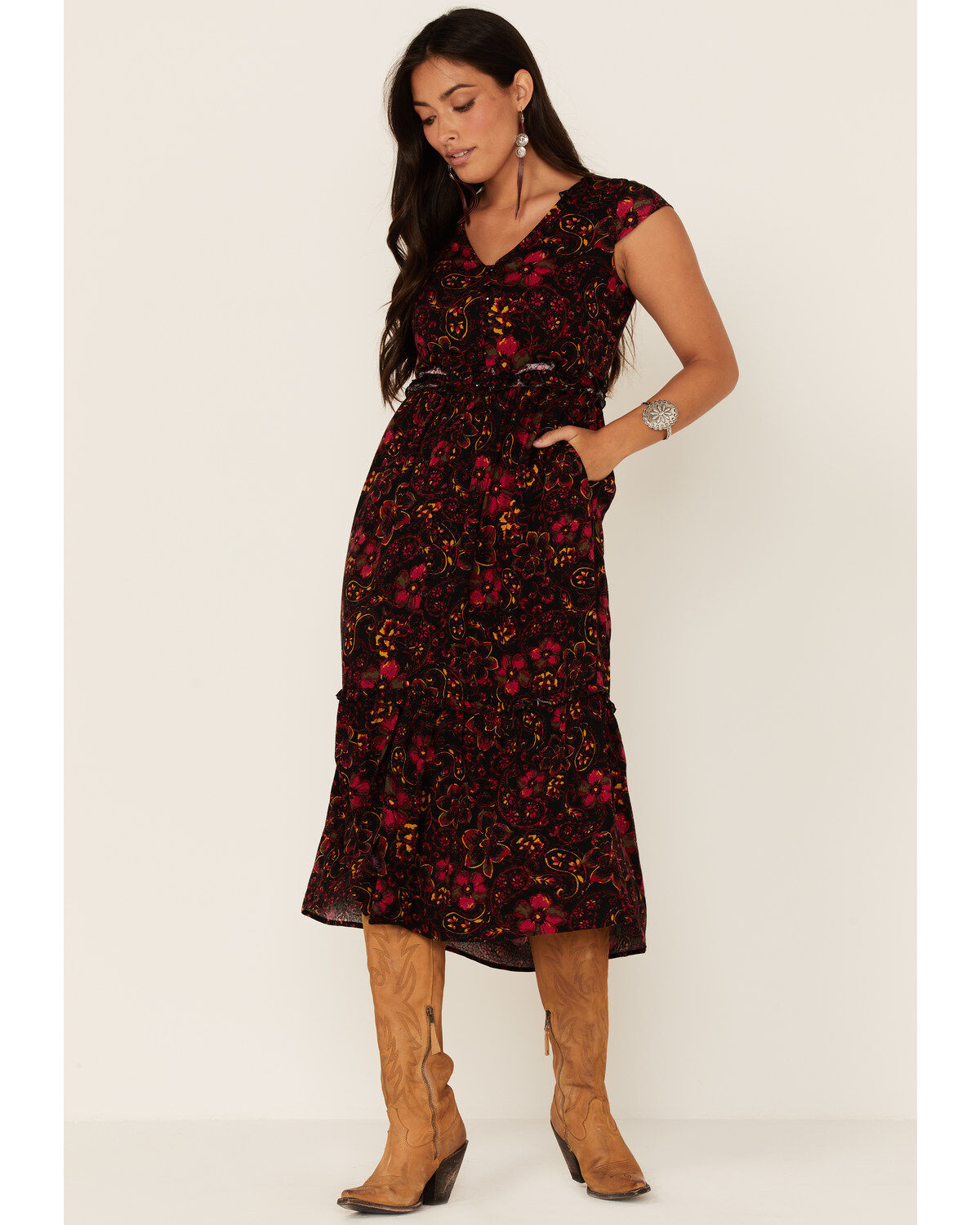
  • Women's Idyllwind Floral Willow Branch Midi Dress

    Original Price $74.99 $51.97
    31% Total Savings
  • Women's Wonderwest Fringe Hem Mini Dress

    Original Price $449.99 $188.38
    58% Total Savings
  • Women's Idyllwind Lady Luck Faux Suede Mini Dress

    Original Price $69.99 $47.97
    31% Total Savings

End of products

Comfortable Western Dresses For Everyday Wear

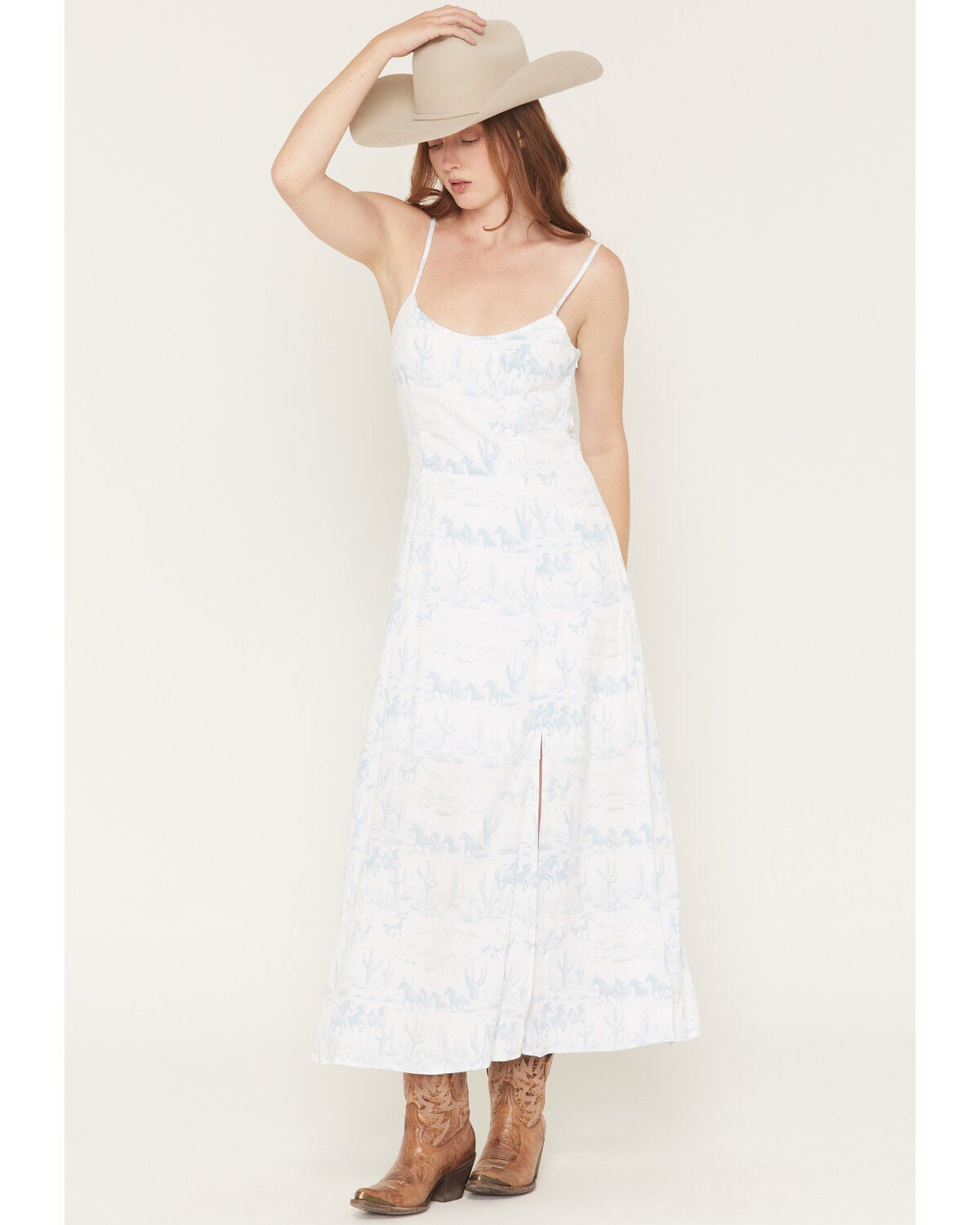
Comfortable western dresses for everyday wear bring familiar western details into clothes that suit a full day, not just a special occasion. The appeal is straightforward: a dress that feels good while sitting, walking, driving, or spending a few hours on the go, with enough character to stand on its own. Button fronts, shaped shoulder seams, denim fabrics, understated prints, and simple embroidery can give a dress a western identity without making it feel like a costume. Some styles take their shape from a classic western shirt, while others use a relaxed waist, a gathered skirt, or a clean, straight silhouette. Each offers a different balance of structure and movement. A shirt dress can feel pulled together for a casual workplace, provided it fits the dress code. An easy knit dress can suit errands and an afternoon with family. A gently shaped woven dress can move from a lunch stop to a casual dinner without needing a complete change of clothes. Everyday wear also calls for details that work beyond the mirror. Pockets should hold small essentials without pulling the skirt out of shape. Closures should stay flat when seated. Sleeves should allow a natural reach, and a hem should give enough room for a comfortable stride. These details matter when a day includes getting in and out of a car, carrying a bag, or sitting at a desk. A casual western style dress for everyday wear offers a practical foundation for an outfit built around familiar boots and a few well-chosen accessories. Cowboy boots reinforce the western look, while simple jewelry keeps the overall outfit grounded. A belt can define the waist when the dress has enough room to gather without bunching. The best everyday combinations leave the dress comfortable and recognizable rather than covering it with competing details. Western style does not need to be elaborate to feel distinct.

Fabric has a large part in how a western dress wears throughout the day. Cotton often has a familiar, breathable feel, though its weight, weave, and finish affect softness and structure. Denim tends to hold a clearer shape, with lighter-weight versions offering a different feel from a firm, substantial fabric. Chambray can provide a similar visual character with a lighter construction. Rayon and rayon blends often drape closer to the body, while knit fabrics can offer flexibility through the waist, hips, and sleeves. A blend with stretch may make sitting and reaching easier, but stretch alone does not guarantee a good fit. Fabric that is pulled tightly across the body can still restrict movement or distort the dress. Lining also changes the experience. It can help a skirt hang smoothly and reduce show-through, but the lining needs enough room to move along with the outer fabric. Comfort depends on the whole garment, not just the material named on the label. Fit through the shoulders and upper arms is especially important in a dress with sleeves or a button front. Shoulder seams that sit naturally help the bodice hang correctly, while enough room across the chest keeps buttons from pulling apart. At the waist, a fixed seam offers definition, an elastic section allows some flexibility, and a loose shape gives a more relaxed feel. None is automatically better; the useful choice depends on where a person prefers structure and where they want room. Hem length matters in the same practical way. A dress that feels fine while standing may sit differently in a chair, and a narrow skirt may need a slit or additional fullness for an easy stride. Measurements and the fit information for each style provide a clearer starting point than a size label alone. For someone buying a dress as a gift, a known preference for silhouette, sleeve length, and fabric is more helpful than guessing based on appearance. A familiar everyday shape is often easier to wear than an unfamiliar cut.

Daily use also makes construction and care worth considering. Neat seams, securely attached buttons, even hems, and finished interior edges are small details that help a dress stand up to repeated wear. Areas around pockets, closures, and waist seams take regular strain, so the way those sections are sewn matters. Softness and durability are not opposites, but a very delicate fabric may need more careful handling than a sturdy woven one. Embroidery, lace, and other textured details can add interest while also changing how the garment should be washed or stored. The care label is the starting point because similar-looking fabrics can have different requirements. Some dresses can be machine washed, while others need a gentler method or professional cleaning. Washing temperature, drying method, and ironing instructions all affect whether a dress keeps its shape and finish. Excess heat can cause shrinkage in some fabrics, and rough washing can put unnecessary strain on trim or closures. Denim may release dye during early washes, so keeping it separate from lighter garments when directed can help prevent color transfer. Hanging or folding according to the fabric and construction helps limit unwanted stretching and deep creases. Everyday practicality includes how much care a person is willing to give a garment between wears. Someone who wants a dress for frequent errands may value a straightforward wash routine, while someone who enjoys a softer, flowing fabric may accept a little extra care. The same consideration applies to gifting: a dress should suit the recipient’s habits as well as their style. Comfortable western dresses work best when their shape, fabric, and details support the way they will actually be worn. There is room for a clear western look without sacrificing an easy fit, and room for a polished outfit without making an ordinary day feel formal. A dependable dress earns its place through comfortable movement, useful construction, and a style that feels natural every time it is worn.
Read More

FAQs