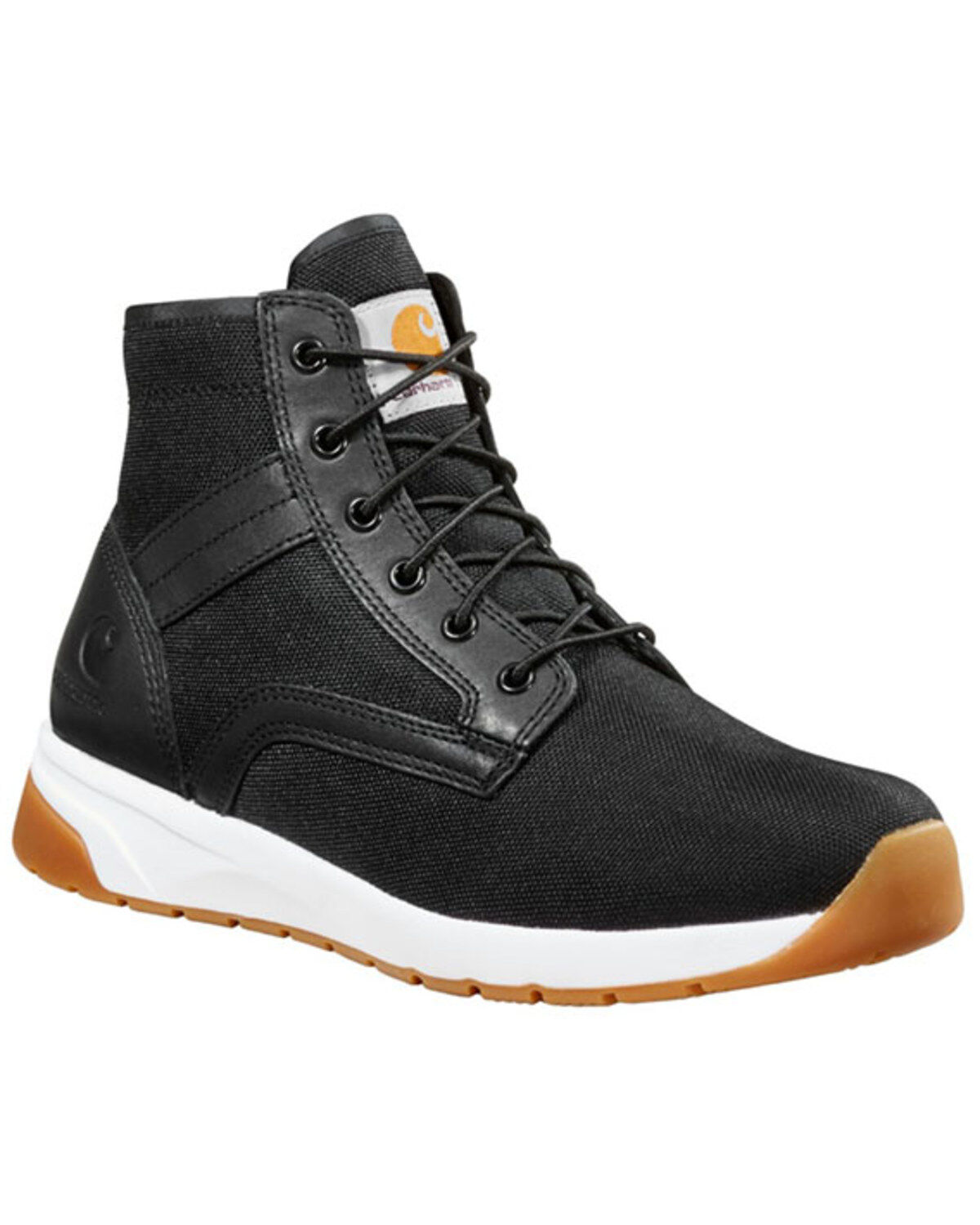
Step up your boot game with this collection of carbon fiber boots. Designed for durability and style, these boots are perfect for the modern cowboy or... cowgirl looking to make a statement. Crafted with high-quality materials and innovative technology, our carbon fiber boots offer the perfect blend of comfort and performance for all your western adventures. Whether you're working on the ranch or hitting the town, these boots will keep you comfortable and stylish all day long.
Read more
Carbon Fiber Boots
Step up your boot game with this collection of carbon fiber boots. Designed for durability and style, these boots are perfect for the modern cowboy or... cowgirl looking to make a statement. Crafted with high-quality materials and innovative technology, our carbon fiber boots offer the perfect blend of comfort and performance for all your western adventures. Whether you're working on the ranch or hitting the town, these boots will keep you comfortable and stylish all day long.
Carbon fiber boots generally refer to work boots built with a carbon fiber safety toe, though the term can also describe specialized tactical, performance, or ski boots that use carbon fiber plates or shells. For everyday work, the carbon fiber toe is the main feature to understand. It is a non-metallic safety cap designed to help protect against impact and compression while keeping the boot lighter than many traditional steel-toe styles. That difference can matter during a long shift. A pair of boots that feels manageable when you first put it on can feel considerably heavier after eight or ten hours on concrete, ladders, gravel, or uneven ground. Carbon fiber can help reduce that added weight without giving up the protective purpose of a safety toe, provided the boot meets the safety requirements for the work being done. Look for clear ASTM or CSA information in the product details, and make sure the standard matches your employer’s requirements. Carbon fiber is not a substitute for checking the full safety rating. The cap is only one part of a work boot, and the outsole, construction, electrical hazard protection, waterproofing, insulation, and fit all deserve attention. Workers in construction, utilities, manufacturing, transportation, maintenance, agriculture, and warehouse environments may appreciate the lighter feel, especially when their jobs involve constant walking or repeated movement. Carbon fiber also does not conduct heat or cold in the same way metal does, which can make a noticeable difference when working outdoors during cooler months or moving between heated buildings and exposed job sites. A metal-free design can also be useful in workplaces with security screening or metal detectors, although policies vary and the rest of the boot may still contain metal hardware. Check the complete construction before assuming a boot is entirely metal-free.
Fit should be treated as a safety consideration, not a finishing detail. Your heel should stay in place without being pinched, and your toes should have enough room to move without sliding forward into the safety cap. Try boots on with the socks you normally wear for work, since thick wool or moisture-wicking socks can change the fit more than expected. A boot that fits well in the store may feel different after several hours, so pay attention to pressure across the instep, rubbing around the heel, and contact along the sides of the foot. The safety toe should not press against the toes when you walk, crouch, or climb. If you spend the day on hard floors, look for cushioning and support that suit your stride, along with an outsole rated for the surfaces and hazards around your job. Slip resistance is valuable on smooth shop floors, wet pavement, and tracked-in mud, while a deeper tread may be more useful on loose soil or rough ground. Waterproof construction can help in rain, snow, and damp work areas, but it does not remove the need to dry the boots properly after use. Let them air out away from direct heat, which can damage leather, adhesives, and other materials. For additional options in a similar category, browse Carbon Fiber Safety Shoes. The same practical checks apply: confirm the safety certification, review the toe protection, inspect the outsole, and choose a shape that works with your feet rather than relying on appearance alone. During the cooler months, insulation may be helpful for outdoor work, but heavily insulated boots can feel too warm in indoor facilities. Consider how much time you spend outside, how active your shift is, and whether your feet tend to run hot or cold.
Carbon fiber boots can also make a thoughtful gift for someone who spends most of the day on their feet, particularly a new apprentice, contractor, mechanic, ranch hand, delivery driver, or tradesperson replacing worn work footwear. A useful gift begins with practical information. Find out the required safety standard, preferred size, usual width, work environment, and whether the recipient needs waterproofing, electrical hazard protection, a specific tread, or a particular height. Boot sizing is not universal, and a person who wears one size in casual shoes may need a different size or width in work boots. When the exact fit is uncertain, a gift card or an easy exchange is often more useful than guessing. For personal purchases, think about the conditions you face from the moment you leave the truck until the end of the shift. Picture wet grass darkening the ground before sunrise, a steel staircase under your boots, or a long aisle of concrete that keeps going well past lunch. Those details point to the features that matter: a secure fit, stable support, dependable traction, suitable weather protection, and a safety toe that meets the job’s requirements. Carbon fiber is valued because it can combine non-metallic protection with a lighter, less temperature-conductive design, but it should not be selected on that feature alone. Compare the complete boot, including the materials, closure system, sole construction, safety ratings, and care instructions. During seasonal changes, conditions can move from dry and cool to wet, muddy, or icy with little warning, so footwear that matches the worksite and the weather will serve you better than a boot chosen only for its appearance. The right carbon fiber boots should feel steady, protective, and comfortable enough to keep your attention on the work instead of your feet.



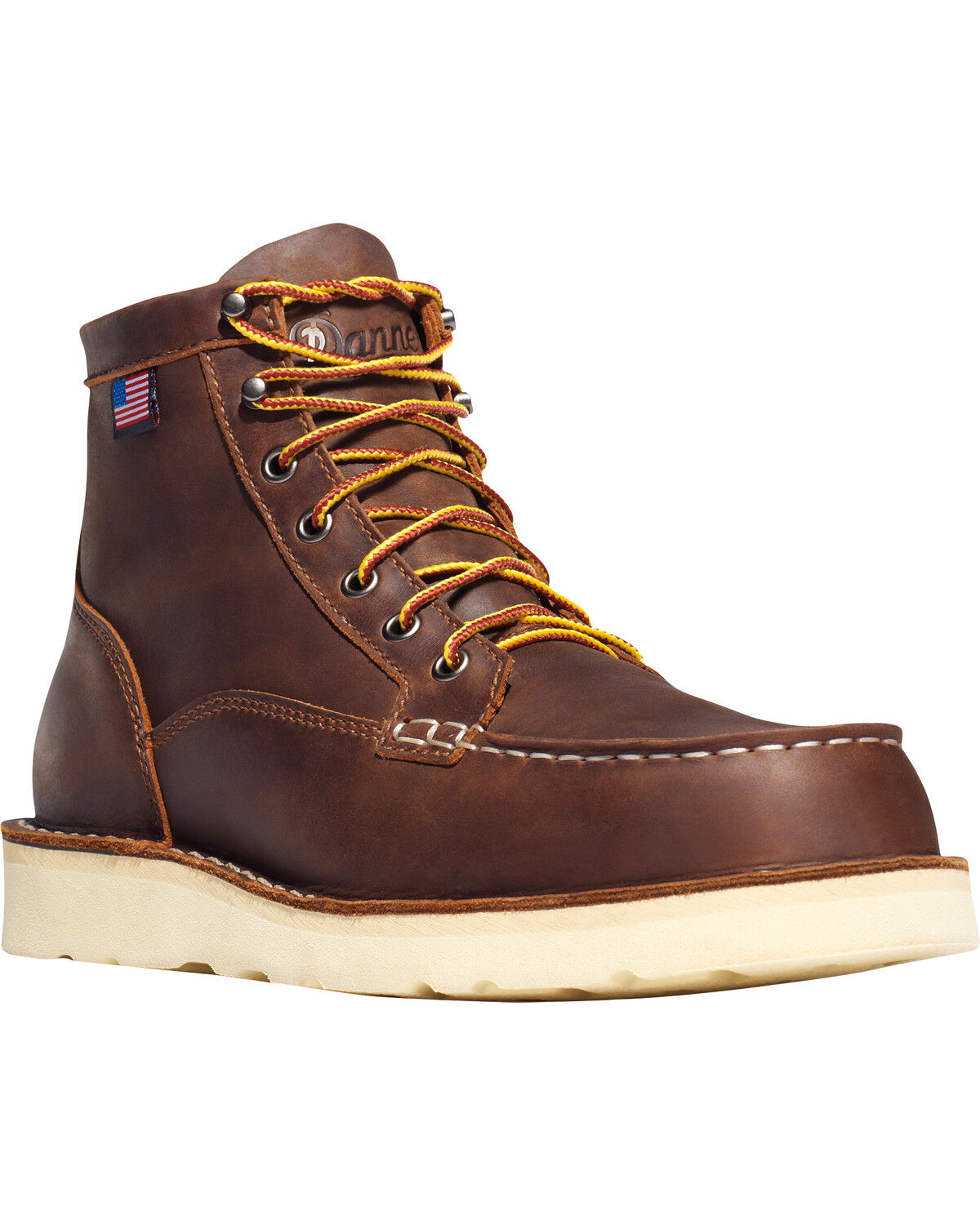 $259.99
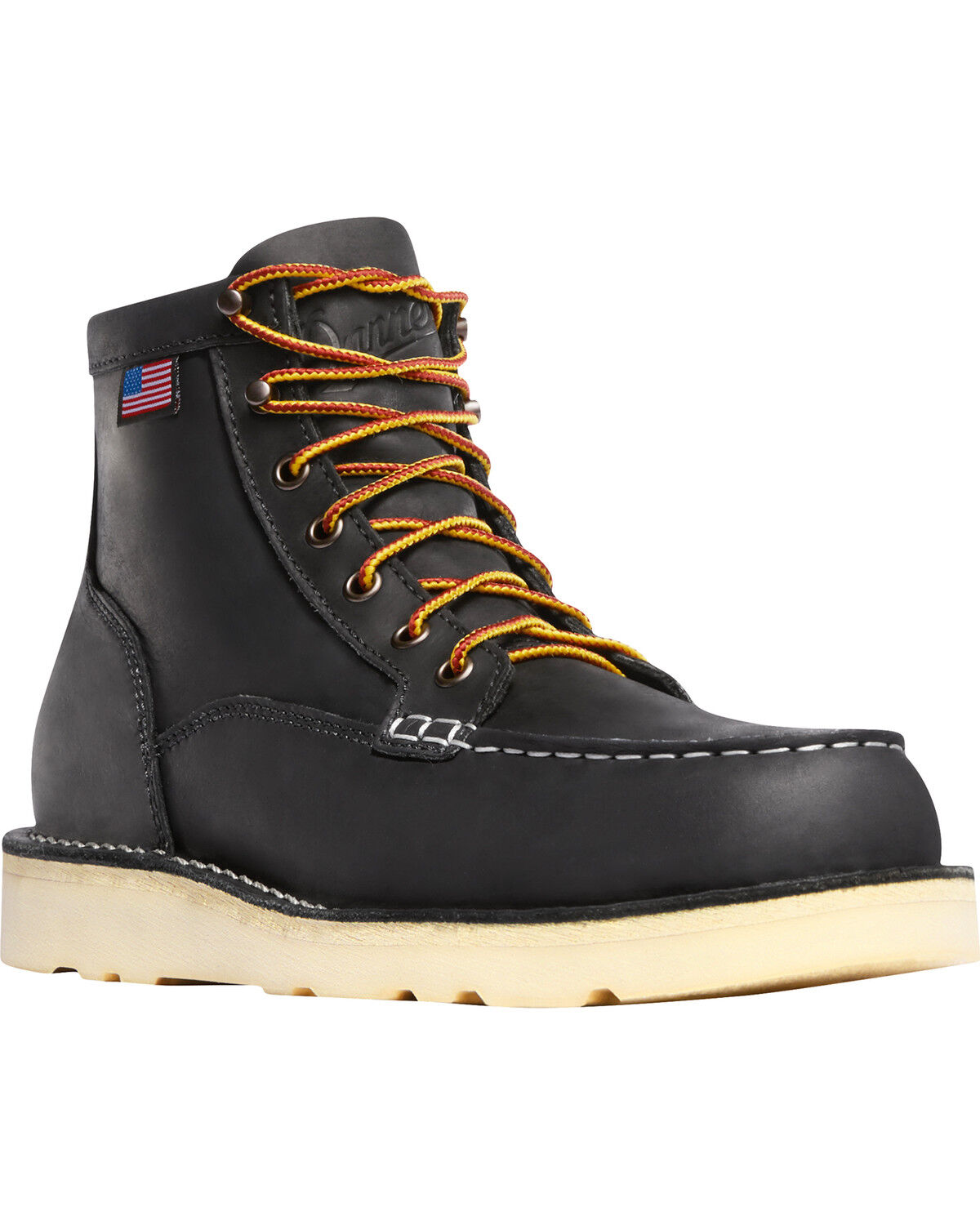 $259.99
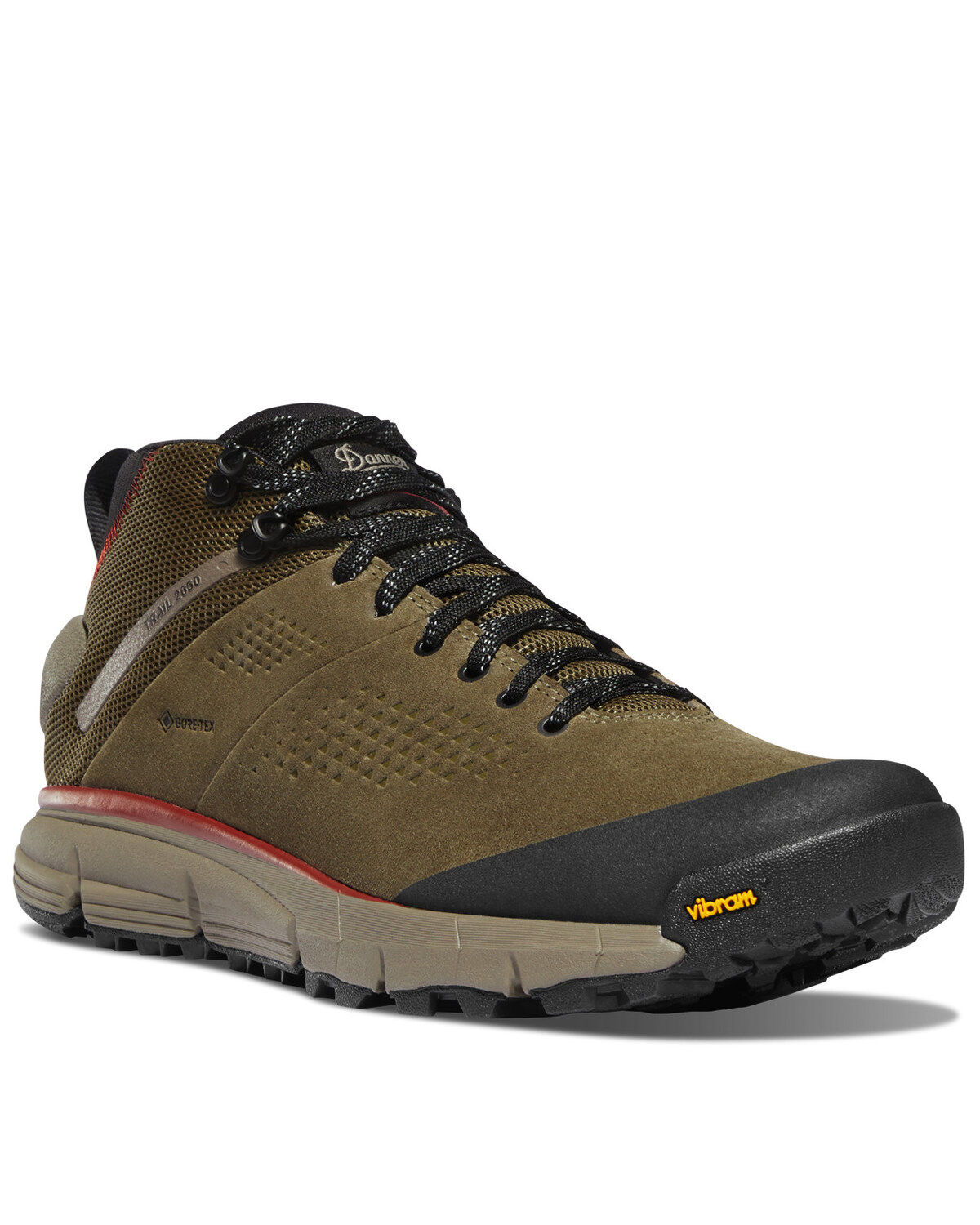 $138.97
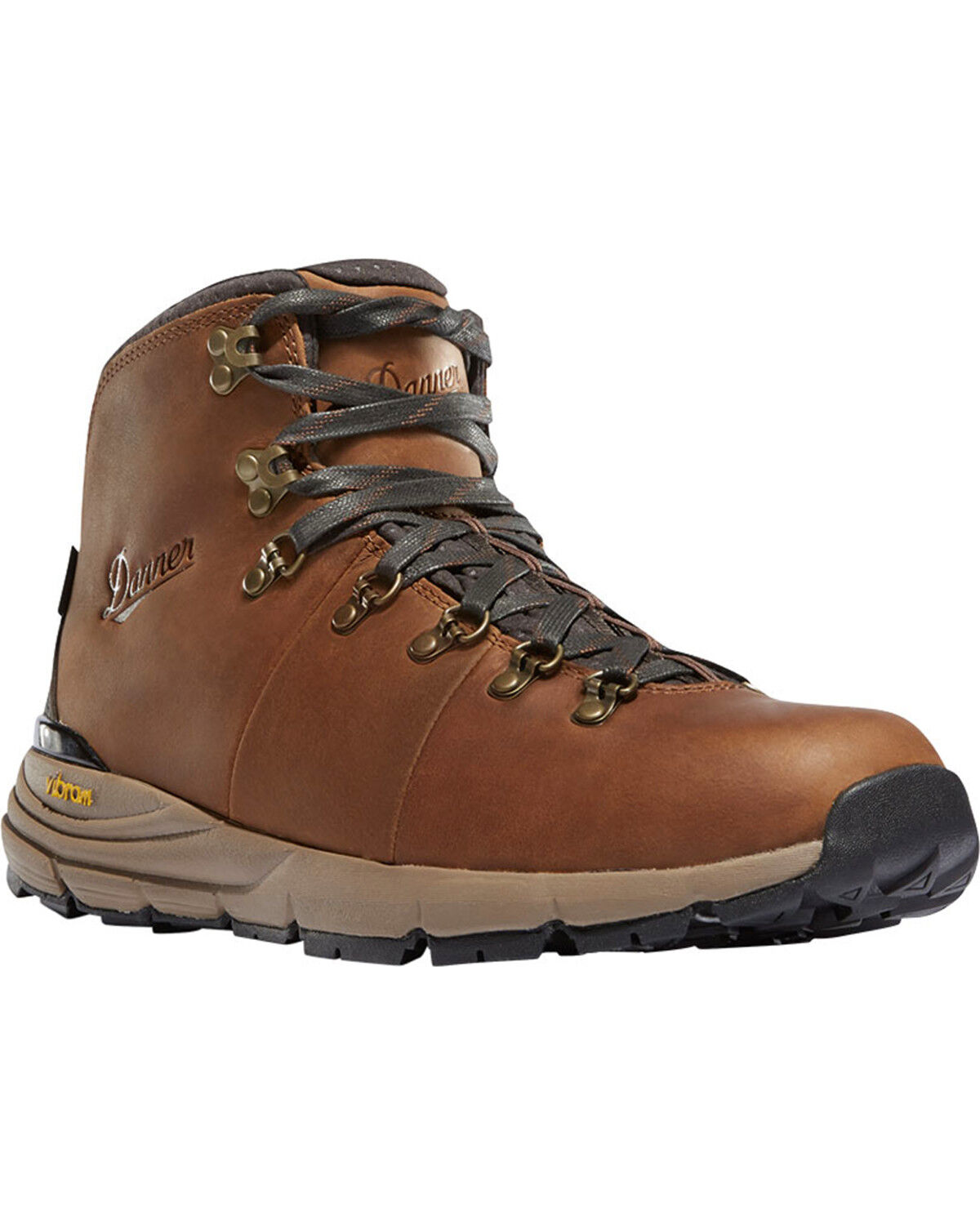 $229.99
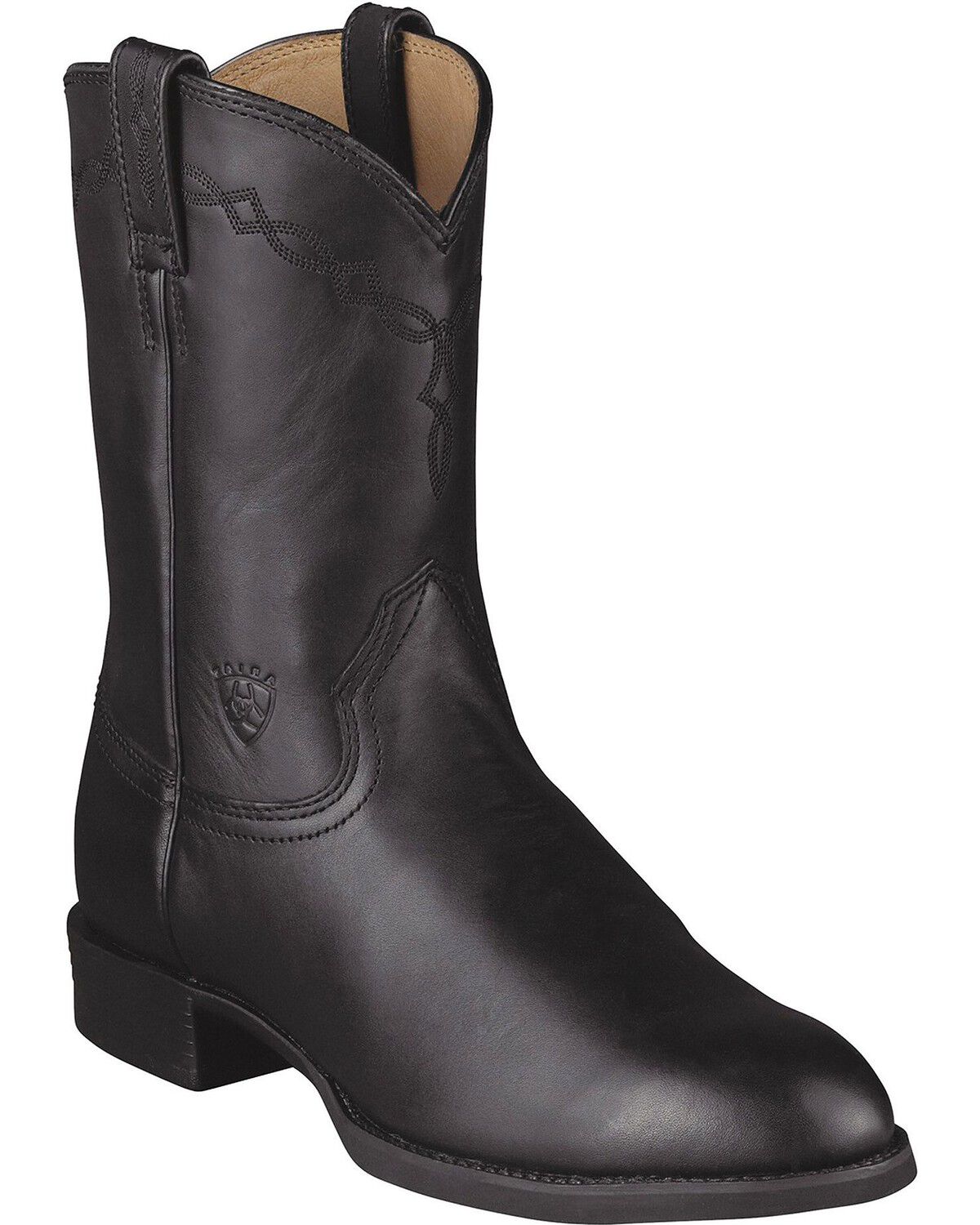 $169.95