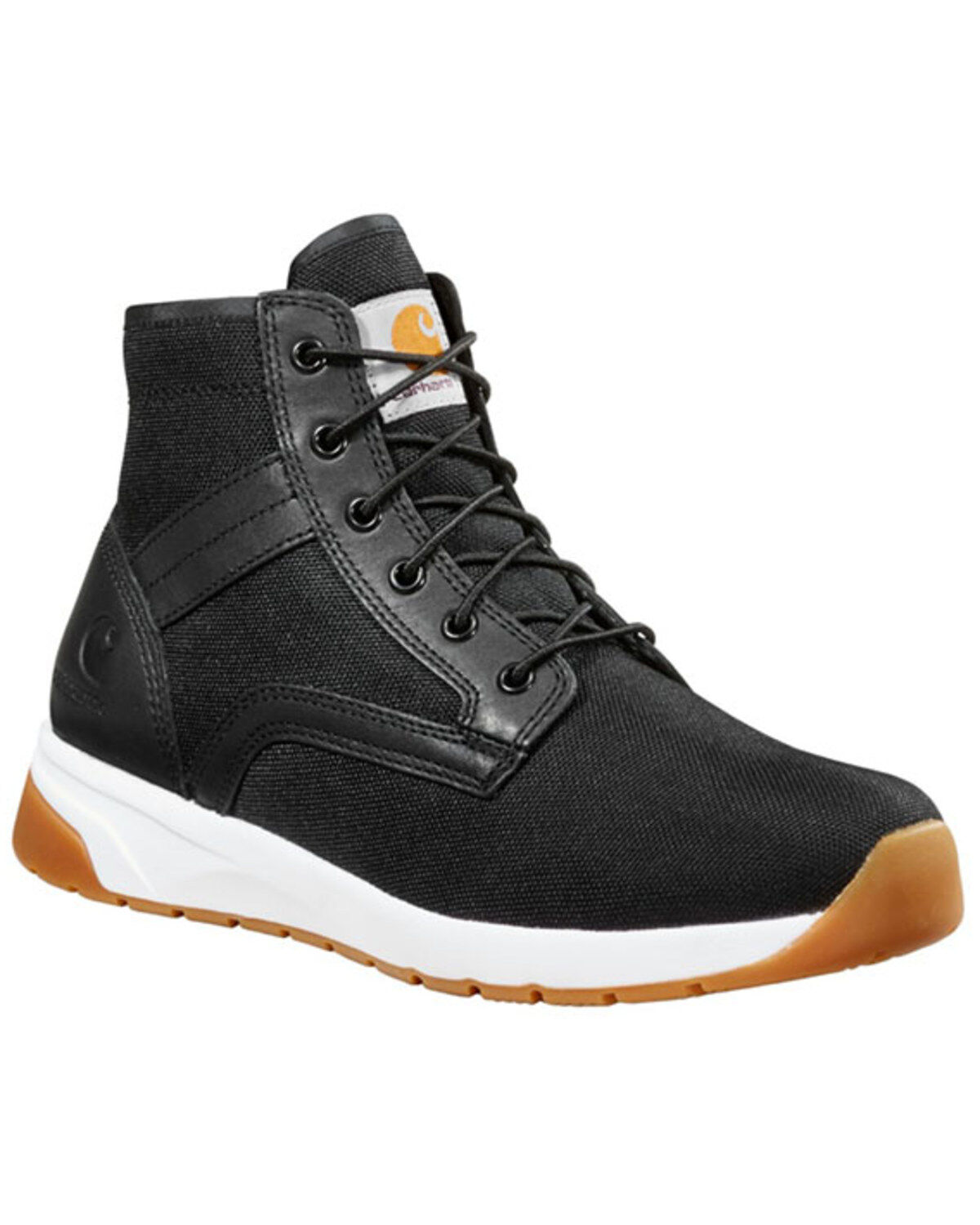
Carbon fiber toe boots are a top choice for those seeking lightweight yet durable footwear that offers superior protection. Crafted with innovative materials,... these boots provide the perfect blend of safety and comfort for those who work in challenging environments. Whether you're on a construction site, in a warehouse, or out on the ranch, carbon fiber toe boots are designed to keep your feet safe without weighing you down. Discover this selection of carbon fiber toe boots that combine style, functionality, and performance for all your rugged adventures.
Read more
Carbon Fiber Toe Boots
Carbon fiber toe boots are a top choice for those seeking lightweight yet durable footwear that offers superior protection. Crafted with innovative materials,... these boots provide the perfect blend of safety and comfort for those who work in challenging environments. Whether you're on a construction site, in a warehouse, or out on the ranch, carbon fiber toe boots are designed to keep your feet safe without weighing you down. Discover this selection of carbon fiber toe boots that combine style, functionality, and performance for all your rugged adventures.
Carbon fiber toe boots pair a lightweight, nonmetallic safety toe cap with the support and coverage of a work boot. The cap typically uses carbon fiber reinforced with resin, making it a type of composite safety toe rather than a steel or alloy toe. Its job is to help protect the front of the foot against impact and compression, such as a dropped tool or a heavy object pressing against the toe area. Carbon fiber caps generally weigh less than steel caps, although the weight of the complete boot also depends on its outsole, upper, lining, and construction. That distinction matters during a shift spent walking warehouse aisles, moving materials across a jobsite, or standing at a production station. A lighter cap can reduce weight at the front of the boot without giving up the protection level stated on its safety label. Toe material alone, however, does not establish a safety rating. Carbon fiber safety toe boots should carry markings showing compliance with the applicable ASTM F2413 requirements for the work involved. Those markings, along with the employer’s footwear requirements, are more useful than broad claims about strength. A carbon fiber toe also does not automatically make the entire boot metal-free; hardware, shanks, and other components may still contain metal. Workers passing through security checkpoints need to check the construction of the whole boot. Electrical hazard protection is another separate feature, not an automatic benefit of a nonmetallic toe. Where that protection is required, the footwear must have the appropriate rating and be used under the conditions specified by its manufacturer. Construction crews, warehouse workers, mechanics, maintenance staff, and people handling equipment around farms may all have reason to wear carbon fiber toe work boots. The right match depends on the hazards underfoot and overhead, the amount of walking involved, and the required protection—not simply the name of the toe material. A safety cap protects a defined area, so jobs requiring metatarsal coverage or puncture resistance call for those additional features.
Beyond the safety toe, materials and construction determine how carbon fiber toe boots feel and hold up through repeated wear. Leather uppers offer abrasion resistance and can develop flexibility with use, while textile panels may reduce weight and allow more airflow. Reinforced toe overlays can help limit wear from kneeling beside machinery or working close to rough surfaces, but an outer overlay is not a substitute for the protective cap inside. Seams, heel construction, and the attachment between the upper and outsole deserve attention because those areas take repeated stress as the foot bends. Welted construction may allow resoling, depending on the boot, while cemented construction can provide flexibility with less bulk. Neither method alone guarantees a longer service life. Outsole design should suit the surface: broad-contact wedge soles can provide a steady platform on flat floors, while deeper tread can help grip loose ground. A defined heel may be appropriate for certain tasks involving ladder rungs, subject to workplace requirements. Slip resistance depends on the sole compound, tread, surface, and contaminants present; no outsole prevents every slip. Oil resistance and slip resistance are also different claims and should not be treated as interchangeable. Underfoot cushioning helps soften repeated contact with concrete, while a supportive footbed and stable heel can make long periods of standing more manageable. Shanks serve a different purpose from toe caps, supporting the area beneath the arch and helping control how the boot flexes. Carbon Fiber Shank Boots feature that material in the underfoot support structure rather than necessarily in the safety toe. A boot can use carbon fiber in one component without using it in the other. For work involving frequent crouching, walking, or stepping onto equipment, the balance of flexibility and support matters more than softness alone. Shaft height and closure style also affect the feel: laces allow adjustment across the instep, while pull-on designs depend more heavily on the match between the foot, heel, and boot shape.
Proper fit leaves space for the toes without allowing the foot to slide into the safety cap. Carbon fiber toe caps do not stretch during break-in, even when the leather around them softens. Persistent pressure across the toes or against the little toe usually signals a mismatch in size, width, or toe-box shape rather than something that wear will fix. Trying boots with the socks worn on the job gives a more accurate sense of fit, especially when a thicker work sock changes the space across the forefoot. Feet can swell during a full day of standing, so a fit that feels snug at the start may feel restrictive later. The heel should feel secure without rubbing, and the widest part of the foot should line up with the widest part of the boot. Walking, bending, and crouching reveal pressure points that standing still may miss. Anyone using orthotics needs sufficient interior depth and a compatible footbed arrangement; stacking inserts can crowd the safety toe and lift the heel out of position. Care is equally practical. Dirt and grit left along seams can contribute to wear, and residue on the outsole can interfere with traction. Regular cleaning with products suited to the upper material helps preserve the boot without damaging its finish. Leather conditioner should follow the manufacturer’s directions, while textile sections and protective overlays may need different treatment. Boots should dry naturally away from direct heat, with removable footbeds taken out when appropriate. Worn tread, separating soles, damaged stitching, and exposed protective components are reasons to assess whether the boots remain fit for work. A significant impact or compression event can damage a safety cap without leaving an obvious mark, so appearance alone is not proof that protection remains intact. Manufacturer guidance should determine whether replacement is necessary. Carbon fiber toe boots can make a useful gift for someone starting a hands-on job, but sizing and workplace ratings need to be confirmed first. Dependable work footwear earns its place through the right protection, a secure fit, and construction suited to the actual day’s work.



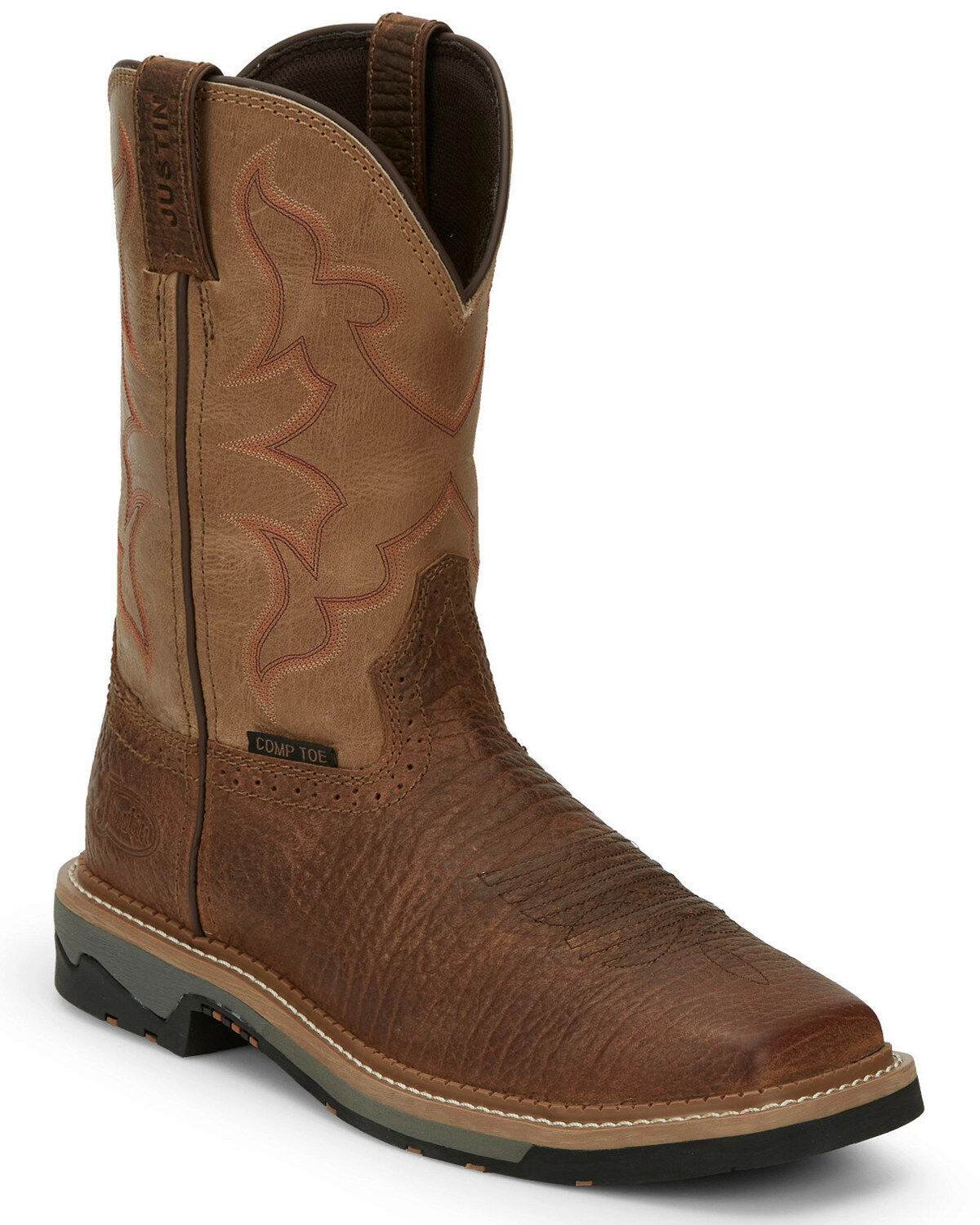
 $259.99
 $259.99
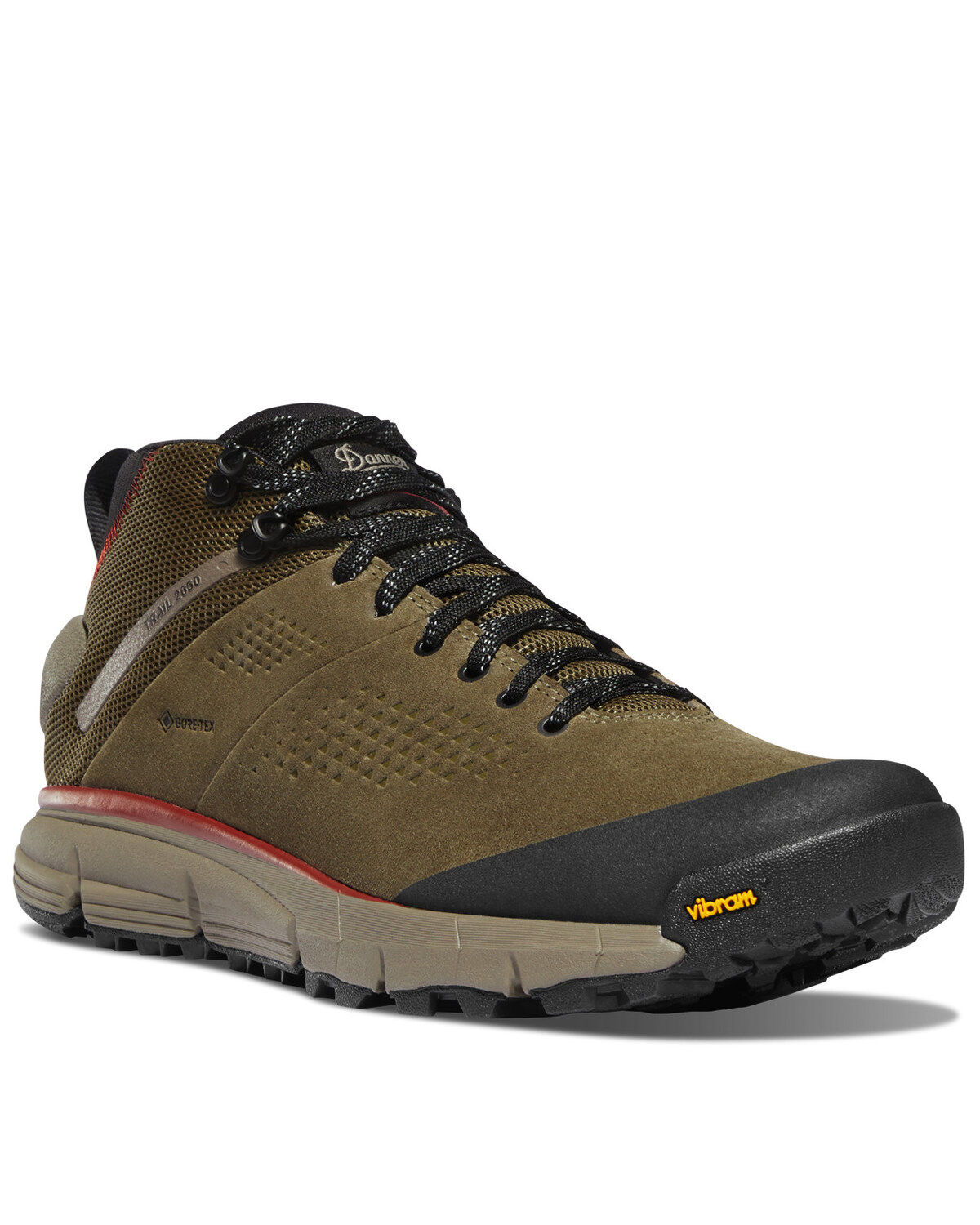 $138.97
 $229.99
 $169.95