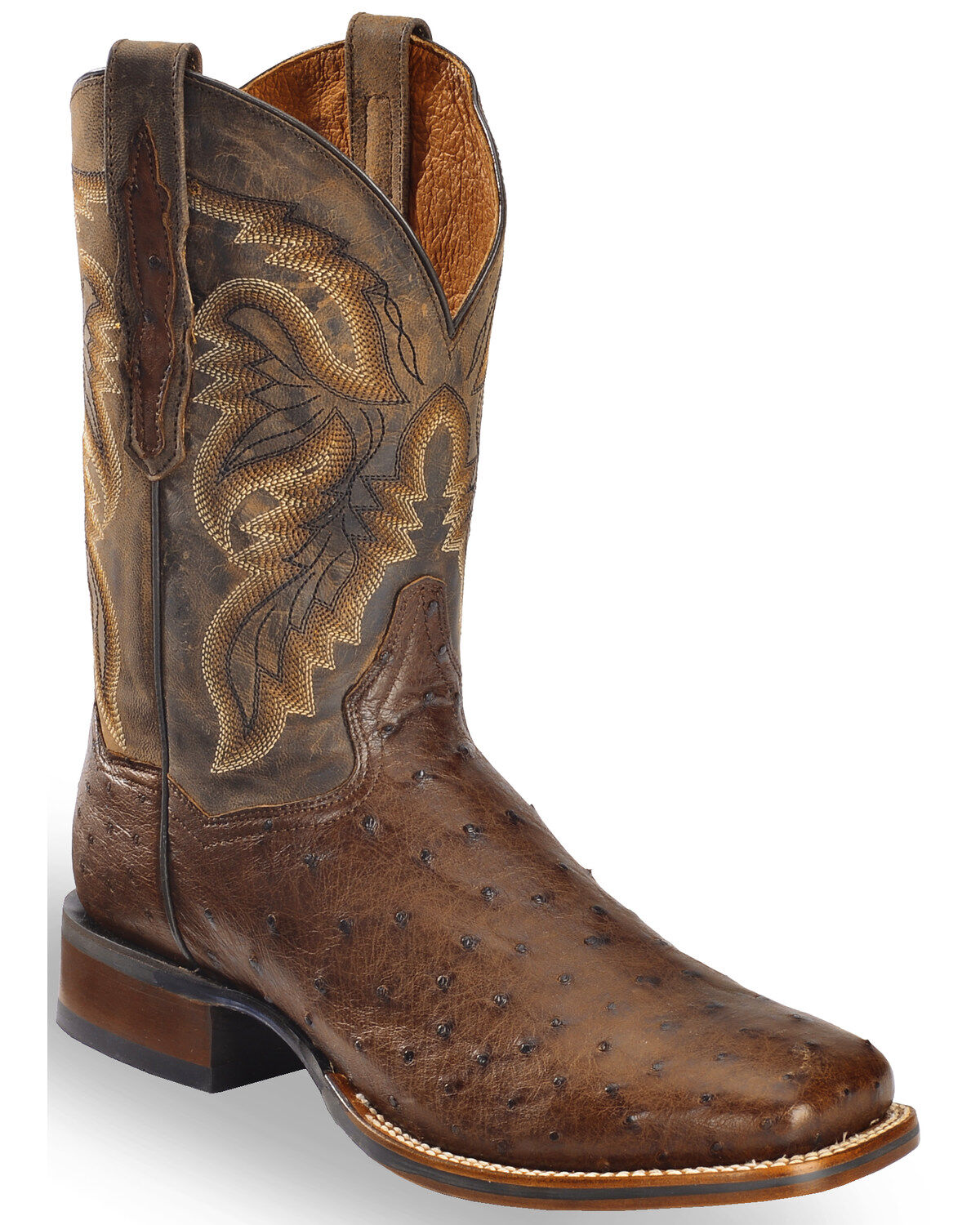
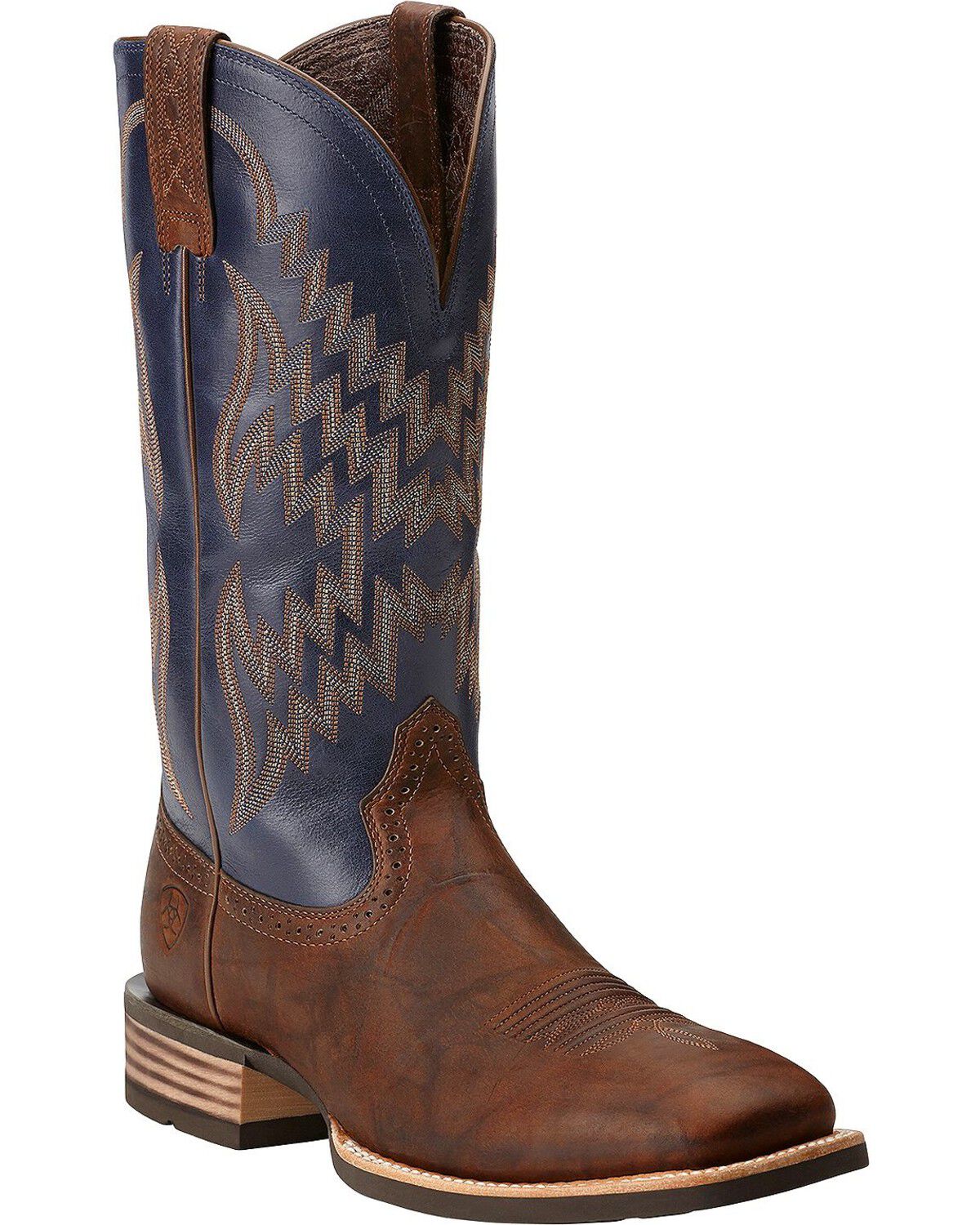
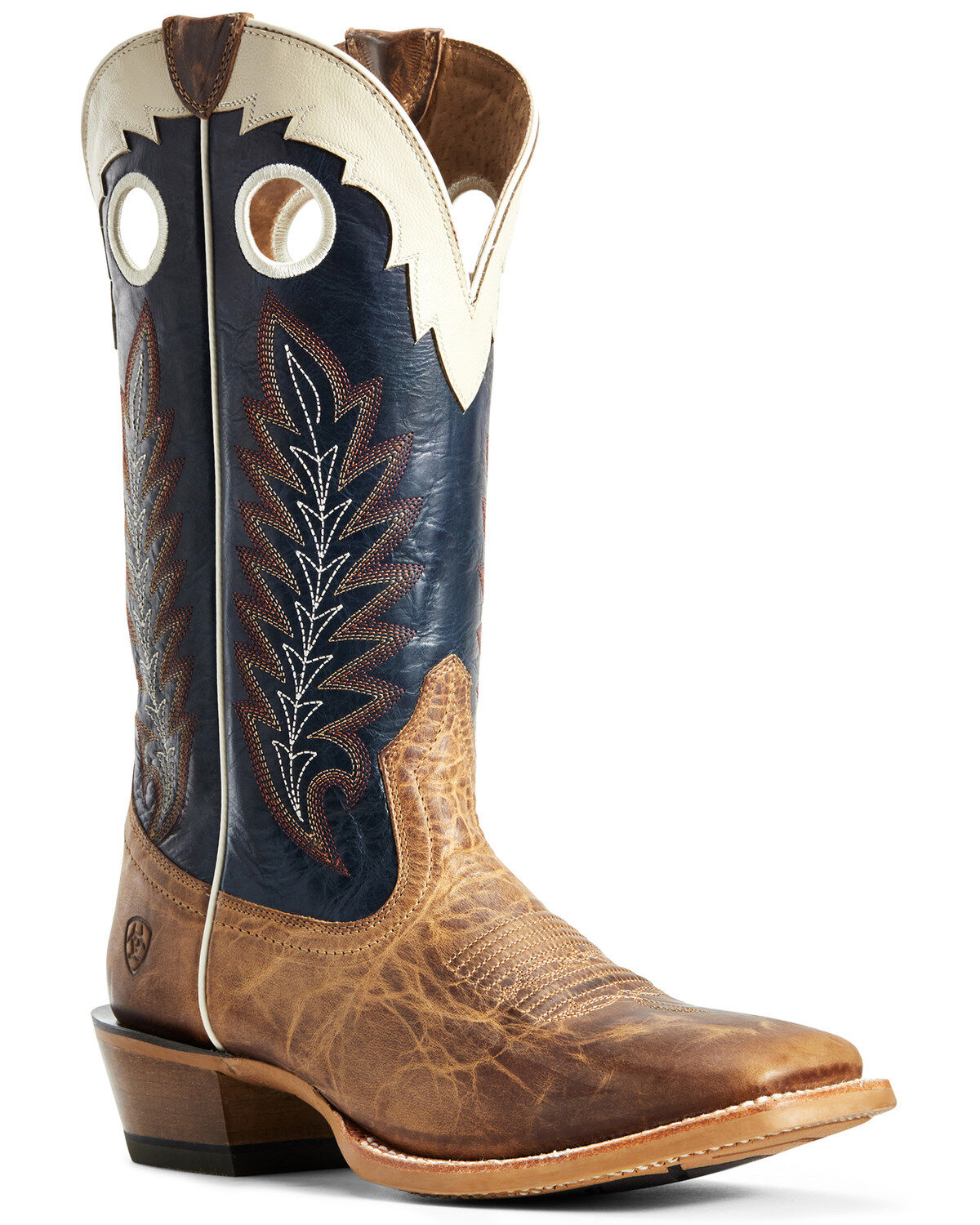
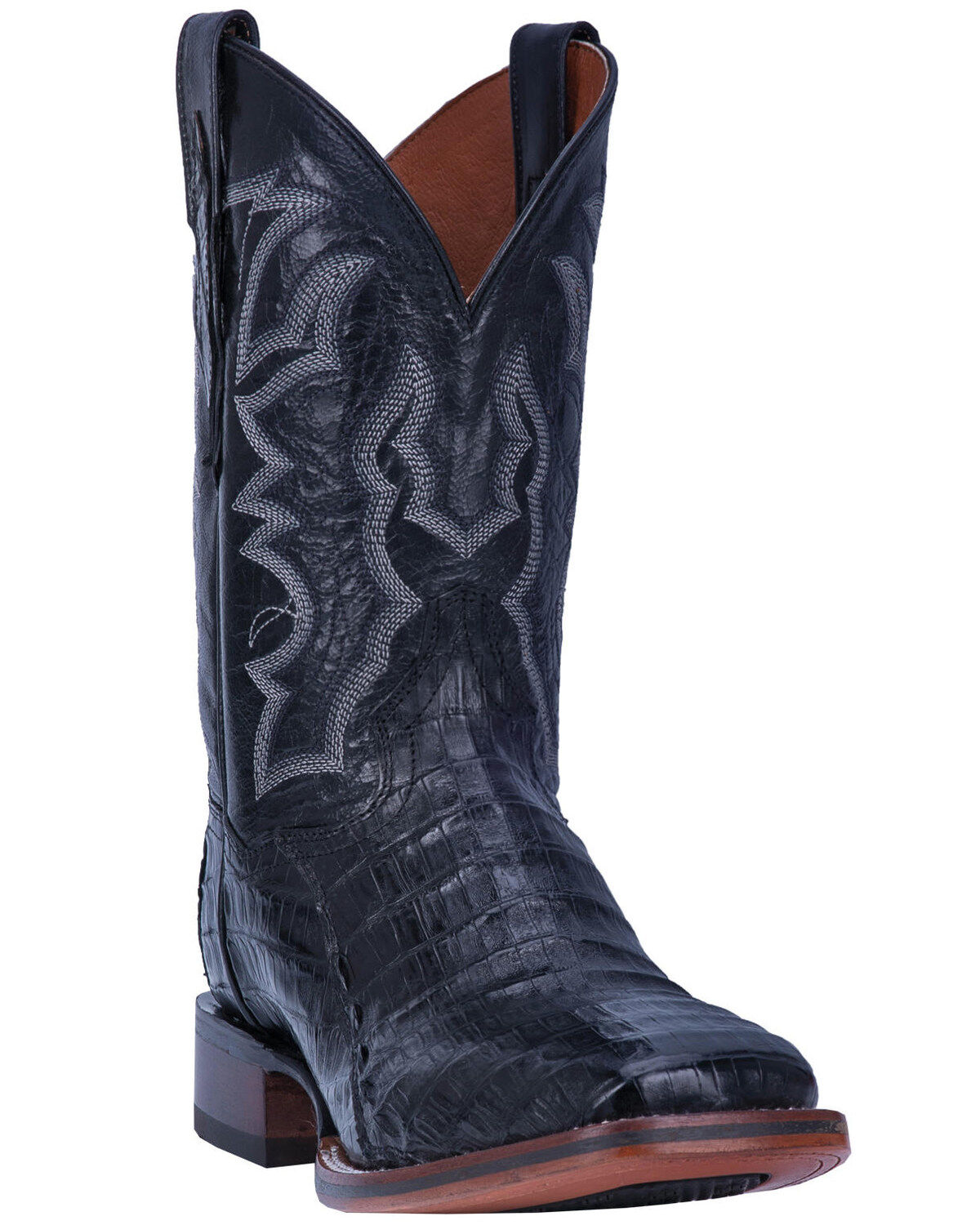
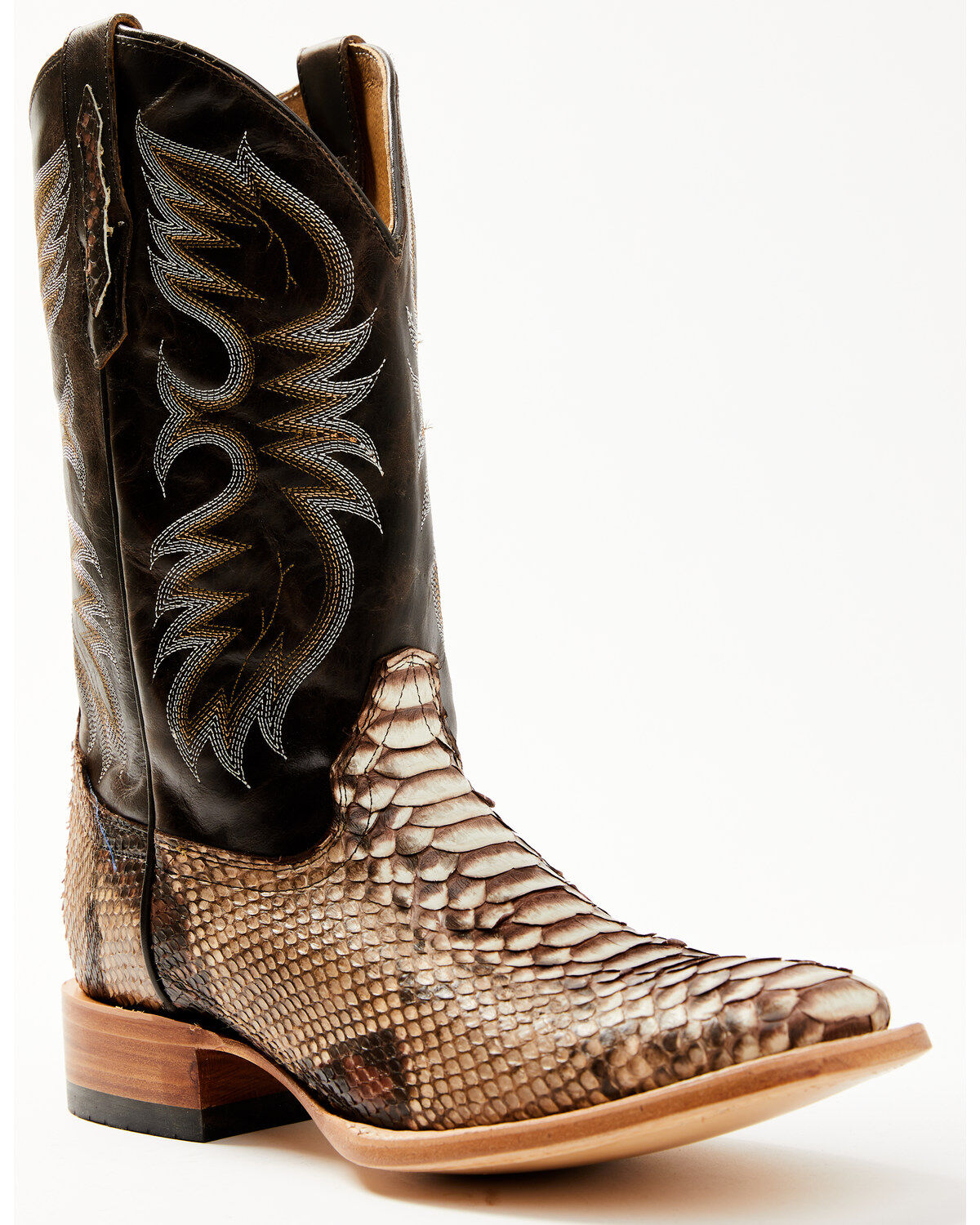
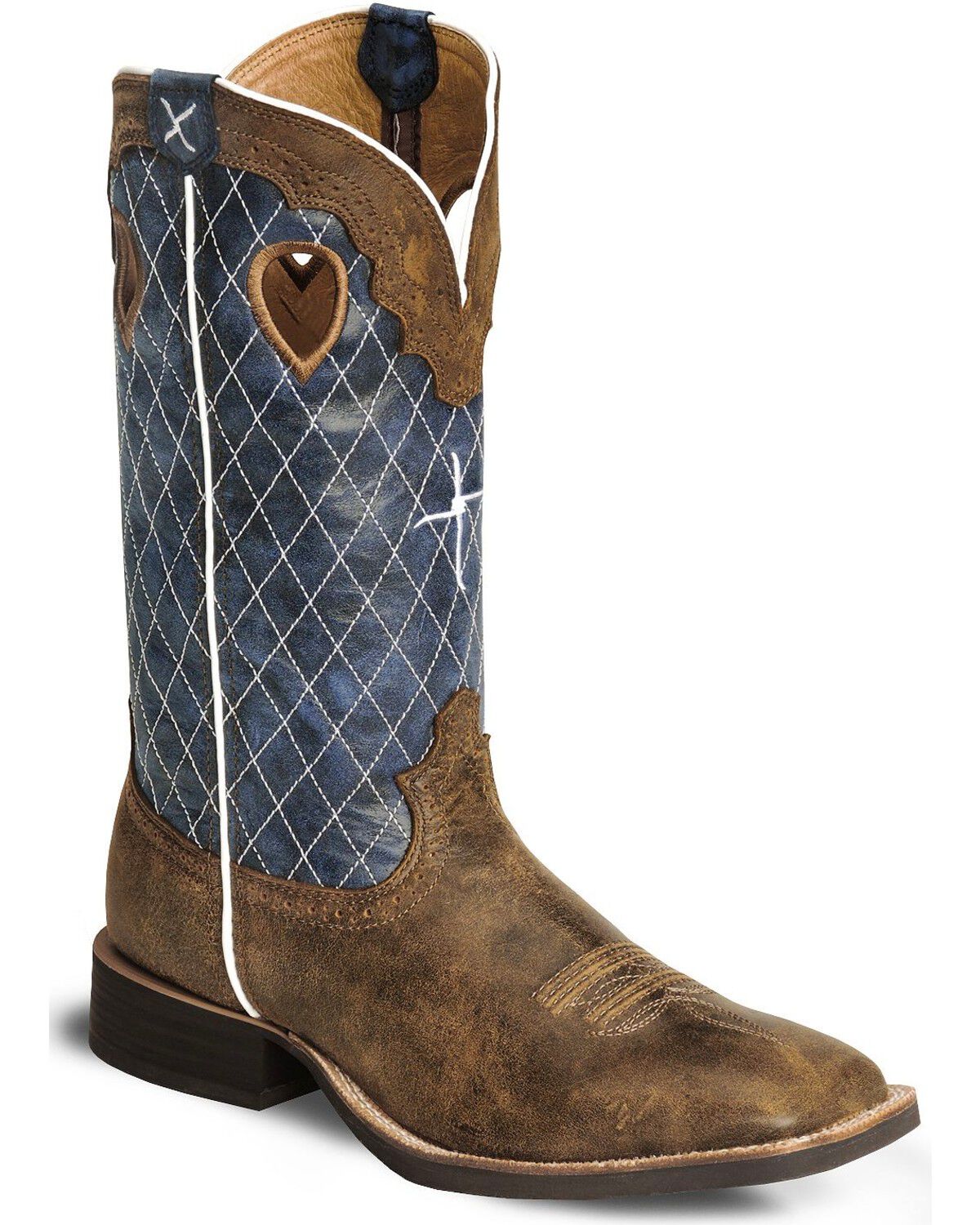
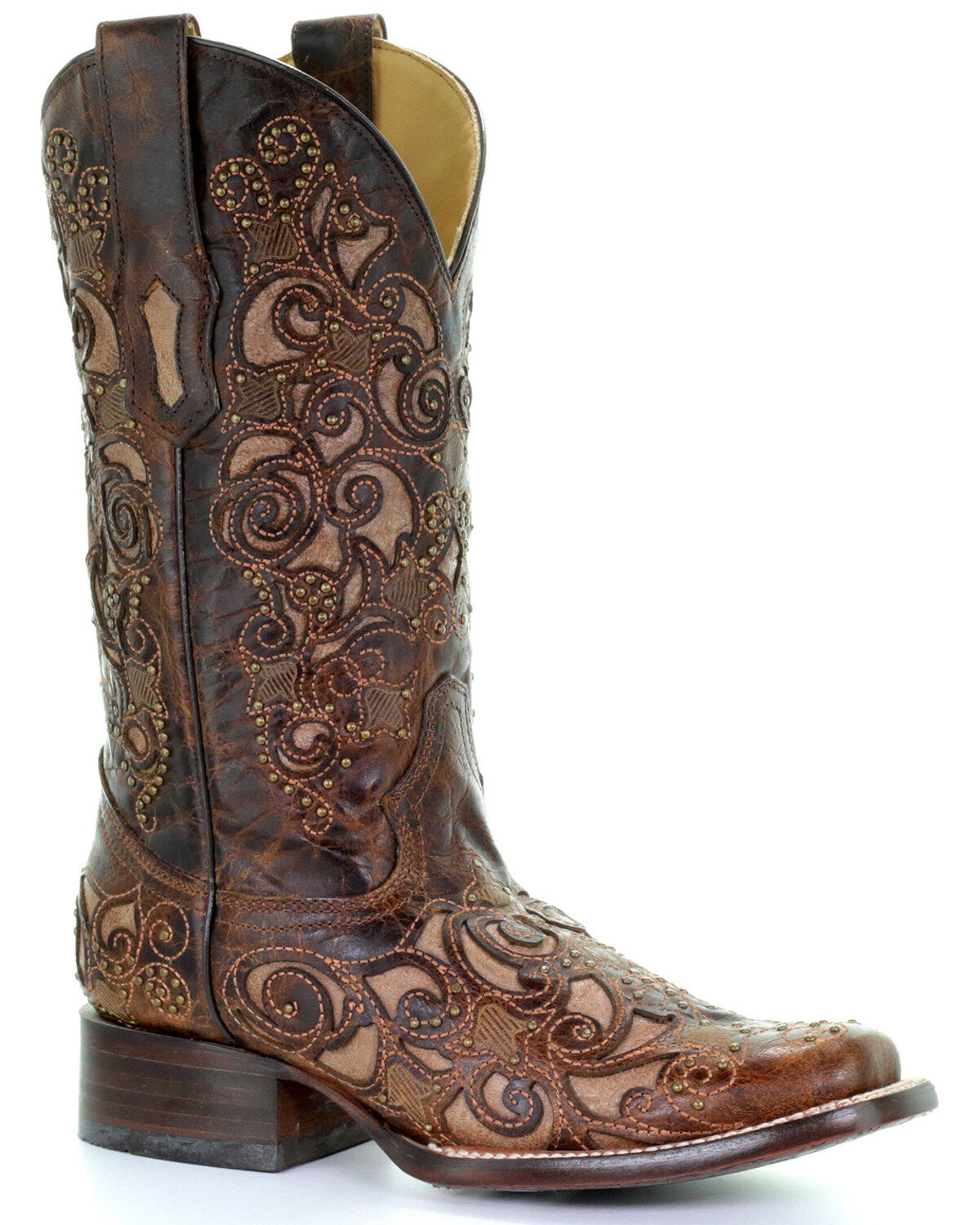
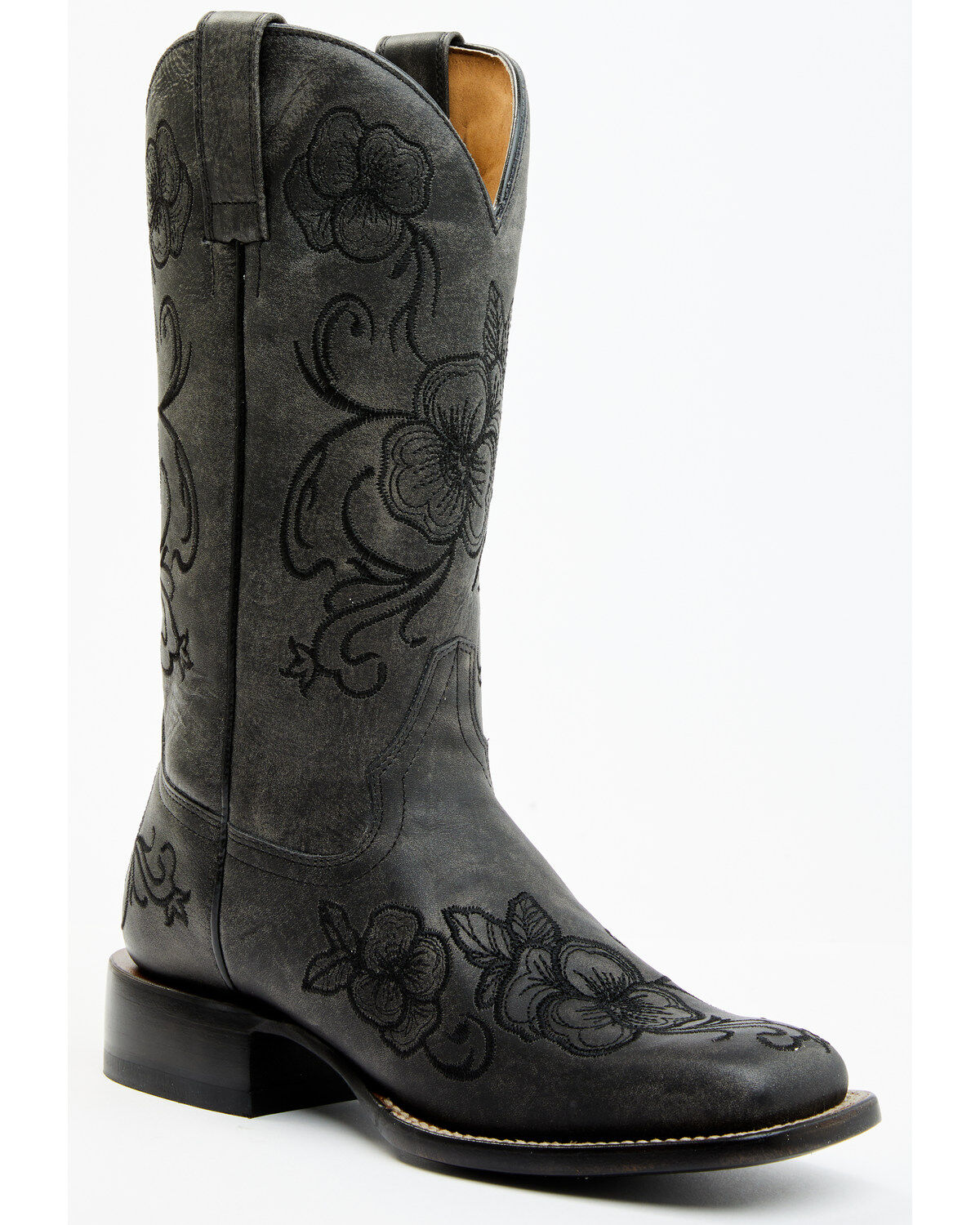
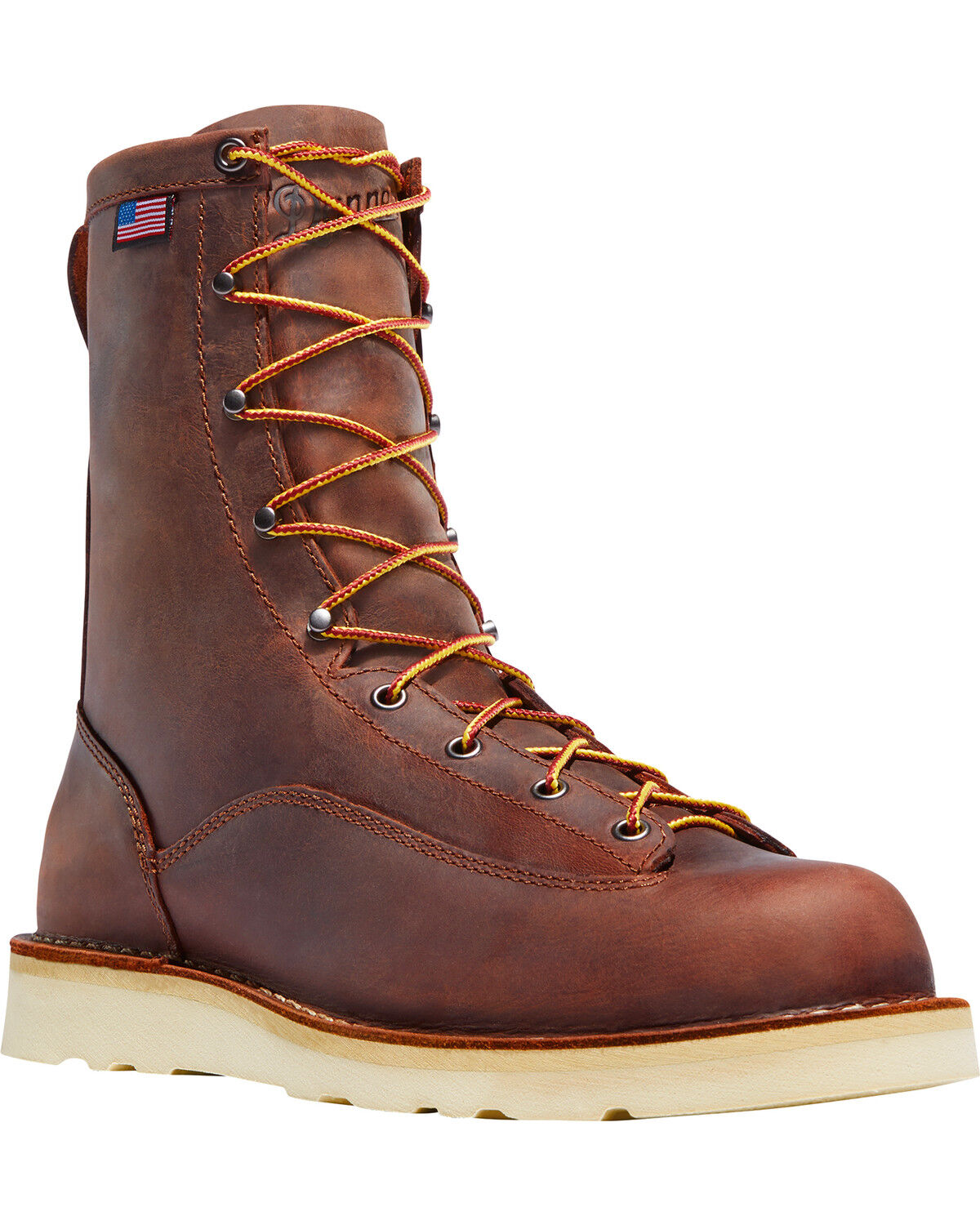
Broad Square Toe vs. Square Toe Boots

Broad Square Toe vs. Square Toe Boots makes it easier to compare two popular western boot styles. Explore the selection to find the right pair for your wardrobe, workday, or everyday wear.

Read More

Shop Your Store: Shop Your Store: Find a Store

(Turn off Shop Your Store to see all items)

(Turn off Shop Your Store to see all items)

close
  • Recommended
  • Lowest Price
  • Highest Price
Skip pass products

End of products

Broad Square Toe vs. Square Toe Boots

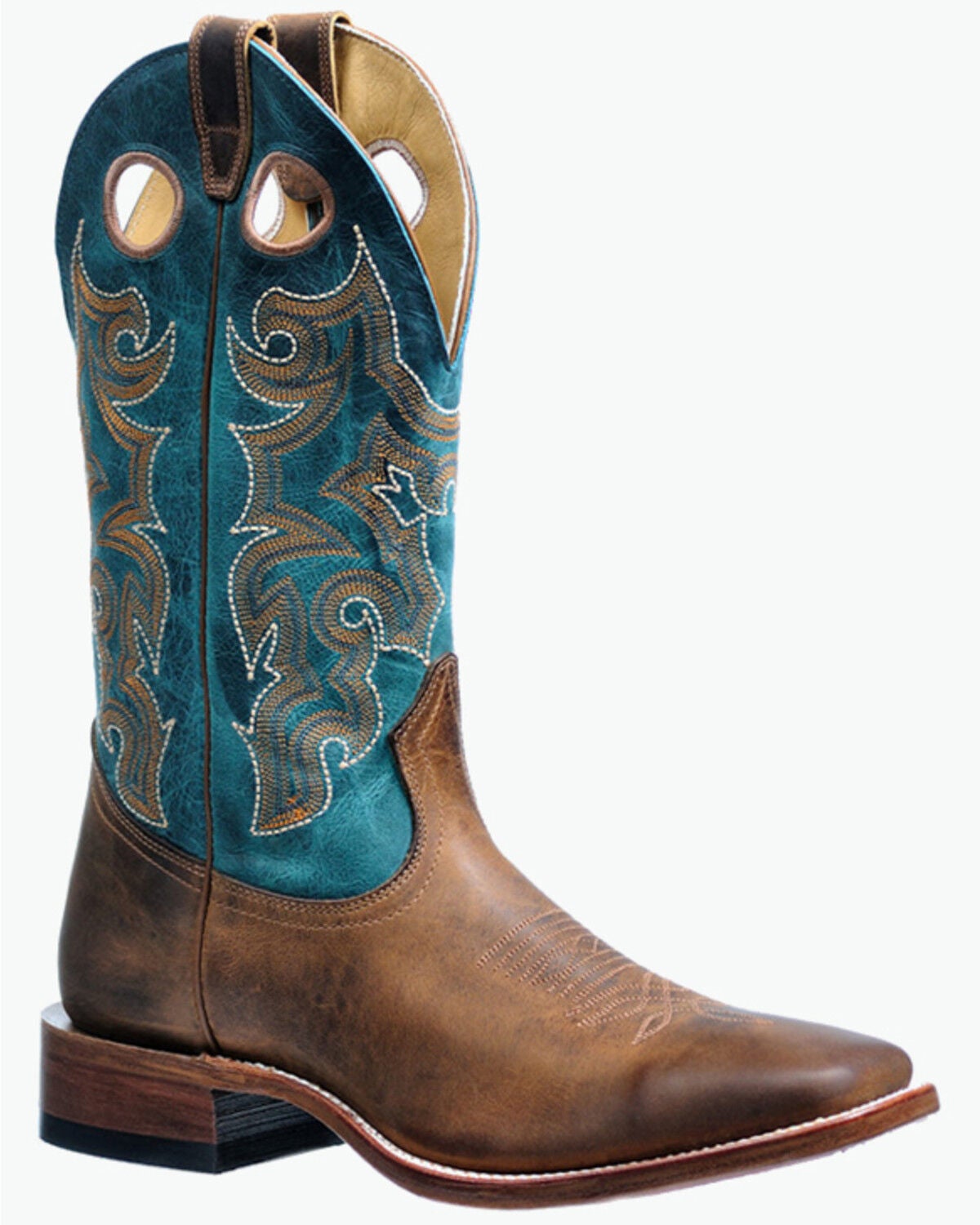
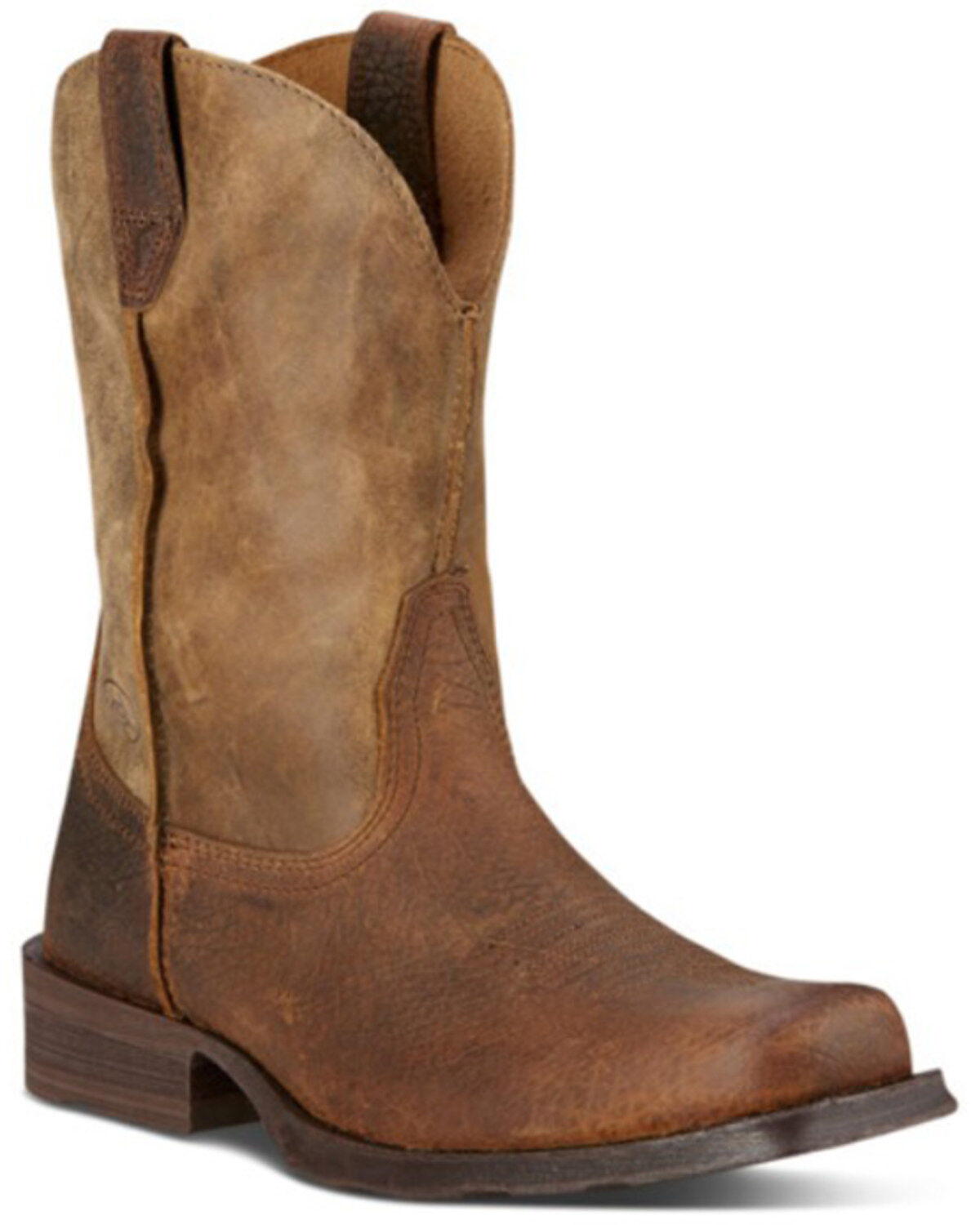
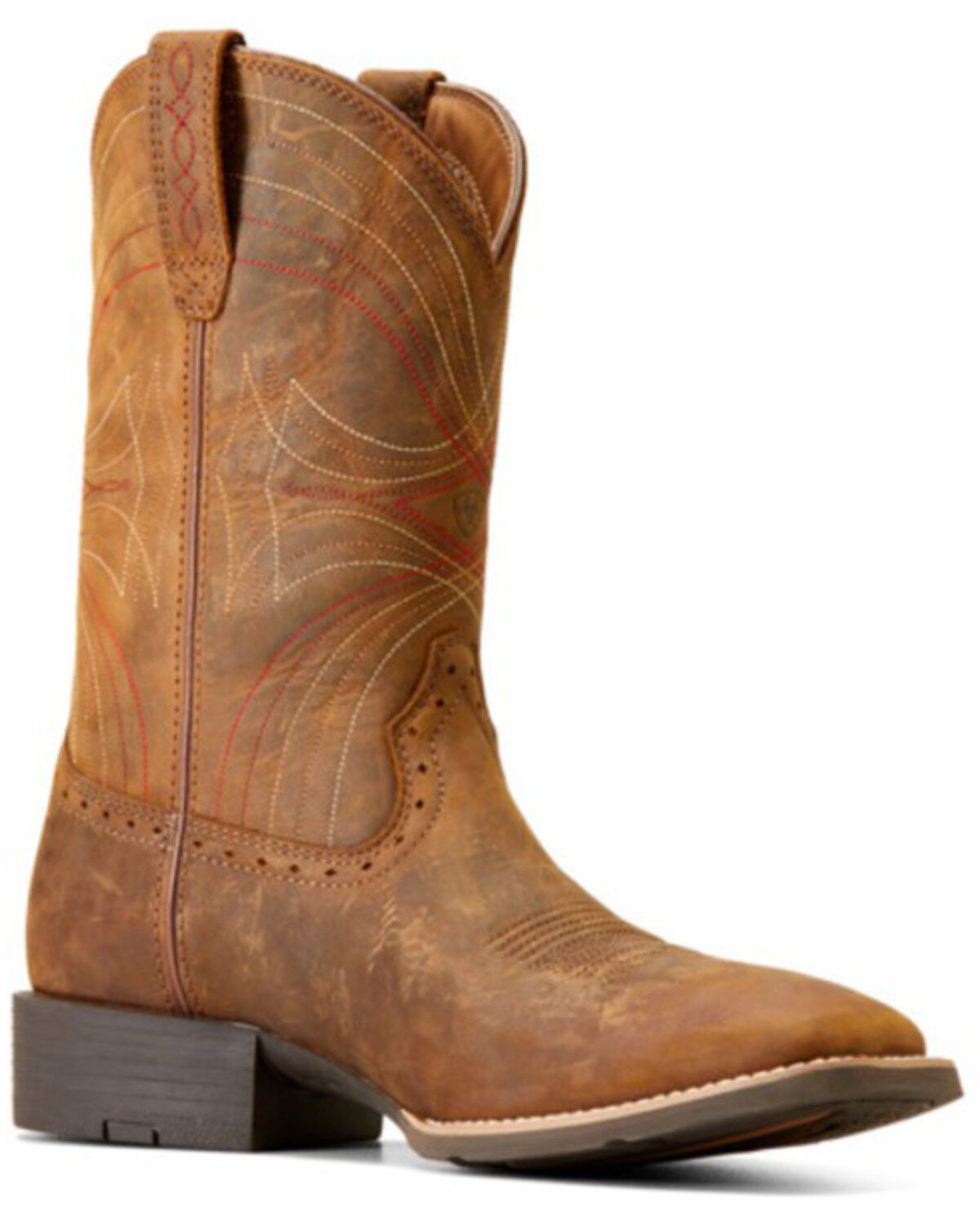
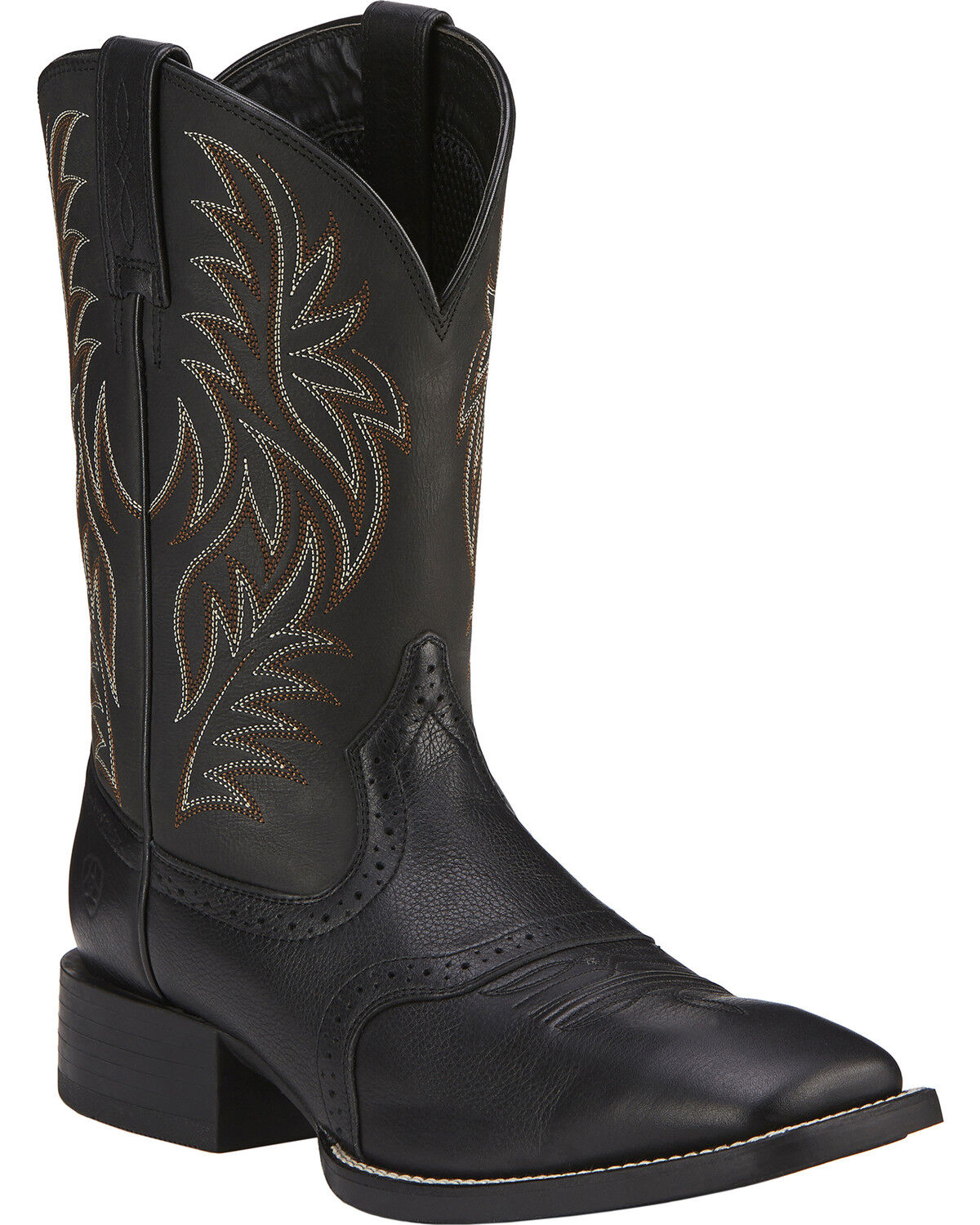
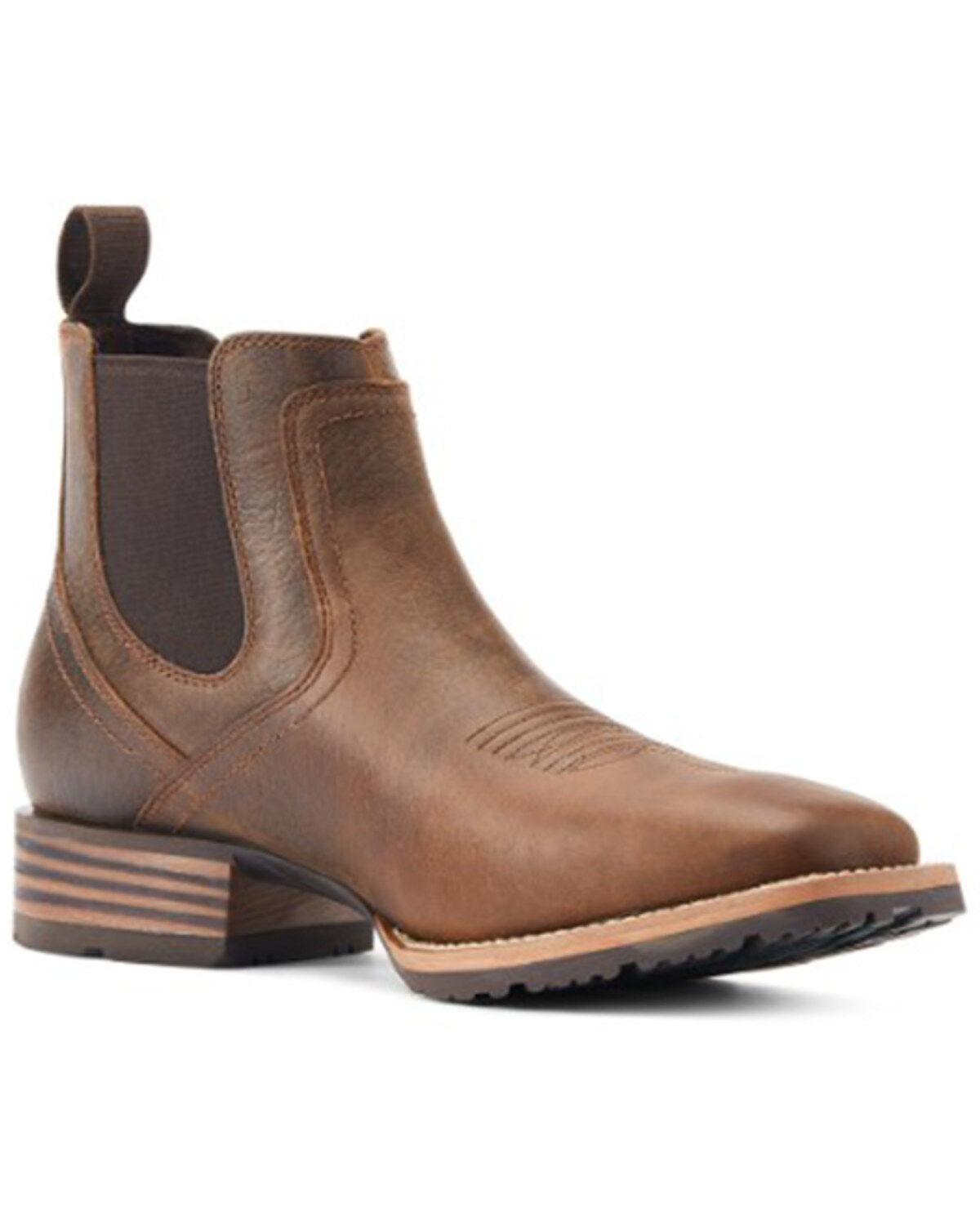
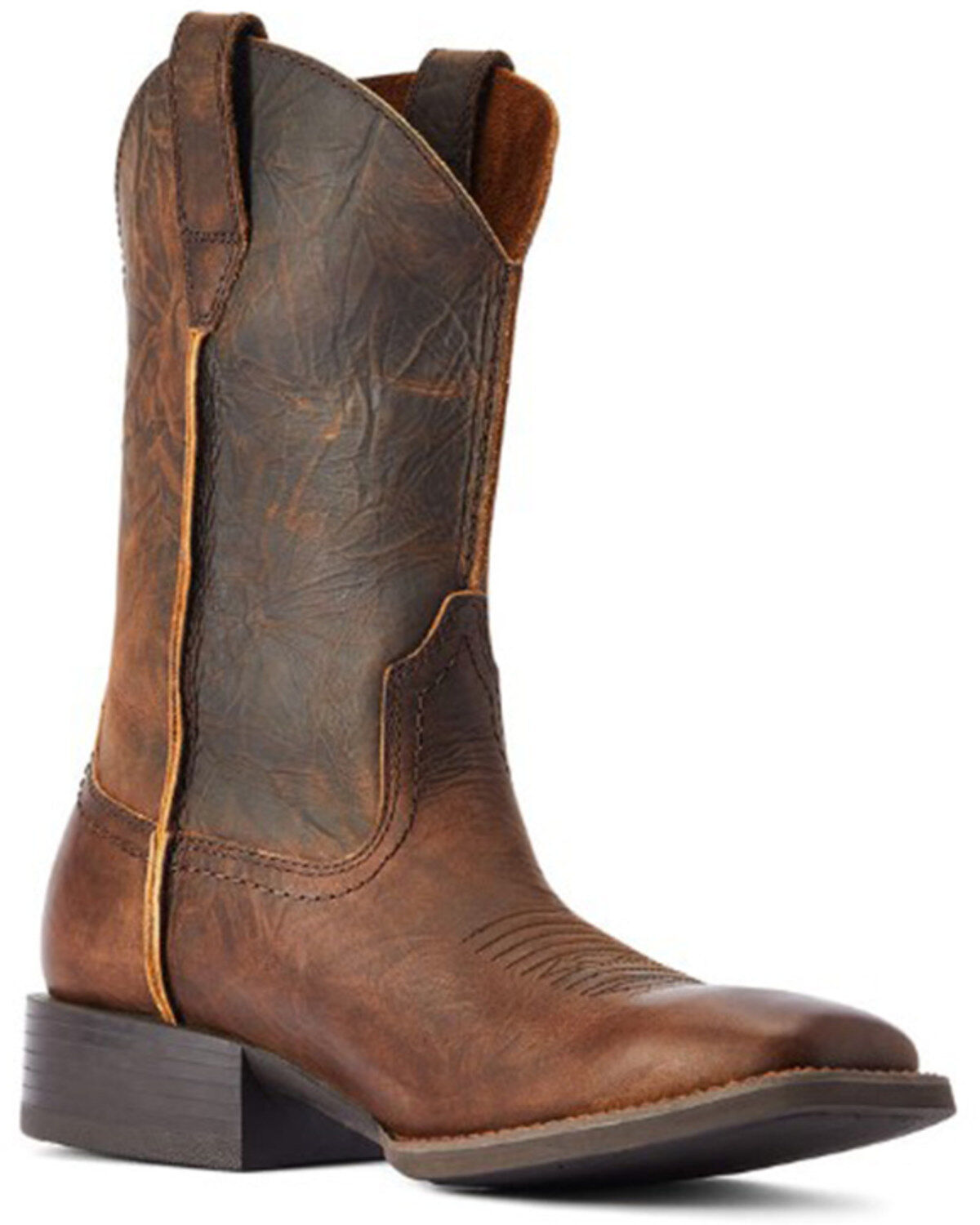
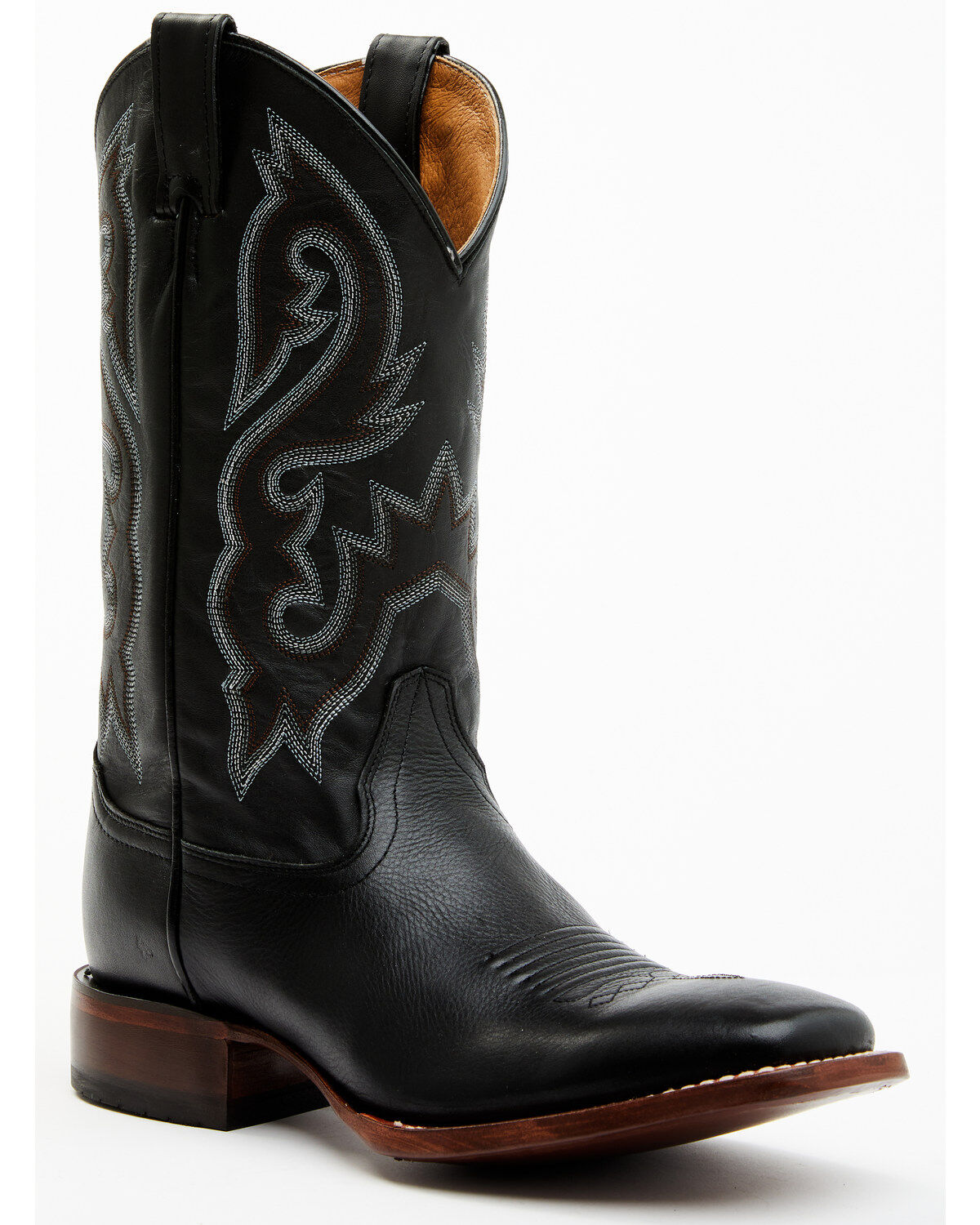
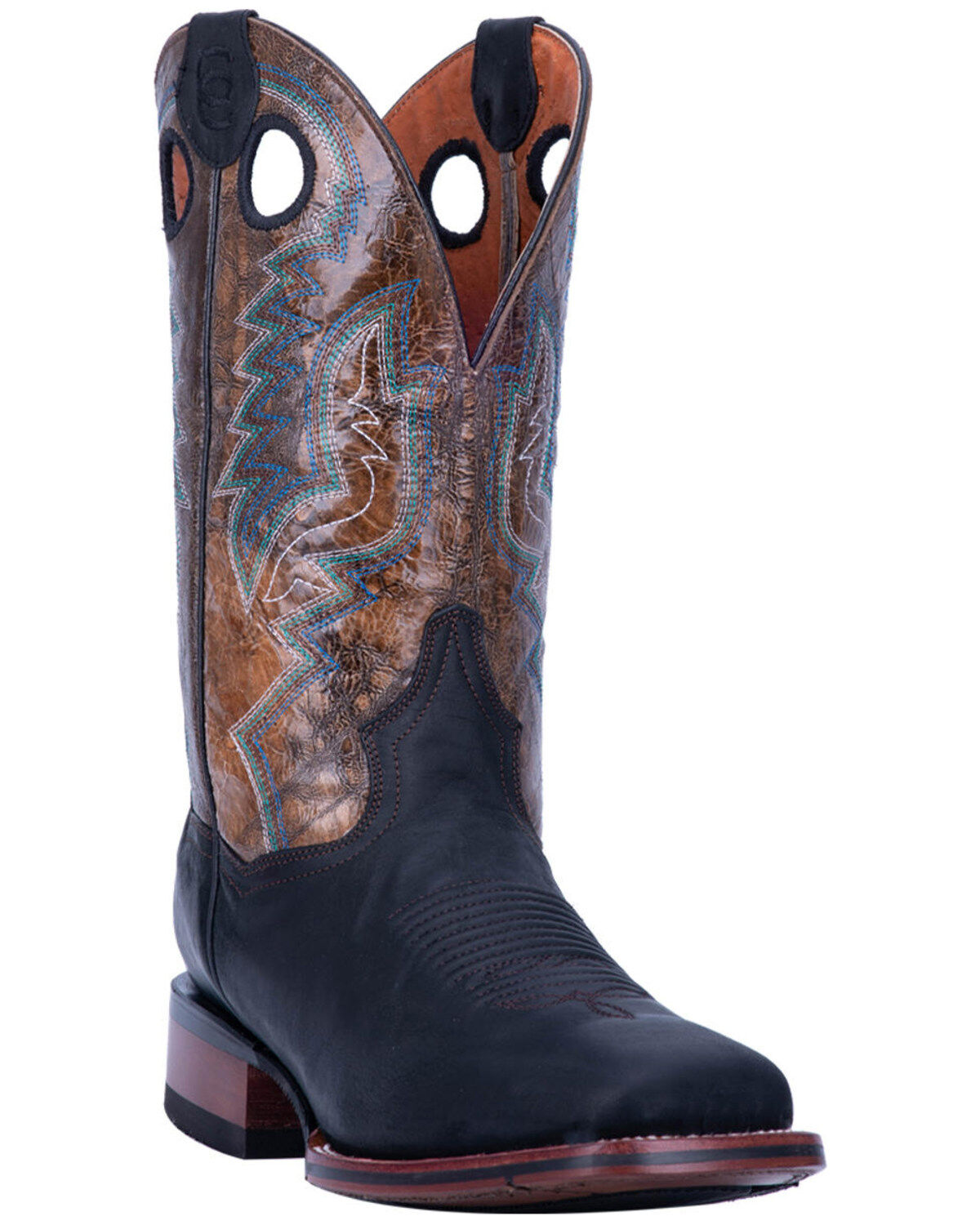
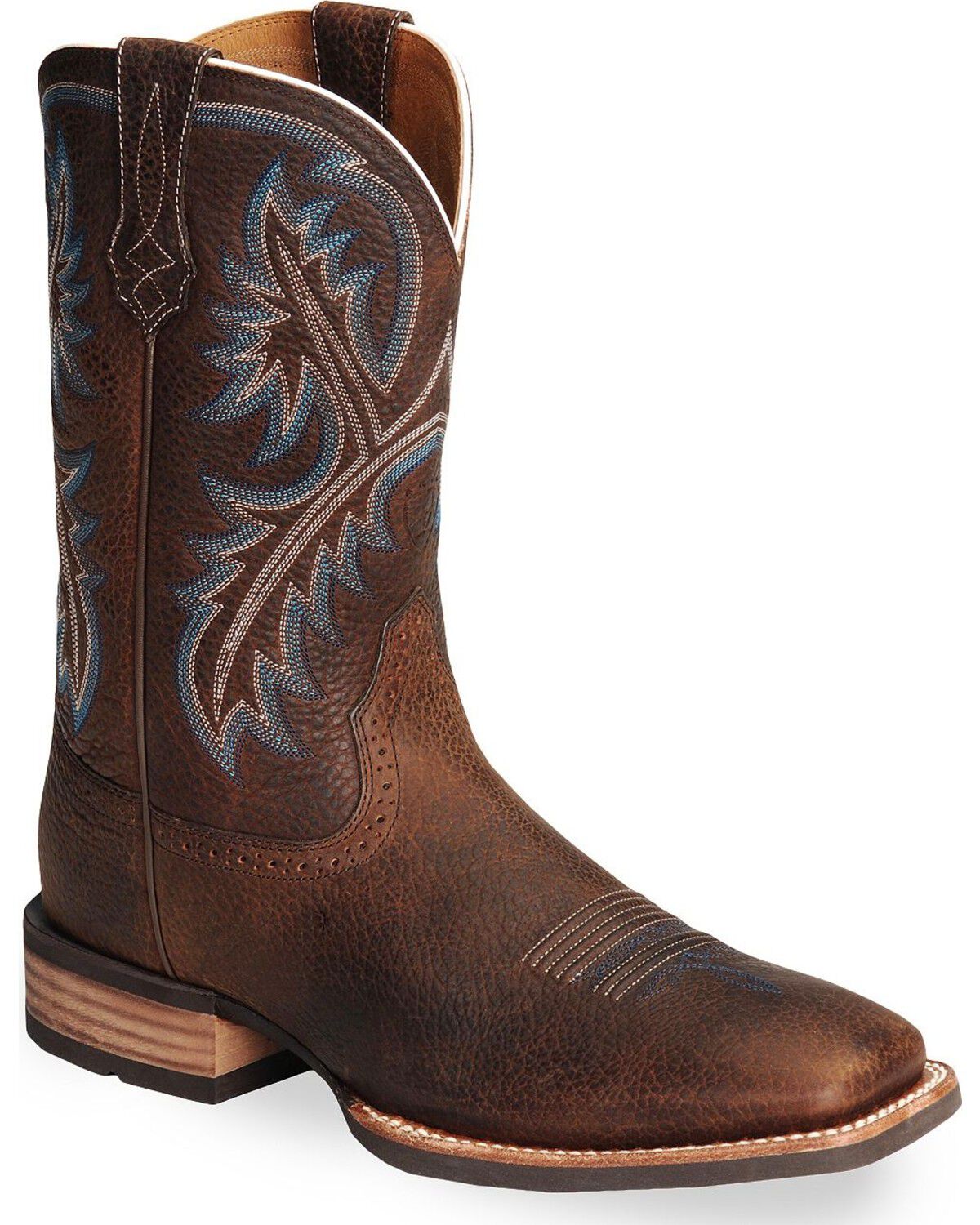
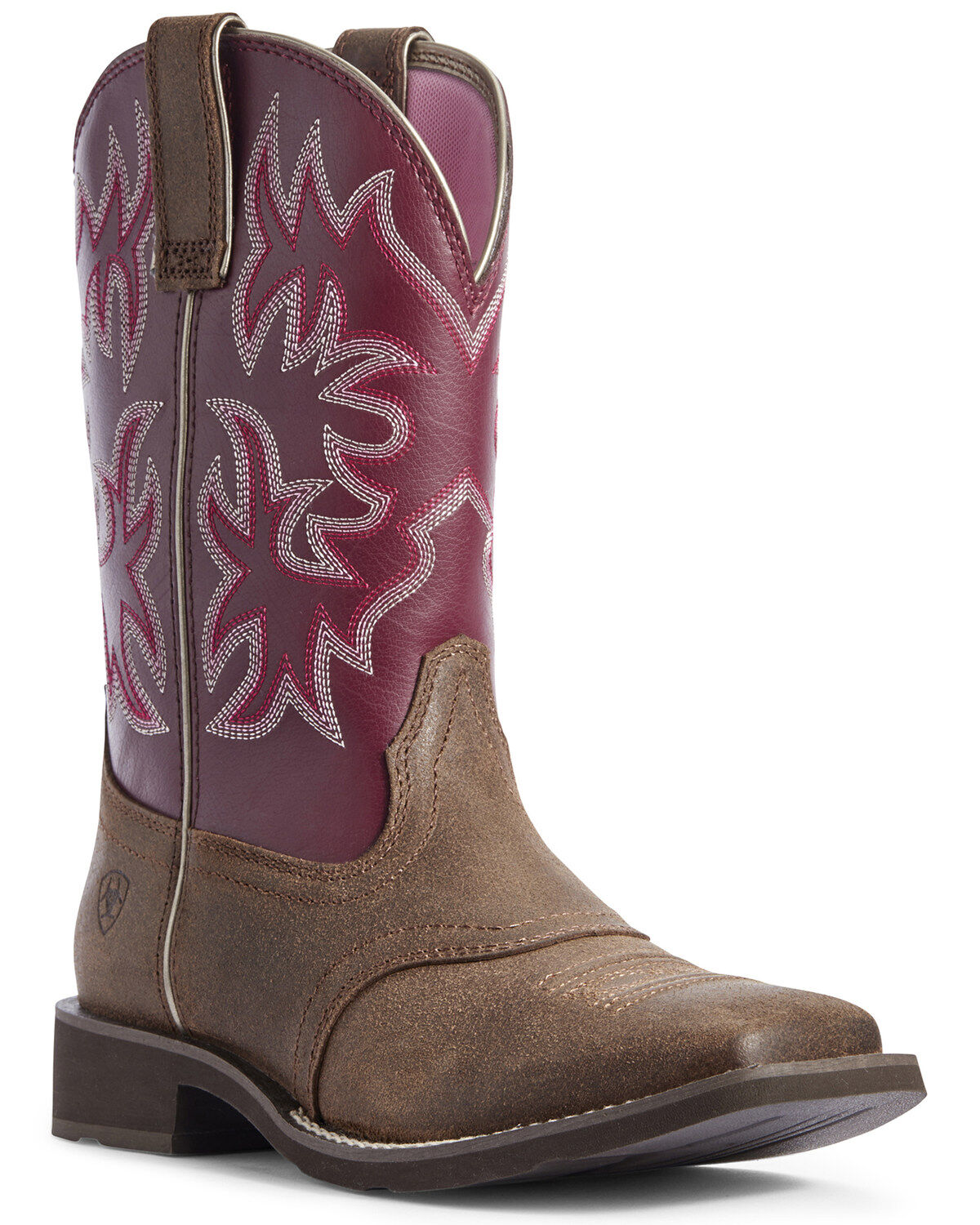
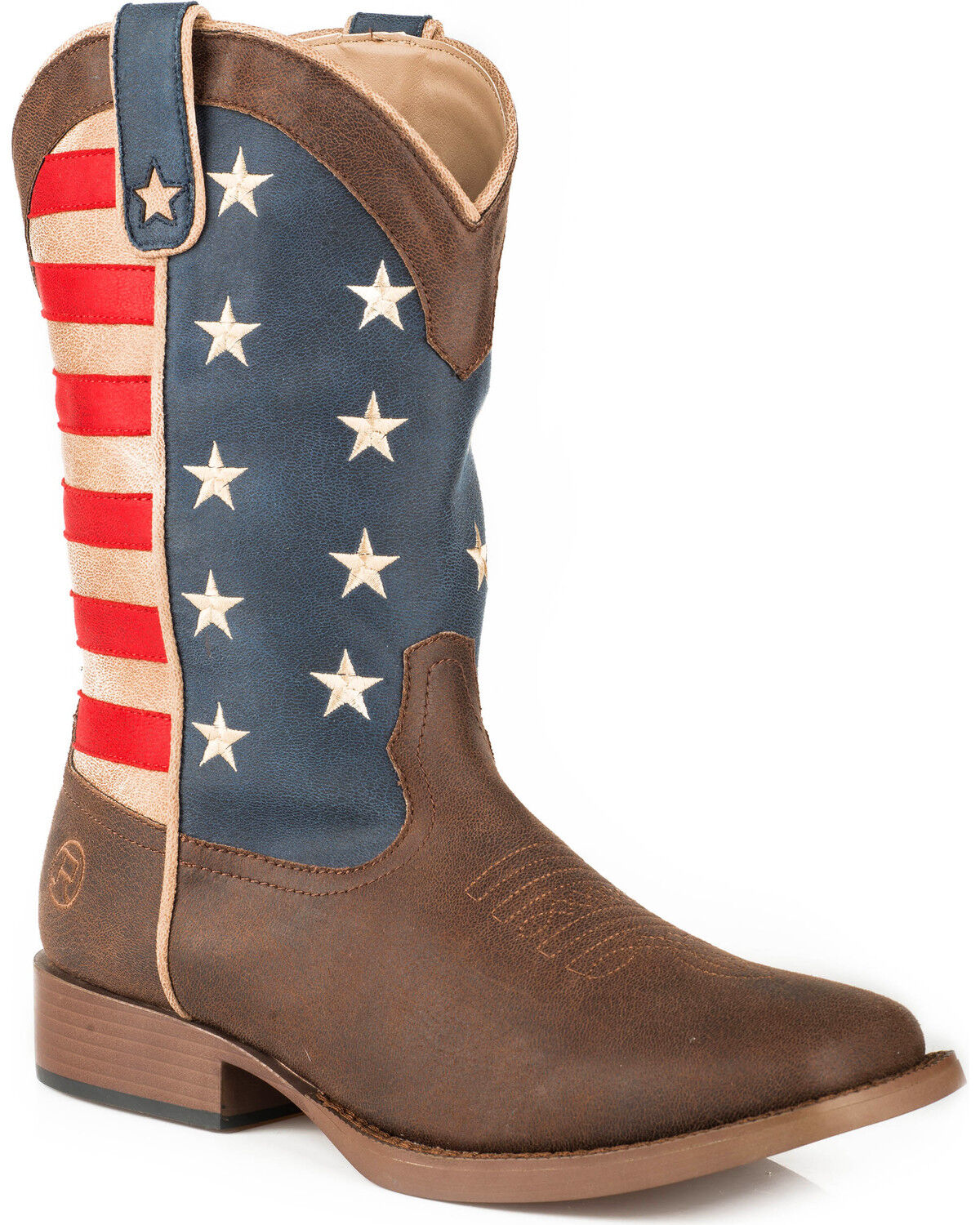
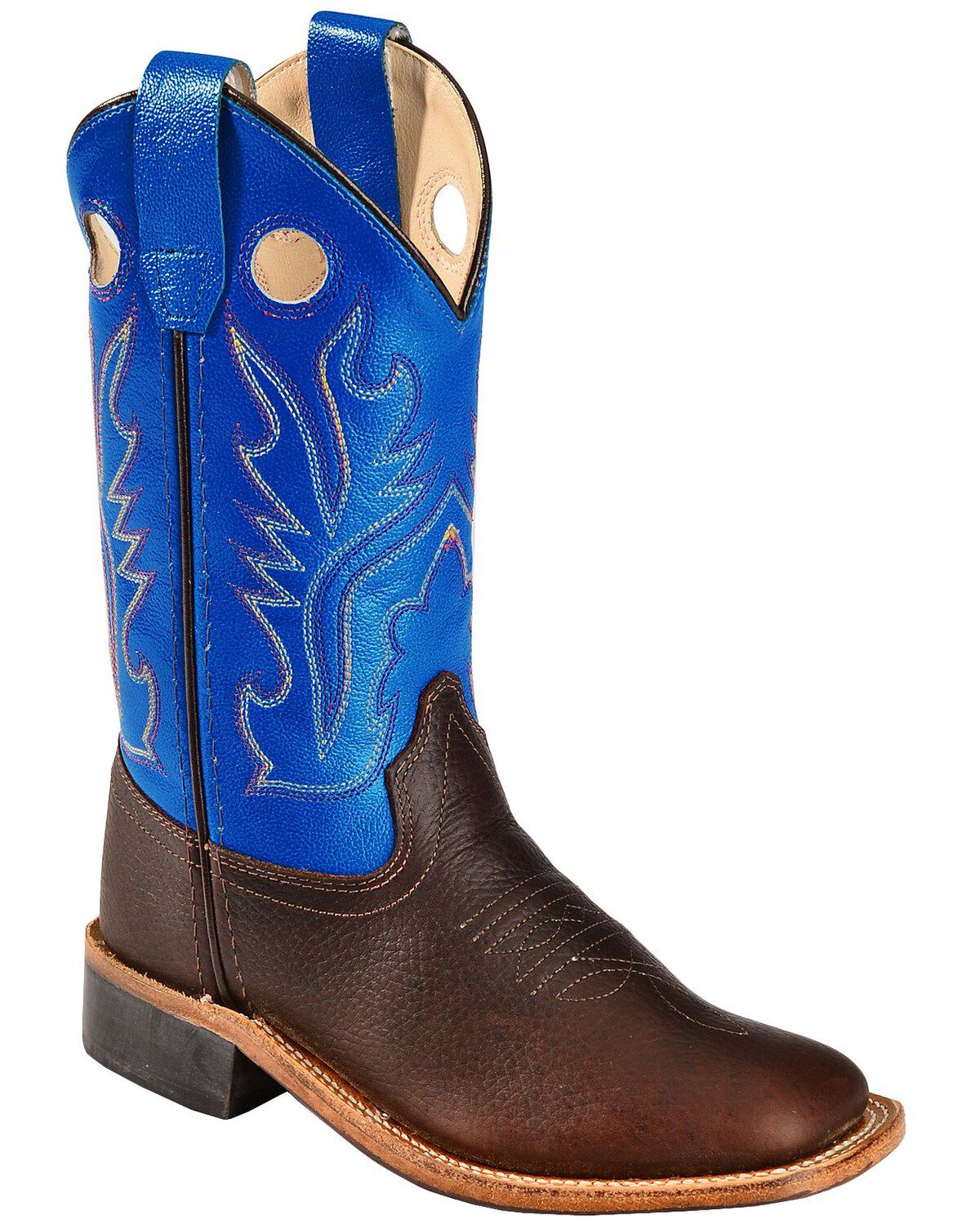
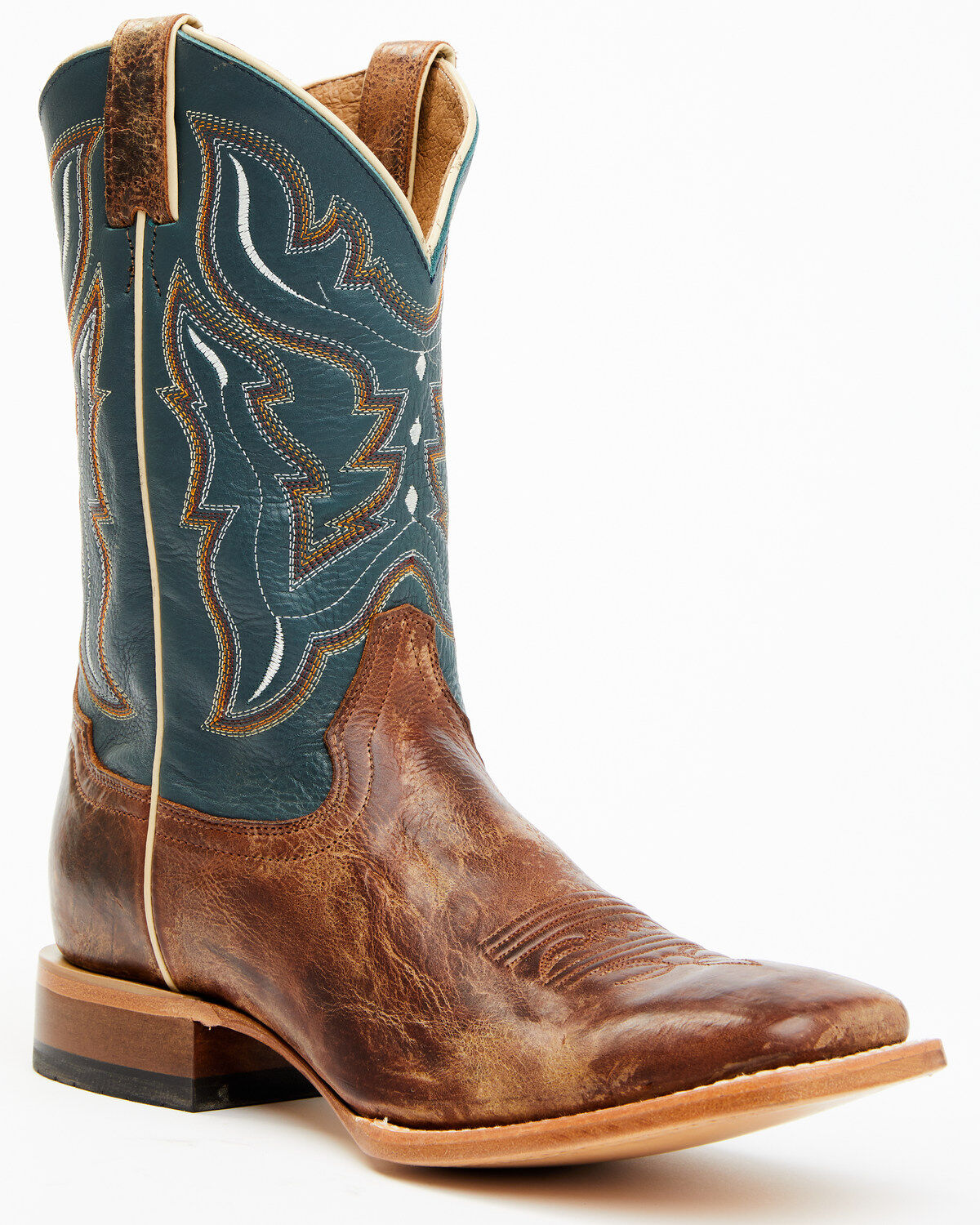
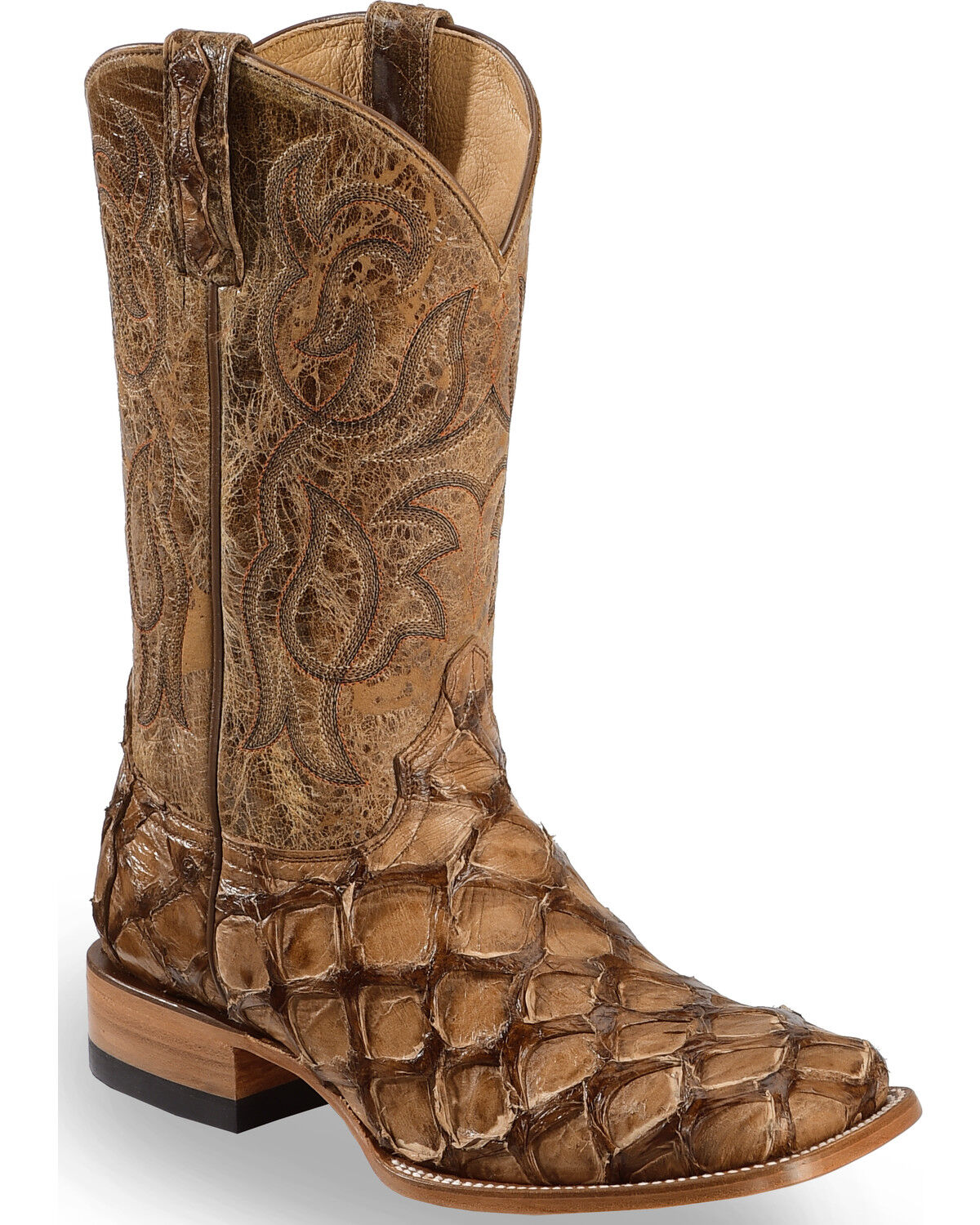
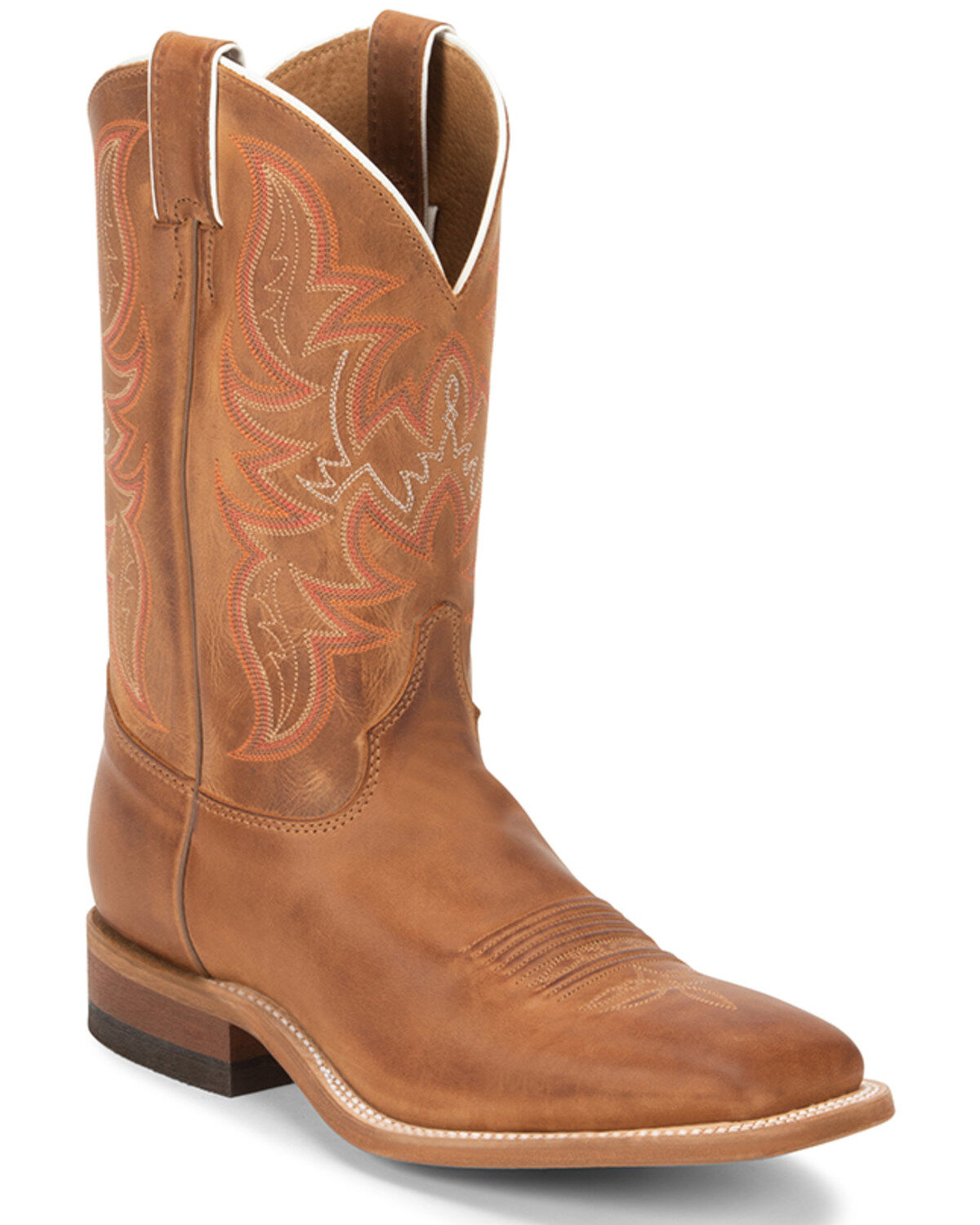
When comparing broad square toe vs. square toe boots, the main difference is the amount of room across the front of the boot. Both styles have a squared-off toe shape and generally provide more horizontal space than pointed or narrow-toe boots, but they do not fit the same way. A standard square toe, sometimes called a medium or narrow square toe, has a trimmer profile that follows the foot more closely. It offers useful toe room without adding much bulk, making it a practical choice for everyday wear, casual outfits, riding, and lighter work. A broad square toe, also known as a wide square toe, extends farther across the front and creates a noticeably wider, flatter toe box. That extra space can make a meaningful difference for wide feet, high-volume feet, or anyone who wears thicker work socks. It can also help reduce pressure on the toes during long days on hard surfaces. The shape is more substantial, with a bold work-boot profile that looks at home around a ranch, on a jobsite, or paired with durable jeans. Neither style is automatically better. The right choice depends on the natural shape of your foot, the way you use your boots, and how much room you prefer around your toes. A well-fitting boot should allow the toes to move without sliding forward, while the heel should lift slightly during the initial break-in and settle as the leather molds to the foot. Width matters from heel to toe, not just at the front, so pay attention to the instep, arch, heel pocket, and ball of the foot as well. A toe box that looks roomy will not solve a fit issue caused by a tight instep or loose heel.

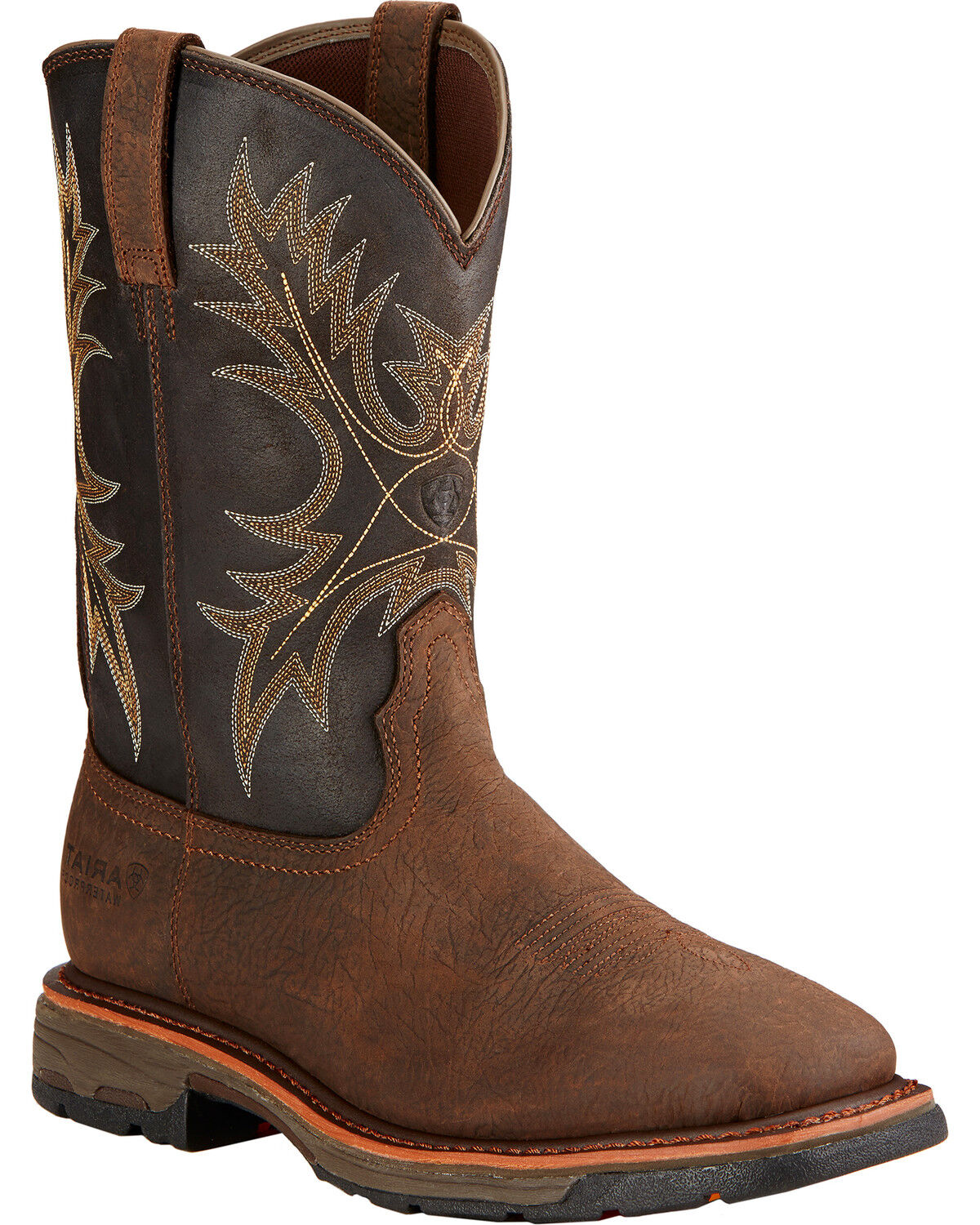
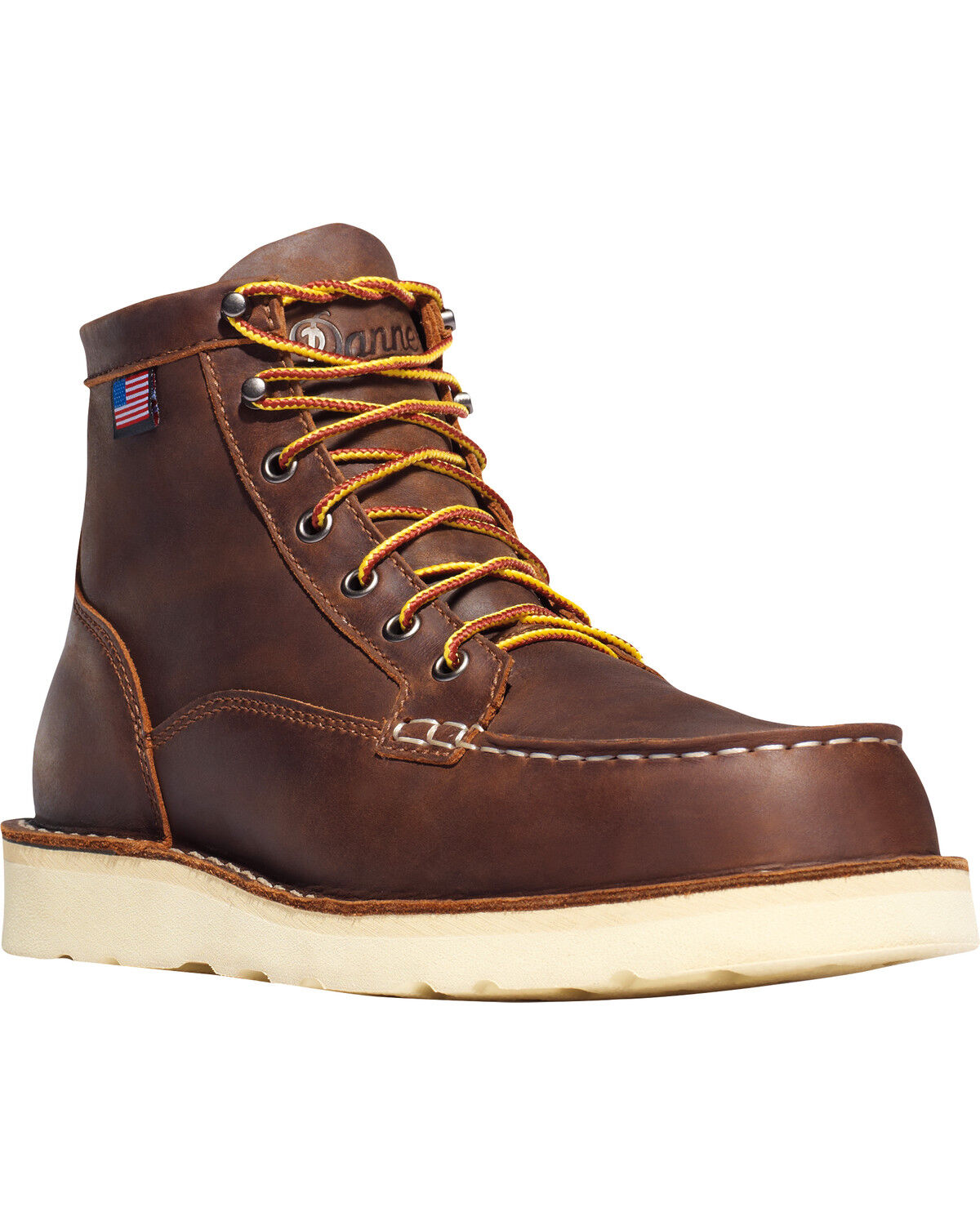
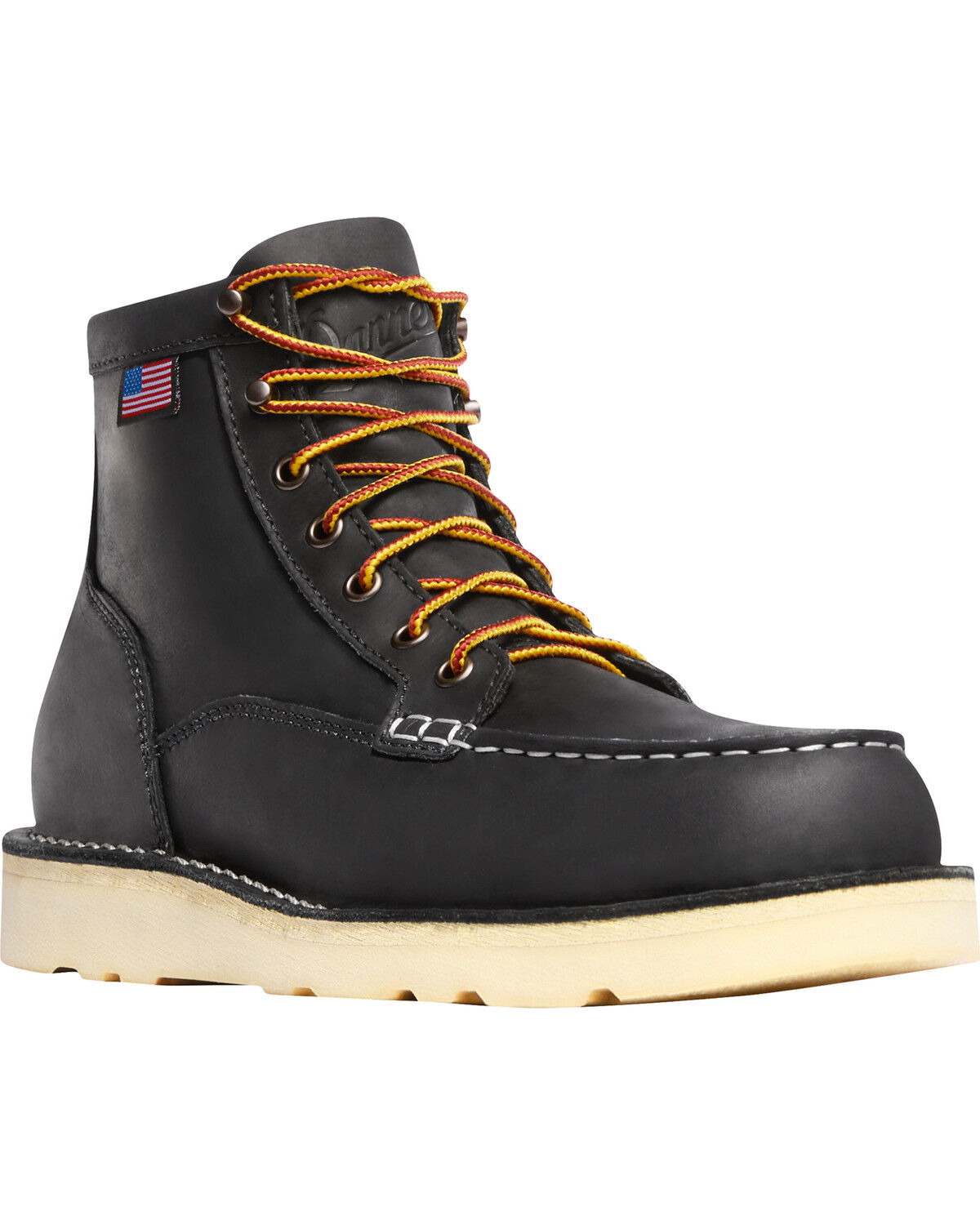
Broad square toe boots are often the better match for demanding work and extended time on your feet. Their wider platform gives the forefoot more room to spread naturally, which can be helpful when walking, standing, climbing, or working on uneven ground. They are commonly chosen for farming, ranch work, construction, warehouse shifts, and other jobs where comfort and stability matter more than a streamlined silhouette. If your work socks are thick, measure your feet while wearing them rather than relying on a thin everyday sock. That small detail can change the fit. A broad square toe may also suit people with bunions, wider forefeet, or toes that feel crowded in traditional western toe shapes, although a roomy toe box should never be used to ignore pain that needs medical attention. Standard square toe boots offer a balanced middle ground. They give the toes more breathing room than a round or pointed toe while keeping the overall boot shape cleaner and less pronounced. That makes them easy to wear with jeans, work pants, or casual western clothing when you want one pair to cover several parts of the day. They can move from a morning ride to errands, a meal out, or time around the house without looking overly heavy. Riders should pay close attention to the sole, heel, and fit at the instep in addition to the toe shape. A square toe can provide comfort in the stirrup, but the boot still needs a heel and sole suited to the riding activity. For jobs that involve oil, water, mud, or slick flooring, look for construction and outsole features designed for those conditions. A stitched welt, solid upper, and dependable outsole can add durability when boots are exposed to repeated flexing and rough ground. Those who need a sturdy build with a broad profile can also compare Broad Square Toe Double Stitched Welt Boots as part of the selection process.

The best way to choose between broad square toe vs. square toe boots is to start with your daily routine, then narrow the decision by fit and construction. For a work boot, consider how many hours you spend standing, whether you carry weight, the surfaces you cross, and whether your feet tend to swell during a long shift. For casual wear, consider the proportions of your clothing and whether you prefer a traditional, understated shape or a more substantial modern profile. Broad square toes pair naturally with work jeans and heavier layers because the boot has visual weight. Standard square toes create a more balanced line under straight-leg denim and can be easier to dress up for dinners, gatherings, or everyday wear. Both styles can be sensible gifts for someone who spends time outdoors, works with their hands, rides, or appreciates well-built footwear, but fit makes boots more personal than most gifts. If you are buying for someone else, confirm their size, width, preferred toe shape, and usual sock thickness before ordering. An exchange is easier than guessing, and a boot should never be selected by length alone. Feet can differ in width, arch height, and volume, even when the measured size is the same. Try boots on later in the day when feet are closer to their usual working size, and walk on a clean surface to check for pinching, heel movement, or pressure across the instep. During the cooler months, square toe boots can provide the room needed for heavier socks while still working with jeans, jackets, and practical layers. Keep leather clean and conditioned according to its finish, allow damp boots to dry naturally, and rotate pairs when possible so the materials can recover between wears. With the right fit and care, standard square toe boots offer dependable versatility, while broad square toe boots deliver extra forefoot room and a stronger work-ready presence.
Read More

FAQs