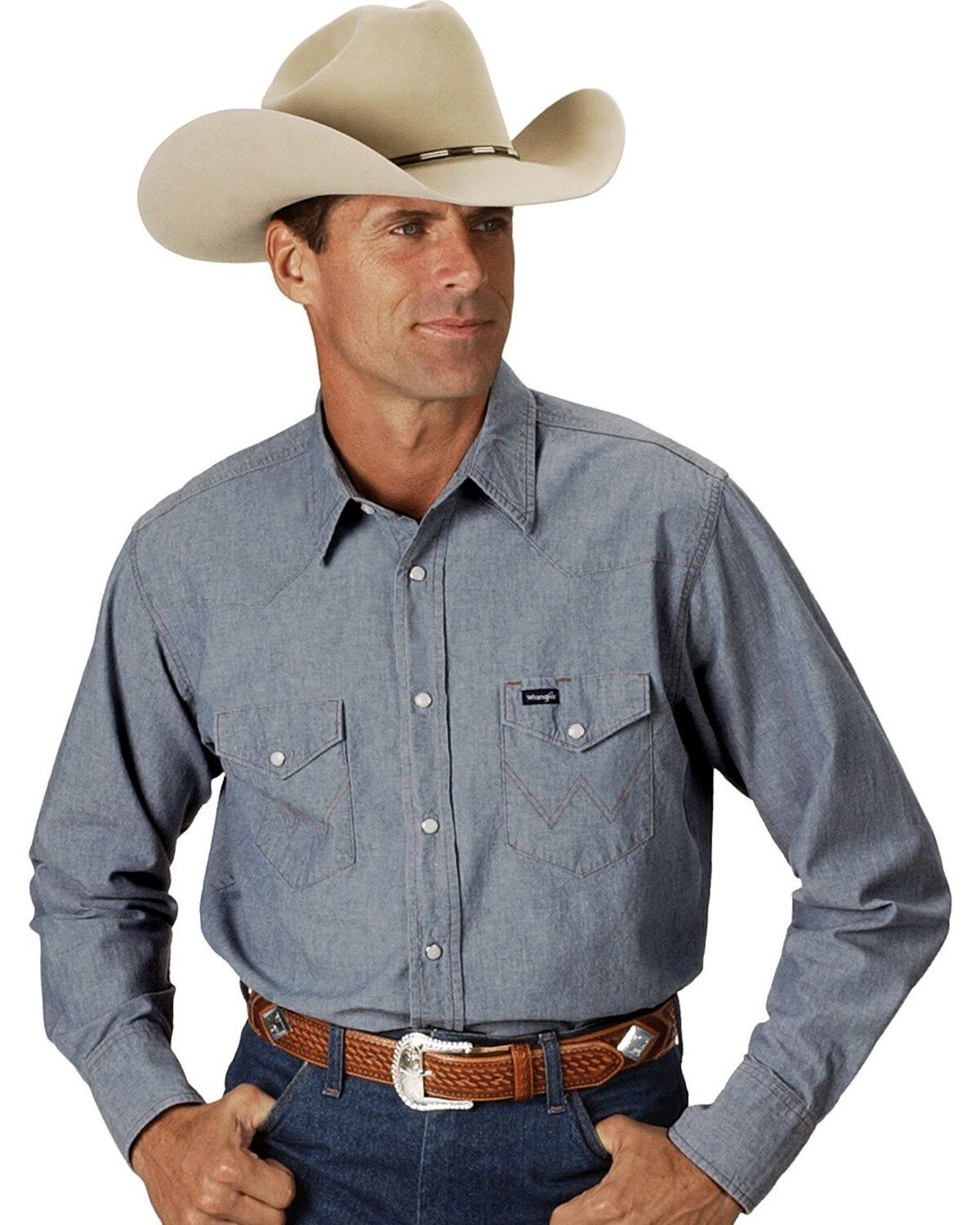
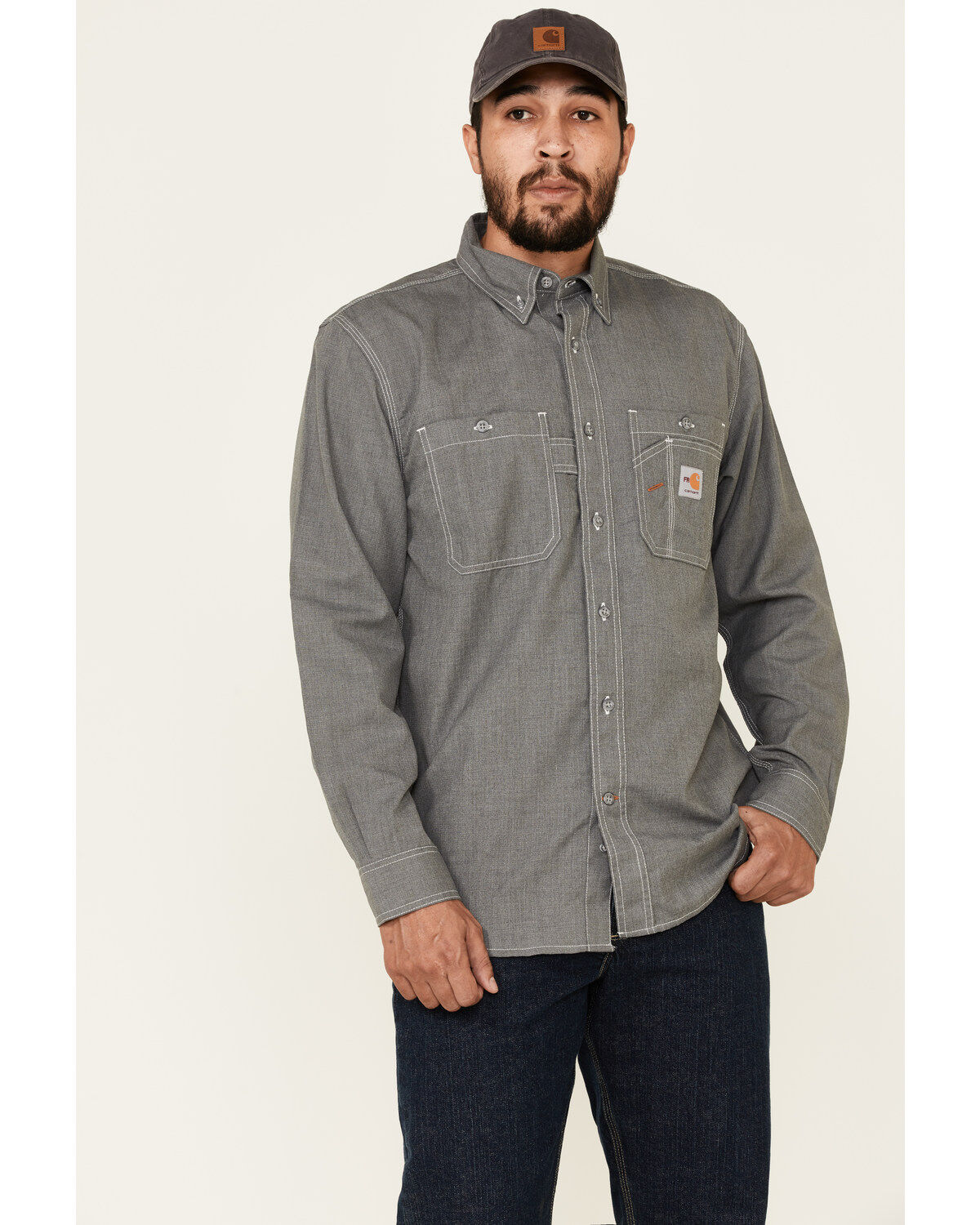
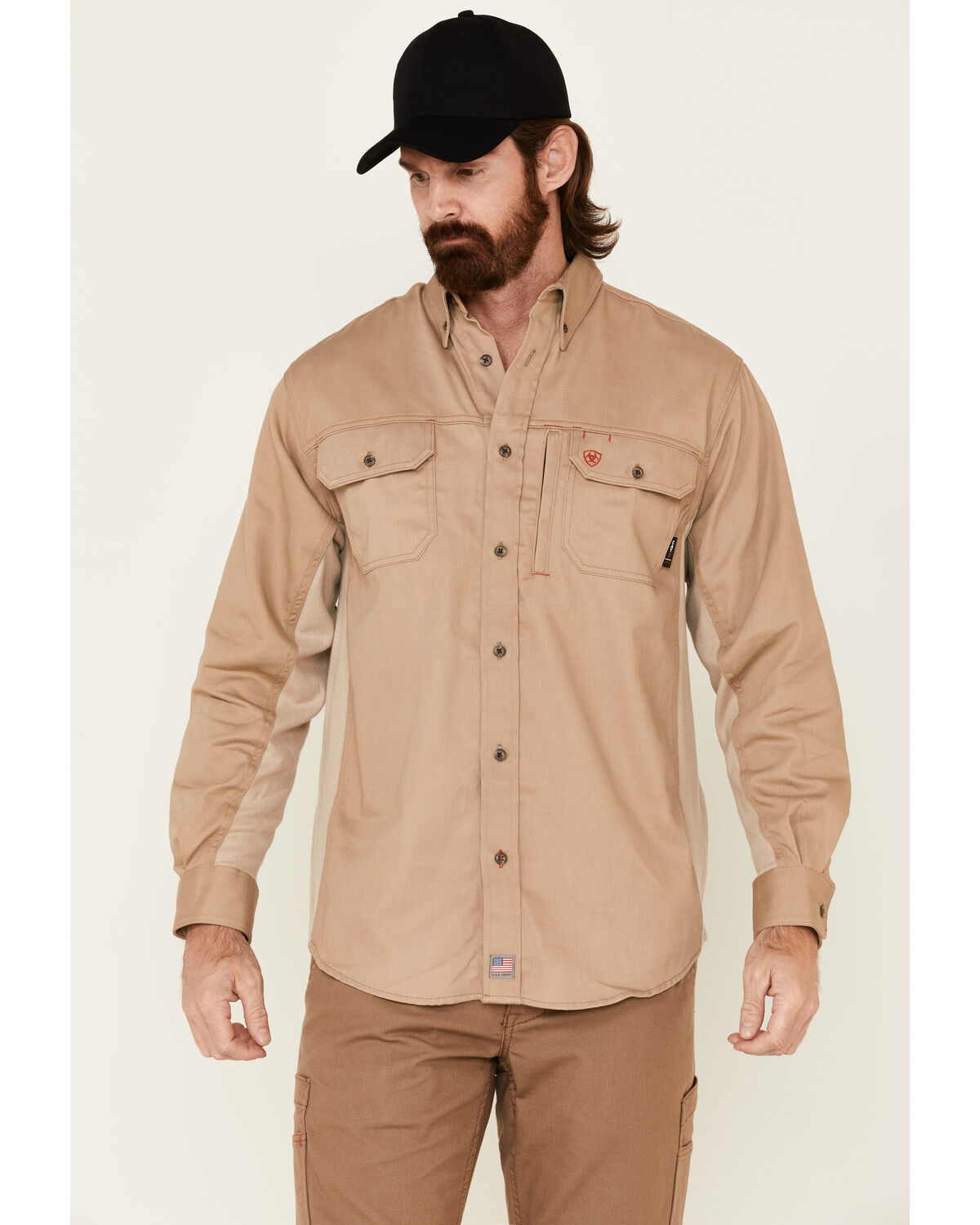
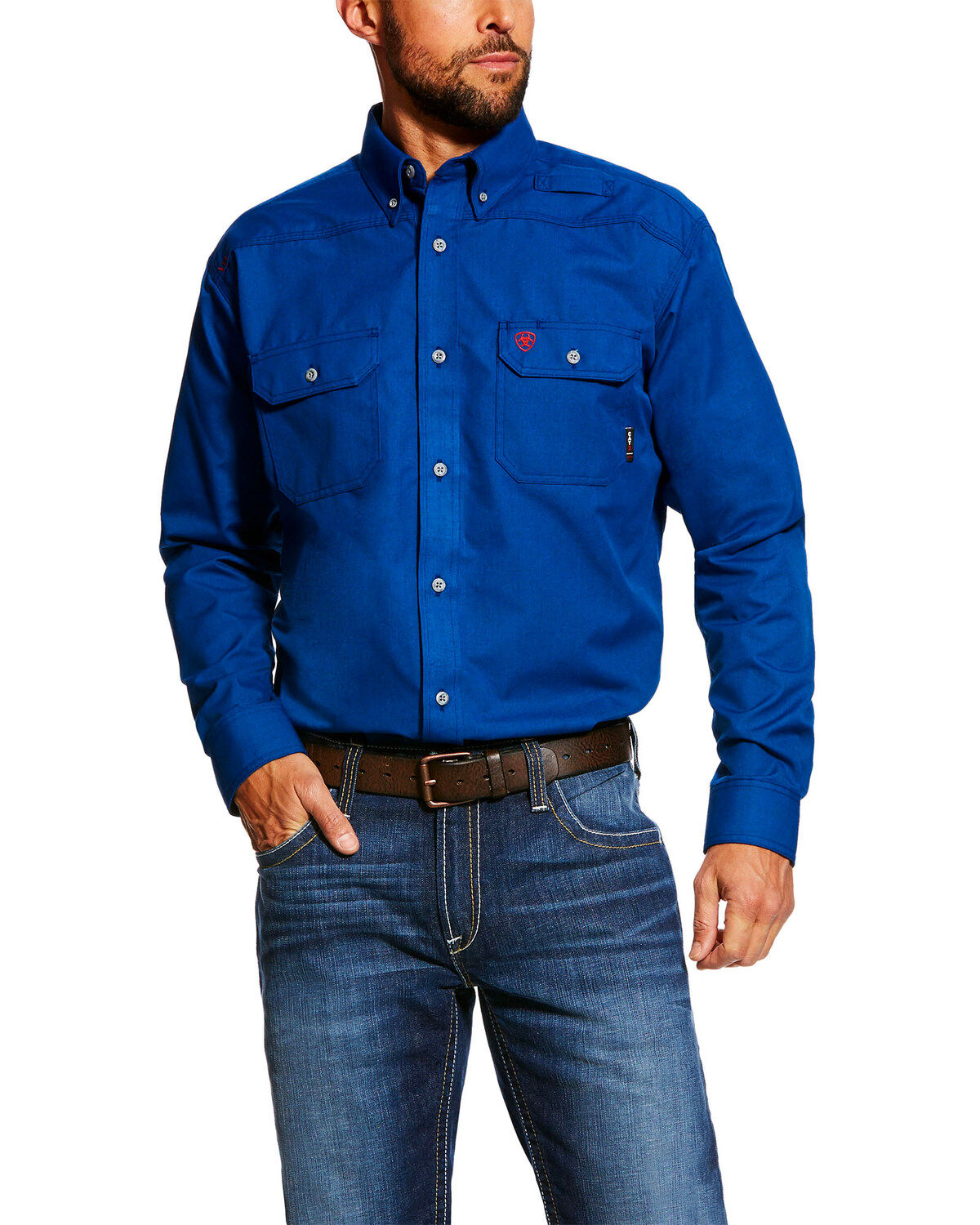
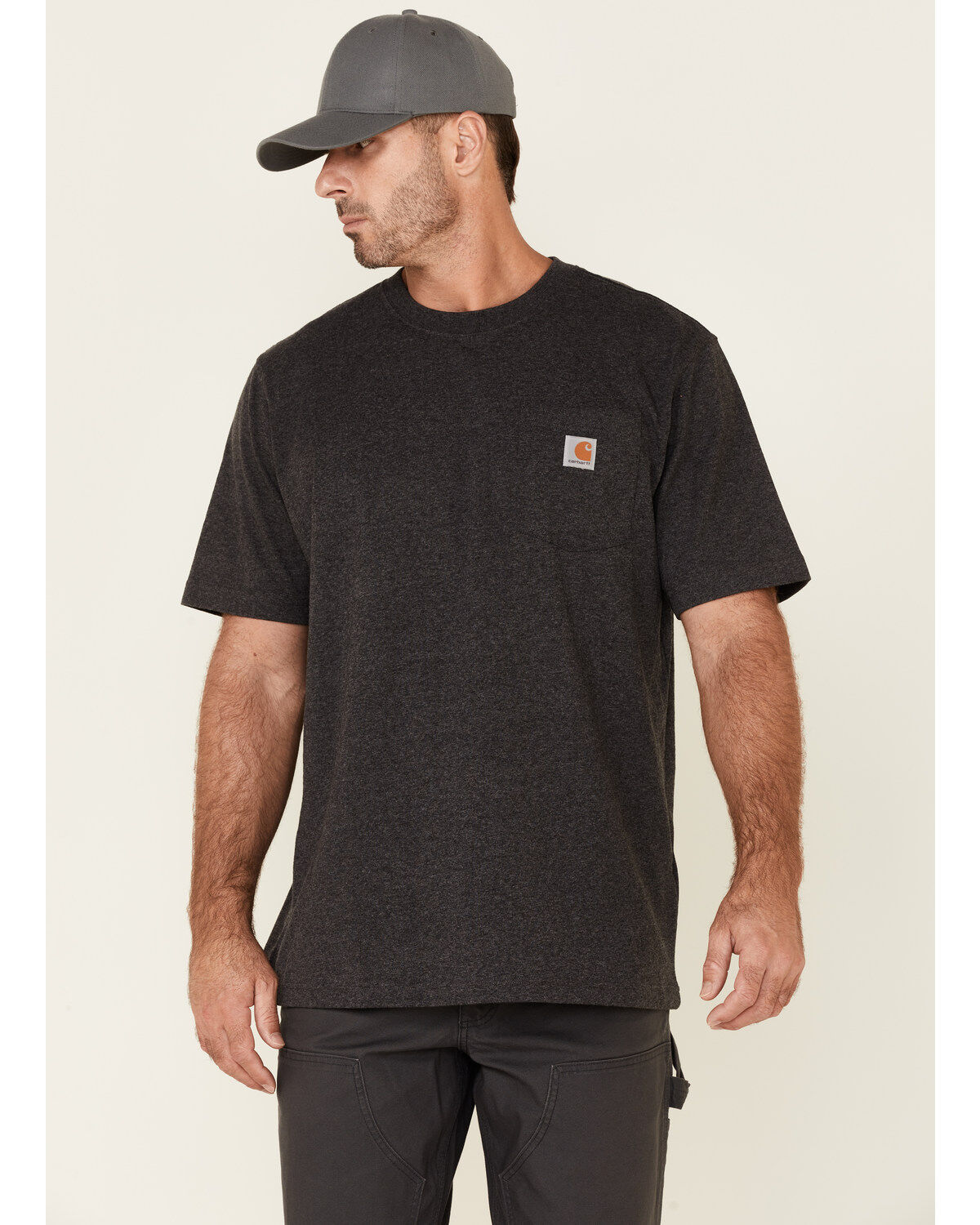
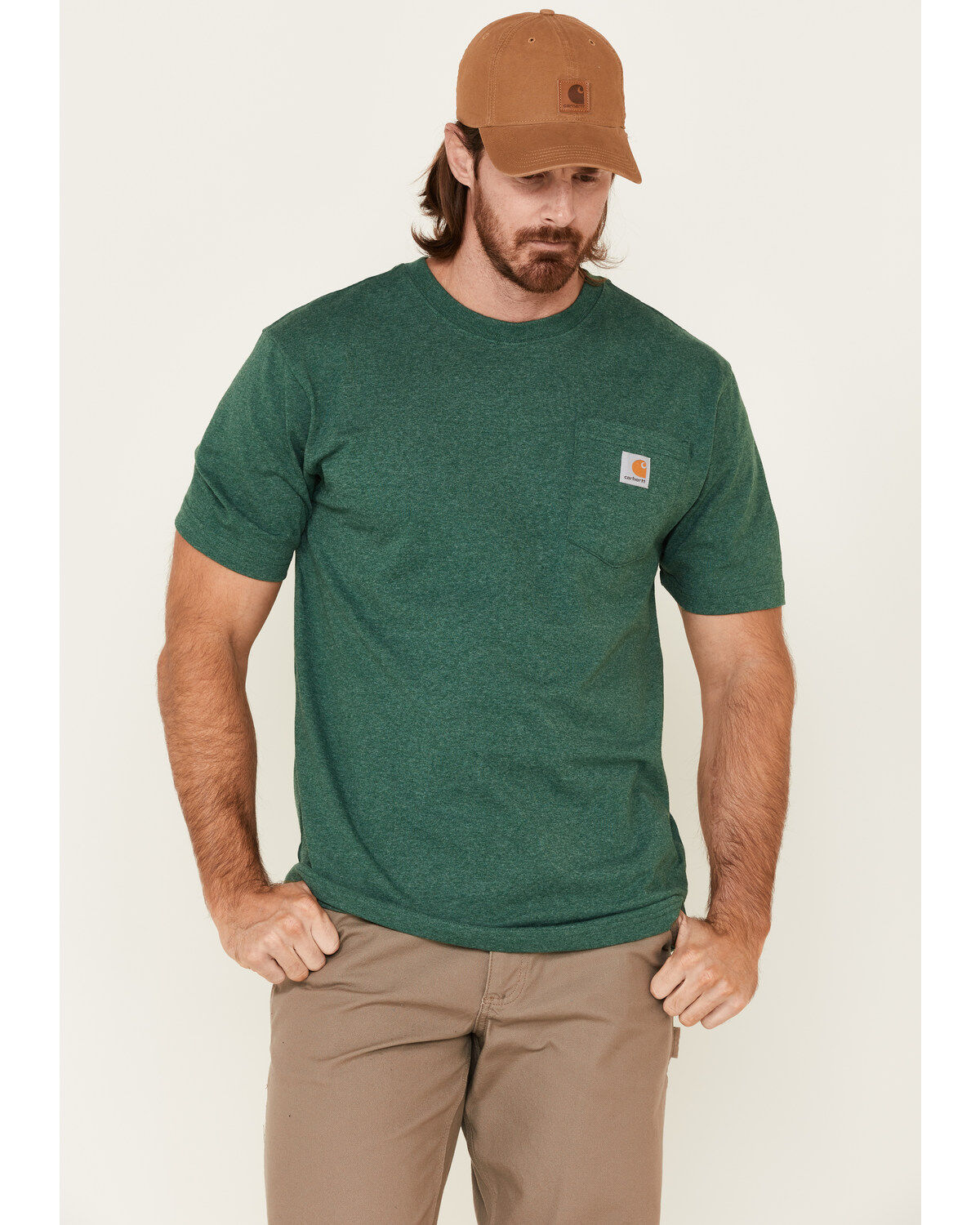
Breathable Work Shirts

Find breathable work shirts for comfort during active shifts and warm workdays. Browse the selection and compare each shirt’s fabric, fit, and care details to choose an option suited to your daily tasks and workplace requirements.

Shop Your Store: Shop Your Store: Find a Store

(Turn off Shop Your Store to see all items)

(Turn off Shop Your Store to see all items)

close
  • Recommended
  • Lowest Price
  • Highest Price
Skip pass products

End of products

Breathable Work Shirts

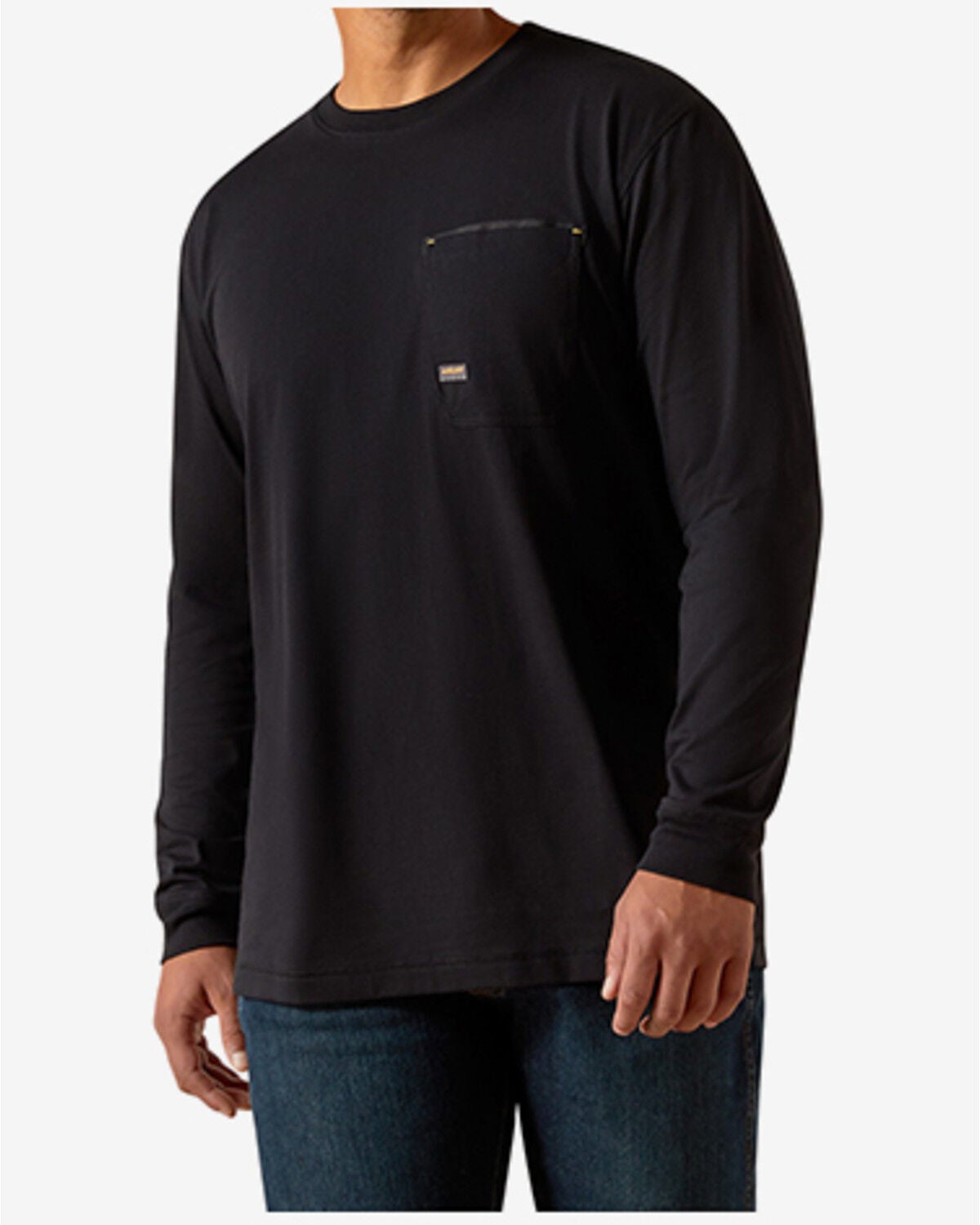
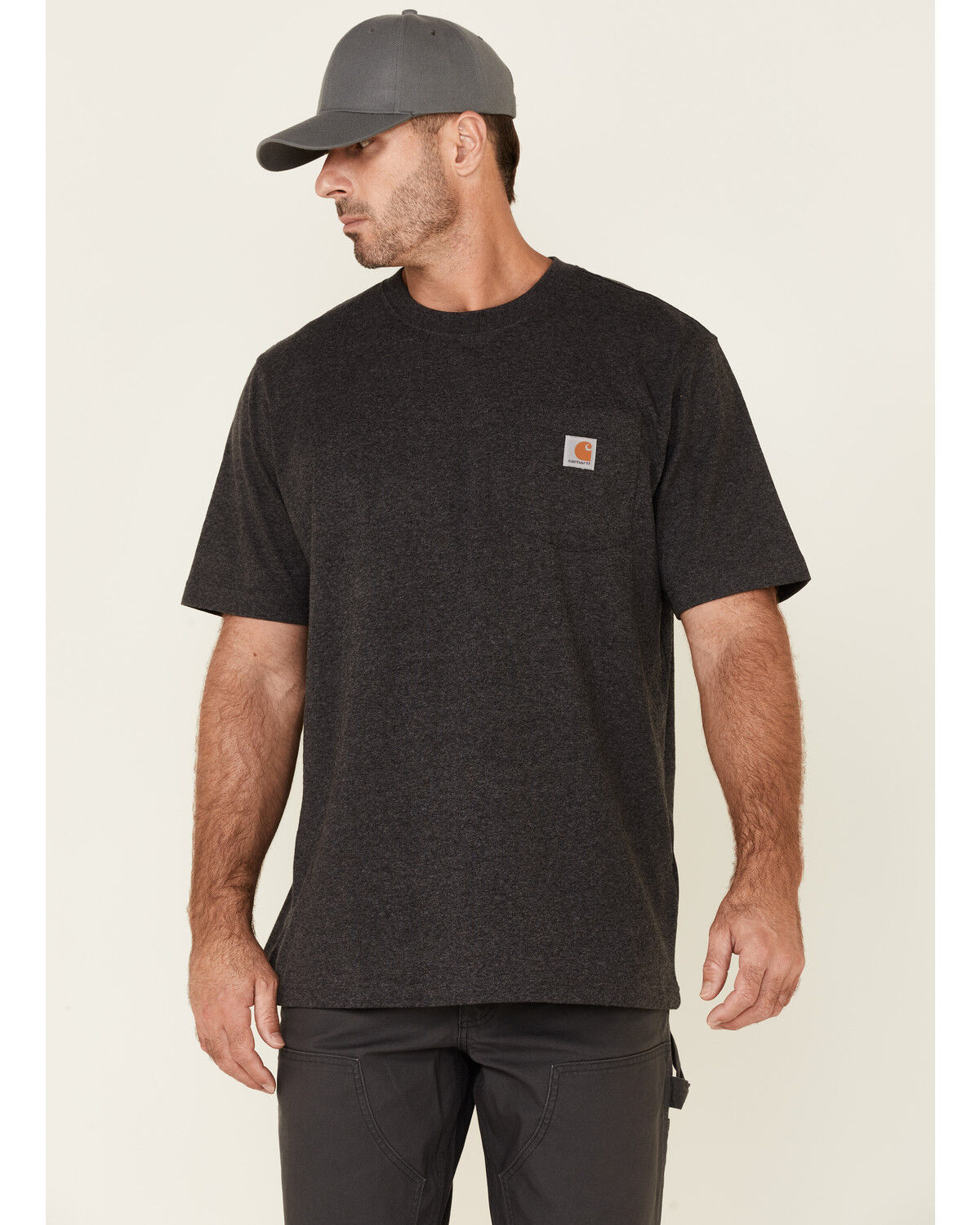
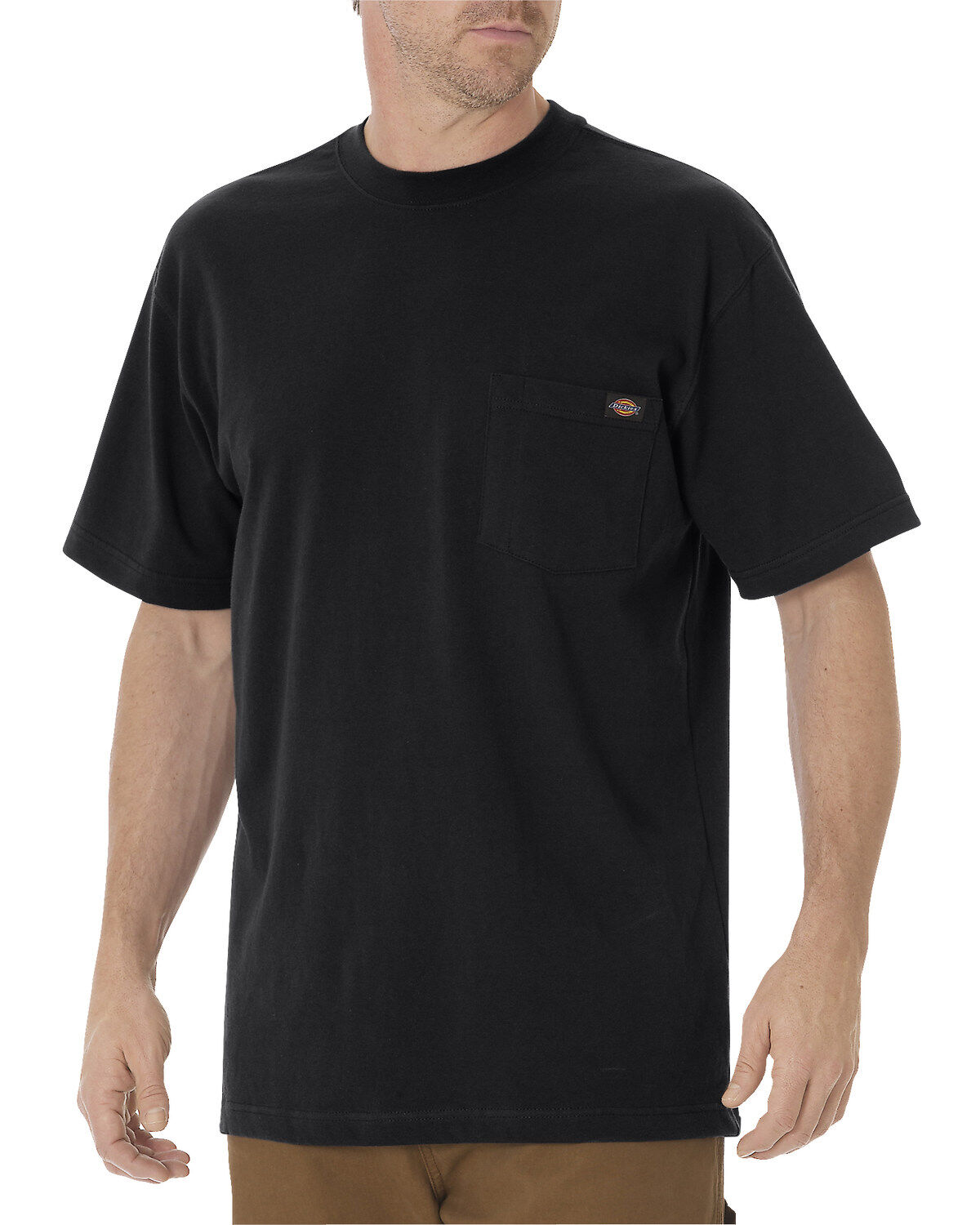
Breathable work shirts balance airflow, moisture management, and the durability needed for repeated wear on the job. Fabric, construction, and fit all affect that balance. A shirt that allows air to move through the material can help perspiration evaporate, while moisture-wicking fabric moves moisture away from the skin so it can spread and dry. These are related features, but they are not the same. A breathable fabric does not automatically wick moisture, and a lightweight shirt is not necessarily more breathable than a heavier one. Weave density, yarn type, and any applied finishes also matter. Cotton has a familiar feel and absorbs moisture, though it can remain damp longer than many performance synthetics. Polyester and other synthetic fabrics often dry faster, with performance depending on their construction and treatment. Cotton blends can combine a comfortable feel with shape retention and easier care. For shoppers who prefer natural fibers against the skin, breathable cotton work shirts are worth considering alongside blended fabrics. Open-knit panels, mesh-lined vents, and vented back yokes can provide additional paths for airflow where those features are included. Their placement matters, especially beneath a safety vest or other required equipment that may cover a vent. Fabric weight deserves attention, too. Lighter materials can reduce bulk, while a more substantial woven fabric may be better suited to regular contact with rough surfaces. Neither weight nor fiber content tells the whole story about durability. Strong seams, secure buttons or snaps, and reinforcement at stress points help a shirt hold up through reaching, lifting, and repeated laundering. The most useful choice depends on the work itself: frequent movement, exposure to abrasive materials, required protective equipment, and how much moisture the wearer needs to manage. Breathability should support the job without sacrificing the coverage or construction that job requires. A fabric that feels comfortable while standing still also needs to perform when the wearer bends over a workbench, carries supplies, or spends hours moving between tasks.

Fit determines how well those fabric features work during a full shift. Breathable work shirts need enough room across the shoulders, chest, and upper back to allow movement without leaving excess material near tools or equipment. Reaching for an overhead shelf should not pull the hem sharply upward, and extending both arms should not strain the back seams. A little stretch or a pleated back can help, but neither replaces the right size. Underarm gussets, where included, add room at a common point of restriction. Sleeve length is another practical consideration. Short sleeves leave the forearms uncovered and reduce fabric around the elbows. Long sleeves provide more coverage, though ordinary shirt fabric is not a substitute for protective clothing when a task requires it. Cuffs should close securely without restricting the wrist, and sleeves should stay clear of moving machinery in accordance with workplace rules. A longer hem can help a shirt remain tucked while bending or climbing, while an untucked style needs enough coverage without hanging into the work area. Pocket placement also affects everyday usefulness. A chest pocket can keep a pencil or small notebook close, but an overloaded pocket can pull the shirt out of position. Closures and pocket flaps should suit the tasks rather than get in the way. For warehouse crews, maintenance workers, contractors, and people handling chores around a property, these details often matter as much as fabric feel. Someone carrying cartons needs reach through the shoulders; someone leaning across a bench needs a shirt that stays in place. Required equipment changes the fit equation as well. Suspenders, harnesses, and protective vests can press seams or pocket contents against the body. Breathability alone does not establish flame resistance, arc protection, or high-visibility compliance. Where those protections are required, the garment must carry the appropriate ratings and meet the employer’s requirements. Comfort features belong alongside those requirements, never in place of them. Checking the size chart and allowing for required layers helps narrow the choice without relying on a size label alone.

Care has a direct effect on how breathable work shirts feel and hold up over time. The care label is the starting point because cotton, blended fabrics, stretch materials, and treated performance fabrics can have different washing and drying requirements. Detergent buildup, embedded soil, and residue from fabric softeners can affect some moisture-management finishes. Following the garment’s instructions helps preserve the features it was made to provide. Shirts used around grease, dust, or other jobsite residue may need prompt attention before soil becomes harder to remove. Stain treatment should match both the fabric and the substance involved; aggressive scrubbing or an unsuitable cleaner can damage fibers or finishes. Protective workwear requires particular care, including any restrictions on bleach, softeners, or other laundry products. Drying instructions matter as much as washing instructions. Excessive dryer heat can contribute to shrinkage or damage stretch fibers, while overdrying can add unnecessary wear. A consistent care routine also makes it easier to notice a loose button, an opening seam, or thinning fabric before it becomes a problem during work. High-wear areas often include the elbows, cuffs, underarms, and places that rub against a belt or equipment. Good durability means more than a heavy fabric; it includes construction that withstands the wearer’s usual tasks and laundering routine. For someone building a regular work rotation, consistent fit and straightforward care can be more useful than extra pockets or features that rarely get used. Breathable work shirts can also make a practical gift for someone starting a trade, maintaining equipment, or taking on regular hands-on projects. Knowing the recipient’s size, preferred sleeve length, and workplace clothing requirements makes the choice more useful. The best match is a shirt that moves comfortably, manages moisture as intended, and stands up to the work it will actually see. Those everyday qualities are what make a work shirt worth reaching for again.

FAQs