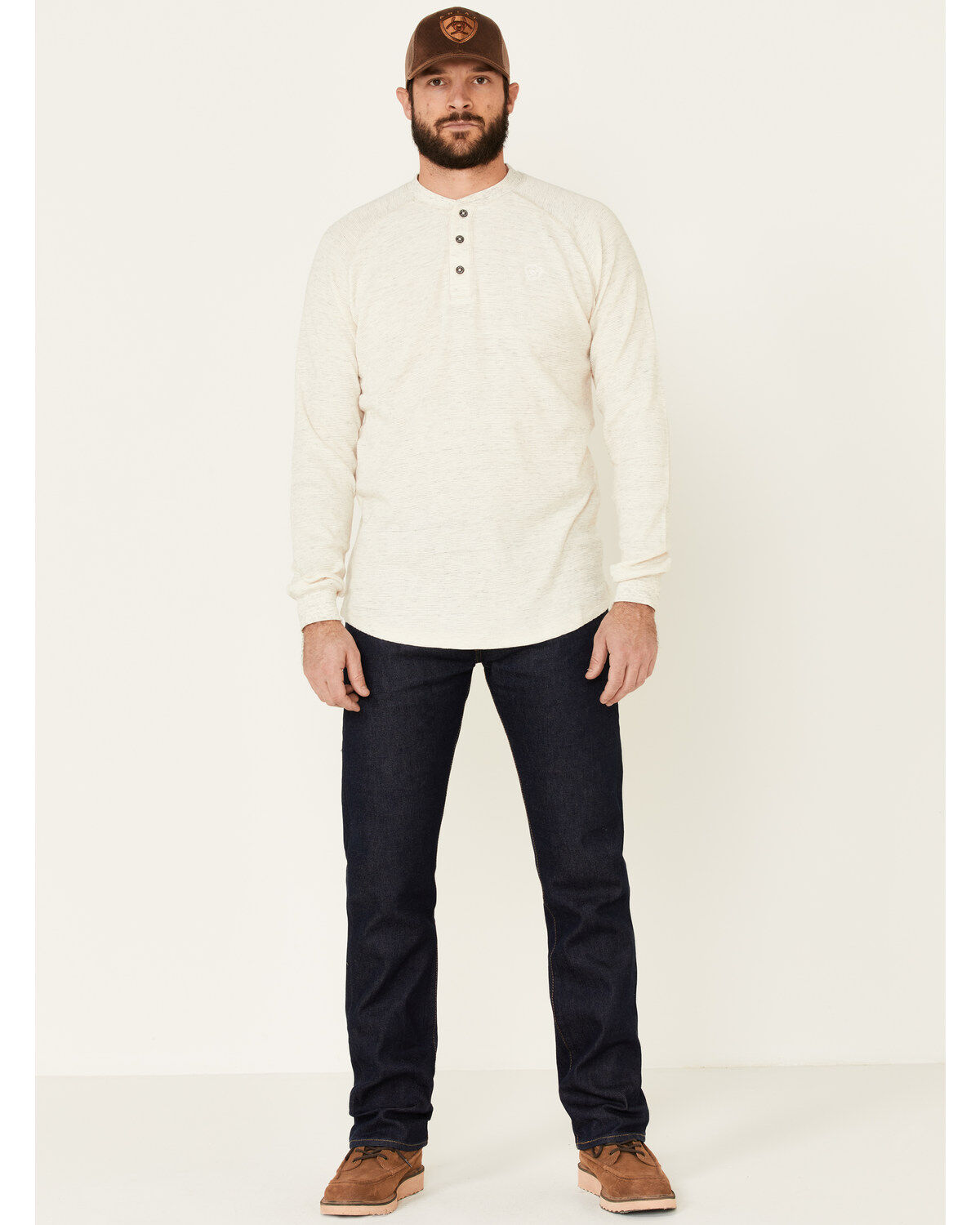
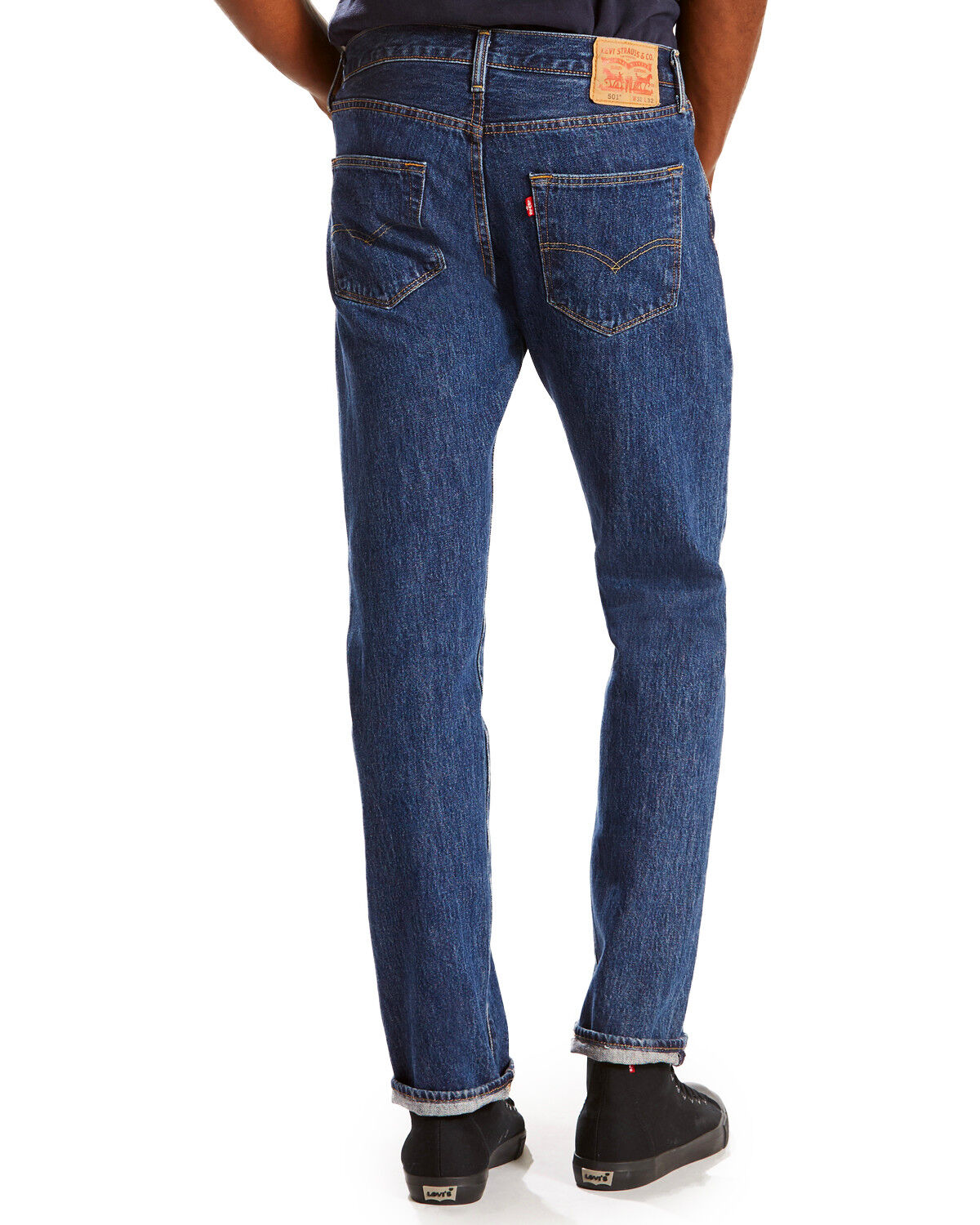
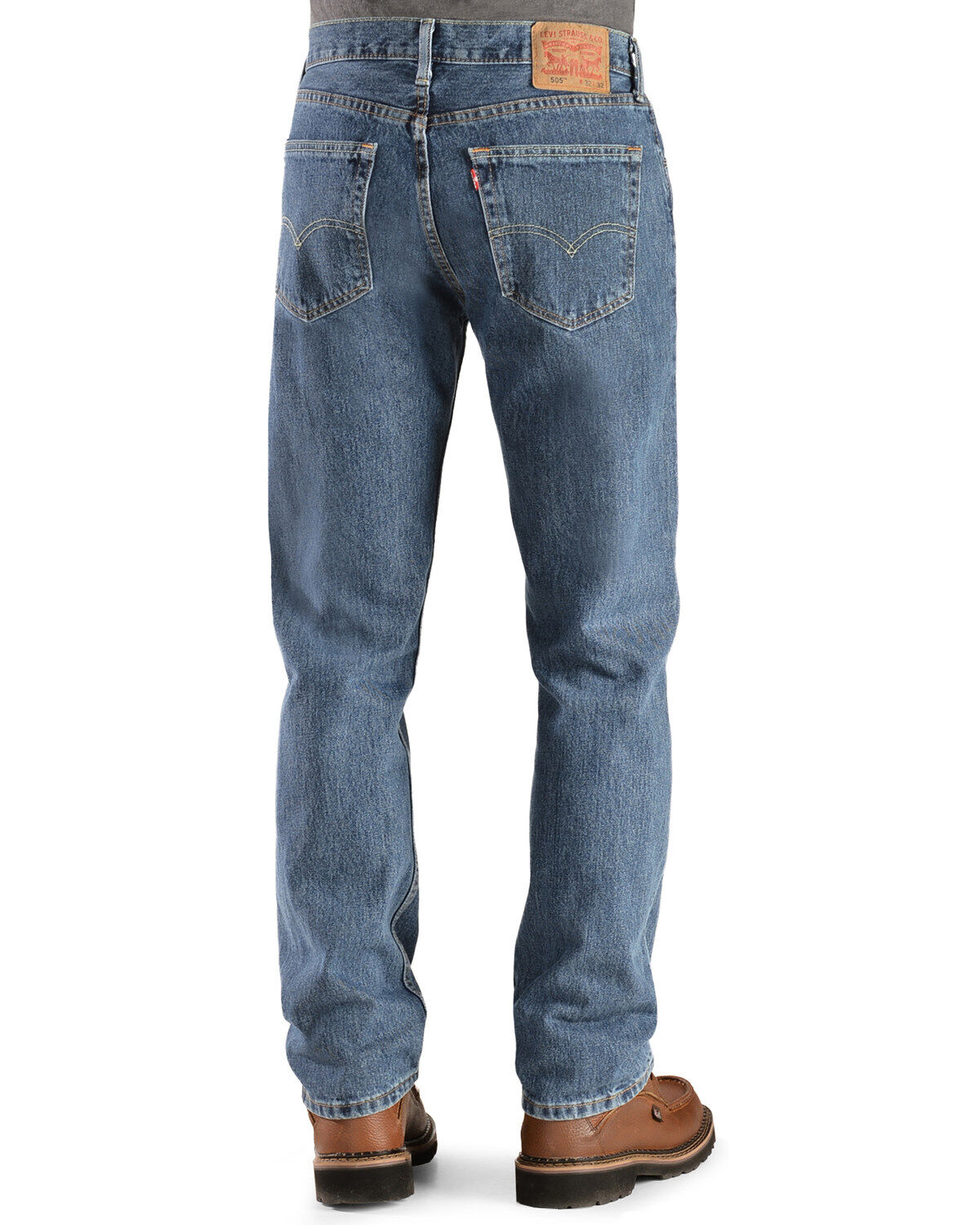
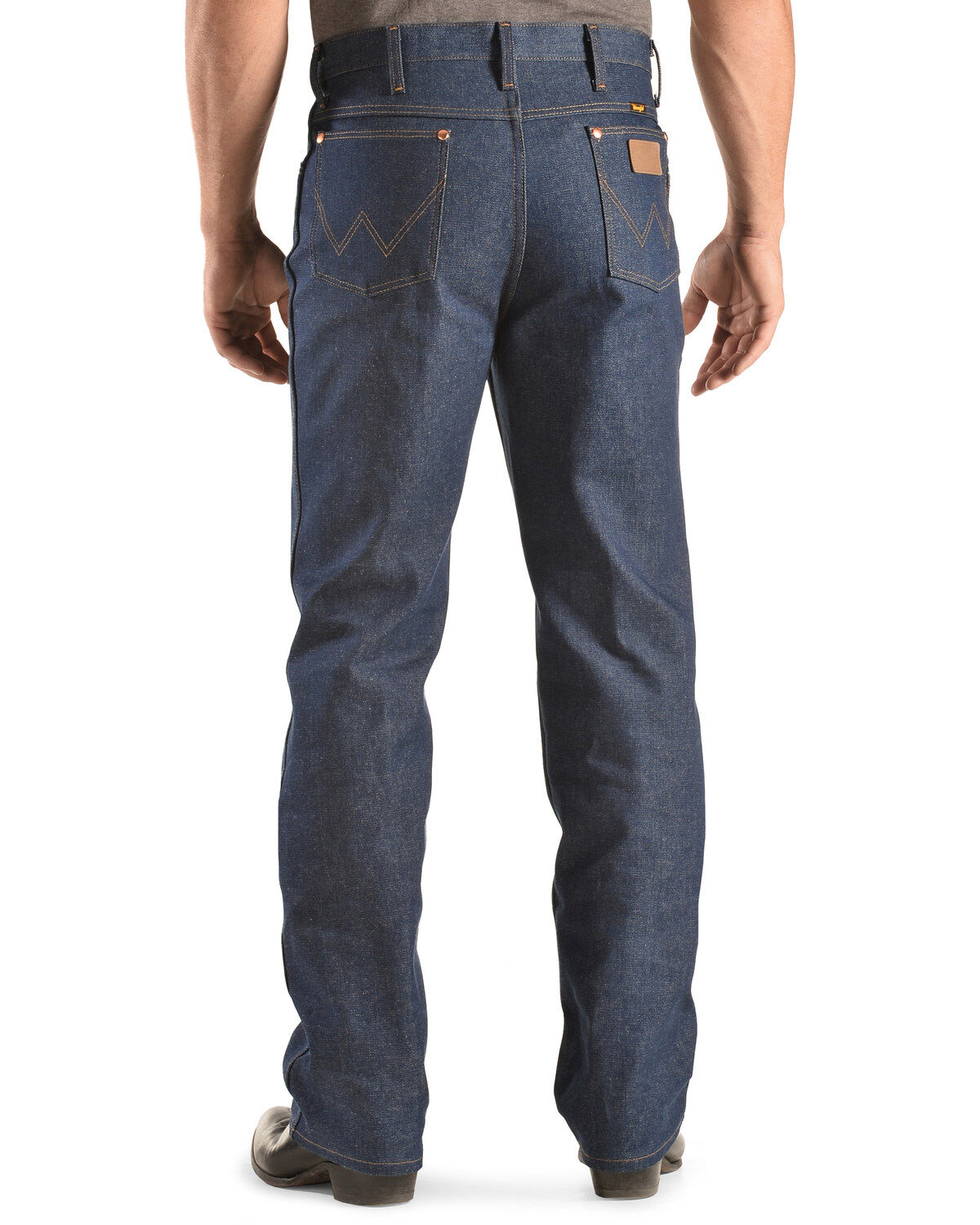
Boot Cut Work Pants

Boot cut work pants have a wider leg opening to fit over work boots. Compare available sizes, fit details, and product features to find a pair that works with your boots and meets your job’s clothing requirements.

Shop Your Store: Shop Your Store: Find a Store

(Turn off Shop Your Store to see all items)

(Turn off Shop Your Store to see all items)

close
  • Recommended
  • Lowest Price
  • Highest Price
Skip pass products

End of products

Boot Cut Work Pants

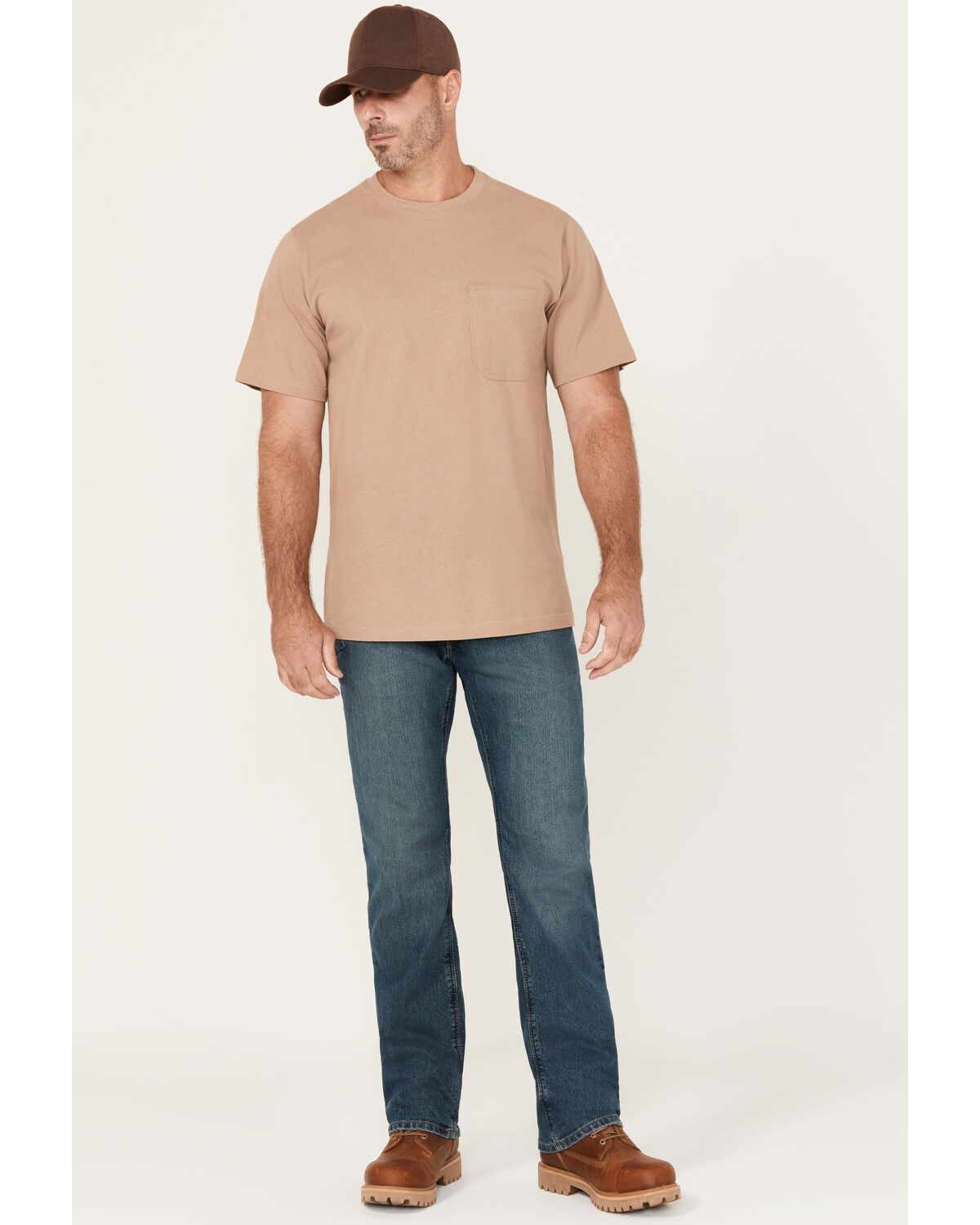
Boot cut work pants combine a workwear fit with a leg opening designed to sit over boots. The cut usually widens slightly below the knee, leaving room around the boot shaft without the pronounced shape of a flared leg. That extra clearance helps the pant leg fall over the boot instead of bunching above it. For carpenters, ranch hands, equipment operators, and others who spend long days in work boots, the shape serves a practical purpose. It also gives workwear a clean line that carries easily from the jobsite to everyday errands. The right fit depends on more than the opening at the hem. Rise, seat, thigh room, and inseam all affect how pants feel while standing, sitting, bending, or climbing. A relaxed seat and thigh can provide space for kneeling beside a toolbox or stepping into a truck, while a closer fit keeps excess fabric to a minimum. Neither fit should pull across the hips or bind behind the knees during ordinary movement. Waistbands need to sit securely without digging in when seated, especially with a work belt in place. Length matters just as much. A hem that falls neatly over a boot can protect the shaft from direct contact with dirt and debris, but excess length can drag under the heel and wear through quickly. Trying work pants with the boots normally worn on the job gives a more useful sense of proportion than checking the fit in socks. A few steps, a seated position, and a careful squat can reveal tight spots that are easy to miss while standing still. Boot cut work pants are not defined by one body type or one trade. Their value comes from the balance between enough room to move and a lower leg that works with the footwear the job requires. For someone who moves between a shop floor, a truck cab, and a workbench, that balance matters throughout the day.

Fabric and construction make a substantial difference in how boot cut work pants handle repeated wear. Cotton denim has a familiar feel and a firm structure that generally softens with use. Twill can offer a smoother surface, while canvas often has a sturdy hand suited to abrasive tasks. Actual performance depends on fabric weight, weave, and construction rather than the material name alone. Heavier fabric may stand up well to rough contact, though it can feel more substantial when bending or sitting. Lighter fabric reduces bulk, but it still needs the construction and strength required for the task. Stretch blends add give through the seat, knees, and thighs, which can help during repeated crouching or climbing. Stretch does not replace a proper fit; pants that are too tight can still restrict movement and put strain on seams. Reinforced knees, strengthened pocket openings, and additional stitching at stress points can support areas that take regular abuse. A gusseted crotch can provide extra freedom of movement without requiring a much looser leg. These features vary by style, so the details matter more than a general workwear label. Pocket layout deserves the same attention. Deep front pockets can keep small essentials within reach, while dedicated utility pockets may help separate a pencil, measuring tool, or phone. A pocket that sits comfortably while standing may press against the thigh when seated in equipment. Hammer loops and extra storage are useful when the task calls for them, but simpler construction can be a better match where protruding tools could catch on surrounding equipment. Boot cut describes the shape of the leg, not a protective rating. Jobs involving flame or electrical arc exposure require clothing that meets the applicable workplace requirements. Ordinary denim or canvas is not a substitute for required protective clothing. Fabric ratings, garment labels, and employer rules take priority over appearance, pocket count, or the amount of stretch.

Daily care helps work pants retain their fit and keeps small problems from turning into larger repairs. The garment label is the starting point for washing, drying, and any special treatment. Cotton-rich fabrics can change in size with laundering, and high dryer heat may affect shrinkage or stretch fibers. Washing according to the stated directions helps limit avoidable wear. Heavy soil should be handled with a method appropriate to the fabric, rather than aggressive scrubbing that can damage the surface. For protective workwear, laundering and repair instructions are especially important because improper treatment can affect performance. A quick inspection after washing can reveal loose stitching, thinning fabric at the knees, or a hem beginning to fray. Pocket corners and belt loops deserve a look, particularly when they carry weight every day. Pants that drag beneath the heel need attention before the fabric wears through or creates a tripping concern. Rotating between pairs also leaves time for proper washing, drying, and inspection instead of returning the same pair to work before it is ready. Beyond upkeep, comfort often comes down to familiar details: a rise that stays in place, pockets that hold essentials without crowding the leg, and enough room over the boots without loose fabric gathering around the ankles. Those details also make work pants a practical gift for someone whose size and preferences are known. Waist measurement alone does not establish the right fit; inseam, preferred rise, and room through the seat and thigh matter too. An existing pair that fits well can provide a useful reference. For everyday wear beyond the job, the Men's Boot Cut Pants collection offers another place to consider this boot-friendly shape. For work, the strongest choice remains the pair whose fabric, fit, construction, and required protective features match the demands of the day.

FAQs