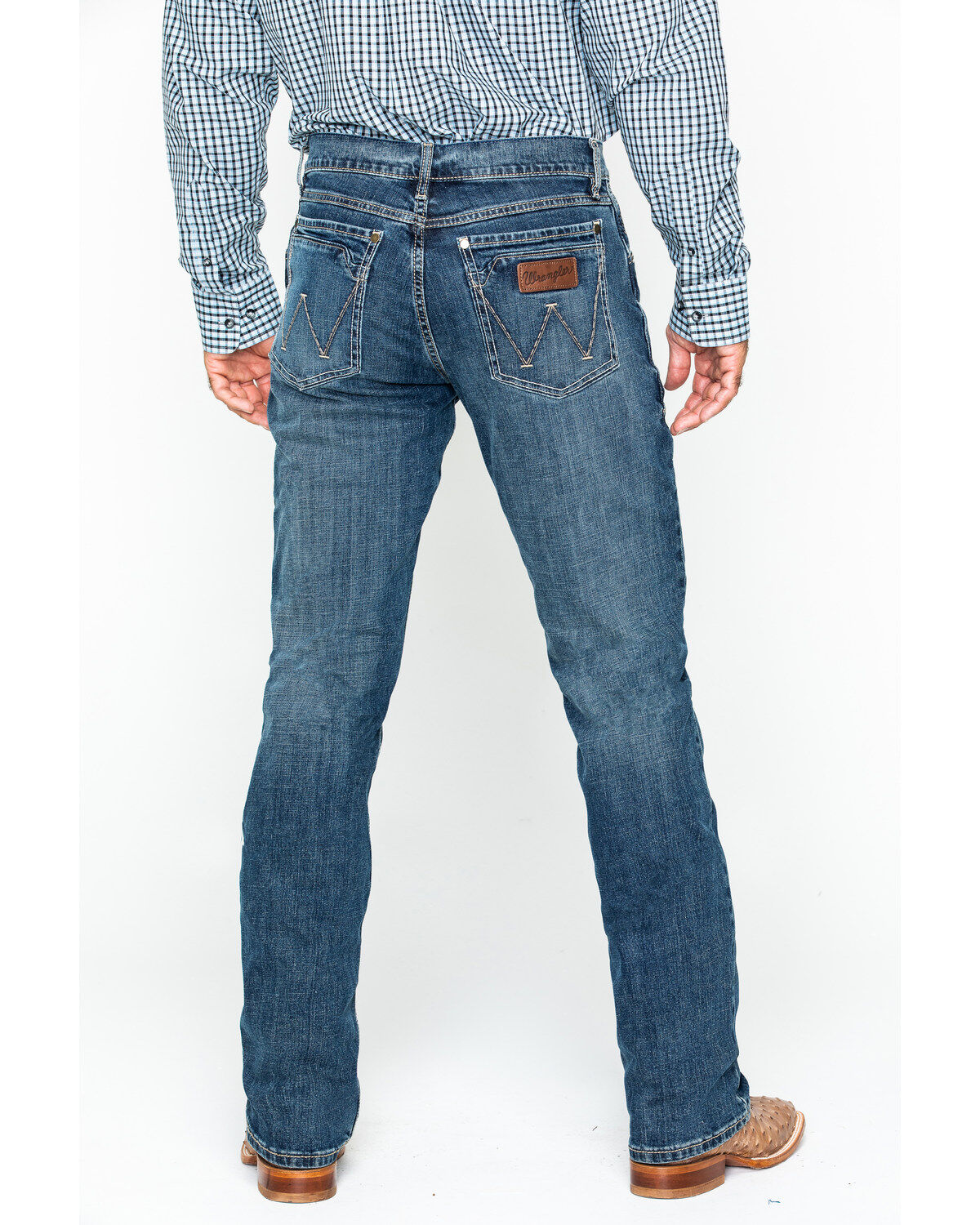
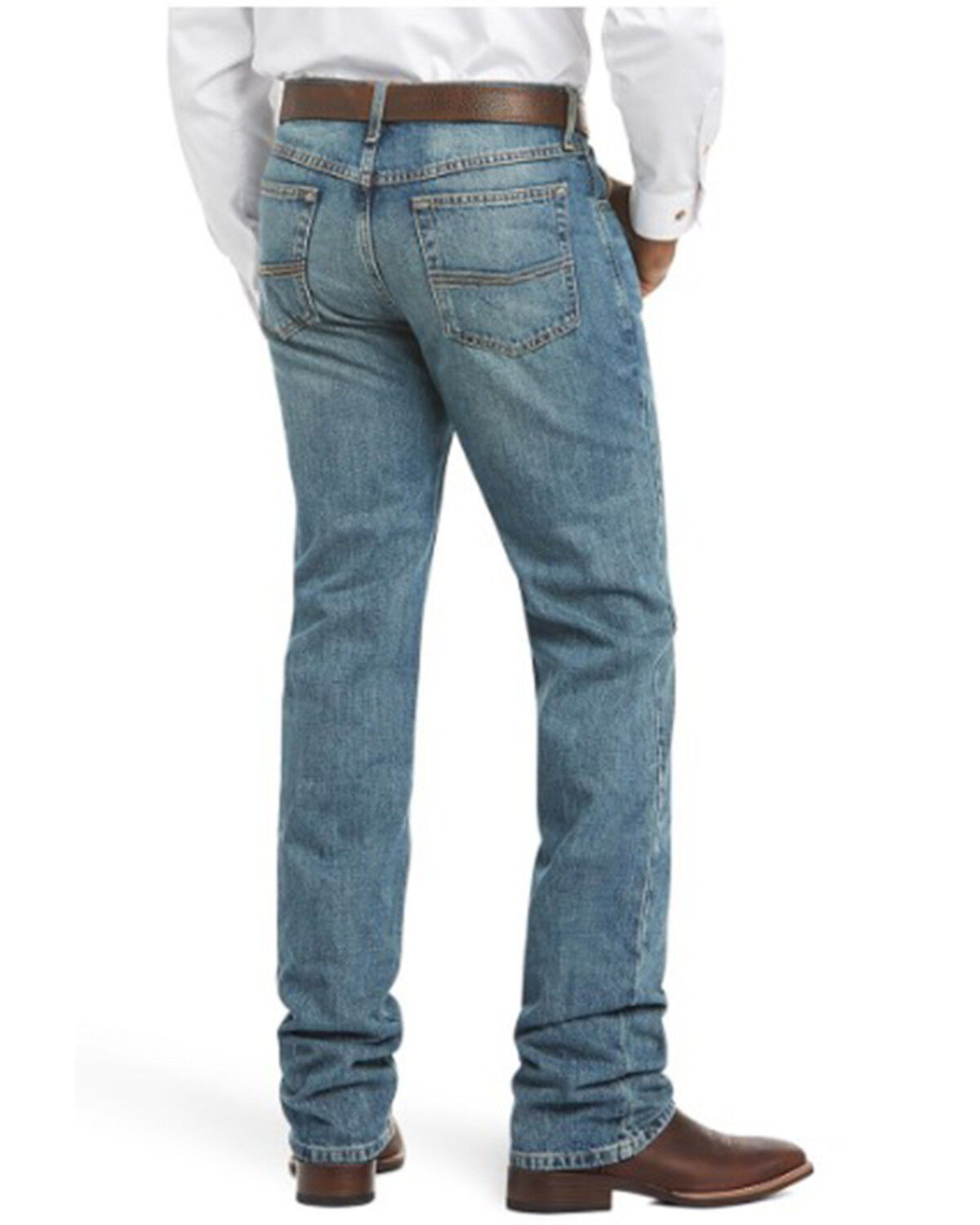
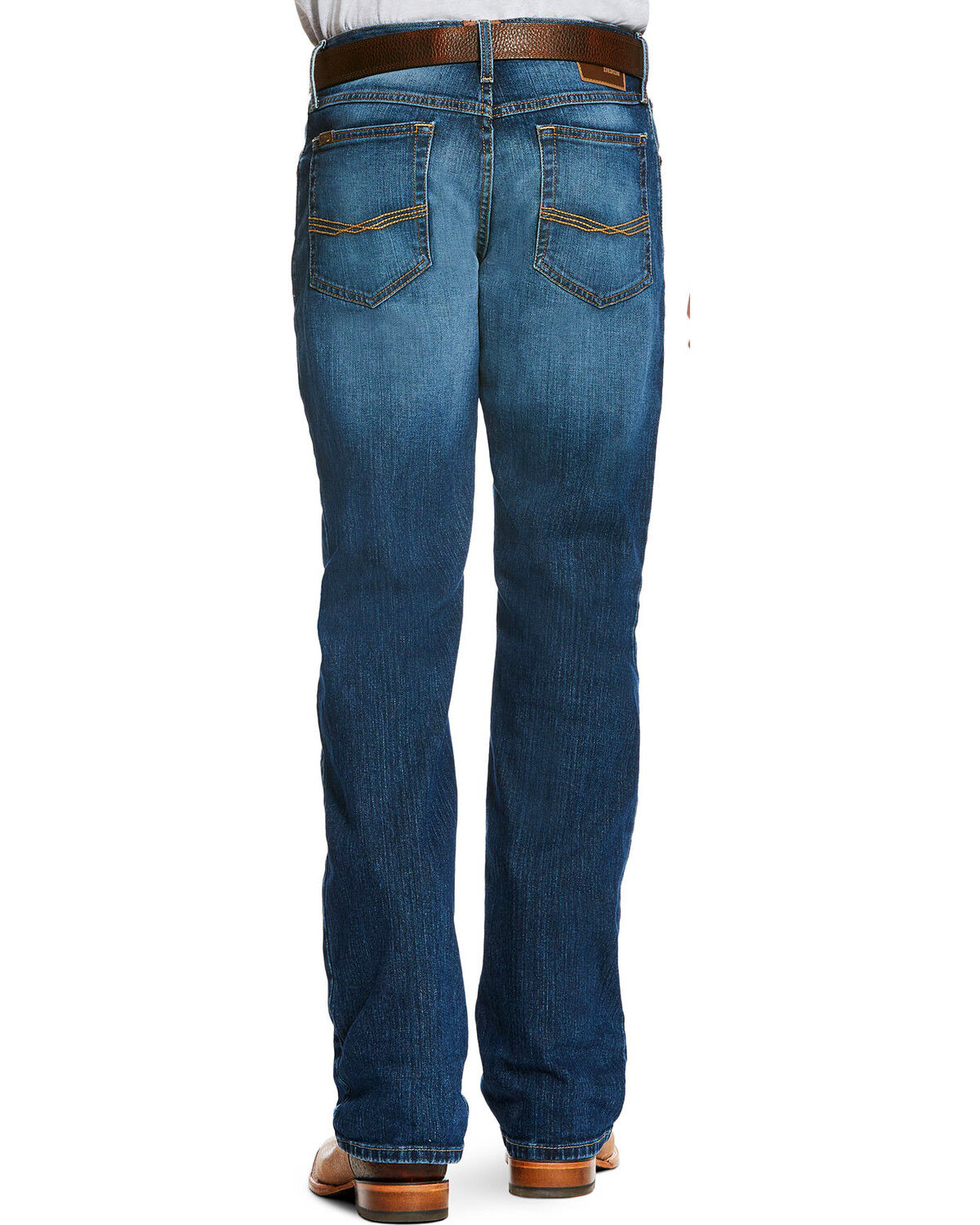
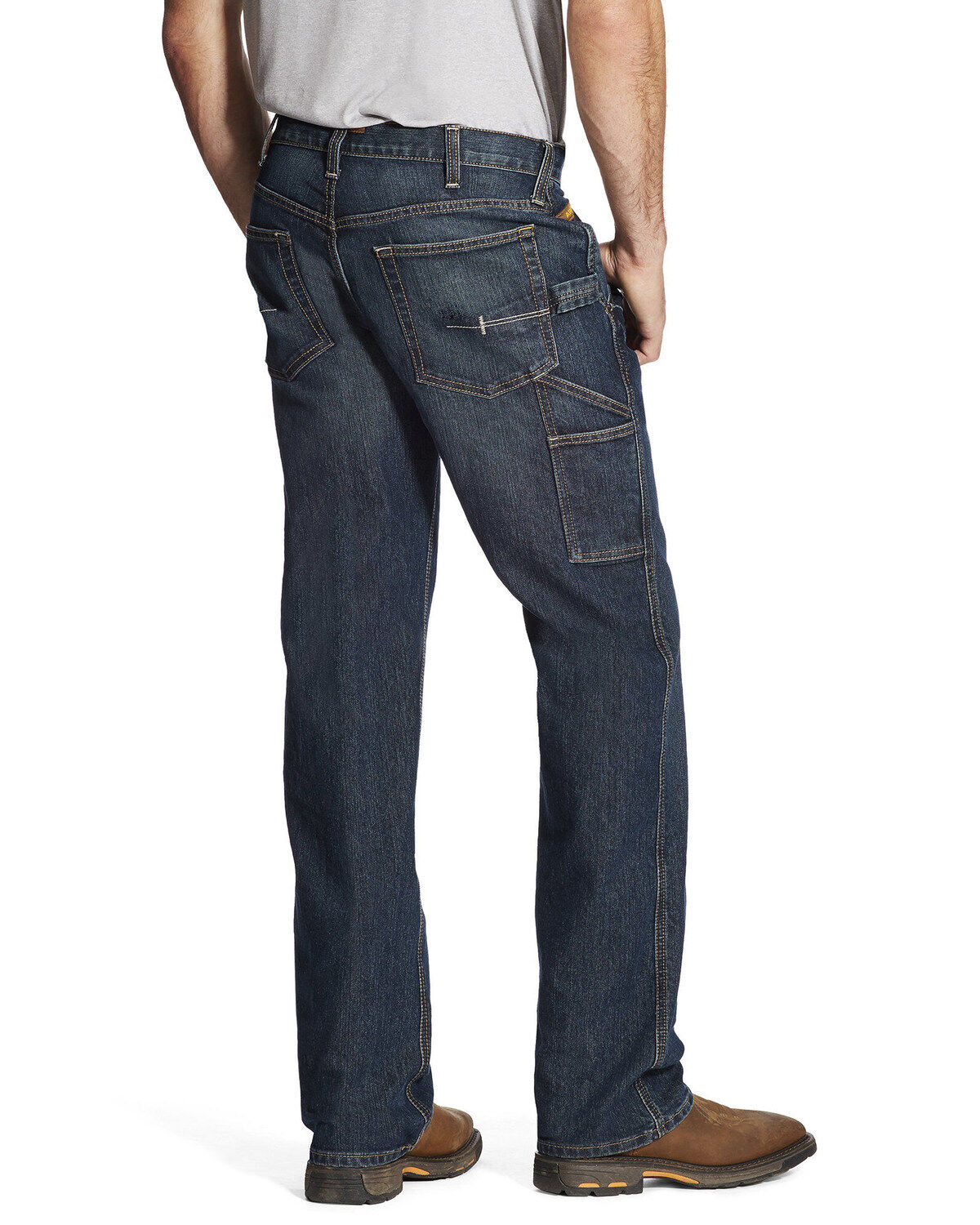
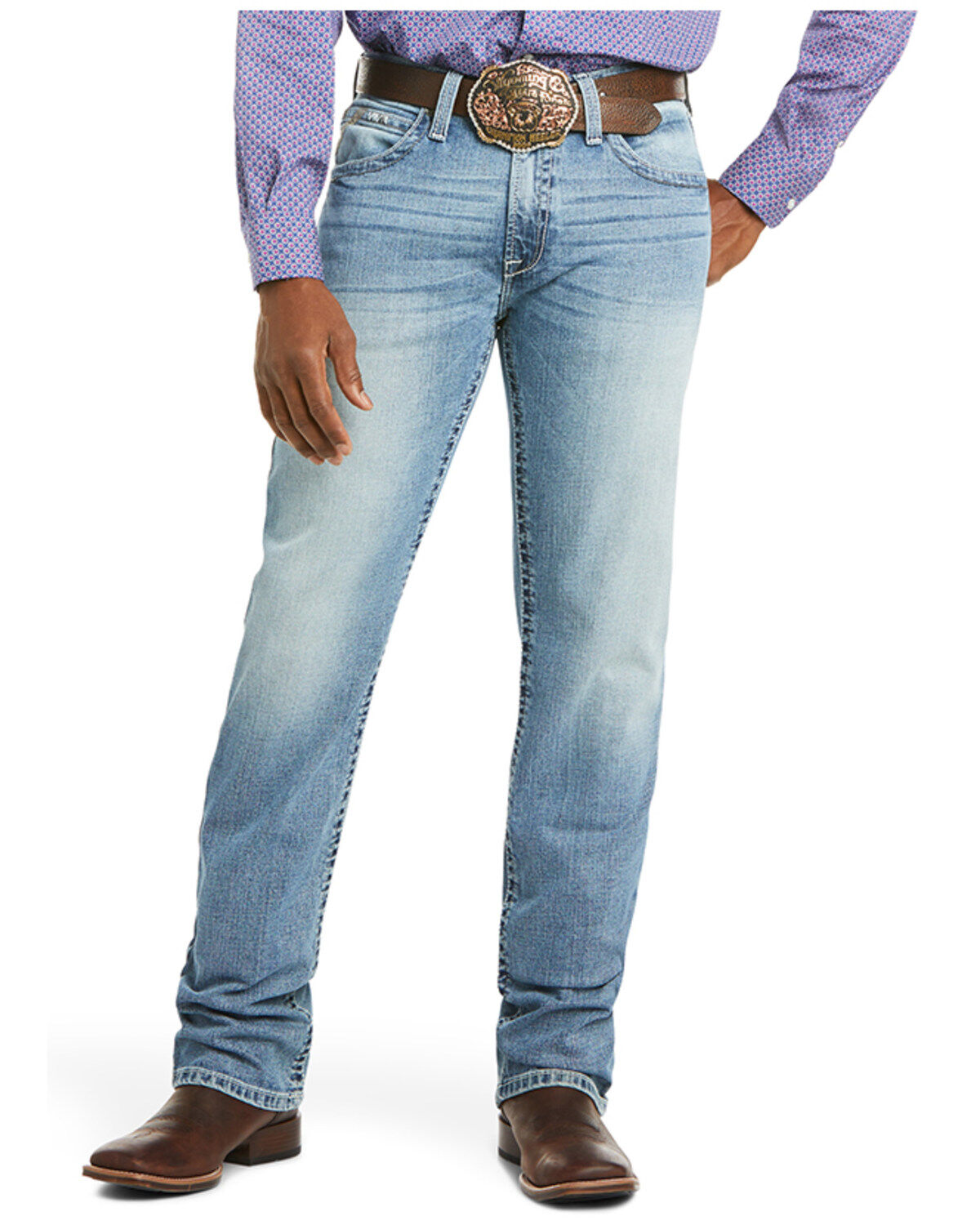
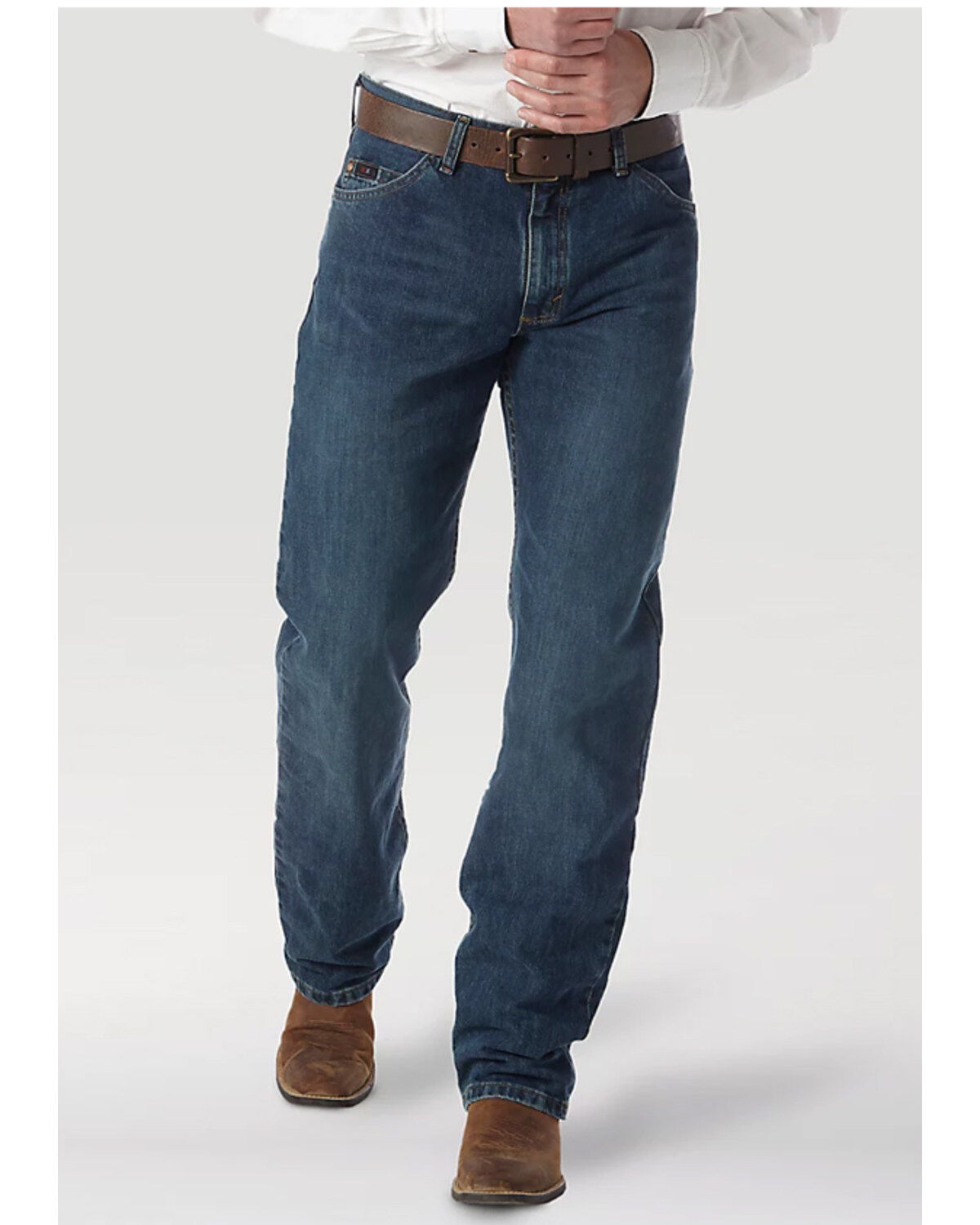
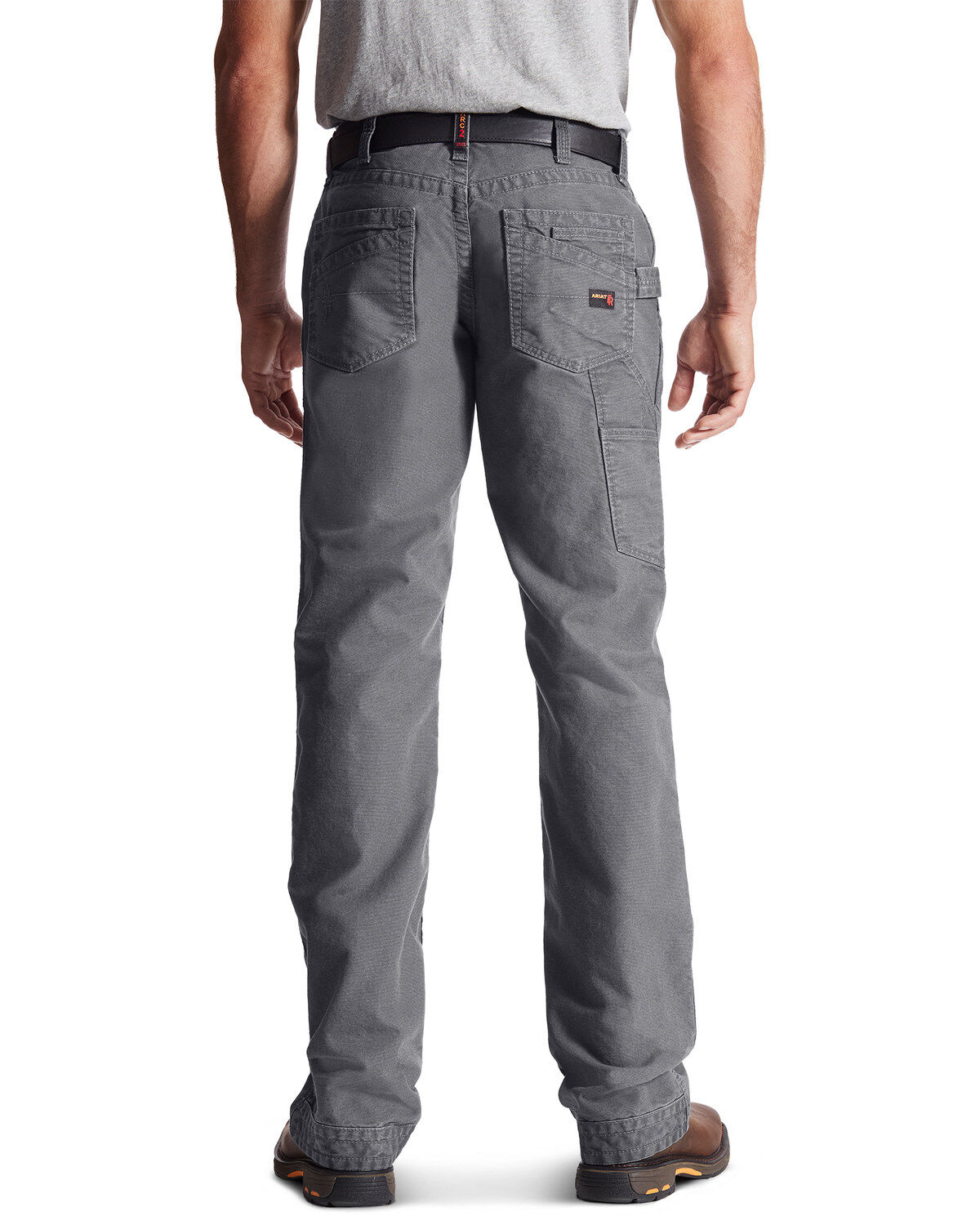
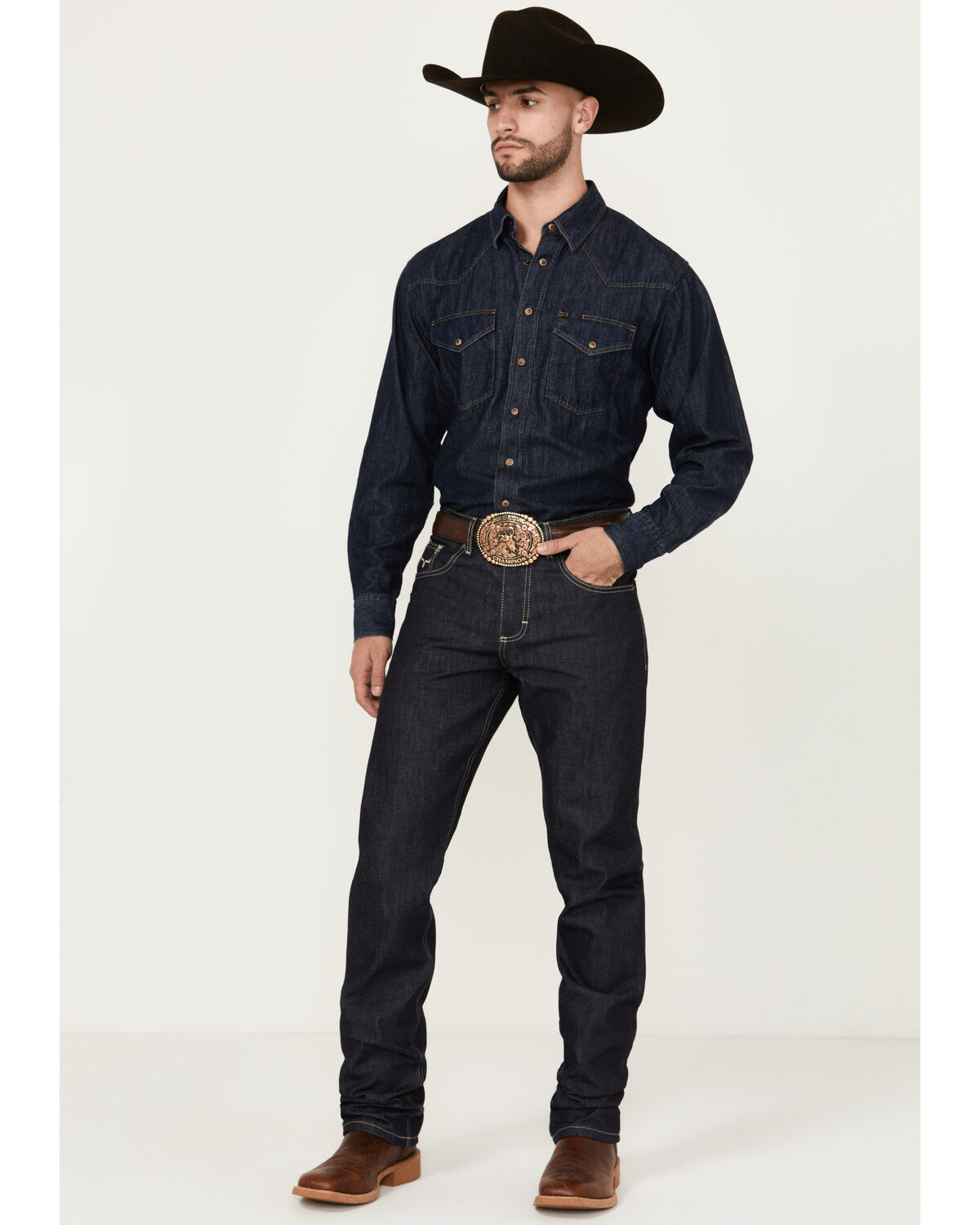
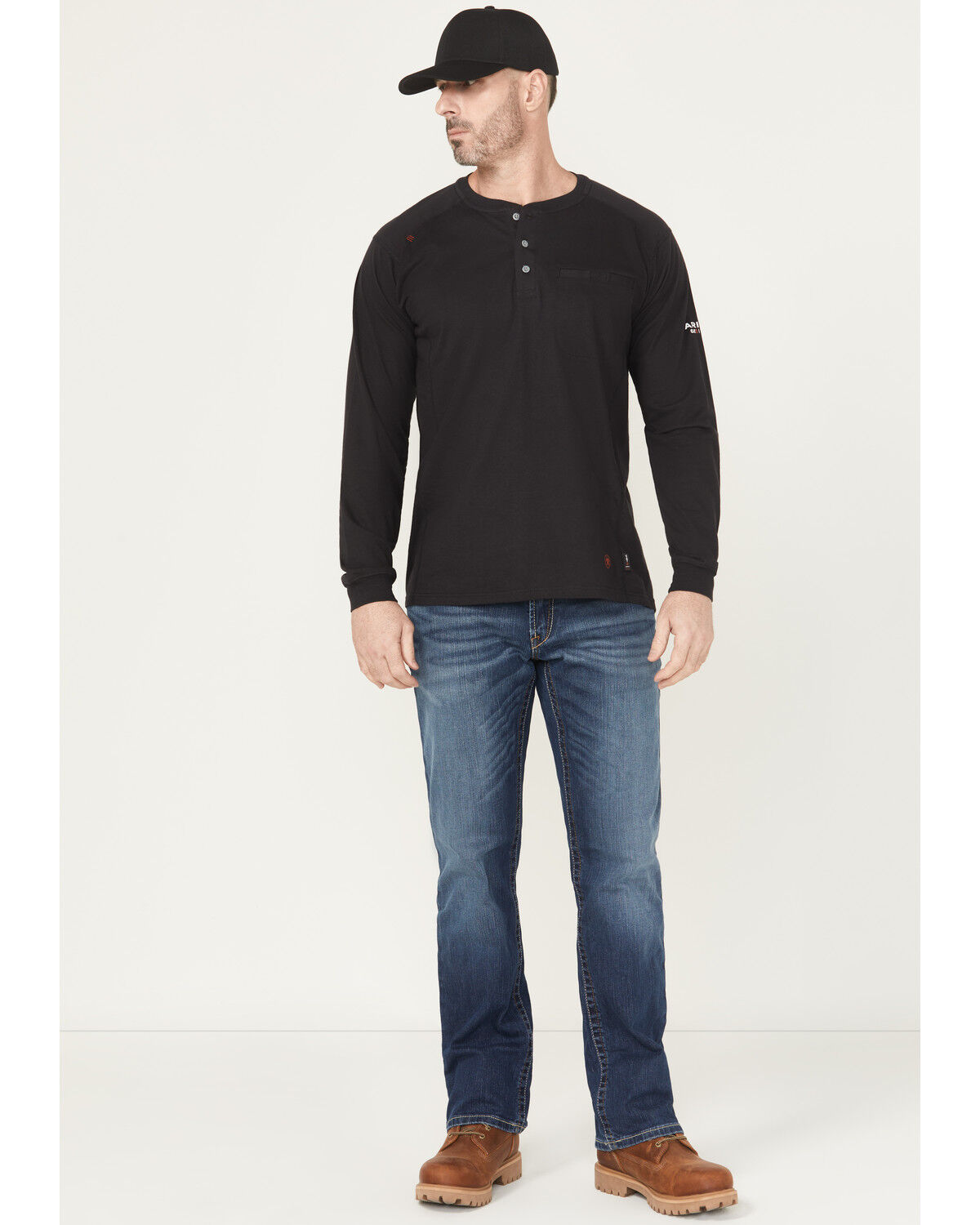
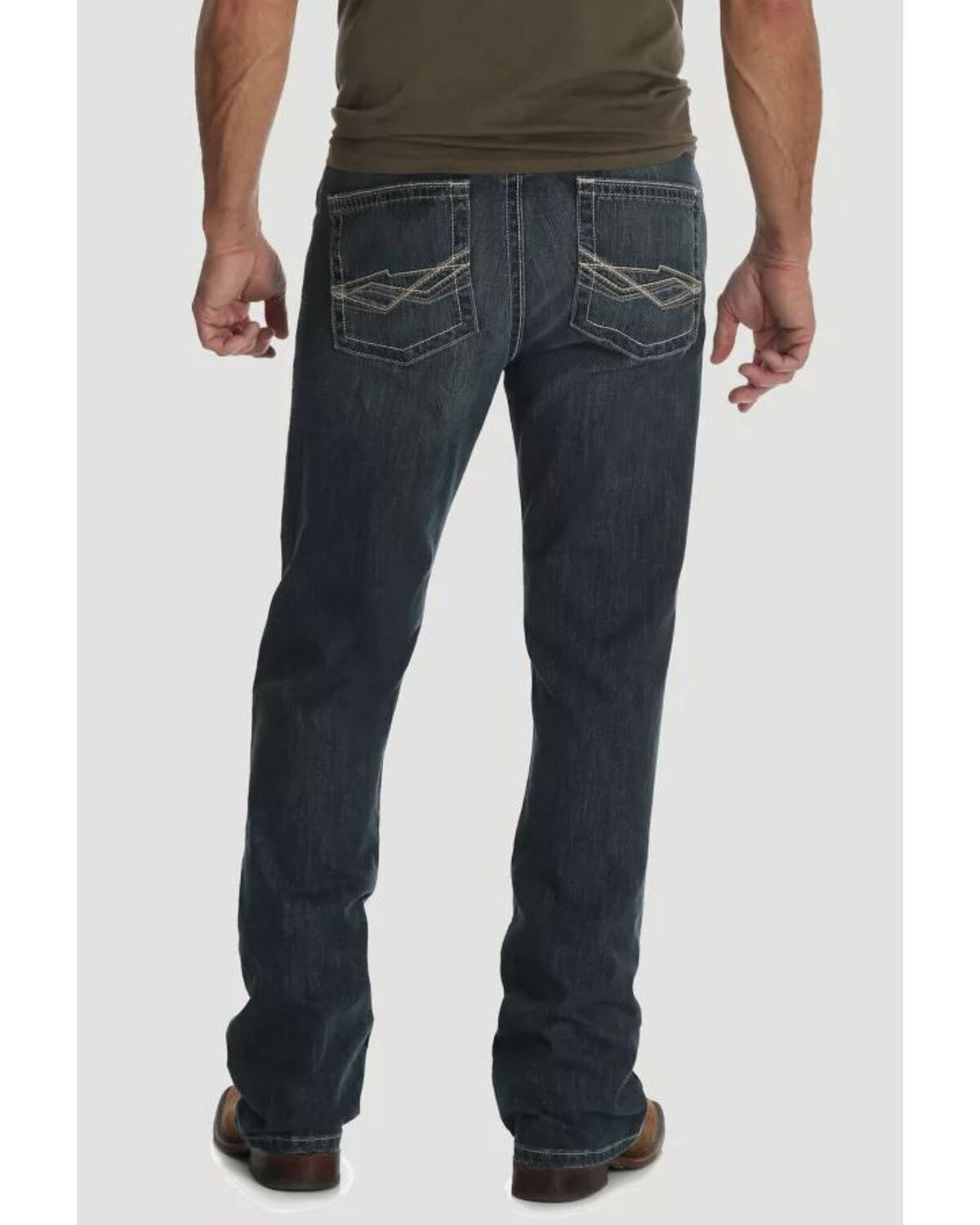
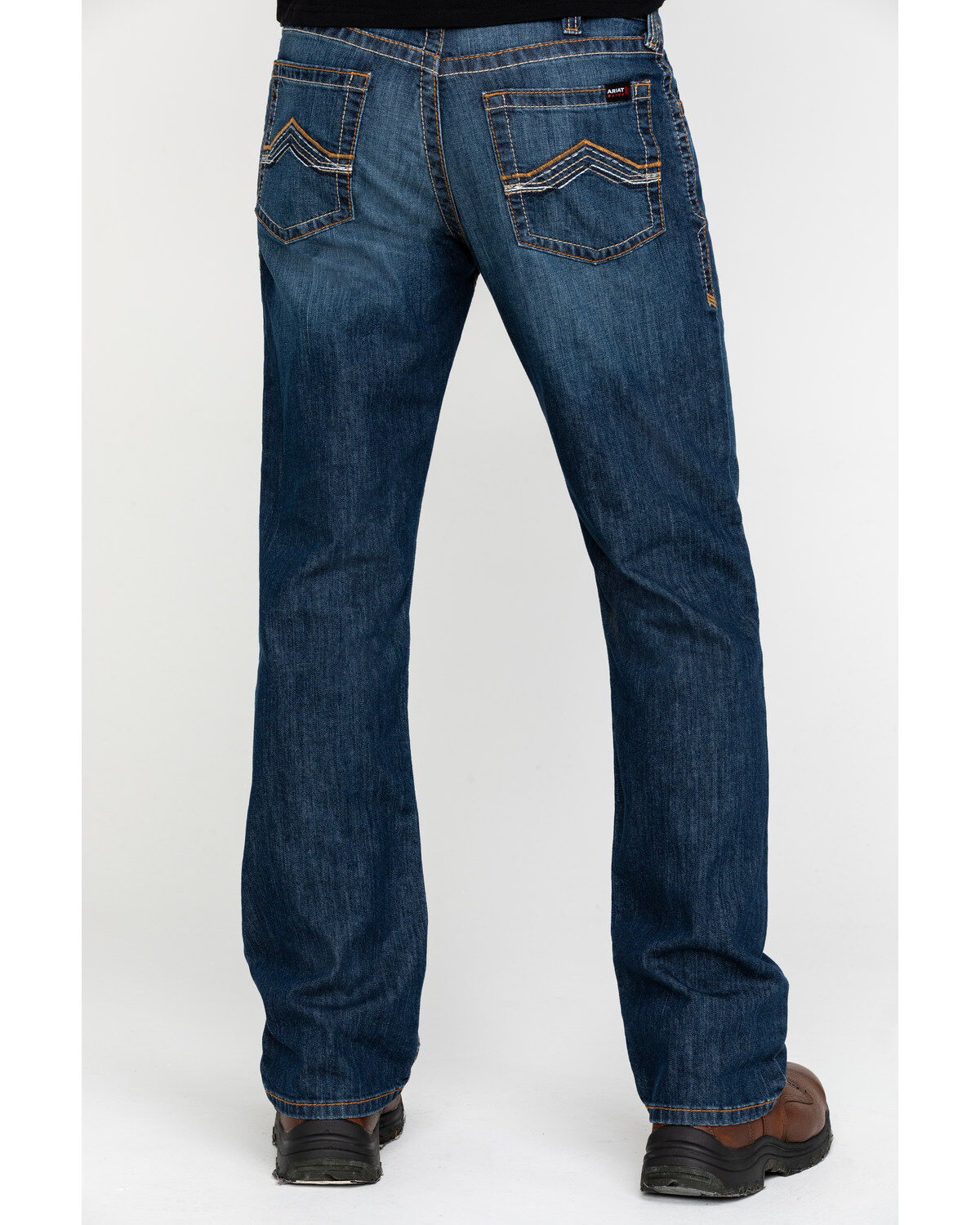
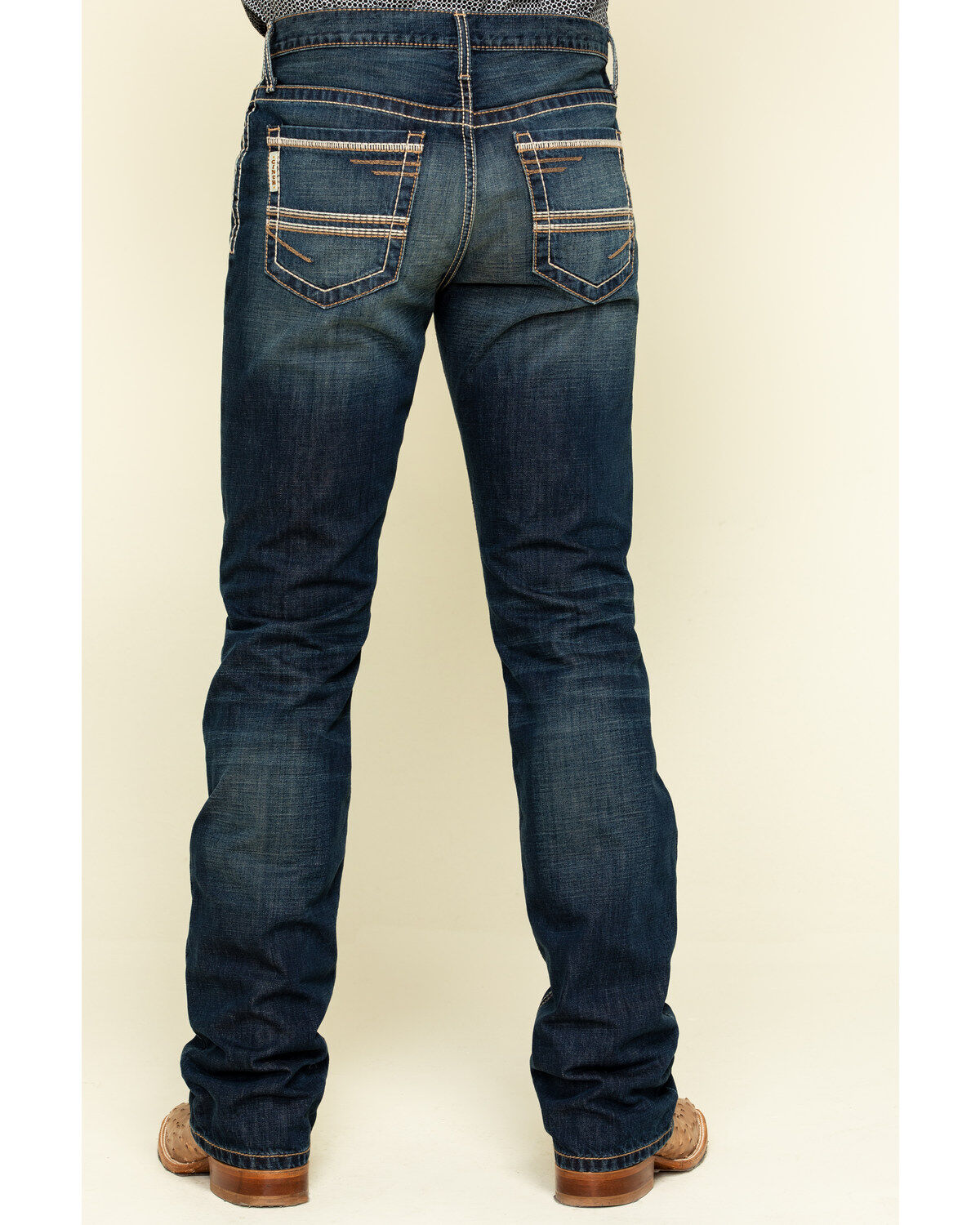
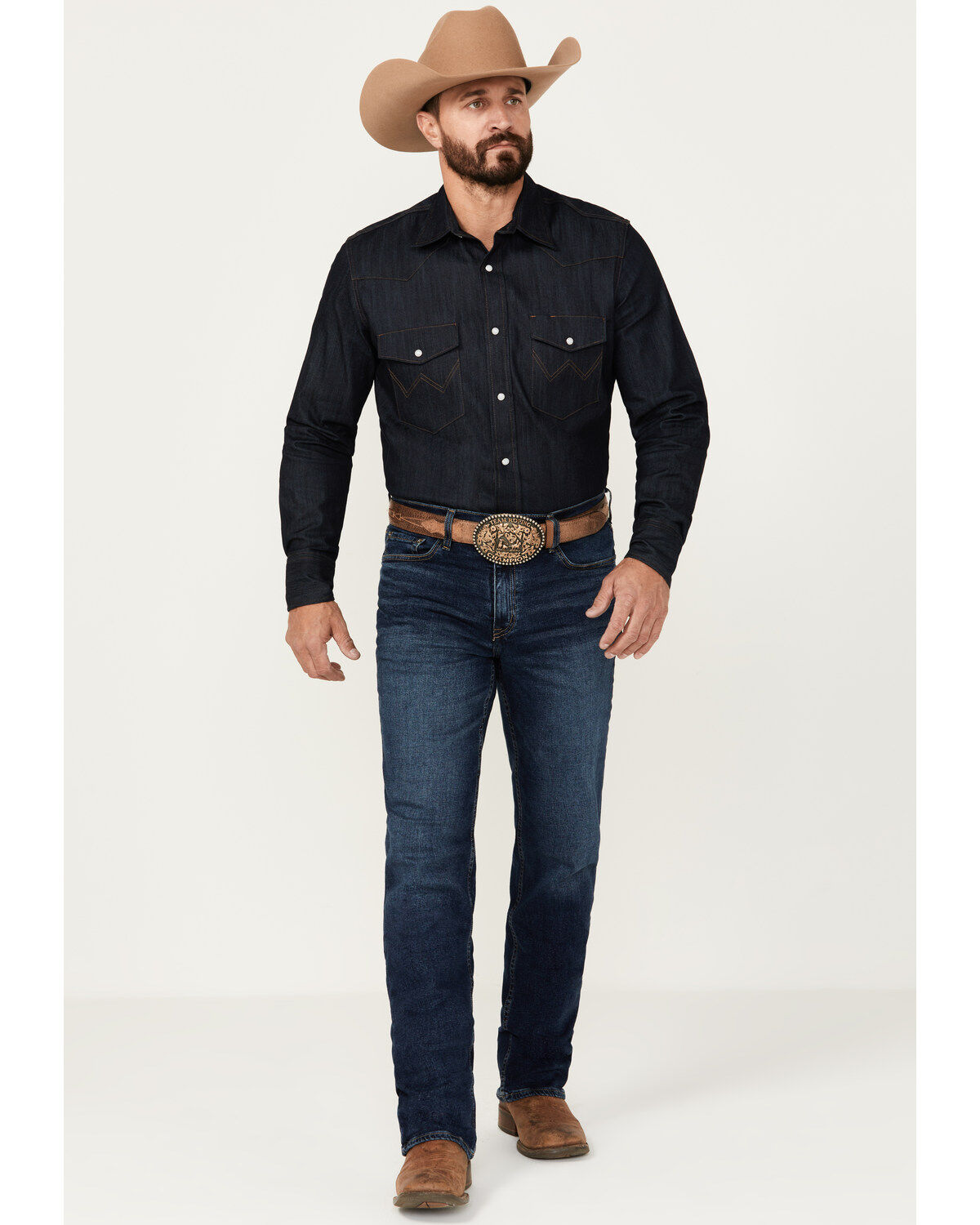
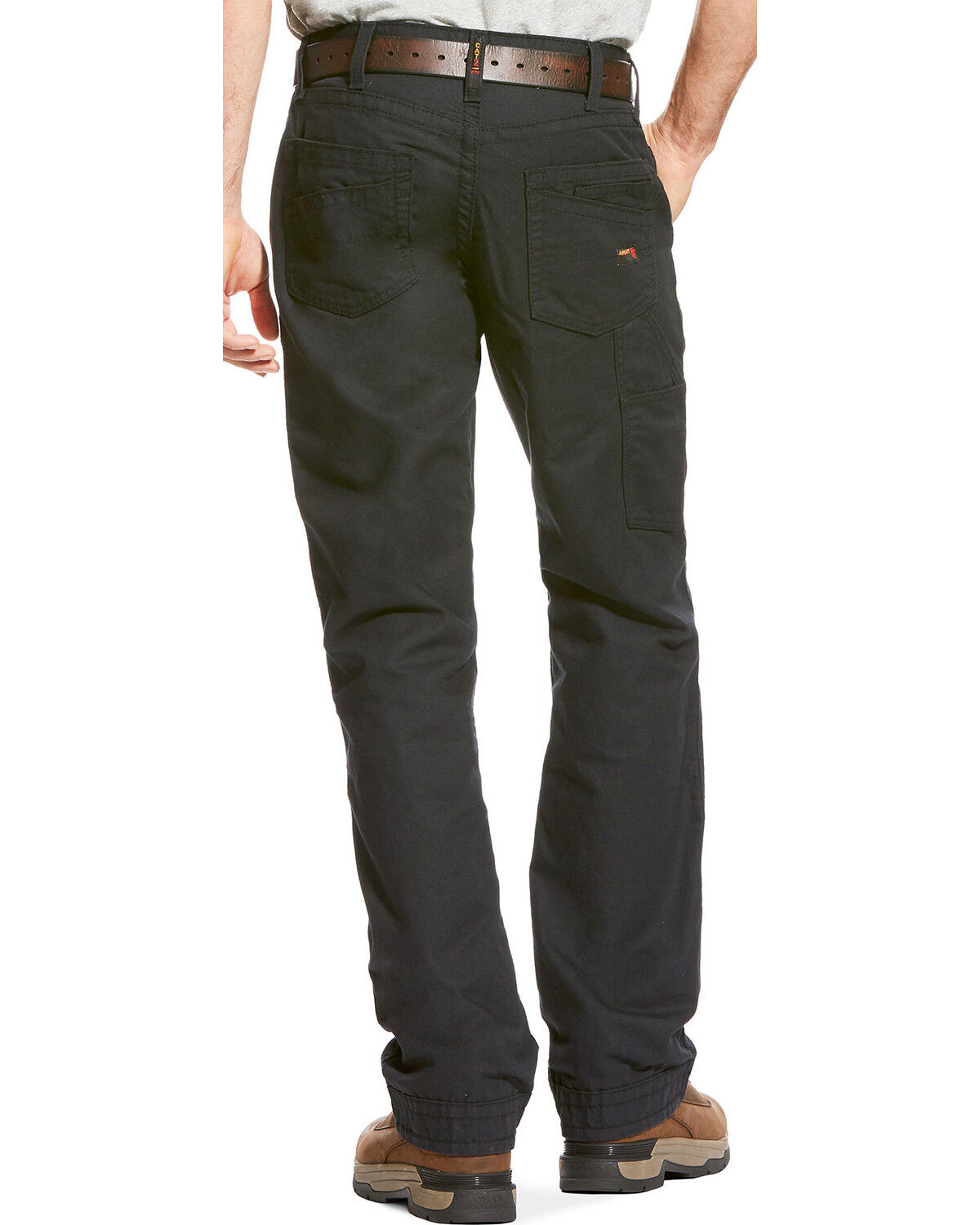
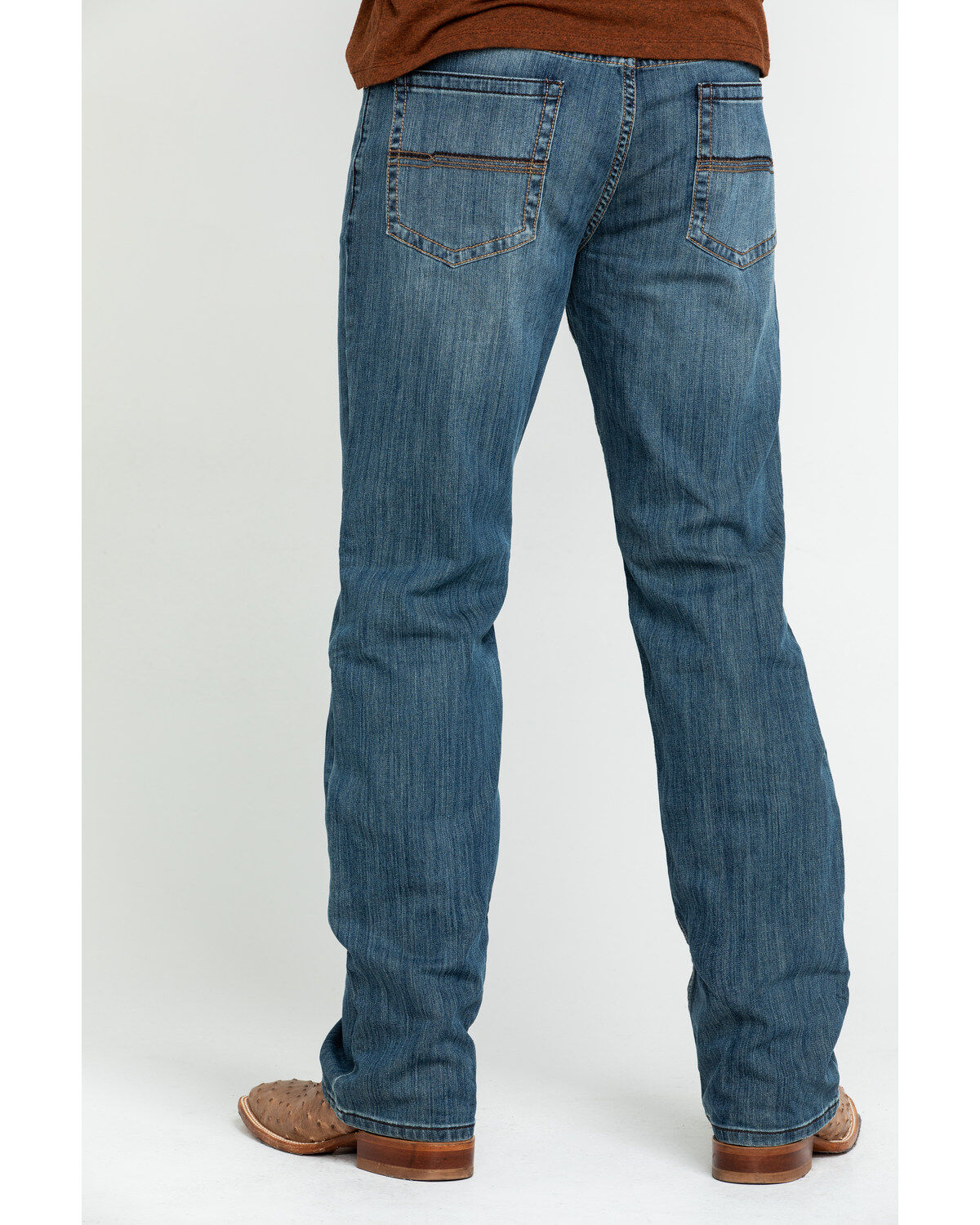
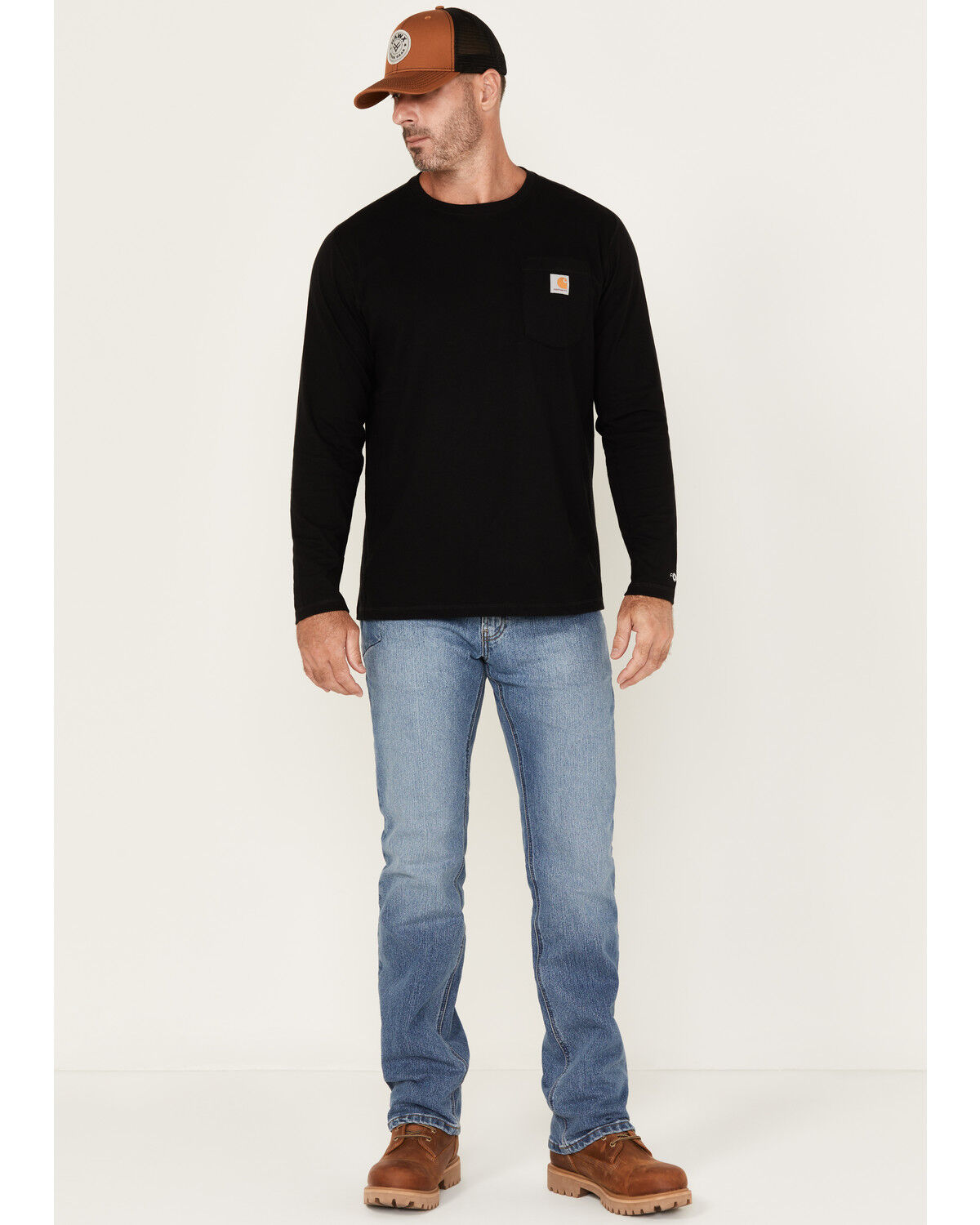
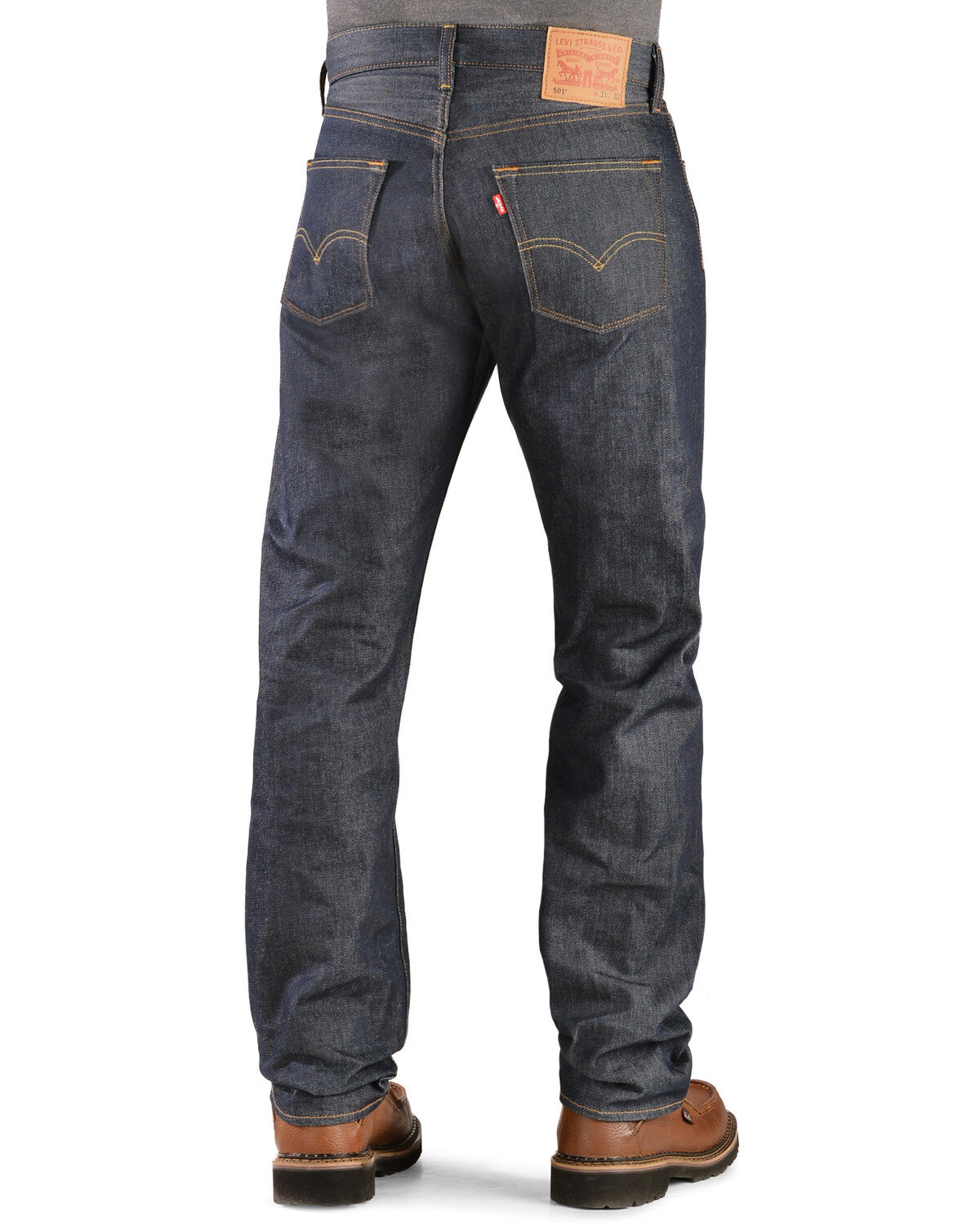
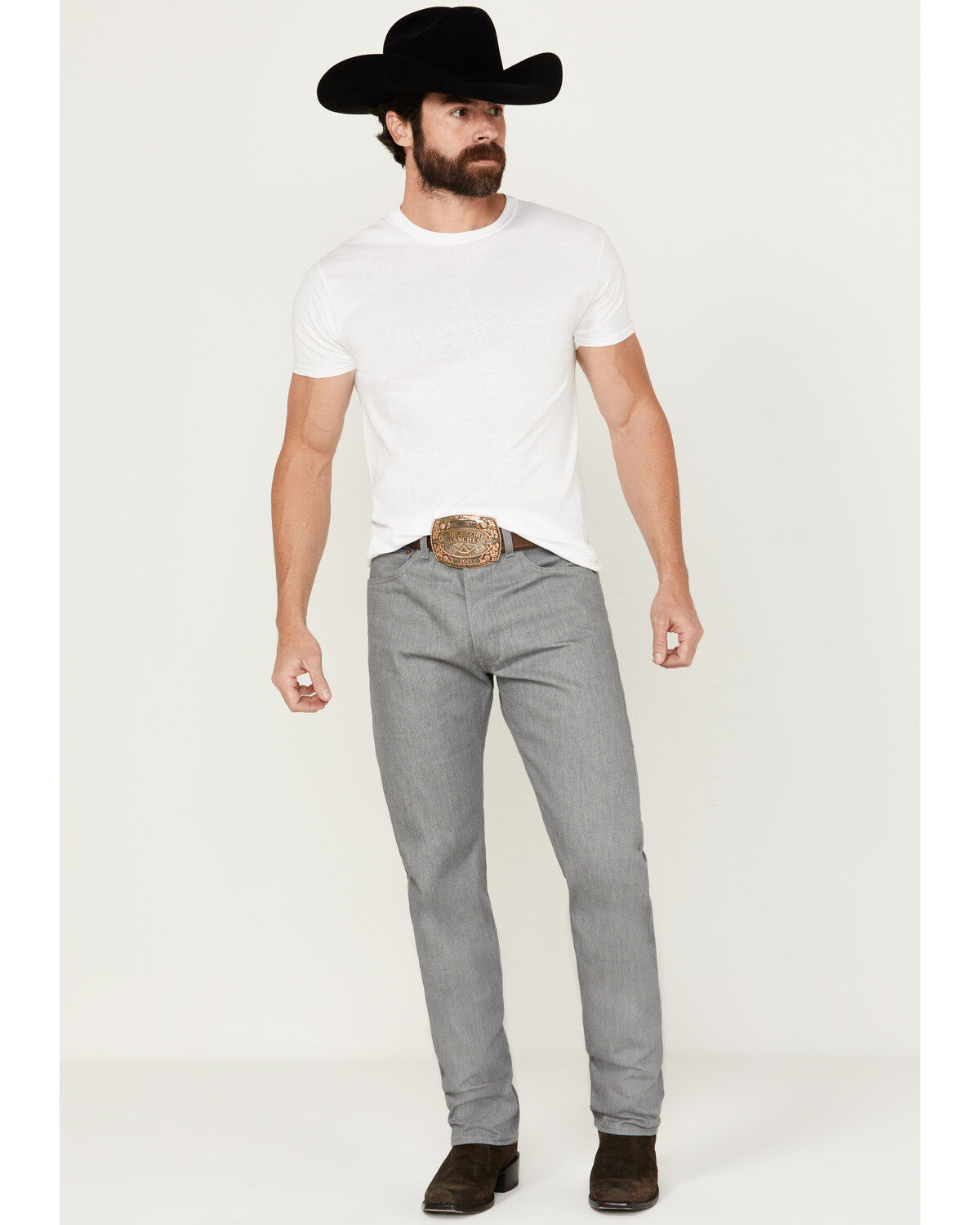
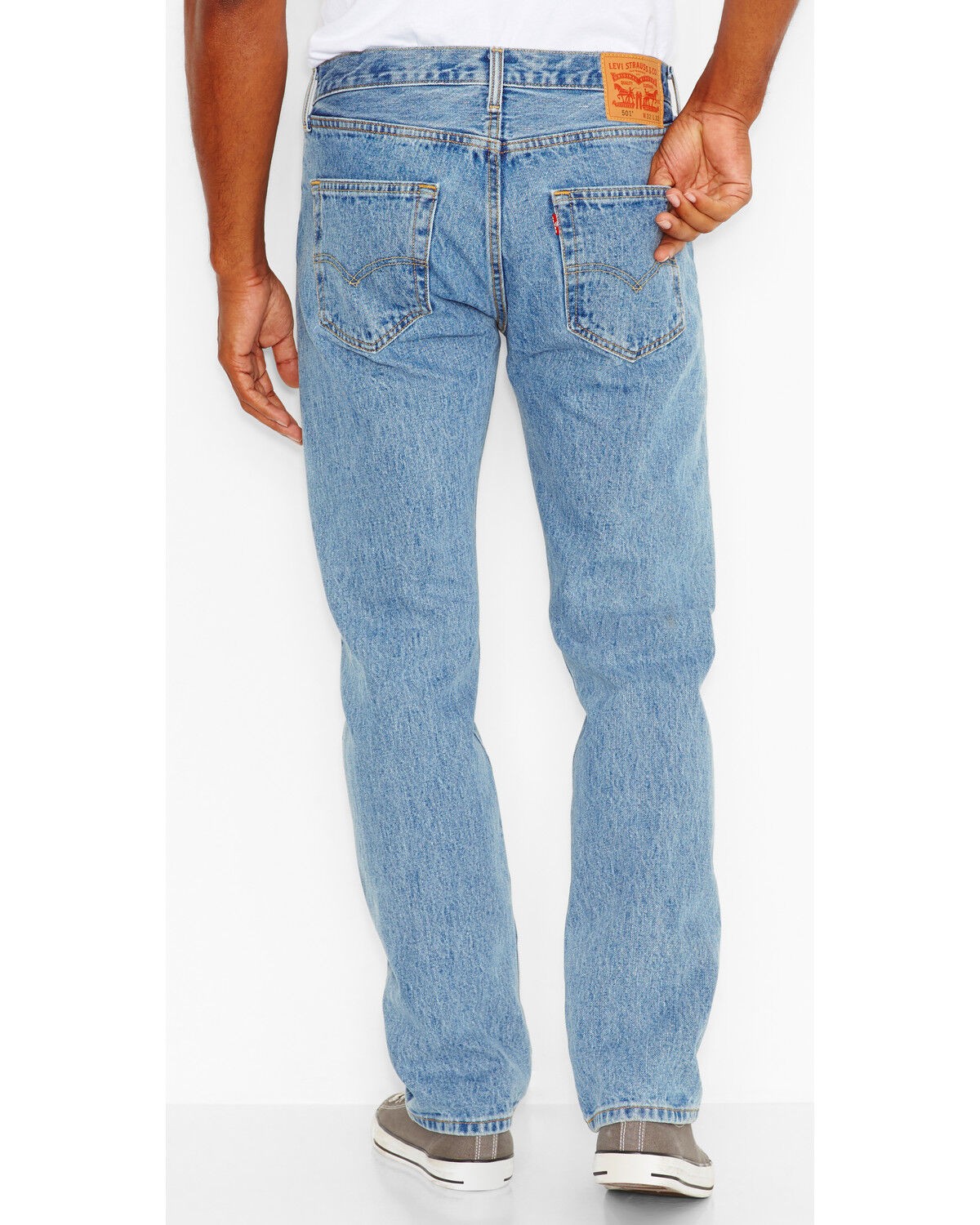
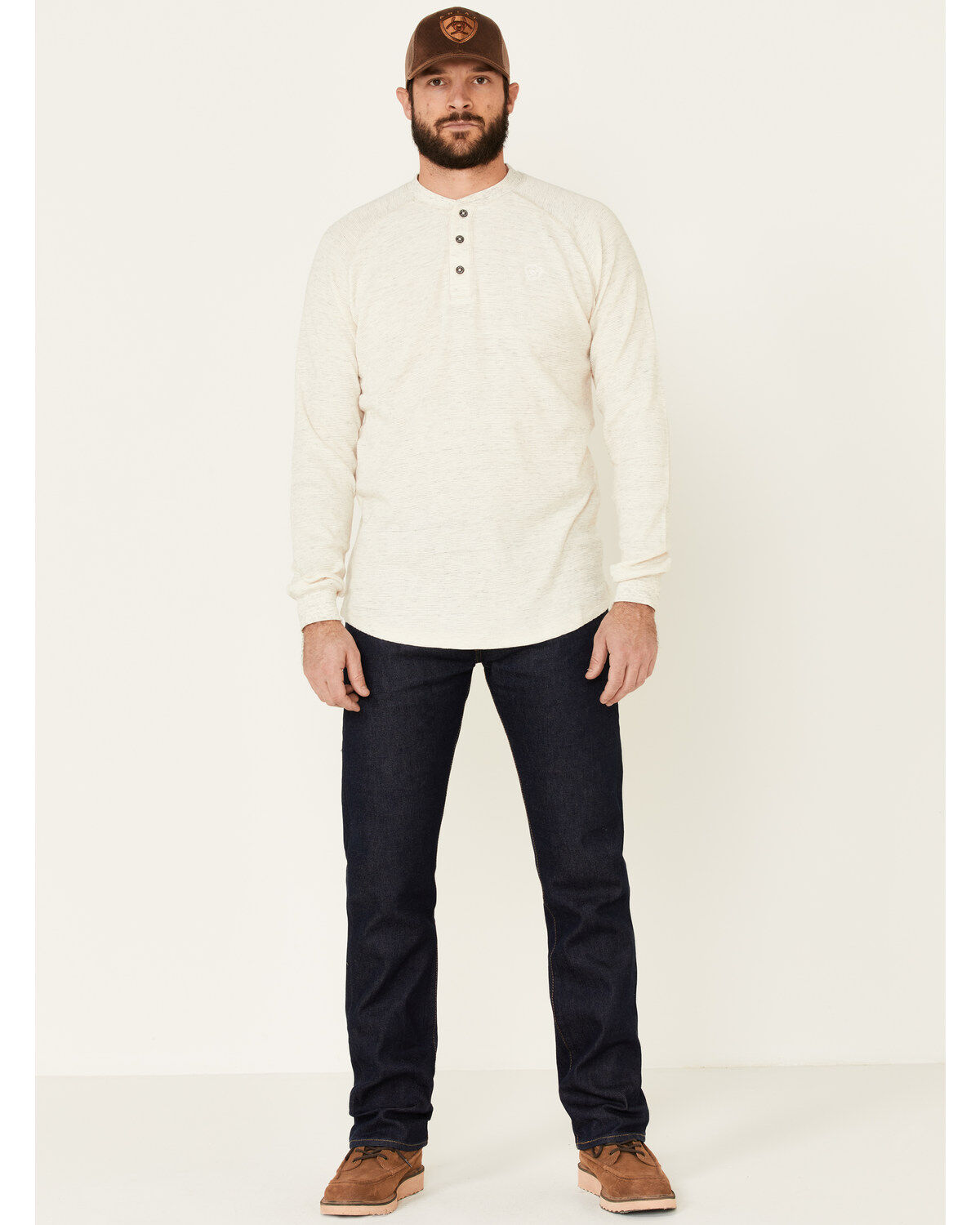
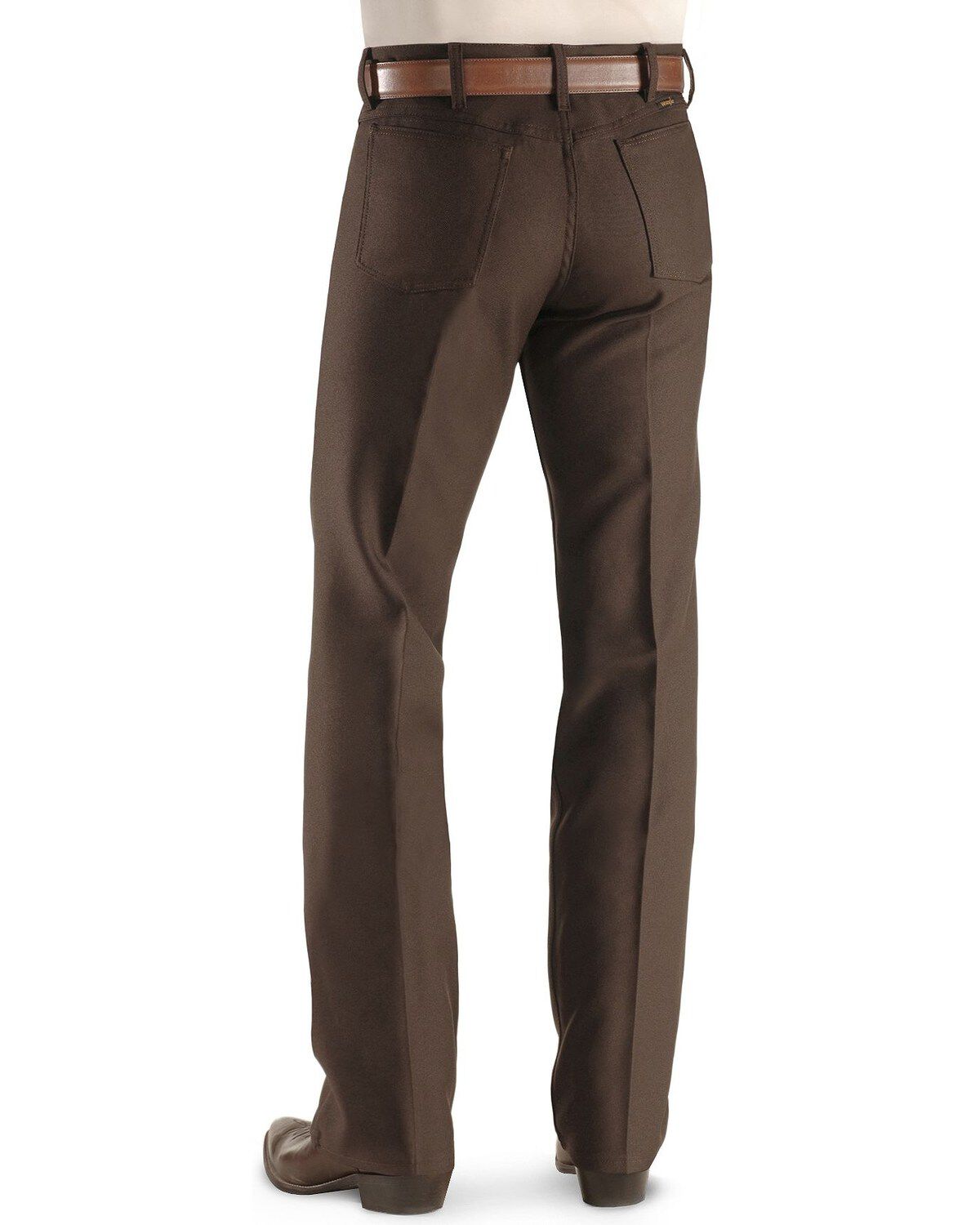
Men's Boot Cut Pants

Find men's boot cut pants with room at the leg opening to fit over your boots. Browse the selection for a fit that suits your day, and check each pair’s waist, rise, and inseam details to find the right size and length.

Shop Your Store: Shop Your Store: Find a Store

(Turn off Shop Your Store to see all items)

(Turn off Shop Your Store to see all items)

close
  • Recommended
  • Lowest Price
  • Highest Price
Skip pass products

End of products

Men's Boot Cut Pants

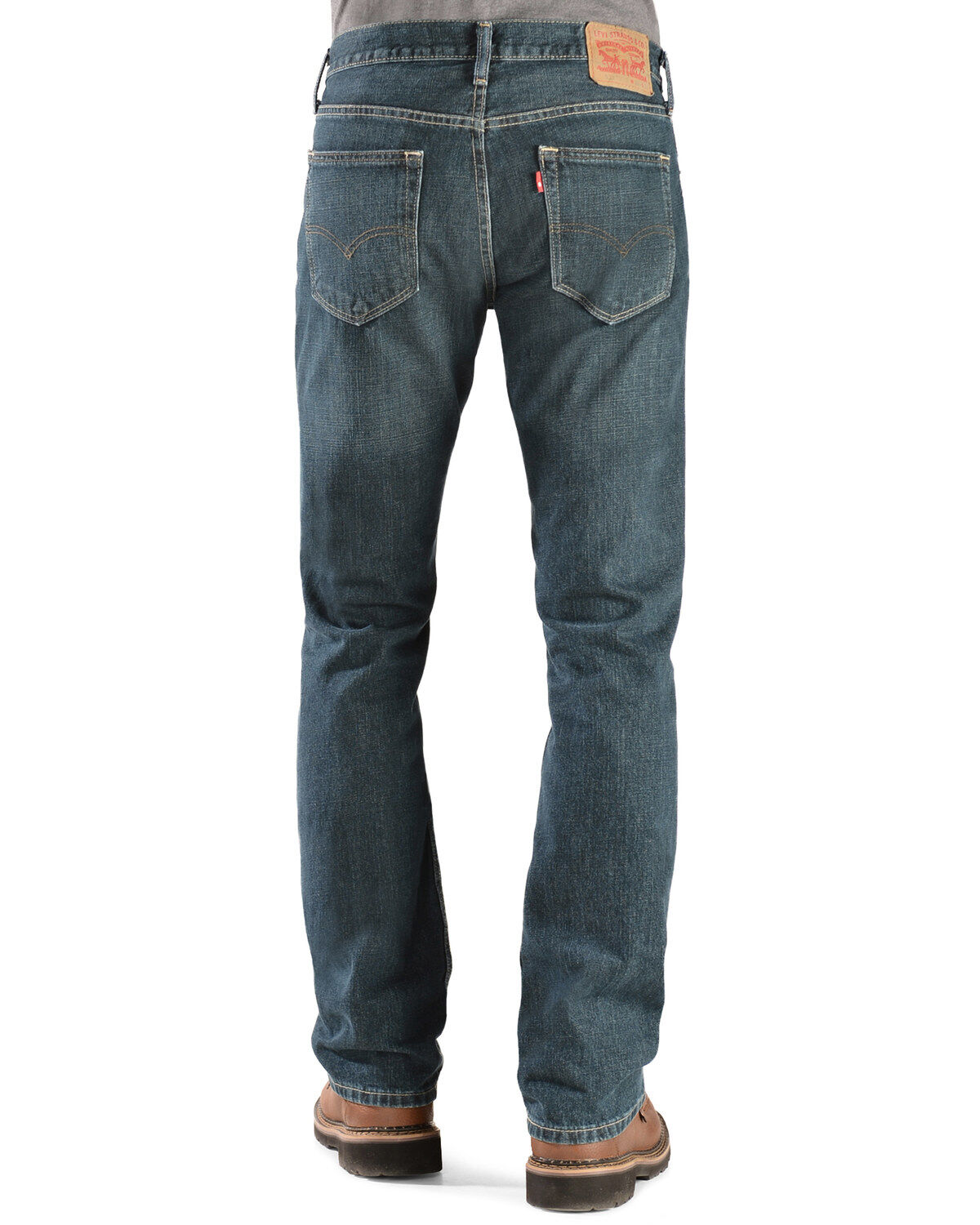
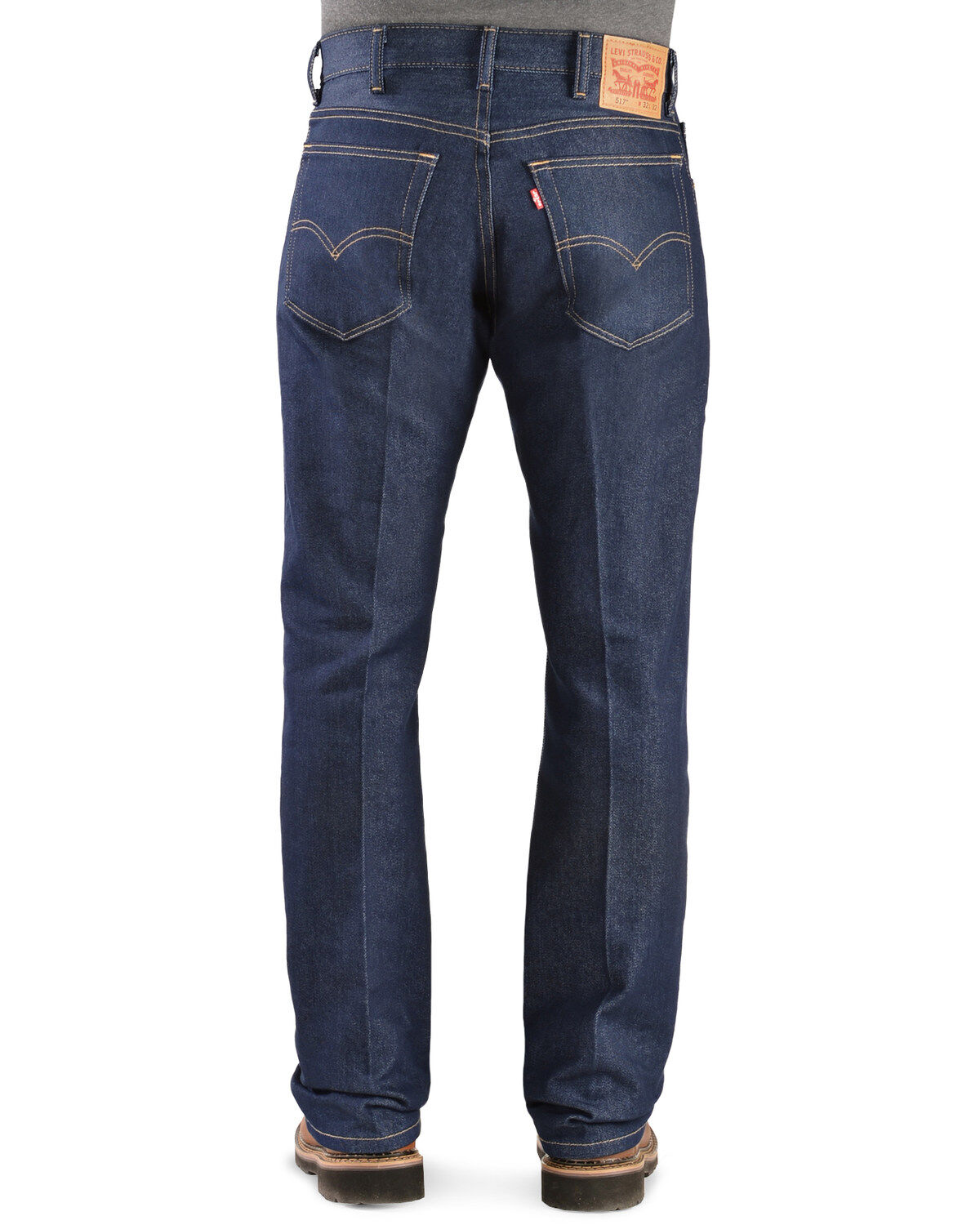
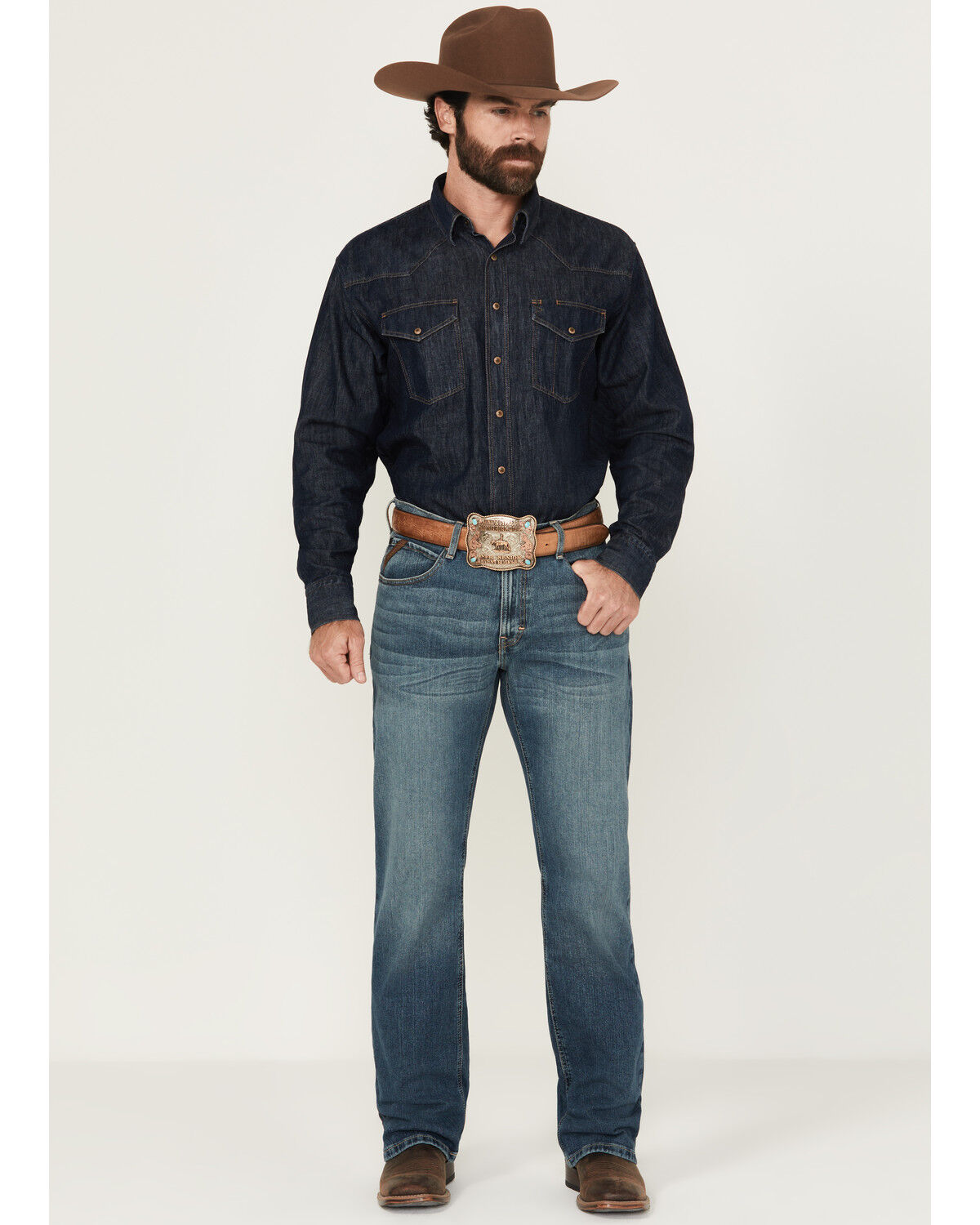
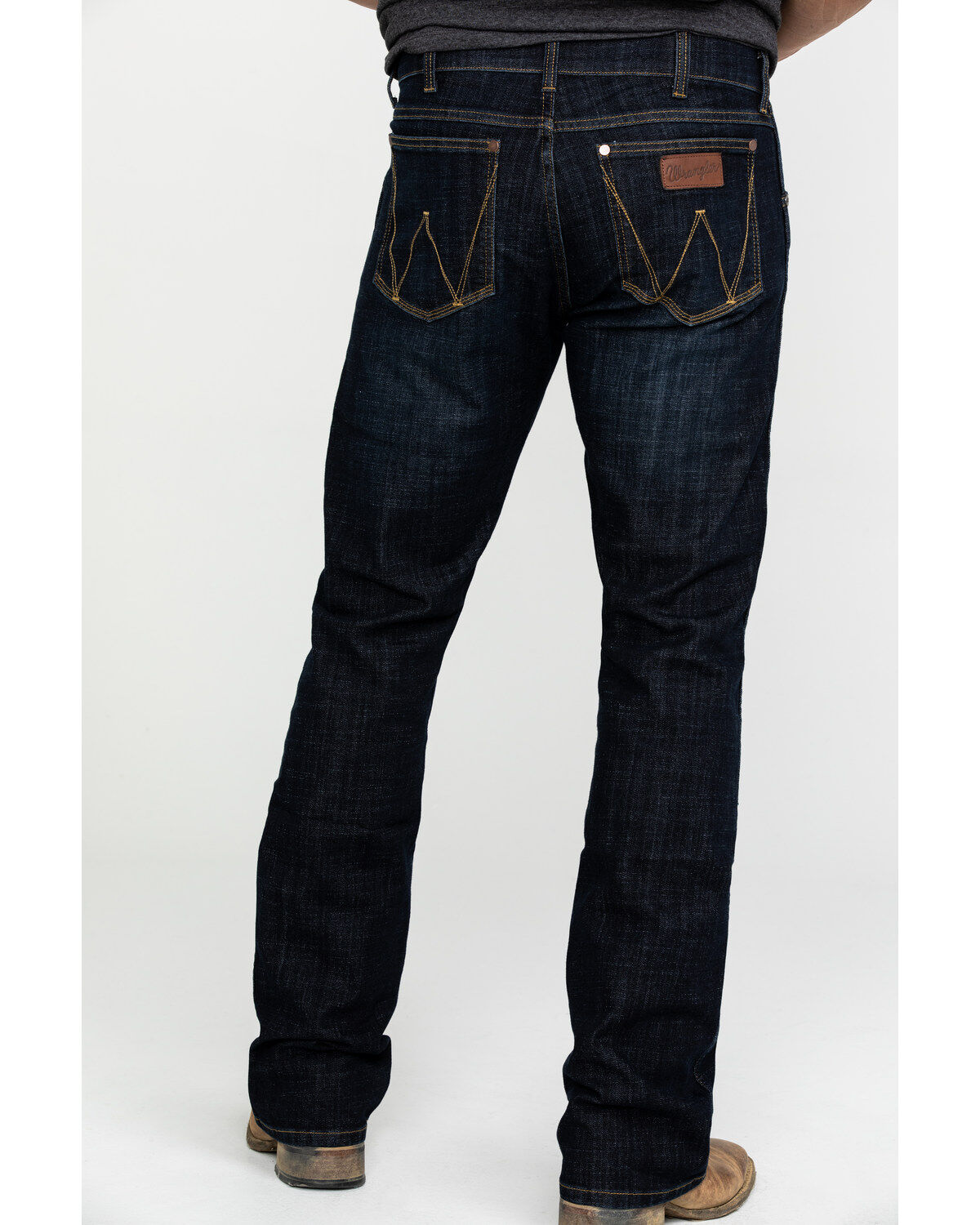
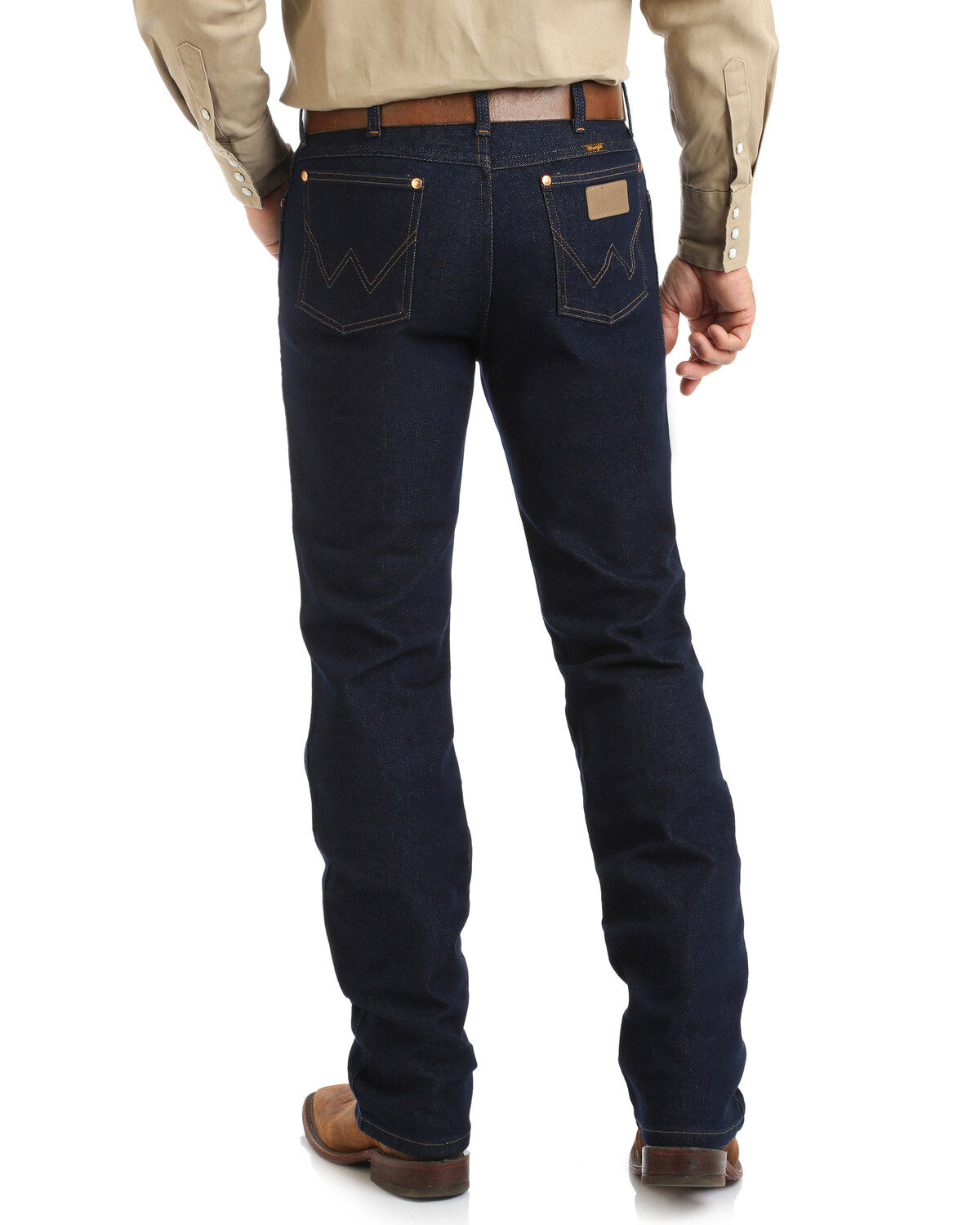
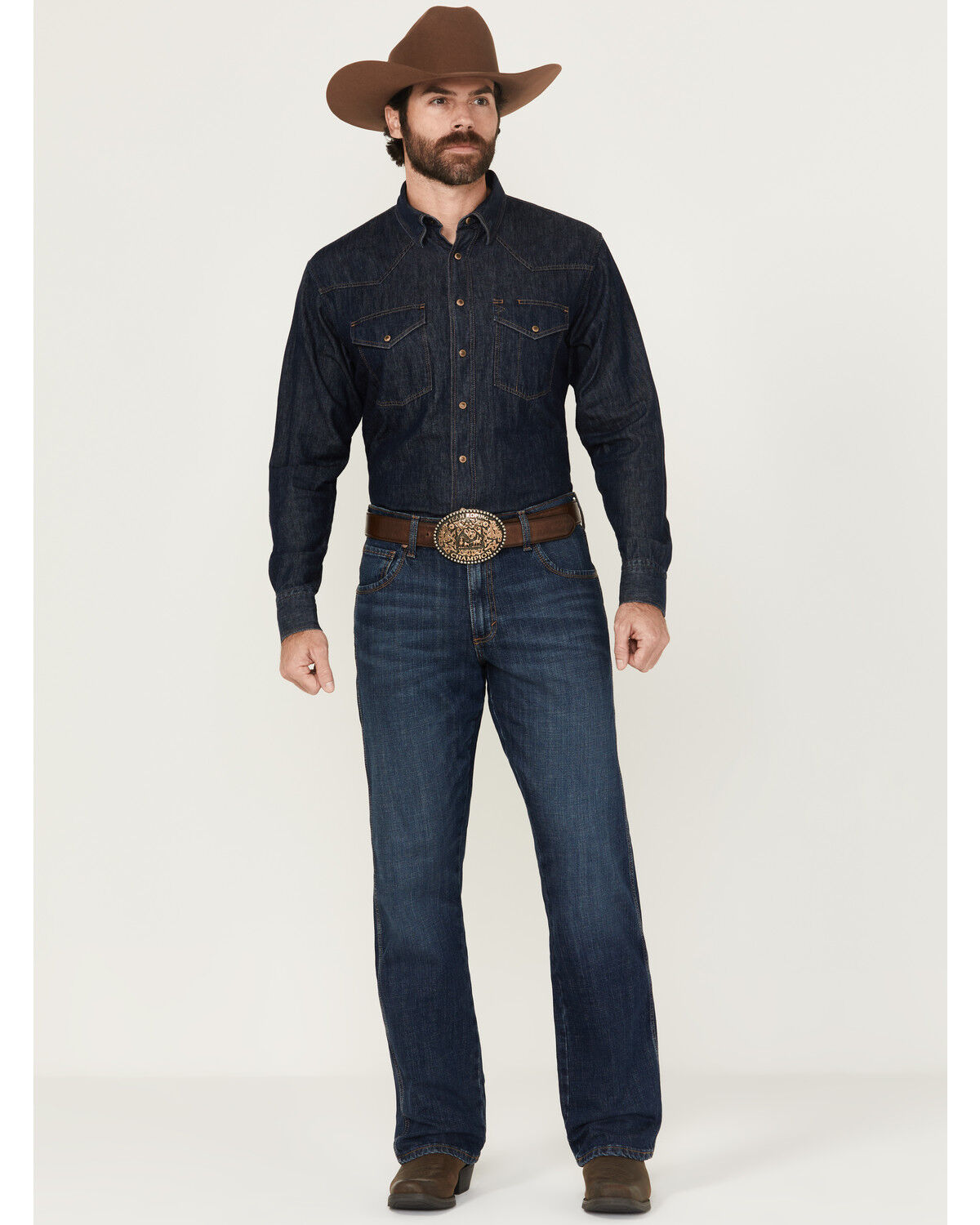
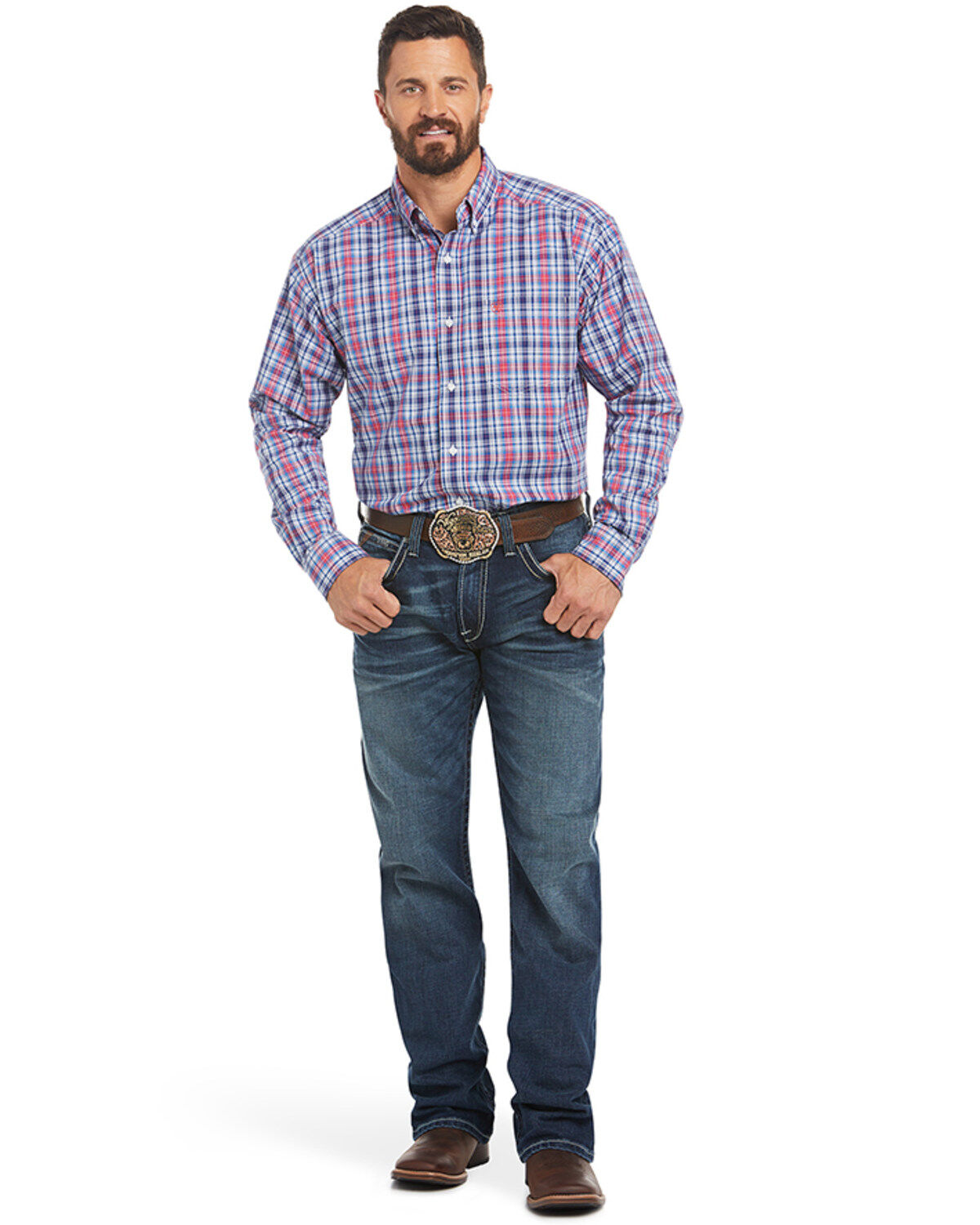
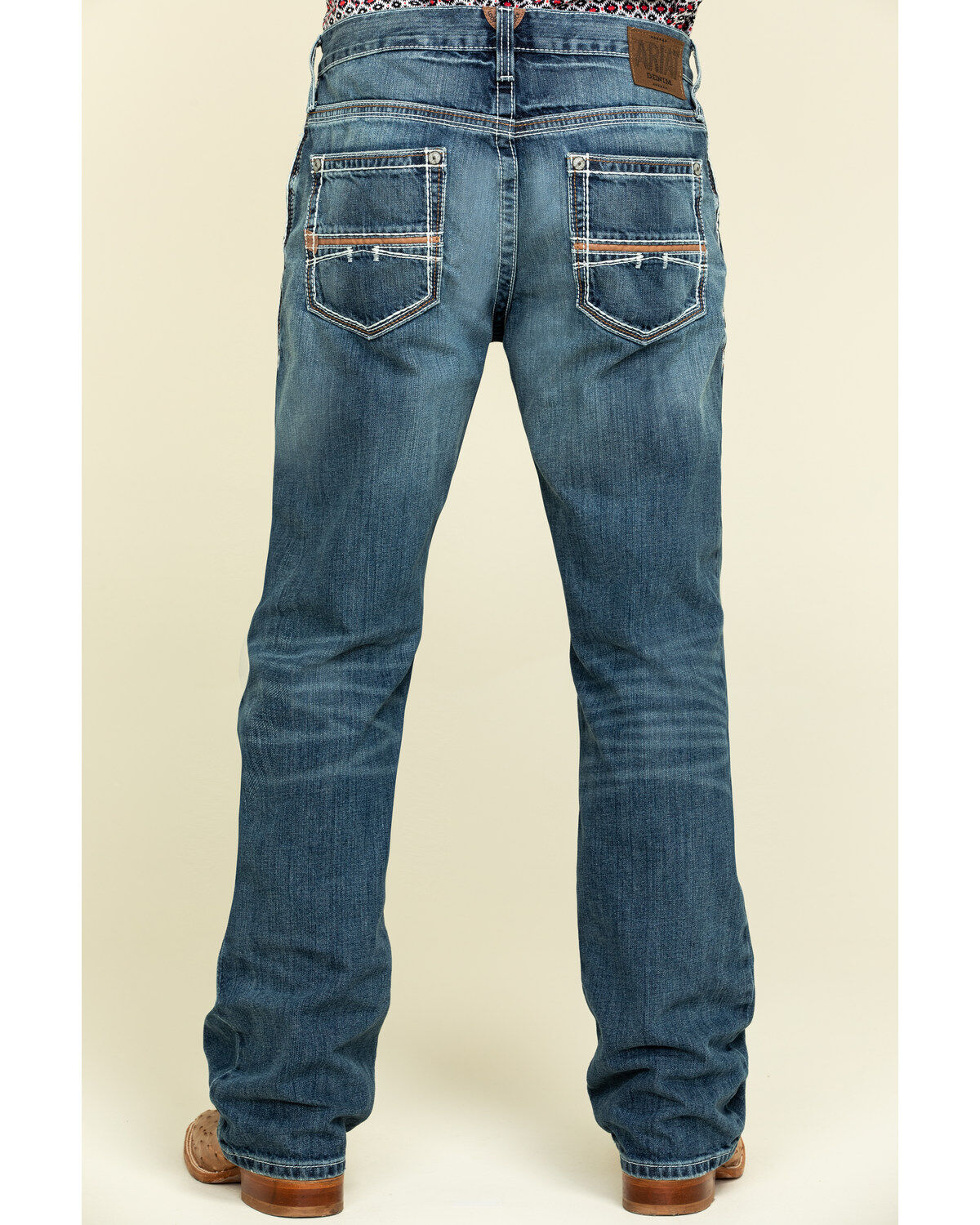
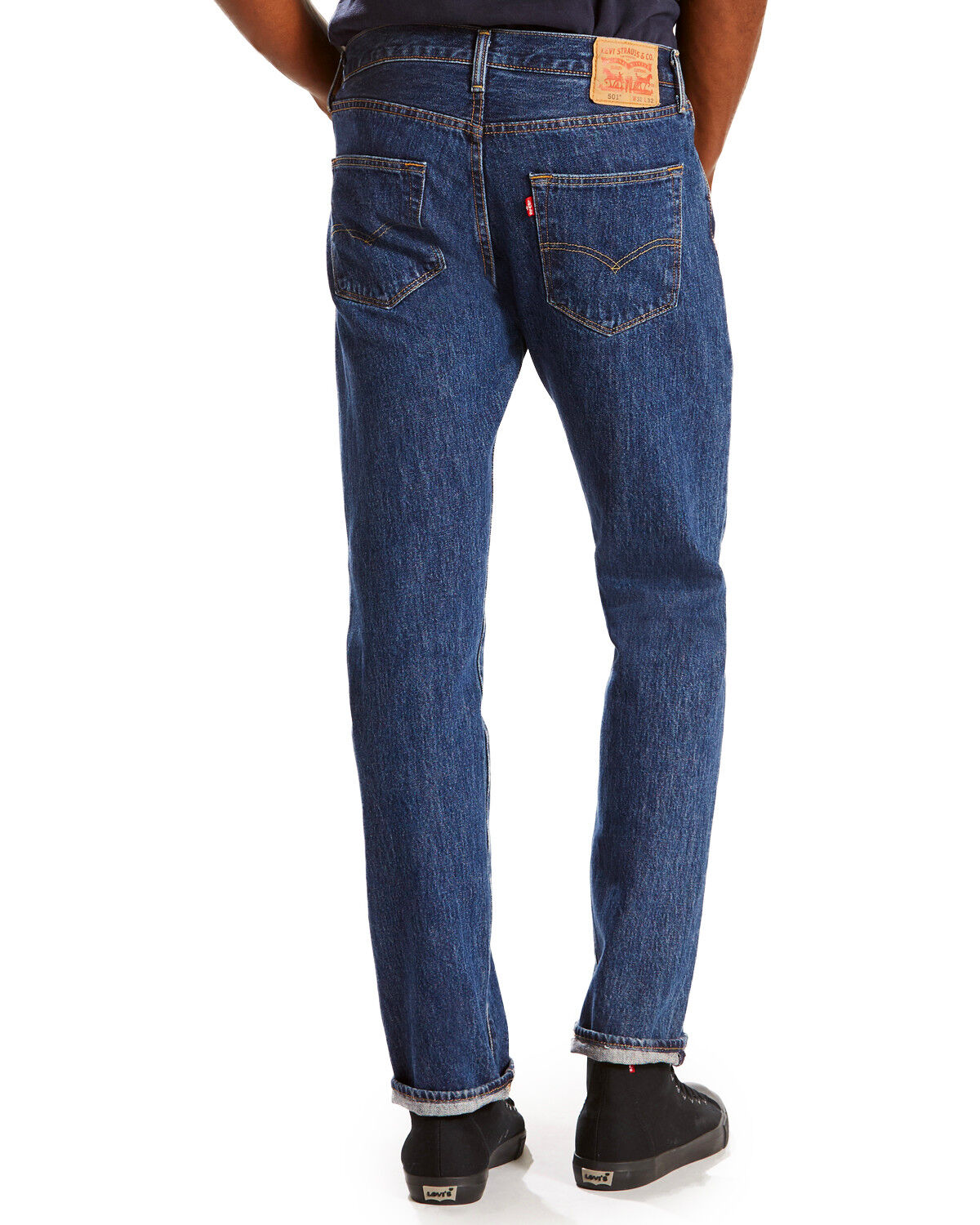
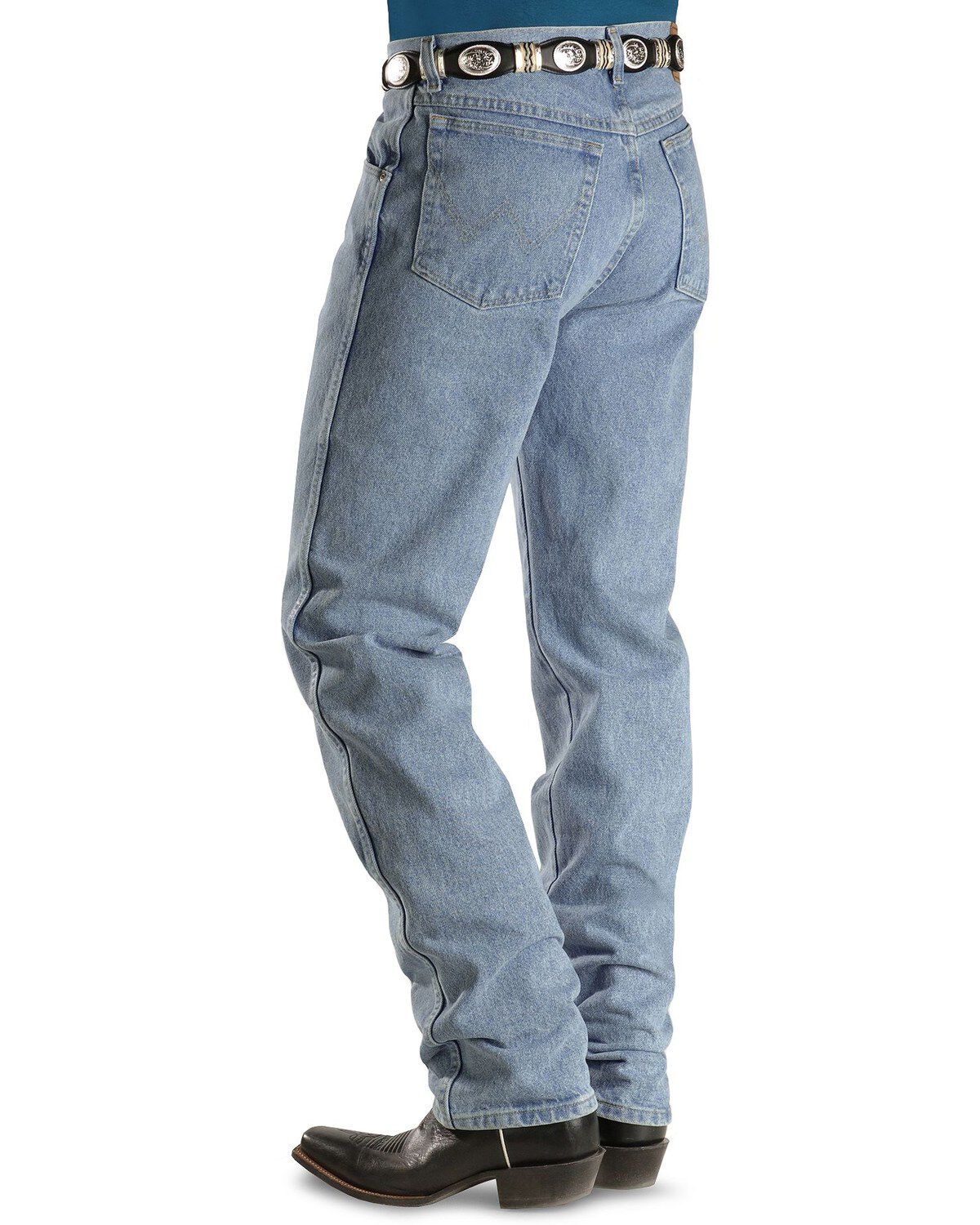
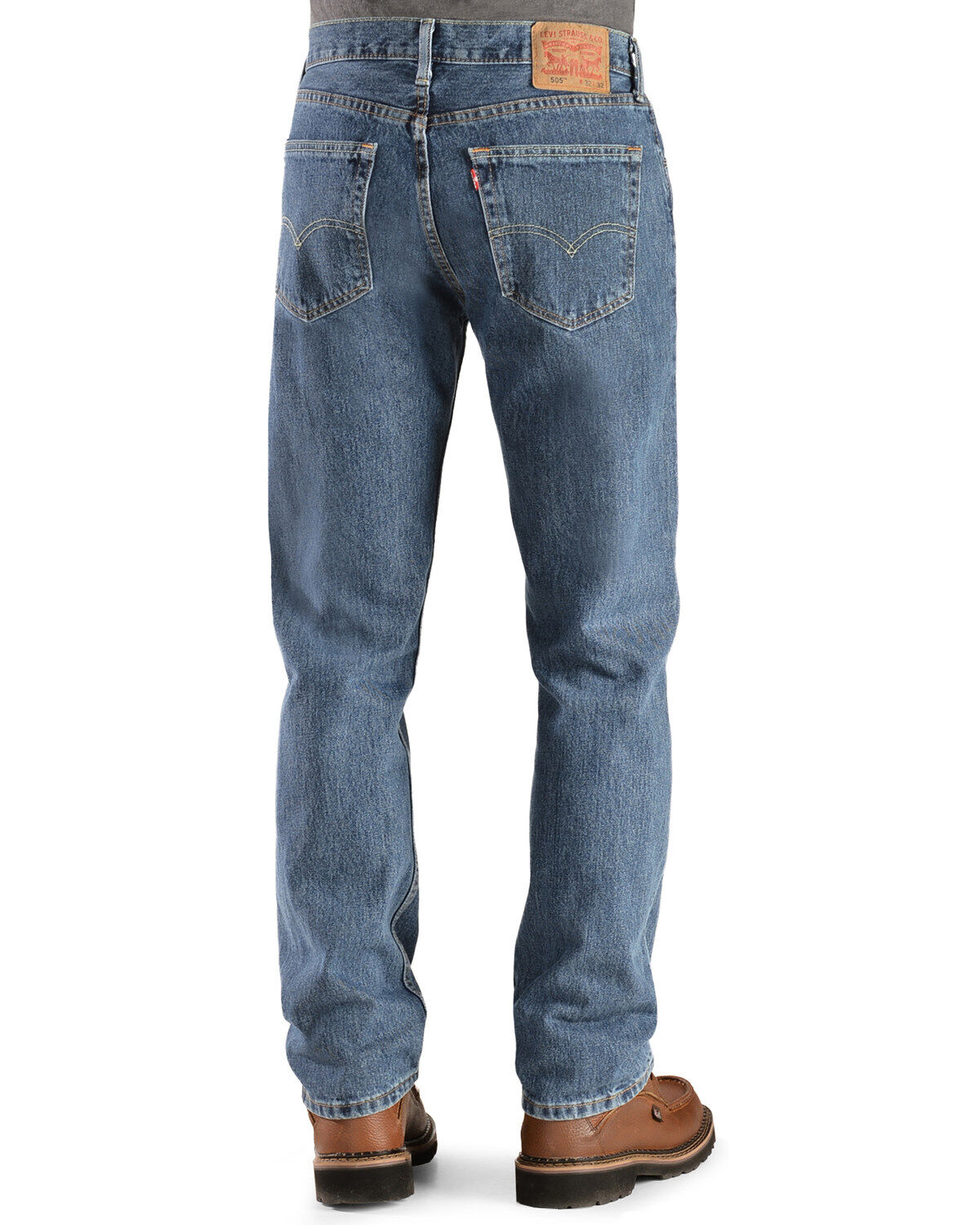
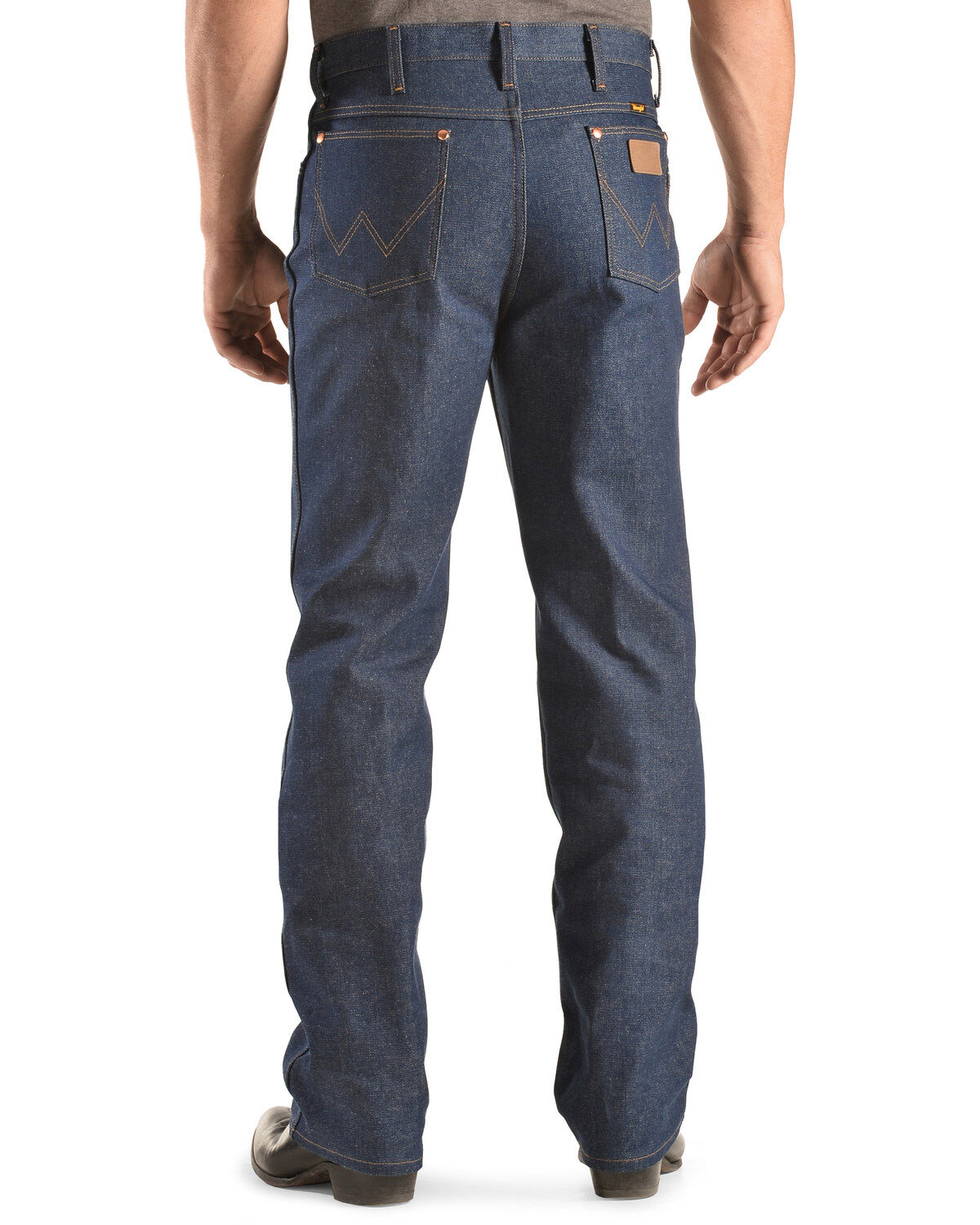
Men’s boot cut pants have a leg opening that widens slightly below the knee, leaving room for boots without the broad shape of a full flare. That opening helps the fabric fall over a boot shaft rather than bunching above it. The fit through the waist, seat, and thigh can still be slim, regular, or relaxed, so boot cut does not automatically mean loose from top to bottom. Slim boot cut pants have a closer shape through the upper leg, while relaxed cuts provide more room through the seat and thigh. Regular fits fall between the two. This makes the cut useful for men who wear cowboy boots, work boots, or other footwear with a substantial shaft. Denim gives the shape a familiar everyday look, while boot cut pants made from twill or trouser-weight fabric can suit casual offices, dinners, and occasions that call for something more finished. The right fit leaves enough room to sit, bend, and take a full stride without pulling across the pockets or binding behind the knees. Rise matters here, too. A higher rise places the waistband farther up the torso, while a lower rise sits closer to the hips; either should stay comfortable when seated. Length works together with the boot opening. A hem that rests lightly over the boot creates a clean line, while extra length adds more folds above the foot. Too much fabric can drag under the heel and wear through. Different boots change that balance: a taller heel lifts the hem, and a broad shaft needs enough space inside the lower leg. Measurements from a pair that already fits well provide a useful reference, especially when comparing waist size, inseam, and rise. The result should be pants that sit securely at the waist, move comfortably through the upper leg, and settle over boots without constant adjustment.

Fabric gives men’s boot cut pants much of their character. Cotton denim has a distinct texture and structure, with the weight and weave influencing how firmly it holds its shape. Heavier denim generally feels more substantial, while lighter denim has less bulk. Neither weight alone determines durability; yarn quality, construction, fit, and daily use all matter. Rigid denim contains no added stretch fiber and relies on room in the cut for movement. It can feel firm at first and gradually soften with wear. Stretch denim combines cotton with a small amount of flexible fiber, allowing more give when climbing steps, sitting behind the wheel, or bending to pick something up. The amount of stretch does not tell the whole story. Fabric that returns to its original shape helps keep the knees and seat from becoming loose over the course of a day. Cotton twill offers another option, with a smoother appearance that works well with a tucked-in shirt and a belt. Blended trouser fabrics can provide a more fluid drape, depending on their composition and construction. Color and finish also affect the overall look. Dark denim tends to read more polished, while faded denim has a more casual appearance. Visible distressing changes the surface and may leave some areas less resistant to abrasion, so an intact finish makes sense where fabric regularly rubs against equipment, rough seating, or tools. For hands-on work, room through the thigh, accessible pockets, secure belt loops, and sound stitching can matter as much as appearance. Pocket placement should allow comfortable sitting without bulky contents pressing against the body. A boot cut is a fit description, not a protective rating. Work that requires flame-resistant clothing or other specified protection calls for garments that meet those requirements. For everyday wear, the same practical details help pants move from a long drive to time on foot without feeling restrictive.

Good care helps boot cut pants keep their fit and protects the fabric where it takes the most wear. The care label is the starting point because denim, stretch blends, and trouser fabrics do not all respond to washing and drying in the same way. Washing dark pants inside out can reduce surface abrasion, and using the recommended water temperature helps limit unwanted changes in color or size. Excessive dryer heat can shrink some cotton fabrics and affect stretch fibers, so drying methods should follow the garment’s instructions. Prompt attention to dirt and spills helps keep stains from setting, but treatment should suit the fabric and finish. Pants also benefit from sound construction at everyday stress points. Even stitching, firmly attached belt loops, and secure pocket edges are useful details, especially for men who carry a wallet or use their pockets frequently. The hem deserves attention because contact with the ground can fray it long before the rest of the pants wears out. If alterations are needed, measuring the length while wearing the intended boots gives a more accurate result than measuring barefoot. Keeping the original shape of the leg opening matters when shortening a boot cut. For men who rotate between different boot styles, the most useful length is often the one that clears the ground with the pair worn most frequently. These pants suit a range of routines, from everyday errands and casual gatherings to jobs where the fabric and construction meet workplace needs. They can also make a practical gift for someone who already favors a boot-friendly fit. The recipient’s usual waist, inseam, preferred rise, and favorite upper-leg fit are more useful than waist size alone. For families looking for a similar shape in children’s denim, Boys Bootcut Fit Jeans provides a related category. Across different fabrics and finishes, the appeal stays straightforward: comfortable room where it is needed, a balanced shape through the leg, and a hem designed to sit over boots.

FAQs