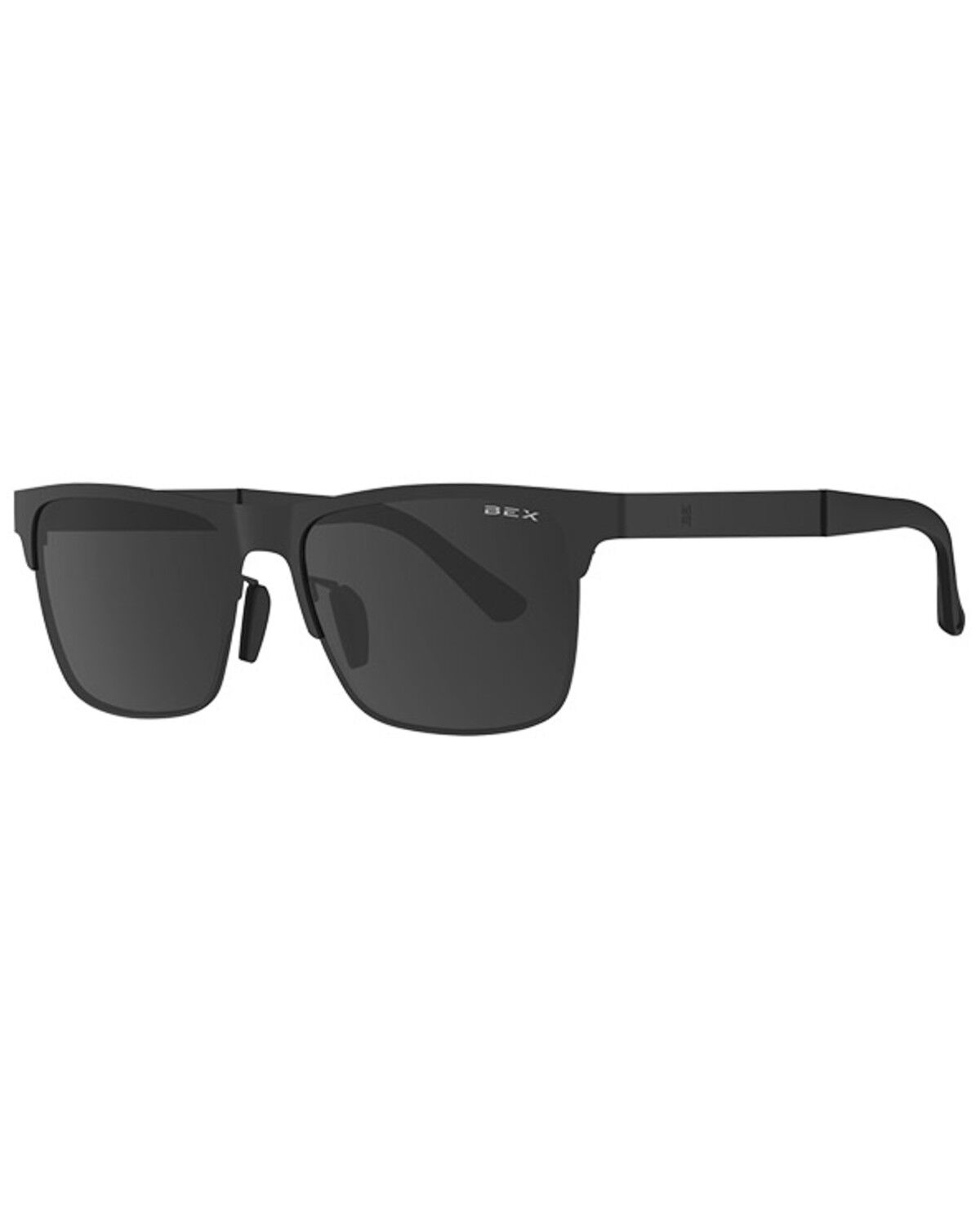
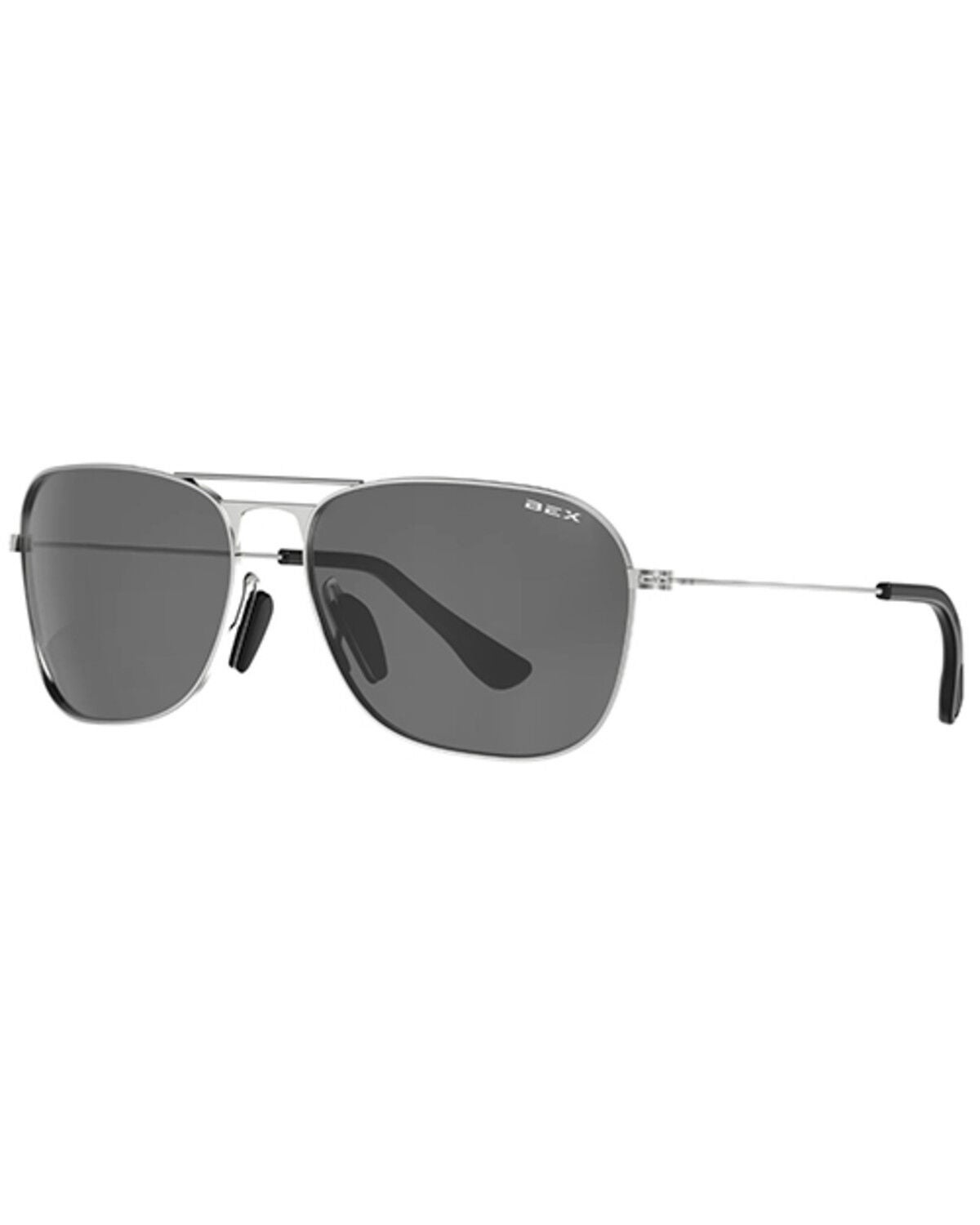
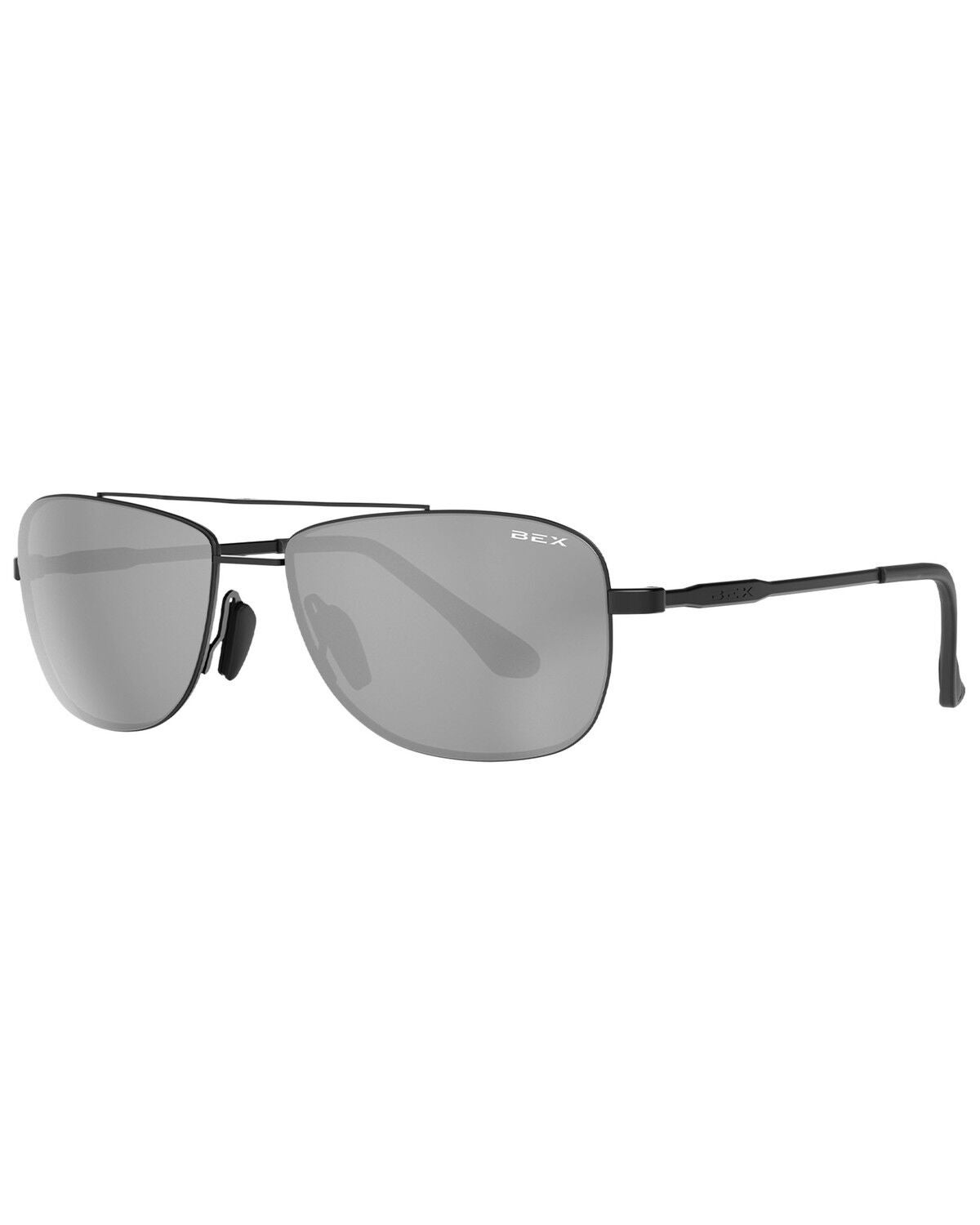
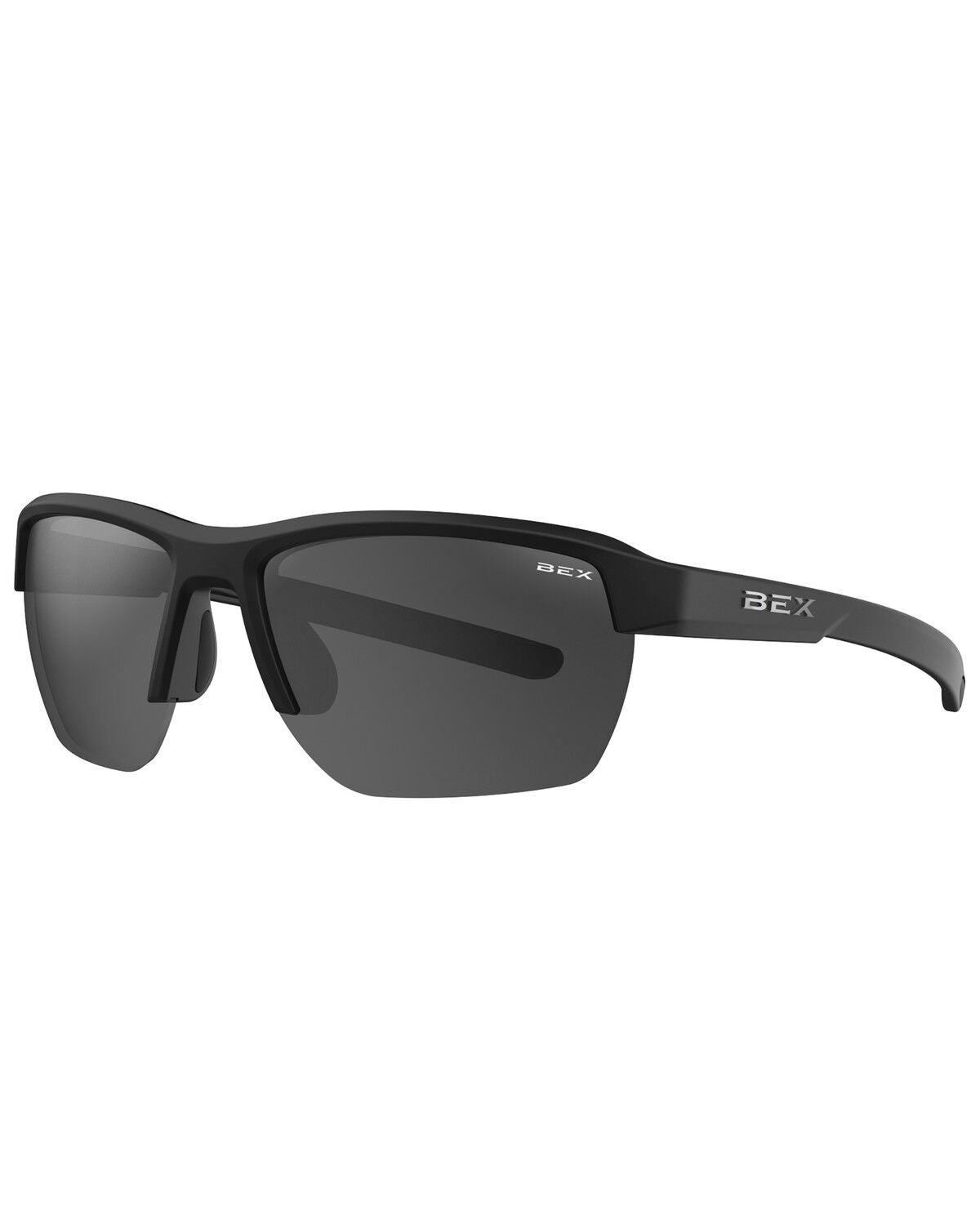
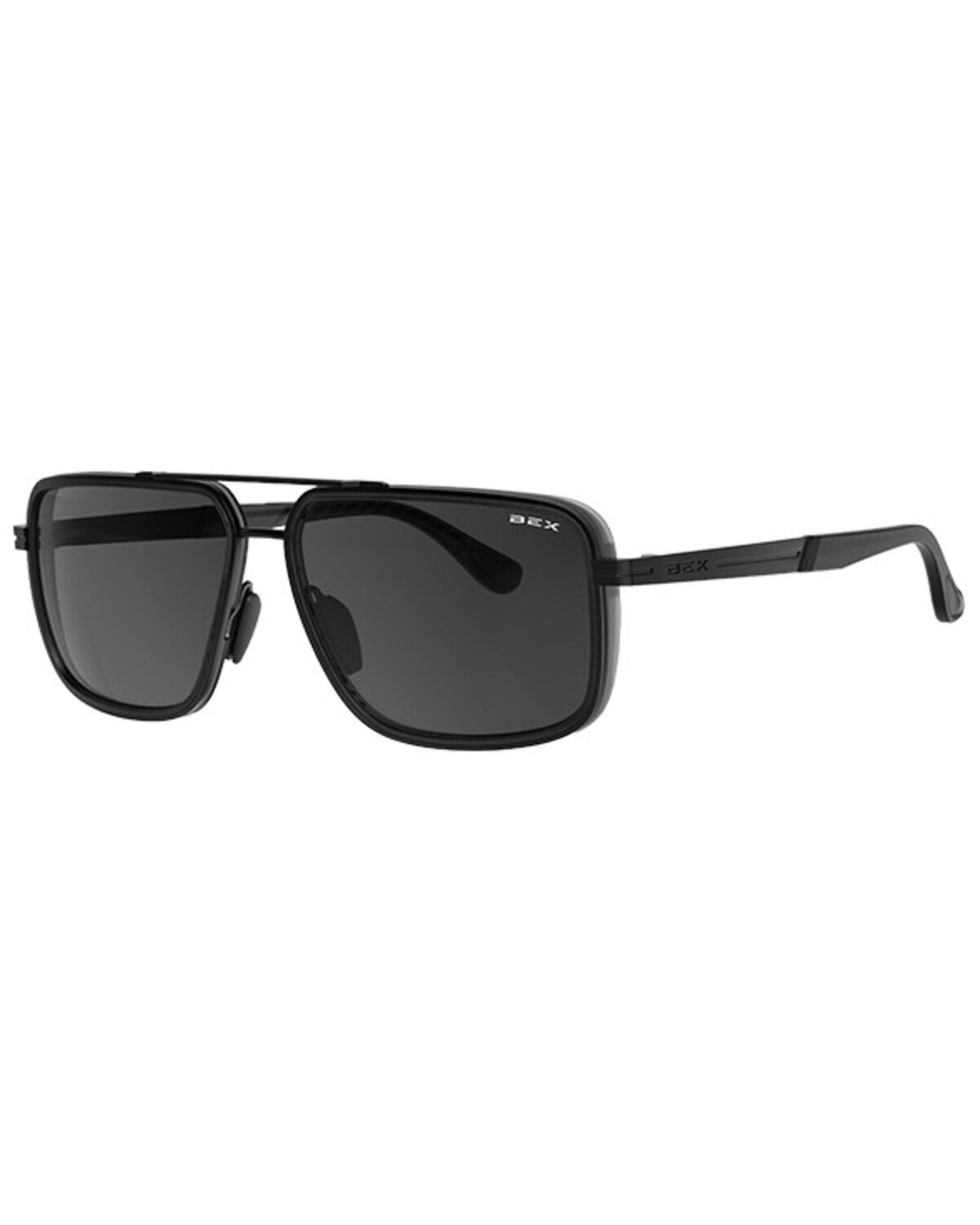
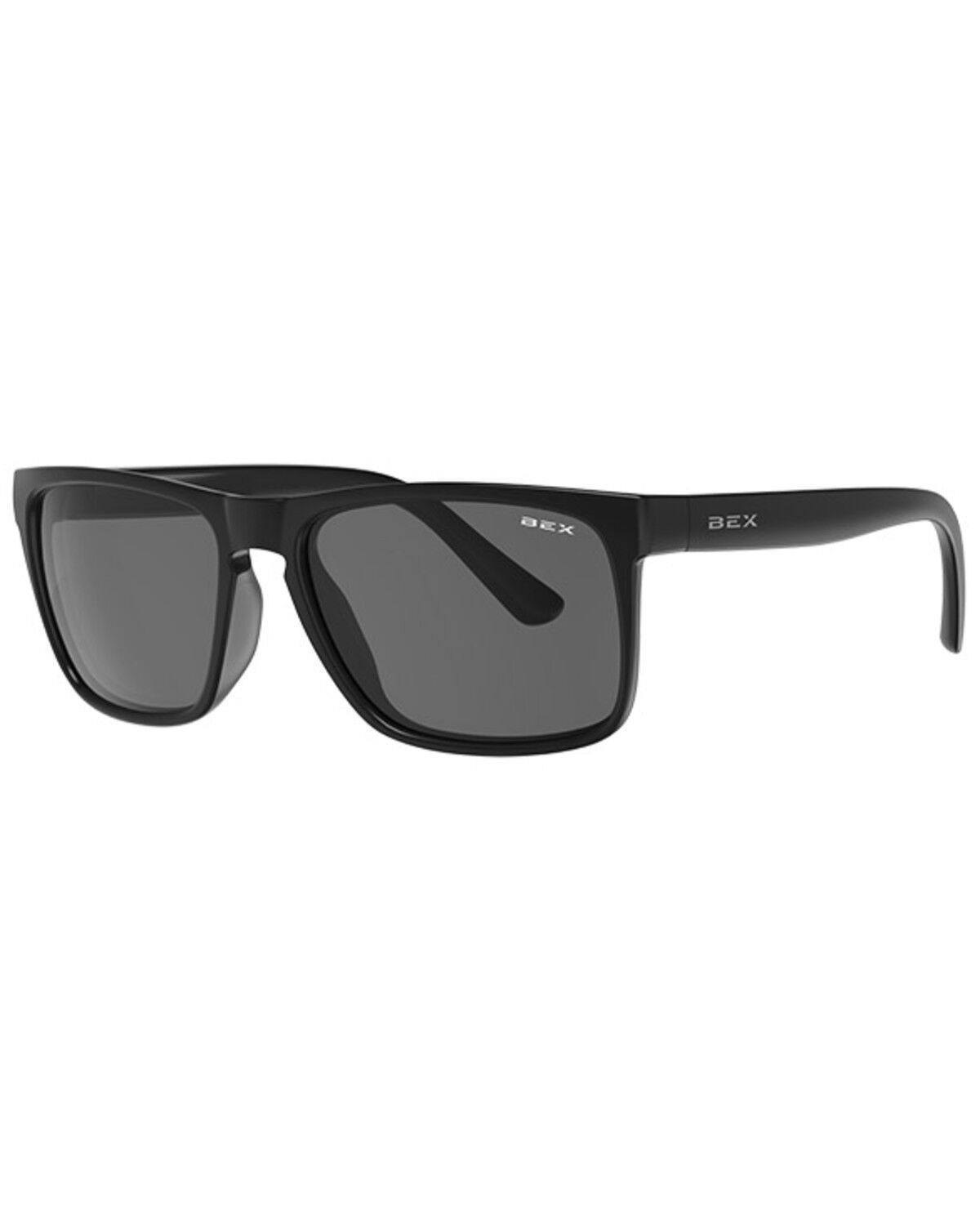
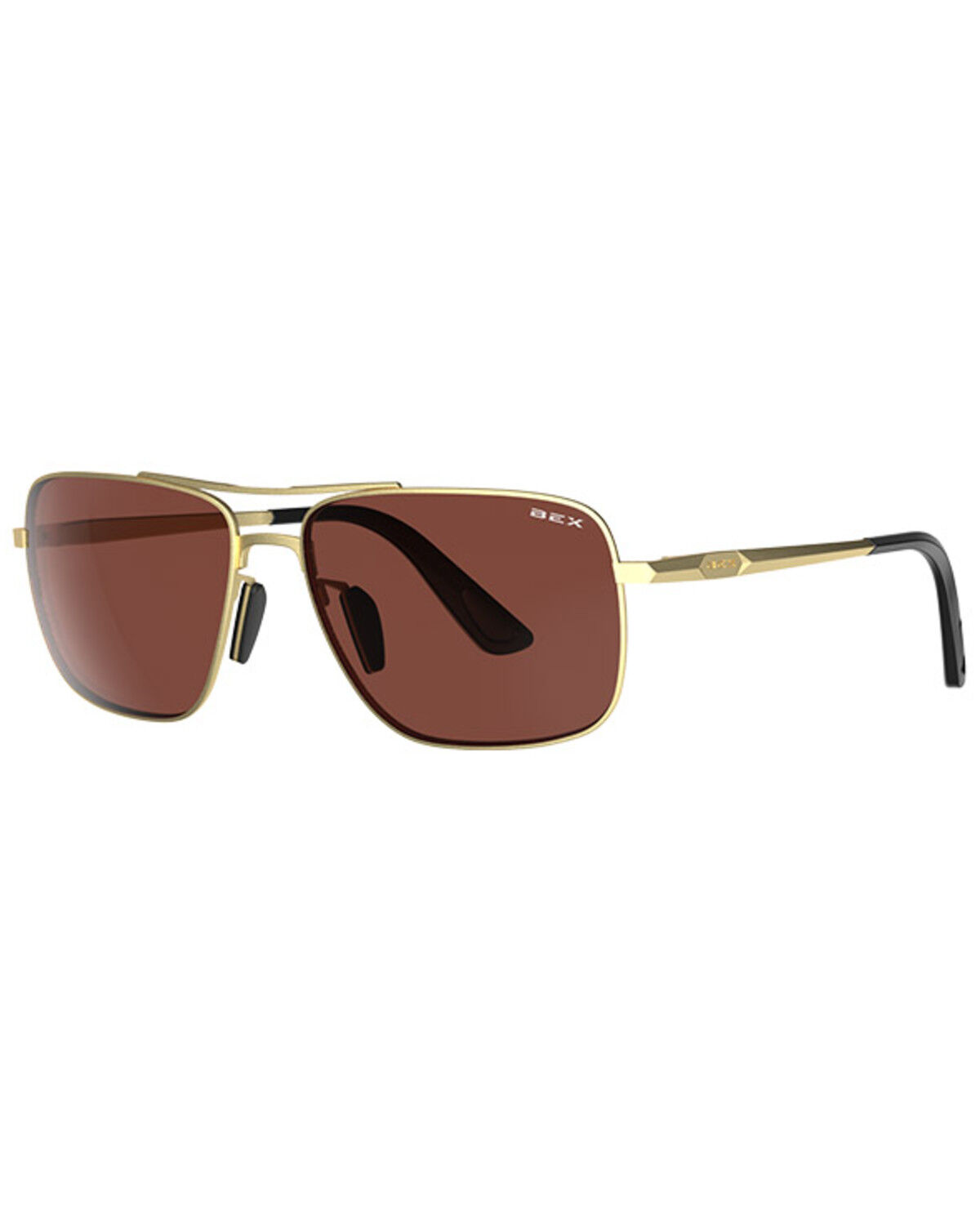
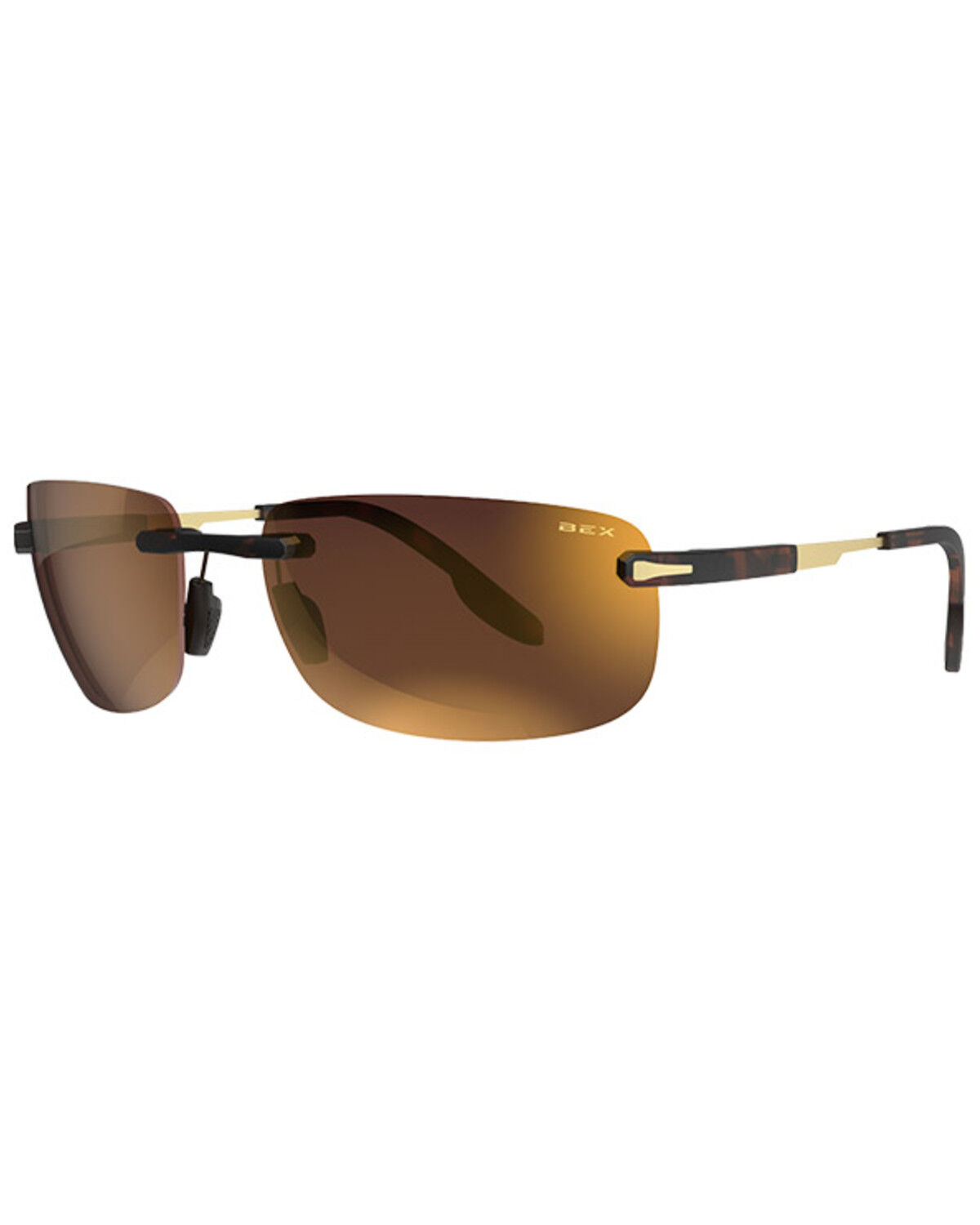
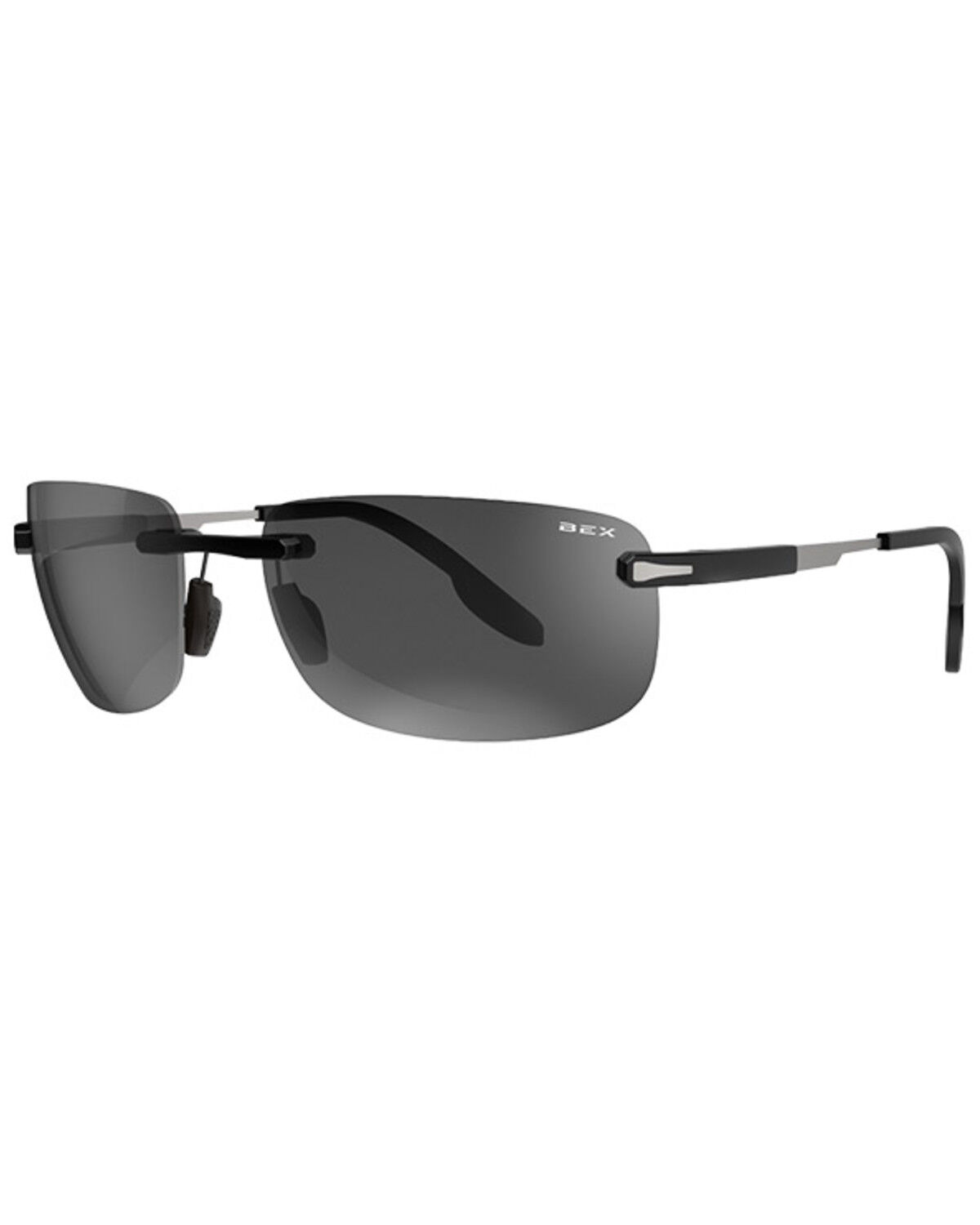
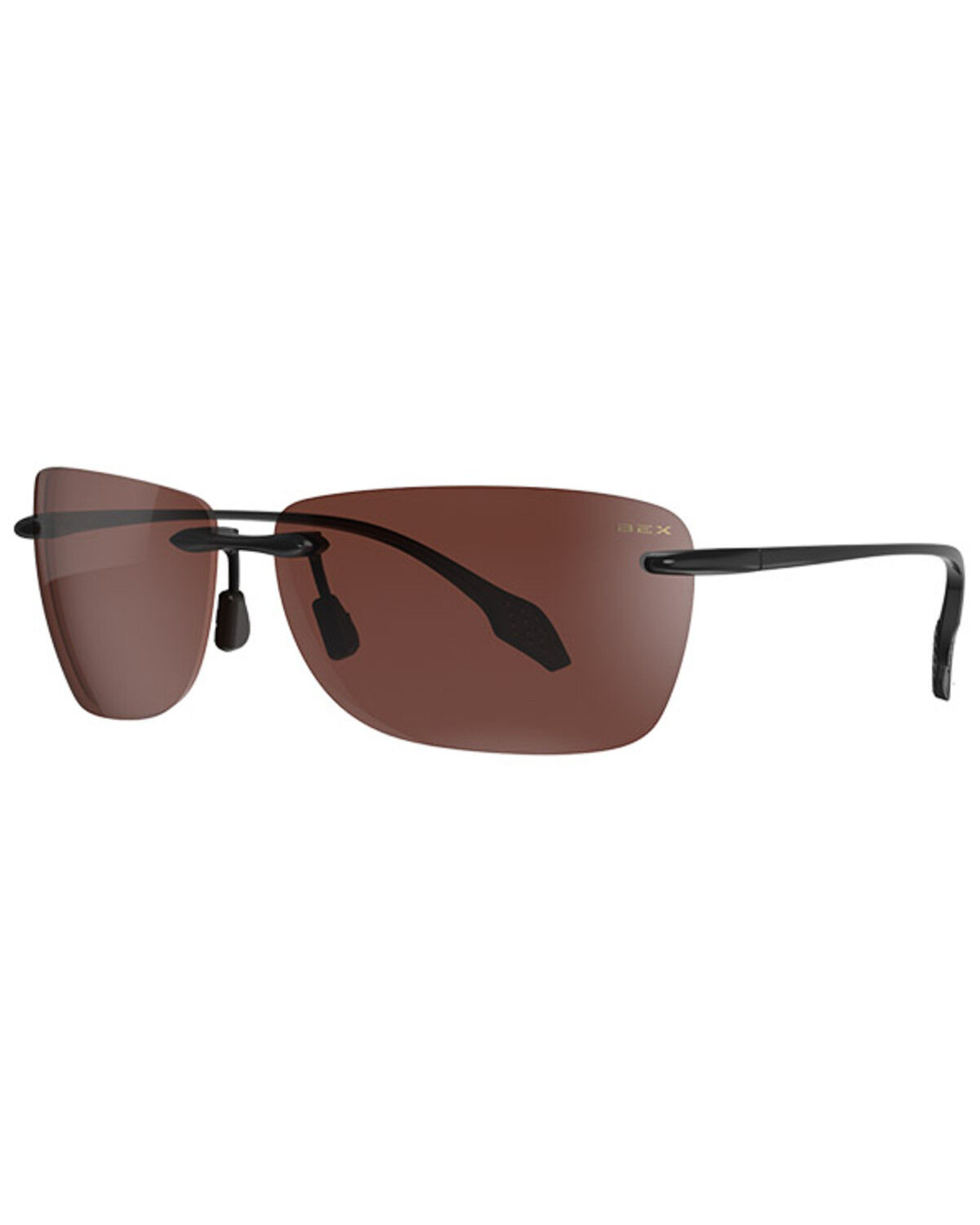
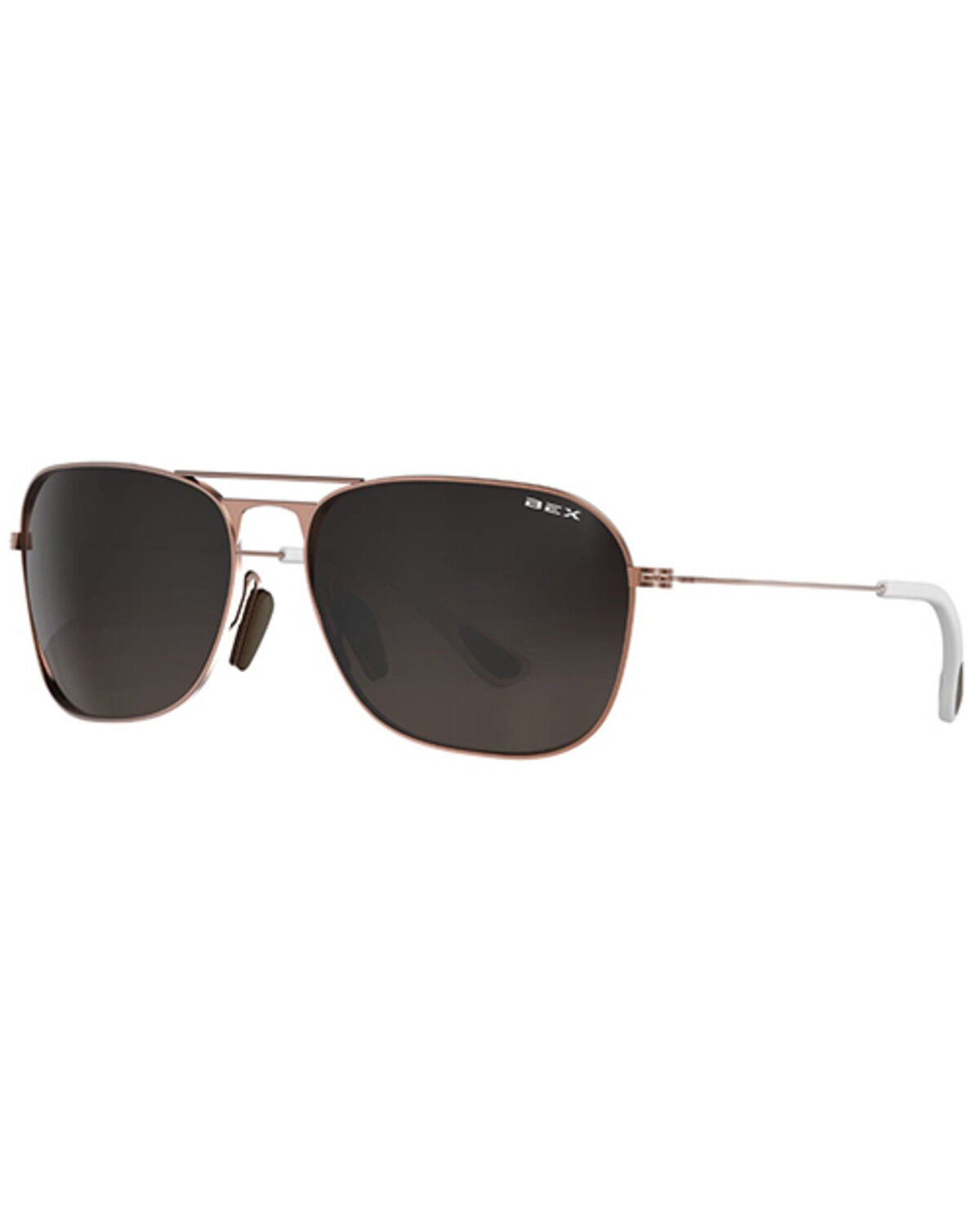
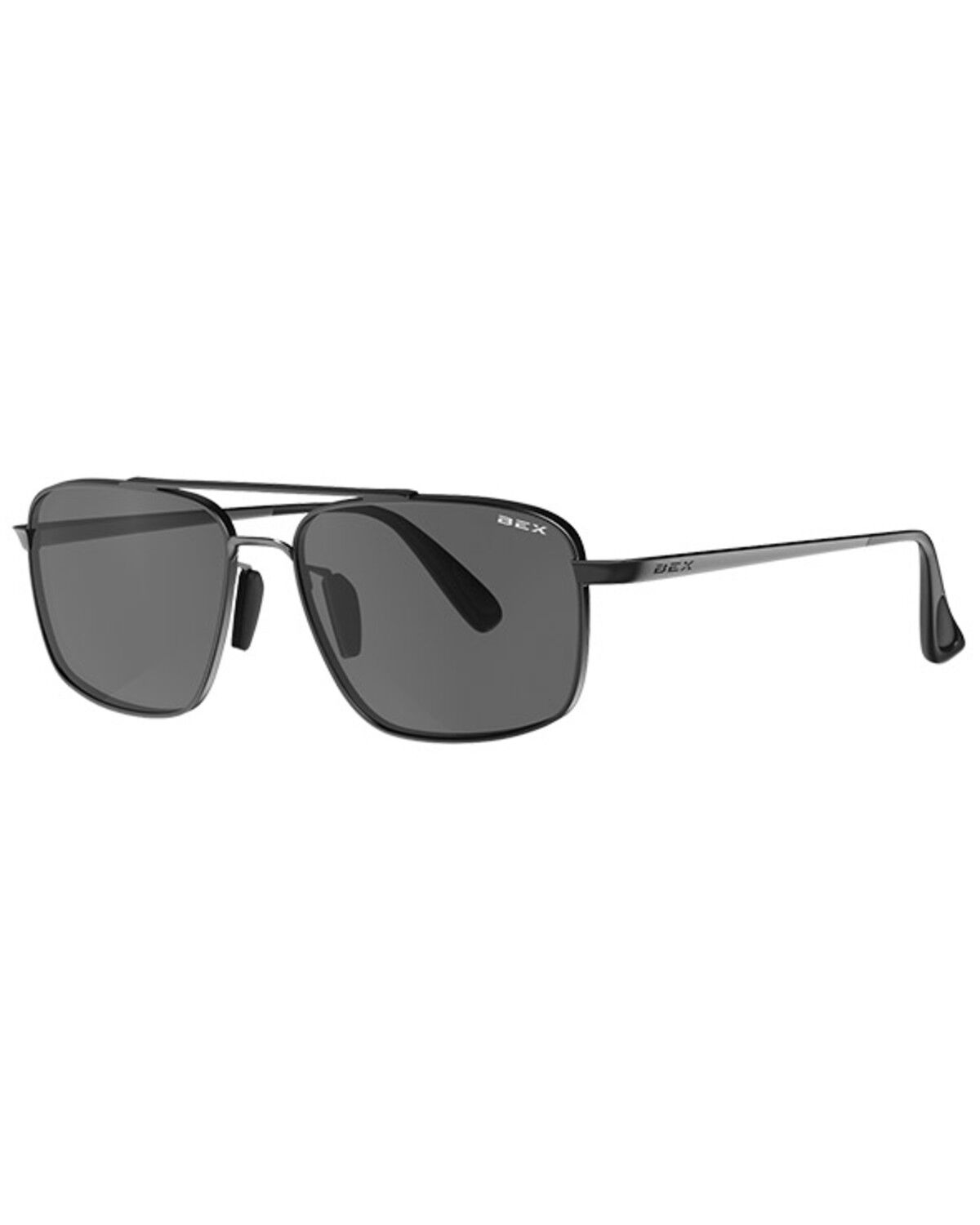
Blue Light Blocking Polarized Sunglasses

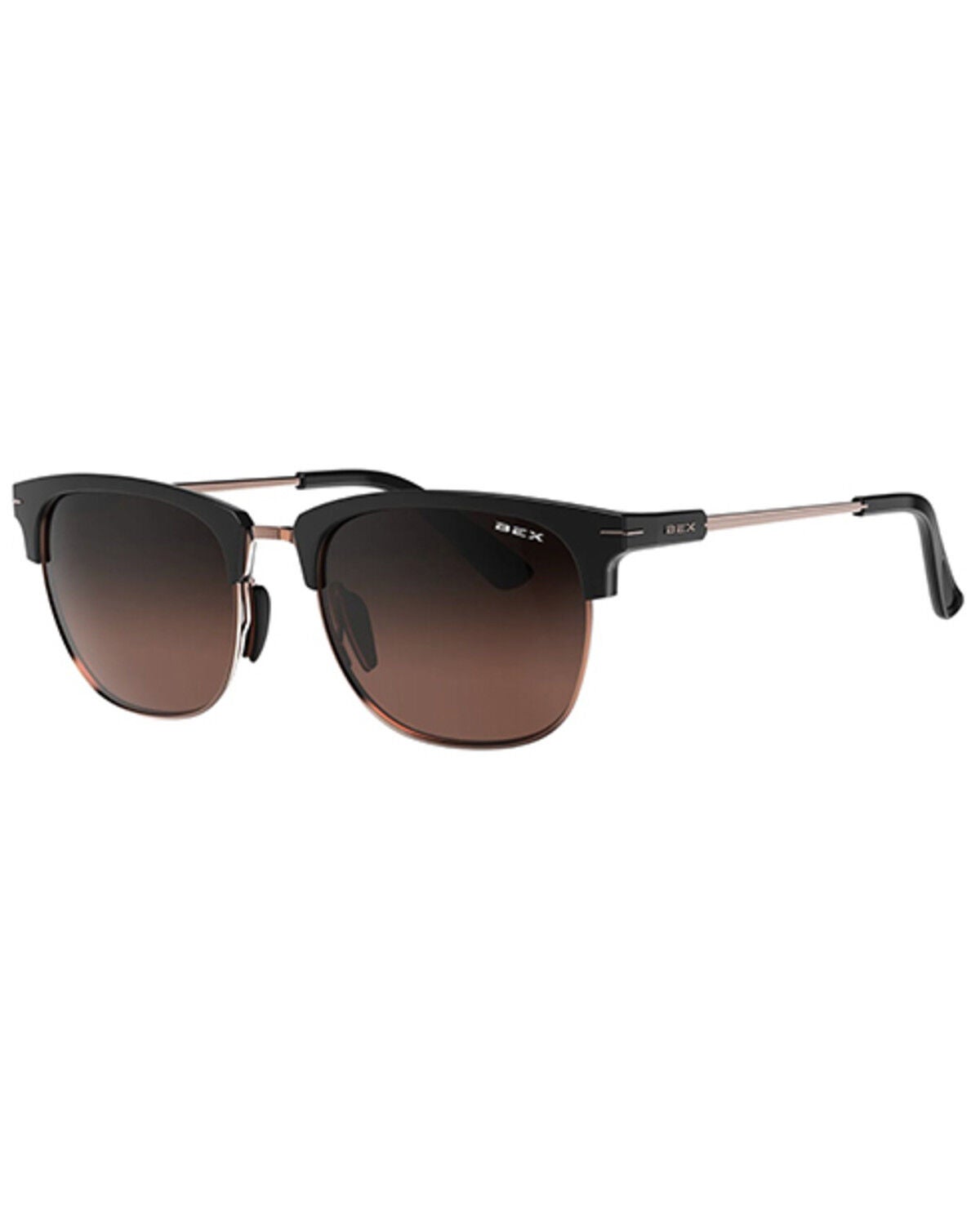
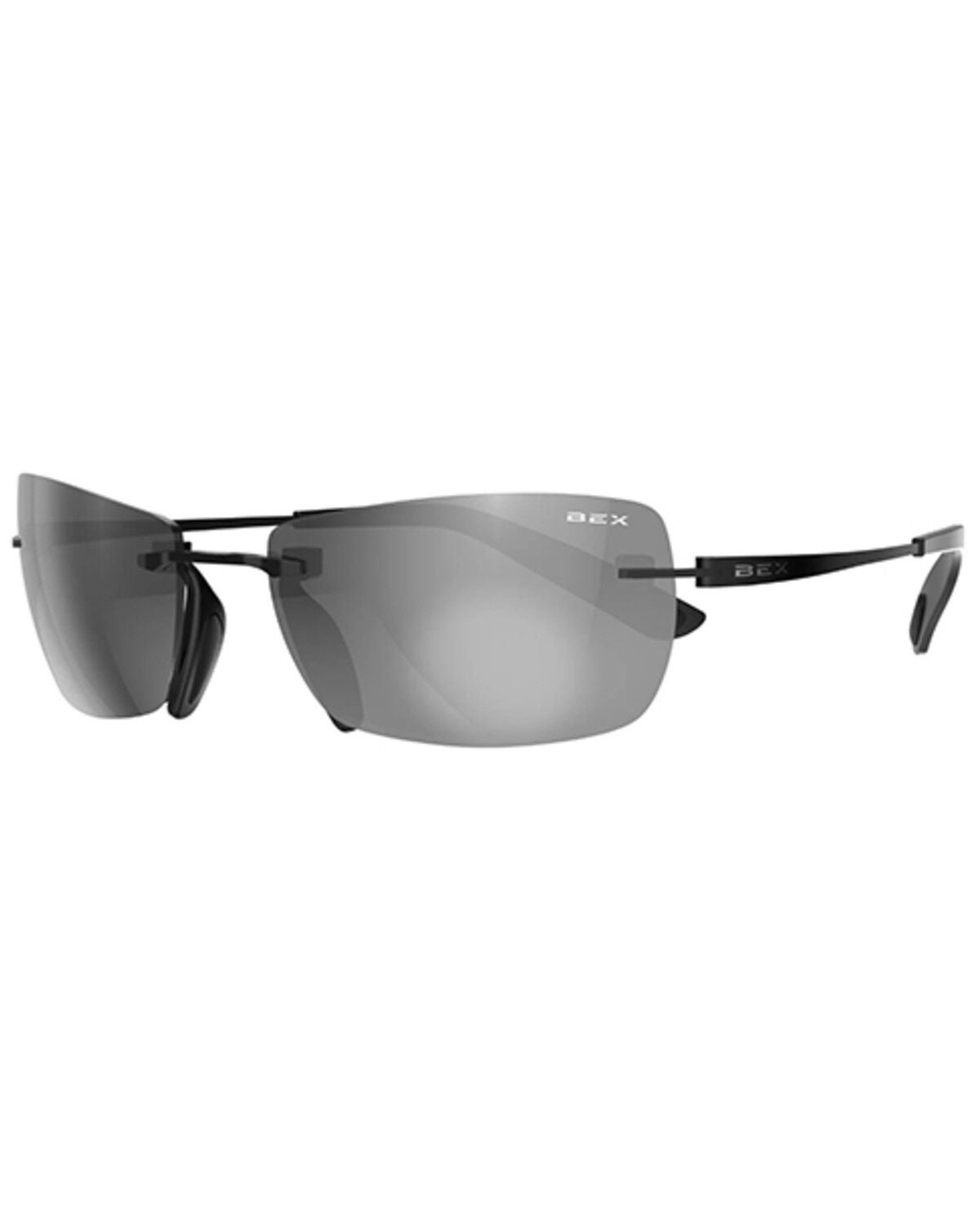
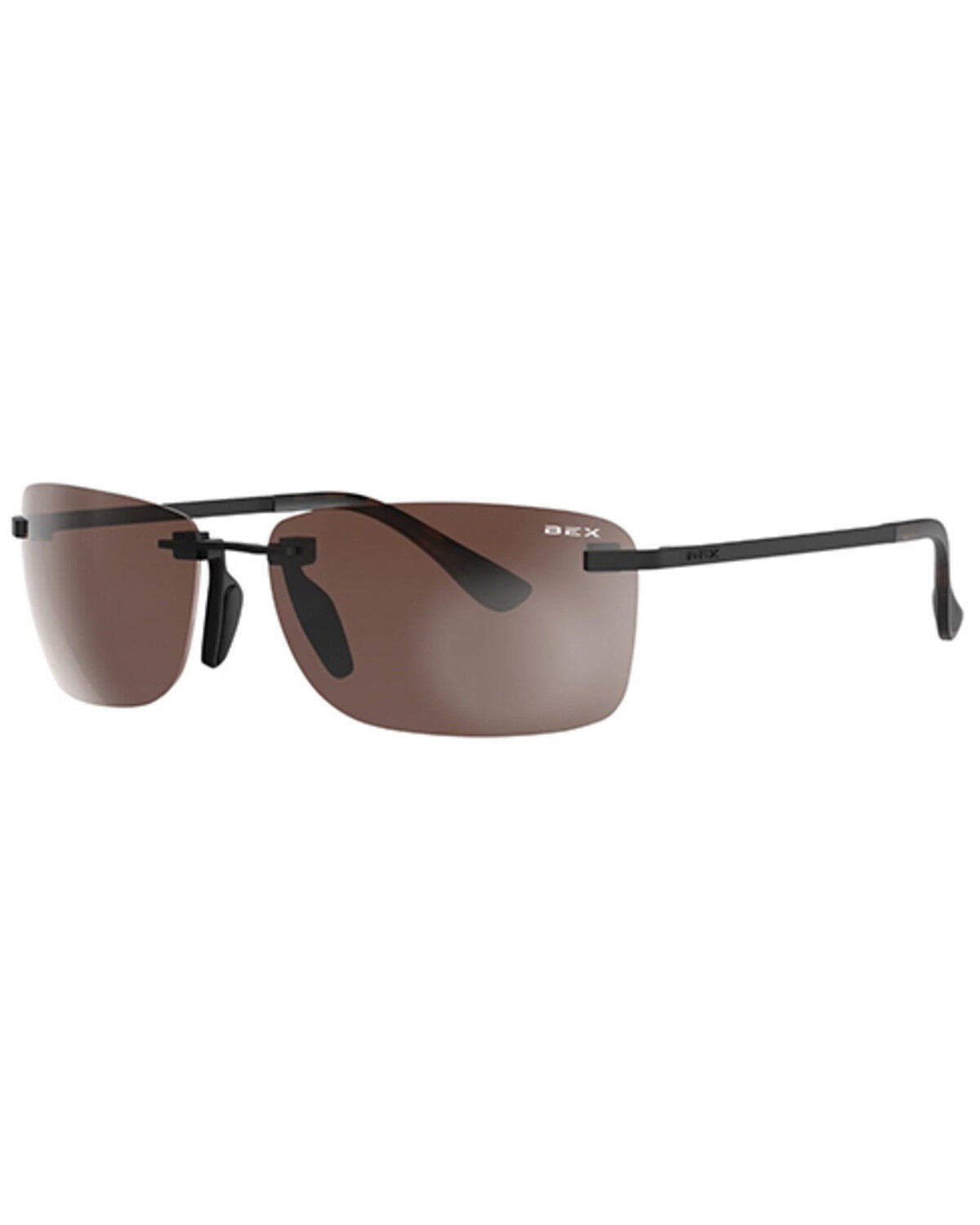
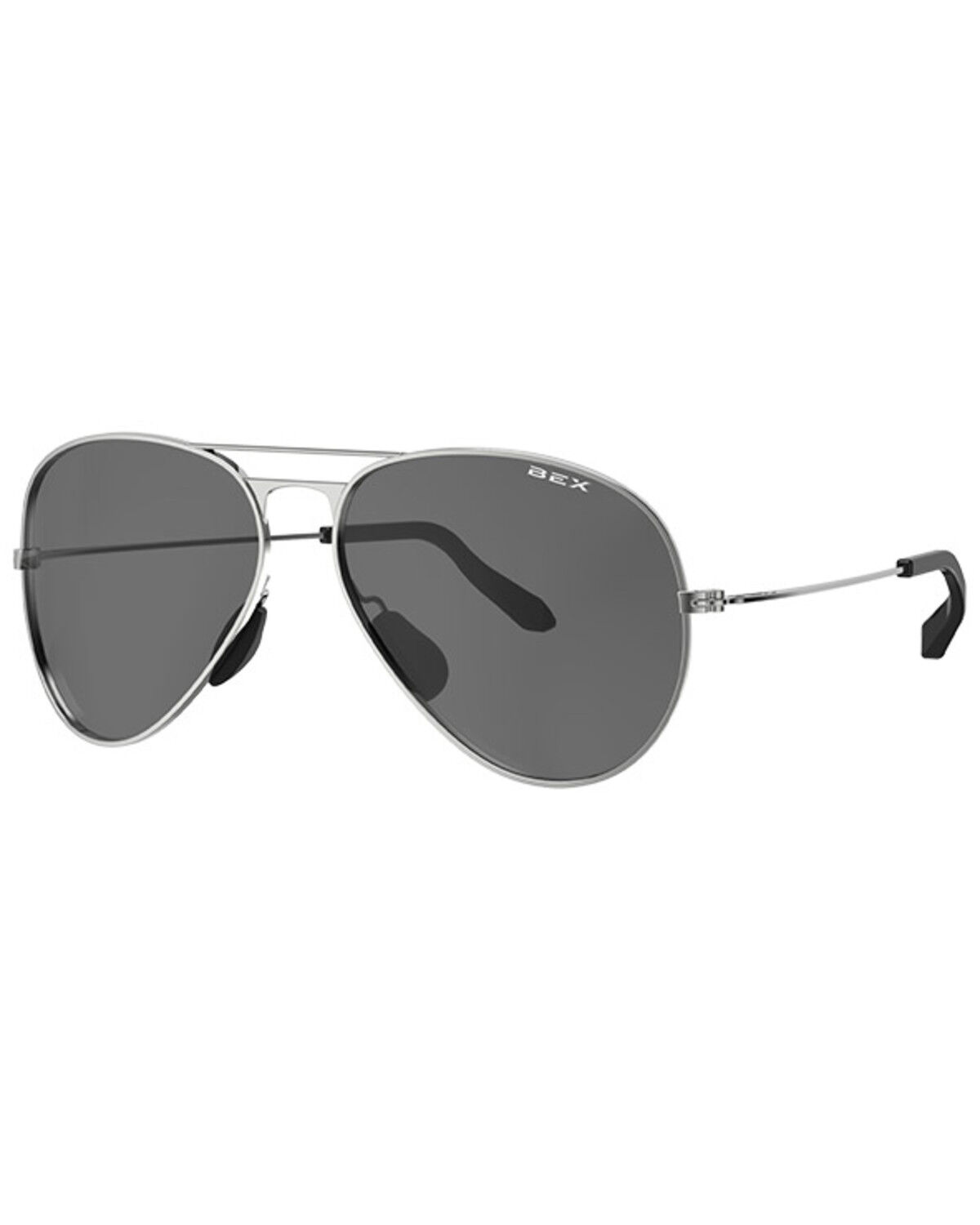
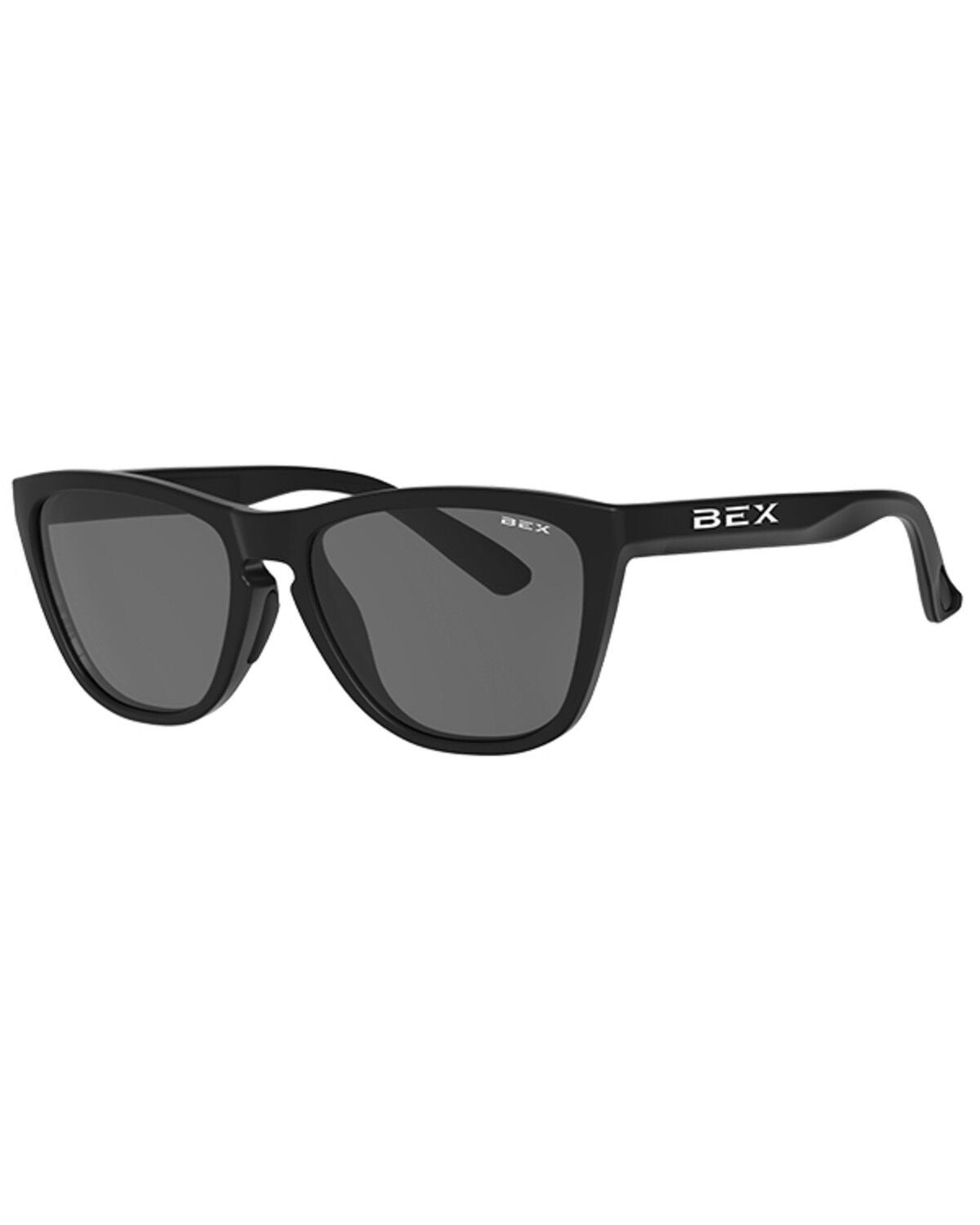
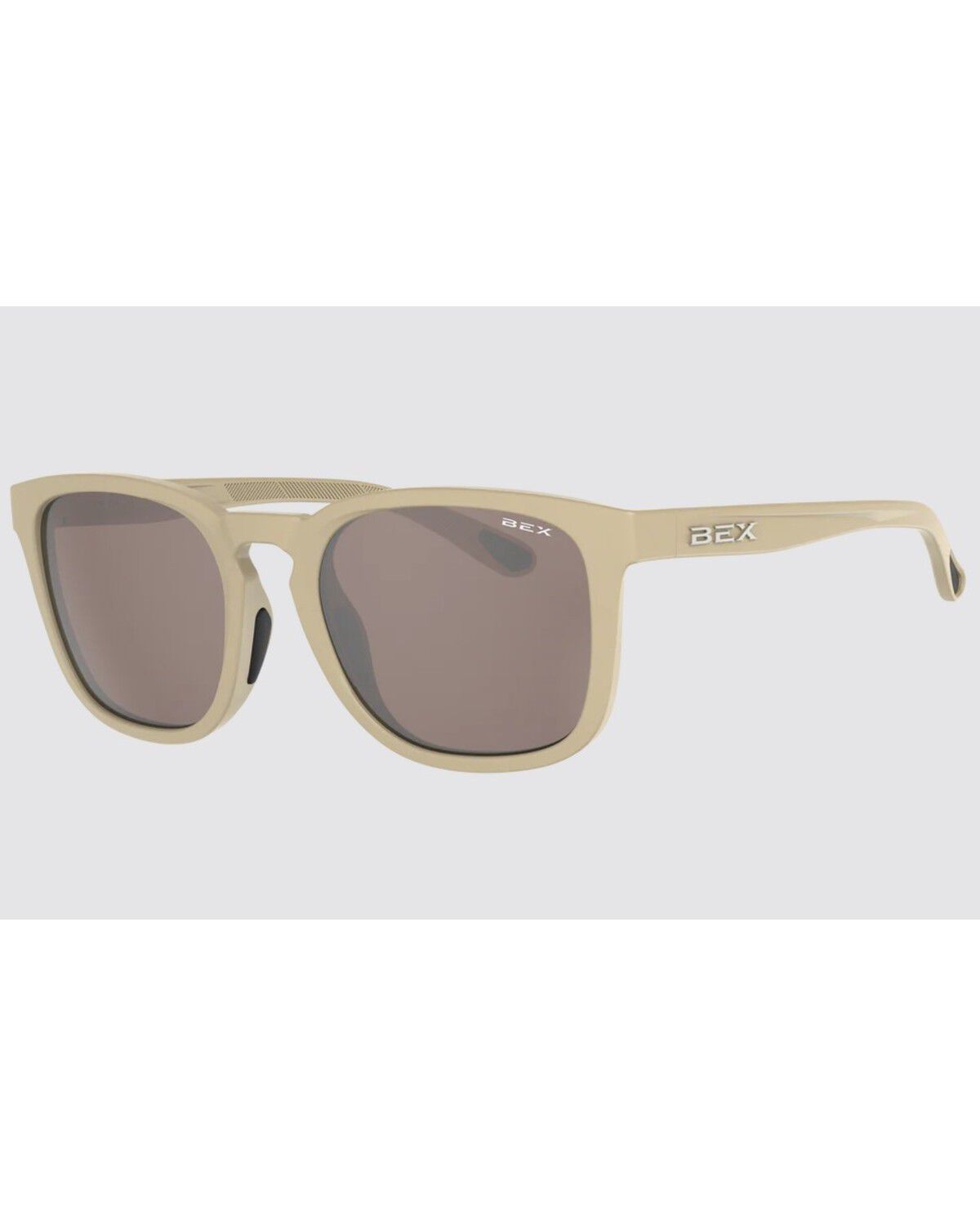
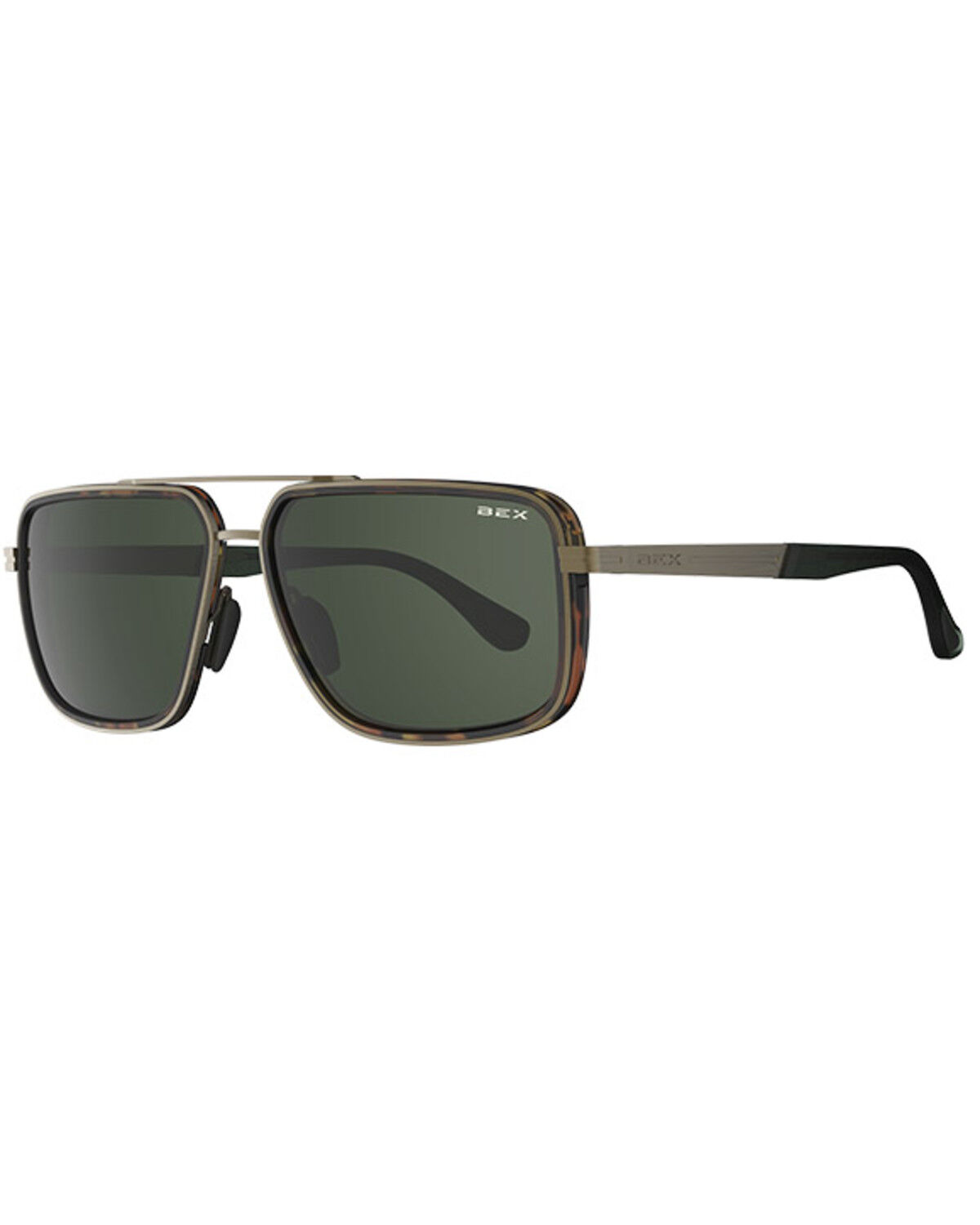
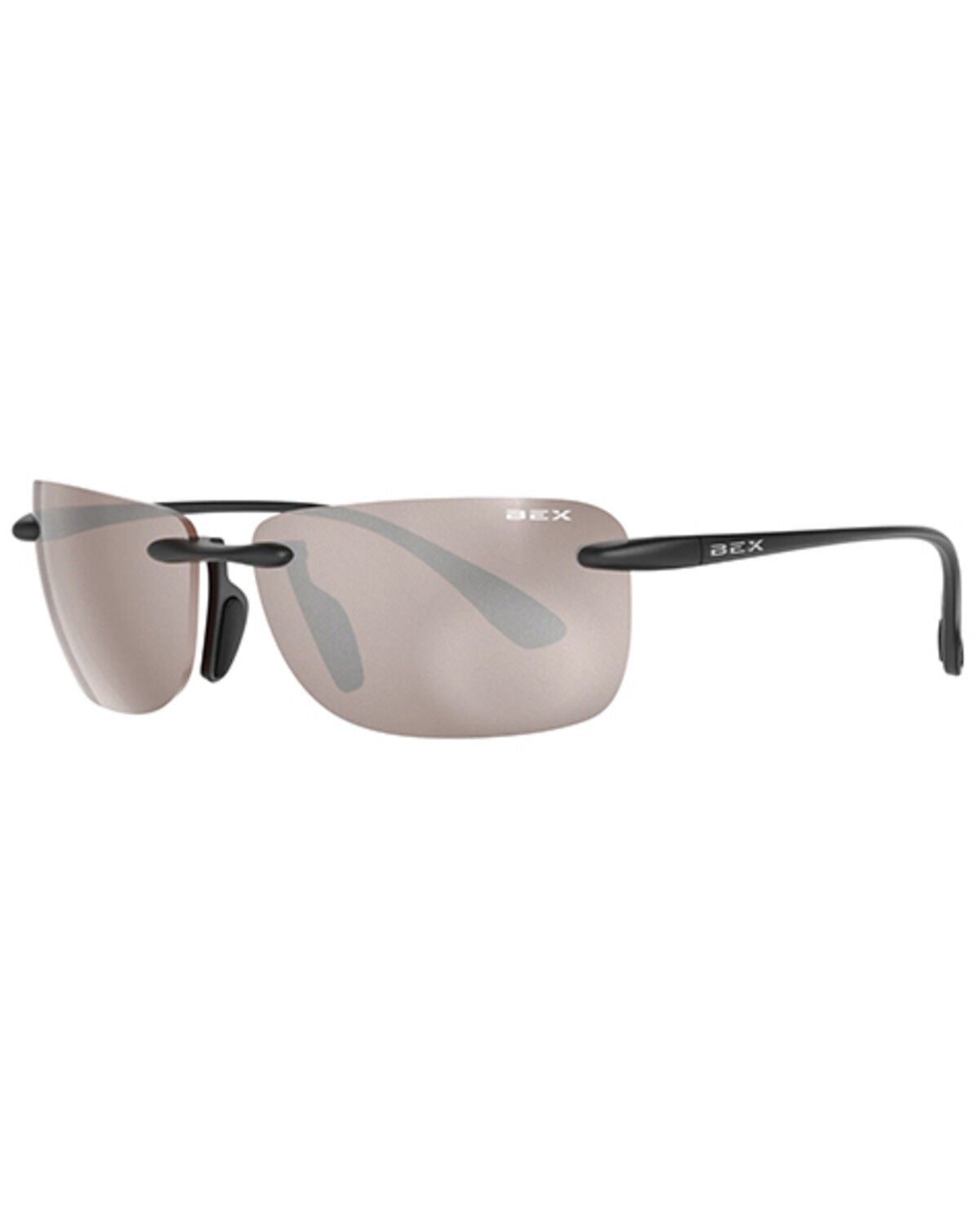
Find blue light blocking polarized sunglasses that combine blue light filtering with reduced glare from reflective surfaces. Compare available styles and check each pair’s product details for fit, lens features, and listed UV protection to choose the right pair for everyday wear.

Read More

Shop Your Store: Shop Your Store: Find a Store

(Turn off Shop Your Store to see all items)

(Turn off Shop Your Store to see all items)

close
  • Recommended
  • Lowest Price
  • Highest Price
Skip pass products
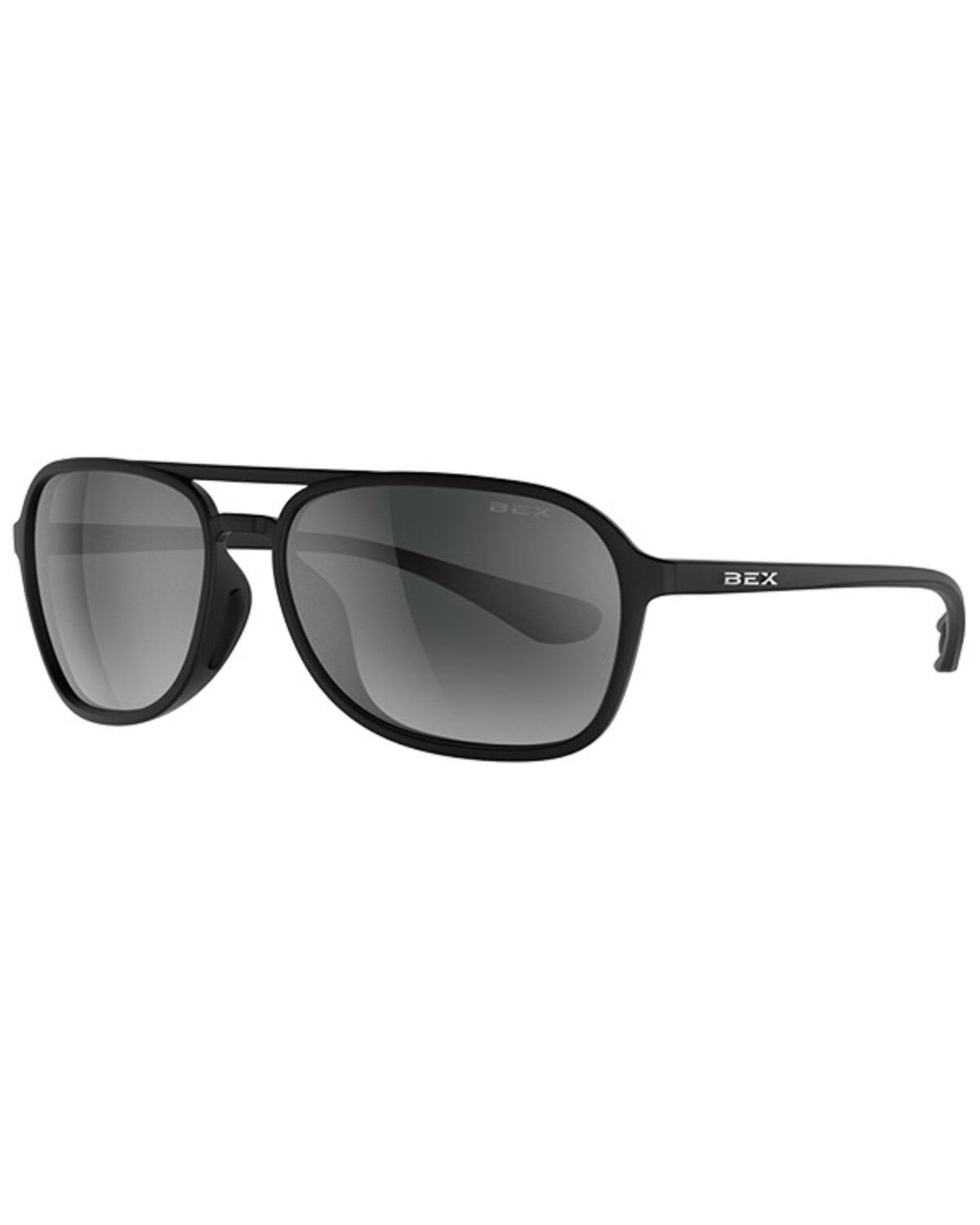
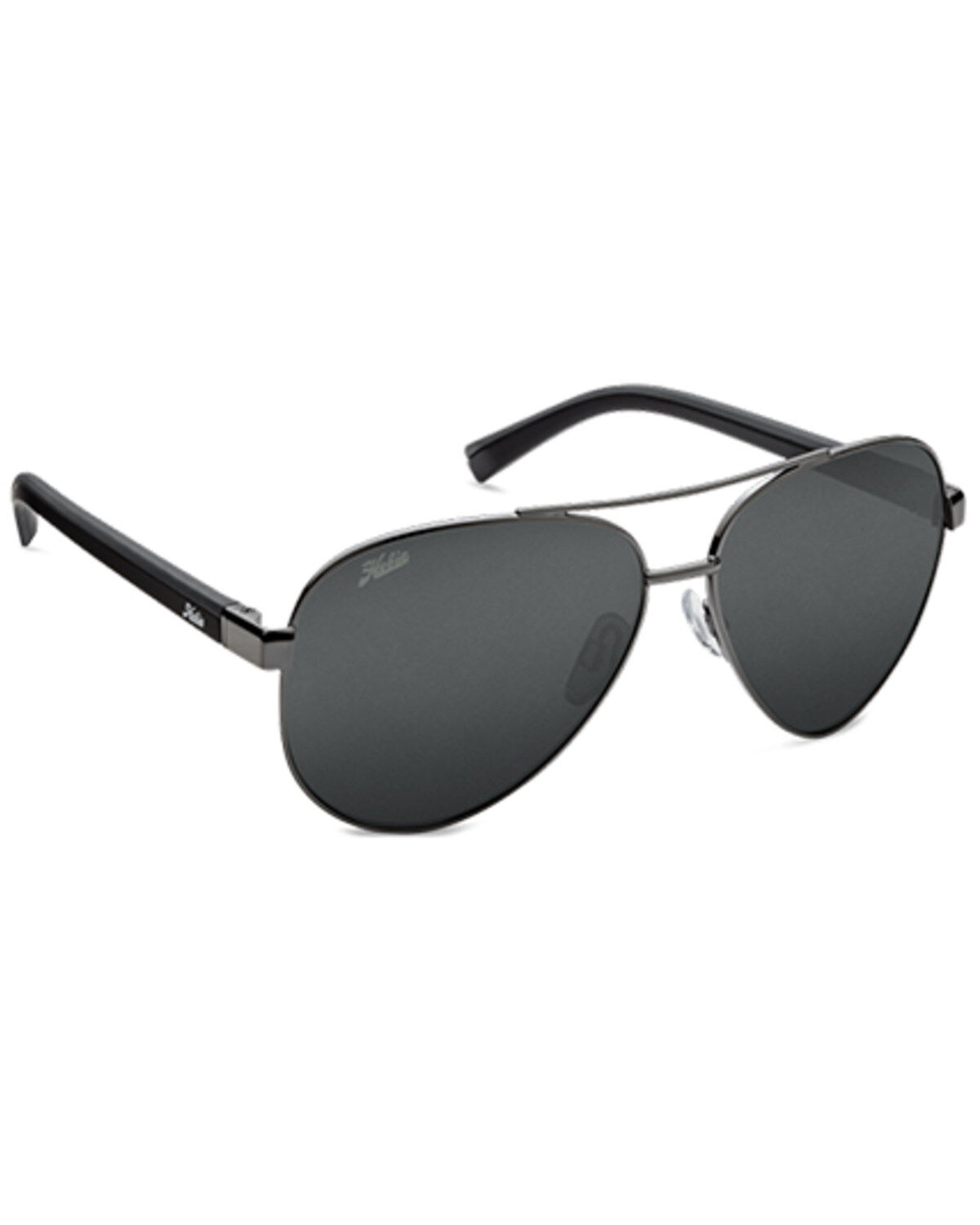
  • Bex Swivel Sunglasses

    Original Price $179.99 $118.97
    34% Total Savings
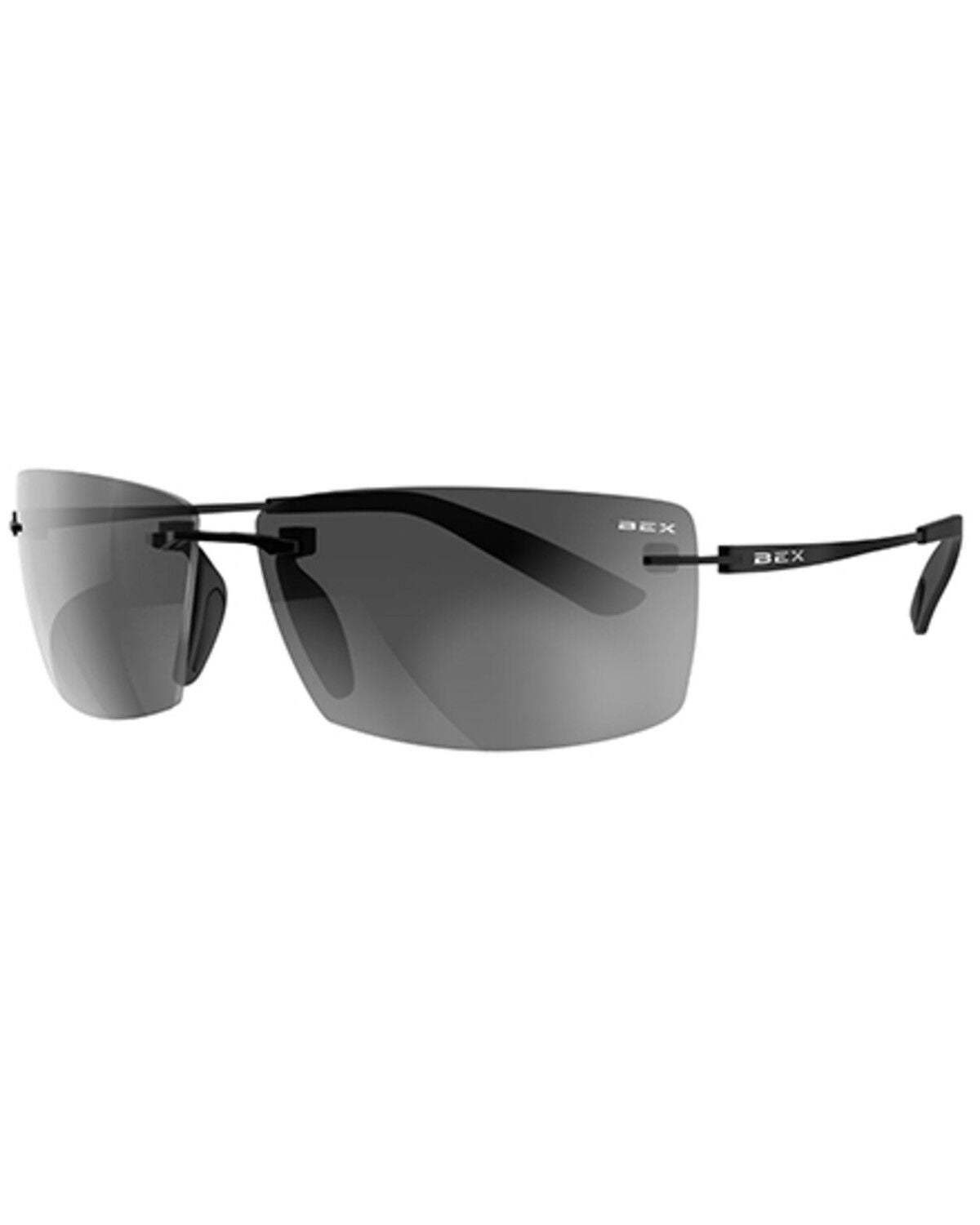
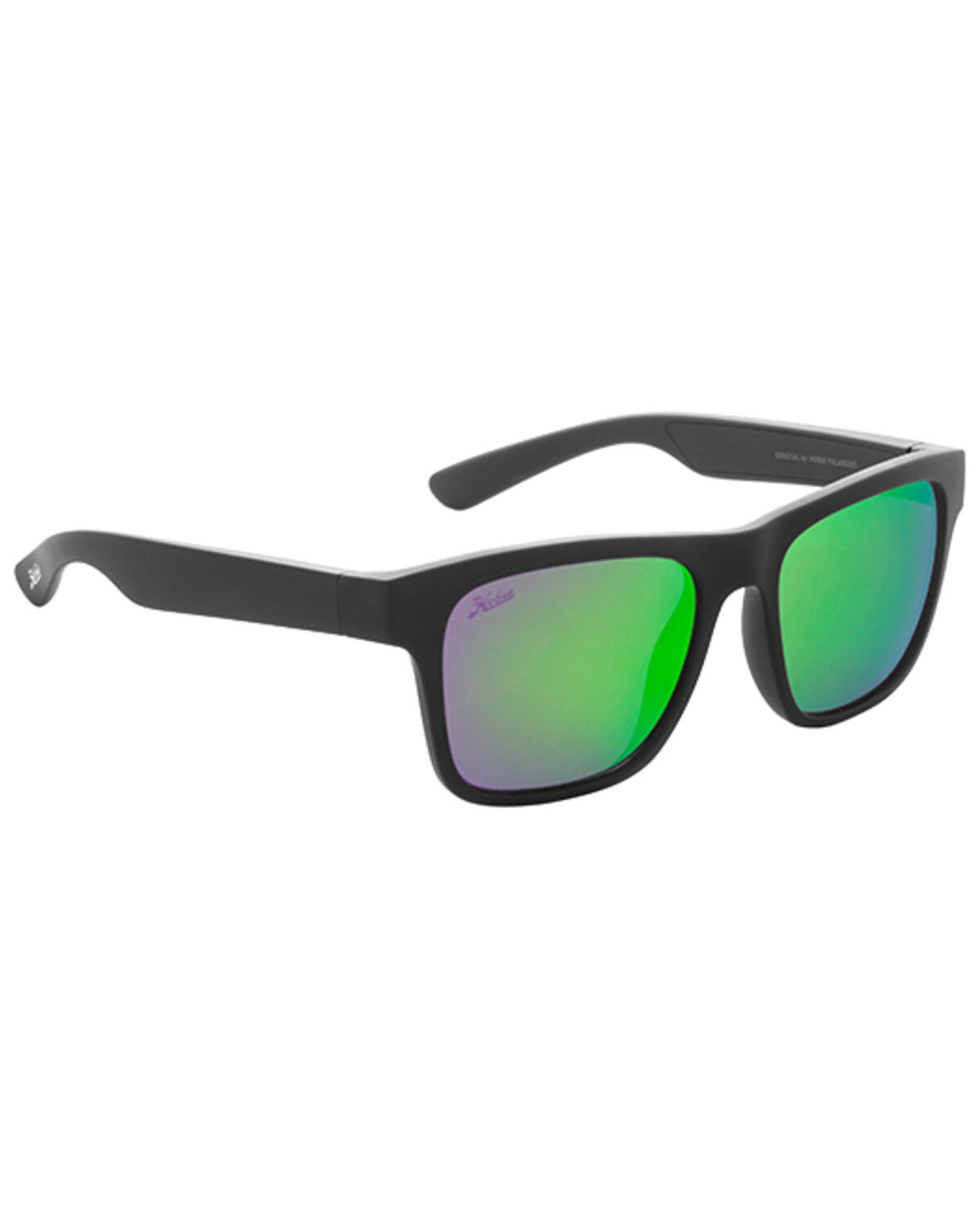
  • Bex Zion Sunglasses

    Original Price $179.99 $118.97
    34% Total Savings

End of products

Blue Light Blocking Polarized Sunglasses

Blue light blocking polarized sunglasses combine two distinct lens features for outdoor wear: filtration of some visible blue light and reduction of reflected glare. Blue light is part of the visible light spectrum, while ultraviolet light falls outside it. A blue light filtering lens limits selected wavelengths according to its design. A polarized lens reduces glare from surfaces such as water, pavement, and vehicle hoods. Together, these features can make bright surroundings more comfortable to look at, especially when reflected light interferes with the view. The amount of blue light filtered varies by lens, so the description alone does not mean every pair blocks the same wavelengths or percentage. Amber, copper, and brown lenses are common choices for filtering portions of blue light. These tints can make contrast more noticeable in certain surroundings, such as the edge of a gravel path or objects against a bright background, but they also change how colors appear. Lens color is not proof of polarization, blue light filtration, or ultraviolet protection. UV protection is a separate specification, typically identified as UV400 or 100% UVA and UVB protection. Dark lenses are not automatically more protective than lighter ones. For everyday outdoor use, the useful combination is documented UV protection, a comfortable tint, and glare reduction suited to the activity. On a fishing trip, polarization can reduce reflections across the water’s surface. Behind the wheel, it can cut distracting glare from pavement and other vehicles without eliminating the need for clear visibility. Around a property, on a walking trail, or beside an outdoor arena, these lenses offer another way to manage reflected light. Blue light blocking polarized sunglasses remain outdoor eyewear, not a substitute for clear computer glasses or a treatment for eye conditions. Their practical value depends on the lens specifications, the fit, and how well the view through them suits the wearer’s daily routine.

Frame construction and lens material have as much influence on daily wear as the filtering features. Lightweight nylon frames can suit active use, while metal frames offer a slimmer profile. Acetate frames provide a more substantial feel and come in shapes that range from square to rounded. None of these materials guarantees a better fit on its own. The bridge should rest securely without pinching, and the temples should hold the frame without pressing hard behind the ears. A frame that slides down while looking at a tackle box or leans against the cheeks can become distracting over a long day. Lens width, bridge width, and temple length help describe the fit more accurately than a style name alone. Wraparound shapes add side coverage, while flatter frames may feel less enclosed and work more easily with certain prescription lens designs. A cowboy hat or ball cap adds another fit consideration: the temples should sit comfortably beneath it, and the frame should not be pushed downward by the brim. Polycarbonate lenses are lightweight and impact resistant, making them a common choice for active eyewear. Glass lenses can provide good optical clarity and resist scratches, but they generally weigh more and can break under impact. Other plastic lens materials offer different balances of weight, clarity, and toughness. Scratch-resistant coatings help with ordinary wear, though no lens surface is scratchproof. Blue light filtration is one feature to consider within Men's Polarized Sunglasses, alongside coverage, weight, and frame shape. Polarization can also make some dashboard displays, phones, and navigation screens appear dim or dark at certain angles. That matters for drivers and anyone using an electronic display outdoors. Sunglasses intended for casual wear should not be assumed to meet workplace safety requirements. Tasks involving flying debris or other hazards call for eyewear with the required safety rating, regardless of lens tint or frame strength.

Good care helps preserve the view through blue light blocking polarized sunglasses and keeps the frame working as intended. Dust from a gravel road, grit from a worksite, and residue from hands can collect on lenses without being obvious at first. Wiping a dry lens with a shirt can drag those particles across the surface and leave scratches. A gentle rinse, followed by a small amount of mild soap when permitted by the manufacturer, removes dirt before drying with a clean microfiber cloth. Lens coatings may require specific cleaning methods, so the care directions matter. Household glass cleaners, harsh solvents, and abrasive materials can damage finishes or coatings. A protective case keeps lenses from rubbing against keys, tools, or loose gear in a truck console or bag. Leaving sunglasses on a dashboard exposes them to heat that can affect some frames and lens coatings. Putting them on and taking them off with both hands also reduces uneven strain on the hinges. Durable eyewear still benefits from basic attention: loose screws, a bent temple, or a damaged lens can change how the glasses sit and how clearly the wearer sees. Deep scratches through the viewing area are a reason to consider replacement rather than another cleaning. As a gift, polarized sunglasses with blue light filtering can suit someone who spends time driving, fishing, walking, or handling everyday tasks outdoors. Fit and tint preference make the choice personal. A person who favors a lighter frame may not enjoy a heavier metal design, and someone accustomed to neutral gray lenses may need time to adjust to amber or copper. Familiar frame measurements and preferred shapes provide a useful starting point. Straightforward styling works with a western shirt, a work jacket, or everyday clothing without drawing attention away from the task. The most useful pair stays comfortable at the bridge, holds steady when the wearer looks down, and provides a clear view without becoming something that needs constant adjustment.
Read More

FAQs