Black Studded Western Boots

Black studded western boots bring distinctive detail to a classic cowboy boot look. As you browse the selection, consider the placement of the studs and the overall boot shape to find a pair that works with your jeans and western wear.

Read More

Shop Your Store: Shop Your Store: Find a Store

(Turn off Shop Your Store to see all items)

(Turn off Shop Your Store to see all items)

close
  • Recommended
  • Lowest Price
  • Highest Price
Skip pass products
  • Women's Shyanne Tammye Slouch Harness Fashion Boots - Round Toe
    Original Price $119.99 $88.97
    26% Total Savings
  • Women's Circle G Studded Harness Booties - Round Toe
    Original Price $133.99 $99.97
    25% Total Savings
  • Women's Laredo Eternity Western Boots - Broad Square Toe
    Original Price $179.99 $107.97
    40% Total Savings
  • Women's Laredo Journee Western Boots - Round Toe
    Original Price $169.99 $104.97
    38% Total Savings
  • Women's Azalea Wang Kalpana Tall Western Boots - Snip Toe
    Original Price $159.99 $99.97
    38% Total Savings
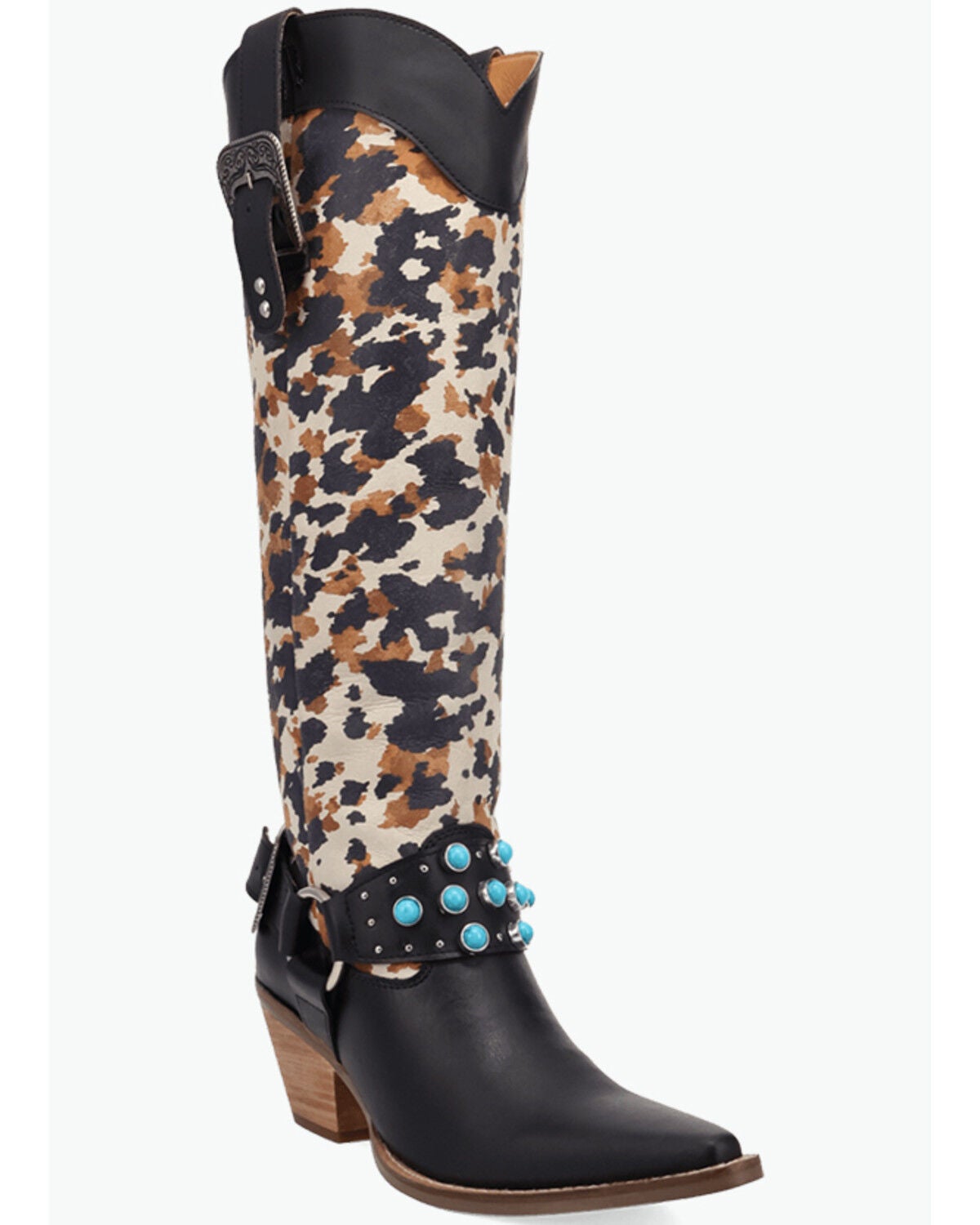
  • Women's Dingo Broadway Bunny Studded Tall Western Boots - Snip Toe
    Original Price $209.99 $124.97
    40% Total Savings
  • Women's Shyanne Astra Western Boots - Square Toe
    Original Price $219.99 $99.00
    55% Total Savings

End of products

Black Studded Western Boots

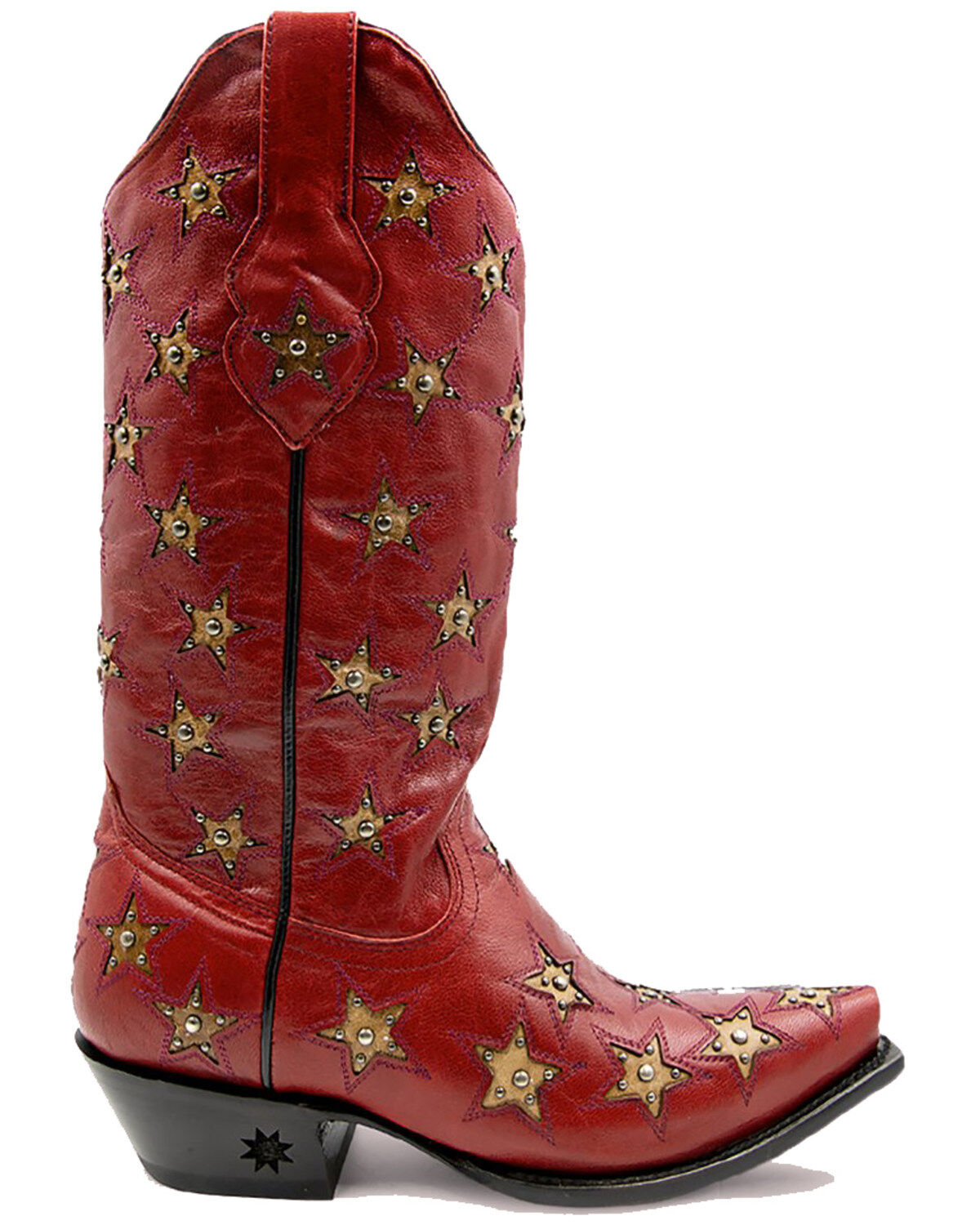
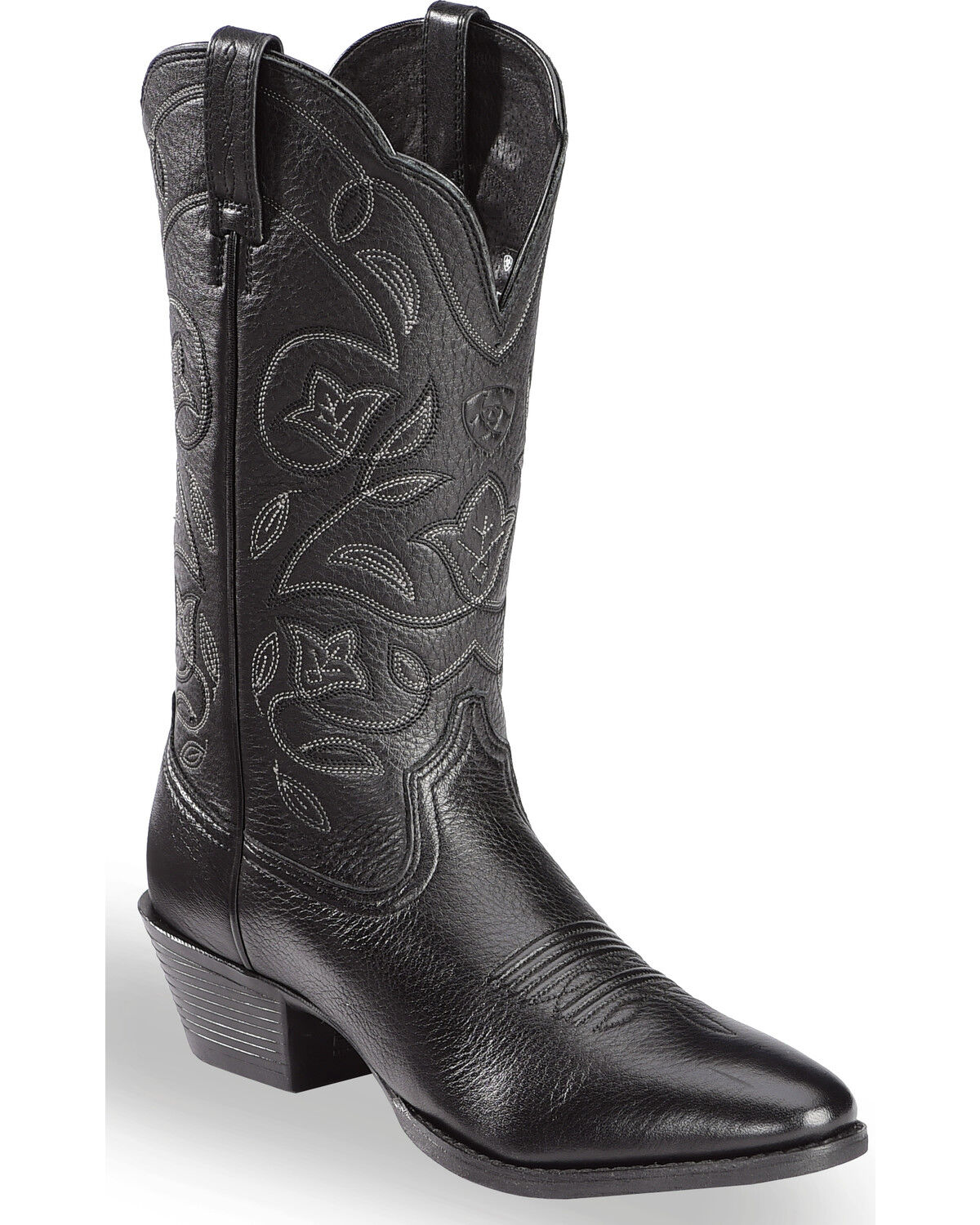
Black studded western boots combine a cowboy boot silhouette with metal accents that stand out against a dark upper. The look can be understated, with a single row of studs along the collar, or more pronounced, with hardware tracing the shaft, outlining seams, or forming patterns across the foot. Stud size, spacing, and finish make a difference. Small silver-tone studs create a sharp contrast against smooth black leather, while darker hardware keeps the detail more subtle. Rounded studs have a different character from flat or angular shapes, even when the boot profiles are similar. Within the broader category of Black Studded Boots, western styles are distinguished by familiar features such as shaped shafts, pull straps, traditional stitching, and cowboy heels. Toe shapes range from pointed and snip profiles to round and square designs, giving each pair a different balance of shape and room. Shaft height also changes the overall appearance. Shorter styles leave more of the leg visible, while taller shafts give the stud pattern more space and become a stronger part of an outfit. Materials influence both appearance and upkeep. Smooth leather shows the contrast between the upper and hardware clearly and can develop creases with wear. Suede has a softer, textured surface that calls for different cleaning methods. Synthetic uppers vary in flexibility and finish, so their care requirements should come from the manufacturer rather than general leather-care advice. Black studded cowboy boots work with straight-leg jeans, bootcut denim, skirts, and dresses without requiring much additional detail. A plain shirt and dark denim let the hardware stand on its own. A skirt or dress leaves the shaft visible, making the placement of the studs more noticeable. For concerts, dinners, dancing, or everyday wear, the strongest choice is a boot whose shape and level of detail suit the setting and the person wearing it. Hardware adds character, but the underlying silhouette still determines how the boot looks and feels.

Fit deserves as much attention as the finish. A western boot should hold the foot securely without squeezing the toes or creating pressure across the instep. The widest part of the foot should sit near the widest part of the boot, with room for the toes to rest naturally rather than press into the front. A pointed toe extends beyond the toes by design; that extra length does not mean the boot is too large. Some heel movement can occur in a new pull-on boot, but excessive lifting, sliding, or rubbing is a reason to reassess the fit. Leather may soften with use, yet a break-in period should not be expected to correct a boot that is painfully tight or the wrong length. Try boots with the socks intended for regular wear, and walk on a clean surface to check how the foot moves. Pay attention when turning, climbing a step, or standing still, not only during a few strides across a room. Shaft fit matters, too. The opening should accommodate the calf comfortably, and the top edge should not dig into the leg. When jeans will be worn over the shaft, check that the fabric falls without catching heavily on raised studs. With bare legs, make sure the lining and collar feel smooth against the skin. For long periods on the feet, consider heel height, cushioning, arch support, boot weight, and outsole construction together. A taller heel changes the angle of the foot, while a lower profile may feel more familiar for routine walking. Leather and rubber outsoles can feel different underfoot, and traction depends on the actual sole design and the surface. Studded fashion details do not establish suitability for riding, demanding work, or protective use. Those activities call for footwear designed for the task, with the necessary construction and any required safety features clearly identified. Choosing by intended use helps keep appearance and function in balance.

Durability depends on more than the thickness of the upper. Sound stitching, secure hardware, a well-attached sole, and a lining that holds up to repeated wear all contribute to how a boot performs over time. Look closely at areas that flex, including the forefoot and the transition between the foot and shaft. Studs should sit firmly without loose edges that catch on fabric, and the material around them should show no tearing. Raised hardware can rub against furniture or snag delicate clothing, so a little awareness helps protect both the boots and whatever they touch. After wear, remove surface dust with a soft cloth or a brush suited to the upper material. For smooth leather, use a compatible cleaner and conditioner according to the care directions, testing an inconspicuous area before treating the whole boot. Keep leather products off suede unless they are specifically labeled for that material. Clean carefully around the studs rather than scrubbing across them with an abrasive brush, and avoid soaking the upper or applying harsh household cleaners to the hardware. Metal finishes and leather dyes can react differently to cleaning products. Let damp boots dry naturally away from direct heat, and do not assume a leather upper or studded construction makes a boot waterproof. Store boots with enough space that the hardware does not press into another pair, and use appropriate support to help taller shafts retain their shape. Inspect loose studs, worn heel caps, and separating seams early; a qualified boot repair professional can assess whether a repair is practical before the damage spreads. Black studded western boots can also make a personal gift for someone who already wears western footwear or likes distinctive accessories. Knowing the recipient’s usual boot size is helpful, but preferred toe shape, heel height, shaft fit, and tolerance for bold hardware matter just as much. A familiar silhouette with carefully chosen detailing is often a more useful gift than a dramatic style that does not fit the wearer’s routine. The best pair earns regular wear through comfort, sound construction, and details that feel right for the person wearing it.
Read More

FAQs