Best Work Boots For Blue Collar Workers

The best work boots for blue collar workers are the ones that match the demands of the job. Browse Boot Barn’s selection of work footwear with your daily tasks in mind. Compare fit and comfort features, and check each pair’s product details against your workplace safety requirements before choosing.

Shop Your Store: Shop Your Store: Find a Store

(Turn off Shop Your Store to see all items)

(Turn off Shop Your Store to see all items)

close
  • Recommended
  • Lowest Price
  • Highest Price
Skip pass products

End of products

Best Work Boots For Blue Collar Workers

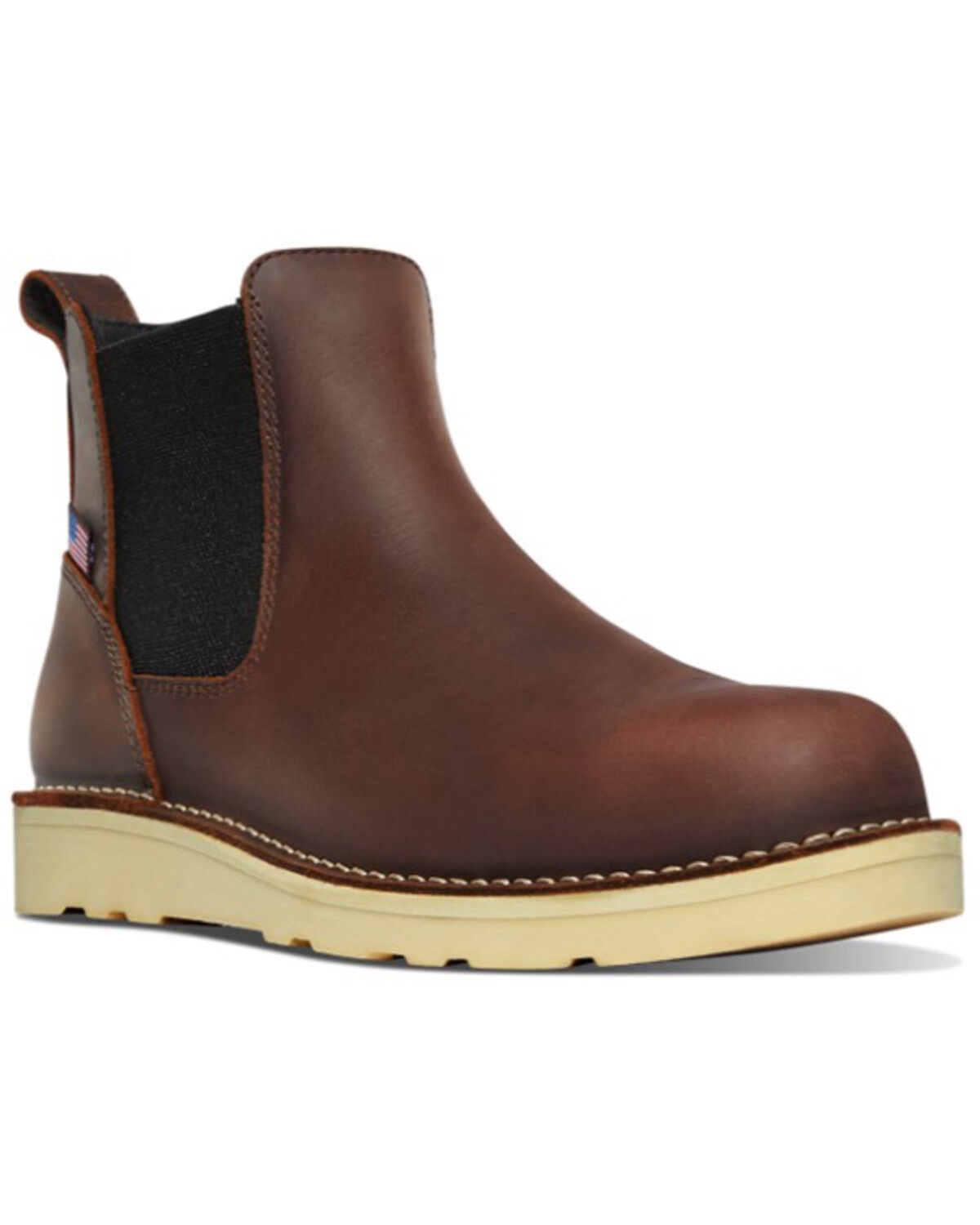
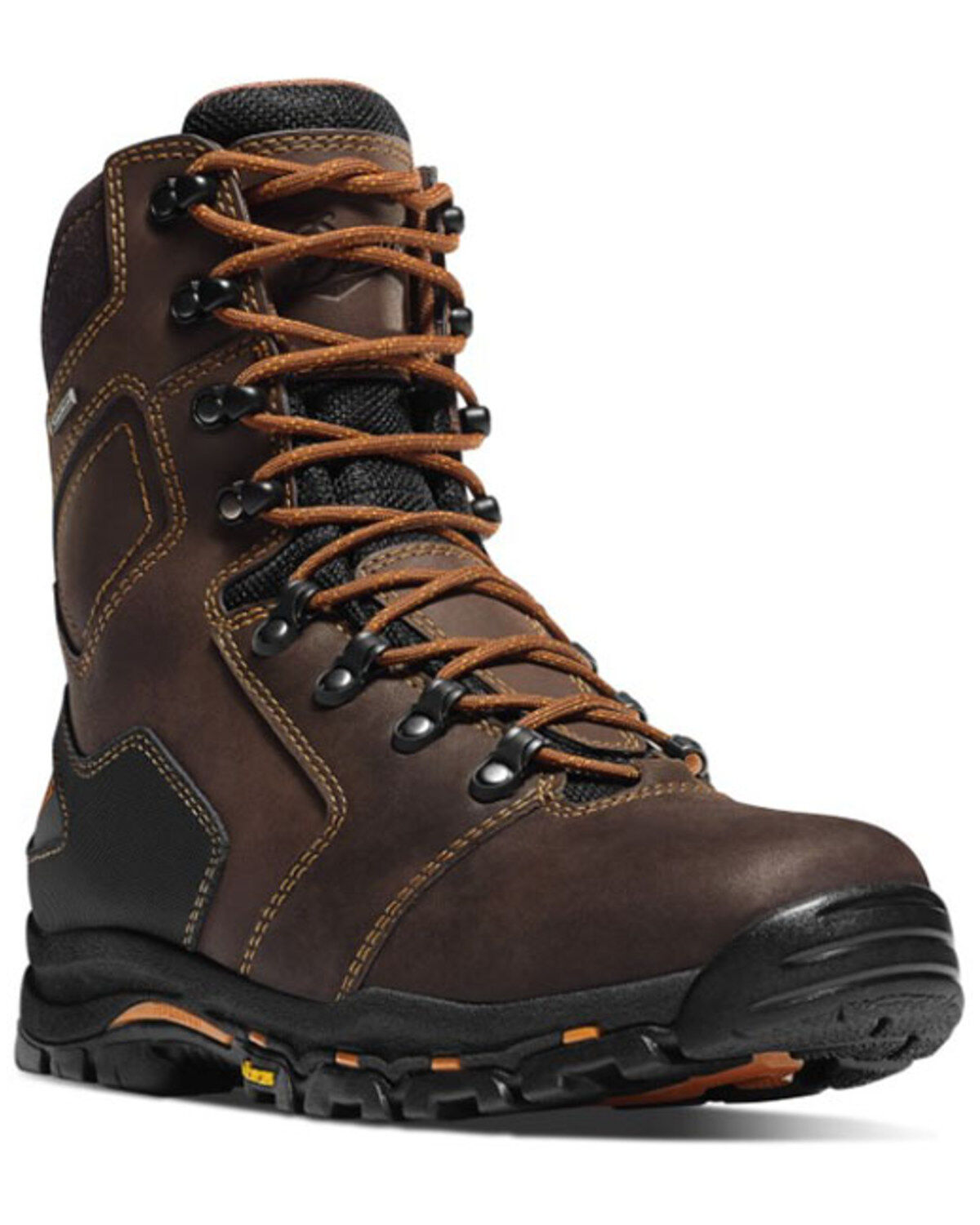
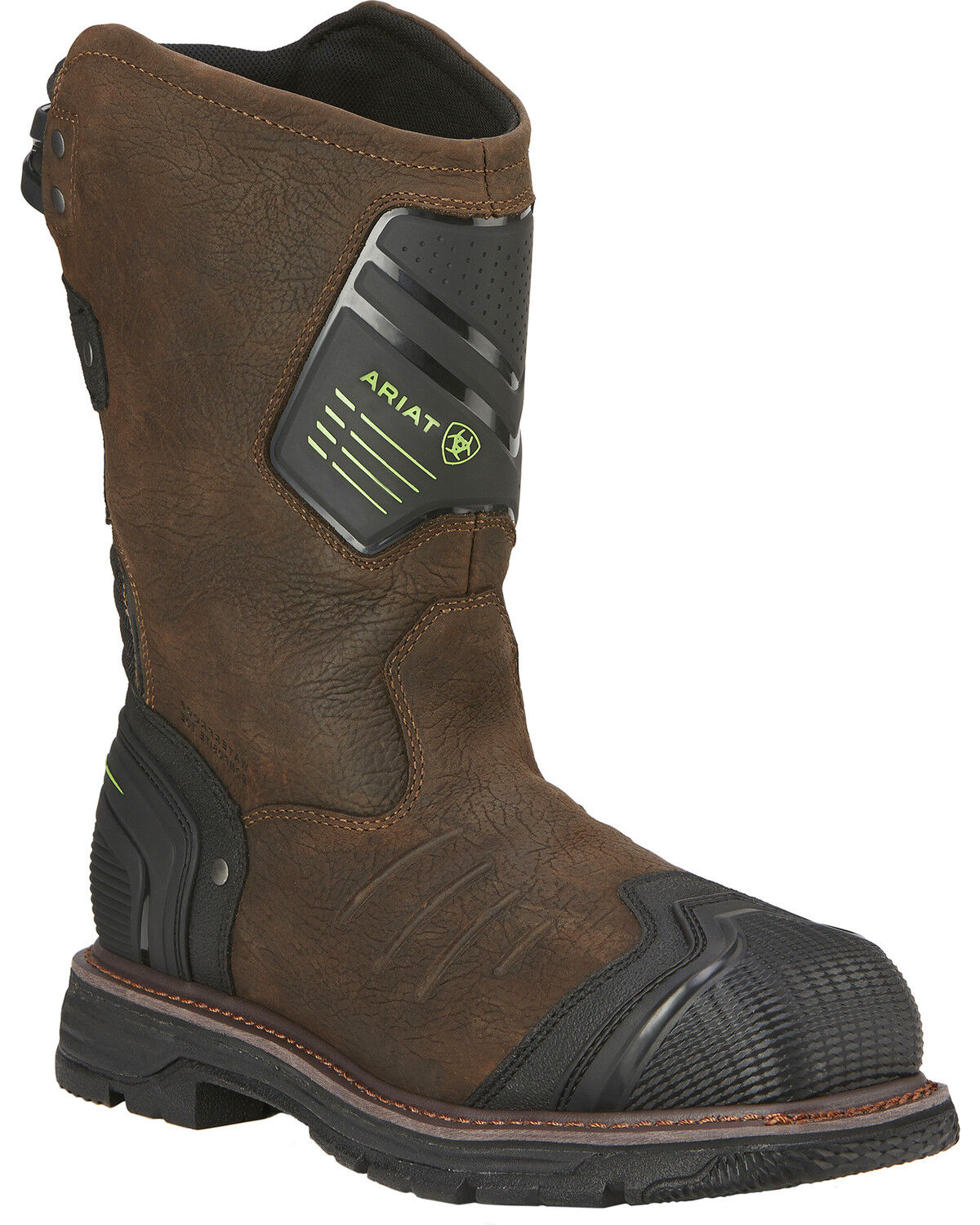
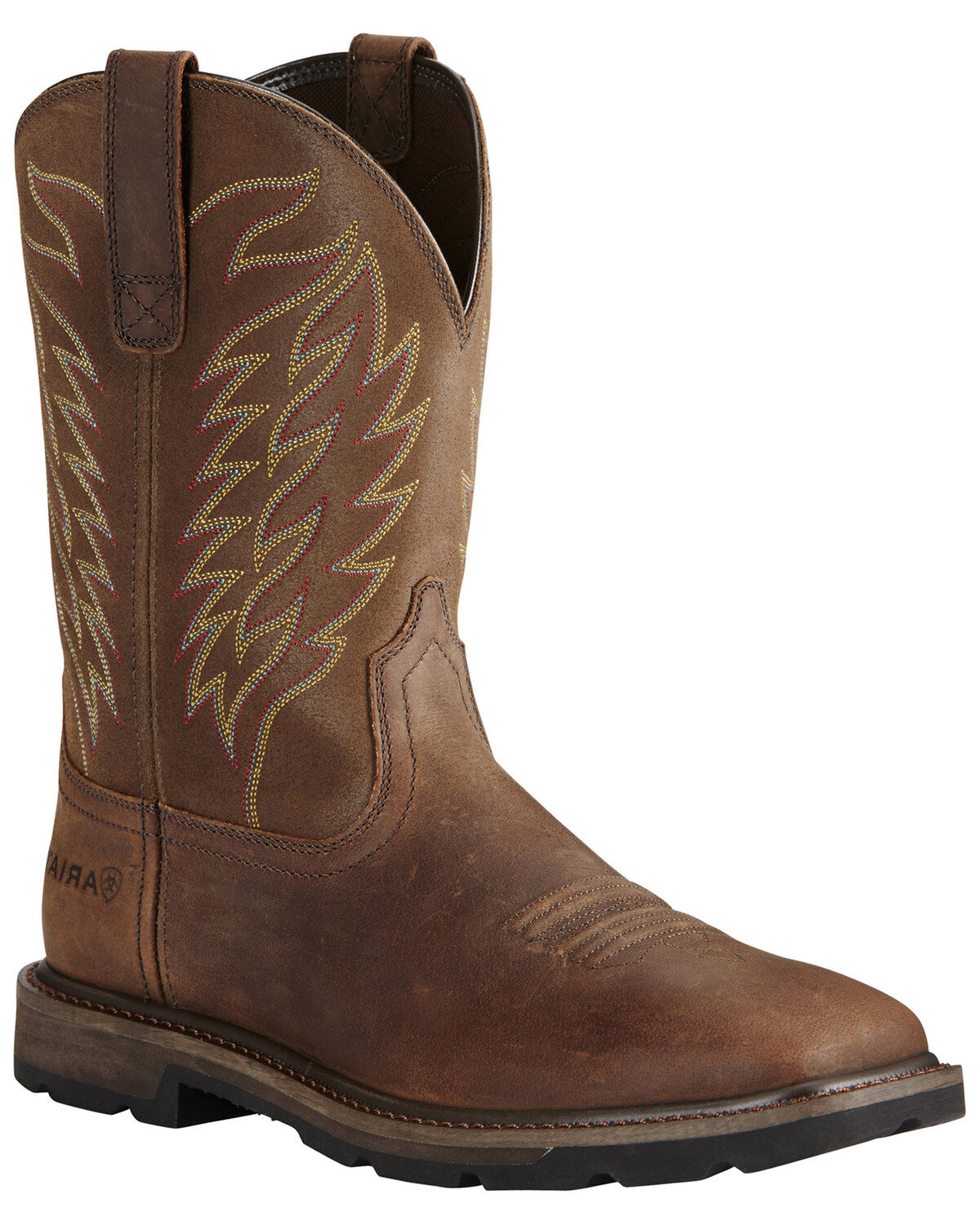
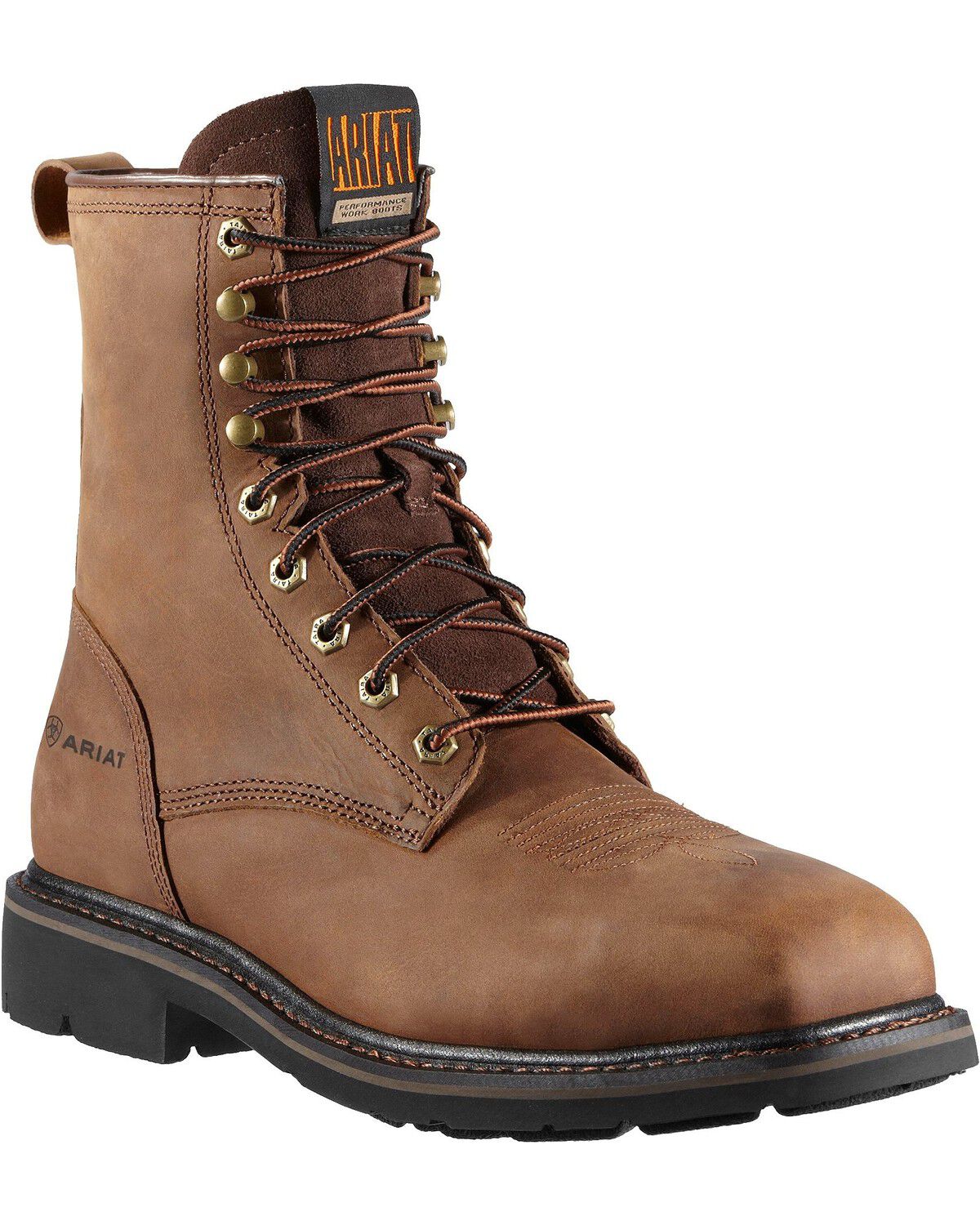
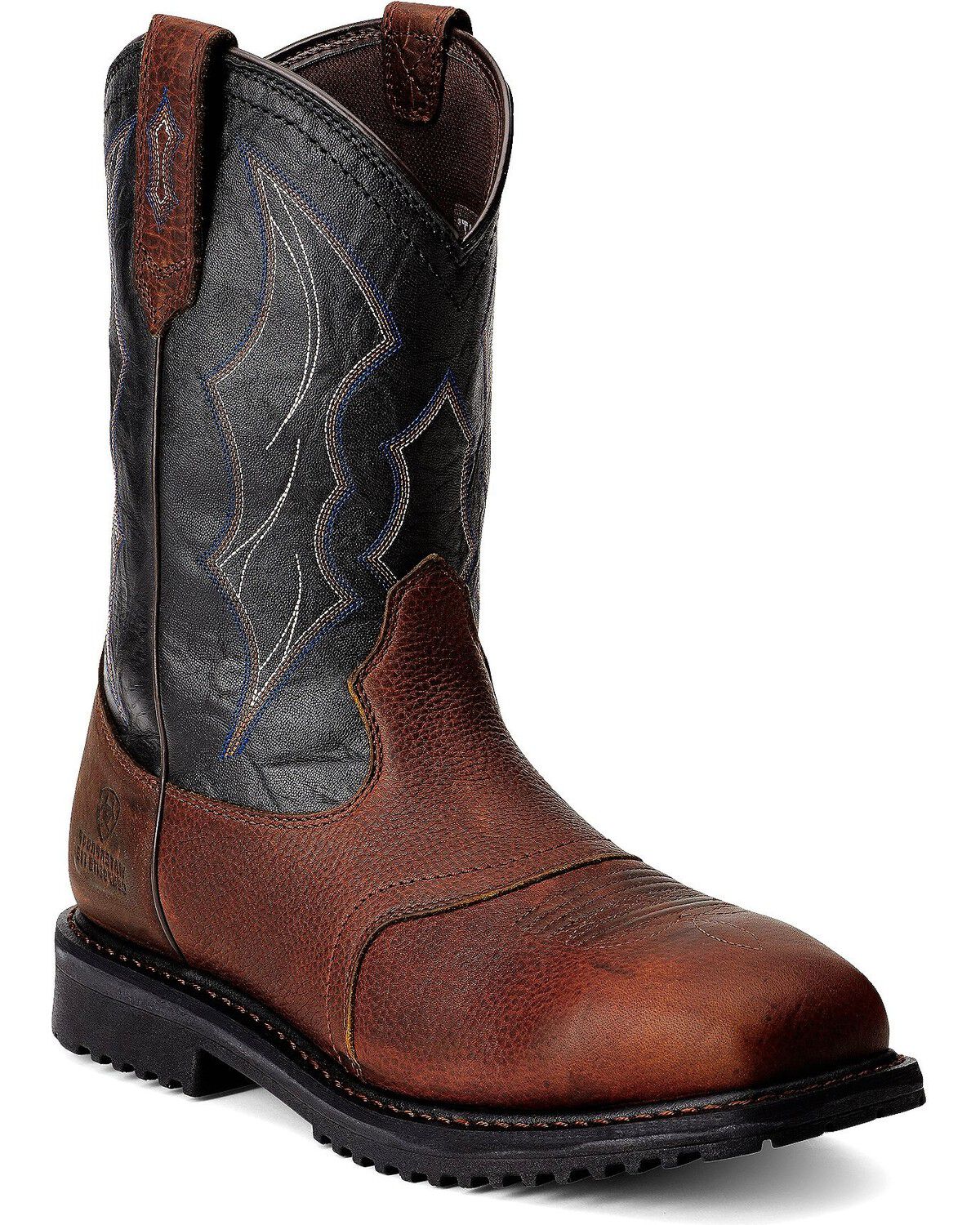
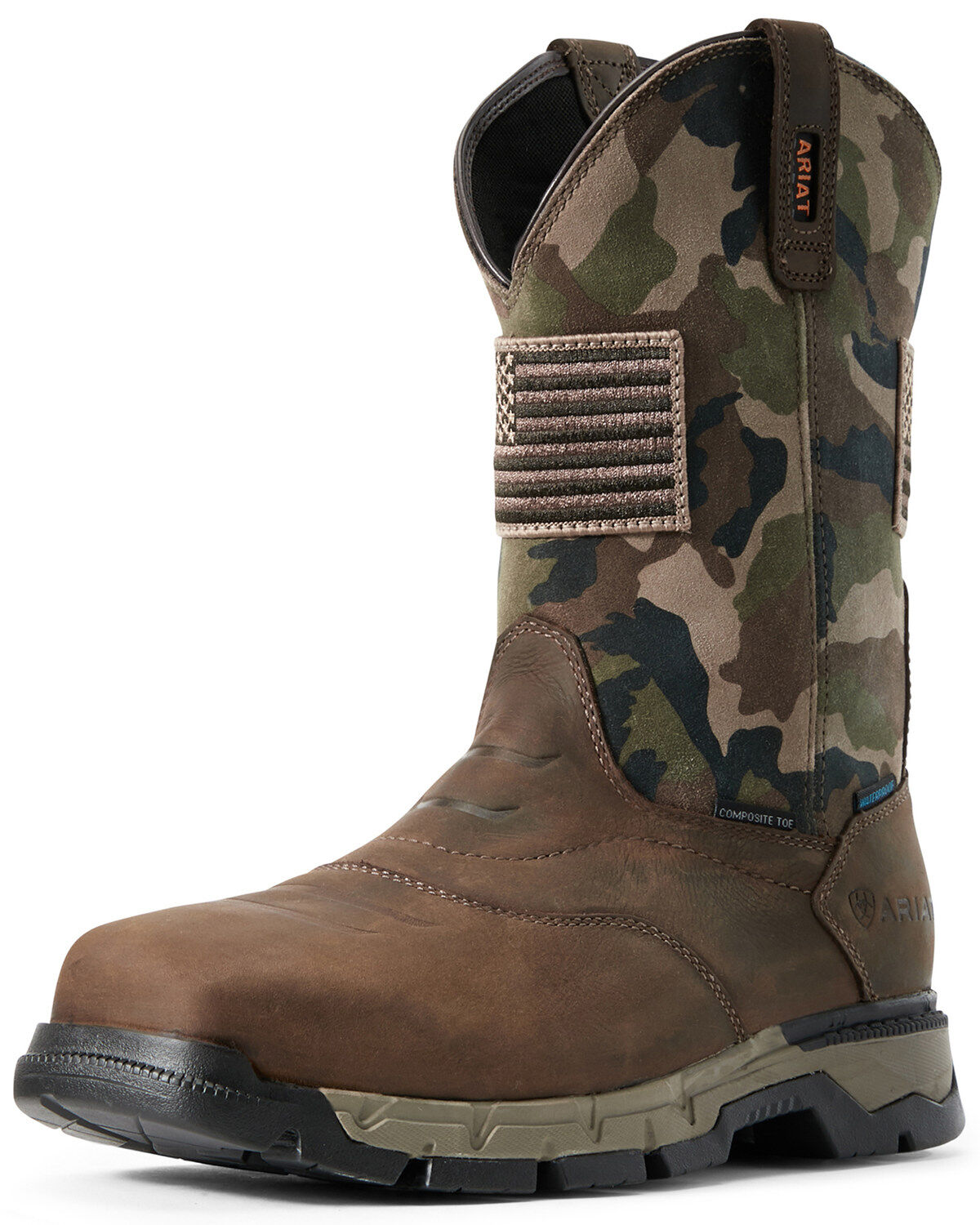
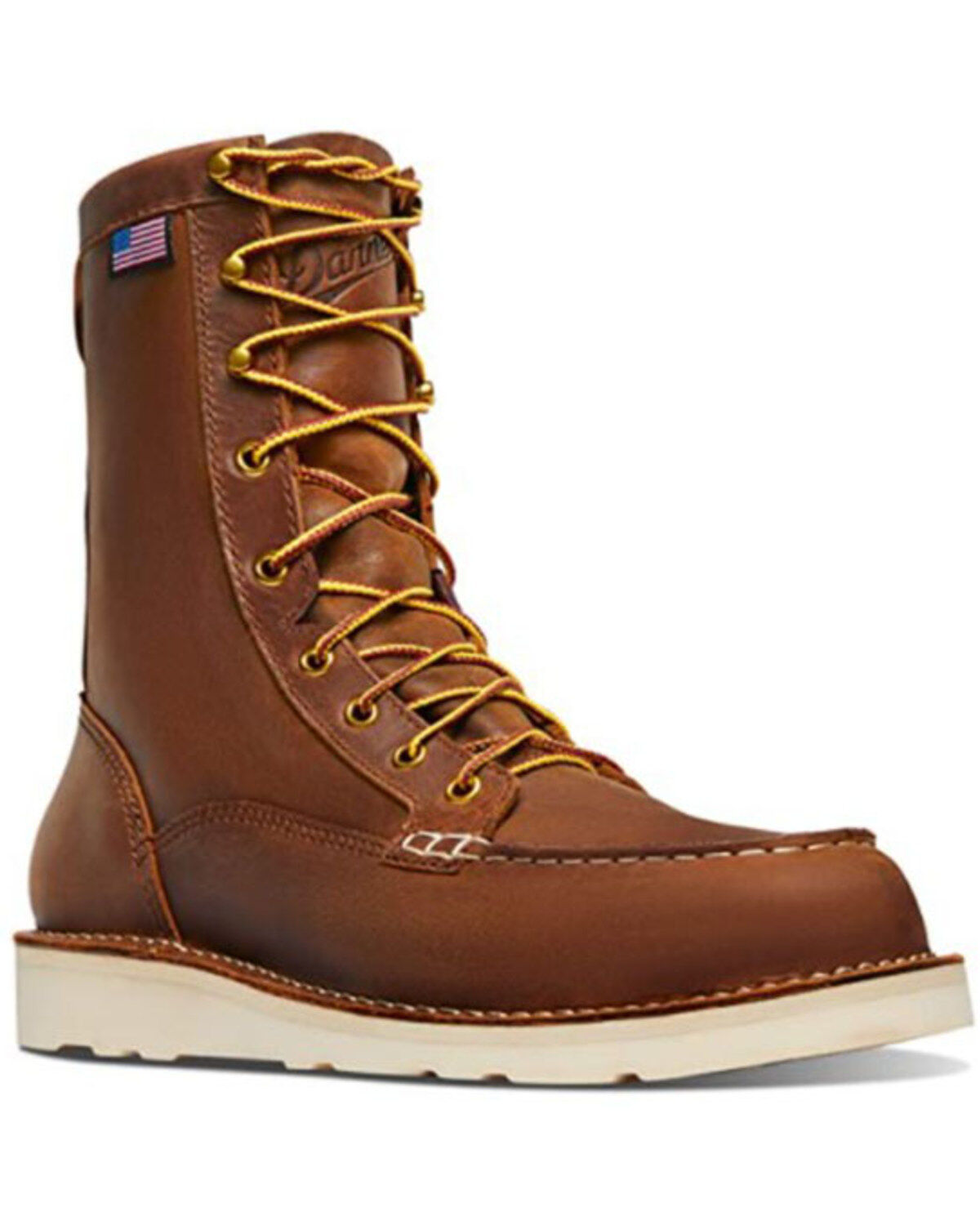
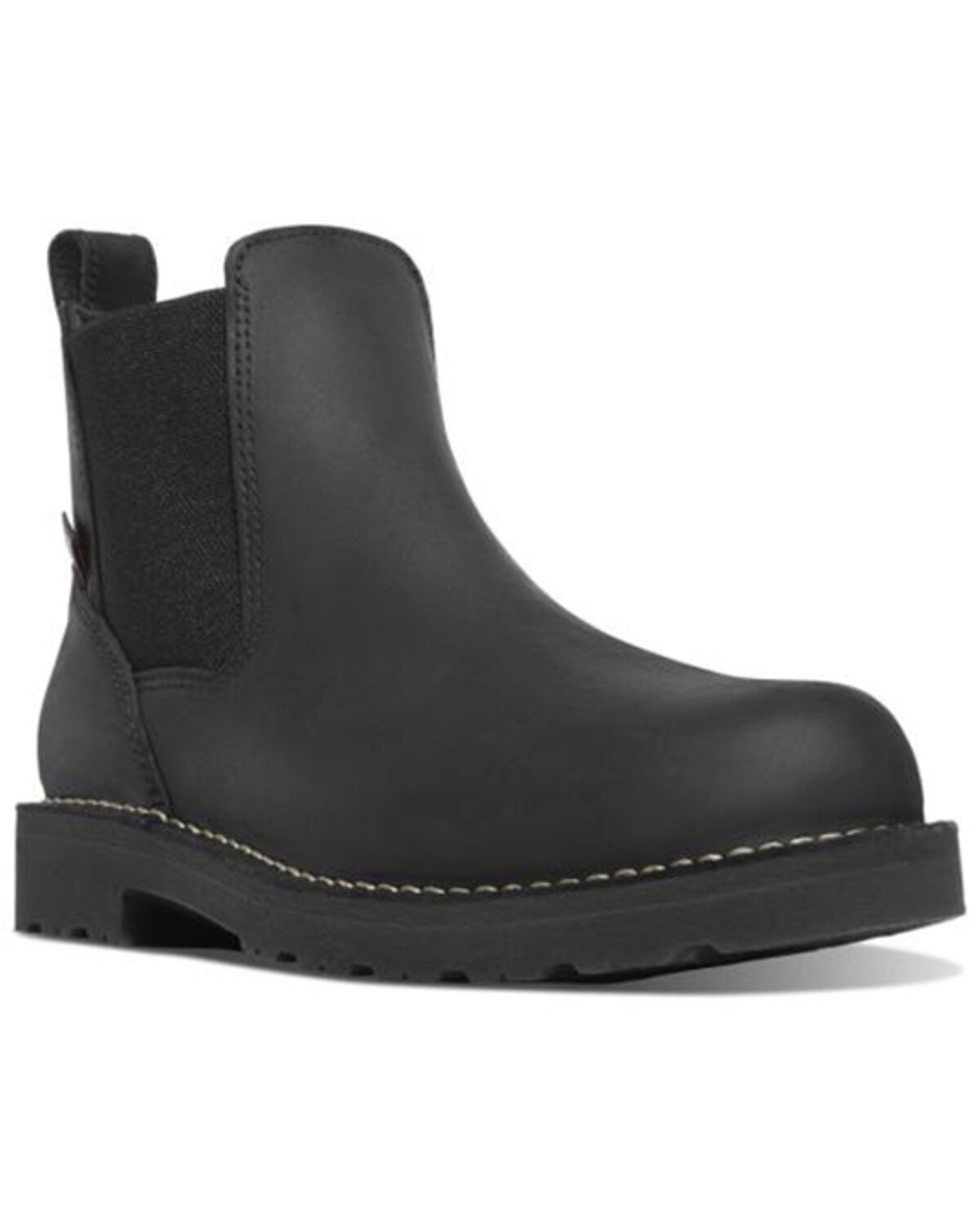
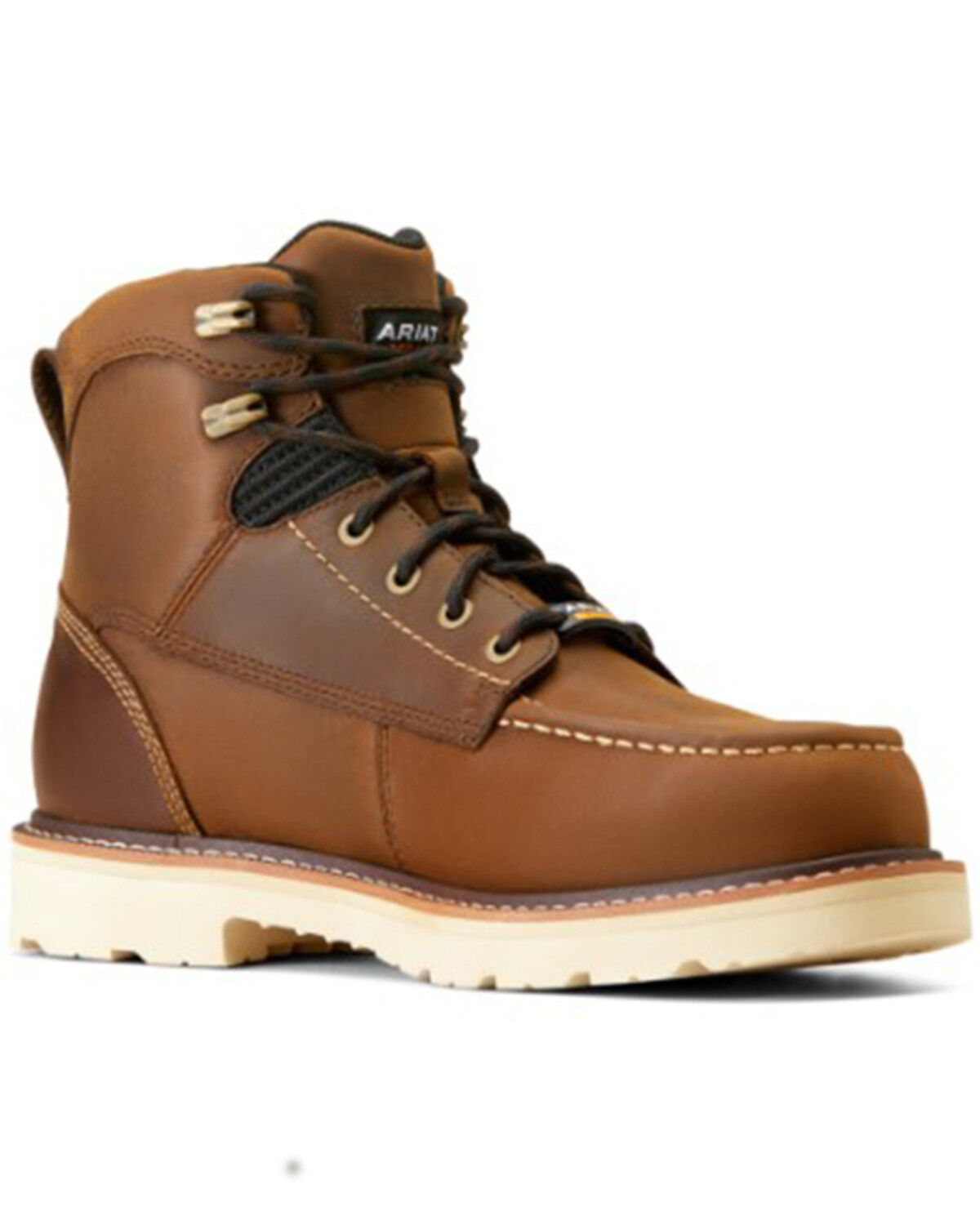
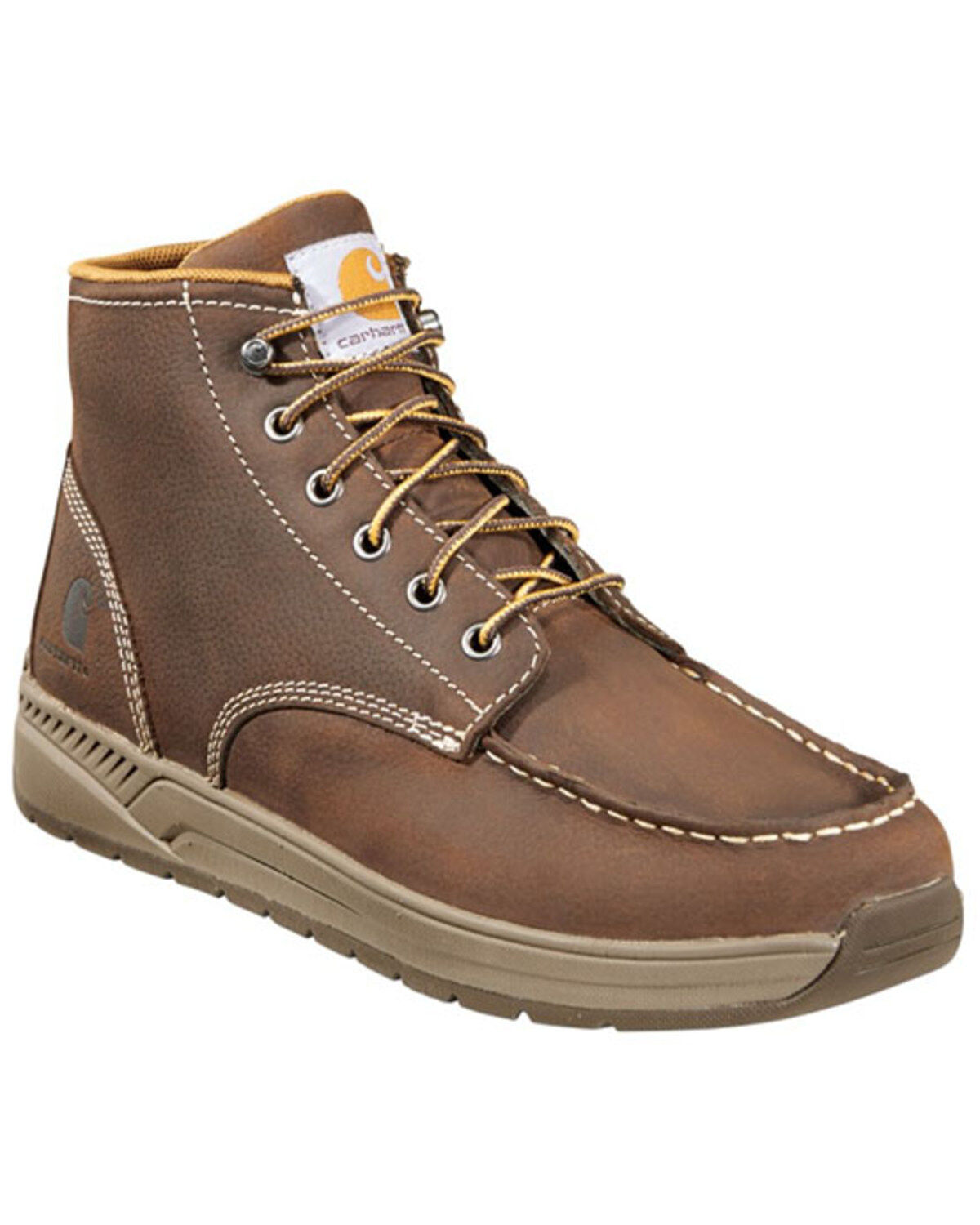
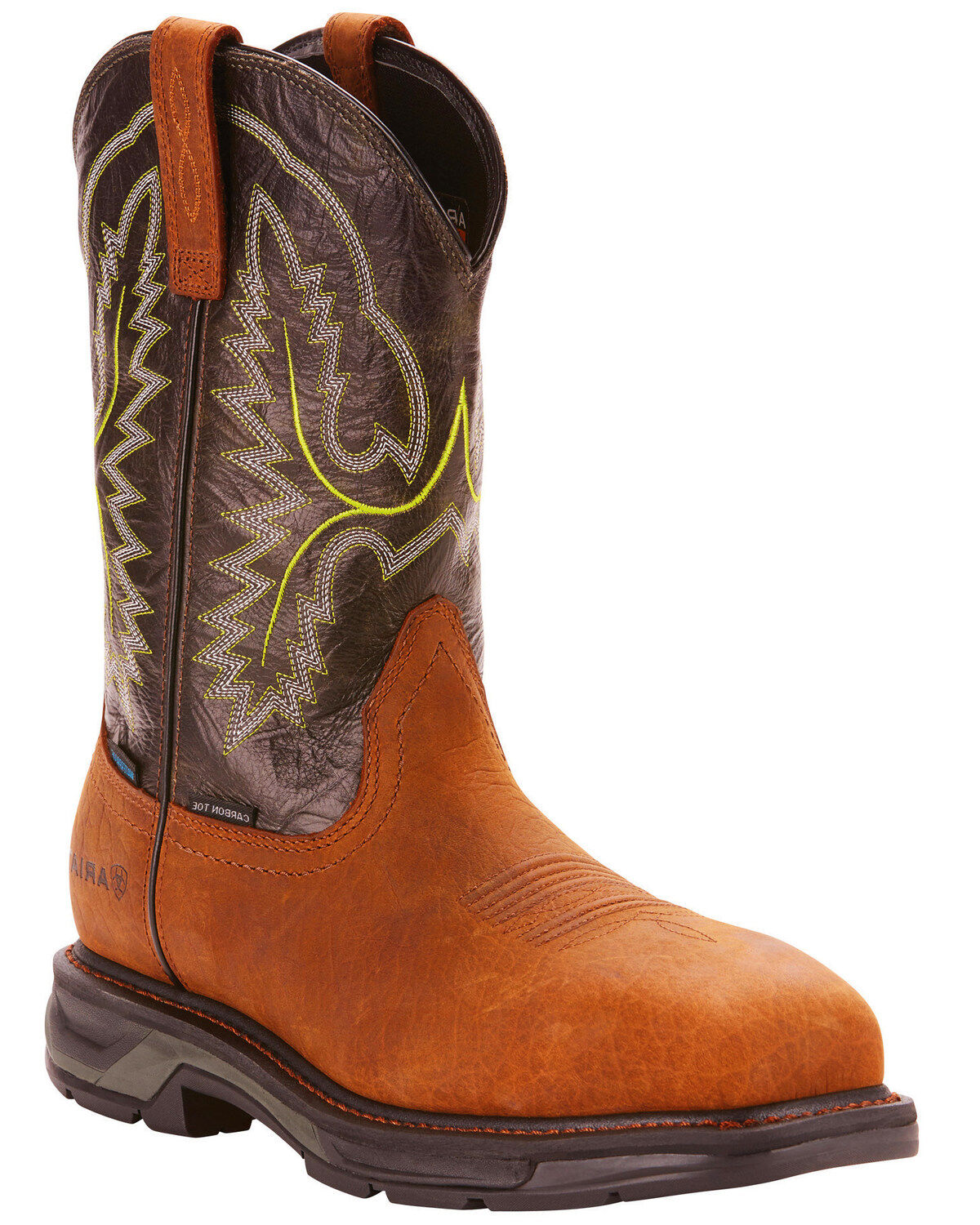
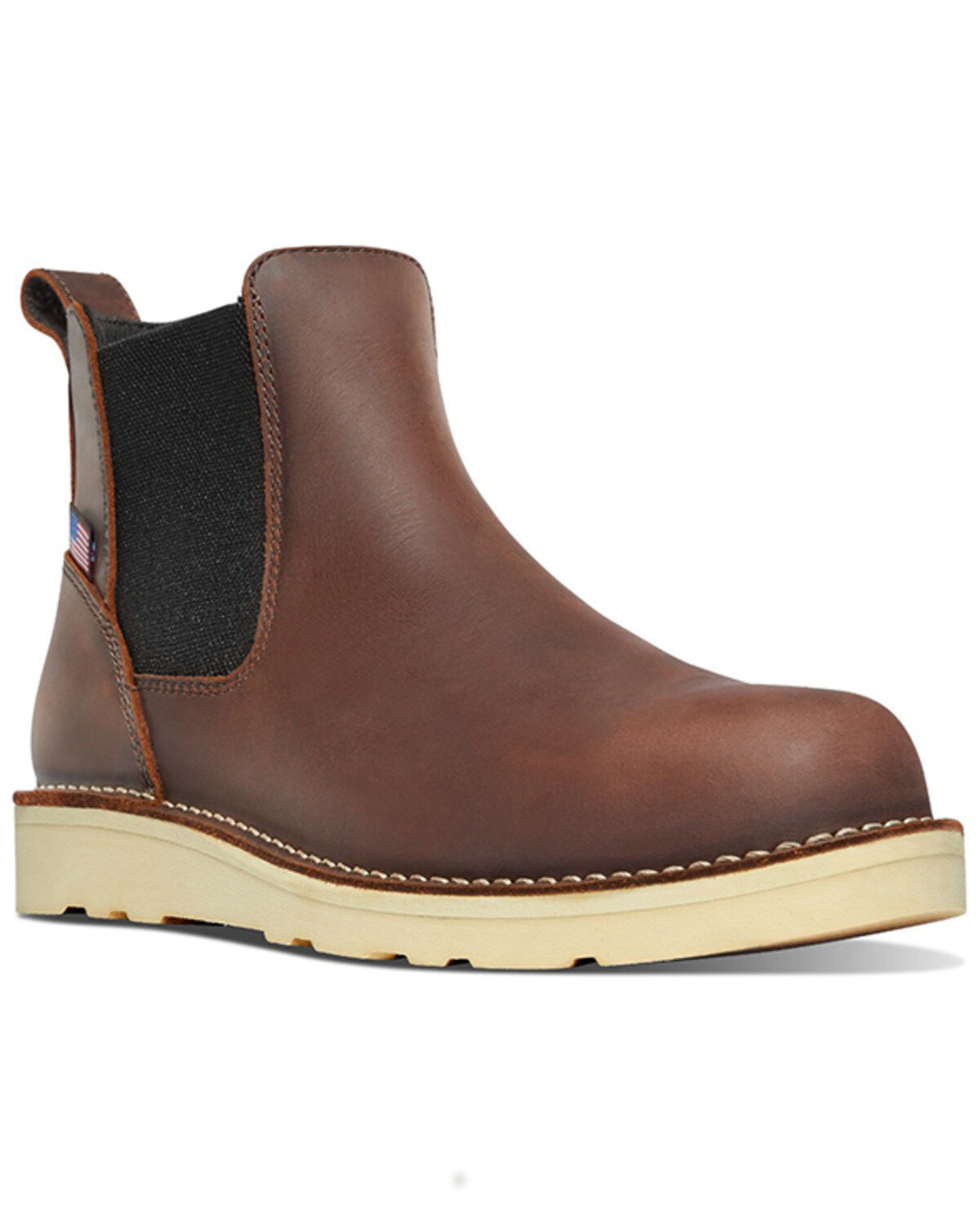
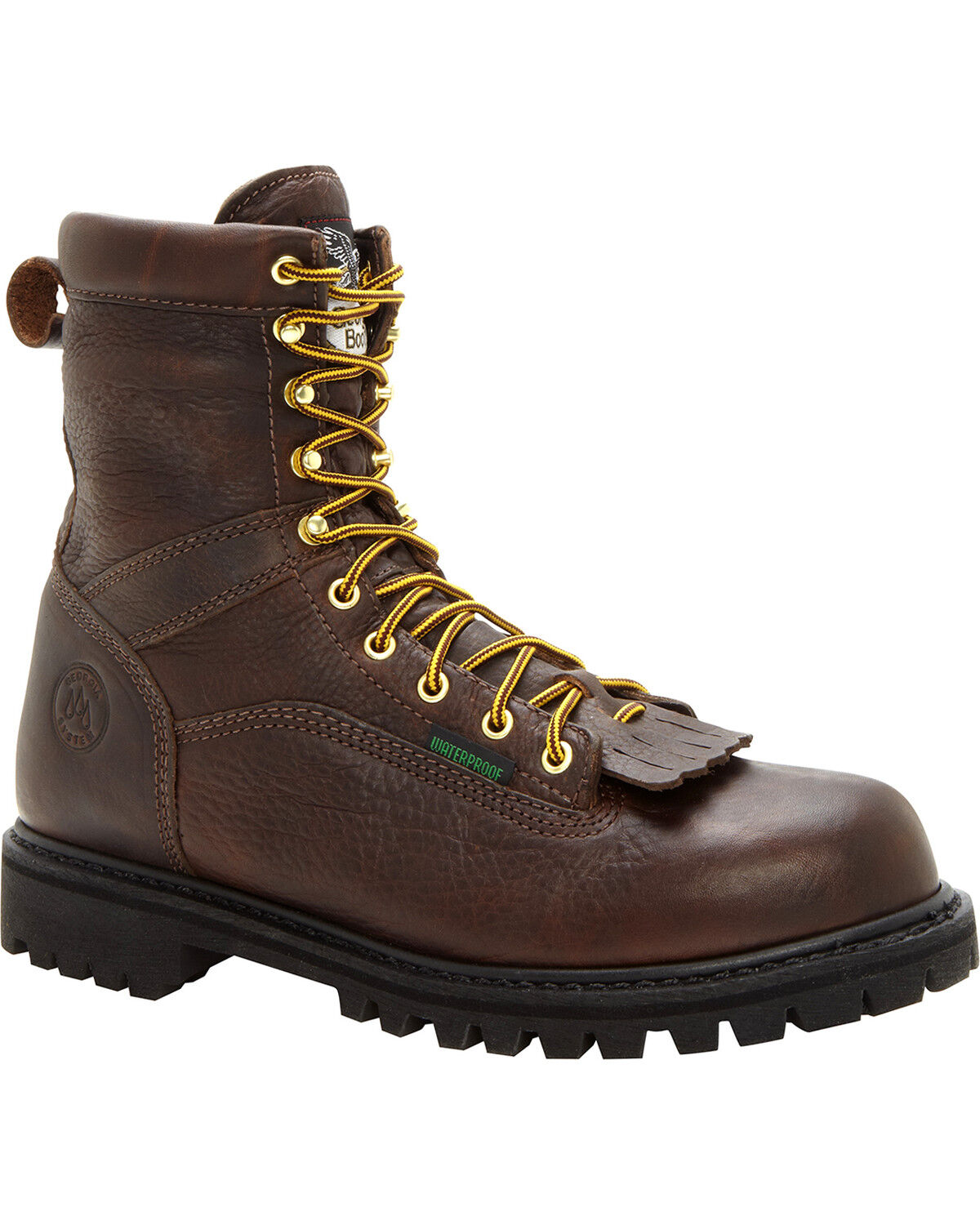
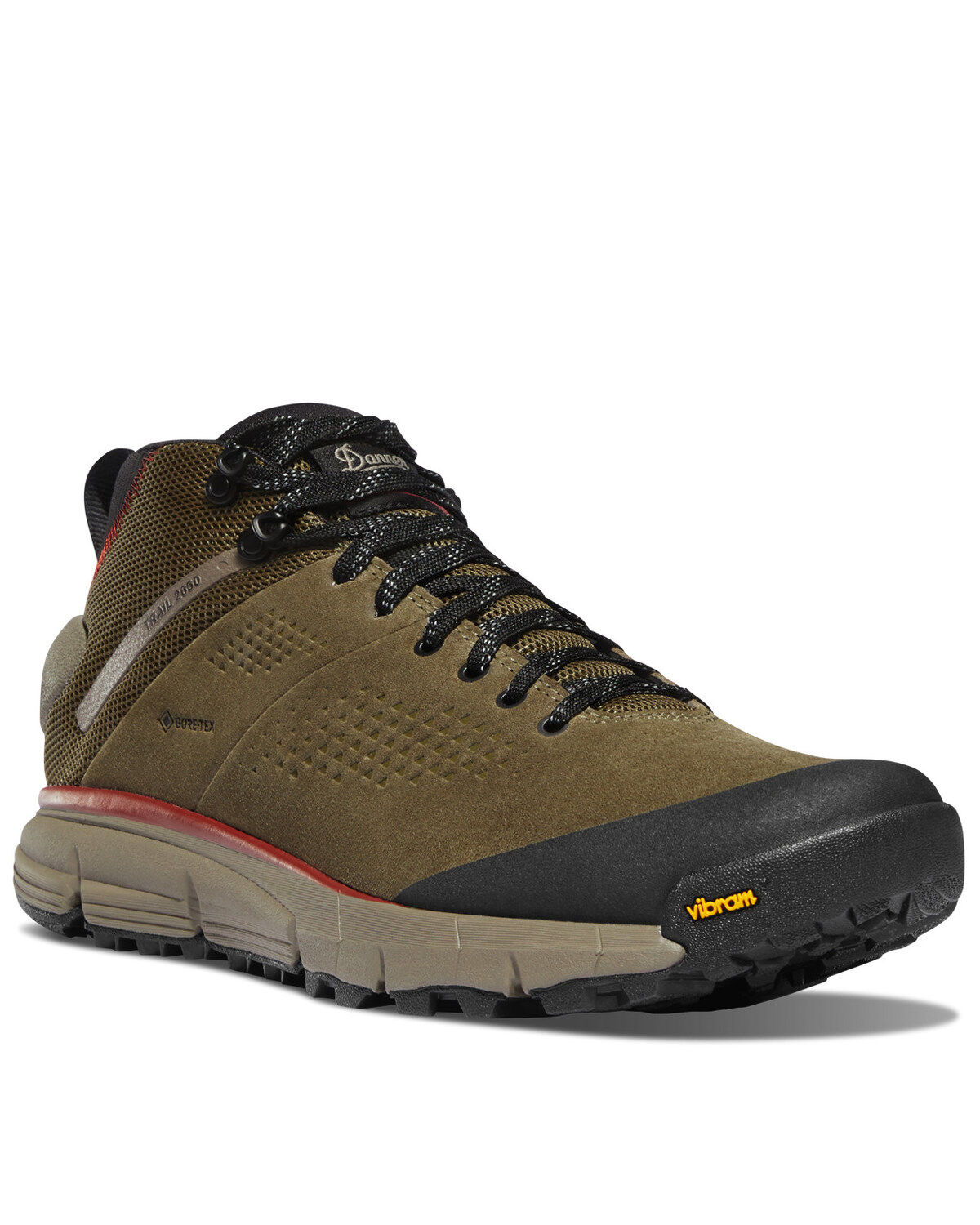
The best work boots for blue-collar workers balance job-required protection, dependable traction, durable construction, and support that holds up through a full shift. No single design is best for every trade. A carpenter walking unfinished floors, a warehouse worker covering concrete aisles, and a heavy equipment operator stepping onto uneven ground face different demands. Safety-toe boots tested to applicable ASTM standards provide rated impact and compression protection, while soft-toe boots fit roles where protective toe caps are not required. Steel, composite, and alloy toe caps can meet the same protection standards, but their shape, weight, and room inside the boot vary. The safety label and employer requirements matter more than the toe material alone. Electrical hazard protection, puncture resistance, and metatarsal protection are separate features, not benefits built into every safety-toe boot. Electrical hazard footwear provides secondary protection under specified conditions; it does not replace proper electrical safety procedures. Underfoot, outsole design makes a real difference. A wedge sole spreads contact across a broad surface and can feel steady during long stretches on flat concrete. A defined heel may suit work that involves ladder rungs, provided the footwear meets site requirements and fits the equipment being used. Deeper tread can help grip loose ground, while less aggressive tread may carry less debris across finished floors. Slip-resistant soles are designed to improve traction, but no outsole prevents every slip on oil, dust, or other contamination. Rubber compounds, tread patterns, surface conditions, and wear all affect performance. A boot that works well on a shop floor may not be the right match for excavation work. For construction crews, mechanics, maintenance technicians, tradespeople, and warehouse teams, the strongest choice is footwear built around the actual tasks, surfaces, and hazards of the job—not simply the toughest-looking leather. The demands also change within a single shift: kneeling beside equipment, carrying materials across a slab, and climbing into a cab each place pressure on different parts of the foot and boot.

Materials and construction determine how work boots handle that repeated strain. Full-grain leather is valued for its durability and ability to form around the foot with wear, though its performance still depends on thickness, treatment, stitching, and care. Reinforced toe and heel areas can help limit abrasion when work involves kneeling, crouching, or rubbing against equipment. A waterproof membrane can help keep liquid out during tasks such as equipment washing or work around damp floors, but it does not make the boot maintenance-free. Water can still enter above the collar, and damaged leather or seams can compromise protection. Breathable linings help manage moisture inside the boot, especially during active work, while removable footbeds allow the interior to dry more thoroughly between shifts. Construction matters beneath the leather, too. Welted boots may allow resoling when the upper remains sound, depending on the design and the repair shop. Direct-attach construction bonds the sole to the upper without a traditional stitched welt, and some designs offer a flexible feel. Neither method alone guarantees a longer service life. Repeated flexing, abrasive surfaces, chemical exposure, and the way the boot fits all influence durability. Fit deserves as much attention as the outsole. Toes need room to move without hitting the front or pressing against a safety cap, and the widest part of the foot should sit comfortably within the boot. A snug instep can provide security without squeezing, while excessive heel movement can create friction. Lace-up work boots allow more adjustment across the foot and ankle; pull-on work boots depend more heavily on the right instep and heel fit. The socks worn on the job and any prescribed orthotics affect that fit. Extra cushioning cannot correct the wrong size, and a safety toe should not need to stretch for the boot to become wearable. A boot may soften with use, but persistent pinching, numbness, or pressure calls for a different fit rather than a longer break-in period.

Long-shift comfort comes from the whole boot working together: a stable base, appropriate flexibility, secure fit, and cushioning that does not leave the foot feeling unsupported. A worker standing at a fabrication bench may value broad, steady ground contact, while someone walking between service calls may prefer less weight and easier movement through the forefoot. More padding is not automatically better, and a taller shaft does not guarantee protection against ankle injuries. The right balance leaves enough freedom to kneel, climb, and walk without unnecessary bulk. For workplaces that permit lower-cut footwear, Work Shoes For Blue Collar Workers provide another option when a boot shaft is not required and the footwear meets the same job-specific safety rules. Whatever the height, regular care helps preserve the materials that carry the load. Removing grit from stitching and tread reduces abrasive buildup, and wiping away residue after work keeps it from sitting on the upper. Cleaning products and leather treatments should match the material and the manufacturer’s directions, since smooth leather, suede, and synthetic panels do not all respond to the same treatment. Excess conditioner can leave leather overly soft, while direct heat can damage uppers, adhesives, and linings. Boots dry best with airflow, away from concentrated heat, with removable insoles taken out when appropriate. Rotating between pairs can give the interior more time to dry. Worn laces, loose stitching, separating soles, and flattened tread deserve attention before they interfere with the workday. Deep cuts, exposed protective components, or damage after a significant impact may call for replacement rather than repair. Service life has no fixed timeline: a pair worn on abrasive concrete every day faces different strain from one used for occasional maintenance. Well-matched work boots earn their place through dependable protection, sound footing, and a fit that lets the worker concentrate on the task instead of sore feet.

FAQs