Ankle Cowboy Boots

Shop ankle cowboy boots for western style in a shorter profile. Browse ankle-height styles and compare toe shapes, heel heights, and design details to find a pair that fits your wardrobe.

Read More

Shop Your Store: Shop Your Store: Find a Store

(Turn off Shop Your Store to see all items)

(Turn off Shop Your Store to see all items)

close
  • Recommended
  • Lowest Price
  • Highest Price
Skip pass products

End of products

Ankle Cowboy Boots

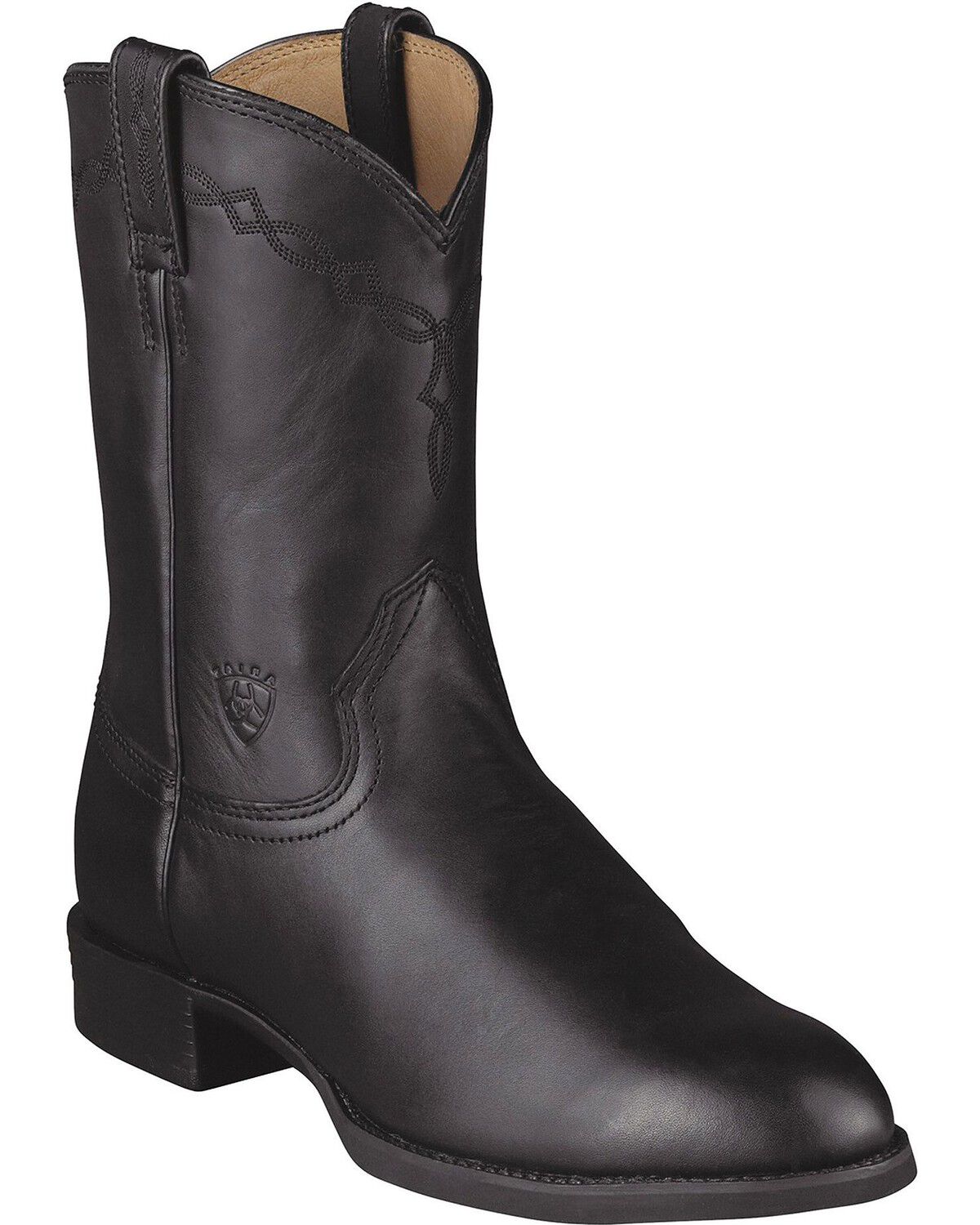
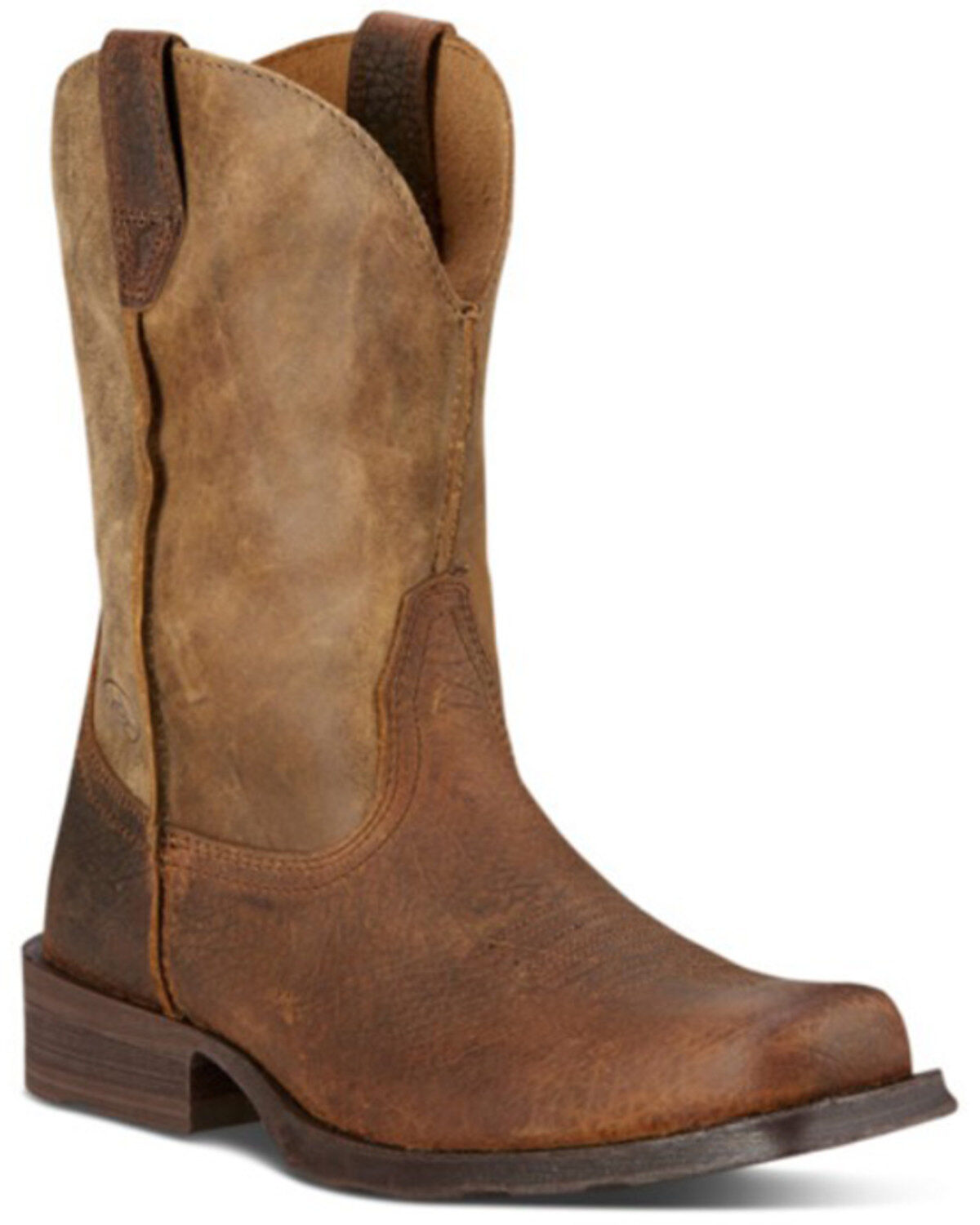
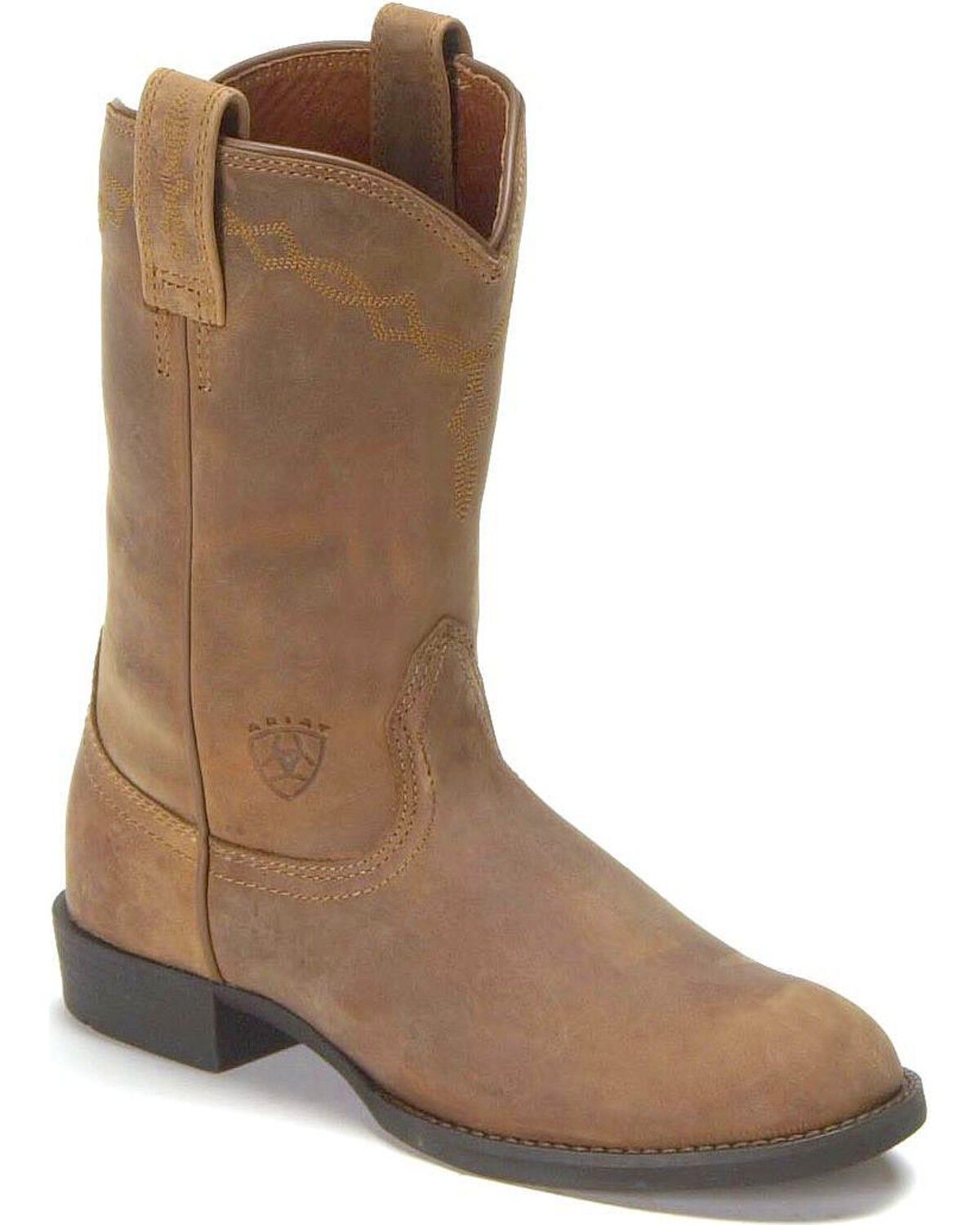
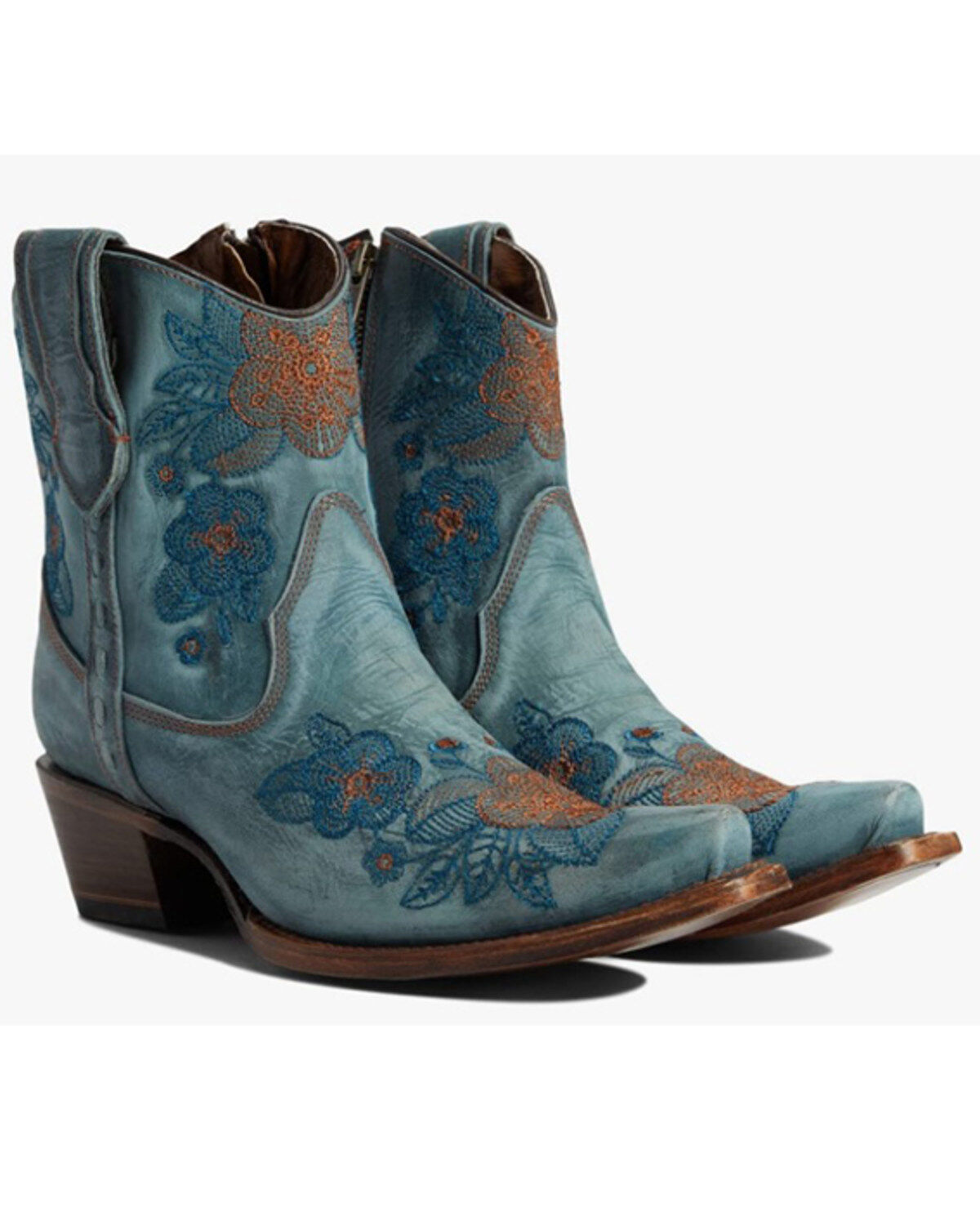
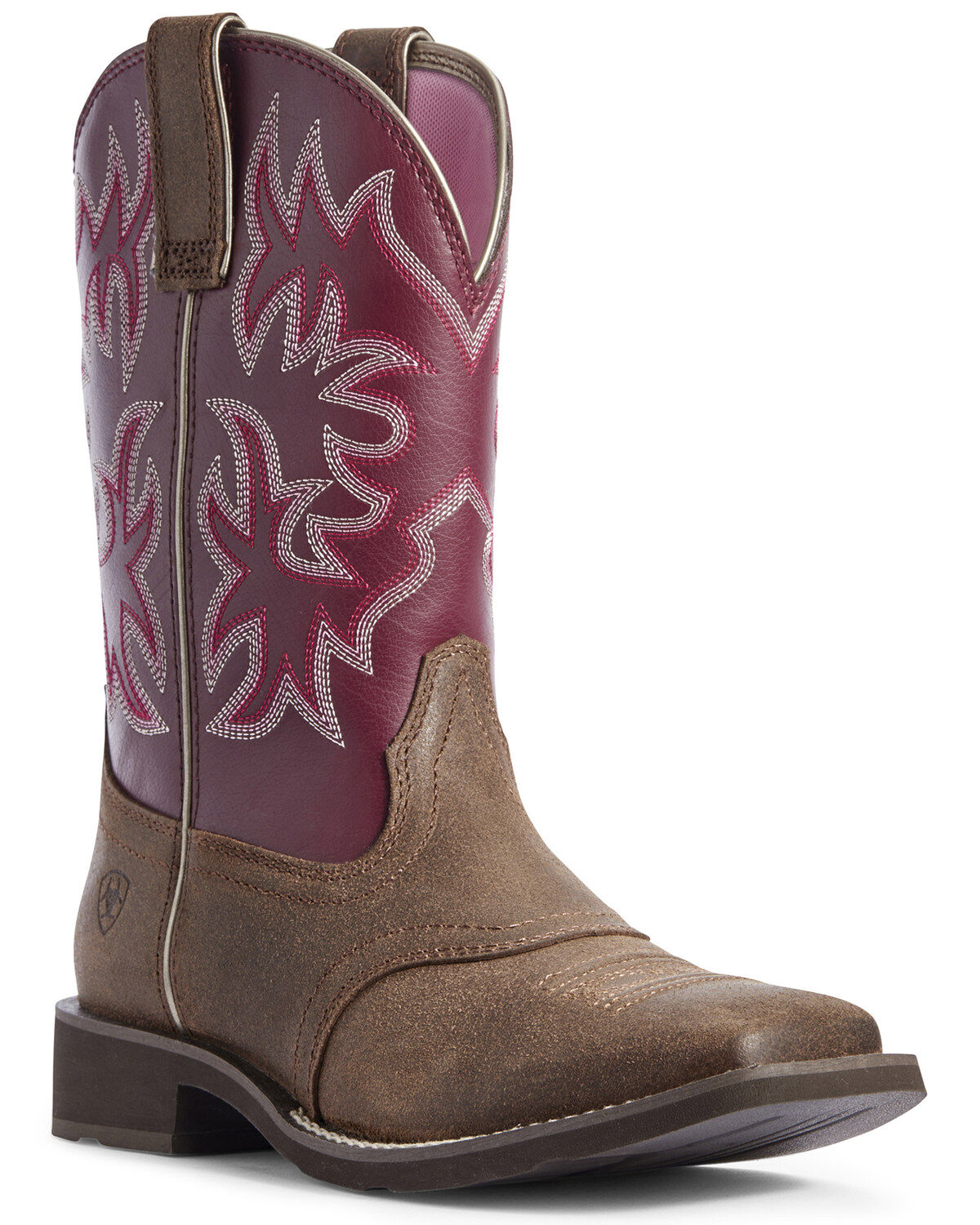
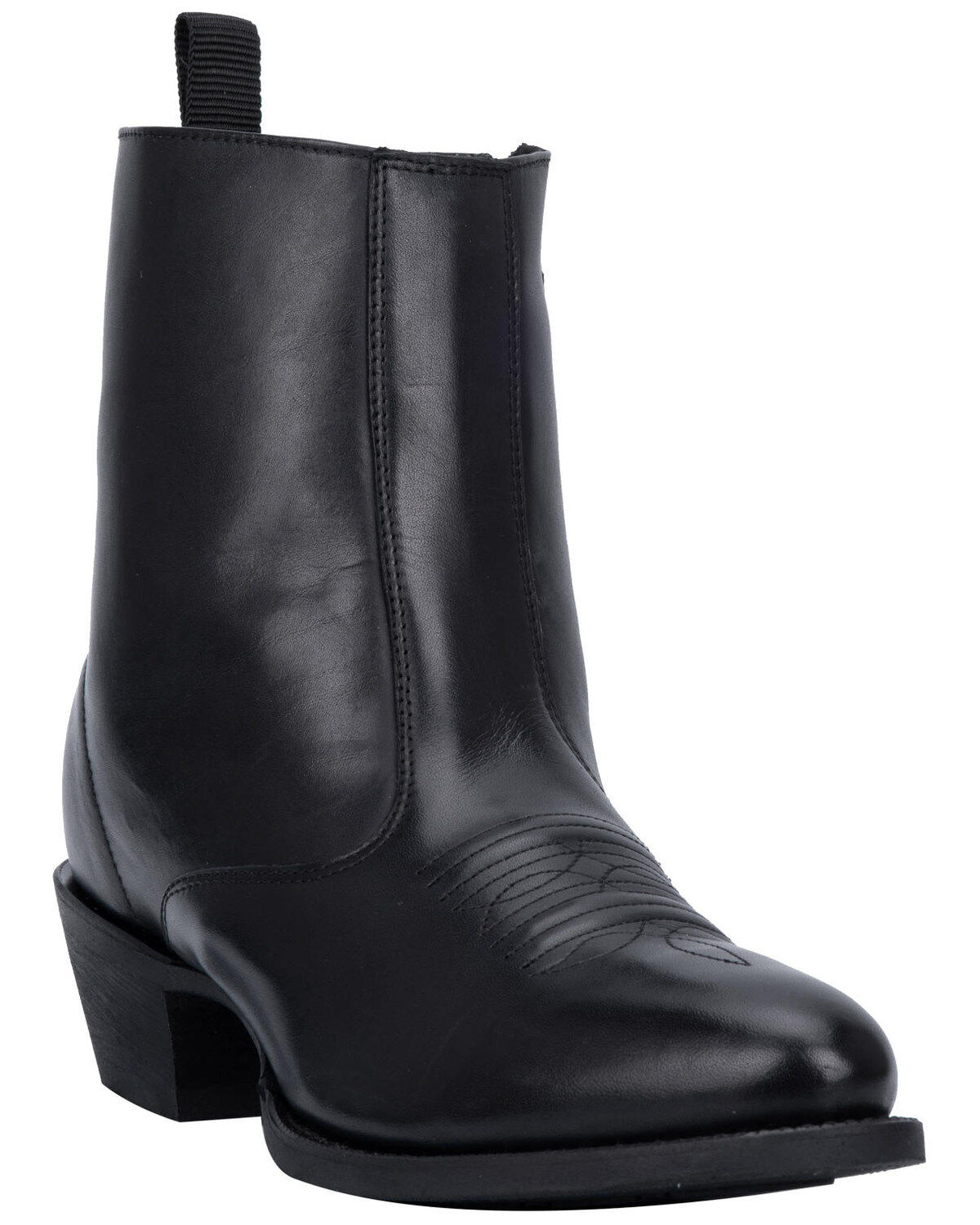
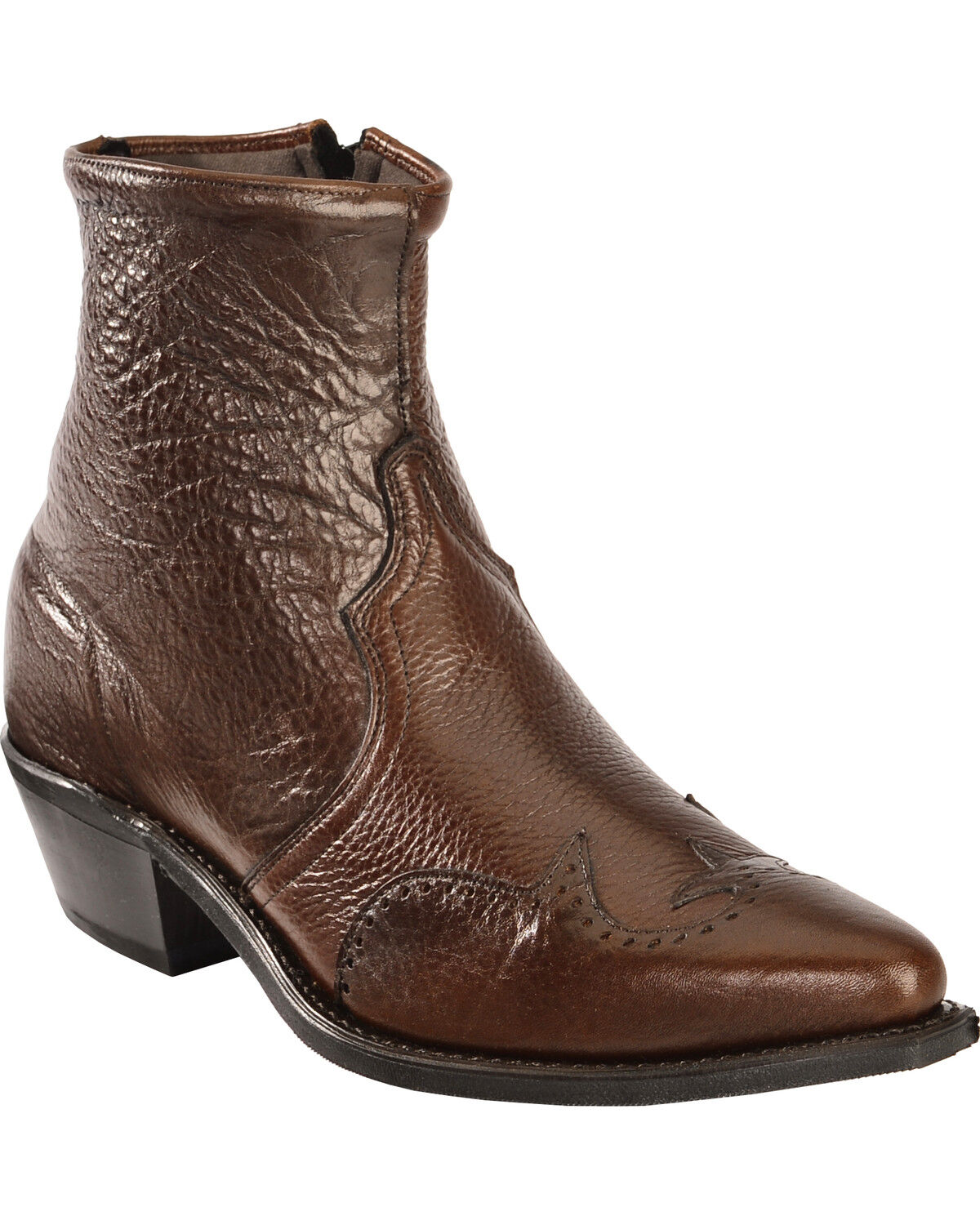
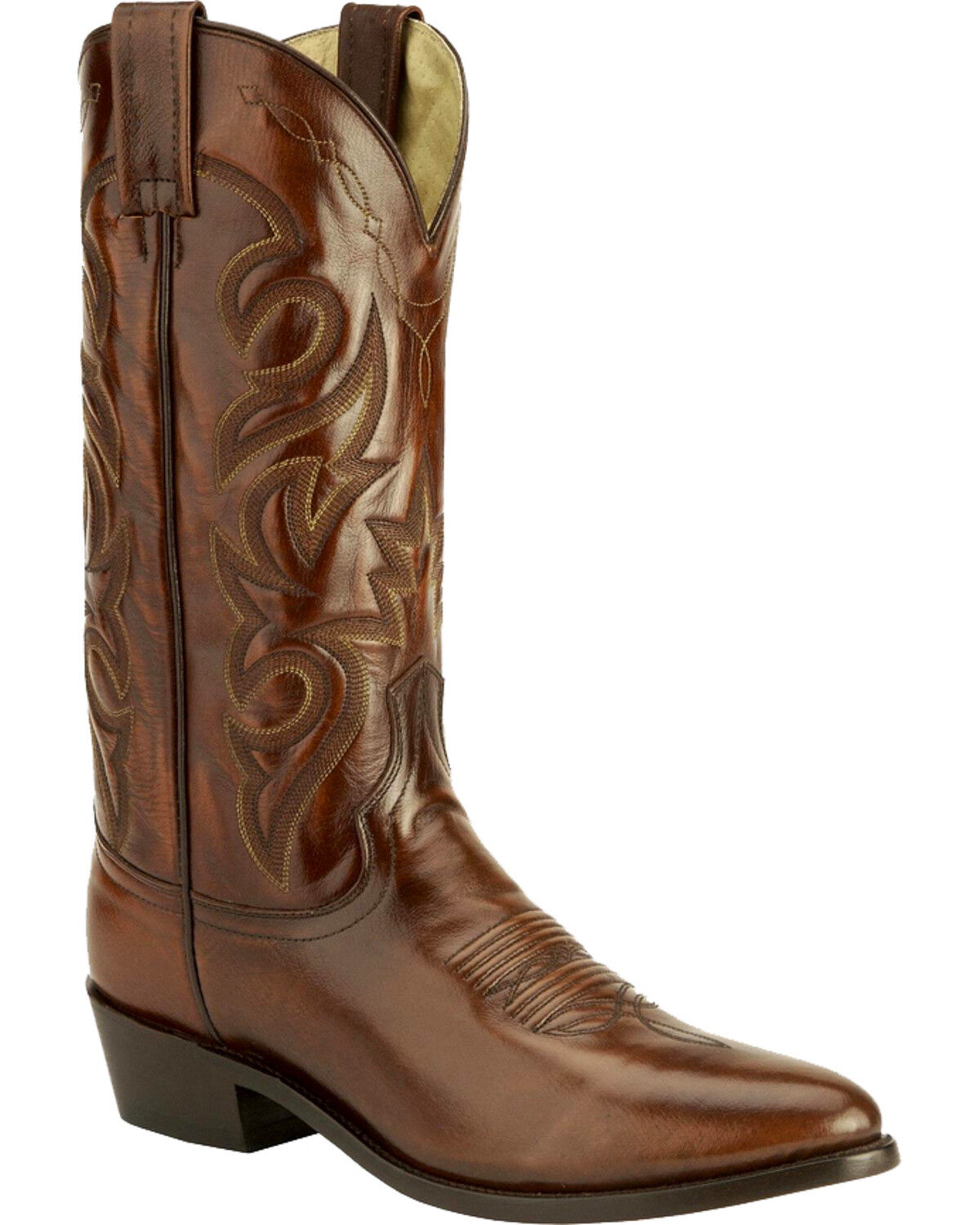
Ankle cowboy boots carry the shape and detail of traditional western footwear in a shorter profile. Their shafts generally finish around the ankle or slightly above it, rather than extending up the calf. That lower height leaves room for familiar cowboy boot features, including stitched uppers, shaped toes, angled heels, and pull tabs, while making the boots easy to wear with a wider range of pant lengths. Some styles keep a clean outline with little stitching; others show more western character through embroidered patterns, contrasting leather, or shaped openings. Pull-on construction has the familiar look of a cowboy boot, while side zippers provide another way to get the foot through a shorter opening. Cutout sides can create a more open profile, although they also leave part of the foot or ankle exposed. Toe shape makes a noticeable difference in the overall look. Round toes have a softer outline, square toes give the front of the boot a broader appearance, and pointed or snip toes create a narrower silhouette. Interior room still depends on the shape and construction of the boot, not just the toe name. Heel height matters just as much. A lower heel often suits everyday walking, while a taller heel changes the stance and gives an outfit a more dressed-up finish. With straight-leg jeans, the hem can fall over the shaft for a continuous line. Cropped jeans leave the opening visible, making the stitching, zipper, or side cutout part of the outfit. Skirts and dresses show the full boot shape without a tall shaft covering the lower leg. Ankle western boots work with simple clothes because their details already provide a clear point of interest. A plain shirt, well-fitting denim, and a leather belt leave the footwear room to stand out without competing patterns. The result can feel relaxed enough for a casual dinner or more polished for a gathering, depending on the leather finish, heel, and clothing.

Materials and construction help determine how ankle cowboy boots feel and how they hold up to regular wear. Full-grain leather retains the natural surface of the hide and can develop creases and changes in color with use. Those marks are part of its character, though leather still needs care to prevent excessive drying. Suede has a brushed surface and a softer visual texture, with different cleaning needs than smooth leather. Other styles may use textiles, synthetic materials, or combinations of materials, so the upper, lining, and outsole each deserve attention. For shoppers drawn to leather uppers and a shorter western shape, leather cowgirl ankle boots offer a related category to consider. The lining sits against the foot and can affect comfort, while the insole supplies cushioning and, in some constructions, additional support. A padded footbed alone does not guarantee a good fit. The ball of the foot should sit comfortably in the widest part of the boot, with enough room for the toes to rest naturally. A pointed toe may extend beyond the toes as part of its shape; the foot should not be forced into that narrow tip. Pull-on boots can have a small amount of heel movement when new, but the foot should not slide loosely from side to side. Zippered styles may fit differently around the ankle and instep. Trying boots with the socks intended for regular wear gives a more useful sense of fit than trying them with an unusually thin or thick pair. Leather can soften through wear, but painful pressure across the toes or instep is not a sound starting point. The outsole also affects the experience underfoot. Leather soles have a traditional appearance and may feel smoother on hard surfaces, while rubber soles can provide grip depending on their tread and compound. A broad heel base can feel steadier than a narrow one, although balance also depends on heel height and fit. For an evening with plenty of standing or a day that includes several blocks of walking, comfort matters more than an appealing profile alone.

The shorter shaft makes ankle cowboy boots useful for everyday outfits, travel, and occasions where tall boots are not the preferred shape. They generally take up less suitcase space than comparable tall-shaft boots, although weight varies with the materials and construction. They can also be a good choice for someone who likes western footwear but prefers less coverage around the lower leg. That shorter profile has limits: it does not provide the same shaft coverage as a taller boot, and western styling by itself does not establish suitability for riding or jobsite use. Work settings may require safety features that fashion-focused ankle boots do not have. Durability comes from the whole construction, including the upper, seams, heel attachment, and sole, along with how the boots are worn and maintained. Regular care begins with removing loose dirt before it has time to settle into stitching or rub against the leather. Smooth leather often benefits from a soft cloth and a cleaner made for its finish, followed by an appropriate conditioner when needed. Suede calls for a suede brush and products intended for its textured surface rather than ordinary leather conditioner. Care directions matter for coated finishes, embroidery, and mixed-material uppers. Water resistance should never be assumed from the appearance of the boot, and treatments should be compatible with the material. After wear, letting boots air out helps the lining dry; direct heat can damage leather and adhesives. Keeping them upright in a dry space helps preserve their shape, and rotating between pairs gives each pair time to rest. Ankle cowboy boots can also make a thoughtful gift for someone who regularly wears western clothing or wants a shorter alternative to tall boots. A familiar size is useful, but preferred width, toe shape, heel height, and closure matter too. Knowing whether the recipient wears boots with jeans, dresses, or everyday work clothes makes the choice more personal. A pair that fits comfortably and works with clothing already in the closet is more likely to earn regular wear than one chosen for appearance alone.
Read More

FAQs