Zipper Cowboy Boots

Zipper cowboy boots pair western style with a zip closure for easier on and off. Browse zip-up western boots and compare available designs to find the look and fit that suit your everyday wear.

Shop Your Store: Shop Your Store: Find a Store

(Turn off Shop Your Store to see all items)

(Turn off Shop Your Store to see all items)

close
  • Recommended
  • Lowest Price
  • Highest Price
Skip pass products

End of products

Zipper Cowboy Boots

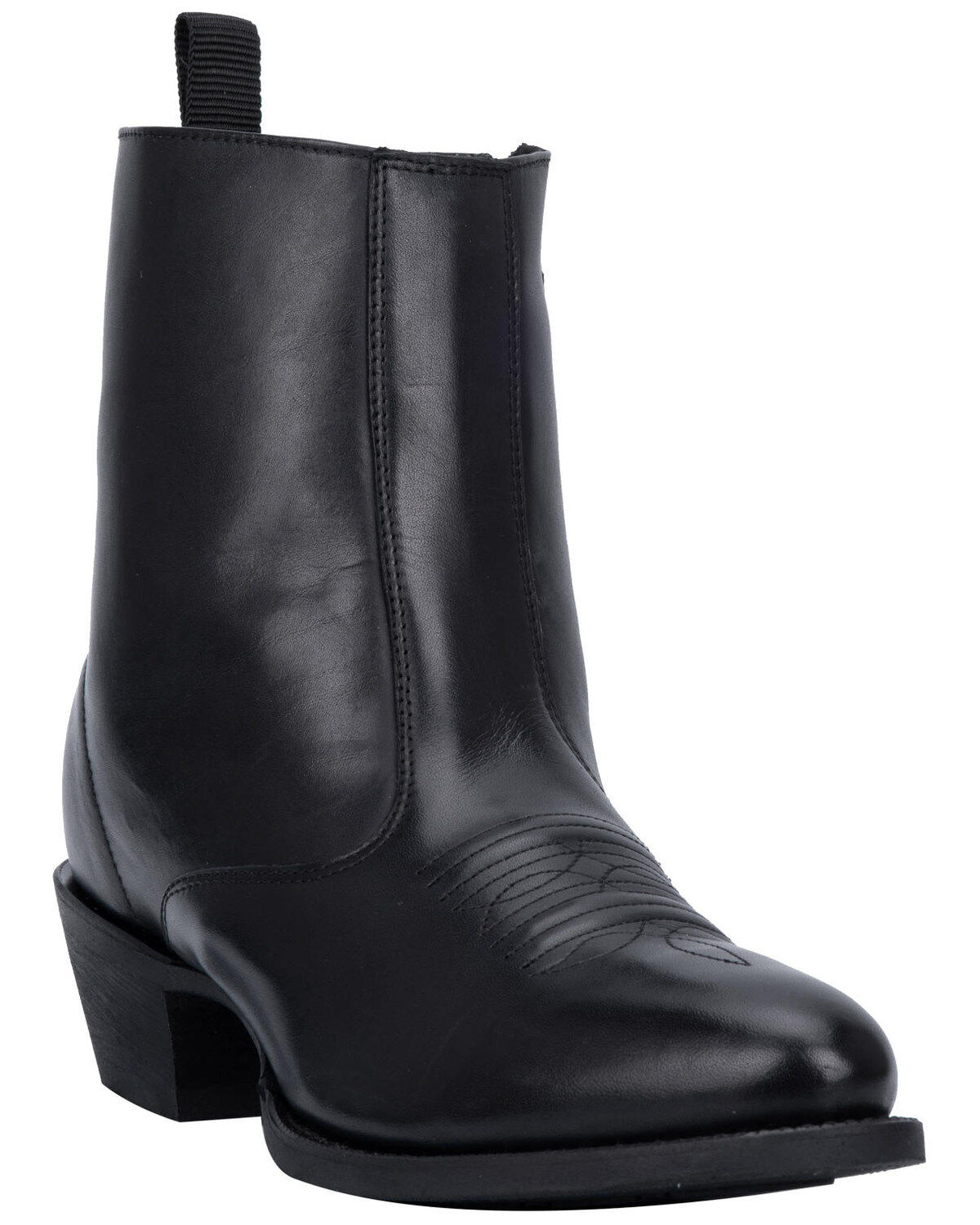
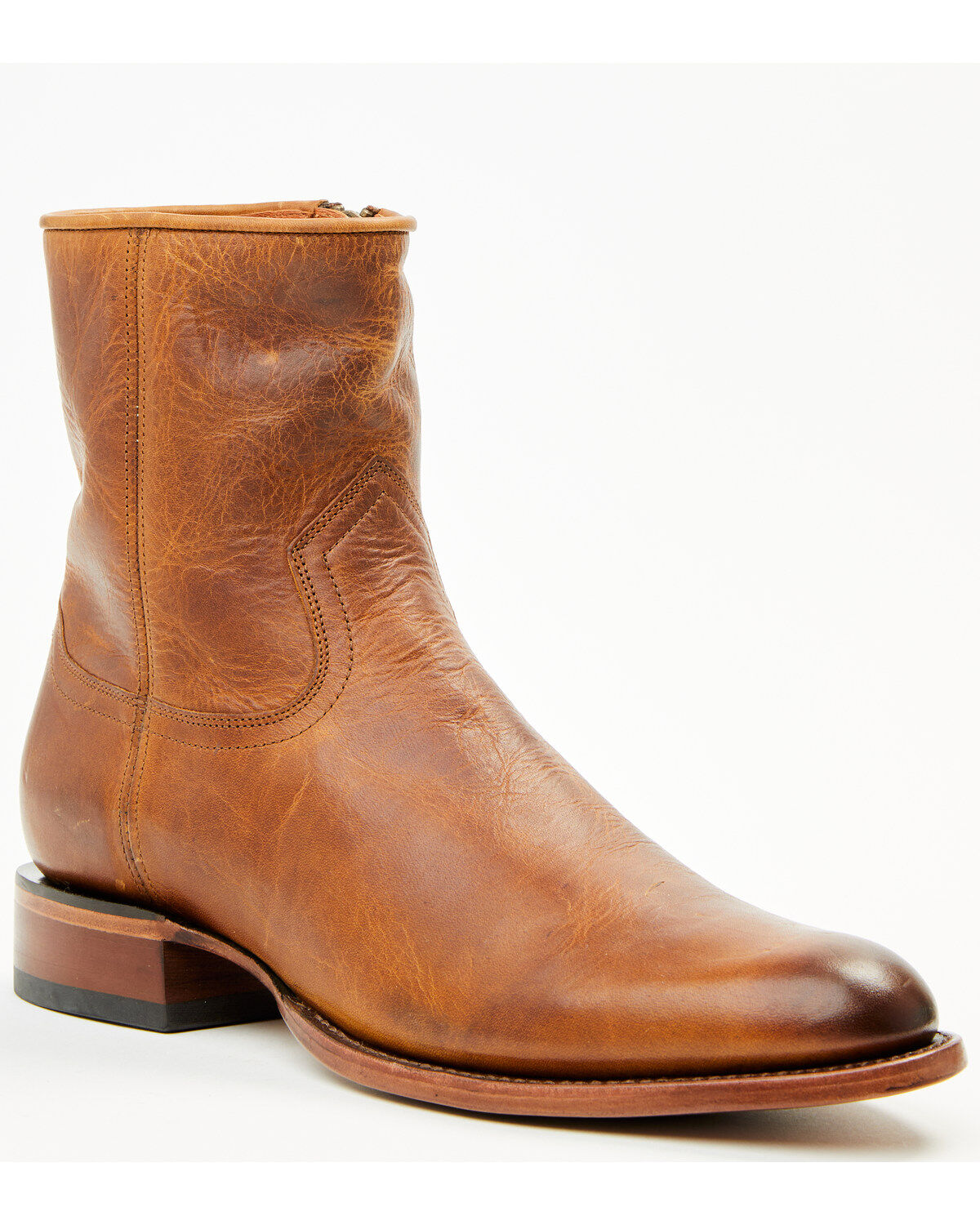
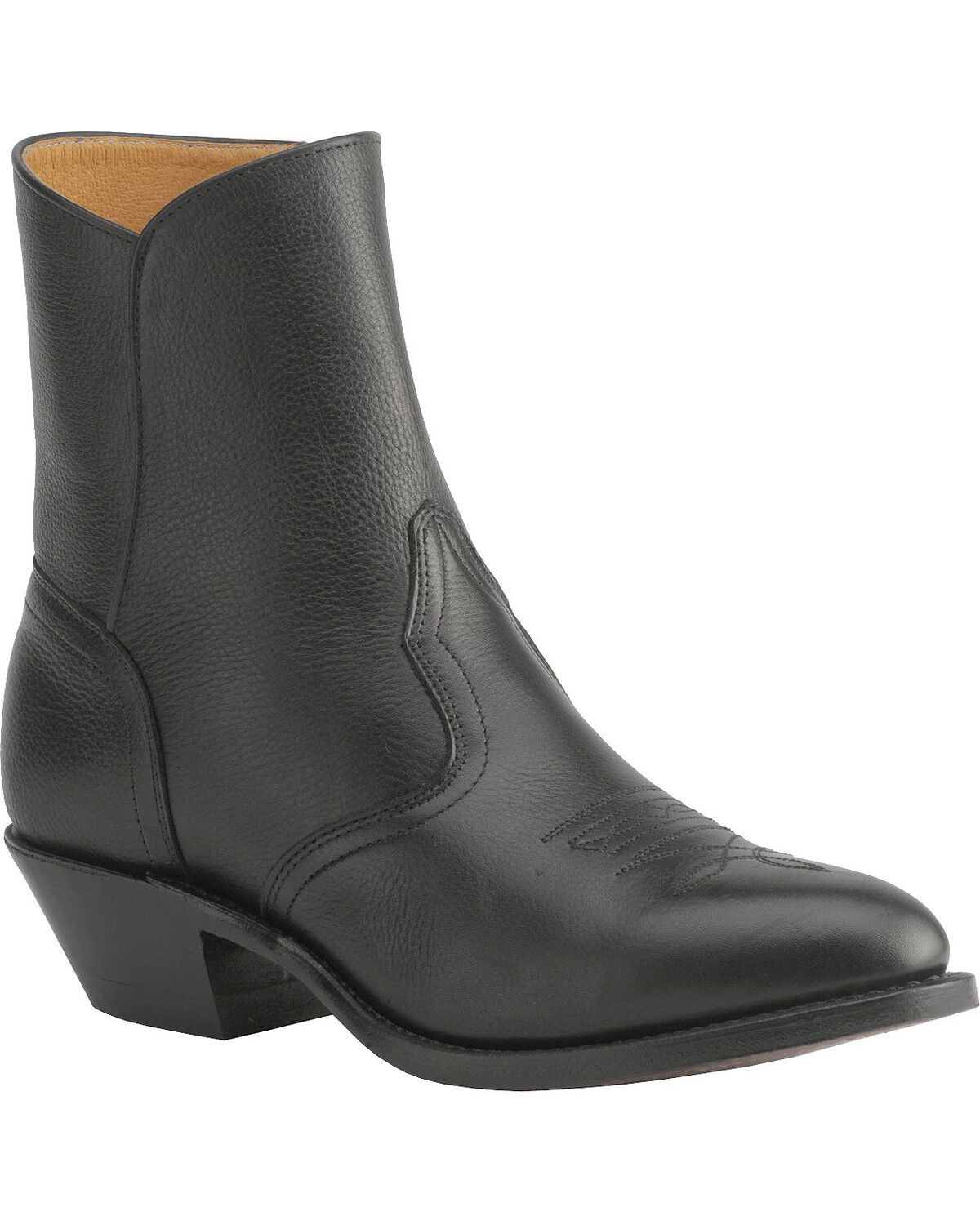
Zipper cowboy boots combine the familiar shape of western footwear with a side or back zipper that opens the shaft for easier entry and removal. They retain details such as western stitching, shaped toes, and defined heels while offering an alternative to pulling a boot over the heel and instep. The zipper changes how the boot goes on, not the need for a secure fit once it is closed. Depending on the design, the opening may extend along much of the shaft or cover a shorter section near the ankle. An inside zipper can keep the closure less noticeable, while a back zipper leaves the sides of the shaft uninterrupted. Pull tabs may still be part of the construction, but the zipper provides another way to open the boot rather than relying entirely on the shaft opening. This design can appeal to men and women who like cowboy boots but prefer a more straightforward daily routine. It may also make entry easier for someone who finds traditional pull-on boots difficult to manage, although zipper placement, opening length, and individual mobility all matter. Shorter shafts create a compact profile under jeans, while taller shafts show more stitching when worn with a skirt or dress. Toe shape influences both appearance and feel: round toes have a familiar, understated look, square toes create a broader outline, and pointed toes give the boot a sharper profile. Actual toe room depends on the boot’s shape and sizing, not the toe label alone. A low heel can suit an everyday outfit, while a taller or angled heel changes the stance and overall silhouette. Smooth leather and restrained stitching work well with dark jeans and a button-down shirt for dinner or a concert. More pronounced stitching or textured leather adds detail to a simple outfit without requiring much else. For wear beneath jeans, the shaft and zipper pull should sit comfortably under the pant leg rather than catching or creating a bulky outline. The result is western footwear that can move between everyday errands, social occasions, and time on the dance floor, with suitability determined by the boot’s construction.

Fit remains central because a zipper is an entry feature, not a way to adjust the boot around the foot. A properly fitted pair should feel secure through the instep without pinching, with enough room for the toes to rest naturally. Some heel movement can occur in new cowboy boots, but pronounced lifting, sliding forward, or pressure against the toes can signal a poor fit. The zipper should close smoothly without pulling the shaft together by force. If closing it requires a hard tug, the shaft, ankle area, or instep may be too tight. A high instep can still need additional room even when the boot opens widely, and a taller shaft must accommodate the calf comfortably. Trying boots with the socks intended for regular wear gives a more useful picture of the fit than trying them with unusually thin or thick socks. Anyone using an orthotic should check interior depth and whether the footbed is removable; a zipper alone does not guarantee space for an insert. Walking a few steps also reveals whether the ankle bends freely, the zipper rubs, or a seam presses against the foot. Materials affect how the boot feels and holds up. Leather can soften and develop character with use, but it should not be expected to stretch enough to correct a size that is clearly too small. Suede has a soft, textured surface and needs different care from smooth leather. Synthetic materials vary in flexibility and maintenance needs, making the listed construction details useful when comparing styles. Interior linings, cushioning, and footbed support can make a noticeable difference during long stretches of standing or walking. Outsoles matter just as much as appearance. Leather soles often have a traditional profile, while rubber soles may offer added grip and cushioning depending on their design. Neither material guarantees traction on every surface. Everyday cowboy boots are not automatically work boots, and a western shape does not establish protective features. Jobsite wear calls for the safety ratings required by the task. Riding also calls for attention to heel shape, sole dimensions, and compatibility with the stirrup rather than choosing by appearance alone.

Durability depends on the entire boot, including the leather or other upper material, stitching, sole attachment, and zipper. A zipper adds moving parts, so its condition deserves the same attention as a worn heel or loose seam. Smooth operation starts with opening it far enough before putting the boot on or taking it off. Forcing a foot through a partly opened shaft can put unnecessary strain on the teeth, slider, and surrounding stitching. Dust or grit around the closure should be removed gently, and a zipper that catches should be checked for trapped fabric or debris rather than pulled harder. Leather care should match the finish: smooth leather generally benefits from cleaning and an appropriate conditioner, while suede usually needs a suede brush and products made for its surface. Testing a care product on a small, less visible area helps avoid an unexpected change in color or texture. Boots that become damp should dry naturally at room temperature, away from direct heat that can damage materials or adhesives. Keeping them upright with suitable shaft support helps maintain their shape, and allowing them to air out between wears gives the lining time to dry. Wear at the heel or sole is worth addressing before it affects balance or reaches the upper; repair options depend on the construction. These practical details matter for someone wearing boots several days a week as much as for someone choosing a pair mainly for special occasions. As a gift, zipper cowboy boots are most useful when the recipient’s size, preferred toe shape, shaft height, and usual clothing are known. A familiar silhouette with an easier opening may suit an established boot wearer, while a first pair should prioritize comfort and intended use over elaborate details. Shoppers comparing western silhouettes with other zip-up footwear can also explore Zipper Boots. Within the cowboy boot category, the strongest choice brings together a comfortable fit, a closure that works smoothly, and construction suited to how the boots will actually be worn.

FAQs