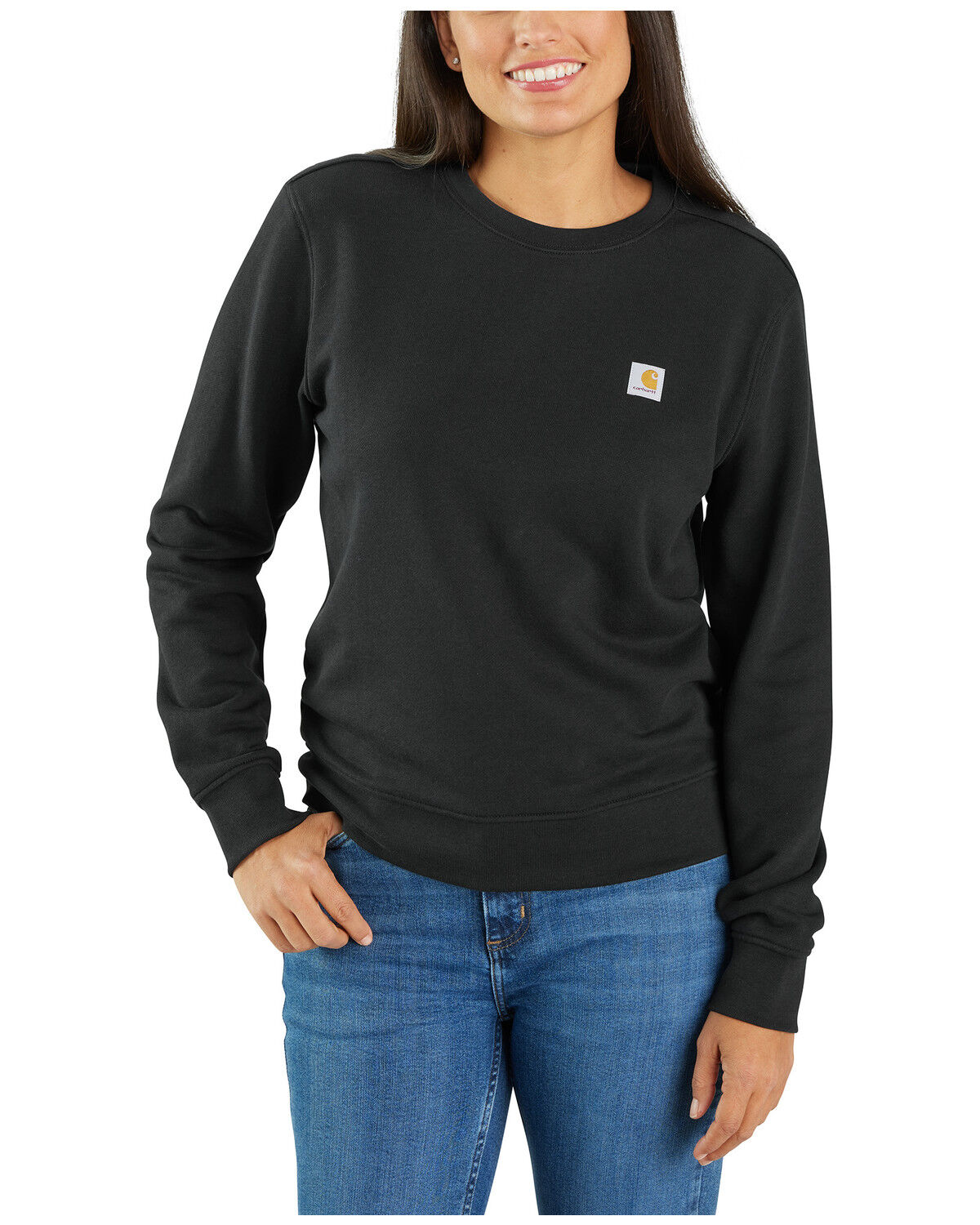
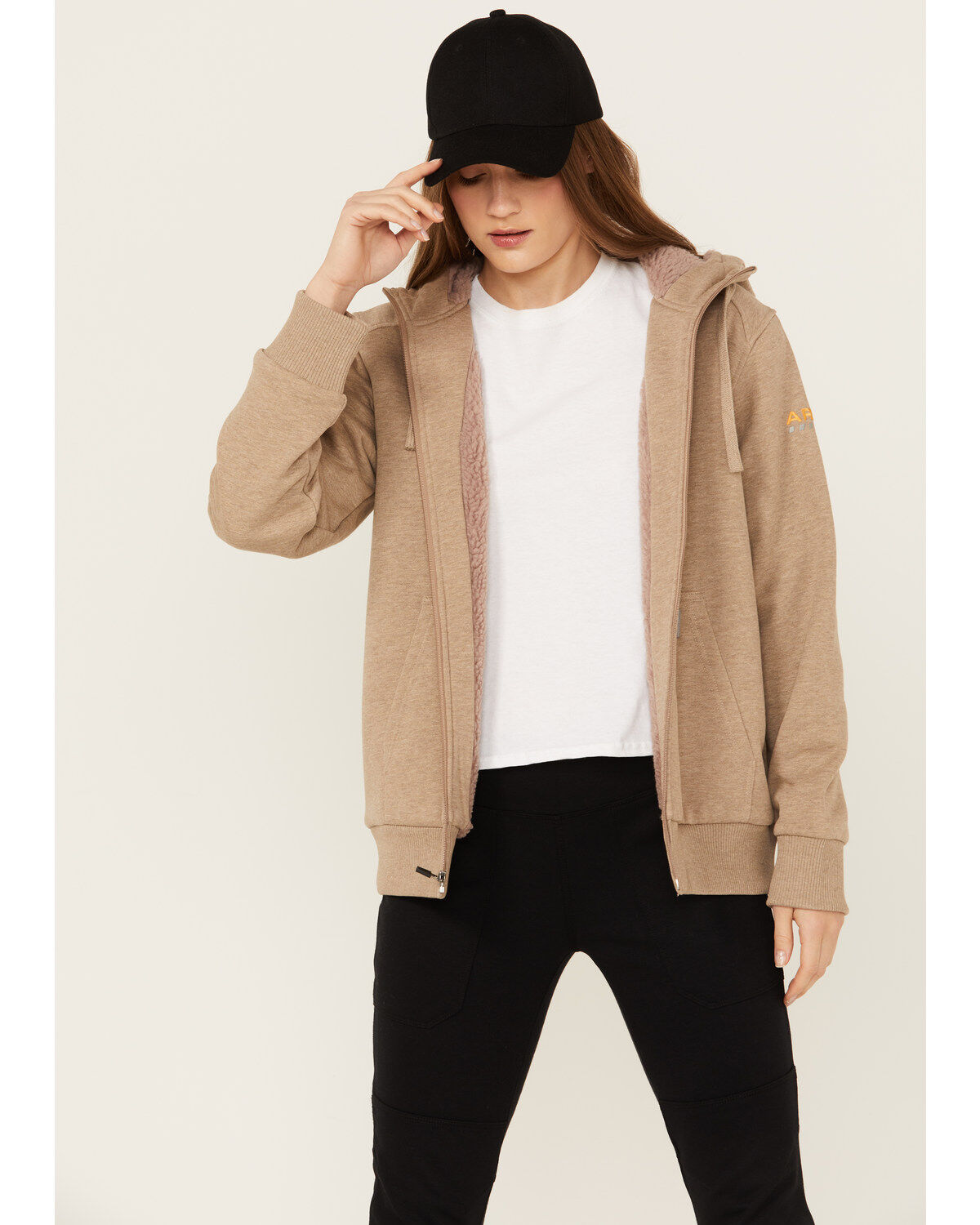
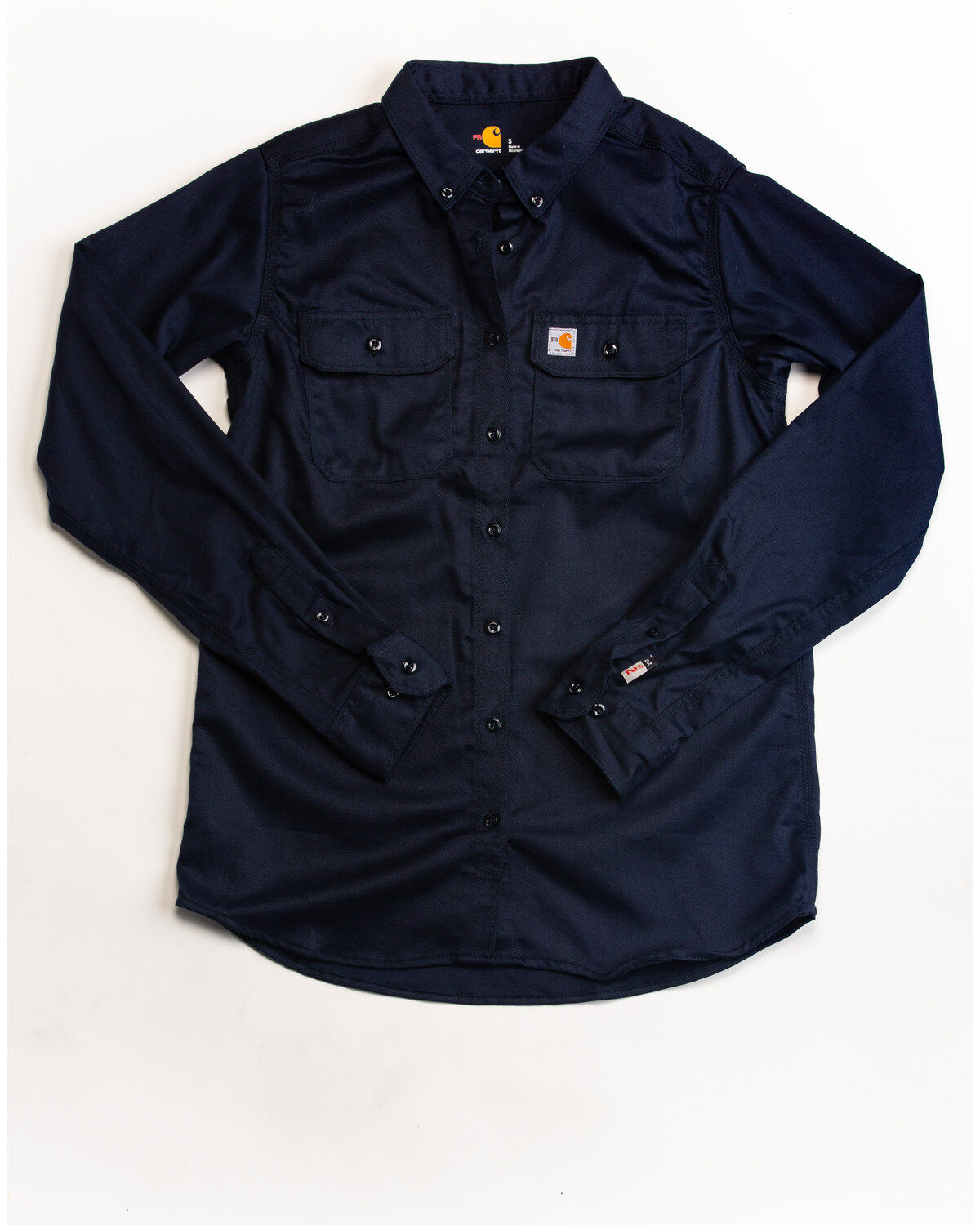
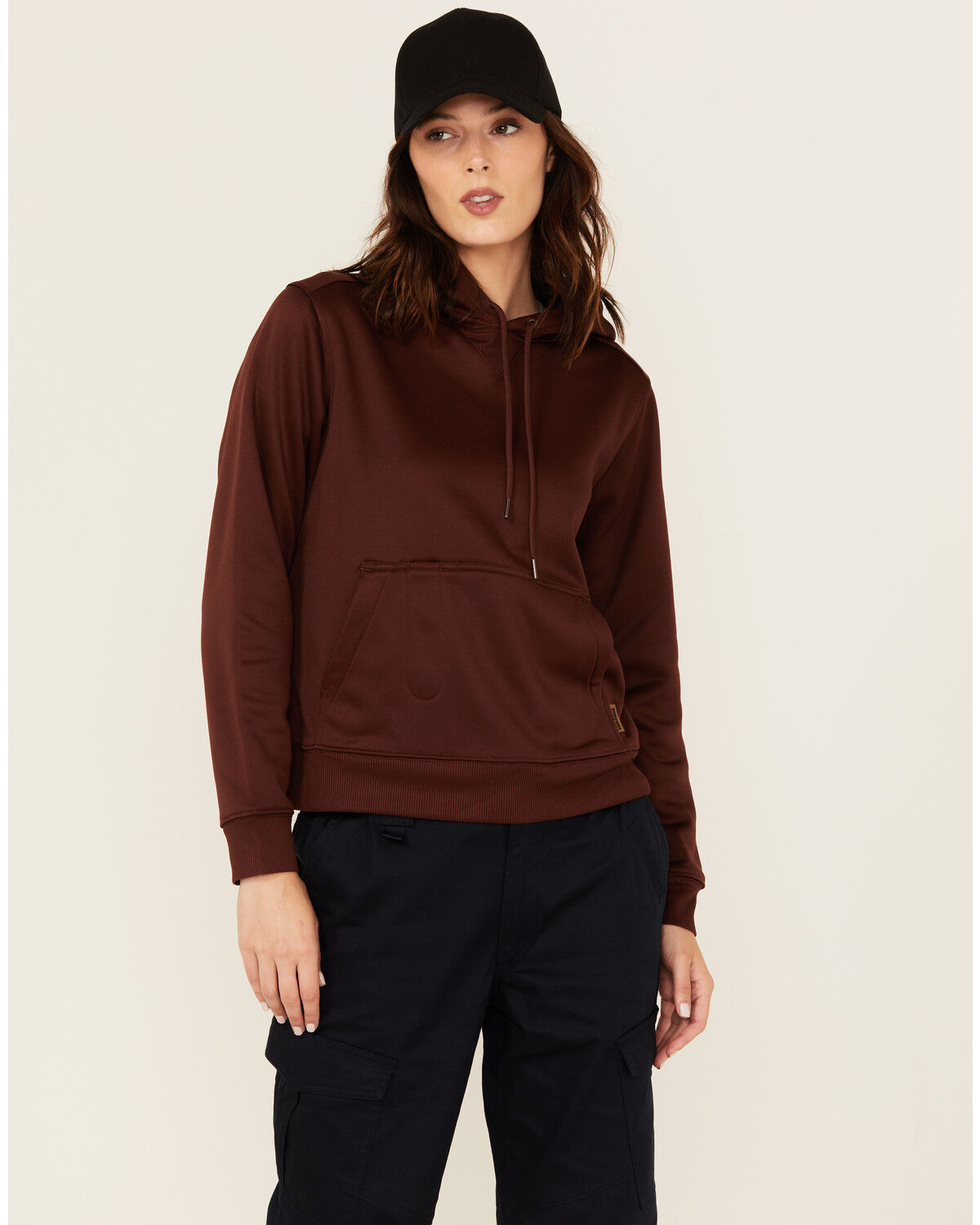
Work Wardrobe Essentials For Women

Find work wardrobe essentials for women to build a practical rotation for the workweek. Explore women’s workwear with your job’s dress code and daily demands in mind, and focus on options that fit your routine and pair with what you already wear.

Read More

Shop Your Store: Shop Your Store: Find a Store

(Turn off Shop Your Store to see all items)

(Turn off Shop Your Store to see all items)

close
  • Recommended
  • Lowest Price
  • Highest Price
Skip pass products
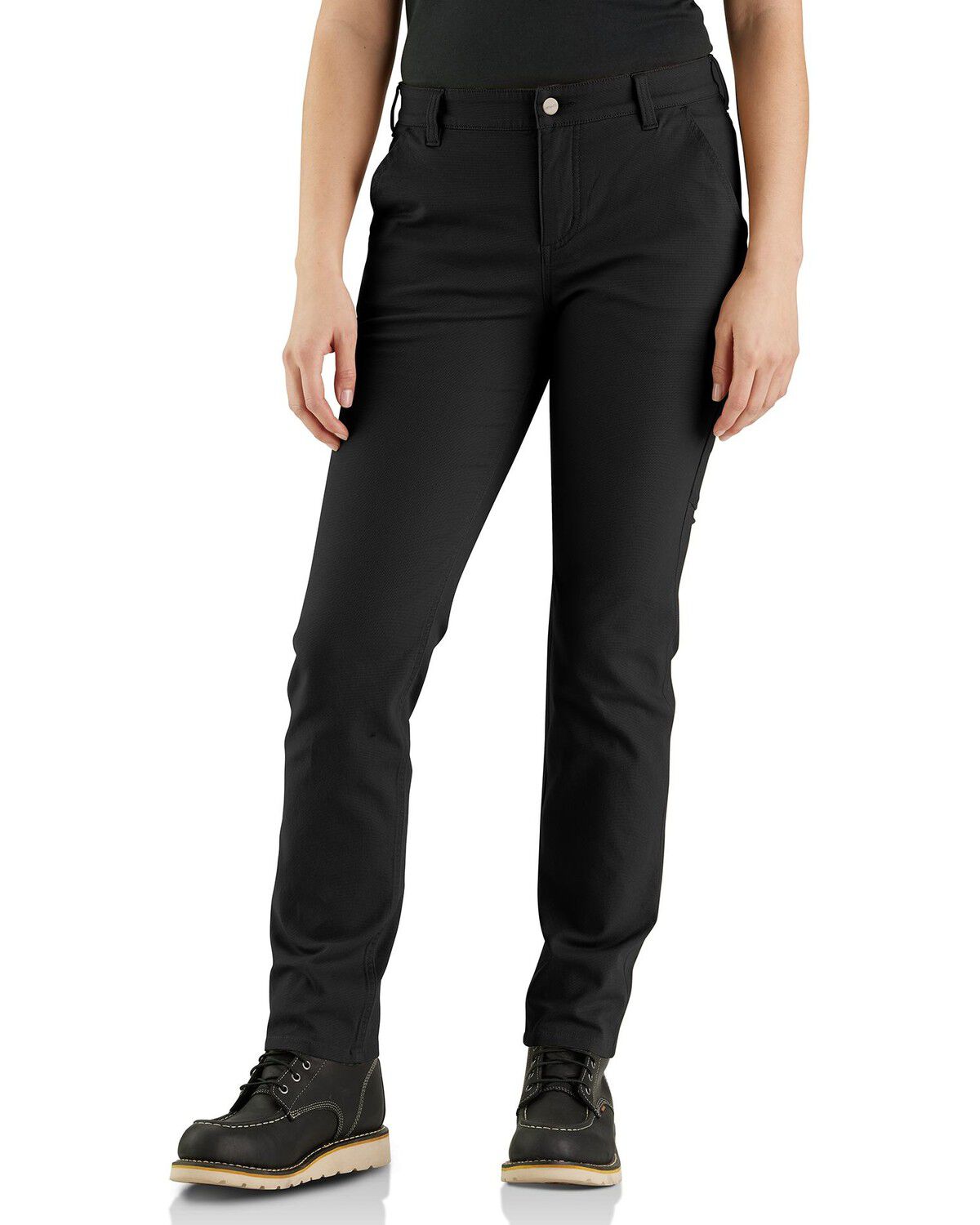
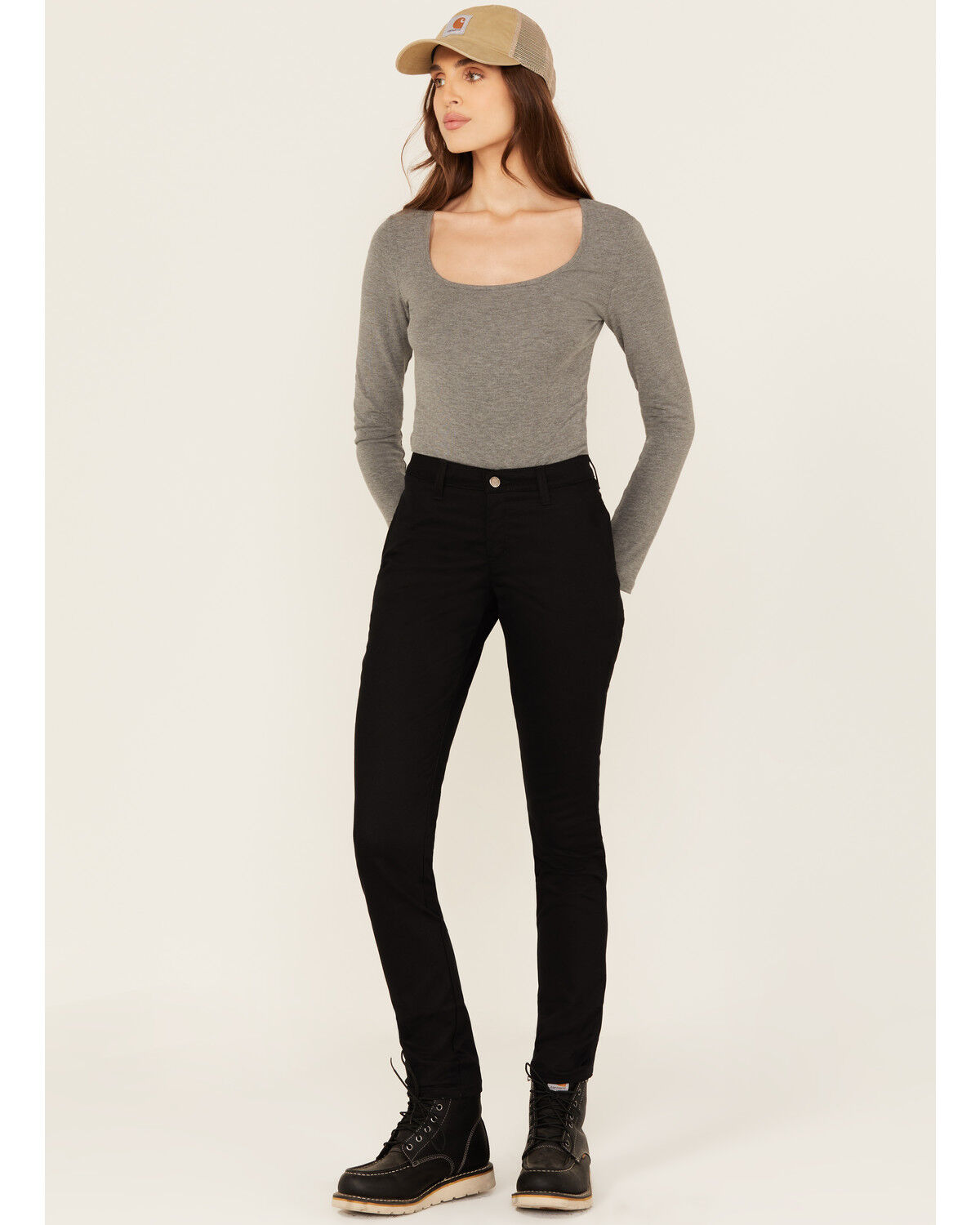
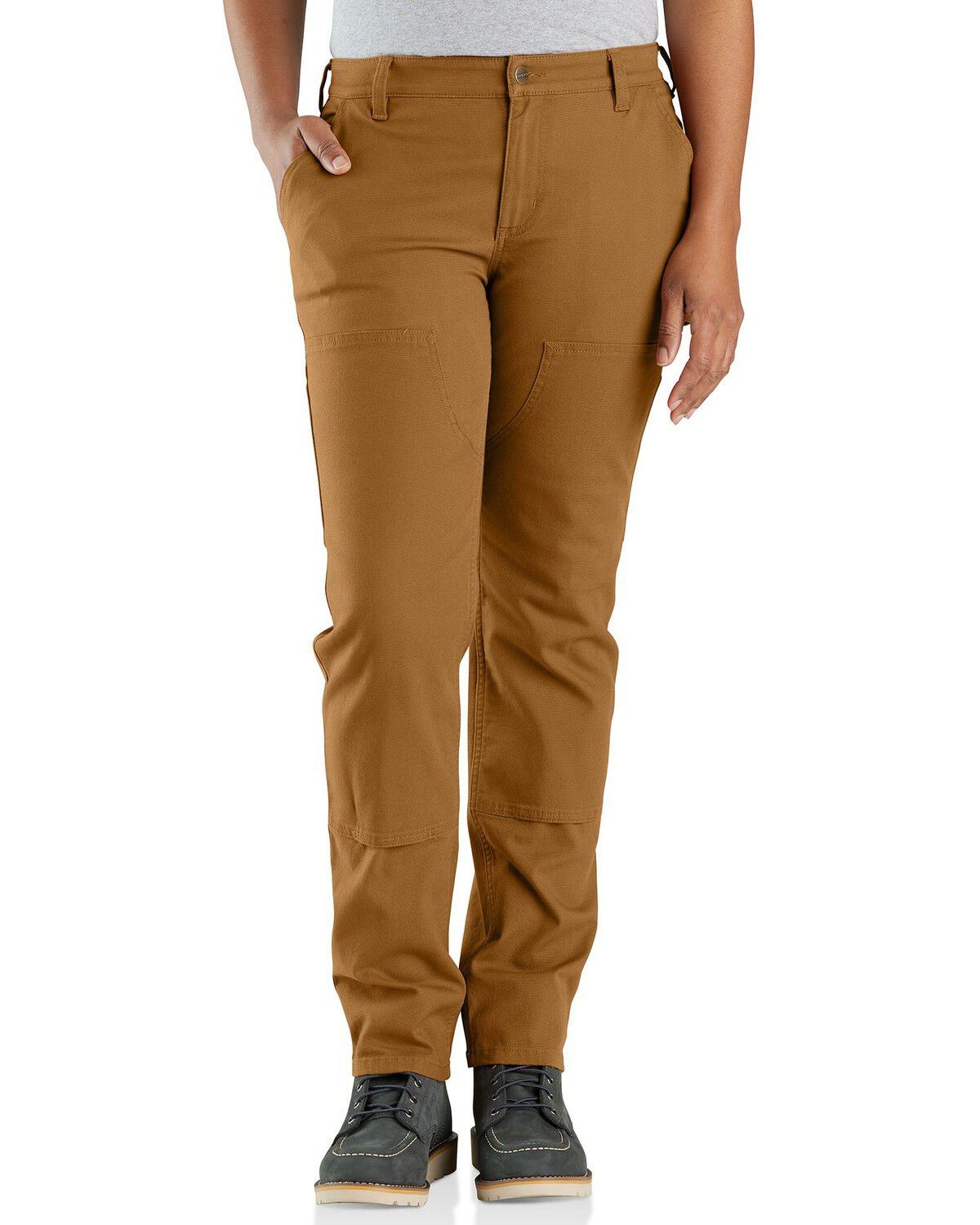
  • Women's Carhartt Rugged Flex Relaxed Fit Canvas Work Pants
    Original Price $64.99 $40.97
    37% Total Savings
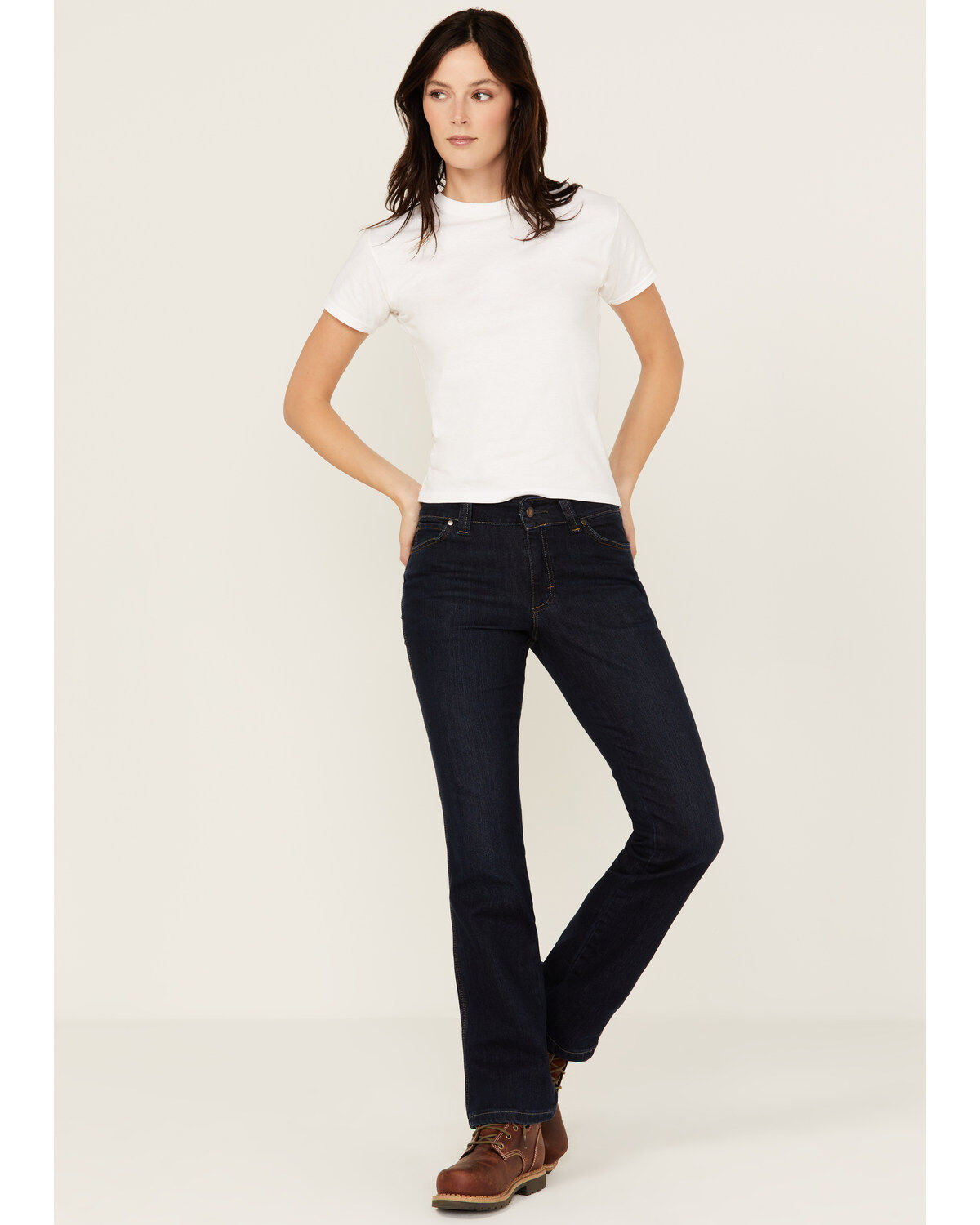
  • Women's Wrangler Riggs Dark Wash Bootcut Work Jeans
    Original Price $39.99 $24.97
    38% Total Savings
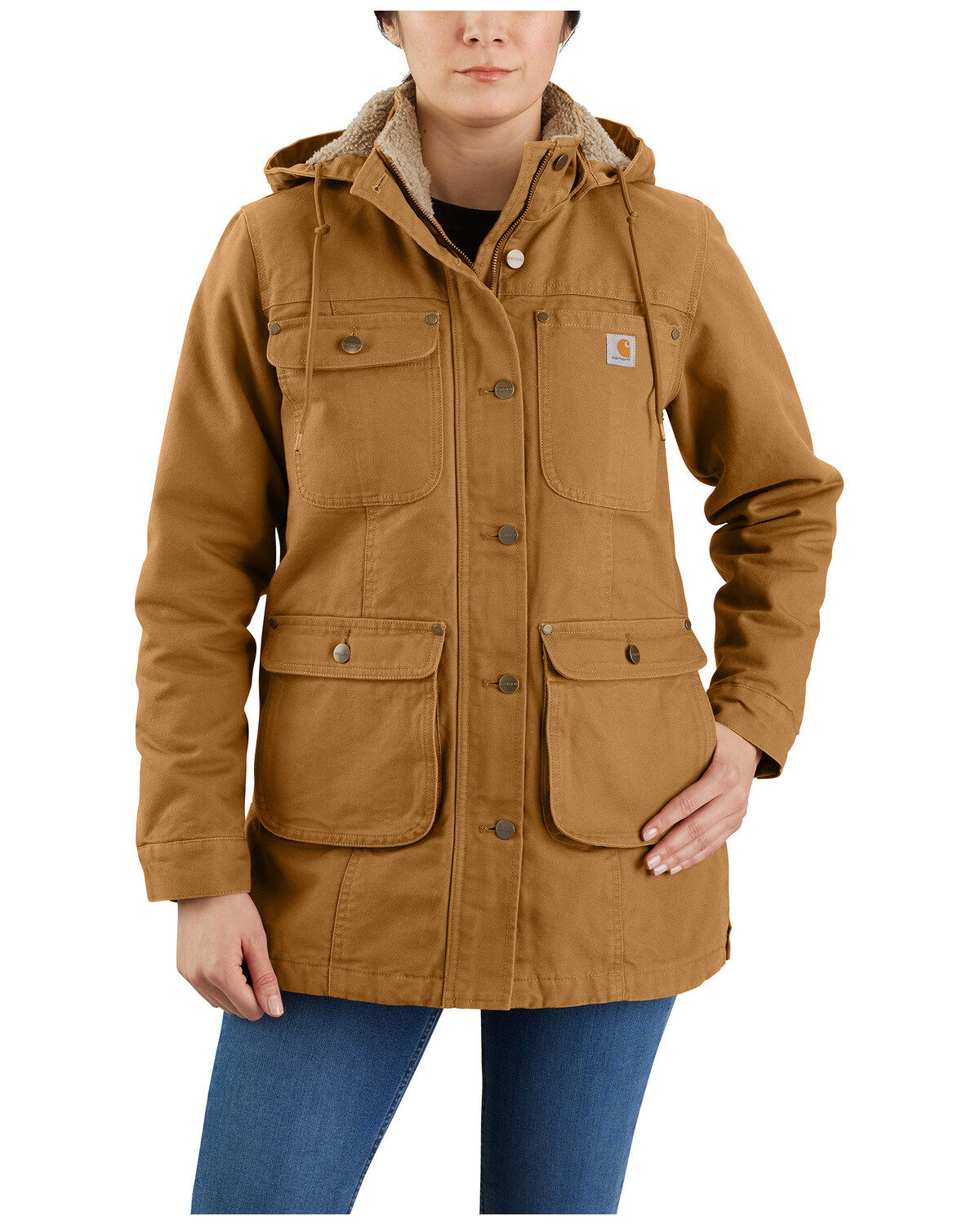
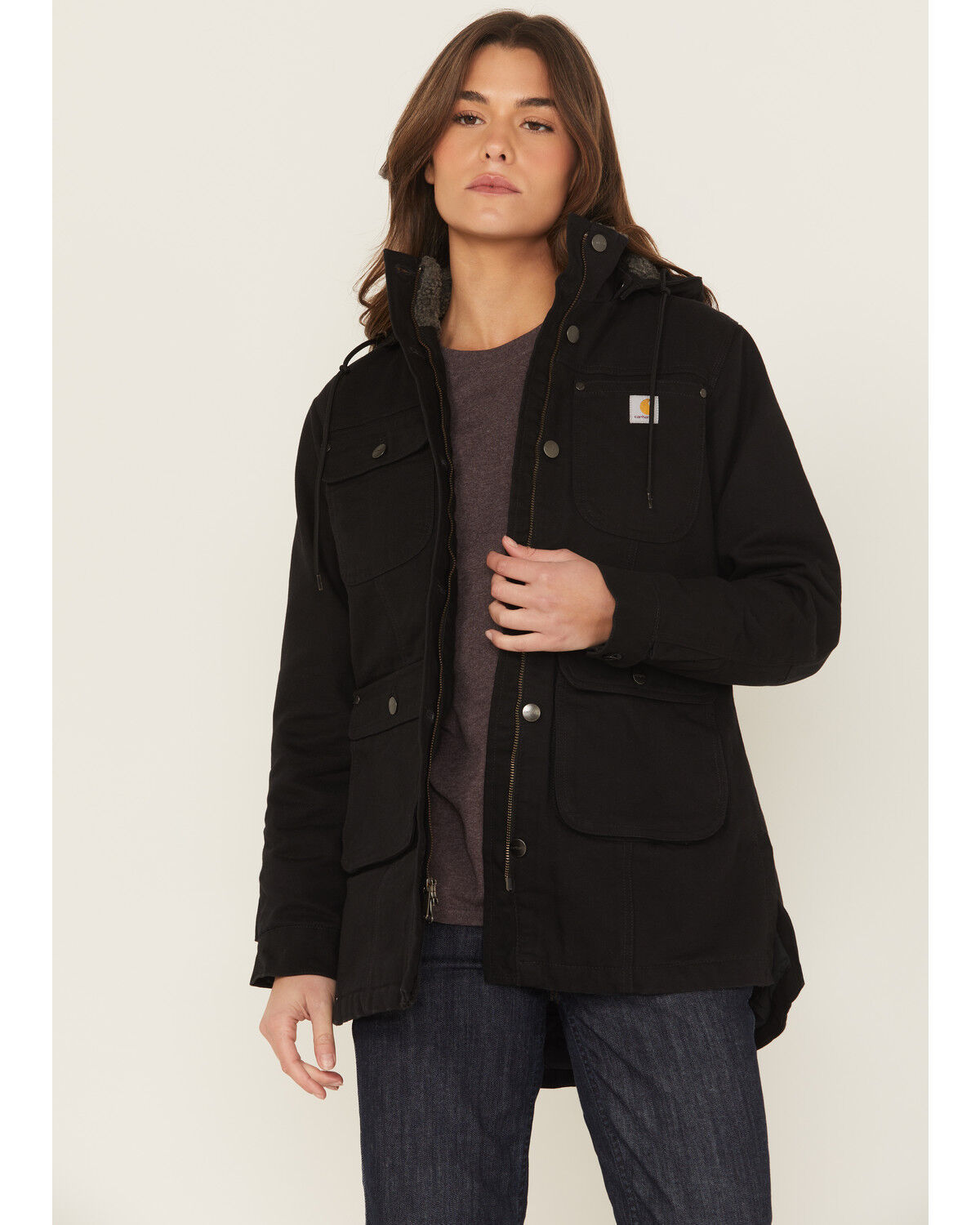
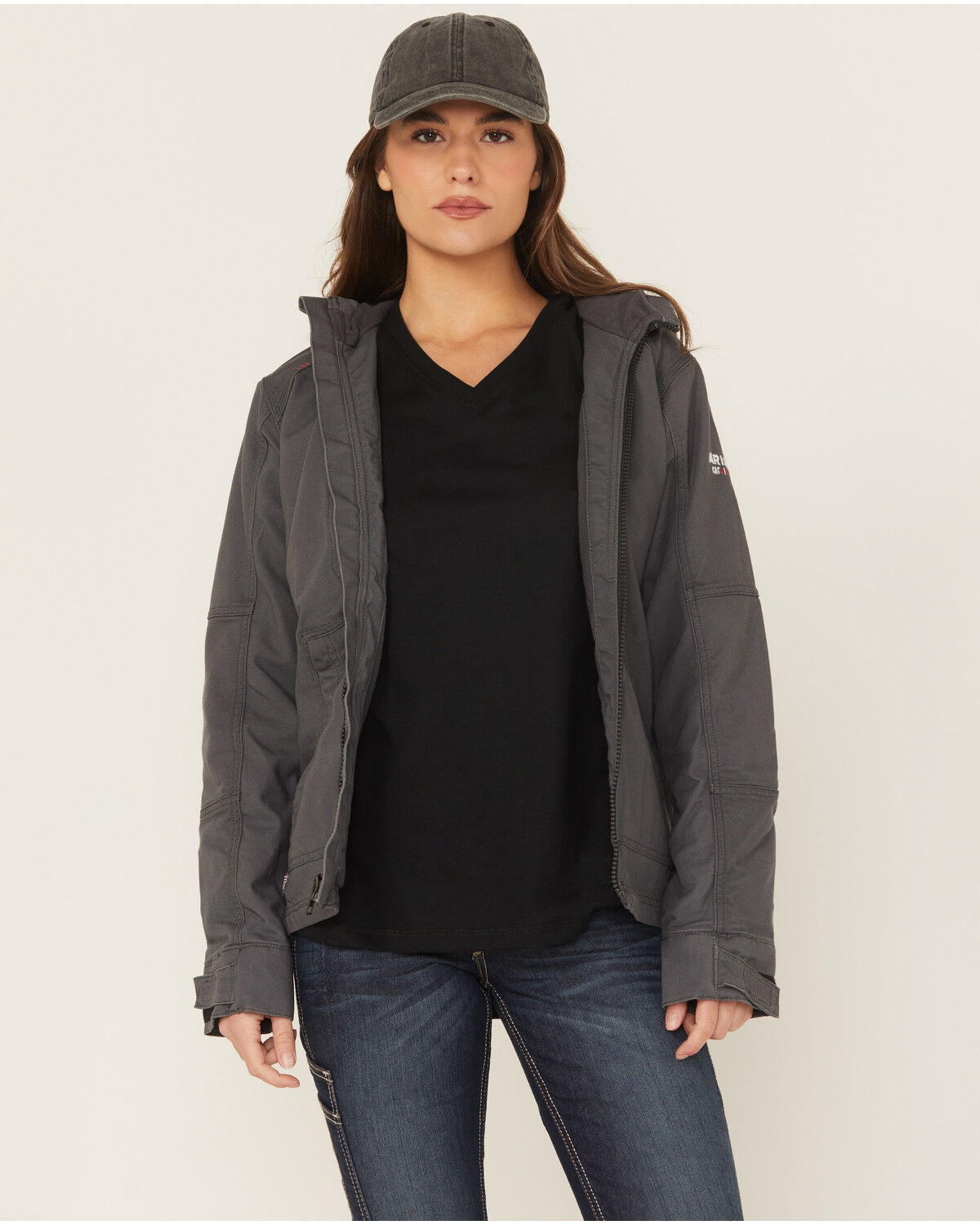
  • Women's Carhartt Loose Fit Weathered Duck Coat
    Original Price $149.99 $96.97
    35% Total Savings
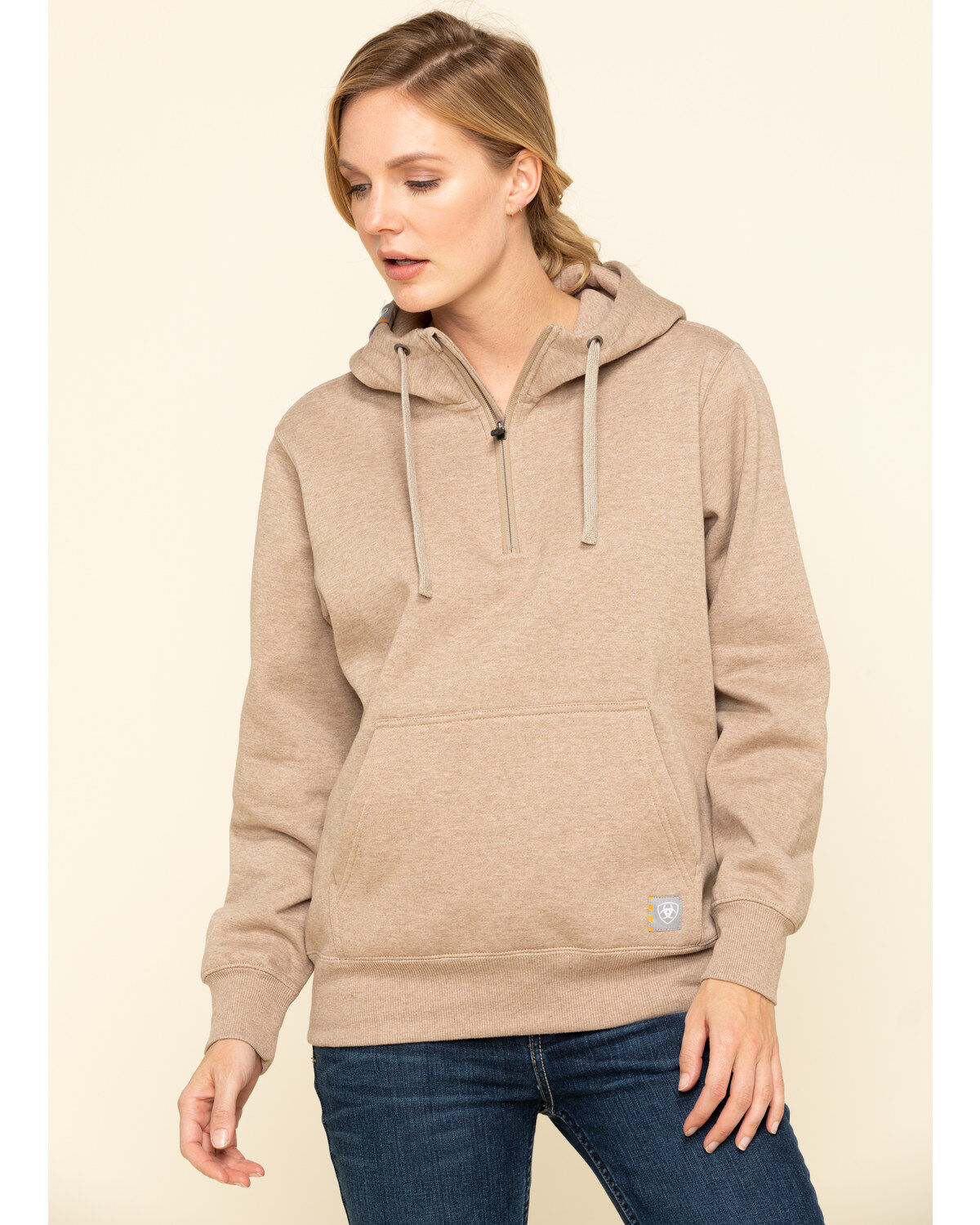
  • Women's Lucky Brand Workwear Fleece Hoodie
    Original Price $52.99 $39.97
    25% Total Savings
  • Women's Wrangler FR Blue Snap Long Sleeve Work Shirt
    Original Price $74.99 $51.97
    31% Total Savings

End of products

Work Wardrobe Essentials For Women

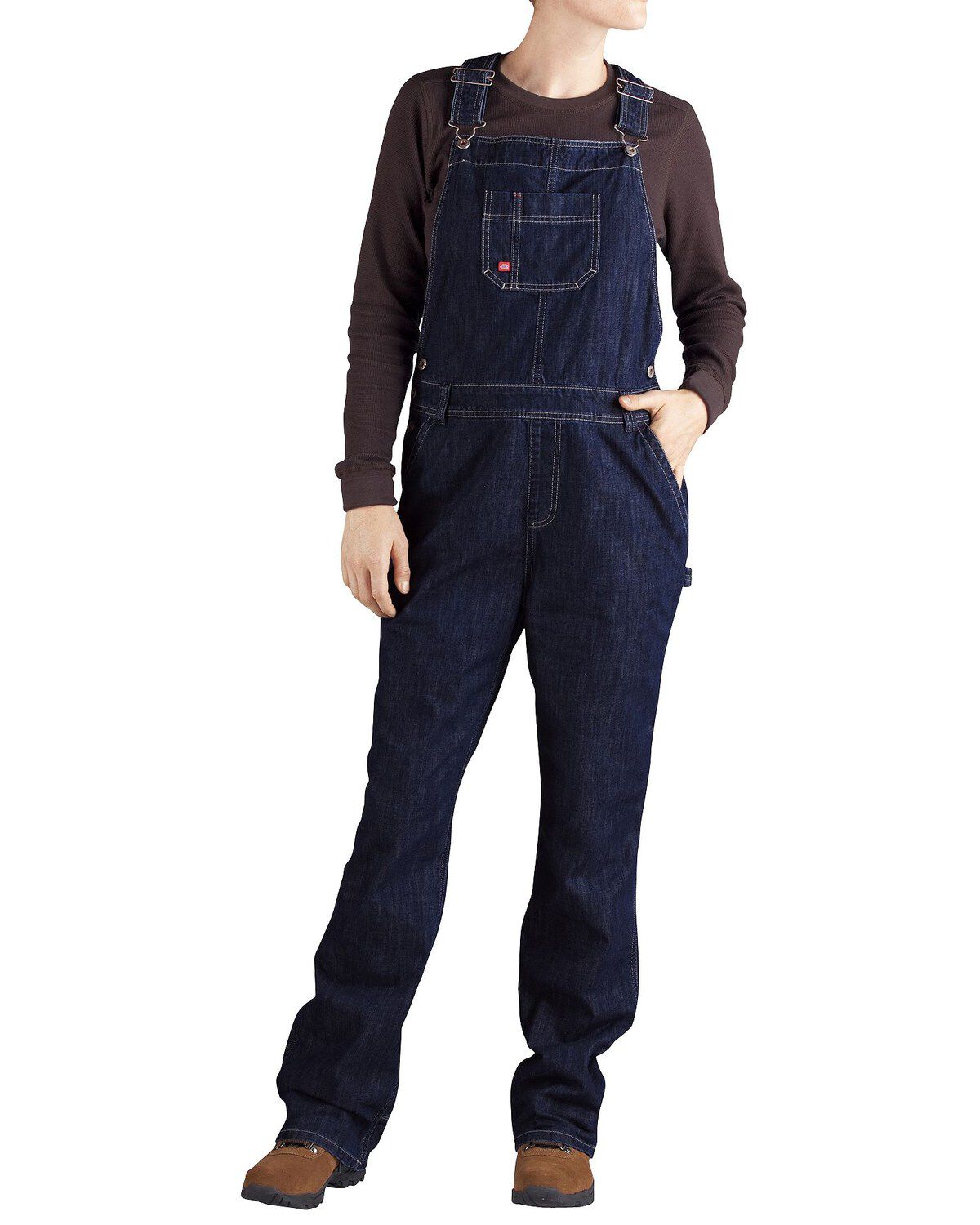
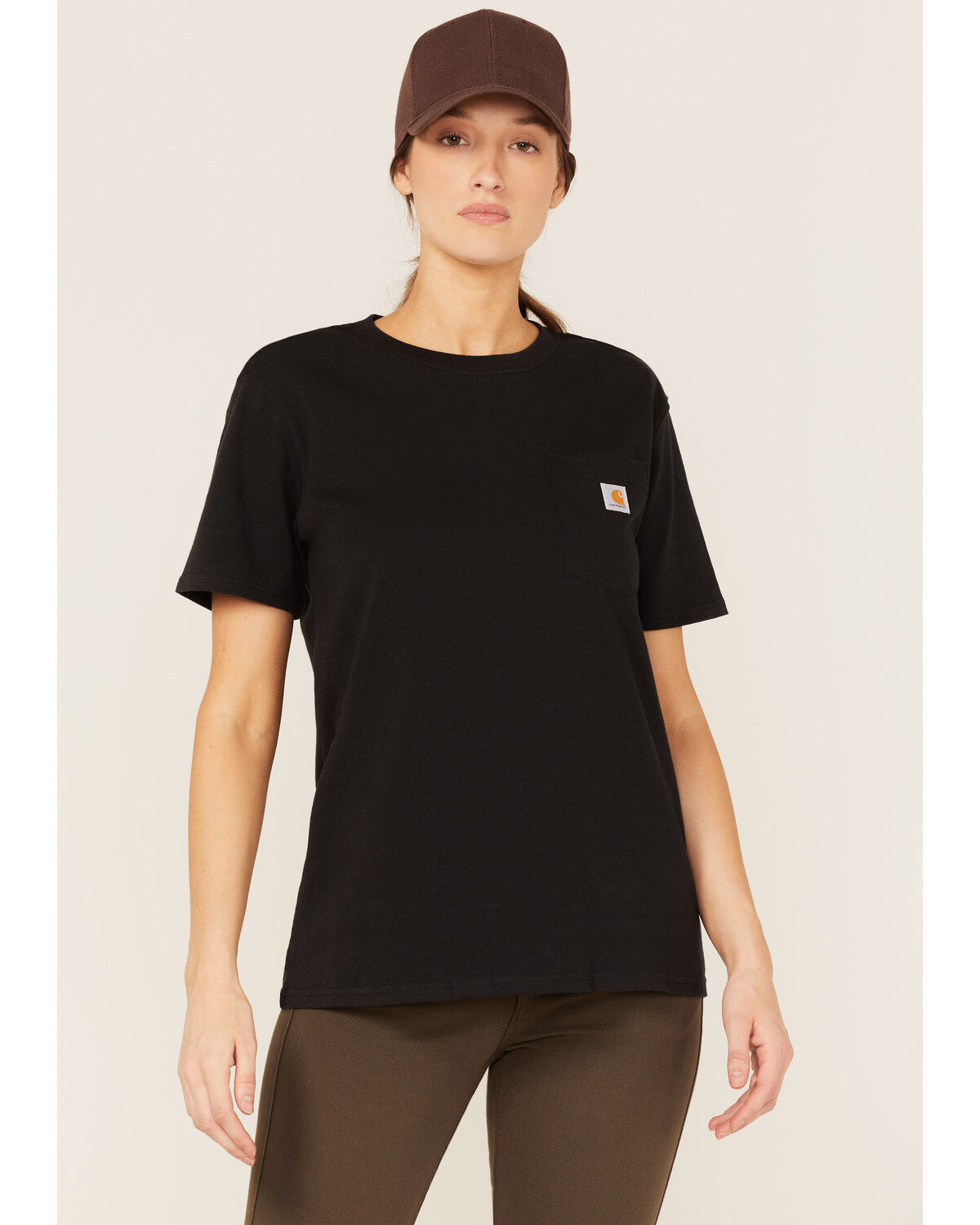
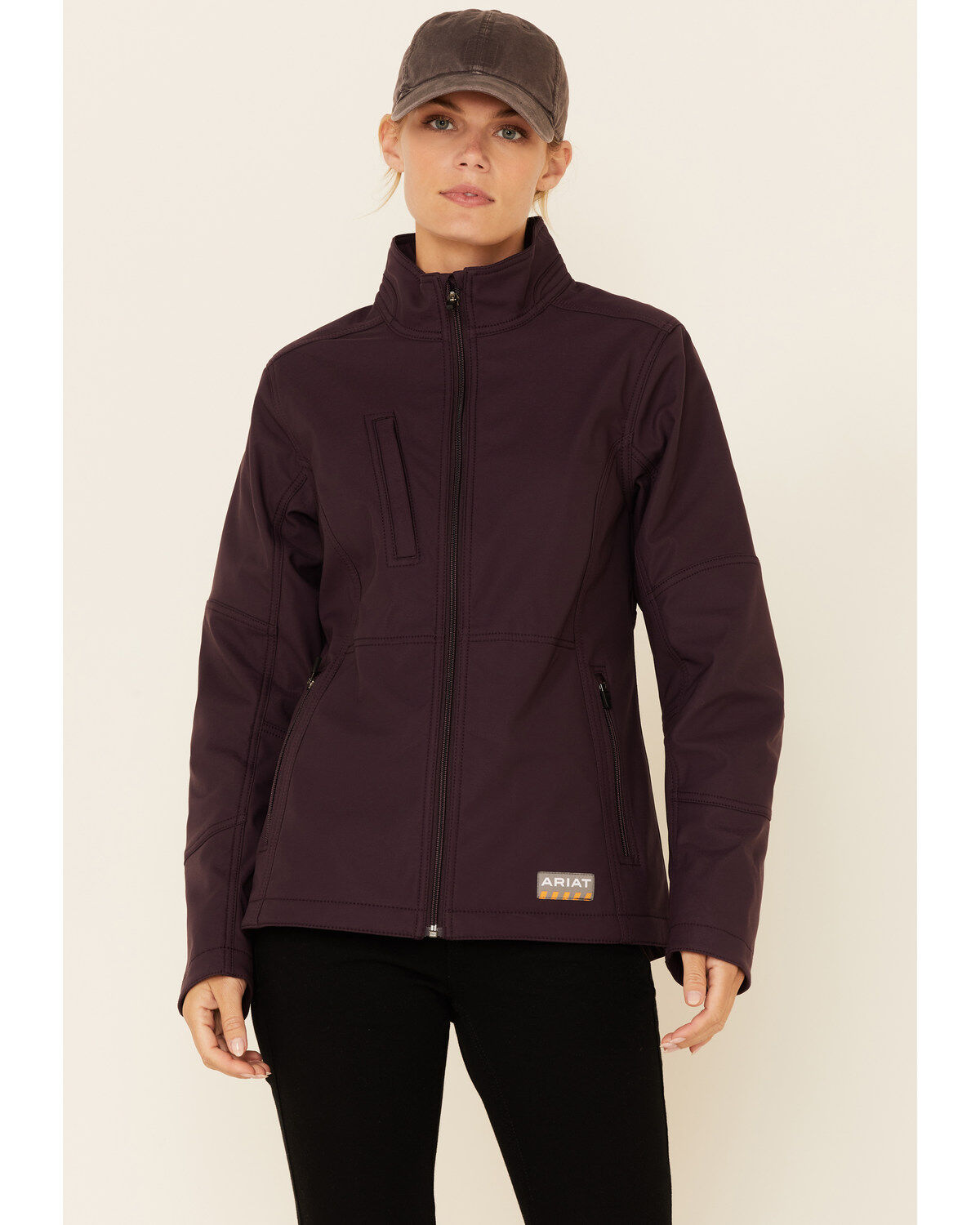
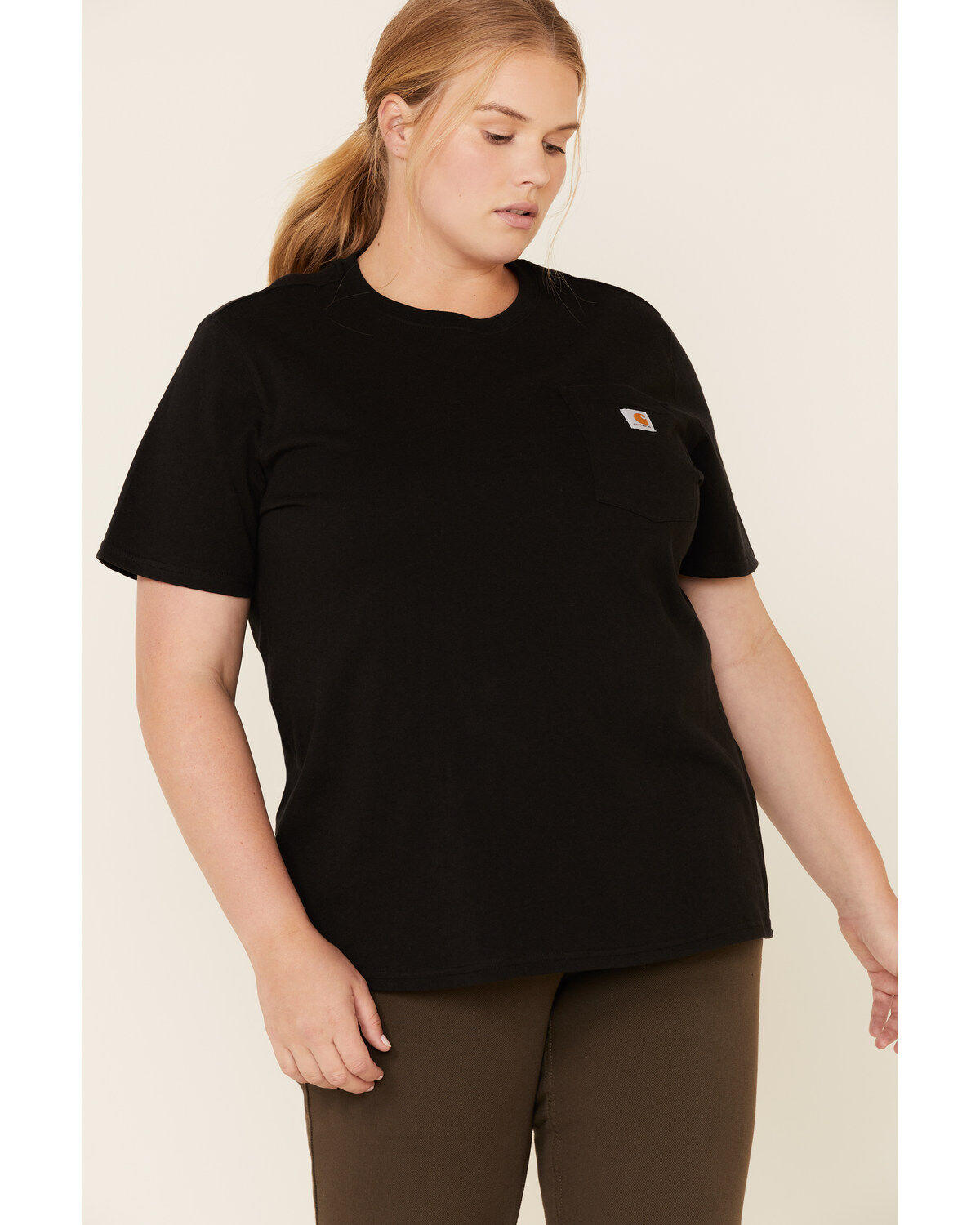
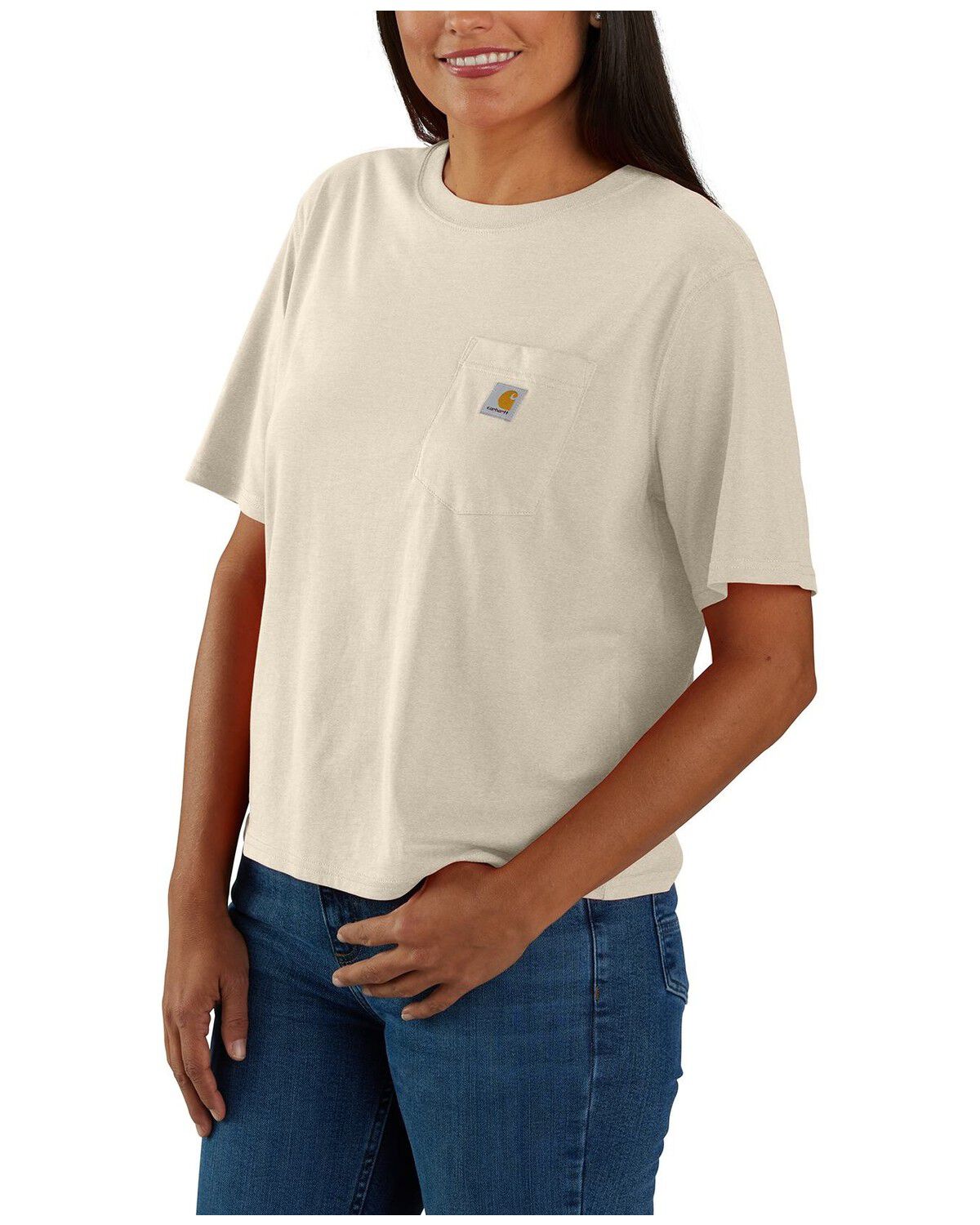
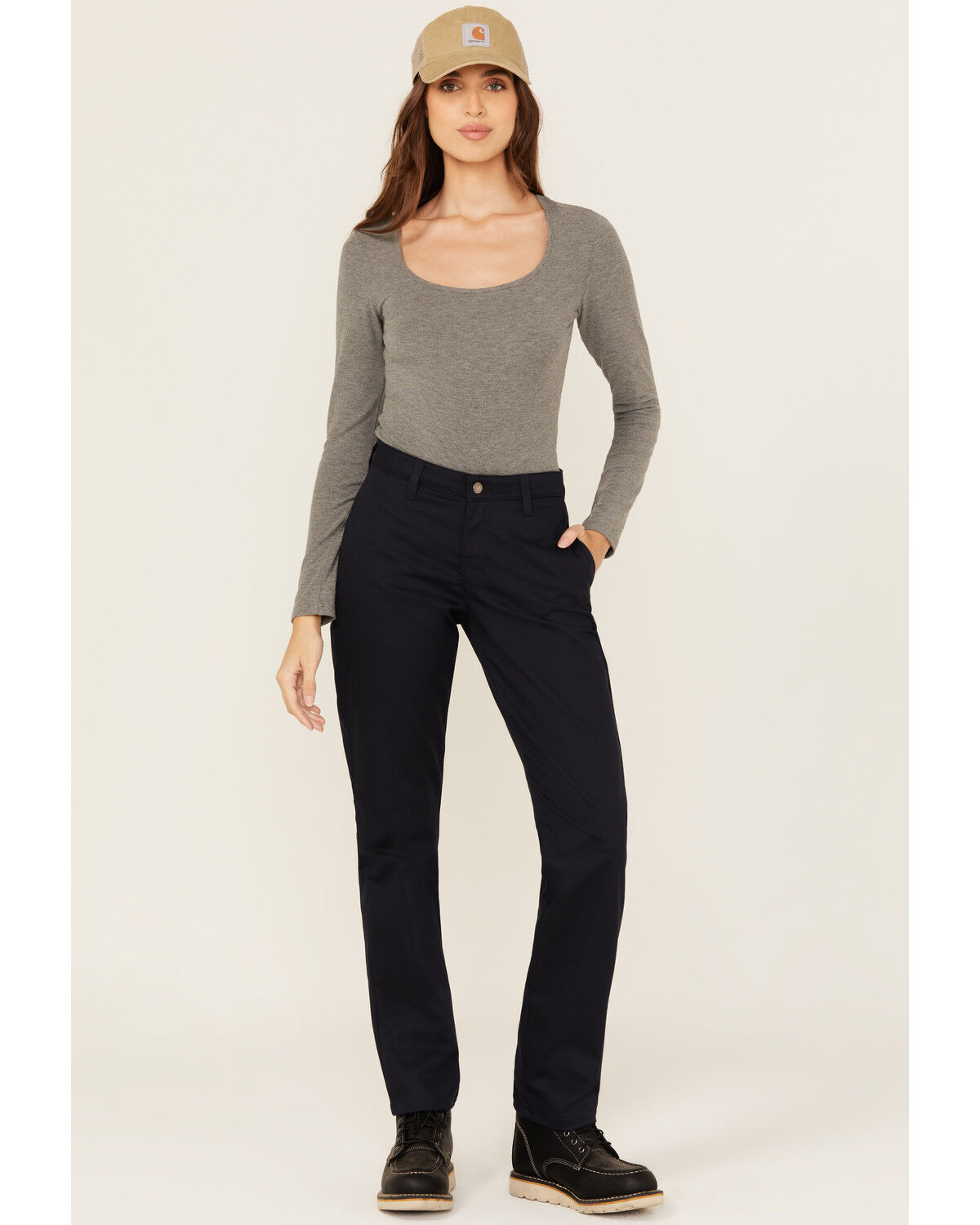
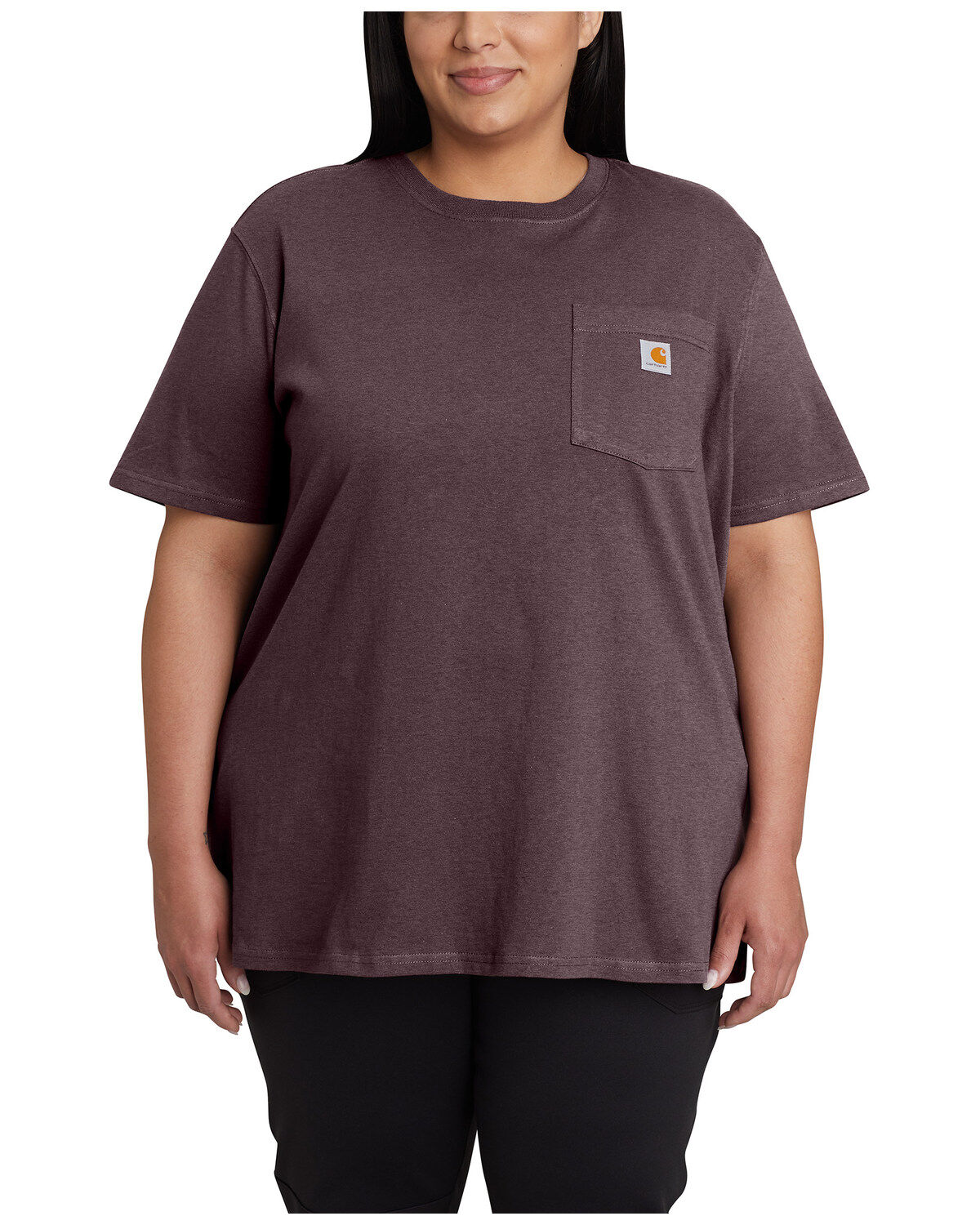
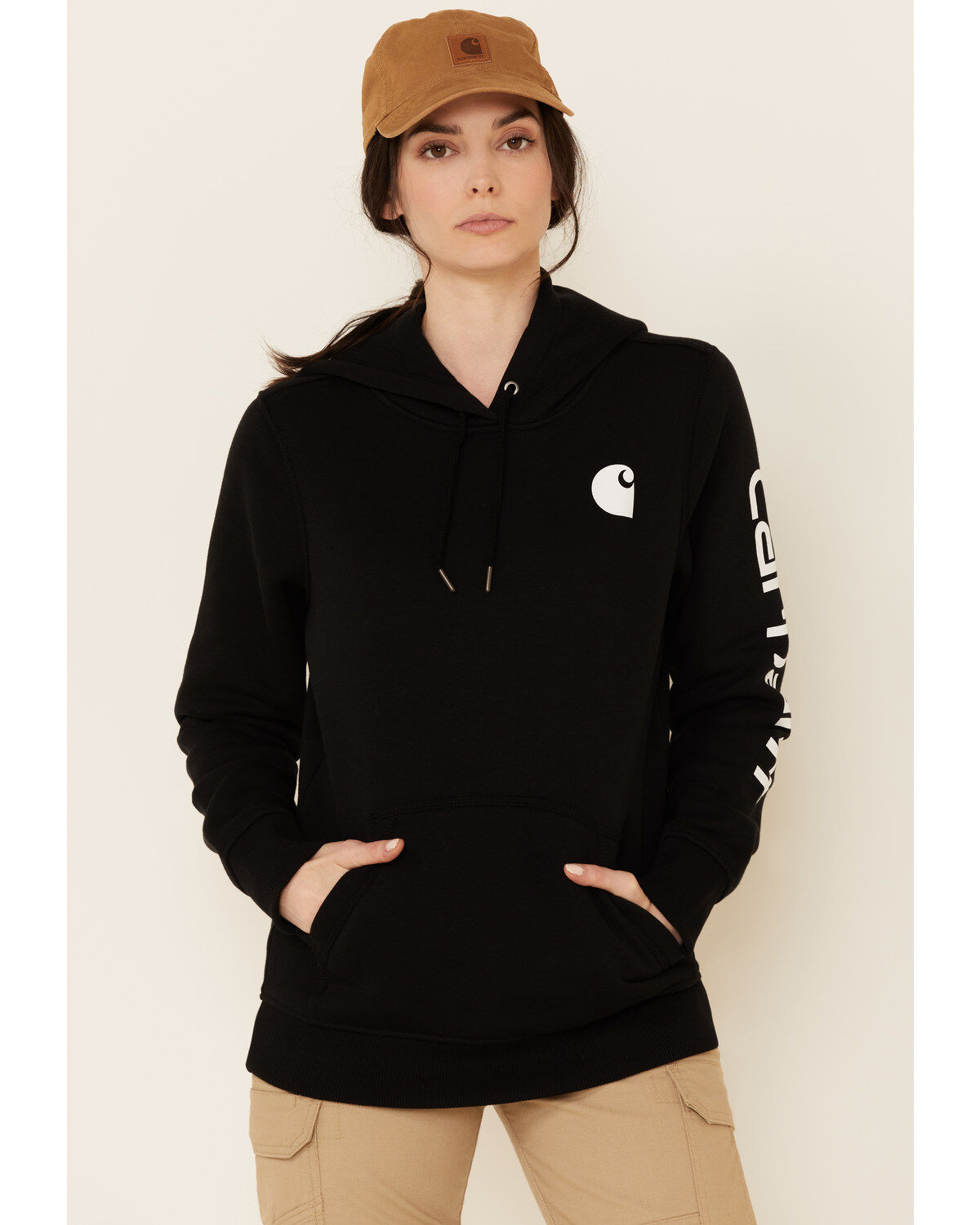
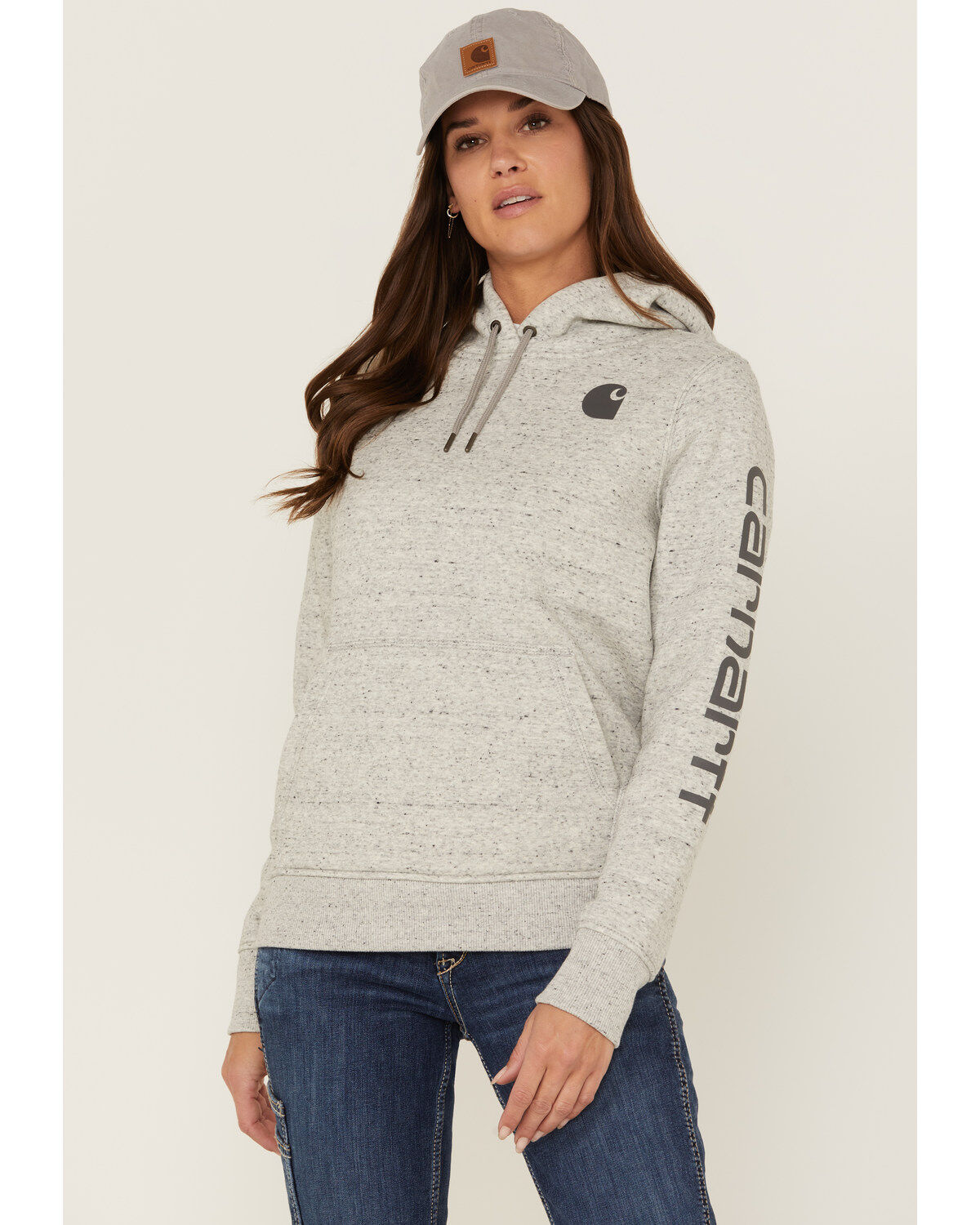
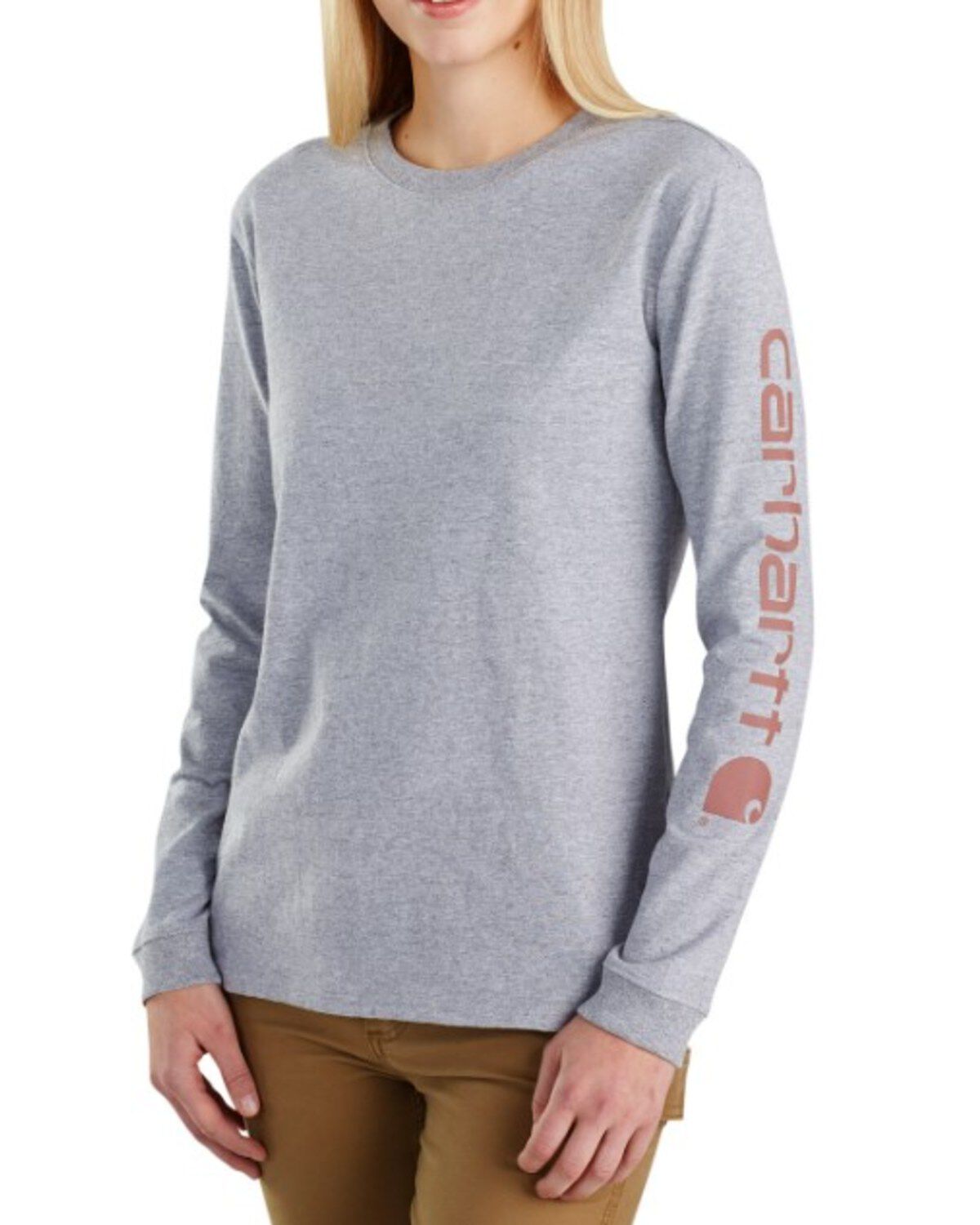
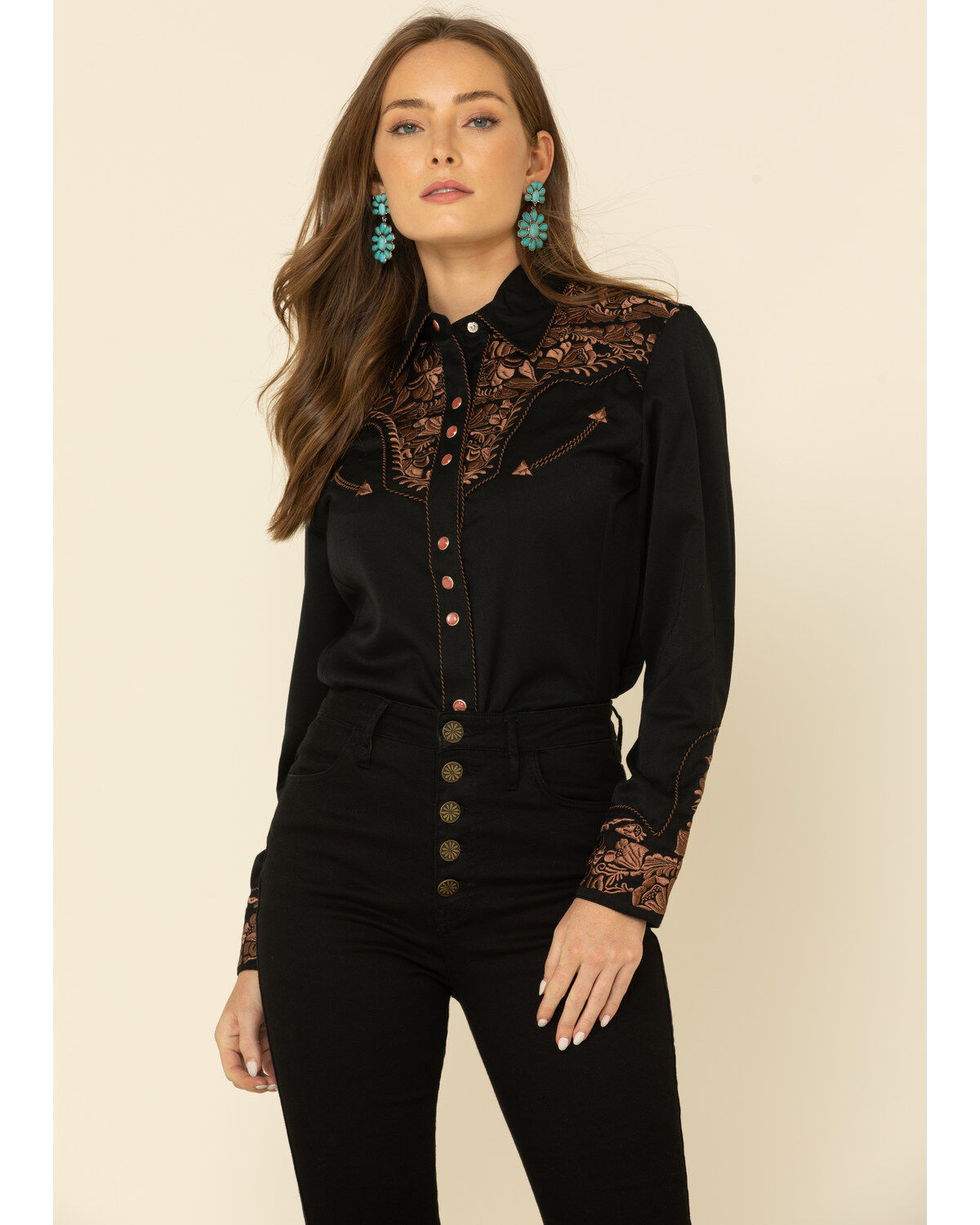
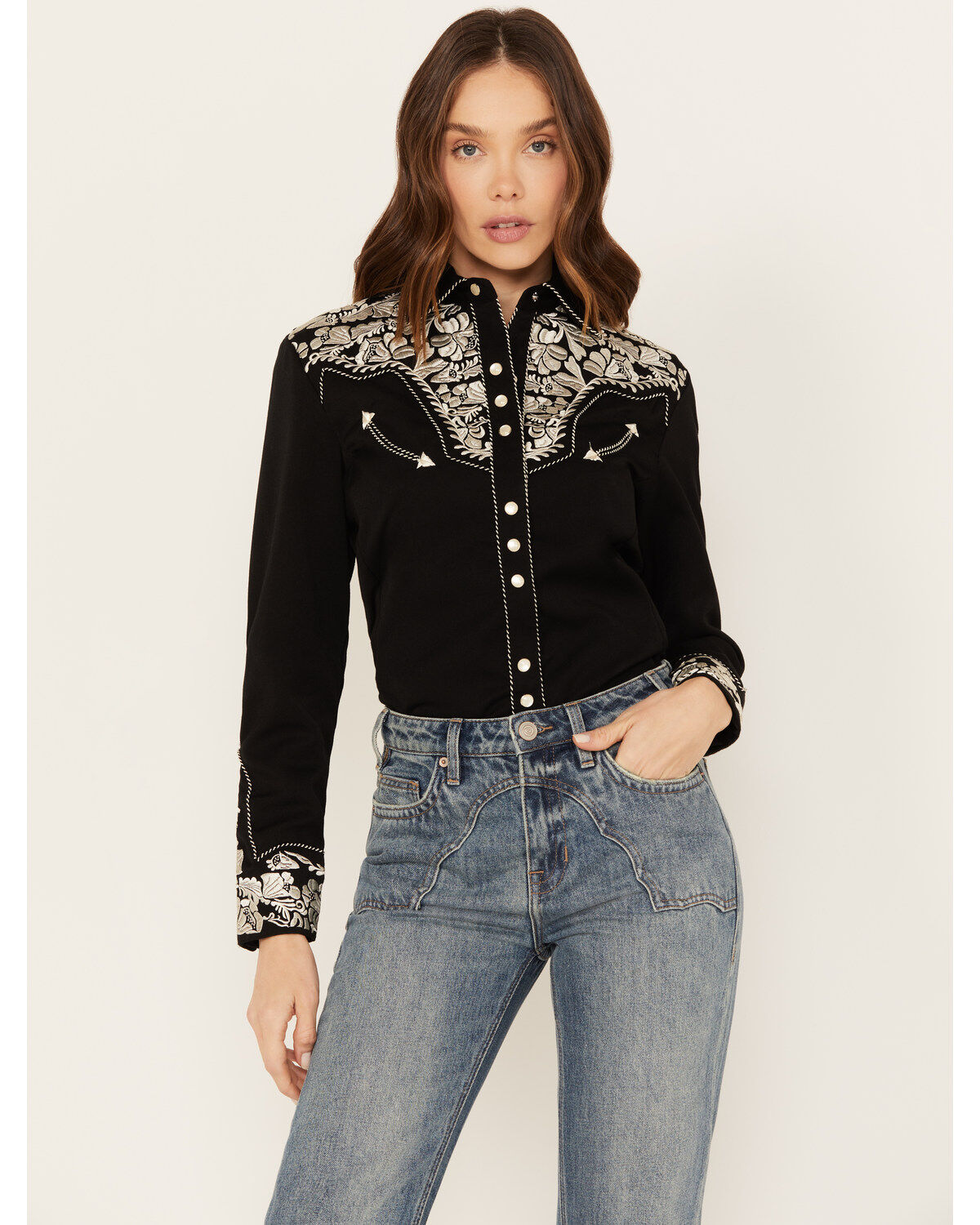
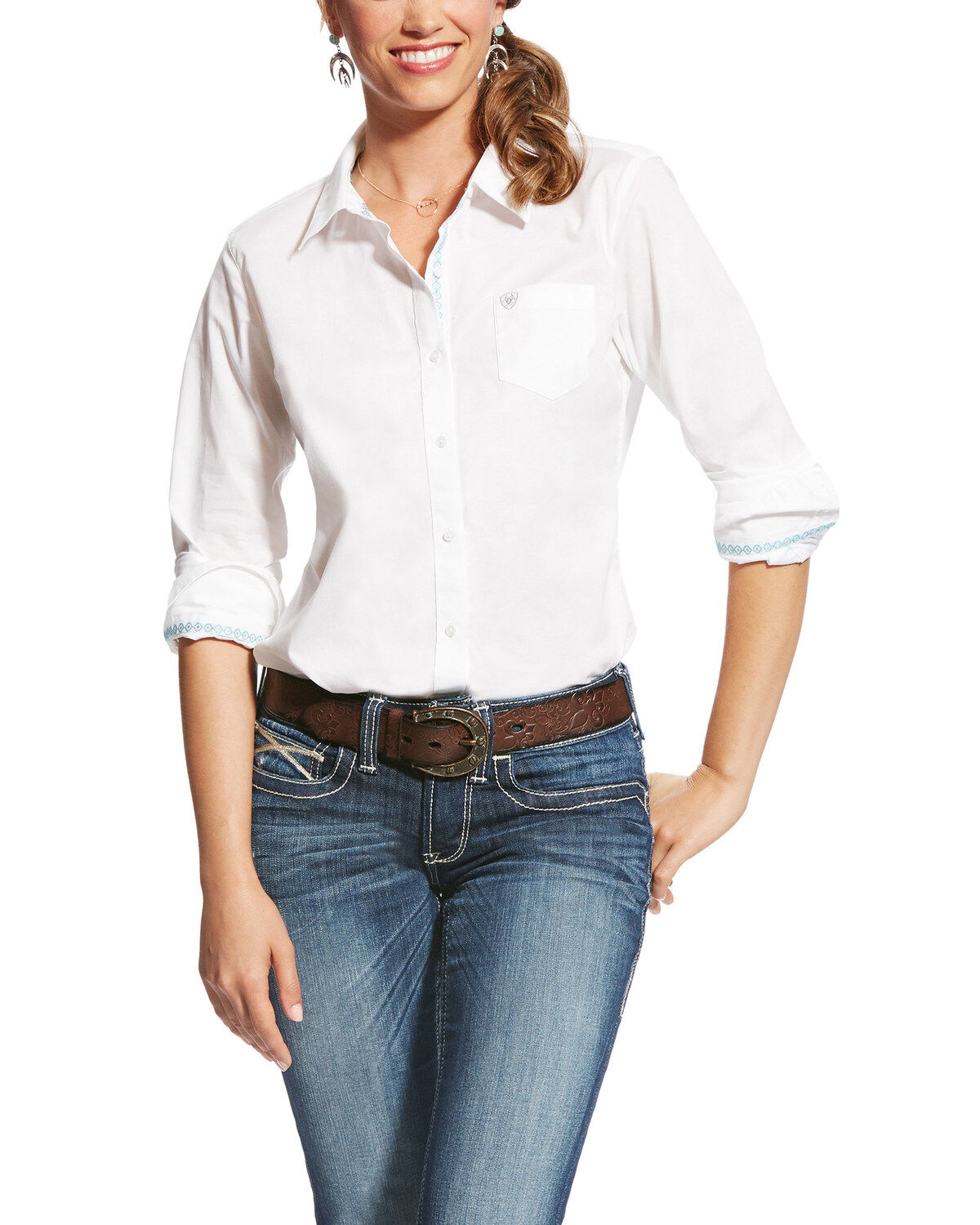
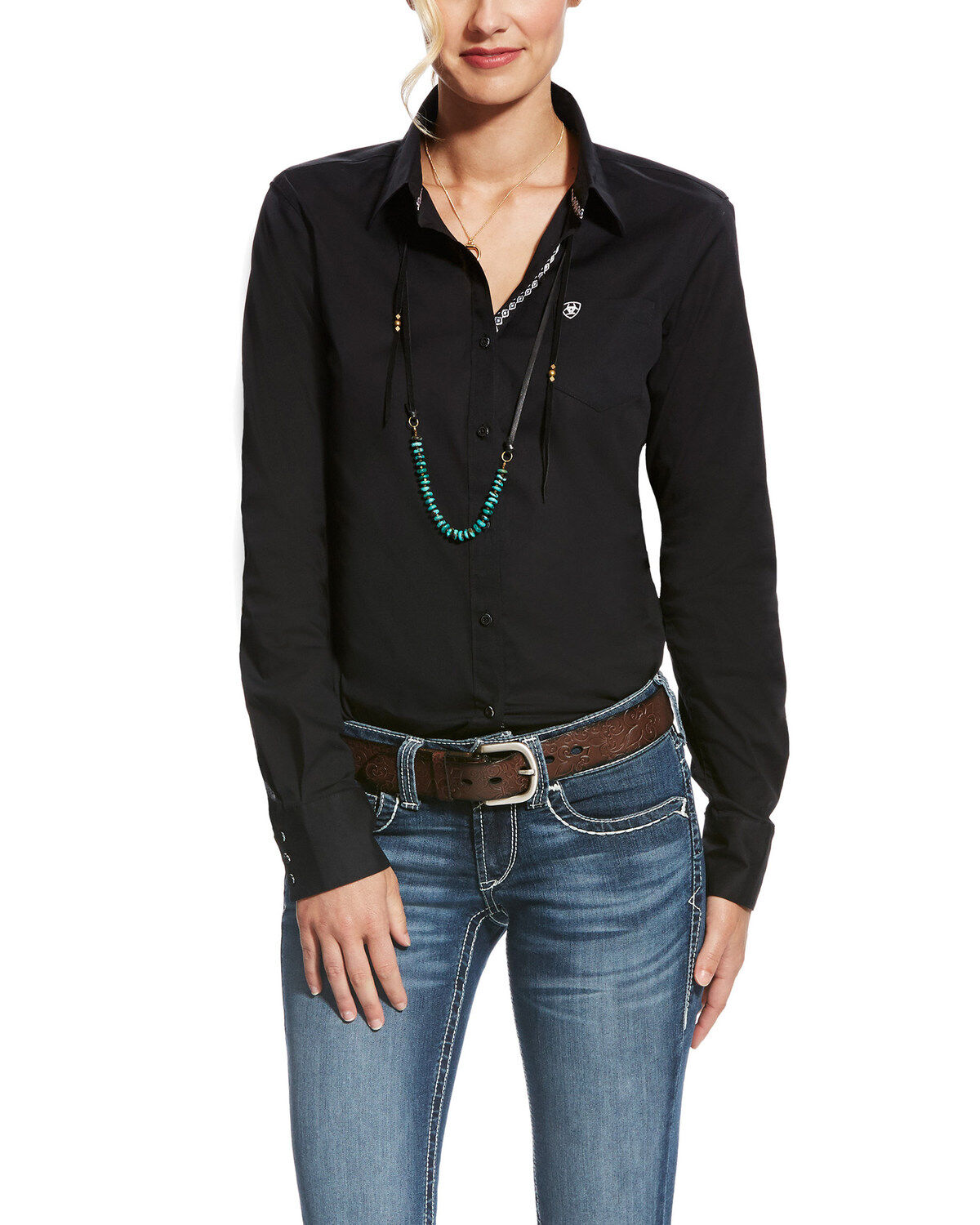
Work wardrobe essentials for women bring together dependable clothing, practical footwear, and everyday accessories suited to the job. The right combination depends on where the work happens and what a typical shift involves. A front-office role may call for clean lines and a polished finish, while a day spent organizing supplies, handling deliveries, or working on a ranch puts more emphasis on freedom of movement and durable construction. Many jobs include both: greeting a customer at the counter, then bending to reach a low shelf or carrying a box to the back room. Work shirts, pants, and jeans need to remain comfortable through those changes without requiring constant adjustment. Cotton offers a familiar feel, while fabrics blended with stretch can allow more movement across the shoulders, hips, and knees. Denim, canvas, and twill are common choices where clothing faces repeated wear, though fabric weight, stitching, and construction all affect how a garment performs. Reinforced seams and well-secured pockets can be useful in high-contact areas. Fit matters just as much as fabric. A waistband should stay in place when sitting or bending, and a shirt should provide enough reach without pulling across the back. Pants need room for the movements a job requires without excess fabric getting in the way. Pocket placement also makes a difference when a phone, keys, or small notebook stays close throughout the day. For workplaces with a relaxed dress code, Women's Casual Workwear keeps the focus on everyday clothing that balances comfort with a neat appearance. Straightforward colors and uncomplicated designs make separate pieces easier to wear together, especially when the same wardrobe serves several duties. A button-front shirt can look presentable at a morning meeting and still allow practical movement afterward. A comfortable pair of work pants should fit as well at the end of a shift as it does at the beginning. Employer dress requirements remain the deciding factor, particularly where uniforms, protective clothing, or restrictions on loose fabric apply.

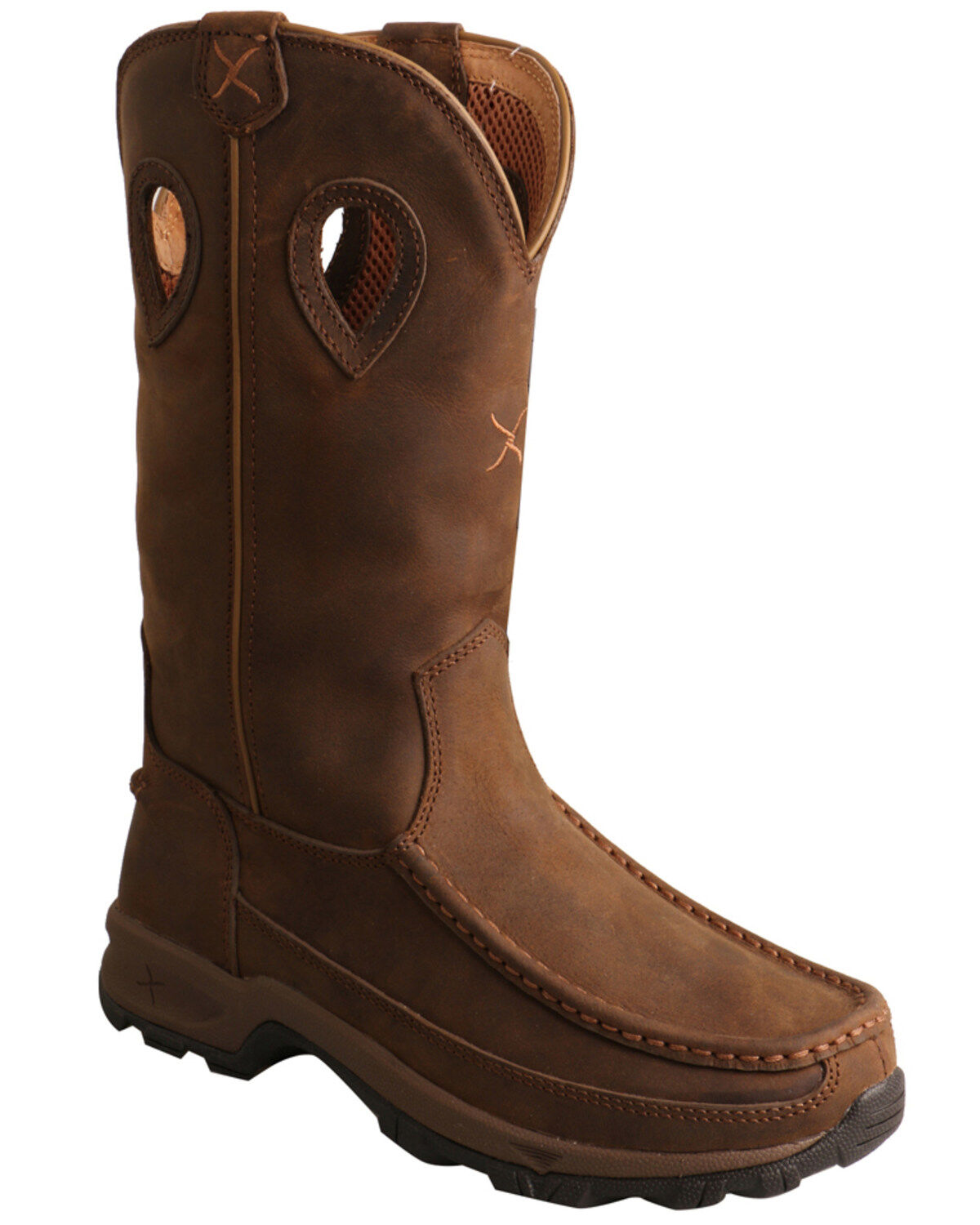
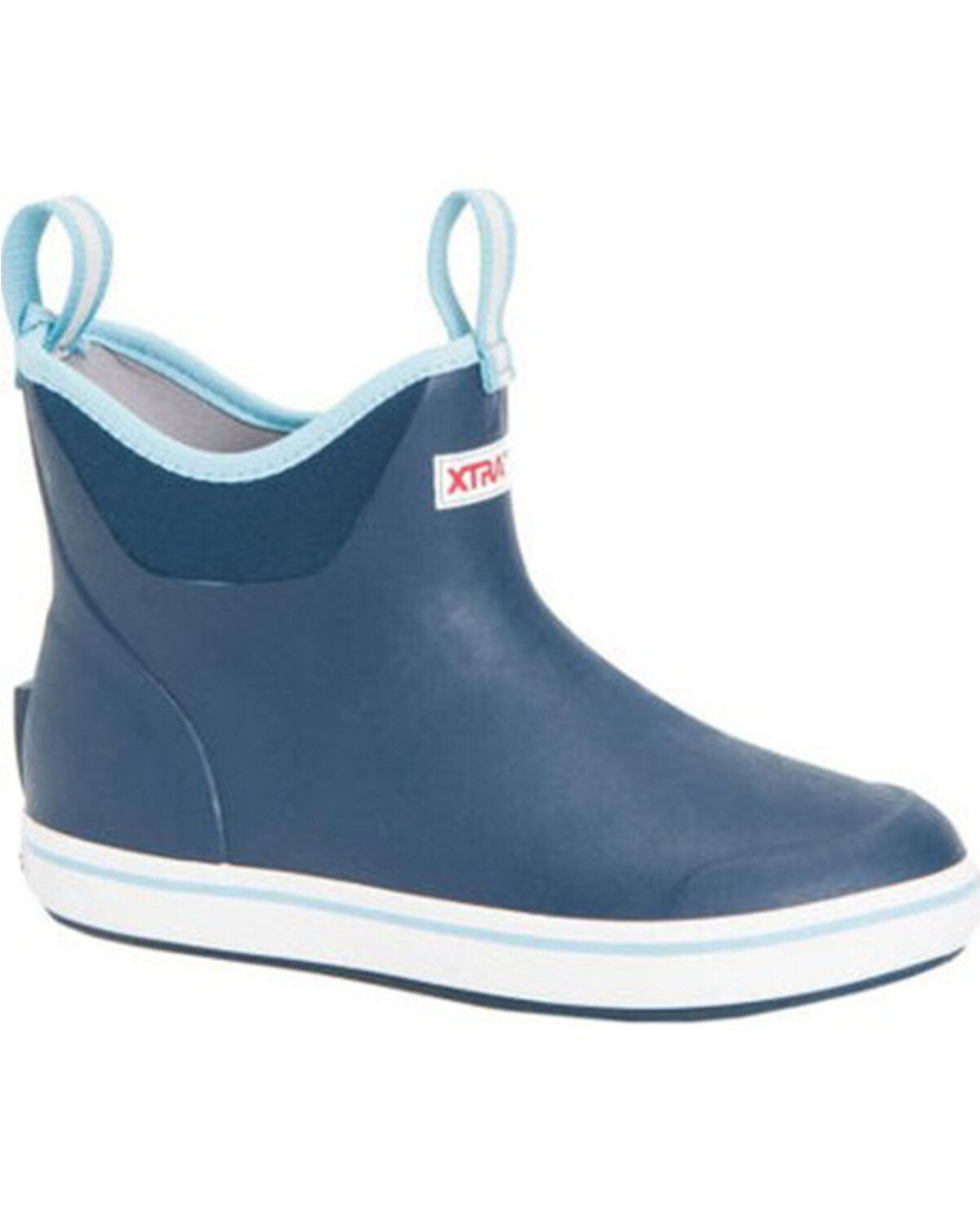
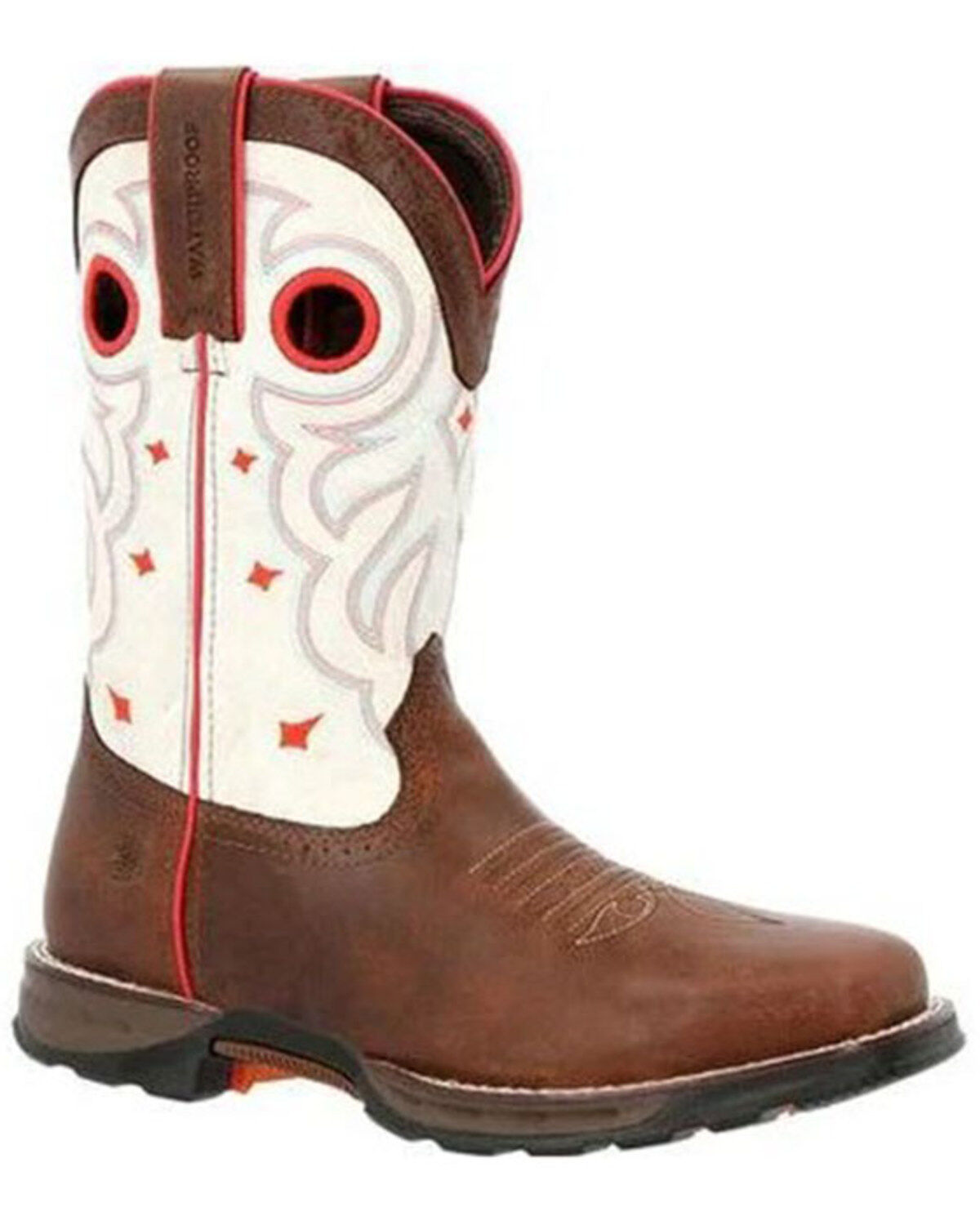
Footwear is a central part of a women’s work wardrobe, especially for jobs that involve standing, walking, or moving between different surfaces. Work boots and other job-appropriate footwear vary in their materials, support, coverage, and protective features. Leather uppers can withstand regular use when properly maintained, while fabric panels may provide flexibility and reduce weight. Neither material alone determines whether a boot is right for a particular workplace. Sole construction, fit, and the demands of the job matter just as much. A woman walking across a warehouse floor has different requirements from someone spending most of the day behind a service counter or moving around a barn. Cushioned footbeds can add comfort, and a stable platform can help footwear feel secure during routine movement. Traction depends on the outsole and the surface beneath it; a slip-resistant designation does not mean a sole will grip every floor under every condition. Jobs with impact, compression, electrical, or other hazards may require footwear with specific ratings. Those requirements should match the employer’s rules and the manufacturer’s stated specifications rather than assumptions based on appearance. Protective footwear does not replace other required safety equipment. Fit deserves careful attention because work footwear often stays on for hours. Toes need adequate room, the heel should feel secure, and the upper should not create painful pressure across the foot. The socks worn during a shift affect that fit, particularly when their thickness differs from everyday socks. A boot that feels tight at first should not be expected to become the correct size through wear alone. Pant length also matters: hems should work with the footwear without dragging or interfering with movement. Laces, closures, and boot height can influence how easily footwear goes on and how securely it stays in place. For someone climbing steps, carrying supplies, or repeatedly crouching, these small details become part of the daily experience. Job-appropriate footwear earns its place through a reliable fit and construction suited to the work.

Durability is not simply a matter of choosing the heaviest fabric or the thickest leather. It comes from matching materials and construction to the task, then caring for them according to their instructions. Clothing used around rough surfaces may benefit from abrasion-resistant fabric, while a role with frequent reaching and bending may place greater demands on stretch and seam strength. Work involving machinery can require closer-fitting clothing and strict limits on dangling accessories. Where flame-resistant clothing or other specialized protection is required, ordinary workwear is not a substitute, and care practices must preserve the garment’s specified protective properties. For everyday clothing, following wash and drying directions helps maintain fit, color, and fabric condition. Stains, embedded grit, and worn stitching deserve attention before they become harder to address. Leather footwear also benefits from care suited to its finish; smooth leather, suede, and other materials do not all respond to the same cleaners or treatments. Soles and uppers should be checked for wear that could affect dependable use. Accessories serve a practical purpose when they suit the workplace. A belt can help maintain a secure fit, socks can provide coverage and cushioning, and a bag with organized compartments can keep personal belongings together during the commute. Jewelry should follow workplace rules, especially around equipment where rings, bracelets, or hanging pieces could catch. These essentials are used by women across trades, agriculture, retail, service roles, and office settings, with each job placing its own demands on a wardrobe. They can also make thoughtful gifts for someone beginning a new role or replacing well-worn basics, provided sizing, personal preferences, and employer requirements are known. The most useful work wardrobe does not need unnecessary detail. It needs clothing that stays comfortable when the wearer reaches for a top shelf, footwear suited to the floor underfoot, and construction that stands up to repeated use. Clean finishes, functional details, and a dependable fit keep the focus where it belongs: on the work.
Read More

FAQs