Work Jeans For Men

Find work jeans for men that suit your job and fit the way you move. Browse men’s workwear with your daily tasks in mind, and compare fit and product details to choose the right pair for your workday.

Shop Your Store: Shop Your Store: Find a Store

(Turn off Shop Your Store to see all items)

(Turn off Shop Your Store to see all items)

close
  • Recommended
  • Lowest Price
  • Highest Price
Skip pass products

End of products

Work Jeans For Men

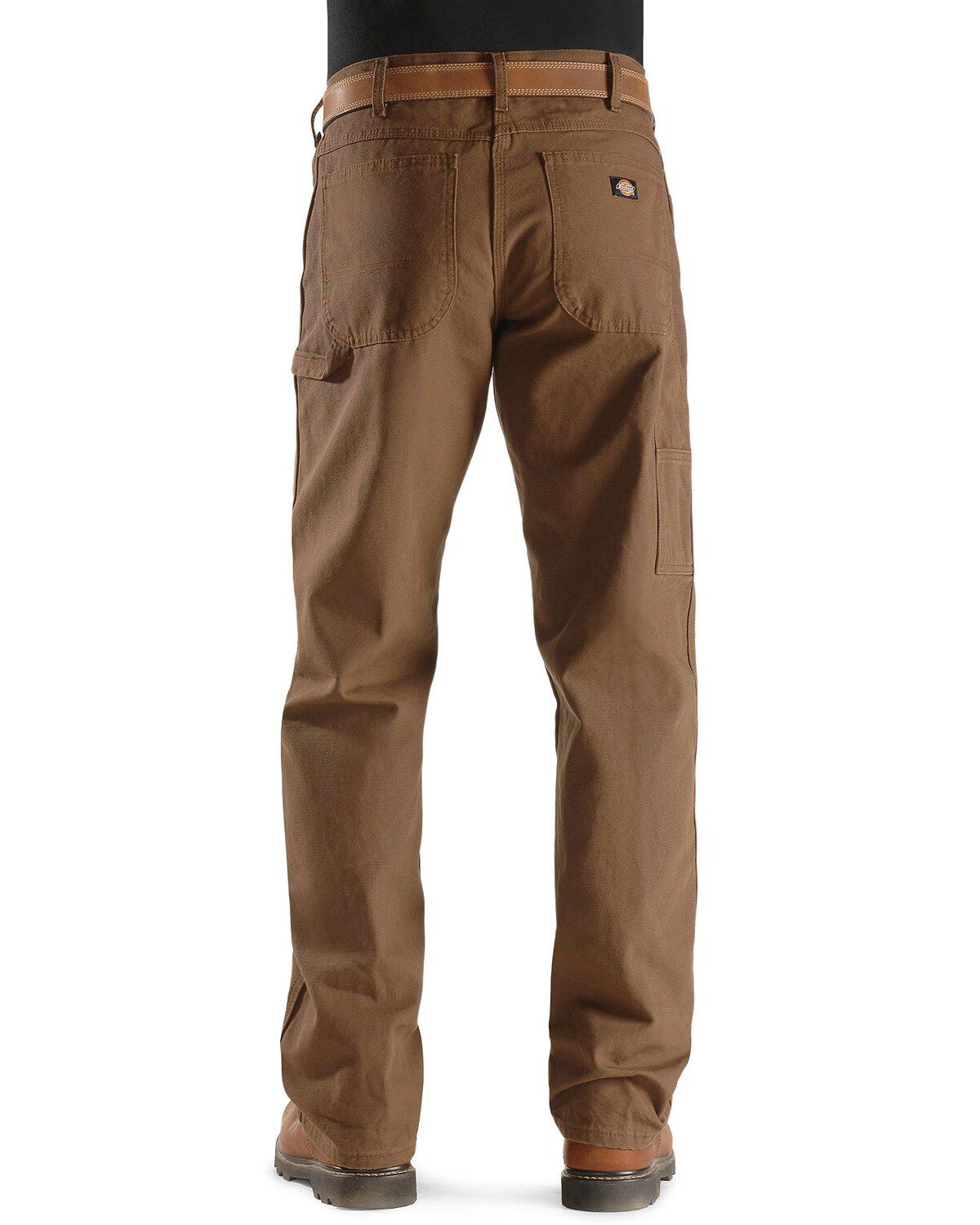
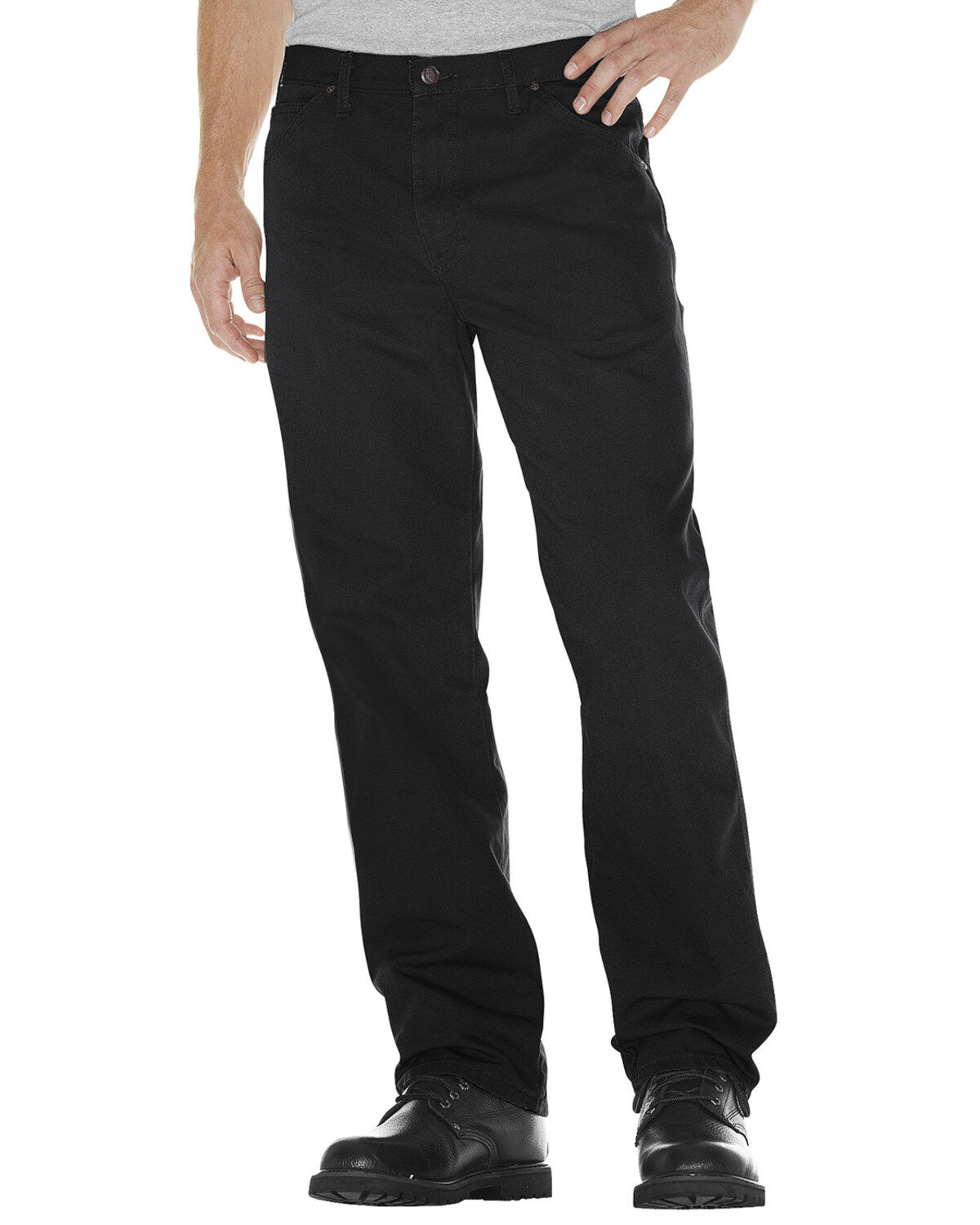
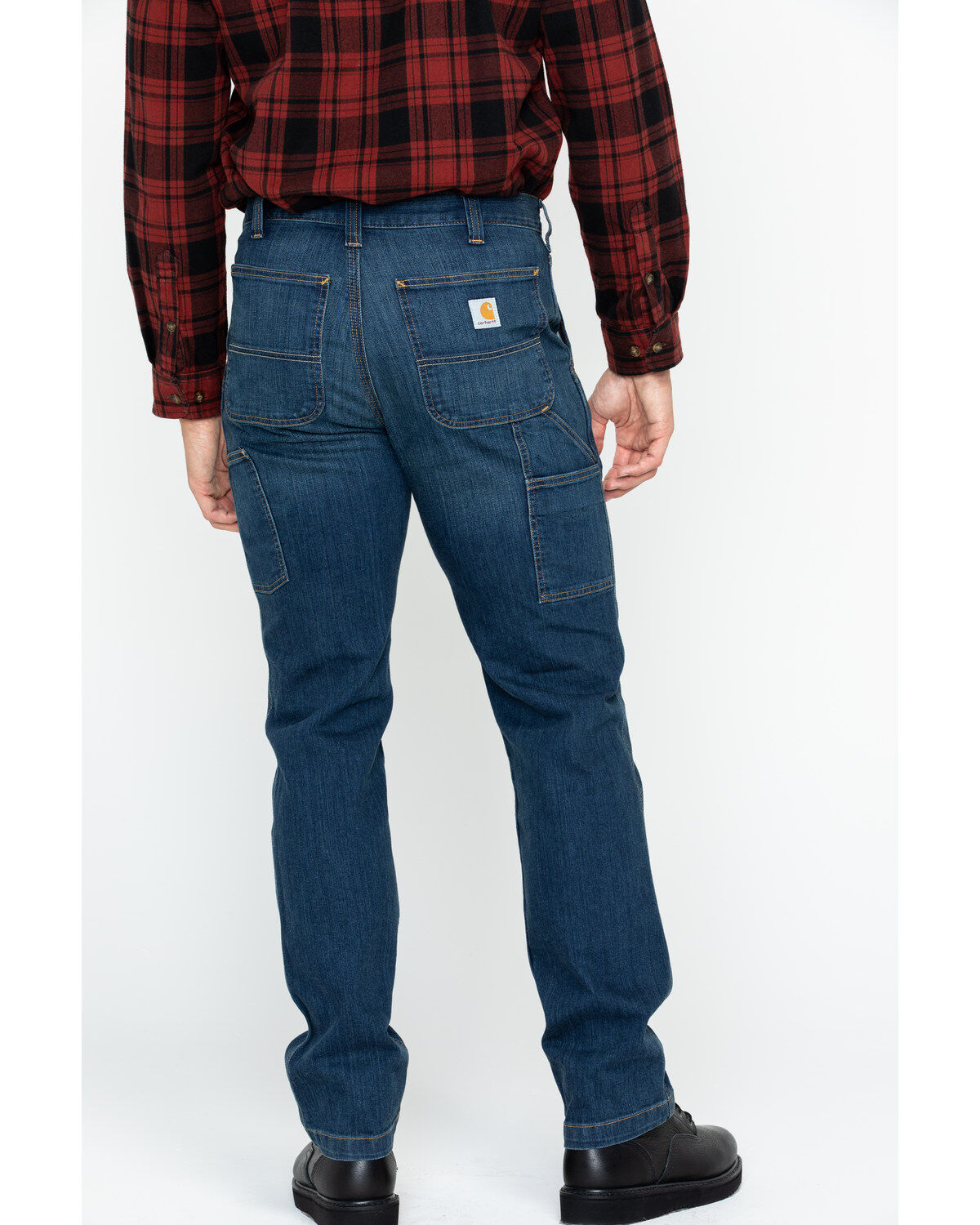
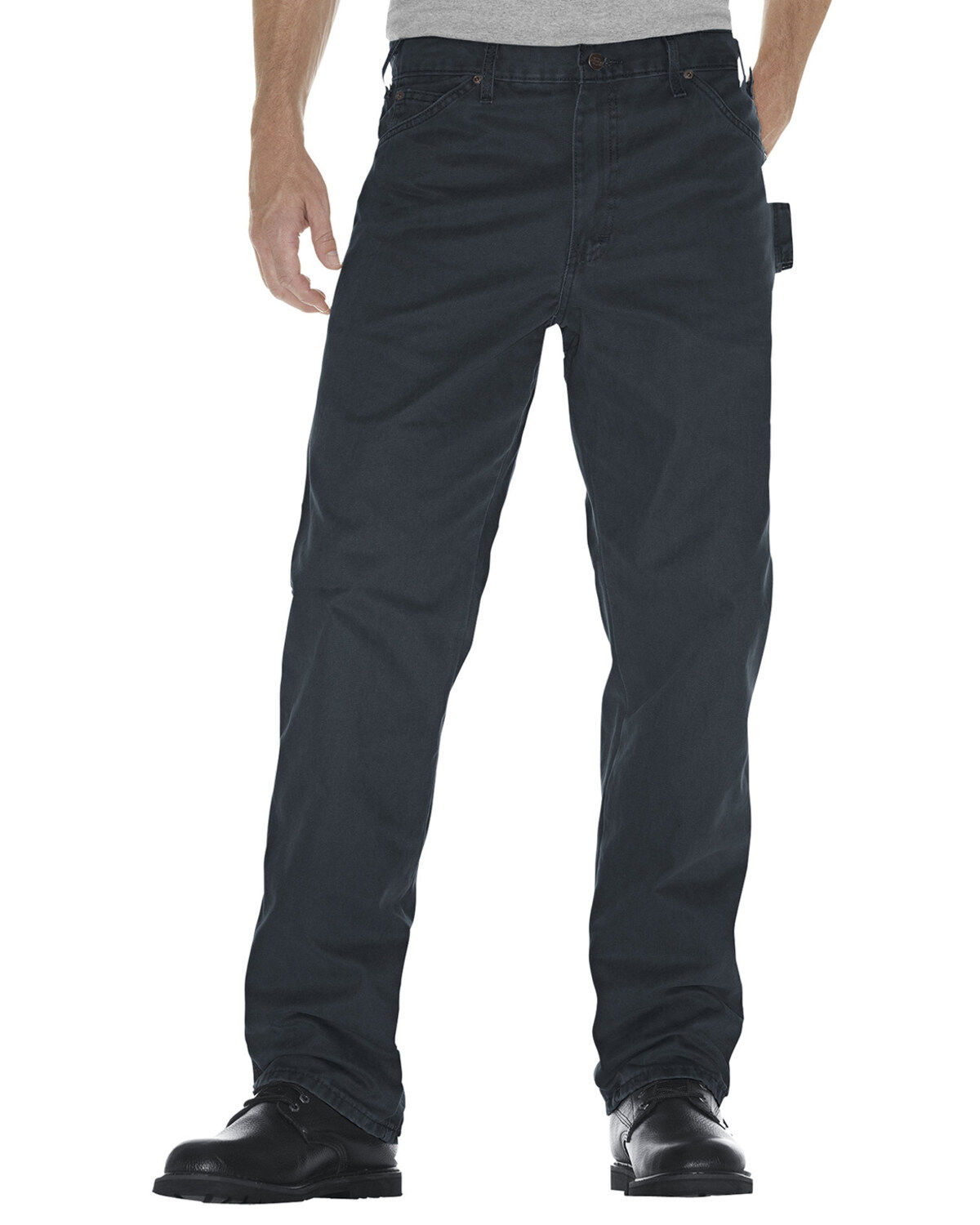
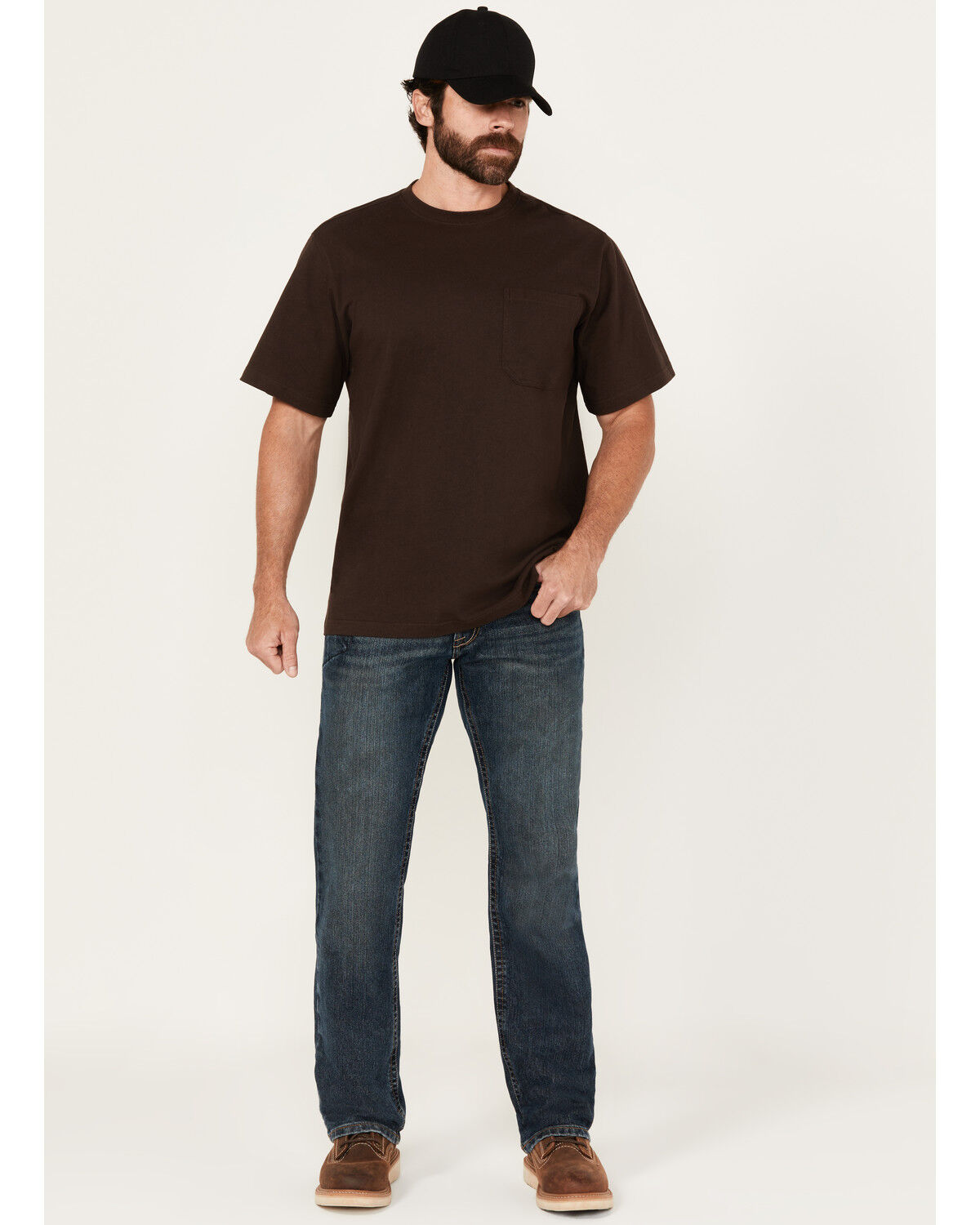
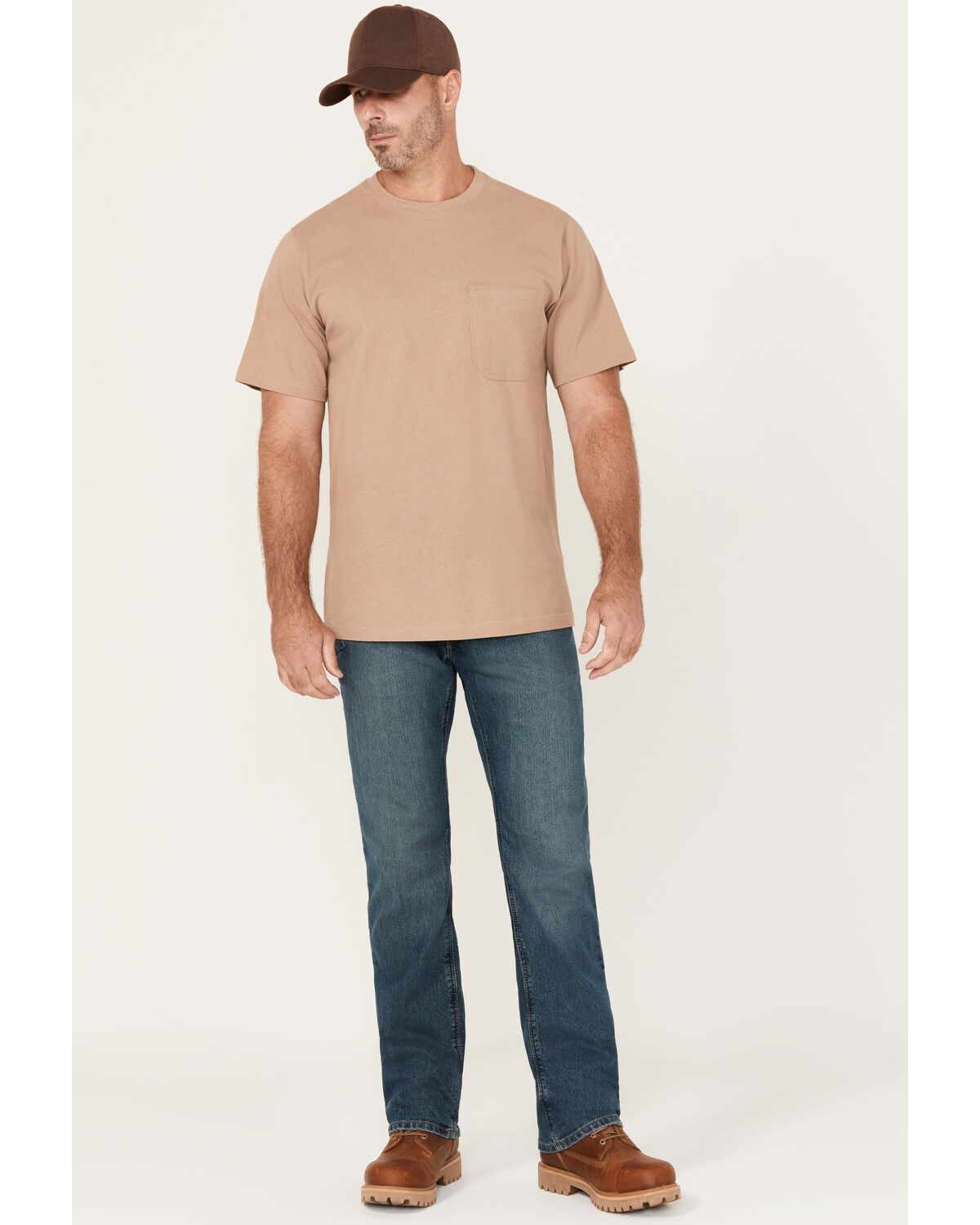
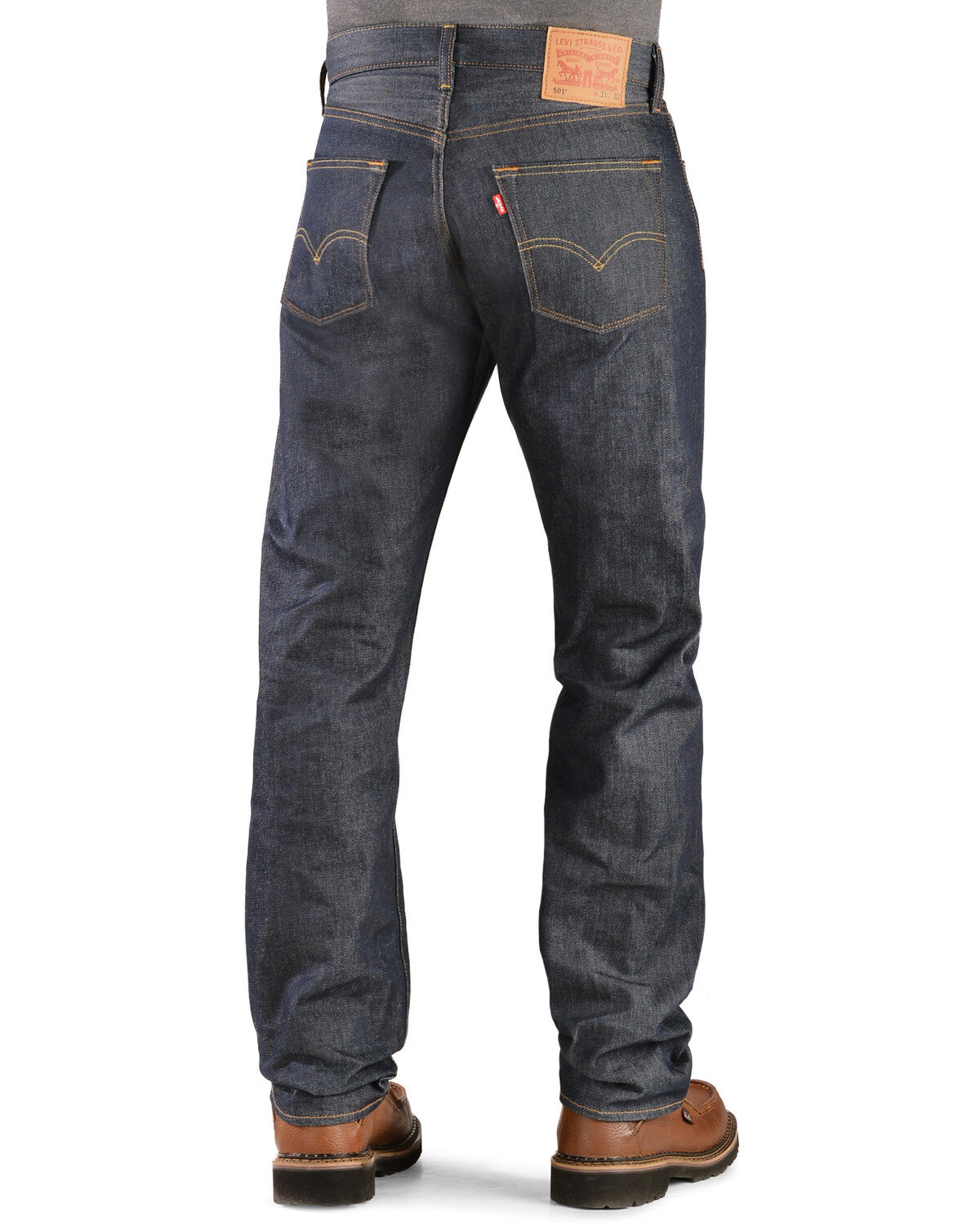
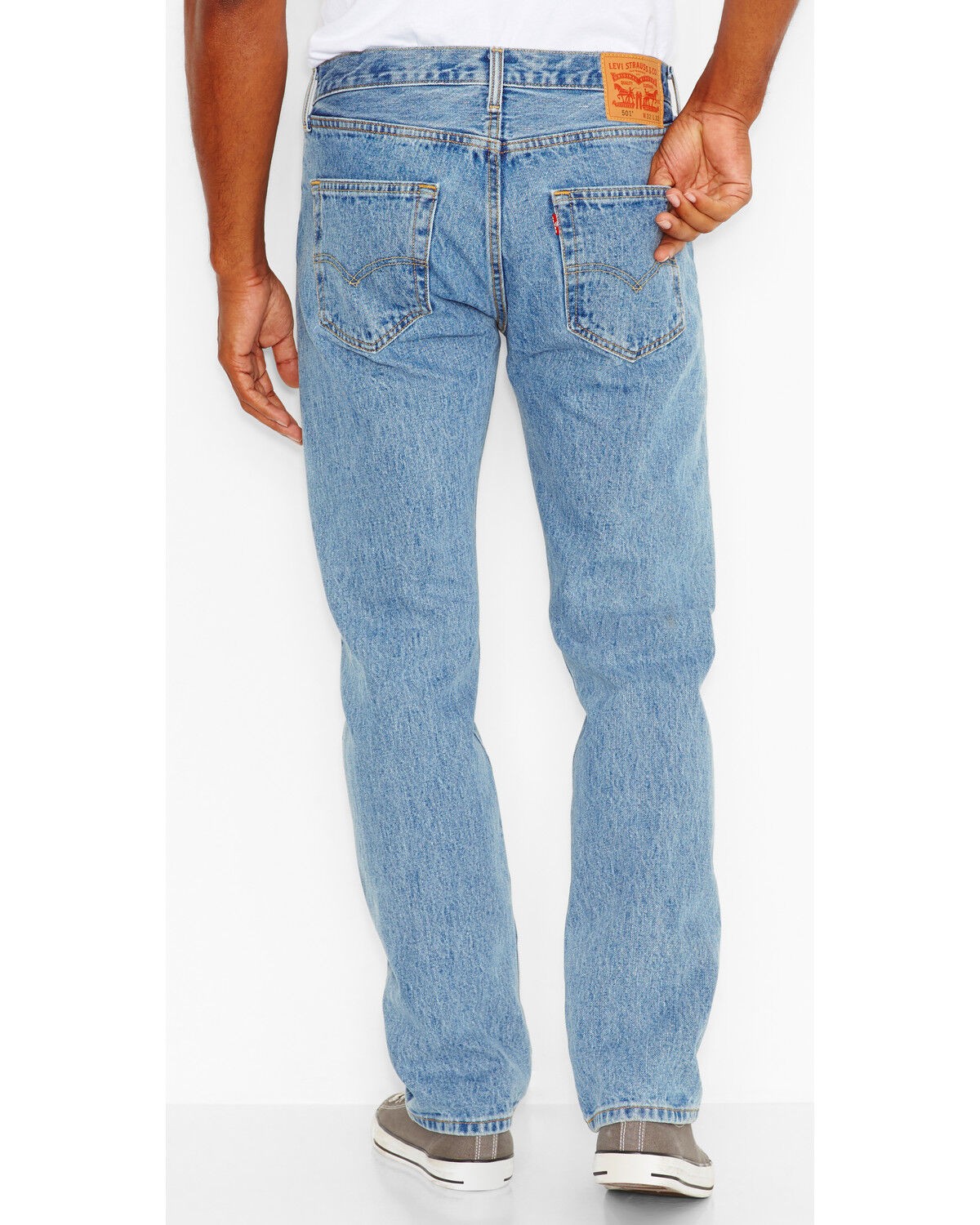
Work jeans for men combine the familiar feel of denim with construction suited to long hours of bending, lifting, kneeling, and carrying tools. They serve carpenters, maintenance crews, equipment operators, ranch workers, and men handling repairs around the house. The right pair has enough room to move without leaving excess fabric in the way, along with seams and pockets that hold up to repeated use. Fabric is a good place to start. Cotton denim has a substantial feel and gradually softens with wear, while blends with a small amount of stretch can make crouching beside a cabinet or climbing into a truck more comfortable. Denim weight is generally measured in ounces per square yard. Work-oriented denim often falls around 11 to 15 ounces, although lighter and heavier fabrics also have their place. A heavier fabric can offer more substance at wear points, but weight alone does not determine how long jeans will last. The weave, stitching, fit, and type of work all matter. Rigid denim provides a firm, traditional feel; stretch denim offers more give when a job requires frequent changes in position. Reinforced knees, double-front panels, sturdy belt loops, and reinforced pocket openings can help address areas that take repeated stress. Someone who spends hours kneeling on unfinished flooring has different needs from someone who mostly operates equipment or walks a facility. Extra fabric at the knees may be useful for the first job, while unrestricted movement through the seat and thighs may matter more for the second. Reinforced construction can help limit wear, but denim is not cut-proof or a replacement for required protective clothing. Ordinary work jeans also should not be treated as flame-resistant gear. Welding, electrical work, and other jobs with specific hazards require clothing that meets the applicable workplace standards. For everyday labor without those specialized requirements, well-built denim offers a practical balance of coverage, comfort, and durability. Its value comes from how it performs through repeated workdays, not simply how heavy it feels in the hand.

Fit affects both comfort and wear. A waistband should sit securely without digging in when seated, and the seat and thighs should allow a full step, squat, and kneel without pulling hard against the seams. Relaxed fits generally provide more room through those areas, while straight legs maintain a consistent shape toward the hem. A bootcut opening offers additional space around the boot shaft. Fit names vary, so the actual cut matters more than the label. Even stretch denim needs enough room; fabric that is constantly under tension can wear faster at the crotch, knees, and pocket corners. Extra length can be just as troublesome as a tight fit. Hems that drag under the heel fray quickly and can interfere with footing. Jeans should fall cleanly over work boots without bunching heavily at the ankle. Wearing the usual work boots and belt when checking fit gives a more accurate sense of how the jeans will sit during a shift. A few ordinary movements reveal a lot: stepping onto a low platform, sitting in a driving position, and kneeling to reach beneath a workbench. Pocket placement deserves the same attention. Deep front pockets can keep small essentials within reach, while utility pockets provide separate space for tools or a phone. Reinforced edges can help with abrasion from a tape measure clip. A hammer loop may be useful for framing or repair work, but it serves little purpose if it catches on nearby equipment or remains unused. Tools carried in back pockets can create pressure when driving or sitting, so a pocket layout should match the job rather than simply offer more storage. Building repairs, equipment inspections, and service calls are common uses for men’s work jeans for maintenance workers, where moving between standing, crouching, and seated tasks is part of the day. Easy access to essentials matters, but secure movement matters more. Around machinery, workplace rules should determine whether loose hems, exposed loops, or carried tools are appropriate.

Care has a direct effect on how work denim holds up. The care label should guide washing and drying, especially with stretch blends, special finishes, or any garment carrying a protective rating. Emptying pockets before washing keeps screws, nails, and other small hardware from damaging the fabric or the washing machine. Brushing off loose dirt first can reduce the amount of grit worked through the denim during a wash. Turning jeans inside out helps limit abrasion on the outer surface and can preserve their color. Work-related grease and stains need treatment suited to the fabric and the substance involved; clothing exposed to hazardous materials may require specific workplace handling rather than a normal household wash. Avoiding unnecessary high heat can help limit shrinkage and protect stretch fibers when the care instructions allow lower-temperature drying. Jeans should be fully dry before storage. Regular checks at the crotch seams, knees, hems, and pocket openings can catch small problems before they become larger tears. A loose seam or worn patch may be repairable, while extensive thinning at a high-stress area can signal that the pair is nearing the end of its useful life. Rotating between pairs gives each one time for proper cleaning and drying without forcing a damp or damaged pair back into use. The same practical approach applies beyond a paid shift. Fence repairs, garage projects, moving lumber, and routine property upkeep all call for denim that allows steady movement and tolerates repeated contact with rough surfaces. Darker washes offer a straightforward appearance, while fading and crease marks naturally develop with wear. Appearance matters less than a comfortable cut and sound construction. Work jeans can also make a useful gift for a man who spends his days building, repairing, or maintaining things. His usual waist size, inseam, preferred fit, and work requirements are better starting points than appearance alone. A pair that fits his boots, daily movements, and routine is more likely to earn a regular place in his work wardrobe.

FAQs