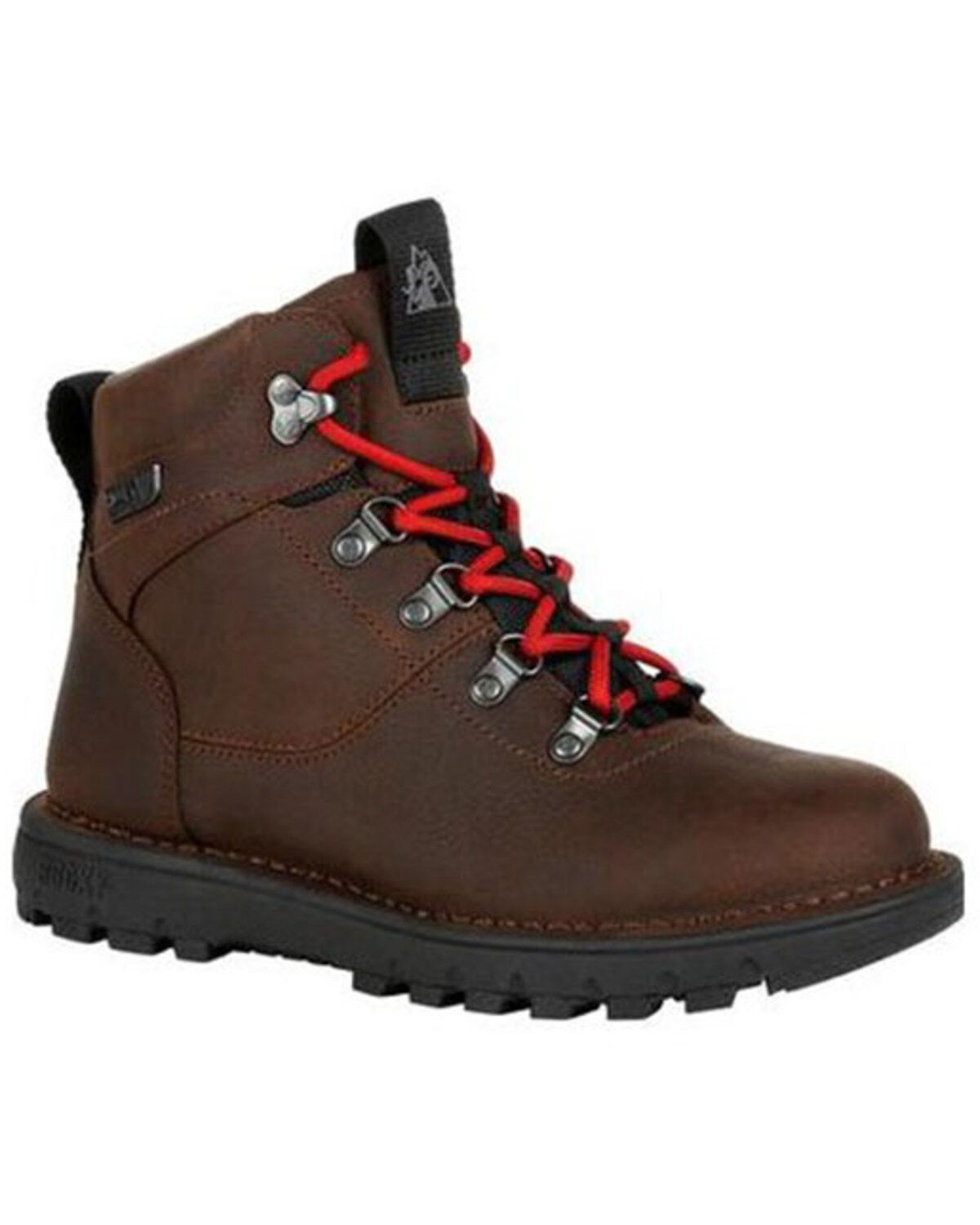
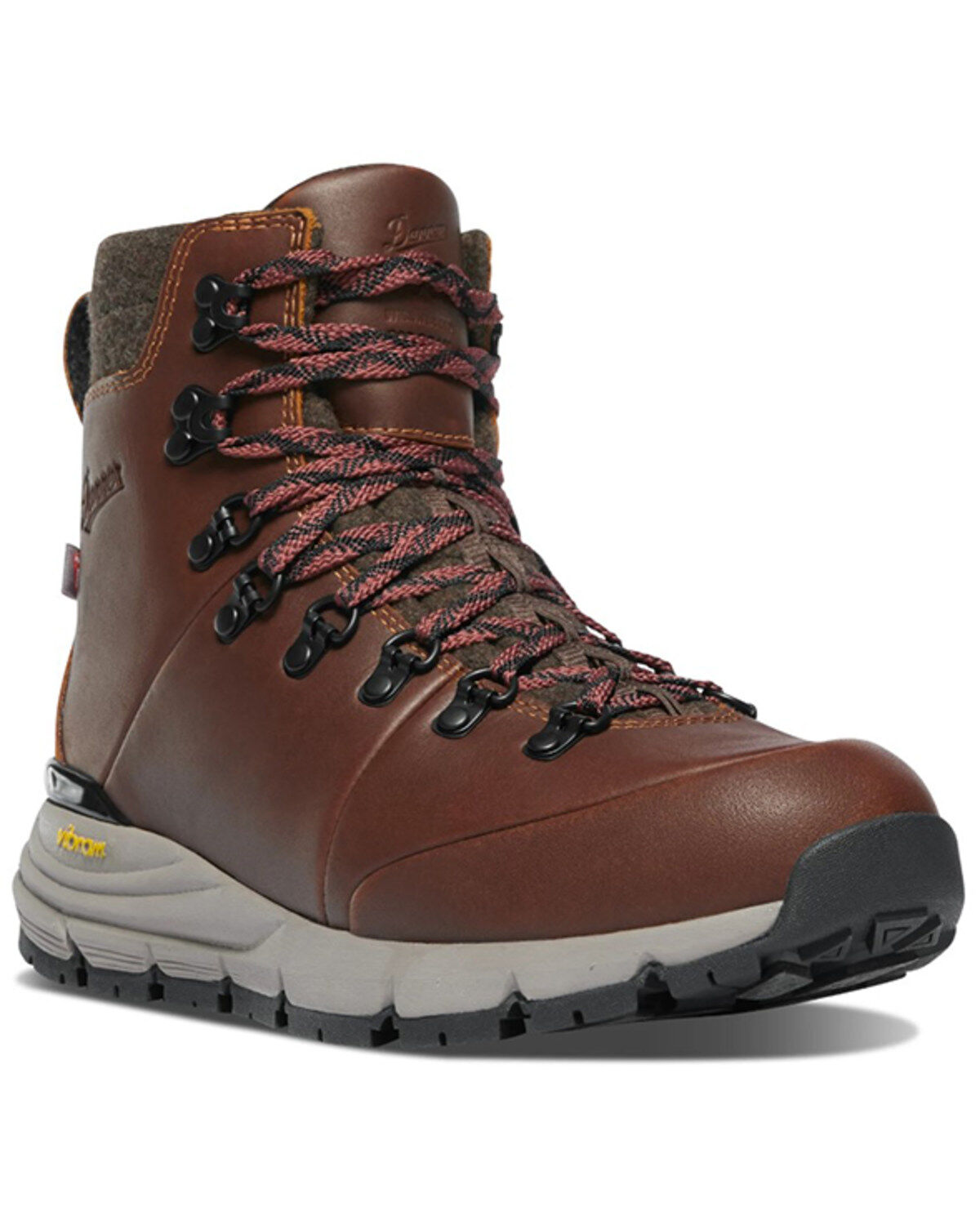
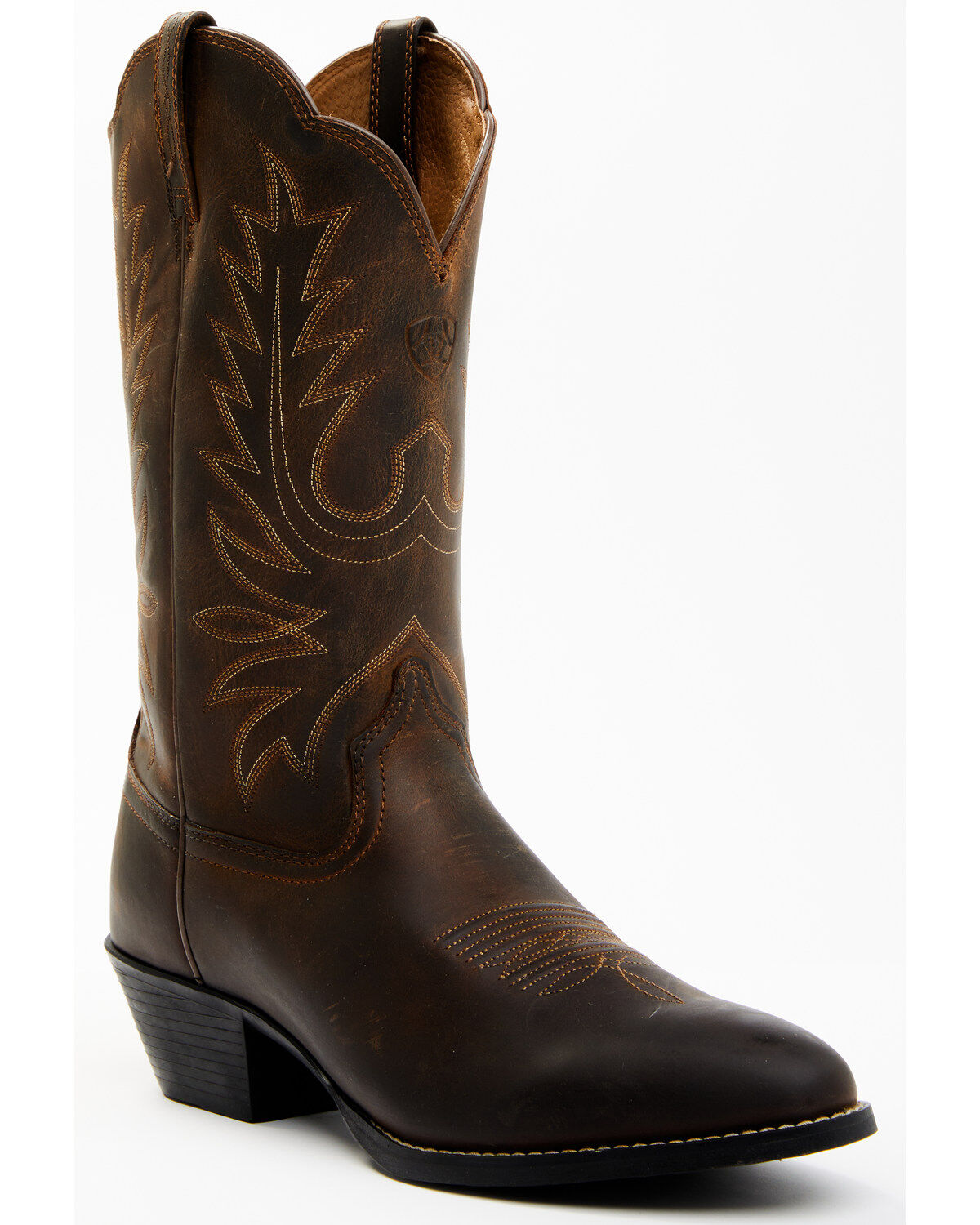
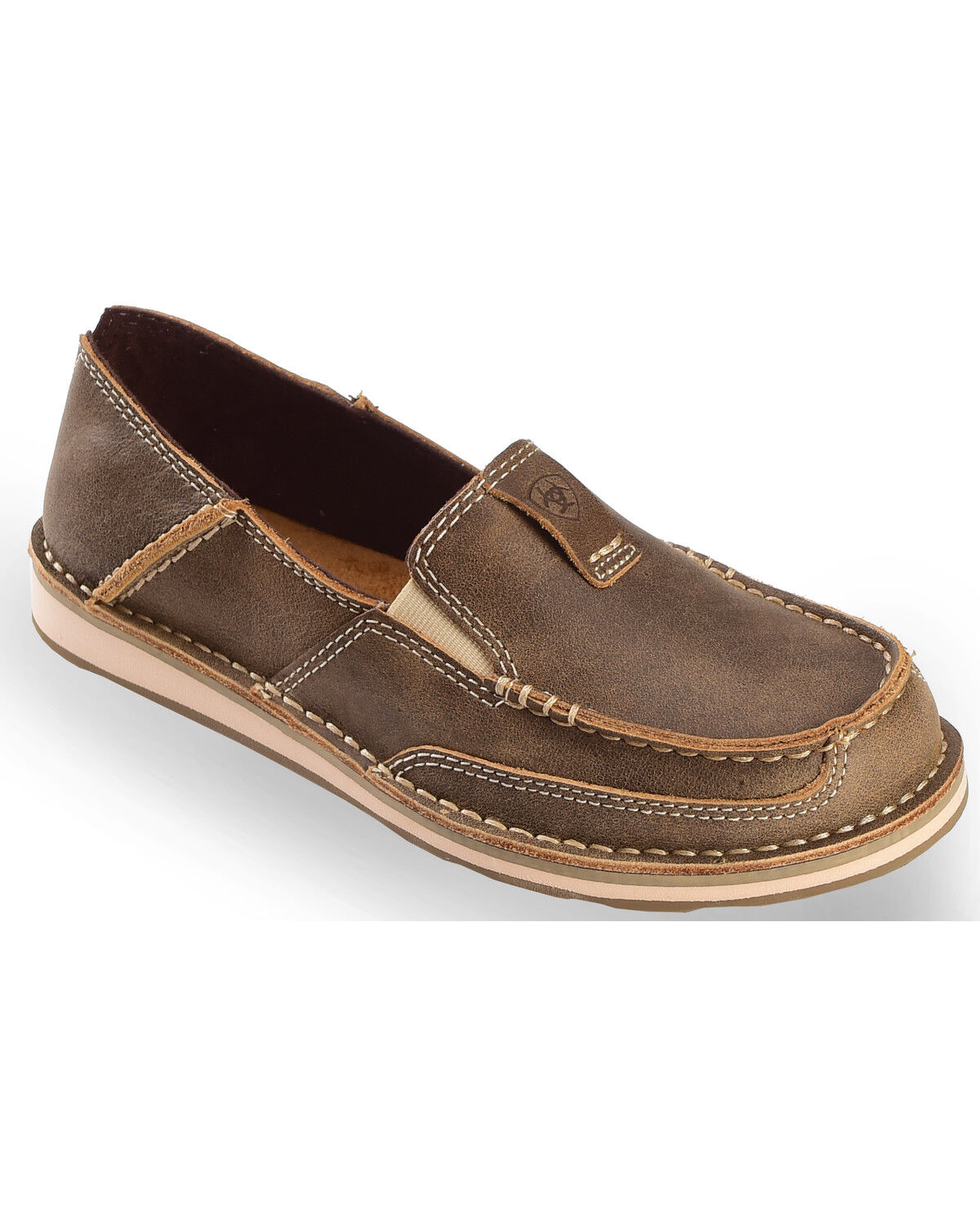
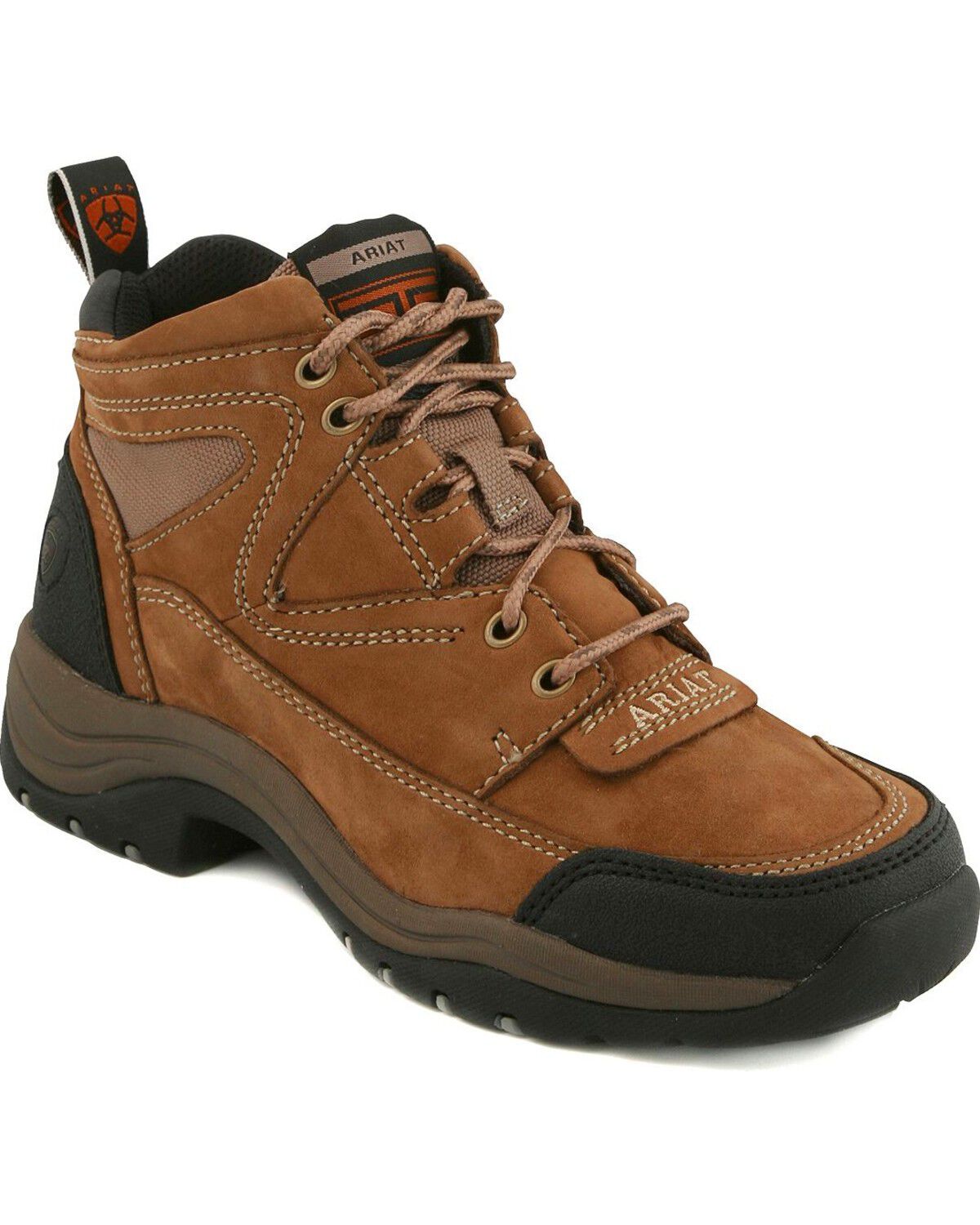
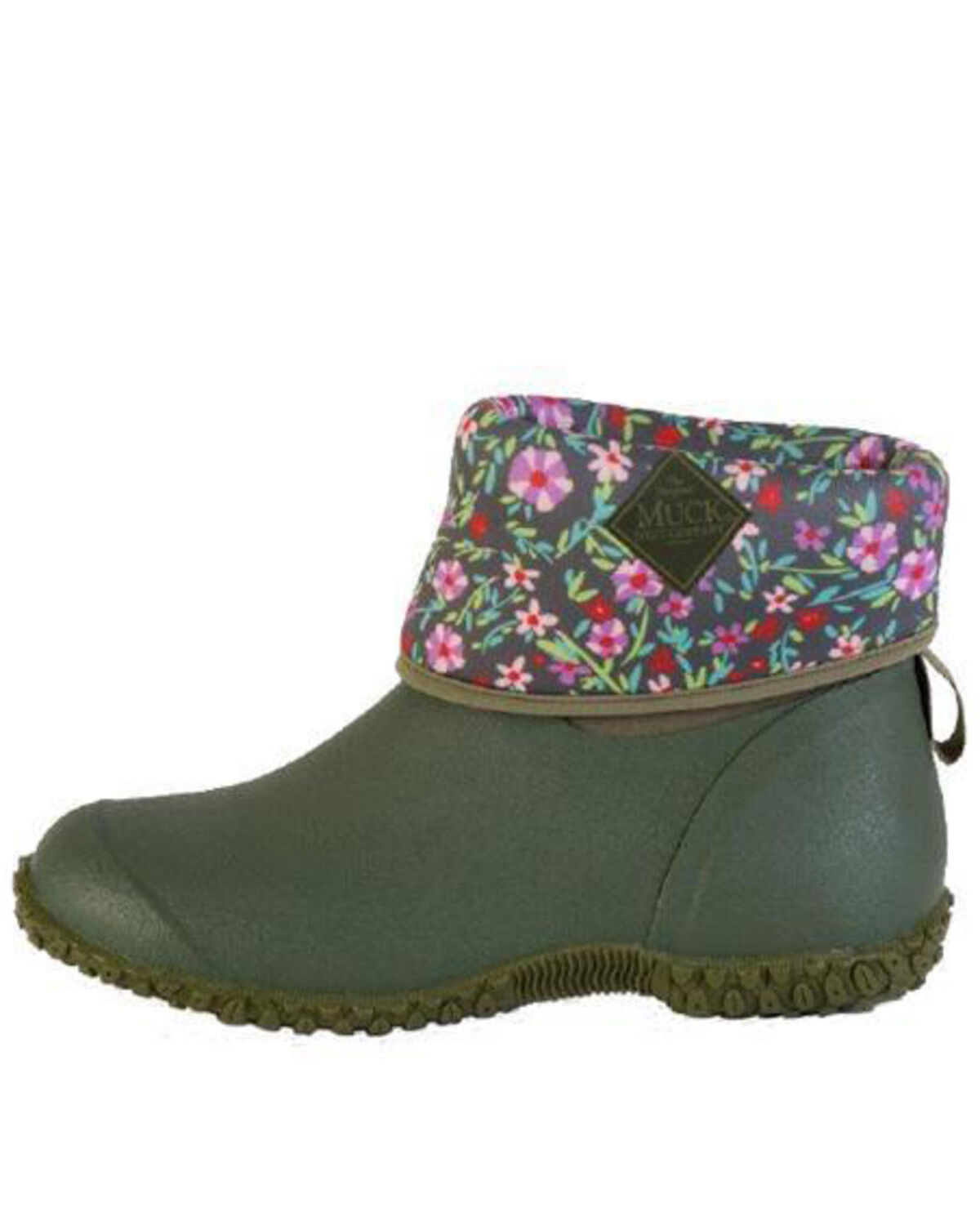
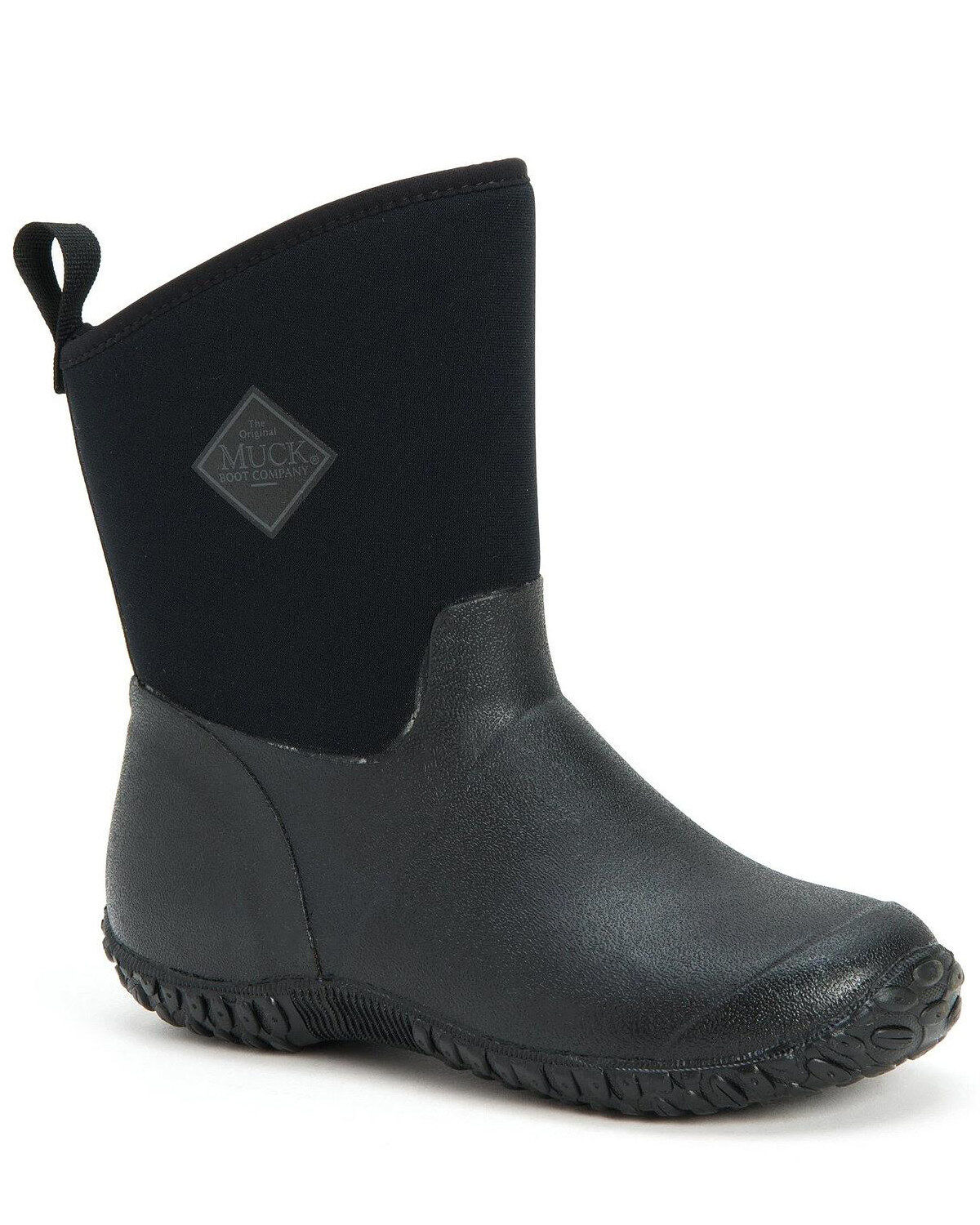
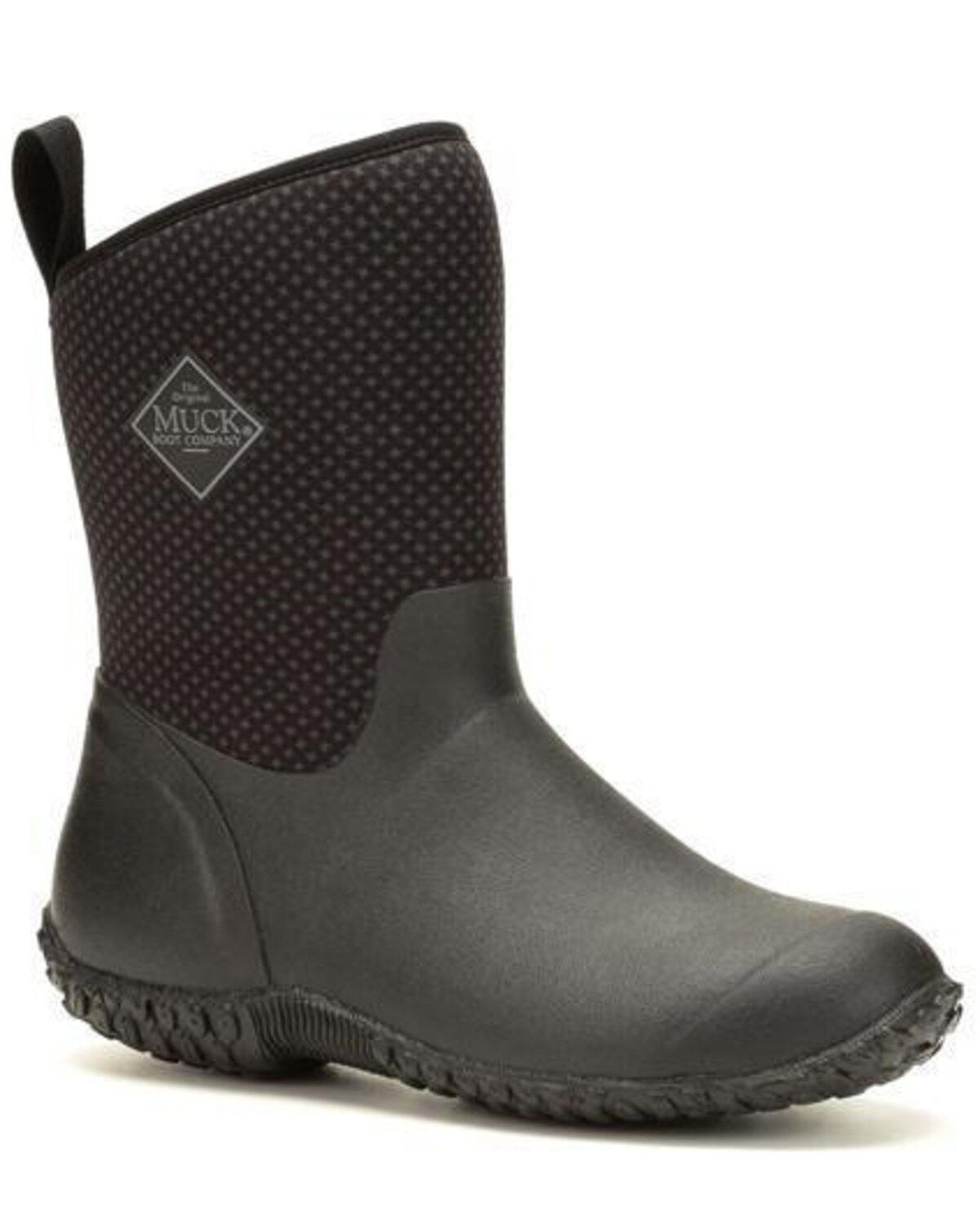
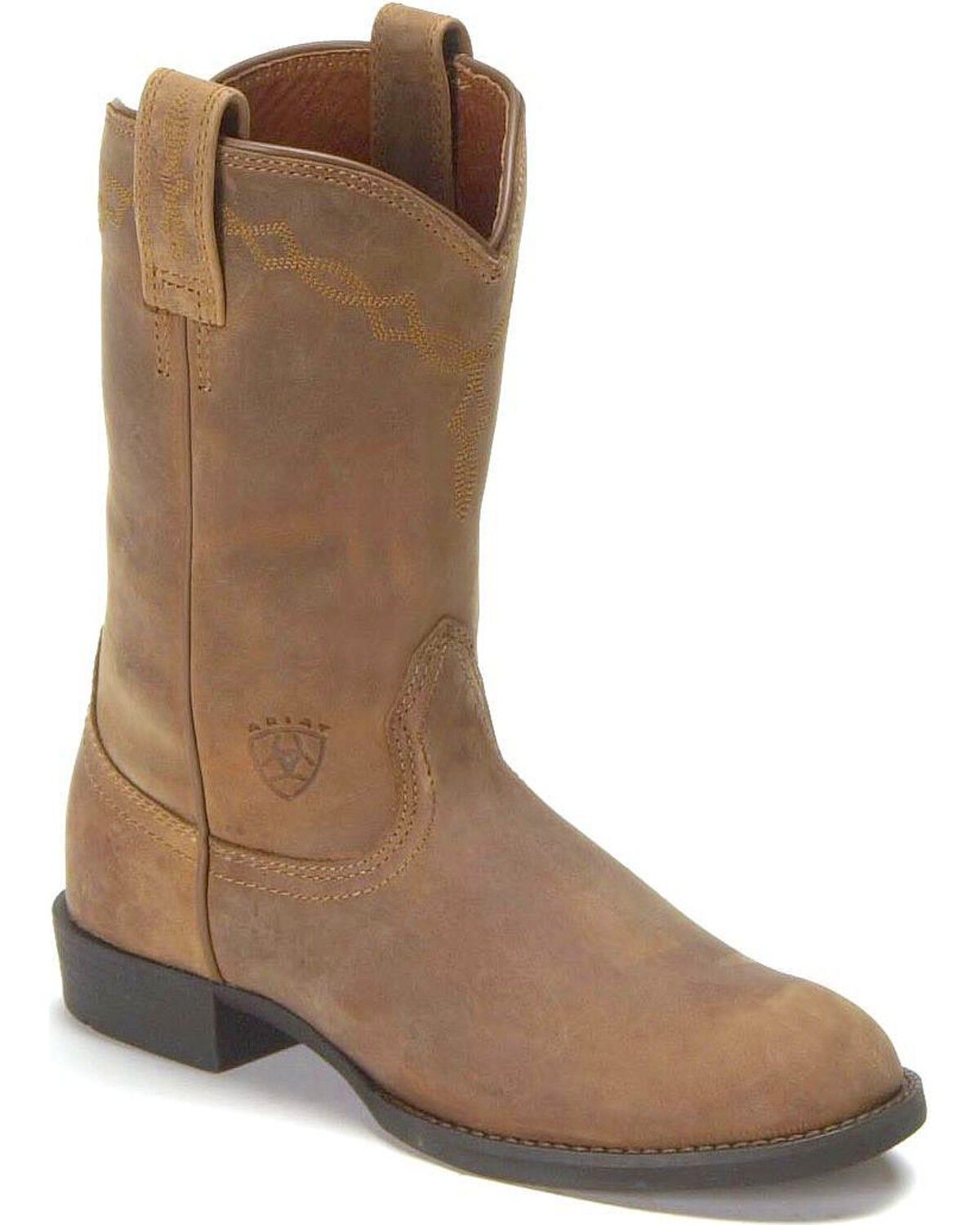
Women's Water-Resistant Hiking Boots

Shop women’s water-resistant hiking boots for trail days when light rain and damp ground are part of the route. Compare coverage, fit, and outsole details to find a pair suited to your hikes, and check each product’s water-resistance information before choosing boots for wetter conditions.

Shop Your Store: Shop Your Store: Find a Store

(Turn off Shop Your Store to see all items)

(Turn off Shop Your Store to see all items)

close
  • Recommended
  • Lowest Price
  • Highest Price
Skip pass products

End of products

Women's Water-Resistant Hiking Boots

Women’s water-resistant hiking boots bring together moisture protection, trail traction, and support for walking beyond paved ground. They suit day hikers, dog owners who spend time on wooded paths, and travelers whose plans include gravel roads, rolling hills, and uneven overlooks. Water resistance helps an upper shed light moisture, such as damp grass, a brief shower, or splashes along a muddy trail. It does not mean a boot will keep water out during prolonged rain or a stream crossing. Waterproof hiking boots generally use a membrane, sealed construction, or both to provide a stronger barrier, though water can still enter above the collar. That distinction matters when choosing footwear for a short park loop versus several hours on a wet trail. Materials also shape how a boot feels and wears. Leather uppers can provide abrasion resistance and develop flexibility with wear, while suede offers a softer feel with its own cleaning needs. Textile panels can reduce weight and help moisture vapor escape, depending on the lining and overall construction. Reinforced areas around the toe and heel help protect the upper from contact with rocks, roots, and rough ground. Fewer exposed seams may mean fewer places for abrasion to take hold, but stitching quality and the connection between the upper and sole matter just as much. A water-repellent surface treatment can help droplets bead rather than soak into the outer material; that finish is different from a waterproof barrier inside the boot. Breathability remains important even on damp routes because feet produce moisture with every mile. No lining eliminates sweat, and heavier construction can feel warmer than a lighter design. For women’s hiking footwear, the useful balance is protection suited to the route without unnecessary bulk. A well-maintained walking path usually calls for different stiffness and underfoot protection than a rocky climb with a loaded pack.

Fit determines whether those materials and features remain comfortable once the trail starts climbing. Women’s hiking boots vary in heel shape, forefoot width, instep volume, and toe-box depth, so the size printed inside is only a starting point. A secure heel should stay reasonably settled without pinching, while the front of the boot should leave room for toes to spread and move. On a descent, toes should not repeatedly strike the end. Trying boots with the socks intended for hiking gives a more useful sense of fit than thin everyday socks, especially when cushioned heels or thicker toe sections take up additional space. Feet can swell during extended walking, making a little room important without allowing the foot to slide around. Women who use orthotics also need enough interior depth to accommodate them without crowding the instep or lifting the heel too high. Removable footbeds can make that adjustment easier when the boot’s construction allows it. Laces help fine-tune pressure across the foot, and upper hooks can hold the ankle area more firmly while leaving the forefoot less restricted. A padded collar adds comfort around the ankle, but collar height alone does not guarantee stability or prevent injury. Underfoot, cushioning softens repeated contact with hard ground, while a firmer midsole or protective plate, when present, can reduce how sharply rocks press against the foot. Flexibility has its place on smooth paths; more structure may feel steadier over broken terrain or when carrying extra weight. Outsole design deserves equal attention. Deeper, spaced lugs can bite into loose dirt and release mud more readily than closely packed tread. Rubber compound, tread shape, and surface conditions all affect grip, and no sole makes wet roots or slick stone risk-free. The best fit feels controlled through turns, comfortable across the ball of the foot, and free from concentrated pressure. Break-in can soften some materials, but it will not correct a boot that is too short or fundamentally the wrong shape.

Durability in women’s water-resistant hiking boots comes from both construction and regular care. Trail grit left in creases acts like an abrasive, and dried mud can make it harder to see worn stitching or separation around the sole. Brushing away loose dirt and cleaning with a method suited to the upper helps preserve the material without stripping its finish. Leather, suede, and fabric do not all respond well to the same cleaners or treatments, so the manufacturer’s care directions should take priority. After a wet walk, loosen the laces and remove the footbeds if they are designed to come out, then allow the boots to dry with good airflow away from direct heat. A heater, hot vehicle, or close exposure to a fire can damage leather, adhesives, and other components. Water-repellent finishes wear down through use and cleaning; a compatible treatment can help restore surface shedding, but it cannot turn an unsealed boot into waterproof footwear. Checking the tread, lace hardware, toe protection, and seams between outings helps catch wear before a longer trip. Smooth tread or a separating sole needs attention even when the upper still looks sound. For a broader look at hiking footwear beyond this category, Best Hiking Boots for Women offers a related place to browse. Within water-resistant styles, intended use remains the clearest way to narrow the choice. Light, flexible construction can suit frequent short walks and travel, while a more substantial upper and supportive sole may better match rough trails and longer days on foot. Moisture protection does not establish warmth, either; insulation is a separate feature, and ordinary hiking tread is not a substitute for traction equipment on ice. As a gift for a regular hiker or someone starting to spend more time outdoors, boots are most useful when the wearer’s fit and usual terrain are known. Reliable hiking footwear earns its place through comfortable miles, sound traction, and protection matched to the ground ahead.

FAQs