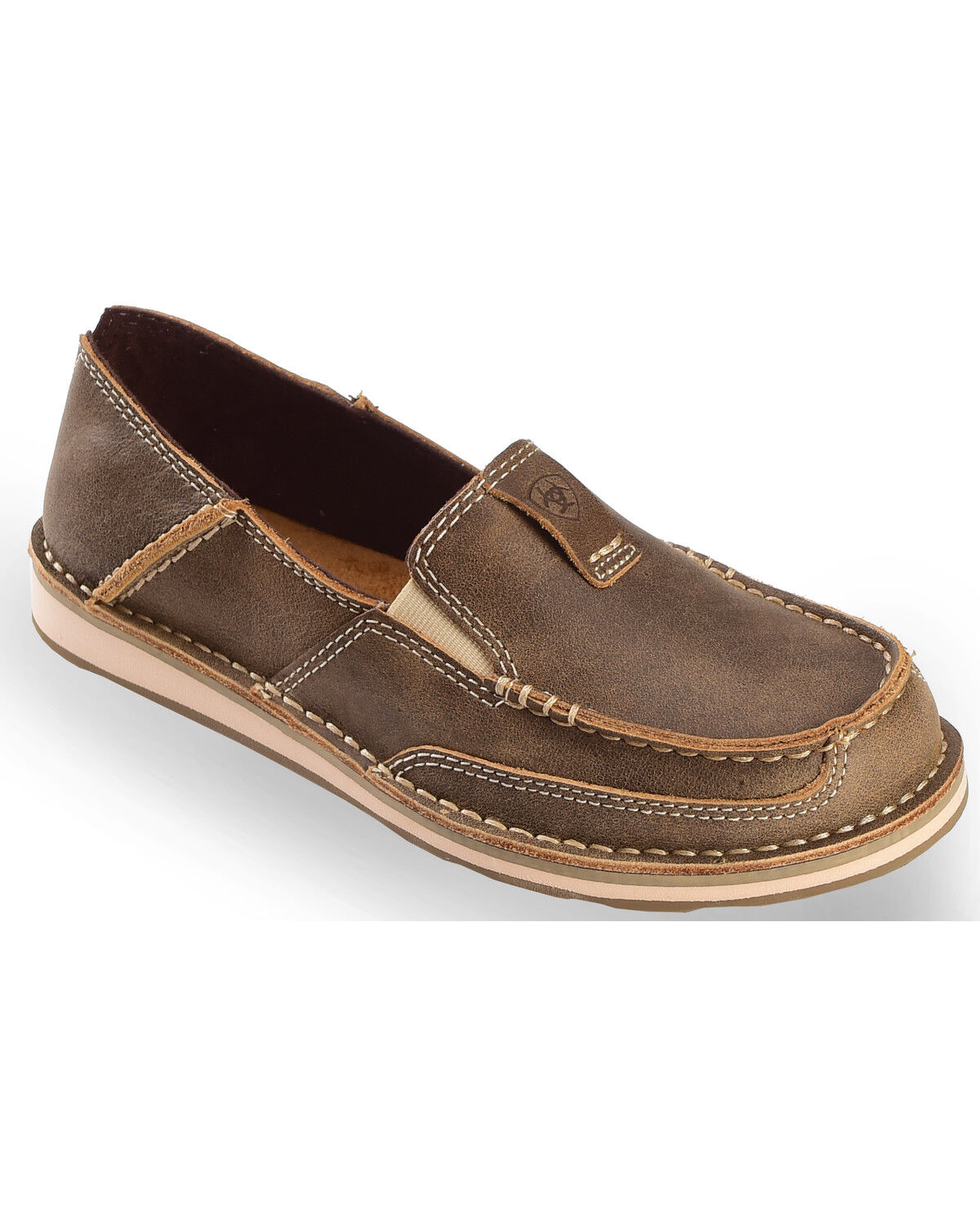
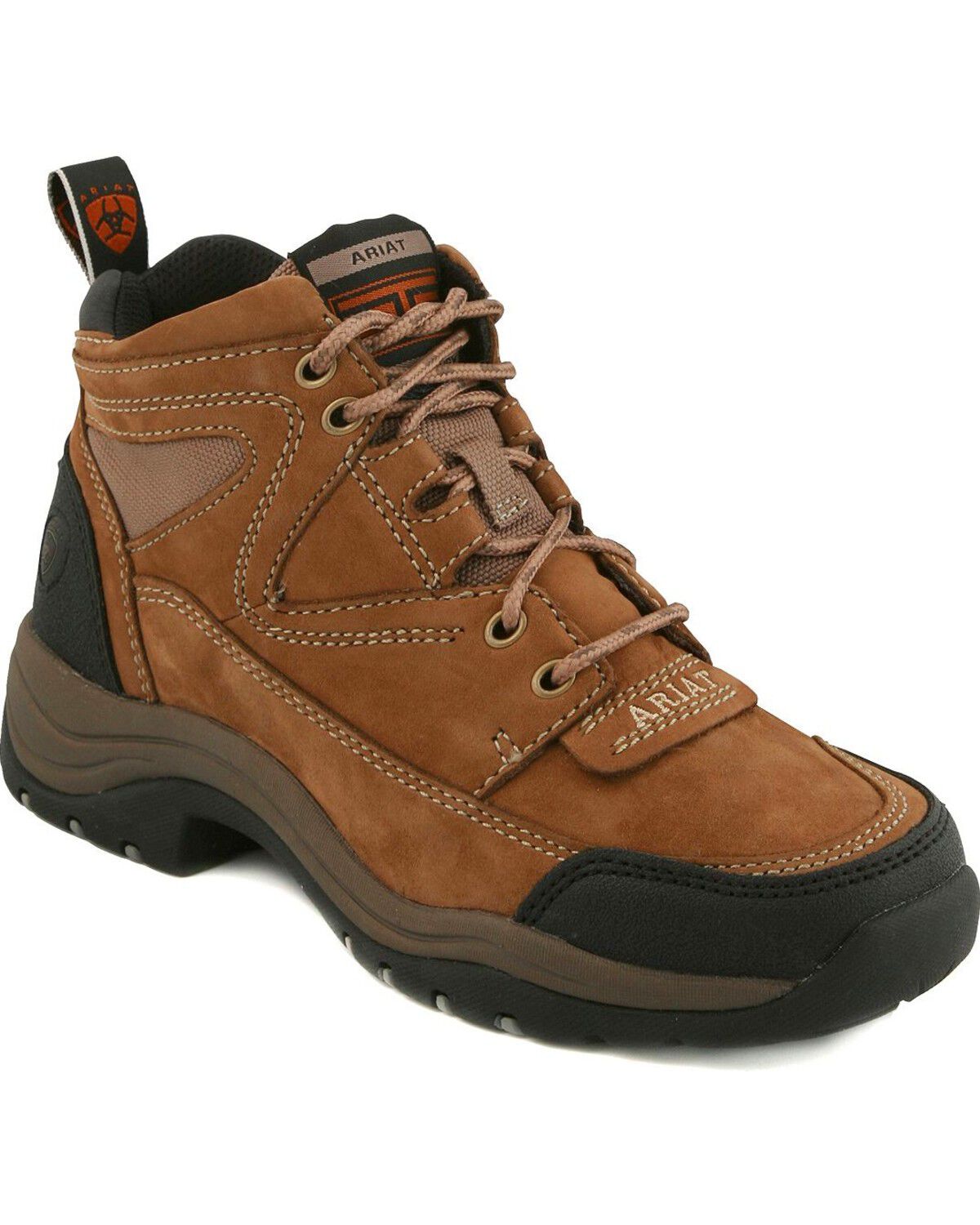
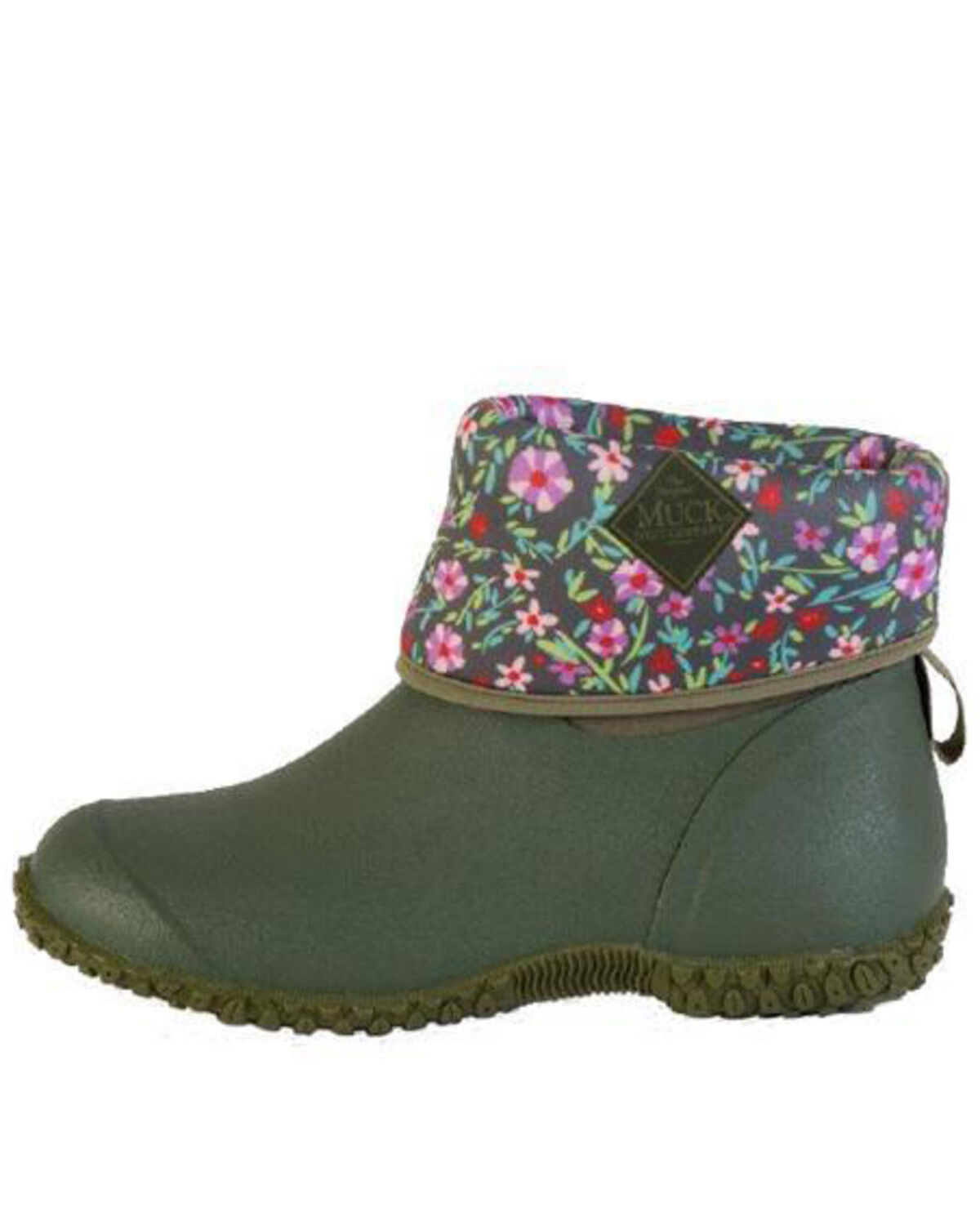
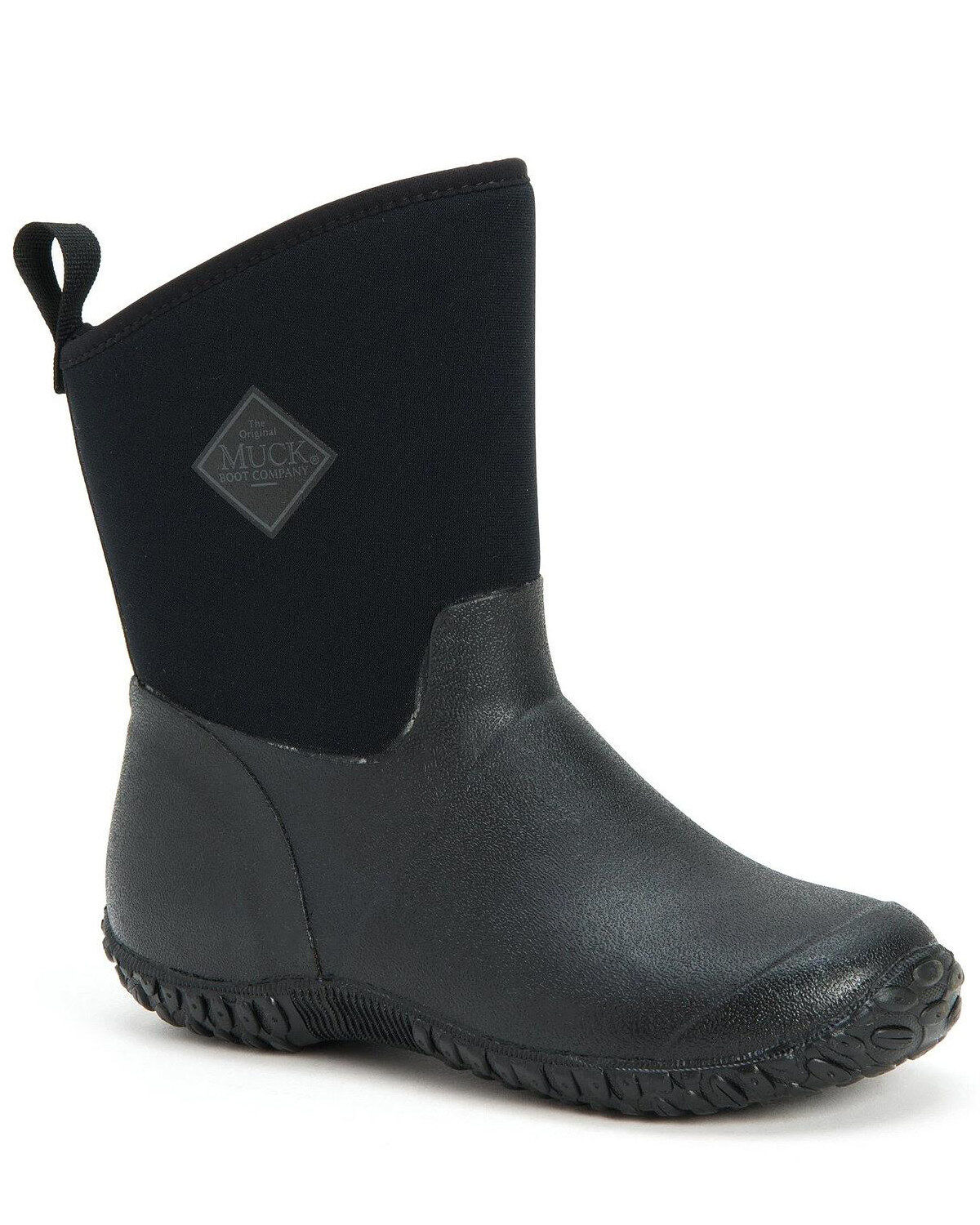
Women's Tan Leather Boots

Find women's tan leather boots to pair with jeans, dresses, and western wear. Compare available styles by toe shape, shaft height, and heel height, then check each pair’s sizing and care details to help choose the right boots for your routine.

Shop Your Store: Shop Your Store: Find a Store

(Turn off Shop Your Store to see all items)

(Turn off Shop Your Store to see all items)

close
  • Recommended
  • Lowest Price
  • Highest Price
Skip pass products

End of products

Women's Tan Leather Boots

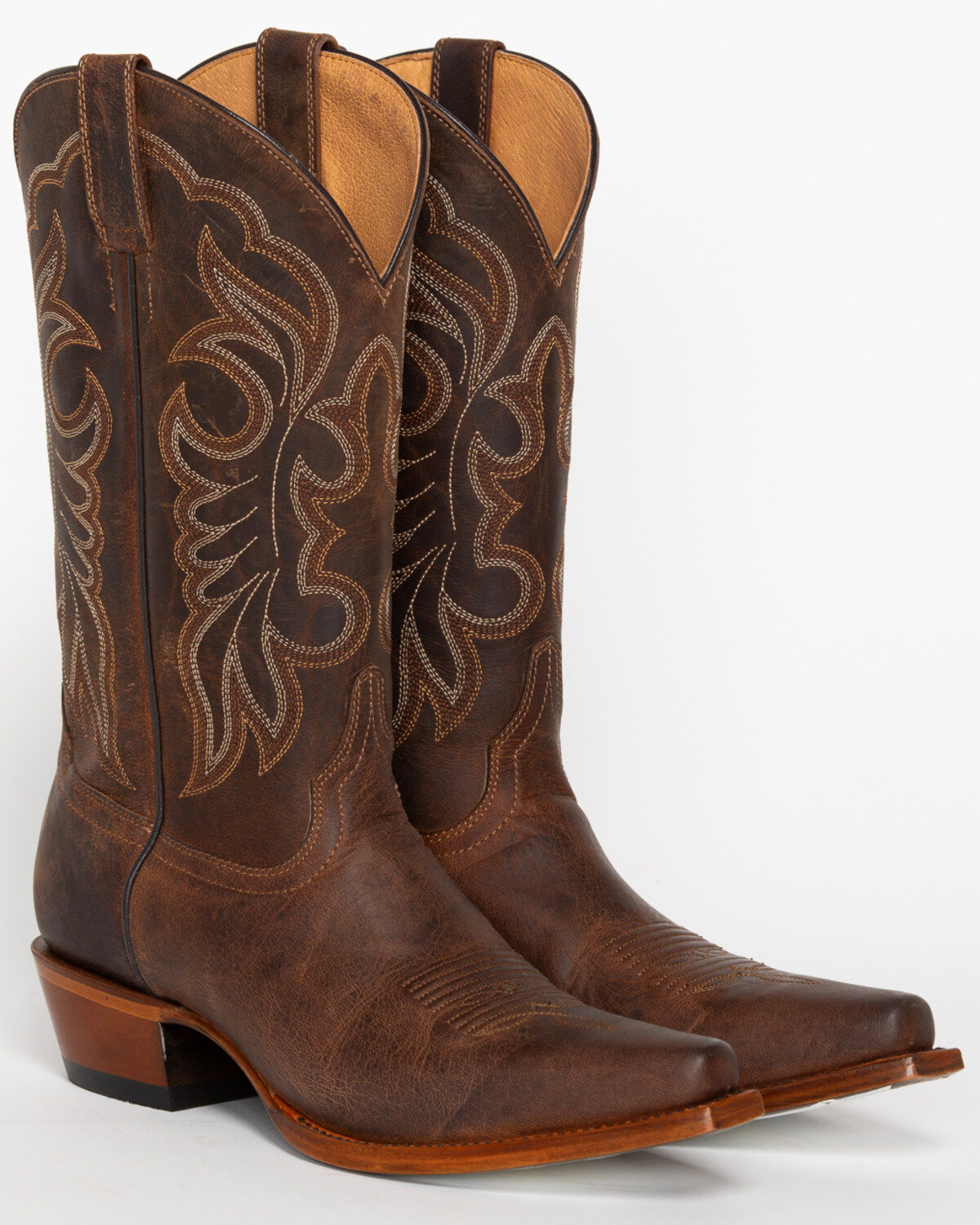
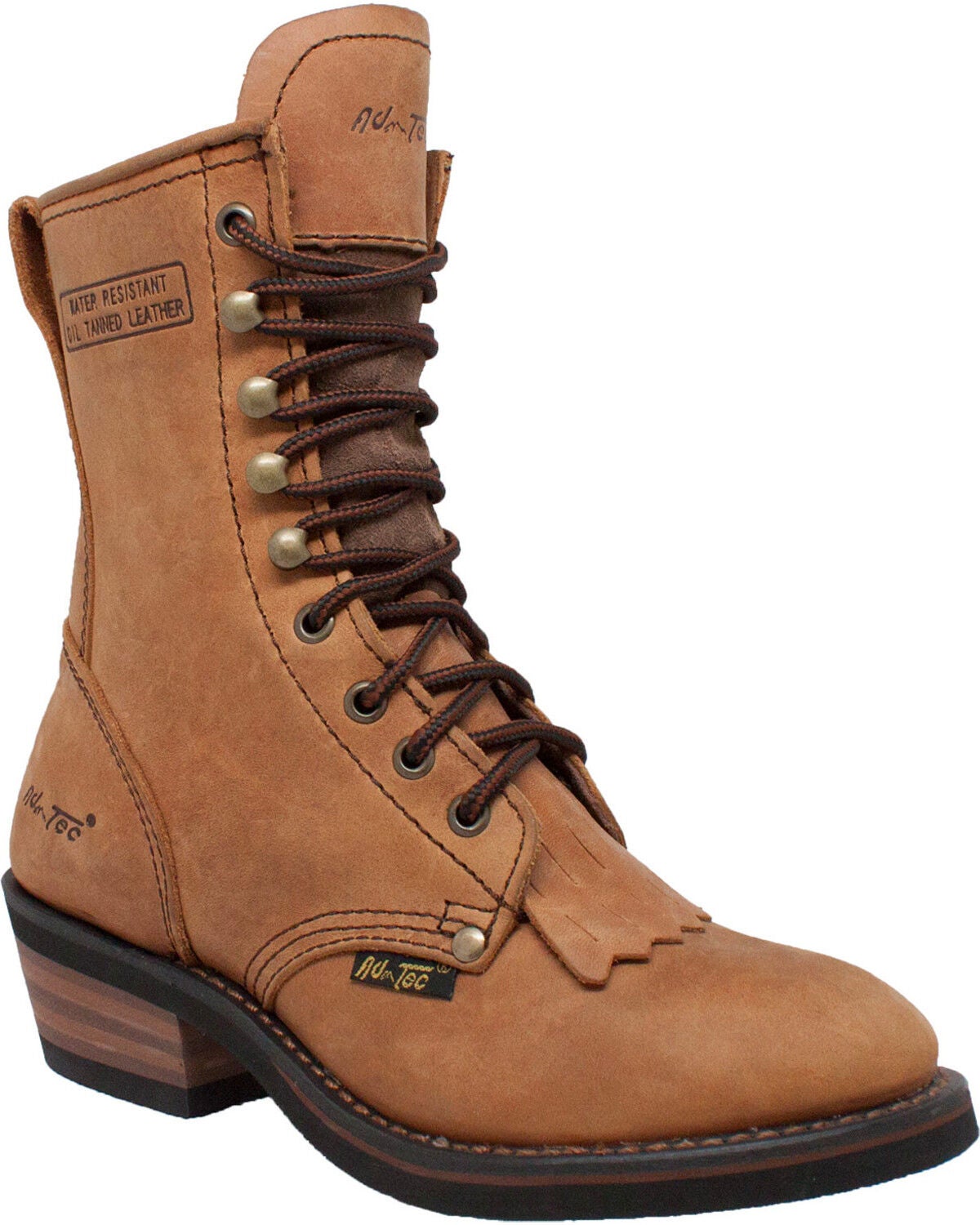
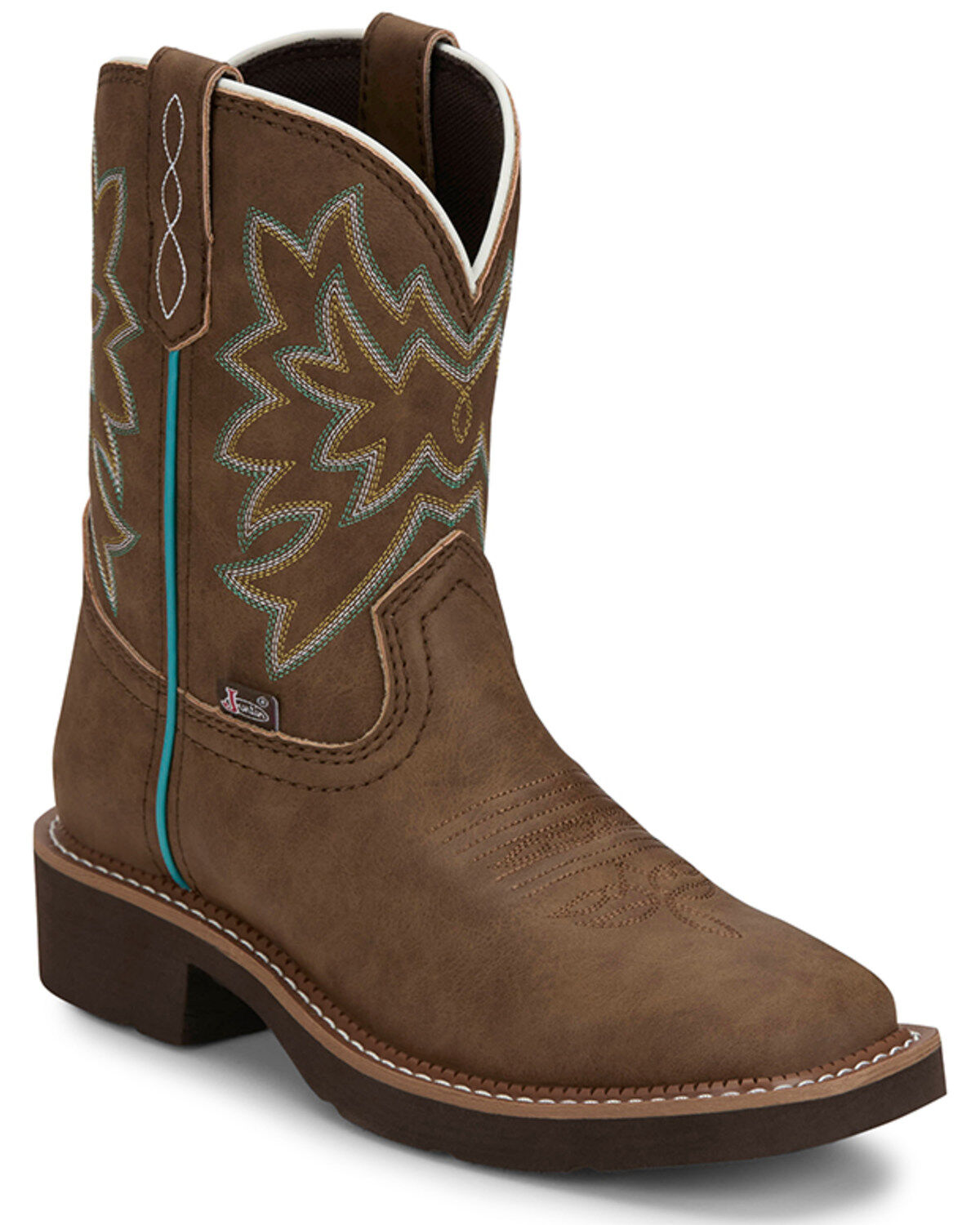
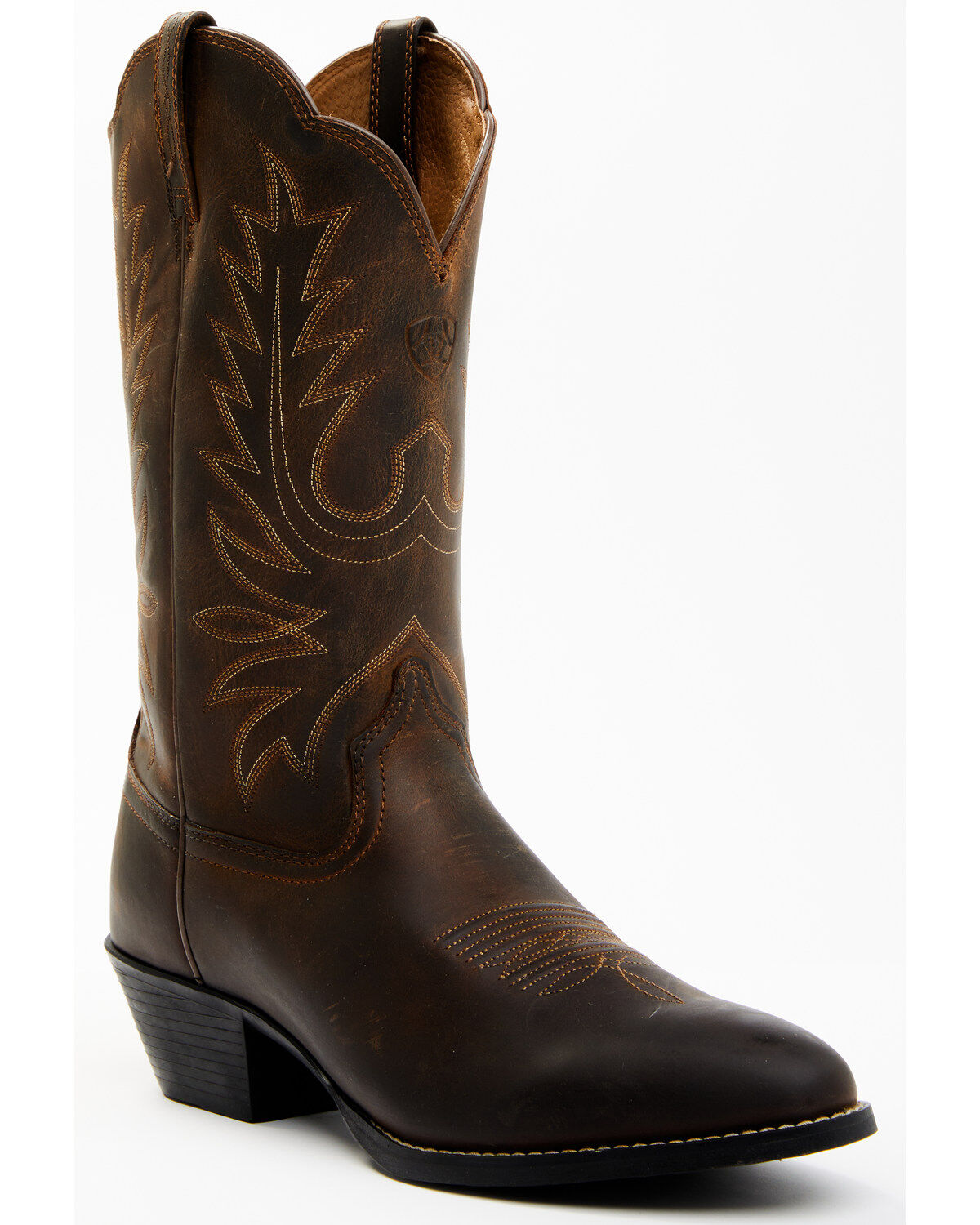
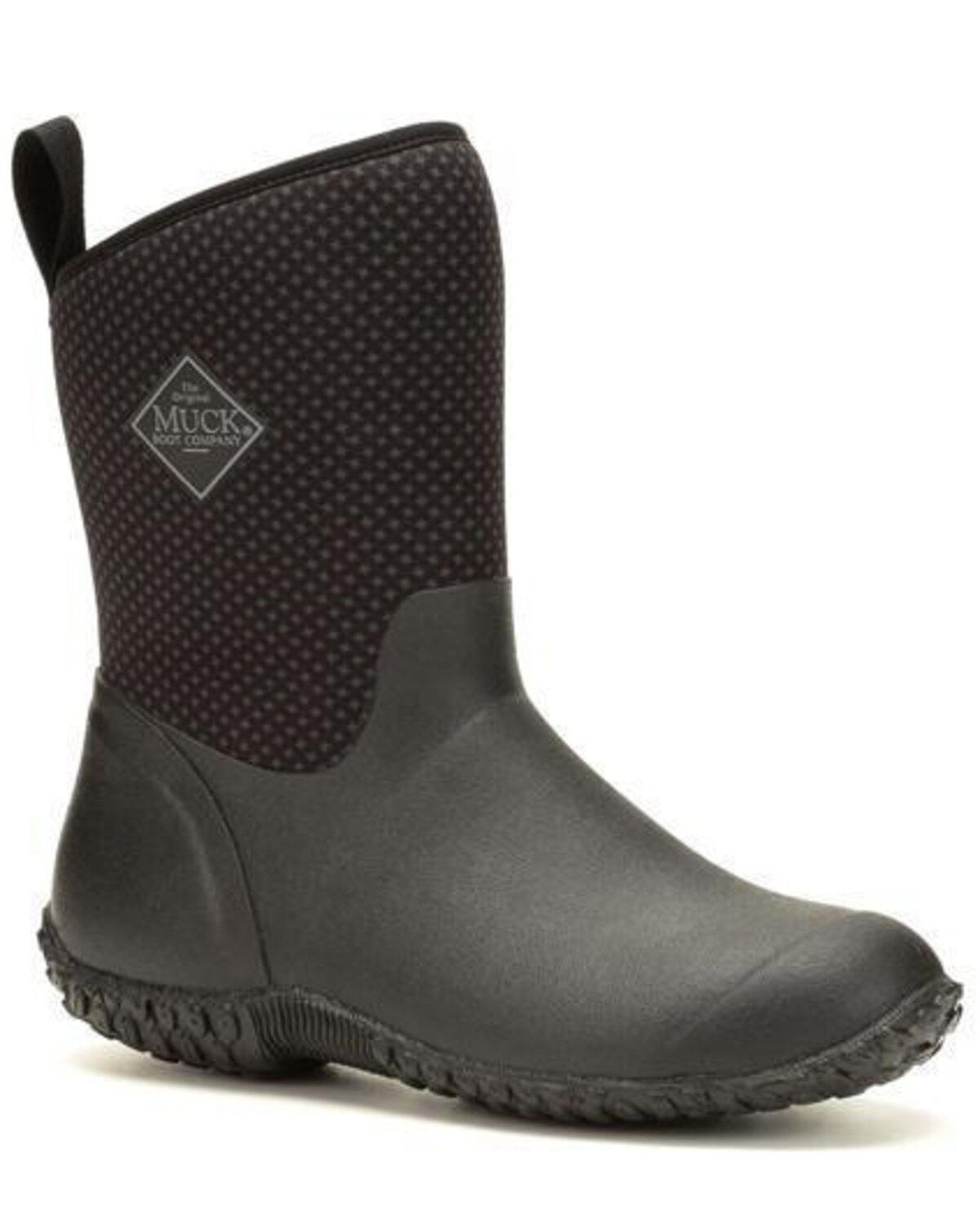
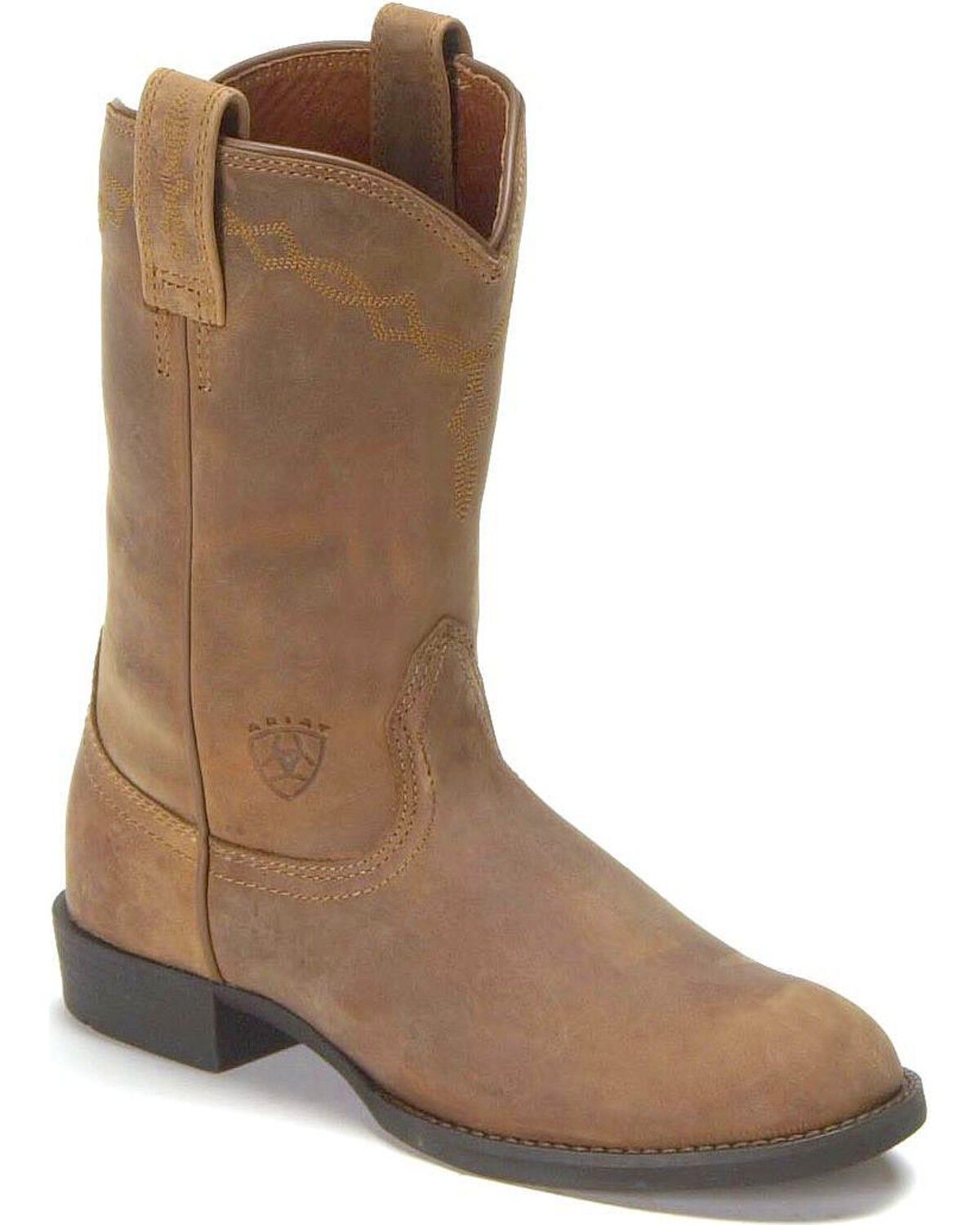
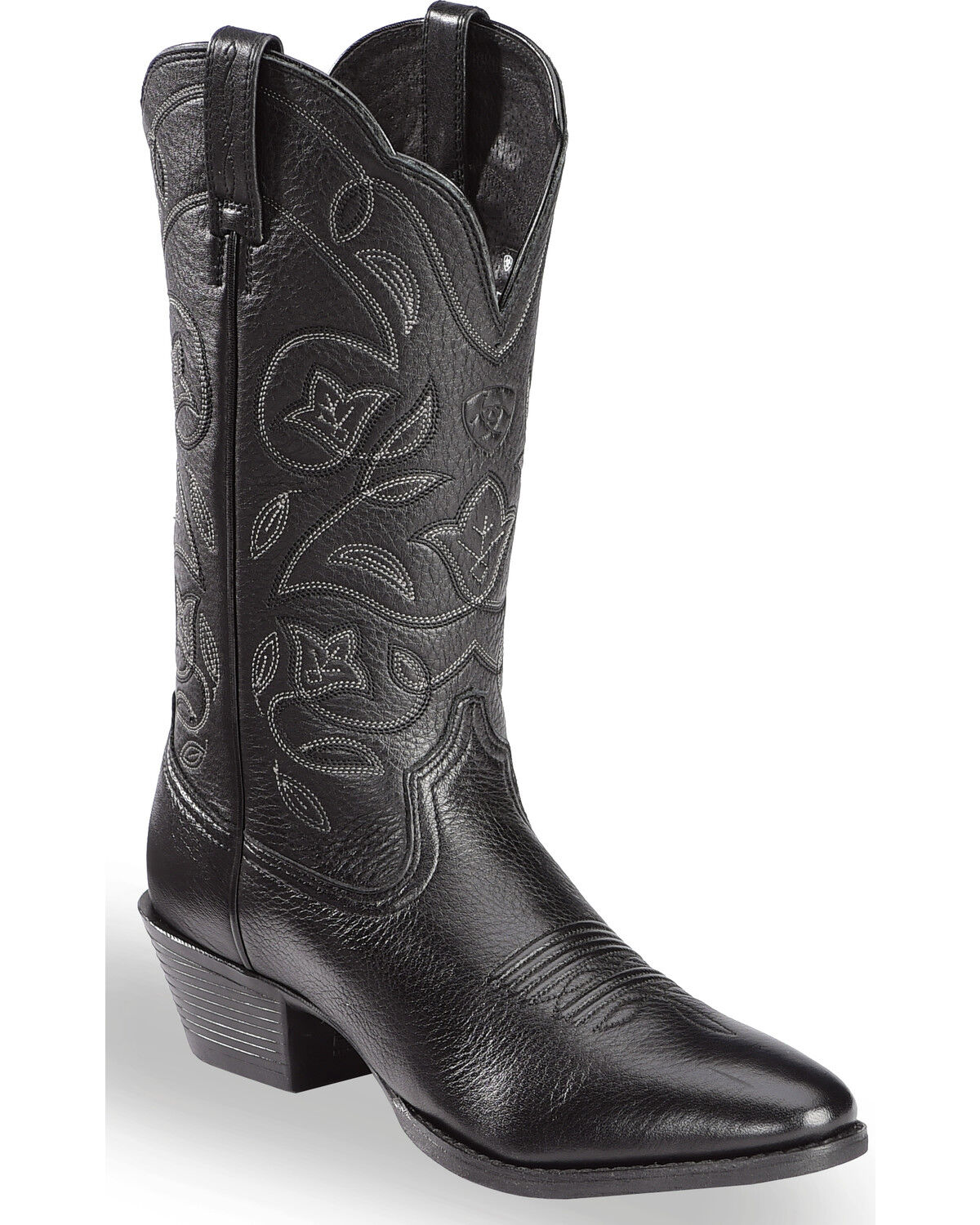
Women's tan leather boots range from ankle booties and classic western silhouettes to taller styles with clean shafts and understated stitching. Their defining features are a leather upper and a light brown color, though tan can run from pale sand to warm honey or a deeper saddle shade. That range gives the color real versatility. A lighter finish creates a clear contrast with dark denim, while a richer tan sits naturally beside faded jeans, cream trousers, and printed dresses. Smooth leather brings a cleaner look; suede has a soft, textured surface; and distressed finishes give the boot a more worn-in appearance from the start. Natural grain and slight differences in color can add character, especially as leather develops a patina with wear. Shape matters just as much as shade. An ankle-height shaft leaves more room around a cropped hem, while a taller shaft creates a continuous line beneath a skirt or dress. Classic western boots often feature pull tabs, decorative stitching, and a shaped heel, with enough variation to suit both simple outfits and more detailed looks. For a distinctly western silhouette, women's tan cowboy boots pair familiar boot construction with a color that works across a wide range of clothing. Straight-leg jeans can fall over the shaft, while a wider hem needs enough room to clear it without catching. With skirts, shaft height changes where the boot meets the hem and how much leg remains visible. These are practical differences, not just styling details: a stiff shaft can press against the leg when seated, and a bulky top line may show beneath narrow pants. Tan leather boots can suit everyday errands, dinners, dancing, and occasions where a polished leather finish feels appropriate without looking overly formal. The right shape depends on how the boots will be worn, whether that means walking between stops downtown or spending an evening on a dance floor.

Leather quality, interior construction, and fit determine how a boot feels after the first few minutes. Full-grain leather retains the hide's outer grain and can develop a pronounced patina, while other leather finishes may offer a smoother, more uniform appearance. Thickness and tanning also affect flexibility, so two leather boots with similar shapes can feel different on the foot. A firm upper may soften with wear, but break-in should not be expected to fix a boot that is too short, too narrow, or painful across the instep. In a pull-on western boot, the instep helps hold the foot in place. It should feel secure rather than sharply compressed. A small amount of heel movement can occur in a new pull-on boot as the sole begins to flex, but substantial lifting or sliding can signal a poor fit. Toes need room to rest naturally without being forced against the front or sides. Pointed, snip, round, and square toes change the boot's profile, though the visible toe shape alone does not establish how much usable space is inside. Width, interior shape, and size all matter. The socks intended for regular wear should be part of any fit check, along with a few minutes of walking and sitting. Shaft circumference deserves attention, too, particularly in taller boots or styles worn over jeans. Underfoot, cushioning and support can make a noticeable difference during extended standing, while heel height affects balance and walking comfort. Rubber outsoles can provide useful traction, depending on their tread and compound; leather outsoles have a different feel and may be slick on smooth surfaces. Neither material guarantees performance on every floor. Welted construction may allow resoling, but repair options depend on the boot's design and condition. For demanding work or riding, purpose-built construction and stated performance features matter more than appearance. A casual leather boot should not be assumed to provide jobsite protection or suitability for the saddle.

Good care helps tan leather boots keep their shape, finish, and flexibility through repeated wear. Light-colored leather can show dust, scuffs, and transferred dye more clearly than darker shades, particularly where a denim hem rubs against the shaft. A soft brush or clean cloth can remove surface dirt before it works into seams and creases. Smooth leather and suede need different treatment: a conditioner intended for smooth leather is not a substitute for a suede brush or a cleaner made for napped finishes. Even a suitable leather-care product can deepen a tan shade, so a small test on a hidden area is worth the time. Conditioner should be used according to the leather's needs and the care directions, rather than applied heavily after every wear. Excess product can leave buildup or change the finish. After cleaning, boots should dry naturally away from direct heat, which can stiffen leather and affect adhesives. Boot trees or shaft supports can help preserve shape in storage, and a little space around each pair keeps taller shafts from being crushed. Rotating between pairs gives the lining time to dry between wears. Regular attention to worn heel caps, thinning soles, and loose stitching can also prevent a minor repair from becoming a larger problem. Creasing across the forefoot is a normal part of leather flexing, while deep cracks or separation at the sole call for closer attention. For gifting, tan leather boots make the most sense when the recipient's size, preferred width, shaft height, and everyday style are already known. Someone who wears understated clothing may favor smooth leather with minimal stitching; someone drawn to western details may prefer a shaped heel and a patterned shaft. A familiar boot size is a starting point, not a guarantee across different designs. Comfort, useful construction, and a finish that suits the wearer give the boots a lasting place in a regular wardrobe.

FAQs