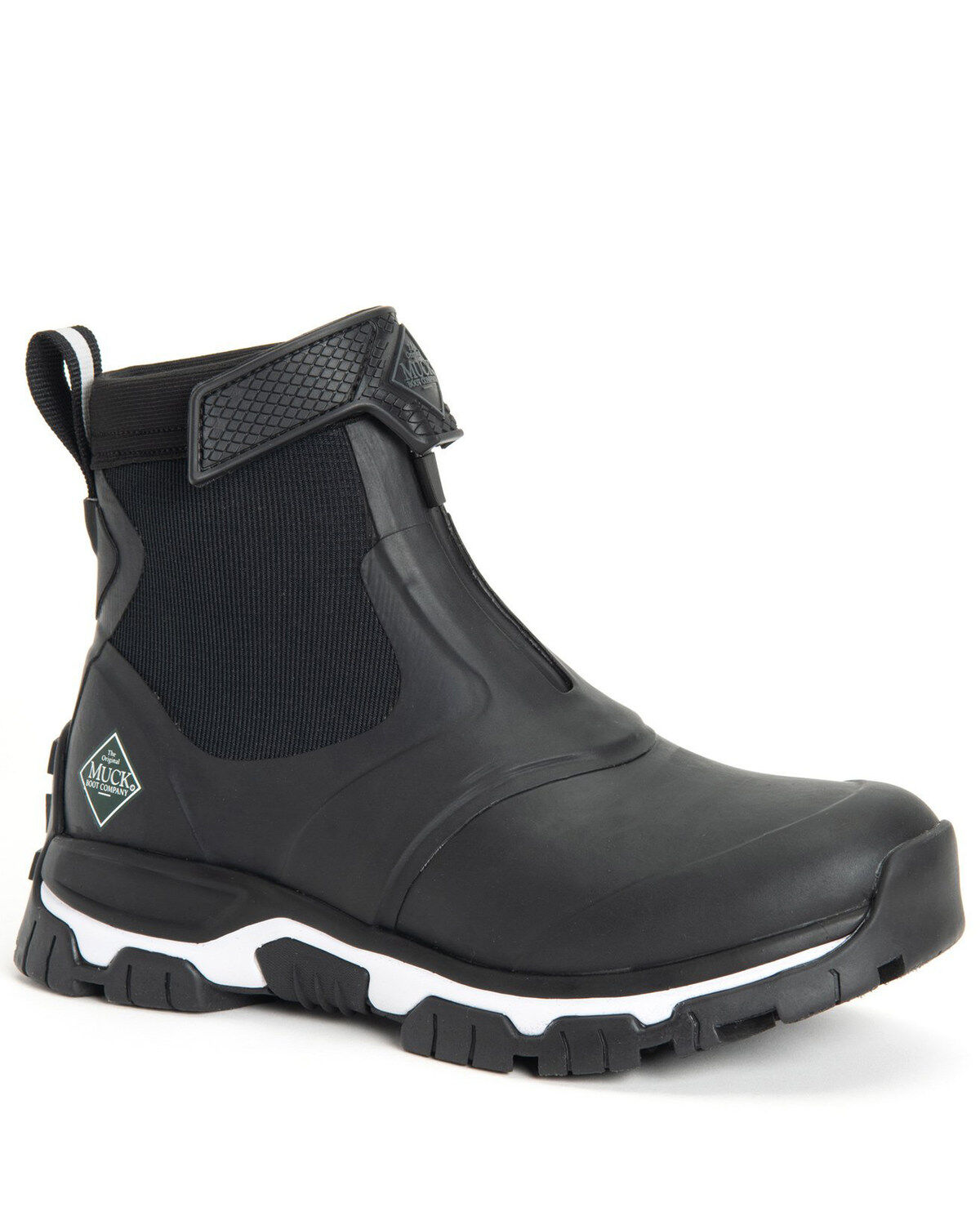
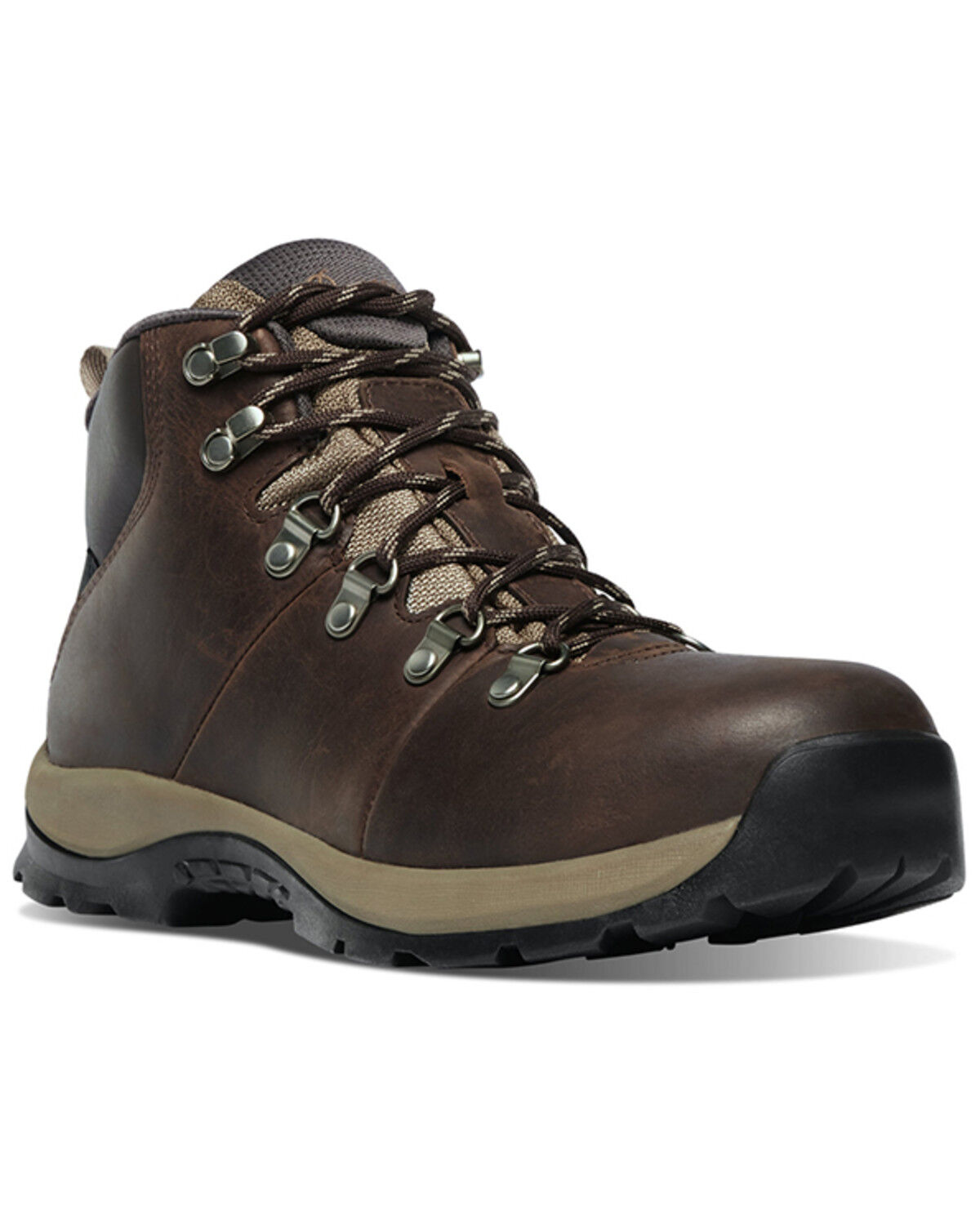
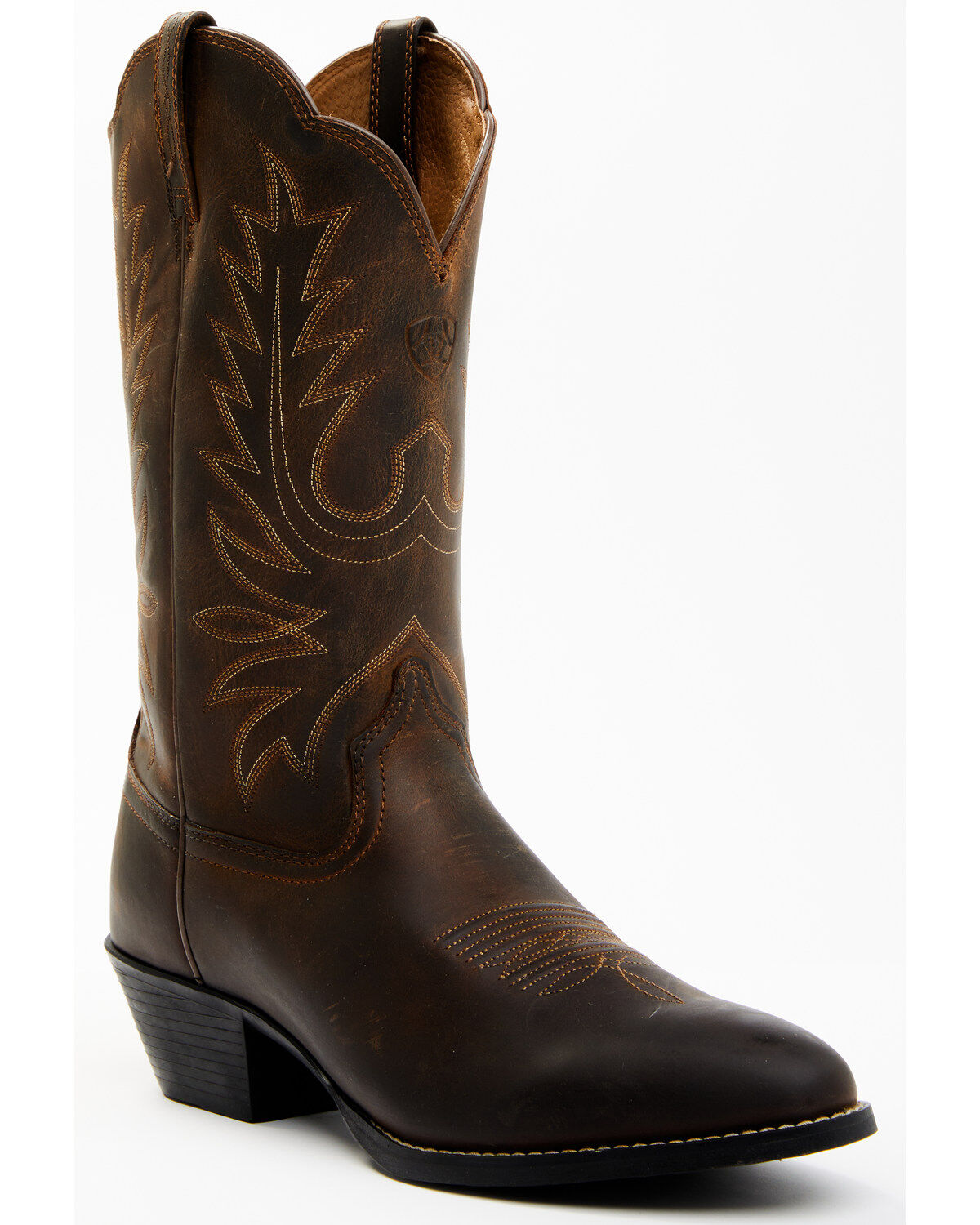
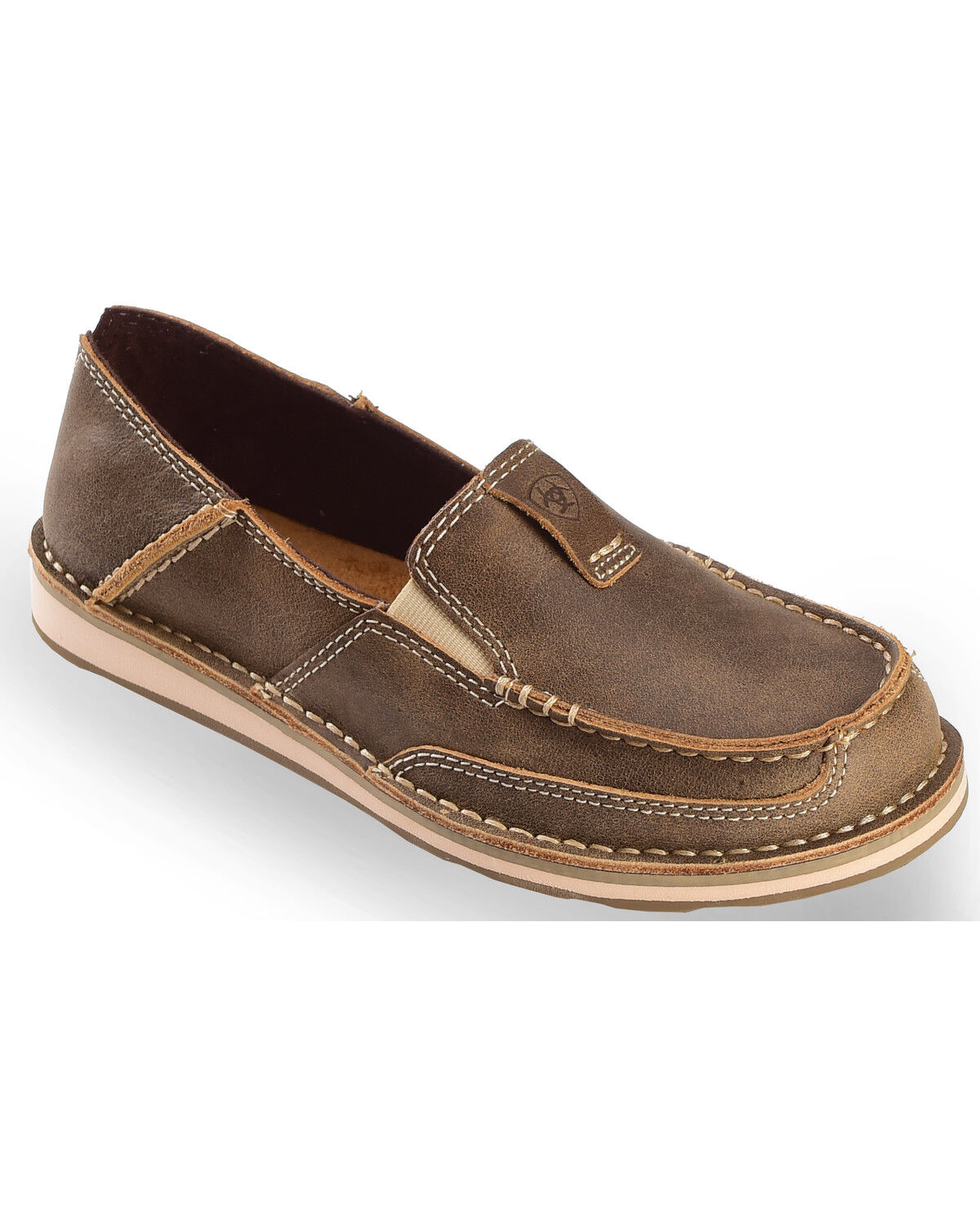
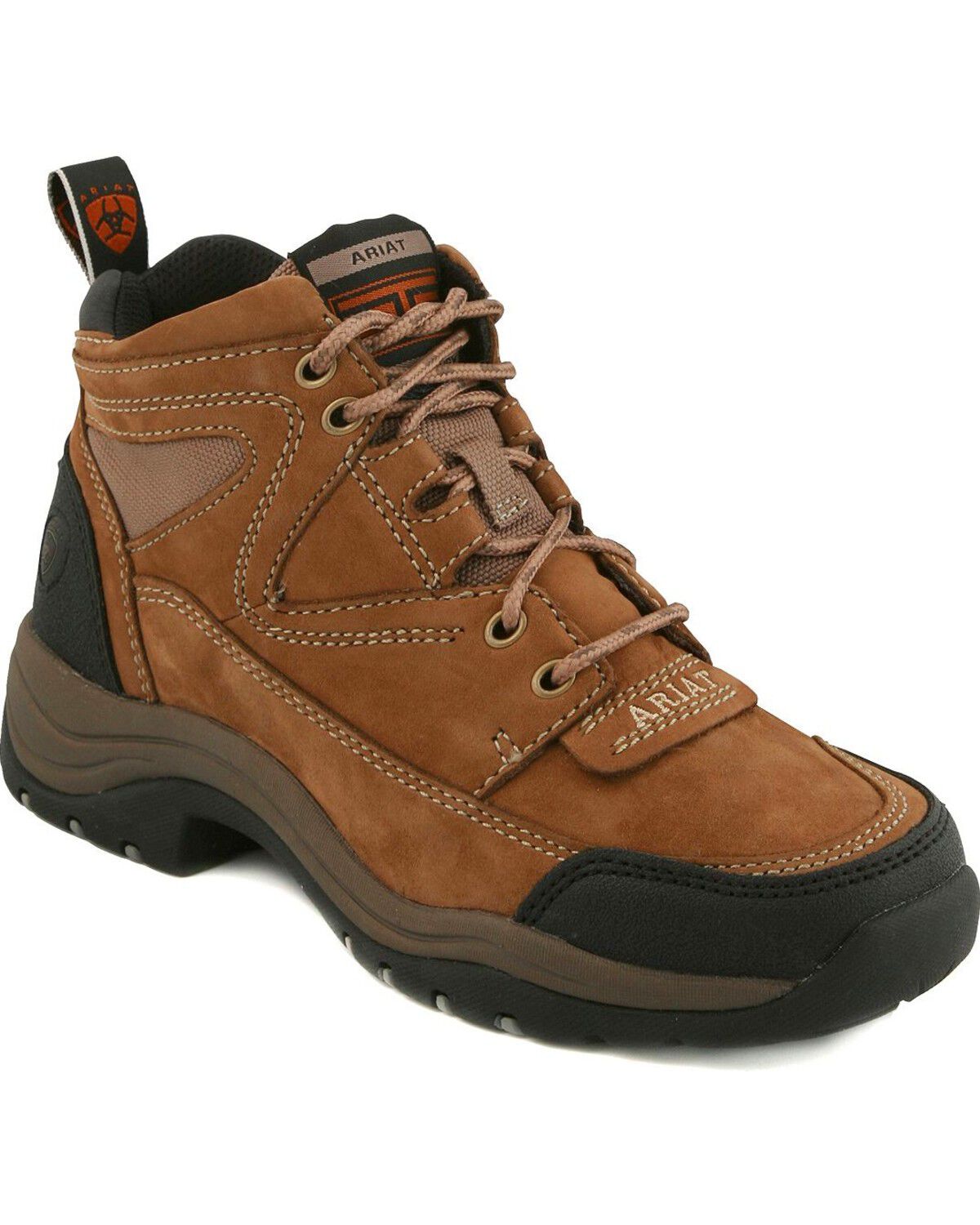
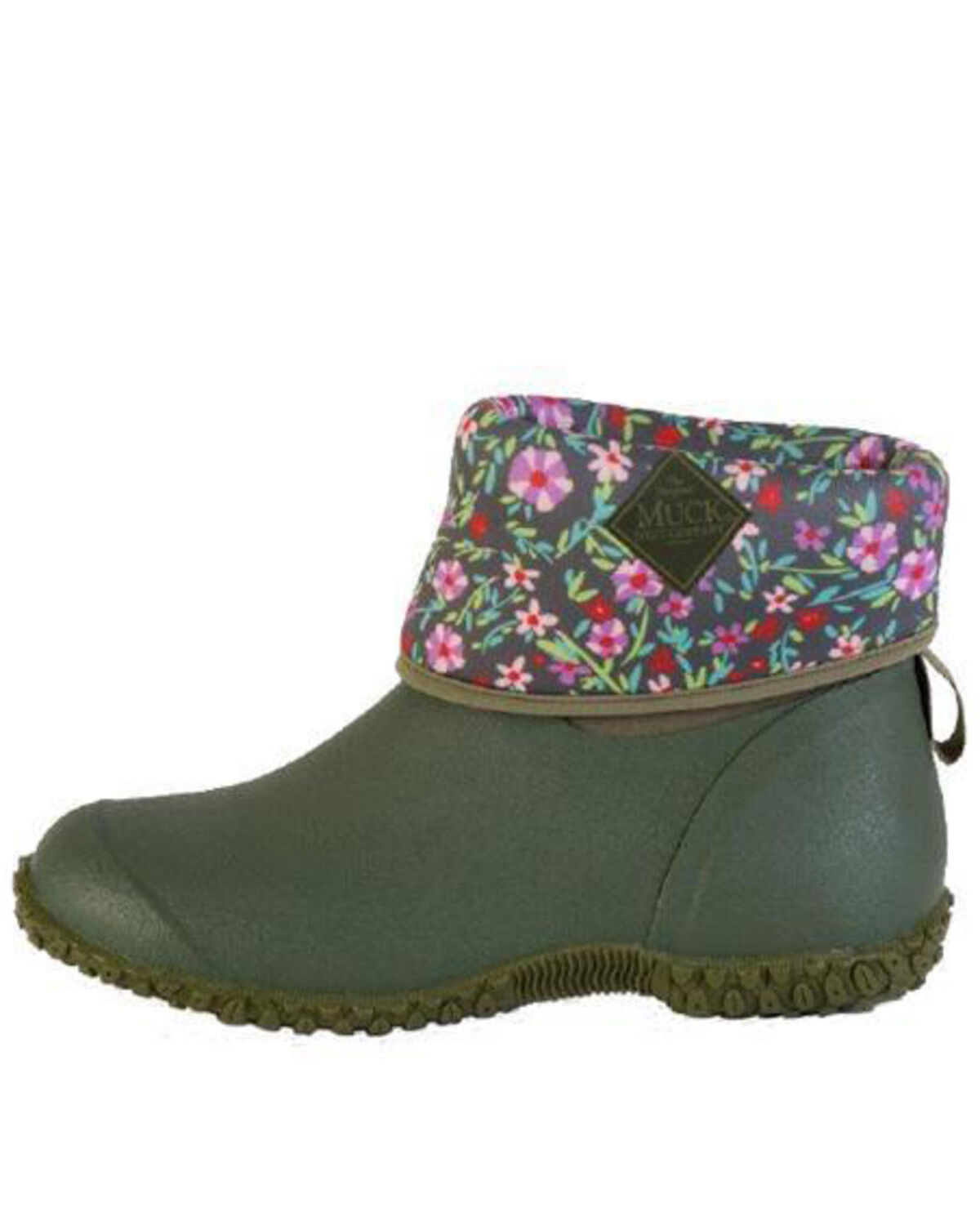
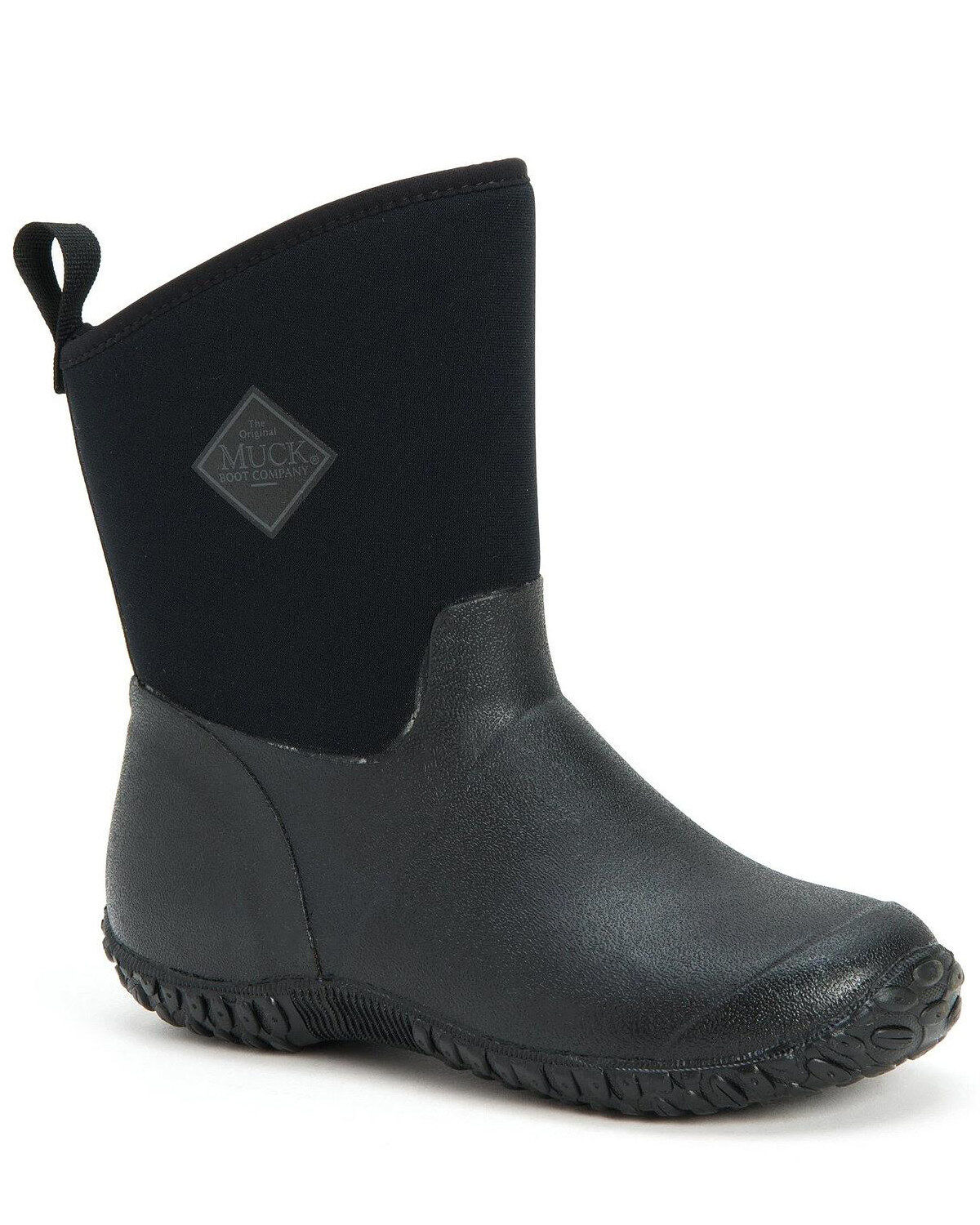
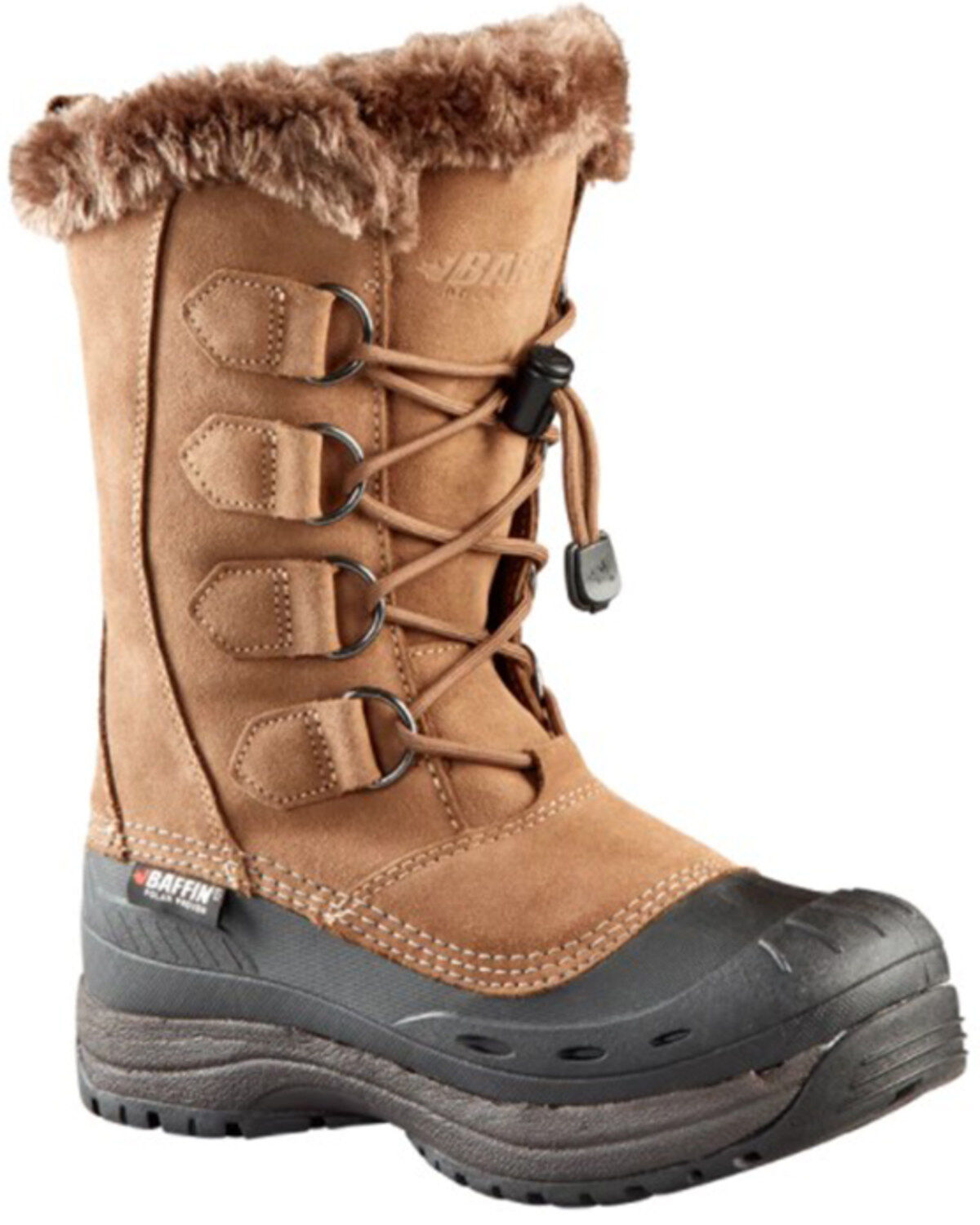
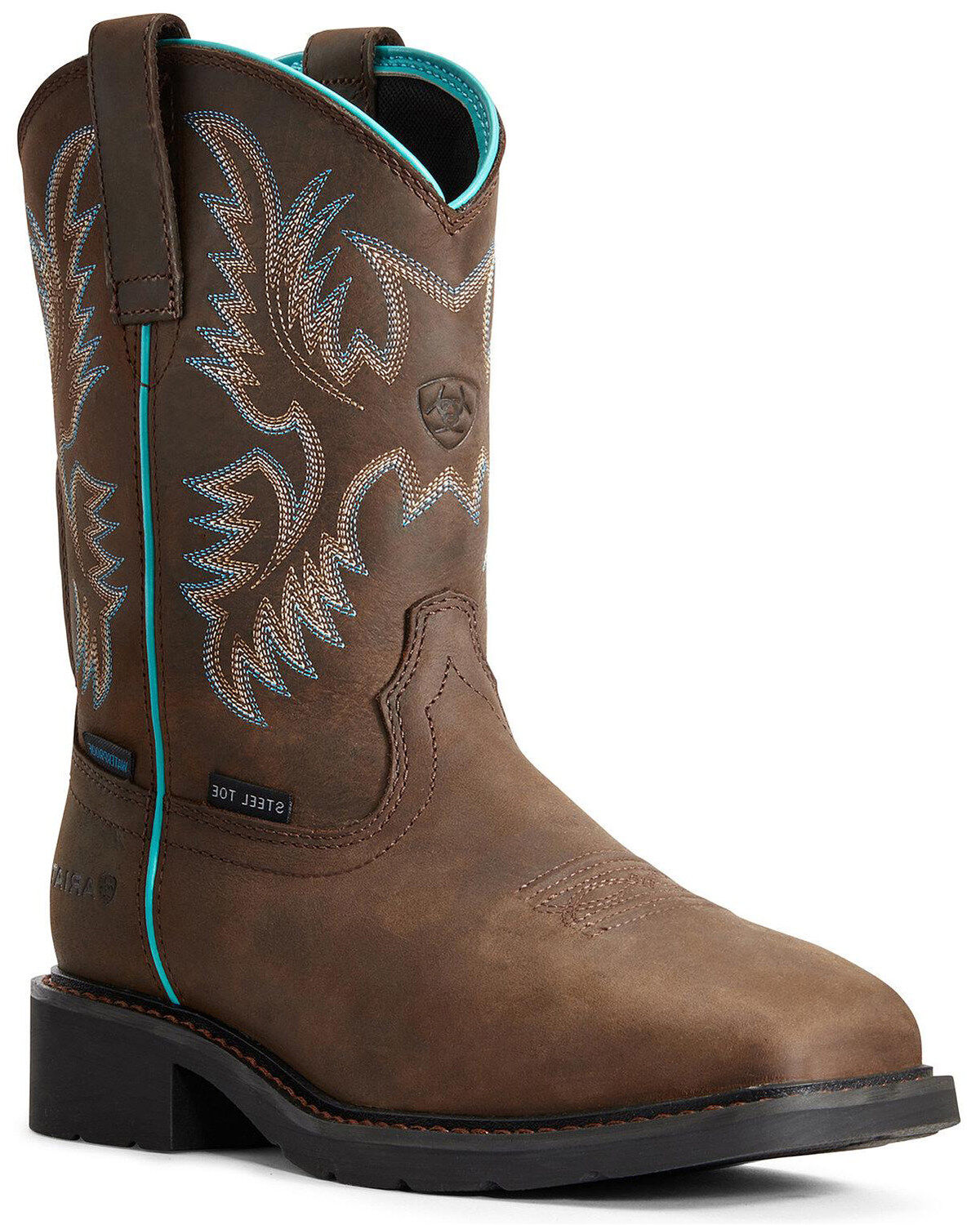
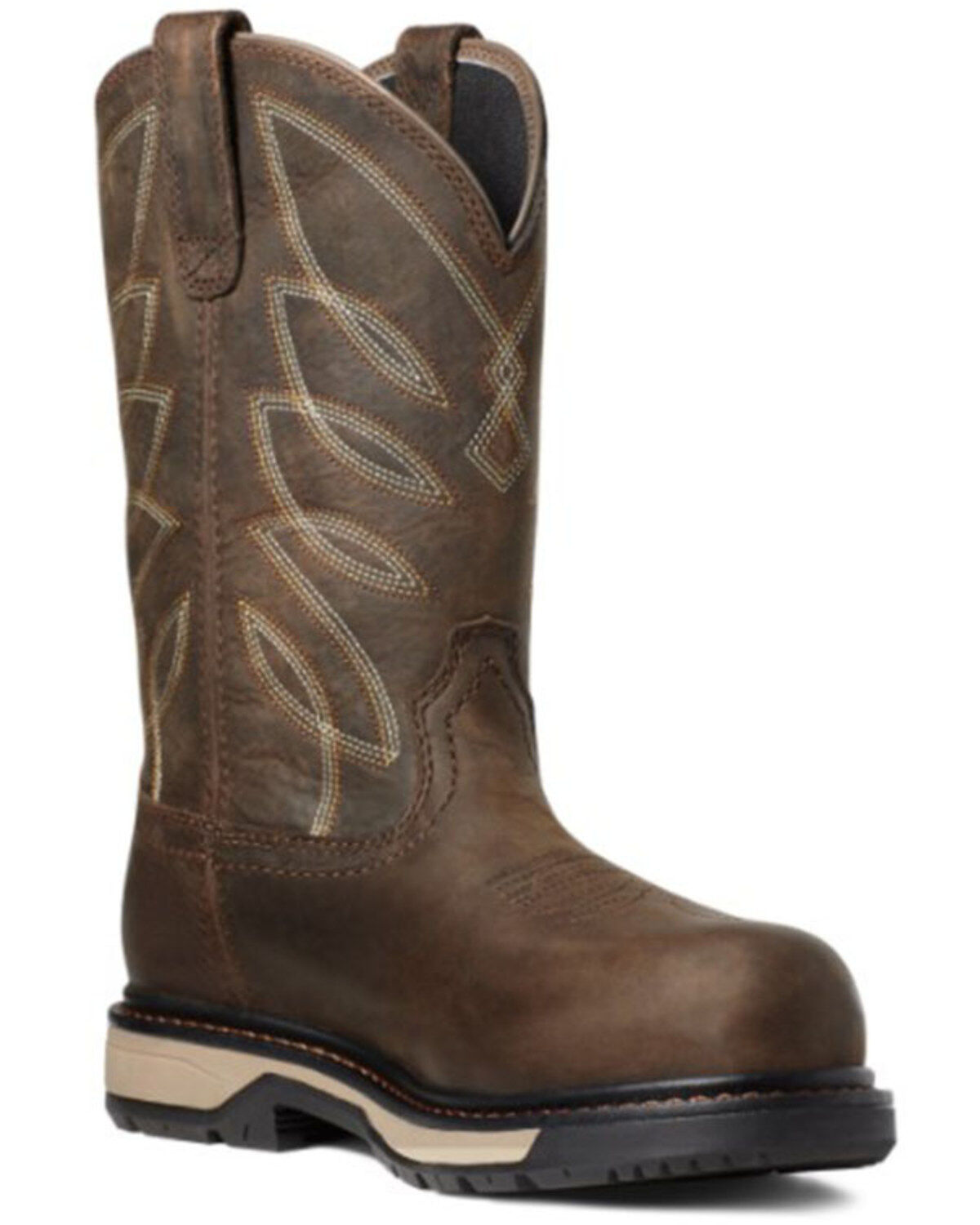
Women's rubber work boots are designed to provide durability and comfort for those long days on the job. Perfect for a variety of work environments, these... boots offer the protection you need while keeping your feet dry and comfortable. Whether you're working in wet conditions, dealing with muddy terrains, or just need reliable footwear for demanding tasks, our selection of women's rubber work boots has you covered. Explore our range to find the perfect pair that combines functionality with style, ensuring you stay safe and stylish no matter where your work takes you.
Read more
Women's Rubber Work Boots
Women's rubber work boots are designed to provide durability and comfort for those long days on the job. Perfect for a variety of work environments, these... boots offer the protection you need while keeping your feet dry and comfortable. Whether you're working in wet conditions, dealing with muddy terrains, or just need reliable footwear for demanding tasks, our selection of women's rubber work boots has you covered. Explore our range to find the perfect pair that combines functionality with style, ensuring you stay safe and stylish no matter where your work takes you.
Women’s rubber work boots are made for workdays where water, mud, slush, and uneven ground are part of the job. They are commonly used on farms, ranches, construction sites, landscaping crews, nurseries, commercial fishing operations, outdoor maintenance teams, and other wet or dirty work environments. Rubber uppers create a waterproof barrier that helps keep moisture out, while molded construction can reduce the seams and openings where water often finds a way inside. That protection is useful during early starts in damp fields, long hours around livestock waterers, wet concrete, muddy loading areas, and cold walks between job sites. Rubber work boots can also be a practical choice for gardening, hunting, cleaning kennels, managing facilities, or handling outdoor chores at home. When the ground is soft and standing water covers the path, a dependable pair can keep socks and pant legs drier while making cleanup easier at the end of the day. For broader waterproof coverage across different work boot styles, explore Women's Waterproof Work Boots. When choosing women’s rubber work boots, start with the conditions you face most often. Soft-toe styles work well for general farm work, gardening, yard maintenance, and other tasks that do not require certified impact protection. If a job involves falling or rolling objects, ask whether the workplace requires a steel toe or composite safety toe. Steel toes provide established impact and compression protection, while composite toes can weigh less and do not conduct cold in the same way as steel. Safety requirements vary by employer and task, so check the applicable specifications before buying. Some work environments may also call for electrical hazard protection, chemical resistance, or a defined slip-resistance rating. These features are not interchangeable, and a boot that works well for muddy chores may not meet the requirements of an industrial workplace. Review the boot’s safety markings and product specifications carefully, particularly when footwear is part of required personal protective equipment.
Boot height is another practical decision. Mid-calf rubber work boots are easier to pull on and remove, and they can provide enough coverage for wet grass, shallow mud, and routine outdoor work. Taller boots offer more protection when walking through deep mud, standing water, snow, or brush, but they may feel warmer and require more effort to take off after a long shift. Look for a shaft that stays upright without rubbing the back of the knee, and consider how the boot will sit with work pants tucked inside or worn over the top. Fit should be secure at the heel and instep without pinching the toes. Leave enough room to move the toes and wear the socks you normally use on the job. A boot that feels fine with thin socks may become cramped with thick winter socks or a removable liner. Insulation adds warmth during cooler months, and neoprene or similar flexible materials can provide cushioning along with protection from cold water. Thicker insulation is useful for slow-moving outdoor work in low temperatures, while lighter, uninsulated boots may be more comfortable for active work or milder conditions. Removable liners can help with drying and make it easier to adjust a boot for changing weather. In any season, moisture can build up inside a waterproof boot from perspiration, so breathable linings, moisture-managing socks, and time to air out the boots between shifts can make a noticeable difference. A pair of women’s rubber work boots can also make a sensible gift for someone who spends weekends caring for animals, maintaining acreage, fishing, working in a garden, or tackling outdoor repairs. The best choice depends less on appearance than on the recipient’s work surface, typical weather, required safety features, and preferred boot height.
Before wearing rubber work boots for a full shift, try them on with the socks and insoles you plan to use. Walk on a clean surface and pay attention to heel lift, pressure across the top of the foot, and contact around the calf. Some movement at the heel is normal in pull-on boots, but excessive slipping can cause blisters and make uneven ground harder to manage. A supportive insole may improve comfort, especially when standing on concrete or walking across hard-packed ground for hours. Check the outsole pattern as well. Deep, well-spaced lugs can help shed mud, while a flatter tread may be easier to clean and more comfortable on firm surfaces. No outsole remains slip-proof in every condition, so move carefully on oily floors, smooth metal, ice, algae-covered surfaces, and loose gravel. After a muddy shift, rinse the boots with clean water and remove heavy debris before it dries into the tread. Let them air dry away from direct heat, since heaters and hot vehicle interiors can damage rubber, adhesives, and liners. Store the boots upright in a cool, dry place, and inspect them for cracking, cuts, separating soles, worn tread, or a damaged liner. Replace footwear when its waterproof barrier or safety features are no longer reliable. With the right height, insulation, tread, and protective rating, women’s rubber work boots provide practical coverage for wet work and outdoor routines that do not stop when the ground turns muddy or the weather turns cold.