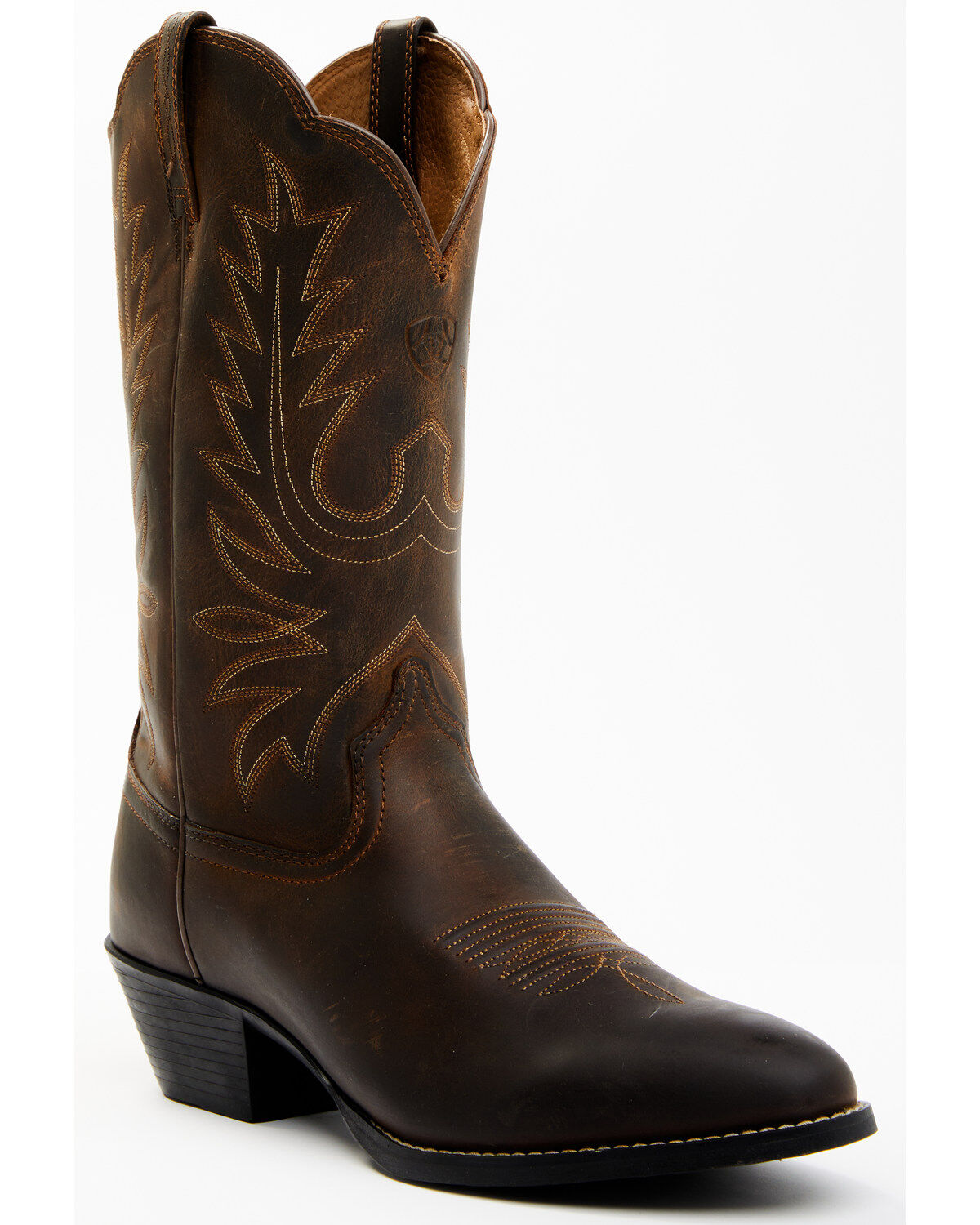
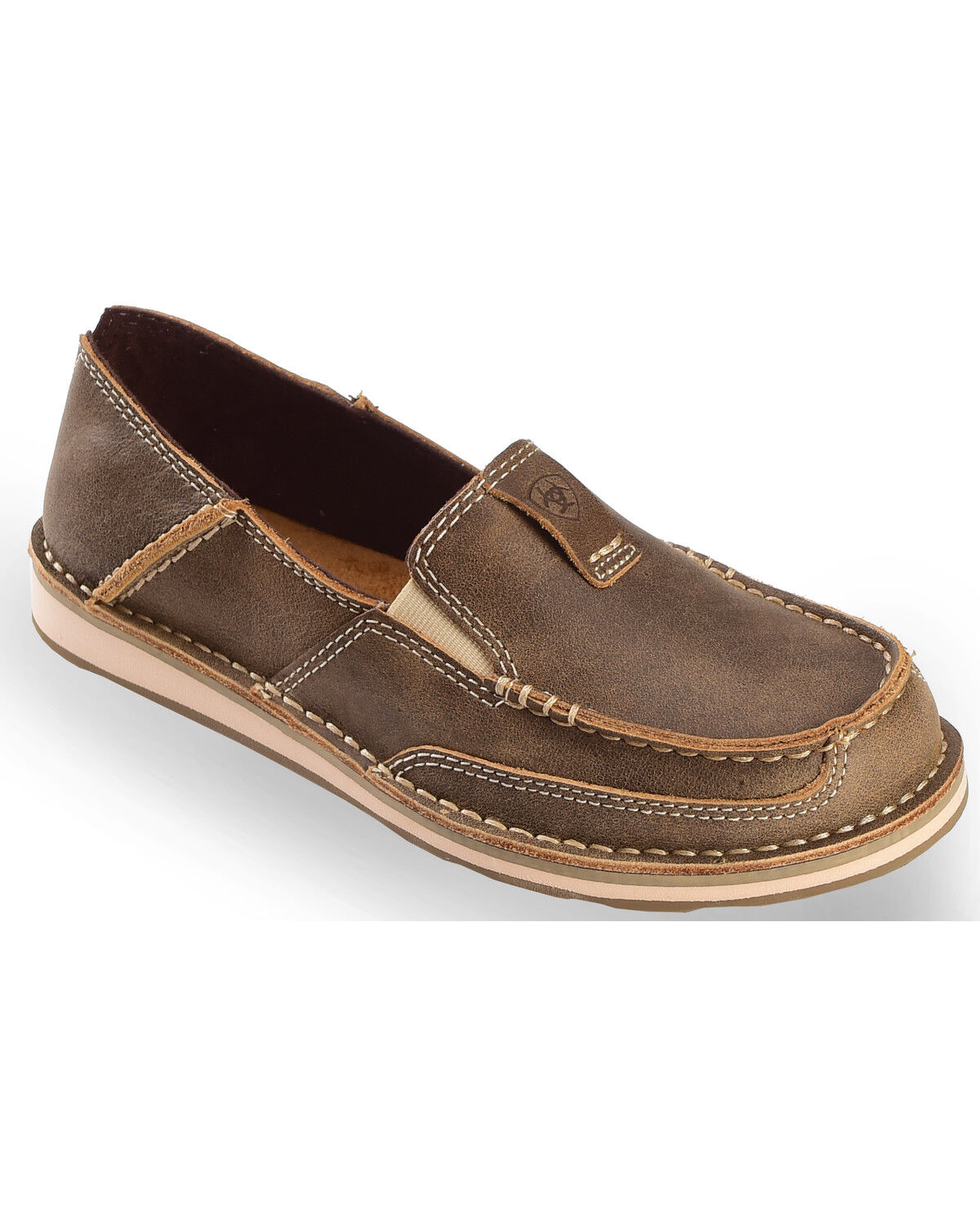
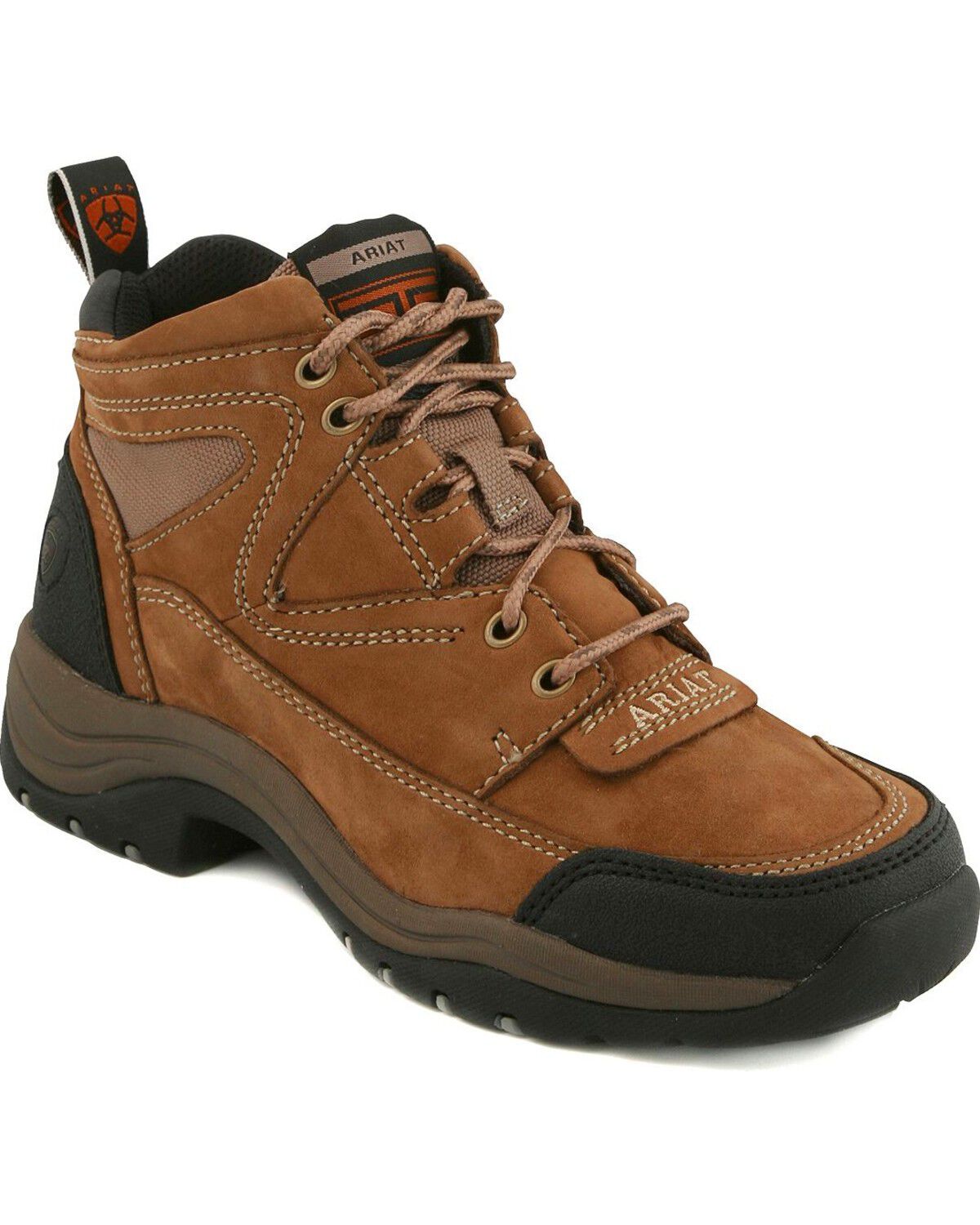
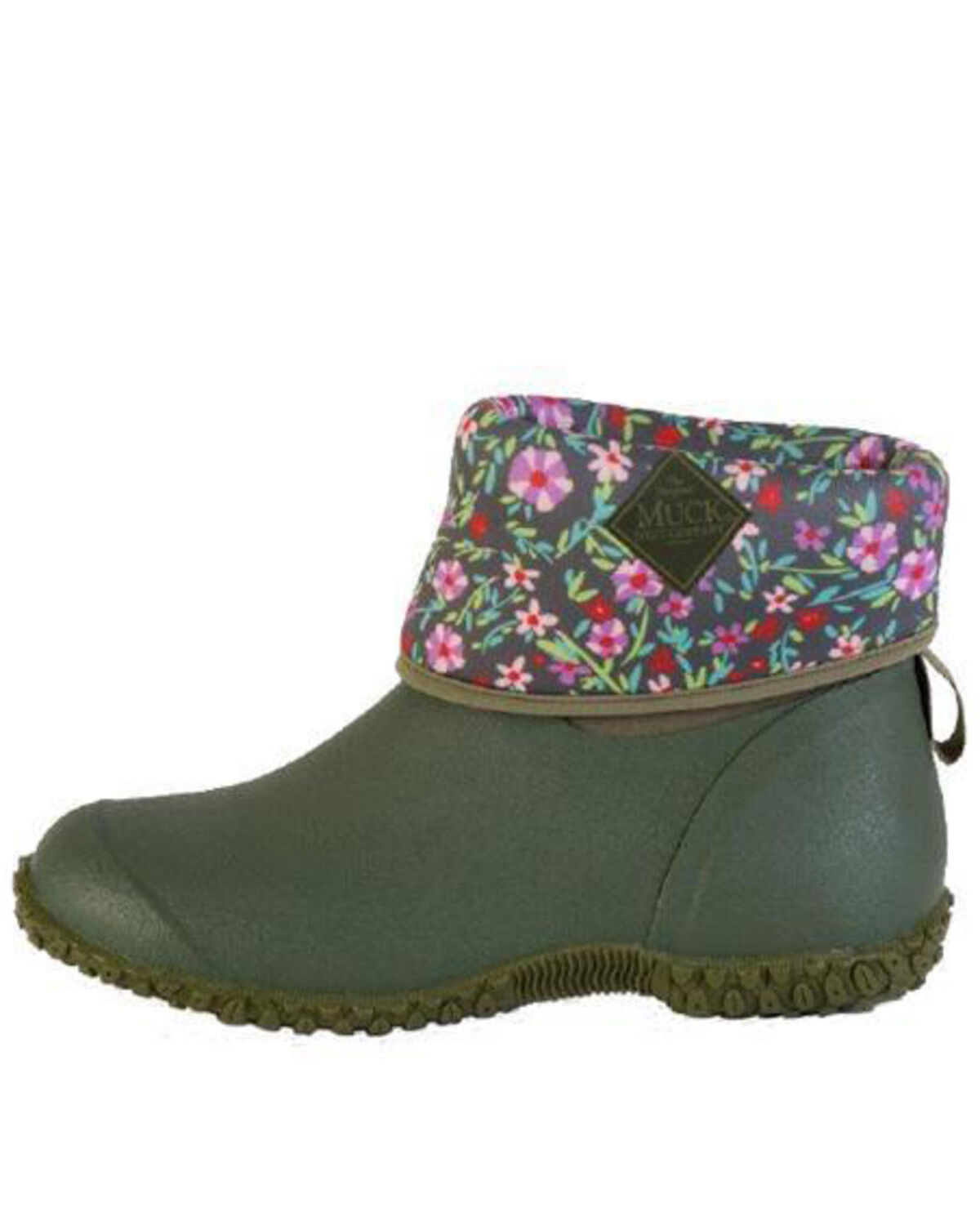
Women's Roper Boots

Shop women’s Roper boots to find western footwear that fits your everyday style. Browse the selection with your favorite jeans or dresses in mind, and check individual product details for sizing and features before choosing your pair.

Shop Your Store: Shop Your Store: Find a Store

(Turn off Shop Your Store to see all items)

(Turn off Shop Your Store to see all items)

close
  • Recommended
  • Lowest Price
  • Highest Price
Skip pass products

End of products

Women's Roper Boots

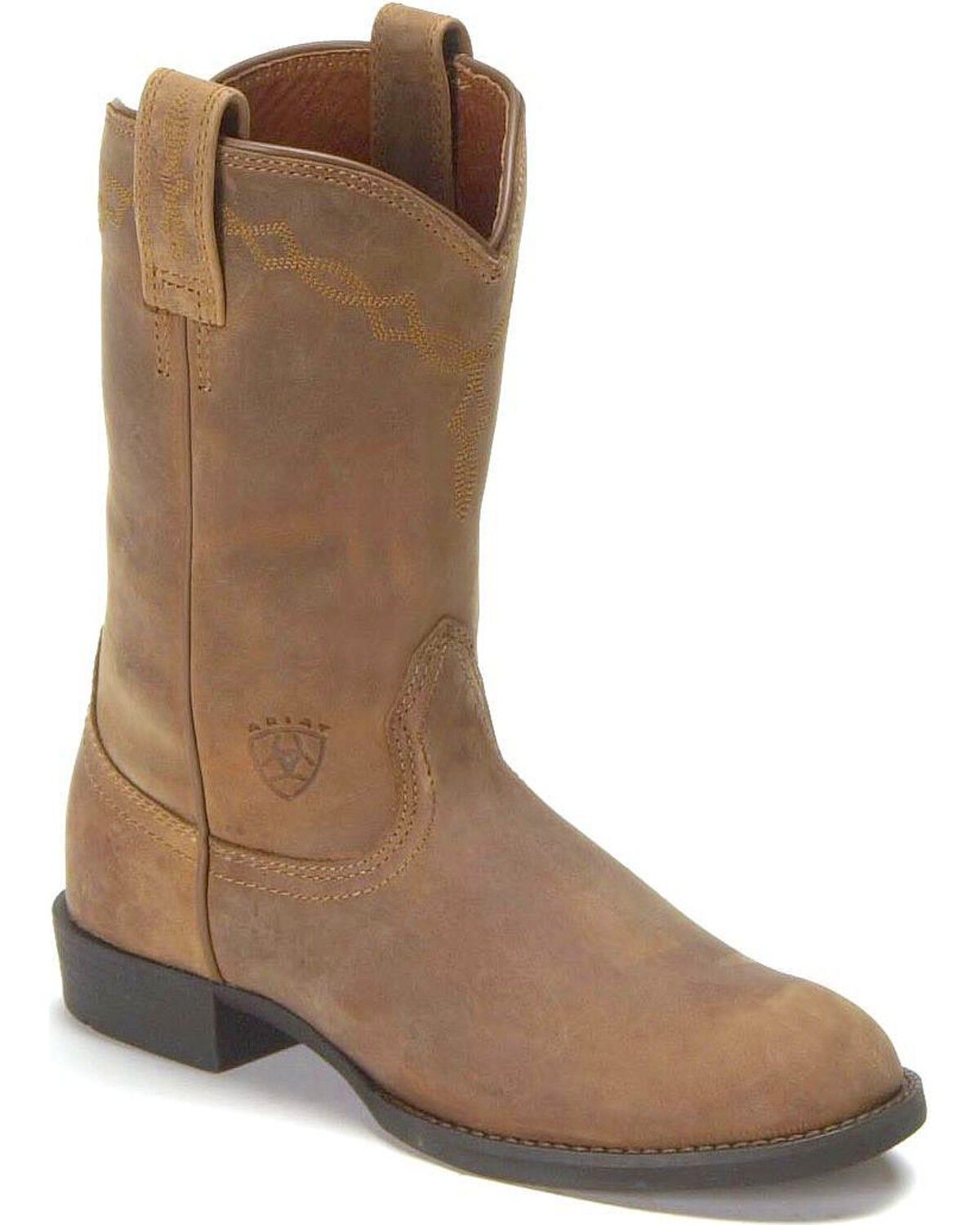
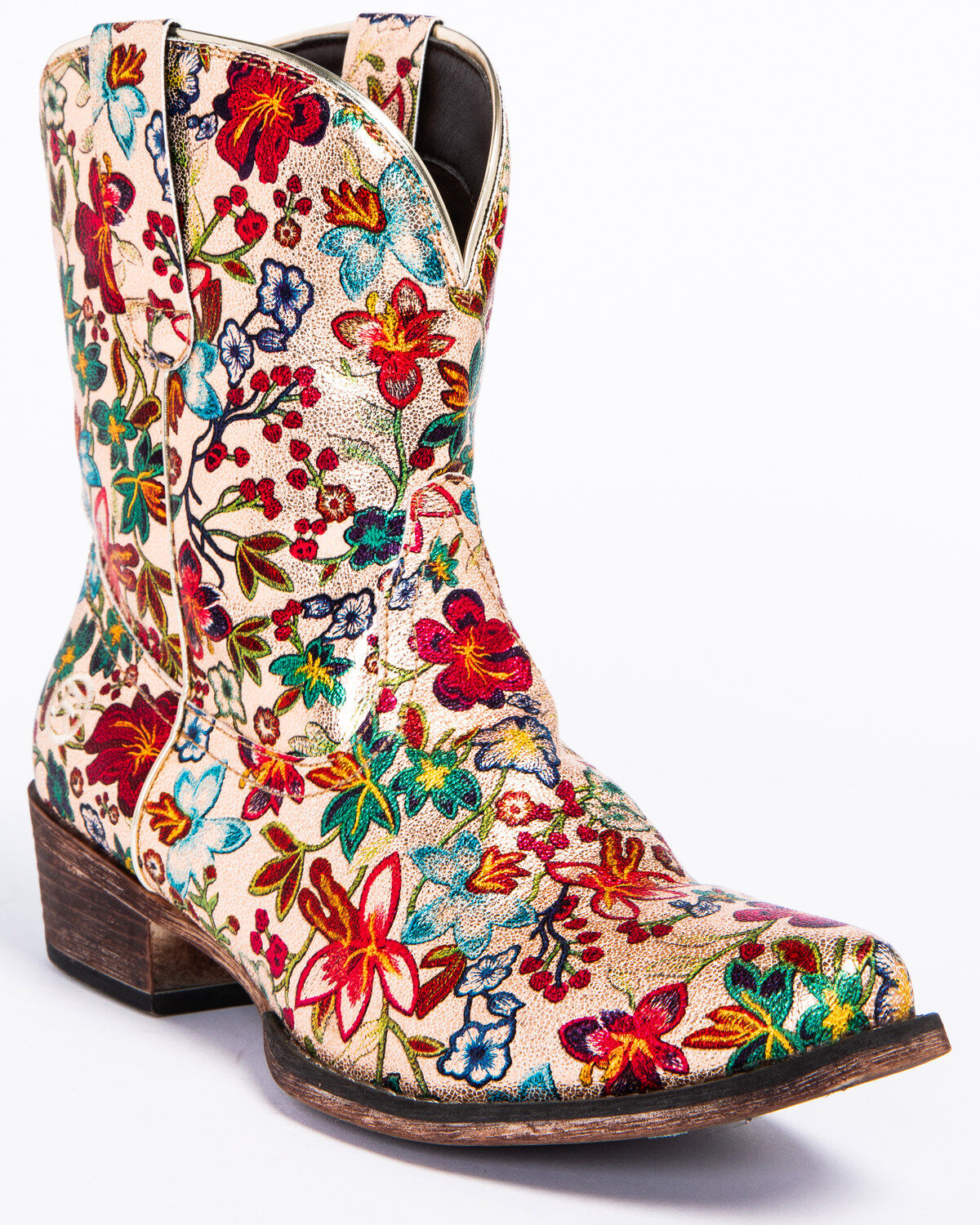
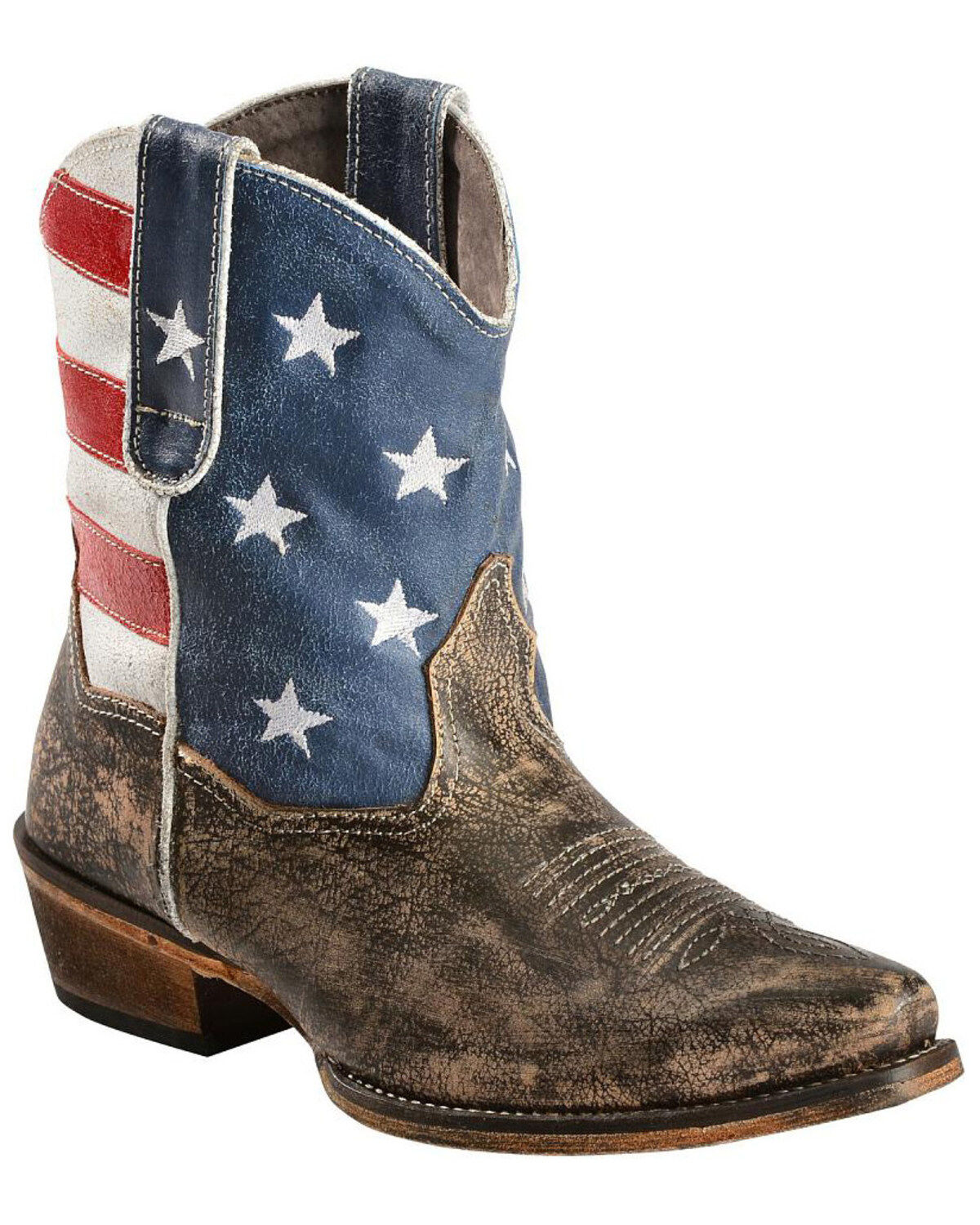
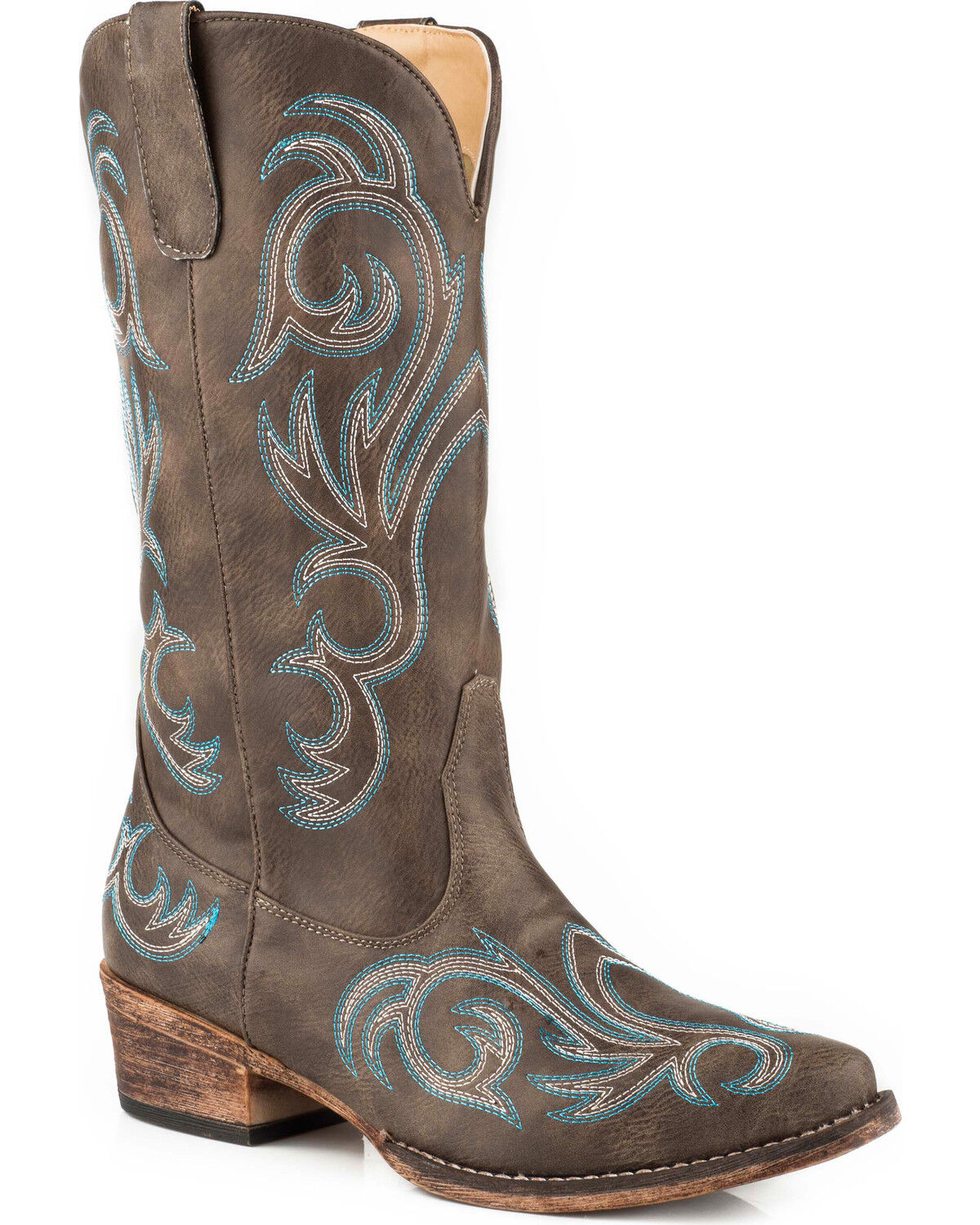
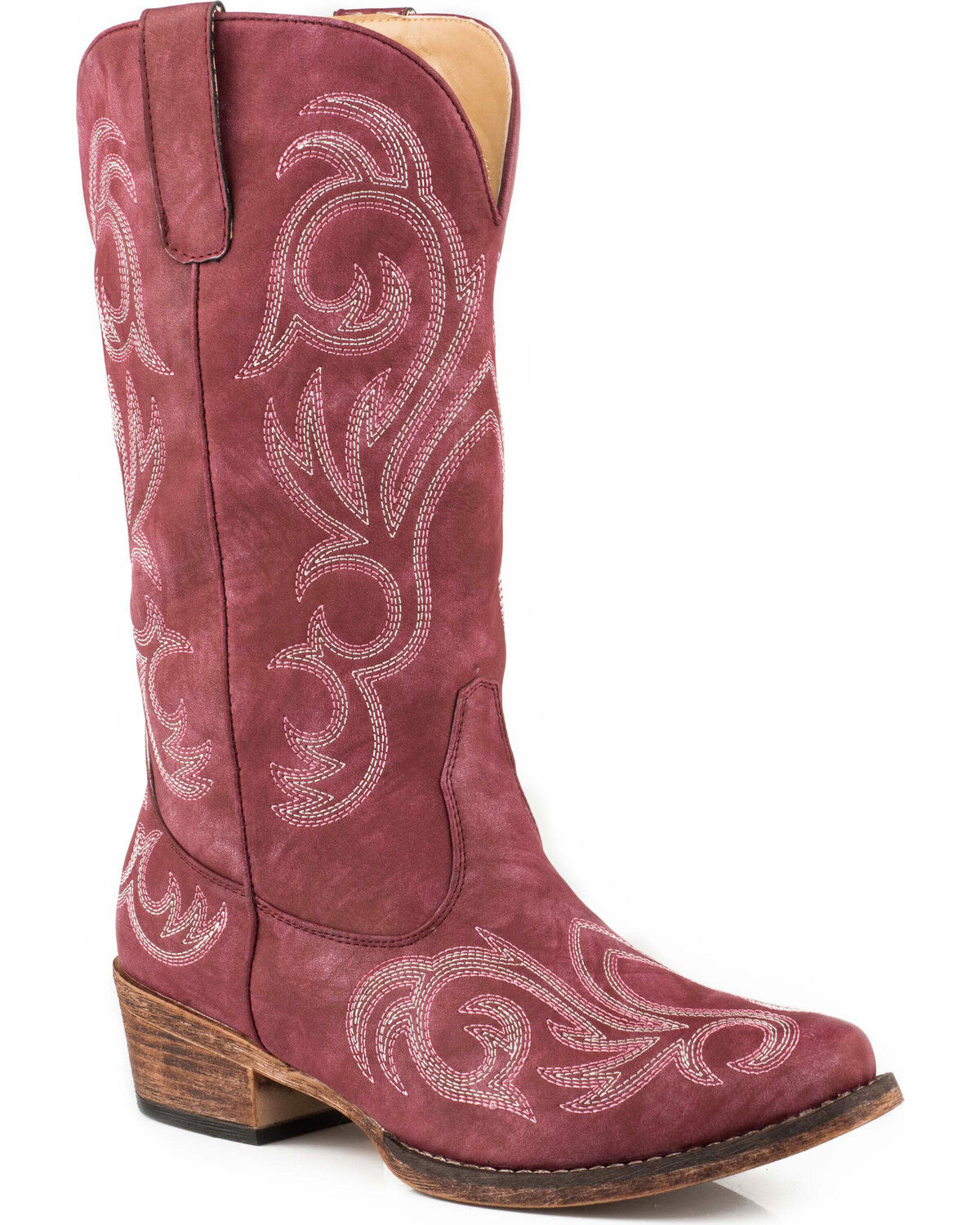
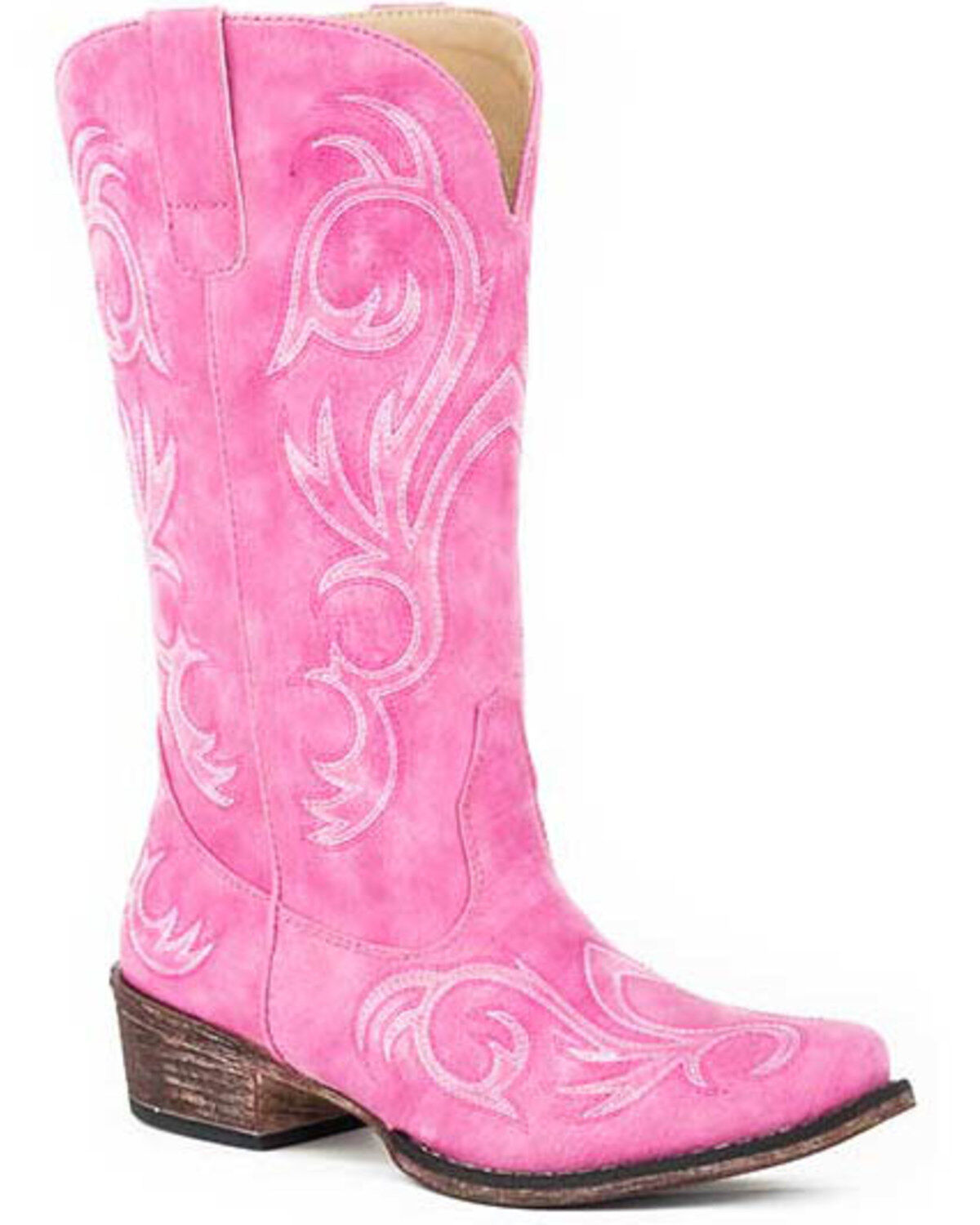
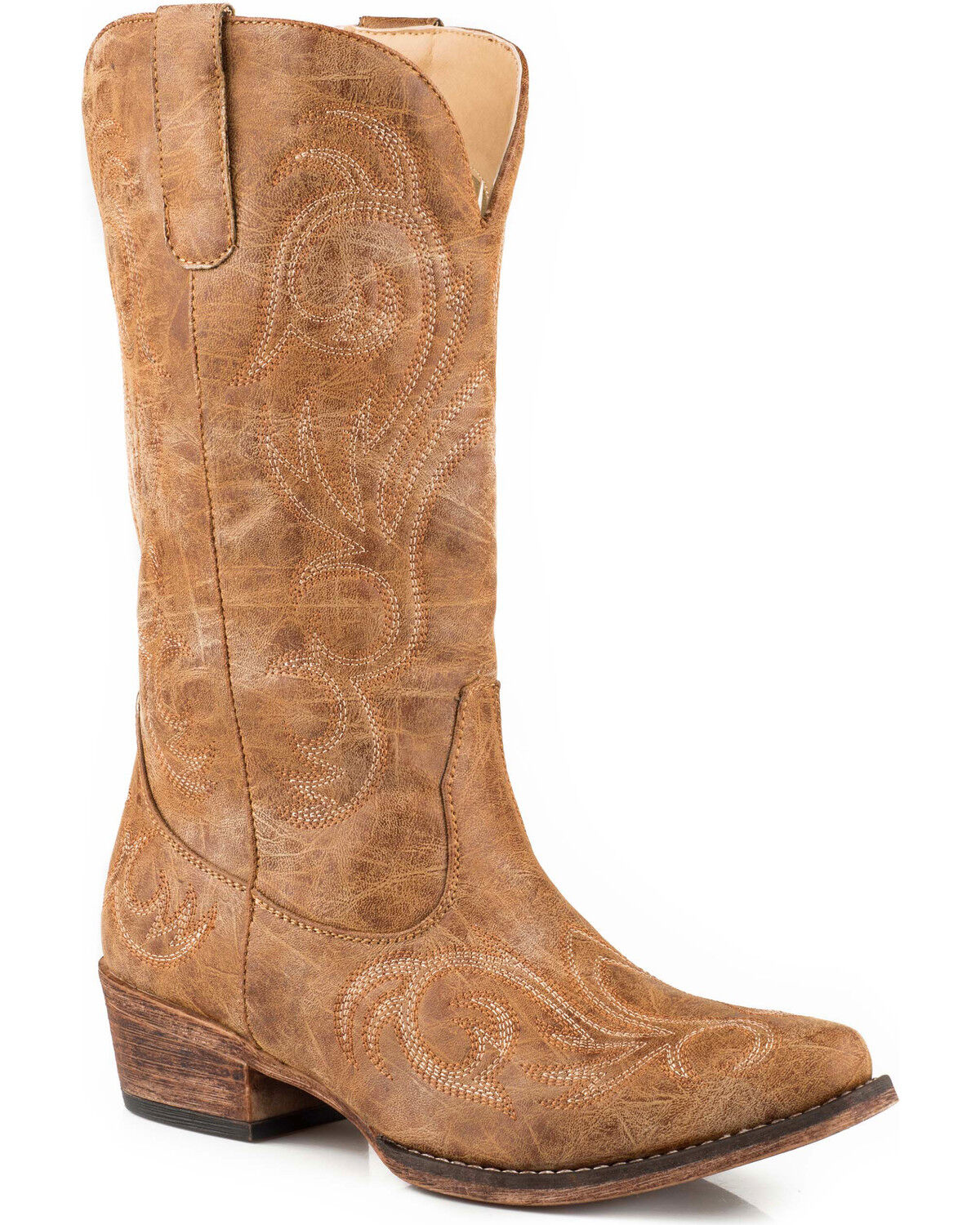
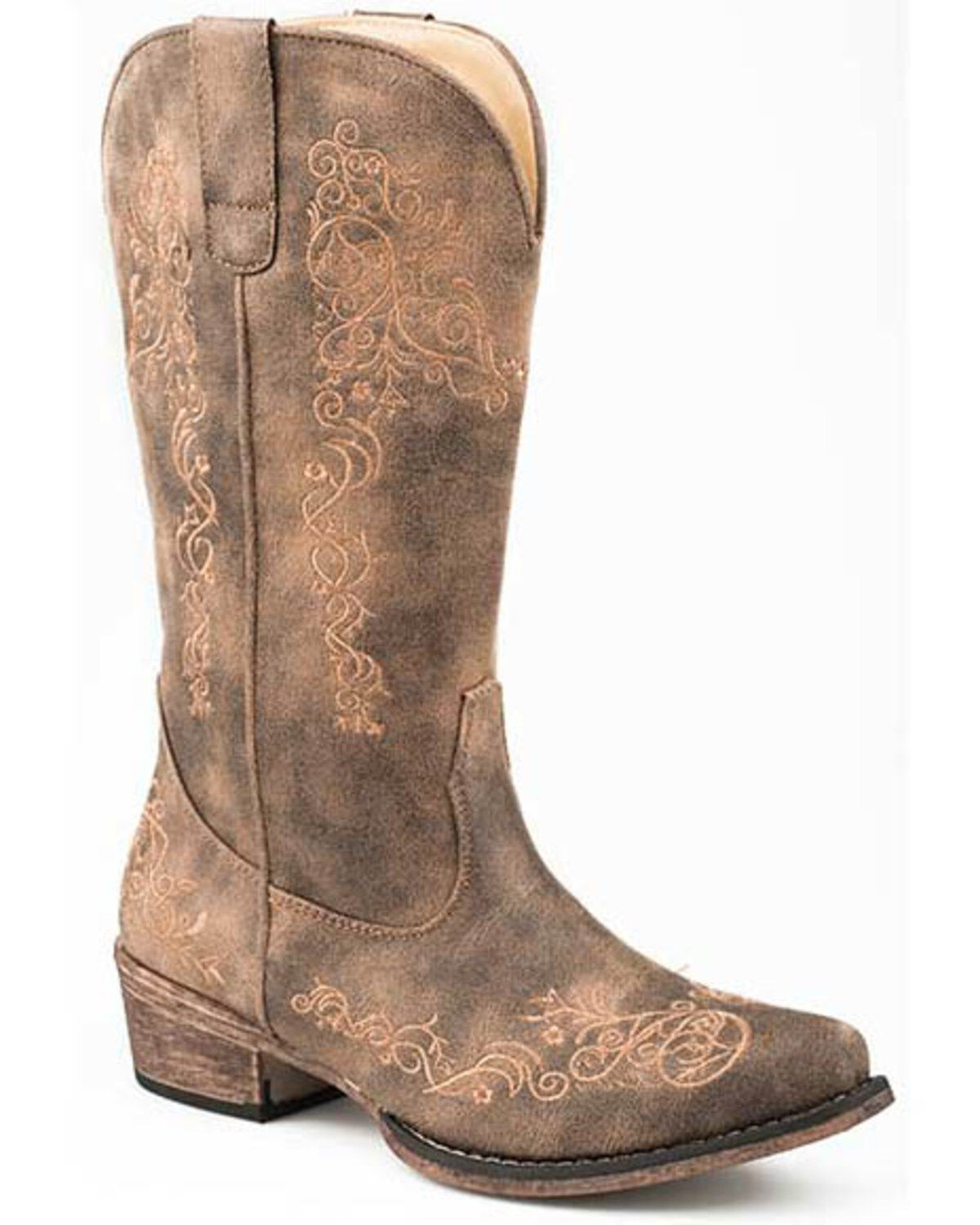
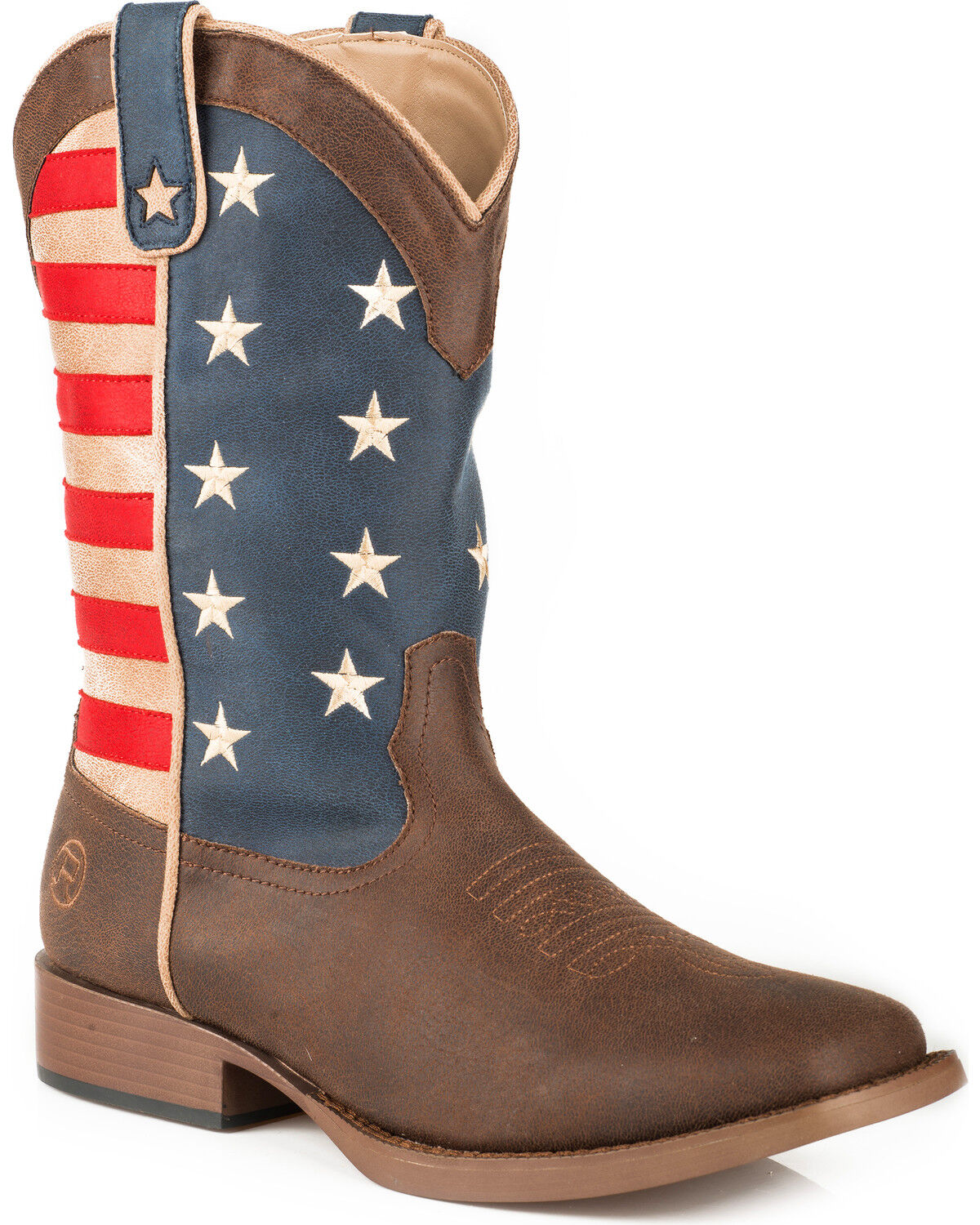
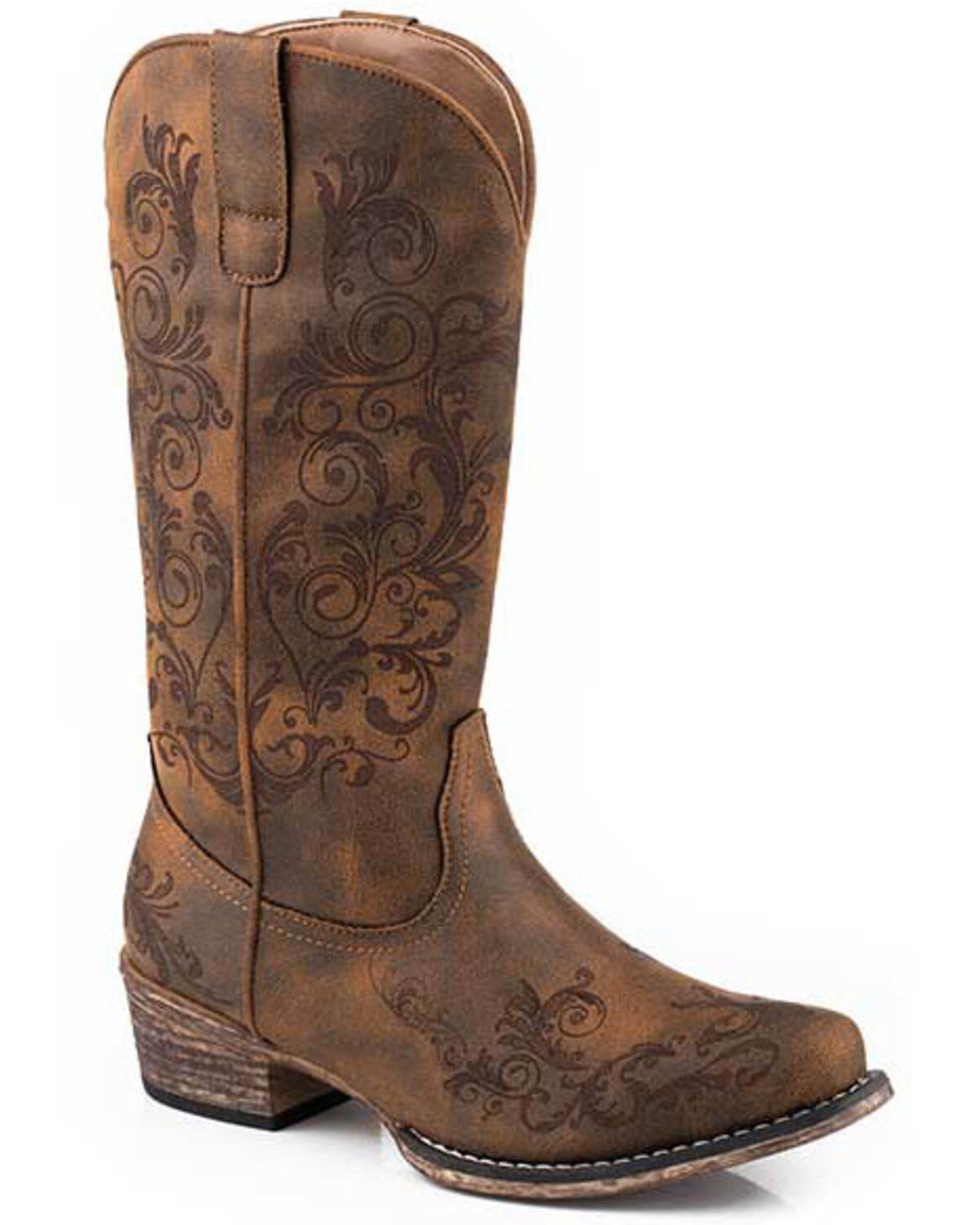
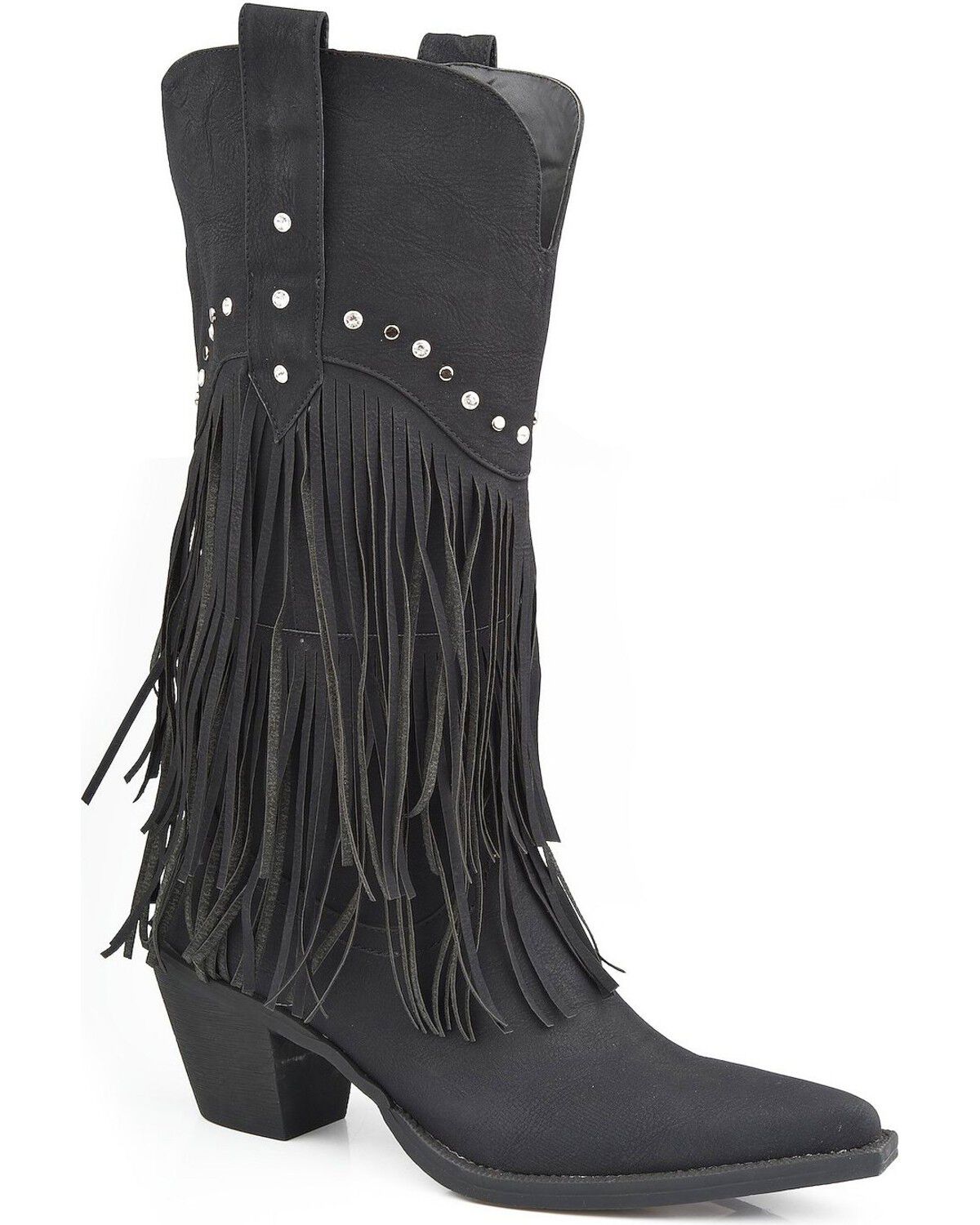
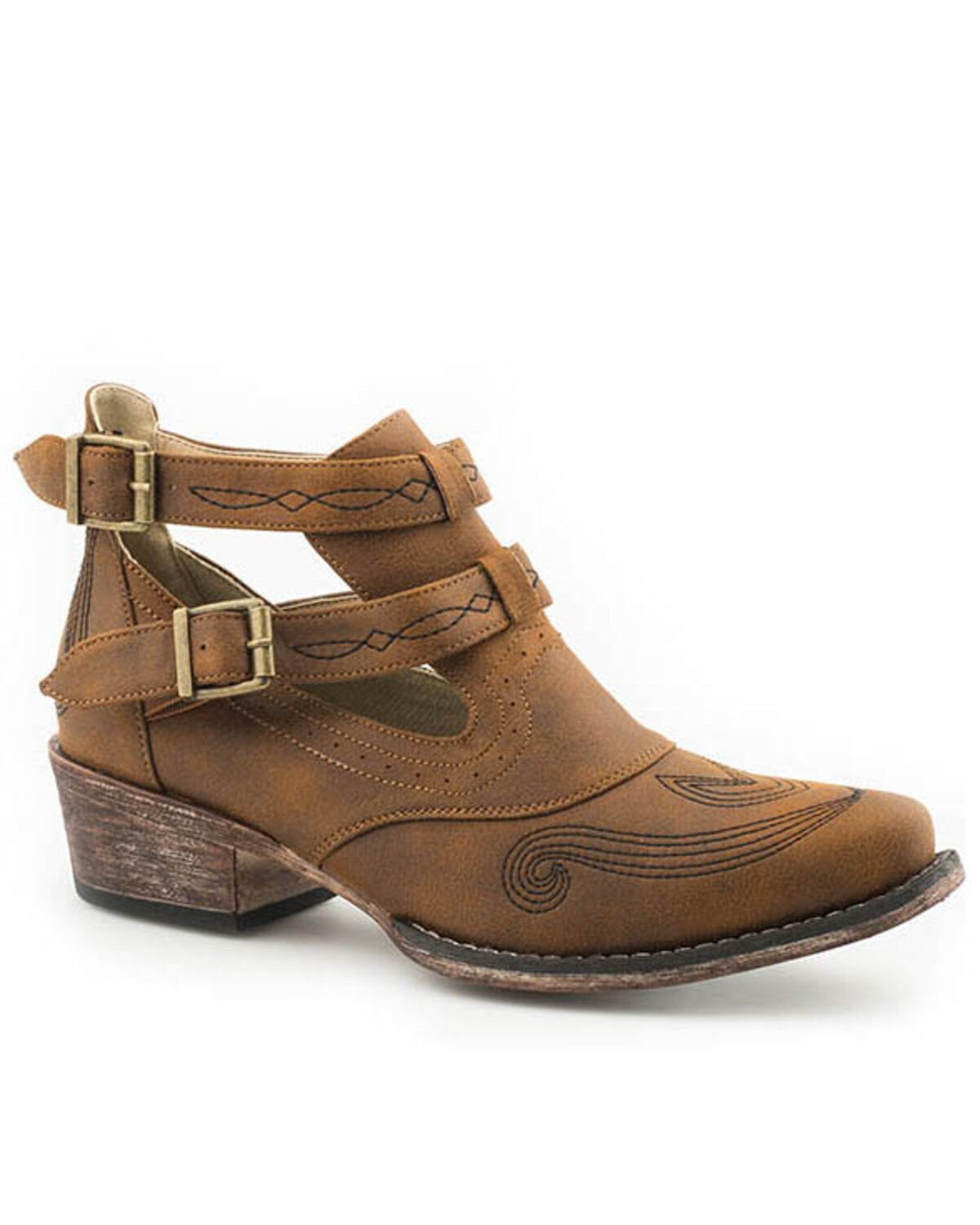
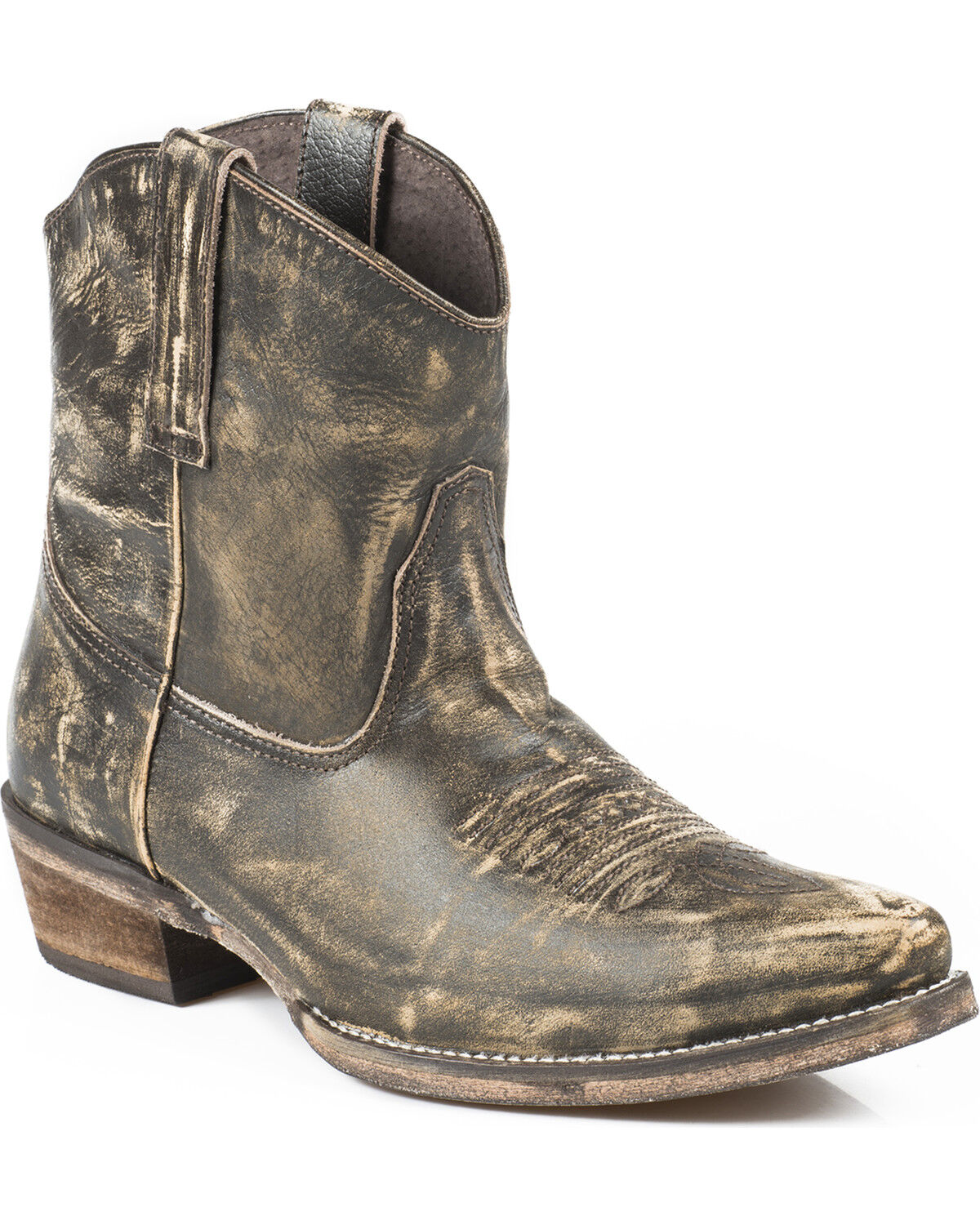
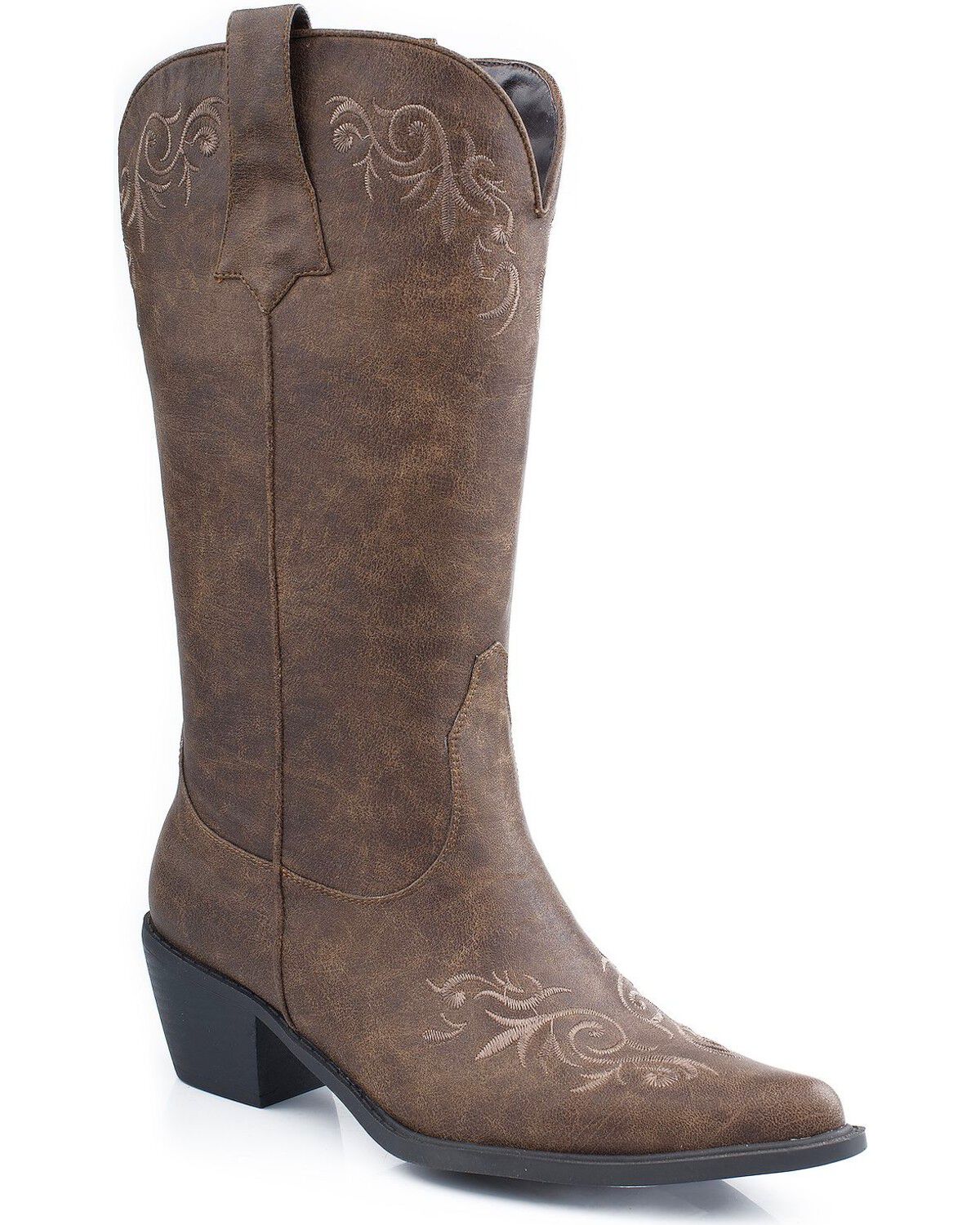
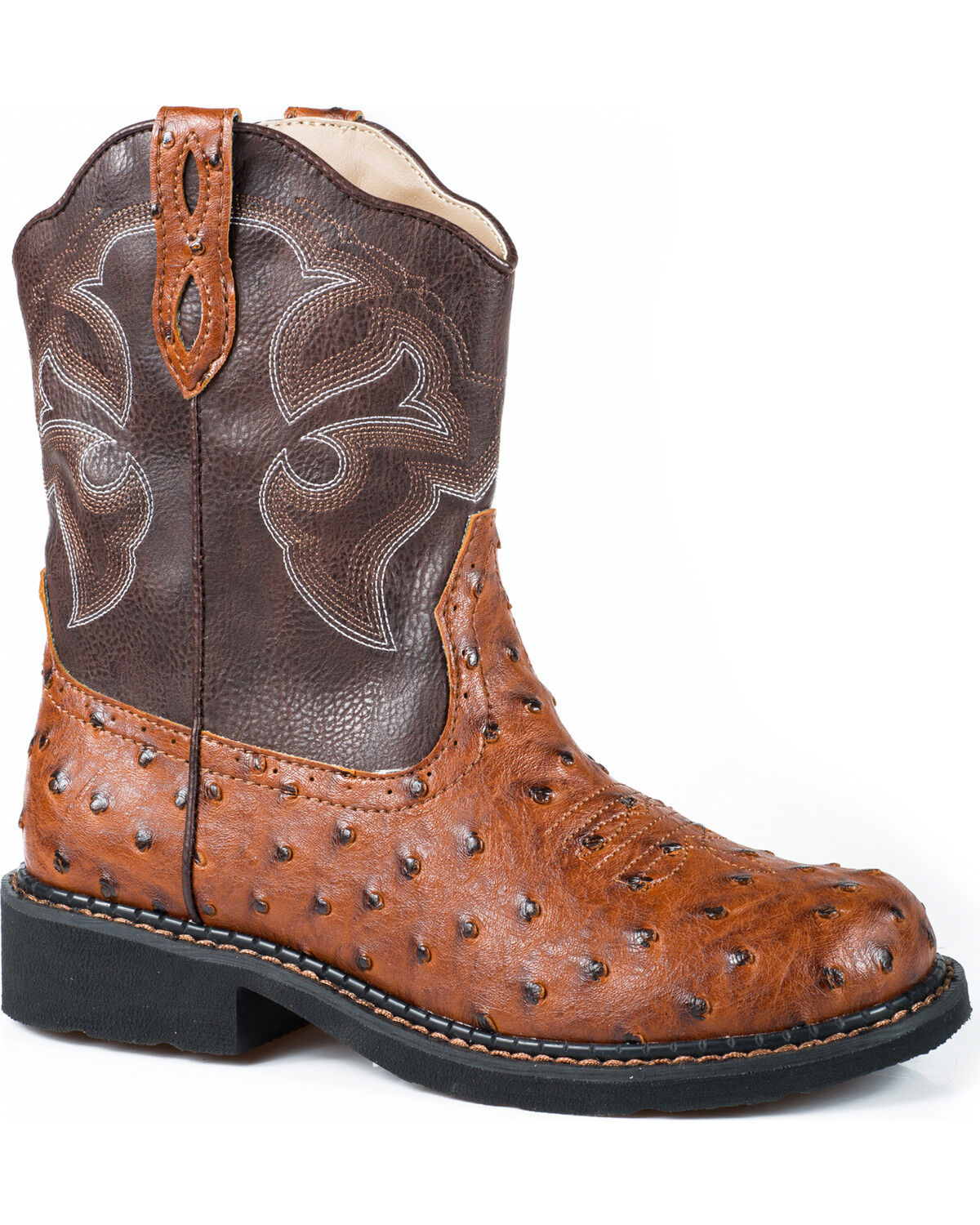
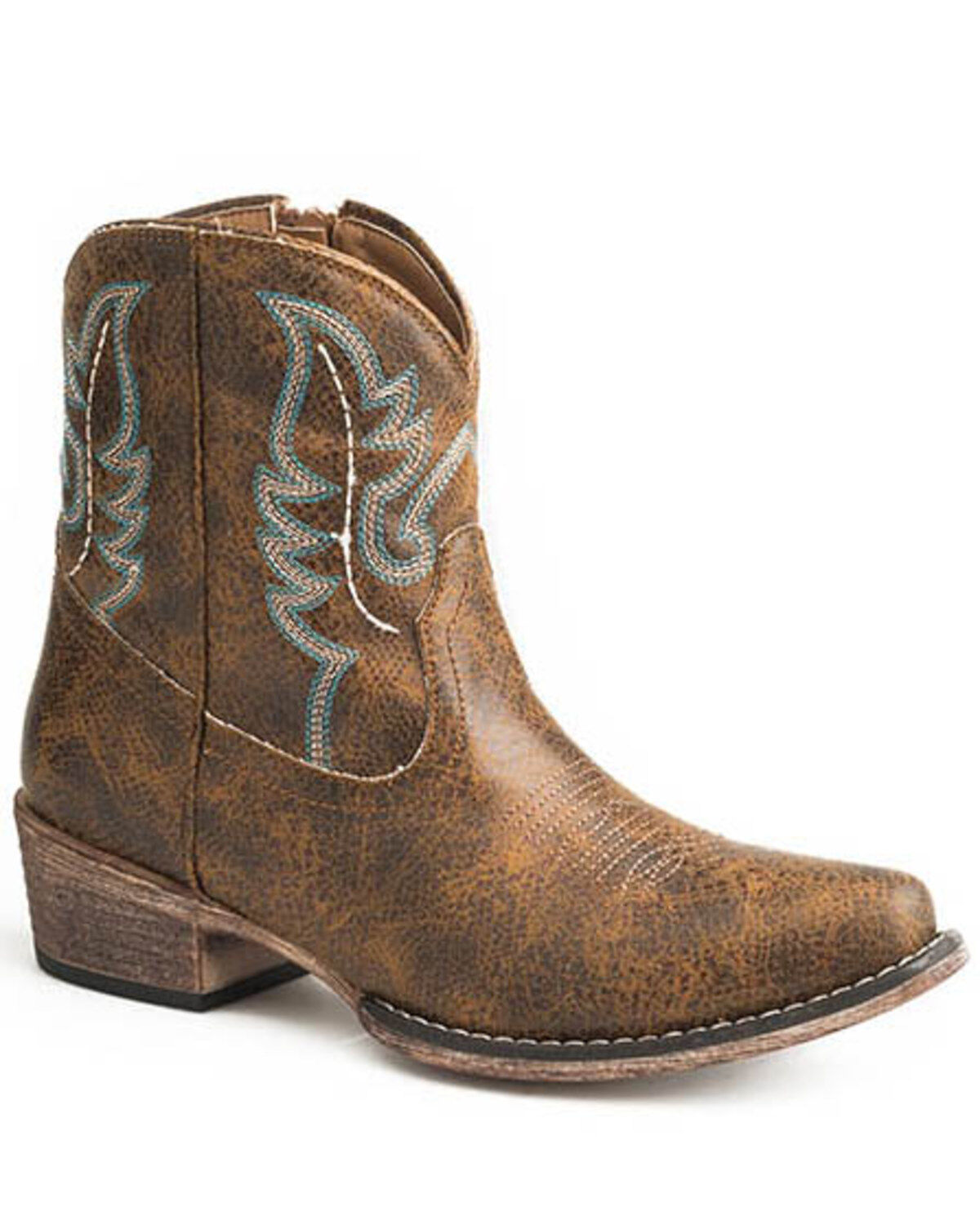
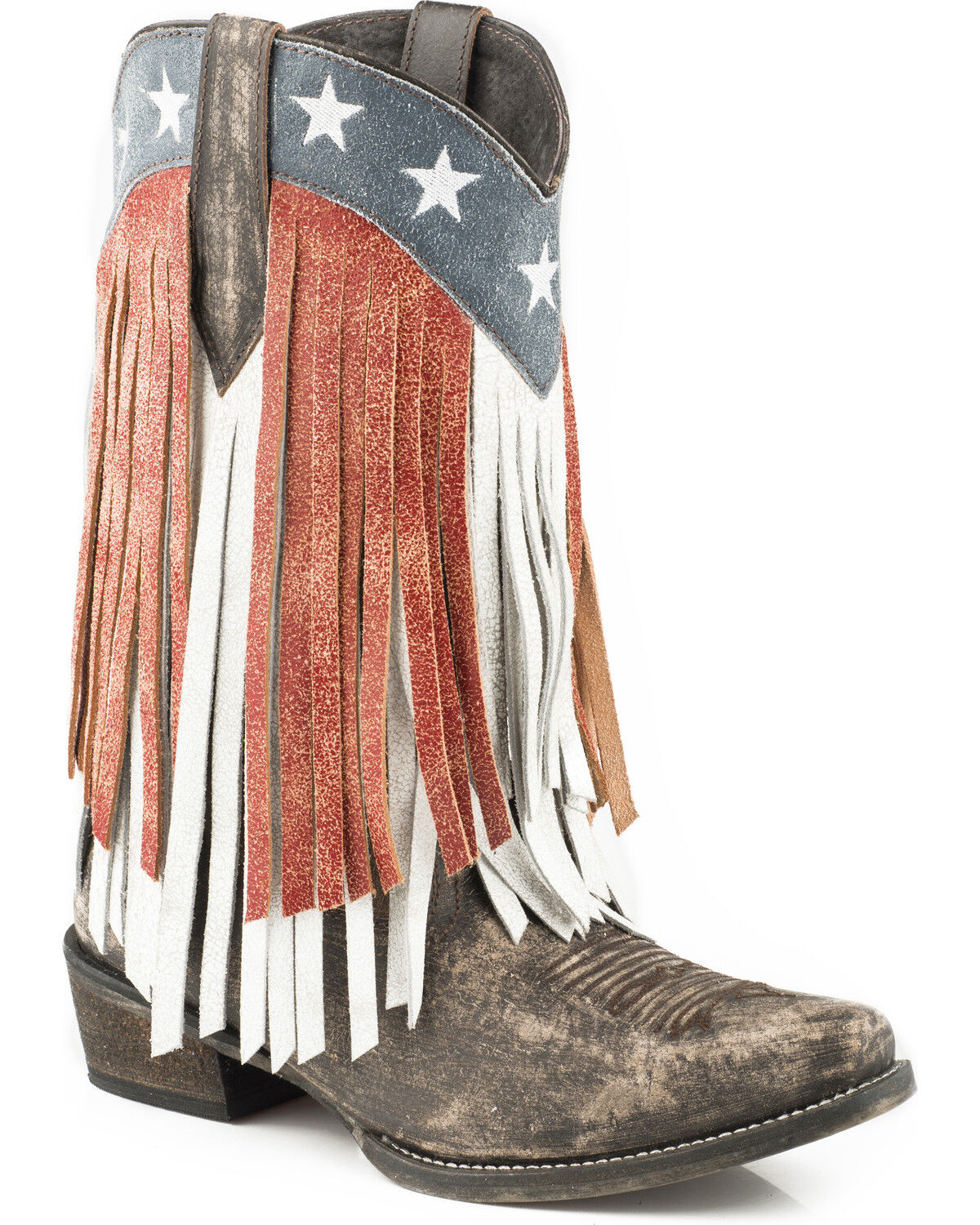
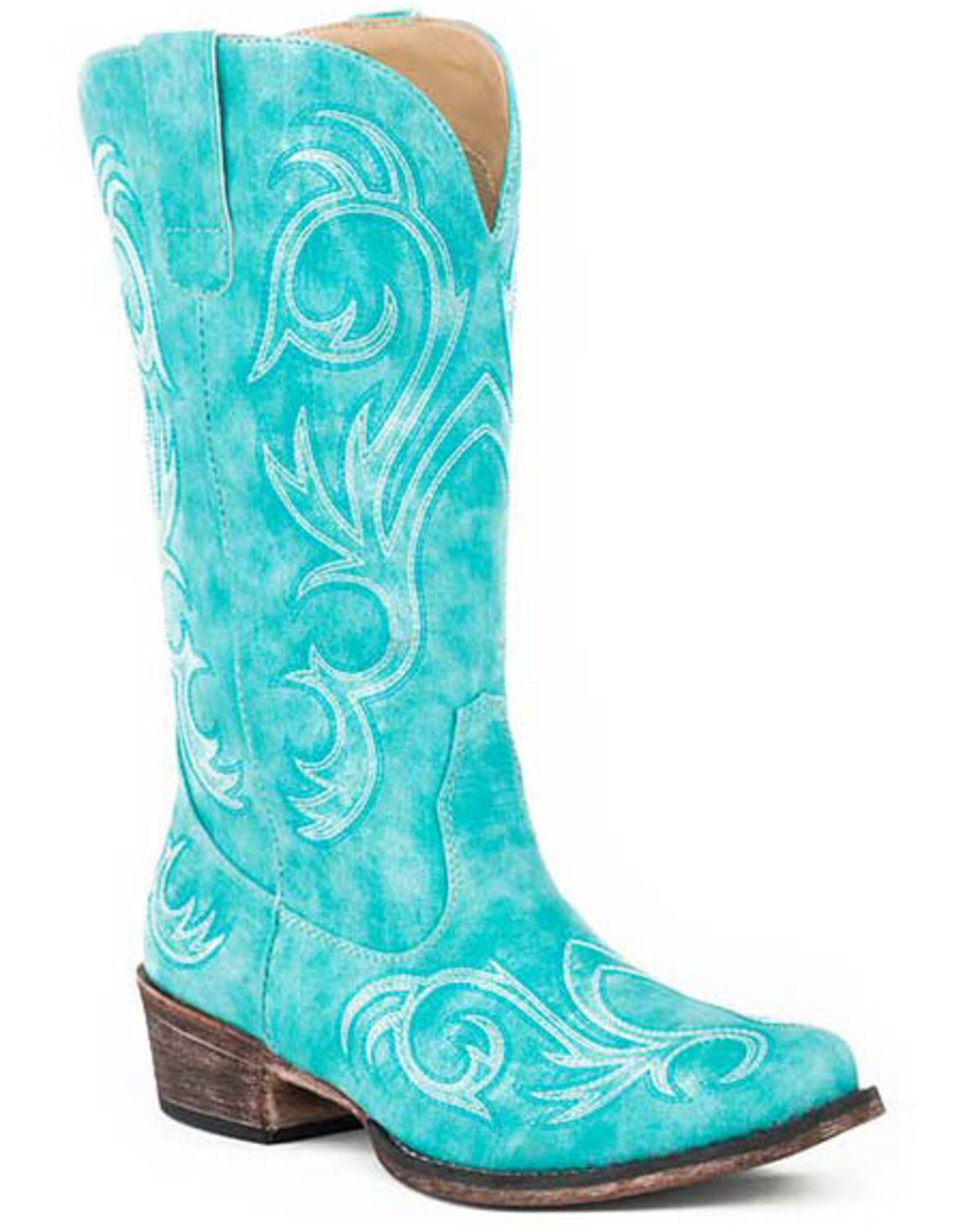
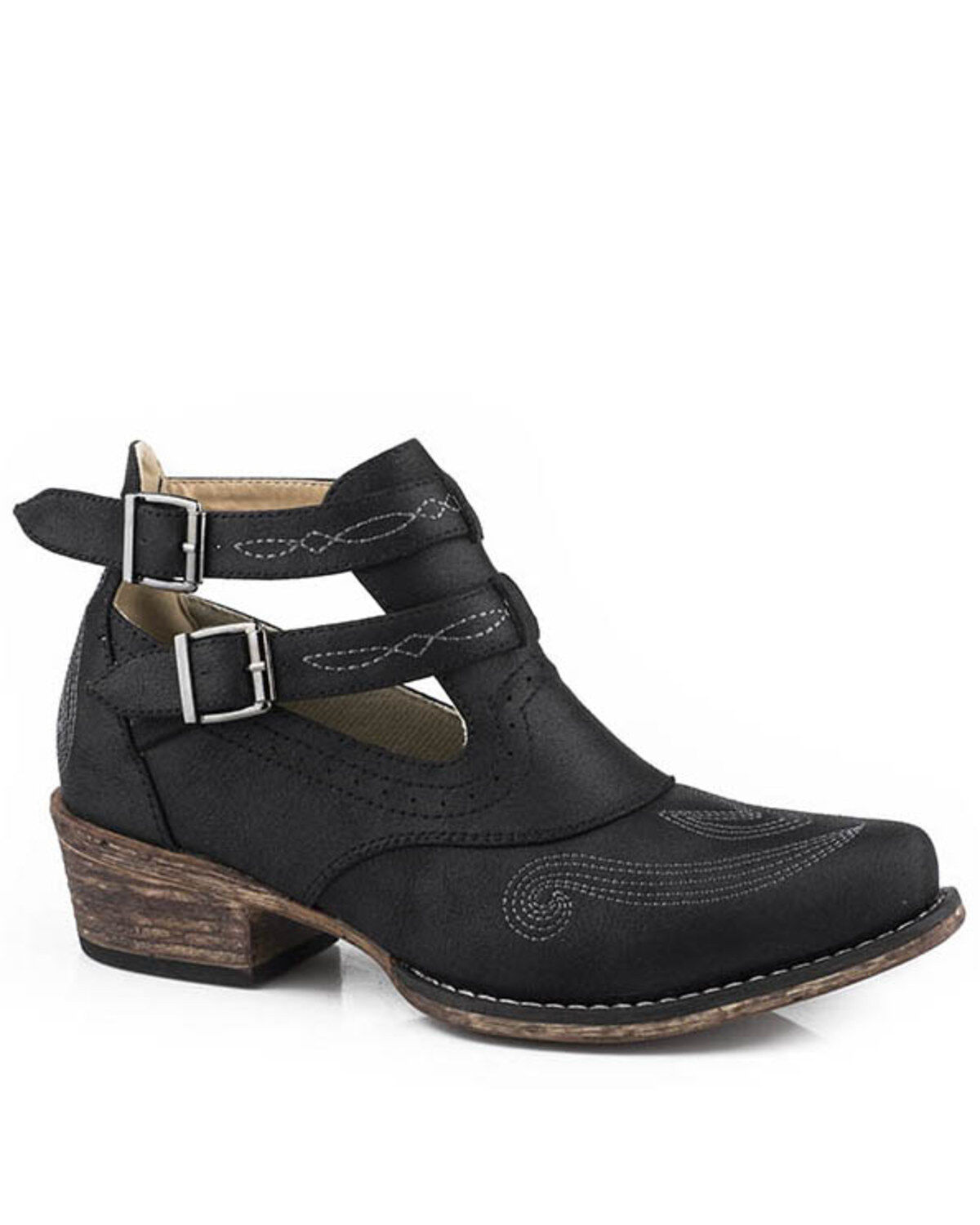
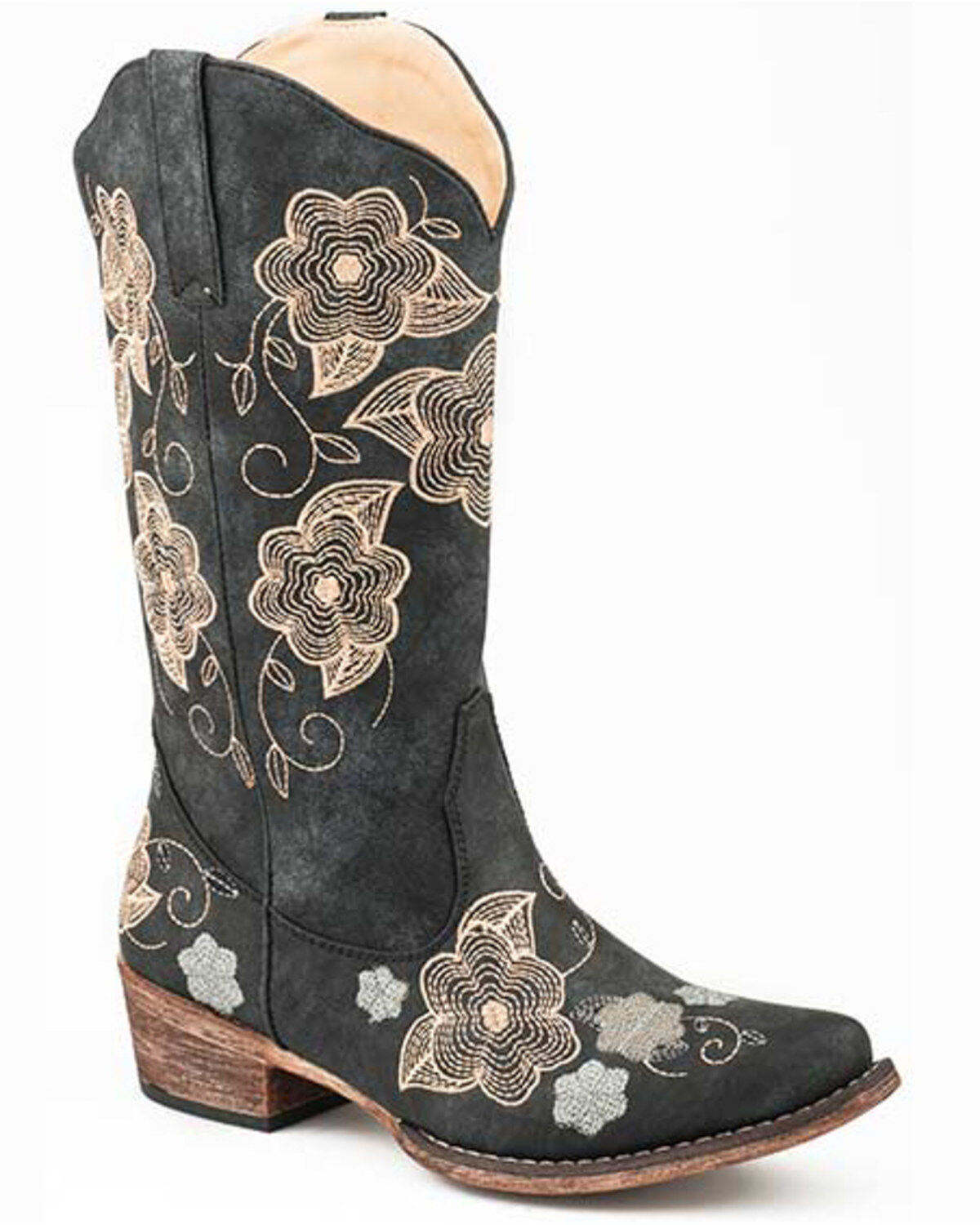
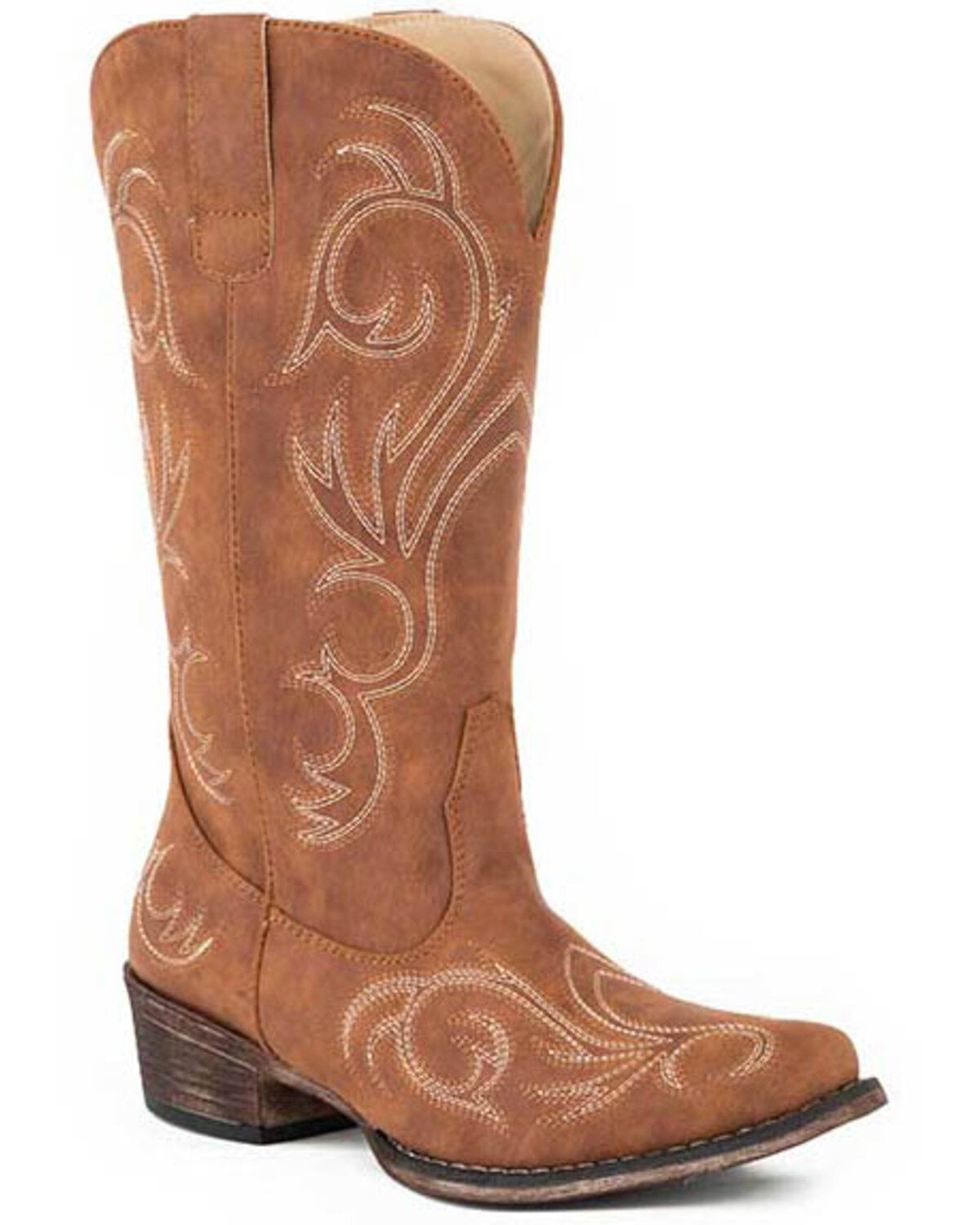
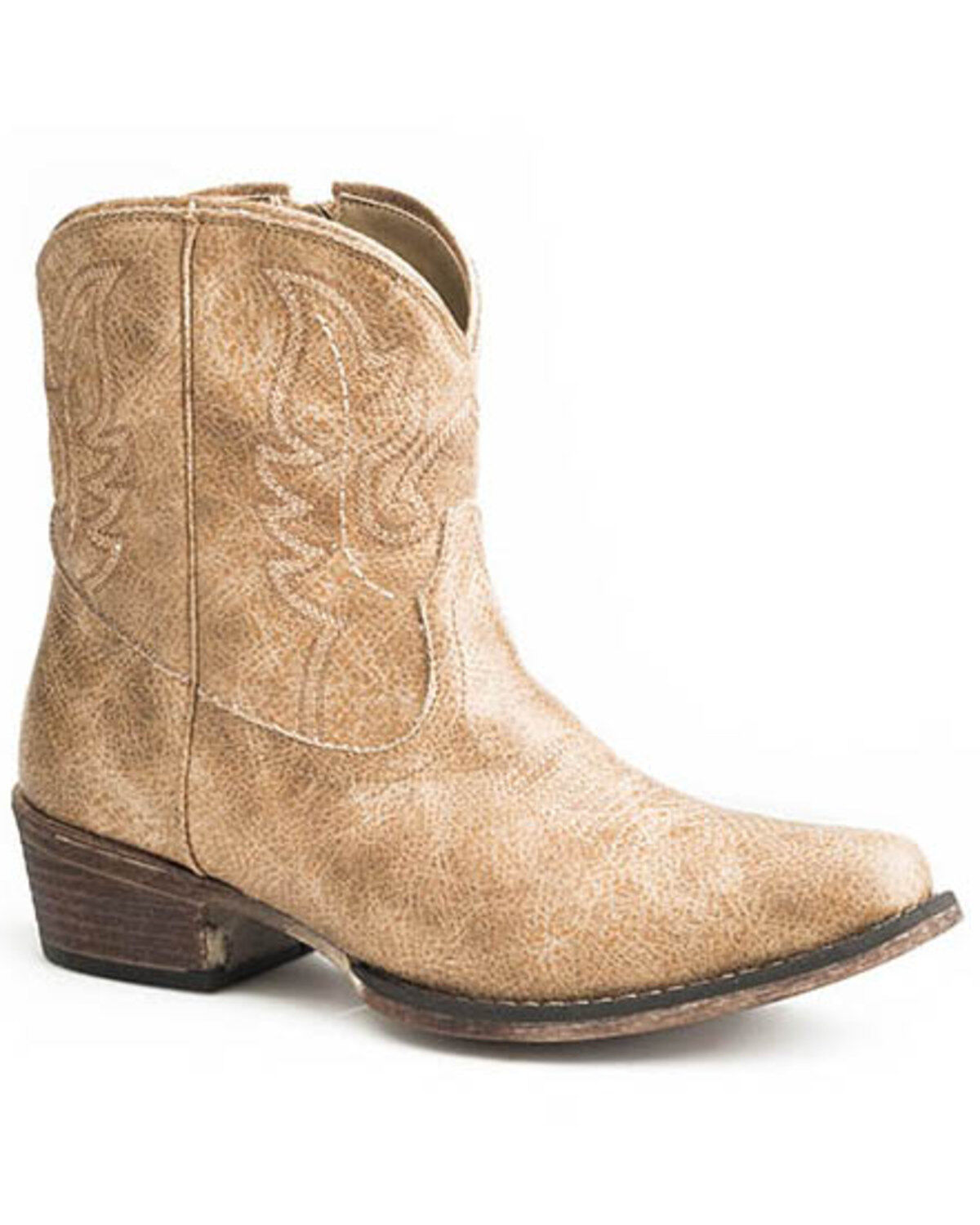
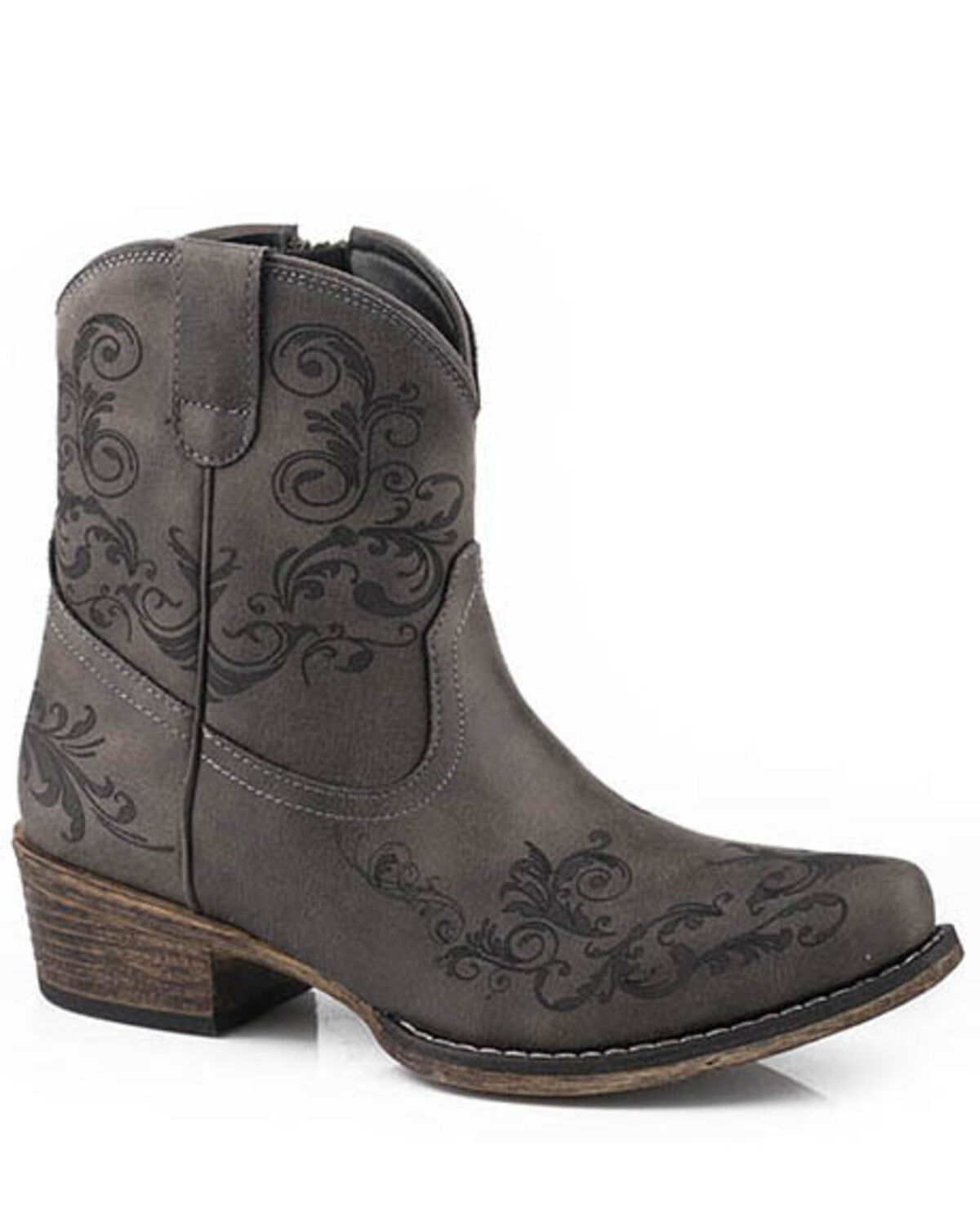
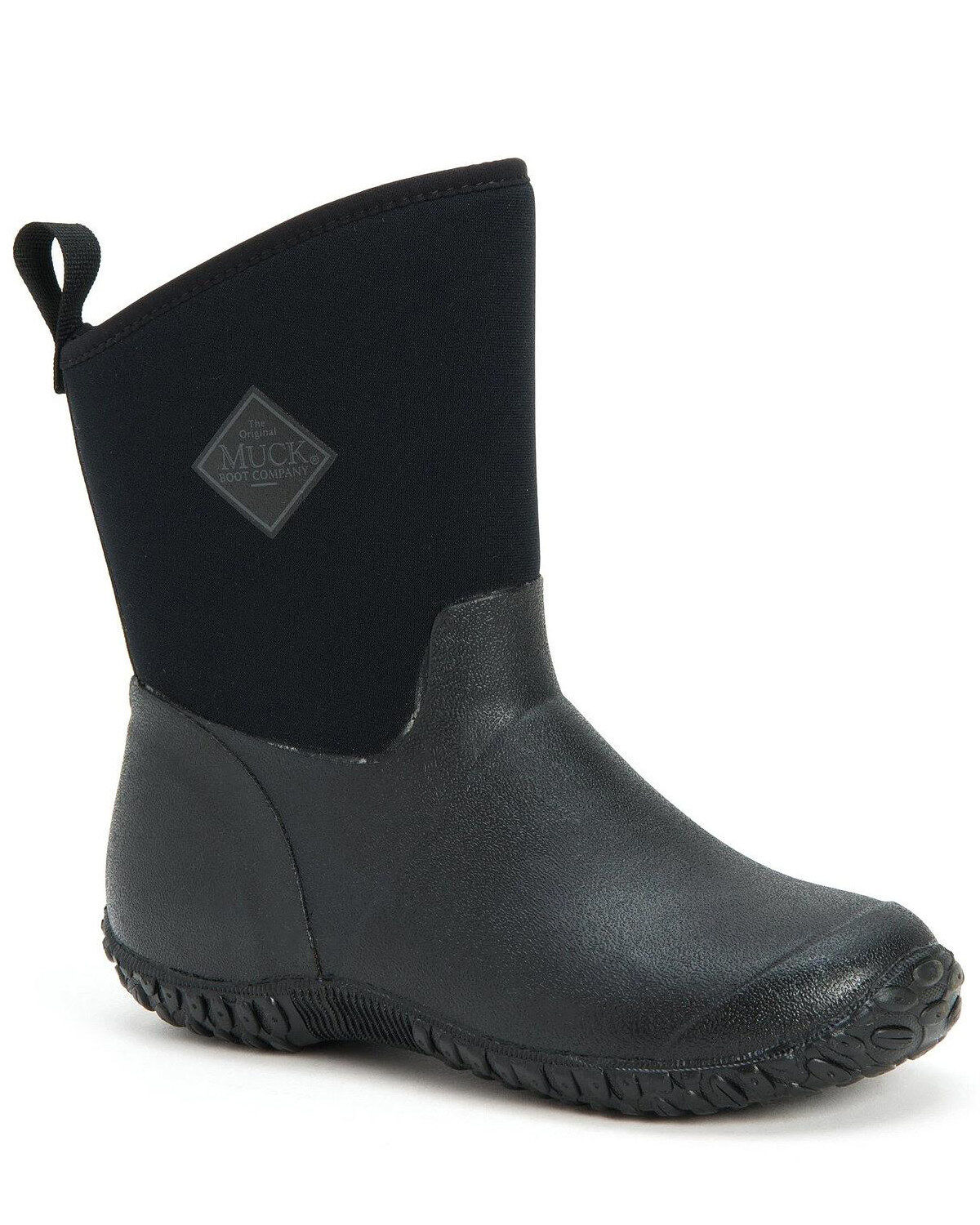
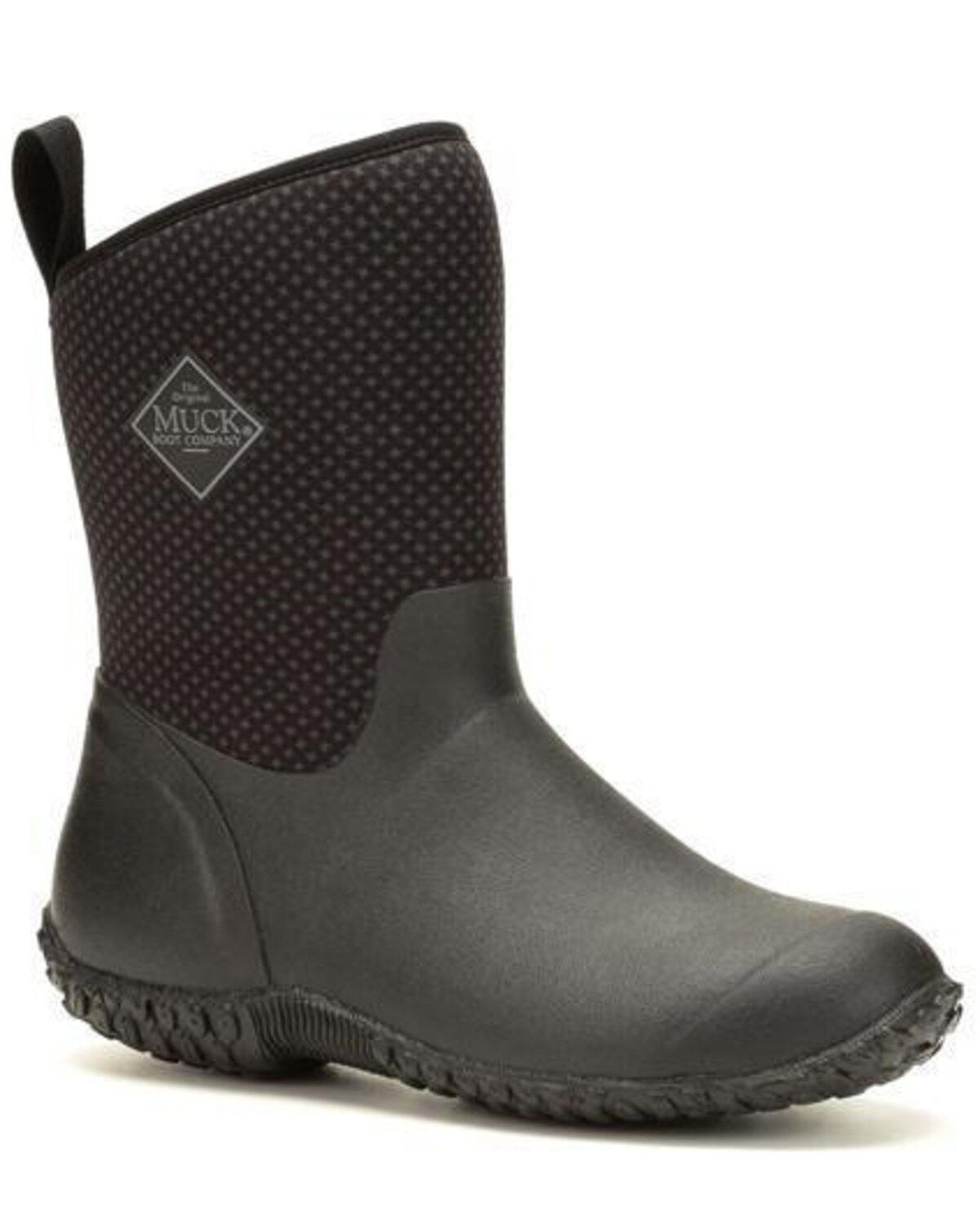
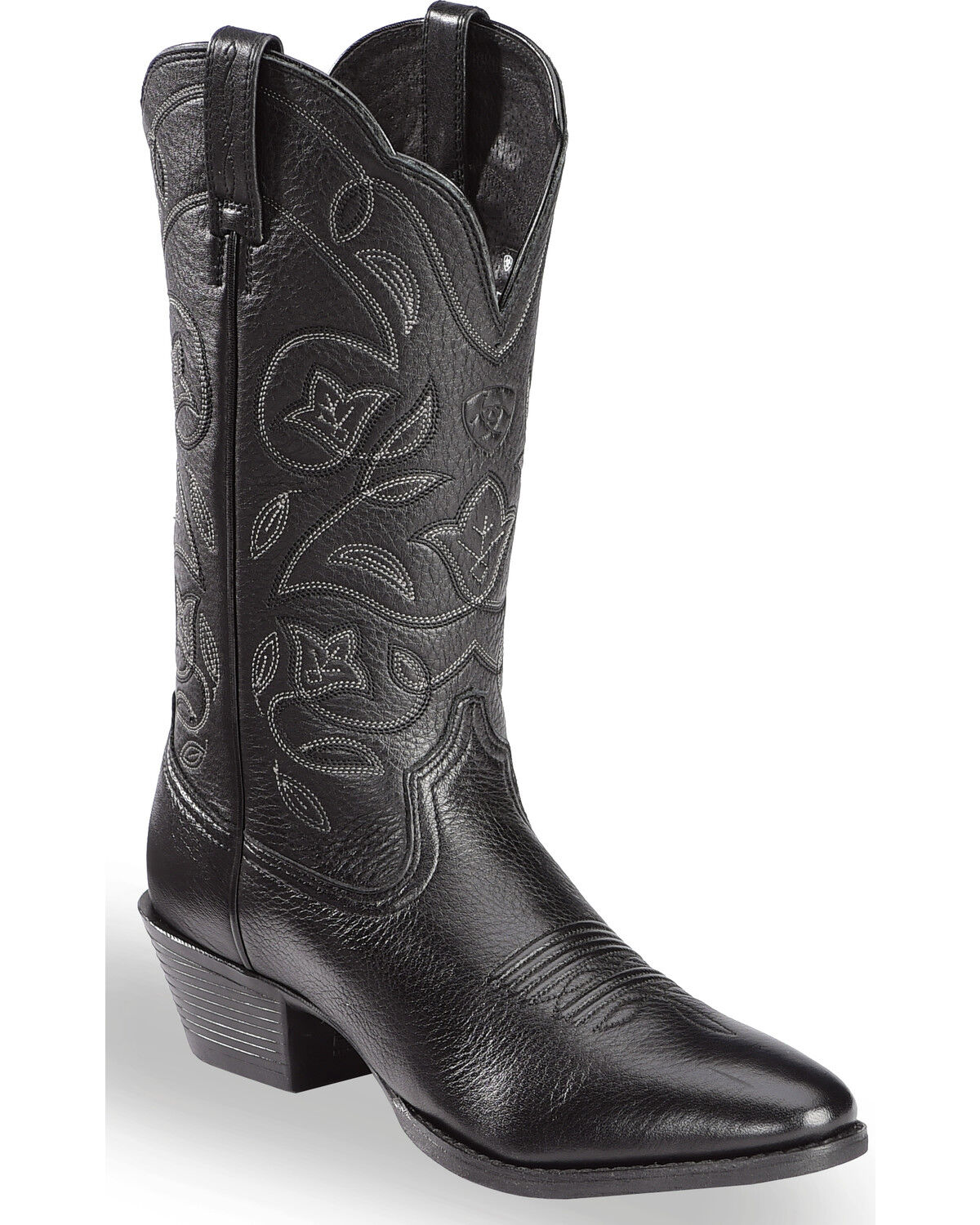
Women’s roper boots are a western boot style known for a low, broad heel, a shorter shaft, and a practical shape suited to everyday wear. Traditional ropers usually have rounded toes, while some designs use square toes for a different look and fit. The style grew out of calf roping, where riders needed boots that worked in the saddle and allowed easier movement on the ground after dismounting. That background still shows in the straightforward construction: less heel height than many traditional cowboy boots, a shaft that generally sits below the calf, and a profile that works with jeans without adding much bulk. For women who prefer western footwear with a lower heel, roper boots offer a familiar alternative to taller, more sharply angled cowboy boot styles. They can suit days spent between a barn, a truck, and errands, provided the construction matches the demands of the activity. They also work well as everyday footwear for women who like western style but do not need a tall shaft or decorative finish. A plain leather pair can sit neatly beneath straight-leg or bootcut jeans, while visible shaft stitching adds detail when worn with a skirt or dress. The shaft opening matters here: a wider opening creates a different outline beneath clothing than a closer-fitting one. Toe shape changes the appearance, too, but the shape alone does not determine how much room the foot has inside. Interior width and the shape of the boot last matter just as much. Women’s roper boots range from simple, smooth-leather designs to styles with contrasting stitching, textured finishes, and more pronounced western details. The defining feature is the roper-style construction, not a particular color or decoration. For shoppers comparing that lower-profile shape with other leather western styles, Womens Rugged Leather Cowboy Boots offers a related category to consider. The choice comes down to the intended use, preferred heel height, shaft coverage, and the way the boot fits the foot.

Materials and construction make a substantial difference in how women’s roper boots feel and hold up. Full-grain leather retains the natural grain surface and can develop creases and character with wear. It generally offers good durability when properly cared for, though thickness, tanning, and overall construction also affect performance. Suede has a softer, textured appearance and needs care suited to its finish. Synthetic uppers can offer a different feel and maintenance routine, so the material description is worth checking rather than judging by appearance alone. Leather lining, fabric lining, and an unlined shaft each feel different against the foot and leg. A cushioned footbed may soften the feel underfoot, while a supportive shank helps stabilize the boot through the arch. Those features serve different purposes; softness does not automatically mean support. Outsole construction deserves equal attention. Leather soles offer a traditional feel and can be resoled on suitable constructions, but traction varies by surface. Rubber outsoles may provide more grip or cushioning, depending on the tread and compound. A pronounced tread that works well on uneven ground is not automatically the right choice for riding. Boots intended for use in stirrups need an appropriate heel, sole profile, and fit, with tread that does not catch unnecessarily. The roper name alone does not establish that a boot is suitable for every riding discipline. Likewise, a western appearance does not make a pair protective work footwear. Tasks involving falling objects, electrical hazards, or other workplace risks call for boots with the required safety features and ratings. For everyday use, reinforced stitching, sound sole attachment, and well-finished seams contribute to durability. Welted construction can make resoling possible, while other attachment methods may favor flexibility or lighter weight. A woman walking across a gravel lot, standing at a counter, or spending time around a barn may value different features, even if each prefers the same low-heeled silhouette. The strongest choice matches the demands underfoot rather than relying on appearance alone.

Fit is especially important with pull-on women’s roper boots because the instep helps hold the foot in place without laces. The boot should feel secure across that area without squeezing, while the toes need enough room to rest naturally. A small amount of heel movement can be normal in a new pull-on leather boot, but substantial slipping, painful pressure, or toes touching the front point to a poor fit. Leather may ease and shape to the foot with wear, yet break-in should not be expected to correct the wrong length or width. Socks affect the fit, particularly when switching between a thin everyday pair and a thicker work sock. Footbeds and orthotics also take up space, so a removable footbed can matter for women who use their own inserts. A shorter roper shaft may suit women who find taller boots restrictive, though the opening still needs to clear the leg comfortably. Lace-up roper styles offer another way to adjust the hold through the instep and ankle. Once the fit is right, regular care helps preserve the leather and construction. Dirt left along seams and sole edges can wear against those areas, and a soft brush or cloth removes everyday buildup without rough treatment. Smooth leather benefits from a suitable cleaner and conditioner used according to the material’s needs; suede requires different tools and products. Too much conditioner can alter the finish, so more is not always better. Boots that get damp should dry naturally away from direct heat. Storing them with support in the shafts helps limit unwanted folding, while attention to worn heels and loose stitching can prevent small issues from worsening. Women’s roper boots can also make a useful gift for someone who already wears western footwear or prefers a lower heel. Knowing the recipient’s usual boot size, width, and preferred toe shape is more helpful than choosing by color alone. A familiar fit and construction suited to daily use give the gift lasting value beyond its first wear.

FAQs