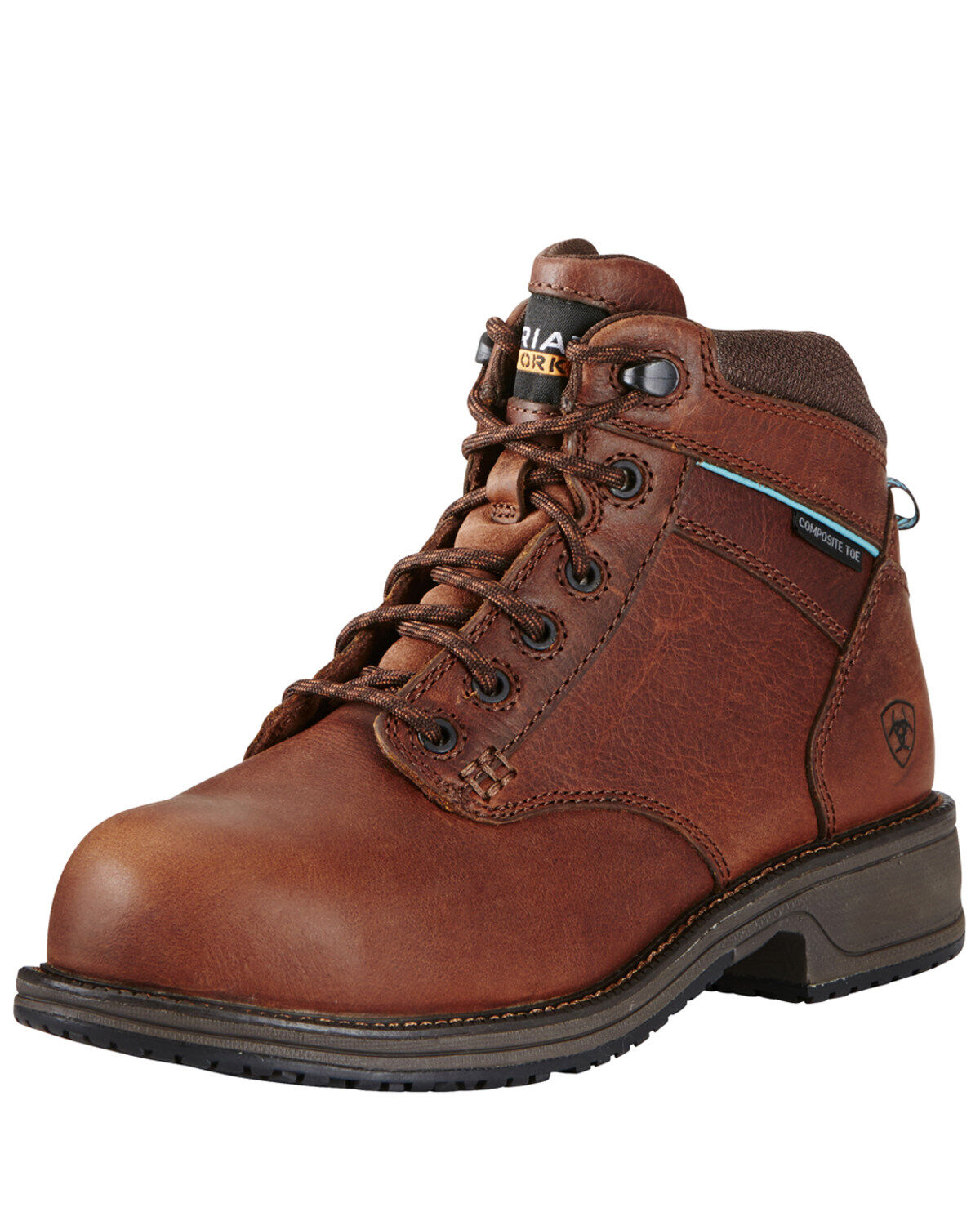
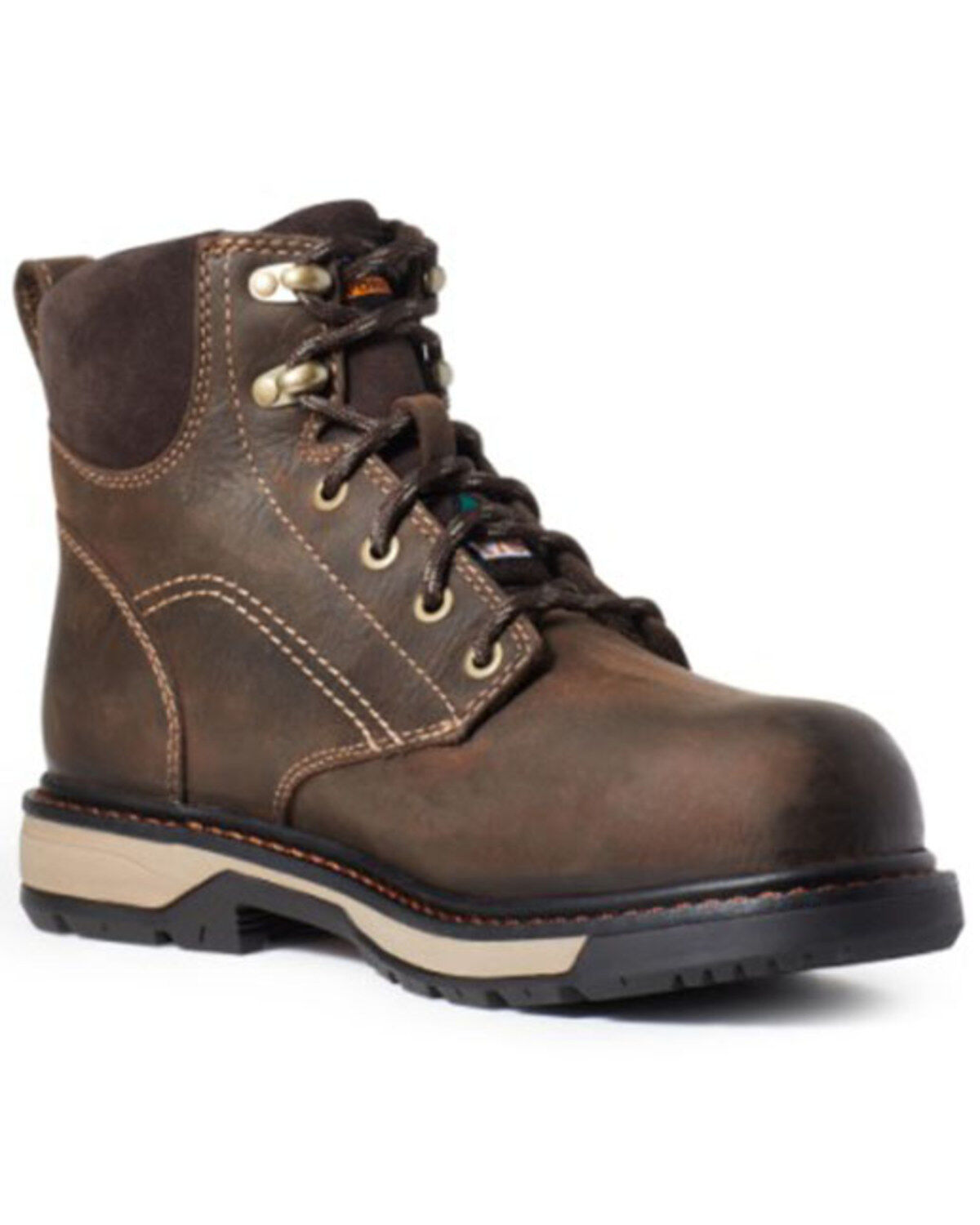
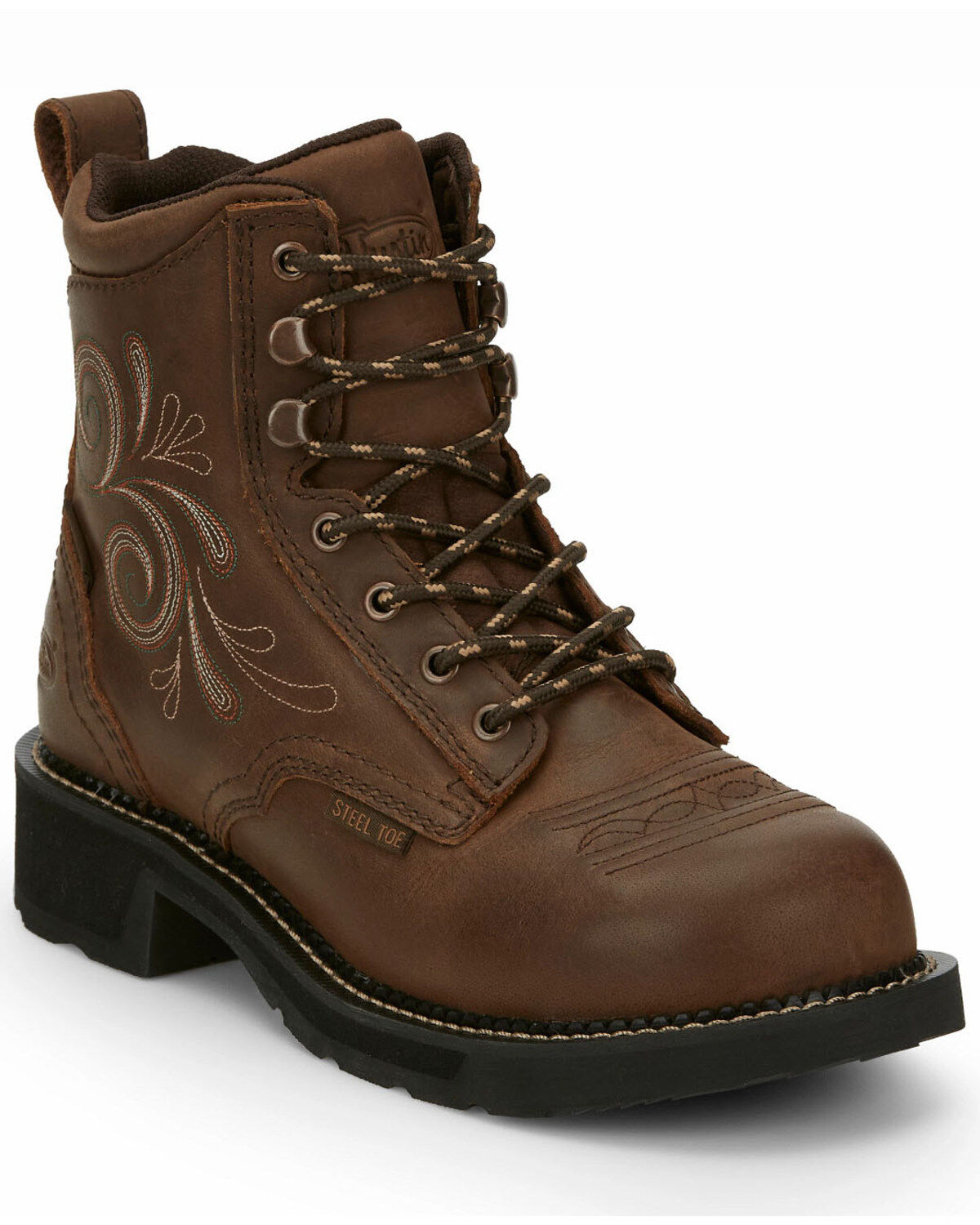
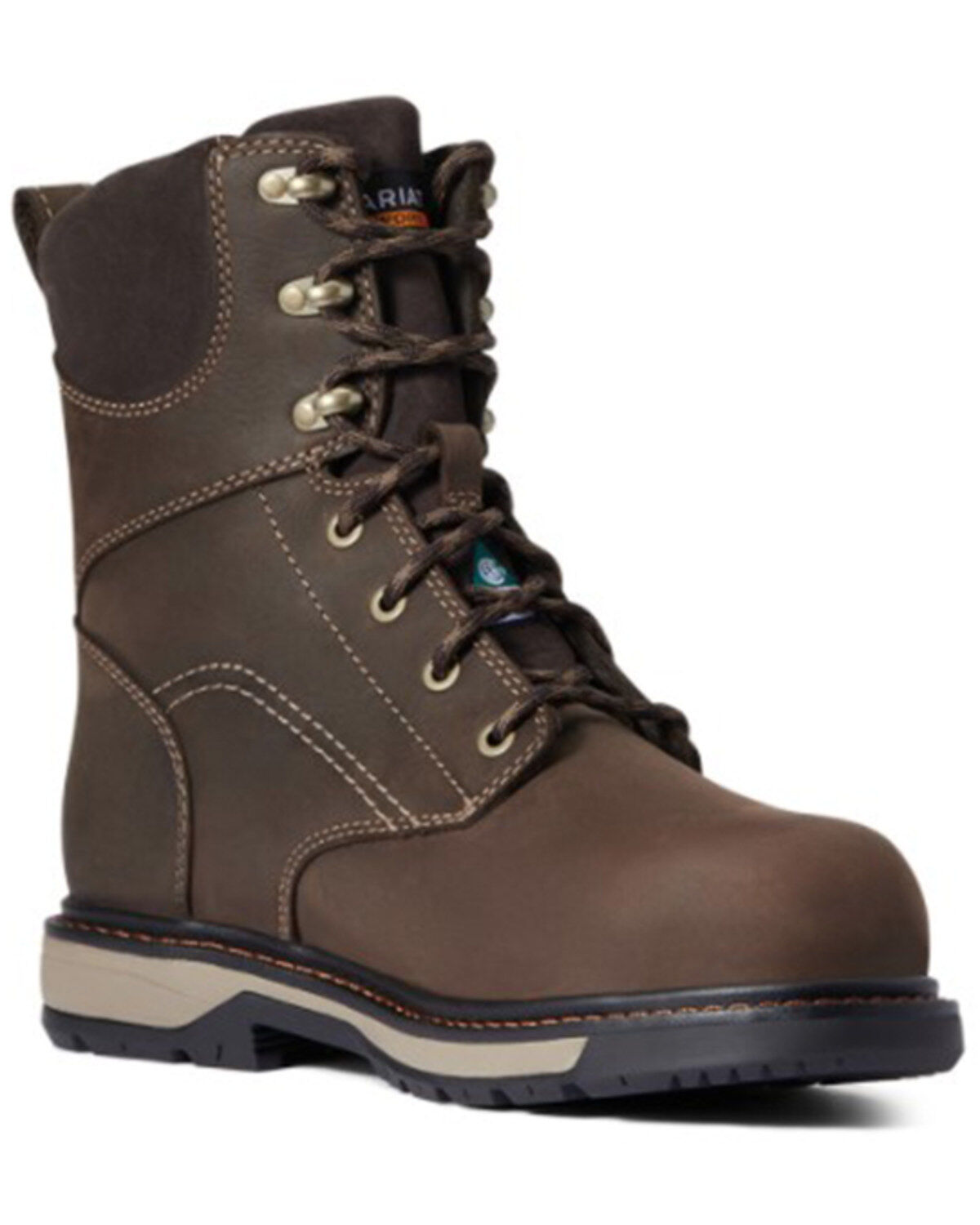
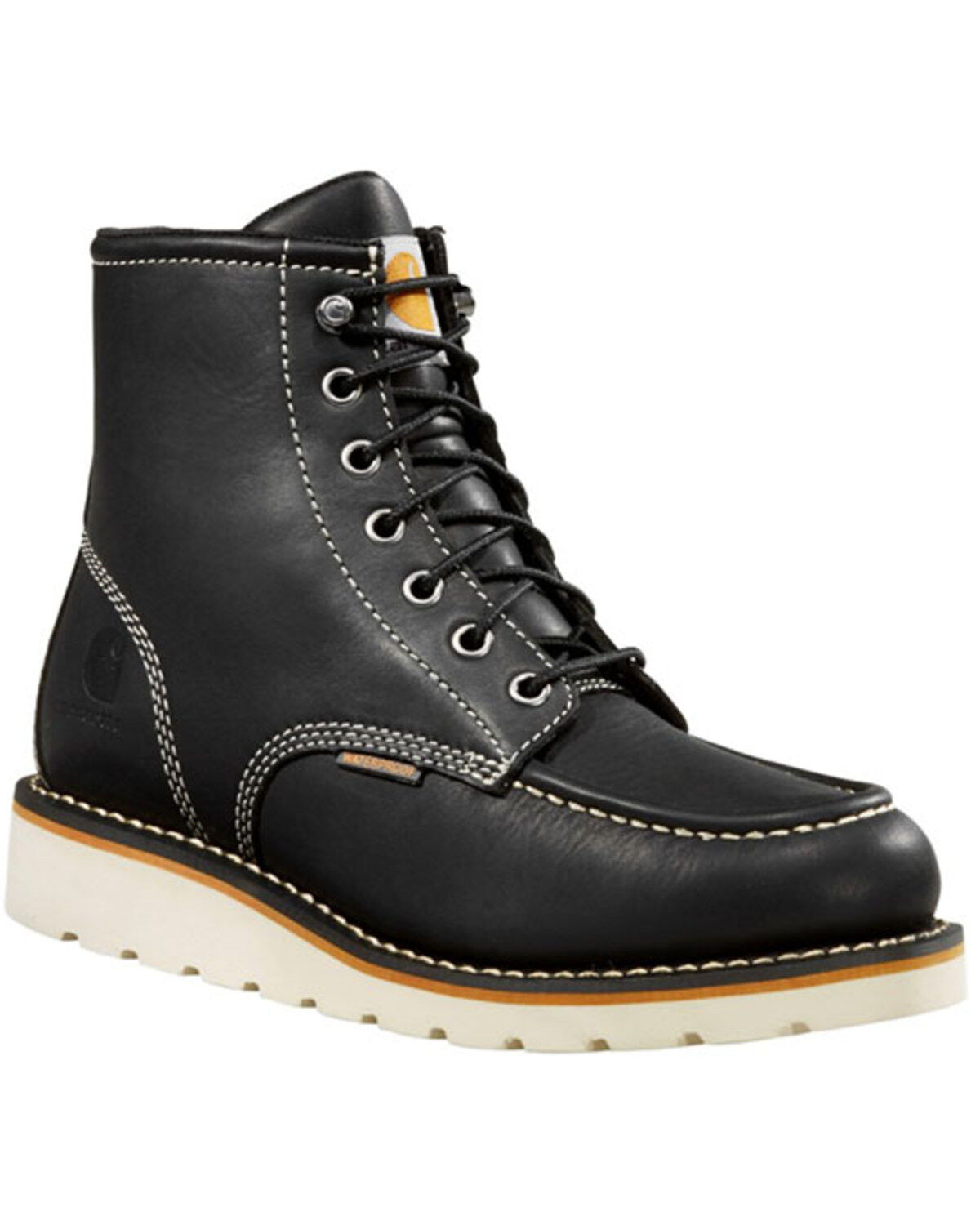
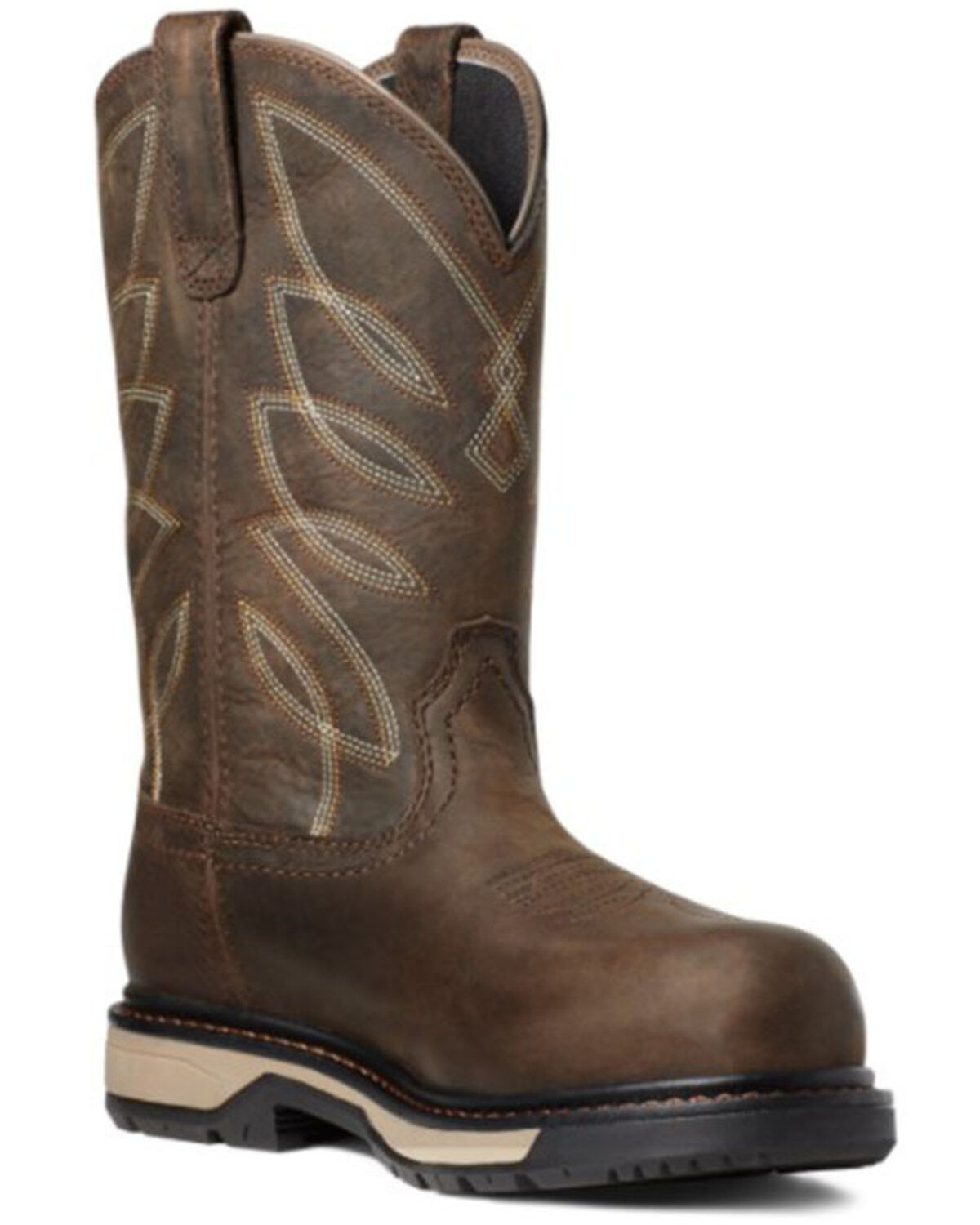
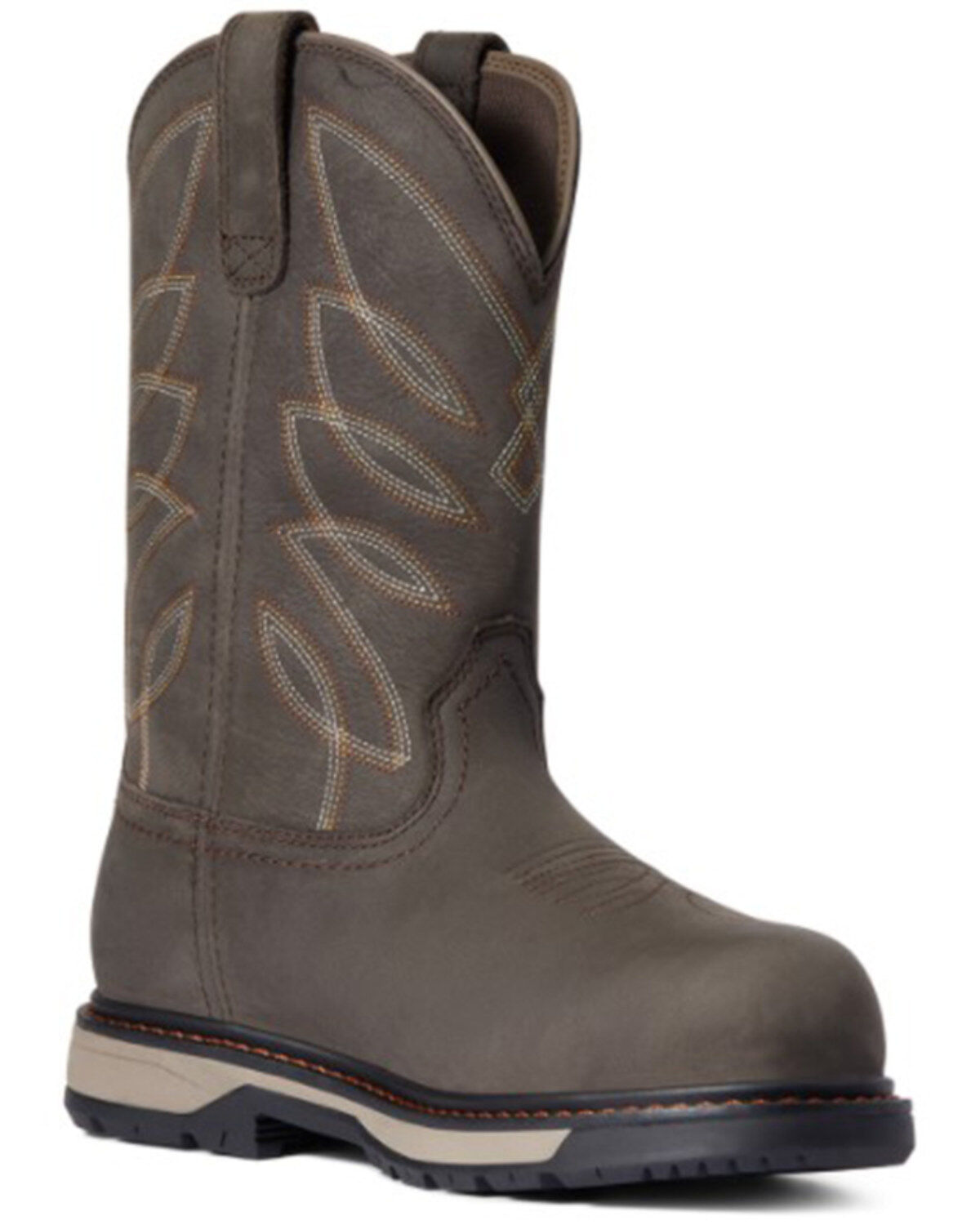
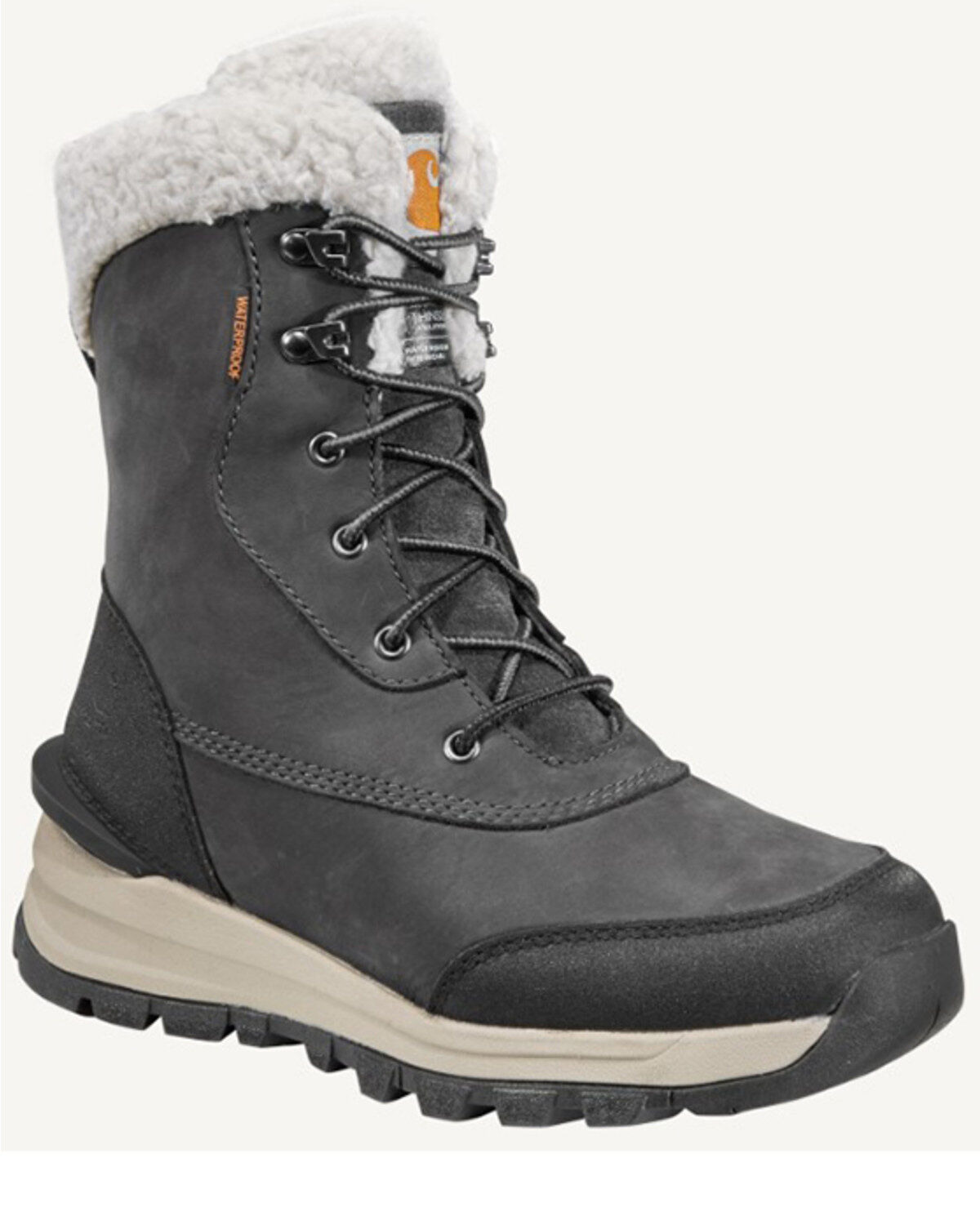
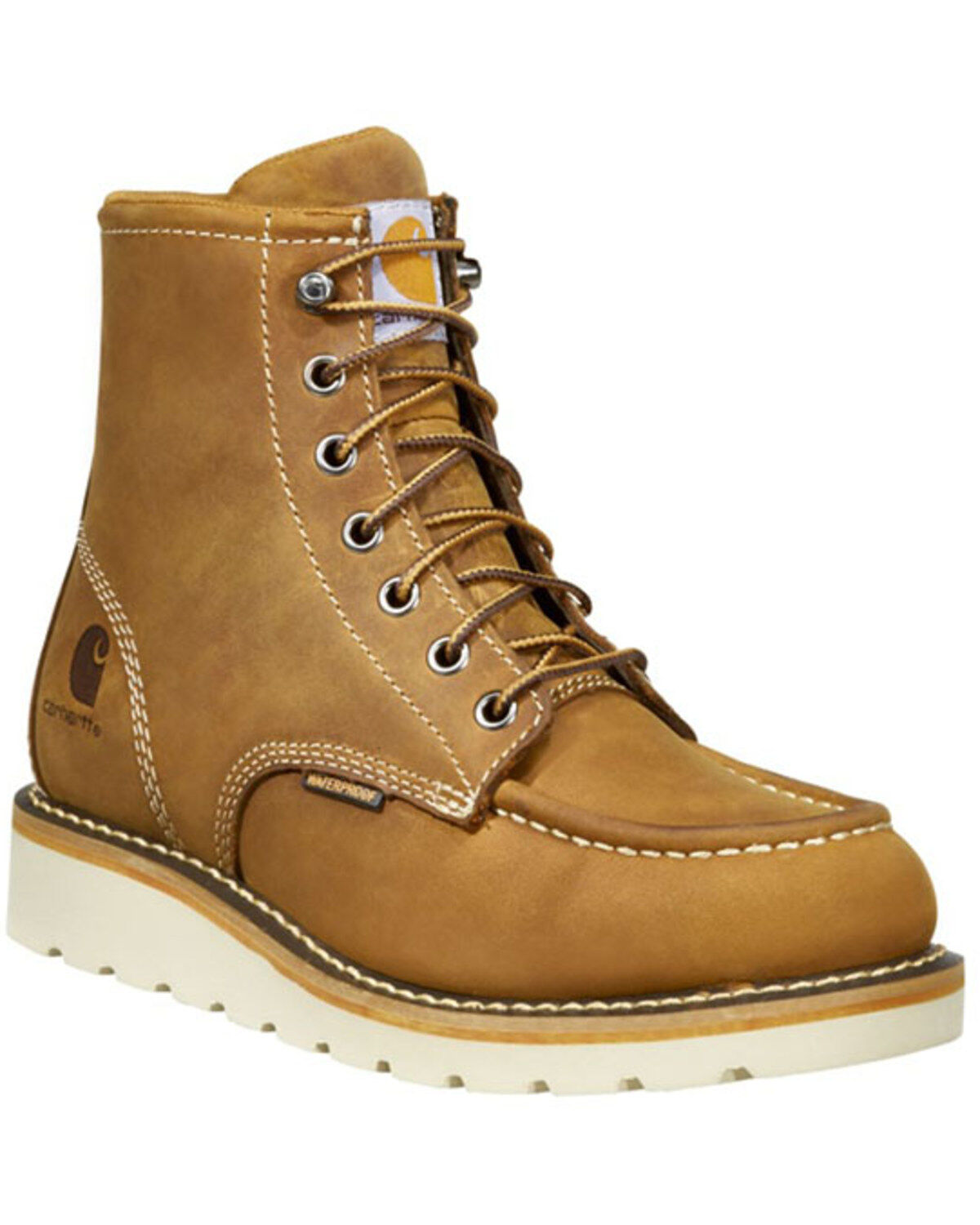
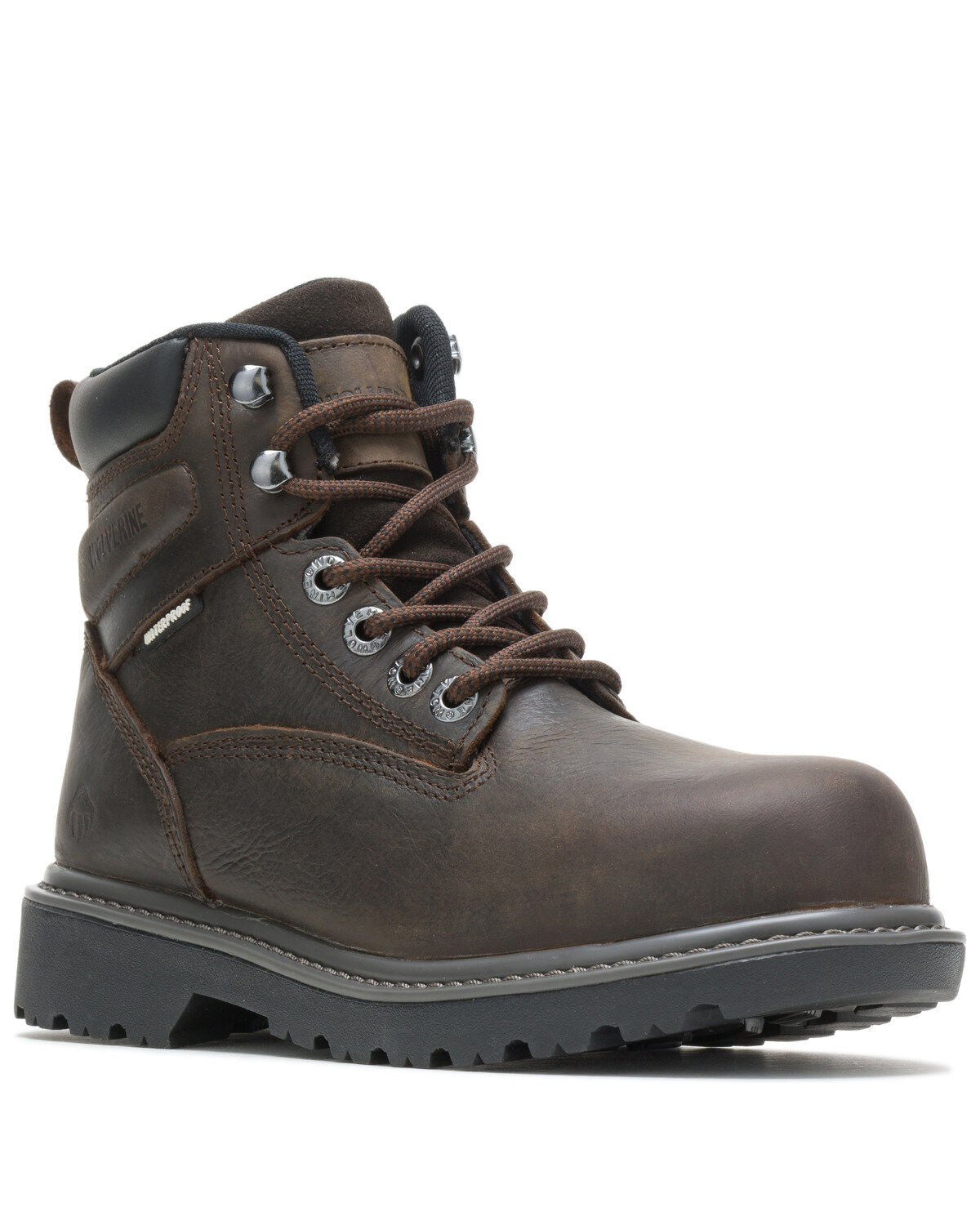
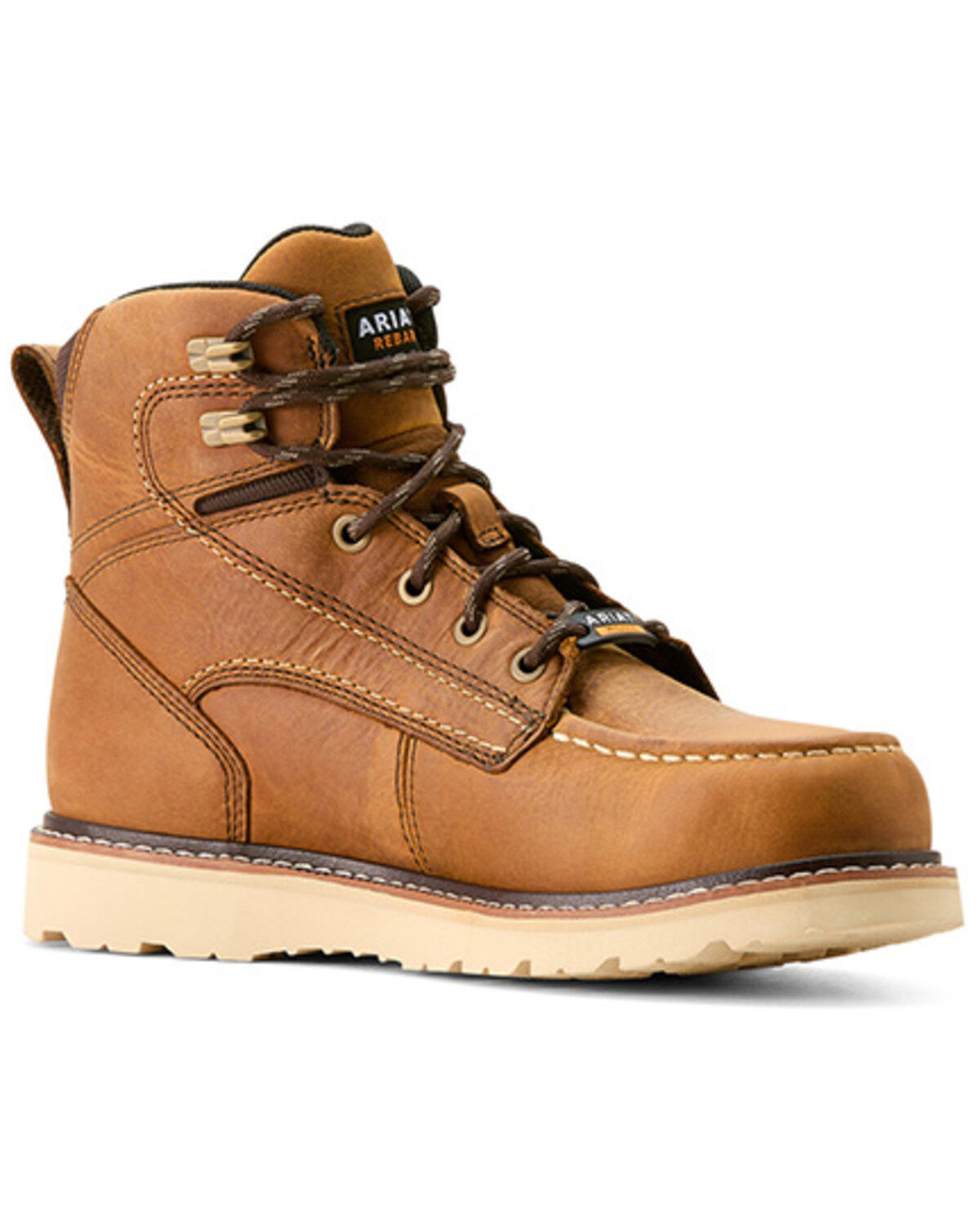
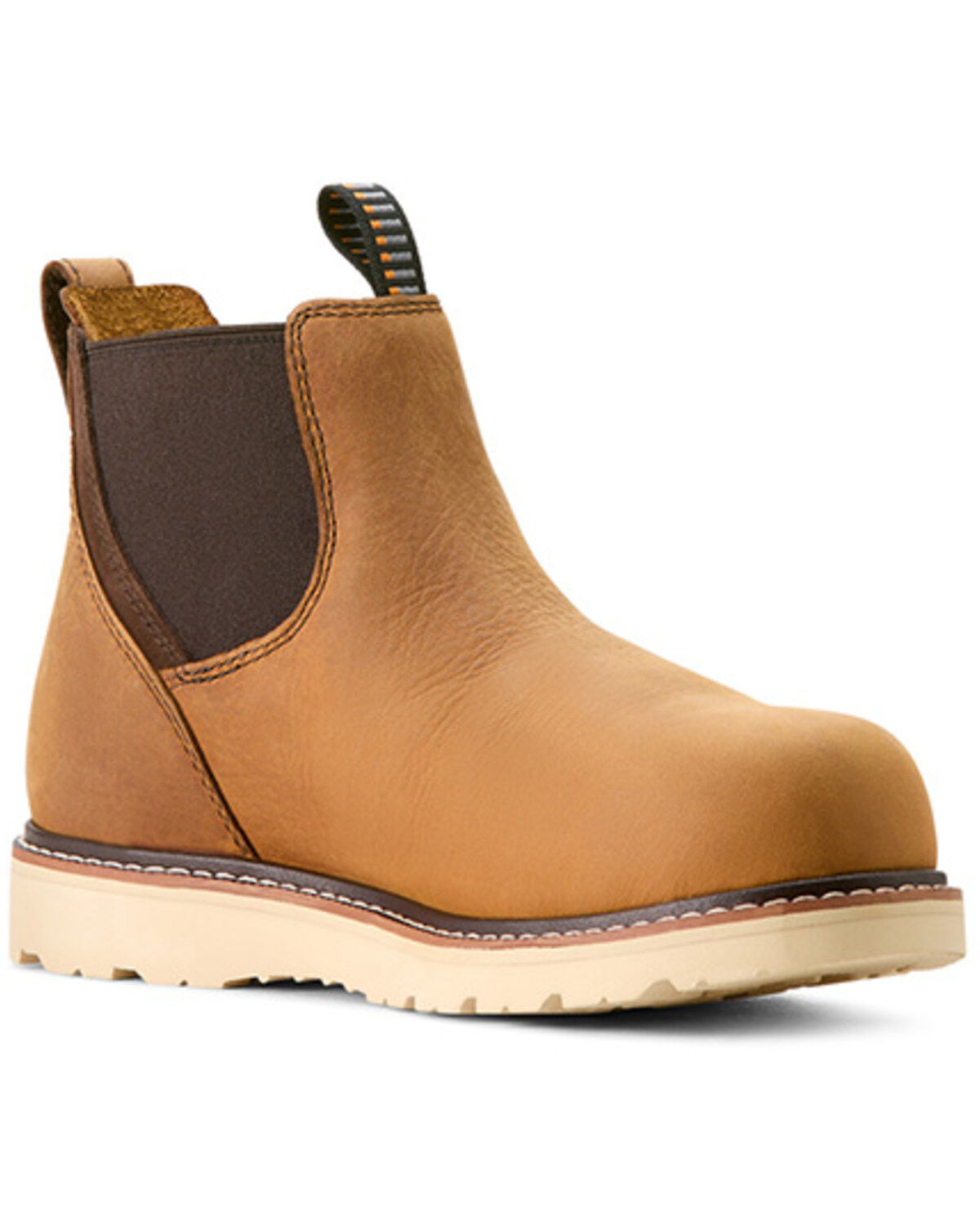
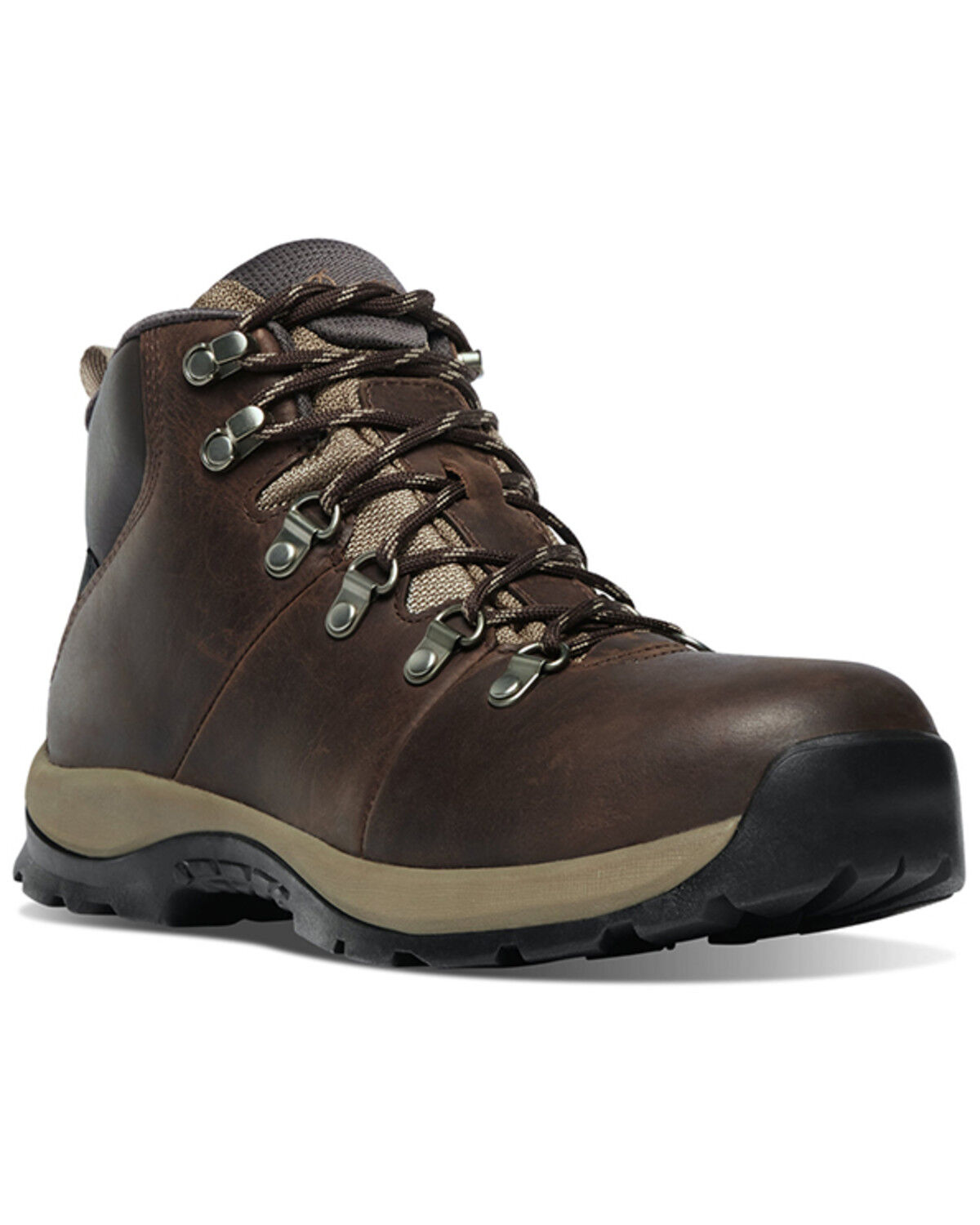
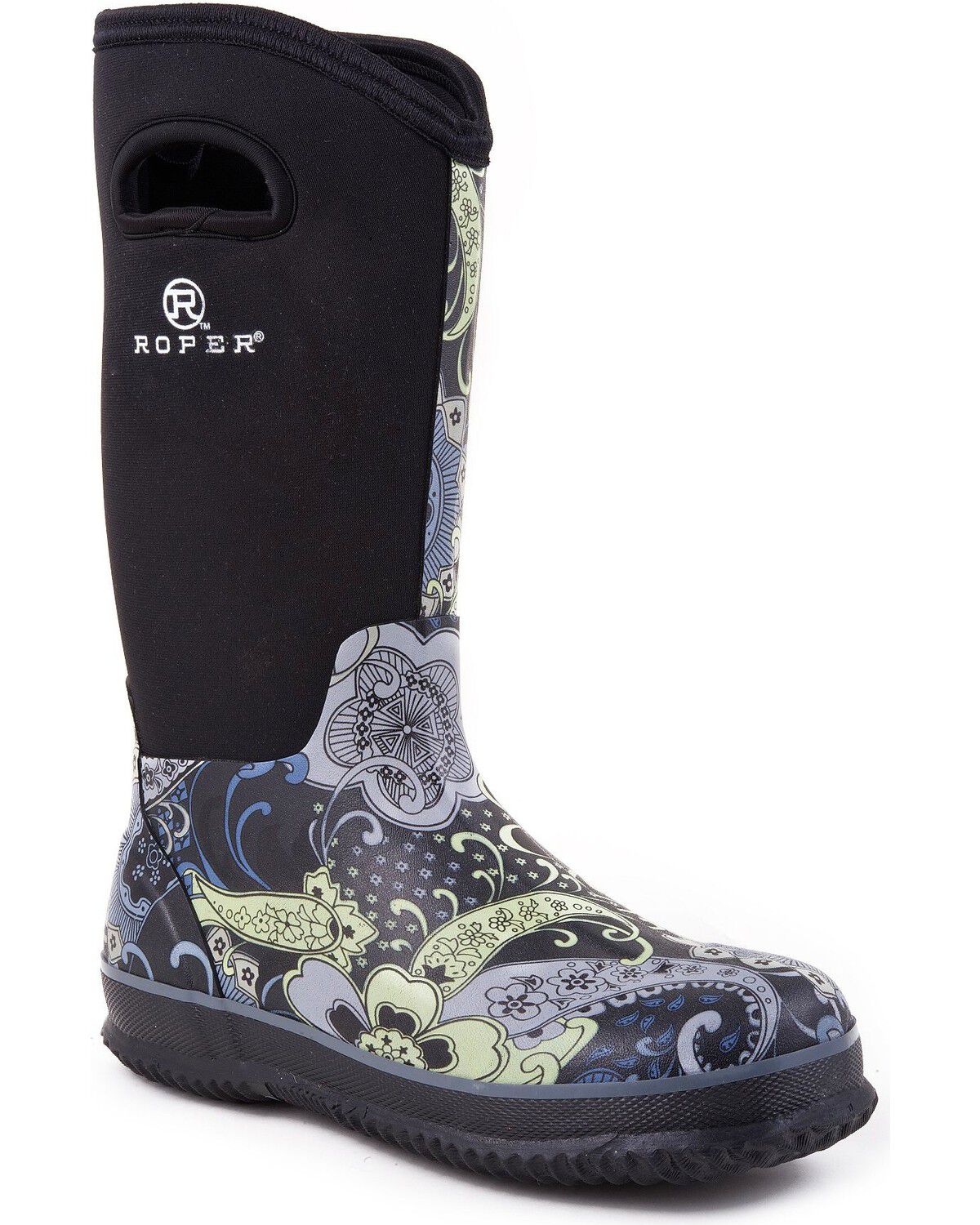
Women's Lightweight Waterproof Work Boots

Find women’s lightweight waterproof work boots that help keep feet dry without unnecessary bulk. Browse work-ready options with wet conditions and long hours on your feet in mind, and check each pair’s fit, materials, and safety features against your job requirements.

Read More

Shop Your Store: Shop Your Store: Find a Store

(Turn off Shop Your Store to see all items)

(Turn off Shop Your Store to see all items)

close
  • Recommended
  • Lowest Price
  • Highest Price
Skip pass products

End of products

Women's Lightweight Waterproof Work Boots

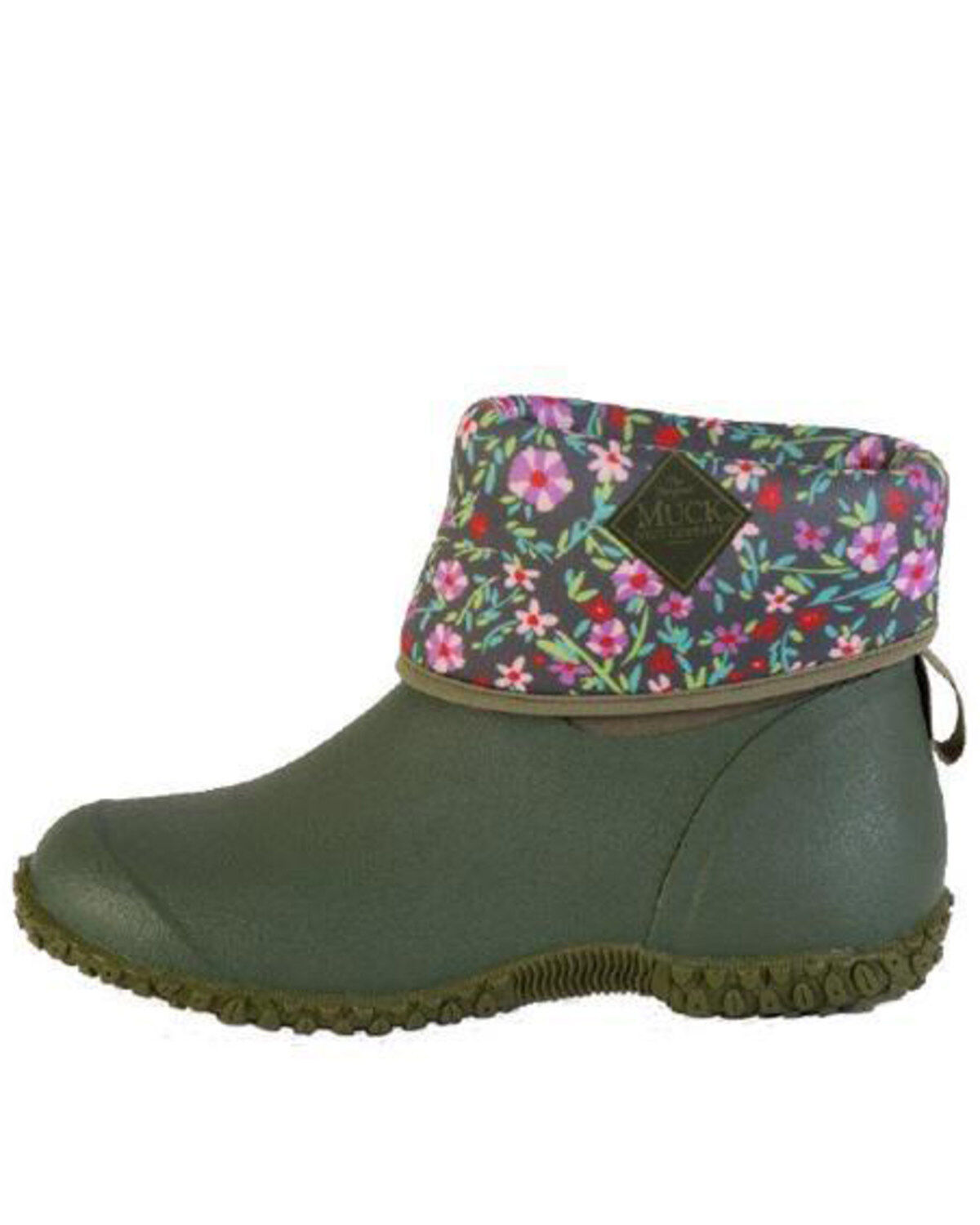
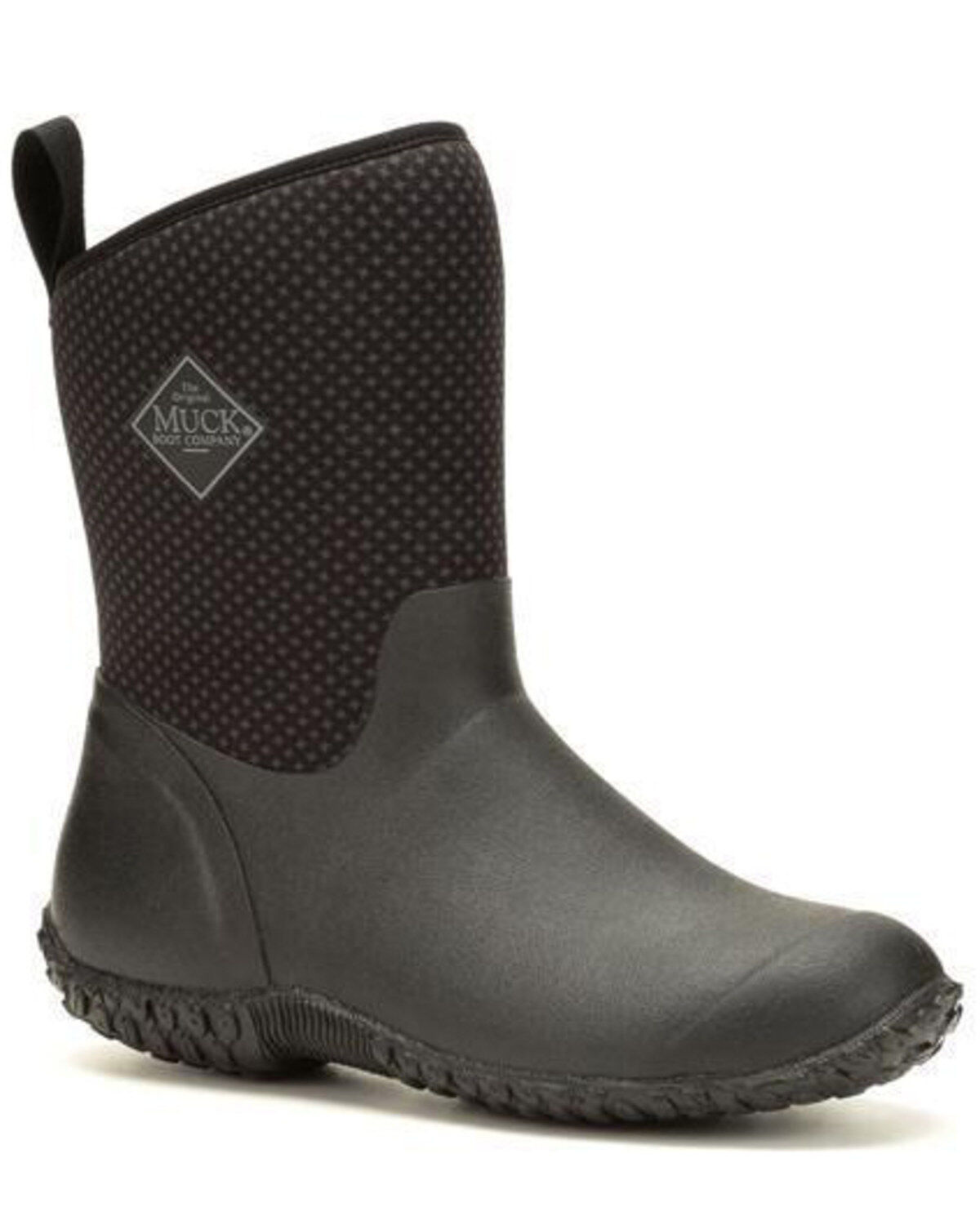
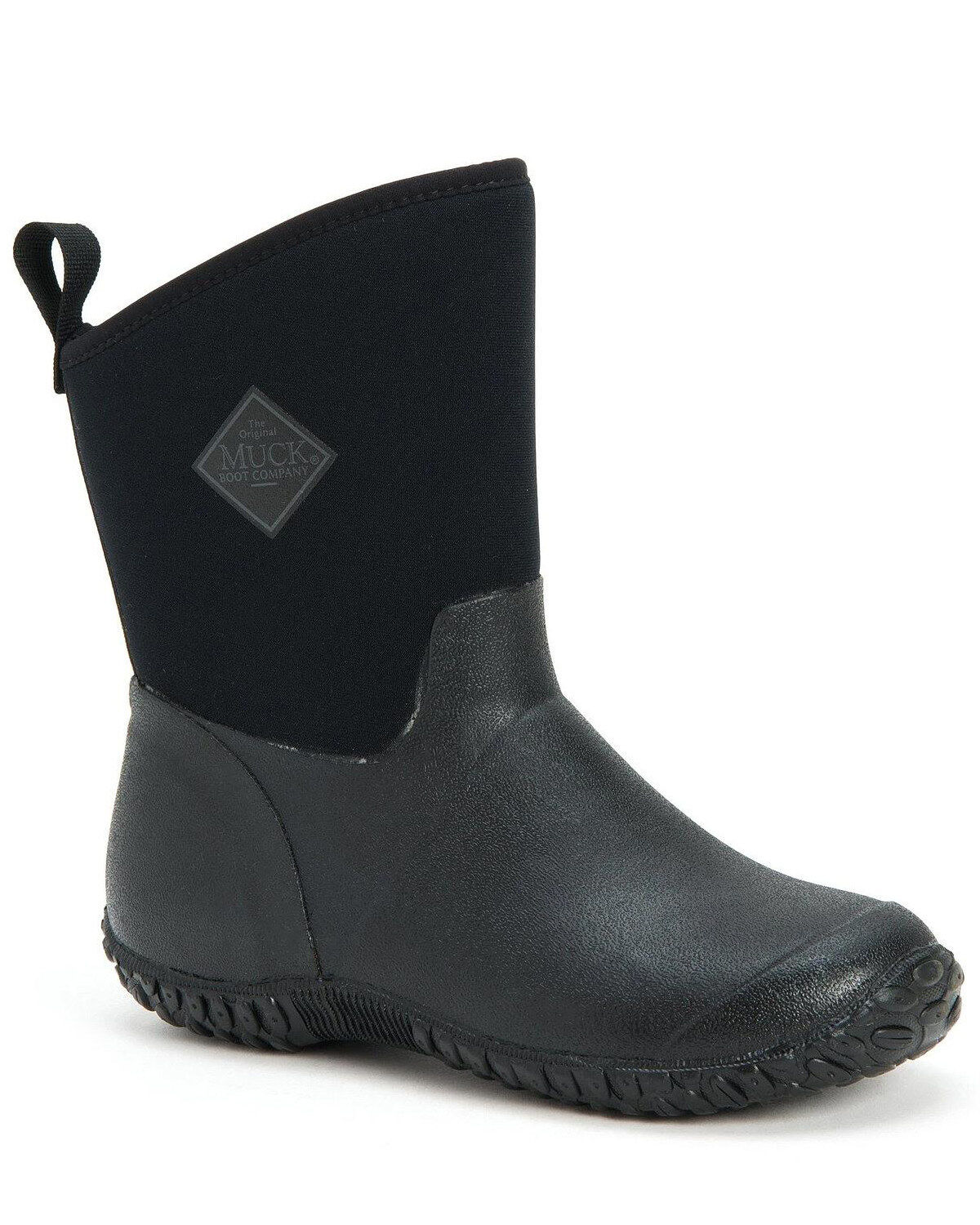
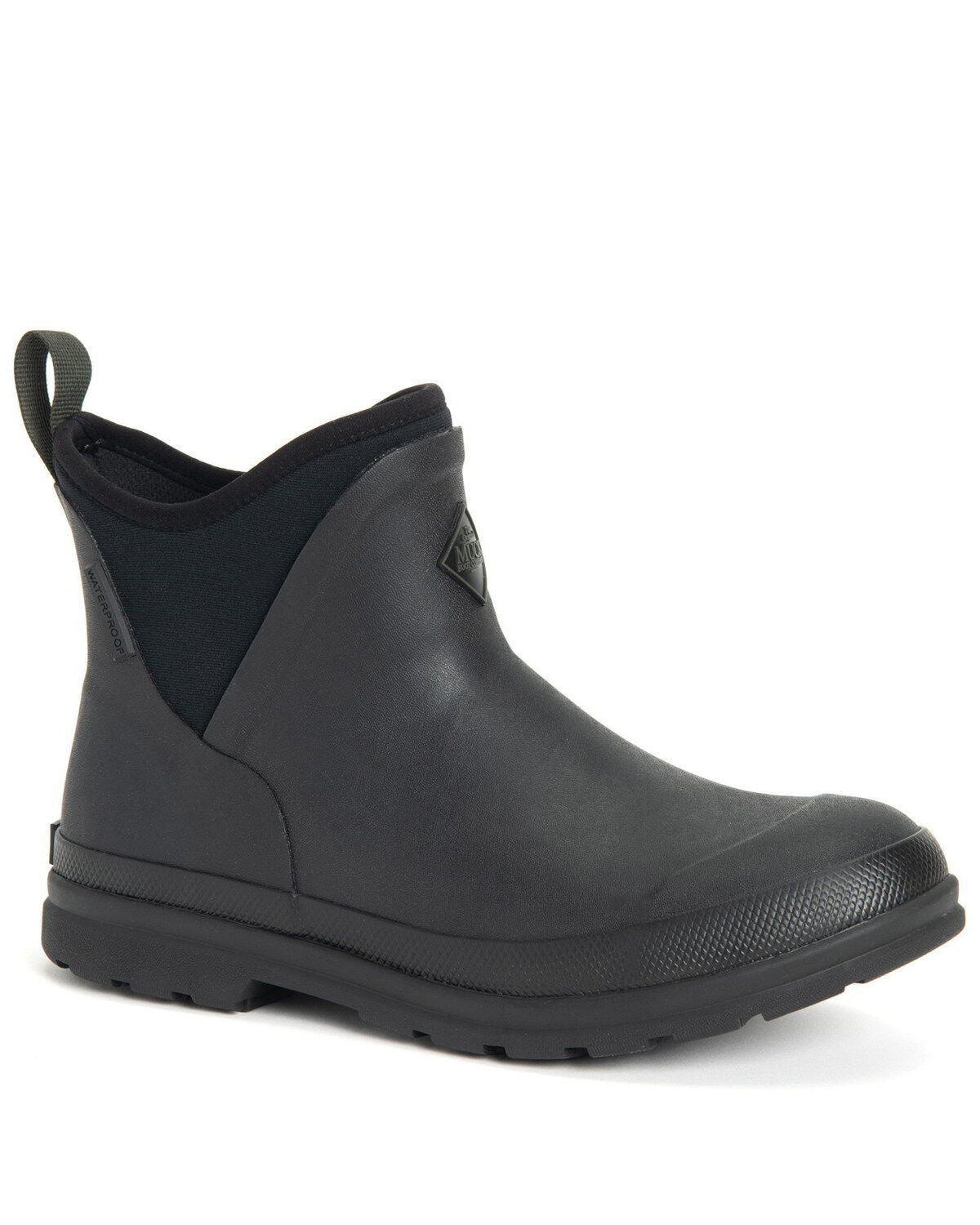
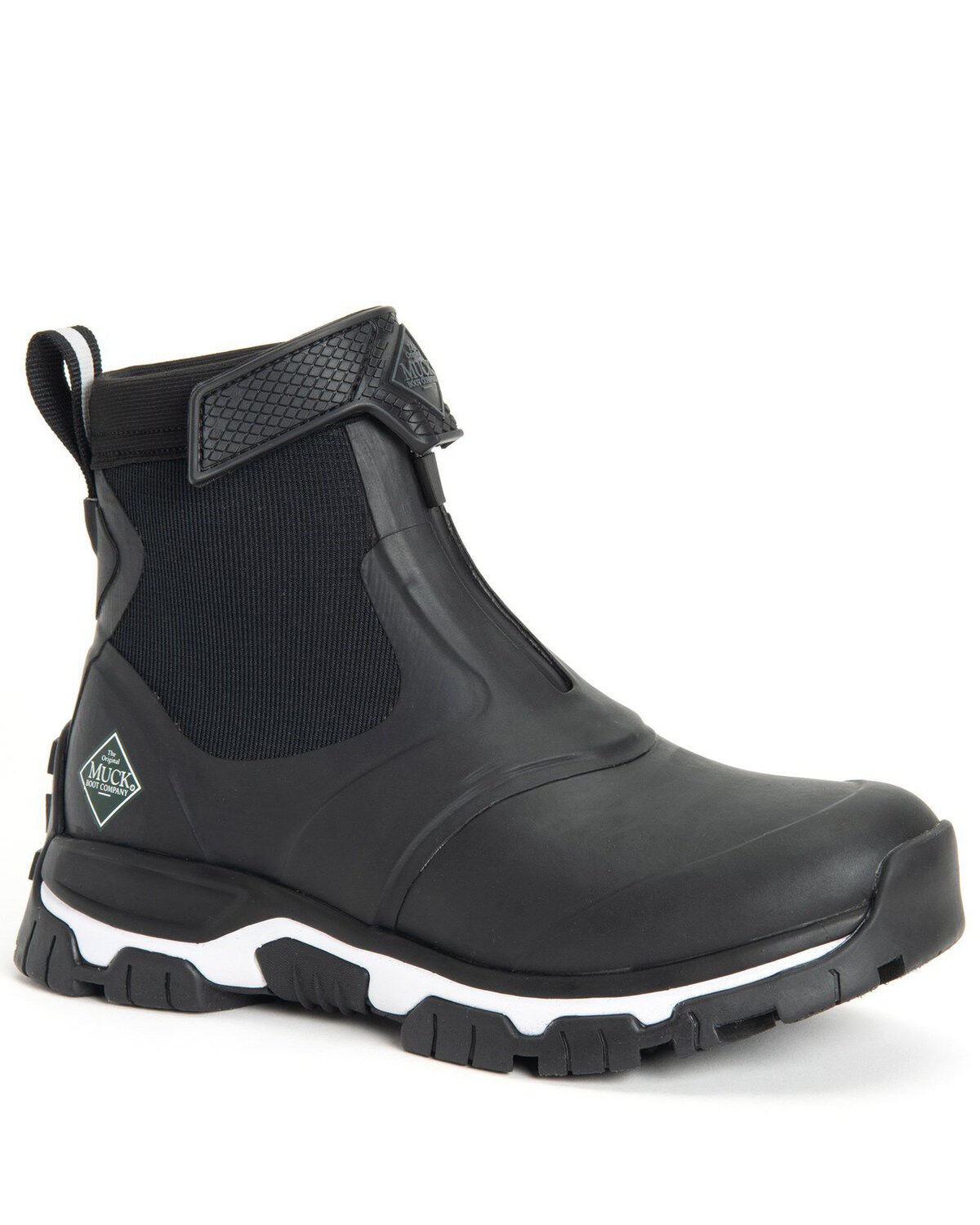
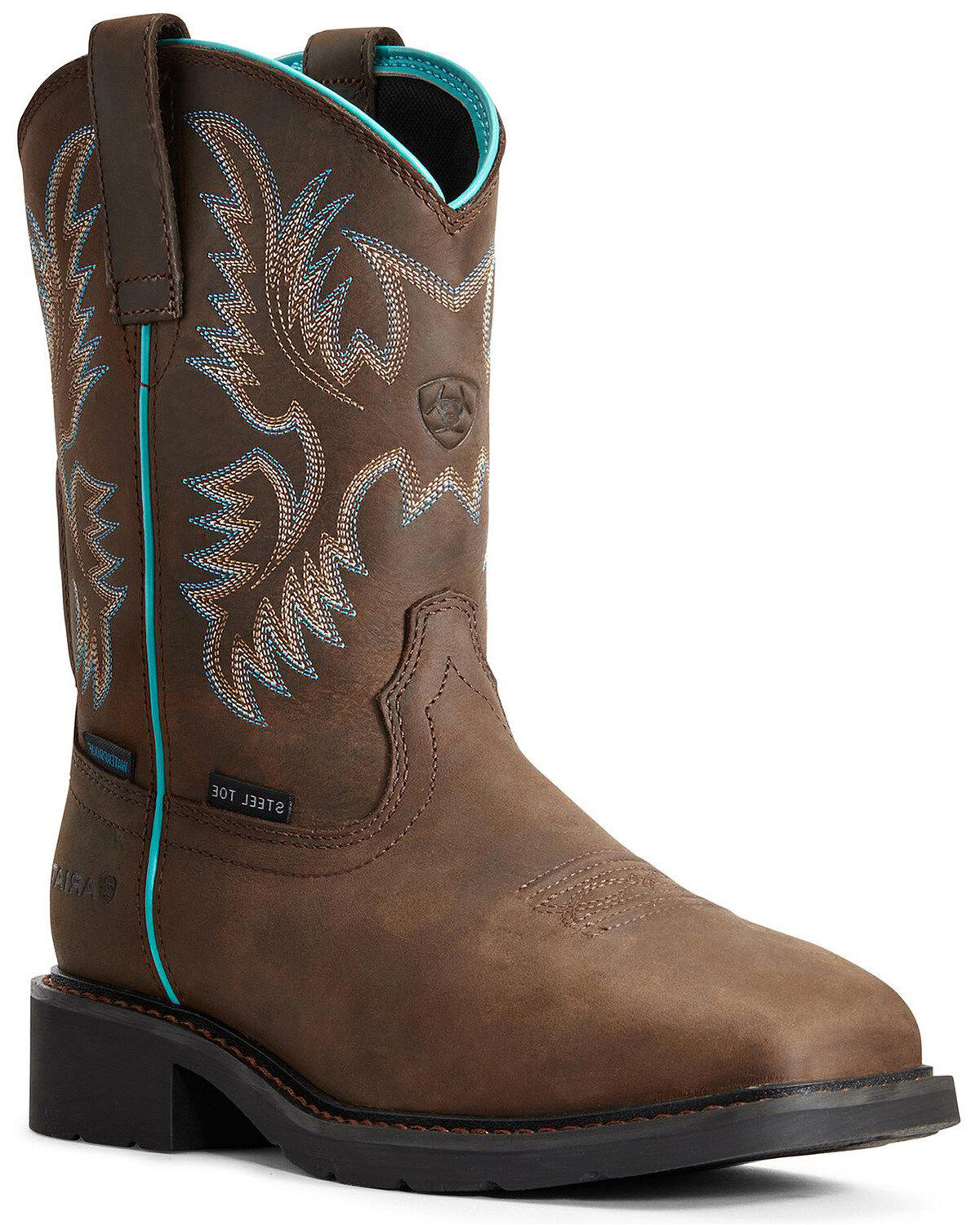
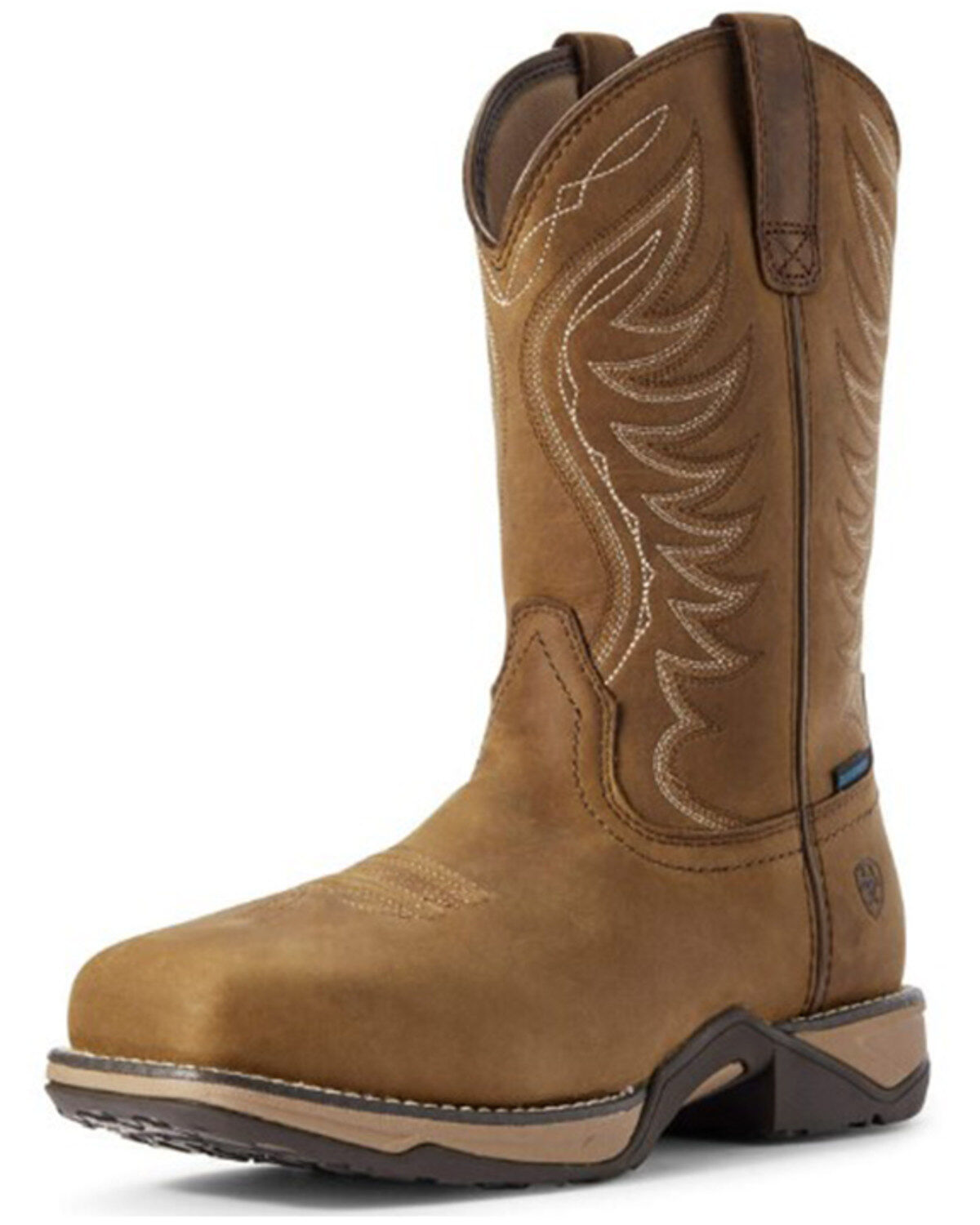
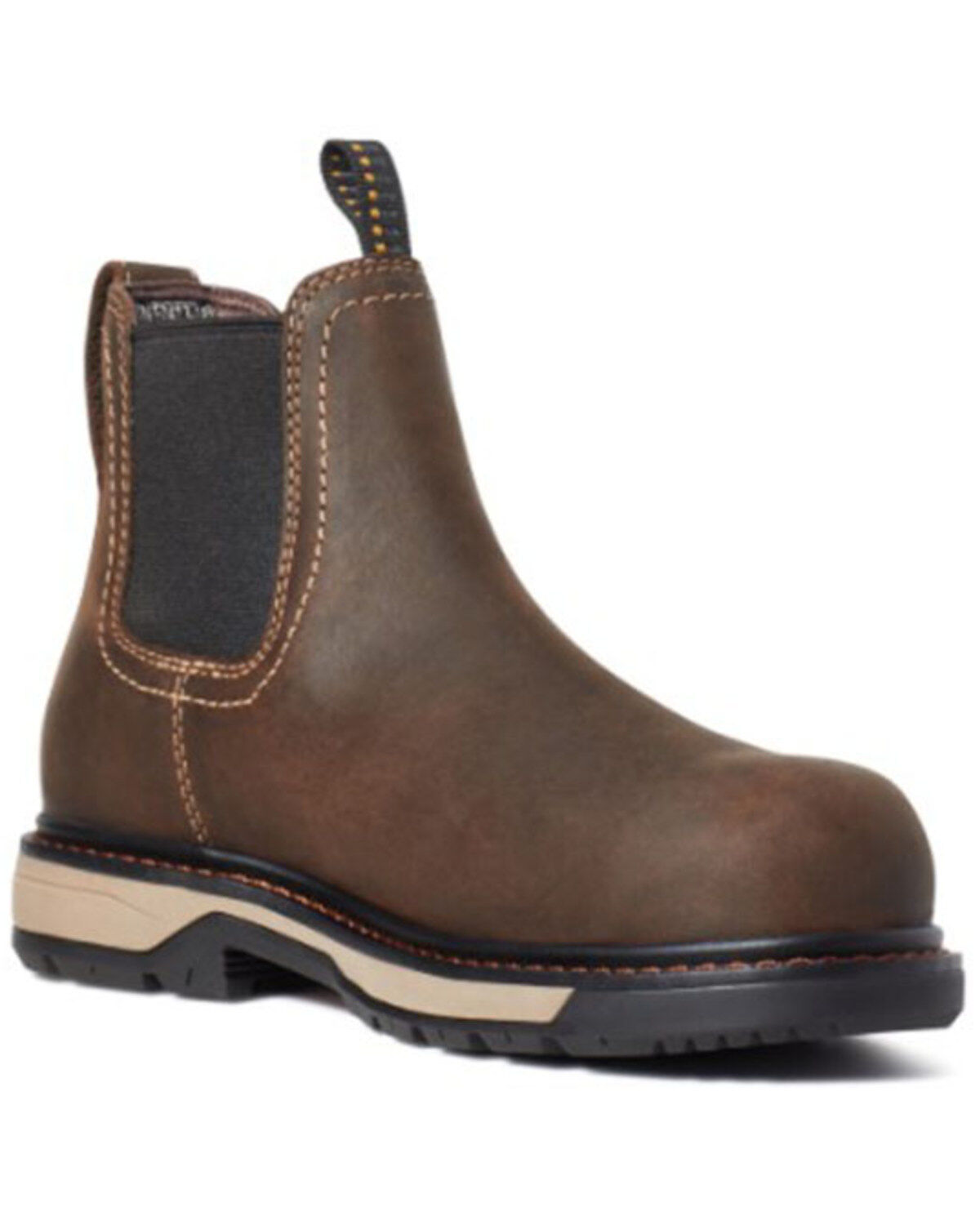
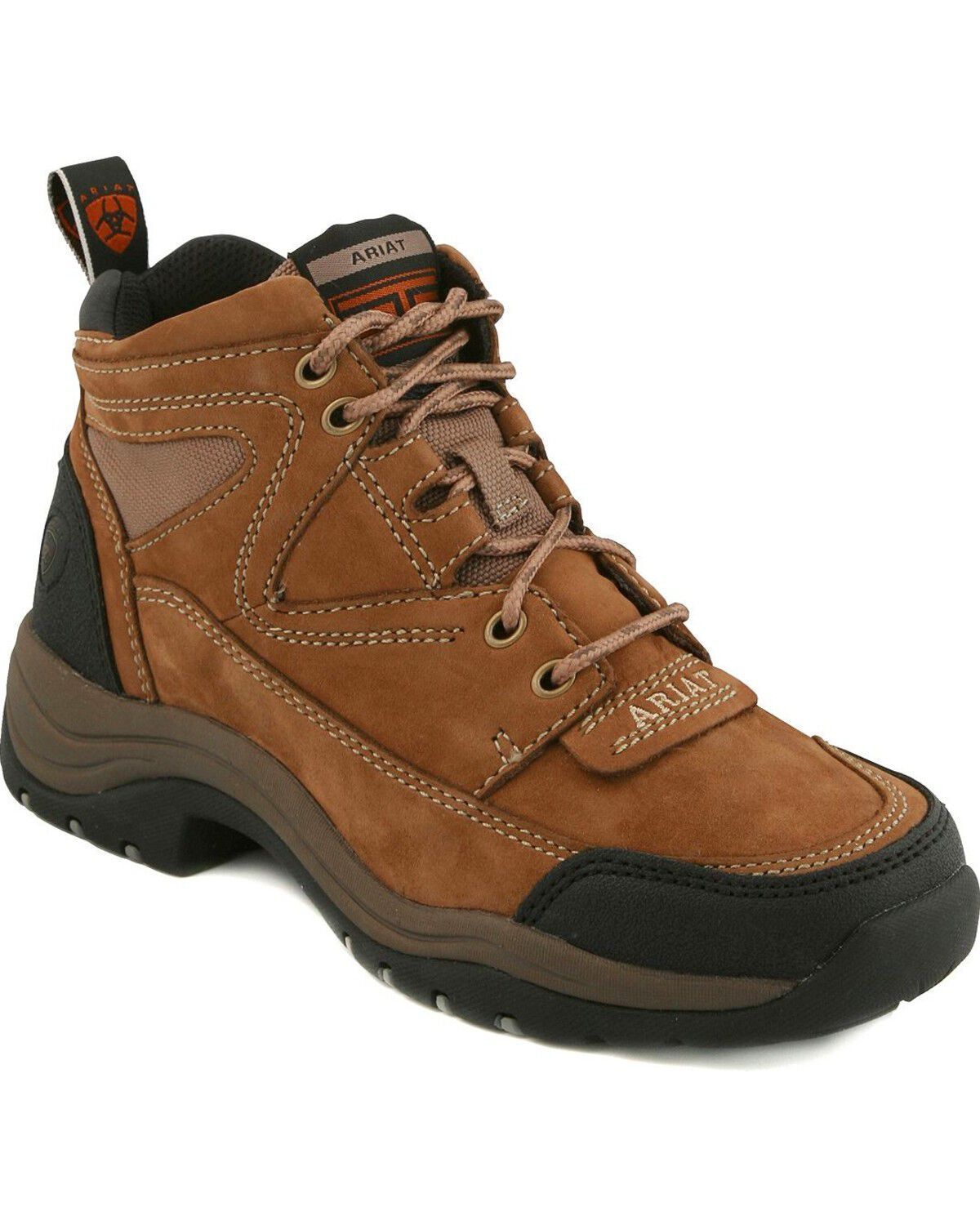
Women’s lightweight waterproof work boots are built for jobs that involve wet ground, long hours on foot, and steady movement between tasks. Their appeal is straightforward: protection from water without more weight than the work requires. Crossing a muddy equipment yard, moving through damp nursery aisles, or stepping from a loading area onto a concrete floor puts different demands on footwear throughout a shift. Lighter construction can make repeated walking, climbing, and kneeling feel less cumbersome, while waterproof materials help keep outside moisture from reaching socks. That balance depends on the whole boot, not just its upper. Leather brings abrasion resistance and a firm feel that generally softens with wear. Textile panels can reduce bulk and allow easier flex, while reinforced sections help protect areas that rub against equipment, steps, or rough surfaces. Some waterproof designs use an internal membrane; others rely on sealed construction or a combination of protective layers. A gusseted tongue can help limit water and debris entering around the laces, although its coverage varies by design. Waterproofing also has limits. Water can enter over the collar, and repeated exposure to deep standing water may call for footwear specifically built for that use. Underfoot, cushioning and outsole construction play a large part in how light a boot feels through the day. A flexible forefoot helps with walking and crouching, while support through the middle of the foot can add stability on uneven ground. Deep tread may suit loose dirt and gravel, but tread that holds mud can carry it onto smooth floors. Less aggressive patterns may be more practical for mixed indoor and outdoor work, depending on the surface and required traction. For women working in agriculture, maintenance, landscaping, or other hands-on roles, the right balance comes from matching the boot’s construction to the ground, movement, and exposure involved in a normal shift.

Fit matters as much as the weight listed for a boot. Women’s work footwear should hold the heel securely, give the toes room to spread, and support the foot without pressure across the instep. A boot that feels light in the hand can still become tiring if the heel slips with every step or the forefoot is squeezed against a rigid toe cap. Trying boots with the socks worn on the job gives a more useful sense of fit than thin everyday socks. Feet can also swell after hours of standing, so a comfortable fit needs enough room for that change without becoming loose. When walking, the toes should not strike the front, and the foot should remain stable through turns or on an incline. Lace-up construction allows adjustment across the instep and around the ankle, while pull-on designs depend more heavily on the shape of the heel, shaft, and footbed for a secure fit. Neither style should require painful pressure to stay in place. Removable footbeds can be useful for workers who use compatible inserts, provided the replacement does not crowd the foot or interfere with the boot’s intended fit. Cushioning should soften repeated contact with hard floors without feeling unstable beneath a load. A supportive platform is especially important when carrying tools or moving between concrete and broken ground. Safety features need the same attention. Lightweight waterproof work boots may have soft toes or protective toe caps, and the job determines which is appropriate. Composite toe construction can offer an alternative to steel, but the material alone does not establish a boot’s protection level or overall weight. Workplace requirements and the safety markings for the footwear matter more than appearance. Slip resistance, puncture resistance, and electrical hazard protection are separate features; waterproof construction does not automatically provide any of them. A wet concrete walkway, an oily shop floor, and a muddy slope present different traction problems. The outsole should suit the actual conditions, and any required protection should meet the employer’s standards. Even a well-matched outsole needs clear tread and careful footing on slick surfaces.

Durability in lightweight waterproof work boots comes from placing strength where it is needed rather than adding bulk everywhere. Toe and heel reinforcement can help with repeated scuffing, while sound stitching and a secure bond between the upper and sole support daily wear. Jobs that involve kneeling on rough ground can wear the front of a boot faster than work spent mostly standing. Frequent ladder use, abrasive grit, and repeated flexing at the ball of the foot each create their own wear patterns. Women whose work puts greater emphasis on abrasion resistance and heavier construction may also find relevant options among women’s durable waterproof work boots. Whatever the construction, regular care helps preserve the materials and makes damage easier to spot. Mud left packed around seams can hide loose stitching, and debris lodged in the tread can reduce contact with the ground. Brushing away loose dirt and cleaning the upper according to its material keeps buildup from becoming part of the boot. Leather may need a compatible conditioner, while textile sections and waterproof membranes require products suited to their construction. A surface treatment can help maintain water repellency where approved, but it cannot repair a torn membrane or a separating sole. After wet work, removing footbeds when permitted and letting the boots dry naturally in a ventilated space helps manage moisture inside. Direct heat can damage leather, adhesives, and other components. Waterproof footwear can still feel damp from perspiration, so moisture-managing work socks and adequate drying time remain important. Checking the lining, flex points, outsole edges, and tread gives a clearer picture of when the boots need attention or replacement. These boots can also make a practical gift for someone starting a hands-on job or replacing a worn pair, provided her size, preferred fit, and workplace requirements are known. The most useful pair is one suited to the work: secure underfoot, comfortable through repeated movement, and built to handle the water exposure the job brings.
Read More

FAQs