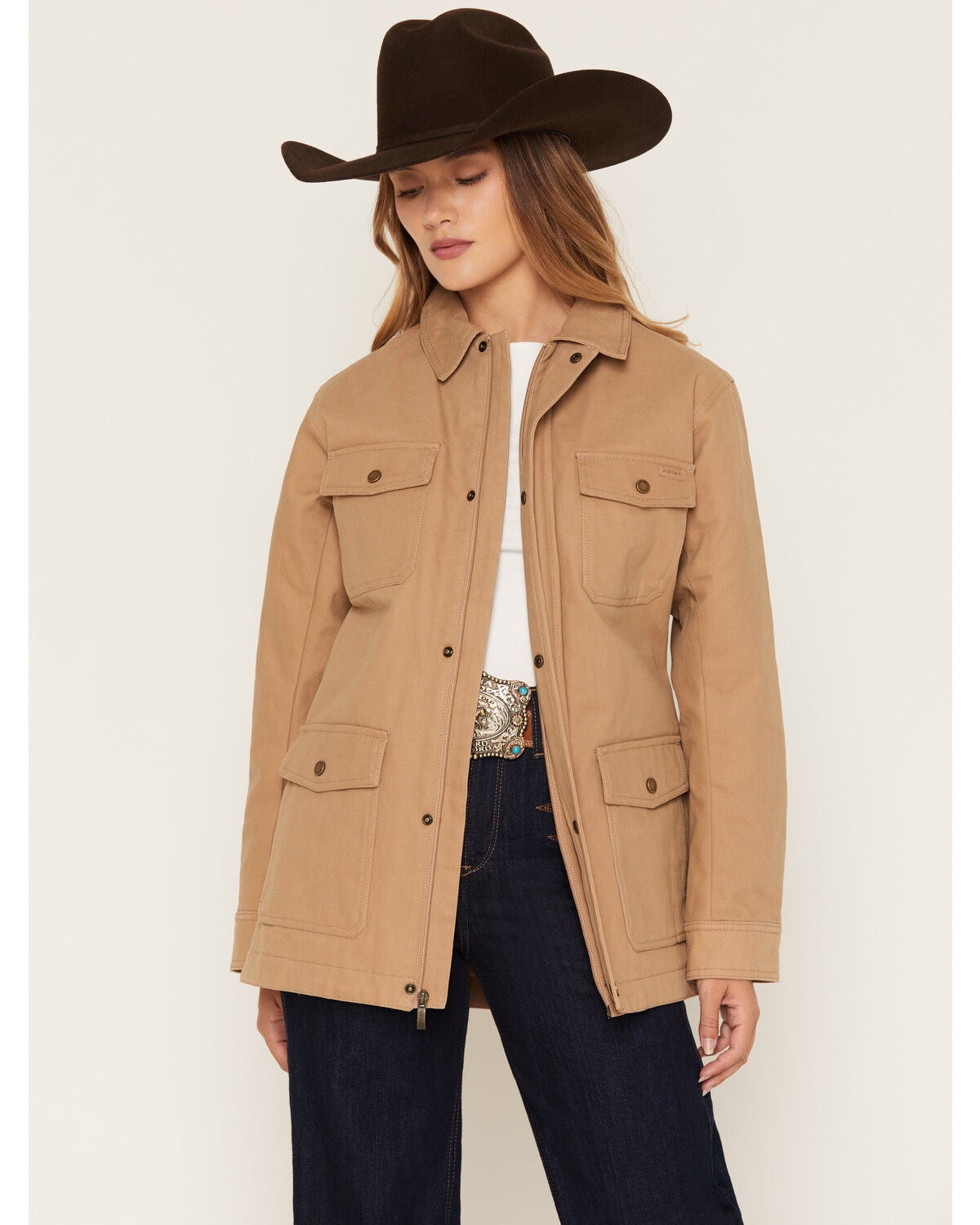
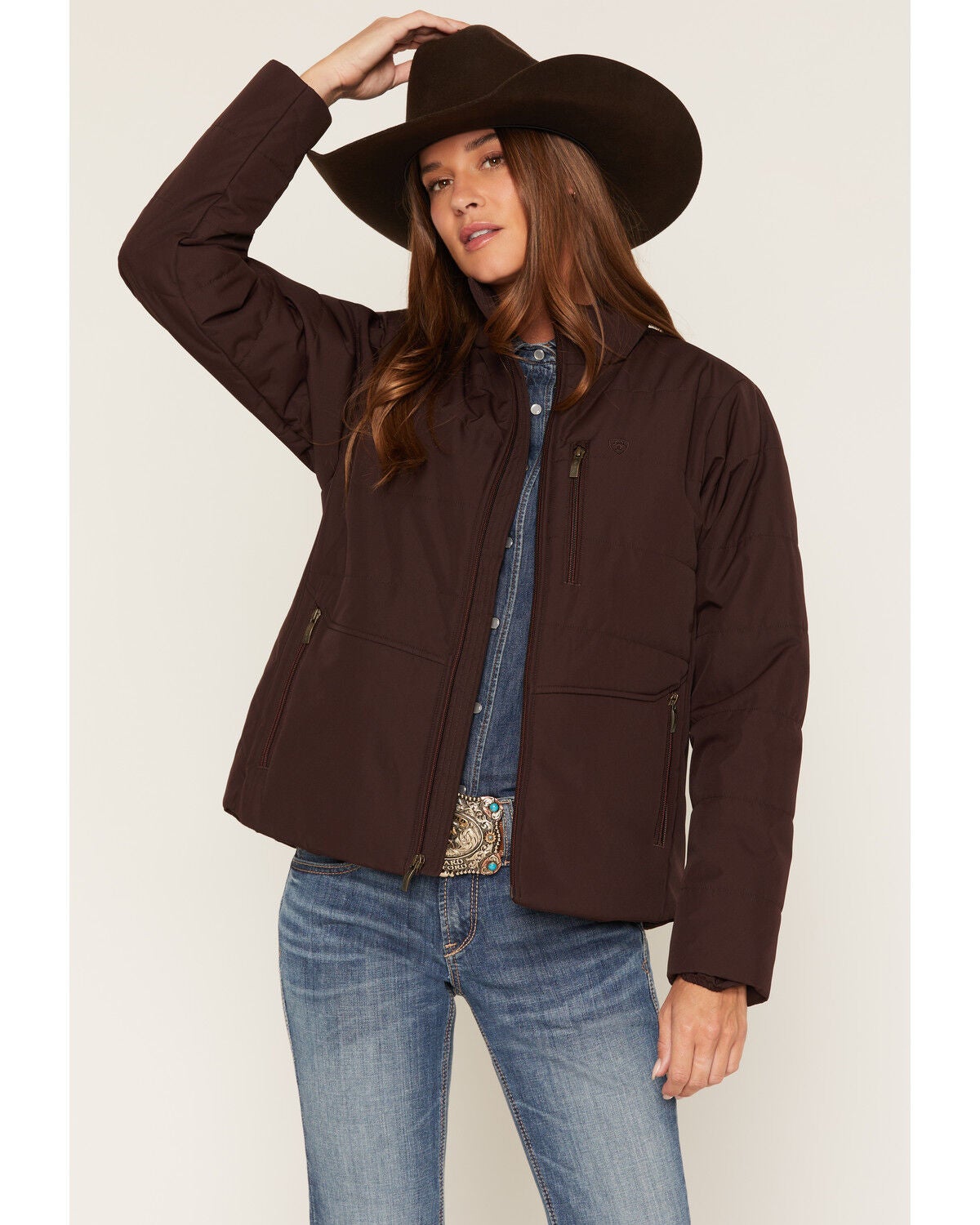
Stay stylish and safe with our collection of women's concealed carry jackets. Designed with both fashion and function in mind, these jackets provide a... discreet way to carry your firearm while keeping you warm and comfortable. Whether you're out running errands or enjoying a night out, these jackets offer the perfect blend of practicality and style. Discover a range of options to suit your personal taste and stay prepared without sacrificing your look.
Read more
Women's Concealed Carry Jackets
Stay stylish and safe with our collection of women's concealed carry jackets. Designed with both fashion and function in mind, these jackets provide a... discreet way to carry your firearm while keeping you warm and comfortable. Whether you're out running errands or enjoying a night out, these jackets offer the perfect blend of practicality and style. Discover a range of options to suit your personal taste and stay prepared without sacrificing your look.
Women’s concealed carry jackets combine everyday outerwear with interior compartments designed to accommodate a compatible holster or carry system. Unlike a standard jacket with ordinary lining pockets, a purpose-built design may include reinforced pocket construction, attachment panels, adjustable retention features, or compartments positioned for right- or left-handed use. Those details vary by jacket, so the construction matters more than the label alone. A concealed carry pocket is not automatically a holster, and fabric alone does not provide reliable trigger protection. Any carry setup should hold the firearm securely in a compatible holster that fully covers the trigger guard and follows the jacket and holster manufacturers’ instructions. Beyond that specialized function, these jackets serve familiar purposes: covering everyday clothing, allowing comfortable movement, and standing up to regular wear. Denim offers a substantial woven feel and a familiar look alongside jeans and western shirts. Cotton canvas has a firm texture suited to work-inspired outerwear, with the finished weight and weave affecting how the jacket hangs. Softshell fabrics generally provide a smoother surface and more flexibility, although stretch, lining, and protective finishes differ by construction. A structured shell can help support interior components, but fabric weight alone does not establish whether a jacket is suitable for a particular carry setup. The lining, pocket reinforcement, closures, and attachment system all contribute to performance. Smooth lining can make a jacket easier to slip over a long-sleeve shirt, while substantial seams and firmly attached hardware are useful details in a garment worn often. For women who move between a desk, daily errands, property chores, and other routine activities where lawful carry is permitted, the goal is outerwear that fits the setting without unnecessary bulk. Clean stitching, practical exterior pockets, and a straightforward silhouette help keep the jacket useful as clothing, not just specialized equipment. A plain exterior can work with both denim and more tailored casual clothing. The best material choice depends on the wearer’s routine, preferred feel, and willingness to follow the garment’s care requirements.
Fit deserves the same attention as pocket construction. A women’s concealed carry jacket should accommodate the shoulders, bust, waist, and hips without pulling across the front or restricting the arms. A shaped waist may offer a closer silhouette, while a straighter cut can leave more room through the middle; neither approach is automatically better. The right choice depends on body proportions and the clothing worn underneath. Shoulder seams should sit comfortably, sleeves should allow normal reach, and the hem should stay comfortable when seated. Picture reaching for a carton on a shelf, carrying a grocery bag, or bending to tie a boot. A jacket that feels comfortable while standing still may bind across the back or ride up during those ordinary movements. Interior carry components also take up space and add weight, so fit should be assessed with the intended compatible setup, using an unloaded firearm or an appropriate inert substitute in a safe setting. Pulling at the closure, uneven drape, or a pocket that sags noticeably can indicate a poor match between the garment and its contents. Choosing a larger size is not always the answer if it leaves the shoulders loose or the sleeves too long. Jacket length also changes the feel: a shorter hem may sit neatly at the hip, while a longer cut can provide more coverage over clothing but needs enough room for sitting and bending. Consider whether the jacket will be worn over a fitted shirt or a heavier layer, and use the manufacturer’s measurements rather than relying only on a familiar size. Front zippers, snaps, and buttons should function smoothly without strain. Interior fastening systems should remain firmly attached, with no loose stitching or damaged components. Keep everyday belongings in their own appropriate pockets rather than crowding a dedicated carry compartment. A phone, keys, or loose change should not interfere with the holster or retention system. Comfortable fit and secure construction work together; neither should be sacrificed for appearance.
Durability shows up in the places a jacket handles repeated stress: pocket openings, underarm seams, cuffs, the front closure, and the points where interior components attach. Closely inspect those areas during routine care. Fraying, stretched attachment panels, loose hardware, or a closure that no longer stays secure can affect more than the jacket’s appearance. Any compromised carry component needs attention before the garment is used for that purpose again. Follow the care label for the shell and lining, and remove the firearm and any removable carry components before cleaning. Cotton denim and canvas may change in feel or dimensions after laundering, while some softshell fabrics and finishes require particular detergents or drying methods. Do not assume that every jacket can go through the same wash cycle. Excessive heat, bleach, and harsh cleaners can damage certain fabrics, finishes, or attachment materials. After cleaning, check the jacket’s fit and the condition of its interior system before returning it to use. Regular care can include brushing away surface dirt when appropriate, addressing stains according to the label, and storing the jacket so its shape is not crushed. Women’s concealed carry outerwear can be a practical gift for someone who already understands lawful firearm ownership and has clear preferences about fit and equipment. Accurate measurements, preferred jacket length, and compatibility with the recipient’s existing holster matter more than guessing at a style. For households shopping for another wearer, Men's Concealed Carry Jackets offer a related outerwear category with different fit considerations. Regardless of who wears the jacket, clothing does not replace firearm safety training, secure storage, or knowledge of applicable laws and location restrictions. A jacket being removed or left unattended requires the same care as any other garment containing a firearm; it should never be treated as a storage solution. Thoughtful selection starts with a well-made garment, a comfortable fit, and a verified match between its interior construction and the intended carry system.





 $114.95
 $124.95
 $54.99
 $239.99
 $149.99

