Women's Brown Square Toe Boots

Shop women’s brown square toe boots for a squared-off western profile that pairs easily with jeans or dresses. Browse the selection to find brown cowboy boots that suit your everyday wardrobe.

Shop Your Store: Shop Your Store: Find a Store

(Turn off Shop Your Store to see all items)

(Turn off Shop Your Store to see all items)

close
  • Recommended
  • Lowest Price
  • Highest Price
Skip pass products
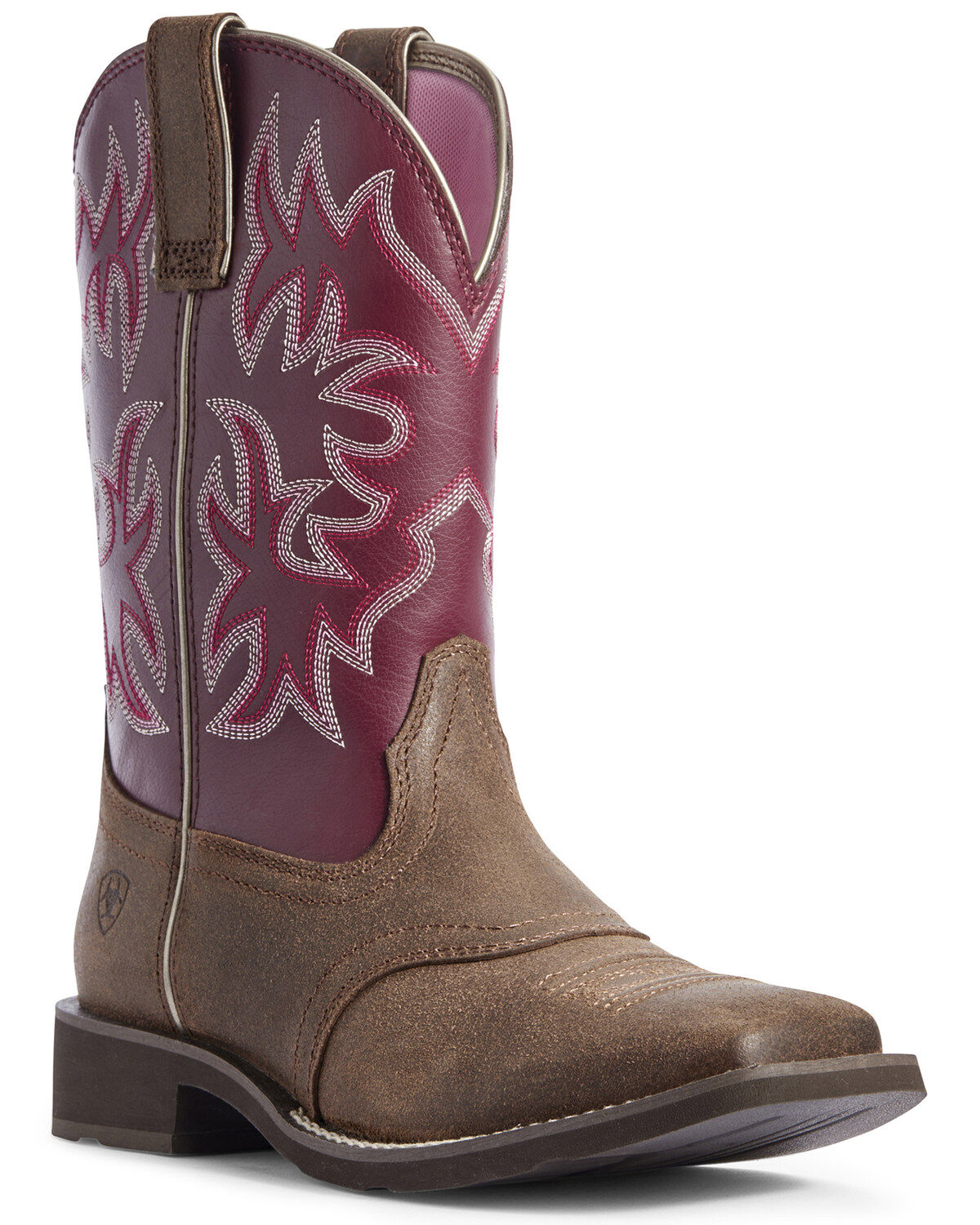
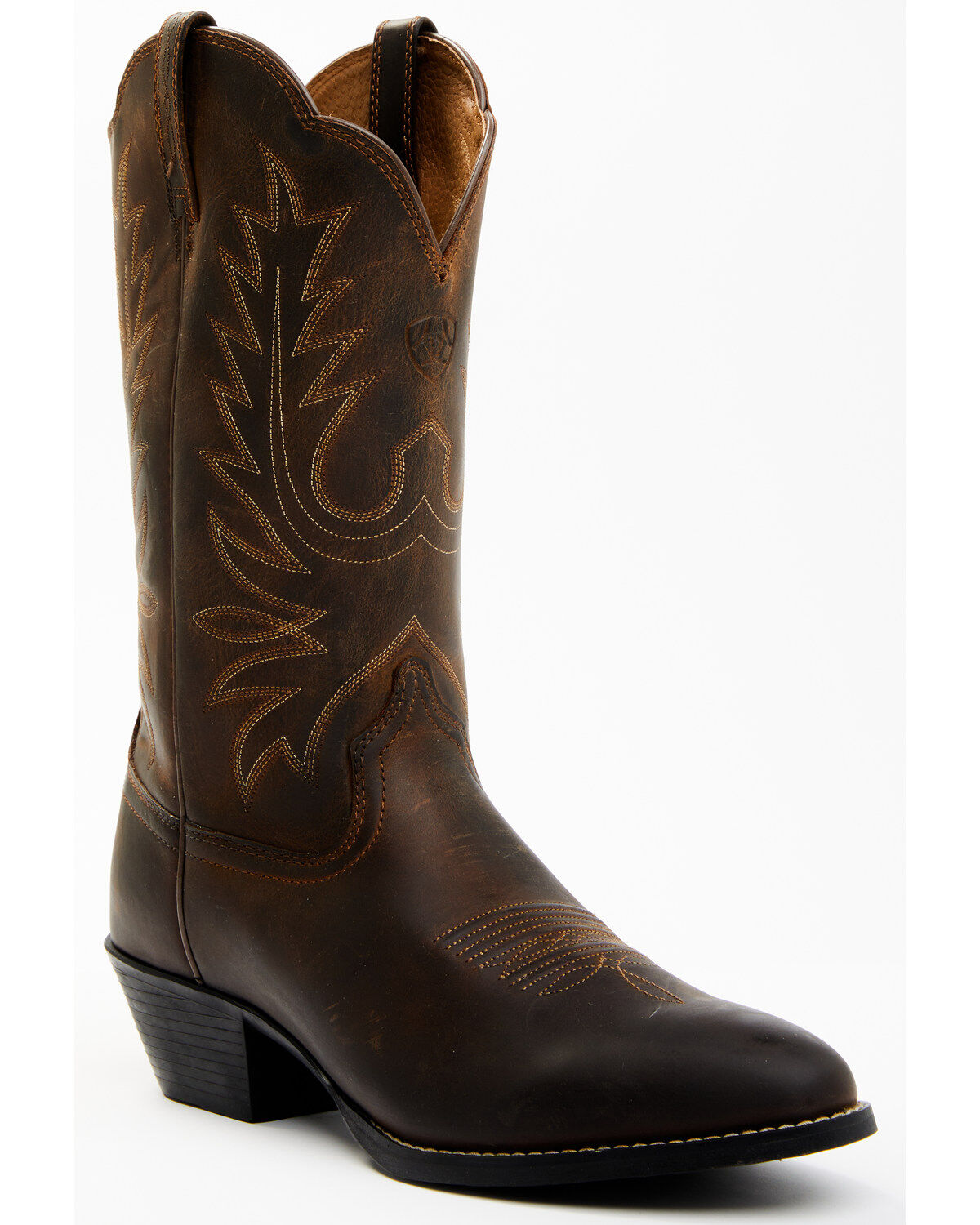
  • Women's Ariat Quickdraw Western Boots - Square Toe
    Original Price $209.99 $124.97
    40% Total Savings
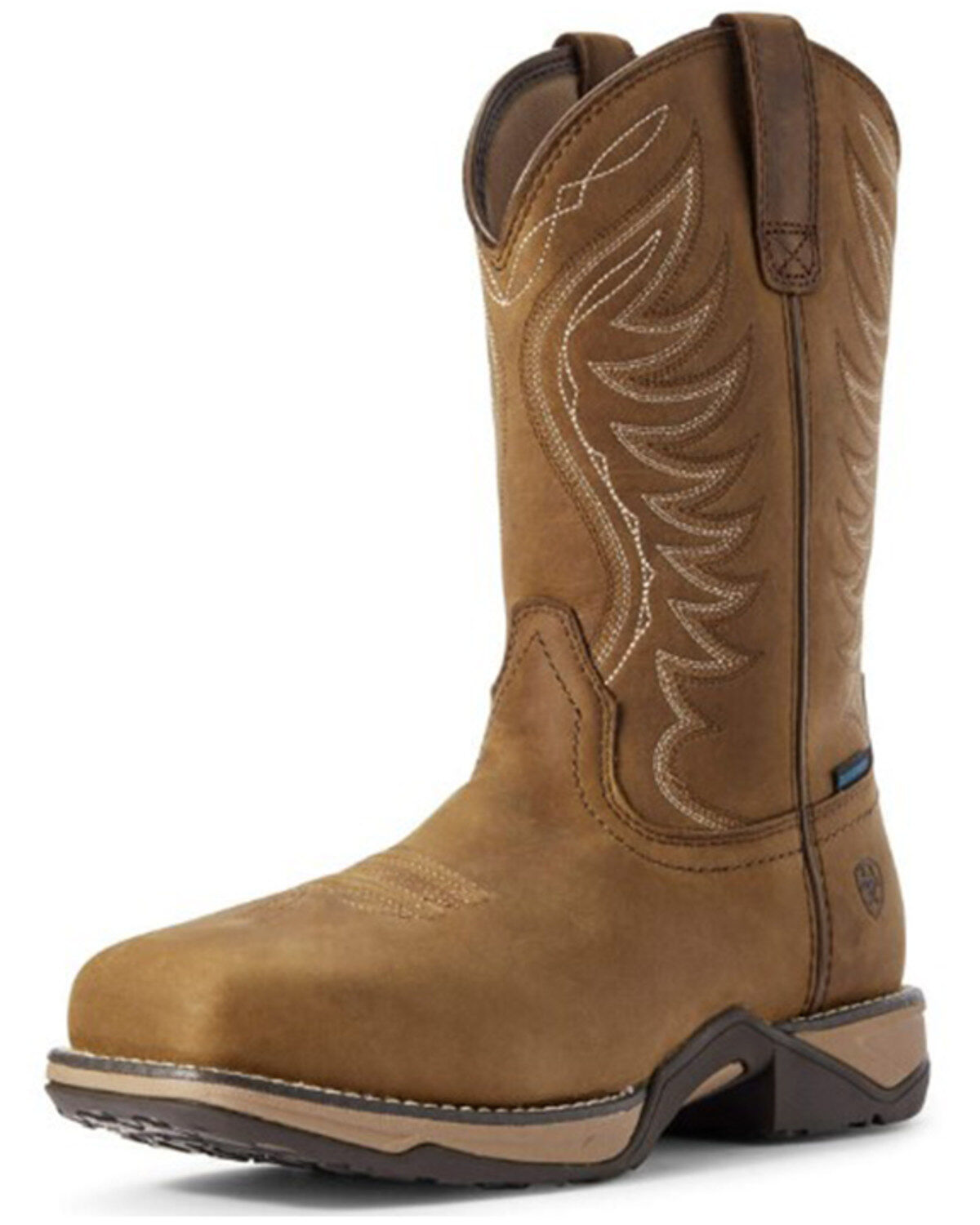
  • Women's Shyanne Jeannie Western Boots - Broad Square Toe
    Original Price $199.99 $119.97
    40% Total Savings
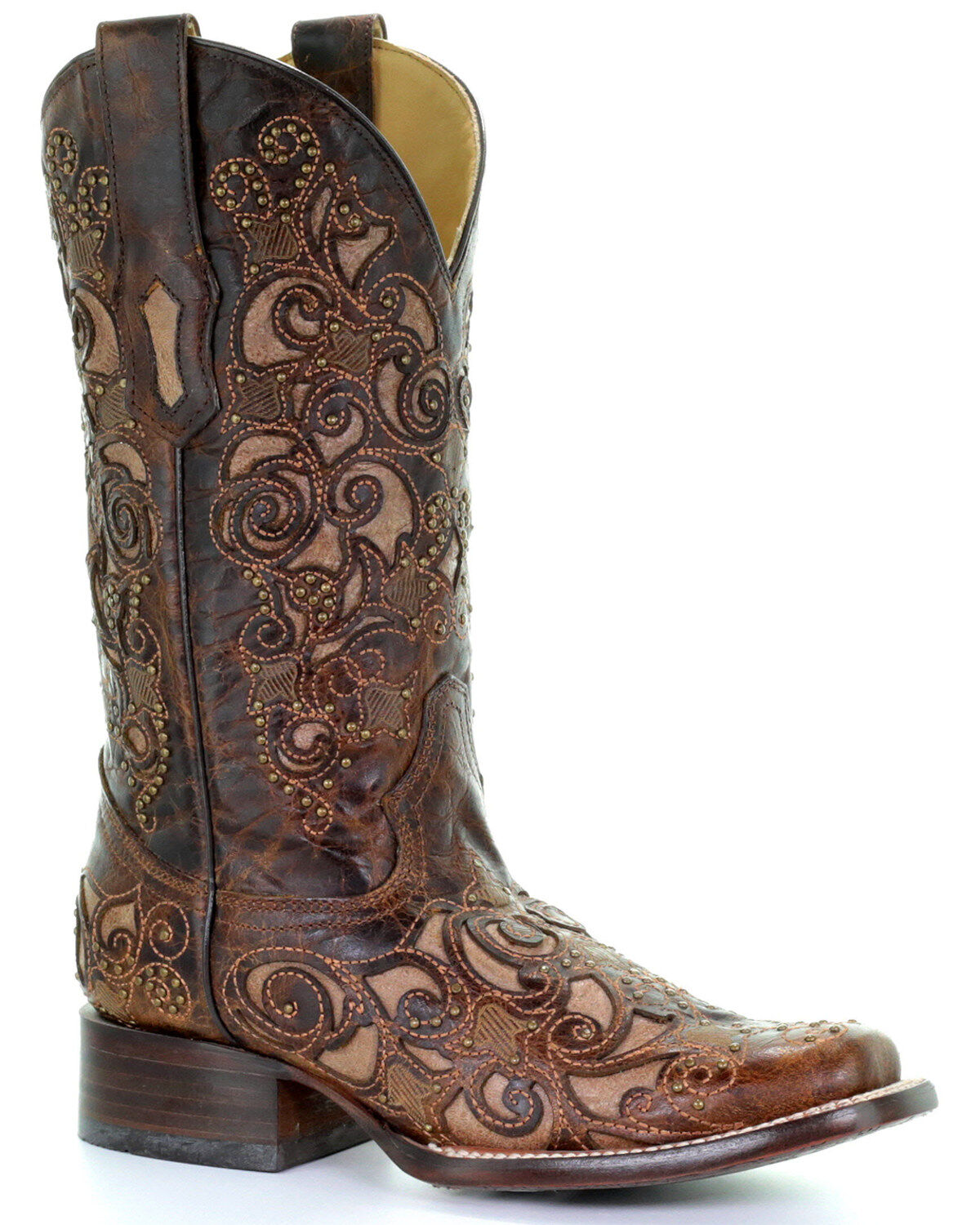
  • Women's Shyanne Josie Western Boots - Broad Square Toe
    Original Price $199.99 $119.97
    40% Total Savings
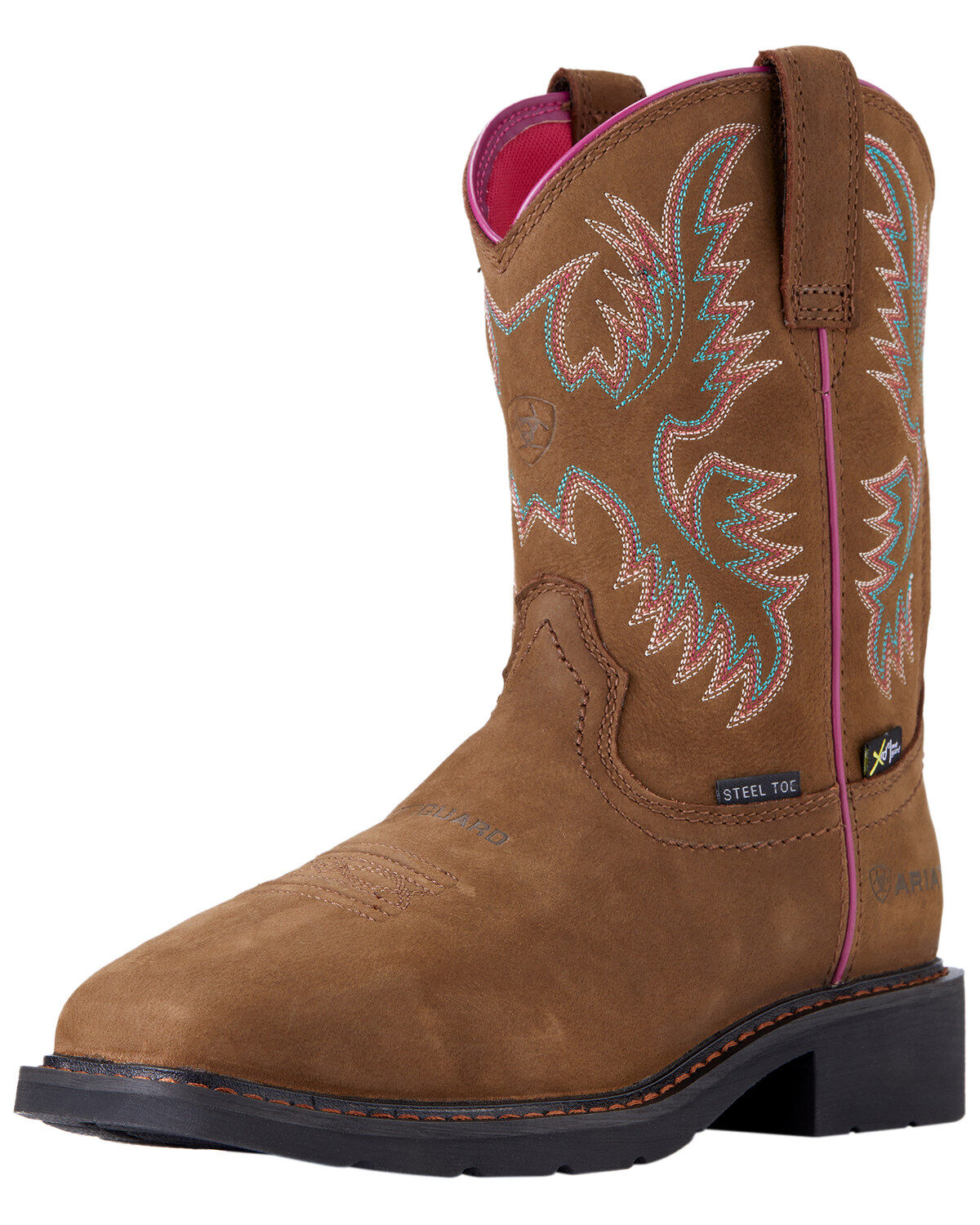
  • Women's Durango Distressed Flag Western Boots - Square Toe
    Original Price $180.99 $134.97
    25% Total Savings

End of products

Women's Brown Square Toe Boots

Women’s brown square toe boots combine a broad, squared-off toe profile with the familiar lines of western footwear. The shape gives the front of the boot a defined look, while brown leather brings depth through shades ranging from light tan and warm chestnut to dark chocolate. Smooth finishes look more polished; distressed finishes emphasize grain, creases, and variations in color. Neither finish needs elaborate styling to work. Straight-leg jeans, bootcut denim, simple dresses, and denim skirts all pair naturally with brown boots. A darker wash keeps the outfit understated, while lighter denim makes the leather color and shaft stitching more noticeable. For outfits built around deeper tones, Dark Brown Square Toe Boots provide a strong contrast with cream, faded blue, and lighter brown fabrics. Shaft height also changes the overall appearance. A taller shaft shows more stitching when worn with a dress, while a shorter shaft creates a different proportion around the lower leg. Under jeans, the opening needs enough room for the boot shaft without catching or bunching. Heel height and shape matter just as much as color: a lower, broader heel has a grounded look, while a taller western heel gives the profile more lift. Materials affect how boots look and feel over time. Full-grain leather retains the hide’s natural surface character and can develop visible creases and changes in tone with wear. Suede has a soft, textured surface that needs different care from smooth leather. Leather and textile linings can feel different against the foot, and lining construction matters when boots are worn for long stretches. Decorative stitching, piping, pull tabs, and contrasting shafts add detail, but a plain brown foot can be just as distinctive. For everyday wear, dinners out, concerts, or time around horses, the right balance comes from matching the boot’s construction to its intended use rather than choosing by appearance alone.

Fit determines whether women’s brown square toe boots remain comfortable beyond the first few steps. A square toe can provide a less tapered outline than a pointed toe, but the shape does not automatically mean a wide fit. Width, toe-box depth, instep volume, and the form used to shape the boot all influence the space inside. Toes should rest naturally without pressing against the front or being squeezed together. The widest part of the foot should sit comfortably in the widest part of the boot, with support across the instep rather than sharp pressure. A new pull-on boot may allow slight heel movement, but excessive lifting, rubbing, or sliding forward deserves attention. Leather can soften with wear; break-in is not a reliable fix for a boot that is too short or too narrow. Trying boots with the socks intended for regular wear gives a more useful sense of fit than trying them with unusually thin or thick socks. Walking, standing, and bending at the ball of the foot can reveal pressure points that are easy to miss while seated. Shaft circumference matters, too, especially when wearing jeans tucked inside or choosing a taller boot. The opening should leave comfortable room around the calf without pinching. Underfoot construction deserves the same attention as the upper. Cushioning can soften the feel of a step, while a supportive insole and stable heel can make a difference during hours spent standing. Removable insoles may allow room for a compatible replacement, though adding a thicker insert can reduce space inside the boot. Leather outsoles offer a traditional construction, while rubber outsoles are often chosen for everyday traction and wear resistance. Tread pattern, surface conditions, and the outsole’s intended purpose still determine grip. For riding, heel design and stirrup compatibility matter. For work, required protective features and safety ratings matter. A square toe describes the front shape; it does not establish that a boot has a safety toe or meets workplace requirements.

Durability comes from the full construction of a boot, not just the thickness of its leather. Even stitching, secure sole attachment, reinforced stress points, and a heel that feels stable all contribute to dependable wear. Welted construction can allow some boots to be resoled, depending on the design and condition, while other sole constructions have different repair limits. Repeated scuffing at the toe, wear along the outside edge of the heel, and thinning tread are worth noticing before damage progresses. Brown leather often develops character with regular use, but accumulated dirt and neglected wear are different from a natural patina. After wear, loose dust can be removed with a soft brush or cloth. Smooth leather generally benefits from a cleaner and conditioner suited to its finish, used according to the maker’s directions. Too much conditioner can darken leather or change its appearance, so testing a small, less visible area helps protect the finish. Suede needs a brush and care products intended for its surface rather than the same treatment used on smooth leather. Embellishments, specialty finishes, and contrasting materials may call for separate care. Boots that become damp should dry naturally away from direct heat, with plain paper inside if needed to help absorb moisture and support their shape. Letting the interior dry fully between wears also helps maintain comfort. Boot trees or shaft supports can help preserve the shape during storage, and a boot jack can make removal easier without forcing the heel against a hard edge. For someone who wears western footwear regularly, a brown square toe pair can fit naturally into an established wardrobe. As a gift, the most useful details are the recipient’s usual boot size, preferred width, calf fit, and heel preference. Matching those details is more dependable than choosing by color alone. A familiar shape in a versatile brown tone gives the wearer room to dress simply while keeping the boots a clear part of the outfit.

FAQs