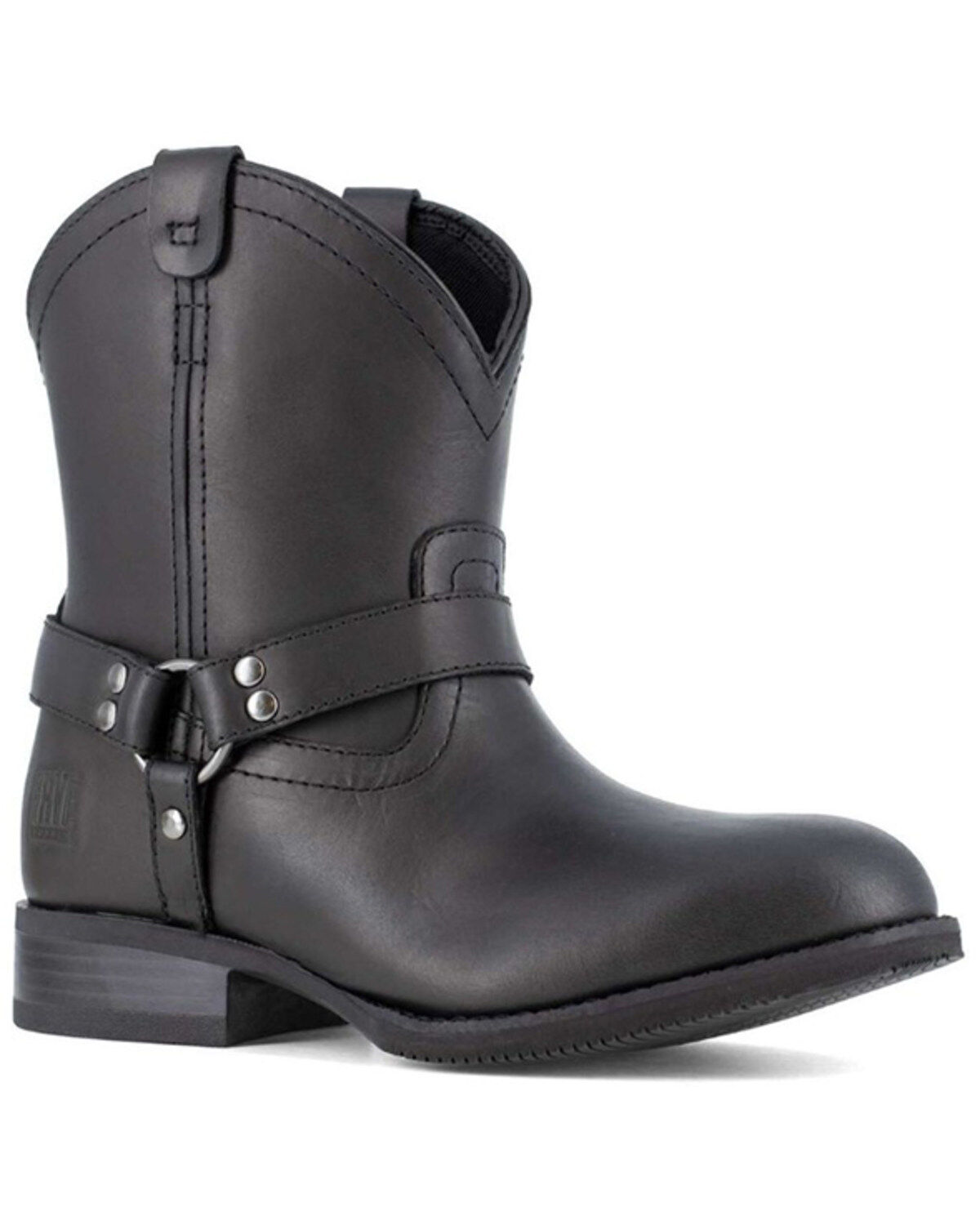
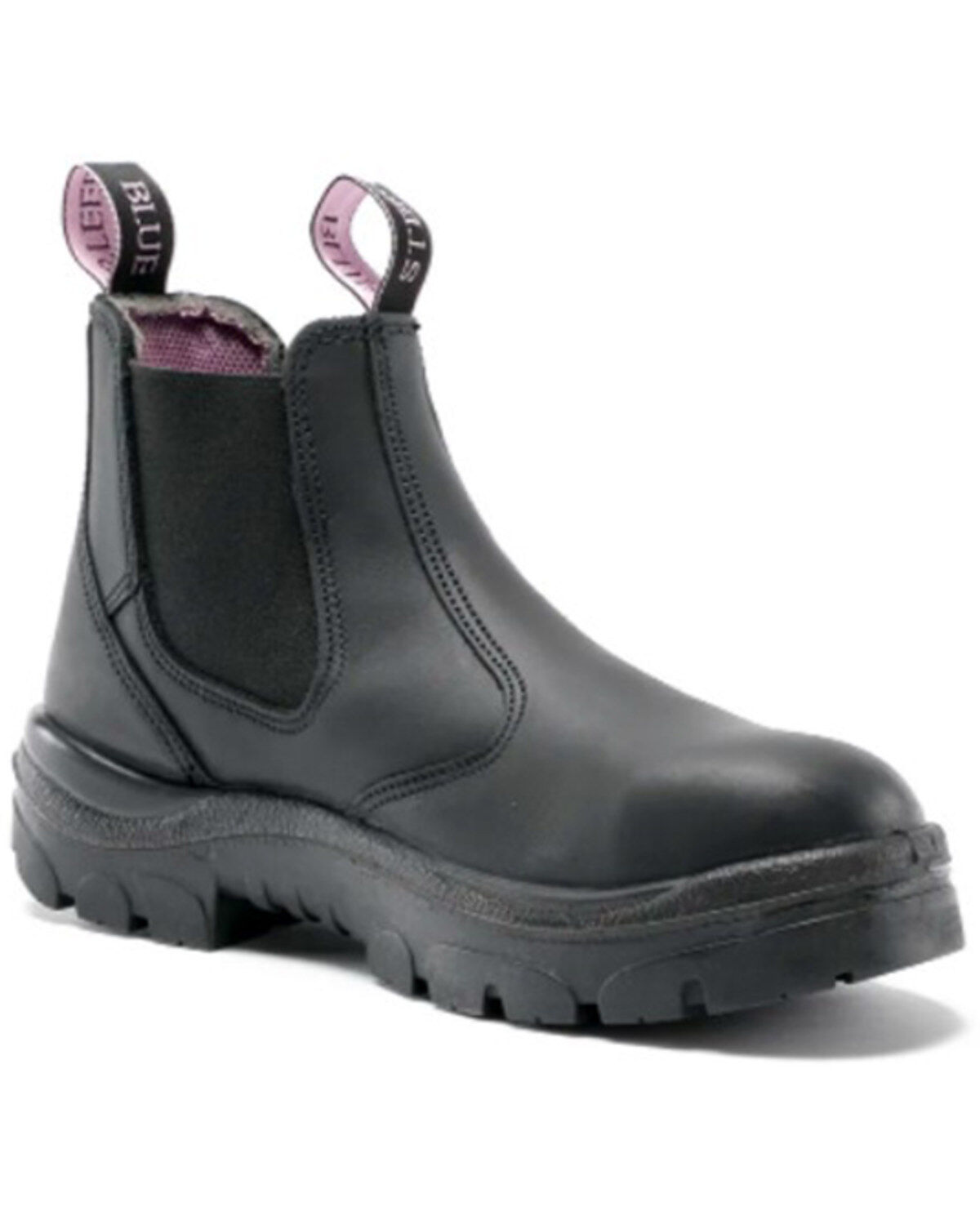
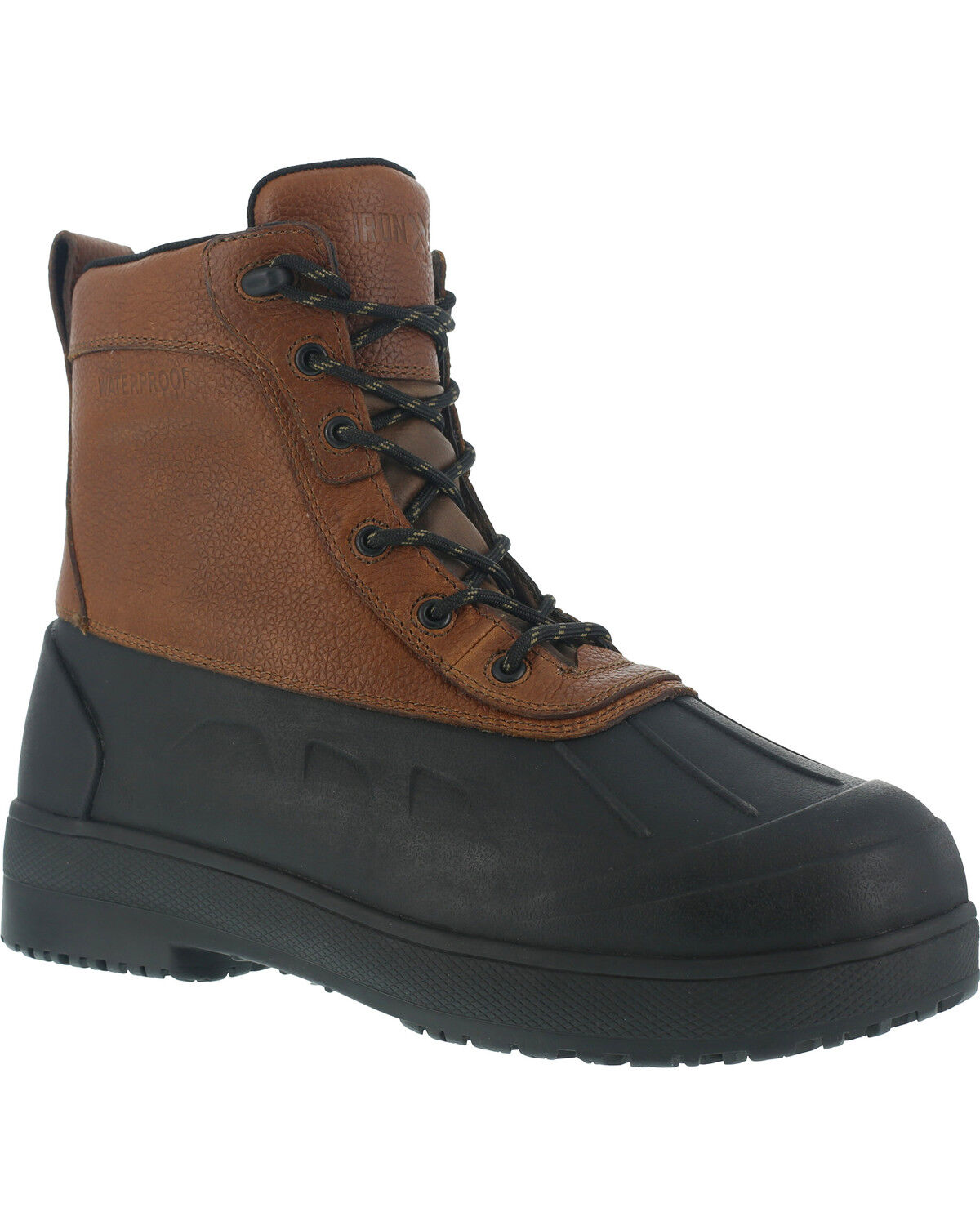
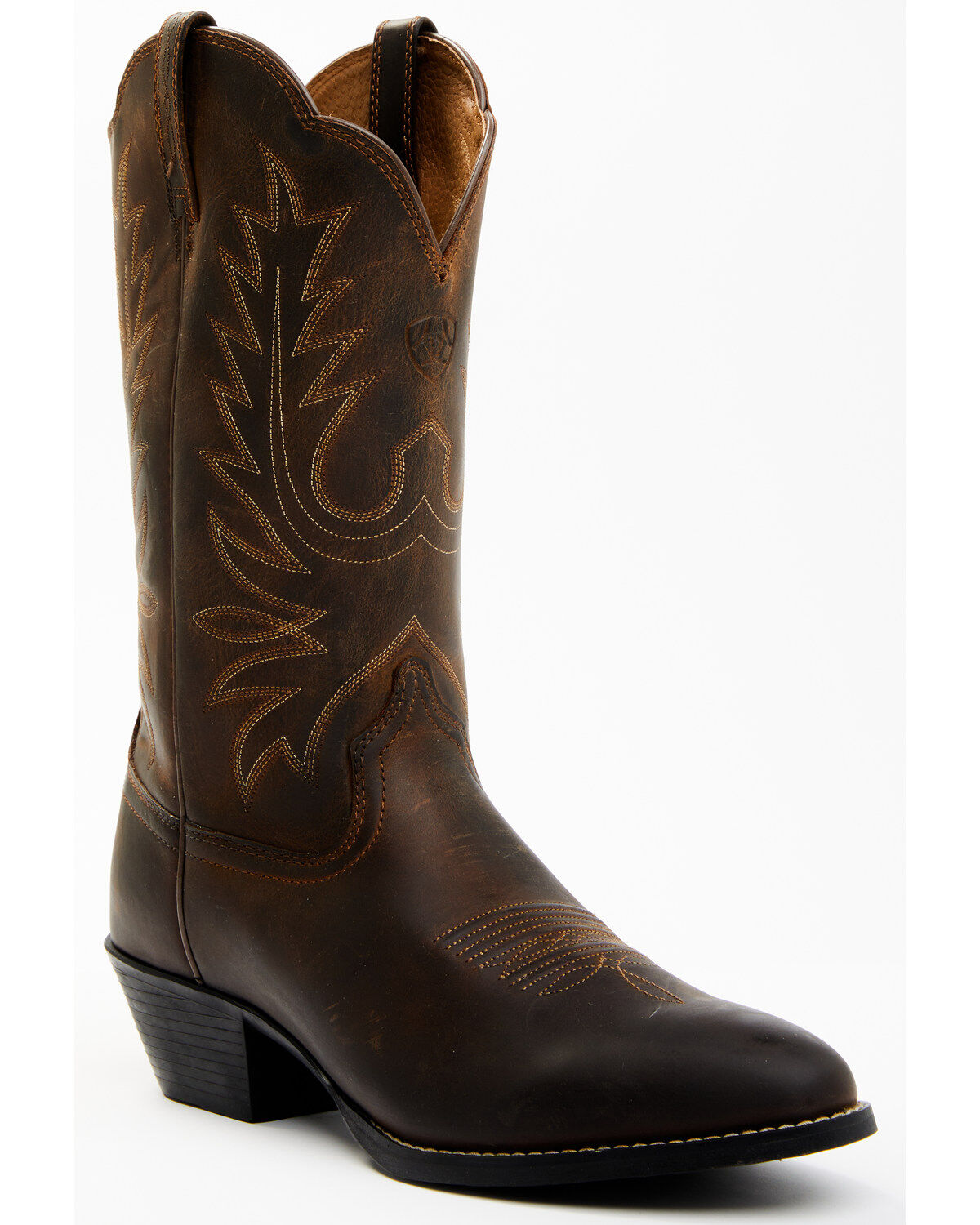
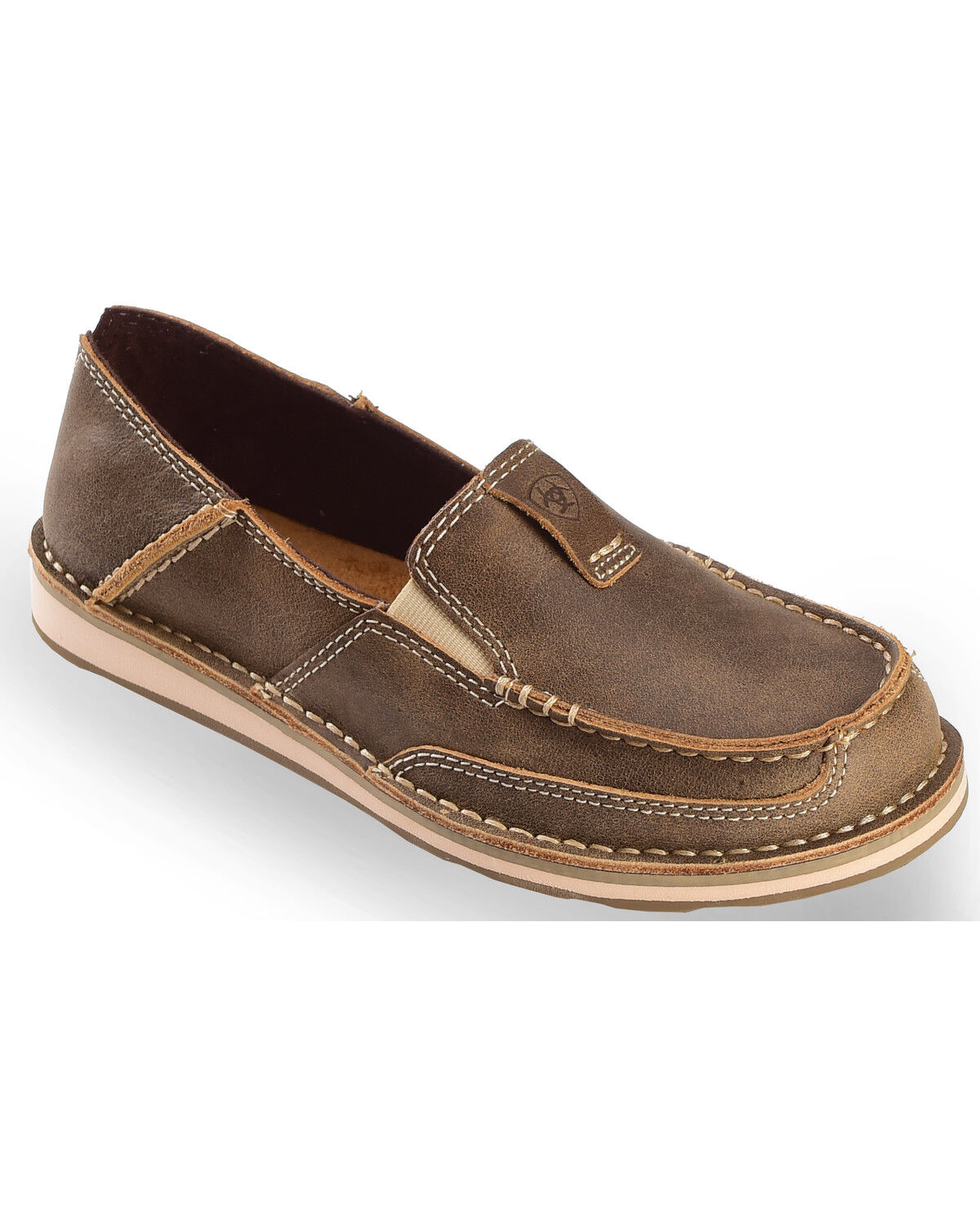
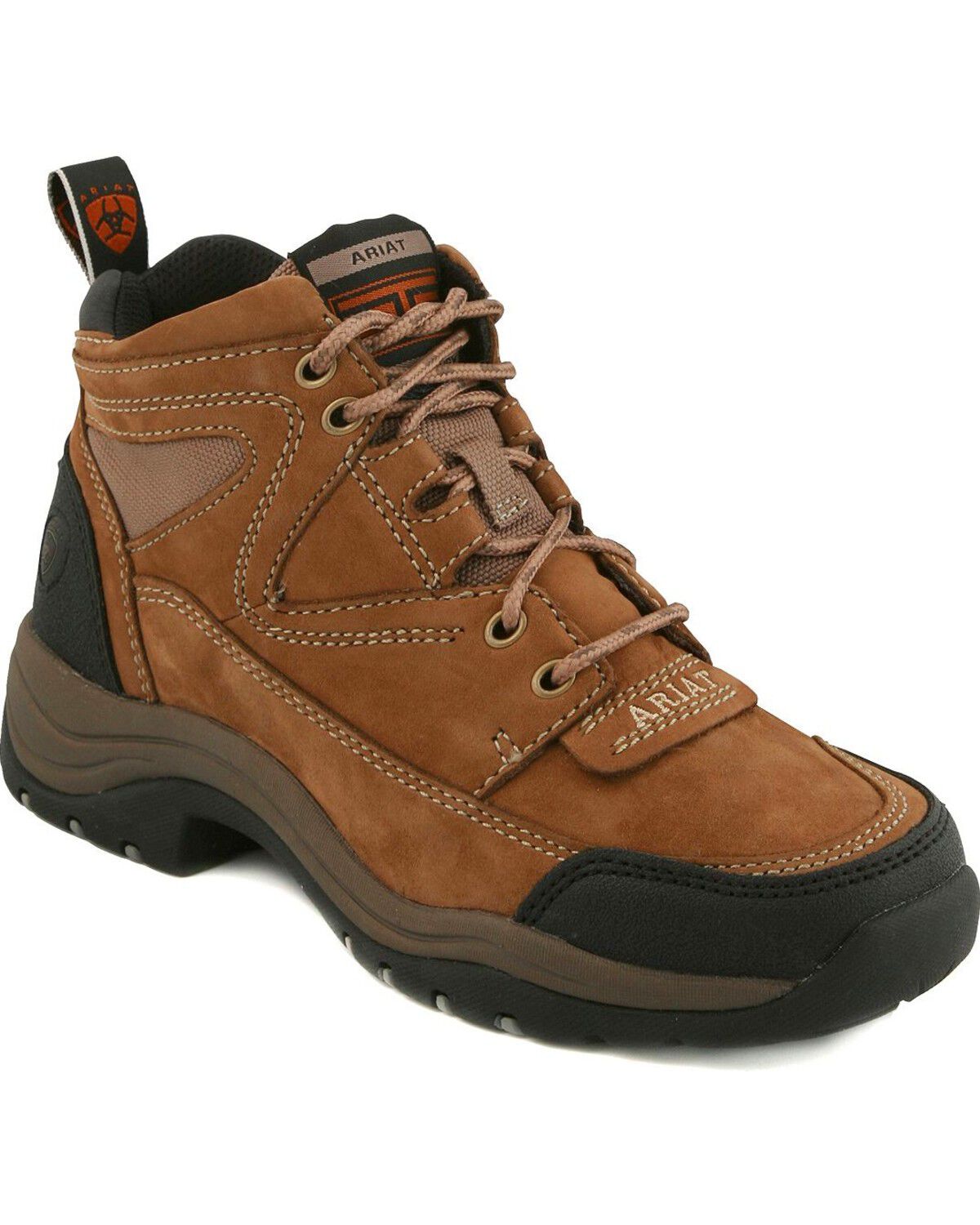
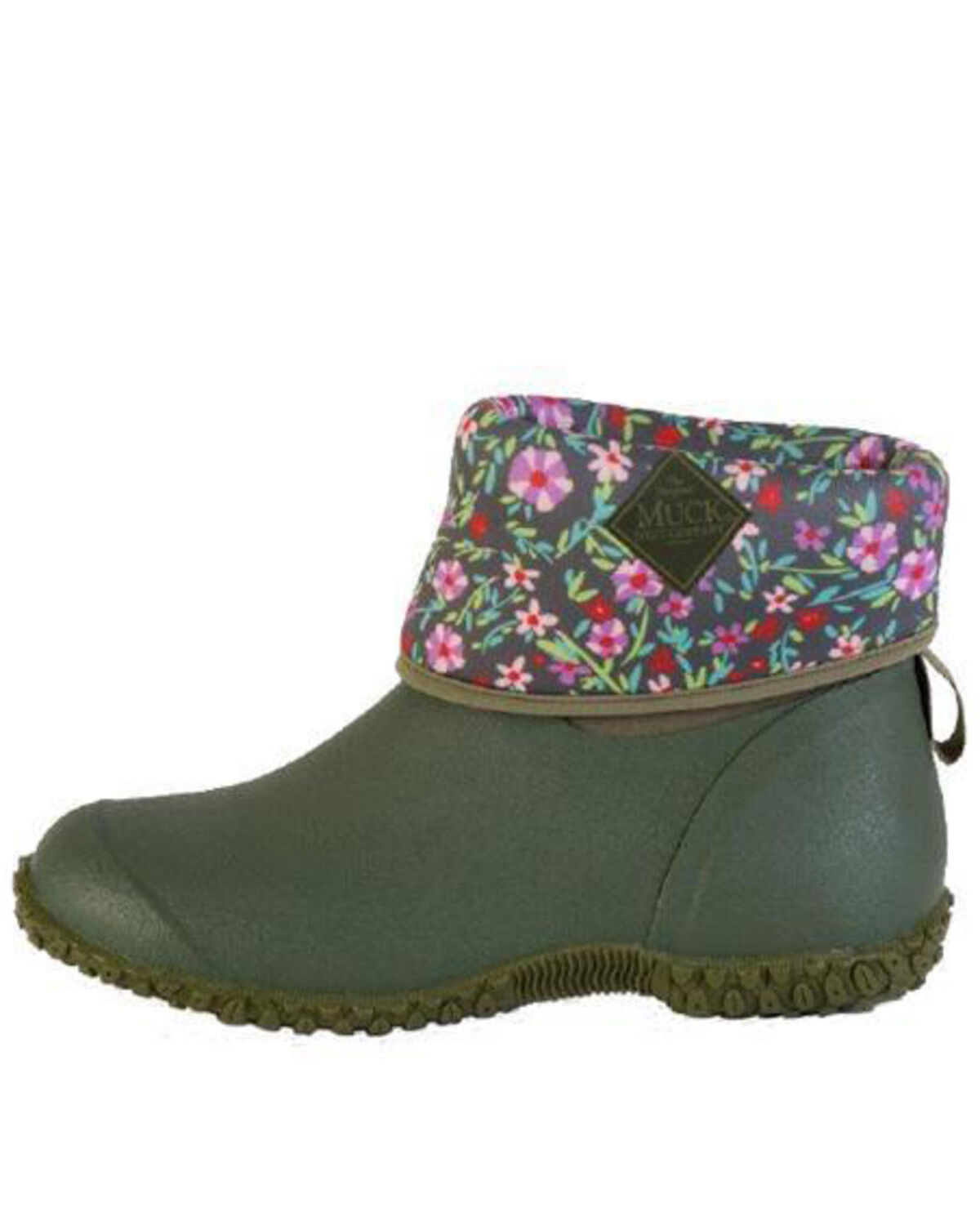
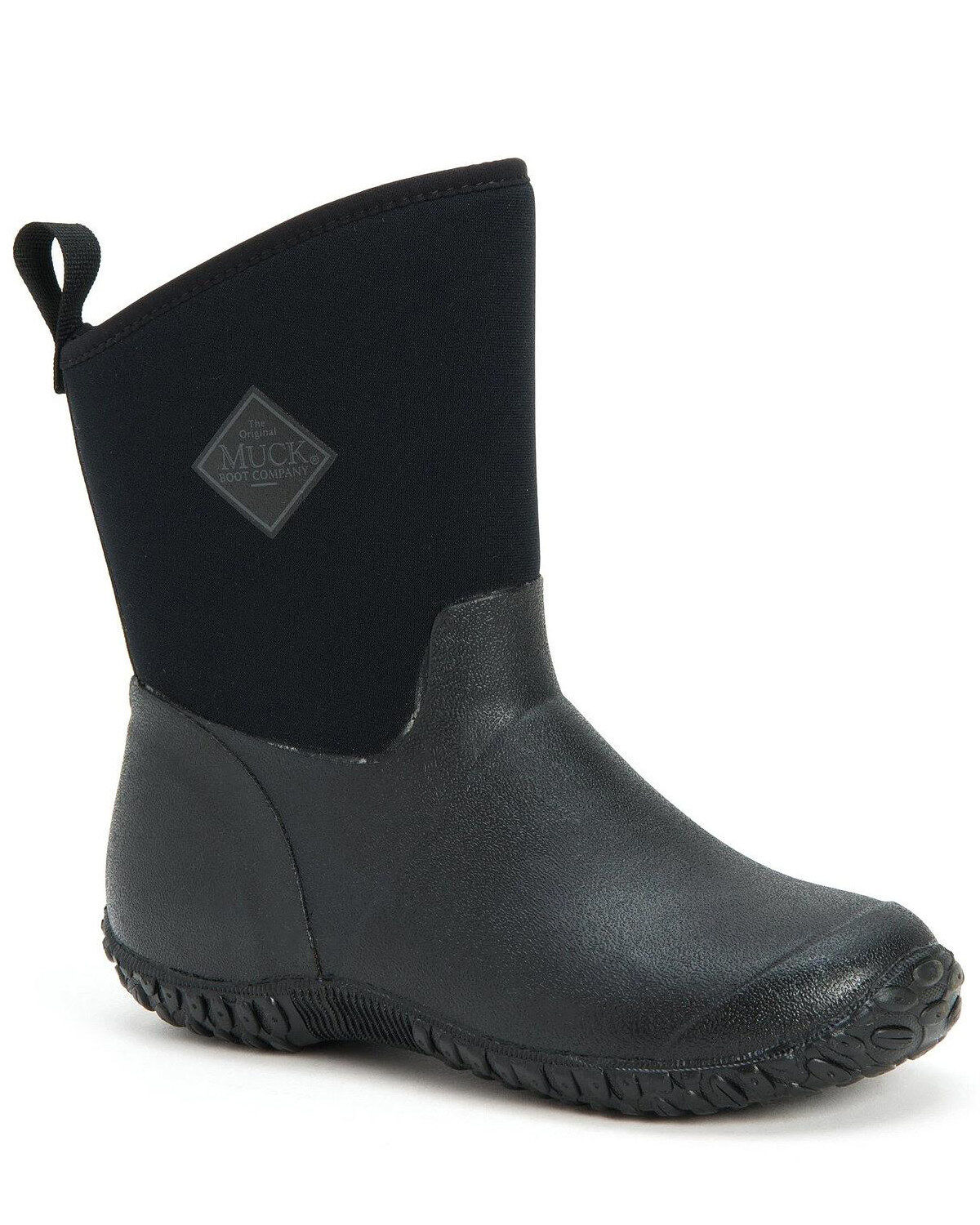
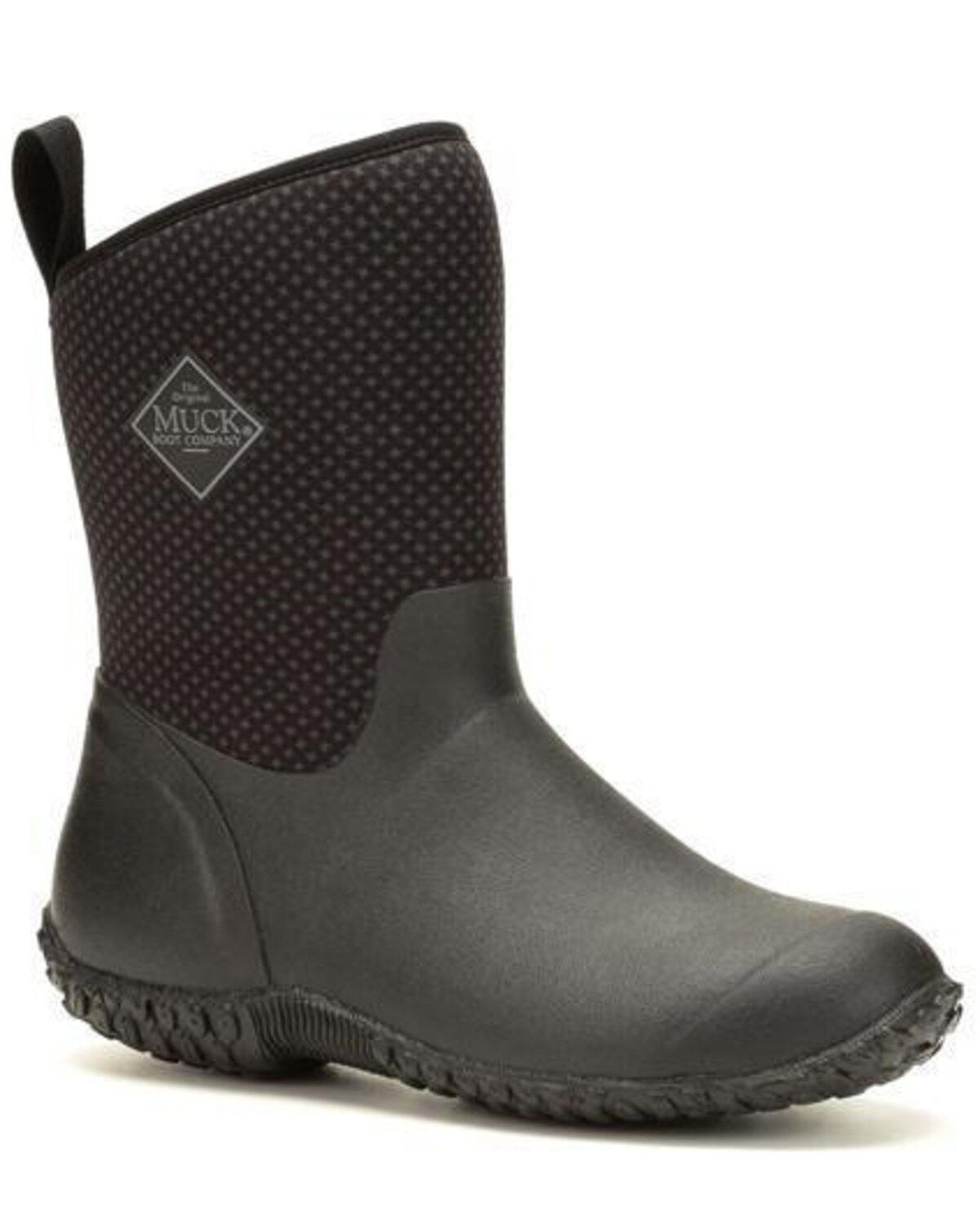
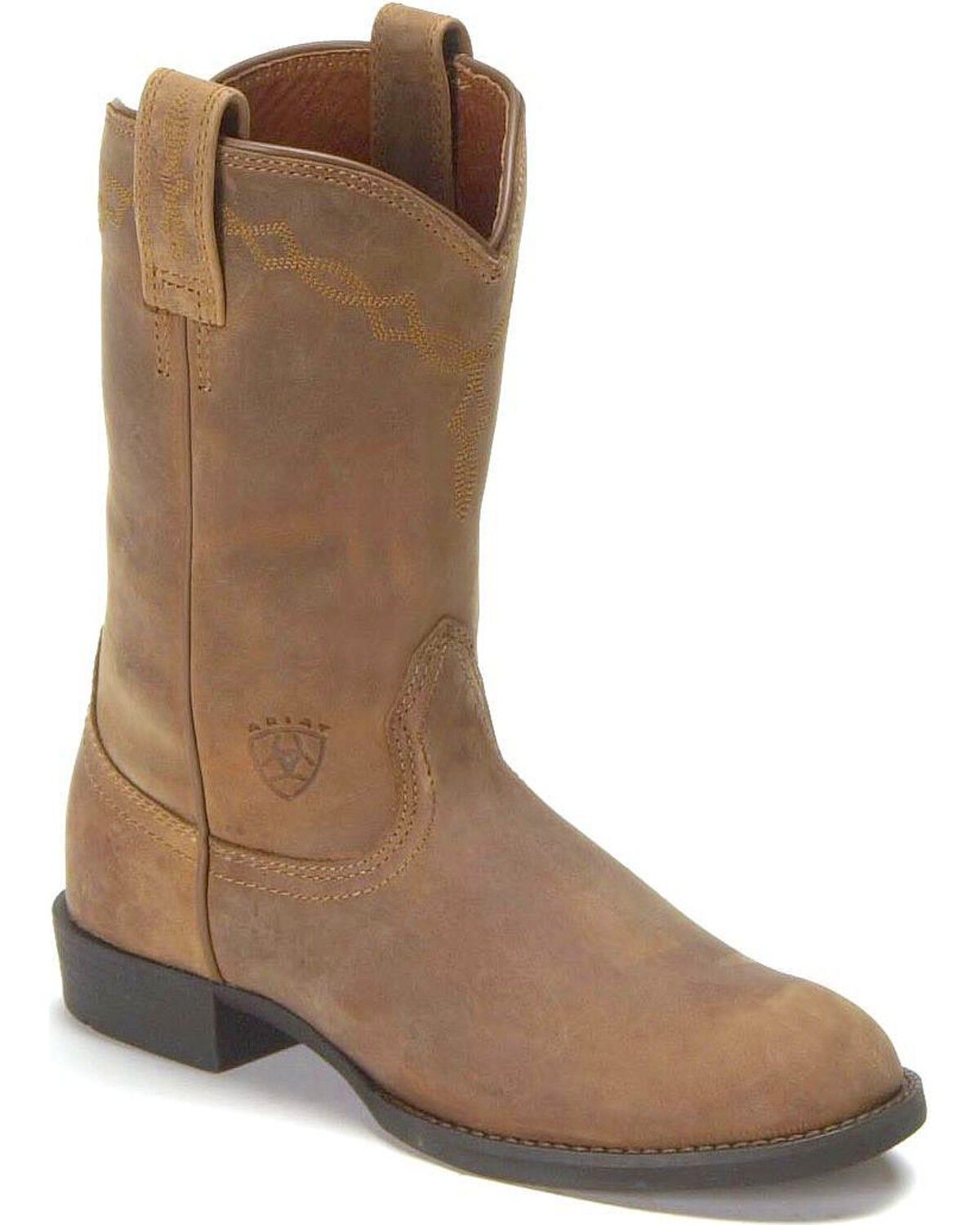
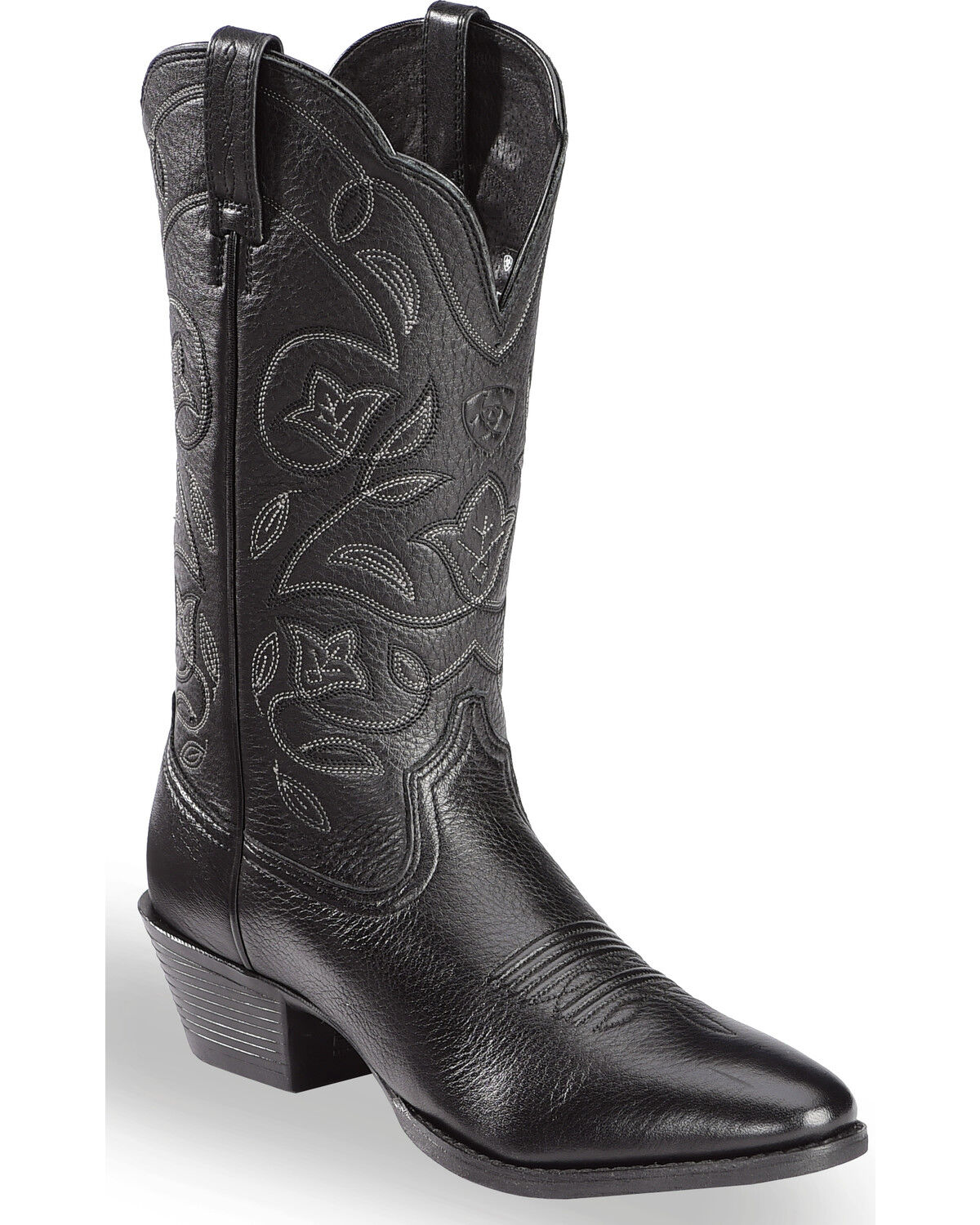
Women's Black Safety Boots

Shop women's black safety boots with your work requirements in mind. Compare available styles, review sizing information, and check each pair's listed safety features against your workplace standards before choosing.

Read More

Shop Your Store: Shop Your Store: Find a Store

(Turn off Shop Your Store to see all items)

(Turn off Shop Your Store to see all items)

close
  • Recommended
  • Lowest Price
  • Highest Price
Skip pass products

End of products

Women's Black Safety Boots

Women’s black safety boots serve women in manufacturing, warehousing, construction, maintenance, transportation, and other jobs where ordinary footwear does not meet workplace requirements. A black exterior keeps the look straightforward, but the protection comes from the boot’s construction and safety features. Depending on the design, protective toe caps may be made from steel, alloy, or composite materials. Steel offers strong protection in a relatively thin profile, while alloy and composite options can offer different balances of weight and toe shape. The material alone does not establish a boot’s safety rating, and a composite toe does not automatically make the entire boot free of metal. The employer’s required standards remain the starting point. Impact and compression protection, electrical hazard protection, static-dissipative properties, and puncture resistance address different risks; none should be assumed from appearance. Electrical hazard-rated footwear provides secondary protection under specified conditions and is not a substitute for required electrical safety practices. Outsole performance matters just as much during a full shift. Walking across a loading dock, moving between warehouse aisles, or standing at a production station puts different demands on traction and support. Slip-resistant soles are designed to improve grip on certain surfaces, but no outsole prevents every slip. Oil resistance describes how a sole material withstands exposure to oil, not a guarantee of traction on an oily floor. Tread shape, the floor surface, and accumulated debris all affect footing. Defined tread can be useful on uneven ground, while other sole designs suit flatter work surfaces. A defined heel may be required for certain ladder tasks, making workplace footwear rules especially important. Black safety boots can have a low-profile shape or a heavier build, but the best match is the one whose protective features and construction fit the actual work. A neat appearance is useful when a shift includes customer contact; it never replaces the protection required on the floor.

Materials and fit determine how those protective features feel after hours on the job. Leather uppers are common in work footwear because they offer structure, abrasion resistance, and a surface that can be cleaned and conditioned. Full-grain leather retains its natural surface and generally holds up well with proper care. Other leather finishes offer different textures and maintenance needs, while textile panels can change flexibility, weight, and airflow. Reinforced areas around the toe and heel can help limit wear where boots rub against pallets, equipment, or rough surfaces. Waterproof construction may be useful for jobs involving splashes or frequent contact with water, but water resistance and waterproof protection are not interchangeable. Neither feature replaces specialized footwear required for chemical exposure. Stitching, sole attachment, and upper construction also affect durability and flexibility. Welted construction may allow resoling when the design and condition permit, while other attachment methods can offer a lighter or more flexible feel. Fit deserves the same attention as materials. Protective toe caps do not stretch like the surrounding upper, so pressure across the toes should not be treated as something that will disappear with wear. Toes need room to move without striking the cap, and the heel should feel secure without excessive rubbing. Work socks, foot shape, and any approved orthotics all affect the fit. Women’s sizing and women-specific footwear shapes can provide different proportions through the heel and forefoot than simply choosing a smaller men’s size. For adjustable support across the instep and ankle, Womens Lace Up Black Safety Boots allow the laces to be tightened or loosened across different parts of the foot. Pull-on designs offer a different fit and remove the need to manage laces around the ankle. Neither closure is automatically better for every job. Cushioning, a stable platform, and enough flexibility for the task all contribute to comfort, whether the day involves walking a large facility or remaining at a fixed workstation. Added insoles must leave adequate room inside the boot and remain compatible with its protective requirements.

Durability depends on both the work environment and the attention boots receive between shifts. Repeated kneeling can wear the front of the upper, contact with sharp edges can cut leather, and dragging a heel can wear down one section of the outsole long before the rest. Protective overlays and reinforced stitching can help in high-contact areas, though no construction eliminates wear. Black leather can maintain a uniform appearance with regular cleaning, but polish does not repair structural damage or restore a worn safety feature. Loose dirt is best removed before it becomes worked into seams and creases. Cleaning products and conditioners should match the upper material, since smooth leather, suede, and textile sections do not all tolerate the same treatment. Too much conditioner can alter the leather’s feel or appearance, and heavy surface coatings can interfere with some materials. Manufacturer care directions provide the right limits for the construction. Boots that become damp inside need time to dry naturally, away from direct heat that can stiffen leather or damage adhesives. Removable insoles can be taken out for drying when the design allows. Outsole grooves also need attention: packed dirt, small stones, and other debris can reduce contact with the walking surface. Regular inspection can reveal separating soles, damaged stitching, deep cuts, or tread worn smooth in high-pressure areas. A substantial impact to the protective toe calls for following the manufacturer’s replacement guidance, even when damage is not obvious from the outside. Boots worn around chemicals or other specialized hazards need care and replacement procedures suited to that exposure. These practical details matter for a first job requiring protective footwear, a move into a different trade, or a replacement for a pair worn through steady use. They also matter when safety boots are given as a gift. Correct sizing, the recipient’s workplace requirements, and personal fit preferences are more important than matching a familiar color. A useful pair needs to suit the person, the work surface, and the demands of the shift.
Read More

FAQs