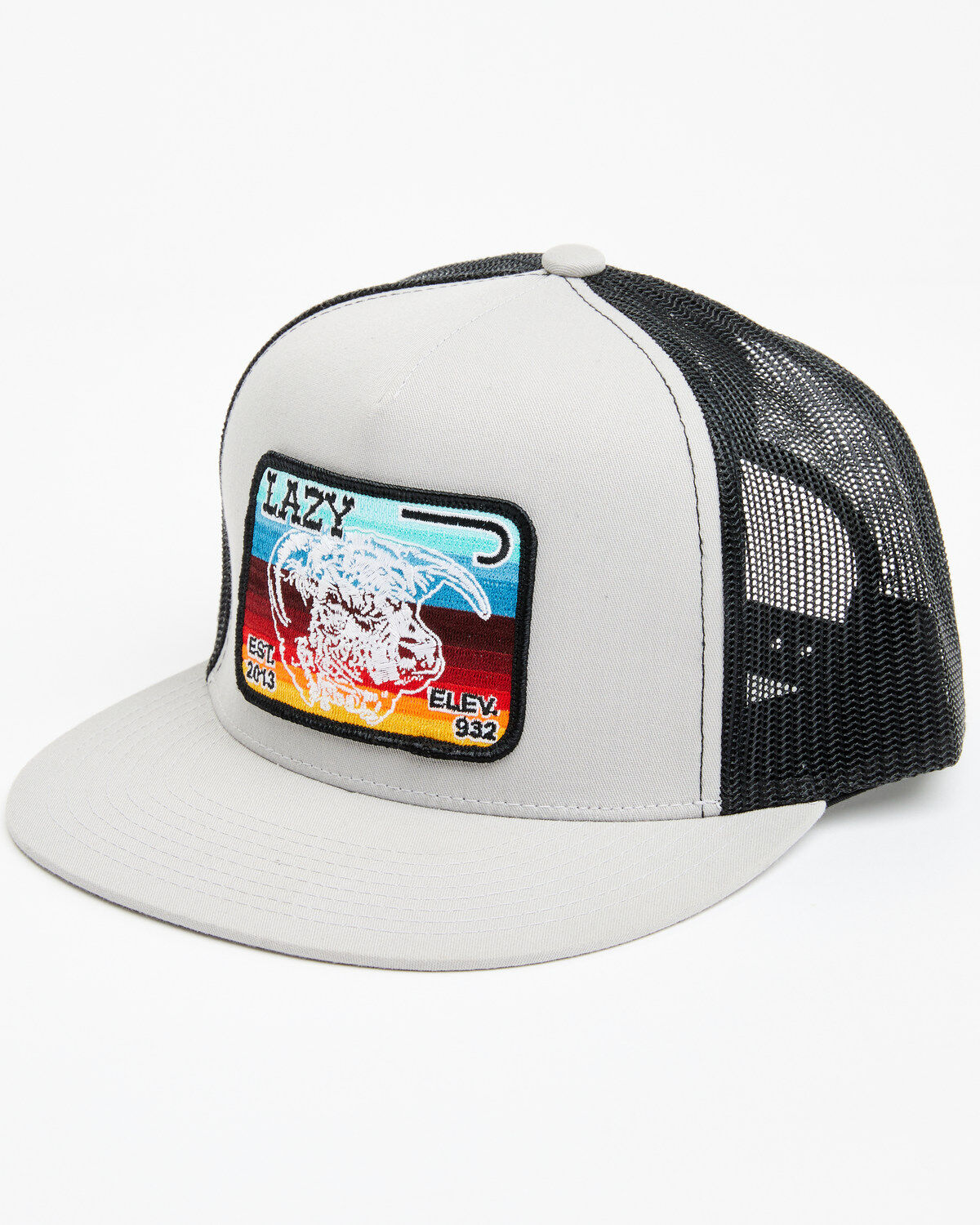
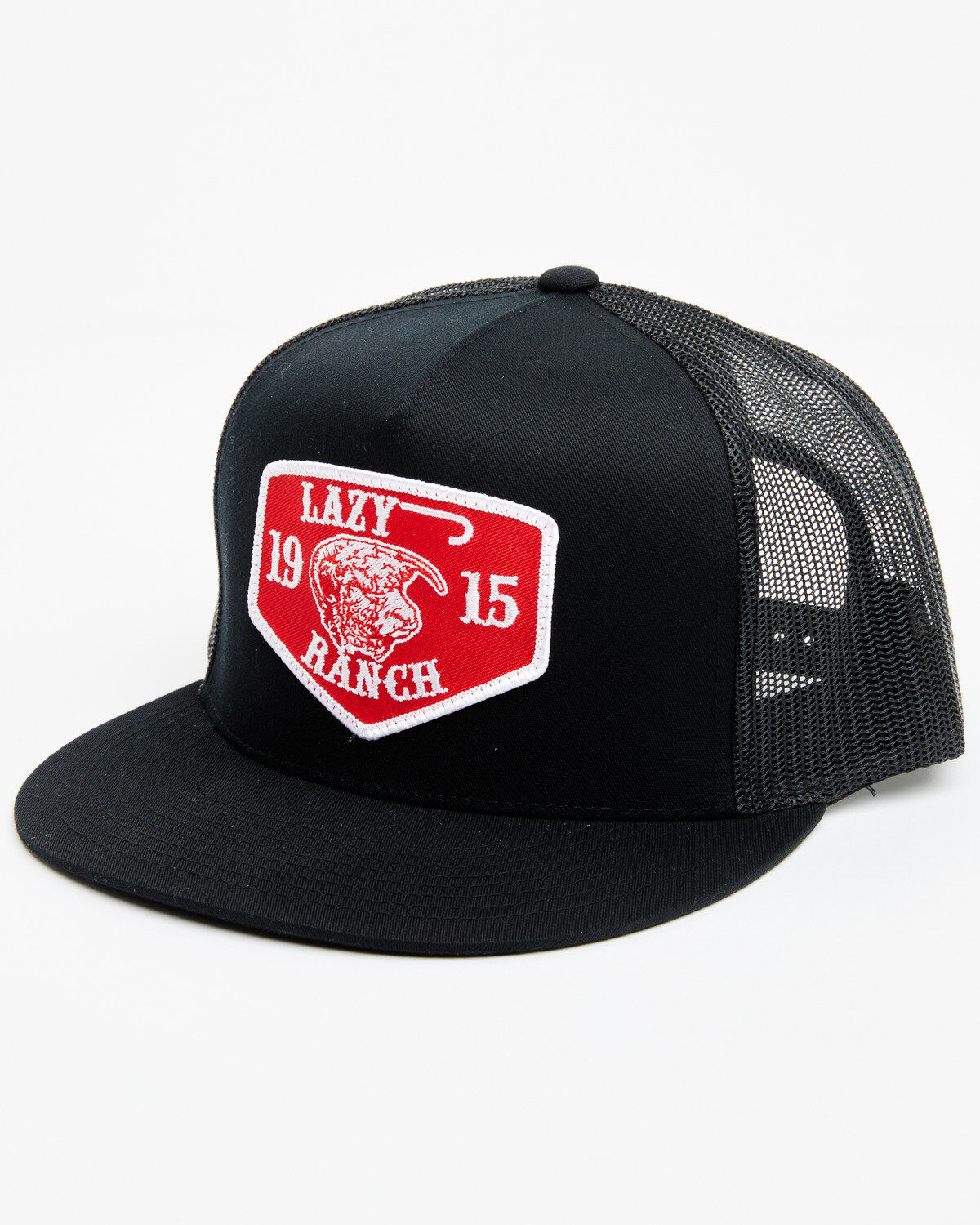
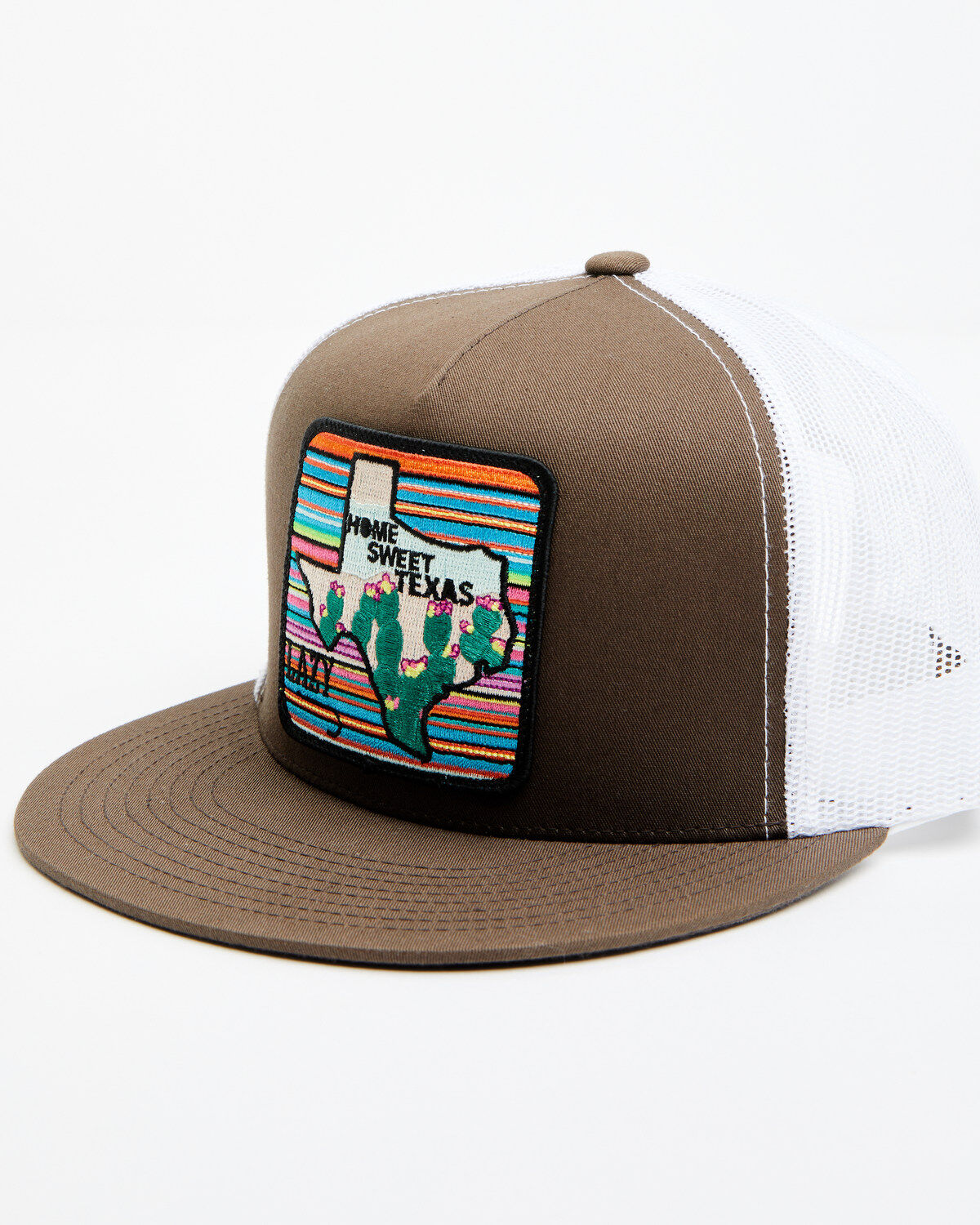
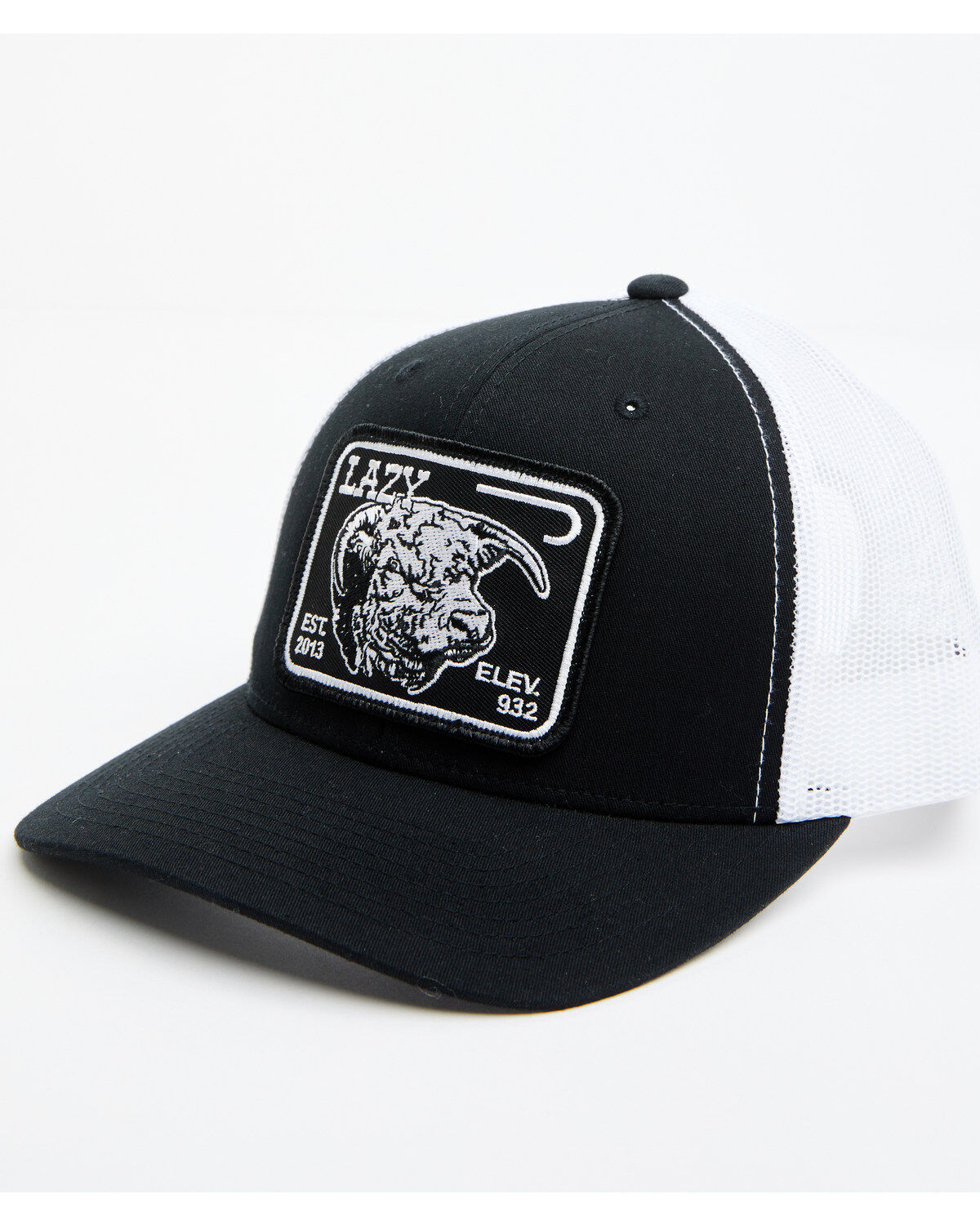
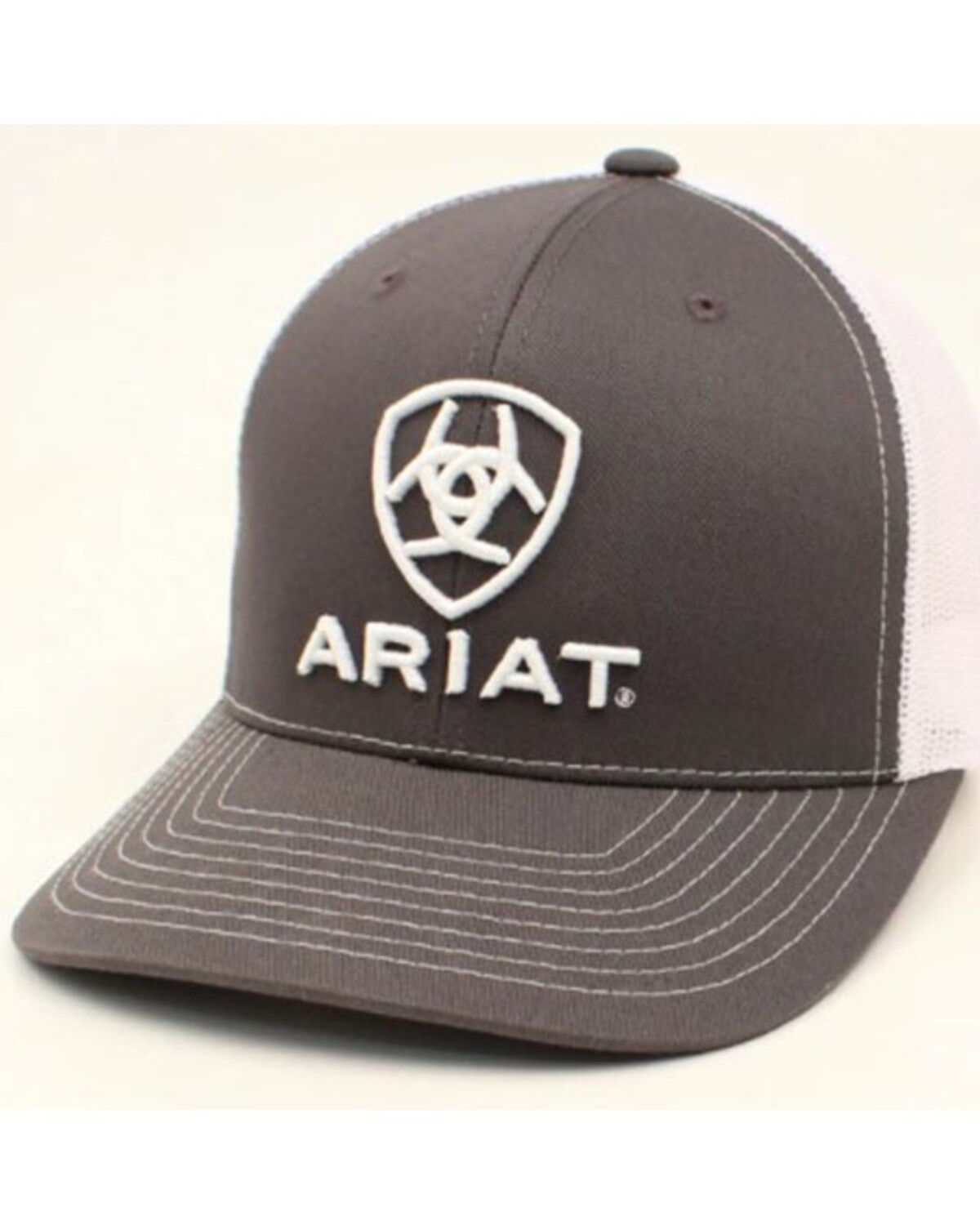
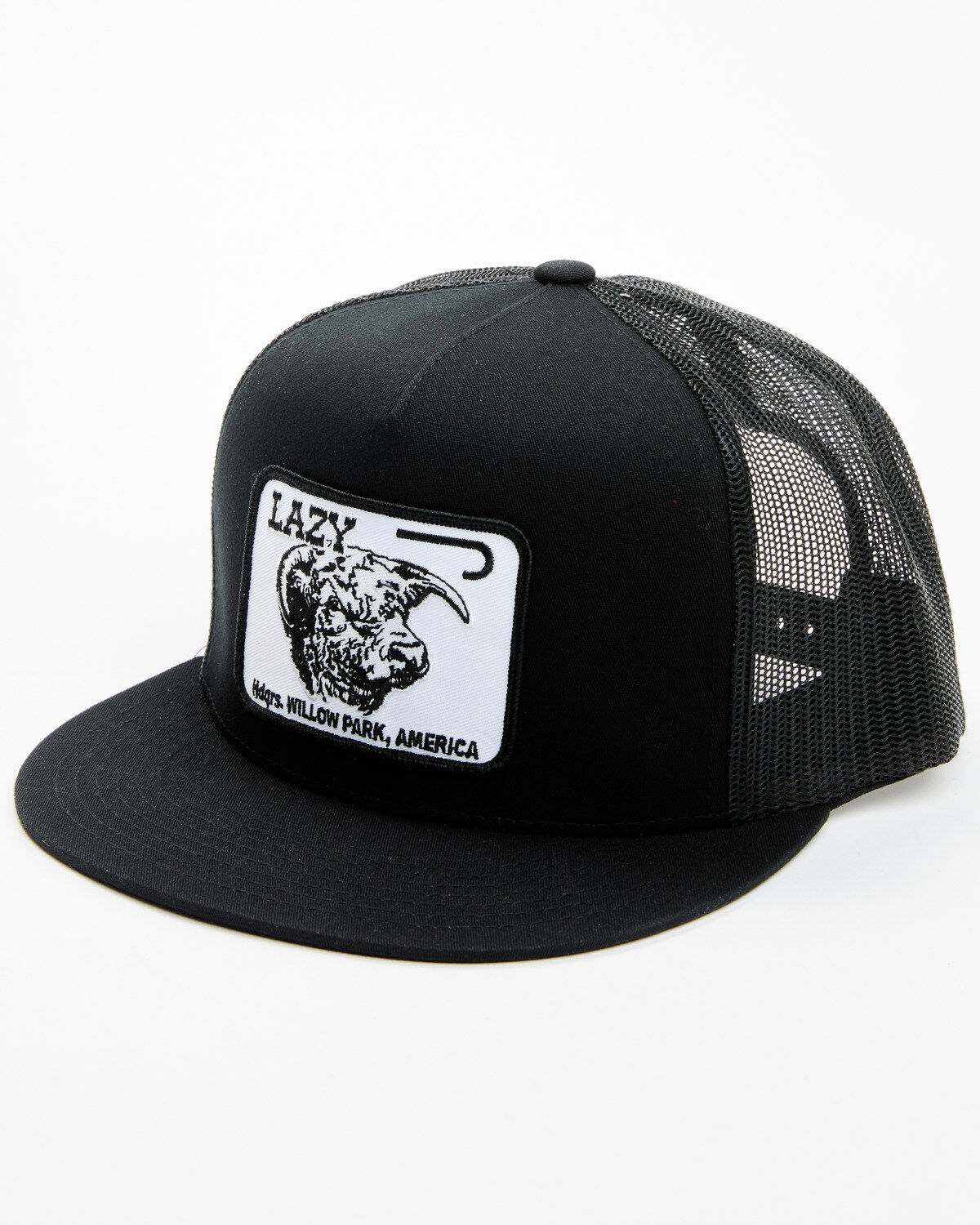
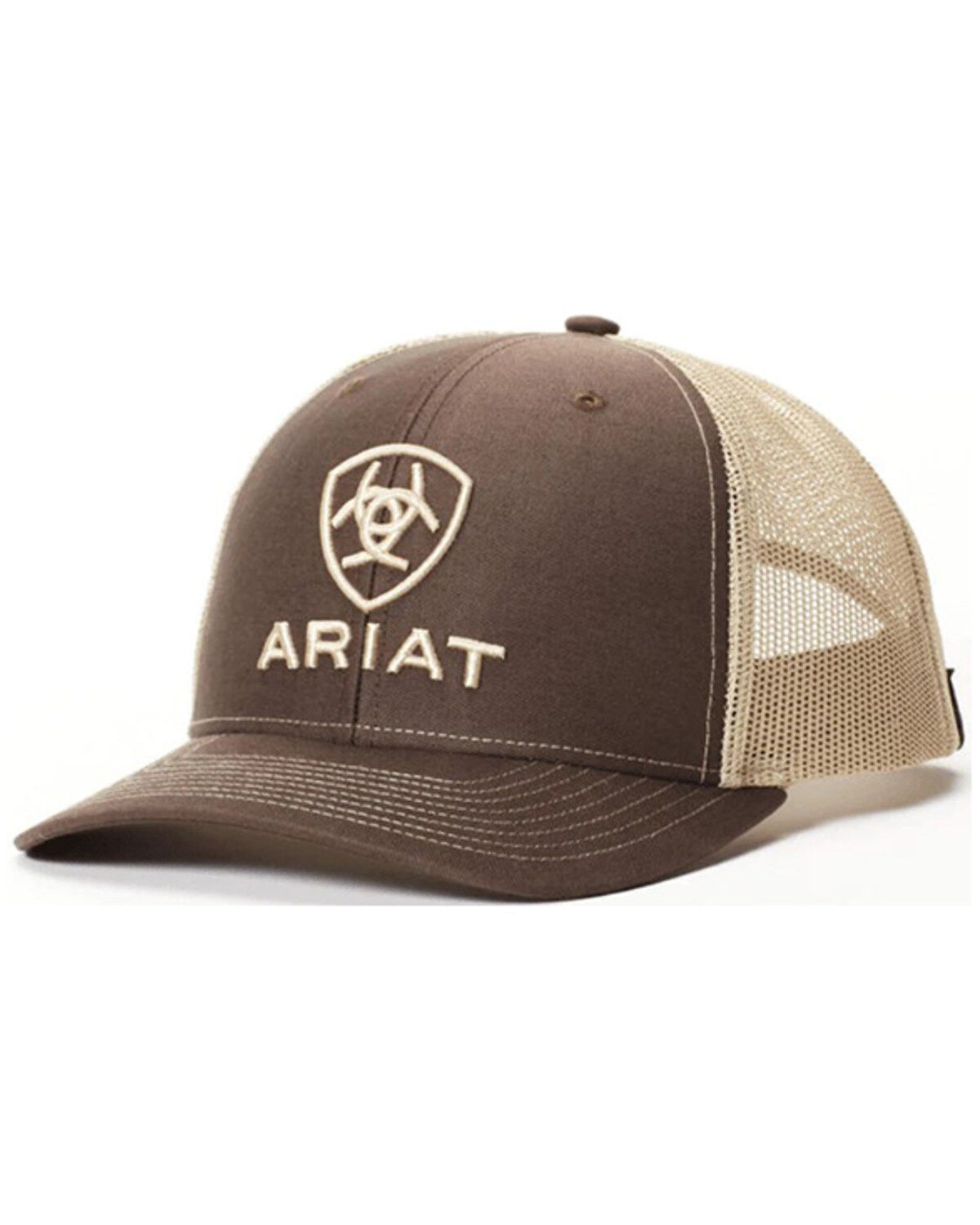
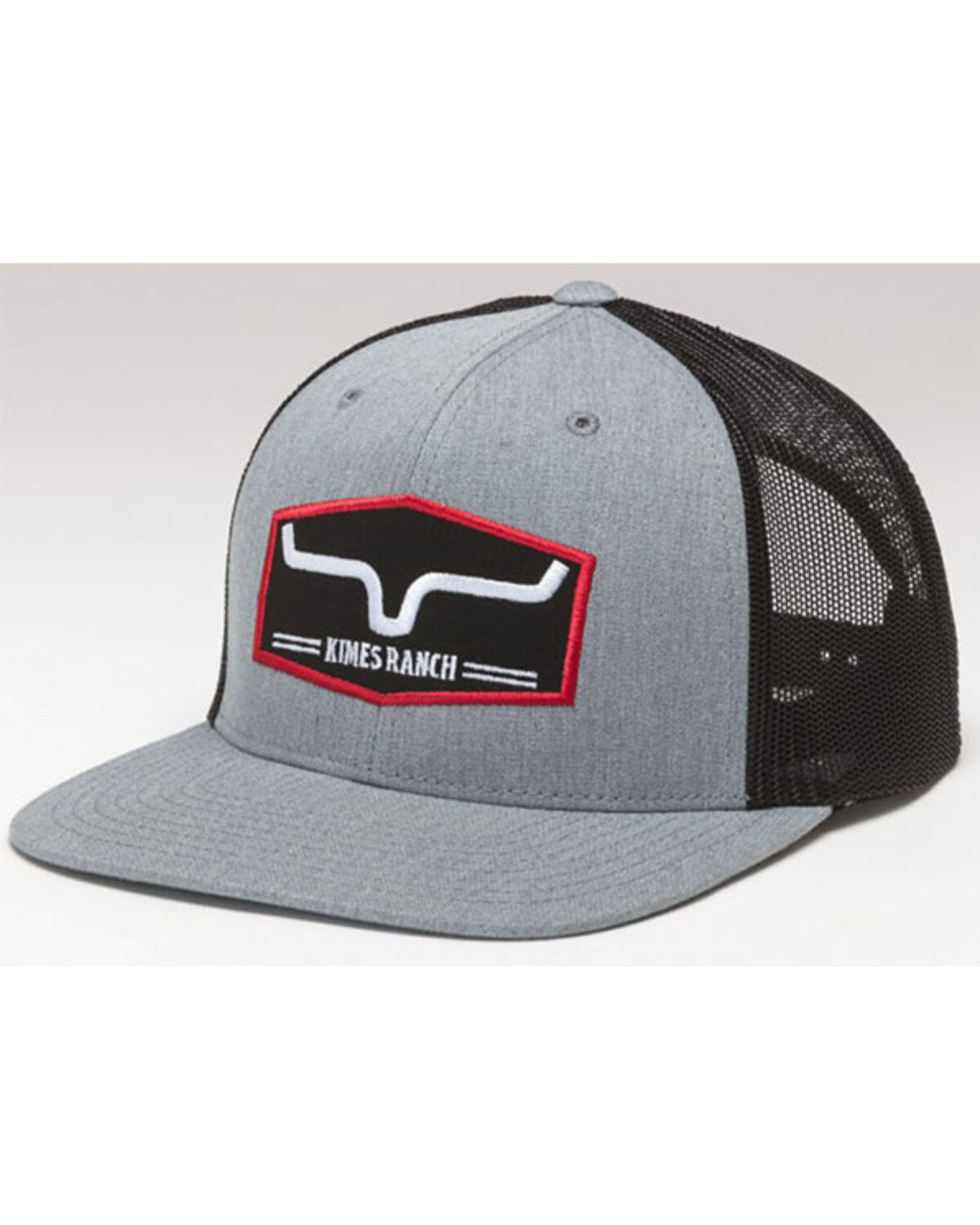
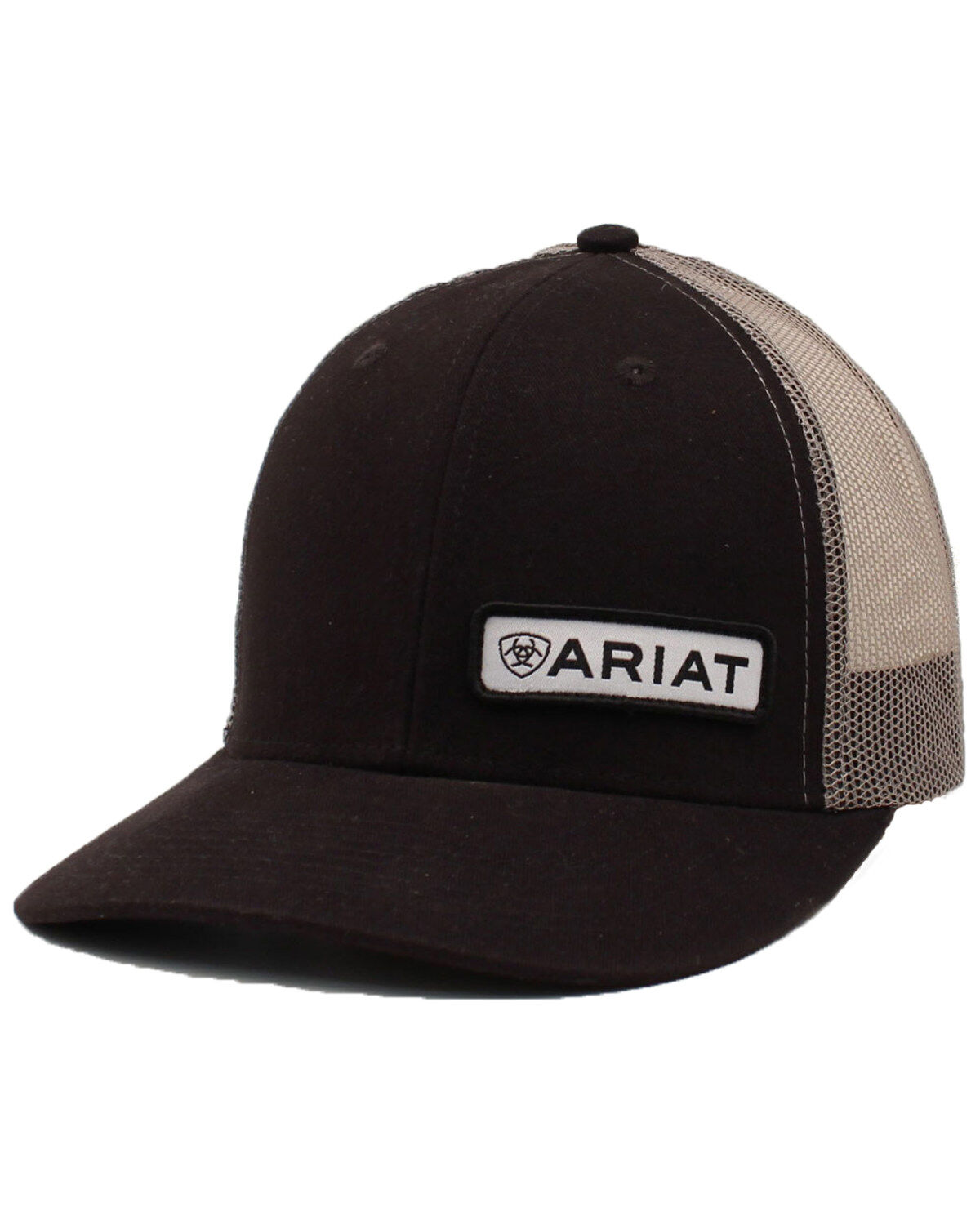
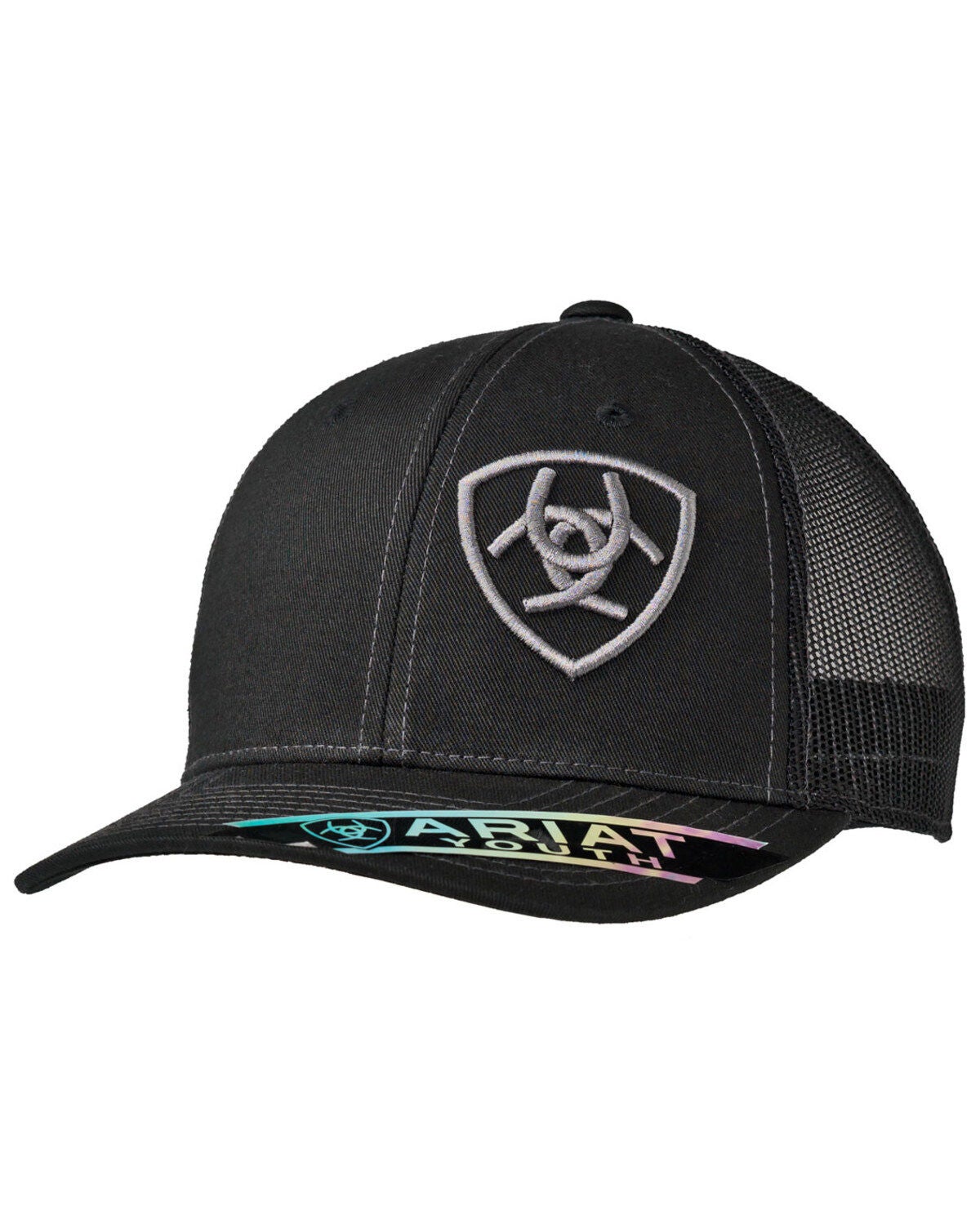
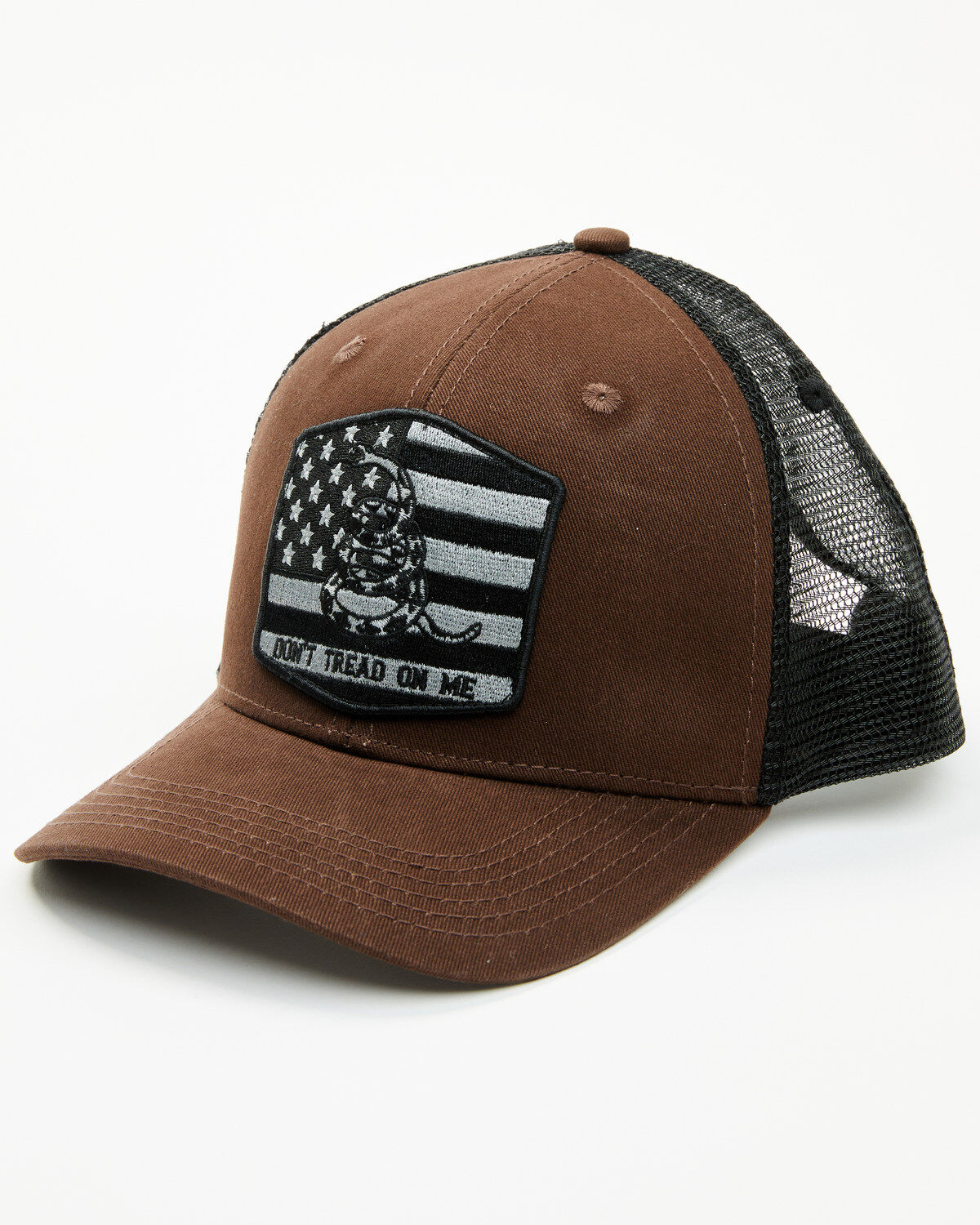
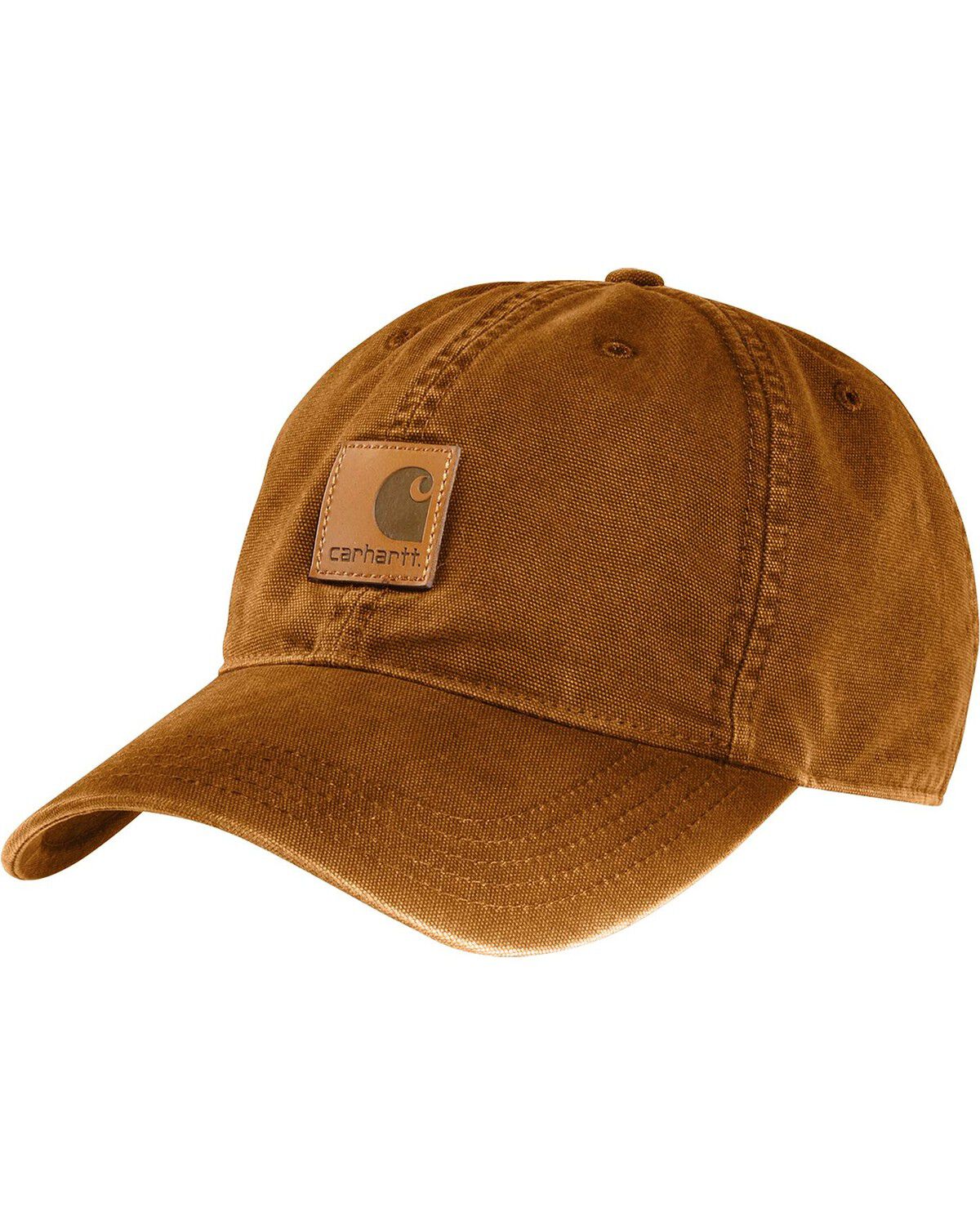
Western Style Snapback Hats

Shop western style snapback hats for a casual alternative to a cowboy hat. Browse western-inspired caps with adjustable snap closures, and find a style that fits your everyday look.

Shop Your Store: Shop Your Store: Find a Store

(Turn off Shop Your Store to see all items)

(Turn off Shop Your Store to see all items)

close
  • Recommended
  • Lowest Price
  • Highest Price
Skip pass products

End of products

Western Style Snapback Hats

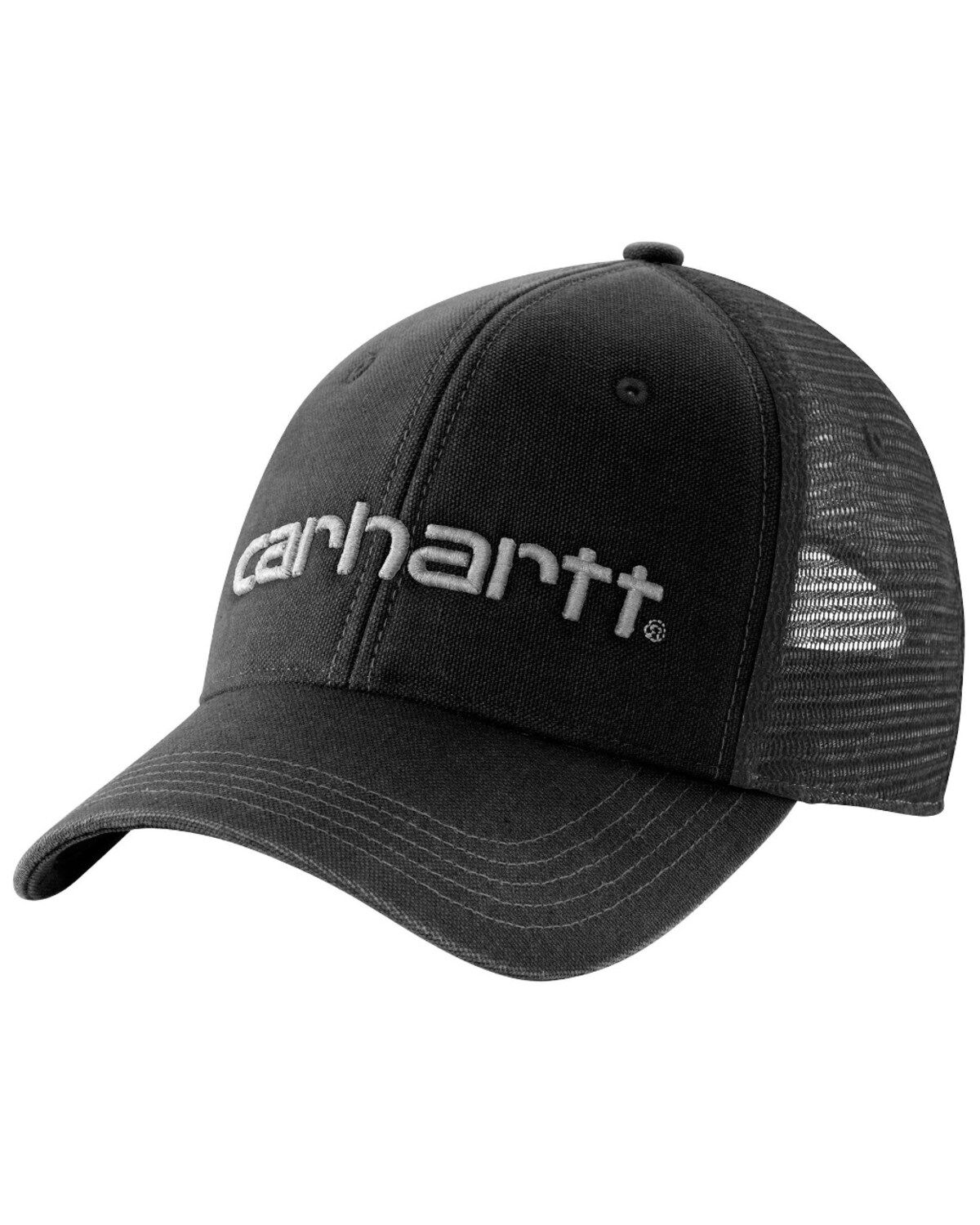
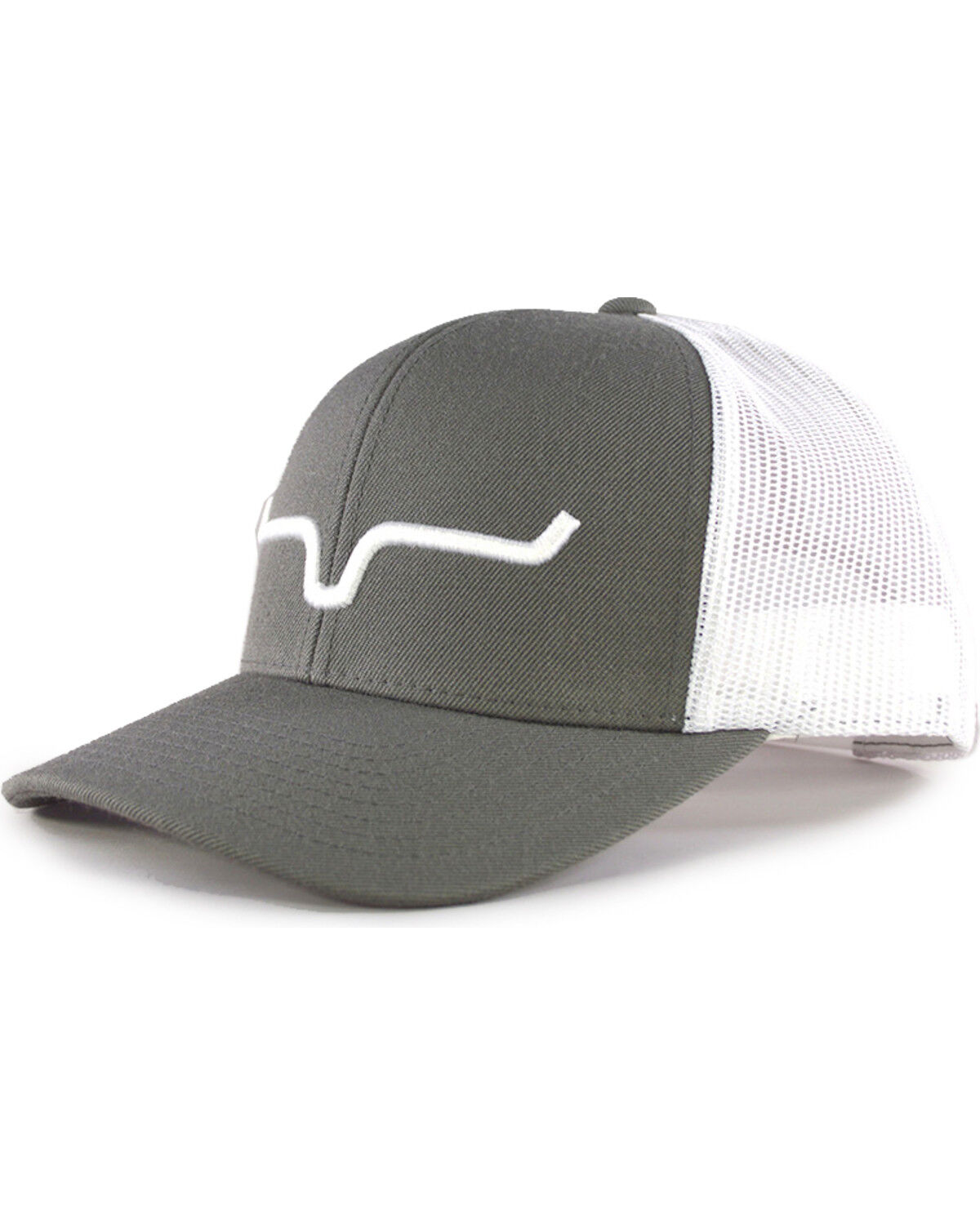
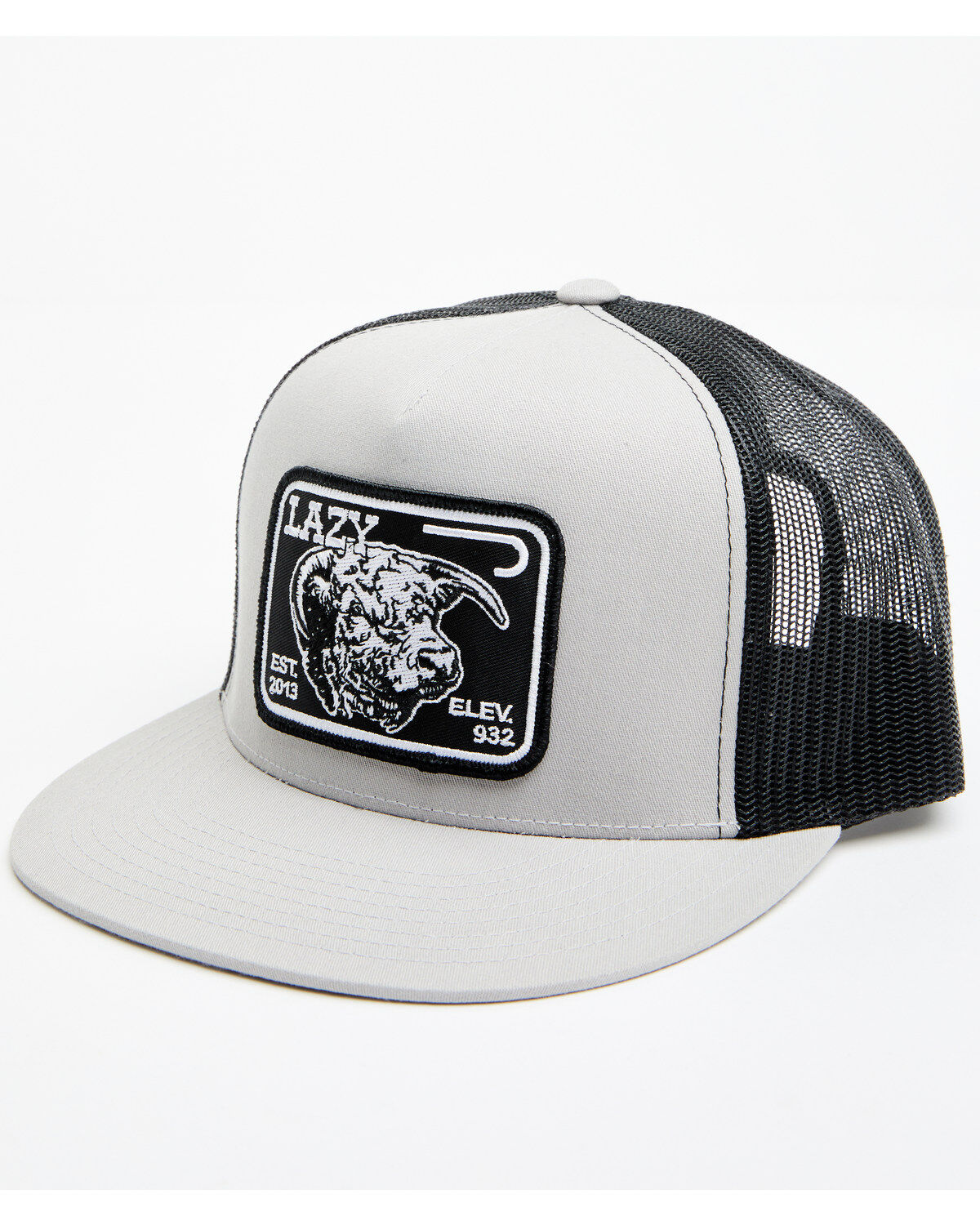
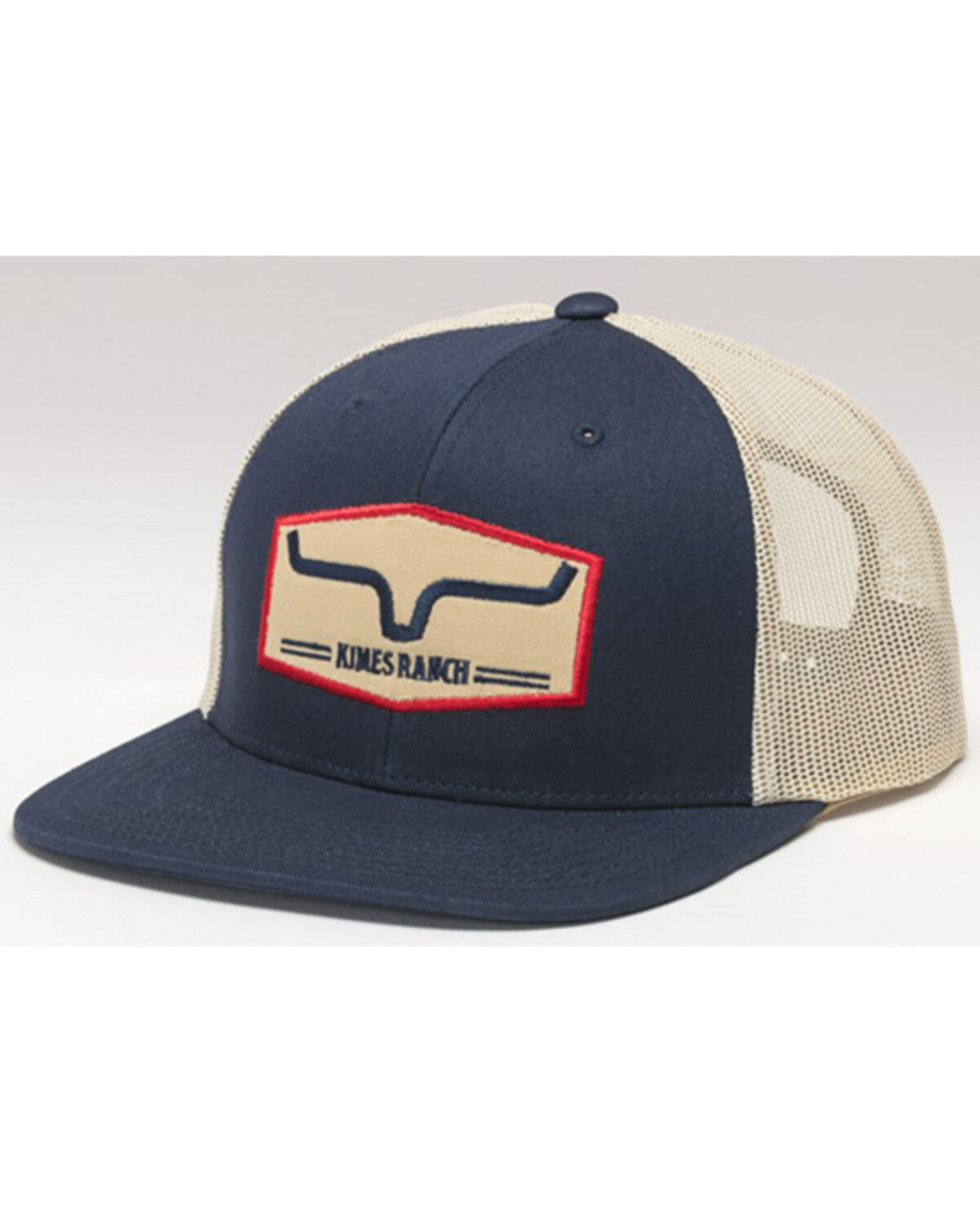
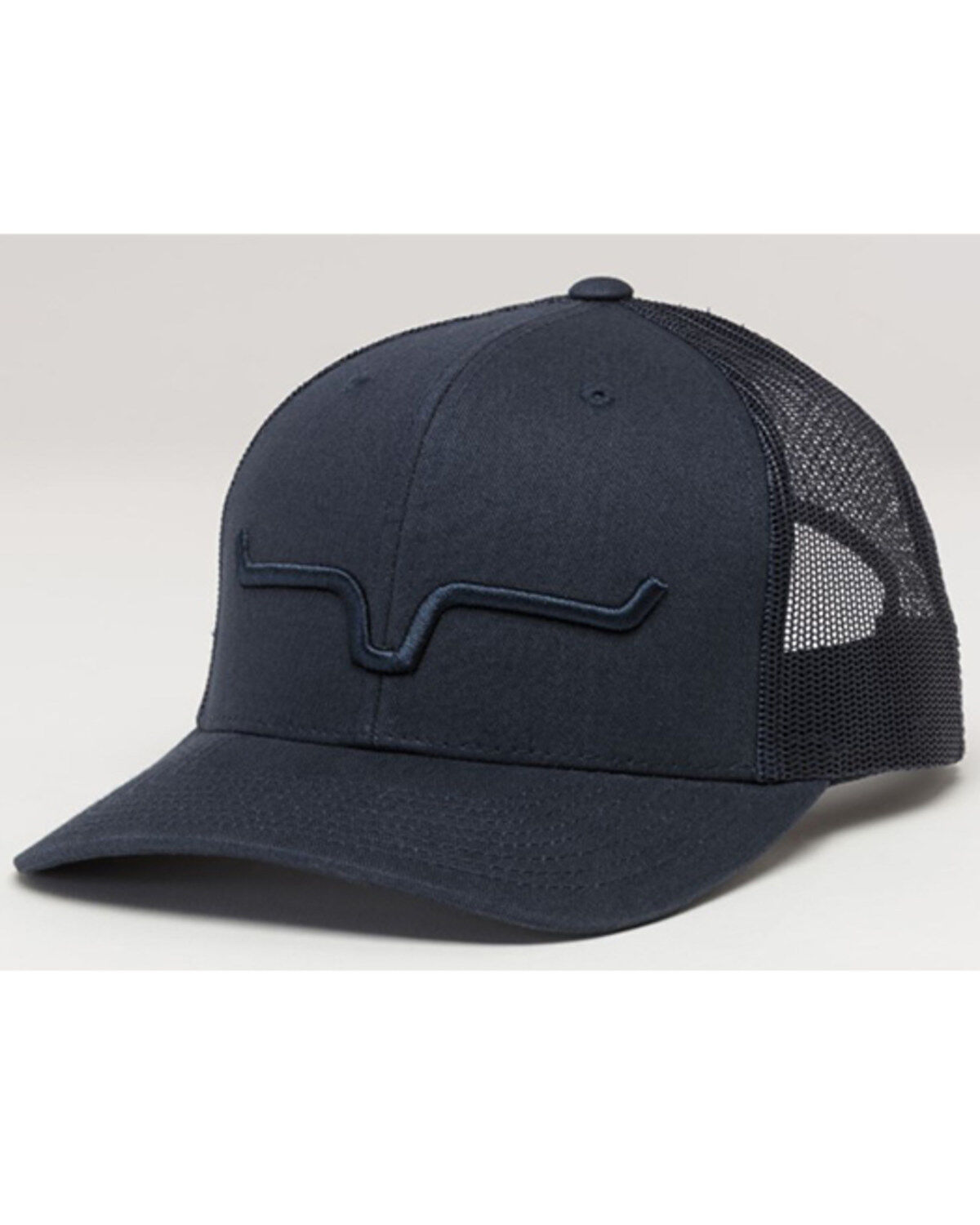
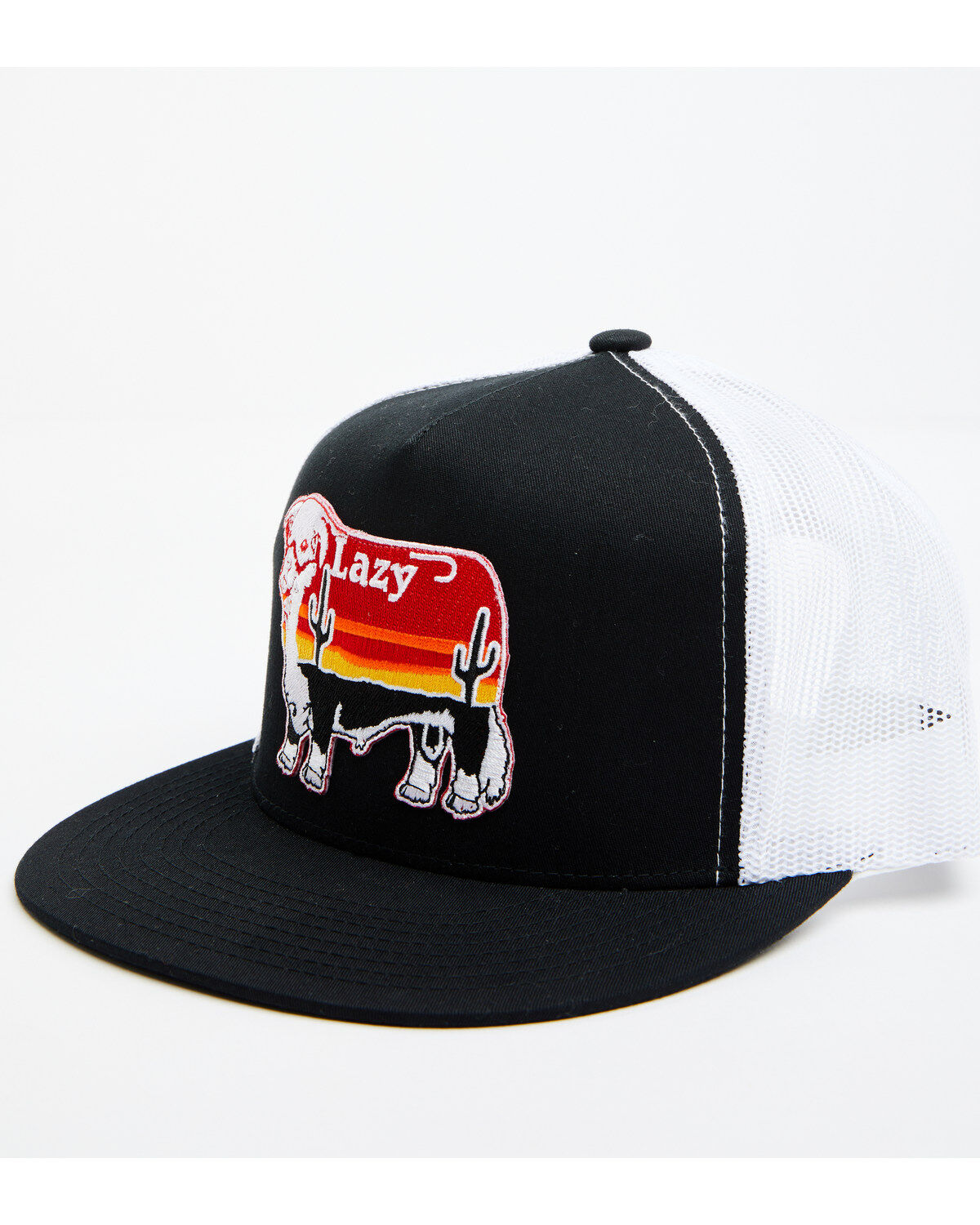
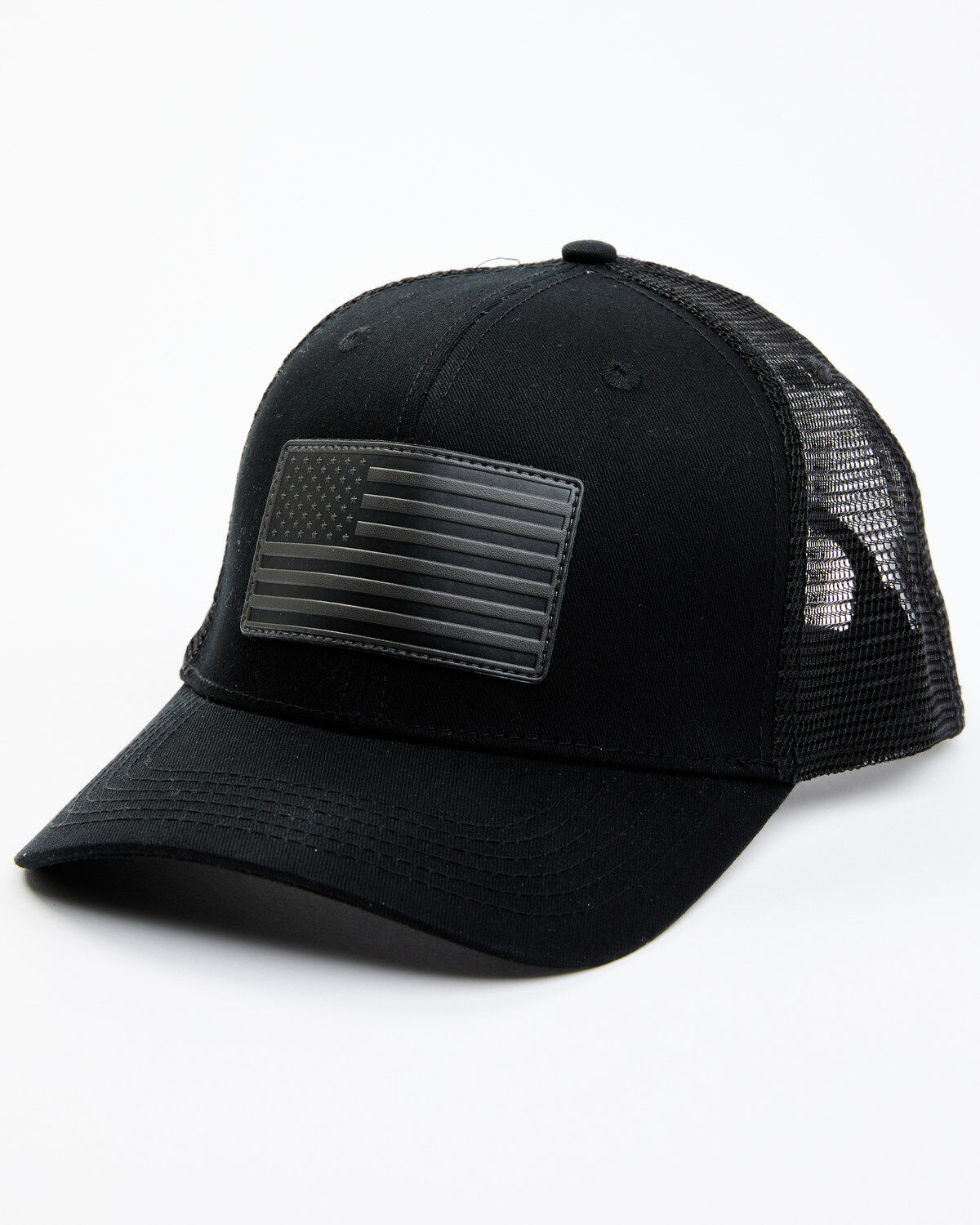
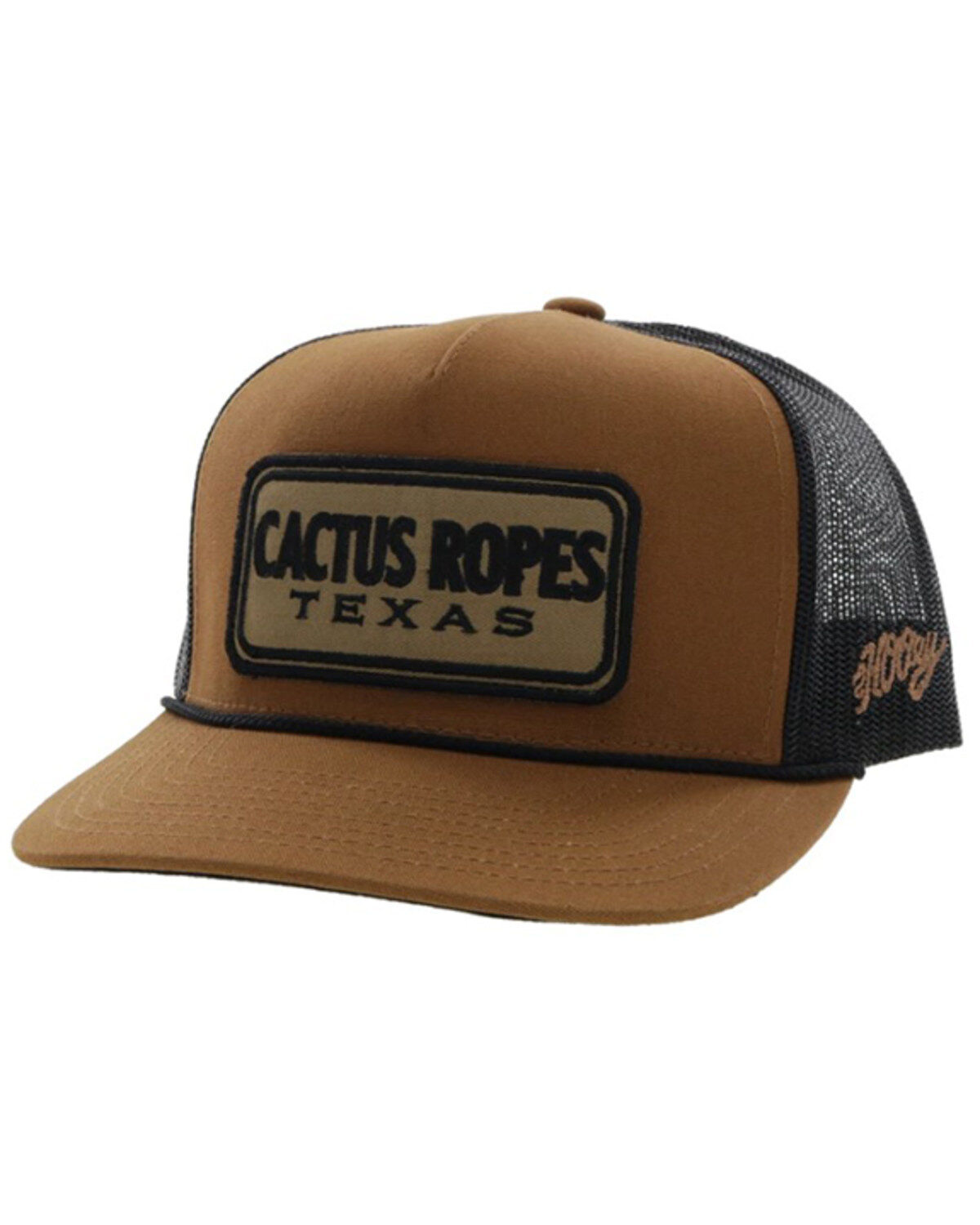
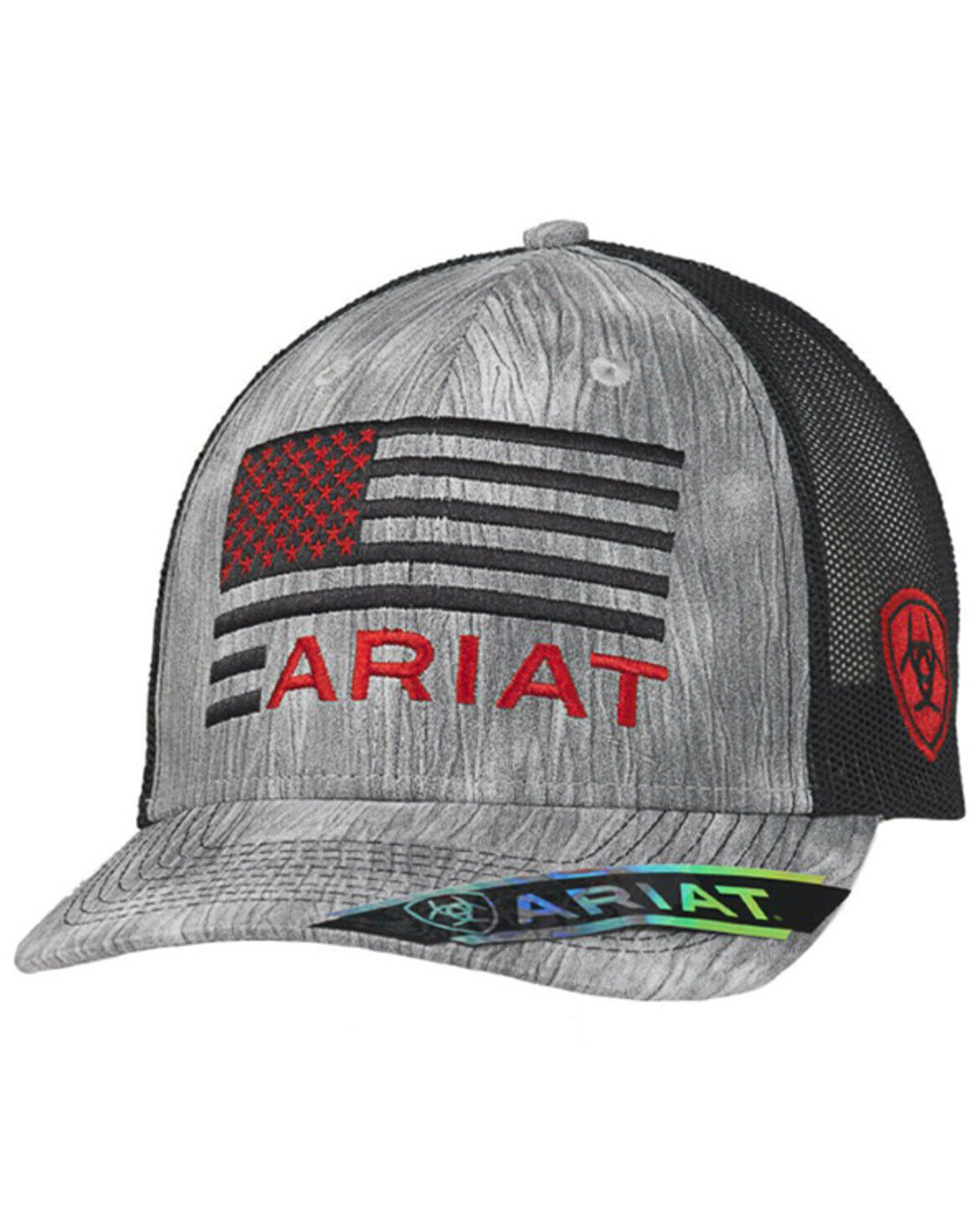
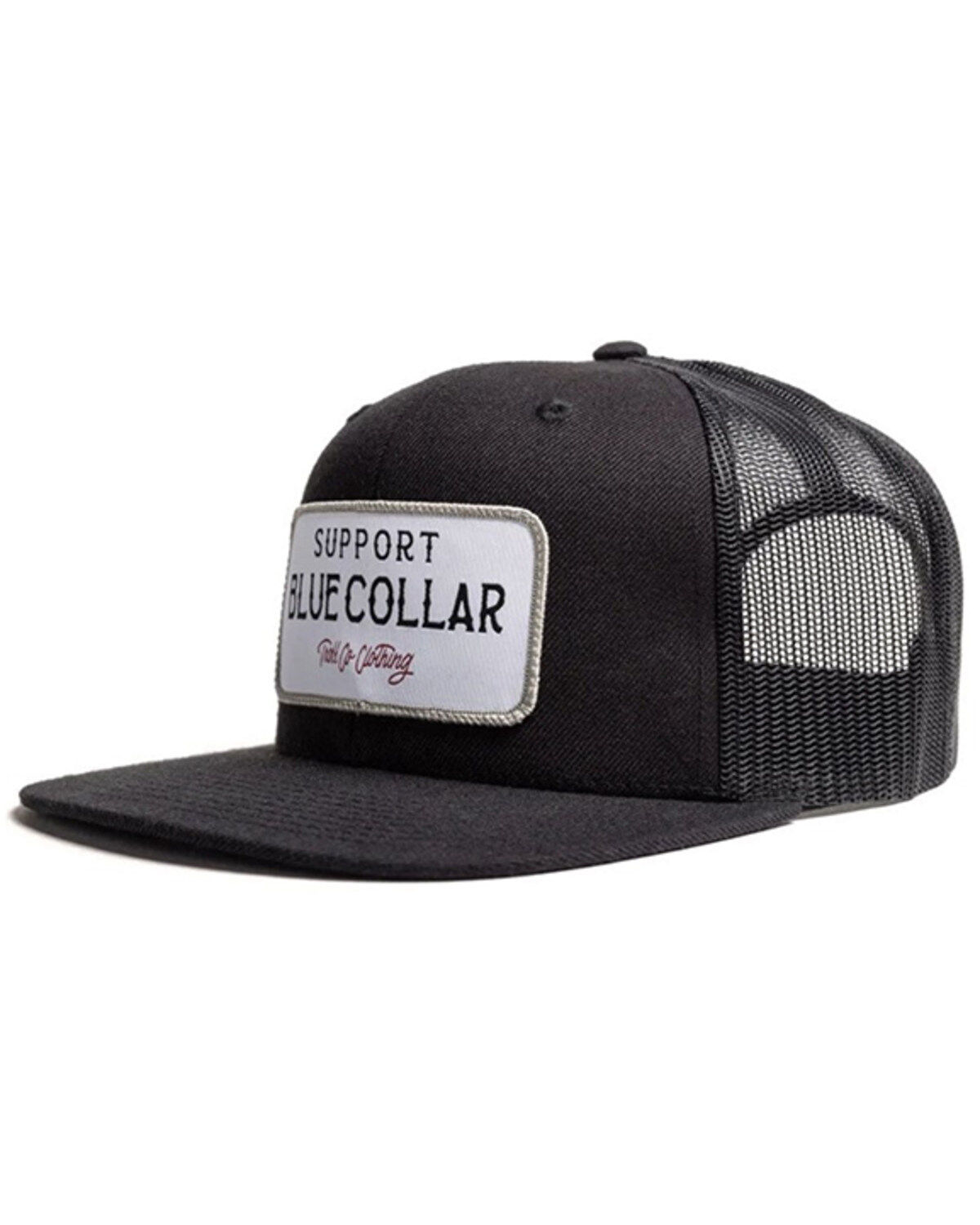
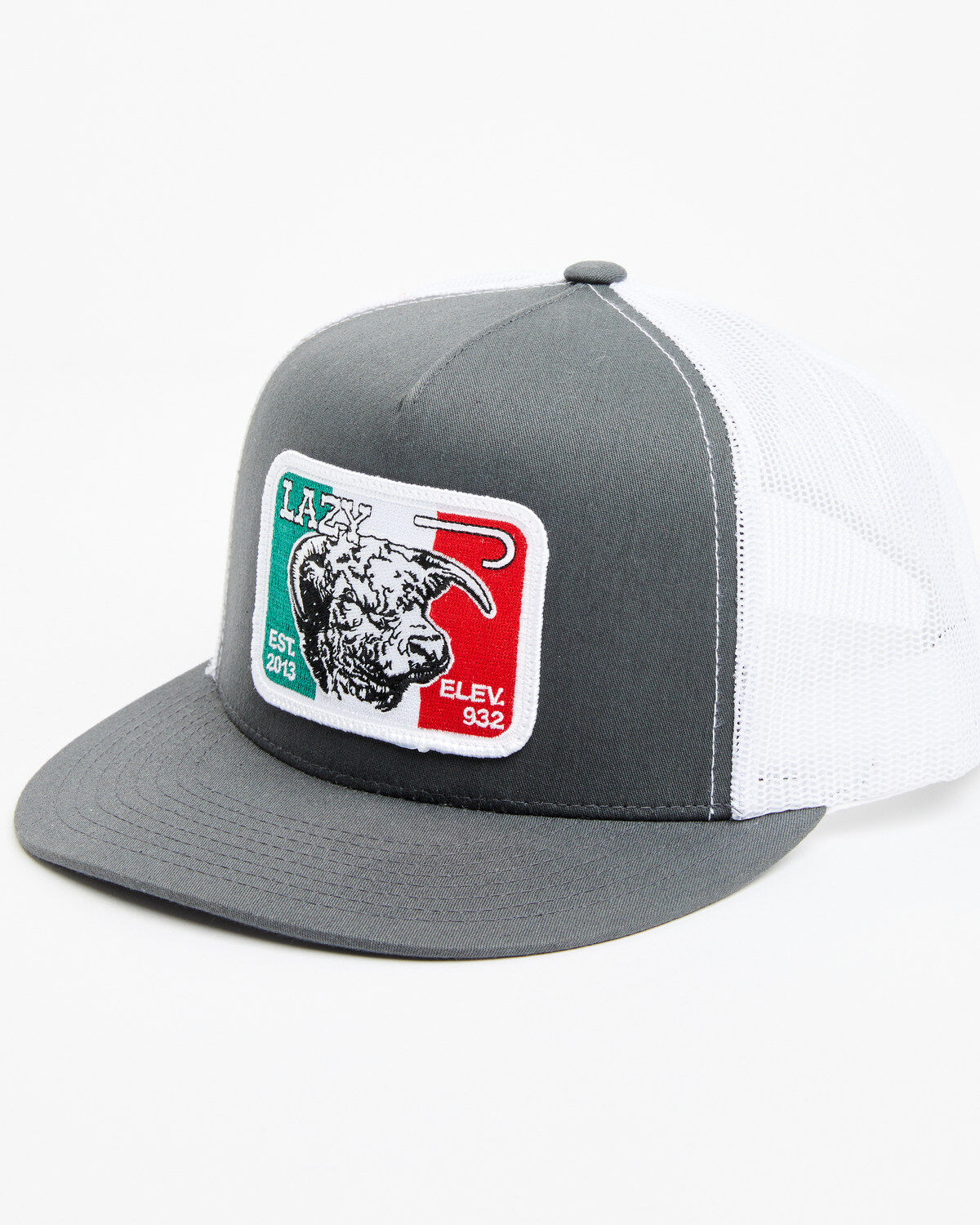
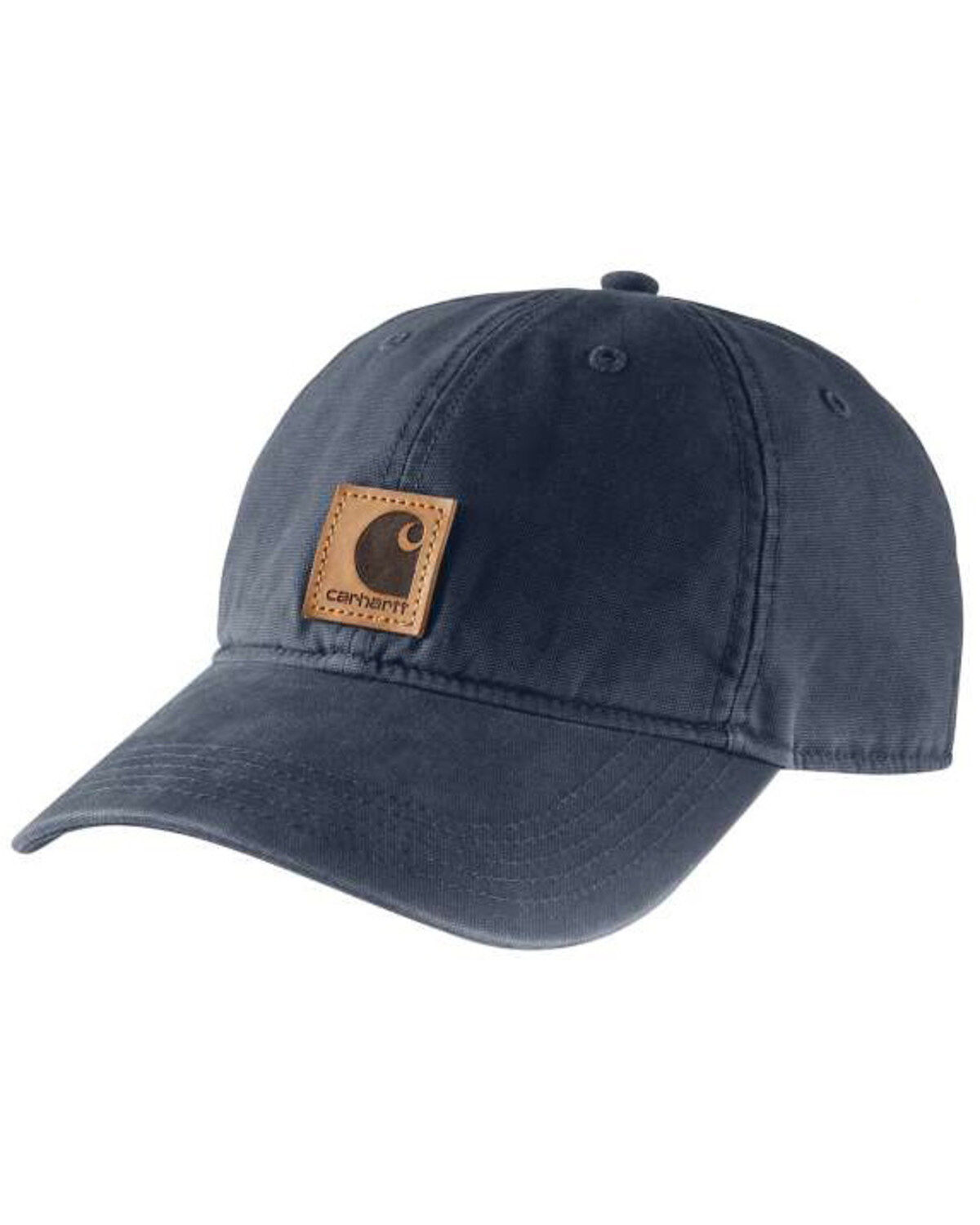
Western style snapback hats combine an adjustable baseball-cap shape with details drawn from ranch life, rodeo, and western wear. The defining feature is the snap closure at the back: a strap with a row of holes that fastens over small pegs to adjust the circumference. That closure sets a snapback apart from a fitted cap or a cap with a buckle strap. Western character usually comes through in embroidered lettering, stitched patches, livestock imagery, landscape designs, and rope accents along the base of the crown. Some designs keep those details small and understated. Others use a large front patch or raised embroidery as the main feature. The shape matters just as much as the artwork. A structured crown has reinforced front panels that hold their form, giving the hat a firm, upright appearance. A softer crown sits closer to the head and has a more relaxed look. Higher crowns offer more vertical room, while lower profiles create a closer silhouette. Flat bills give the cap a straighter outline; curved bills frame the face with a familiar baseball-cap shape. Neither bill style defines a western snapback on its own. It is the combination of shape, materials, and western details that gives the hat its character. Black, brown, navy, gray, and tan work naturally with denim, canvas jackets, and leather boots. Contrasting front and back panels make the patch or embroidery more prominent, while a single-color cap keeps the overall look quieter. These hats suit everyday wear, from a feed-store stop to a drive to the fairgrounds. They also offer a casual alternative to a brimmed western hat when the setting calls for a smaller, simpler shape. With a pearl-snap shirt, the cap adds a relaxed finish; with a plain work shirt, its front design can carry most of the western detail. Western snapbacks are part of the broader family of Authentic Western Style Caps, distinguished by their adjustable closure and familiar cap construction.

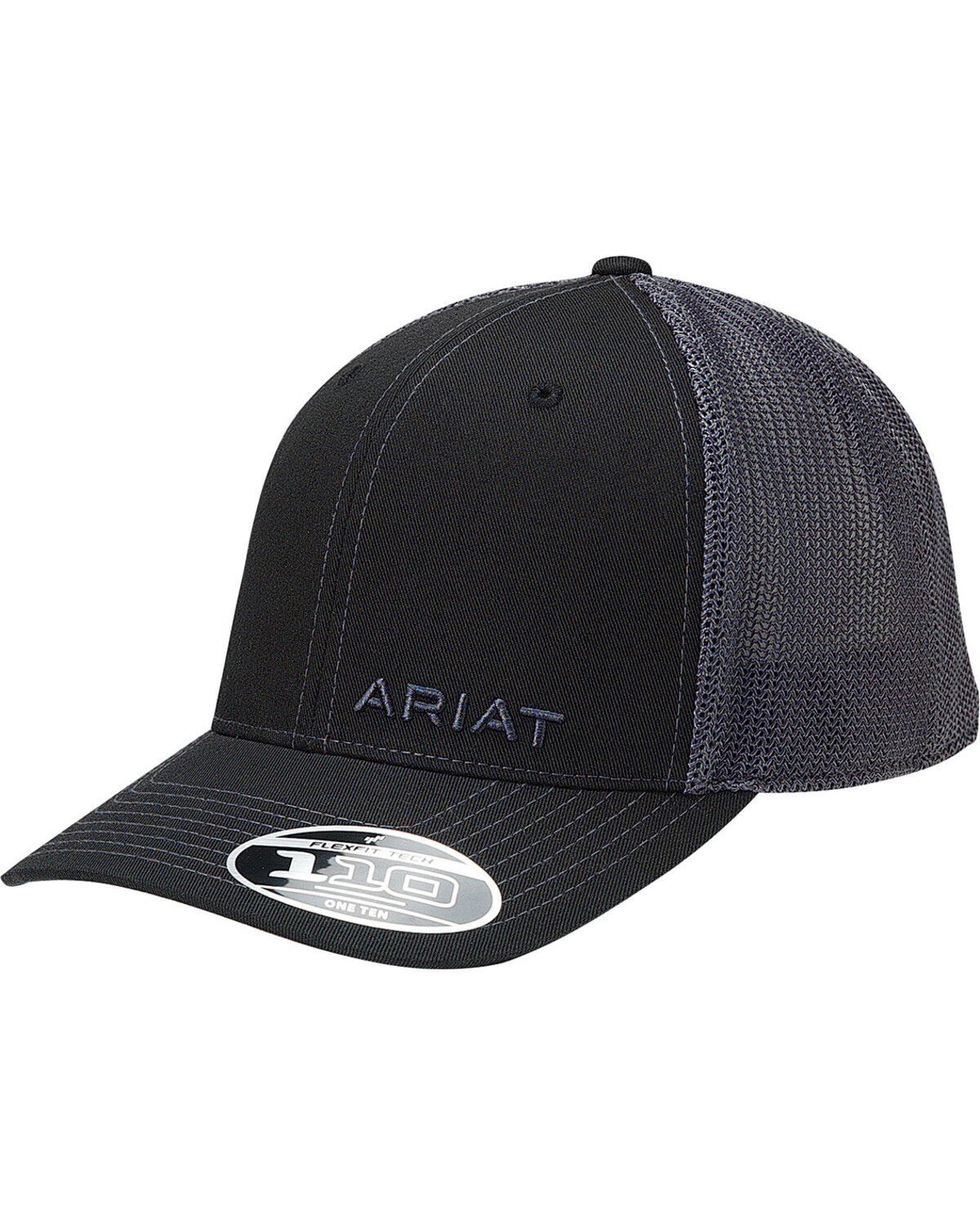
Materials influence how a western snapback feels, holds its shape, and handles regular wear. Cotton twill has a woven surface with subtle diagonal lines and a familiar fabric feel. Polyester and blended fabrics can provide a lighter construction and help the panels retain their form. Mesh-back snapbacks, often called trucker caps, pair a solid front with an open mesh section across the sides and back. That construction allows more airflow than a fully enclosed crown. Solid fabric panels create a more uniform appearance and give embroidery a consistent surface around the hat. The sweatband, interior seams, and bill construction also deserve attention because they affect comfort beyond the first try-on. A smooth inner band should rest against the forehead without rubbing, and neatly finished seams help limit rough contact inside the crown. Multiple rows of stitching across the bill help secure its layers, while firmly attached patches and clean embroidery contribute to a finished appearance. Good fit starts with the crown, not just the back strap. Tightening a snapback can reduce its circumference, but it cannot change the depth of the hat. A crown that is too shallow may sit high even when the closure feels snug. A deeper crown may reach the ears before the band settles comfortably. The right fit rests securely without leaving pressure across the forehead or pulling hard at the temples. Adjustable does not mean every cap fits every head, so stated size ranges remain useful. Hair volume and tied-back hairstyles can also affect how the closure sits. For a long drive, a day at the rodeo grounds, or routine errands, comfort comes from a stable fit that does not need constant adjustment. The bill should sit where it does not interfere with the wearer’s line of sight. For work settings, a snapback is casual headwear, not a substitute for required protective equipment. Its role is everyday comfort and western style.

Regular care helps preserve the shape and finish of a western snapback. Dust from a gravel road, marks along the bill, and buildup on the inner band are common signs of use, but they call for different cleaning methods. The care label should determine whether a cap can be washed or needs spot cleaning. For many caps, a soft brush removes loose surface dirt, while a clean cloth with a small amount of mild detergent can address a marked area. Rubbing hard across embroidery can catch threads, and soaking a patch may affect its backing or finish. Leather, suede, and other trim materials may require separate care rather than the same treatment used on the fabric panels. Cleaning the sweatband gently helps keep the part that touches the skin in good condition. Unless the care instructions say otherwise, avoiding machine drying and direct heat helps protect the bill and crown from distortion. Letting the cap dry fully before putting it away also protects its shape. Storage makes a difference: a structured hat holds its form better when it is not crushed beneath clothing or folded into a tight bag. Handling the cap by the bill and crown rather than tugging repeatedly at a patch helps reduce unnecessary strain on stitched details. Durability comes from both construction and use, including secure panel seams, a sound closure, and care suited to the fabric. Western snapbacks can also make practical gifts for people who wear caps regularly, spend time around livestock, follow rodeo, or prefer western clothing in everyday settings. An adjustable closure offers some flexibility, but the recipient’s usual crown height and bill shape still matter. A person who wears plain shirts may appreciate a stronger front design, while someone who favors detailed shirts may prefer a simpler cap. Familiar colors and comfortable proportions often matter more than a bold graphic. The most useful choice fits the wearer’s routine, whether that means ranch chores, travel, weekend gatherings, or an ordinary day in jeans and boots.

FAQs