Western Necklaces For Women

Shop western necklaces for women to complement everyday outfits and dressier western wear. Find a piece that suits your style, keeping your neckline and the jewelry you already wear in mind for a look that feels pulled together.

Shop Your Store: Shop Your Store: Find a Store

(Turn off Shop Your Store to see all items)

(Turn off Shop Your Store to see all items)

close
  • Recommended
  • Lowest Price
  • Highest Price
Skip pass products
  • Women's Idyllwind Lauranne Star Necklace
    Original Price $24.99 $15.97
    36% Total Savings
  • Women's Silver Idyllwind Beaded Leon Statement Necklace
    Original Price $29.99 $18.97
    37% Total Savings
  • Women's Lane Shyanne Rosa Chain Necklace
    Original Price $29.99 $19.97
    33% Total Savings
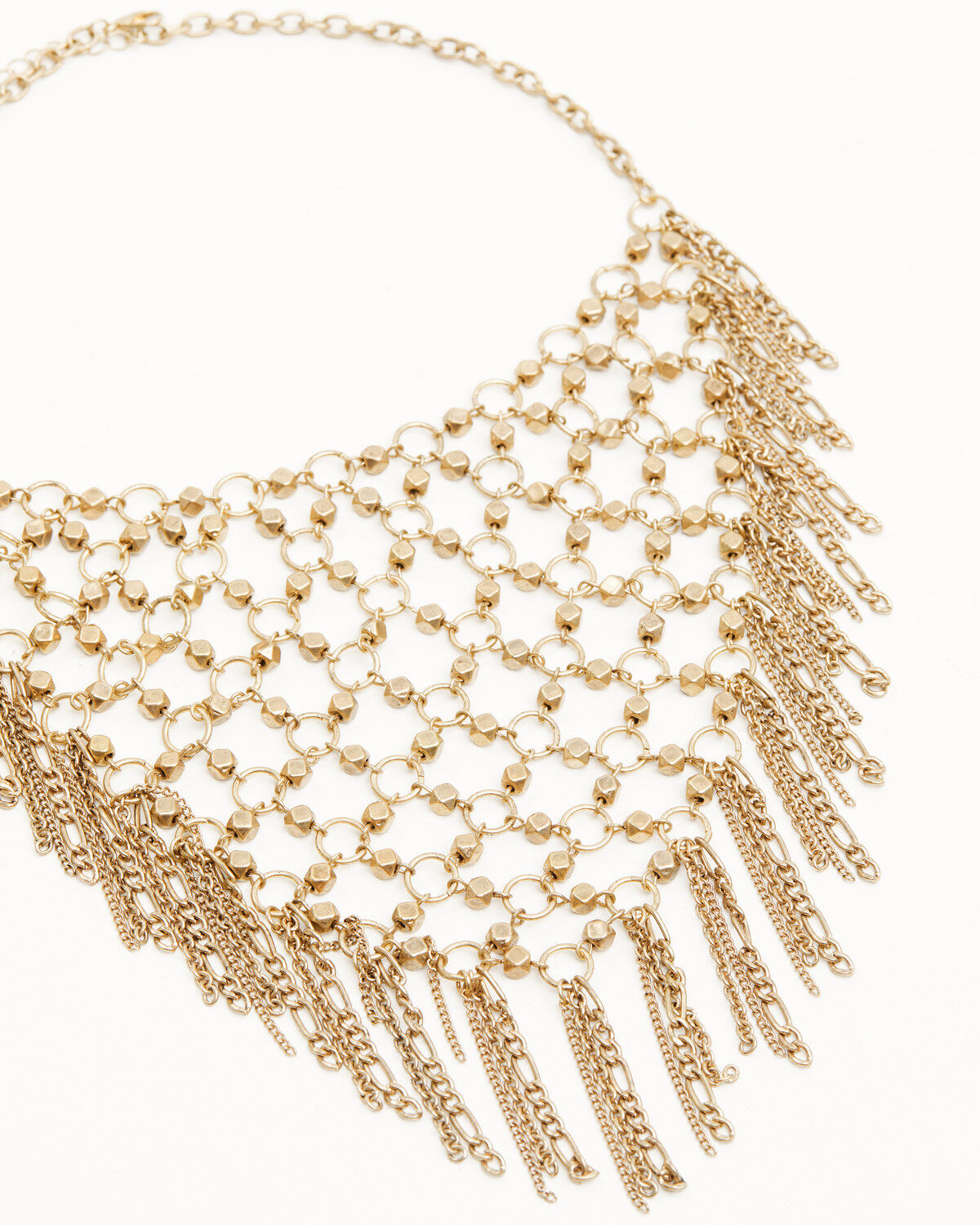
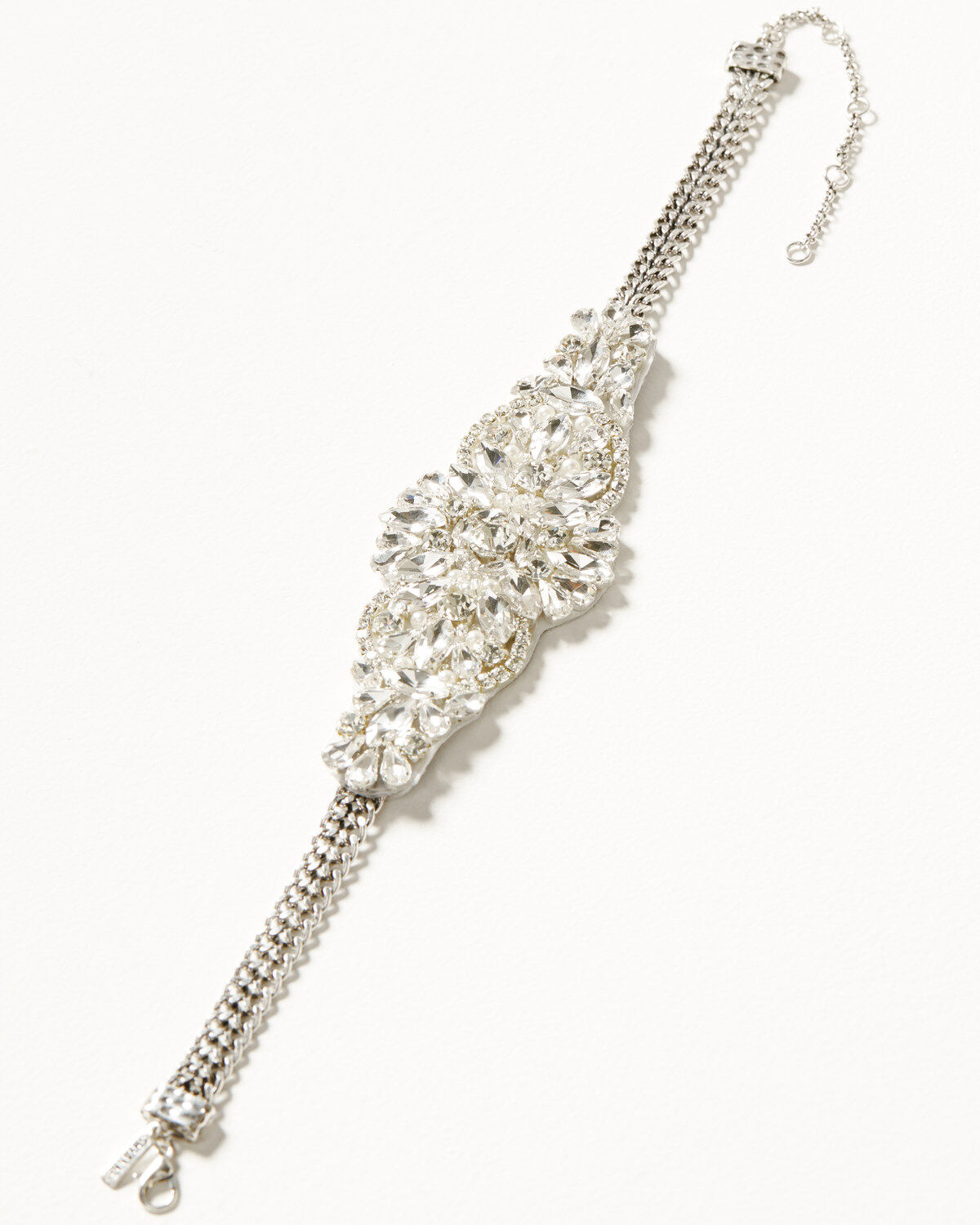
  • Women's Shyanne Bling Statement Necklace
    Original Price $59.99 $39.97
    33% Total Savings
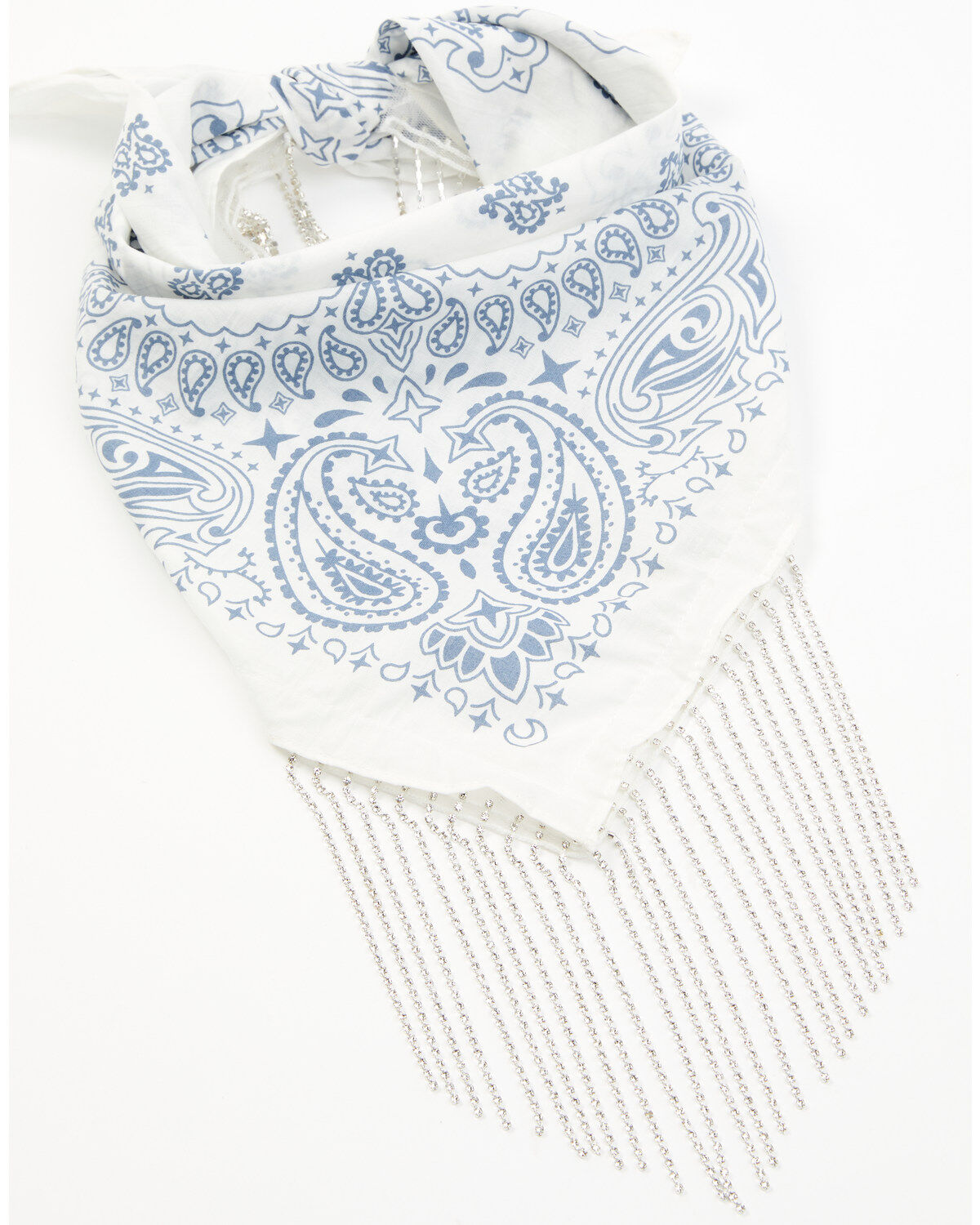
  • Women's Idyllwind Renee Bandana Necklace
    Original Price $39.99 $25.97
    35% Total Savings
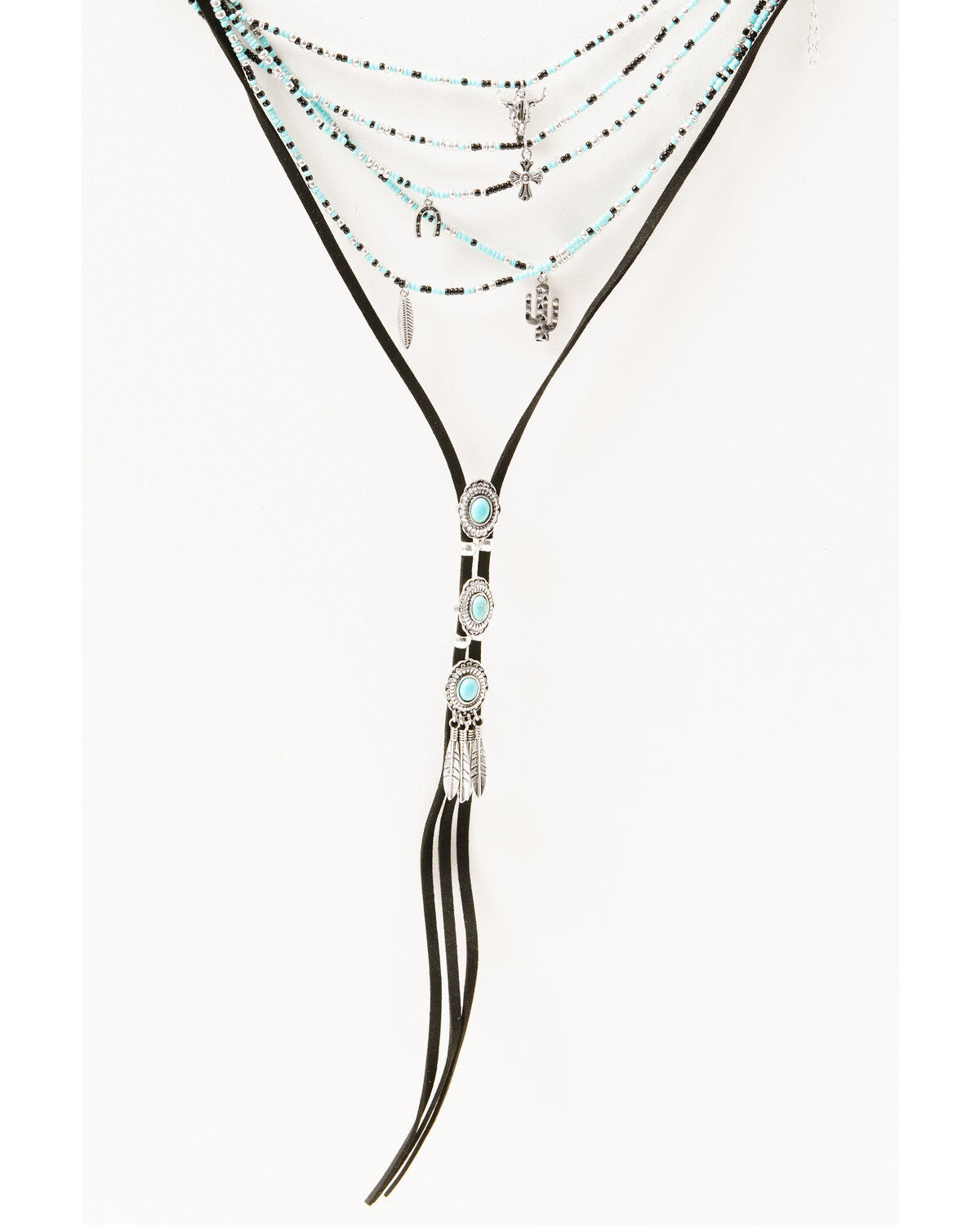
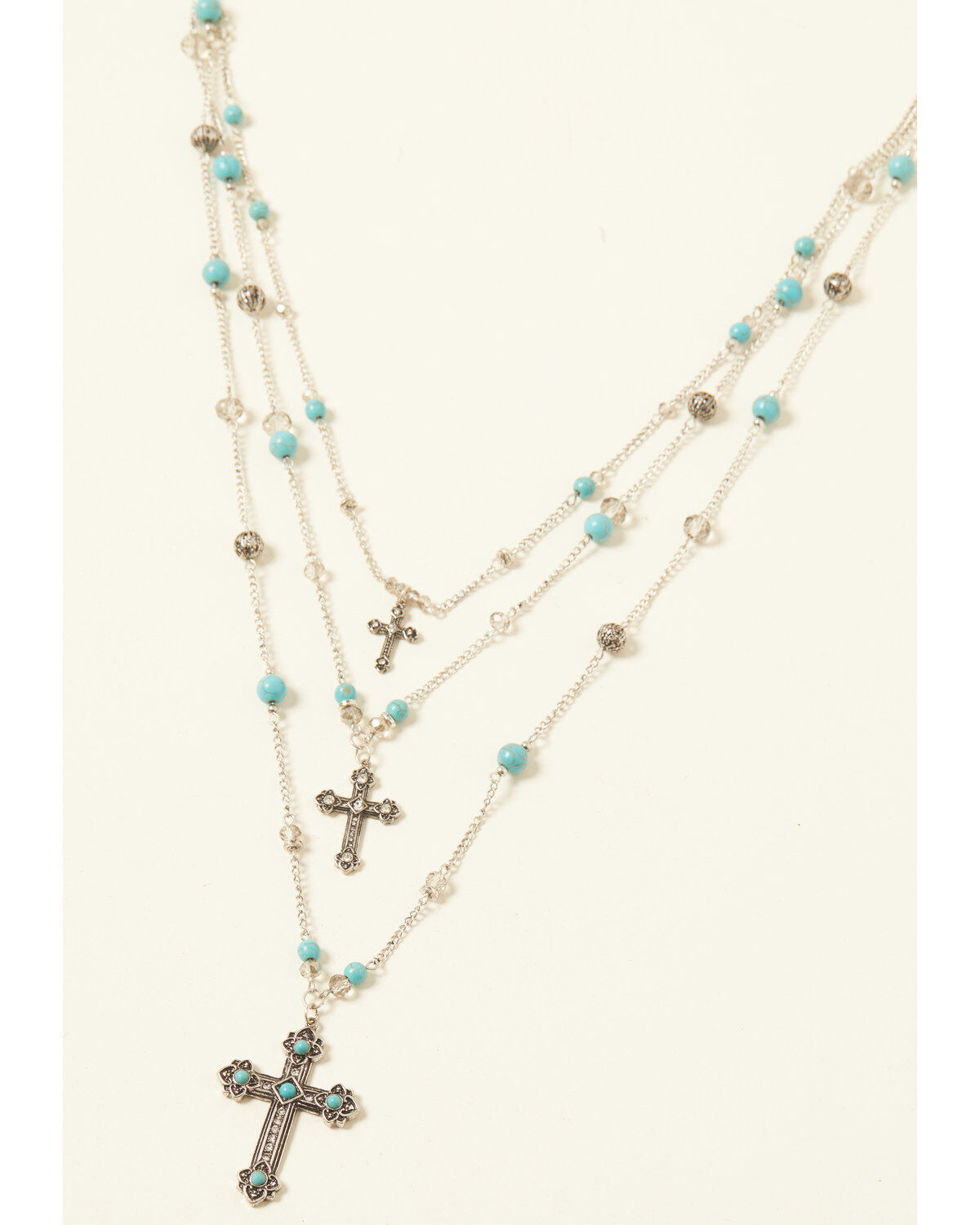
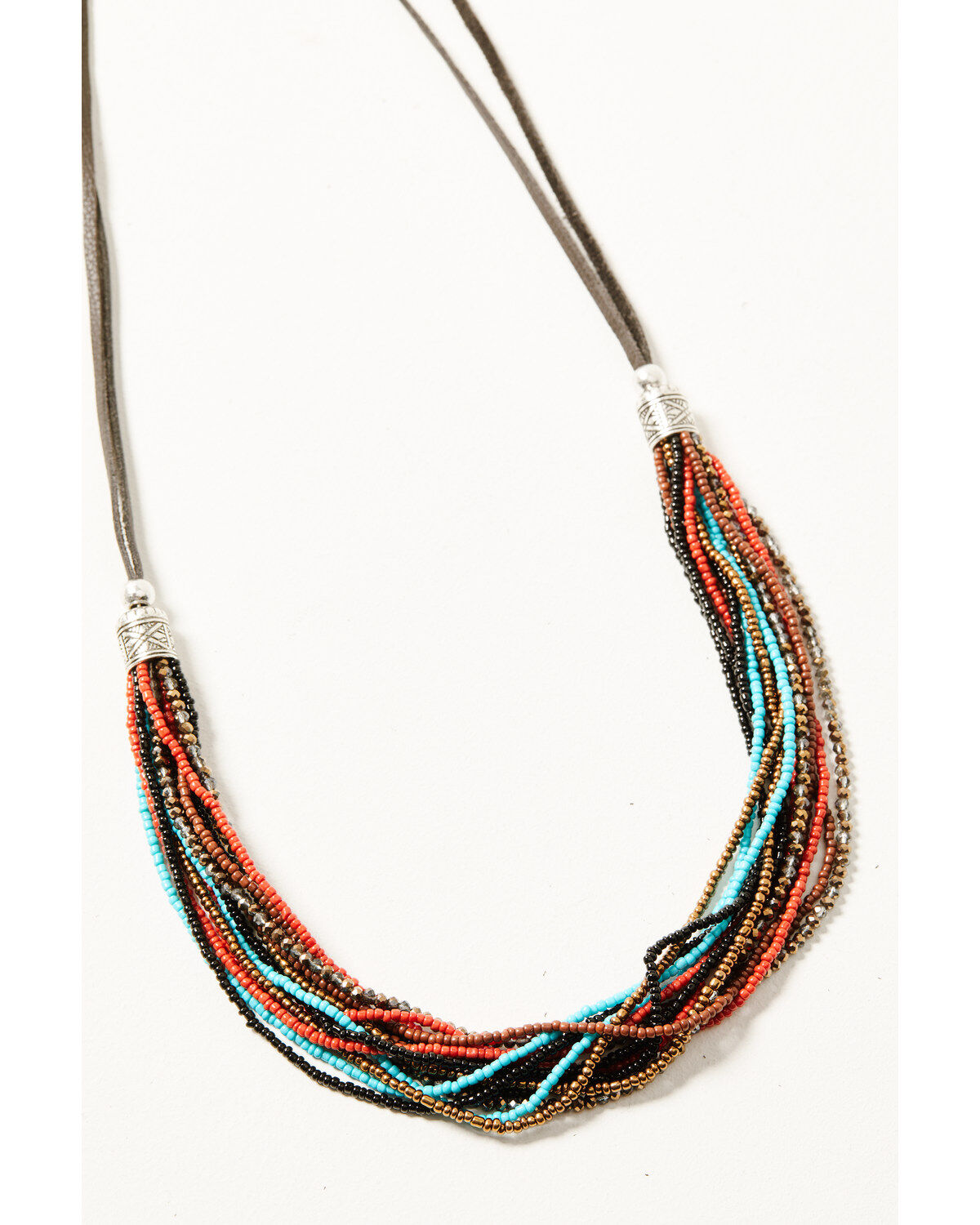
  • Women's Shyanne Dakota Multi-Beaded Necklace
    Original Price $24.99 $15.97
    36% Total Savings

End of products

Western Necklaces For Women

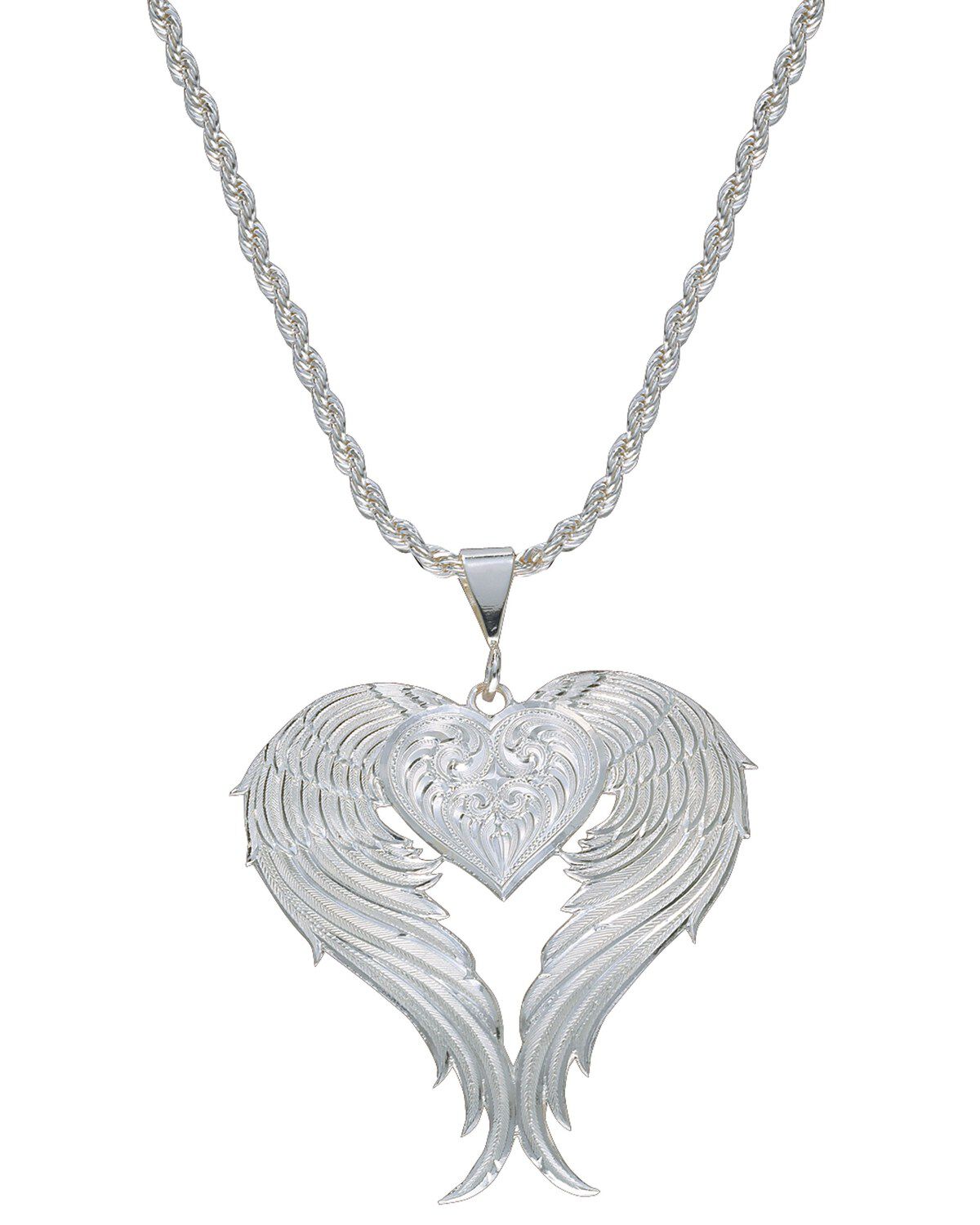
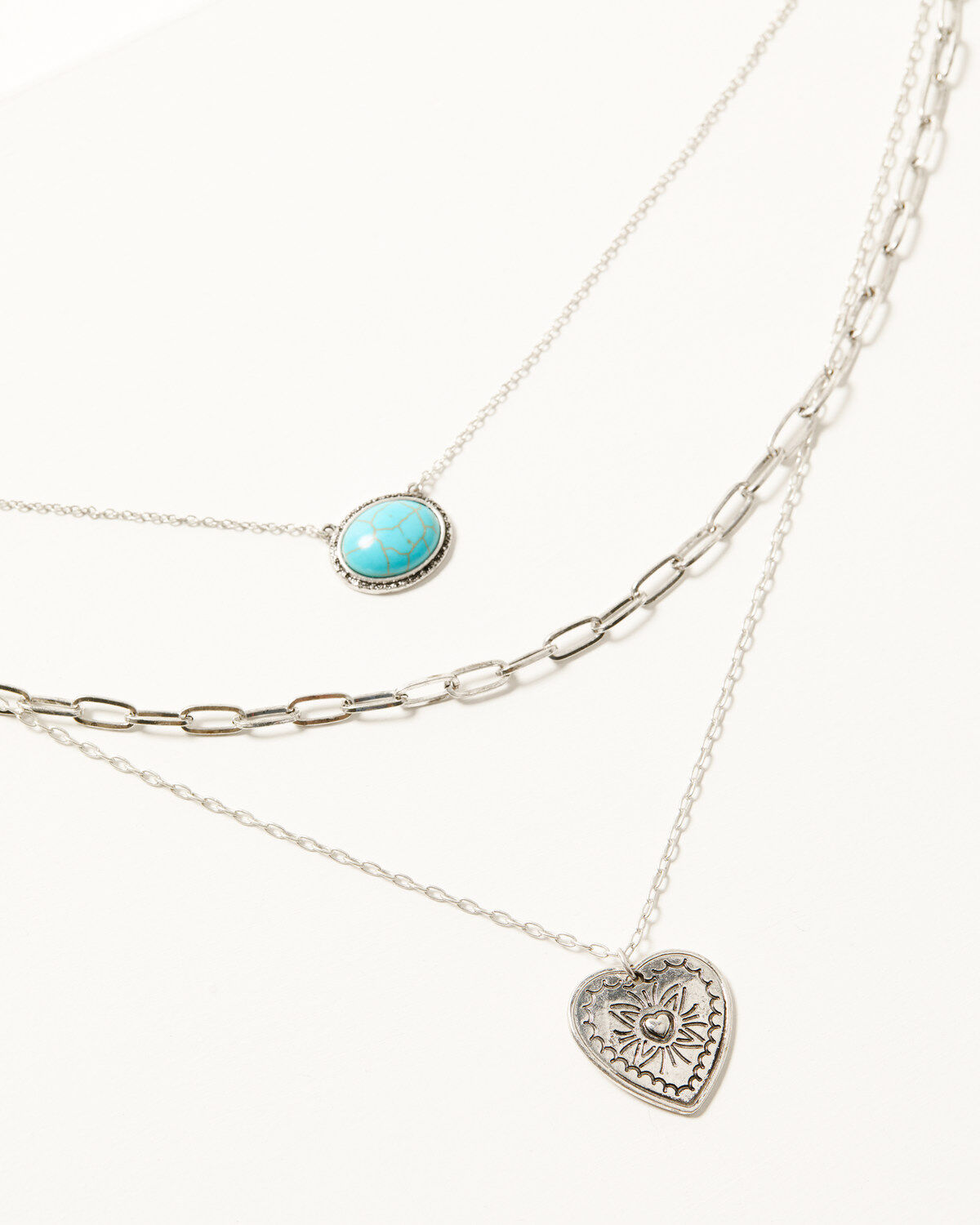
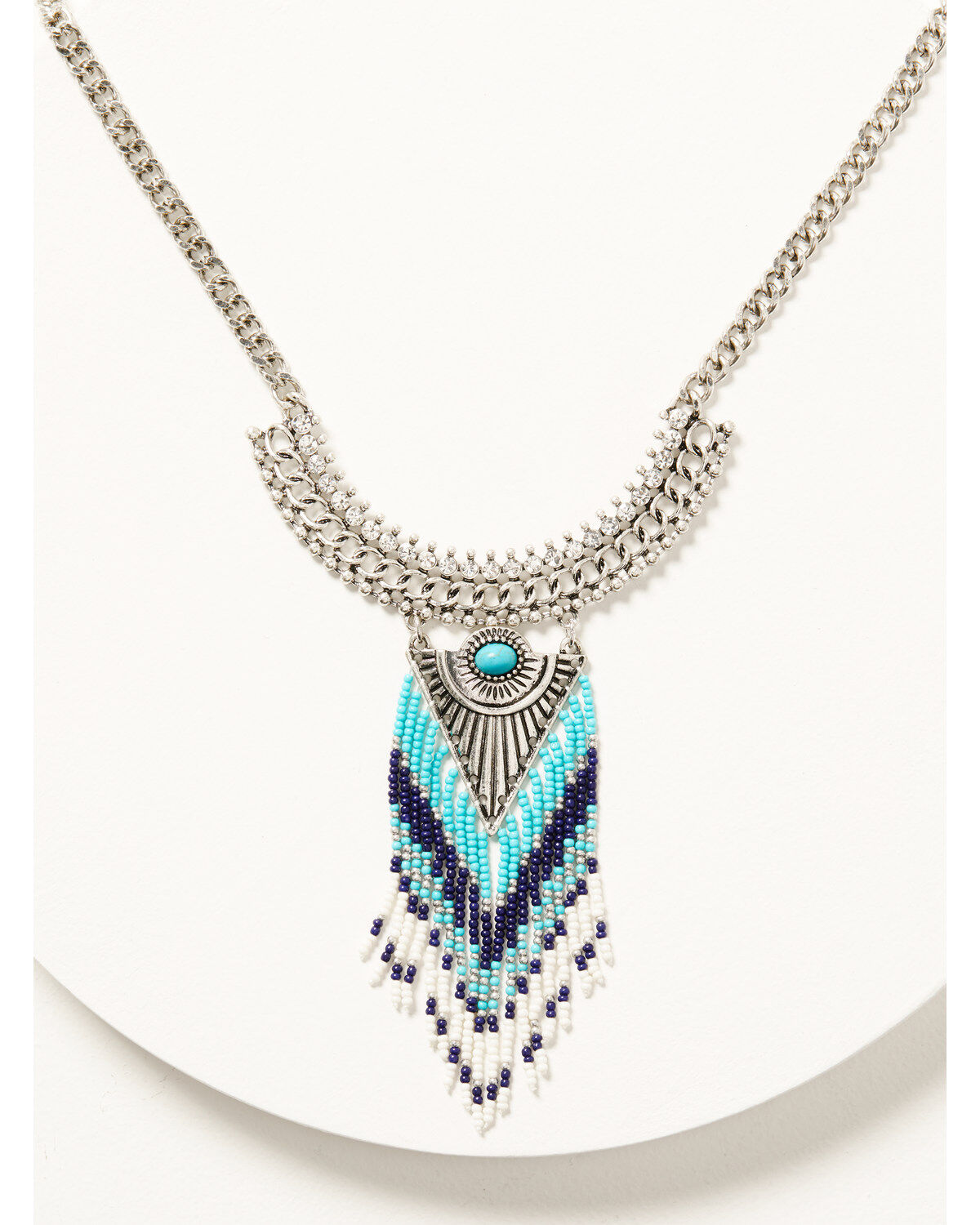
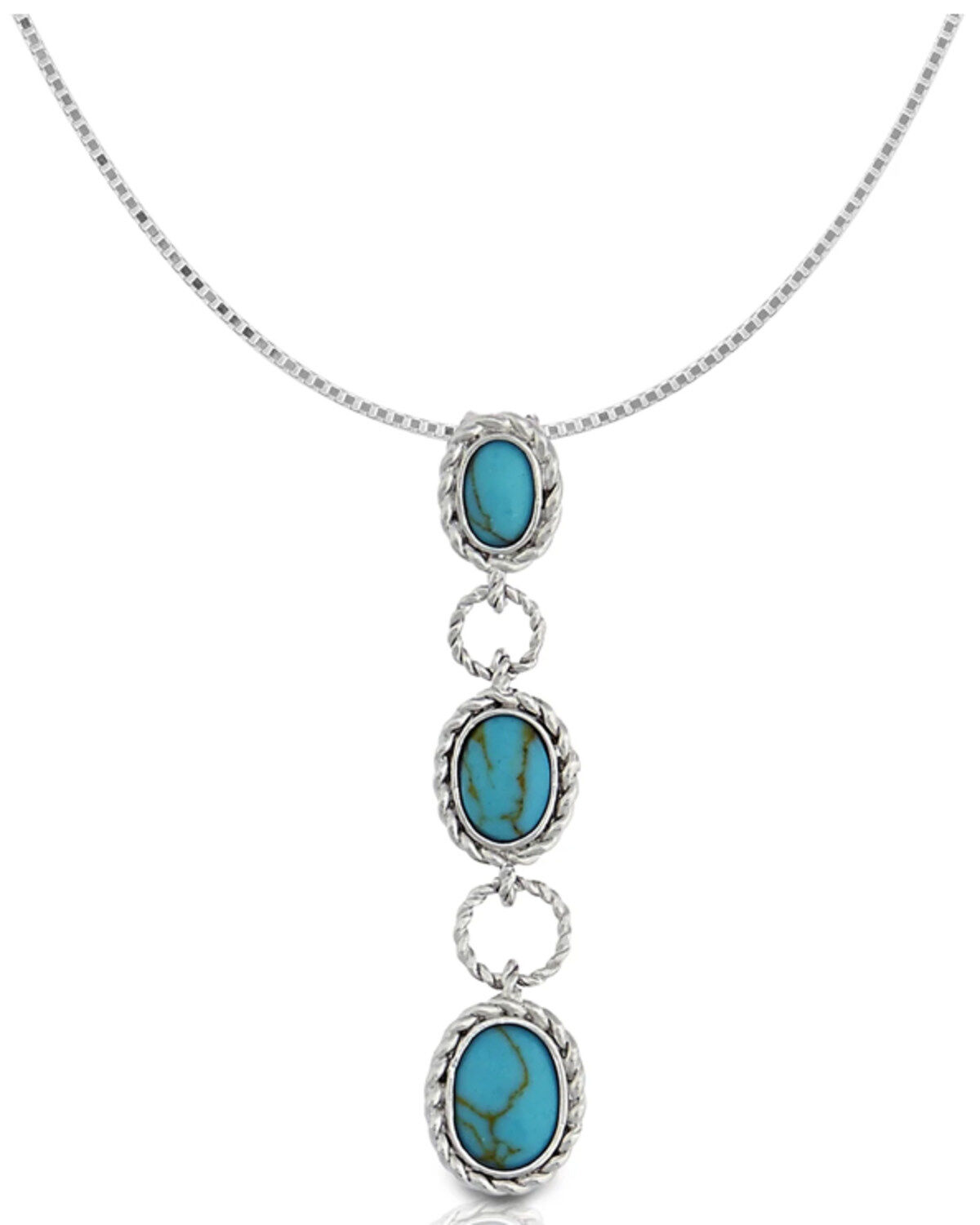
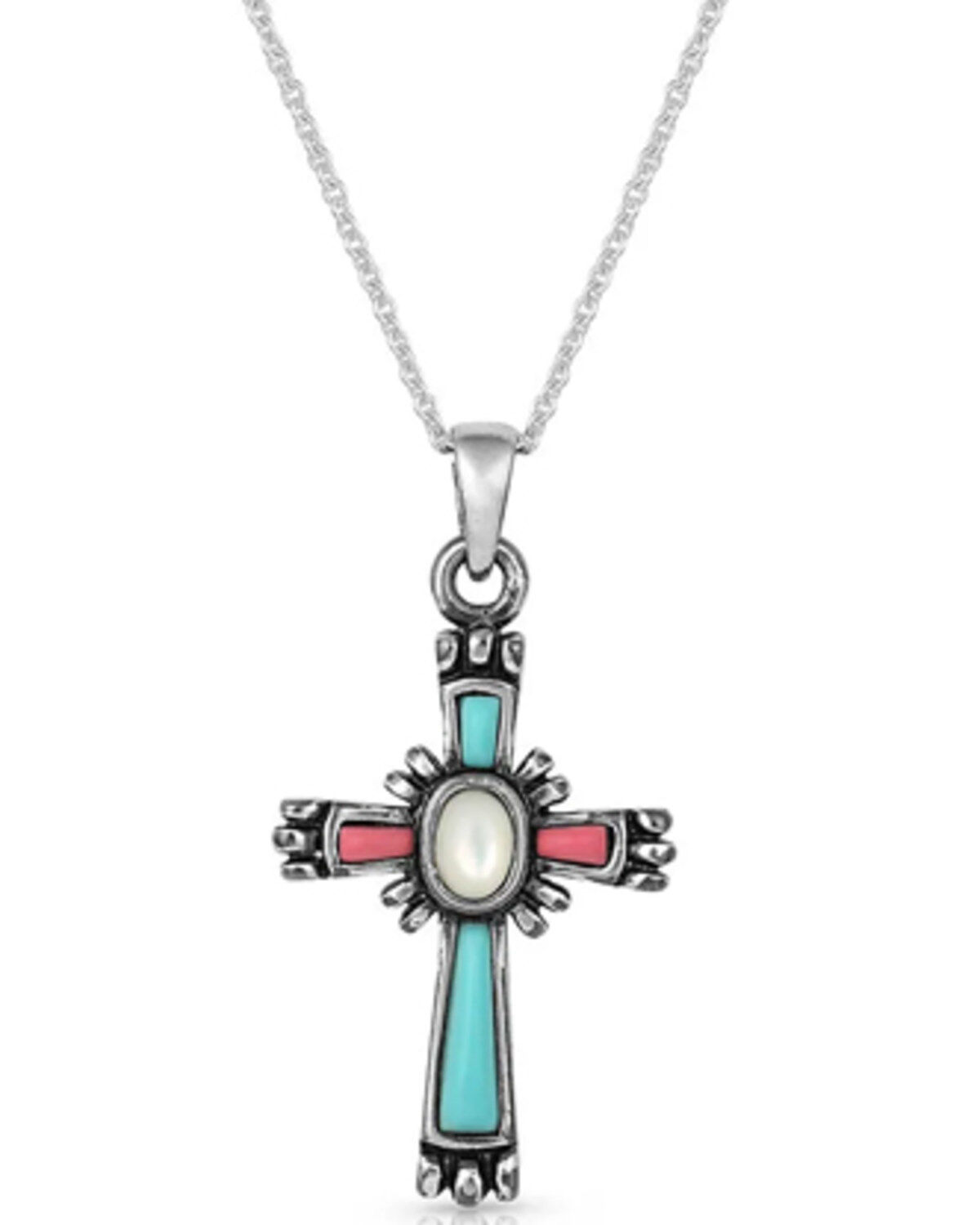
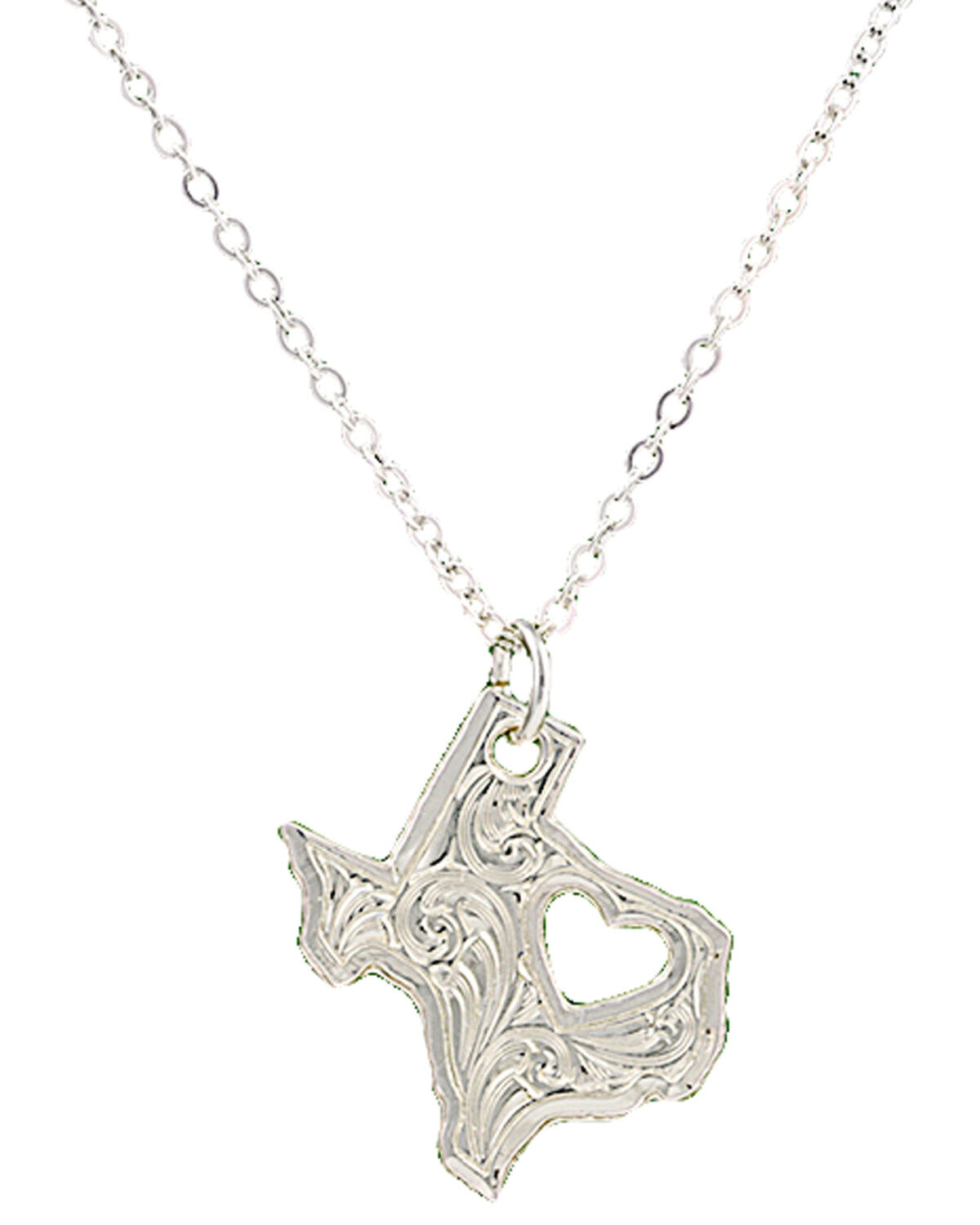
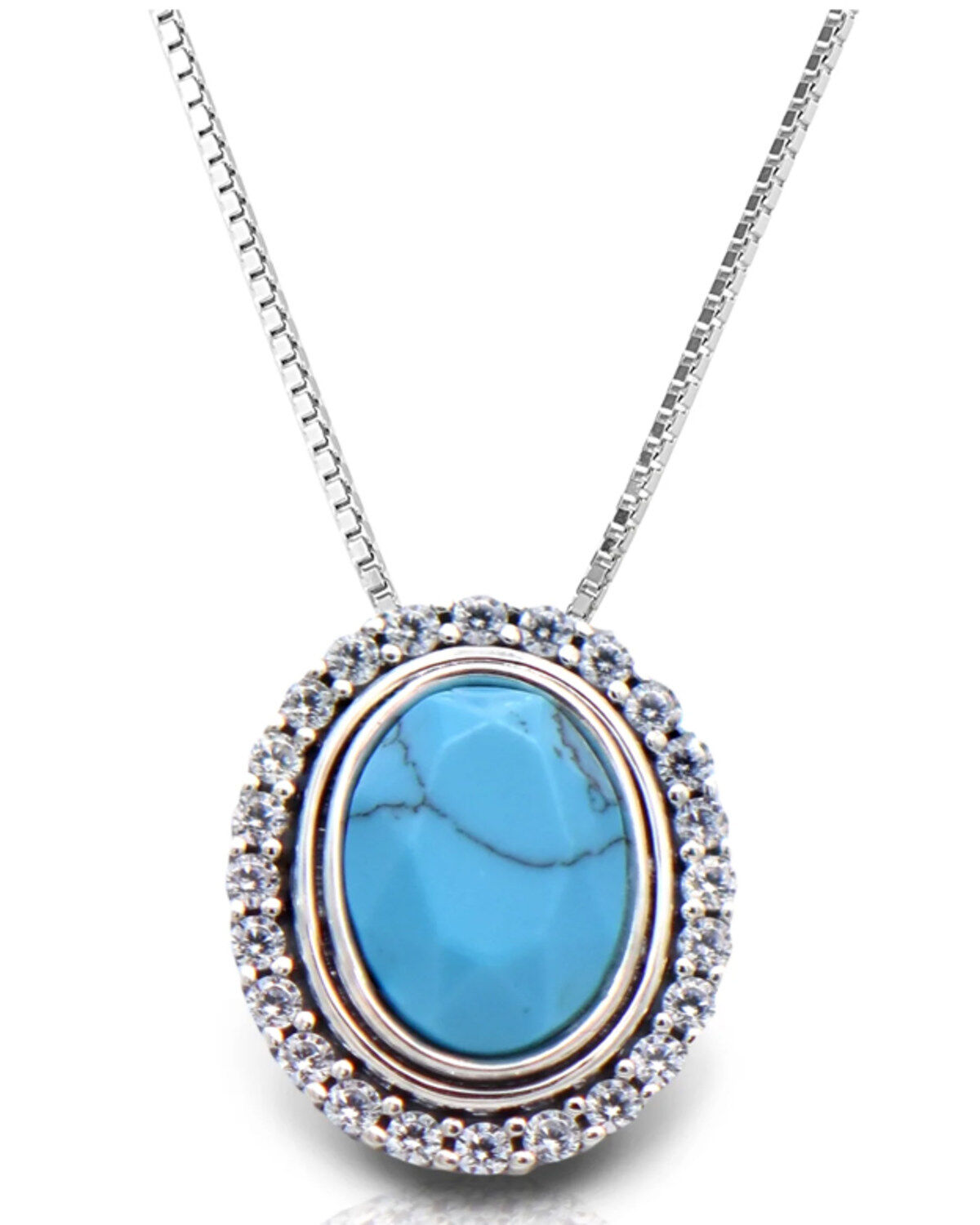
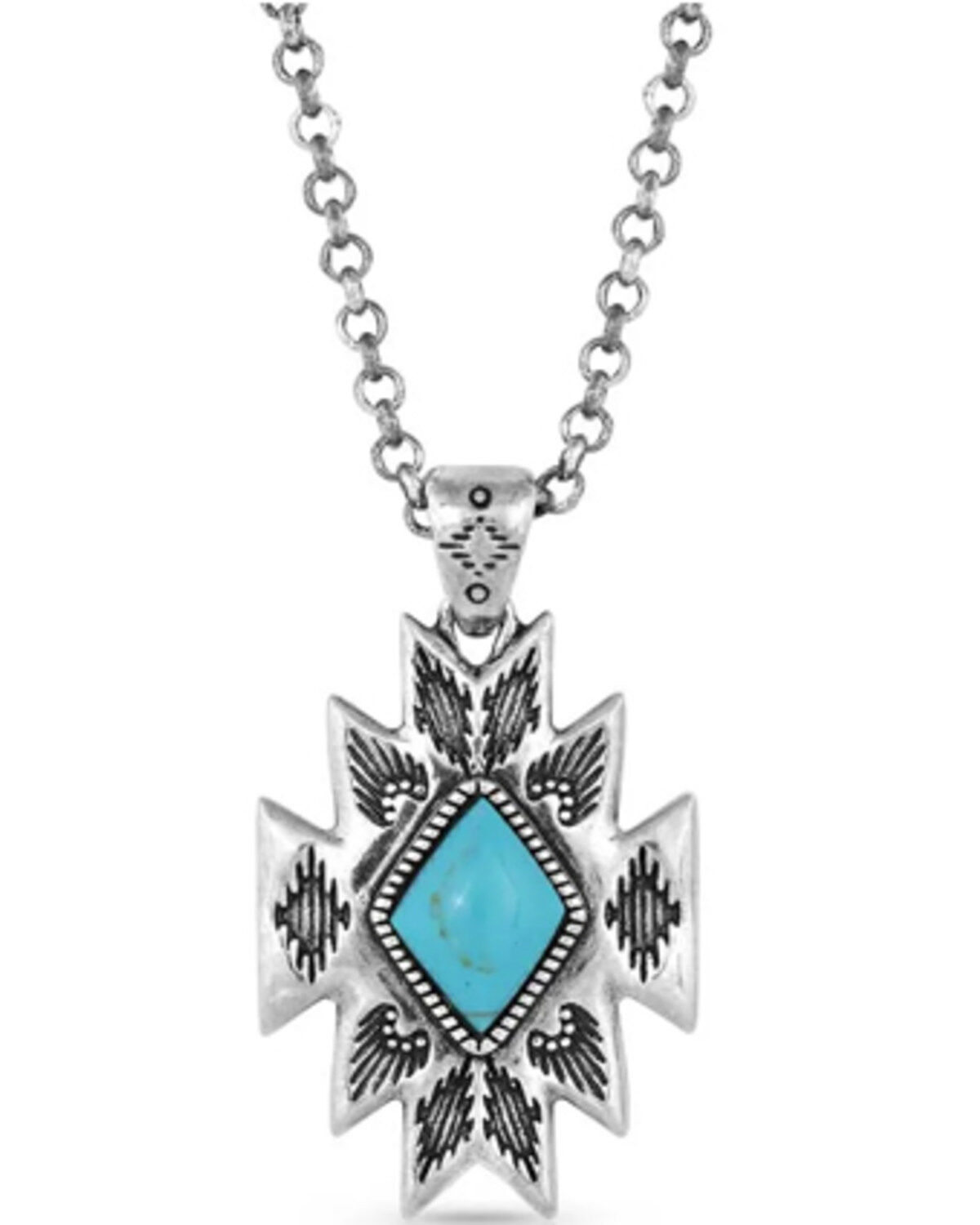
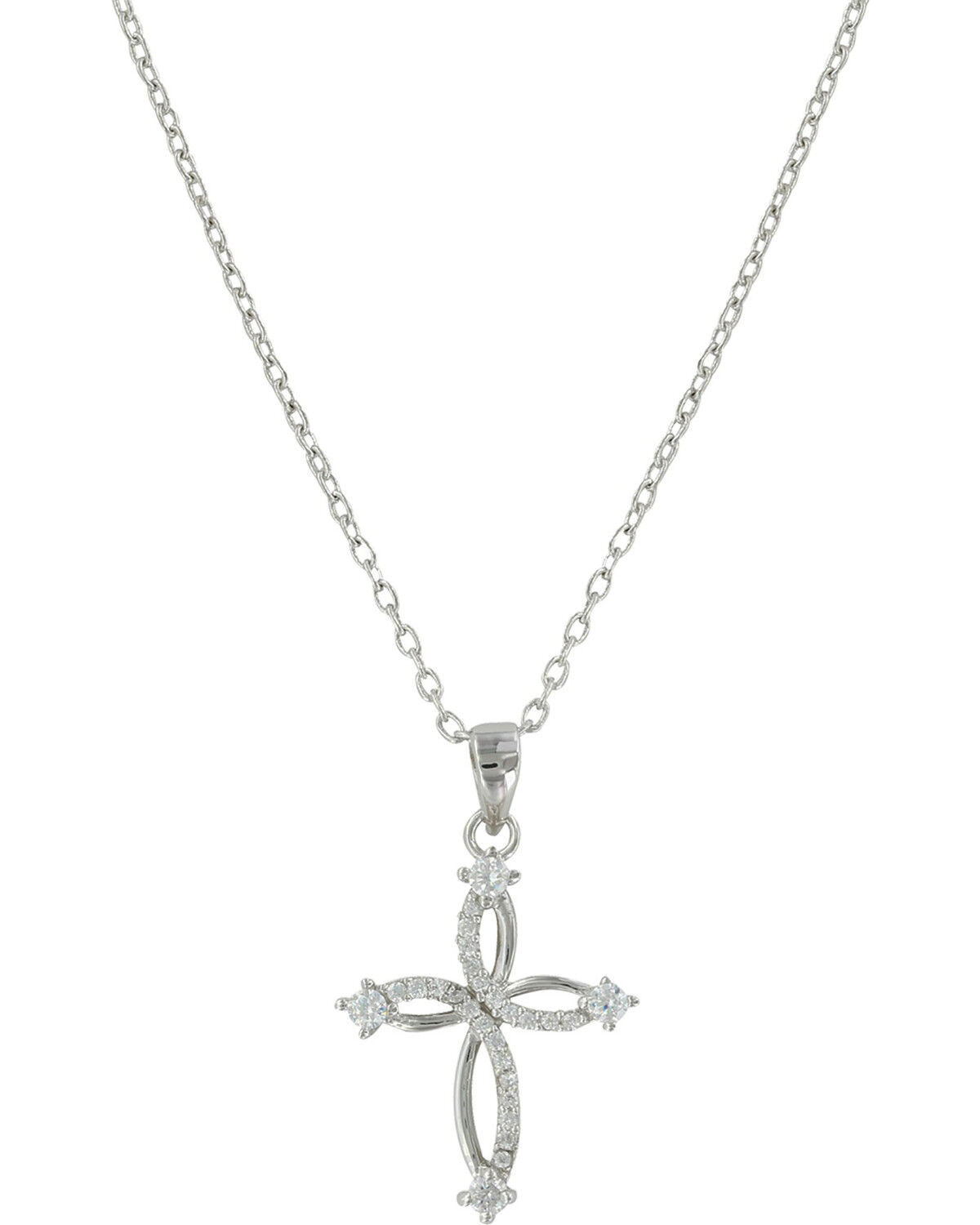
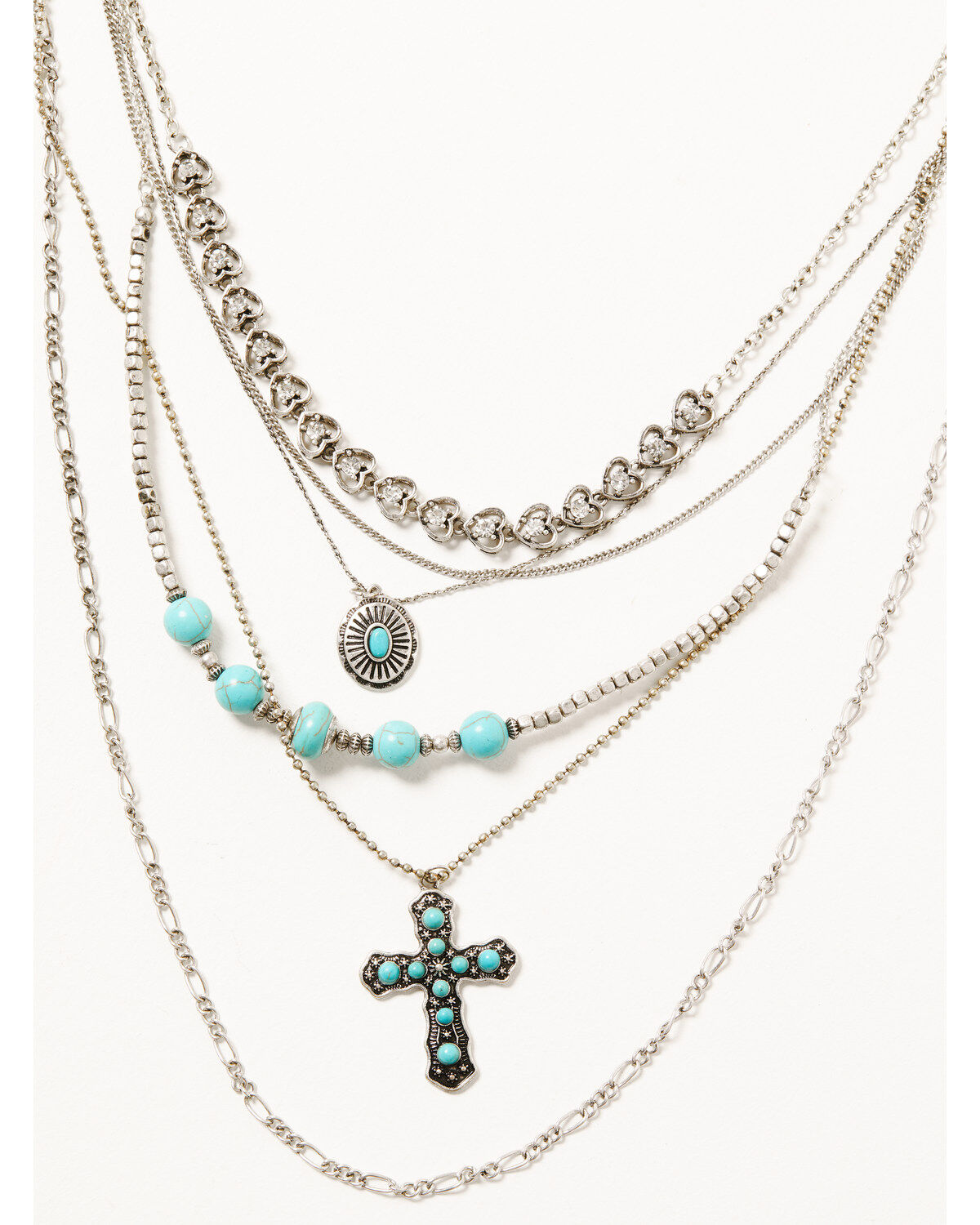
Western necklaces for women range from small turquoise pendants and simple chains to concho designs, layered strands, and bold squash blossom styles. Their character comes from recognizable details: engraved metal, rope-like borders, oval stones, stamped patterns, and shapes drawn from western jewelry traditions. A single pendant can add definition to a plain shirt without taking over an outfit. A wider necklace with repeated metal elements creates a stronger focal point, especially against a solid fabric. Turquoise is closely associated with western jewelry, whether the design uses natural stone, treated stone, or a material made to resemble its blue-green color. Earthy brown, warm red, black, and cream-colored accents also work naturally with denim, leather, and woven shirts. Silver-tone finishes are familiar in this category, while gold-tone and mixed-metal designs offer a different look. Polished surfaces catch the light; darkened recesses make engraving and raised details easier to see. Concho necklaces use rounded or oval ornaments, often with stamped or scalloped details. Squash blossom necklaces typically feature blossom-shaped elements along the strand and a crescent-shaped centerpiece known as a naja. Some designs draw on Southwestern jewelry traditions, though a familiar shape alone does not establish Native American craftsmanship or origin. Maker information matters when that distinction is important. For everyday wear, a compact pendant can sit comfortably above the opening of a snap shirt or within the neckline of a plain top. A longer necklace brings a vertical line to a simple dress, while a short, substantial style fills an open neckline. Cross pendants, stone drops, and beaded strands offer different ways to wear western jewelry without building an entire outfit around it. The right amount of detail depends on the wearer: understated for someone who prefers a single daily accessory, more pronounced for someone who treats a necklace as the main feature of an outfit. Both approaches belong comfortably alongside well-worn jeans, a tailored shirt, or a dress with clean lines.

Materials and construction affect how a necklace feels, wears, and holds up over time. Sterling silver, silver-plated metal, and silver-tone metal are different materials, not interchangeable descriptions. Sterling silver contains a defined proportion of silver, while plating places a thin surface layer over another metal. Silver-tone describes appearance and does not, by itself, establish silver content. The same distinction applies to gold-tone finishes and gold plating. Stone descriptions deserve similar attention because natural turquoise, stabilized turquoise, dyed stone, and imitation materials can look alike in a photograph but require different expectations and care. Anyone with metal sensitivities should check the stated composition of the chain, pendant, clasp, and other parts that touch the skin rather than relying on color alone. Weight matters, too. A broad necklace may feel balanced when its elements lie flat, while a smaller pendant can feel awkward if its chain twists or its setting catches fabric. Necklace length is best considered alongside neck size, pendant size, and the neckline being worn. On many wearers, an 18-inch chain rests near the collarbone, but the actual position varies. Measuring a comfortable necklace already worn regularly gives a more useful reference than judging length from a photo. Extenders allow some adjustment between a crewneck shirt and an open collar. Clasps should close securely and be manageable for the wearer, particularly when small fasteners are difficult to handle. Smooth edges, secure stone settings, and firmly joined links help jewelry stand up to regular use. Beaded necklaces should hang evenly without obvious gaps or strained sections near the clasp. For layered looks, different chain lengths give each piece room and reduce bunching. A fine chain above a longer pendant often sits more cleanly than several necklaces ending at the same point. Long or loose necklaces are not appropriate around moving machinery or anywhere jewelry could catch; intended use matters as much as appearance.

Western necklaces can mark a birthday, an anniversary, a graduation, or another personal milestone without requiring an elaborate outfit or a formal occasion. A useful gift reflects what the recipient already wears: a modest pendant for someone who keeps jewelry simple, a beaded strand for someone who likes texture, or a substantial statement necklace for someone comfortable with a stronger silhouette. Preferred metal color, usual necklace length, and sensitivity to certain materials are more useful clues than guessing from clothing size. For a wedding guest outfit or a dressed-up dinner, a necklace can provide the detail that a plain dress needs. Designs with greater presence are also a natural fit for Western Necklaces For Special Occasions, particularly when the neckline leaves enough space for the full shape to show. Large earrings, an ornate belt buckle, and a substantial necklace can compete for attention, so one dominant accessory often gives an outfit a clearer focus. A smaller necklace leaves more room for detailed embroidery or a patterned shirt. Care helps preserve both the finish and the structure of jewelry worn often. Most necklaces benefit from a gentle wipe with a soft, dry cloth after wear, especially where metal touches skin. Cleaning methods should follow the stated material requirements; a cleaner intended for plain silver may not suit plated finishes, glued settings, or porous stones. Turquoise can be vulnerable to chemicals and prolonged moisture, so soaking, steam, and ultrasonic cleaning are generally poor choices unless the maker specifically permits them. Applying lotion, fragrance, and hair products before putting jewelry on limits direct contact with residue. Separate storage keeps chains from tangling and harder components from rubbing against softer stones or finishes. Hanging a delicate strand under constant tension can stress its construction, while a soft pouch or divided compartment supports it more evenly. With thoughtful handling, a well-chosen western necklace can remain part of a regular wardrobe rather than something reserved for an occasional outing.

FAQs