Western Hand Tooled Leather Purses

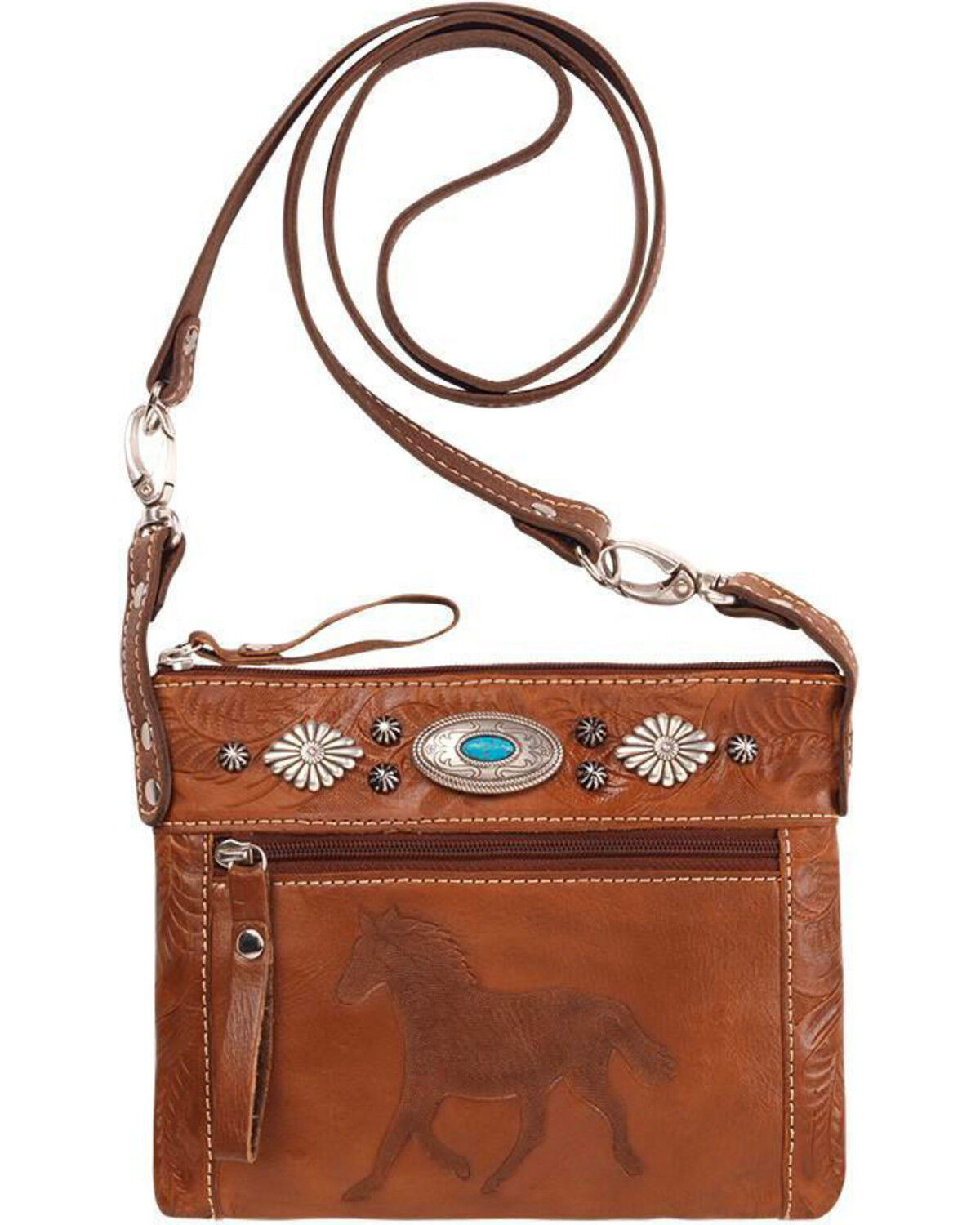
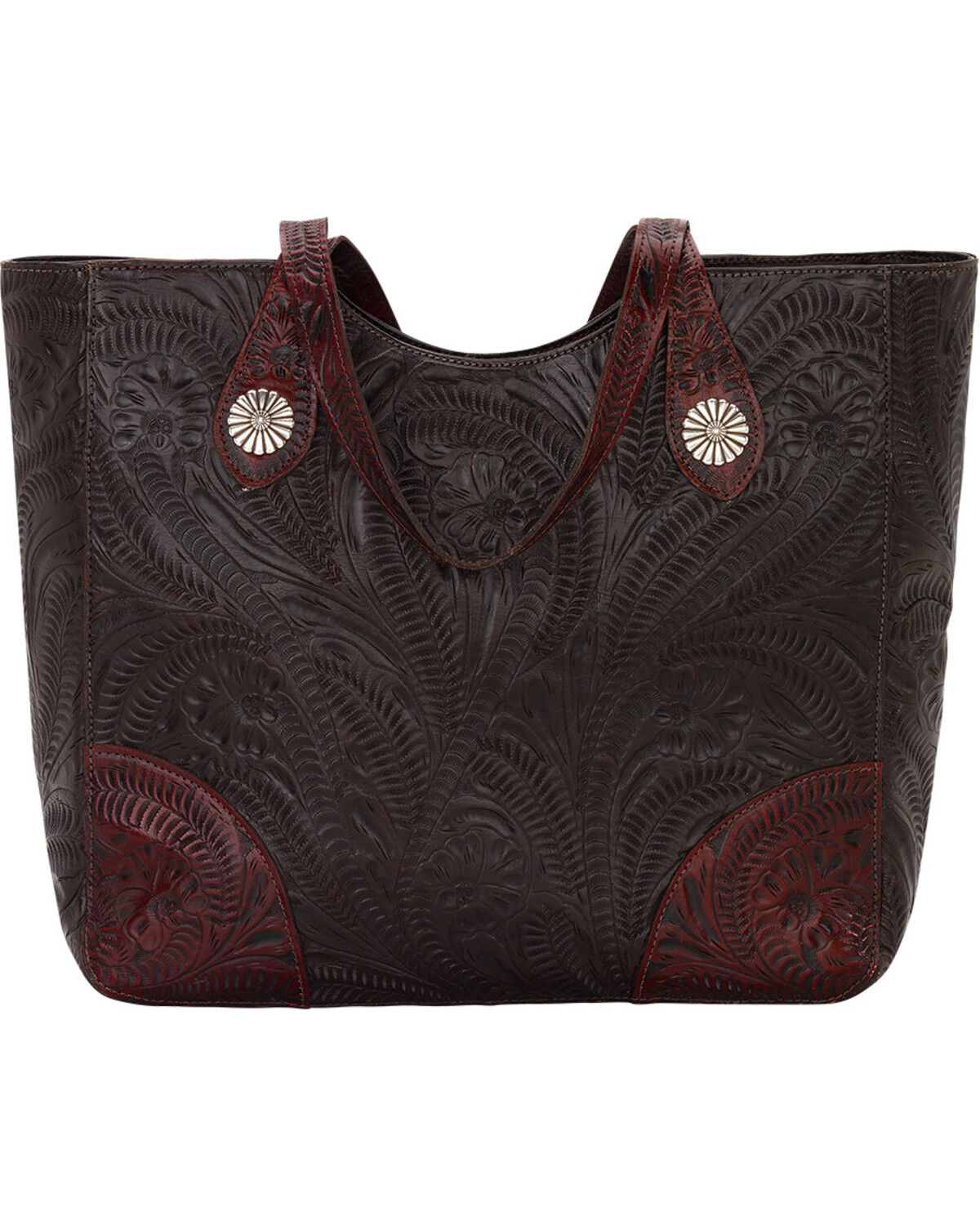
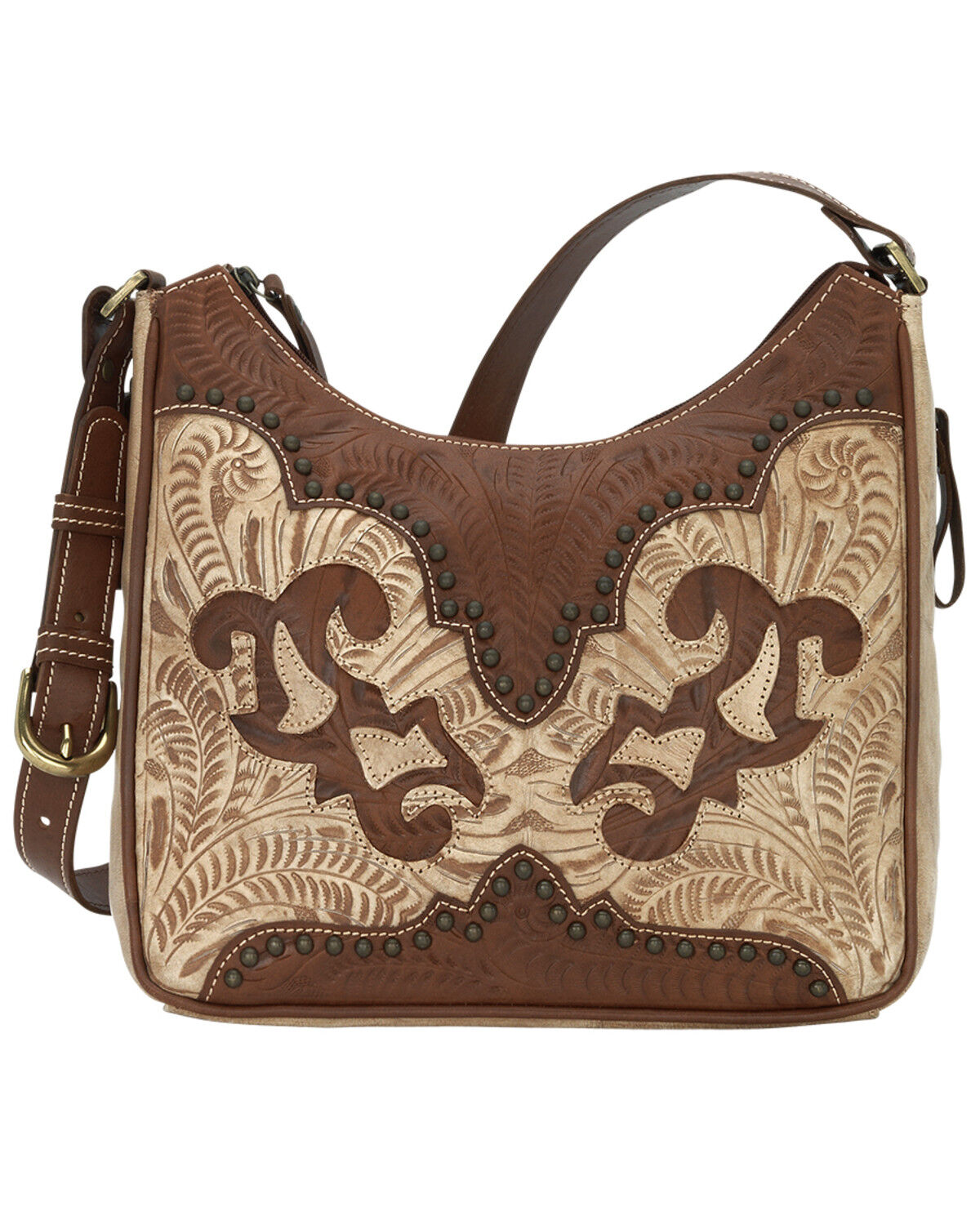
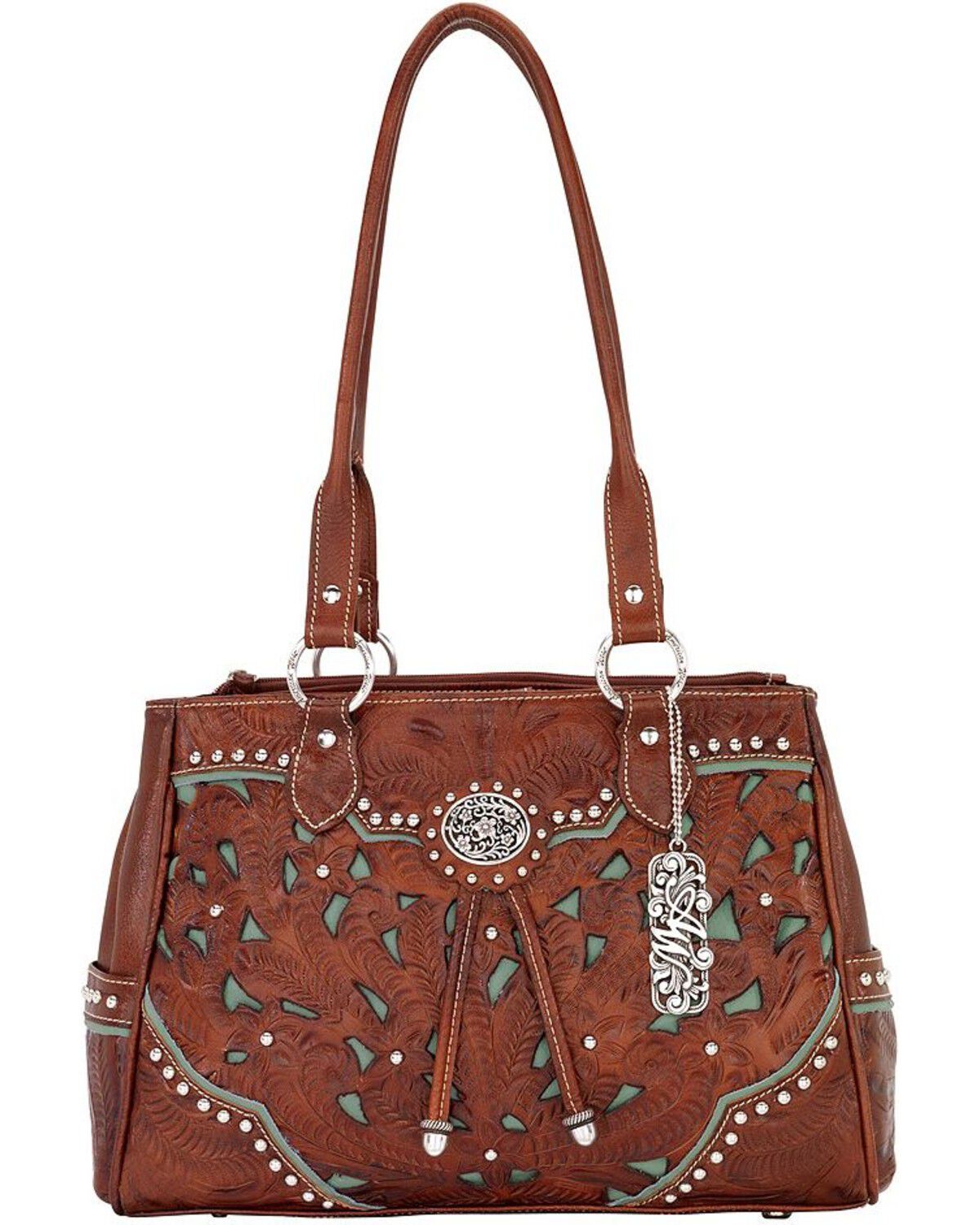
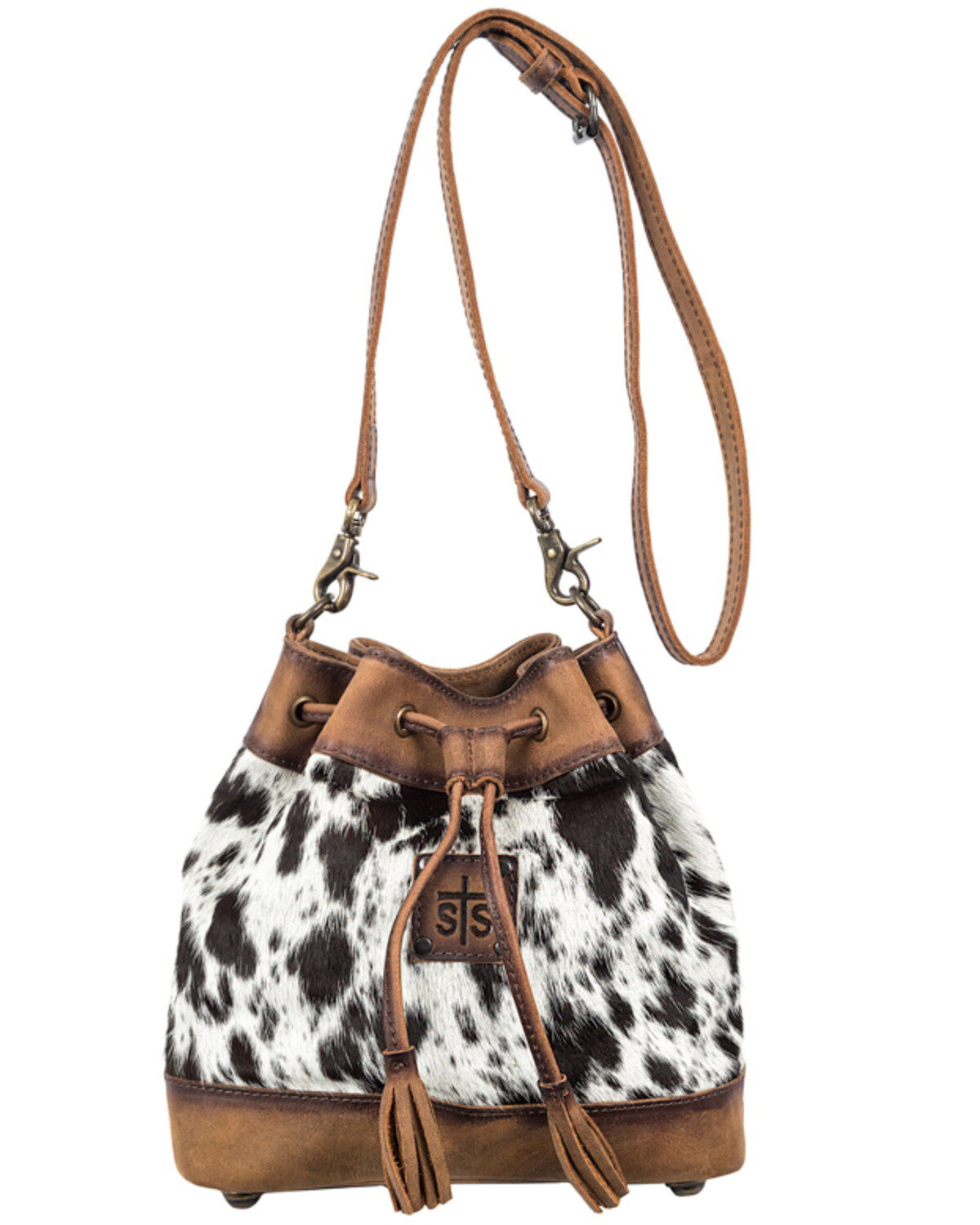
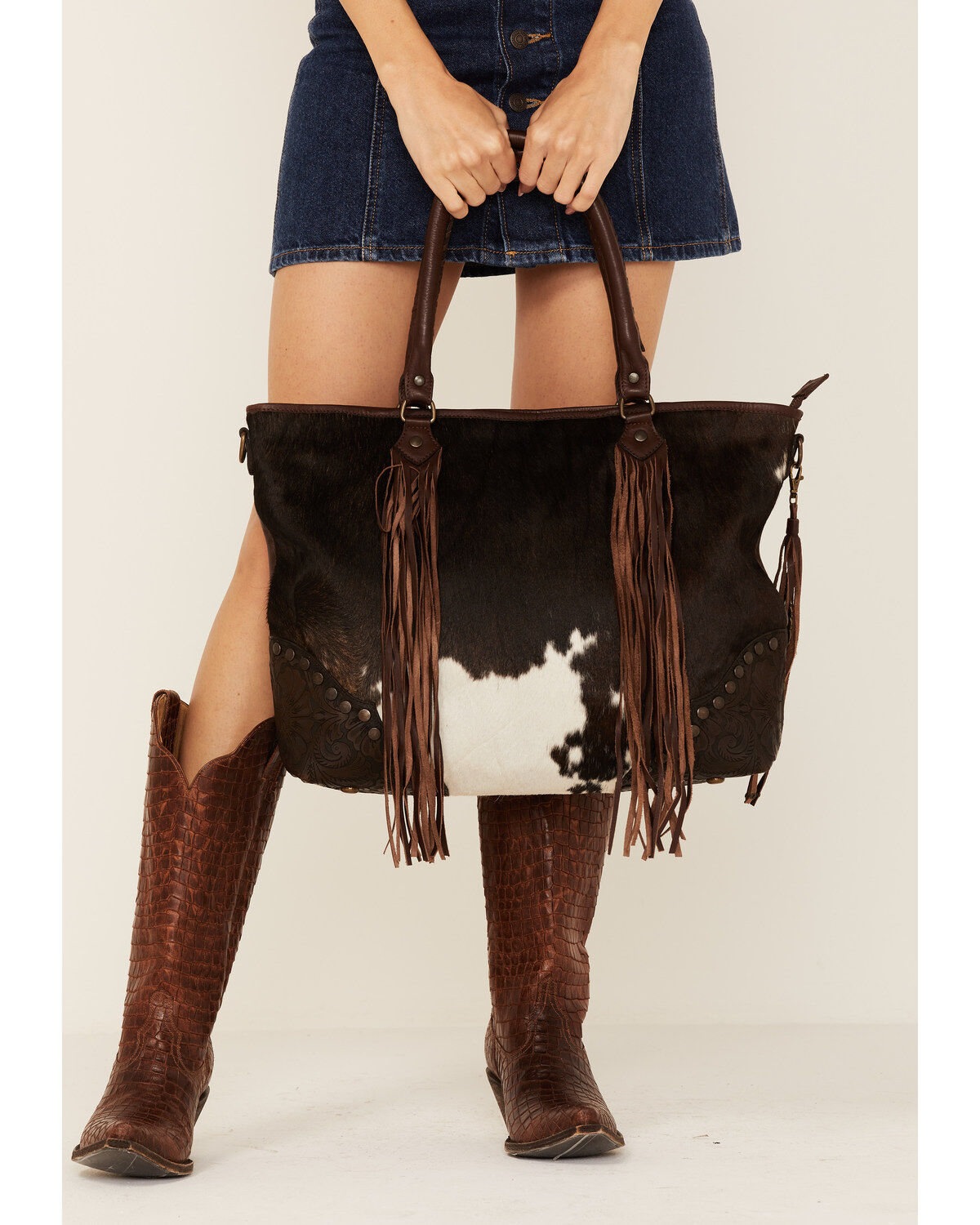
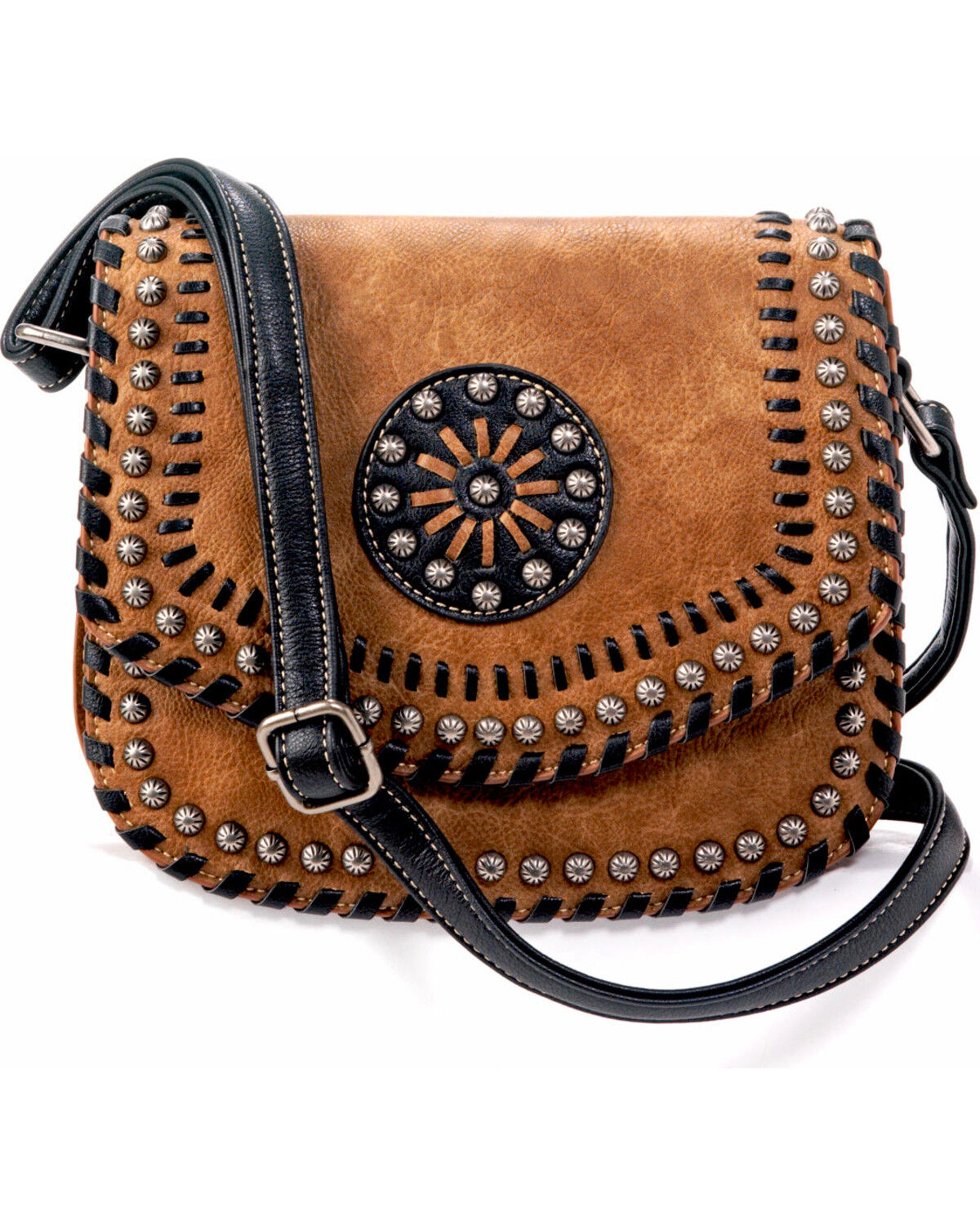
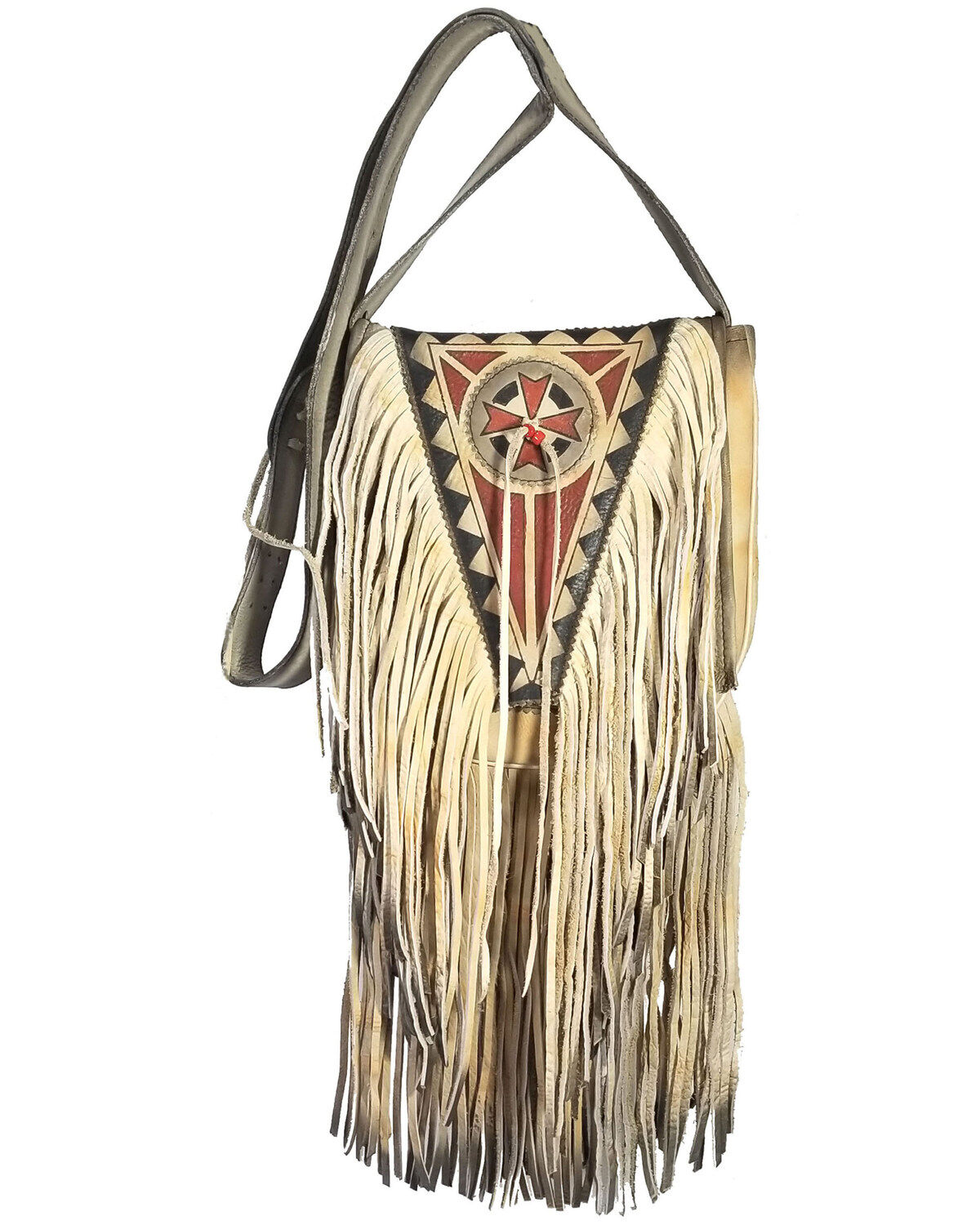
Shop western hand-tooled leather purses with distinctive patterns worked into the leather. Compare sizes, strap styles, and pocket layouts to find a western handbag with room for your daily essentials and a comfortable way to carry them.

Shop Your Store: Shop Your Store: Find a Store

(Turn off Shop Your Store to see all items)

(Turn off Shop Your Store to see all items)

close
  • Recommended
  • Lowest Price
  • Highest Price
Skip pass products

End of products

Western Hand Tooled Leather Purses

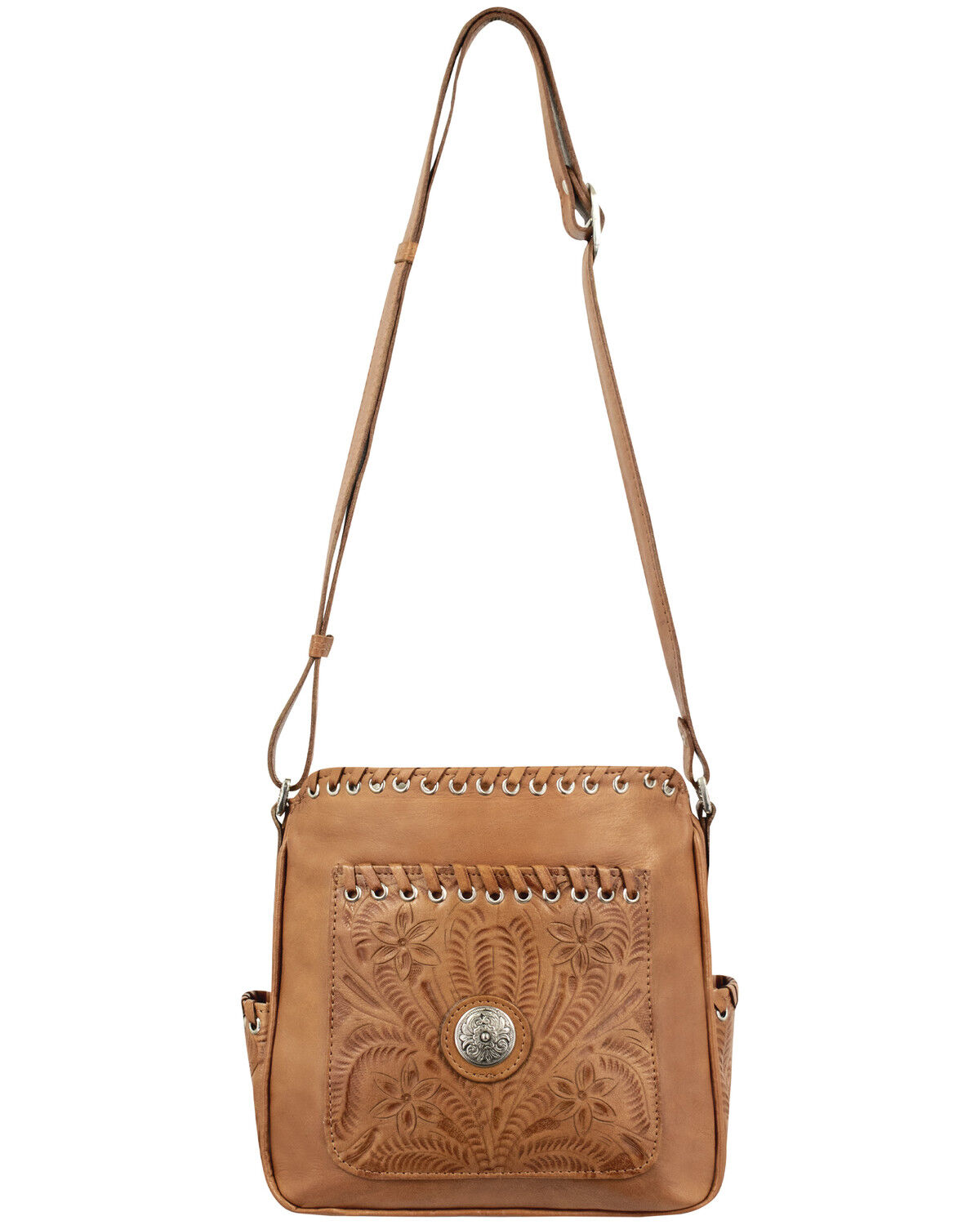
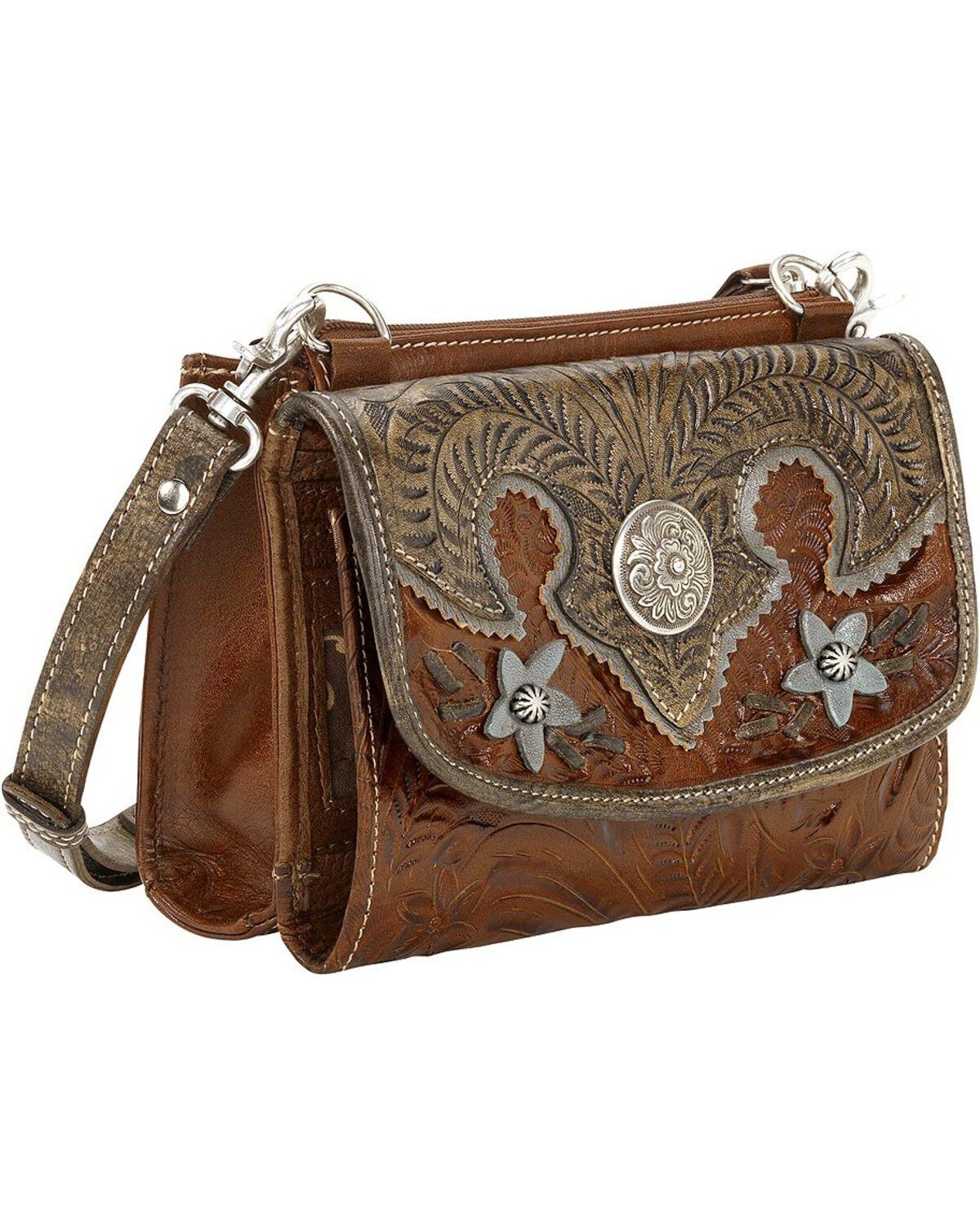
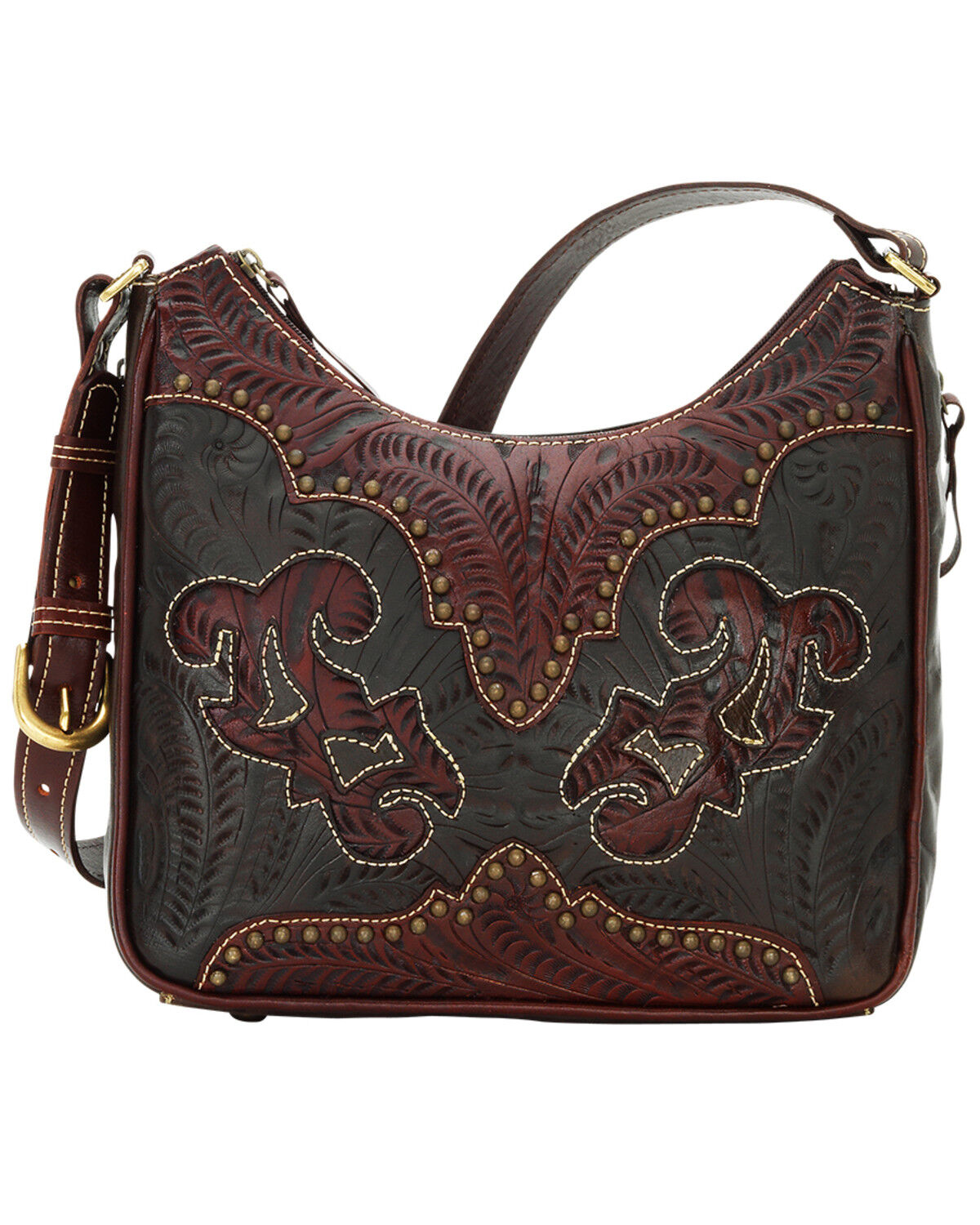
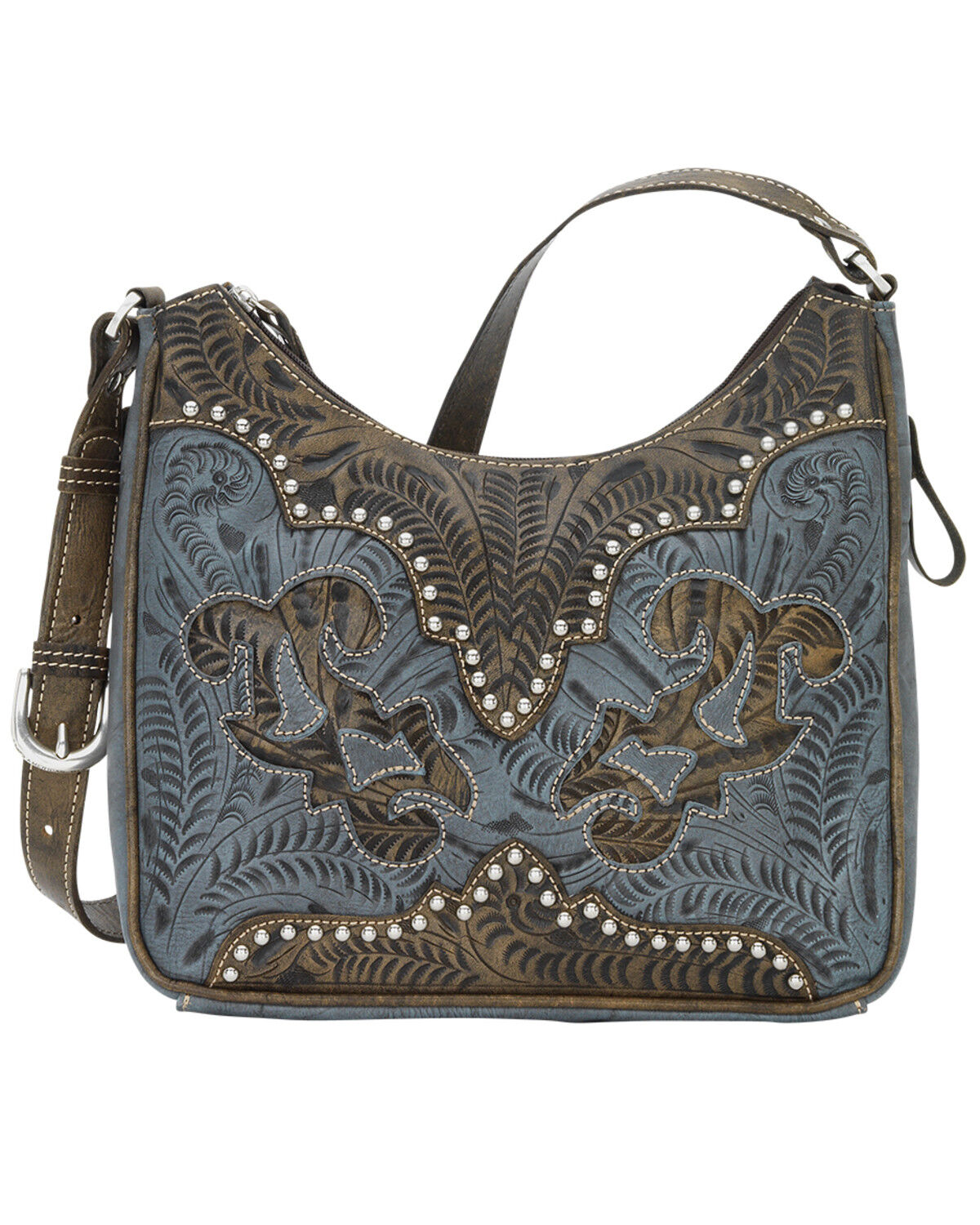
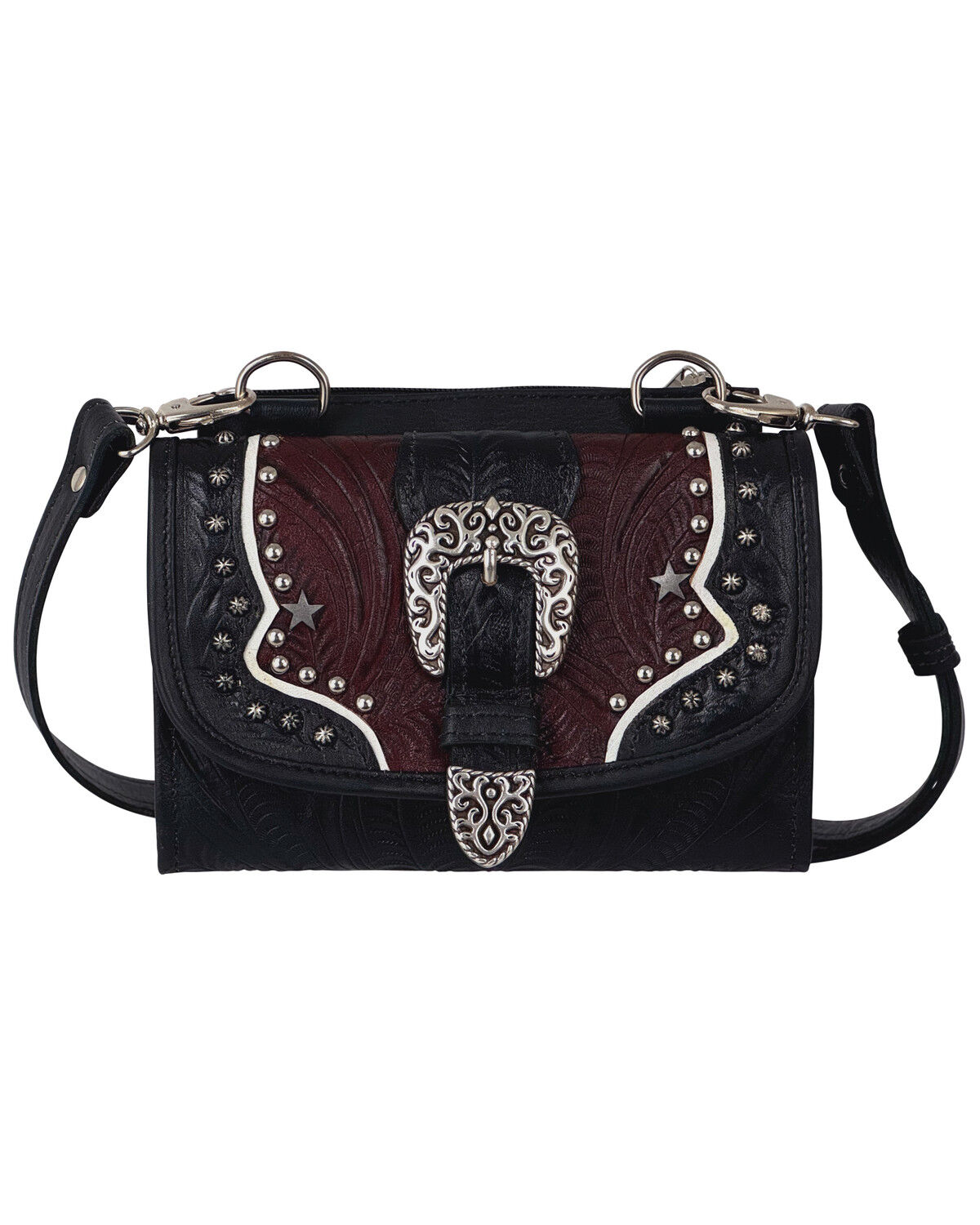
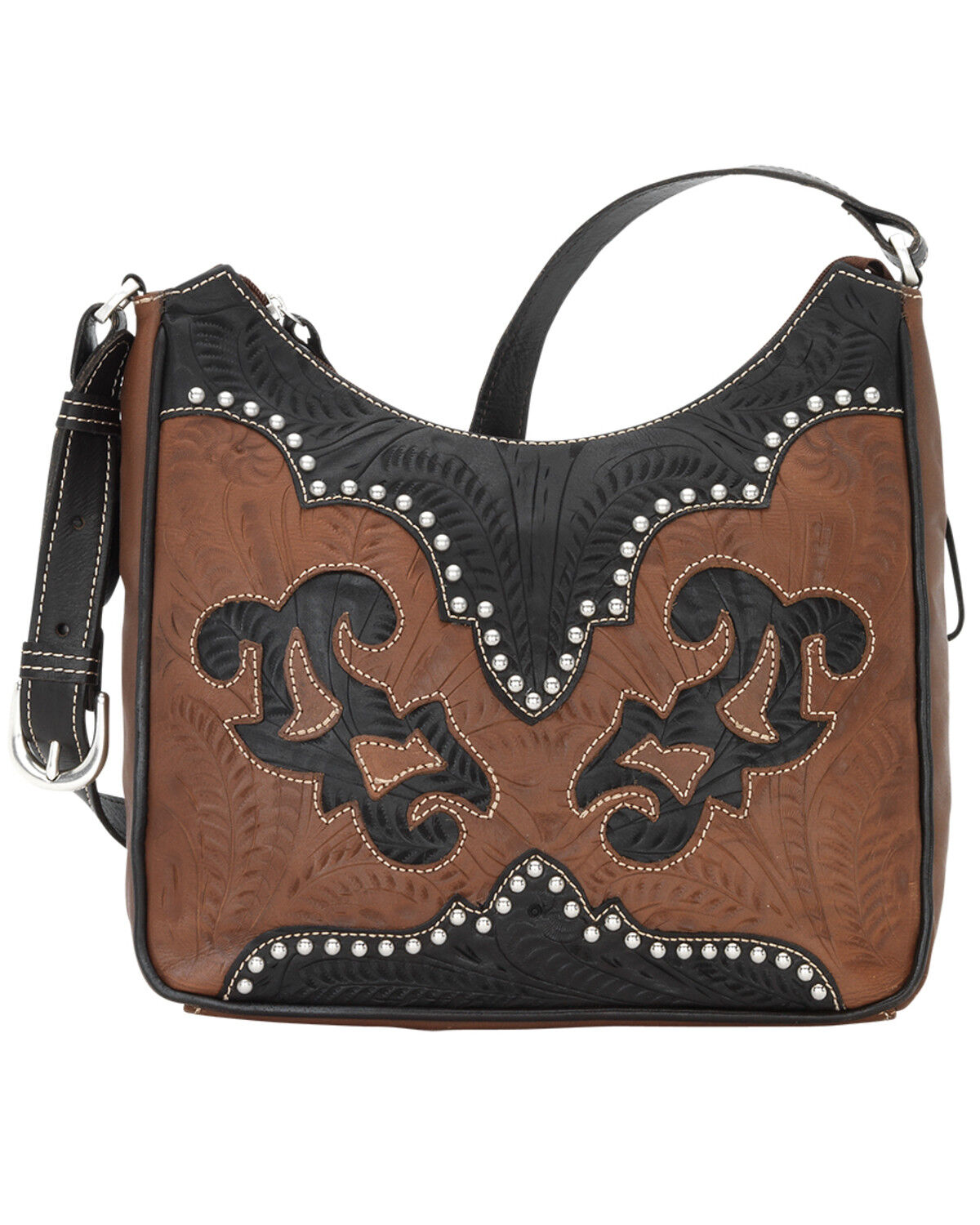
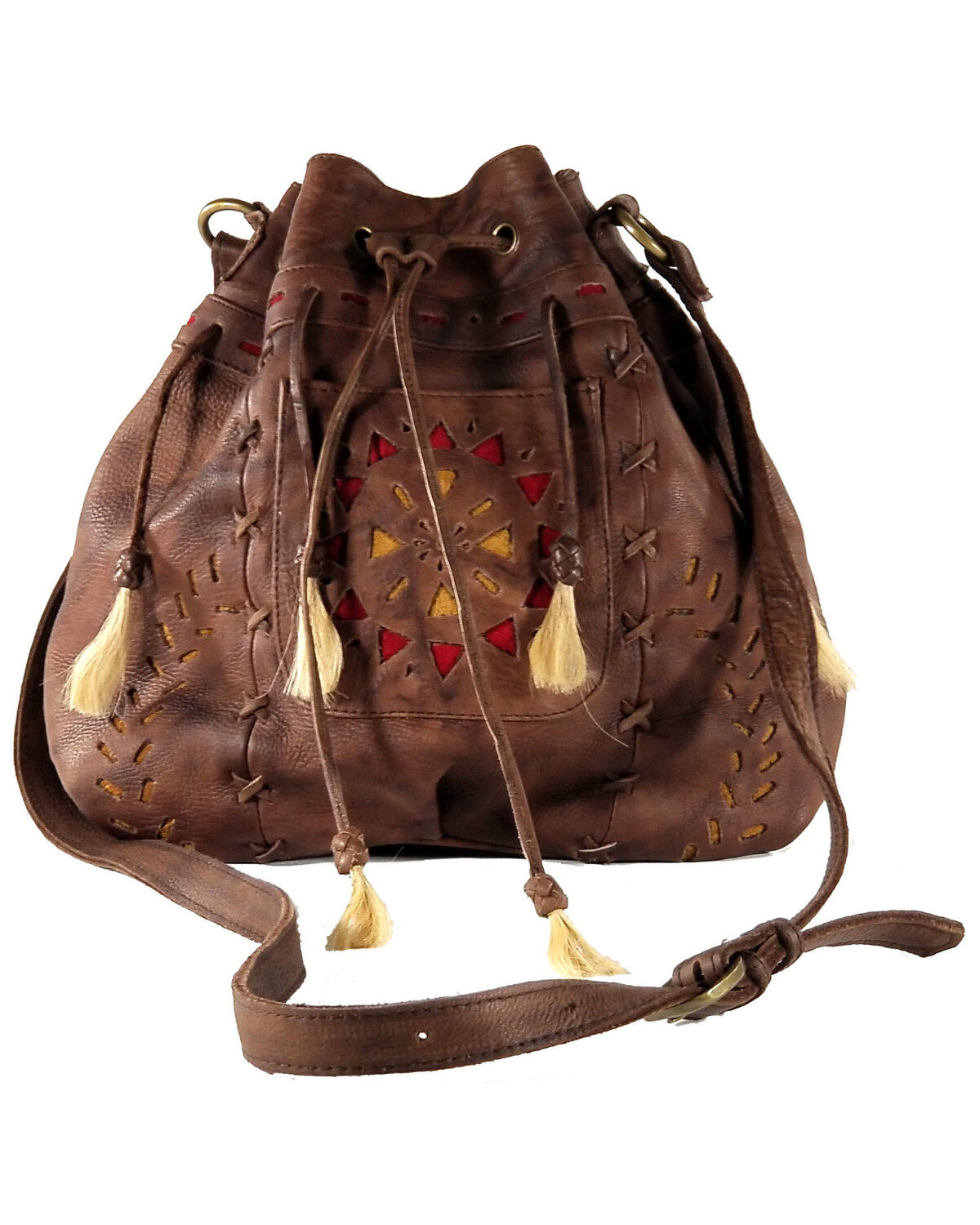
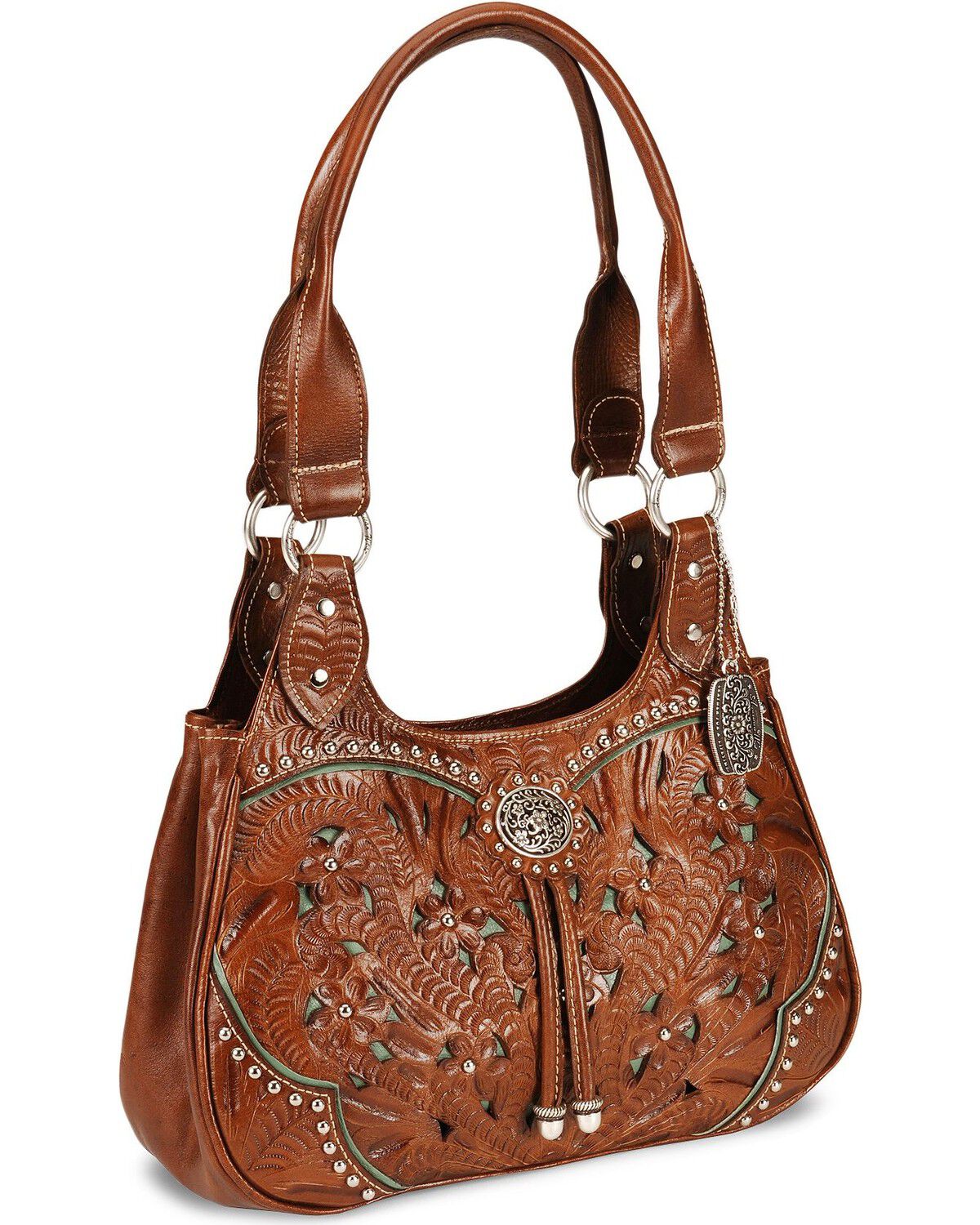
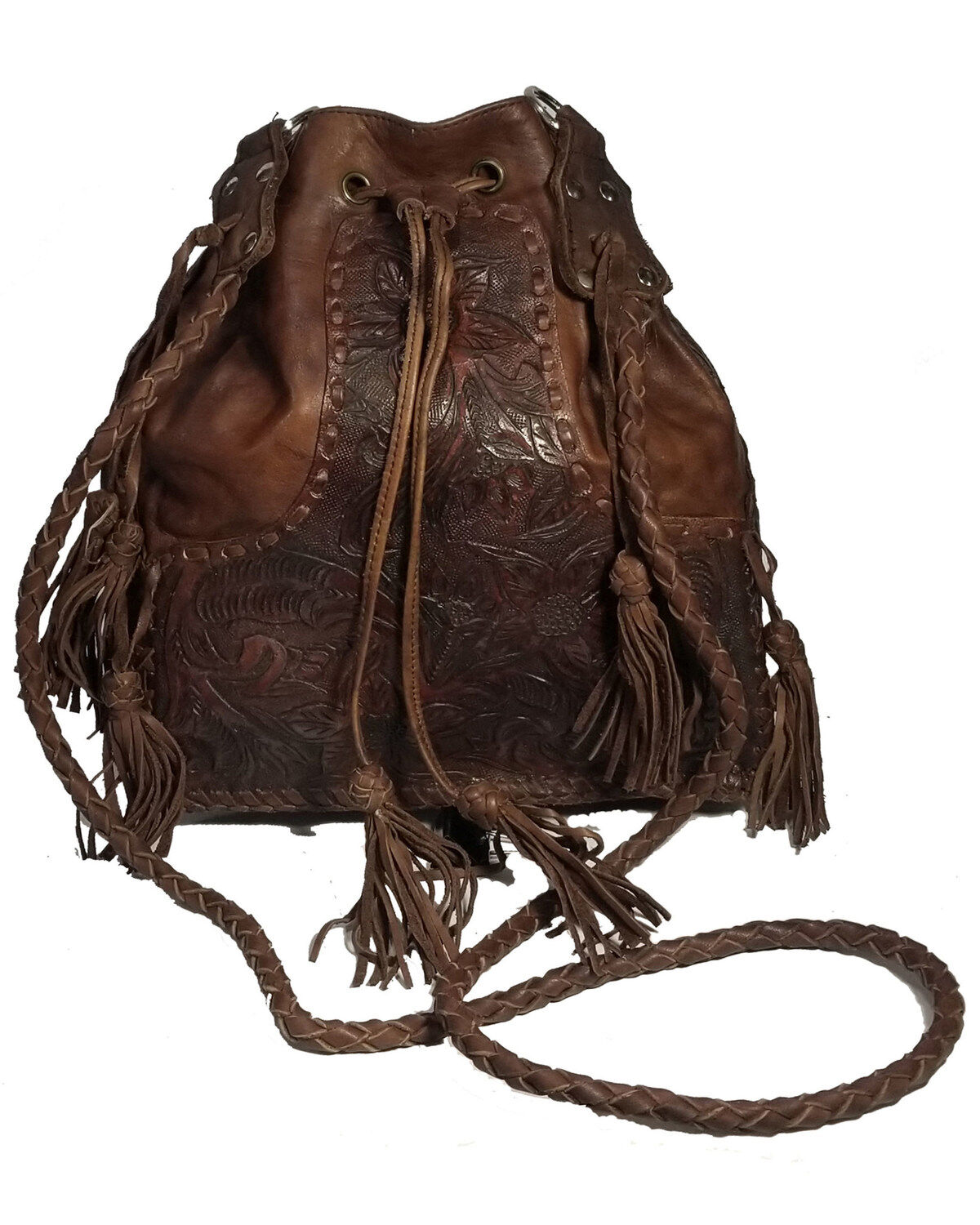
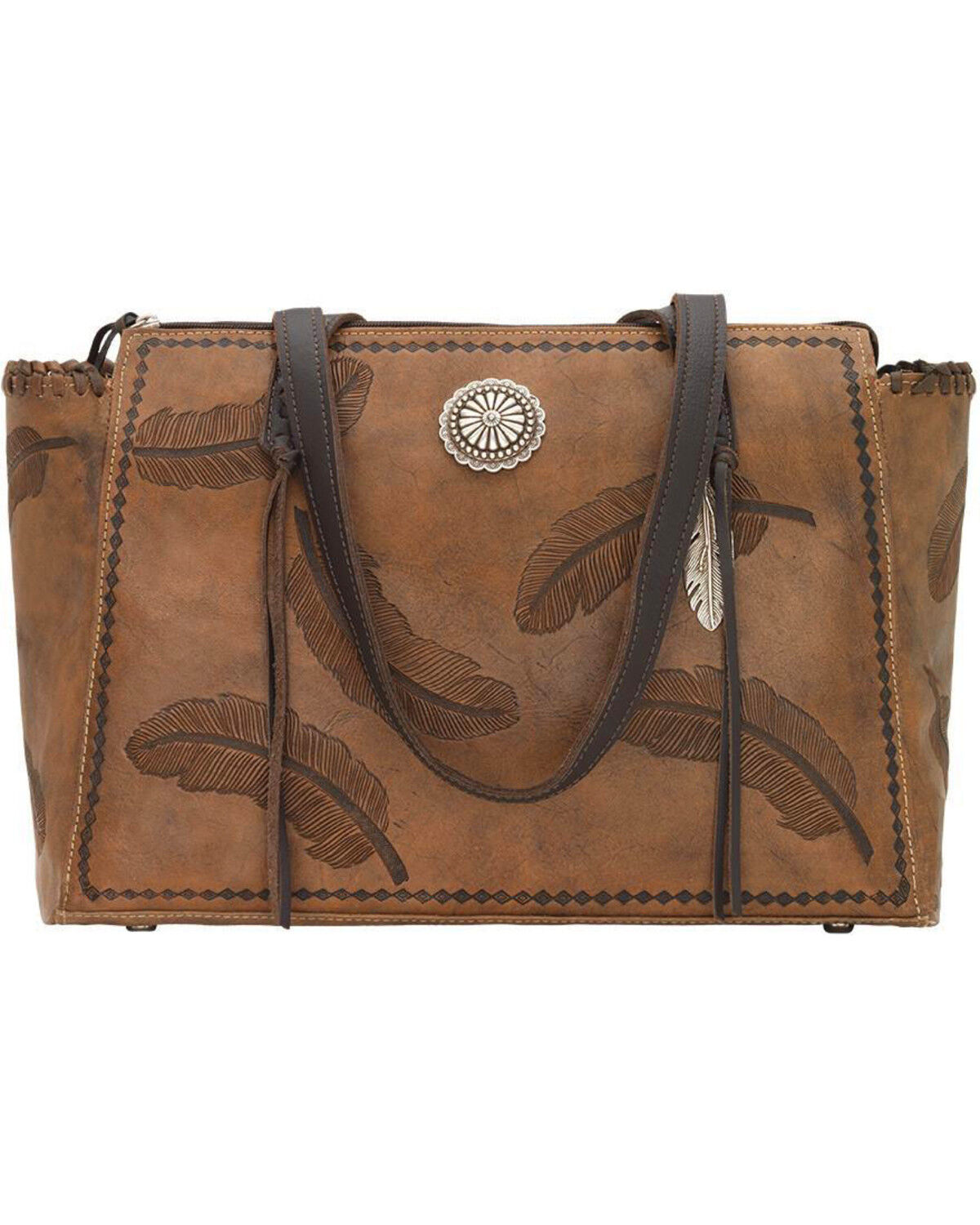
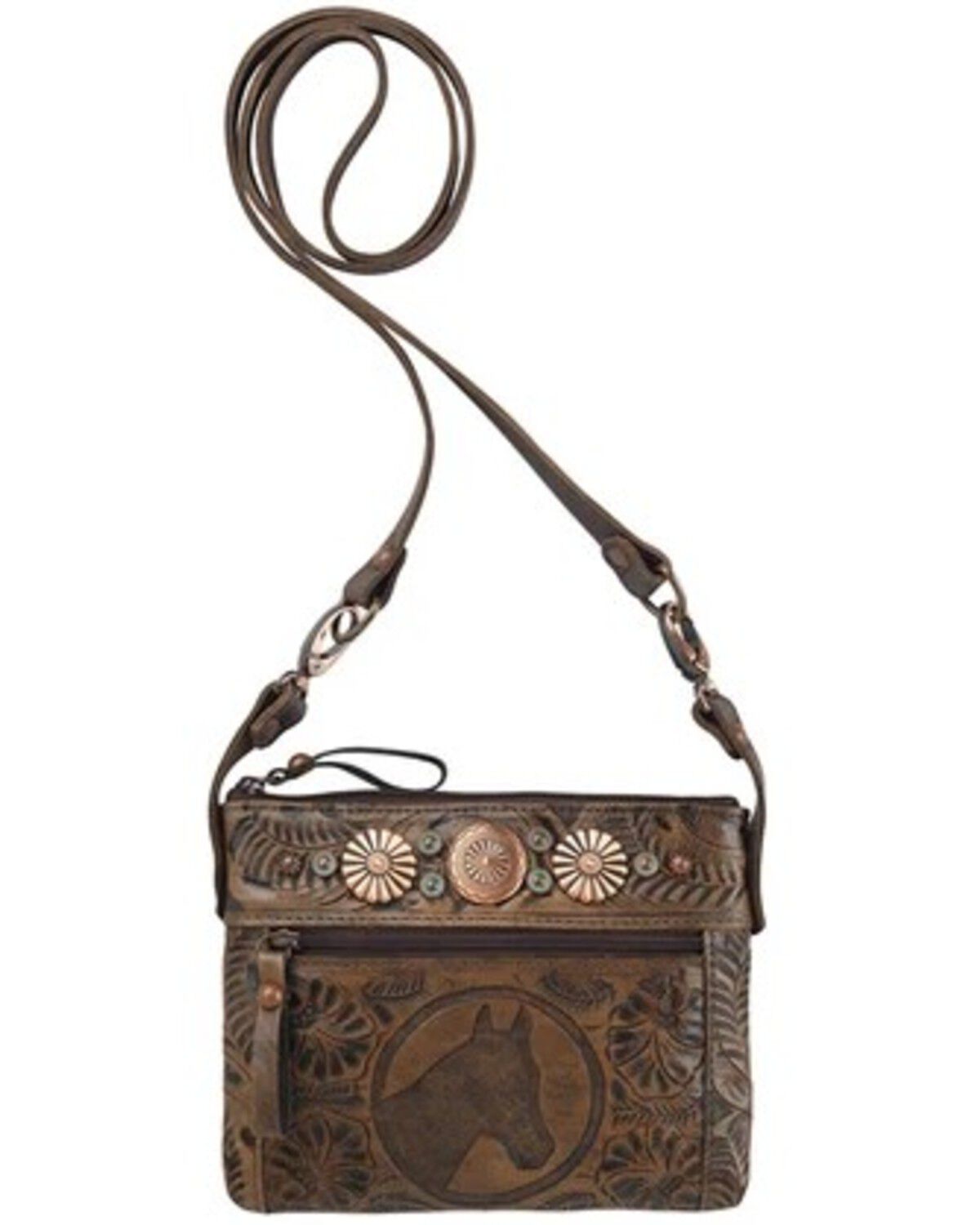
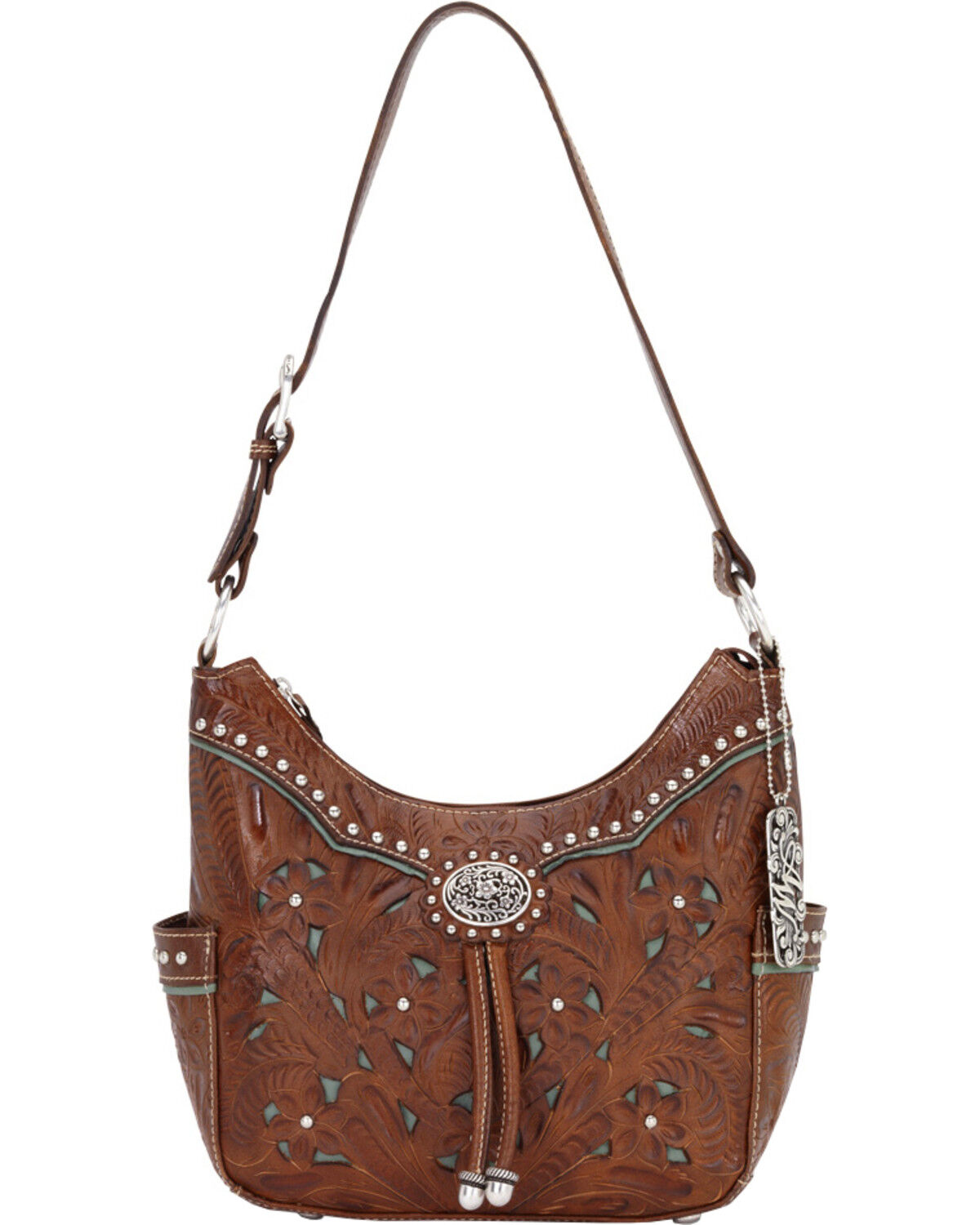
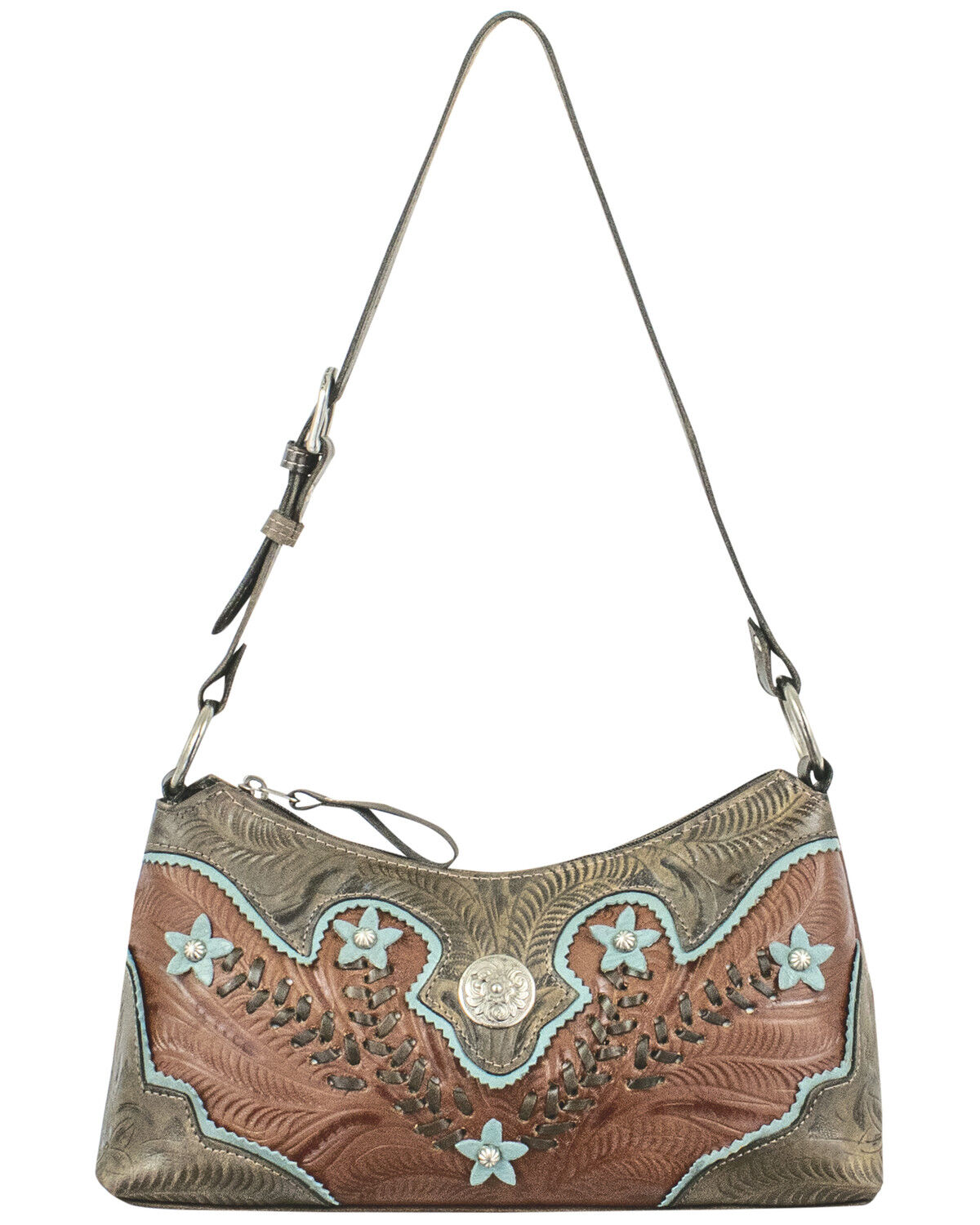
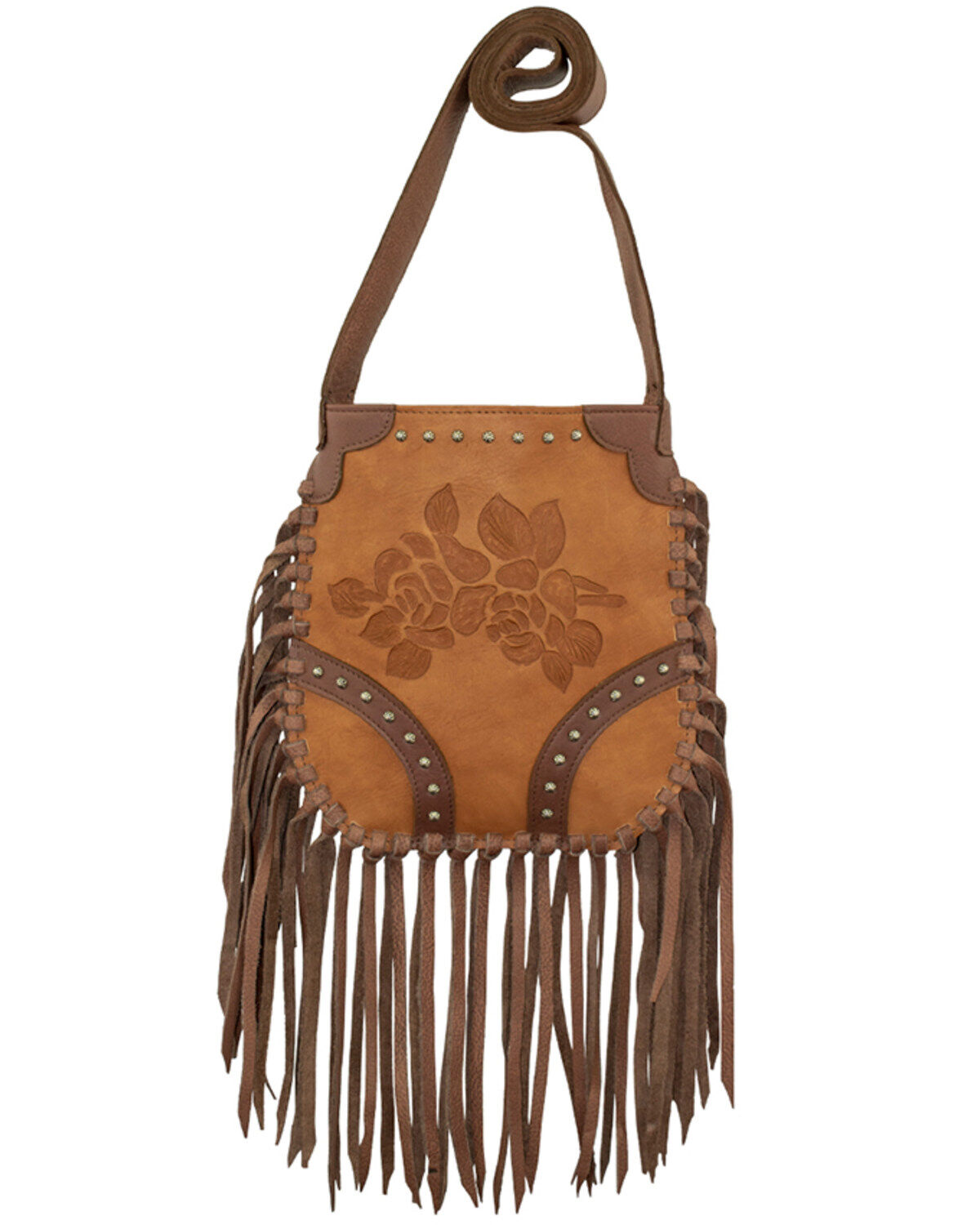
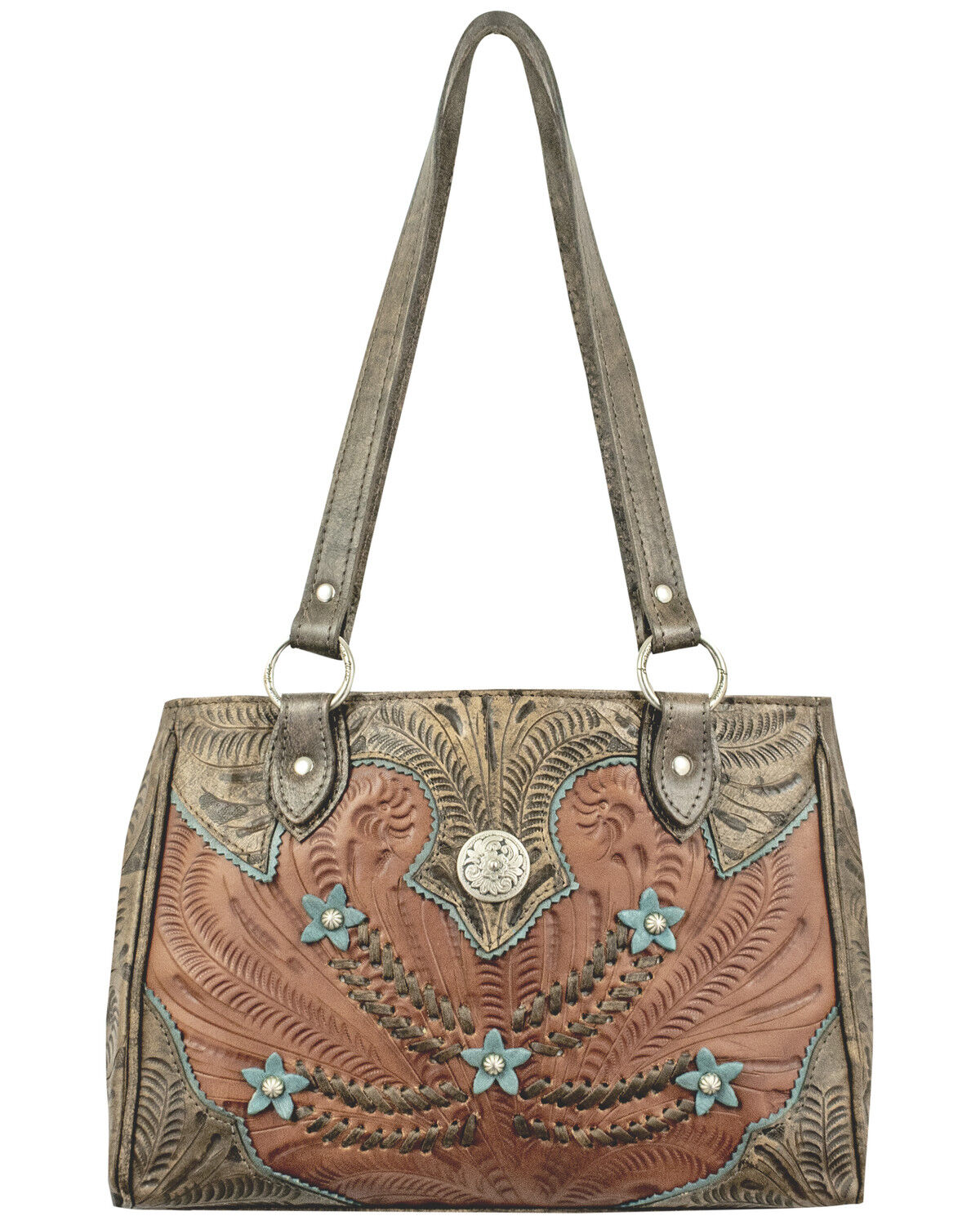
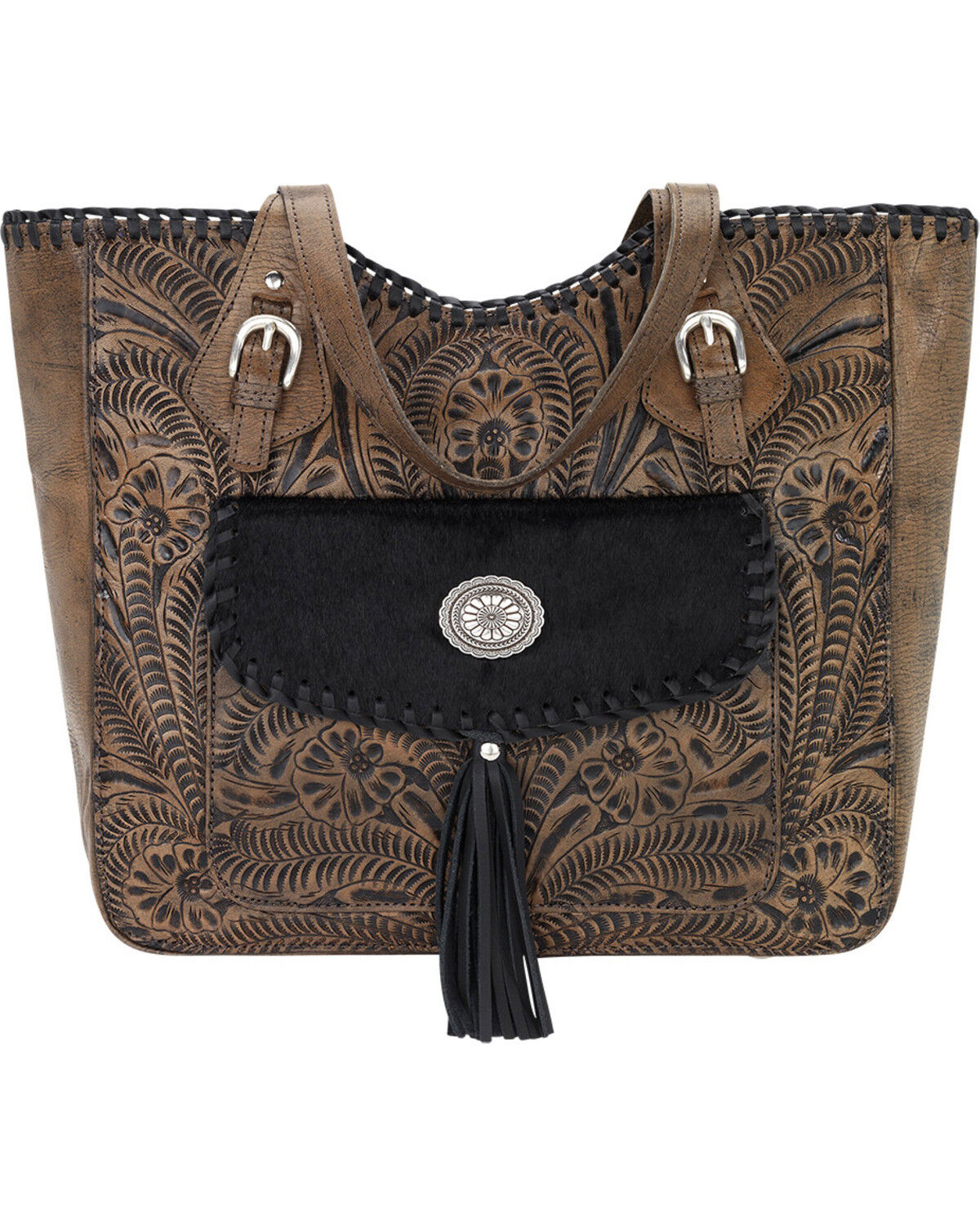
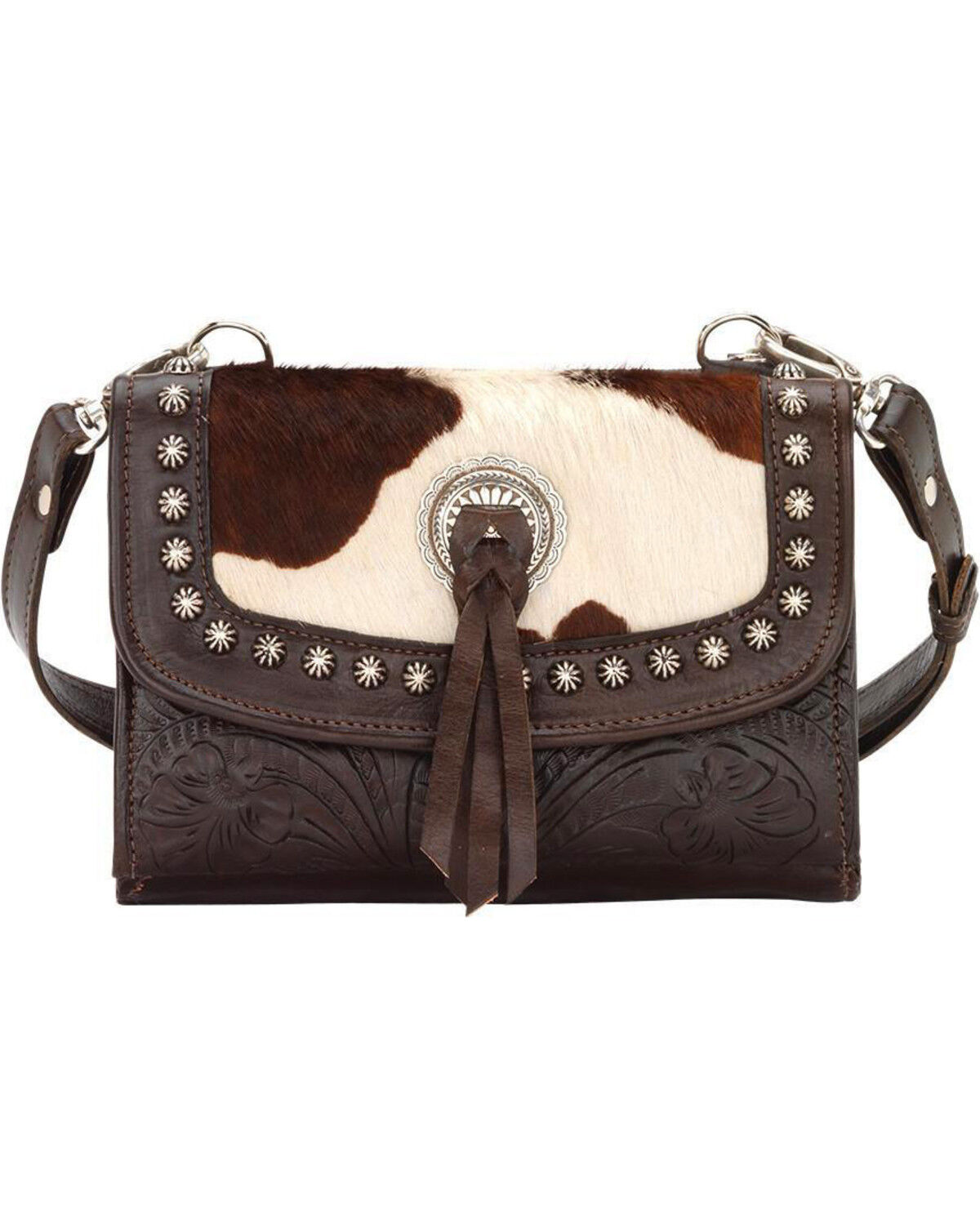
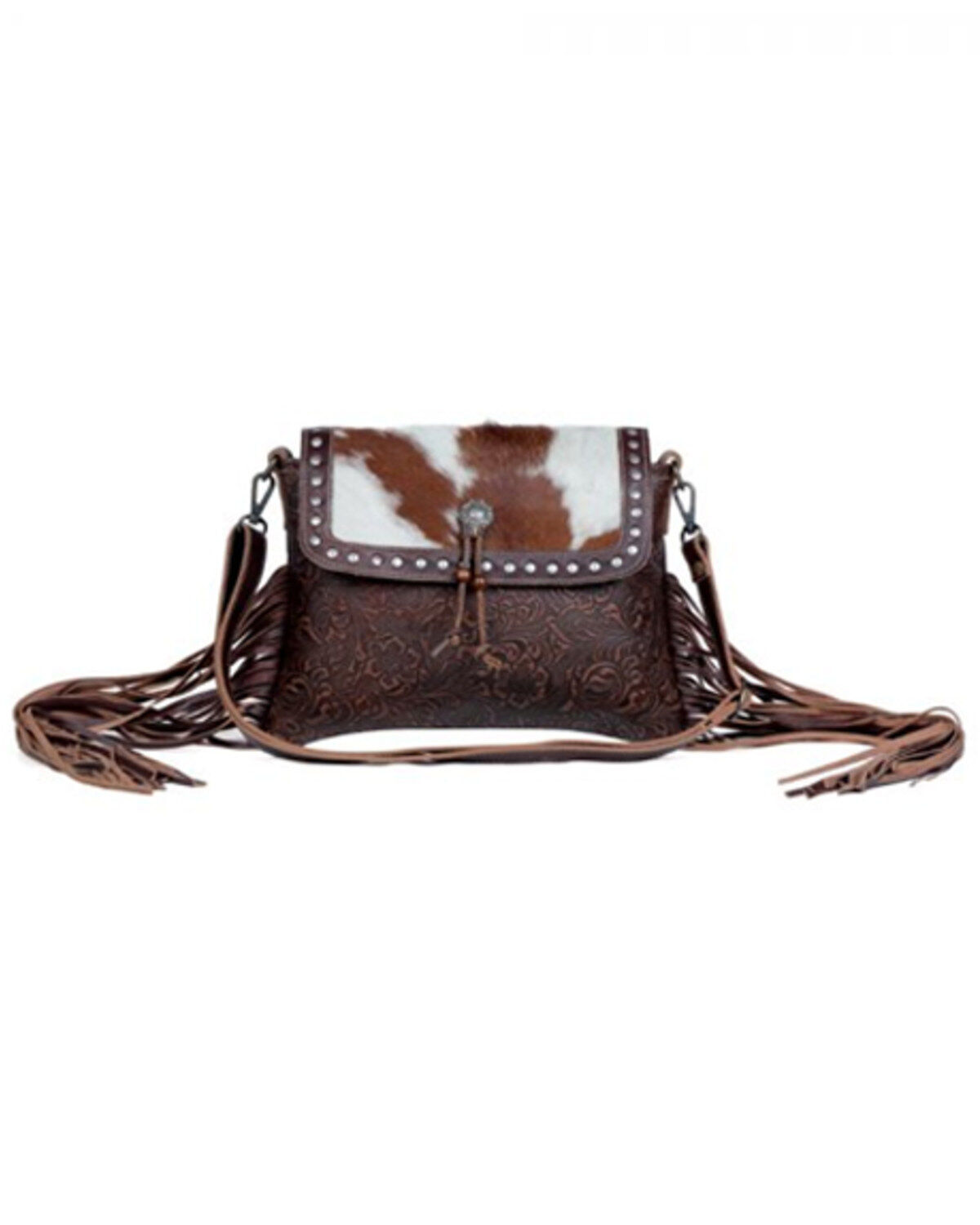
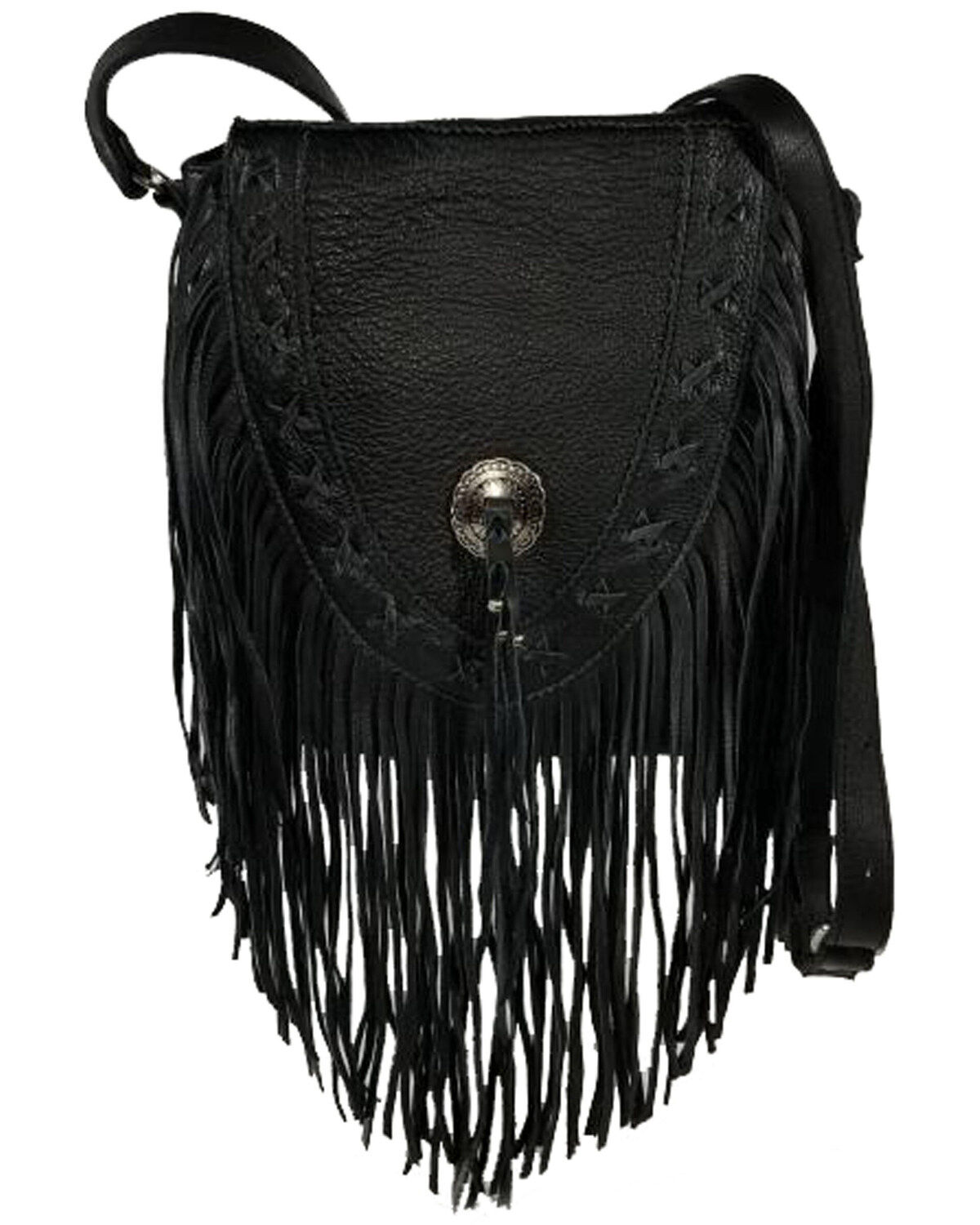
Western hand tooled leather purses bring the detail of traditional leatherwork into something made for everyday carry. Their character comes from patterns worked into the leather, where cut lines, stamped impressions, and raised surfaces create depth that a flat print cannot match. Floral scrolls, winding leaves, geometric borders, and basketweave patterns draw on a long history of Western saddlery and accessories. On a purse, that work might cover the front panel or frame a flap, leaving smooth leather around it to give the pattern room to stand out. Hand tooling can produce small variations in depth and placement, adding individual character without changing the overall design. Natural grain, subtle color differences, and gradual wear also help distinguish one leather bag from another. Tan and brown finishes tend to show the contrast between recessed lines and raised areas clearly, while darker finishes can give intricate work a more understated appearance. Some designs pair tooling with contrasting stitching, metal hardware, fringe, or an embossed accent, though those details serve a different purpose from the tooling itself. The strongest visual balance lets the leatherwork remain clear rather than crowding it with competing elements. These purses work naturally with denim, boots, and a Western shirt, but their usefulness extends beyond a full Western outfit. A compact tooled bag can add texture to a plain dress, while a structured shoulder purse fits comfortably alongside straight-leg jeans and a simple jacket. For a coordinated look, Western Tooled Belts can carry a similar pattern or leather tone without requiring every accessory to match exactly. A shared finish or repeated floral detail is often enough. The appeal is both visual and practical: leather with a distinct surface, recognizable craftsmanship, and a shape that serves a real purpose, whether that means carrying a few essentials to dinner or keeping daily belongings together through a full schedule.

Material and construction influence how a tooled leather purse feels, holds its shape, and wears over time. Firm leather provides a stable surface for detailed tooling and helps structured panels maintain their outline. Vegetable-tanned leather is commonly used for traditional tooling because it can take and retain impressions when properly prepared. The tooling process alone, however, does not establish the leather grade or describe every part of a finished purse. A bag may combine a tooled leather panel with softer leather sides, a fabric lining, or other materials, so its material description matters as much as its appearance. Full-grain leather retains the natural grain surface, while other leather finishes may have a more uniform look. Neither a heavily textured pattern nor a dark finish replaces sound construction. Even stitching, well-finished edges, secure strap attachments, and hardware that moves smoothly all contribute to dependable use. The points where handles meet the body deserve particular attention because they carry repeated strain when the bag is lifted. A broad base can help a purse sit upright, while a softer body may rest more comfortably against the hip. Interior organization shapes daily use just as much as the exterior. A separate pocket keeps keys from settling beneath a wallet, and a secure compartment gives small essentials a consistent place. Zip closures contain belongings when a bag tips on a car seat; a flap or snap offers a different balance of coverage and access. Size is most useful when considered against an actual routine. A phone, card case, and keys call for less space than a full wallet, glasses case, notebook, and other daily necessities. Extra capacity also adds the temptation to carry more weight. Leather and substantial hardware contribute weight before anything goes inside, making an empty bag’s feel worth considering. Strap width, handle shape, and carrying position affect comfort over several hours, especially for someone moving between appointments, errands, and time on their feet.

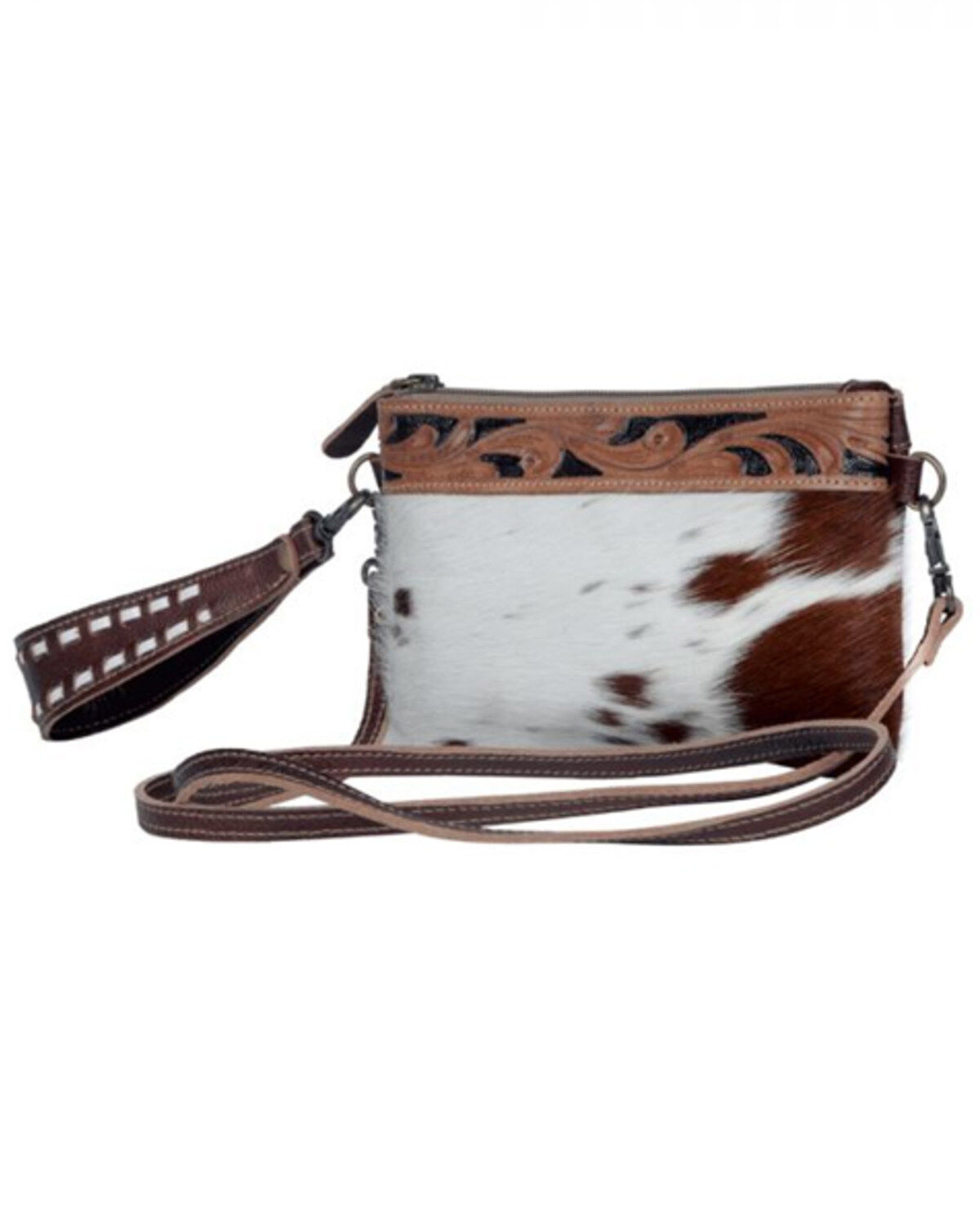
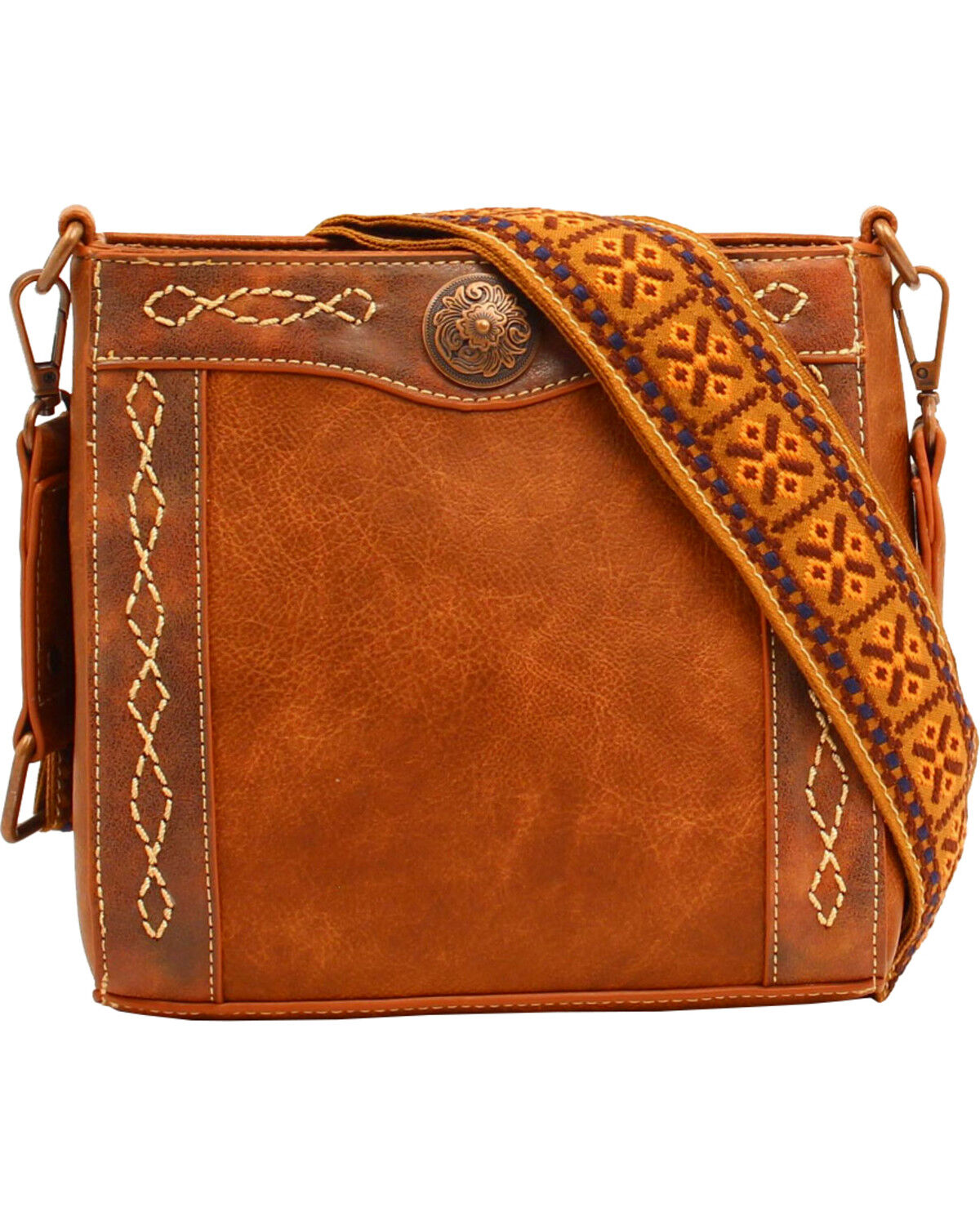
Fit in a leather purse comes down to proportion, reach, and how securely it stays in place. A crossbody strap should allow the bag to sit where its closure is easy to reach without pulling across the shoulder. A shoulder strap needs enough clearance to settle comfortably under the arm, while shorter handles suit someone who prefers carrying a purse by hand or at the forearm. Adjustable straps offer flexibility, but their length range and attachment points determine how much adjustment is useful. For travel or a busy outing, a close-fitting shape and secure closure can be more practical than a wide, open top. For everyday errands, easy access to a phone and keys may matter more than numerous small compartments. These same details make a hand tooled leather purse a thoughtful gift when its size and carrying style reflect the recipient’s habits. Someone who already carries a compact crossbody may appreciate familiar proportions more than a larger bag with additional ornament. Lasting use also depends on care suited to the leather and its finish. Tooled recesses can collect dust, which a soft, dry cloth or soft brush can gently lift without scraping the pattern. Excess moisture, prolonged direct sunlight, and concentrated heat can affect leather’s color, feel, and shape. A damp purse is best left to dry naturally away from a heater, with its contents removed. Leather conditioners and protective treatments are not interchangeable across all finishes; the maker’s care directions and a test on a hidden area help prevent unwanted darkening or residue. Heavy applications can settle into tooling and obscure fine detail. Between uses, light stuffing helps a structured bag keep its form, and a breathable storage cover limits dust buildup. Carrying a purse within its intended capacity reduces stress on seams and straps. With sensible care, gradual softening and changes in tone can become part of the leather’s character, allowing the tooled pattern and the bag’s useful shape to remain central to its appeal.

FAQs