Western Dresses

Find western dresses for everyday wear, nights out, and special occasions. Browse western-inspired styles with your preferred fit and length in mind, whether you want a dress to pair with cowboy boots or a simple starting point for a more dressed-up look.

Shop Your Store: Shop Your Store: Find a Store

(Turn off Shop Your Store to see all items)

(Turn off Shop Your Store to see all items)

close
  • Recommended
  • Lowest Price
  • Highest Price
Skip pass products

End of products

Western Dresses

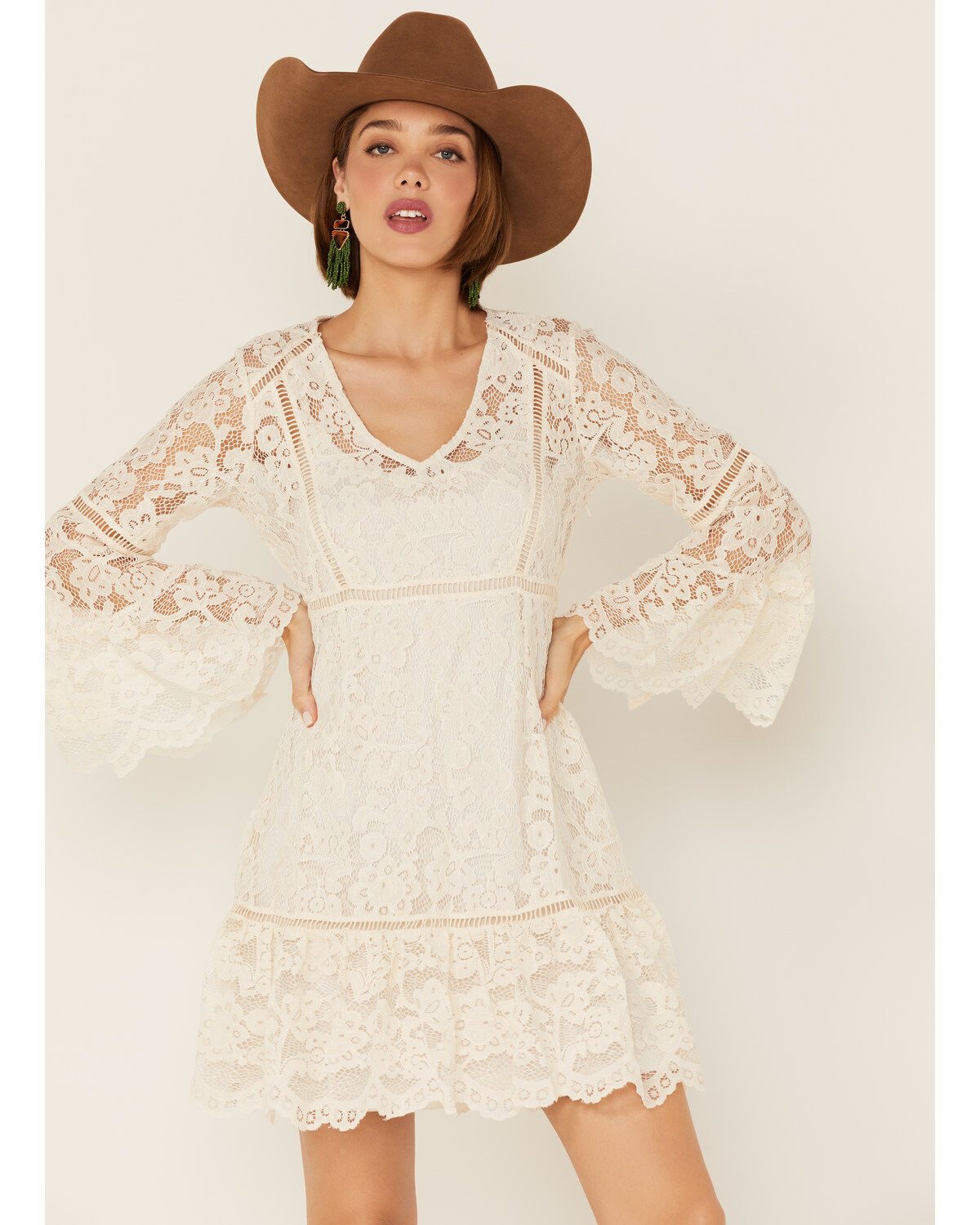
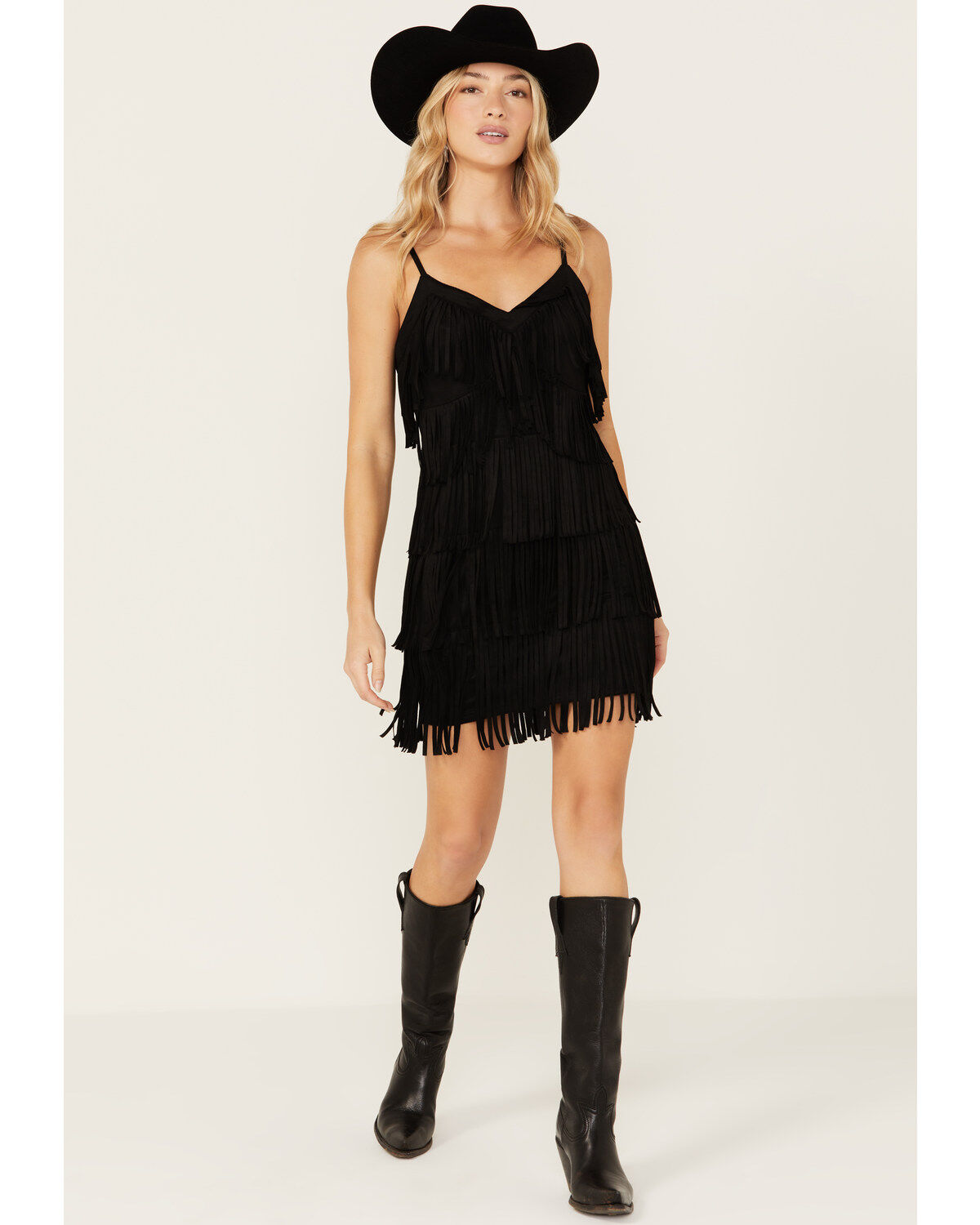
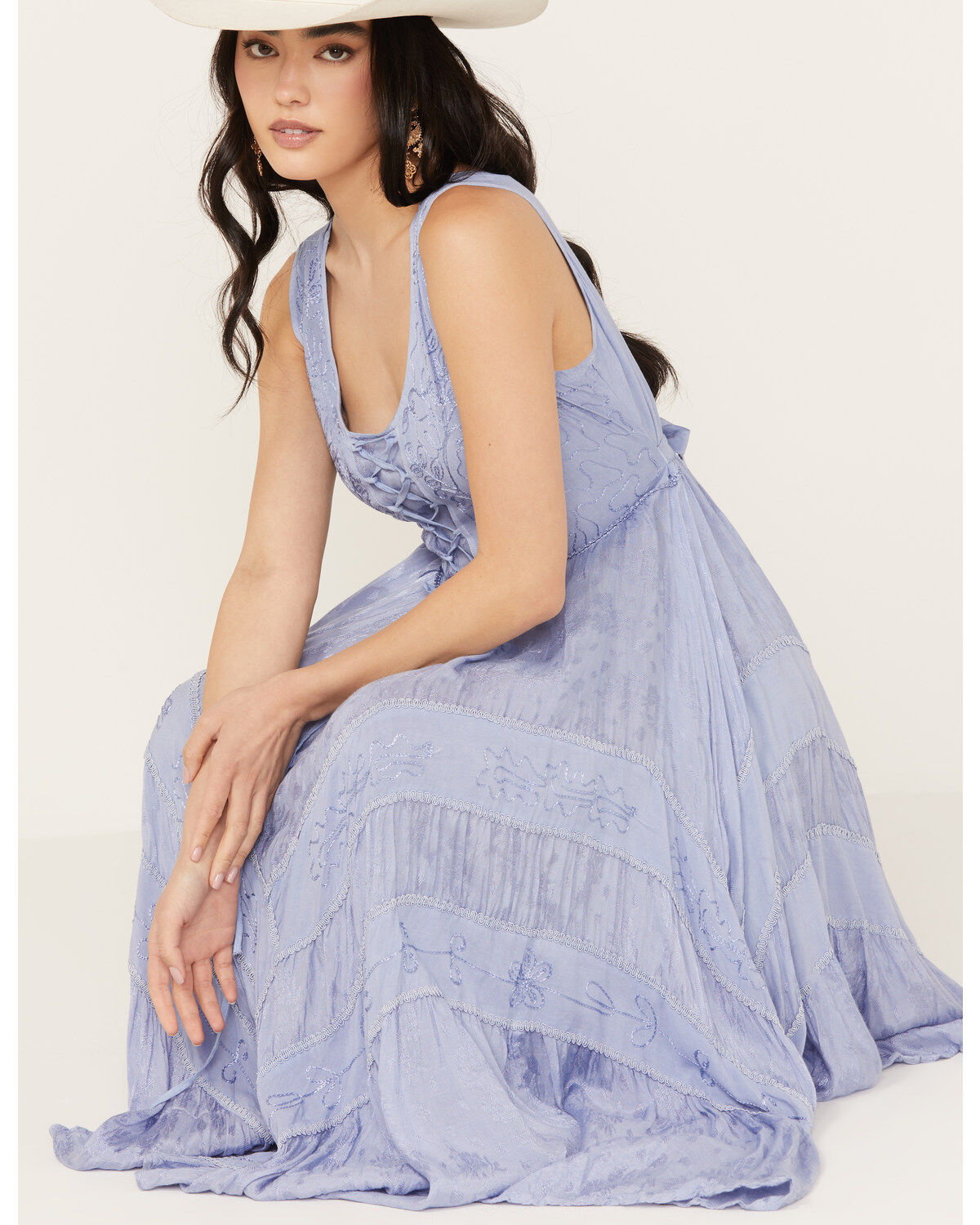
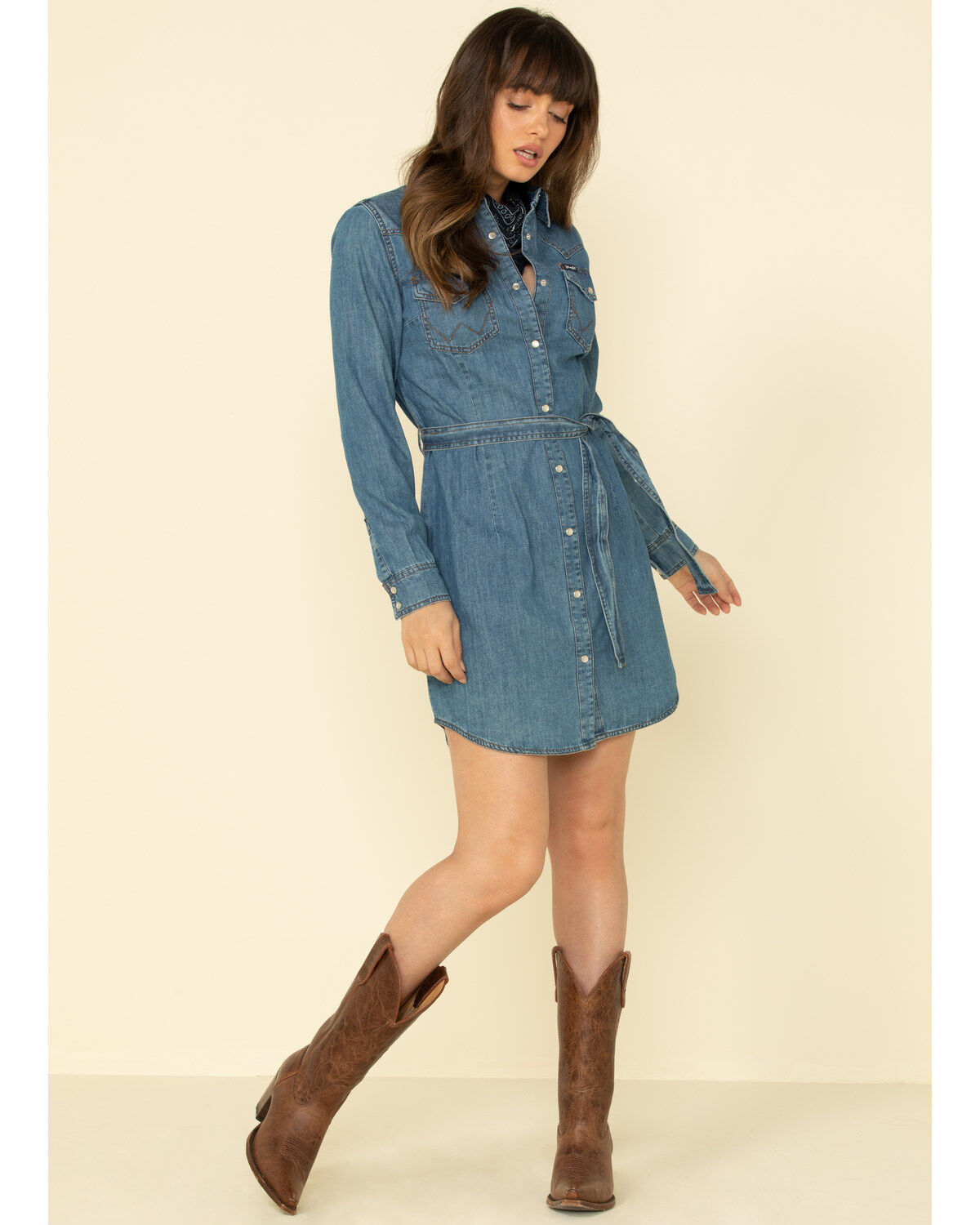
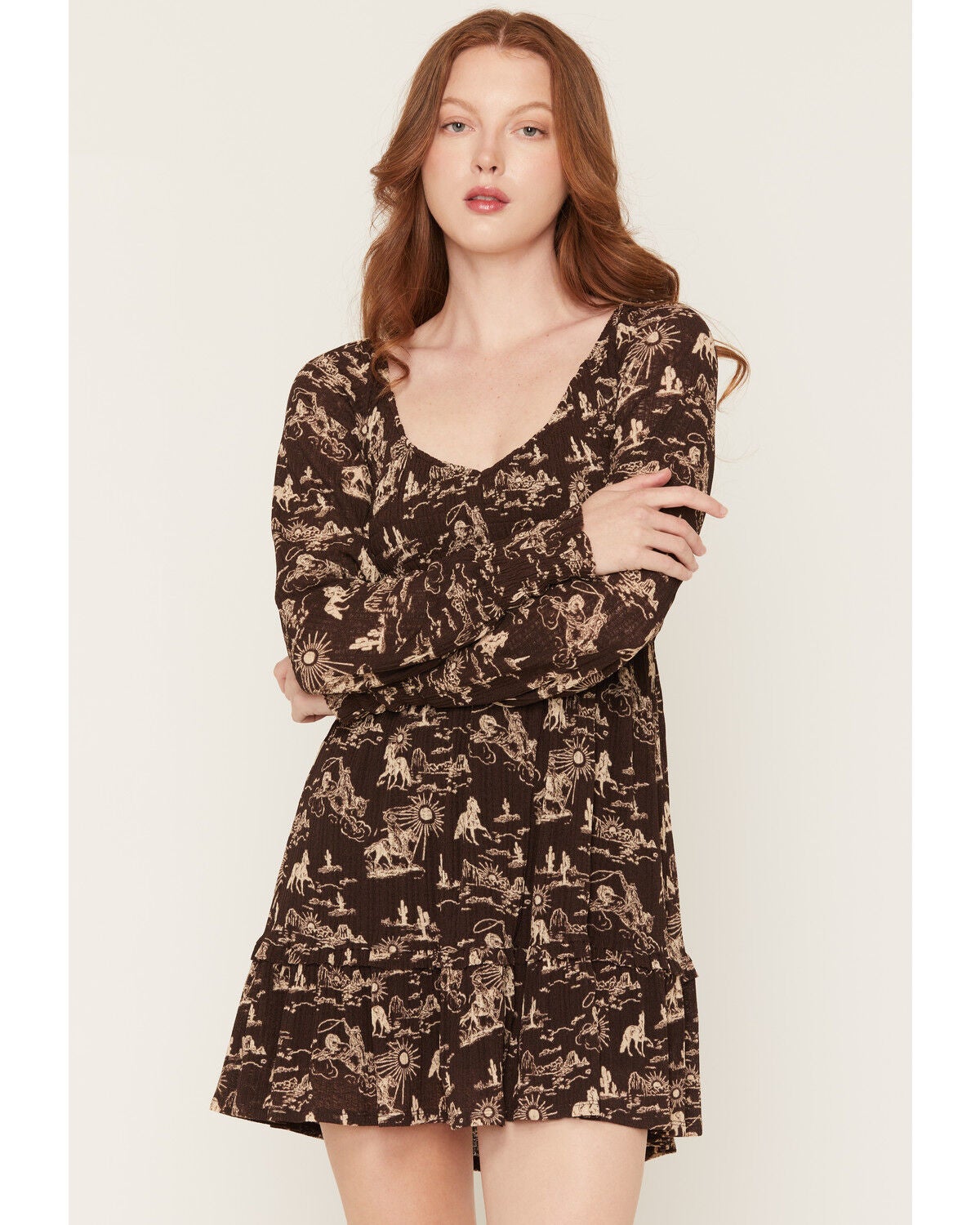
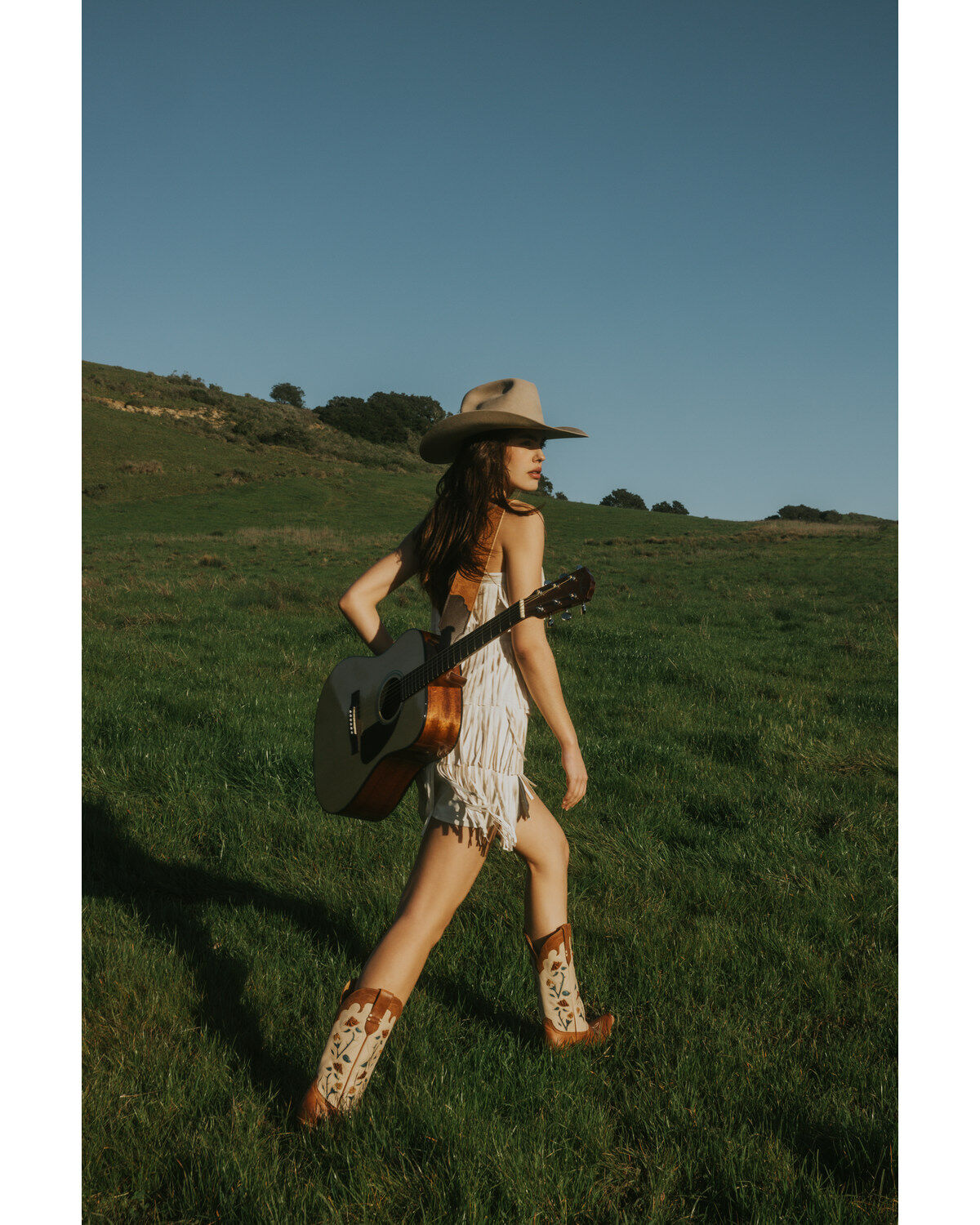
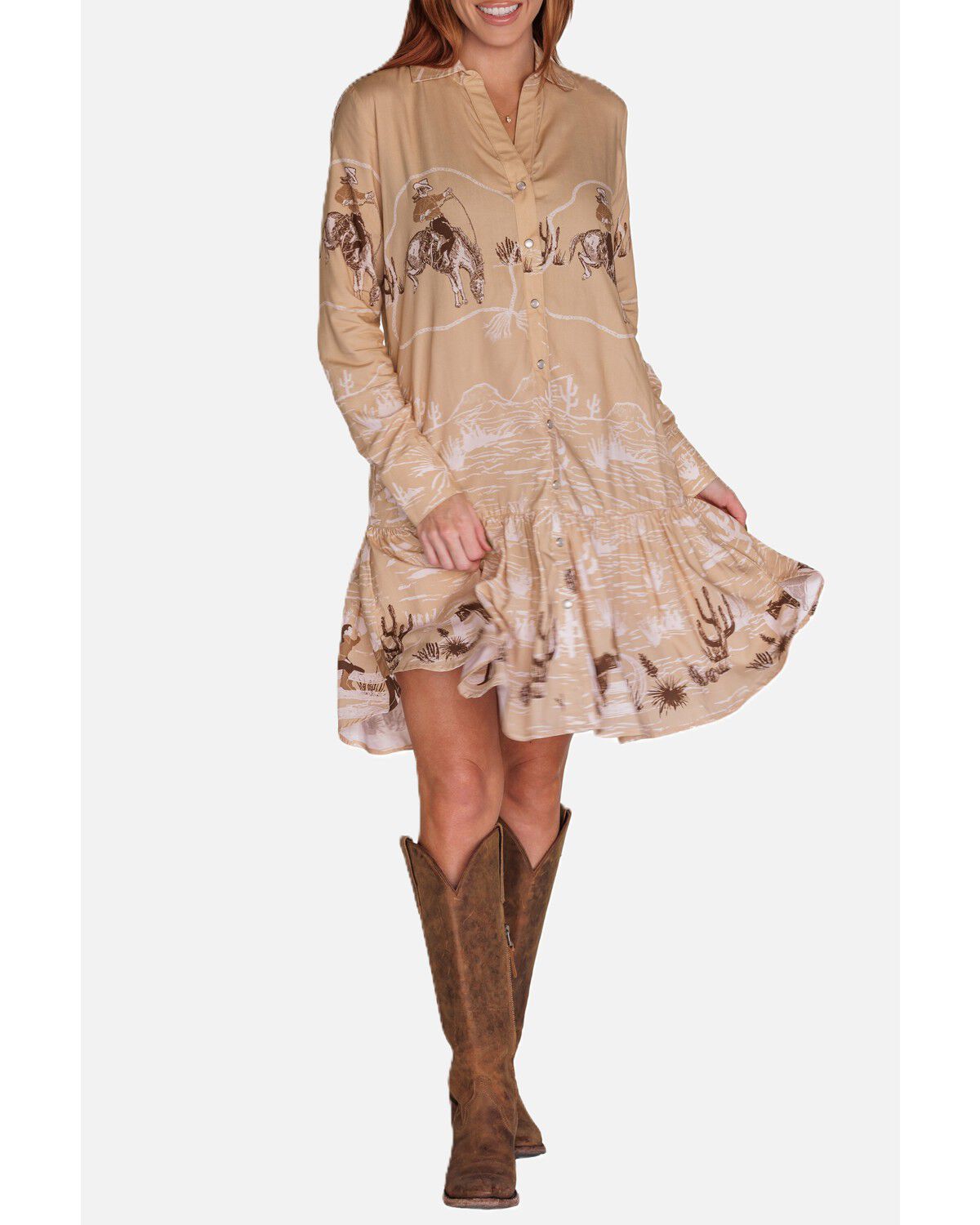
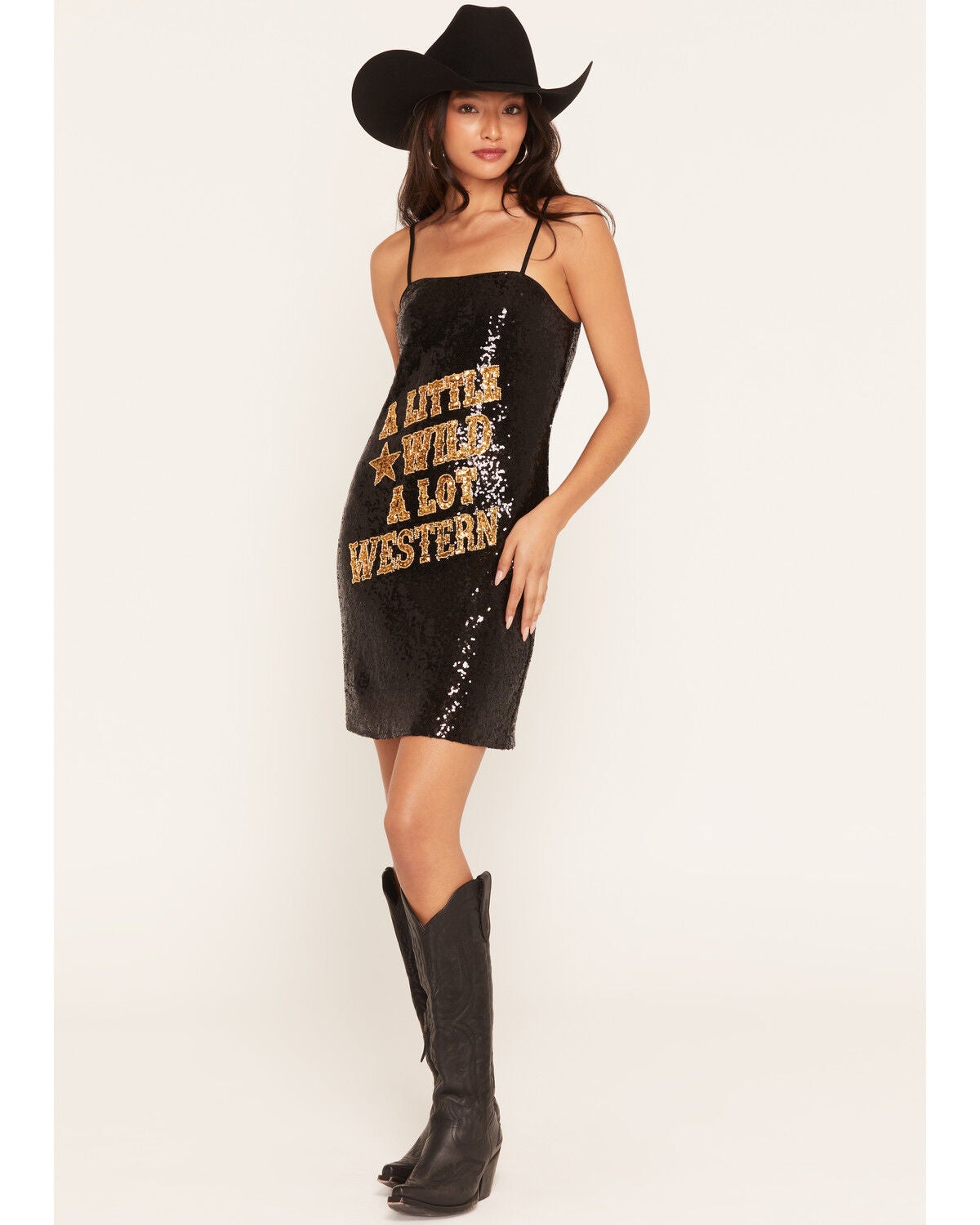
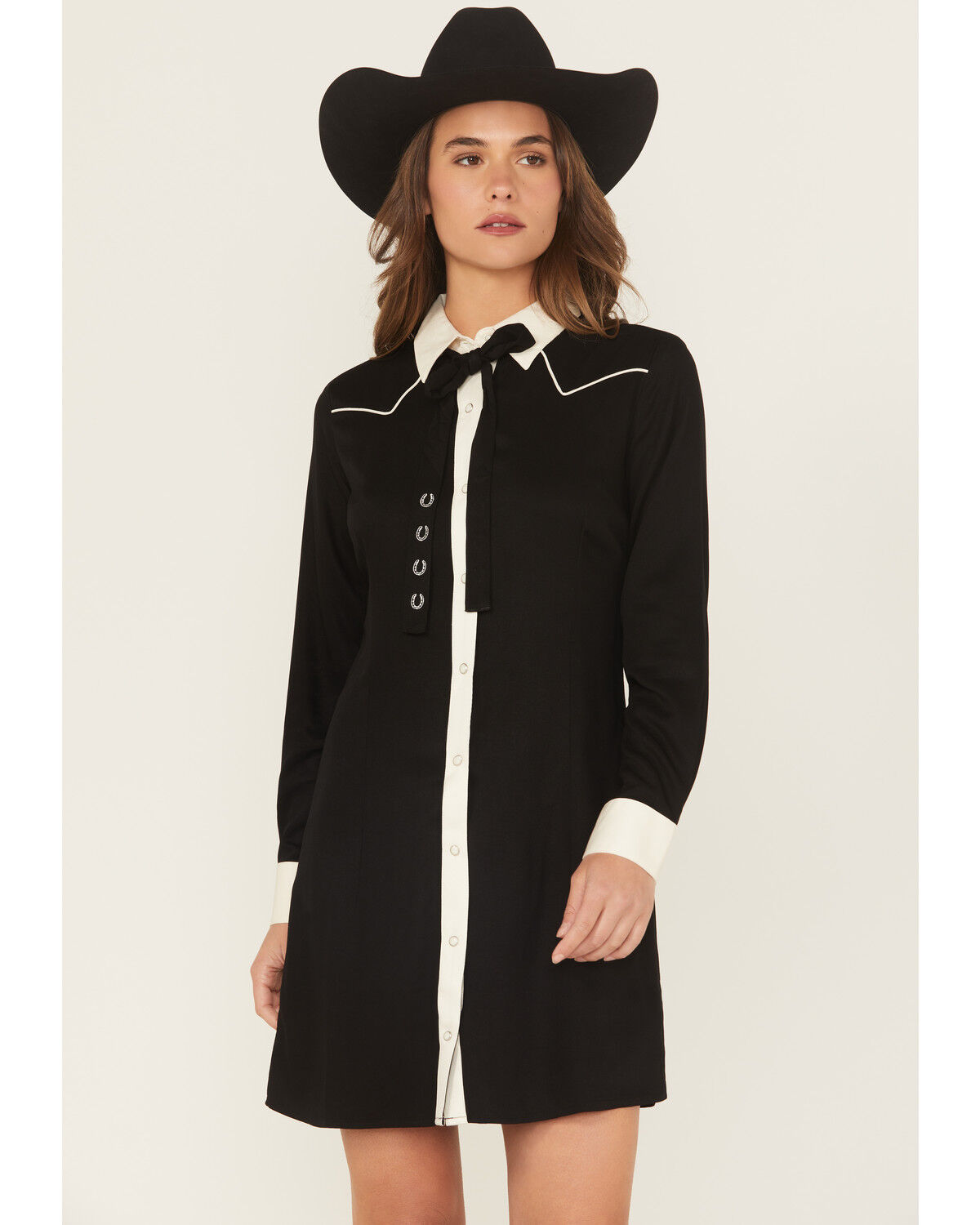
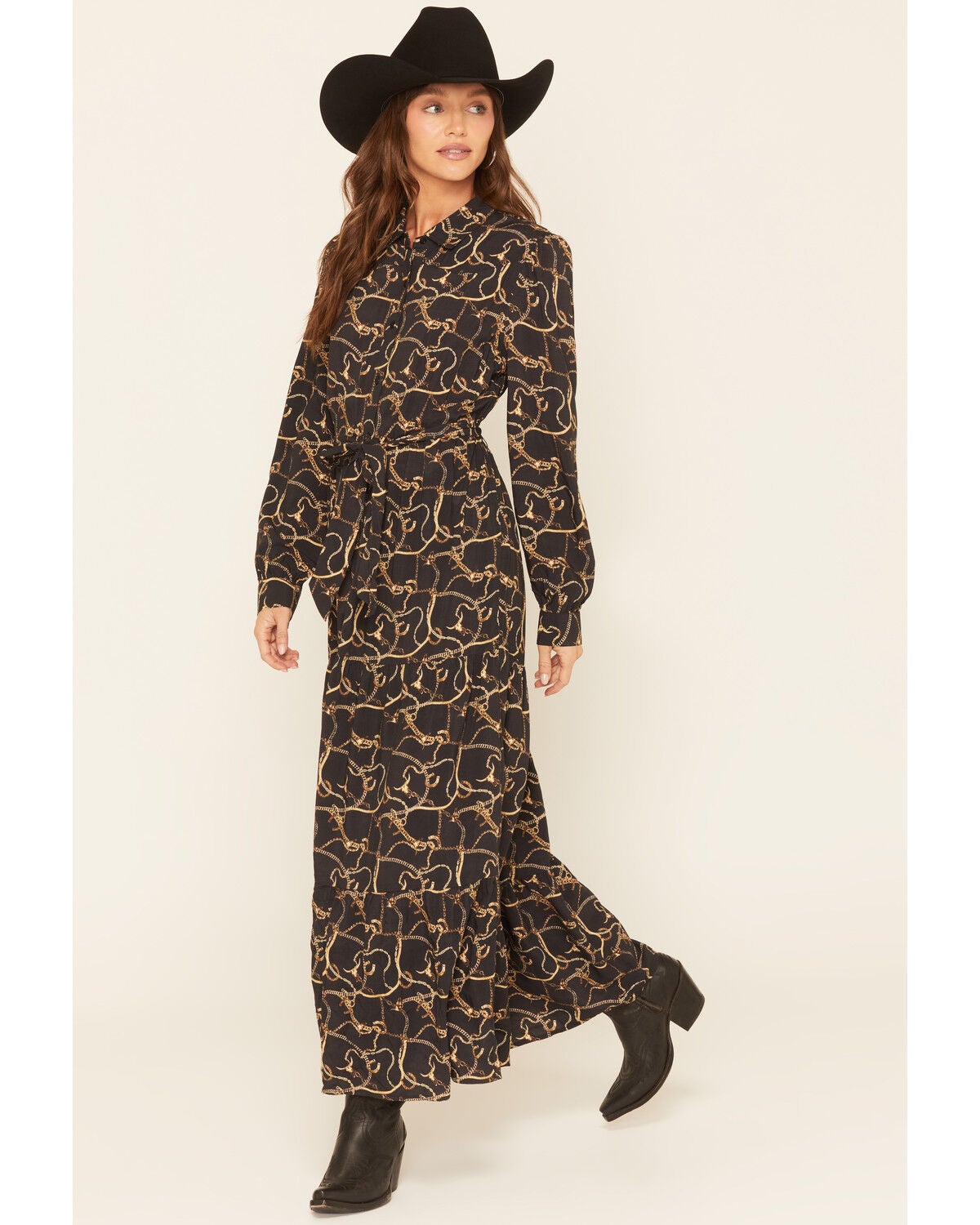
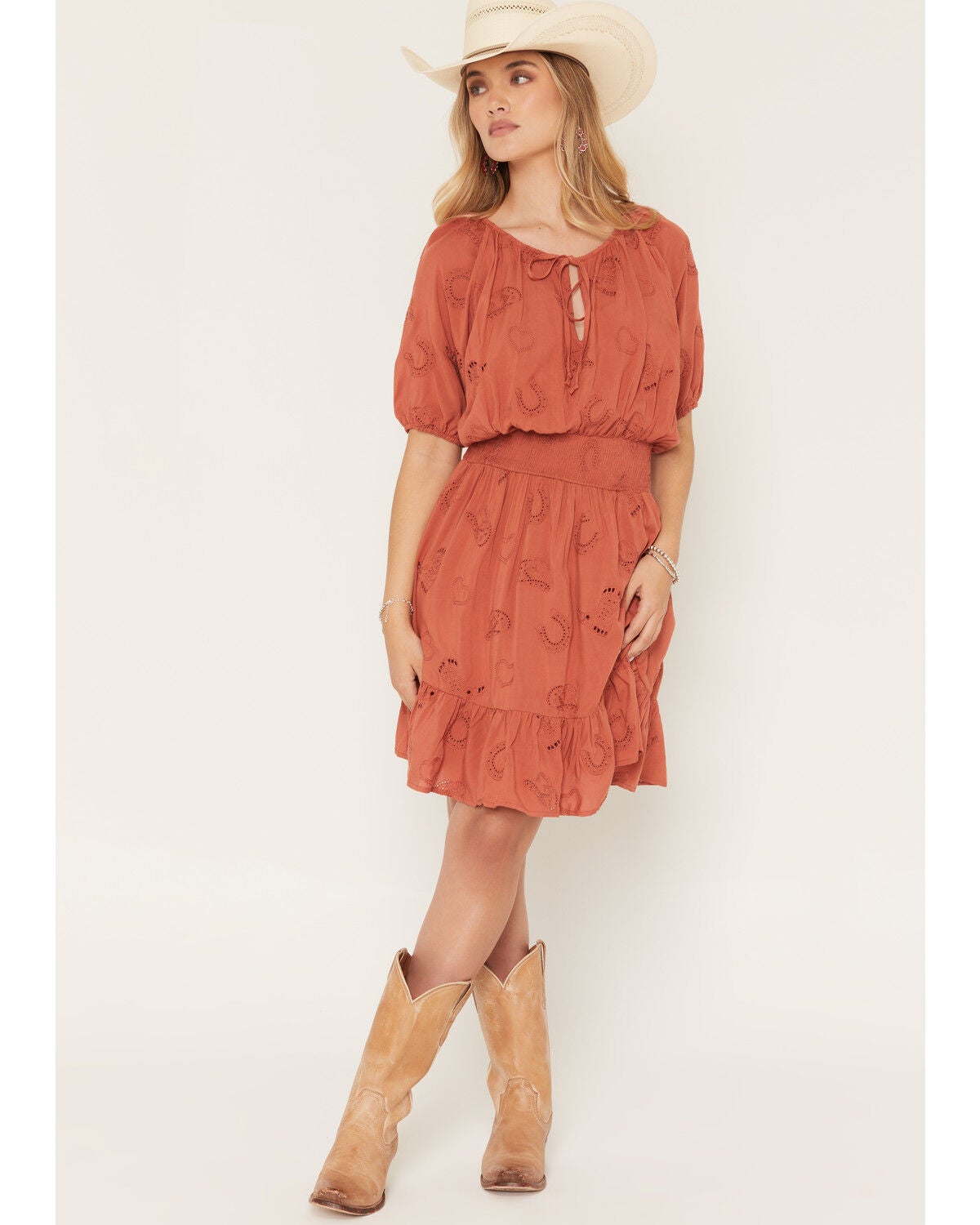
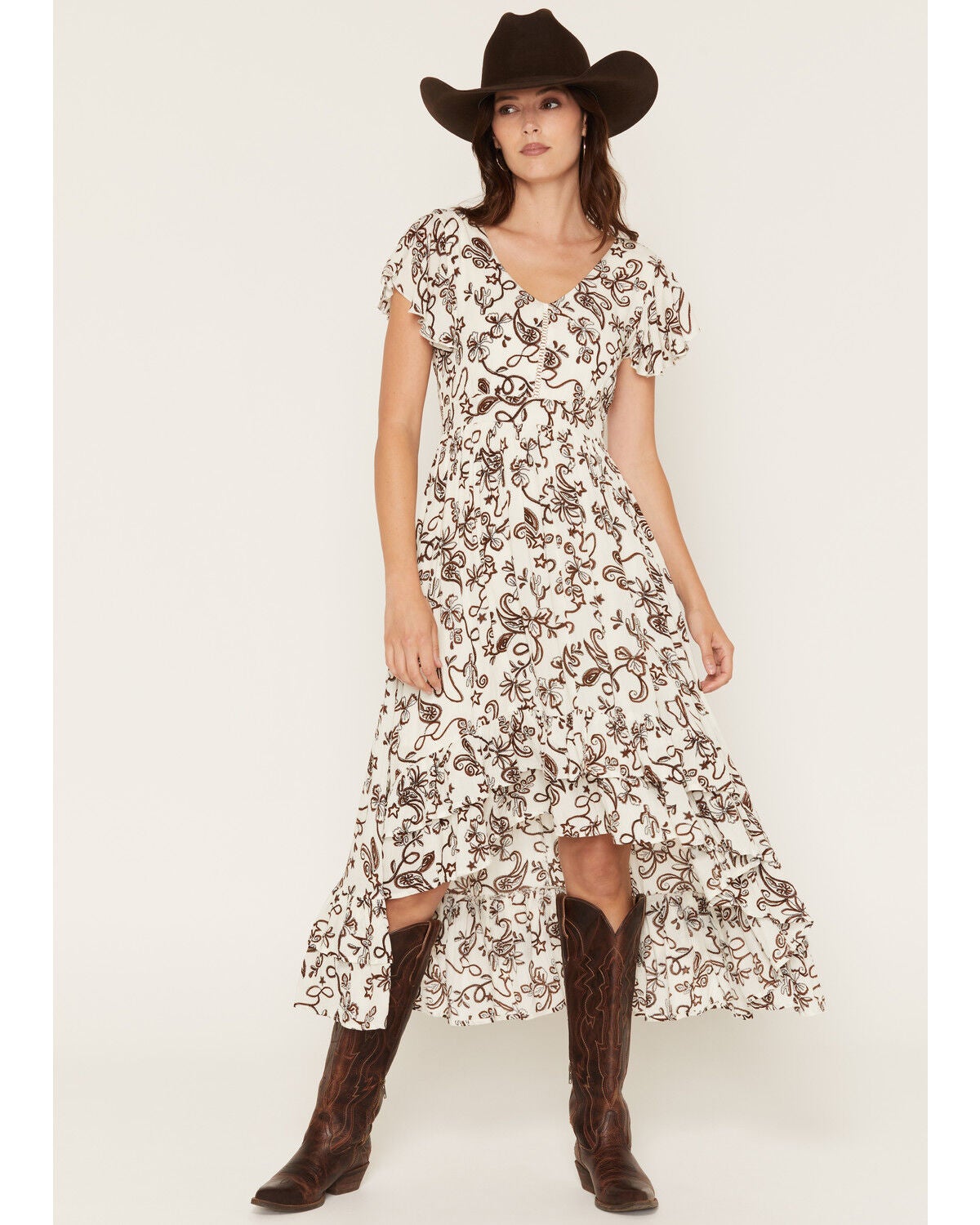
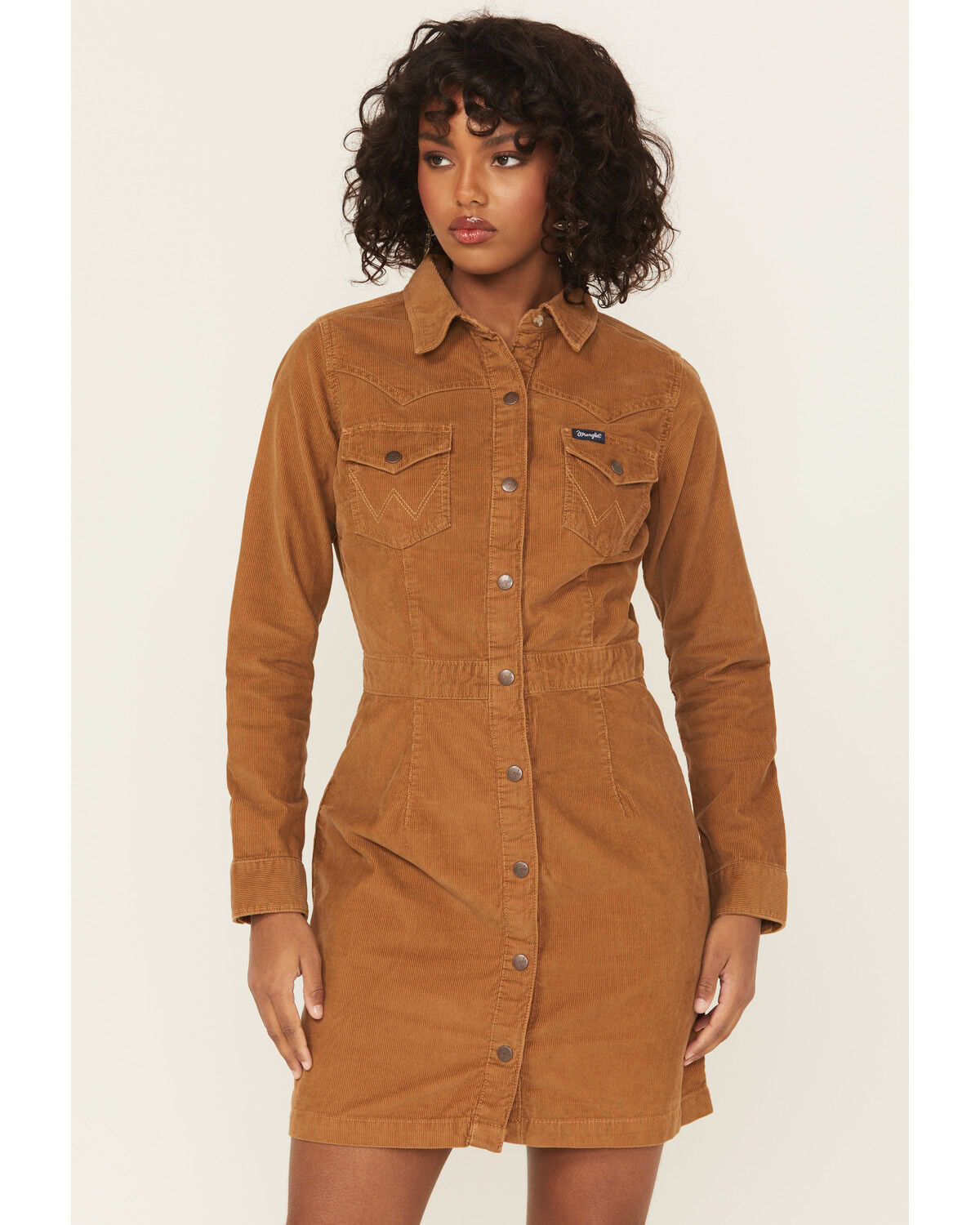
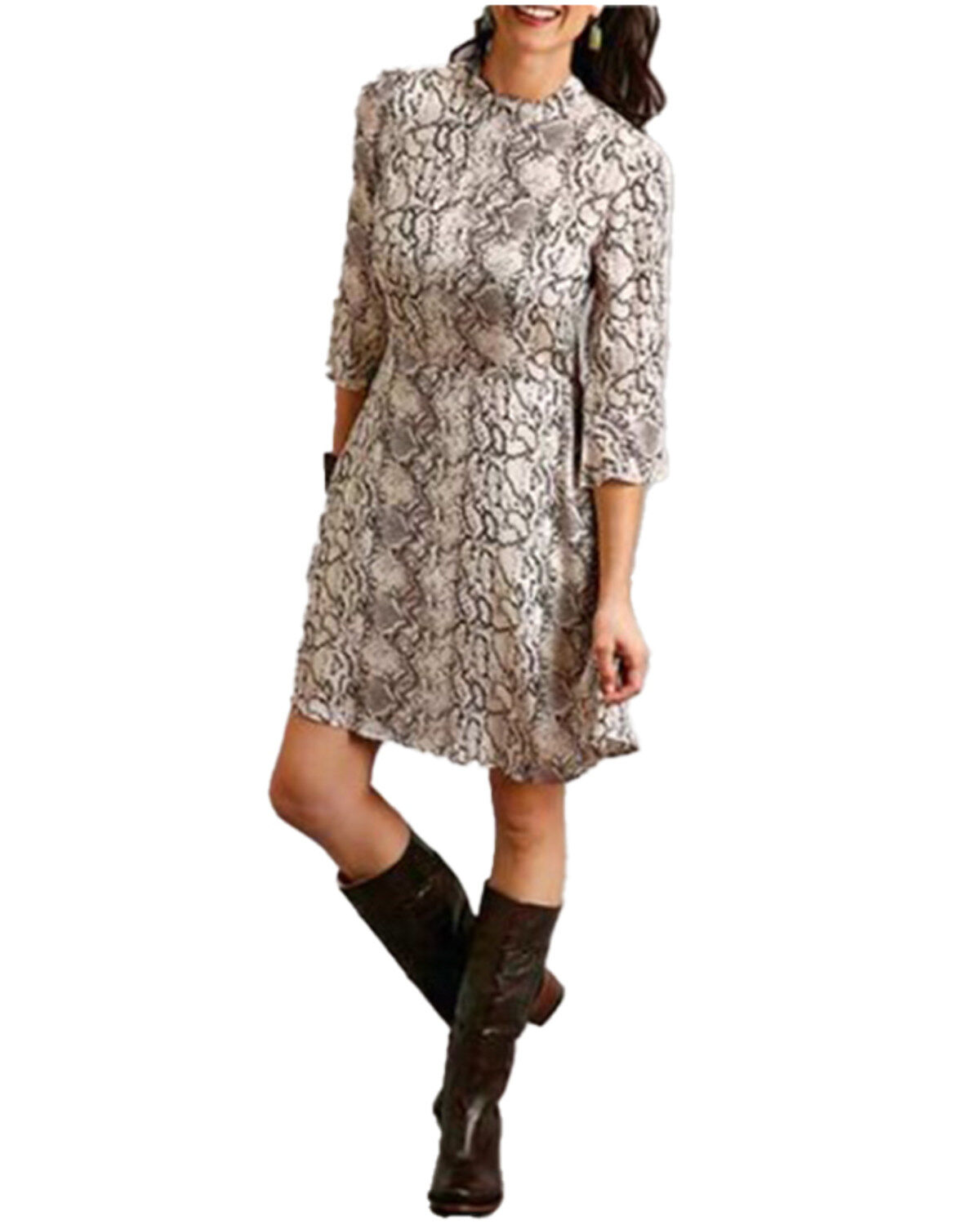
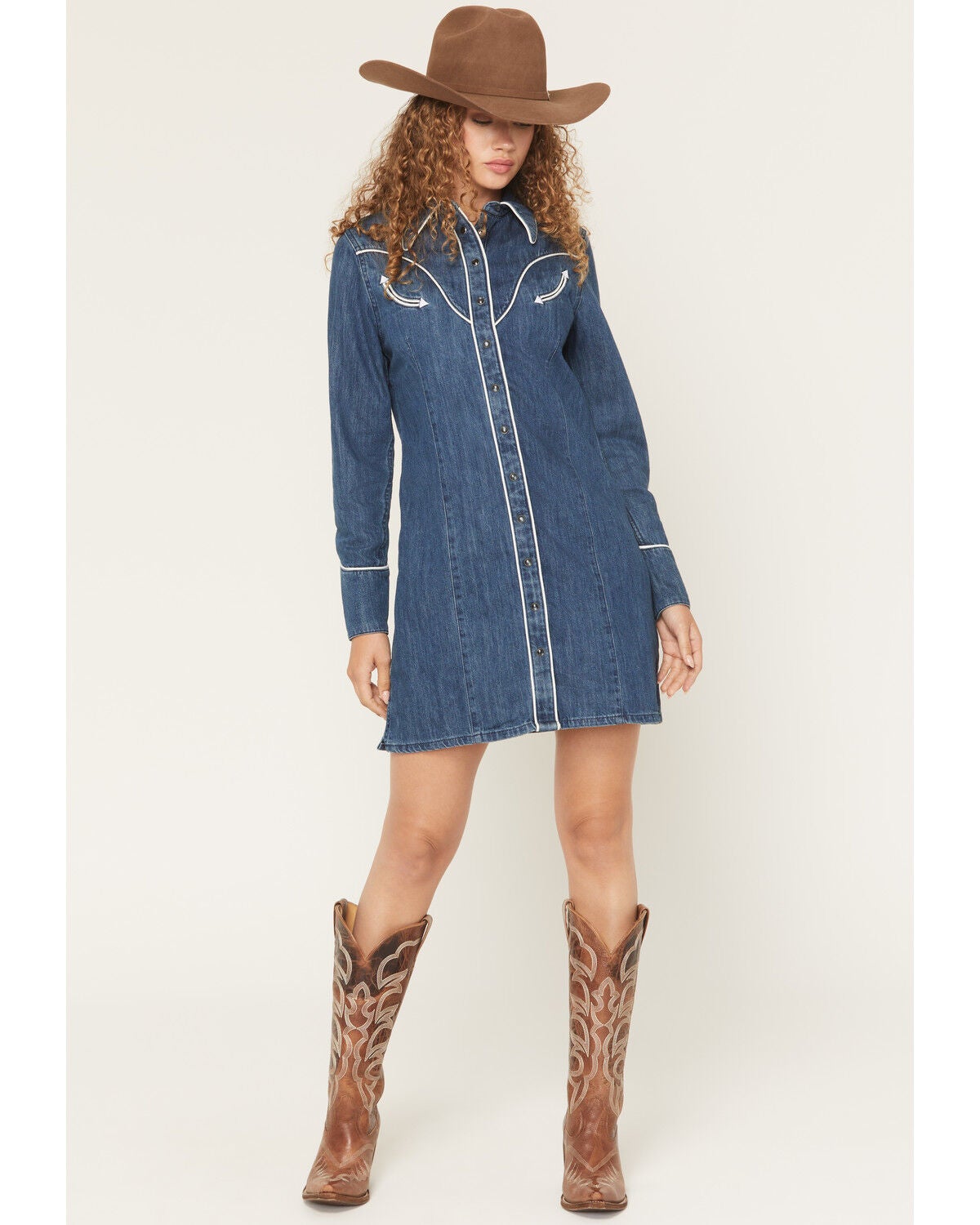
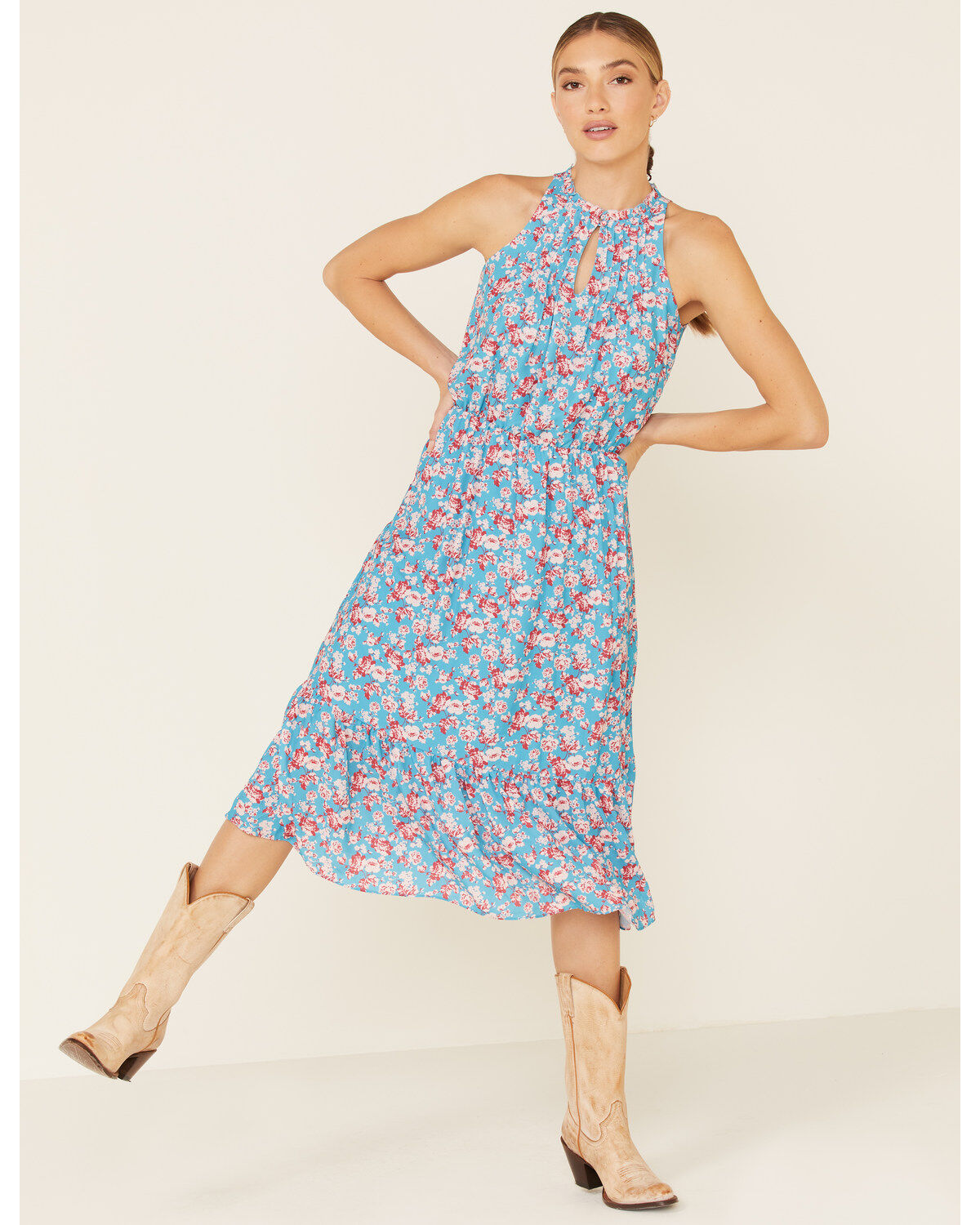
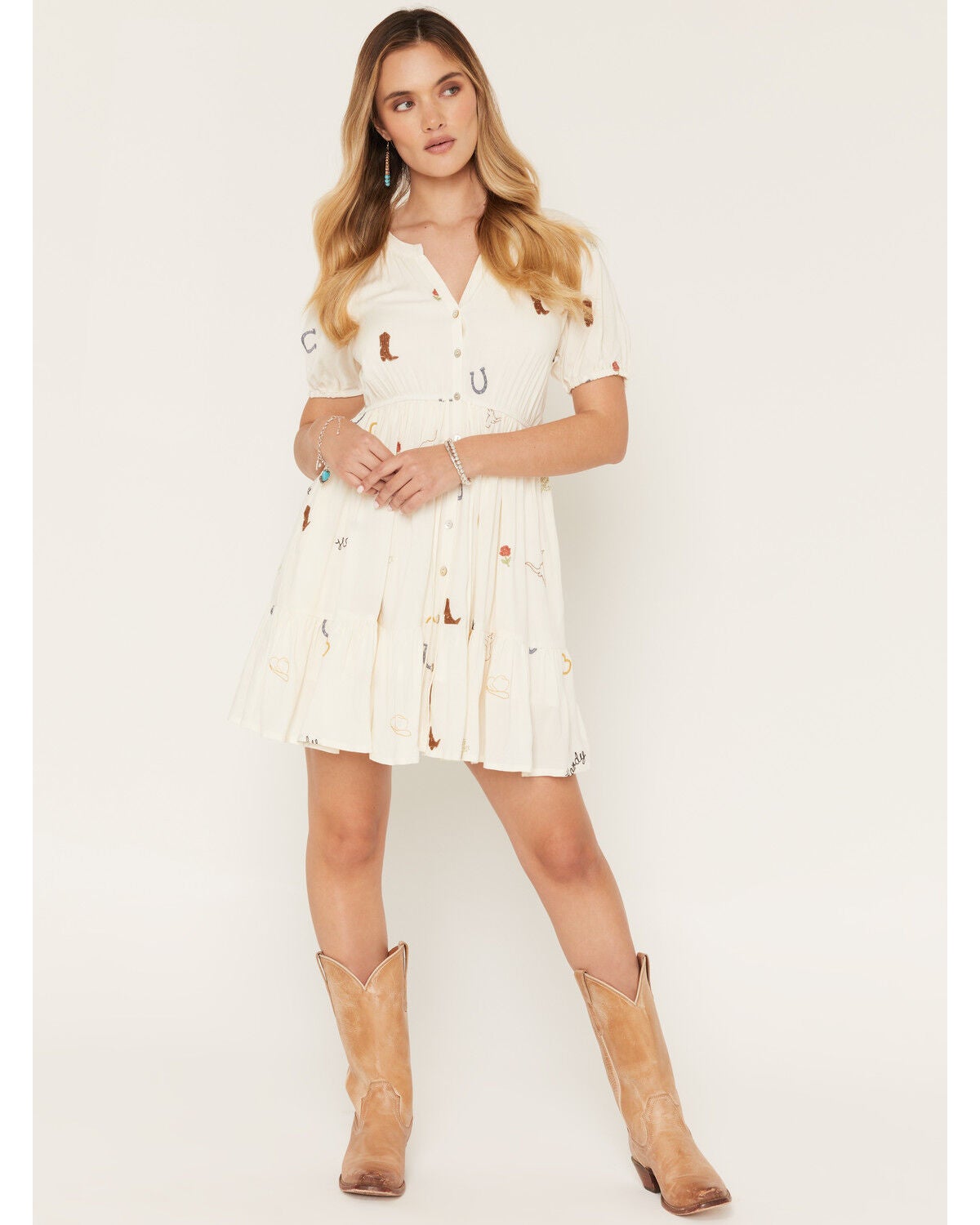
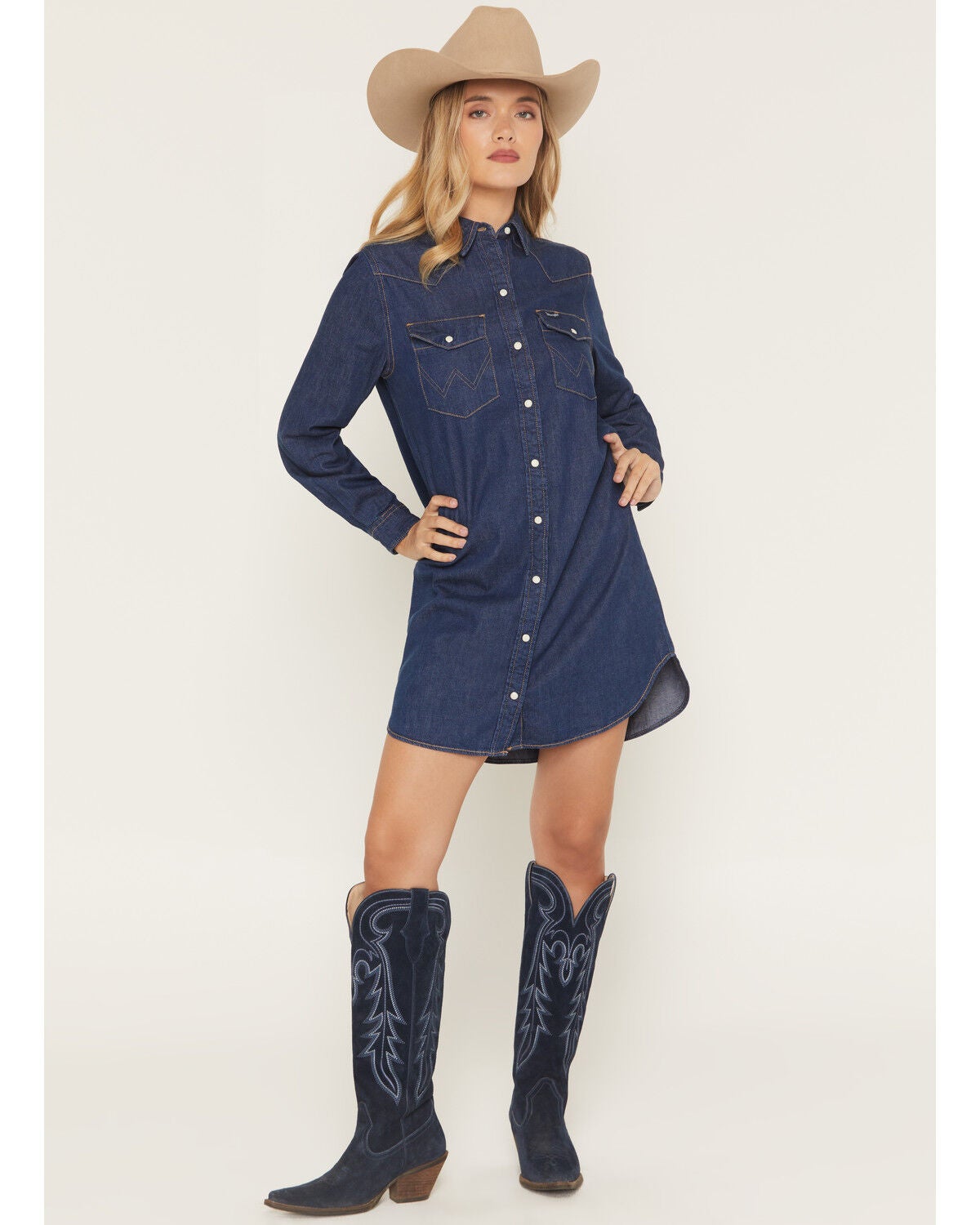
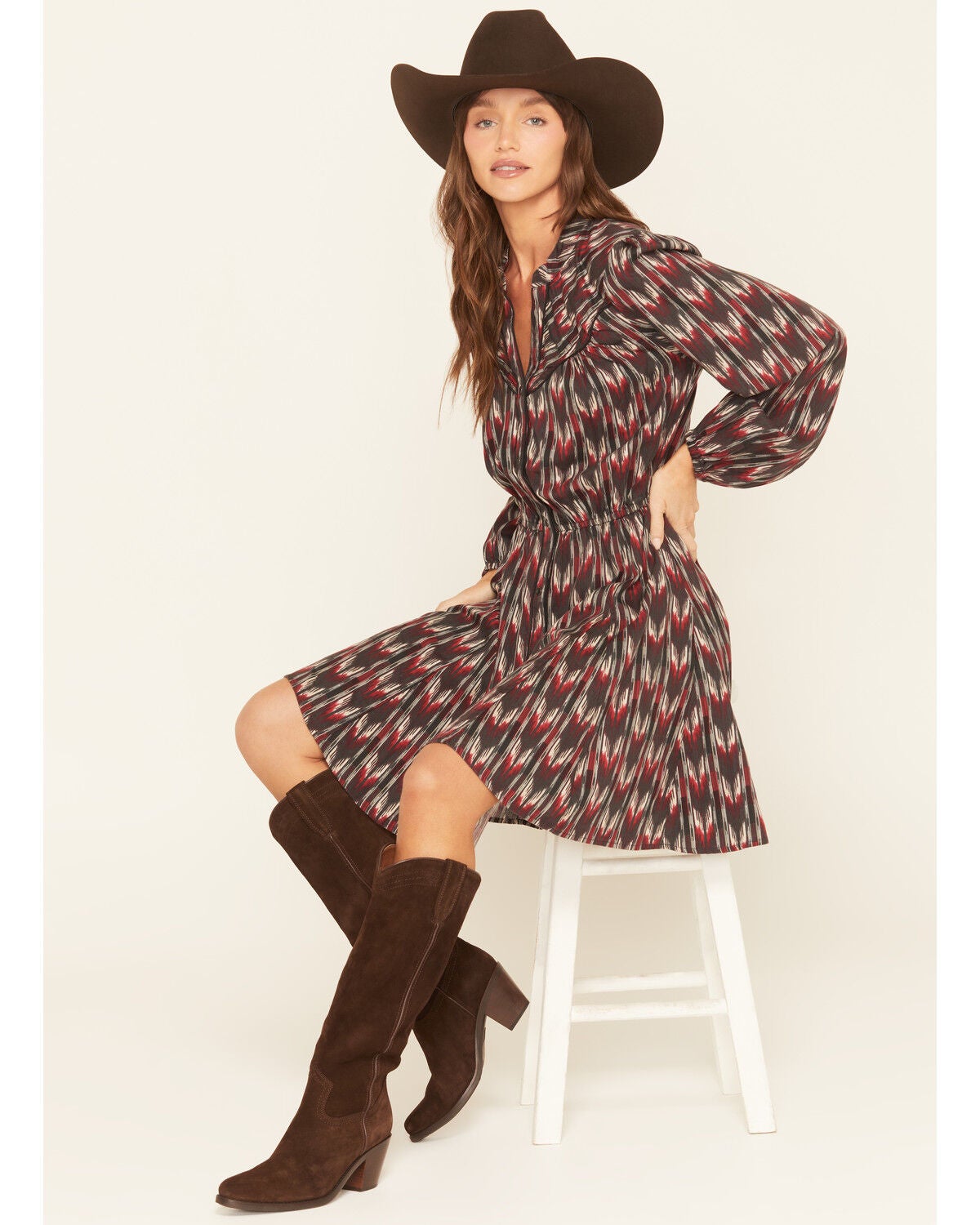
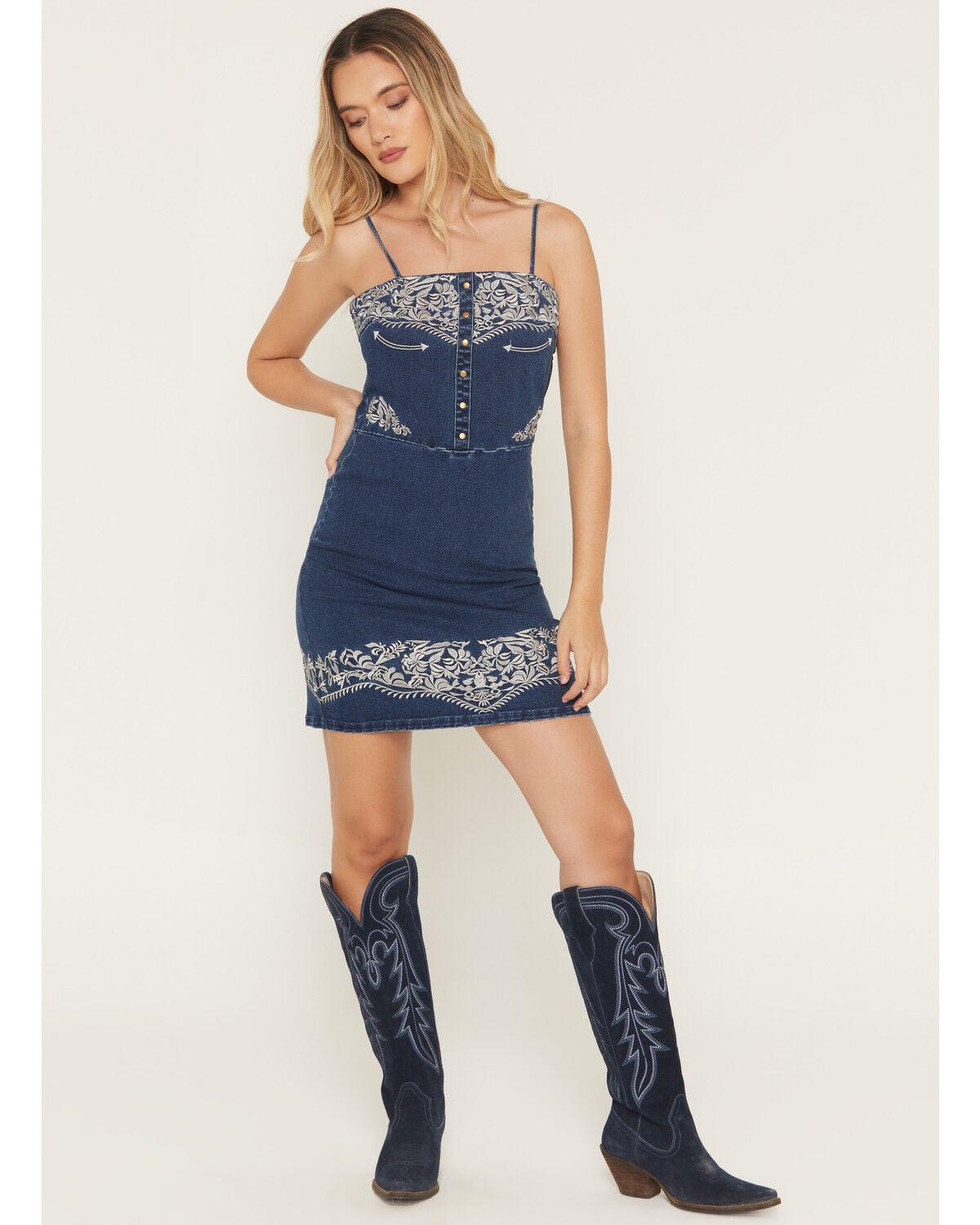
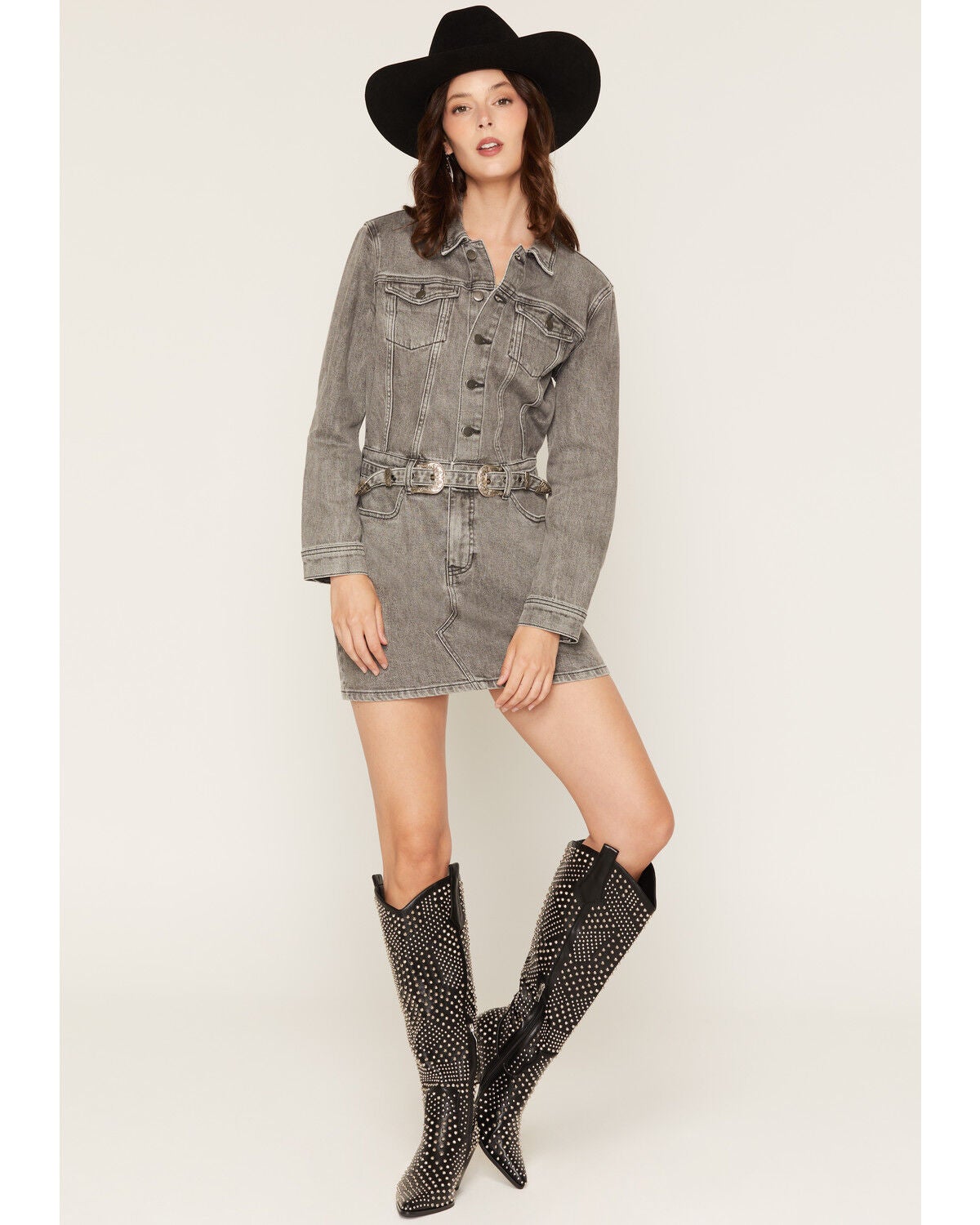
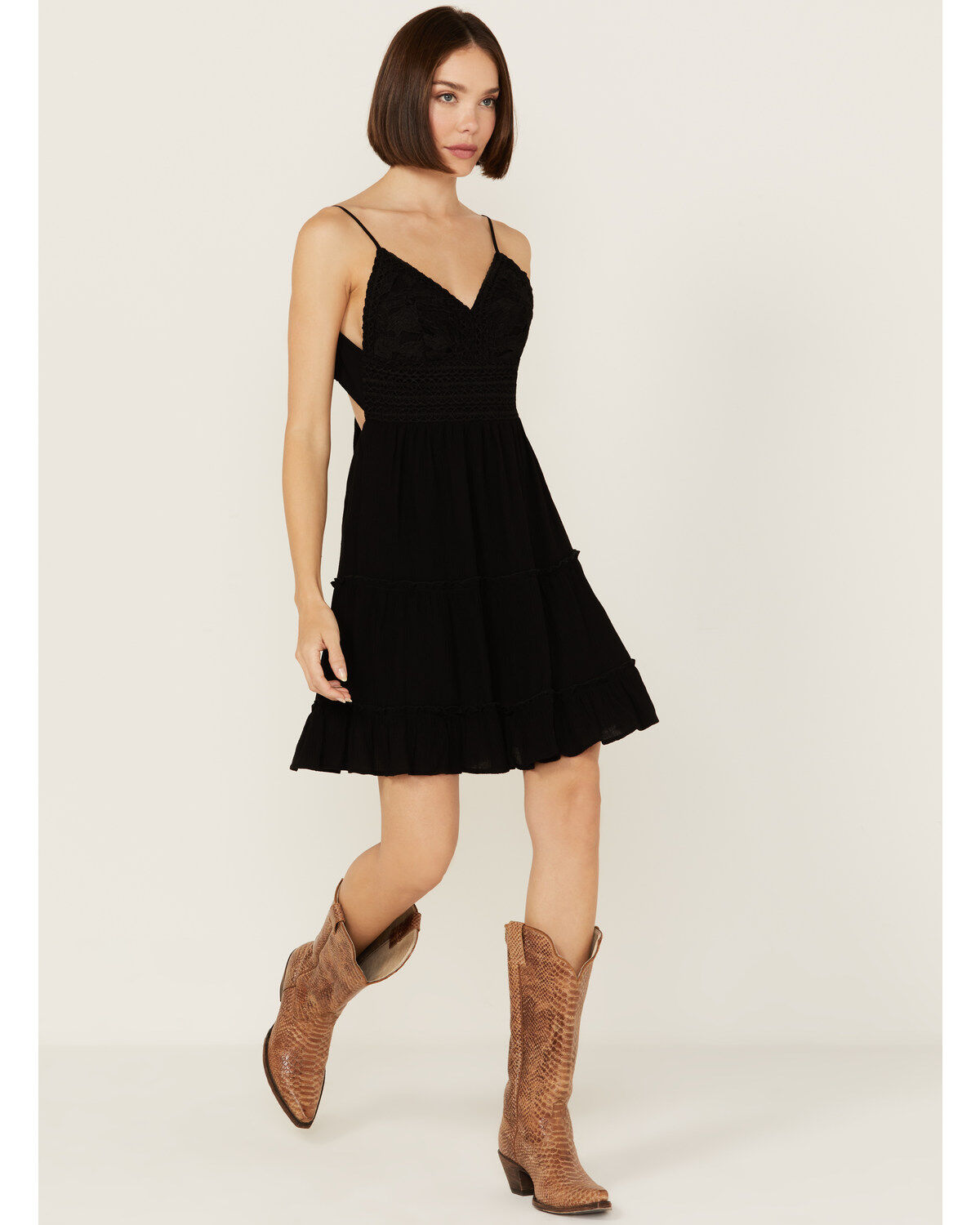
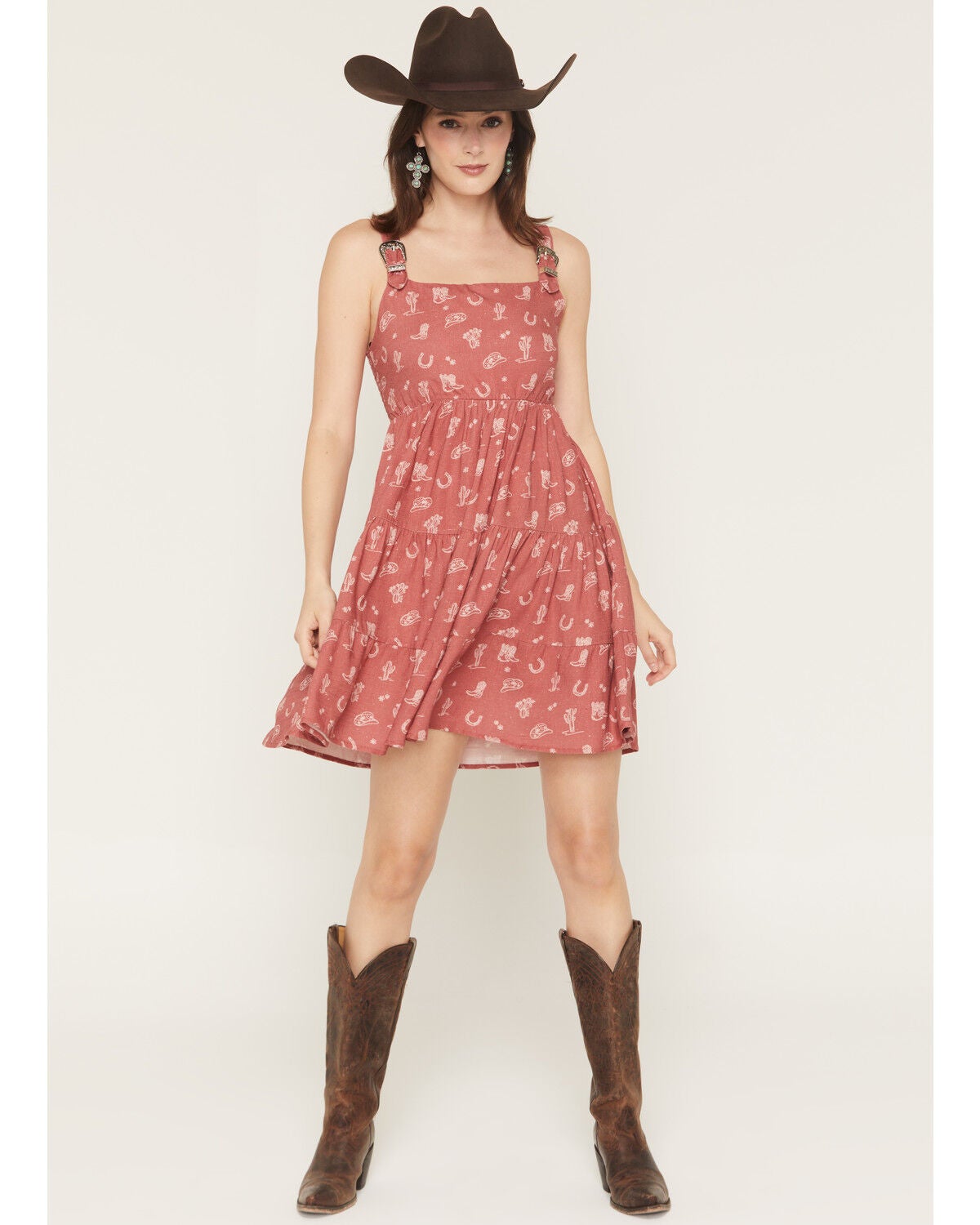
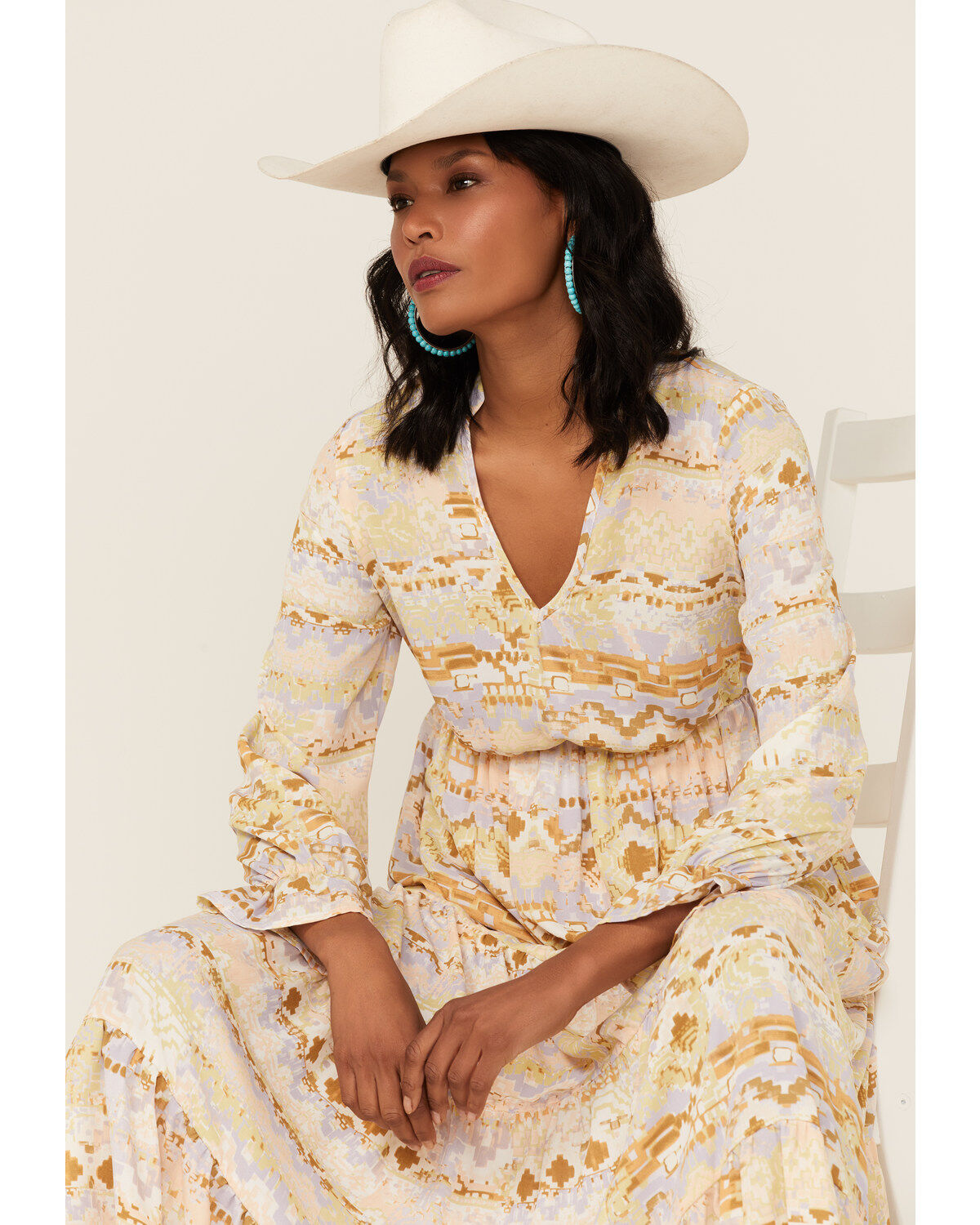
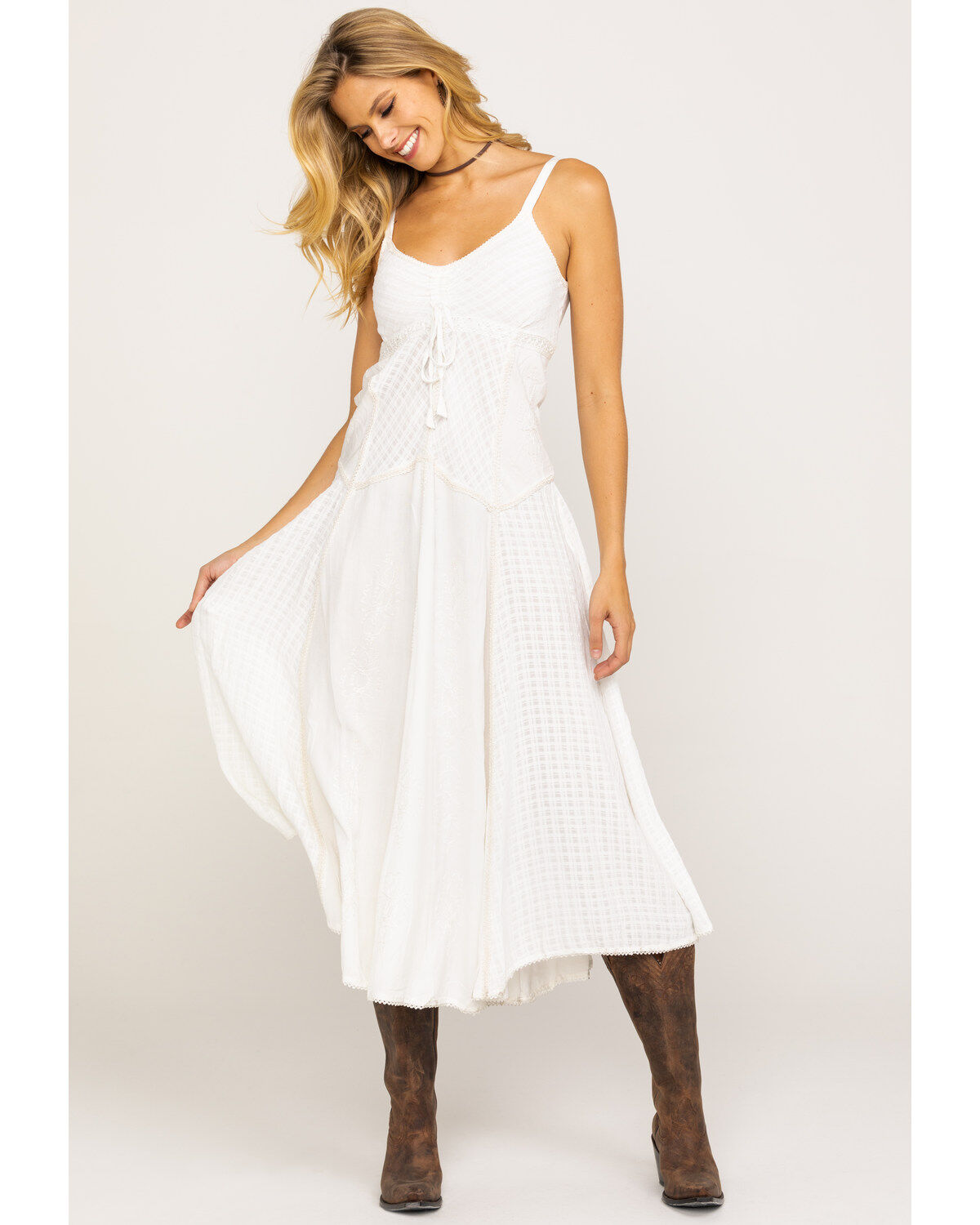
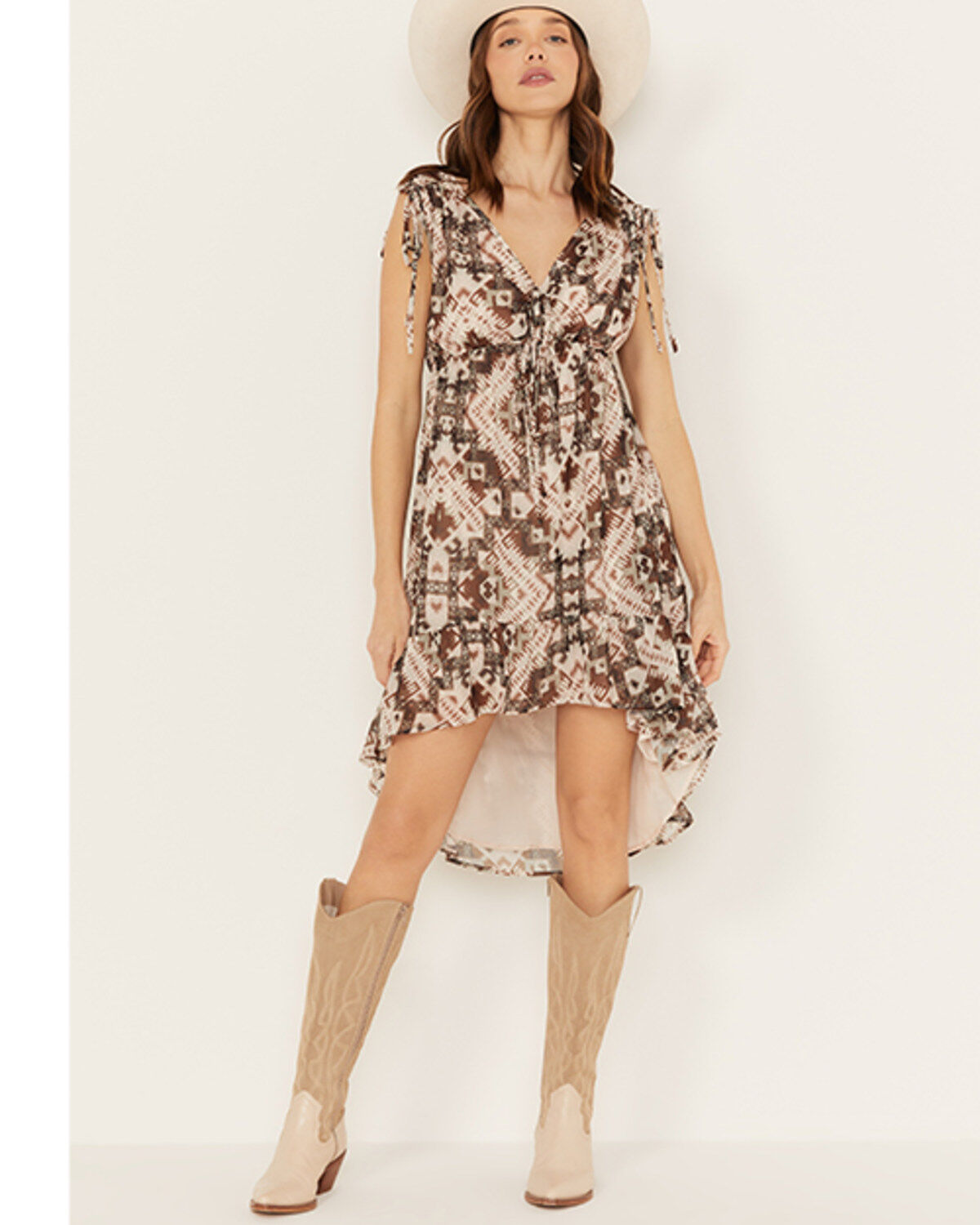
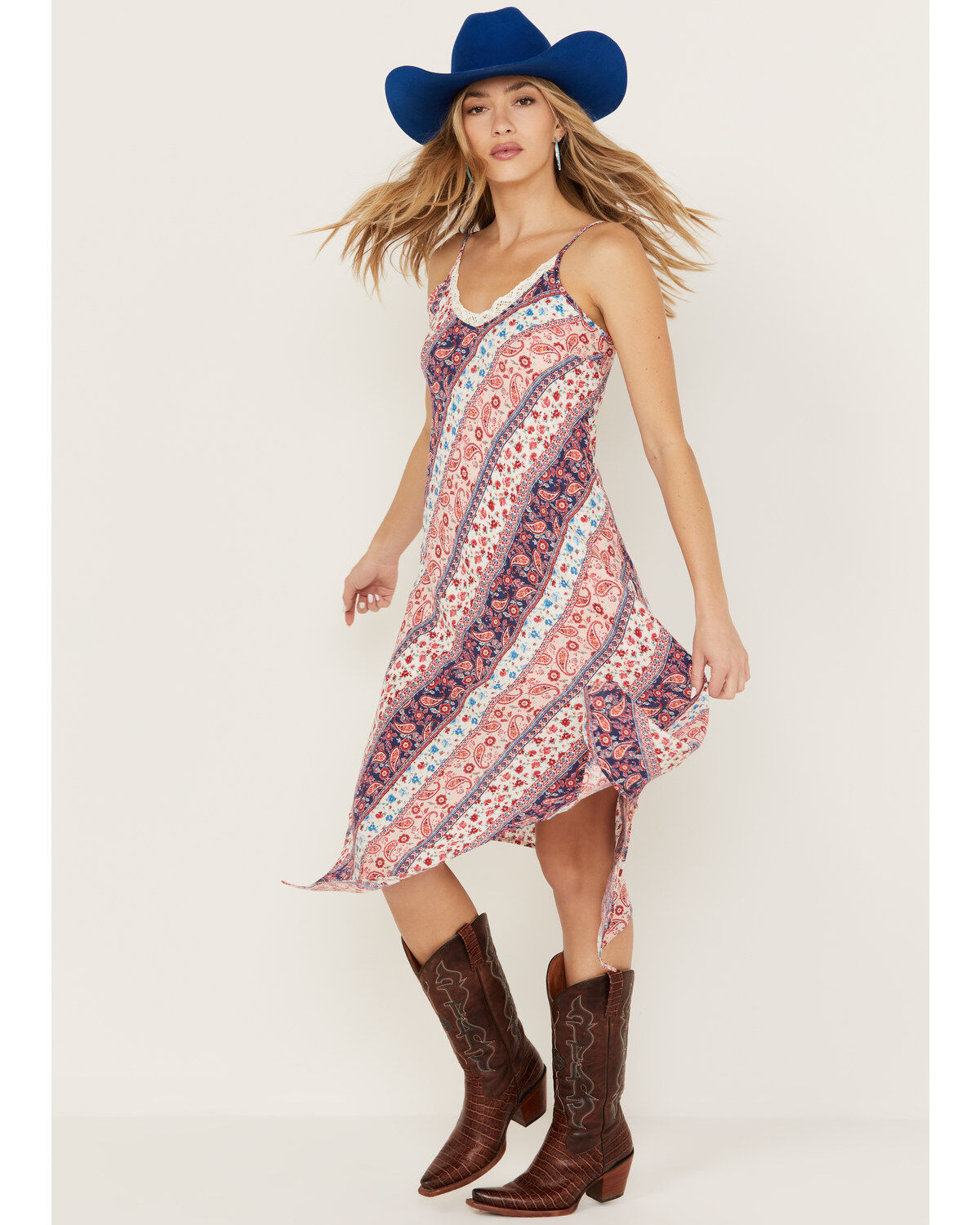
Western dresses combine familiar western details with the ease of a one-piece outfit. Snap fronts, pointed yokes, denim, embroidery, fringe, and floral prints can give a dress its western character, while the cut determines how it feels and where it fits into everyday life. Some styles borrow directly from western shirts, with collars, chest pockets, and a defined waist. Others use gathered skirts, lace panels, or flowing sleeves for a softer look. Mini, midi, and maxi dresses offer different levels of coverage and different ways to wear cowboy boots. A shorter hem leaves the boot shaft visible, while a longer skirt puts more attention on the toe and the movement of the fabric. Western dresses work for country concerts, rodeo outings, dancing, casual dinners, and celebrations where western clothing feels at home. The material makes a noticeable difference in each setting. Denim generally has more structure than chambray, though weight and fiber content vary. Chambray offers a similar woven appearance with a lighter feel, making it useful for relaxed shirt dresses. Cotton can feel comfortable against the skin, while a small amount of stretch can help a fitted dress move more easily. Rayon and viscose often create a fluid drape that works well in gathered skirts and loose silhouettes. Polyester blends may hold their shape and resist wrinkling, depending on the construction. Suede and faux suede add texture, but they have different care requirements and should not be treated as interchangeable materials. Lace, crochet, and openwork details can change how much coverage a dress provides, so lining matters as much as the outer fabric. Solid colors draw attention to seams, snaps, and shape. Floral prints bring pattern into the outfit without requiring much additional jewelry. The strongest western details are often straightforward: a well-shaped collar, balanced pockets, or stitching that gives the dress definition without making it difficult to wear.

Fit is about more than the size on the tag. Shoulder placement, room through the bust, waist position, and skirt shape all affect how a western dress sits and moves. A snap-front or button-front dress should close comfortably without pulling across the chest. A fitted waist can give a shirt dress a clean outline, while a relaxed waist or adjustable tie allows more flexibility through the middle. Dresses with stretch still need enough room to sit comfortably; fabric that feels fine while standing may pull when seated. For a country concert, a skirt with enough room for a full stride is more practical than a narrow cut that limits movement. For an evening of dancing, a flared skirt can provide room through the hips and legs without requiring an oversized fit through the shoulders. A dress worn to watch a rodeo should remain comfortable through sitting, walking, and climbing steps. Length also changes with height and body proportions, so the same midi dress may fall near the calf on one person and closer to the ankle on another. A maxi hem should clear the ground in the footwear worn with it. Long skirts that drag can collect dirt and catch under a boot heel. Cowboy boots pair naturally with western dresses, but the proportions deserve attention. Tall shafts can sit comfortably beneath a roomy skirt, while a close-fitting hem needs enough clearance to avoid catching on the boots. Ankle boots leave more of the leg visible and can work with shorter or calf-length dresses. Belts can define a loose silhouette, though a dress with a shaped waist may not need one. A denim jacket or simple vest adds another layer without covering every detail. Embroidered dresses often look complete with modest jewelry, while a plain dress leaves more room for a statement buckle or necklace. The goal is an outfit that feels comfortable and looks balanced, rather than one that relies on every western accessory at once.

Construction and care help determine how well a western dress holds up to repeated wear. Even stitching, secure closures, neatly finished seams, and a lining that lies smoothly are useful details to consider. Areas that see frequent movement, including armholes, waist seams, and pocket openings, benefit from sound construction. Heavier fabric does not automatically mean a dress will last longer; the weave, seams, and care routine matter too. Denim may soften with wear, while loosely woven fabrics and openwork panels can be more vulnerable to snagging. Fringe and embroidery need enough space in storage to avoid catching on neighboring garments. The care label is the starting point for cleaning, since two dresses with a similar appearance may require different treatment. Some cotton and blended fabrics can be machine washed, while certain lace, embellished, suede, or tailored styles need hand washing or professional cleaning. Closing fasteners and turning a washable dress inside out can help limit abrasion, but those steps do not replace the garment’s instructions. Excess heat can affect fit, stretch fibers, and surface details, so drying methods deserve attention. A dress with a heavy skirt or delicate straps may be better stored folded if hanging would pull it out of shape. For weddings and related gatherings, western wedding outfits offer another way to pair dressier clothing with boots and western accessories. The invitation and venue help establish the level of formality, whether that means a simple midi dress or a longer style with refined fabric and restrained detail. Western dresses can also make thoughtful gifts for women who regularly wear boots or favor western clothing. A familiar silhouette, preferred sleeve length, and known size are more useful than choosing solely by a print. Whether intended for everyday outings or a special gathering, a dress earns its place through comfortable movement, dependable construction, and details that suit the person wearing it.

FAQs