Western Concho Belts

Shop western concho belts for a decorative finishing touch to jeans, dresses, and western wear. Compare concho designs to find a style that suits your wardrobe, and review each belt’s sizing details for the fit you want at your waist or hips.

Shop Your Store: Shop Your Store: Find a Store

(Turn off Shop Your Store to see all items)

(Turn off Shop Your Store to see all items)

close
  • Recommended
  • Lowest Price
  • Highest Price
Skip pass products

End of products

Western Concho Belts

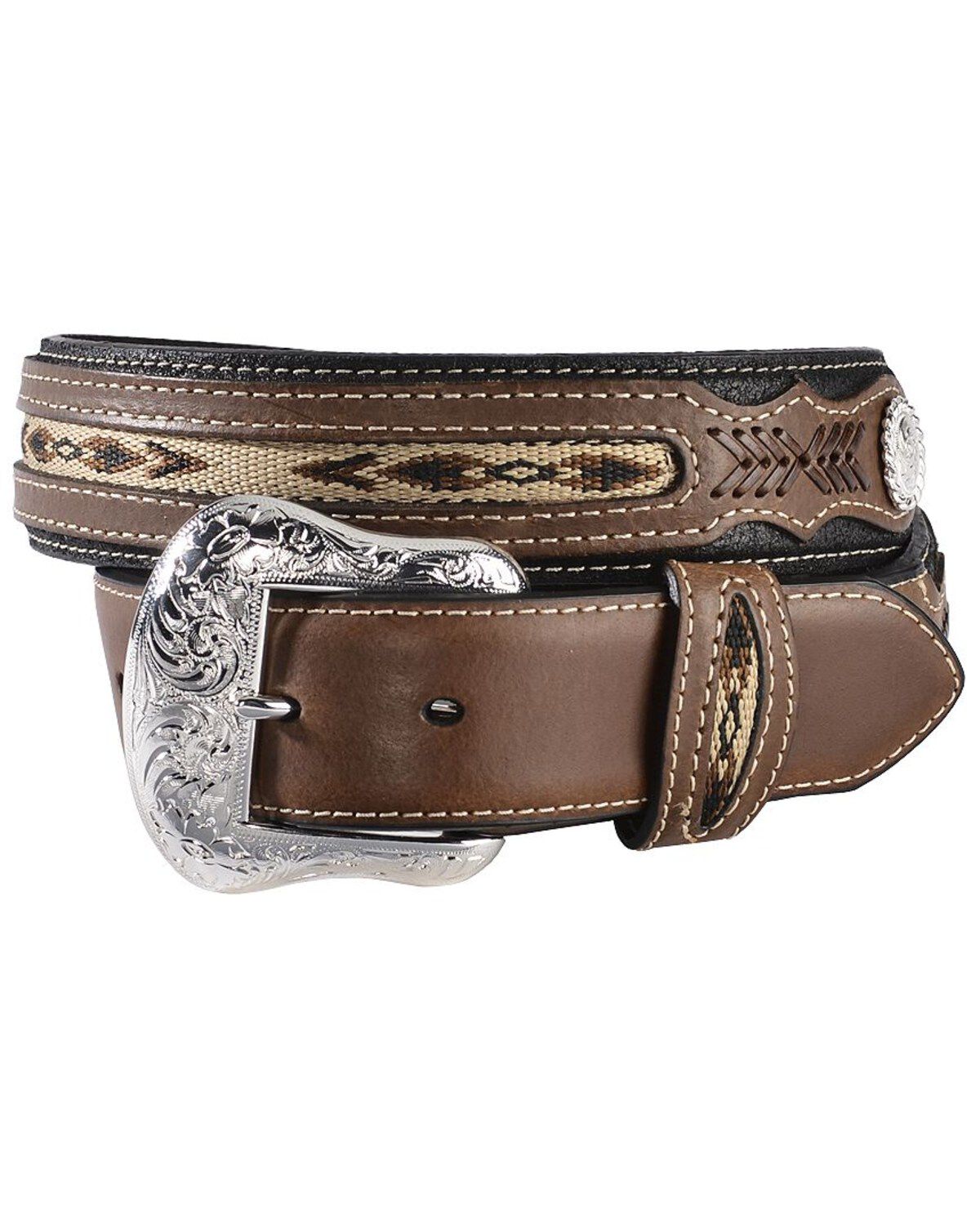
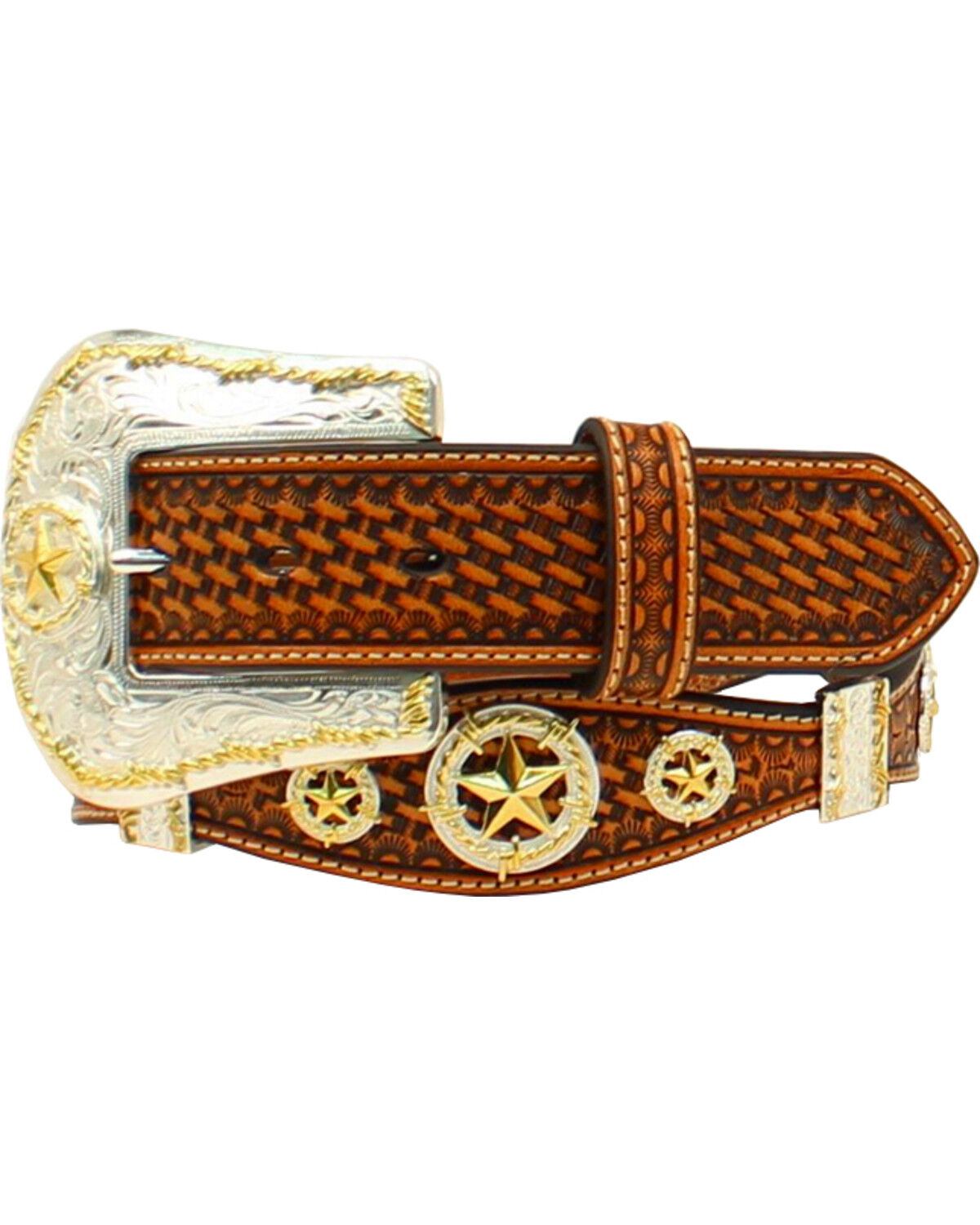
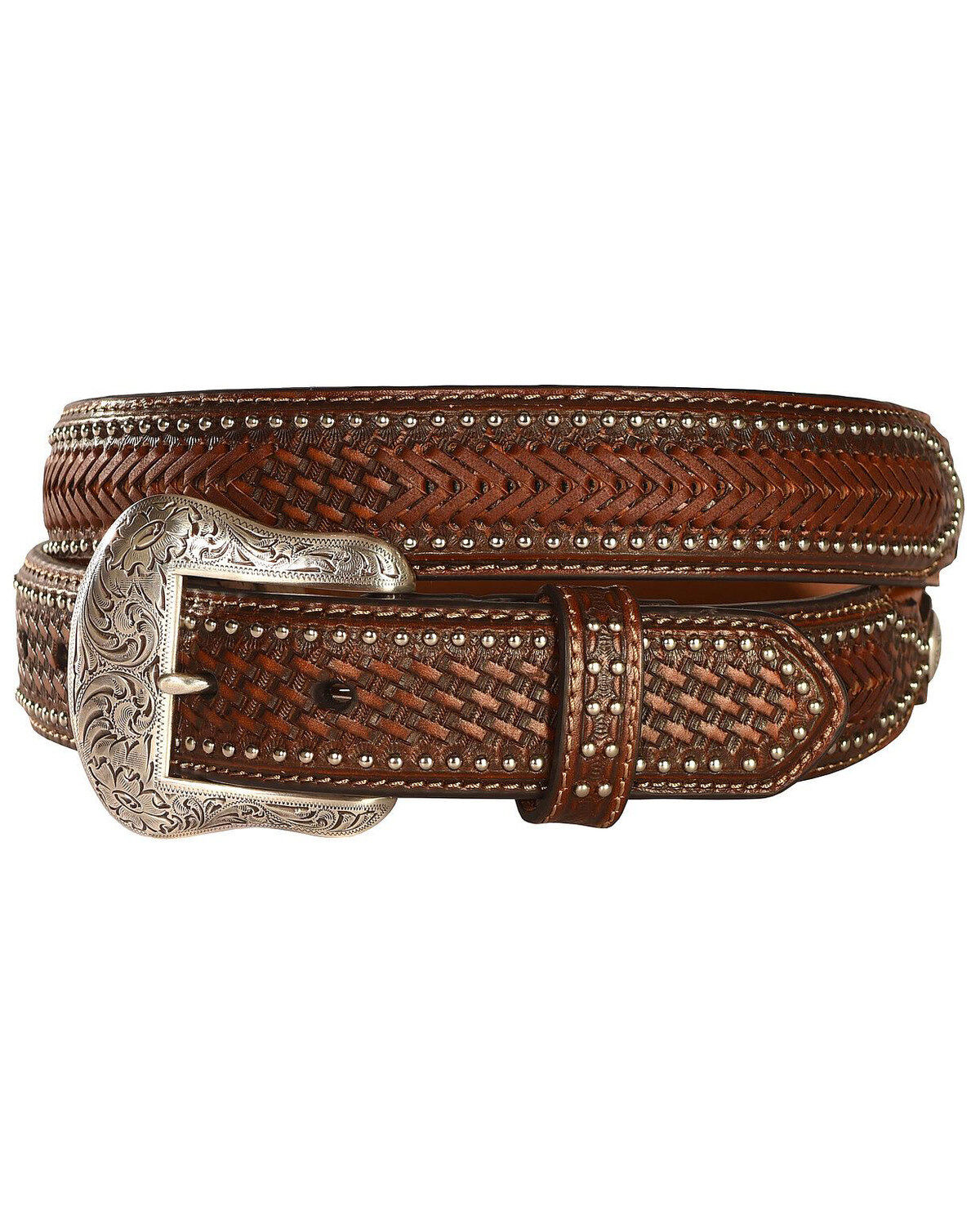
Western concho belts are belts accented with metal ornaments called conchos, usually arranged along a leather strap or joined together in a linked design. The name comes from the Spanish word concha, meaning shell, though the ornaments take many shapes beyond a simple rounded disk. Oval plates, scalloped edges, stamped borders, and raised centers give these belts their distinct character. Western Conchos can feature floral patterns, geometric details, rope-style borders, or stone accents, with each design bringing a different balance of texture and shine. Rooted in Southwestern leatherwork and silversmithing traditions, the concho belt has become a familiar part of western dress. Its appeal comes from that combination of useful construction and visible craftsmanship. A narrow leather belt with small, evenly spaced conchos adds detail without taking over an outfit. A wider belt with large metal plates makes a stronger statement, especially against plain denim or a solid-color dress. Both approaches work with the same basic principle: the belt gives the waist a clear line and adds a finished detail where a plain strap would otherwise blend in. Western concho belts suit men and women who wear western clothing every day, along with anyone adding a western touch to an occasional outfit. With jeans and a tucked shirt, the metalwork sits in full view and connects naturally with a buckle, boots, or other leather accessories. Over a dress or a long shirt, the belt can define the waist without needing belt loops. For concerts, dancing, celebrations, or a casual dinner, it offers enough detail to carry an otherwise simple outfit. Matching every metal finish is not necessary, but repeating one element can make the combination feel deliberate. A silver-tone concho belt beside silver-tone jewelry creates a consistent look, while dark leather against lighter denim gives the individual ornaments a clear outline. The strongest combinations leave enough room around the belt for its shape and workmanship to stand on their own.

Materials and construction affect how a western concho belt looks, feels, and holds up to regular wear. Leather straps can range from smooth and firm to soft and flexible, with tooled, braided, or distressed surfaces adding texture. A substantial strap helps support larger ornaments, while a more flexible strap can settle comfortably around the waist or hips. Natural variations in leather grain are different from damage; cracking around adjustment holes, loose layers, and sharp hardware edges deserve closer attention. Metal ornaments may be made from different alloys or finished with plating, so a silver-colored surface does not necessarily mean solid silver. Antiqued finishes emphasize recessed patterns, while polished finishes reflect more light and draw attention to the outline of each concho. Stone details may be natural, treated, or imitation, depending on the construction, making the stated material information more useful than appearance alone. The way the ornaments attach also matters. Rivets, screws, slots, and links each create a different structure, and smooth attachment points help keep the underside comfortable against clothing. Larger conchos add weight as well as visual presence. That extra weight can feel substantial on firm denim but may pull at a lightweight dress or a thin waistband. Fit depends on where the belt will sit, not just the size of the pants beneath it. A belt worn at the natural waist generally needs a different length from one resting lower on the hips. Measuring around the intended position gives a better starting point than relying on a pants size alone. Sizing methods vary, with some measurements running from the buckle attachment to a particular adjustment hole and others describing a broader wearable range. Strap width and overall ornament width are separate considerations, too. A strap may fit through belt loops while the conchos do not. Linked styles and belts with large plates often make more sense worn over clothing, where their full shape remains visible.

Regular care helps preserve both the leather and the metalwork without stripping away the character that makes a concho belt worth wearing. Dust and grit can collect around stamped edges and attachment points, especially after an outdoor event or a long day in denim. A soft, dry cloth removes loose surface dirt, and a soft brush can reach shallow crevices without scraping the finish. Any further cleaning should follow the care directions for the belt’s particular materials. Leather cleaner, conditioner, metal polish, and stone cleaner are not interchangeable. A product intended for bare metal may damage plating, darkened details, leather, or an attached stone. Keeping treatments on the surface they are meant for is especially important when metal ornaments sit directly against a leather strap. Soaking the belt can stiffen leather and affect finishes or adhesives, so controlled spot cleaning is generally a better approach than immersion. If the belt gets wet, letting it dry naturally away from direct heat helps protect its shape. Storage matters as well. Laying a heavily ornamented belt flat, or supporting it without sharp bends, reduces unnecessary strain on the strap and connections. A soft cloth between metal surfaces helps limit scratches when belts share a drawer. Before wear, a quick check for a loose screw, a lifted edge, or a strained link can catch a small problem before an ornament is lost. For gifts, a concho belt works best when the recipient’s usual fit, preferred leather color, and taste in metalwork are known. Someone who wears plain buckles and understated jewelry may appreciate smaller conchos, while someone drawn to detailed leatherwork may favor a more prominent design. Adjustable closures can offer some flexibility, but they do not replace an accurate measurement. Whether worn with well-used jeans or clothing reserved for a special occasion, a well-chosen western concho belt should sit comfortably, move naturally, and bring lasting detail to the outfit.

FAQs