Western Boot Insoles

Find western boot insoles to refresh the fit and feel of your cowboy boots. Browse replacement insoles, compare sizing and fit details, and check whether your boots have removable footbeds and enough room for the option you choose.

Shop Your Store: Shop Your Store: Find a Store

(Turn off Shop Your Store to see all items)

(Turn off Shop Your Store to see all items)

close
  • Recommended
  • Lowest Price
  • Highest Price
Skip pass products

End of products

Western Boot Insoles

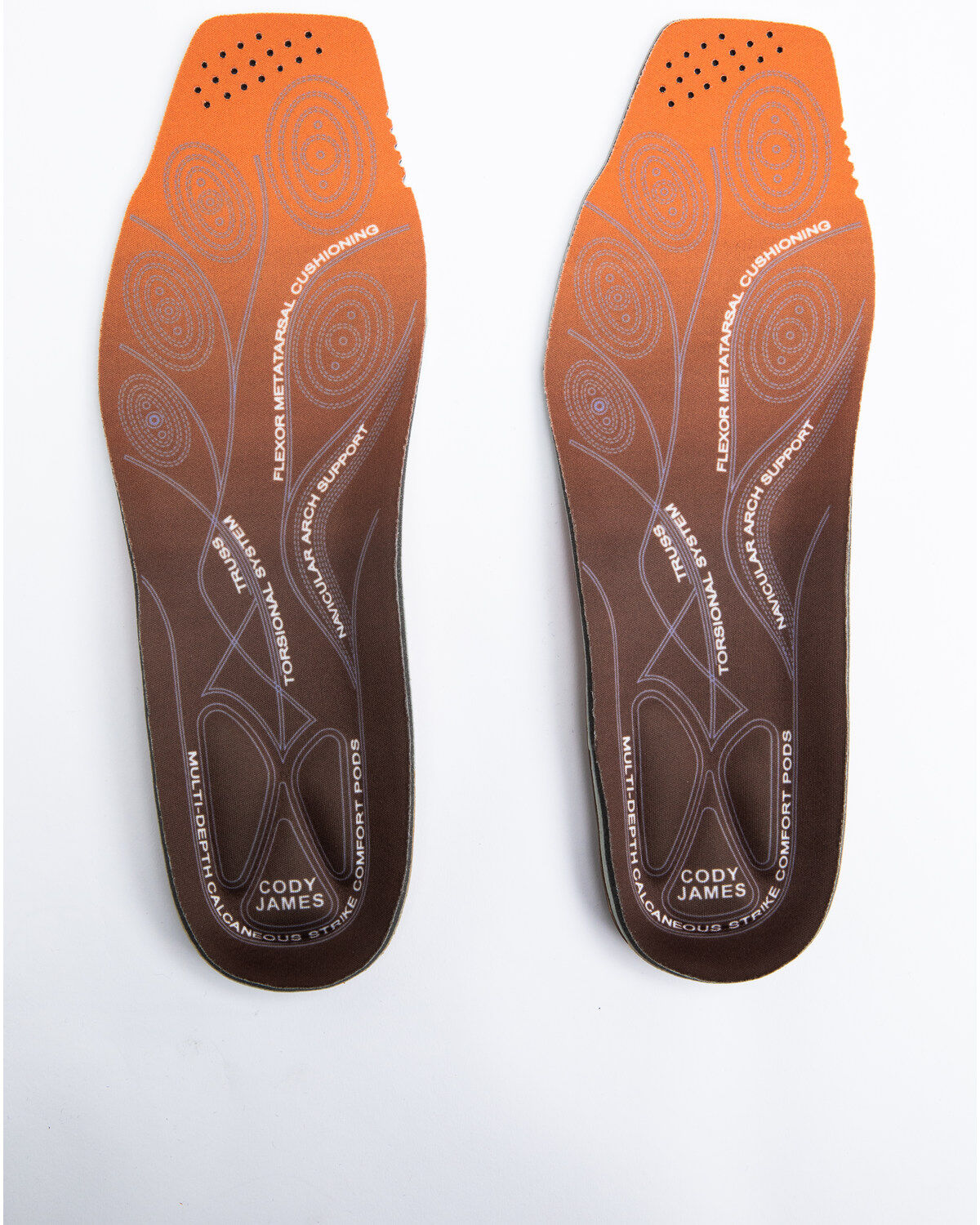
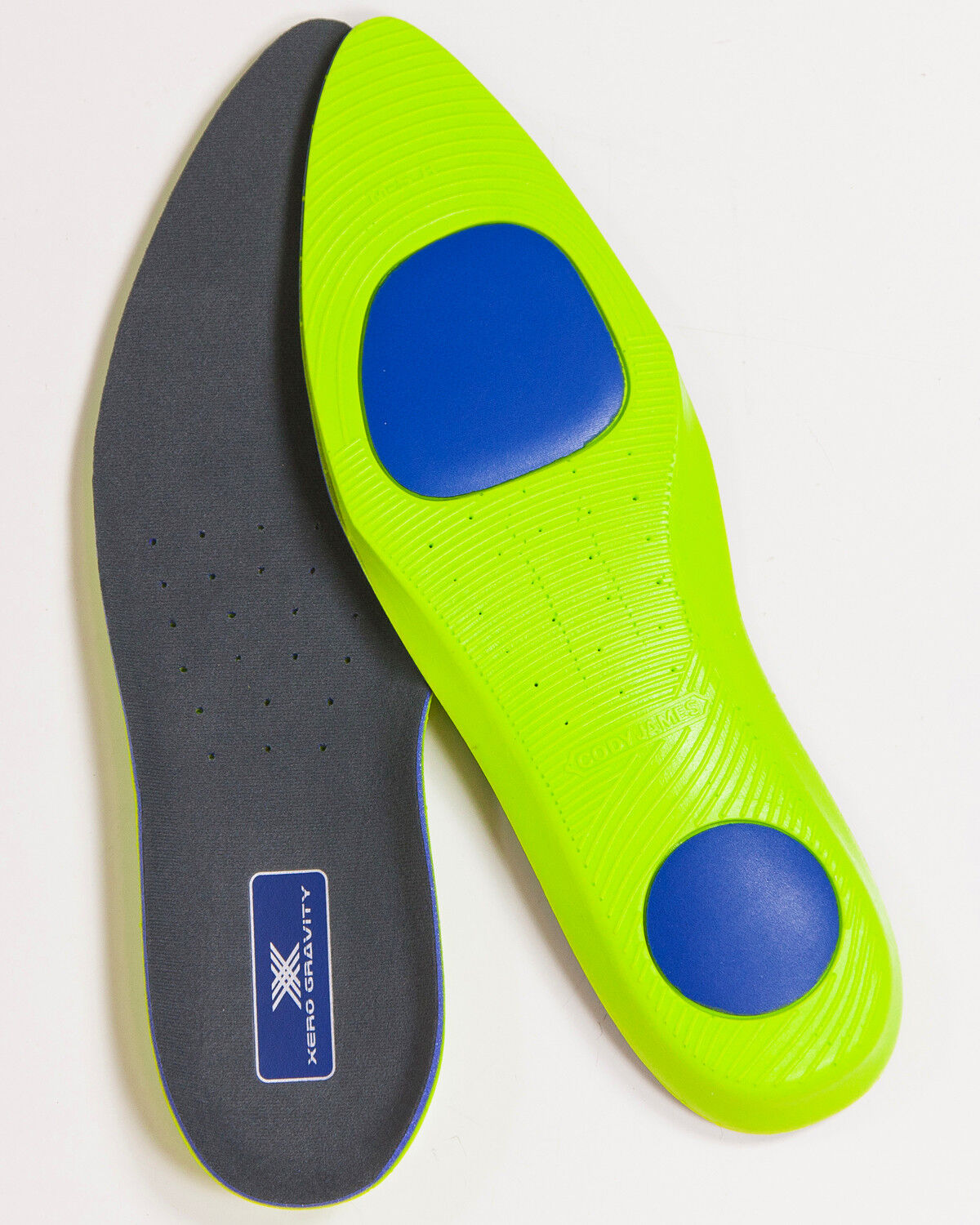
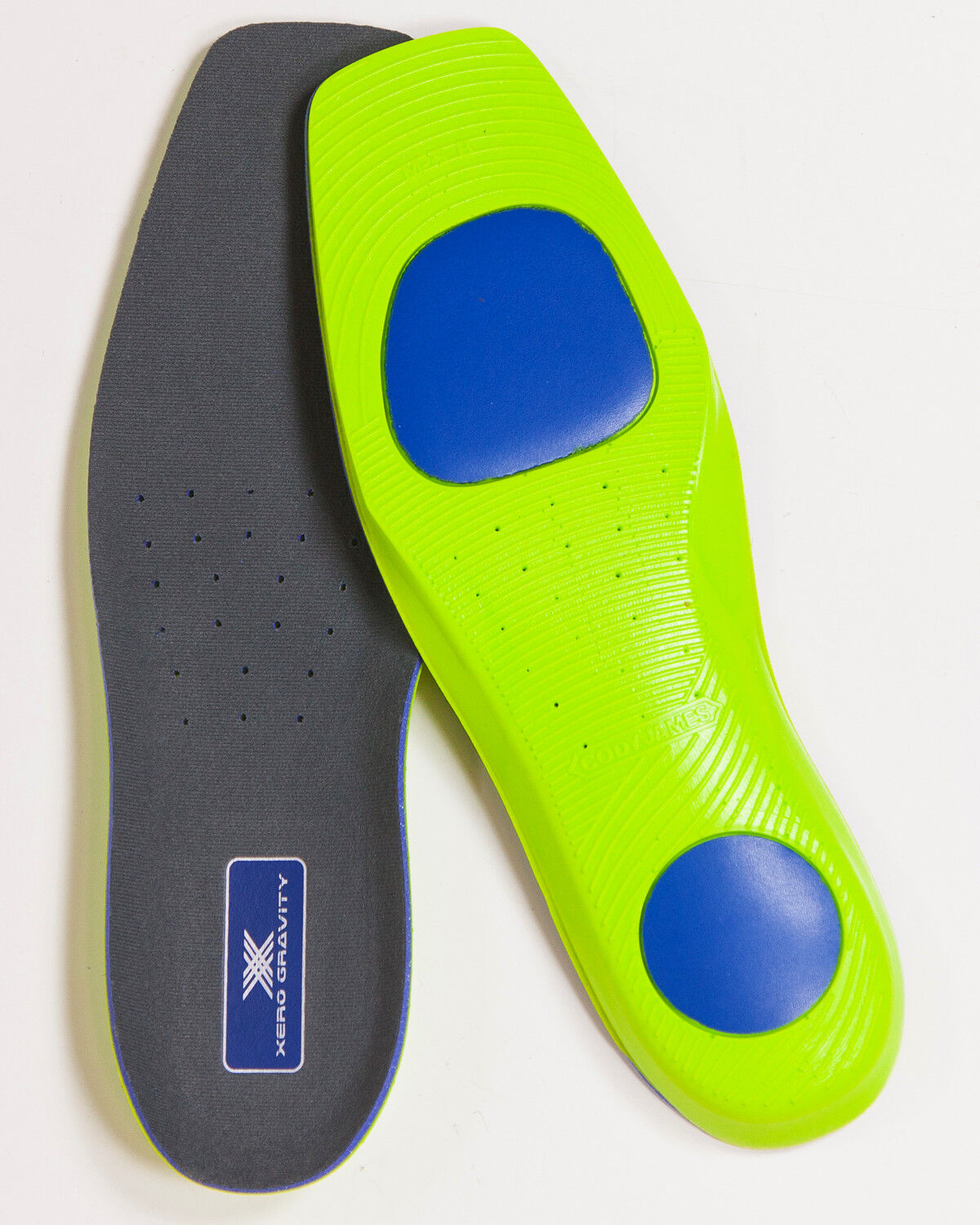
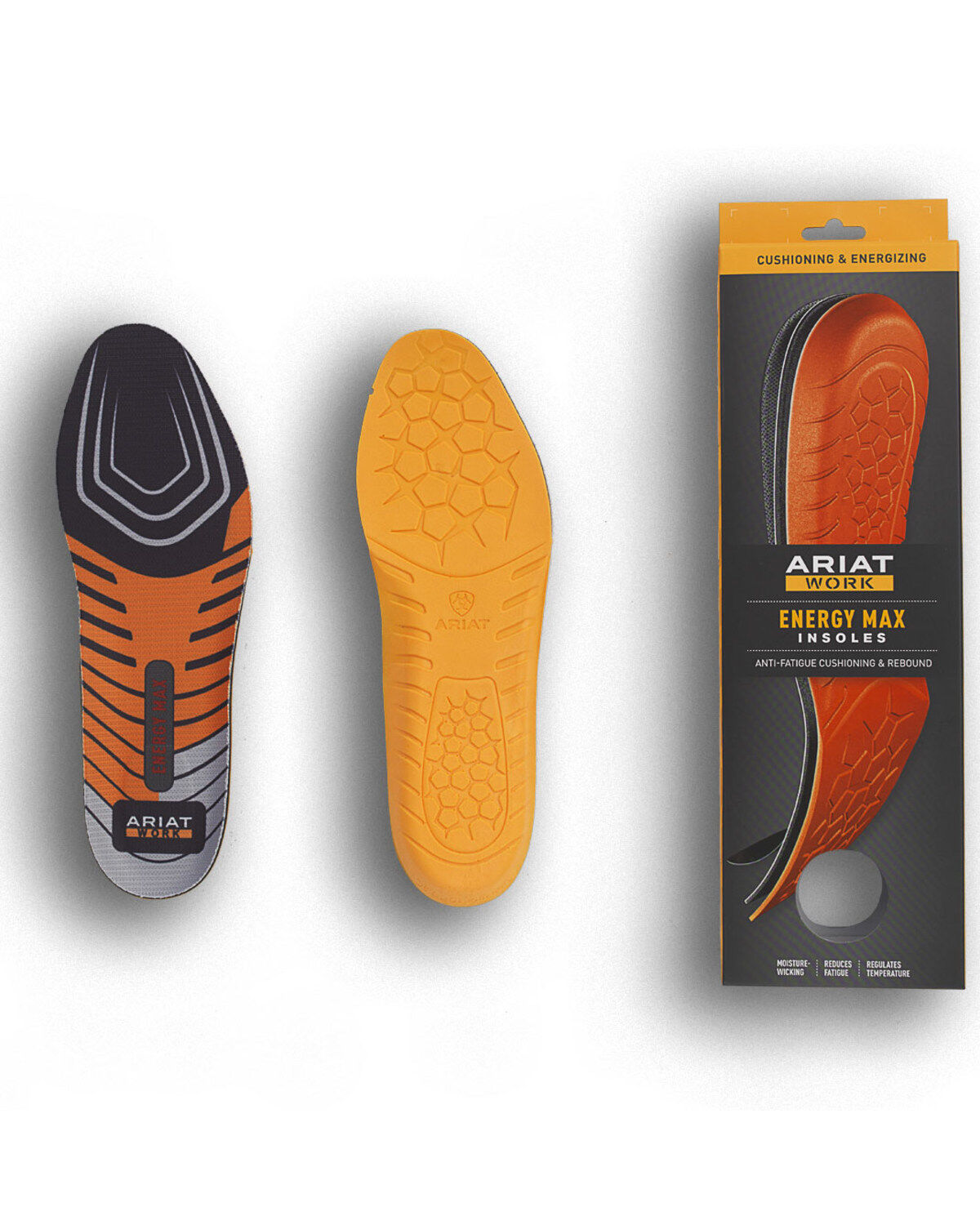
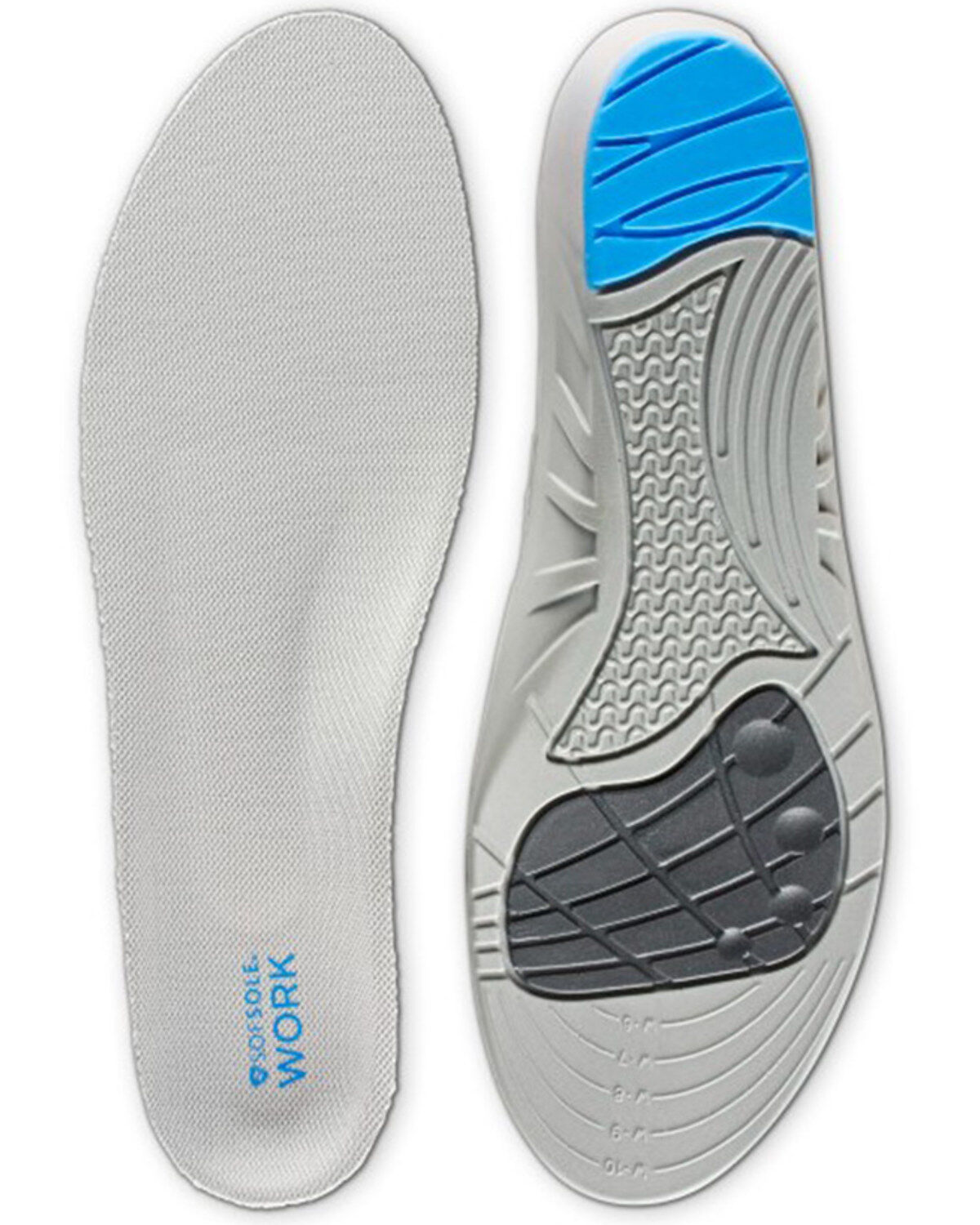
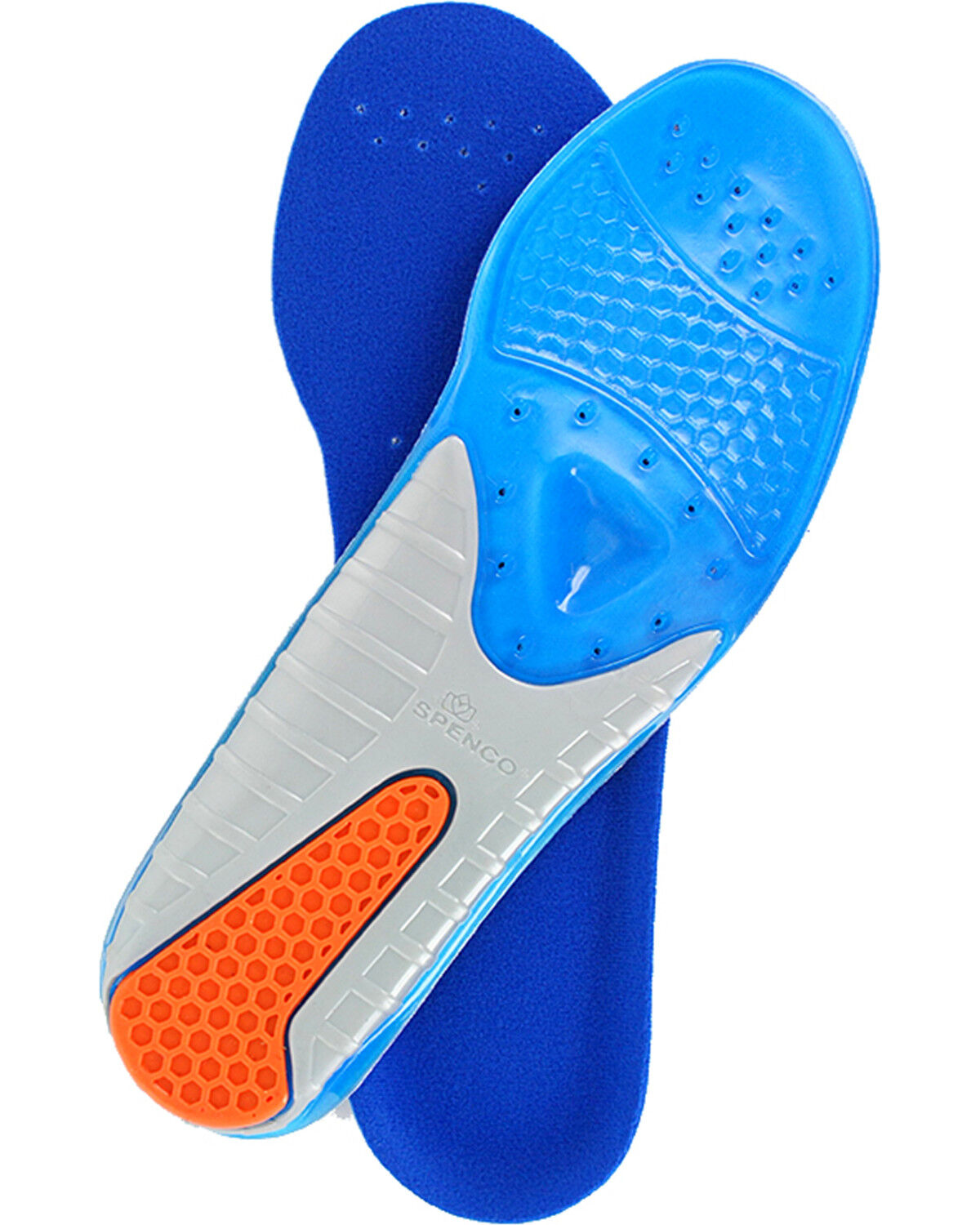
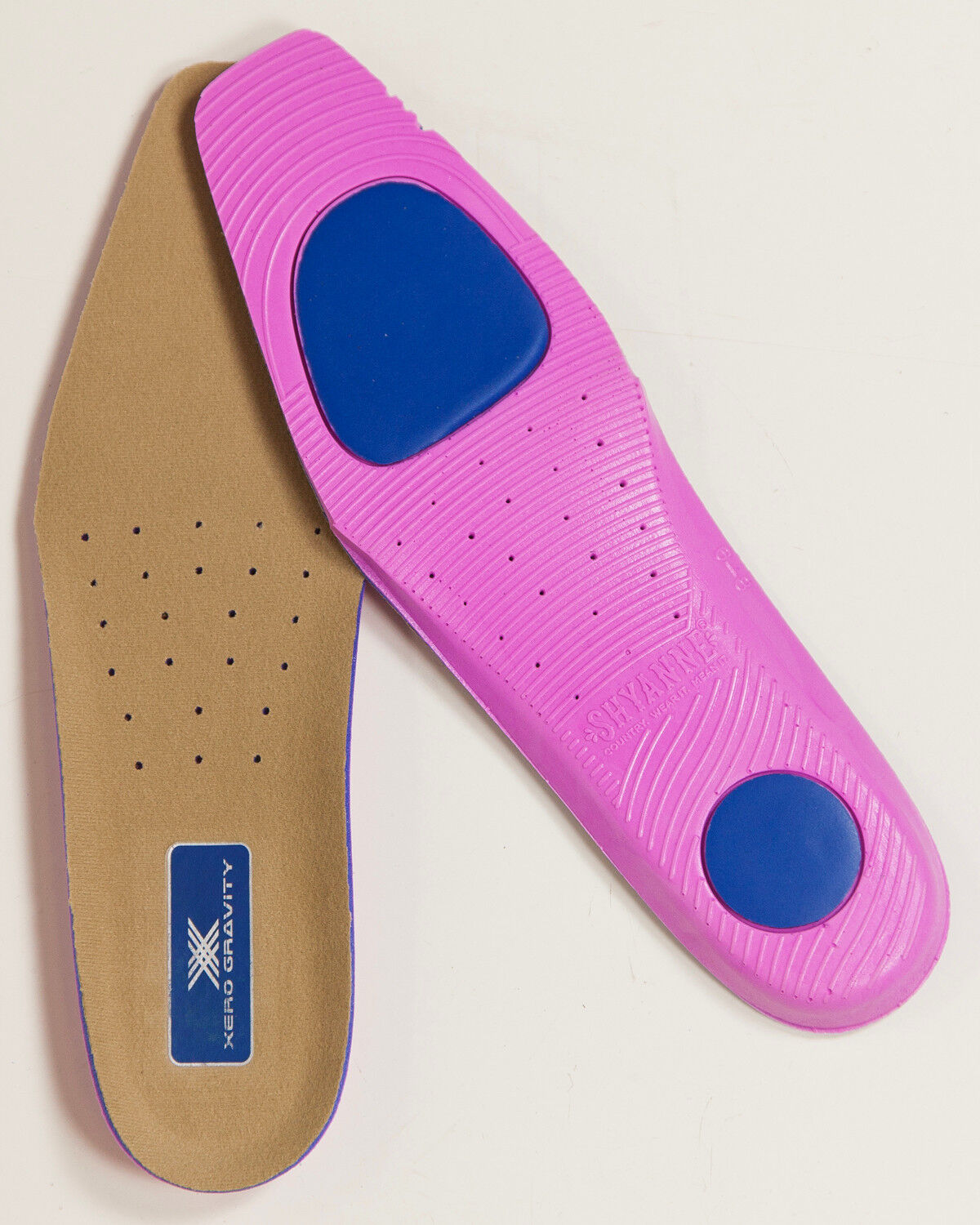
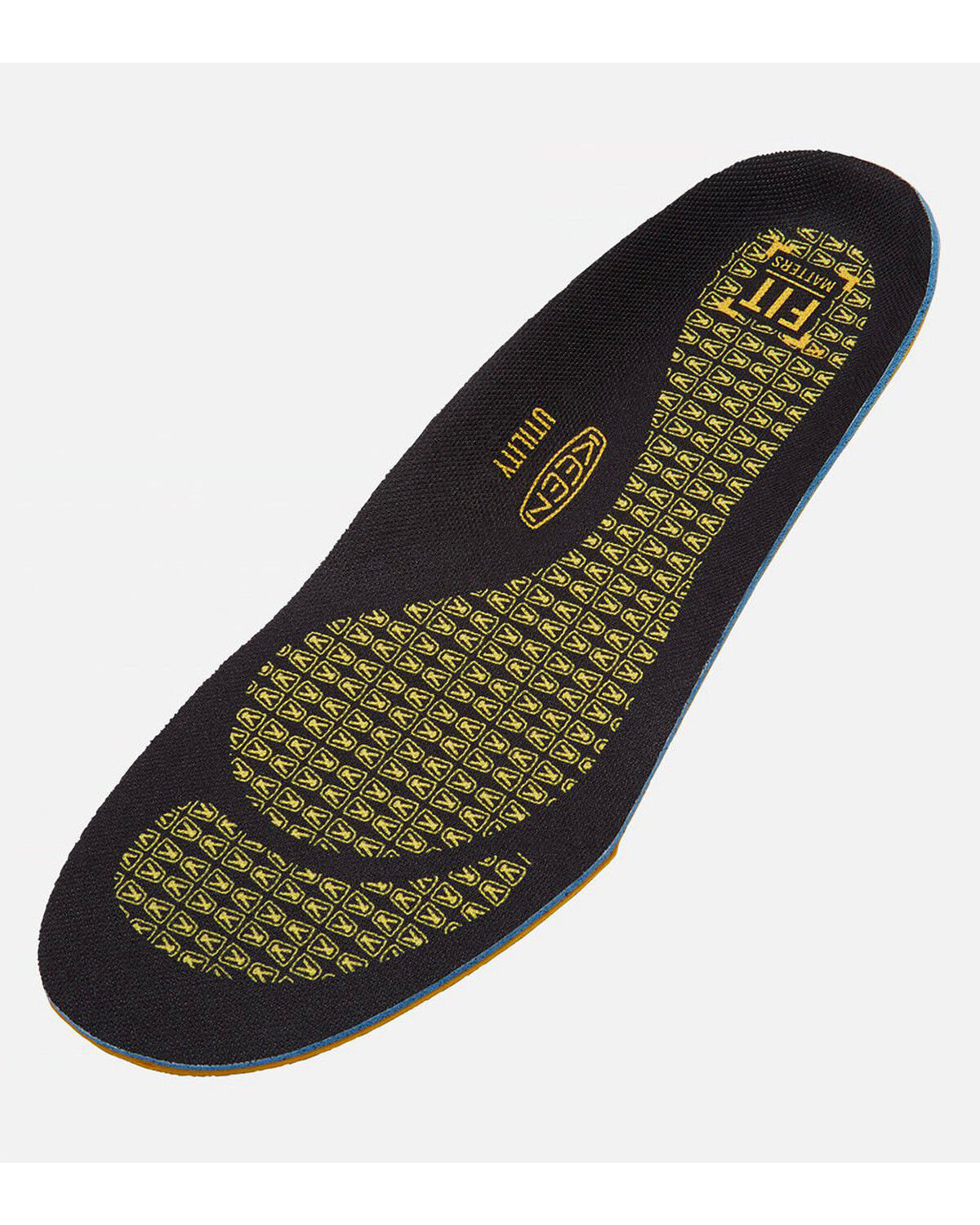
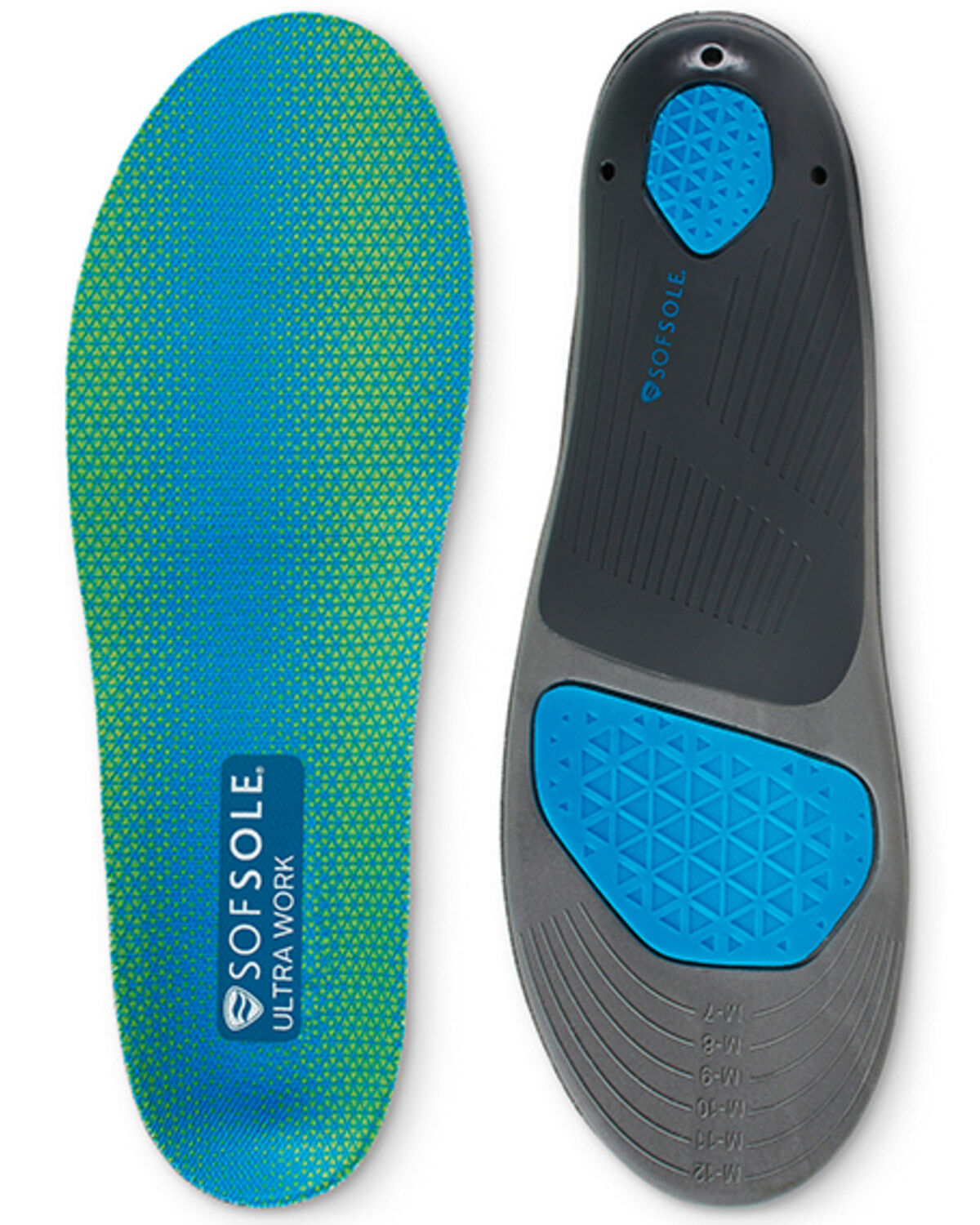
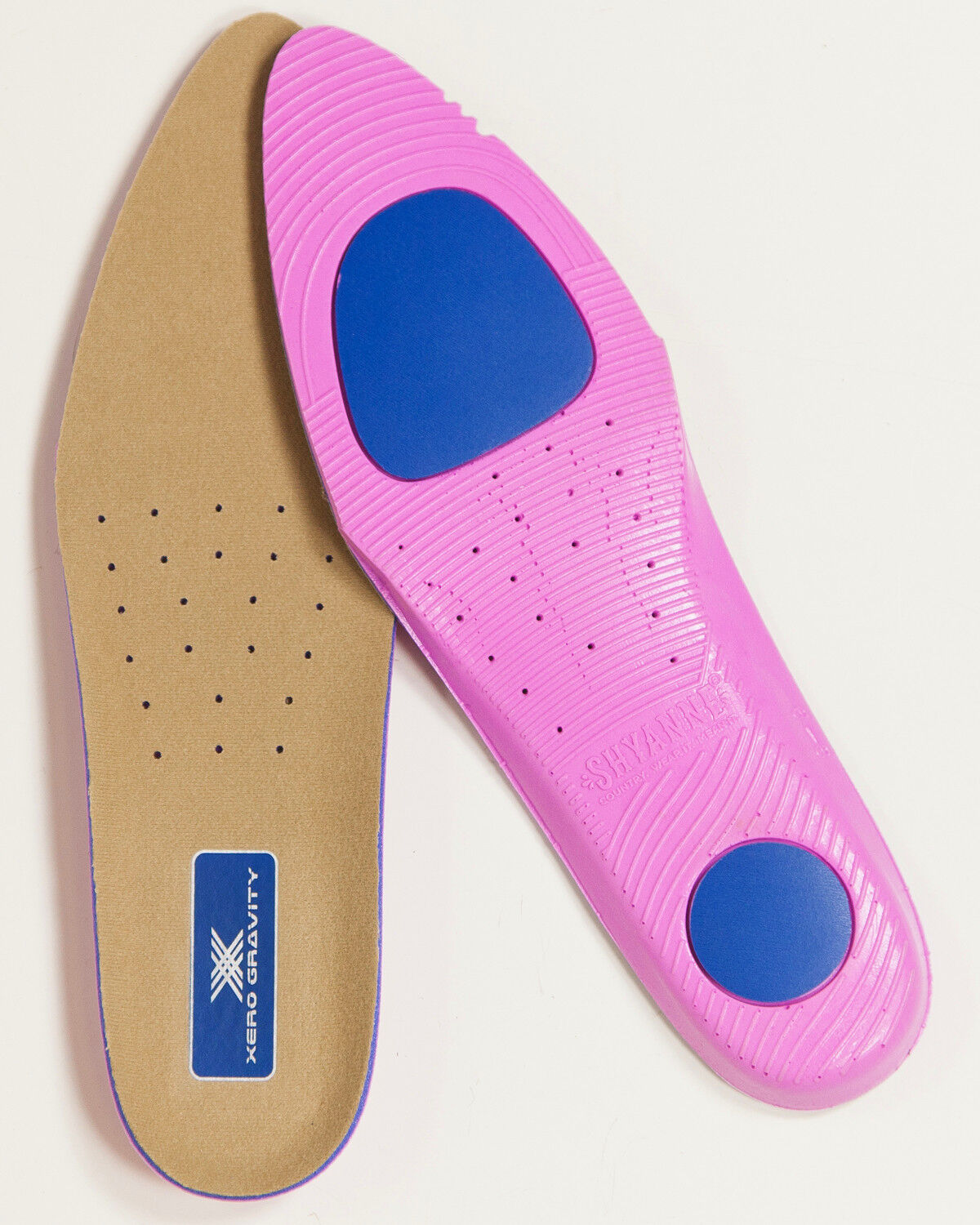
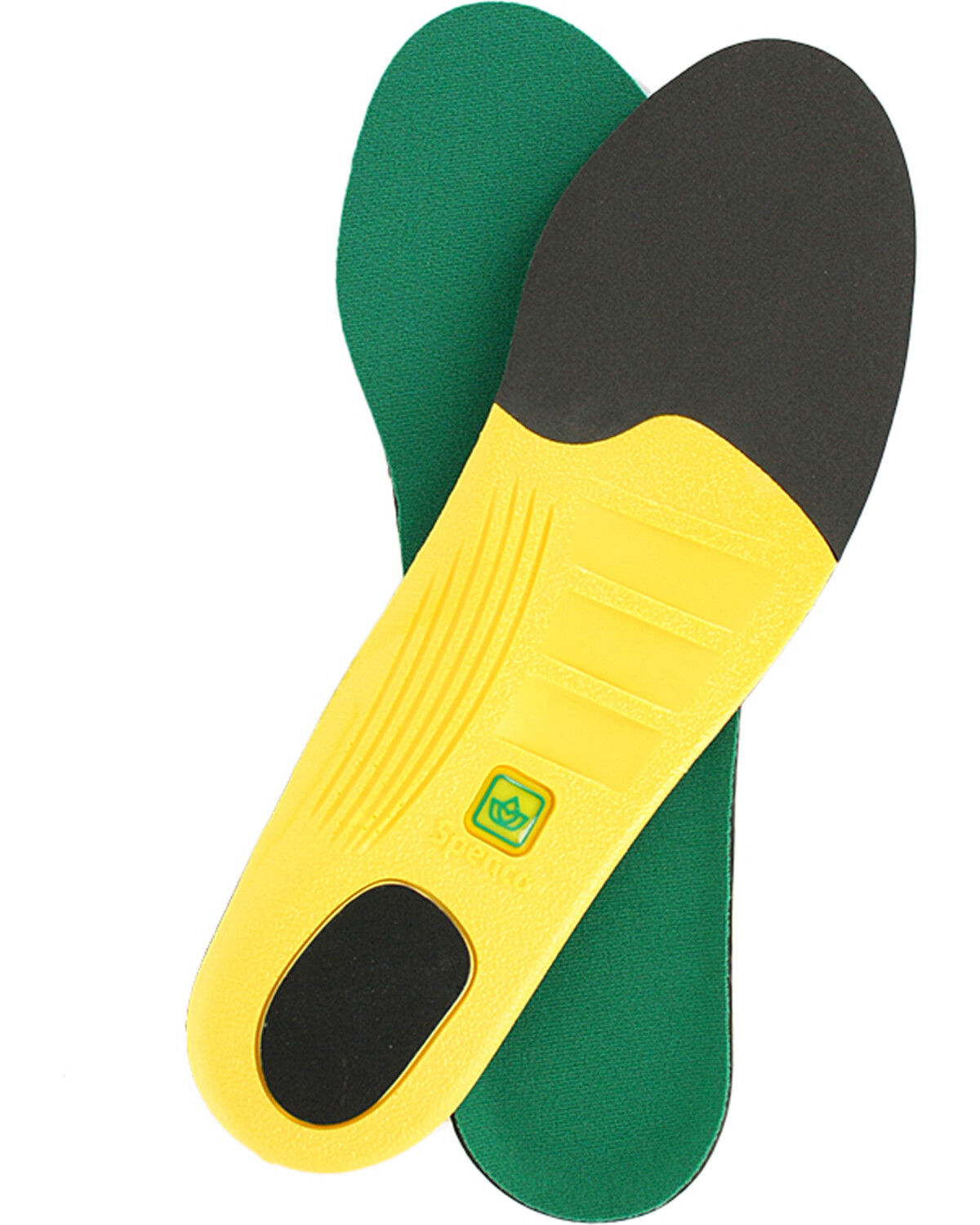
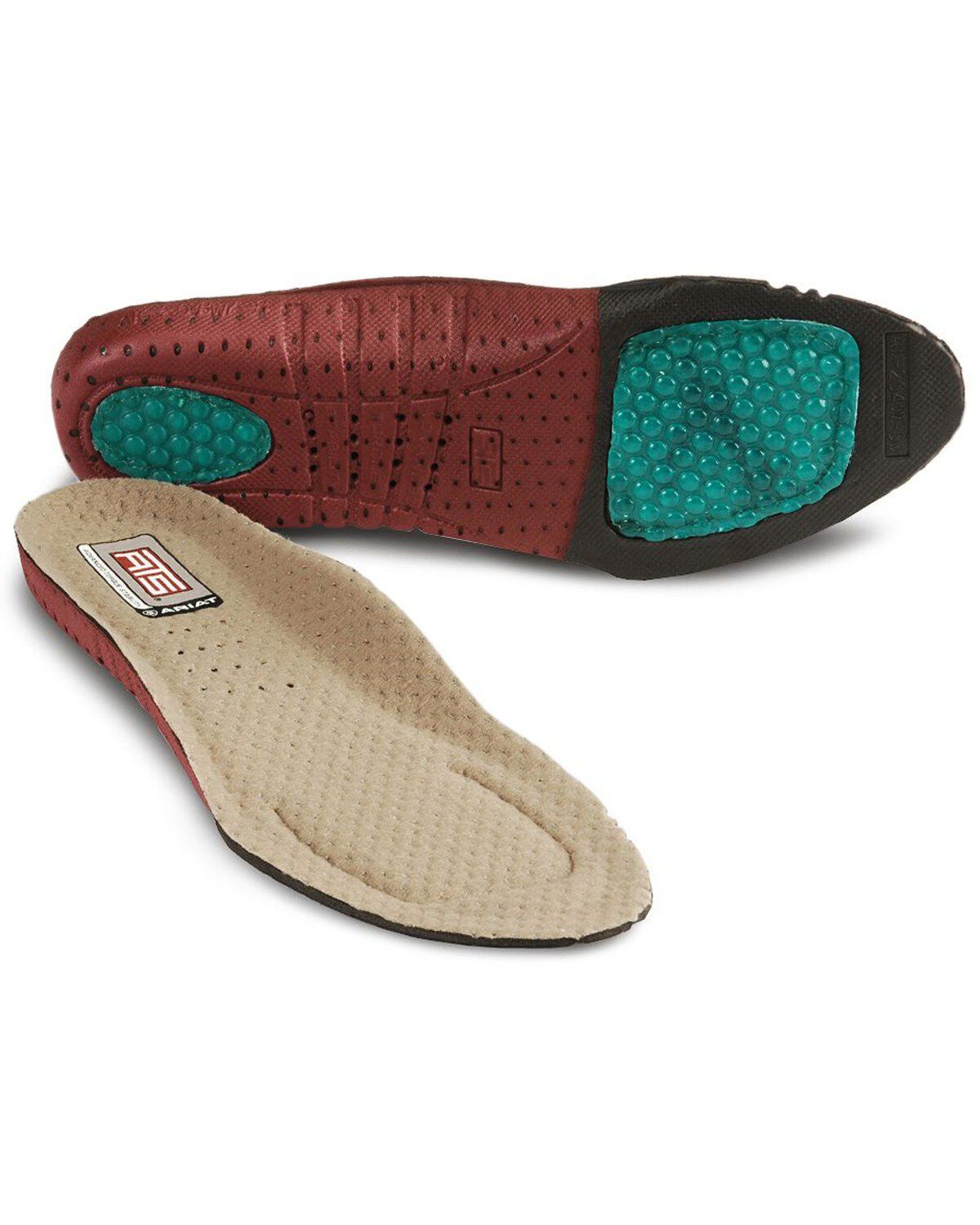
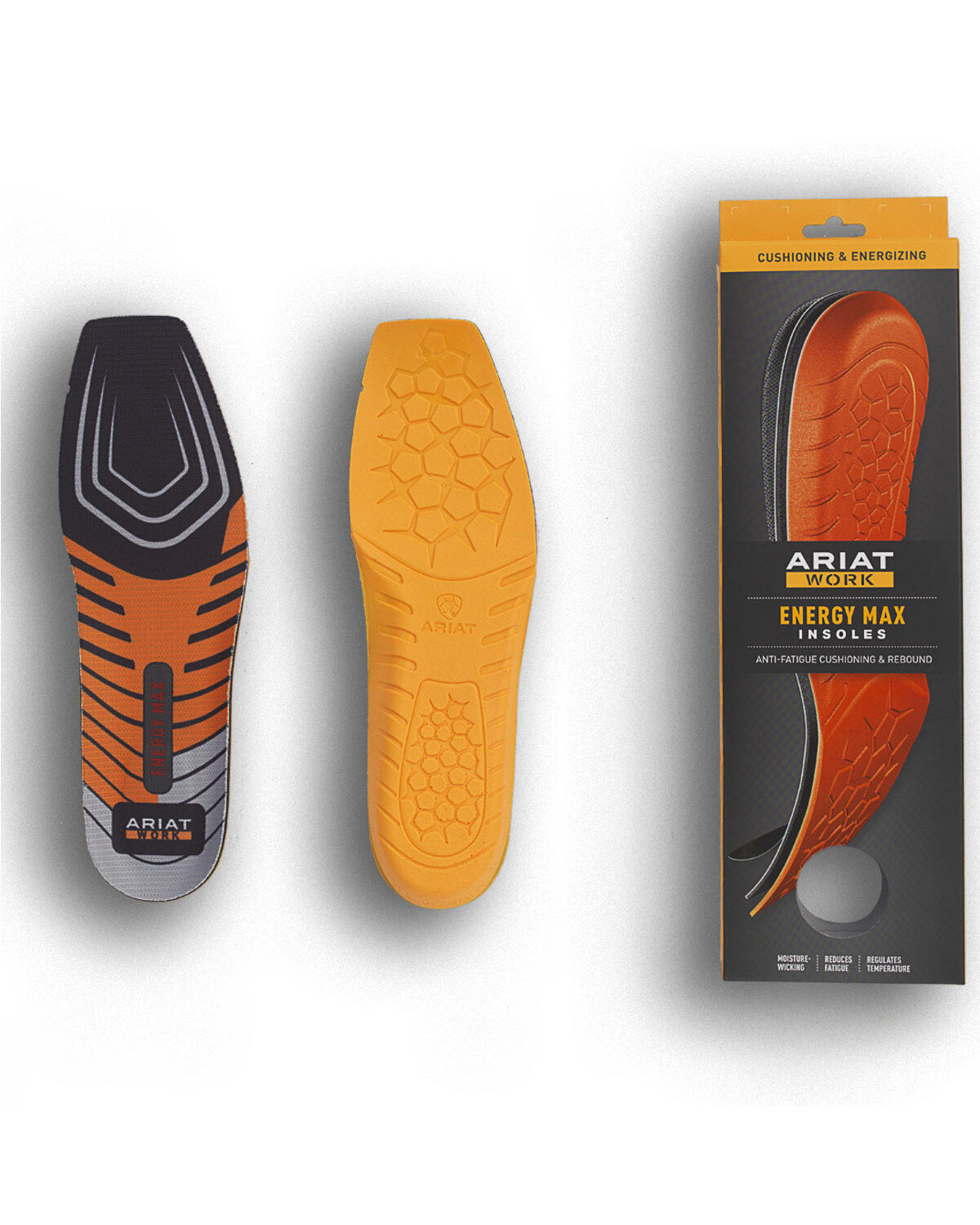
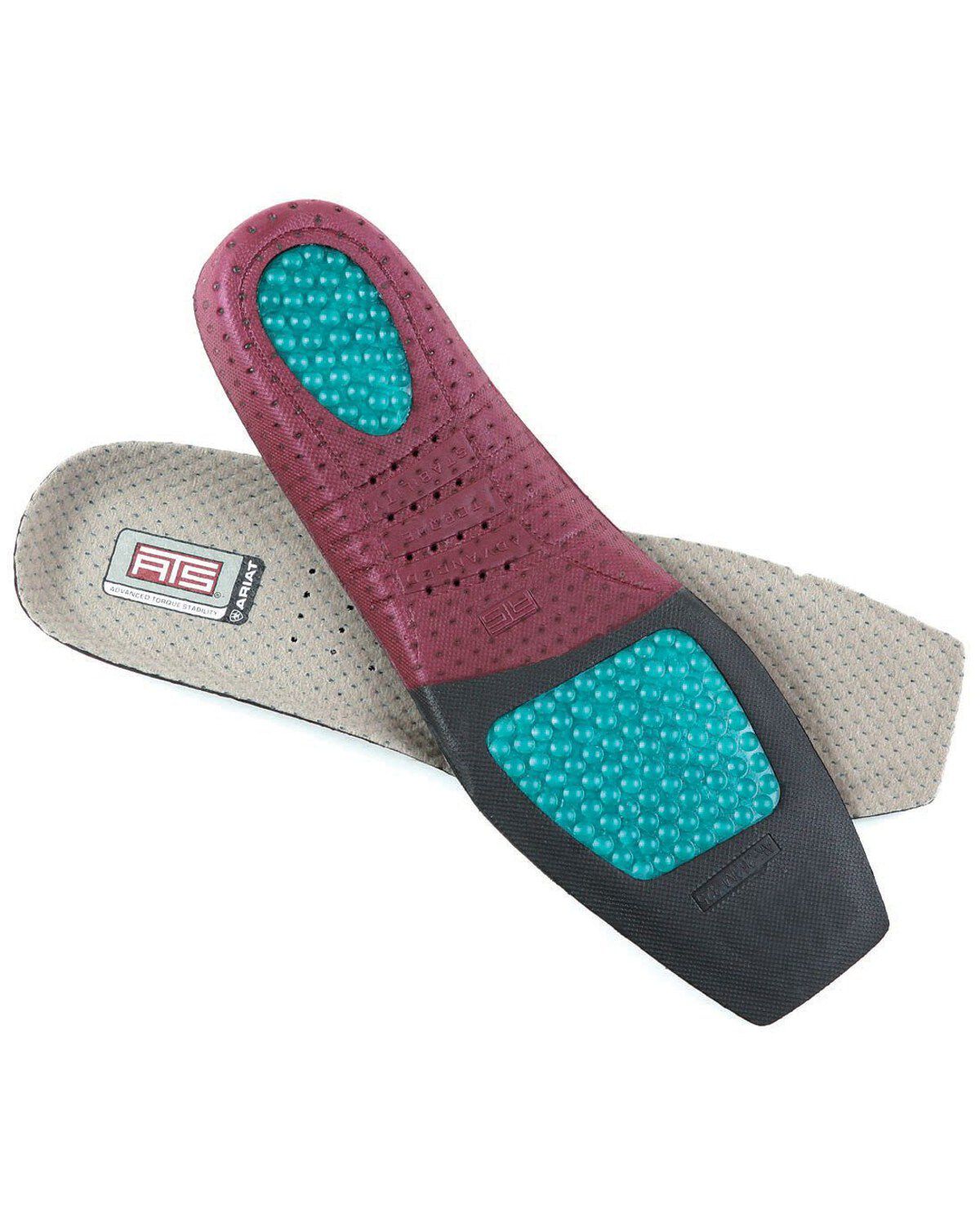
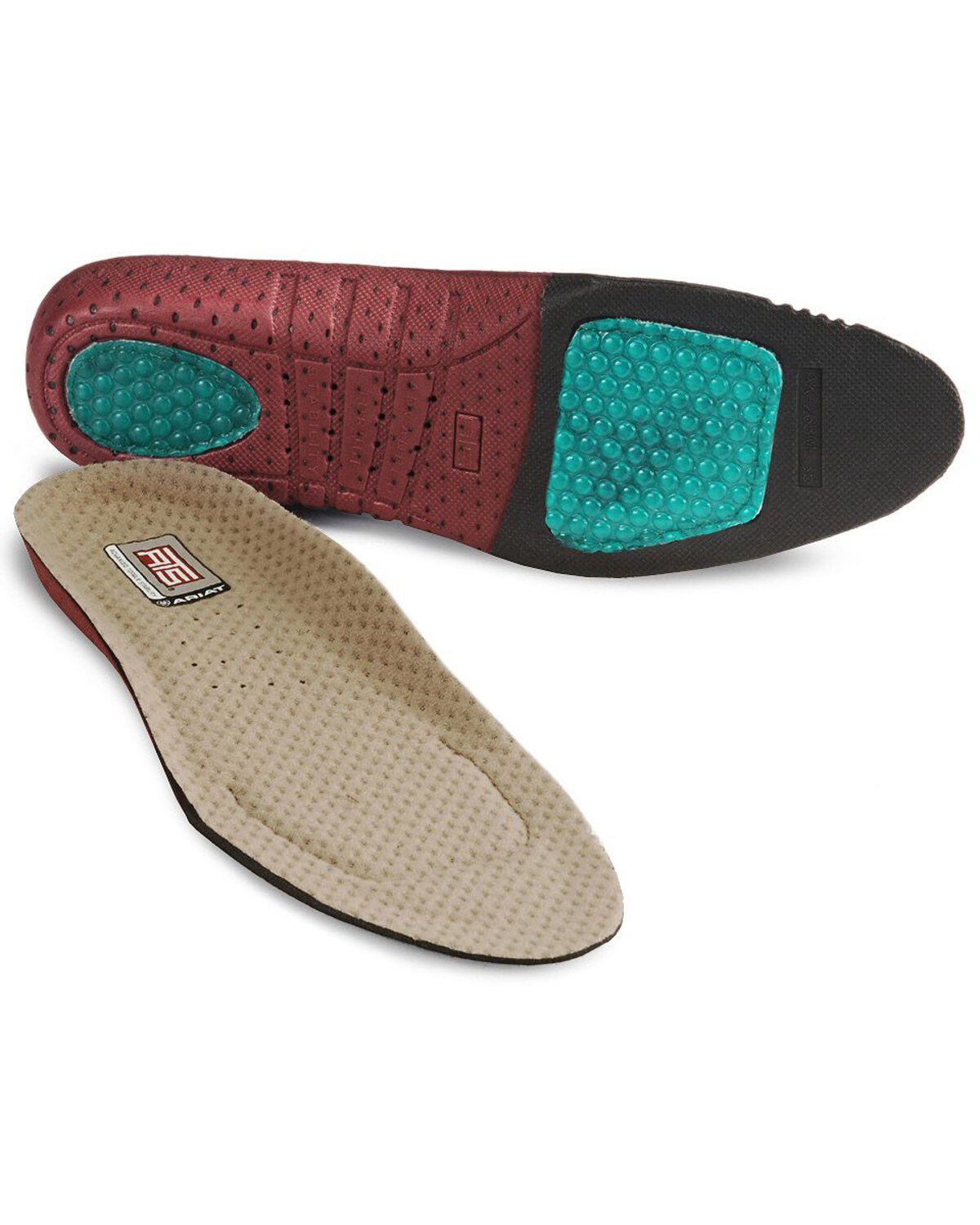
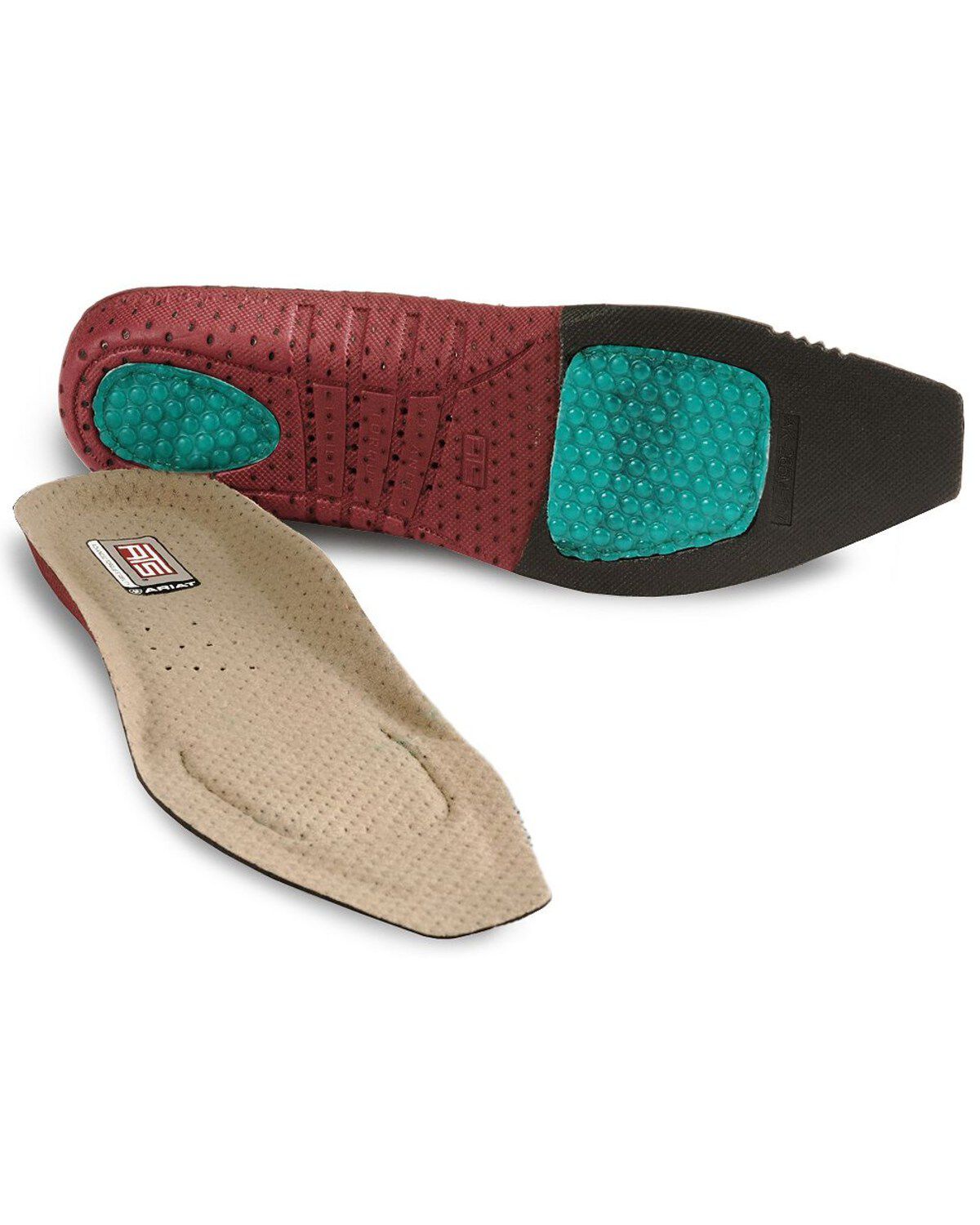
Western boot insoles add cushioning, support, or a closer fit inside cowboy boots without changing the boot’s outer shape. Their usefulness depends on the space inside the boot and the support the wearer needs. A slim insole is often a practical choice for western footwear because the instep and toe box may leave little room for extra thickness. Too much padding can crowd the toes, press the top of the foot against the leather, or lift the heel out of its intended position. A low-profile design can add comfort while preserving the fit that makes a boot secure through the instep. Full-length insoles extend from heel to toe and provide a consistent layer beneath the foot. Three-quarter-length designs stop before the toes, leaving more forefoot room while providing support beneath the arch and heel. That shorter shape may suit boots with limited toe space, although it still needs to sit flat without shifting. Square-toe, round-toe, and pointed-toe boots each have different shapes, but toe style alone does not determine how much space an insole will have. Width, instep height, lining thickness, and the boot’s construction matter just as much. A broad-looking square toe does not automatically mean a thick insert will fit comfortably. Heel cups and shaped arch sections can help keep the foot positioned on the insole, while cushioning beneath the heel can soften the feel of repeated steps. These features should match the foot rather than push it into an uncomfortable position. An insole can take up a modest amount of extra room, but it cannot correct a boot that is substantially too large, too narrow, or too short. For boots designed to accept a replacement footbed, Western Boots With Removable Insole offer a useful starting point. A removable original footbed makes it easier to assess the space for a different insert without stacking unnecessary layers beneath the foot. Boots with attached footbeds require a different approach, since added material must fit within the room already present.

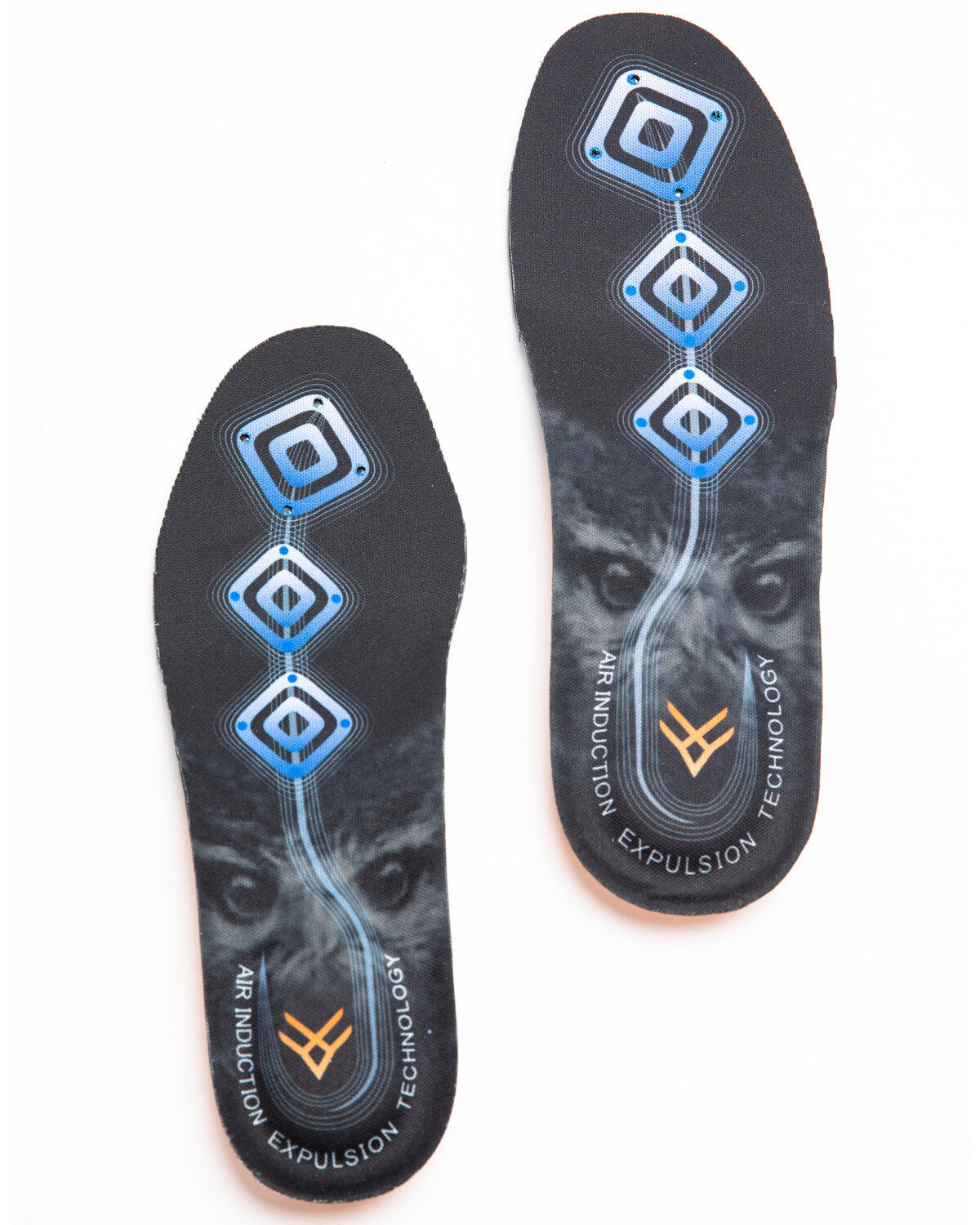
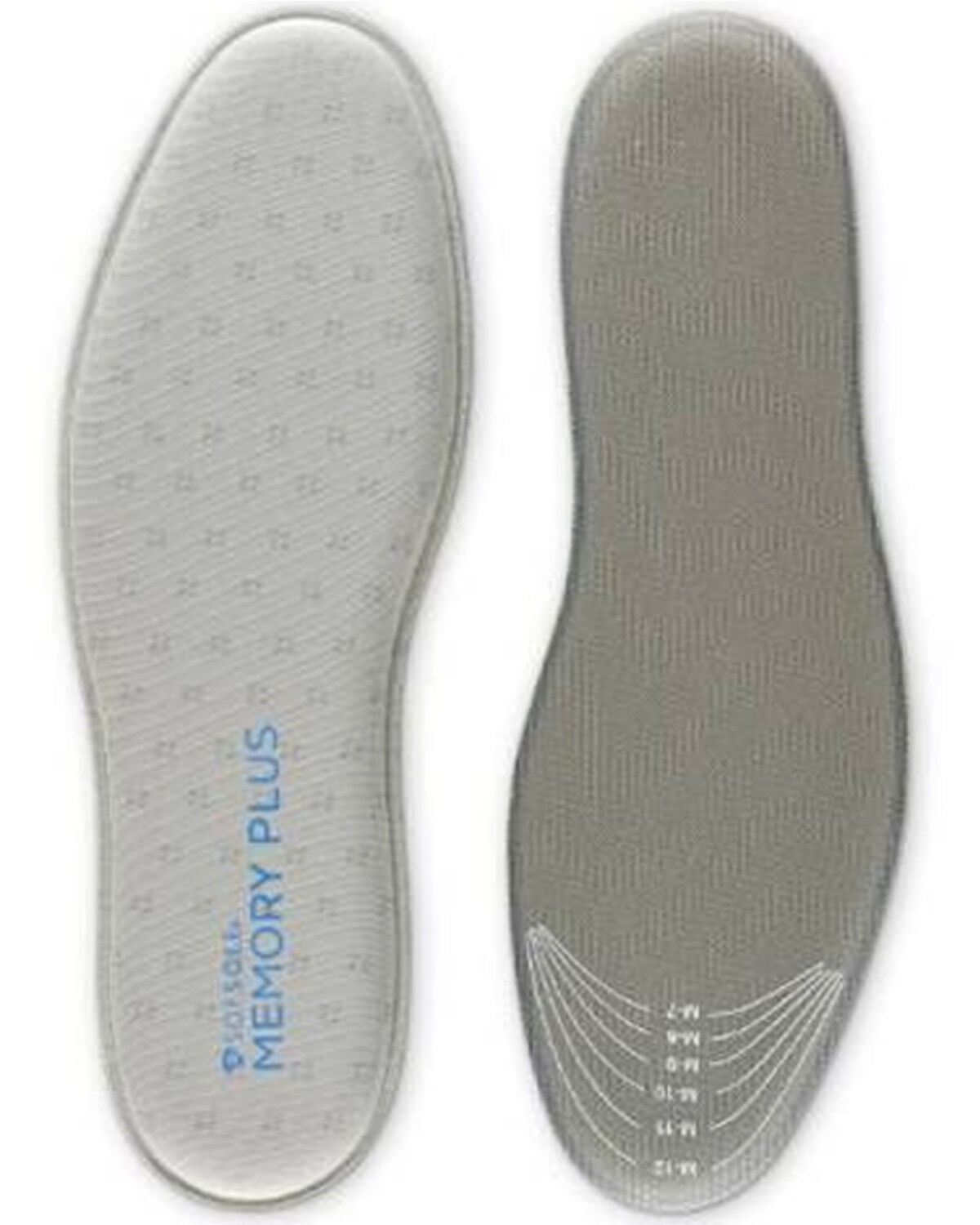
Materials affect how western boot insoles feel underfoot, how much structure they provide, and how they hold up through repeated wear. Soft foam can cushion the foot without adding much weight, making it useful for everyday walking and time spent standing. Denser foam tends to feel firmer and can provide a more structured base, though comfort depends on the design rather than density alone. Gel sections add cushioning in targeted areas, often beneath the heel or forefoot, but their thickness needs to work with the boot’s interior. Memory foam conforms under pressure and offers a softer feel; some wearers prefer a firmer surface that does not compress as deeply. Leather top covers can provide a smooth contact surface, while fabric covers may help move moisture away from the foot. Moisture-wicking materials manage perspiration, but they do not eliminate the need to let boots and insoles dry between wears. Breathable construction is also only one part of the picture inside a leather boot. Socks, lining materials, and hours of wear all influence how dry the interior feels. Arch support deserves the same attention as cushioning. A higher arch shape is not automatically better, and a firm support should not feel like a hard ridge pressing into the foot. The right contour follows the wearer’s foot comfortably and leaves enough room above it. For someone standing at a shop counter, walking concrete floors, or spending hours on their feet around a property, a balance of cushioning and structure may be more useful than the softest possible insert. Someone wearing western boots mainly for short outings may place more value on a thin profile and a smooth feel. Riding adds another consideration: the foot should remain secure without crowding the toes or changing how the boot sits on the foot. Insoles intended for everyday comfort are not a substitute for protective footwear features or required workplace equipment. They also should not be treated as a guaranteed answer to persistent foot pain, which may need an assessment from a qualified health professional.

Fit remains the deciding factor once materials and support are considered. Western boot insoles should lie flat, follow the interior shape, and stay in place during normal movement. The heel should rest comfortably in its cup, the arch should meet the foot without excessive pressure, and the toes should retain room to move. The socks normally worn with the boots are part of that fit, since a thicker sock and a thicker insole can quickly use the same limited space. An insert that feels comfortable while seated may feel different after walking, especially across the ball of the foot or beneath a raised arch. Movement that causes rubbing, a folded edge, or pressure against the instep points to a fit problem rather than something to ignore. Trim-to-fit designs allow the outline to be adjusted when the manufacturer permits it, often using a removable original footbed as a shape reference. Structured supports and molded heel sections should not be cut unless their instructions allow it. Durability depends on materials, hours of wear, walking surfaces, and how the insoles are cared for. Repeated compression can flatten cushioning, while worn top covers and curled edges can change the feel inside the boot. An insole may need replacement when its support has noticeably changed, even if its surface still looks serviceable. Care methods vary, but removable inserts generally benefit from being taken out to air-dry after heavy use. Gentle surface cleaning, when allowed by the manufacturer, helps remove dirt and perspiration without soaking materials that may retain moisture or separate at bonded layers. Direct heat can damage foam, adhesives, and leather, so drying methods should follow the care directions. Western boot insoles can also make a useful gift for someone who wears cowboy boots regularly, provided the boot size, available interior space, and support preferences are known. The best match is not necessarily the thickest or most heavily cushioned option. It is the one that works with the boot’s existing fit, gives the foot comfortable support, and holds its shape through the wearer’s usual day.

FAQs