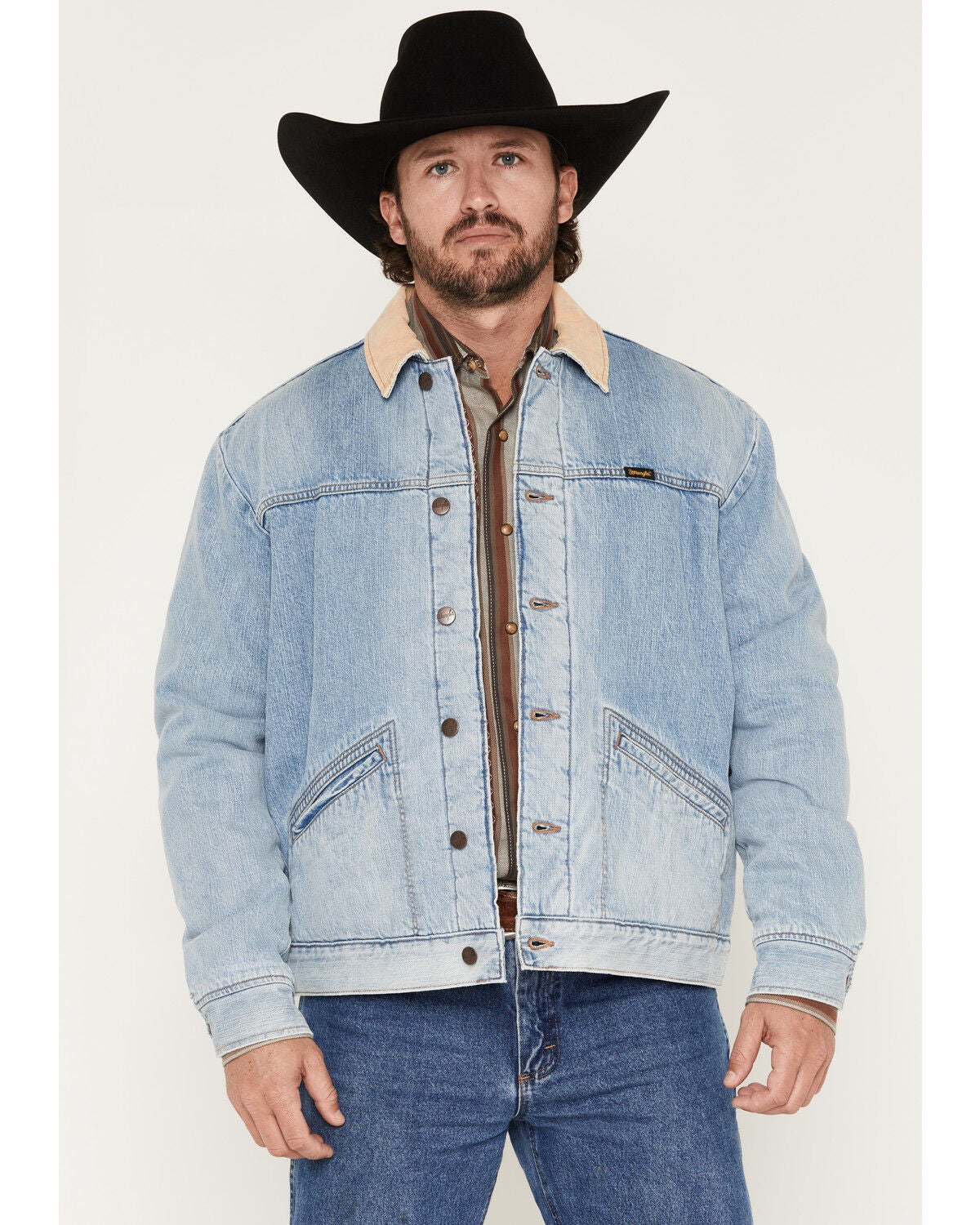
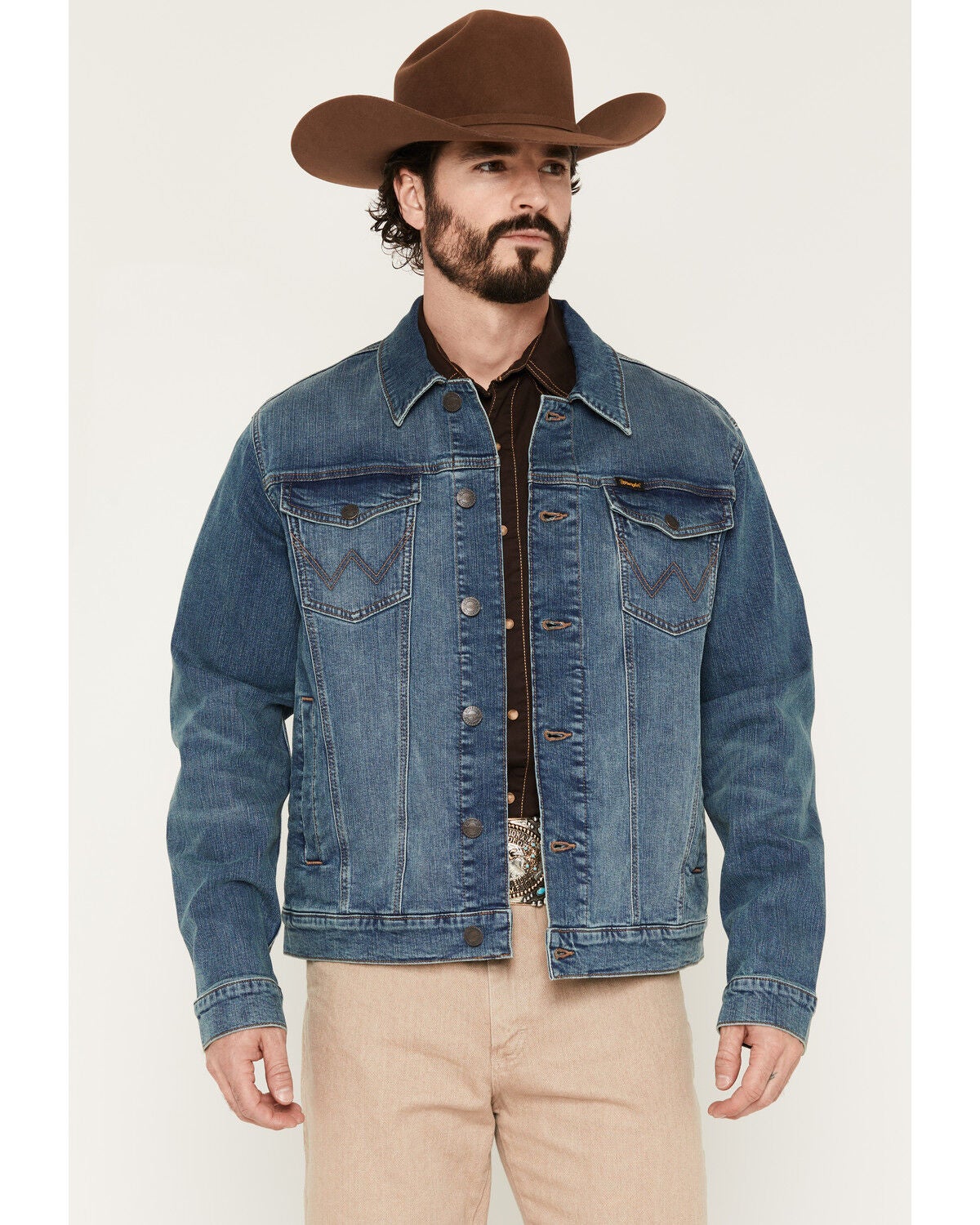
Explore our collection of wash denim jackets, the perfect blend of style and comfort for the modern cowboy or cowgirl. Whether you're looking to add a... touch of Western flair to your outfit or simply stay cozy on chilly evenings, our selection offers a range of washes and fits to suit your unique taste. From classic blue denim to trendy distressed styles, these jackets are versatile staples that can be dressed up or down for any occasion. Find your new favorite piece to elevate your Western wardrobe today!
Read more
Wash Denim Jackets
Explore our collection of wash denim jackets, the perfect blend of style and comfort for the modern cowboy or cowgirl. Whether you're looking to add a... touch of Western flair to your outfit or simply stay cozy on chilly evenings, our selection offers a range of washes and fits to suit your unique taste. From classic blue denim to trendy distressed styles, these jackets are versatile staples that can be dressed up or down for any occasion. Find your new favorite piece to elevate your Western wardrobe today!
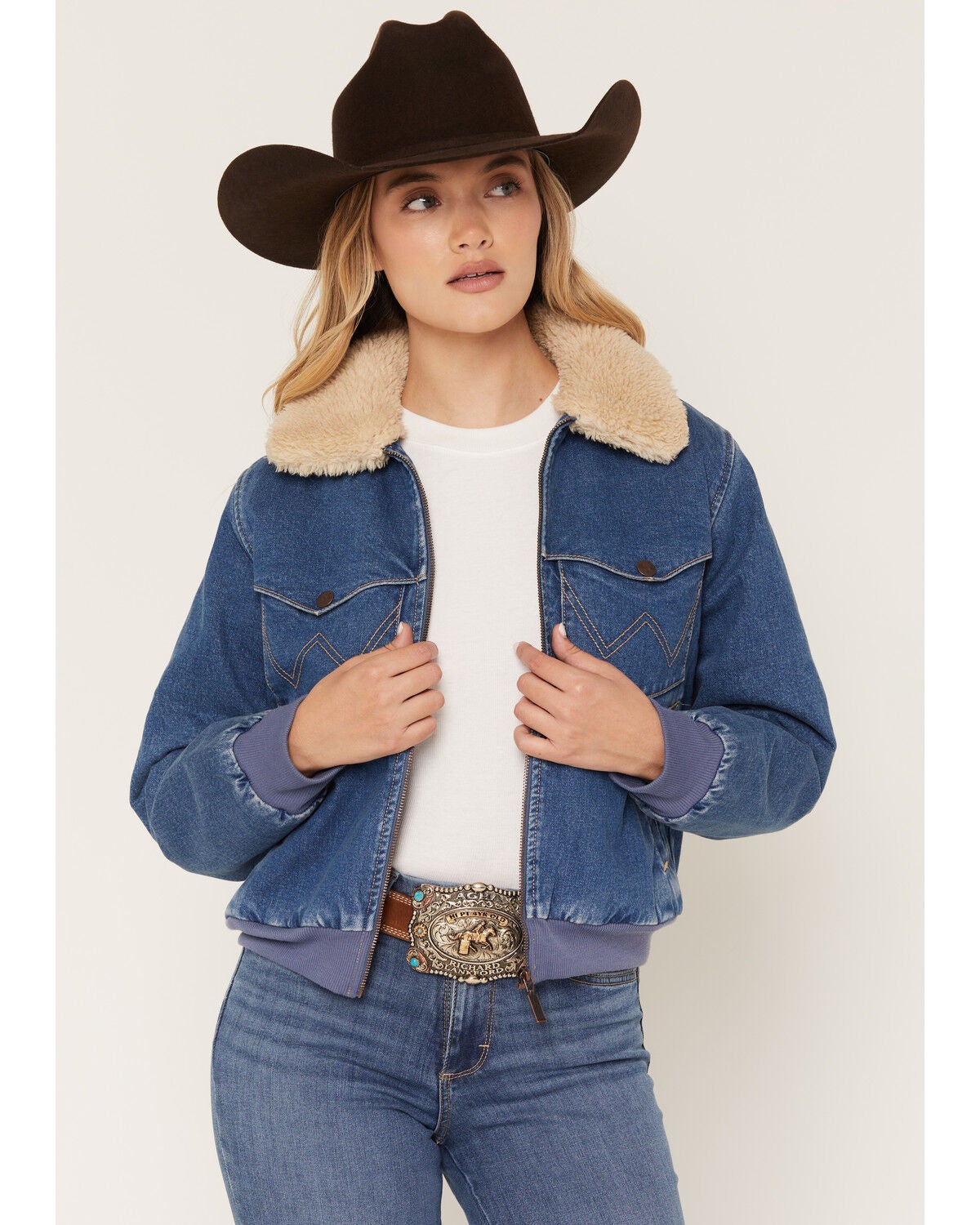
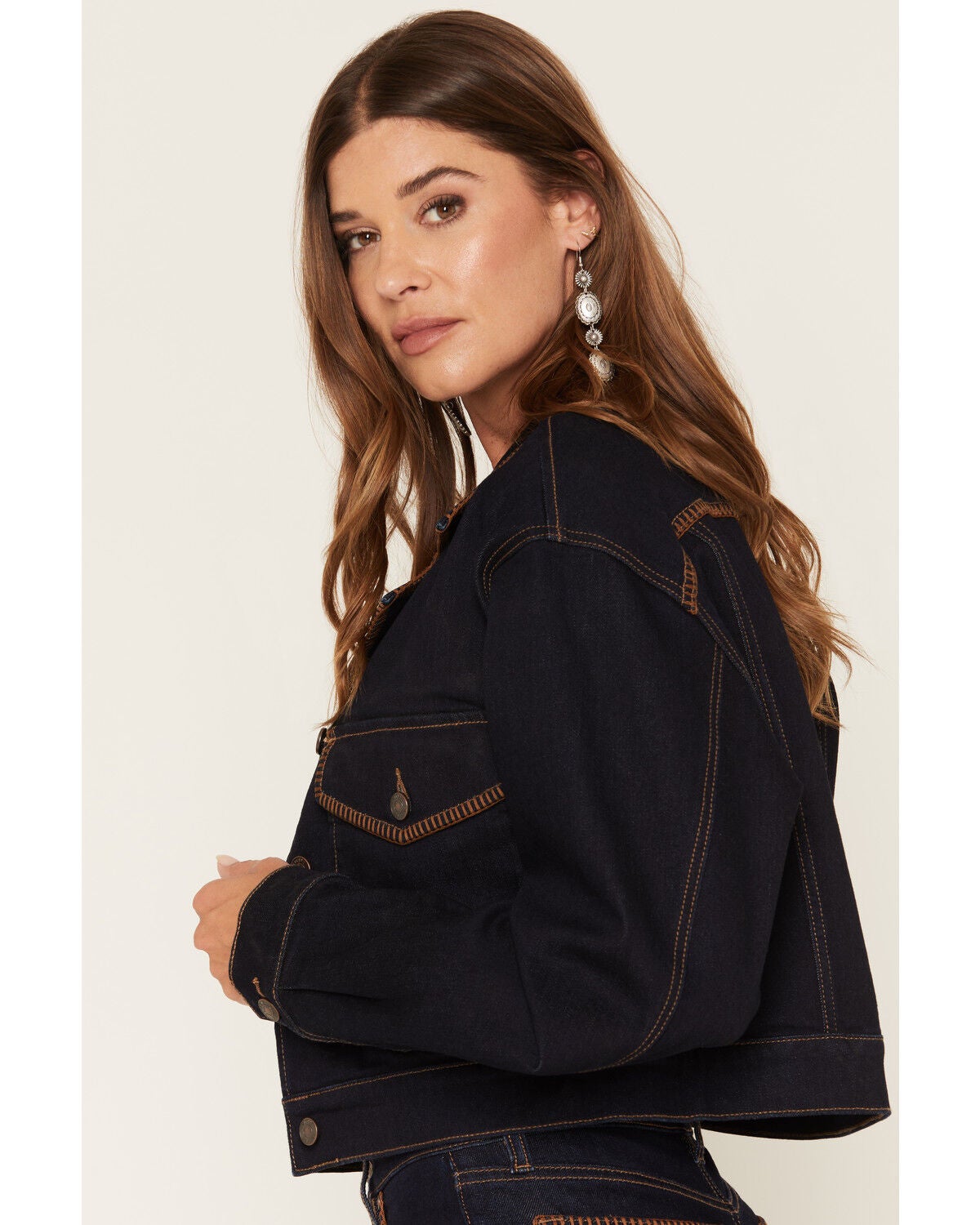
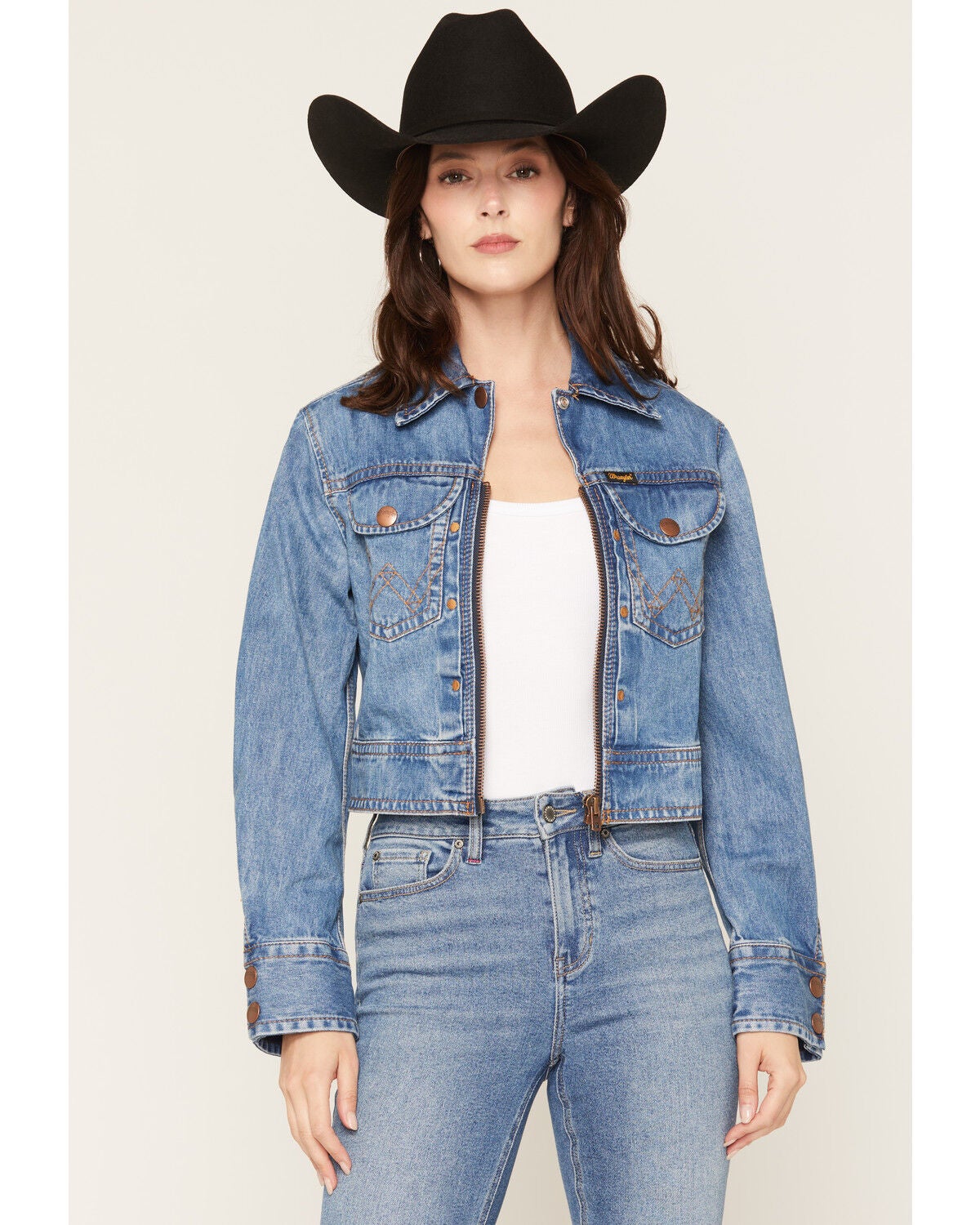
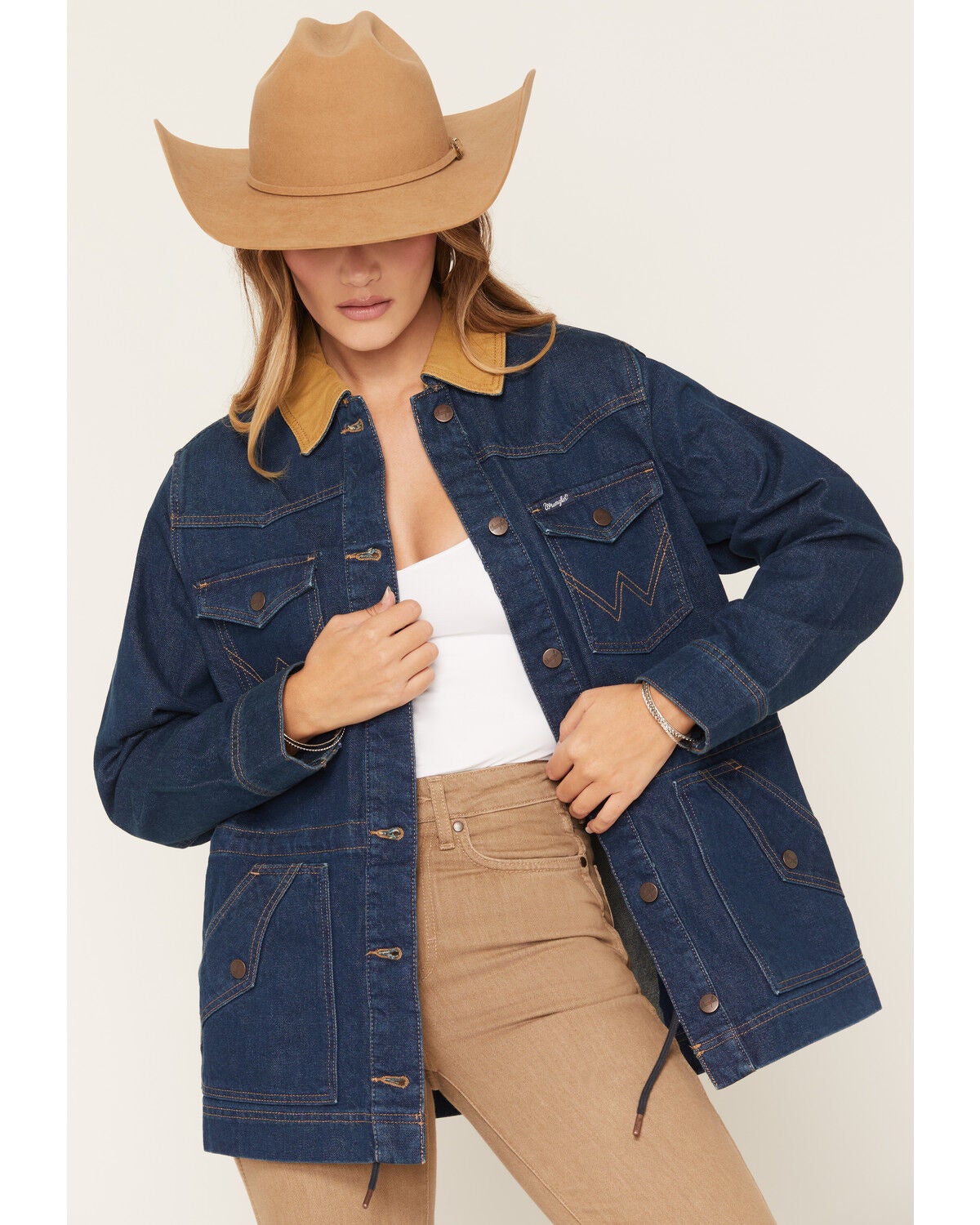
Washed denim jackets combine familiar workwear construction with a finish that feels at home alongside jeans, boots, and a plain cotton shirt. The wash shapes much of a jacket’s character. Light washes show more variation across seams and folds, medium blue washes have a familiar worn-in look, and dark washes offer deeper color with less contrast. Black and gray denim give the same basic shape a different feel without adding much detail. Some finishes are even throughout, while others highlight the collar, elbows, pocket edges, and button placket. Those differences matter when choosing a jacket for everyday errands, a concert, or a casual dinner. A faded blue jacket has a relaxed appearance from the start. A darker jacket with clean stitching can look more restrained over a button-down shirt. The fabric underneath the finish matters just as much. Cotton denim has a substantial feel and softens with wear, while blends containing a small amount of stretch can allow easier movement through the shoulders and arms. Fabric weight also affects how the jacket hangs. Heavier denim generally holds a defined shape, while lighter denim tends to drape more freely and feel less bulky when carried or worn over another shirt. A washed finish does not necessarily mean thin fabric, and a dark finish does not guarantee greater strength. The weave, fabric weight, seam construction, and quality of the hardware all contribute to how a jacket wears over time. Denim also develops individual wear patterns with repeated use, particularly along cuffs, elbows, and pocket openings. That gradual change is part of its appeal. For someone who prefers clothing with a little texture and straightforward construction, a denim jacket offers plenty of character without needing a large graphic or elaborate decoration.
Fit determines whether a denim jacket earns regular use or stays on a hanger. The shoulder seams should sit close to the natural shoulder, with enough room across the upper back to reach forward without a hard pull. Buttoning the front should not produce strong horizontal tension across the chest or waist. Sleeves need enough room to bend comfortably, especially when another shirt is underneath. Trying a jacket over the kind of clothing it will usually accompany gives a more useful sense of fit than judging the size label alone. A close cut can sit neatly over a T-shirt, while a relaxed cut leaves more room for a western shirt, sweatshirt, or other layer. Neither should restrict ordinary movement. Length changes the overall proportion, too. A waist-length jacket leaves a belt visible and works well with higher-rise jeans, while a longer cut gives more coverage through the hips. Seated comfort matters for anyone who spends time driving, and a stiff lower hem can feel different behind the wheel than it does standing in front of a mirror. Details deserve the same attention. Chest pockets create the familiar denim jacket profile, hand pockets provide a convenient place for small essentials, and interior pockets can keep a wallet or phone out of sight. Adjustable waist tabs offer some control over the shape, though they cannot correct a jacket that is too tight through the chest. For a traditional button-front shape, Denim Button Jackets keep the focus on familiar construction and straightforward fastening. Buttons should feel secure, buttonholes should be neatly finished, and seams should lie flat without loose threads or puckering. These practical details matter more than heavy distressing or extra trim. As a gift, a denim jacket makes sense for someone who already wears casual layers regularly. Matching that person’s preferred fit, usual sleeve length, and favorite denim shade is more useful than choosing an unfamiliar cut simply because it looks different.
Care helps preserve both the fit and the finish of a denim jacket. For most machine-washable denim jackets, washing inside out in cold water on a gentle cycle helps limit fading and surface wear. Air-drying helps reduce the shrinkage and fabric stress that high dryer heat can cause. The sewn-in care label takes priority, especially for jackets with stretch fibers, linings, embroidery, patches, or leather trim. Those details may require a different cleaning method from an unlined cotton jacket. A small amount of mild detergent is generally enough for routine washing, and keeping dark denim with similar colors helps manage possible dye transfer. A dark jacket may also transfer color to light upholstery or clothing before repeated laundering, so any dye-transfer warning deserves attention. Washing after every brief wear is not always necessary. Small surface marks may respond to careful spot cleaning when the fabric and care label allow it, while a jacket with dirt, lingering odor, or visible soil needs appropriate cleaning. Avoid aggressive scrubbing on one small area, which can leave a lighter patch that stands out against the surrounding wash. After washing, gently reshape the collar, placket, cuffs, and hem, then allow the jacket to dry with adequate support and airflow. Wringing the fabric can distort seams and leave deep creases. Direct, prolonged sunlight may also alter the color unevenly. Once dry, hanging the jacket on a sturdy hanger supports the shoulders and keeps it ready to wear. Regular attention to loose buttons, pocket corners, and fraying cuffs can help catch minor wear before it spreads. Intentional distressing is different from damage caused by a weakening seam, and heavily worn areas may need gentler handling. With sensible care, denim can retain its useful structure while developing a softer feel. The right wash, a comfortable fit, and sound construction make a jacket an easy choice for daily wear, whether it goes over a plain shirt or finishes a more considered outfit.





 $114.95
 $124.95
 $54.99
 $239.99
 $149.99


