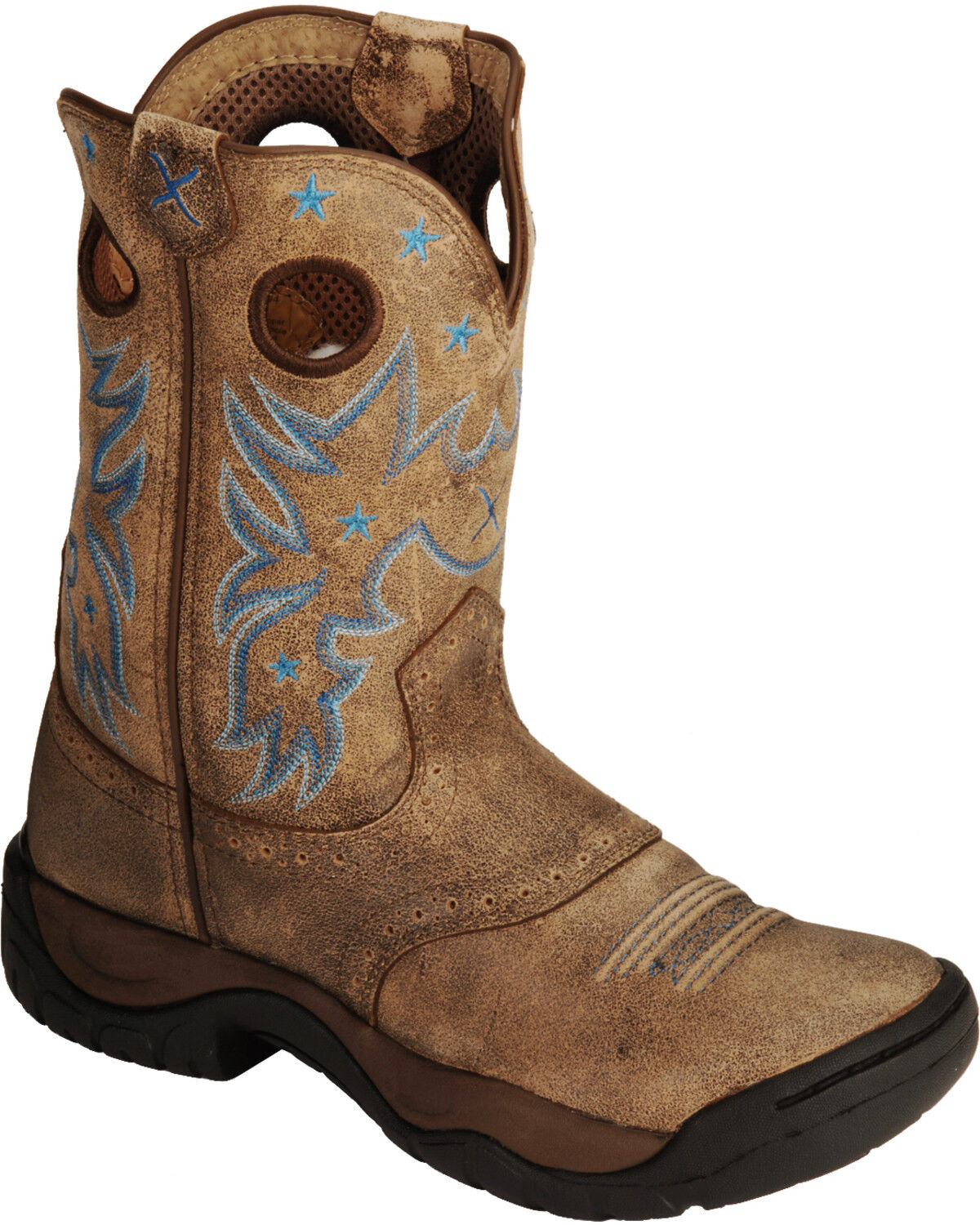
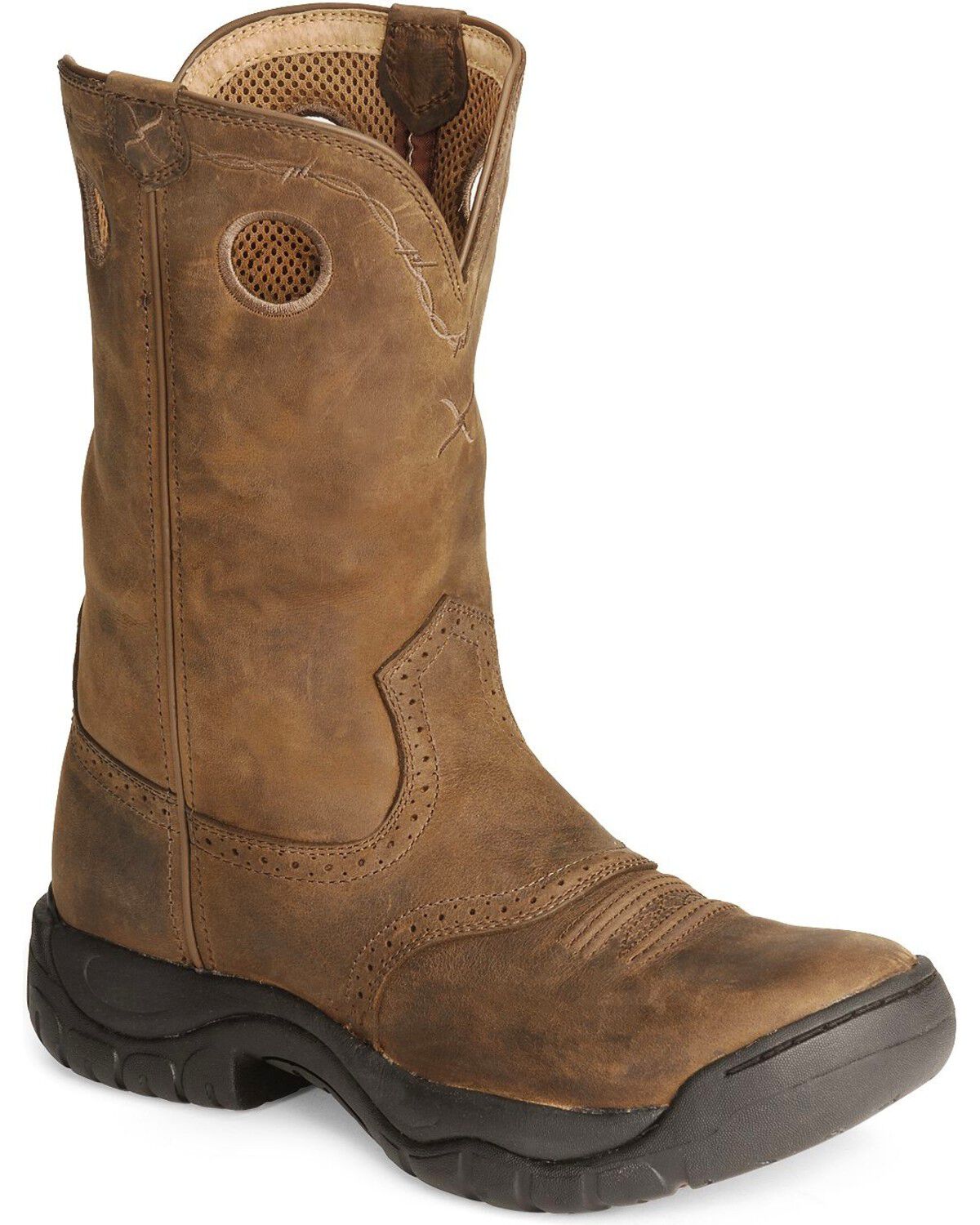
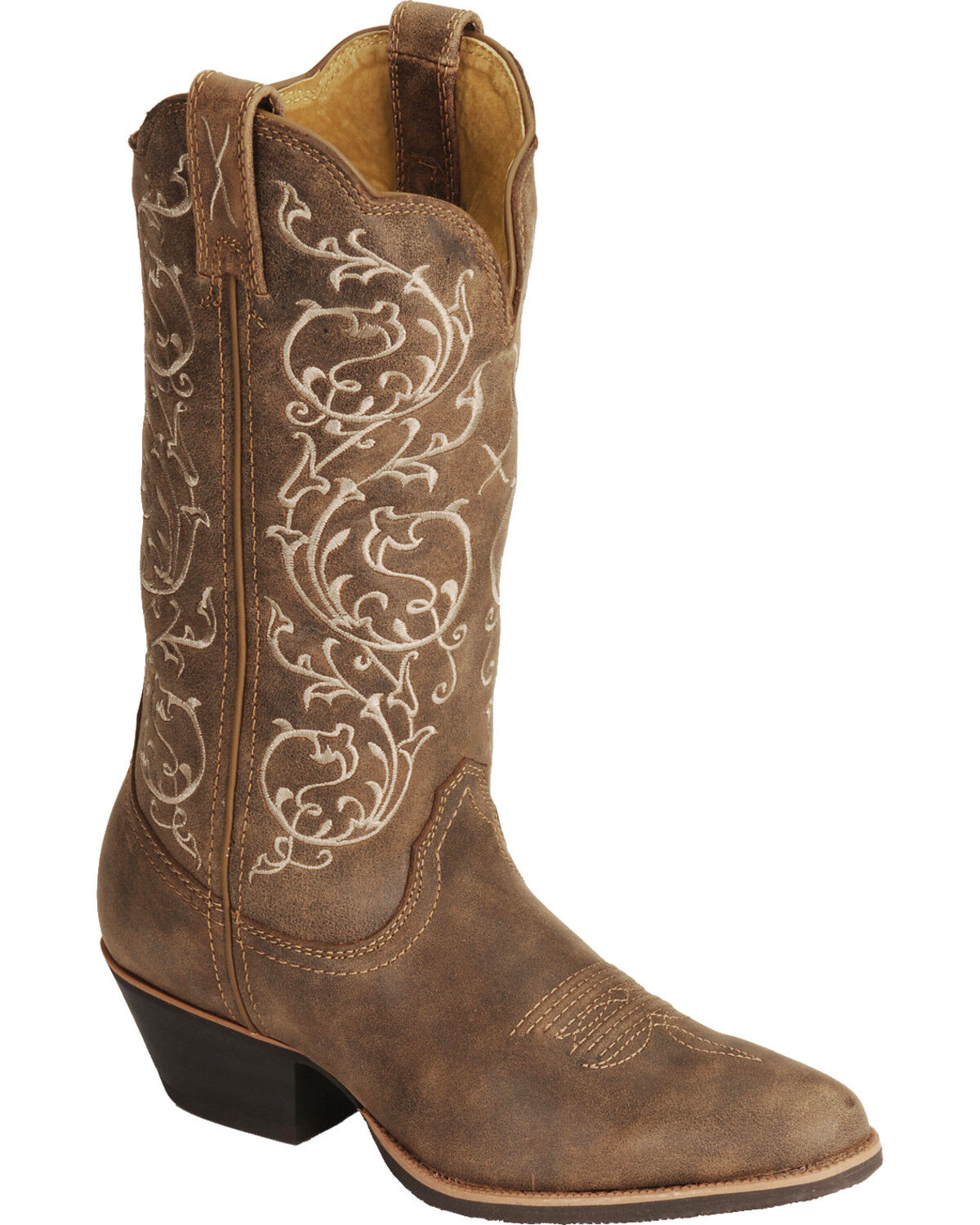
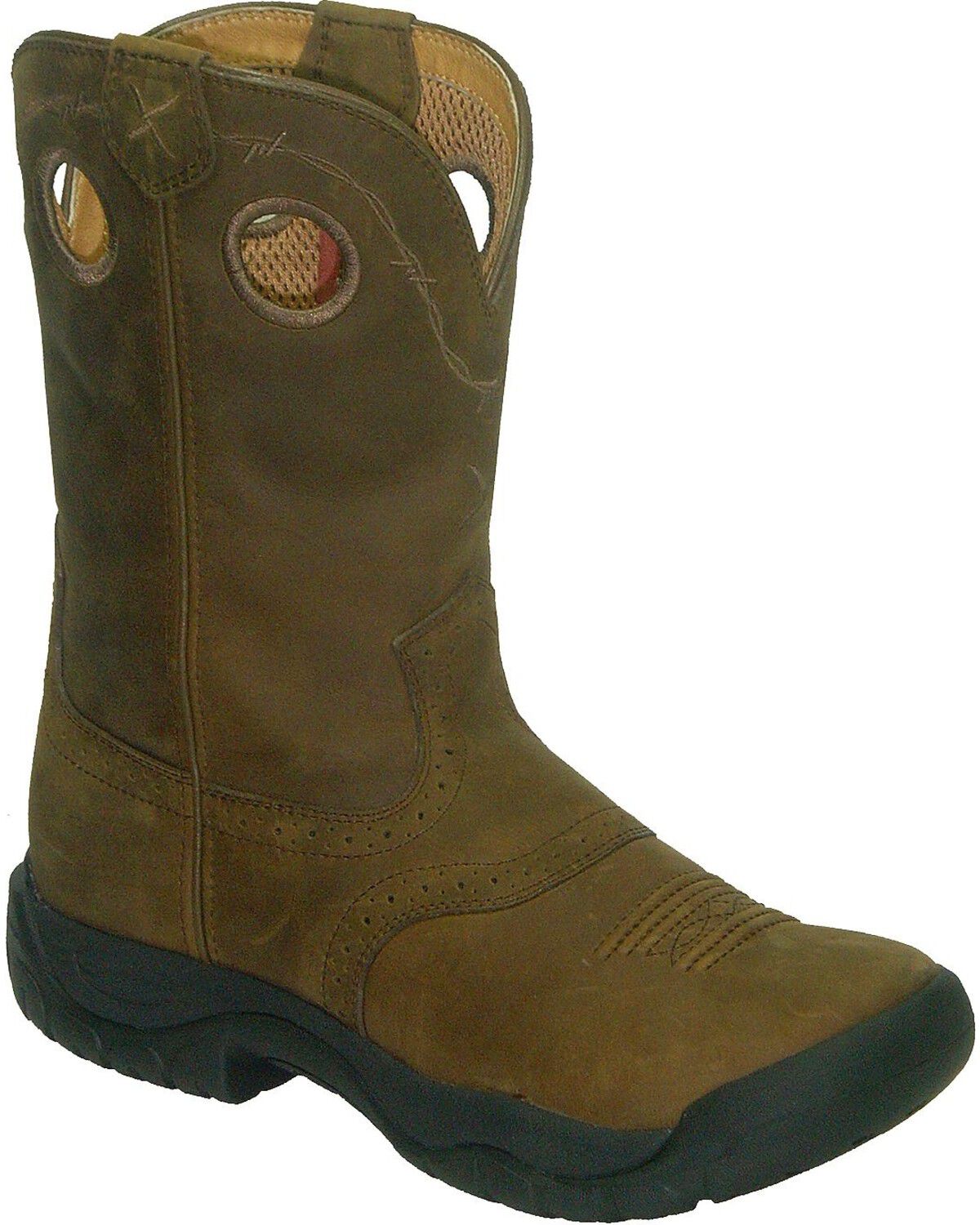
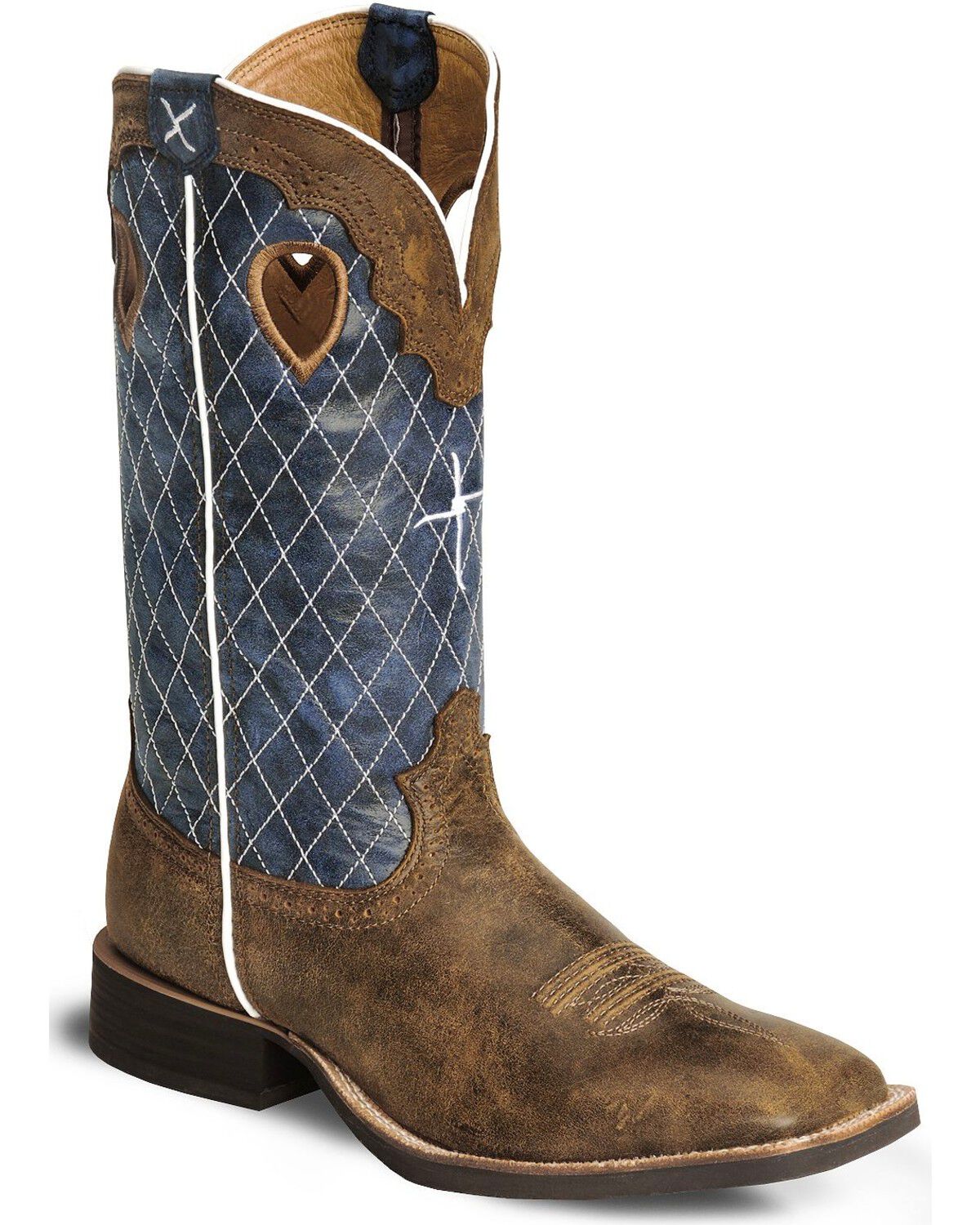
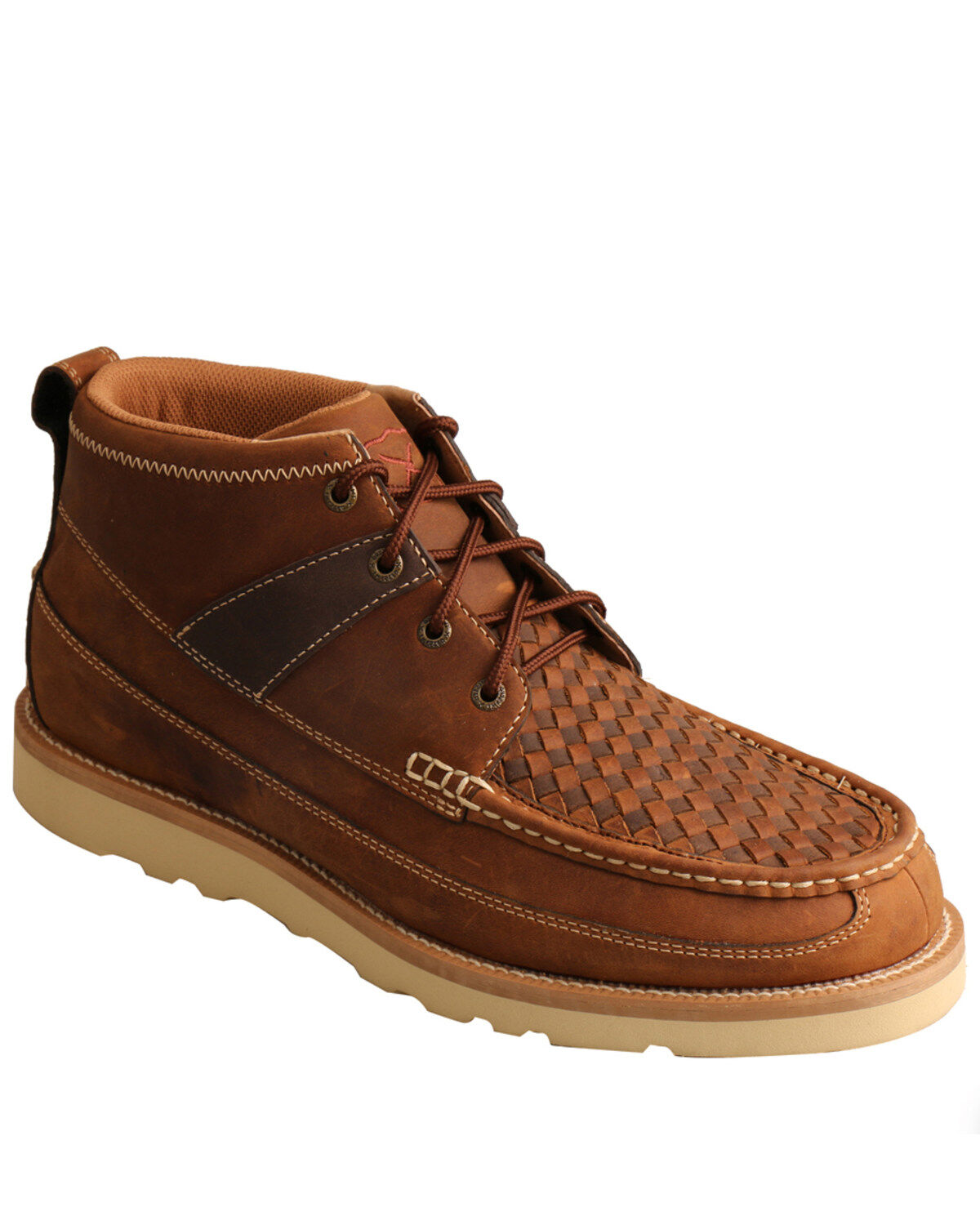
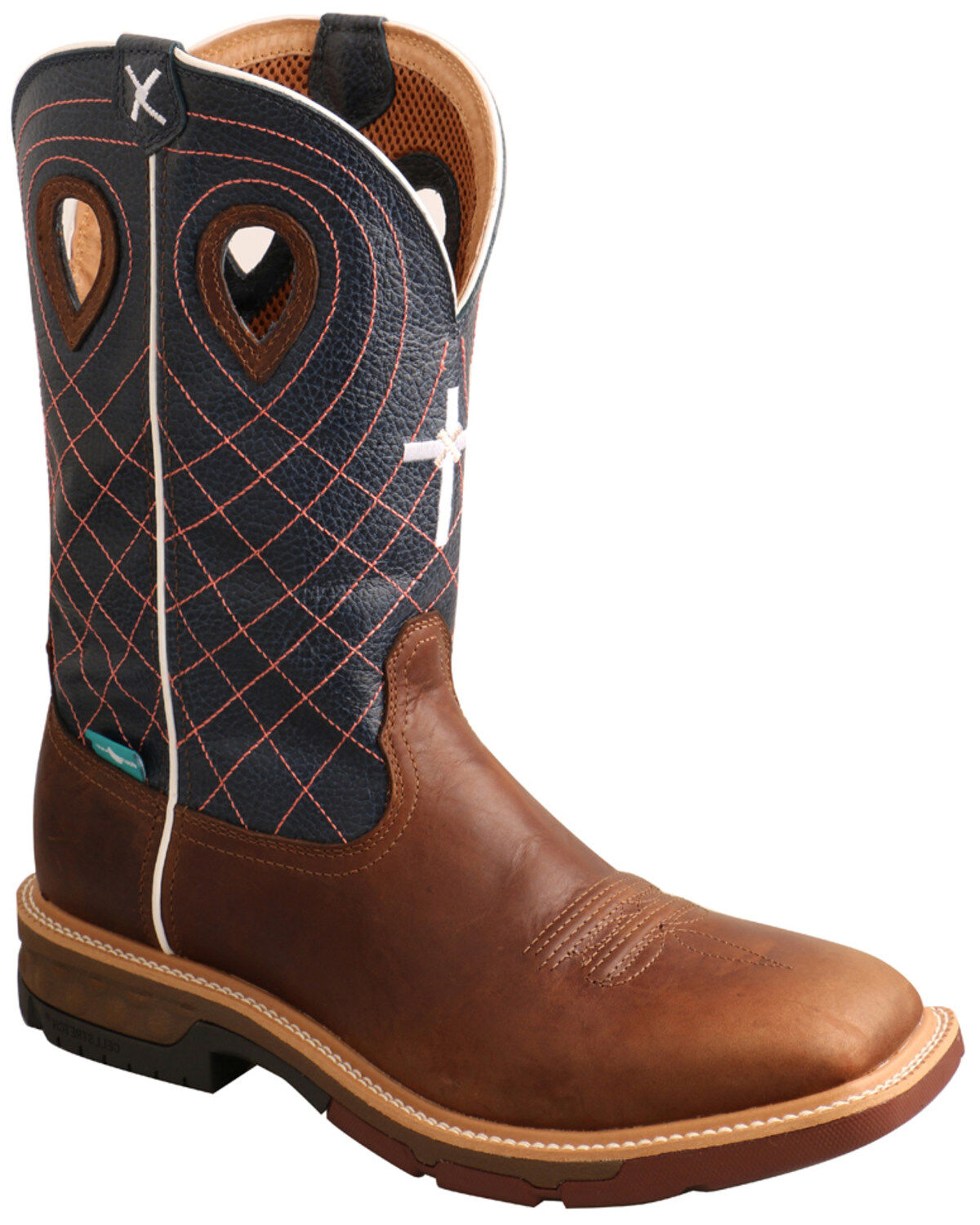
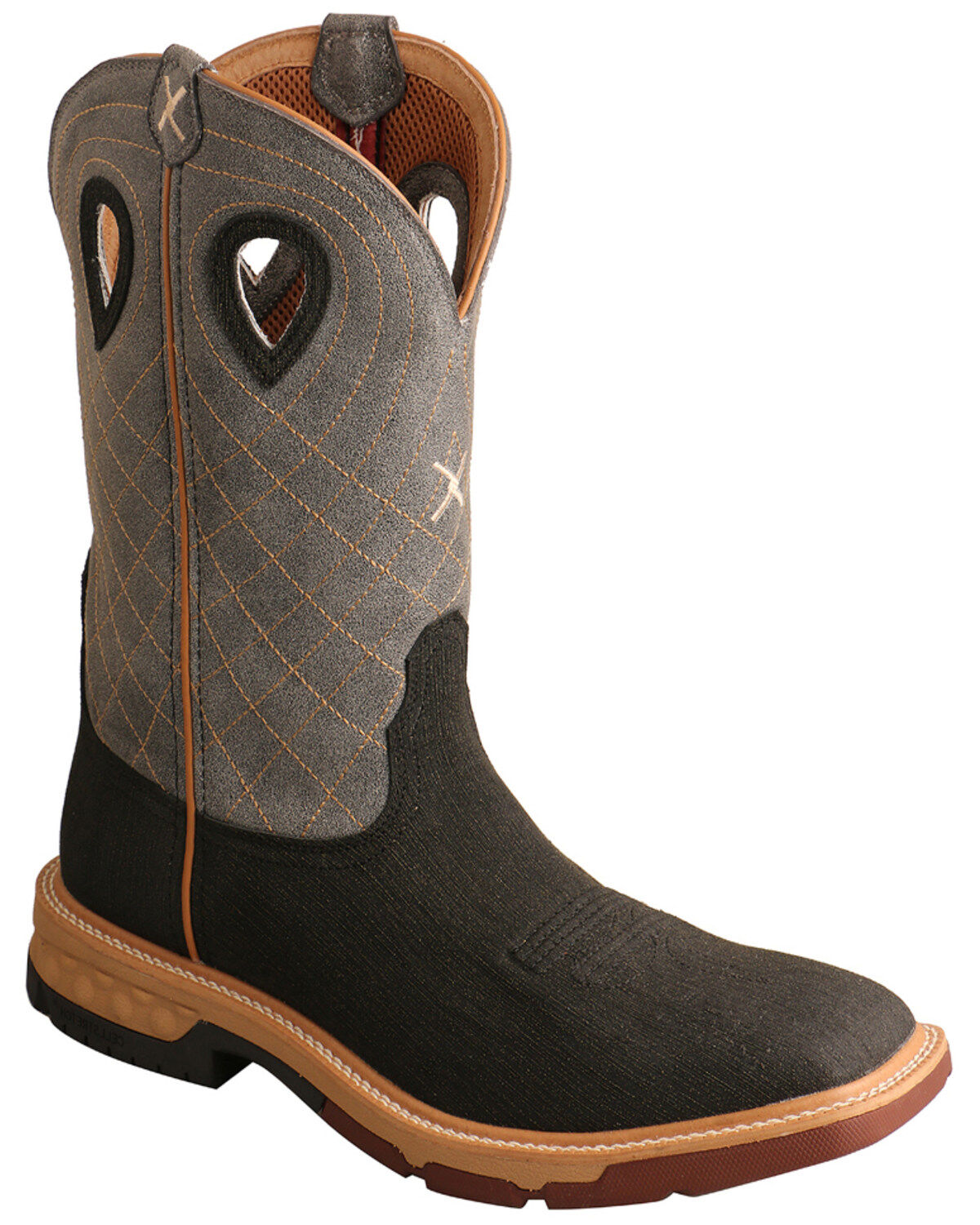
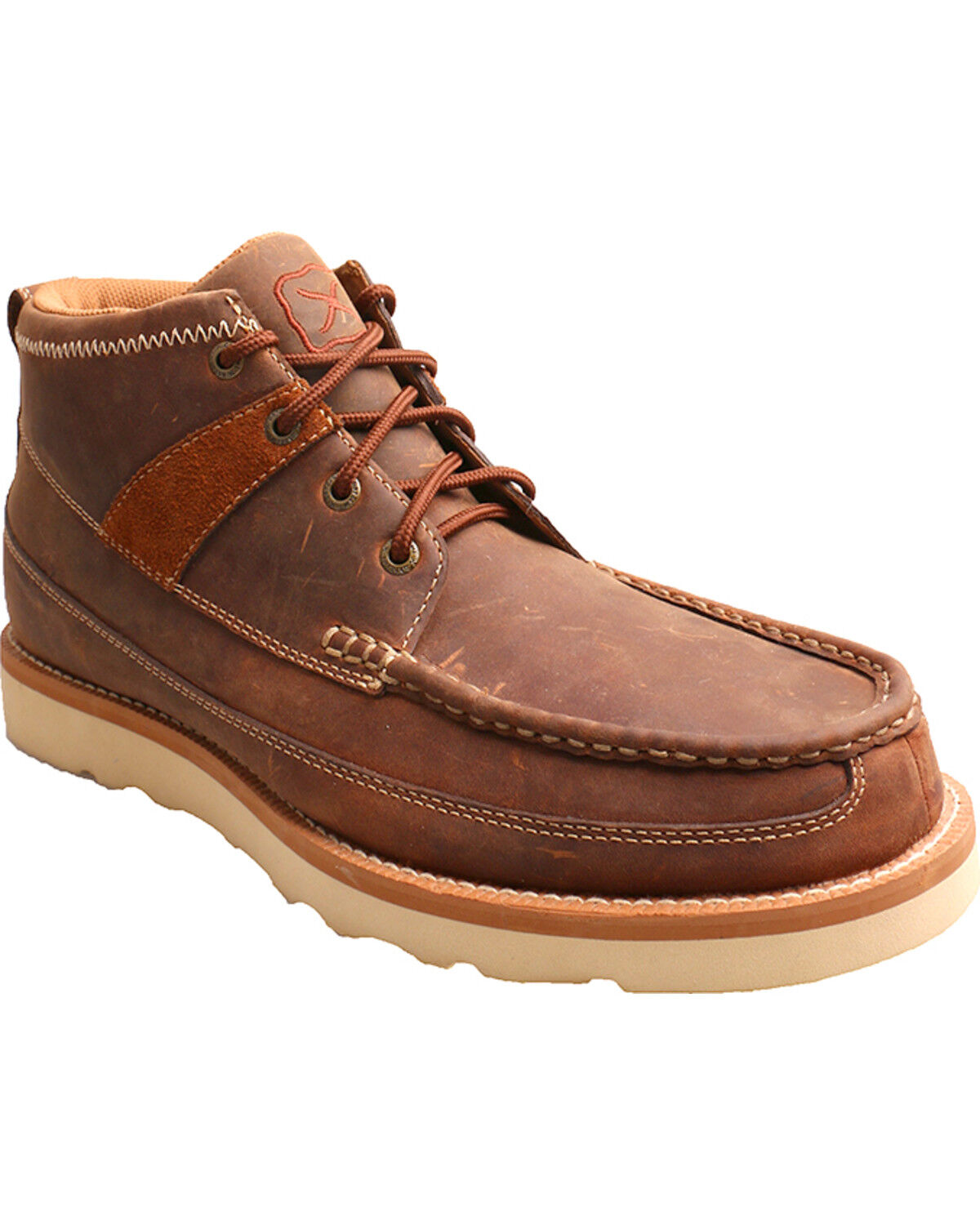
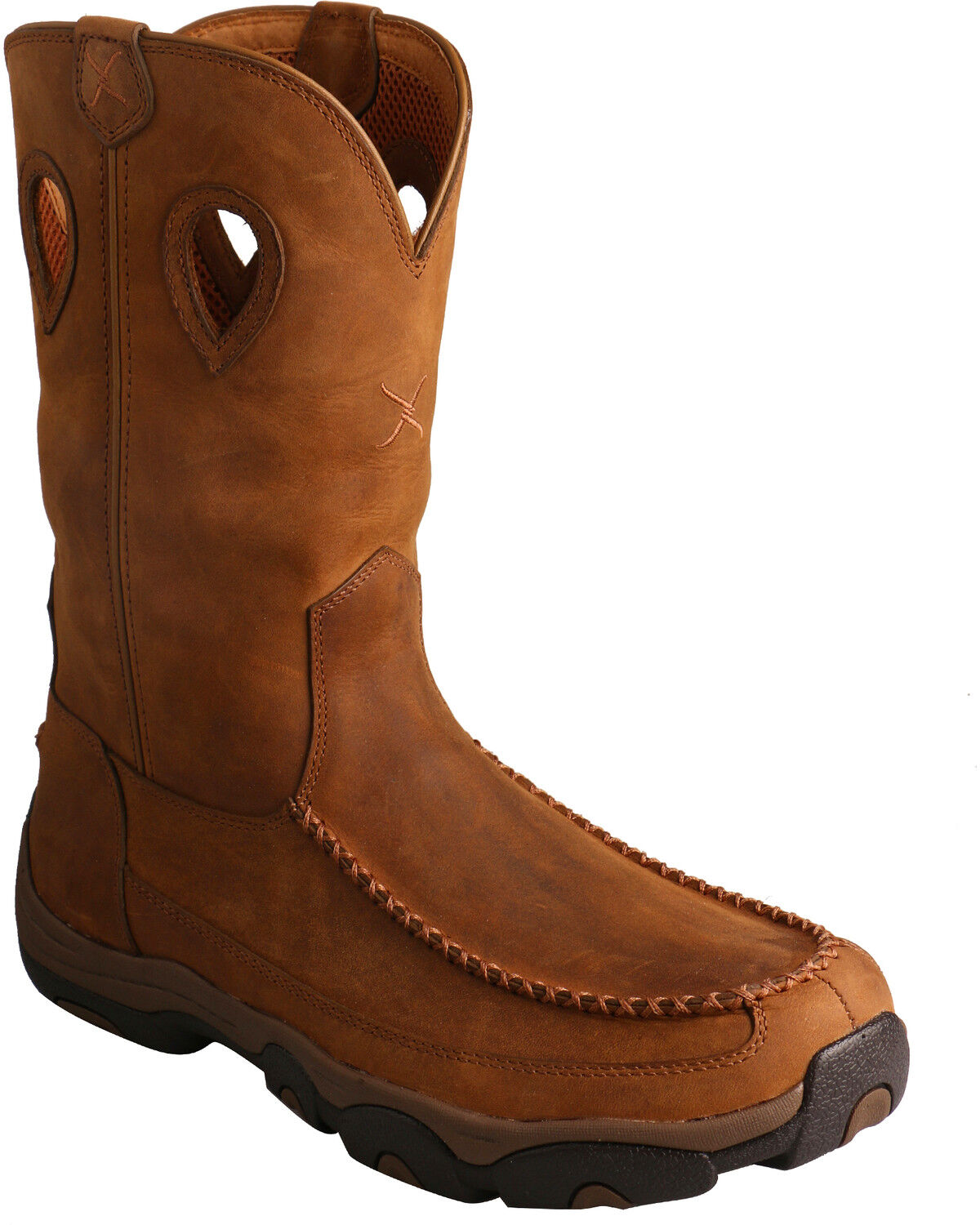
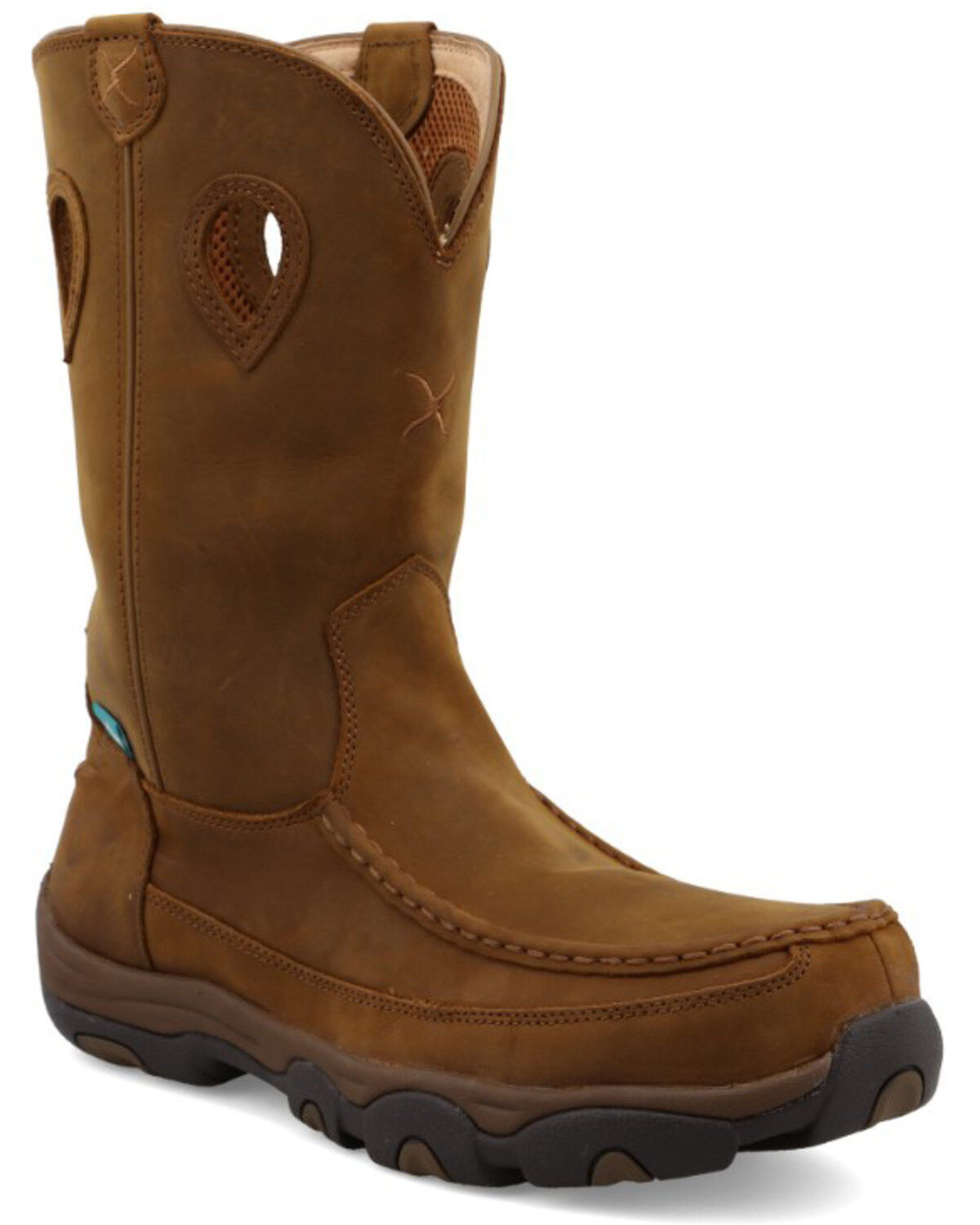
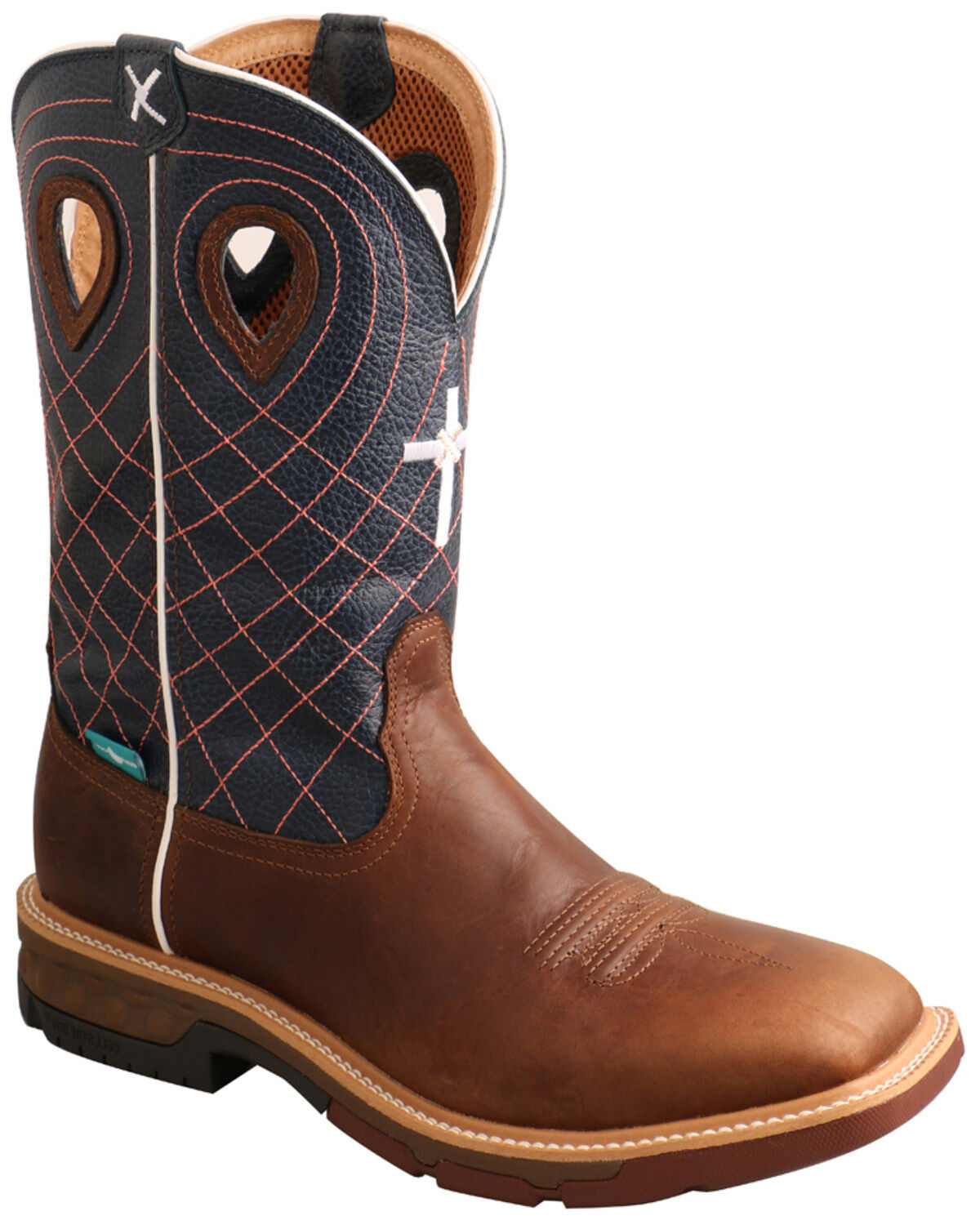
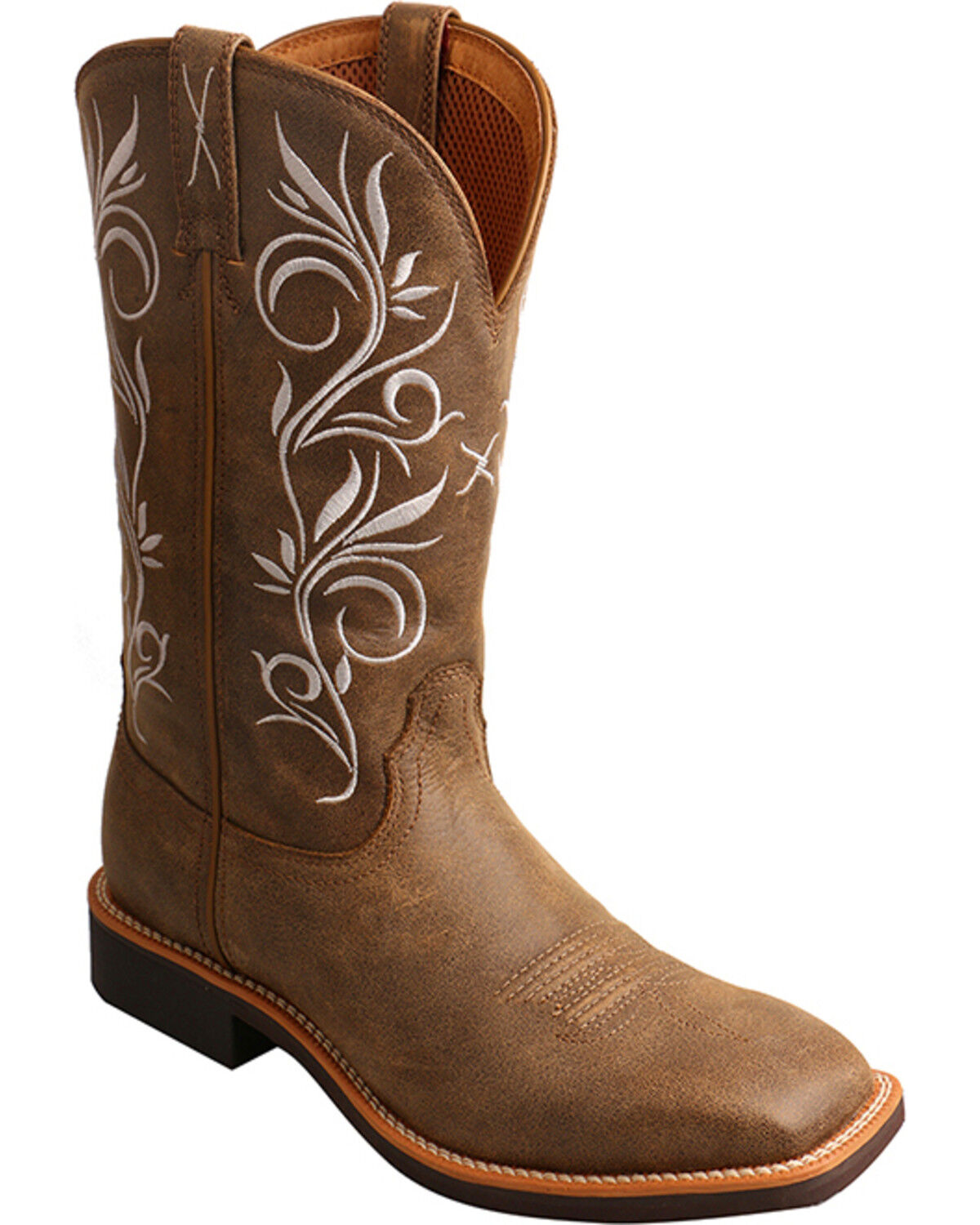
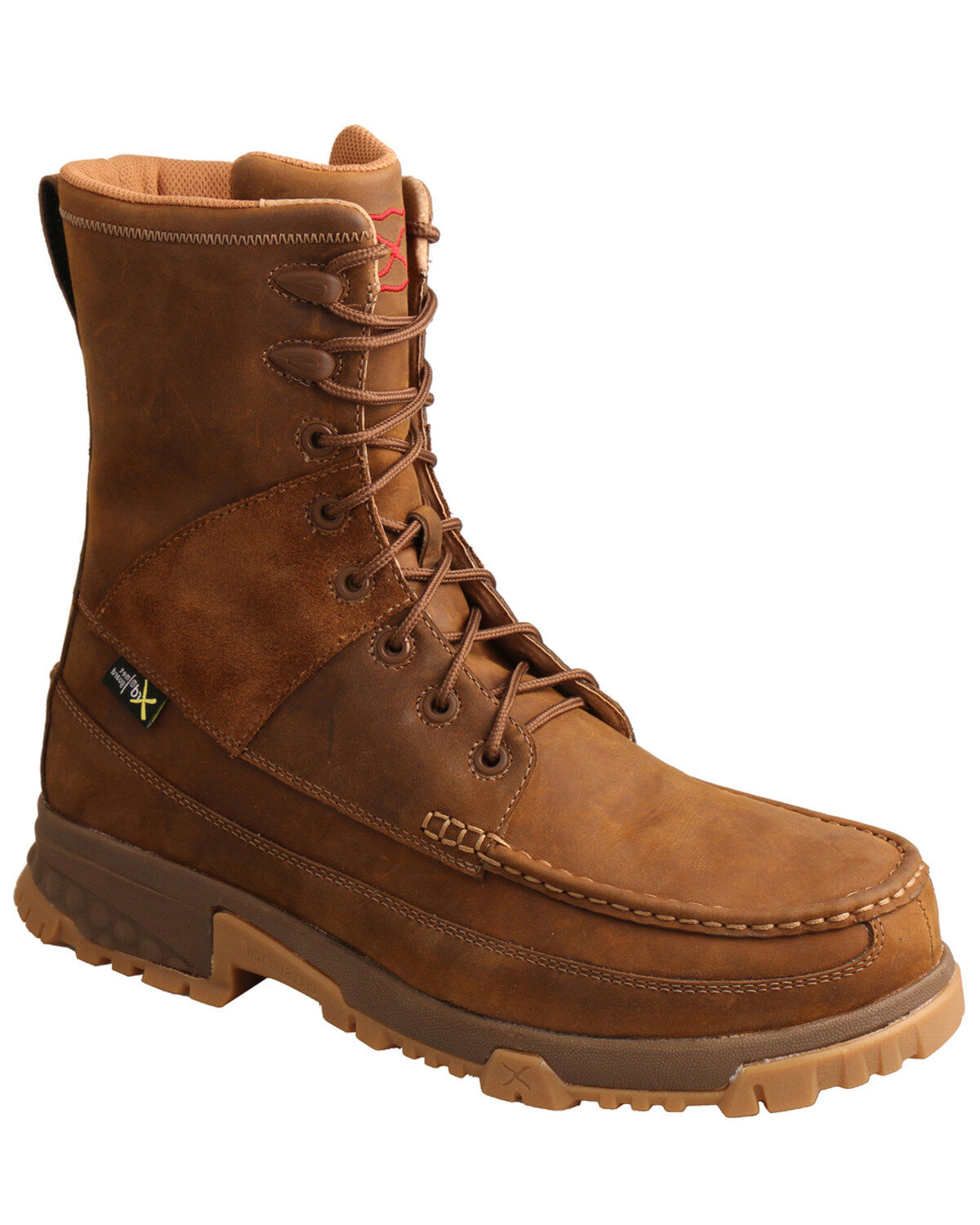
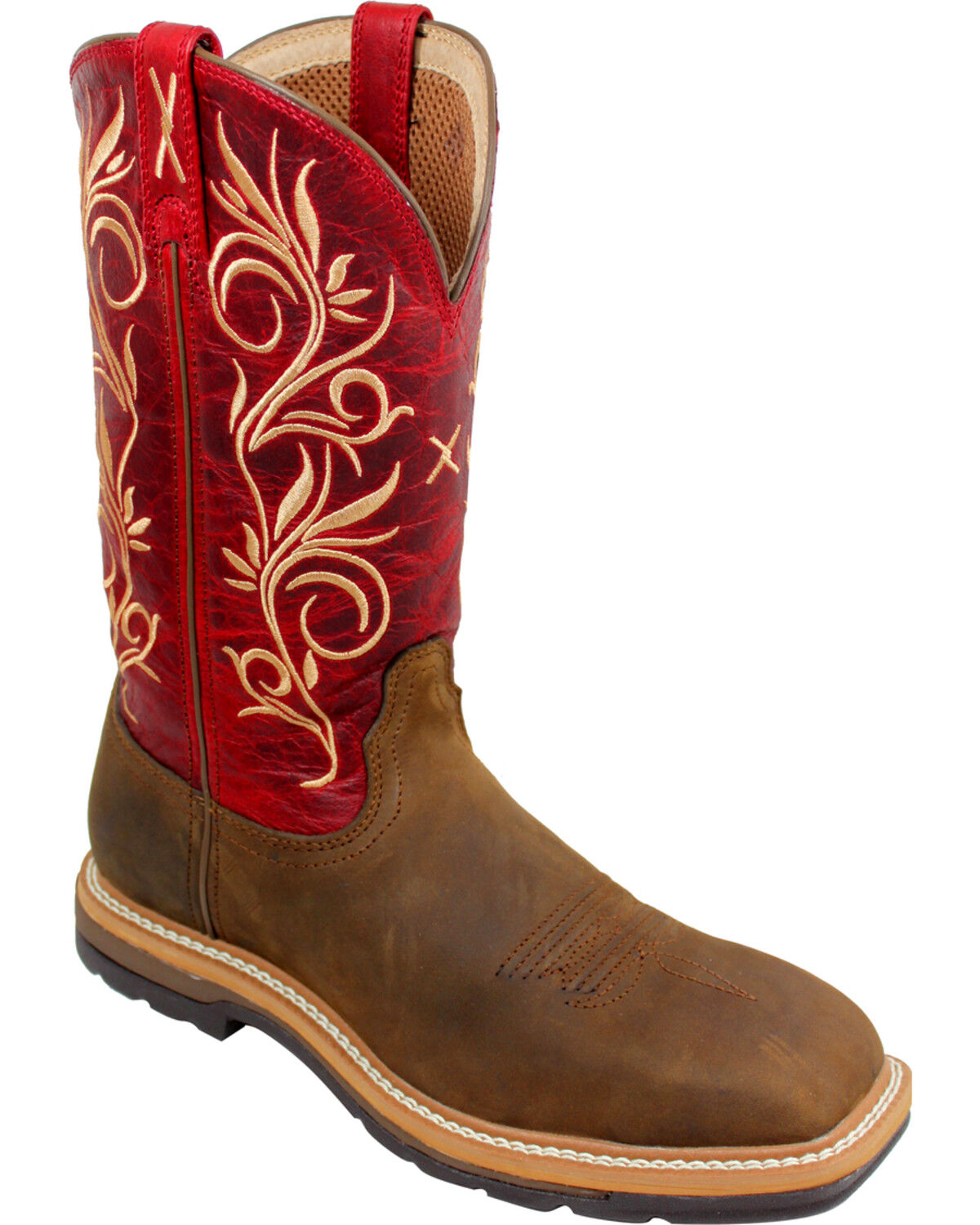
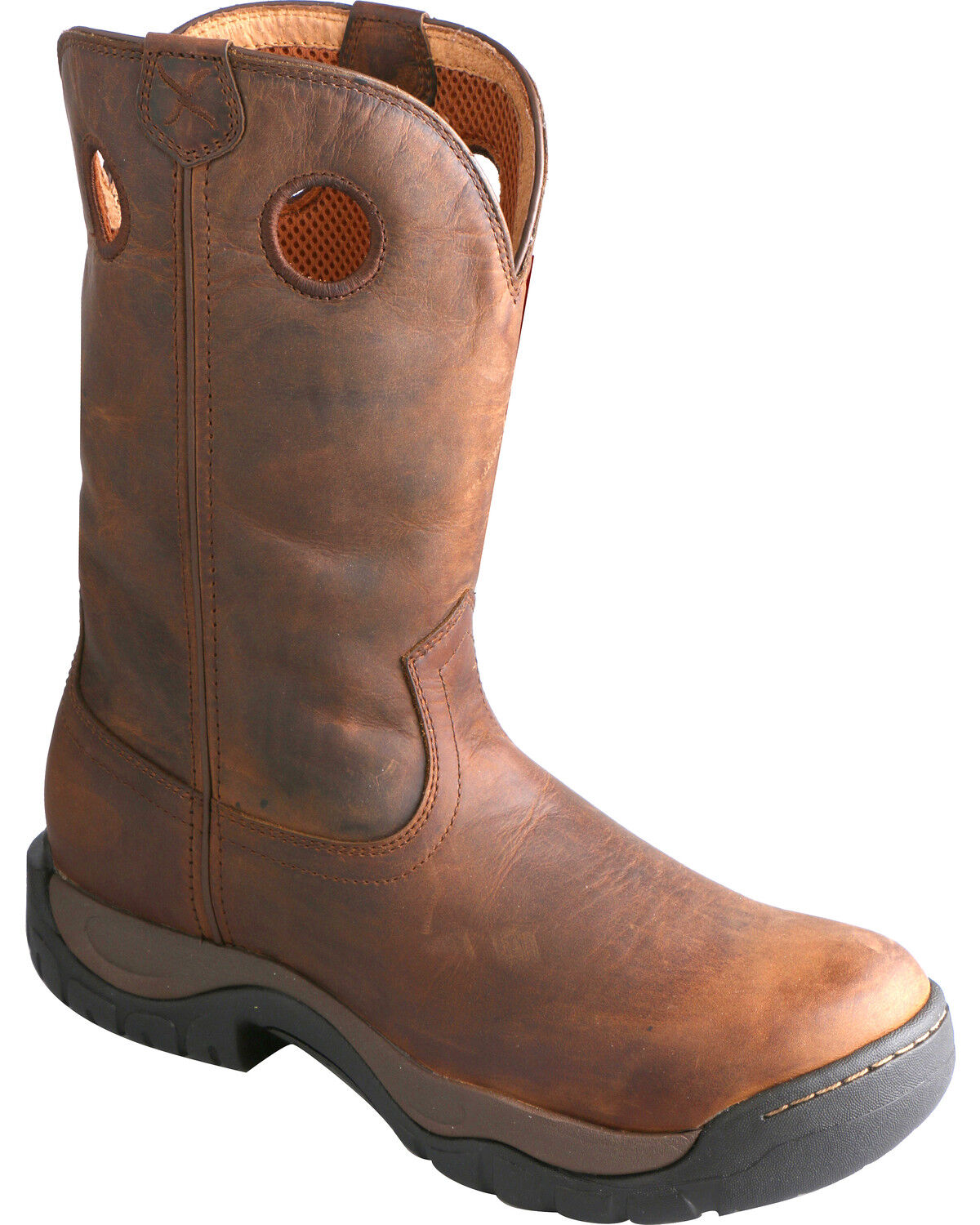
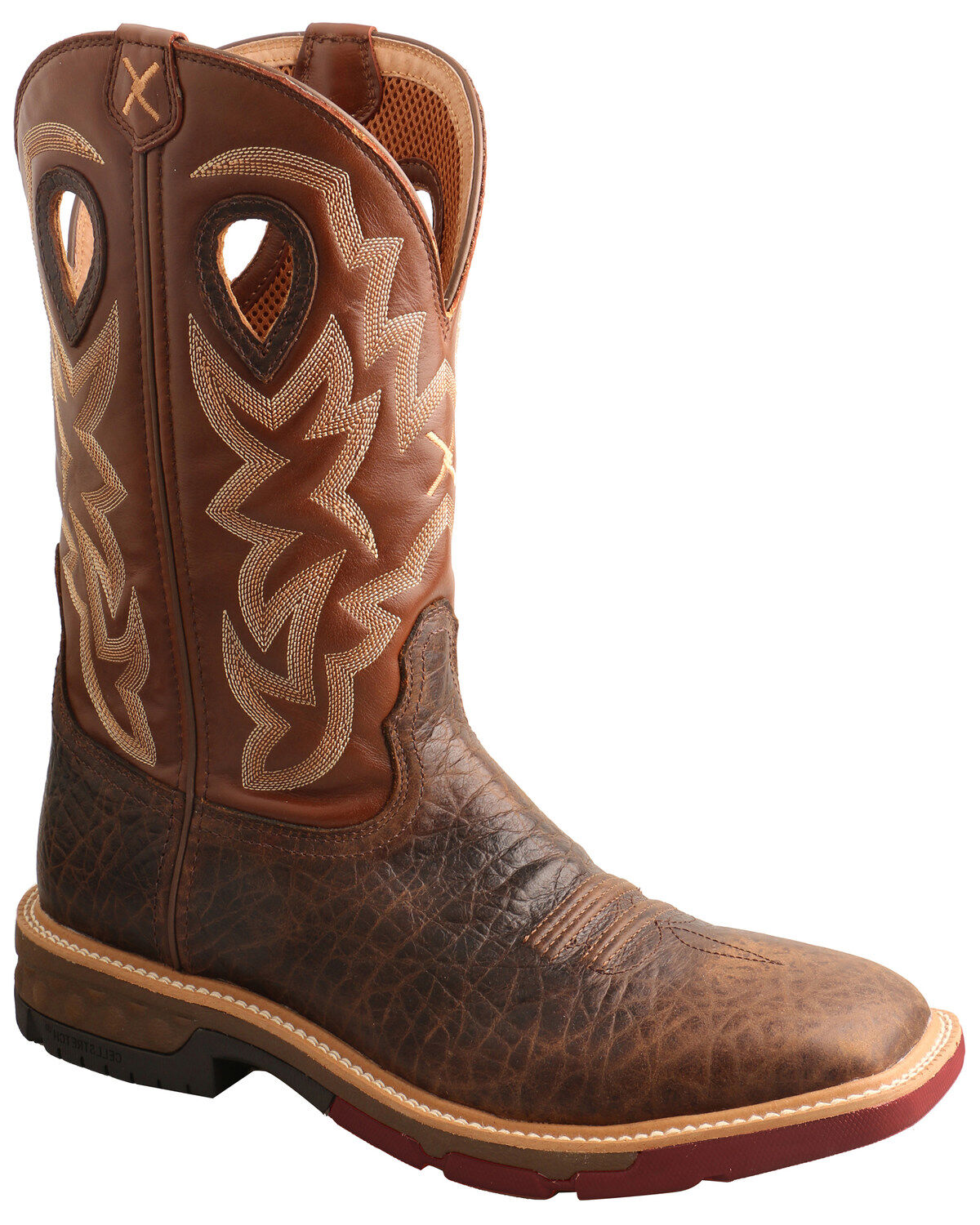
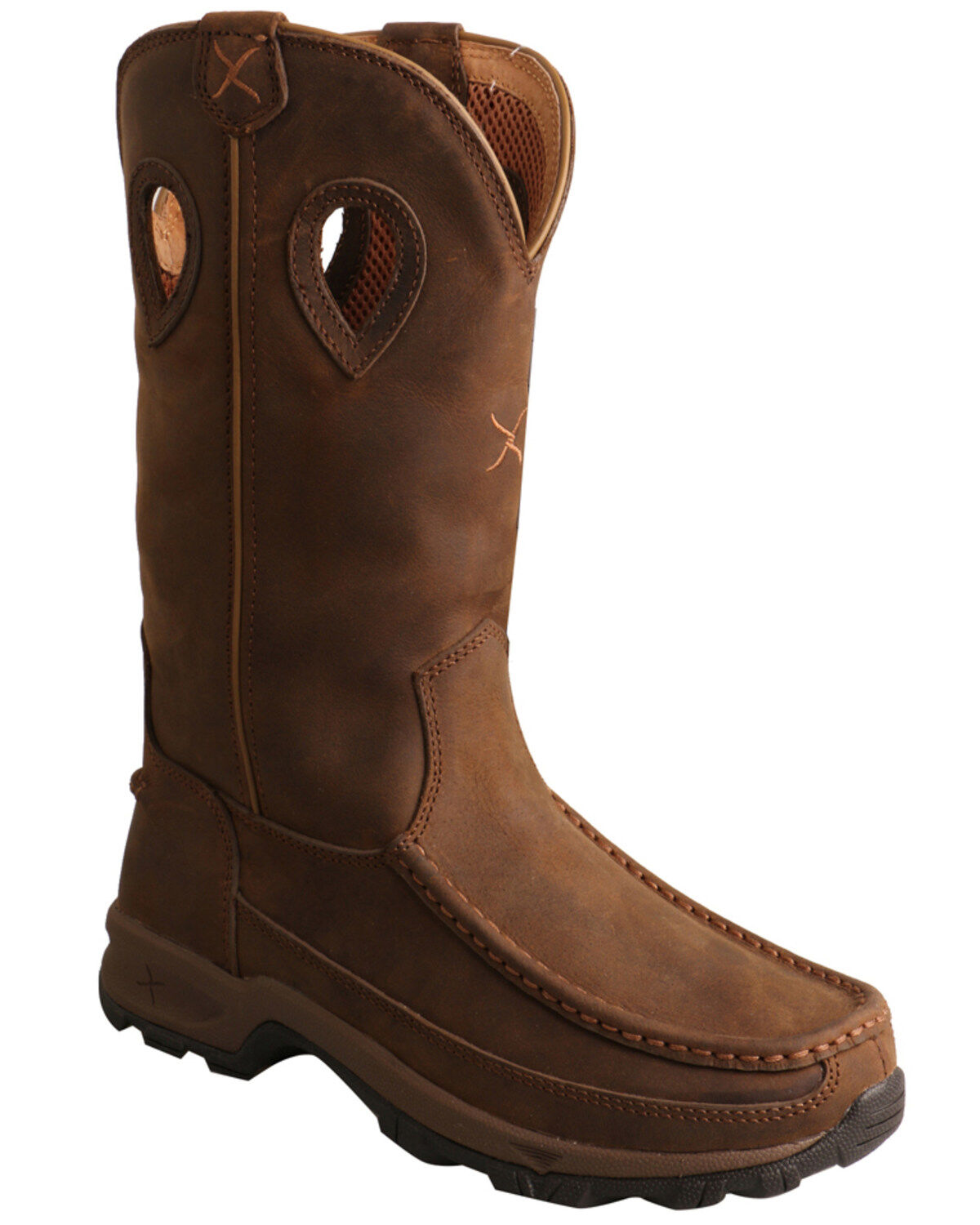
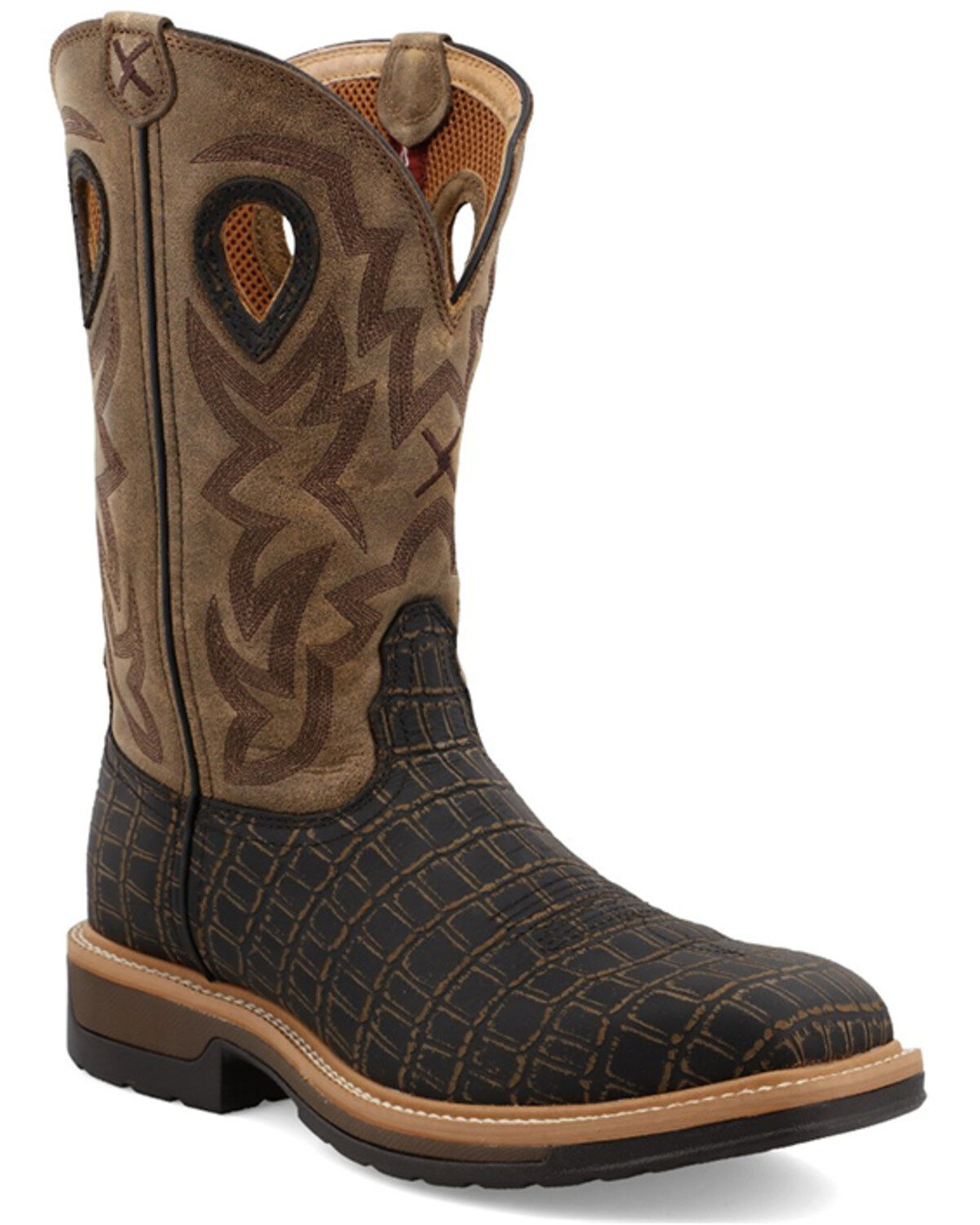
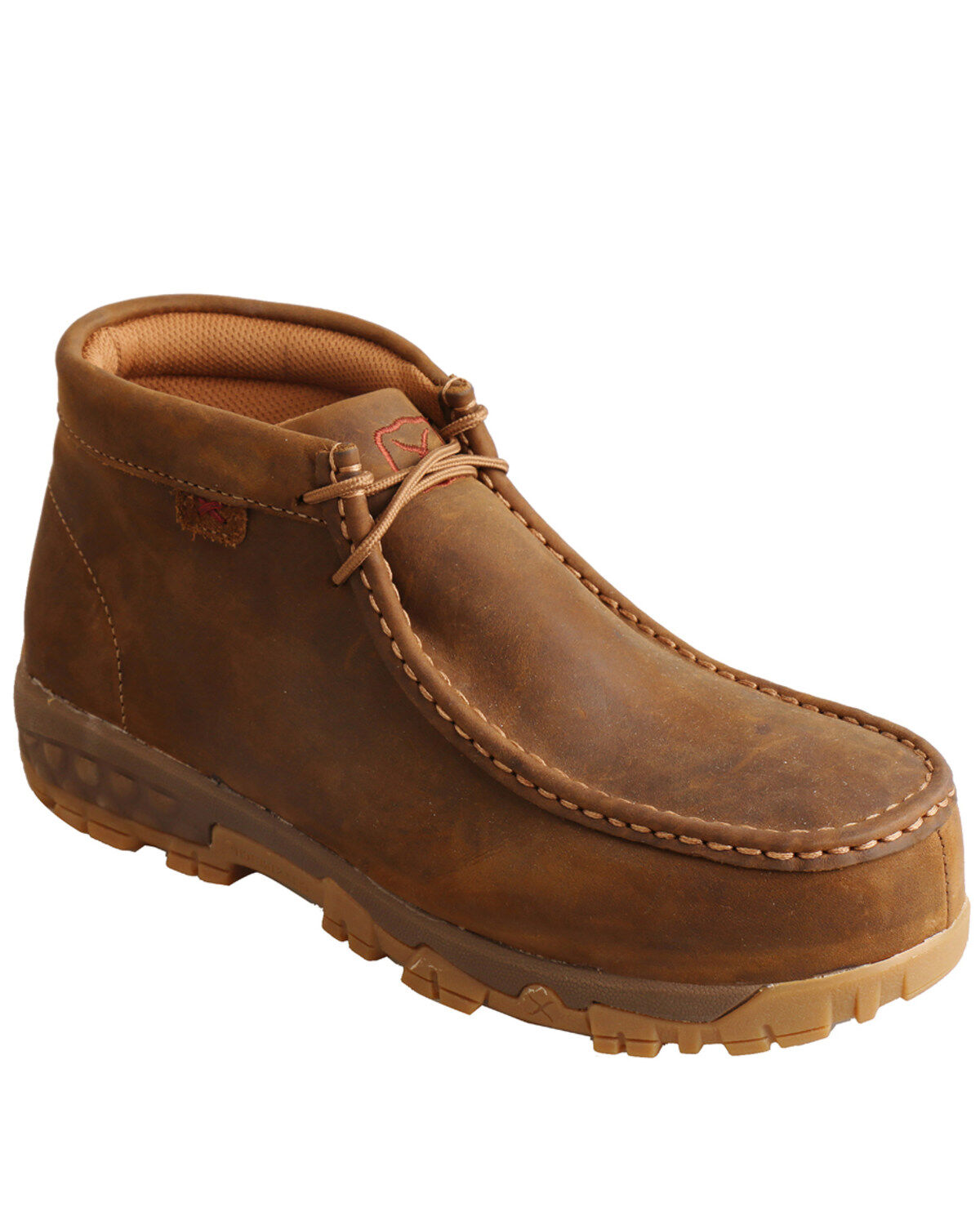
Twisted X Boots

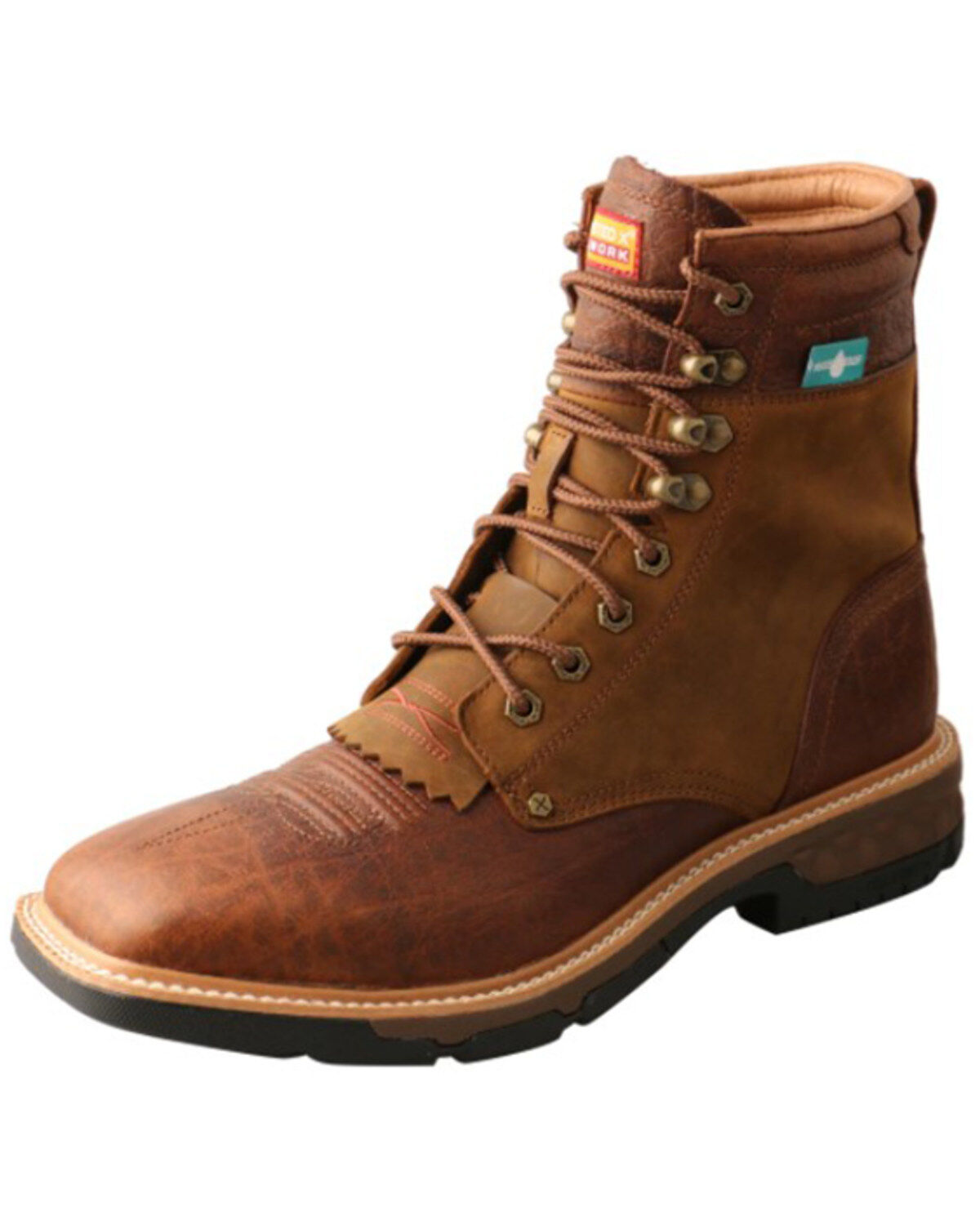
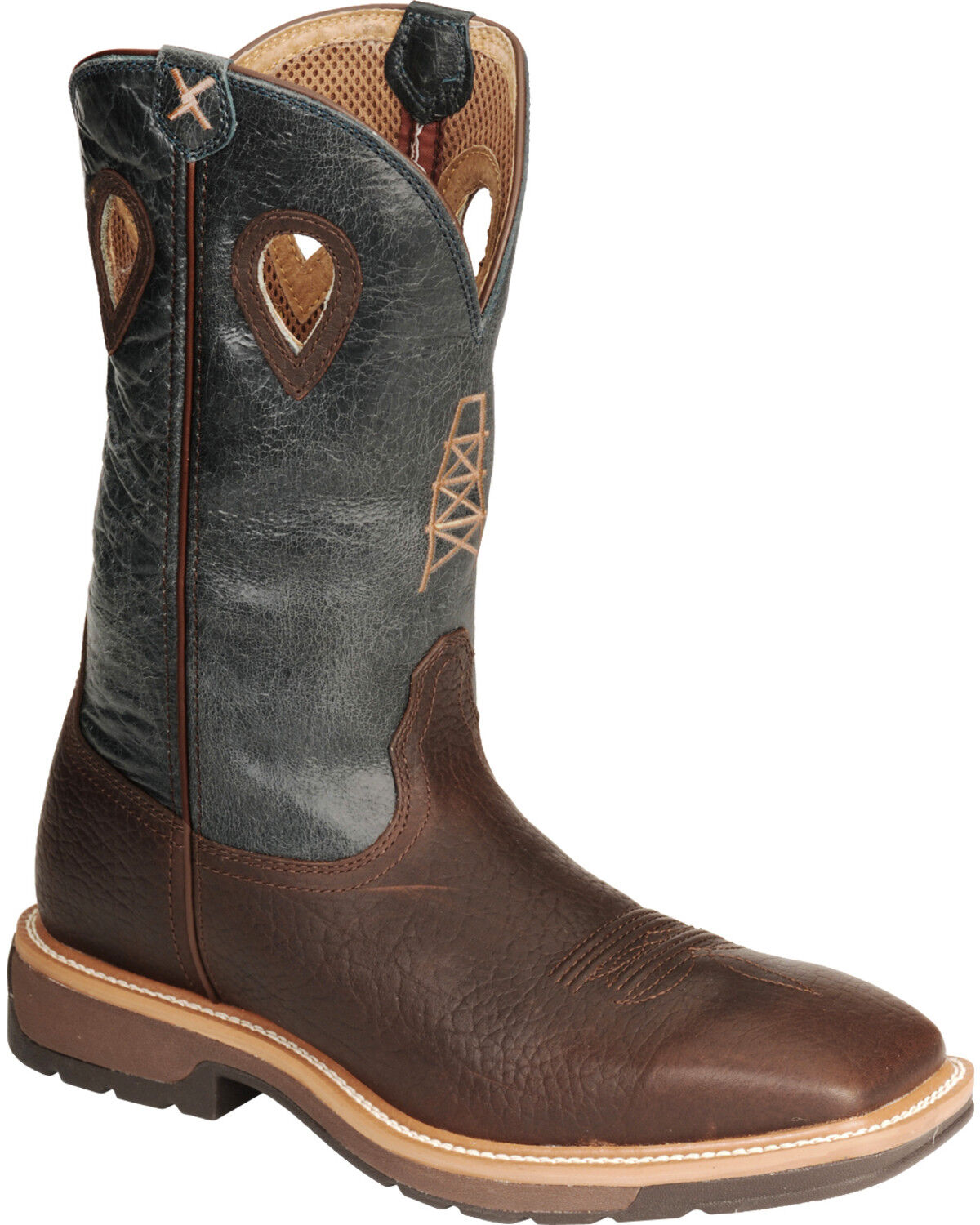
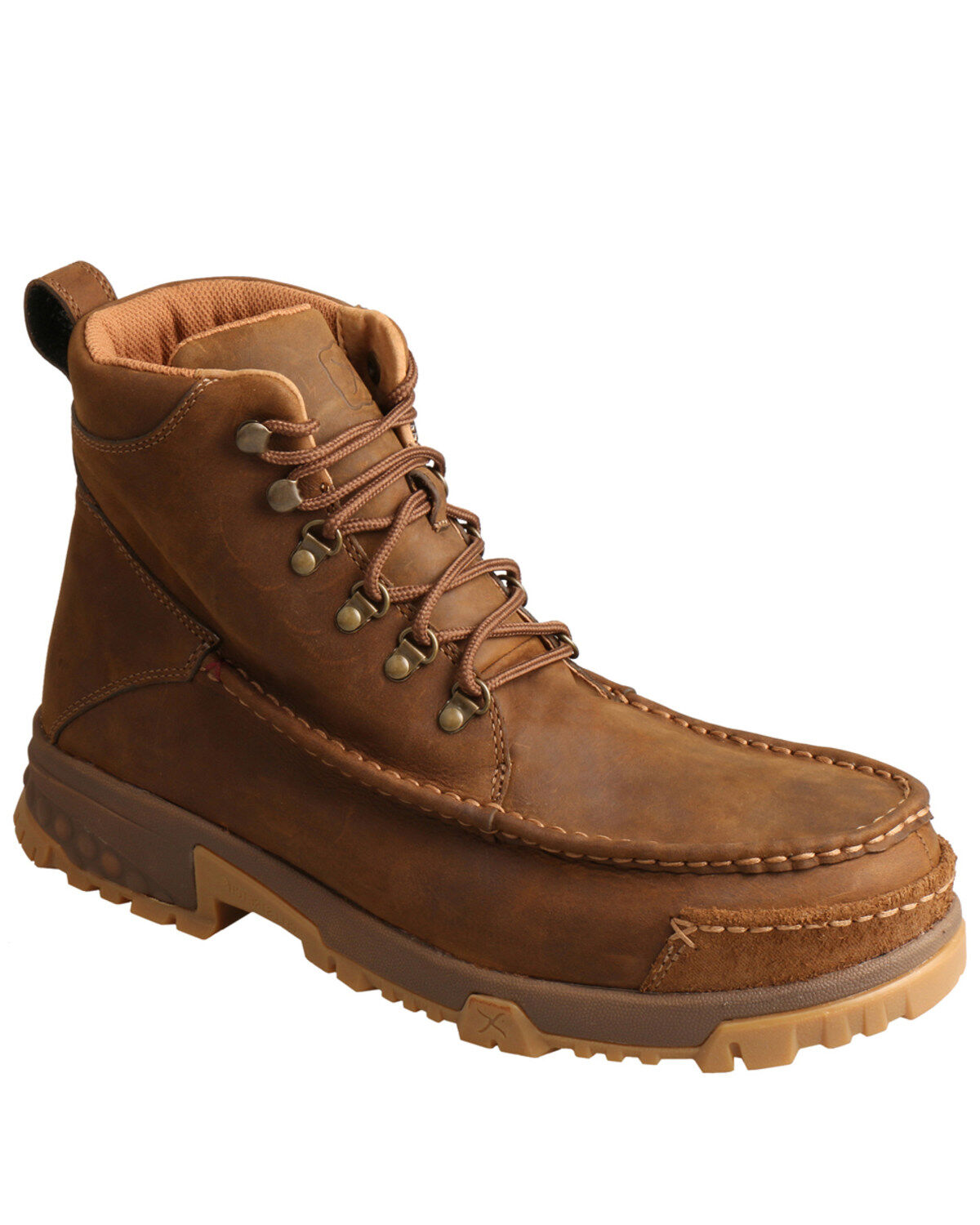
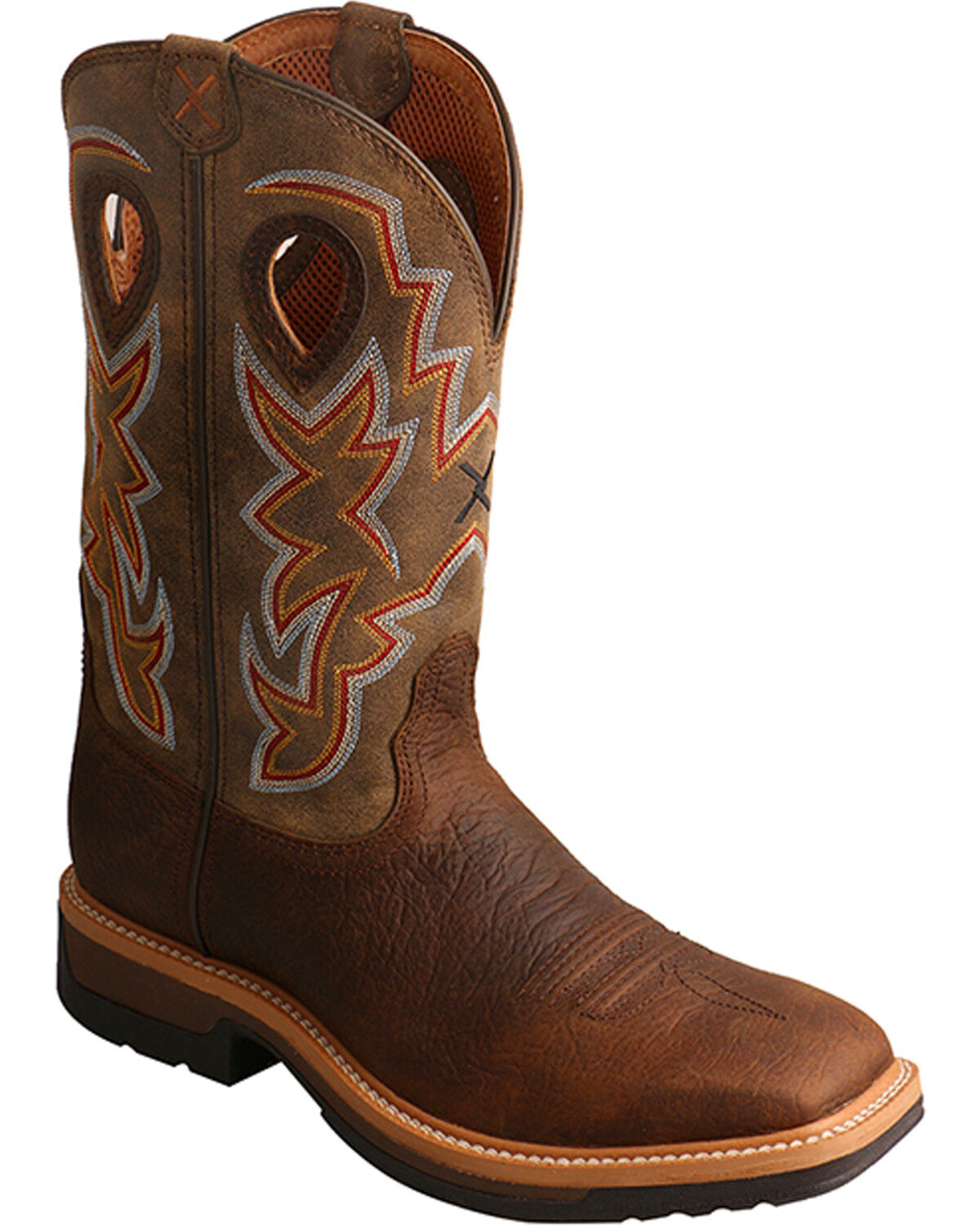
Shop Twisted X boots at Boot Barn and compare available styles and sizes for your next pair. Check each pair’s sizing information, features, and intended use to choose boots that fit your needs, whether you are shopping for work or everyday wear.

Shop Your Store: Shop Your Store: Find a Store

(Turn off Shop Your Store to see all items)

(Turn off Shop Your Store to see all items)

close
  • Recommended
  • Lowest Price
  • Highest Price
Skip pass products

End of products

Twisted X Boots

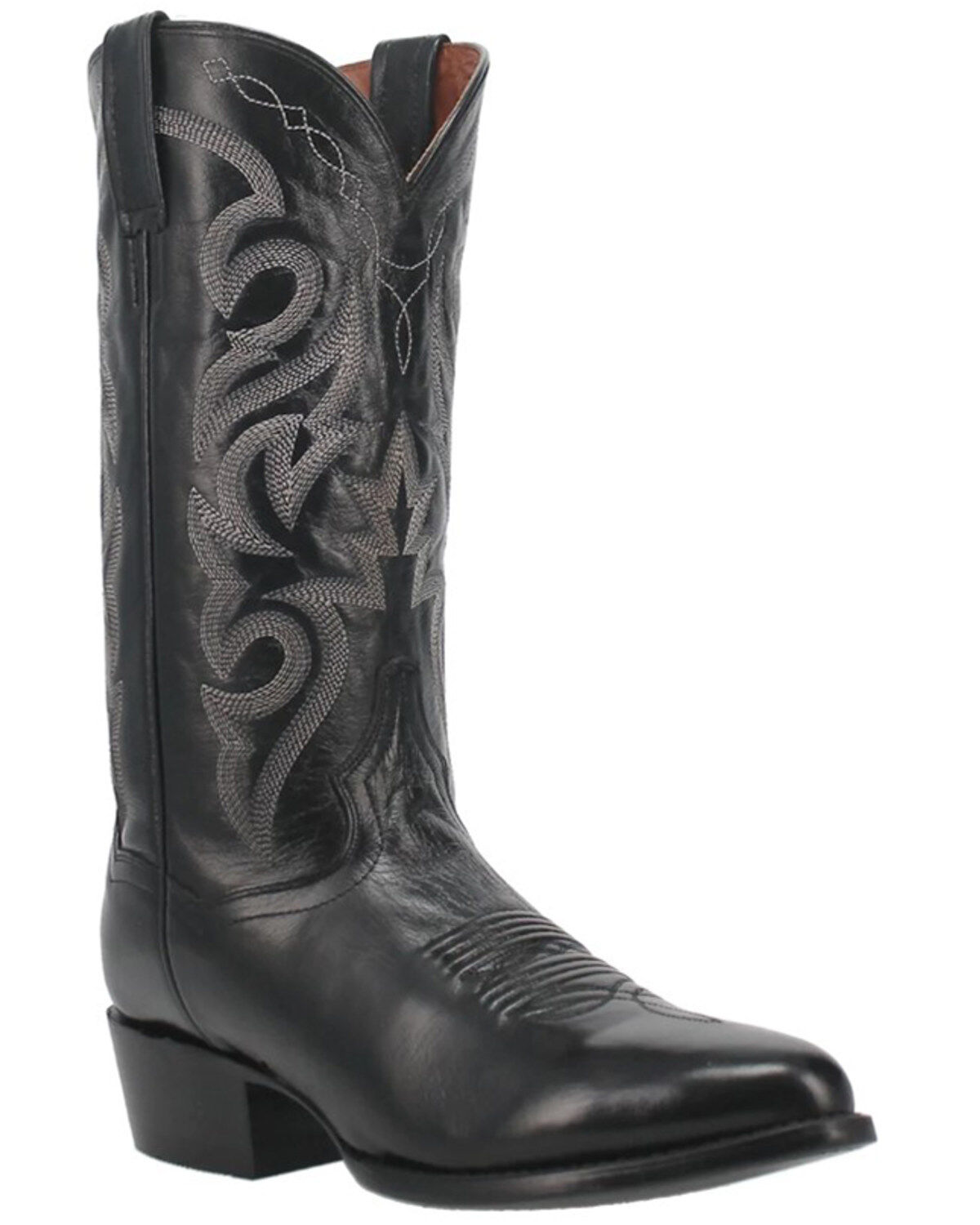
Comfort-focused western boots bring familiar styling to days spent on foot, behind the wheel, and handling chores around a property. Their appeal starts with a practical combination: a supportive base, a comfortable interior, and an upper that can handle regular wear. A pull-on shaft keeps laces out of the equation, while stitching, toe shape, and leather finish give each pair its character. For someone moving between a workshop, a feed room, and a casual dinner, those details matter in different ways. The sole needs to suit the ground underfoot, the fit needs to stay comfortable through a full day, and the profile needs to work with everyday clothing. Leather is a common choice because it develops character with wear and, with proper care, can remain useful for years. Smooth leather generally wipes clean more easily than suede or roughout, while textured finishes have a different feel and require their own cleaning methods. Textile panels and lining materials can affect flexibility, weight, and how the boot feels against the foot. Construction deserves attention alongside appearance. Reinforced stitching, secure sole attachment, and protection around high-wear areas can help a boot hold up to repeated bending and contact with rough surfaces. Rubber outsoles are often chosen for their cushioning and traction, although tread patterns vary considerably. A deeper tread can help on loose ground but may collect dirt, while a lower-profile sole can be easier to clean after everyday wear. The right balance depends on where the boots will spend most of their time. Walking across a concrete shop floor is different from crossing gravel or spending several hours in a vehicle. Western footwear is not one uniform category, and a familiar shape does not make every pair suitable for the same task. Intended use, sole design, and construction tell more about a boot than decorative stitching alone. A dependable everyday pair earns its place by feeling right and doing the work expected of it.

Fit has a direct effect on comfort, especially in pull-on boots that cannot be tightened with laces. The foot should feel secure across the instep without pinching, and the toes need room to rest naturally rather than pressing against the front or sides. A small amount of heel movement can occur in a new pull-on boot, but repeated slipping, rubbing, or difficulty keeping the foot settled can point to a poor fit. Leather may soften with wear, yet a boot that is painfully tight should not be expected to become comfortable simply through use. Toe shape also changes how a boot feels. A broad square profile may provide a different interior shape than a rounded or tapered toe, but the label alone does not establish the fit. Width, footbed shape, and the placement of the ball of the foot all matter. Trying boots with the socks normally worn for work or daily use gives a more useful sense of fit than relying on size alone. Shaft height and circumference deserve the same attention, particularly for people who prefer jeans tucked inside or need more room through the calf. Underfoot cushioning can soften the feel of hard surfaces, while a stable heel and supportive footbed help keep the foot positioned comfortably. More padding is not always the answer; a boot still needs enough interior space and structure to avoid crowding or instability. For work settings, comfort should be considered alongside the actual safety requirements of the job. Protective toes, electrical hazard protection, and slip resistance are separate features, not assumptions that come with a work-ready appearance. Required protection should be confirmed through the boot’s stated specifications. Riding calls for its own considerations, including heel shape and compatibility with the stirrup. A sole built for walking or general chores may not be the right choice for horseback use. Matching the construction to the task keeps the decision grounded in how the boots will be worn.

Regular care helps preserve both the leather and the structure beneath it. Dust and grit left around seams can contribute to wear, so a soft brush or damp cloth is useful for routine cleaning when the material allows it. Smooth leather may benefit from a compatible conditioner applied in moderation, while suede and roughout generally need products intended for those finishes. Too much conditioner can alter the feel or appearance of leather, and a cleaner suited to one material may damage another. The manufacturer’s care directions remain the best reference for a particular construction. Boots that become damp should dry naturally away from direct heat, which can stiffen leather and damage bonded components. Removing removable footbeds can help the interior dry more thoroughly, and allowing time between wears gives moisture a chance to dissipate. Waterproofing claims also deserve a careful reading: leather by itself does not establish that a boot is waterproof. Tread worn smooth, separating soles, and damaged stitching are signs that deserve attention before they interfere with comfort or footing. Repair options depend on construction, so not every sole can be replaced in the same way. Beyond upkeep, western boots work well with straight-leg and bootcut jeans that leave enough room for the shaft. Hem length matters because fabric dragging beneath the heel wears quickly, while a hem that catches on the shaft can bunch during walking. Subtle leather finishes suit a range of everyday clothing, and more pronounced stitching or color gives the boots a stronger visual presence. For a distinct connection to place, Texas-themed boots offer another direction in western style. Boots can also make a thoughtful birthday or anniversary gift for someone who wears them regularly. Knowing the recipient’s size, preferred toe shape, calf fit, and intended use makes that choice more personal. A pair selected around those habits is more likely to become part of an ordinary day, rather than something saved for an occasional outing.

FAQs