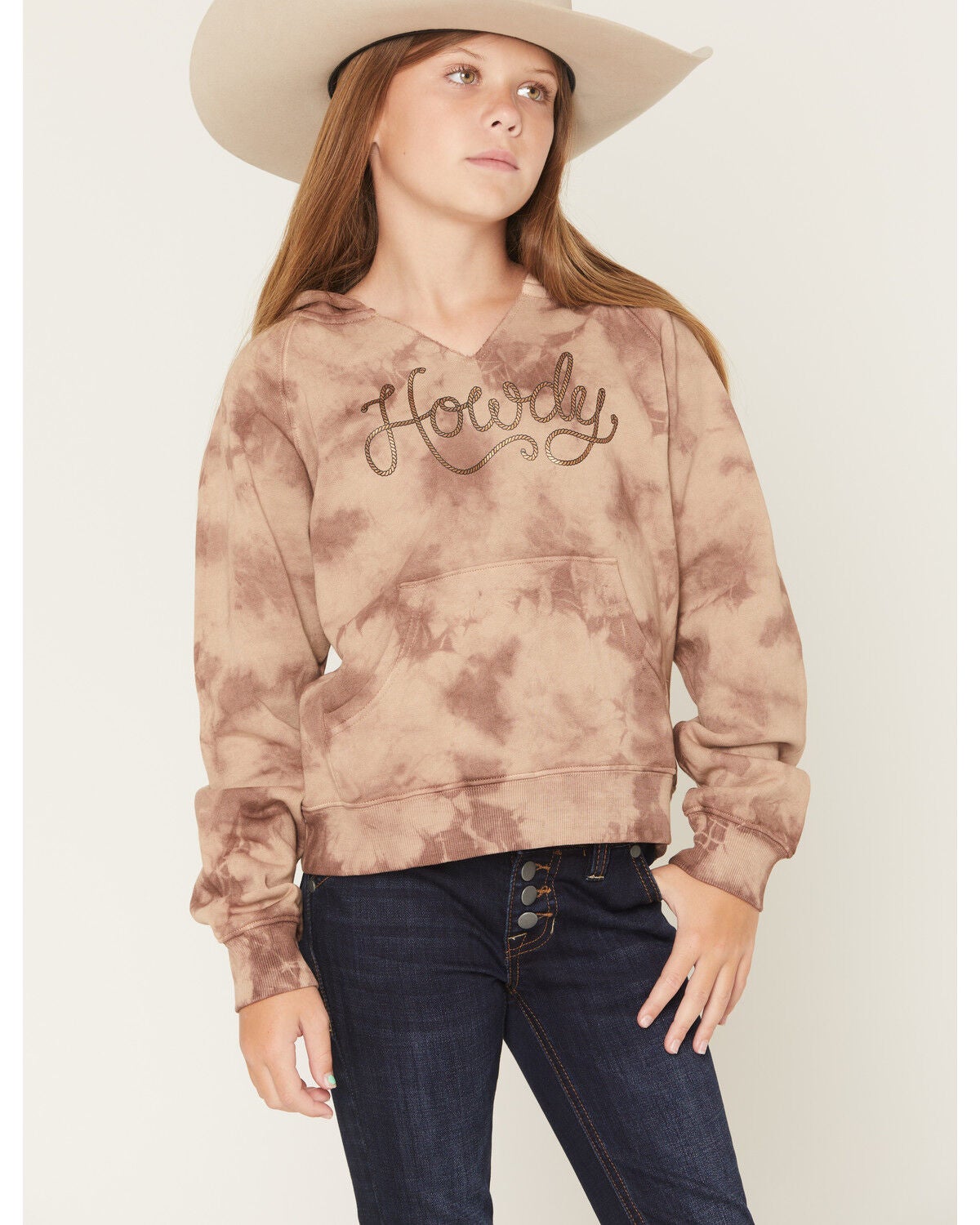
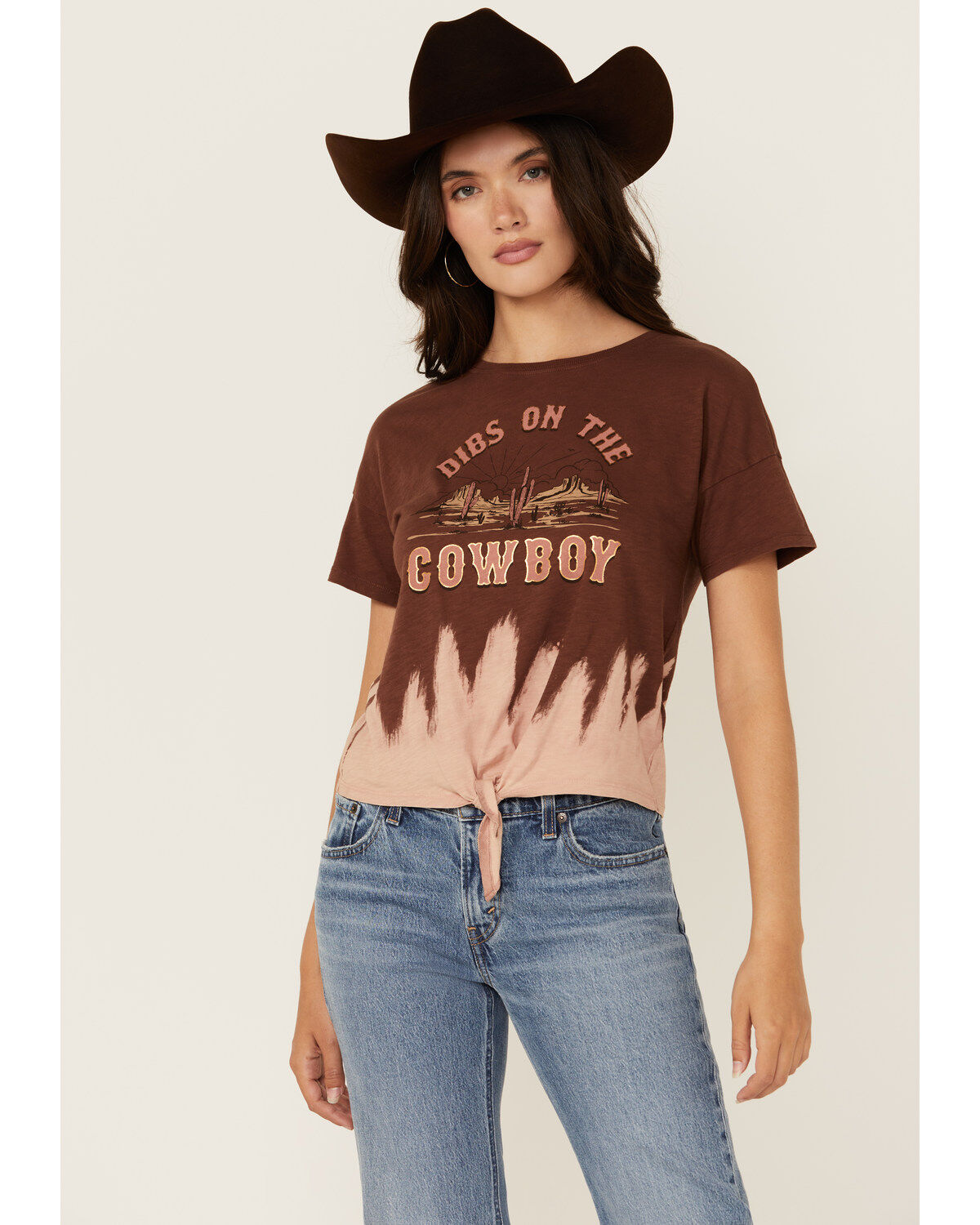
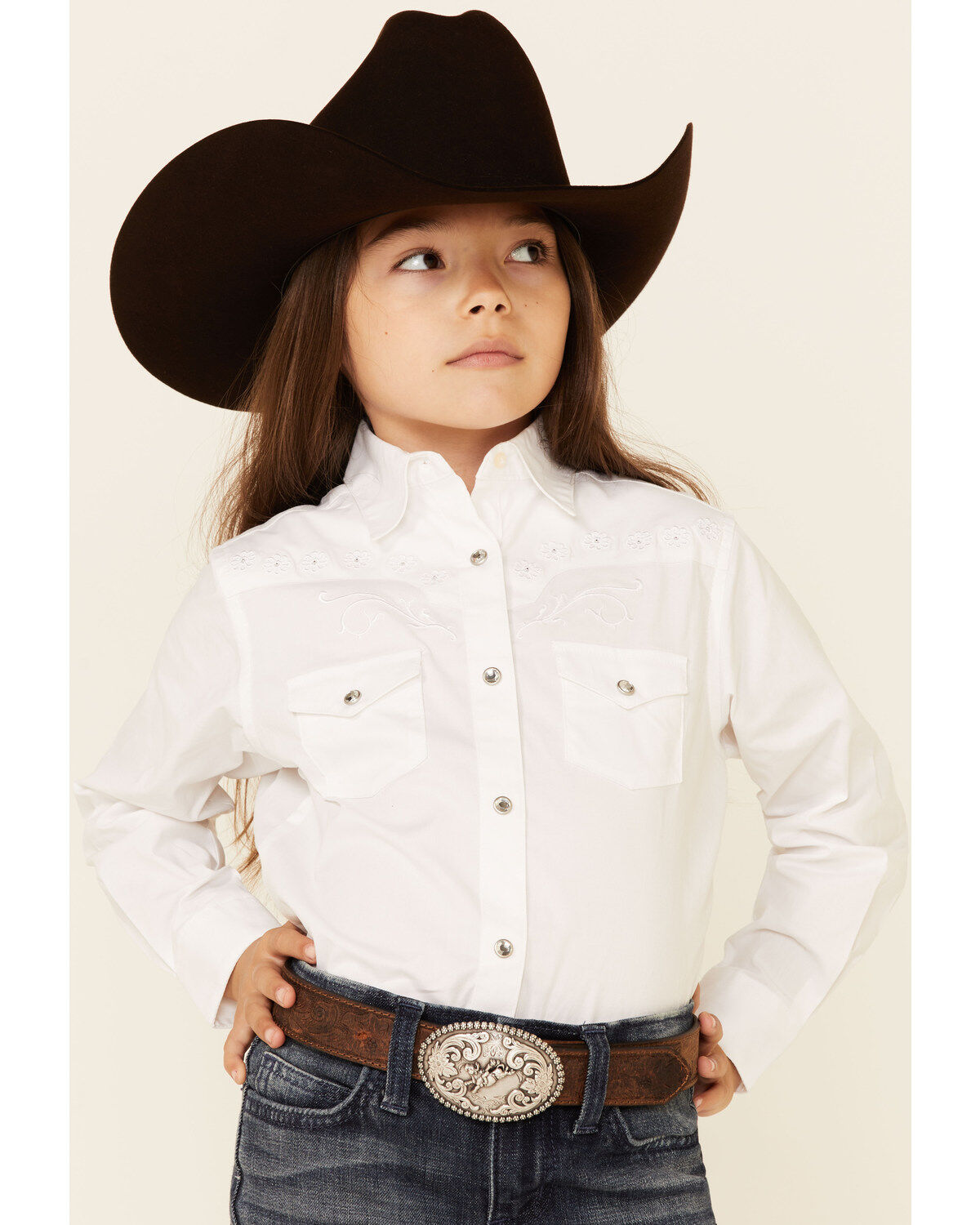
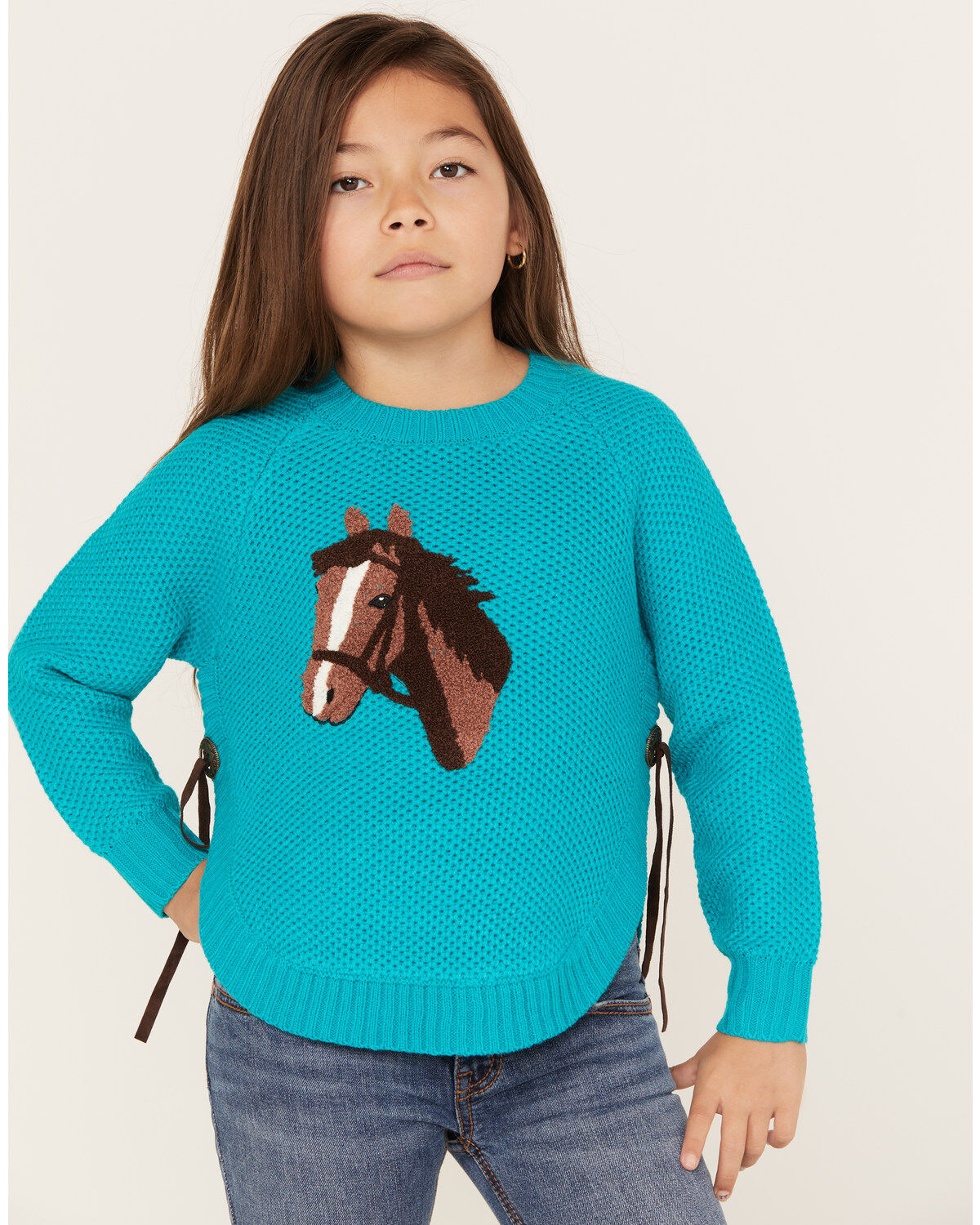
Tie dye clothing brings a vibrant splash of color and personality to almost any wardrobe, embodying a playful spirit and timeless appeal. From swirling... patterns to bold bursts of hues, these pieces capture the essence of individuality and creativity. Perfect for those who love to stand out, tie dye offers a unique blend of casual comfort and eye-catching style. Whether you're heading to a music festival or simply want to add a pop of color to your everyday look, explore this collection of tie dye clothing that celebrates originality and flair.
Read more
Tie Dye Clothing
Tie dye clothing brings a vibrant splash of color and personality to almost any wardrobe, embodying a playful spirit and timeless appeal. From swirling... patterns to bold bursts of hues, these pieces capture the essence of individuality and creativity. Perfect for those who love to stand out, tie dye offers a unique blend of casual comfort and eye-catching style. Whether you're heading to a music festival or simply want to add a pop of color to your everyday look, explore this collection of tie dye clothing that celebrates originality and flair.
Tie-dye clothing brings color and pattern to everyday apparel through a process that traditionally involves folding, twisting, or gathering fabric, binding sections, and applying dye. The bound areas resist some of the color, creating rings, stripes, spirals, and irregular patches when the fabric is opened. Some clothing uses printed designs to create a similar appearance, so the fabric details and product description matter when the dyeing method is important. The look ranges from bold, multicolor swirls to restrained combinations of black, gray, cream, or a single color in several shades. That range makes tie-dye more versatile than its brightest examples suggest. A low-contrast pattern can feel as straightforward as a faded solid, while a sharply defined spiral makes color the main feature of an outfit. Pattern scale matters, too. Broad bands create a different effect from small bursts of color, and the placement of a dark or light area can change how the same cut looks. Traditionally dyed garments may have variations in pattern placement, which are part of the process rather than a promise that every garment will match a photograph exactly. Tie-dye shirts, sweatshirts, dresses, and casual pants suit relaxed plans such as a concert, a road trip, or time spent with friends. With western clothing, the simplest combinations often hold together best: patterned fabric, solid denim, and boots with a clean profile. A solid overshirt can leave just a narrow section of color visible, while an untucked top gives the pattern more space. There is no need for every accessory to match a color in the fabric. Neutral leather and familiar denim washes keep the outfit grounded. For shoppers also browsing Trendy Clothing, tie-dye offers a distinct pattern that still works with familiar wardrobe staples. The result can be expressive without making the entire outfit compete for attention.
Fabric composition has as much influence on tie-dye clothing as the pattern itself. Cotton jersey generally has a soft feel and good breathability, making it a familiar choice for casual tops worn close to the skin. Cotton can also absorb moisture and may take longer to dry than some synthetic fabrics. Cotton-polyester blends combine characteristics of both fibers and may offer better shape retention or less shrinkage than comparable all-cotton fabrics, depending on their construction and finish. Rayon often creates a softer, more fluid drape, while elastane adds stretch that can help fitted clothing move with the body. Fiber content alone does not tell the whole story. A lightweight knit can fall close to the body, while a heavier knit gives a garment more structure. French terry has loops on the inside, and brushed fleece has a raised inner surface; each feels different against the skin. These details help distinguish clothing suited to active errands from pieces intended mainly for relaxing. Fit deserves the same attention. A relaxed cut should provide room without forcing the shoulder seams or sleeves far beyond the intended shape. A closer fit needs enough ease through the chest, waist, seat, and upper arms to allow comfortable movement. For a top worn tucked into jeans, body length and fabric bulk affect how neatly it sits beneath a belt. For an untucked style, the hem should work with the rise of the pants rather than land awkwardly at the waistband. Longer sleeves should allow reaching without pulling sharply across the back. Casual pants need a comfortable waistband, enough room through the seat, and a length that does not drag underfoot. Size charts are most useful when their measurement method is clear: body measurements and finished garment measurements are not interchangeable. Comparing the stated measurements with clothing that already fits well helps put terms such as relaxed, fitted, and oversized into practical context, especially when shopping for someone else.
Care and construction determine how well tie-dye clothing holds its shape and appearance through repeated wear. The care label takes priority because different fibers, dyes, prints, and finishes need different treatment. Cold water and a gentle wash cycle are common care directions, but they are not universal rules. When the label calls for washing separately or with like colors, following that direction helps limit unwanted color transfer. Turning clothing inside out can reduce friction against the visible surface, particularly when the design includes a printed effect. Mild detergent and the recommended amount help clean the fabric without unnecessary residue. Bleach and strong stain treatments can alter colored areas, so any stain care should be compatible with both the fiber and the finish. High dryer heat can contribute to shrinkage or affect stretch fibers; the recommended drying method matters as much as the washing method. Air drying also needs care, since a wet knit hung from the shoulders may stretch out of shape. Consistent care helps preserve the intended fit, though some softening and fading can occur with regular use. Good construction supports that routine. Even stitching, secure hems, and seams that lie flat are useful signs of careful assembly. Necklines, cuffs, waistbands, and pocket openings take repeated strain, so their construction deserves attention alongside the pattern. A soft hand does not automatically mean a fabric is fragile, and heavier fabric is not automatically better for every purpose. The right balance depends on how the clothing will be worn. For a gift, familiar colors and a known fit are usually more useful than choosing the loudest design. Someone who wears mostly neutrals may prefer a tonal pattern, while a person comfortable with strong color may enjoy greater contrast. Checking fiber preferences, usual size, and preferred sleeve or hem length makes the choice more personal. Tie-dye works best as clothing someone will reach for regularly: comfortable against the skin, easy to pair with existing favorites, and made for the way that person spends the day.