Snip Toe Boots

Shop snip toe boots for a narrow, tapered toe with a squared-off tip. This distinctive cowboy boot shape offers a sharper profile than a round toe, making it a good choice if you prefer a more defined western look. Compare styles to find a pair that fits your wardrobe.

Shop Your Store: Shop Your Store: Find a Store

(Turn off Shop Your Store to see all items)

(Turn off Shop Your Store to see all items)

close
  • Recommended
  • Lowest Price
  • Highest Price
Skip pass products

End of products

Snip Toe Boots

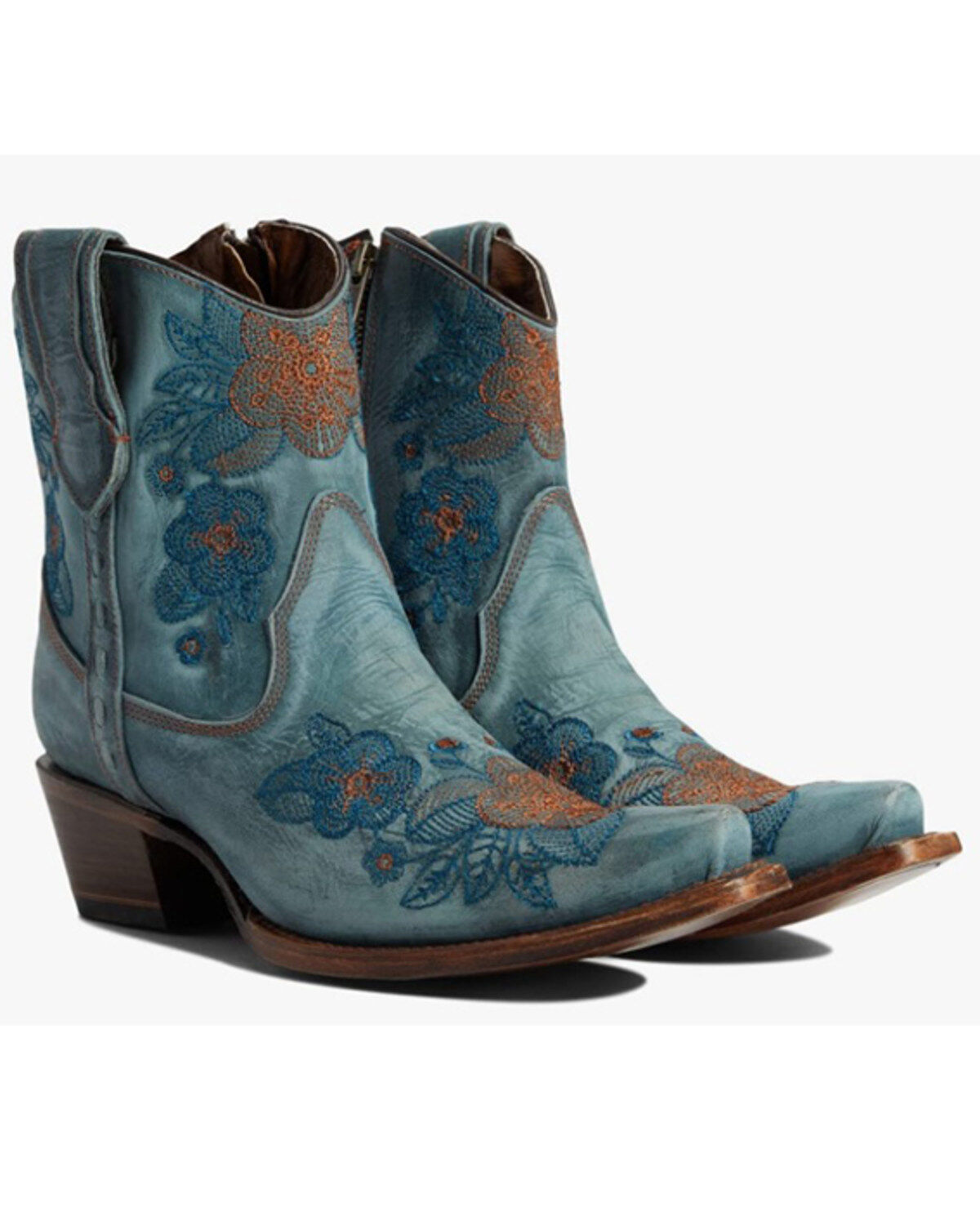
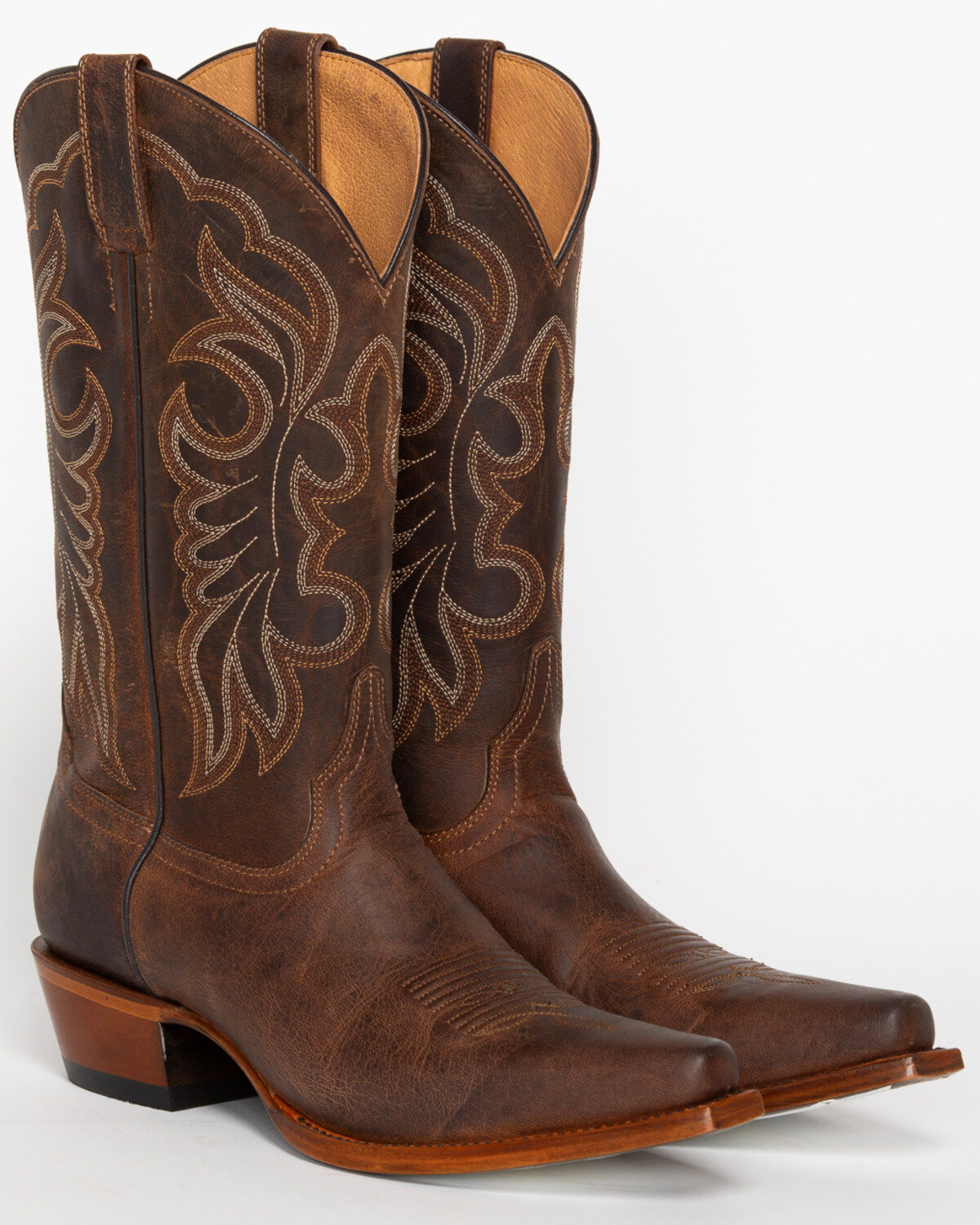
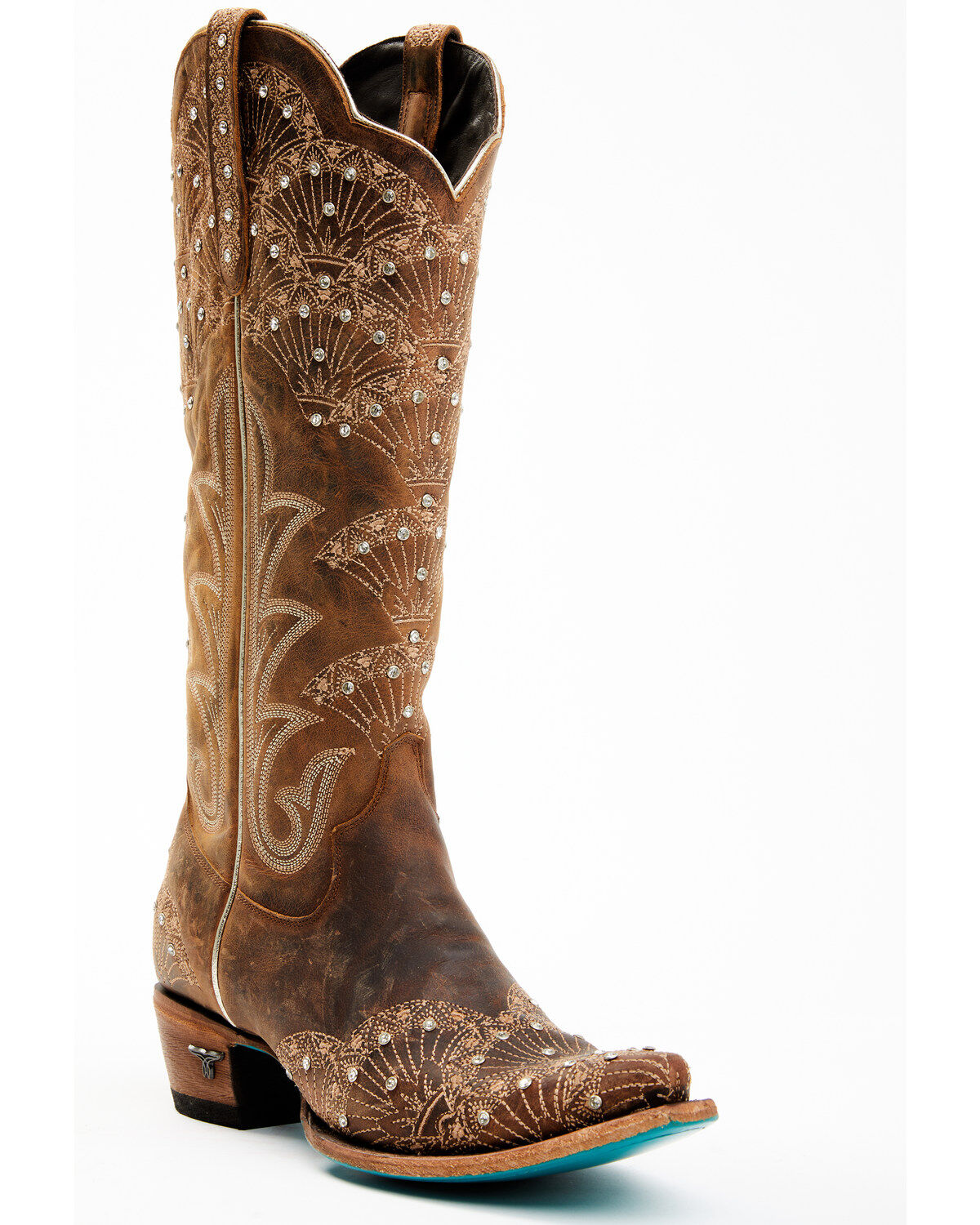
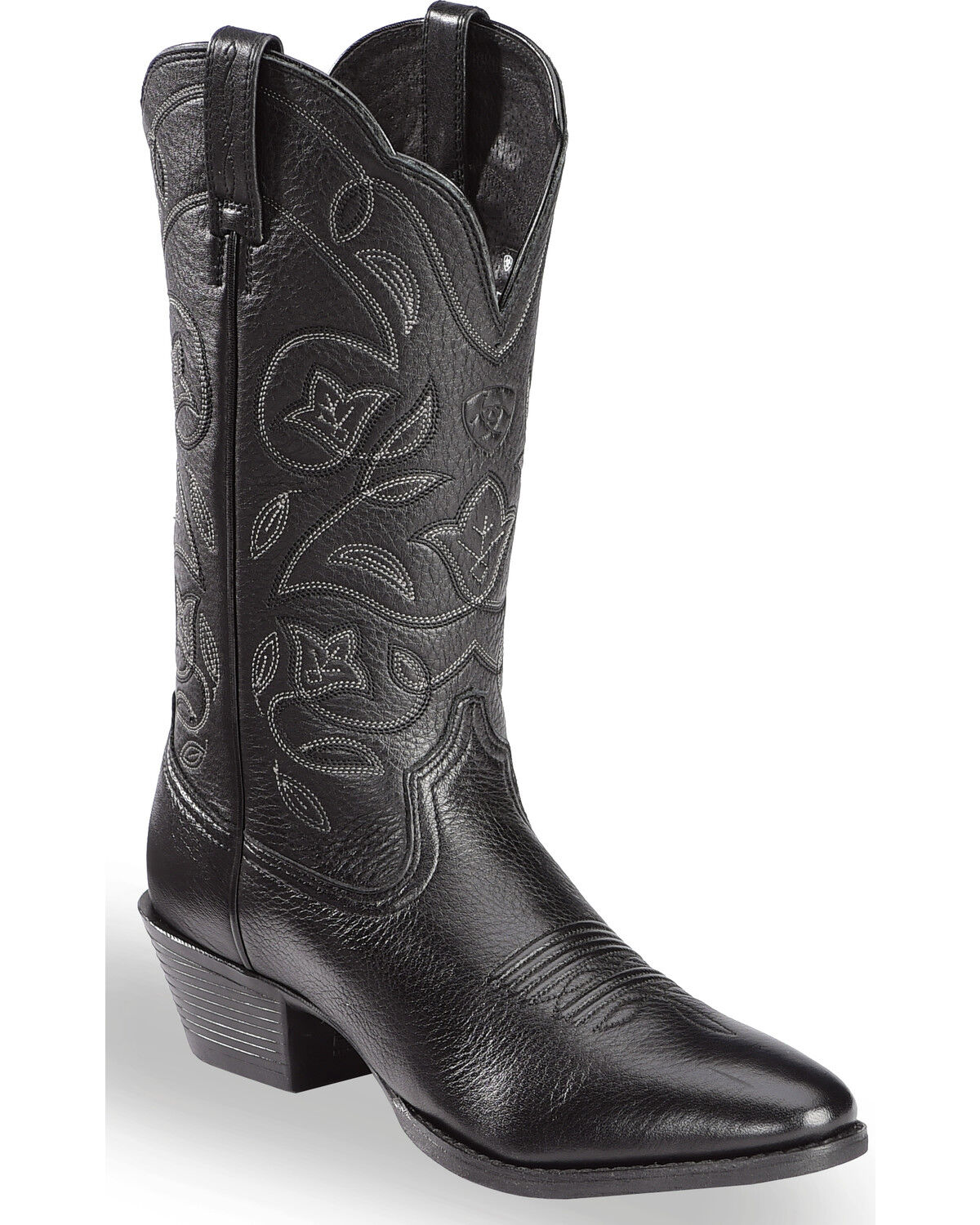
Snip toe boots are western-style cowboy boots with a narrow, tapered toe that ends in a short, flat edge rather than a sharp point. That clipped tip gives them their name and separates them from pointed toe and broad square toe styles. The shape creates an elongated profile while keeping a defined edge at the front of the boot. Compared with a broad square toe, a snip toe looks slimmer; compared with a pointed toe, its tip is less sharp. The exact taper varies by design, so the name describes the silhouette rather than a standard width or fit. For men and women who prefer a narrower western profile, these boots bring a distinct shape to everyday clothing and more dressed-up outfits. Straight-leg and bootcut jeans generally leave room for the shaft, allowing the hem to fall over the boot without bunching tightly around it. A full-height shaft worn with a skirt or dress puts the stitching, leather finish, and overall proportions in view. Under trousers, the toe and heel do most of the visual work. A plain leather foot creates a restrained look, while contrasting stitching, overlays, or a textured finish add detail without changing the basic shape. Snip toe cowboy boots can suit a dinner out, a wedding with western attire, a concert, or an ordinary day spent moving between errands and time with friends. The setting matters less than the boot’s construction and how it fits the wearer’s routine. Shaft height also changes the look and feel: taller boots show more leather and stitching, while ankle-height styles leave more of the leg uncovered. For a shorter profile with a distinct color accent, Snip Toe Blue Booties carry that tapered, clipped-toe shape into an ankle-height style. Across these variations, the defining feature remains the same: a narrow toe with a flat finish, not a full point or a wide square front.

Materials and construction influence how snip toe boots feel, wear, and hold their shape. Smooth cowhide has a familiar leather grain and can develop creases and character through regular use. Suede has a softer, brushed surface that calls for different cleaning methods than smooth leather. Embossed leather adds a patterned texture, but its appearance alone does not identify the material it resembles. Exotic leathers have their own grain patterns and care requirements, making the material description more useful than appearance alone. Leather thickness, lining, stitching, and reinforcement all contribute to the finished boot. A supple upper may feel easier to flex at first, while a firmer upper may take longer to soften. Neither quality by itself establishes how durable the whole boot will be. Even stitching, securely attached heels, and well-finished seams are useful details to examine, particularly for boots intended for frequent wear. The sole deserves equal attention. Leather outsoles offer a traditional western construction and can feel firm underfoot, while rubber outsoles vary in cushioning, flexibility, and tread. Traction depends on the actual outsole and the surface beneath it, not the toe shape. A boot worn mainly for dinners and events has different demands from one worn through hours of walking or standing. Heel height, heel base, arch support, and cushioning can make a noticeable difference over a long day. A raised western heel also changes posture and foot position, which may take adjustment for someone accustomed to flat shoes. For riding, compatibility with the stirrup and the boot’s overall design matter more than its appearance. For jobsite use, a snip toe does not establish protective performance; required safety ratings and employer rules remain the deciding factors. Some stitched sole constructions allow professional resoling, but repair options depend on how the boot is made and its condition. A well-built pair matched to its intended use has a better chance of providing dependable wear than a pair selected for looks alone.

Fit is especially important with a tapered toe. The flat tip does not automatically make snip toe boots roomier than pointed boots, and the visible length beyond the toes is not necessarily usable foot space. Toes should rest comfortably without being squeezed together or pressed against the front. The widest part of the foot should sit at the widest part of the boot, with a secure feel through the instep and no sharp pressure across the ball of the foot. A small amount of heel movement can occur in a new pull-on boot, but pronounced slipping or rubbing deserves attention. As the sole flexes with wear, heel movement may lessen; a painful toe box should not be treated as a normal break-in issue. Leather can soften and give somewhat, but it will not reliably turn a narrow fit into the right width. Trying both boots with the socks intended for regular wear helps reveal differences between feet. Walking on a clean indoor surface can also expose pressure that is not obvious while standing still. Shaft fit matters, too, particularly when jeans will be tucked inside or when the upper sits closely around the calf. Once the fit is right, consistent care helps preserve both comfort and appearance. Loose dirt should be removed before it settles into seams, and smooth leather should be cleaned and conditioned with products suited to that material. Too much conditioner can alter the finish, so restrained application and a test on a less visible area are sensible. Suede generally needs a suitable brush and suede-specific treatment rather than ordinary leather cream. Exotic leather should be maintained according to its particular care instructions. Boots should dry naturally away from direct heat, and storage should support the shaft without forcing folds into the leather. Boot trees can help maintain the foot shape between wears. For gifting, knowing the recipient’s usual boot size, preferred width, and taste in heel and shaft height is more useful than relying on shoe size alone. Someone who already favors a tapered western silhouette may appreciate the familiar shape, while a first-time wearer benefits most from a comfortable fit and construction suited to daily plans.

FAQs