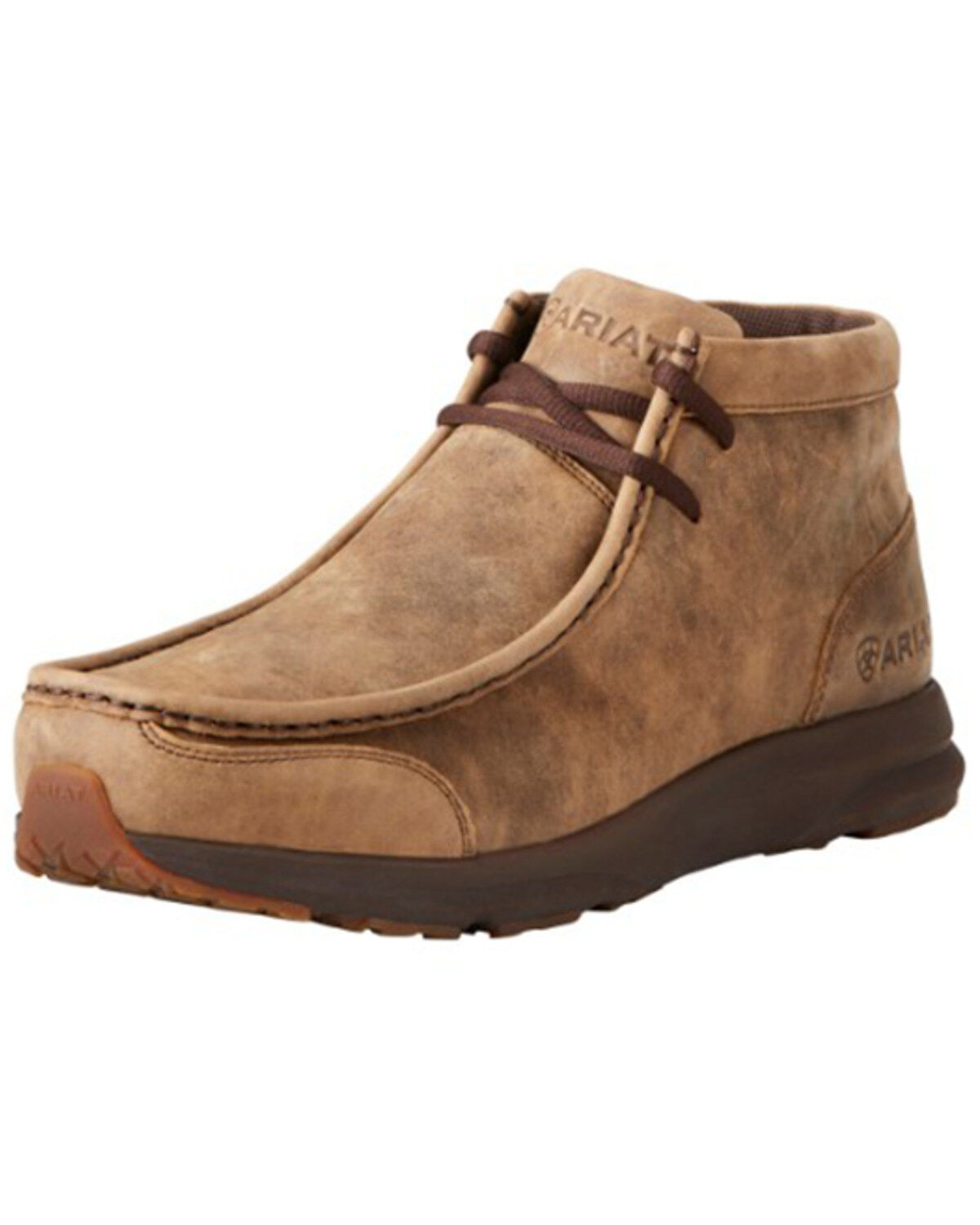
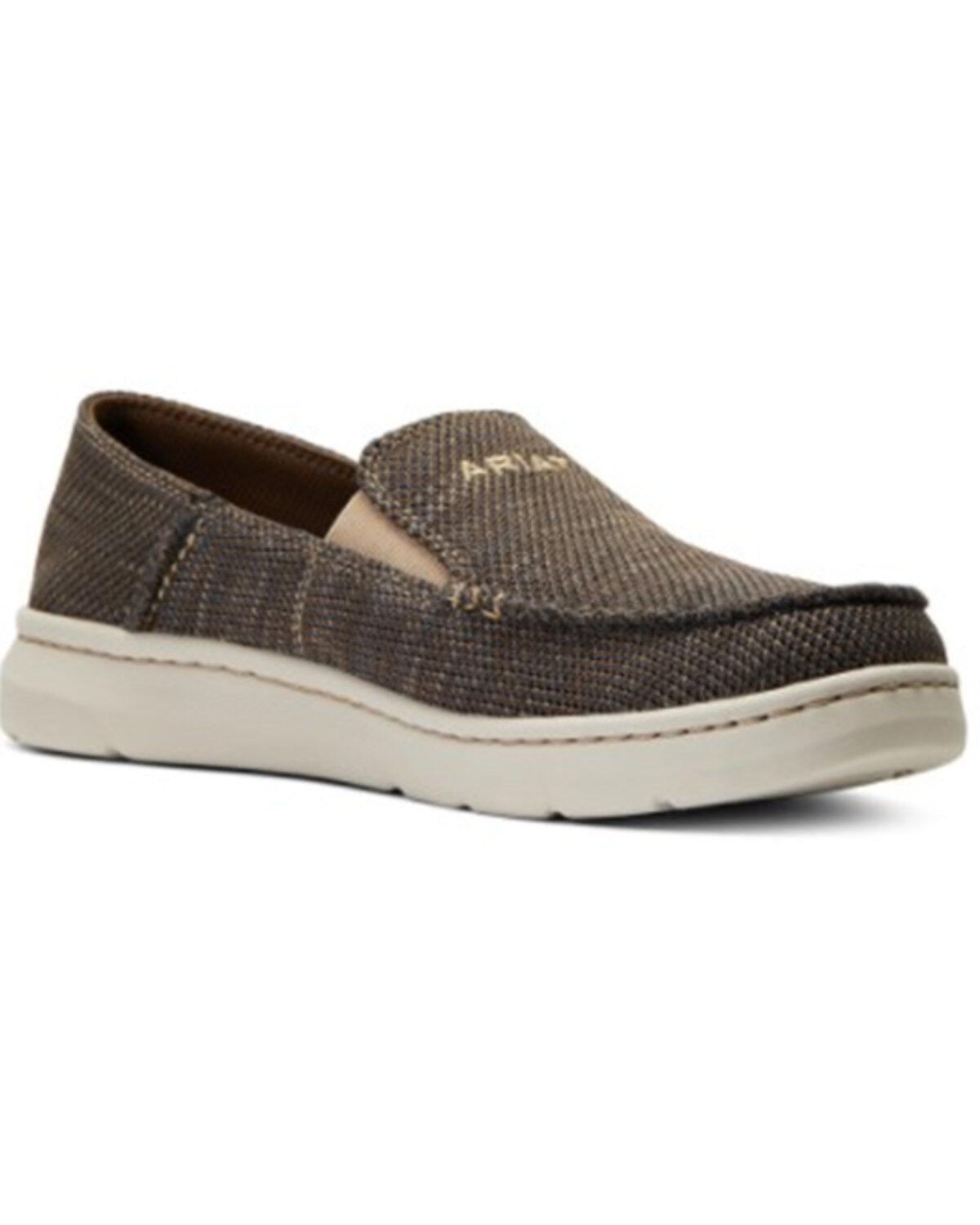
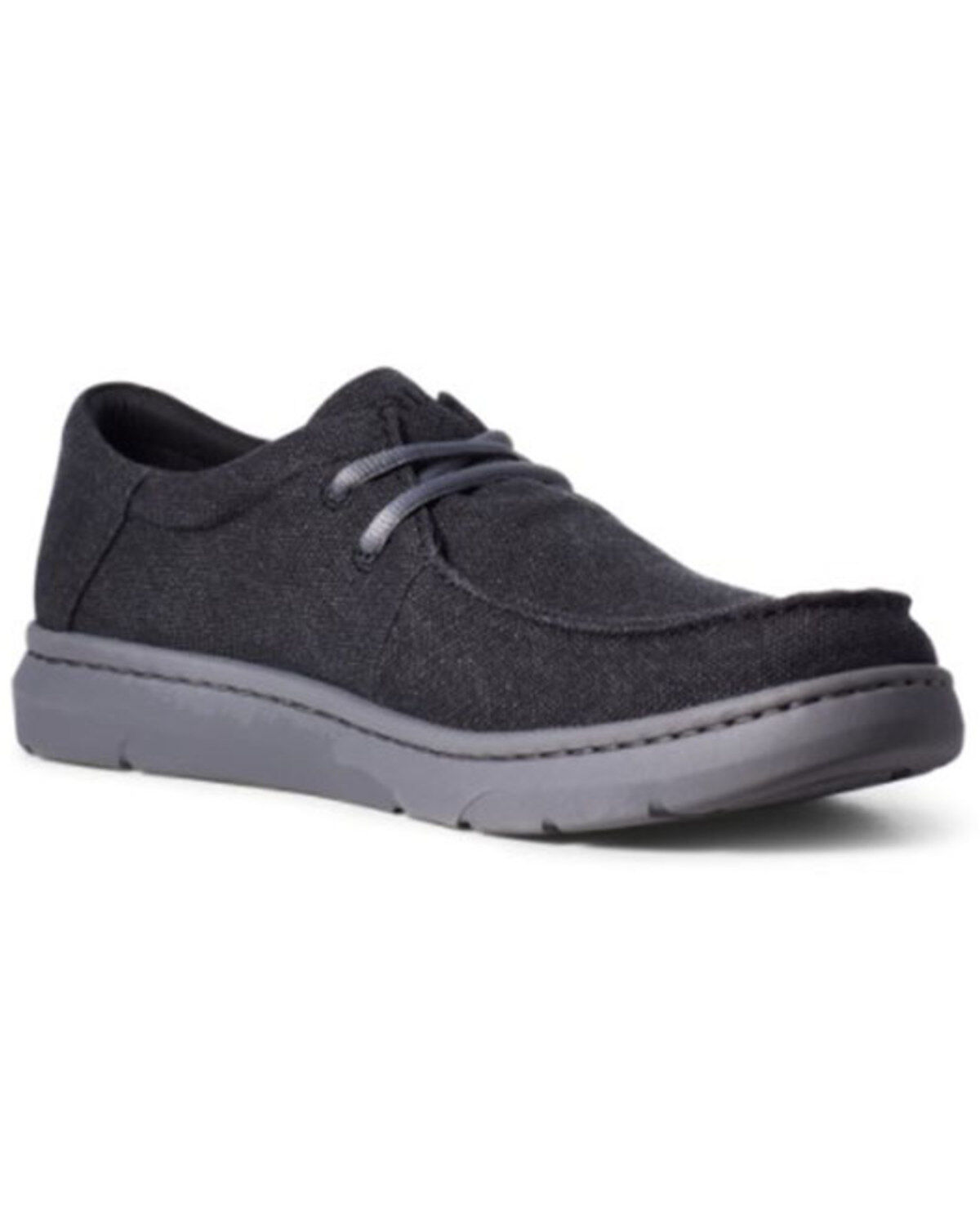
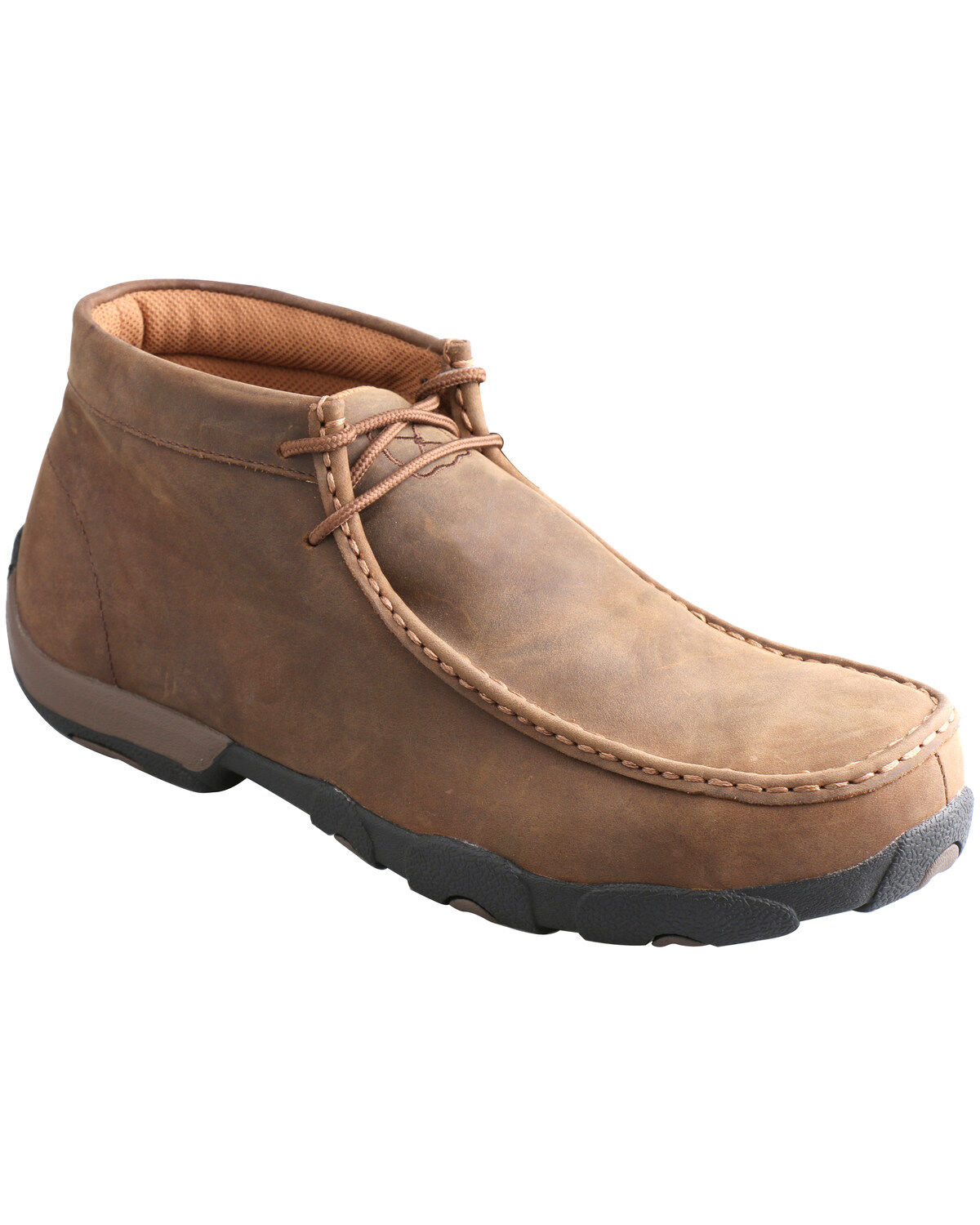
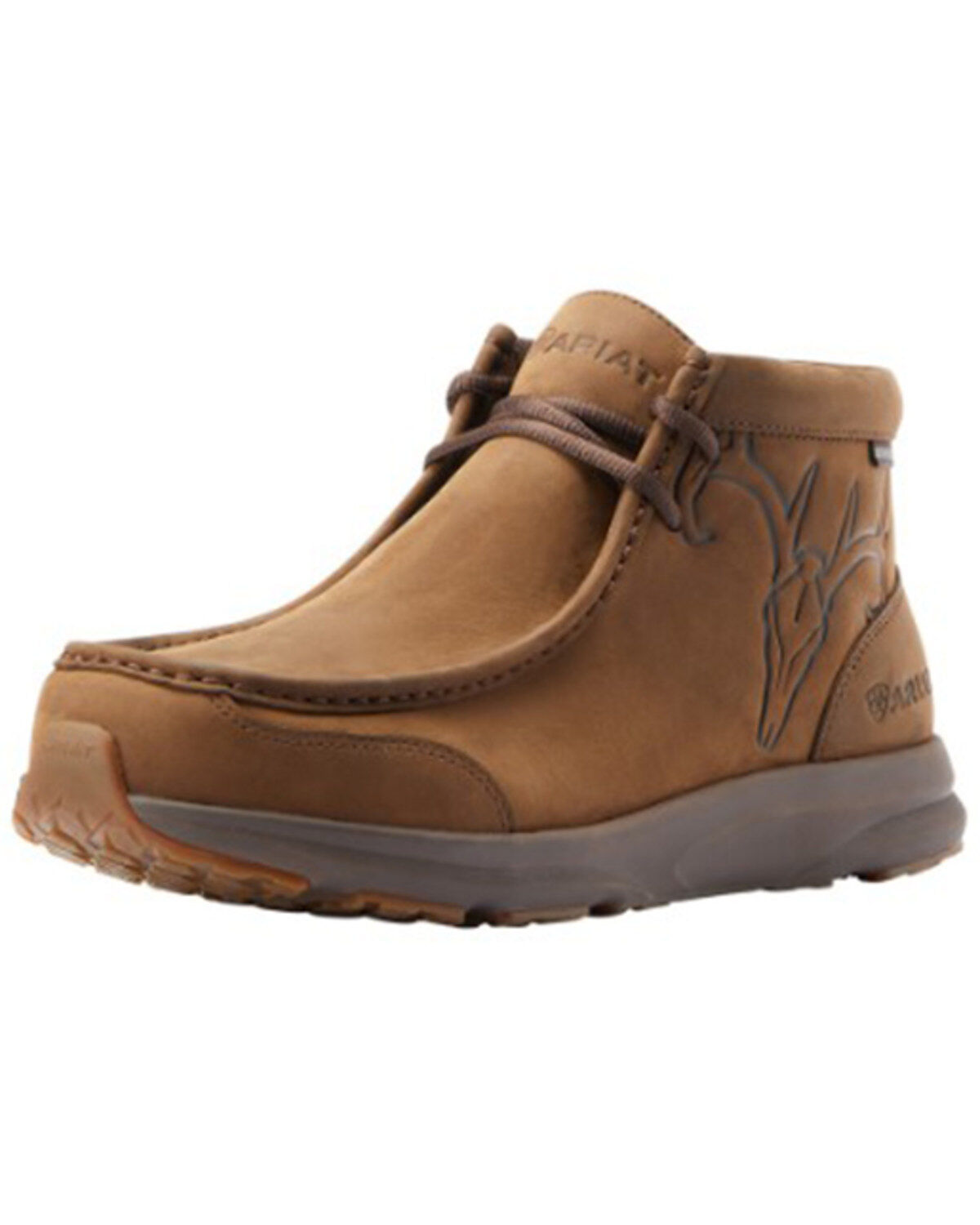
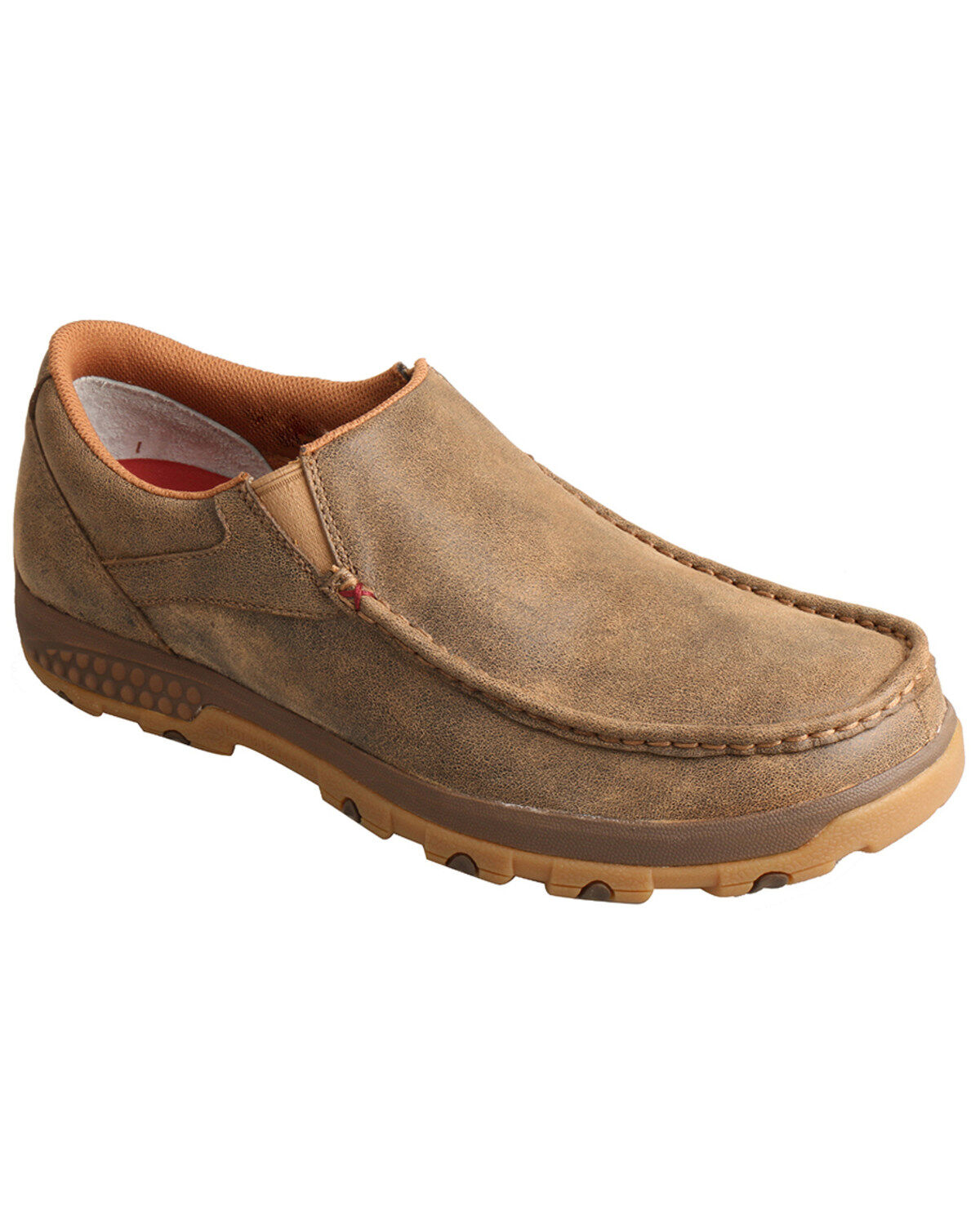
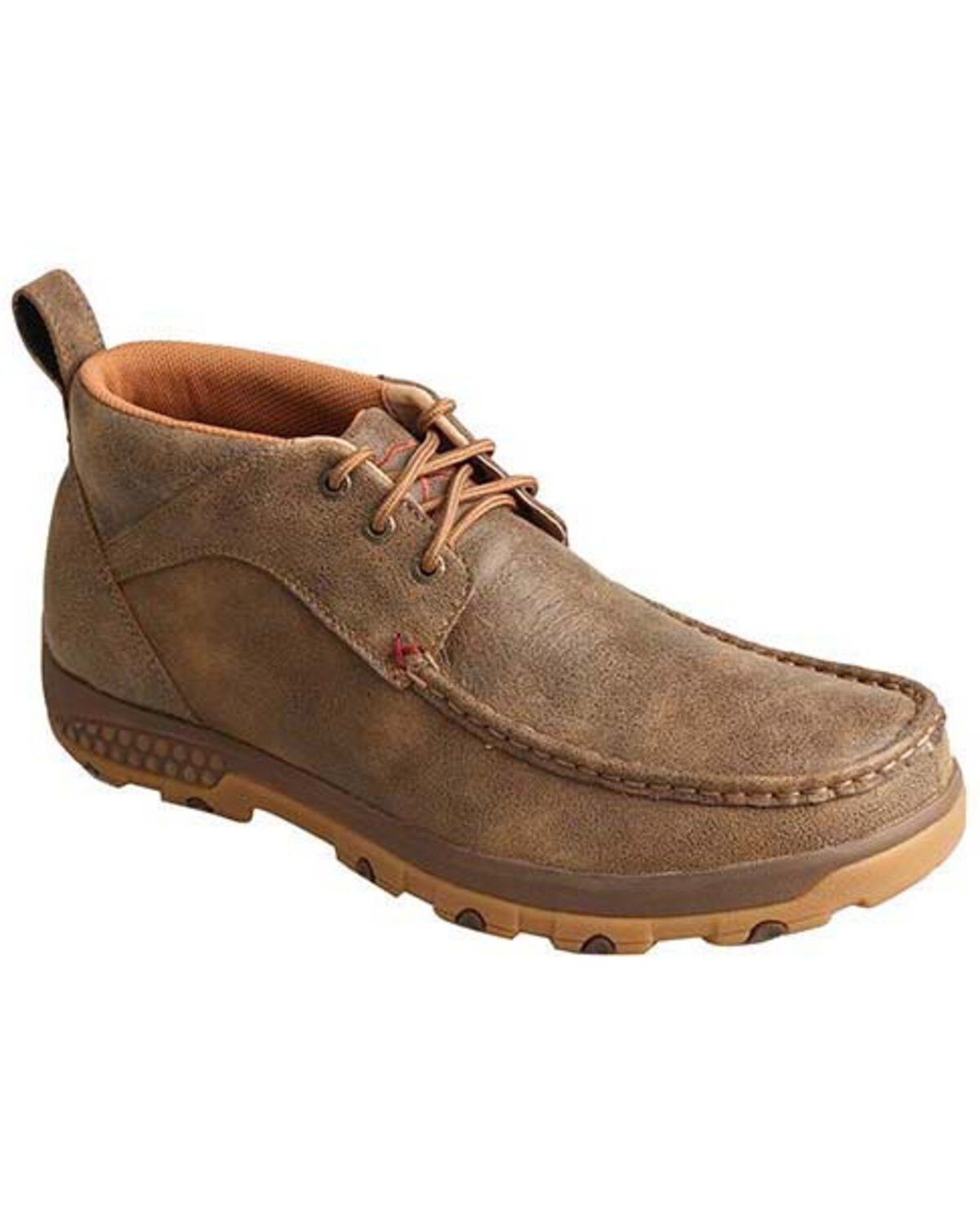
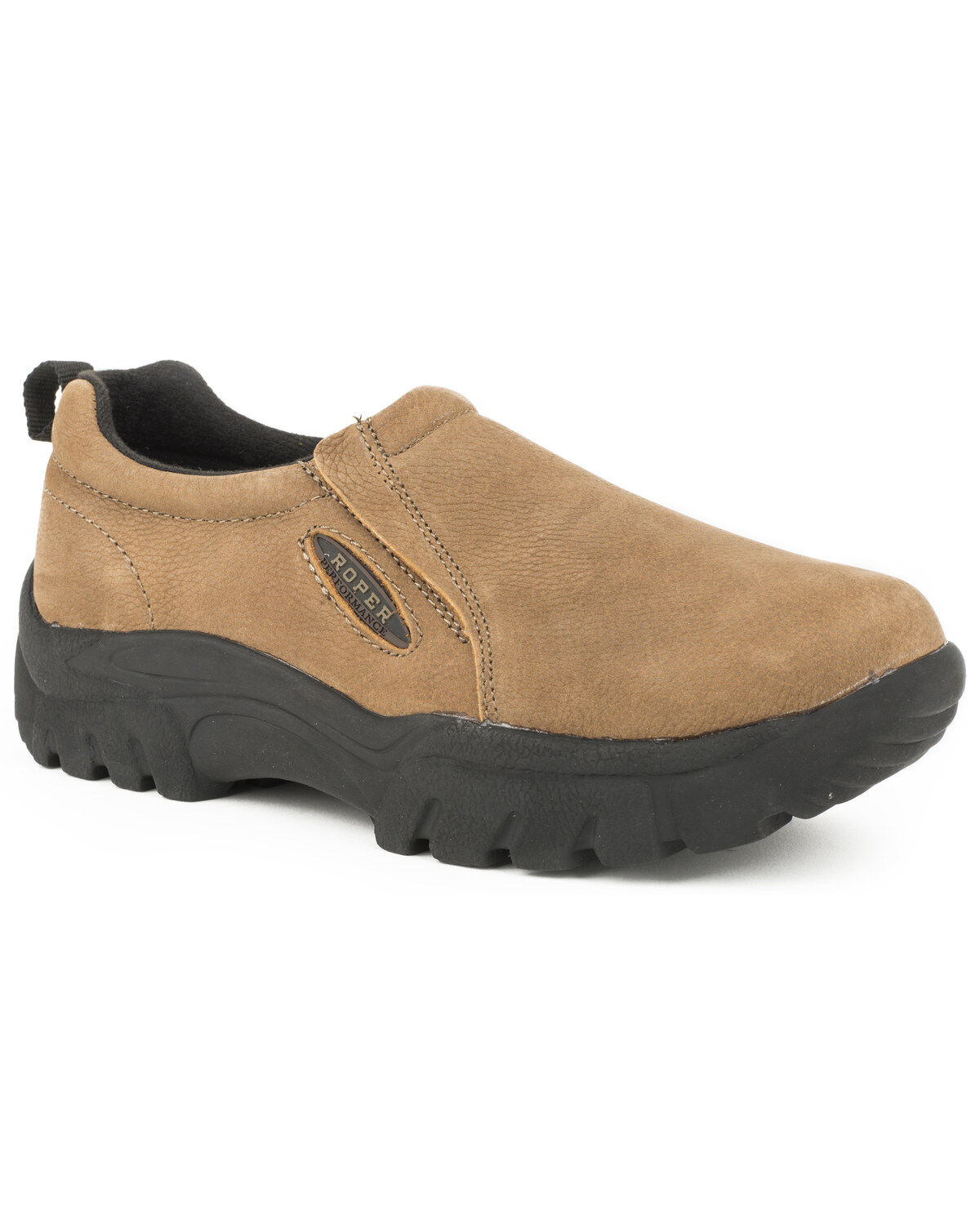
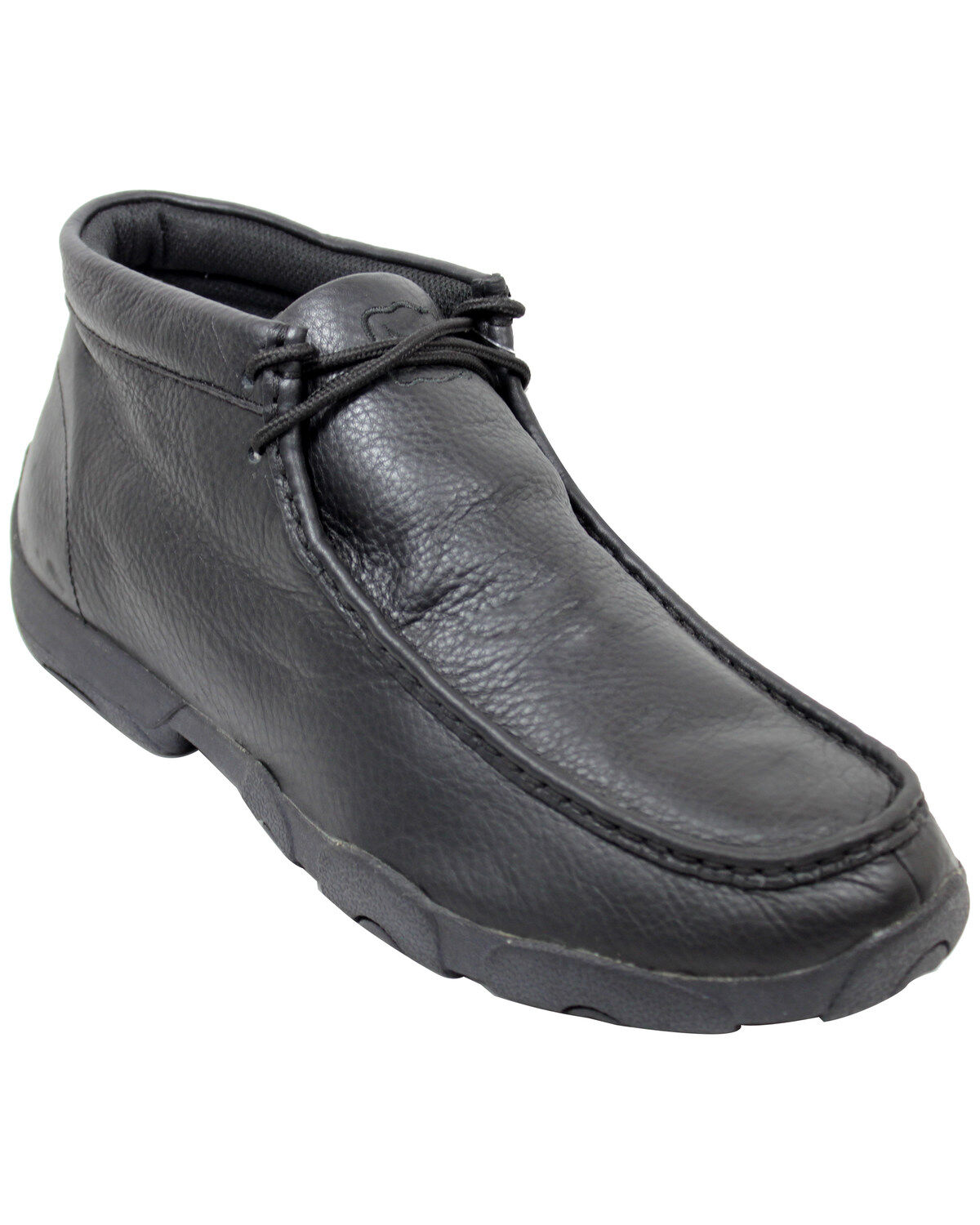
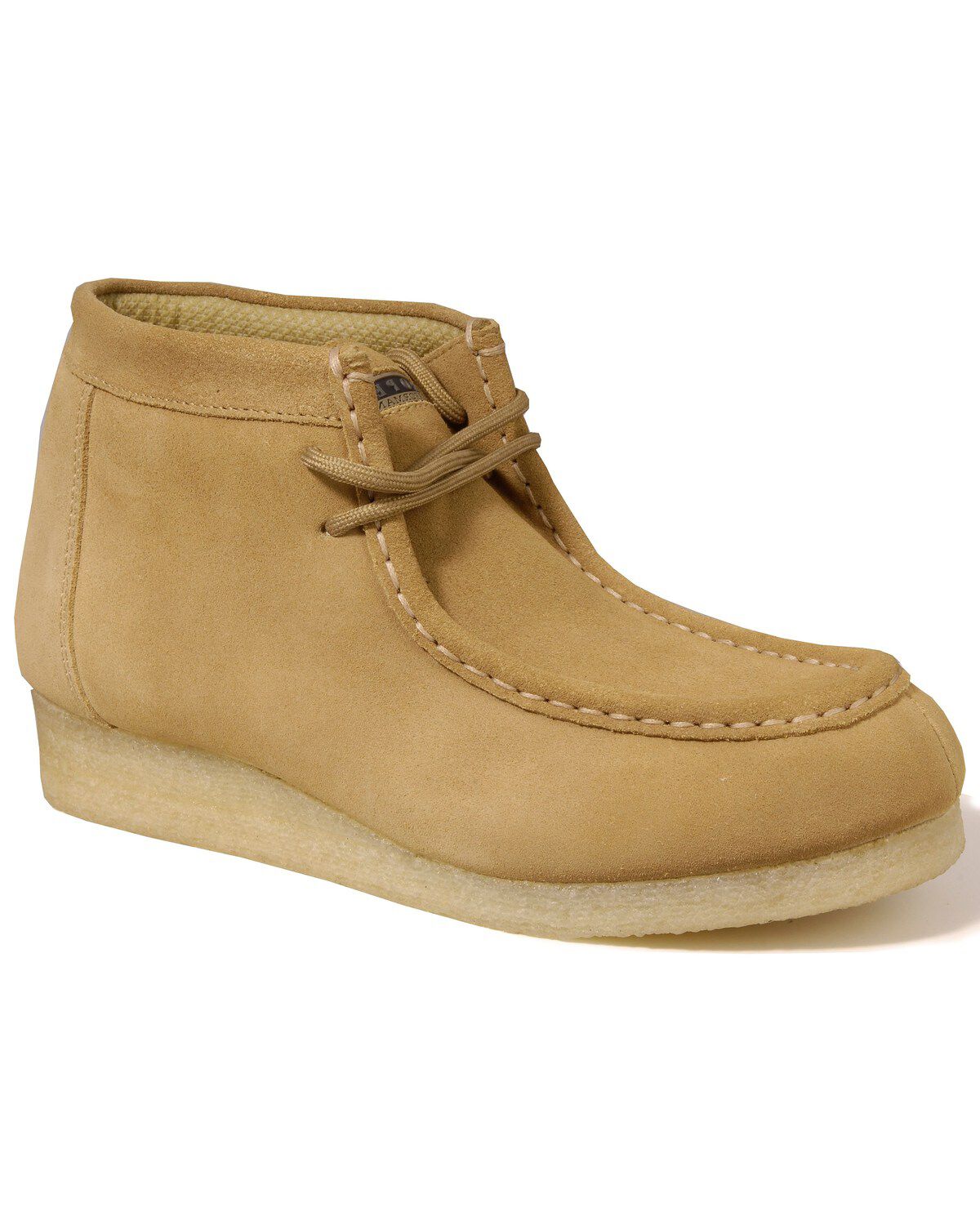
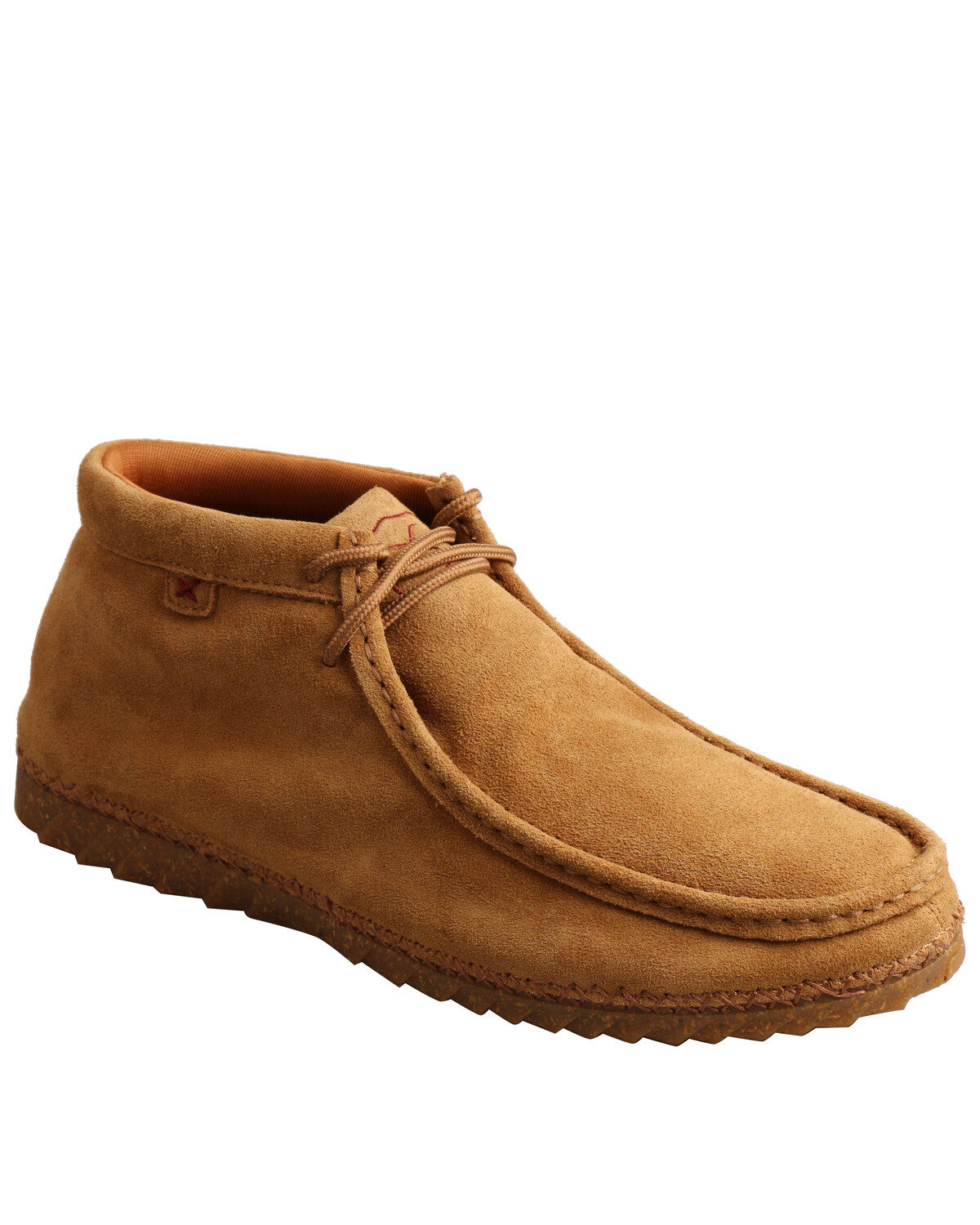
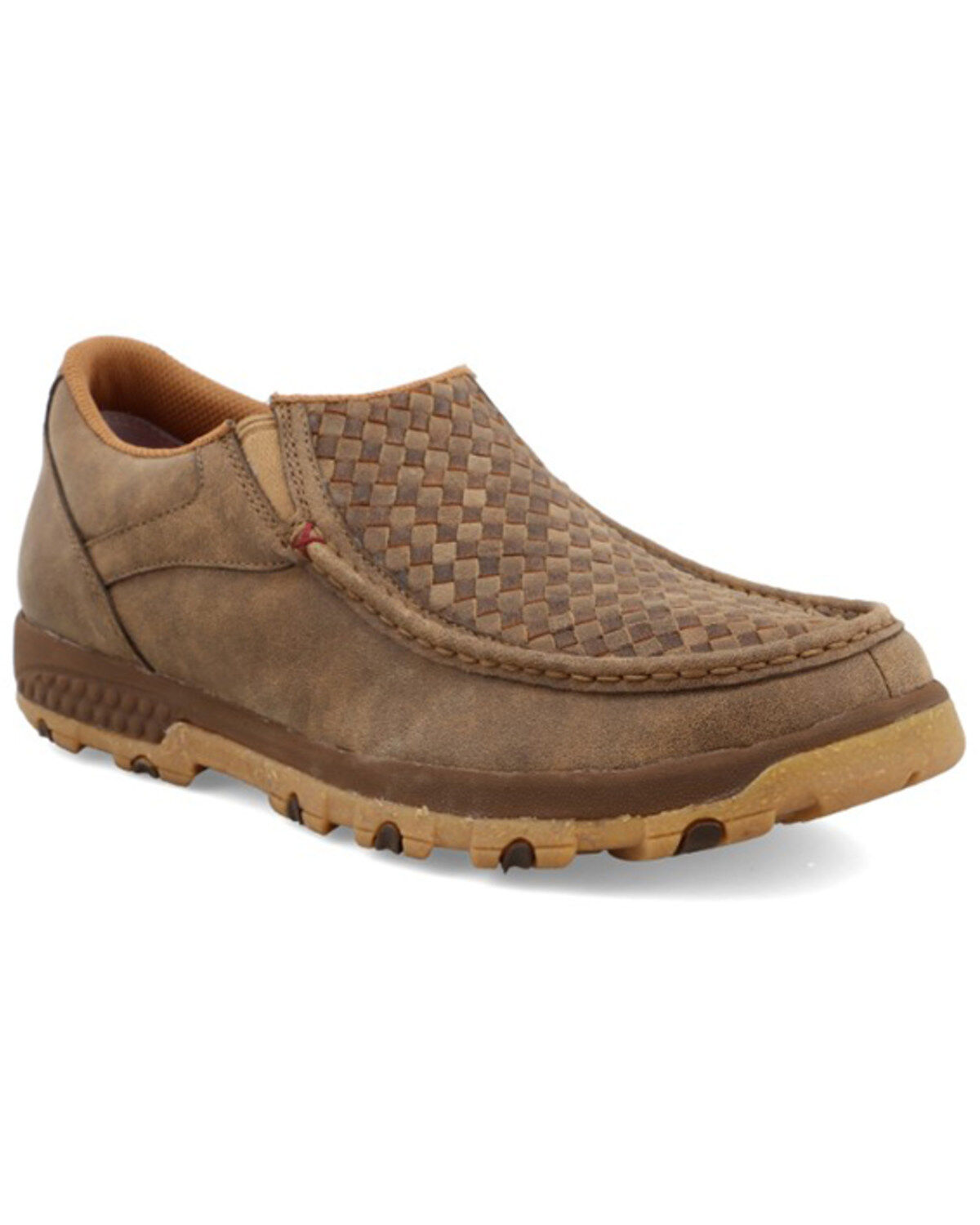
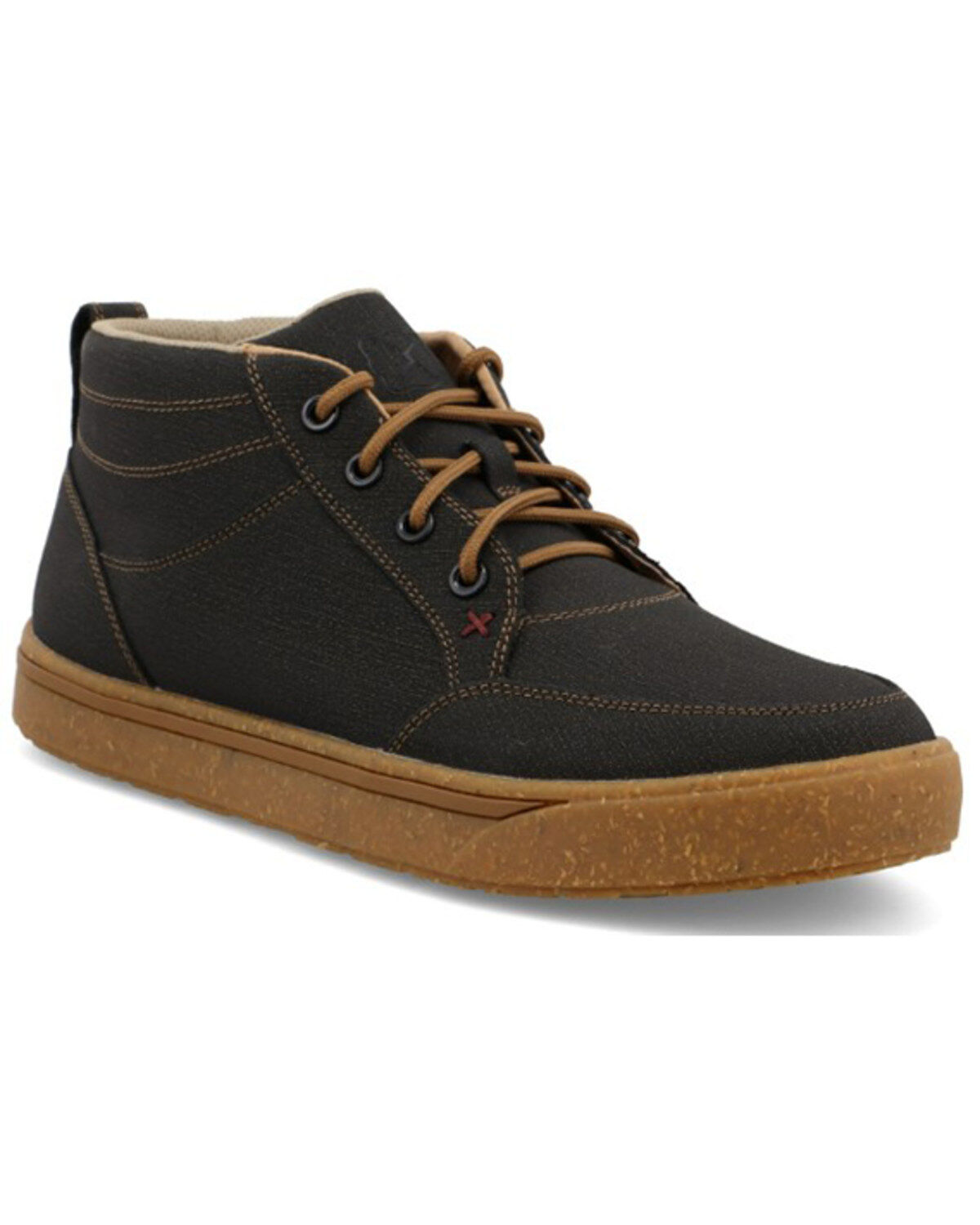
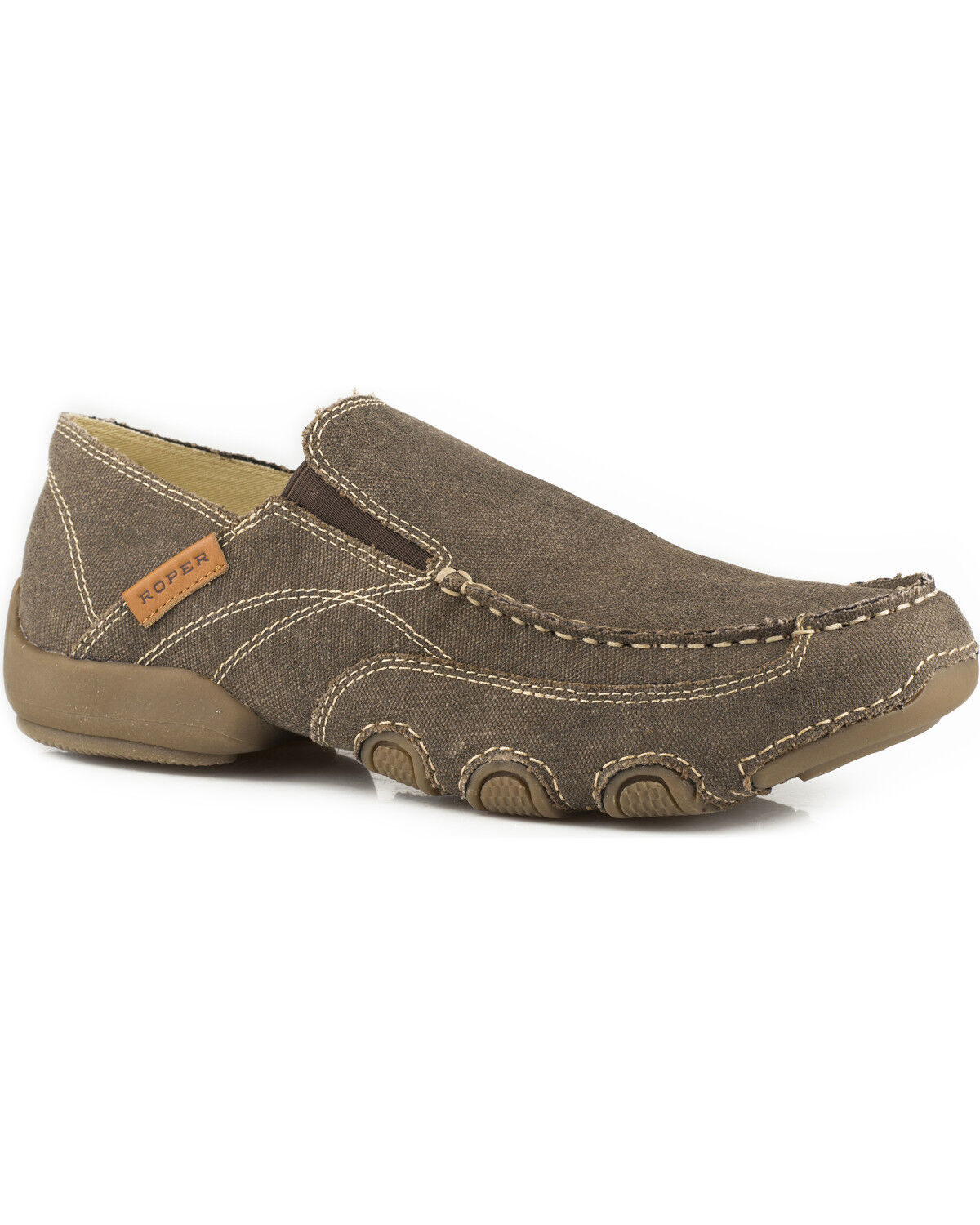
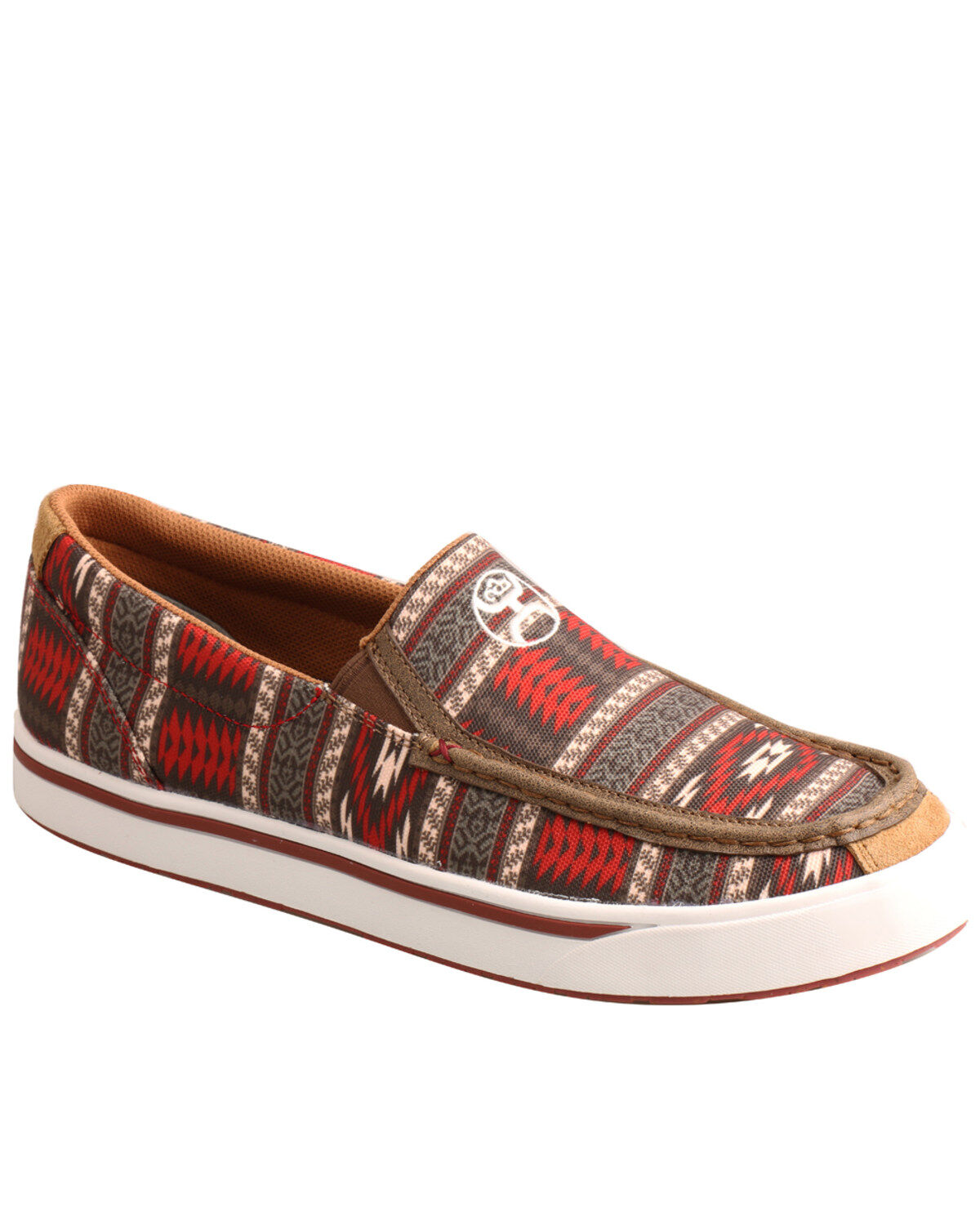
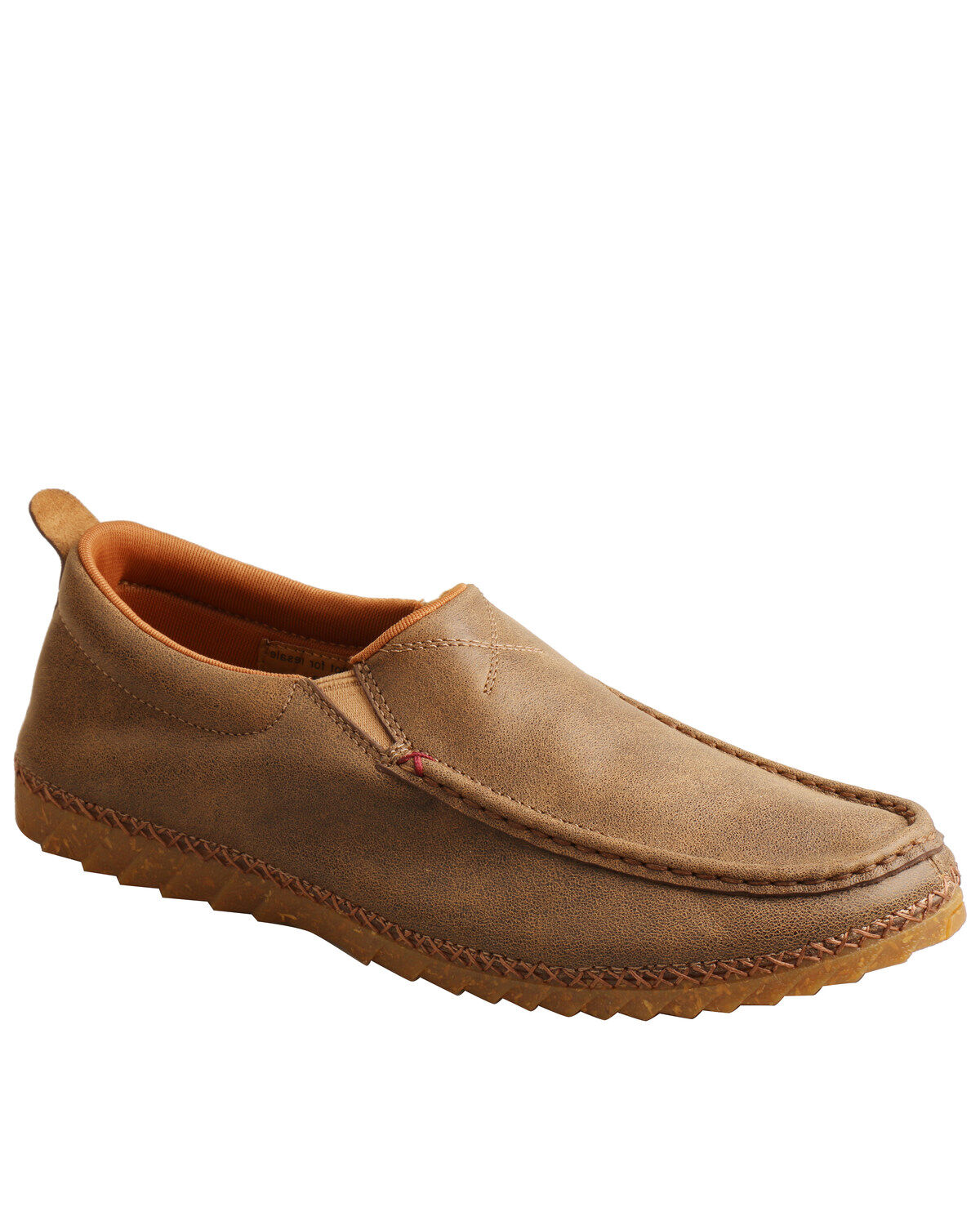
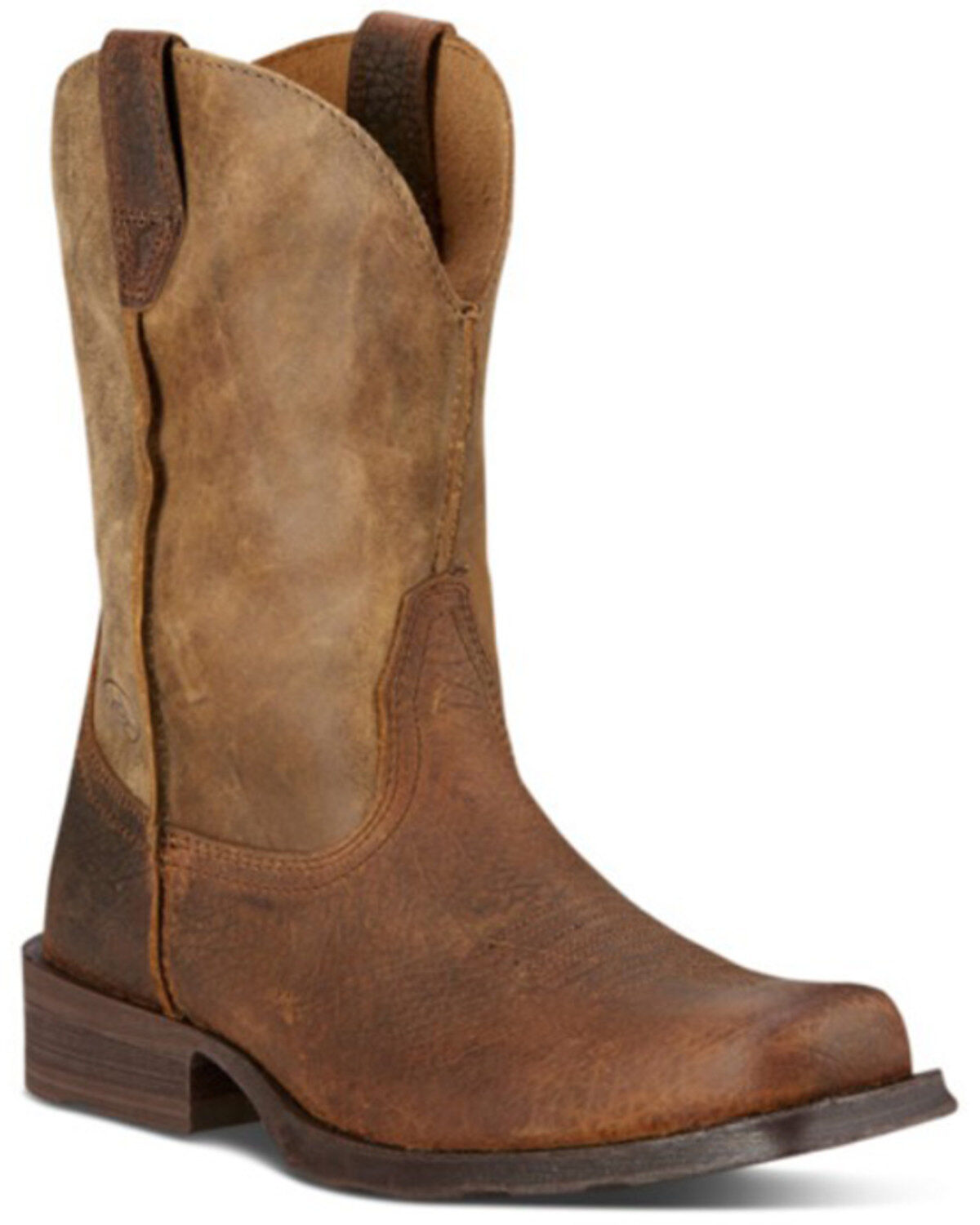
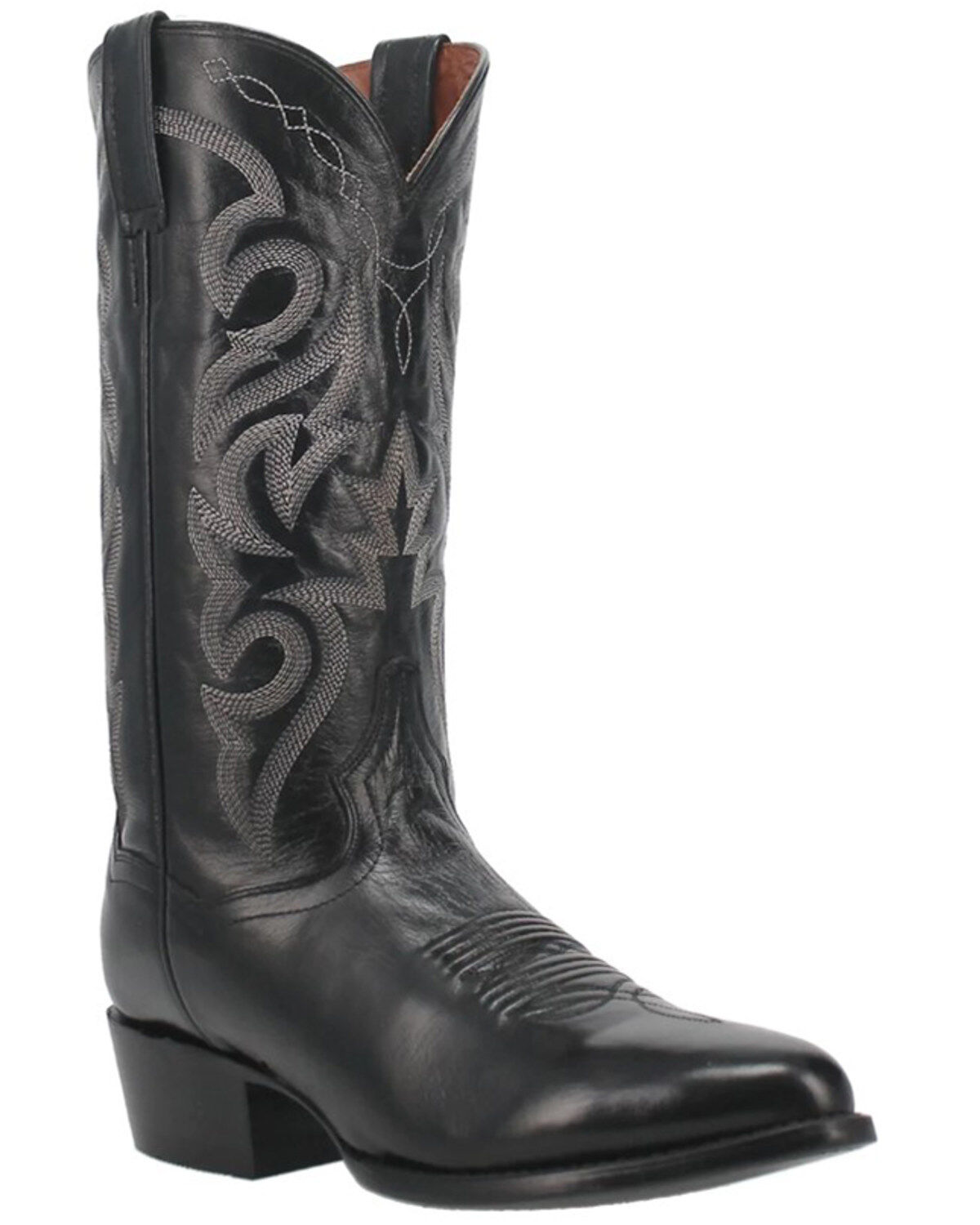
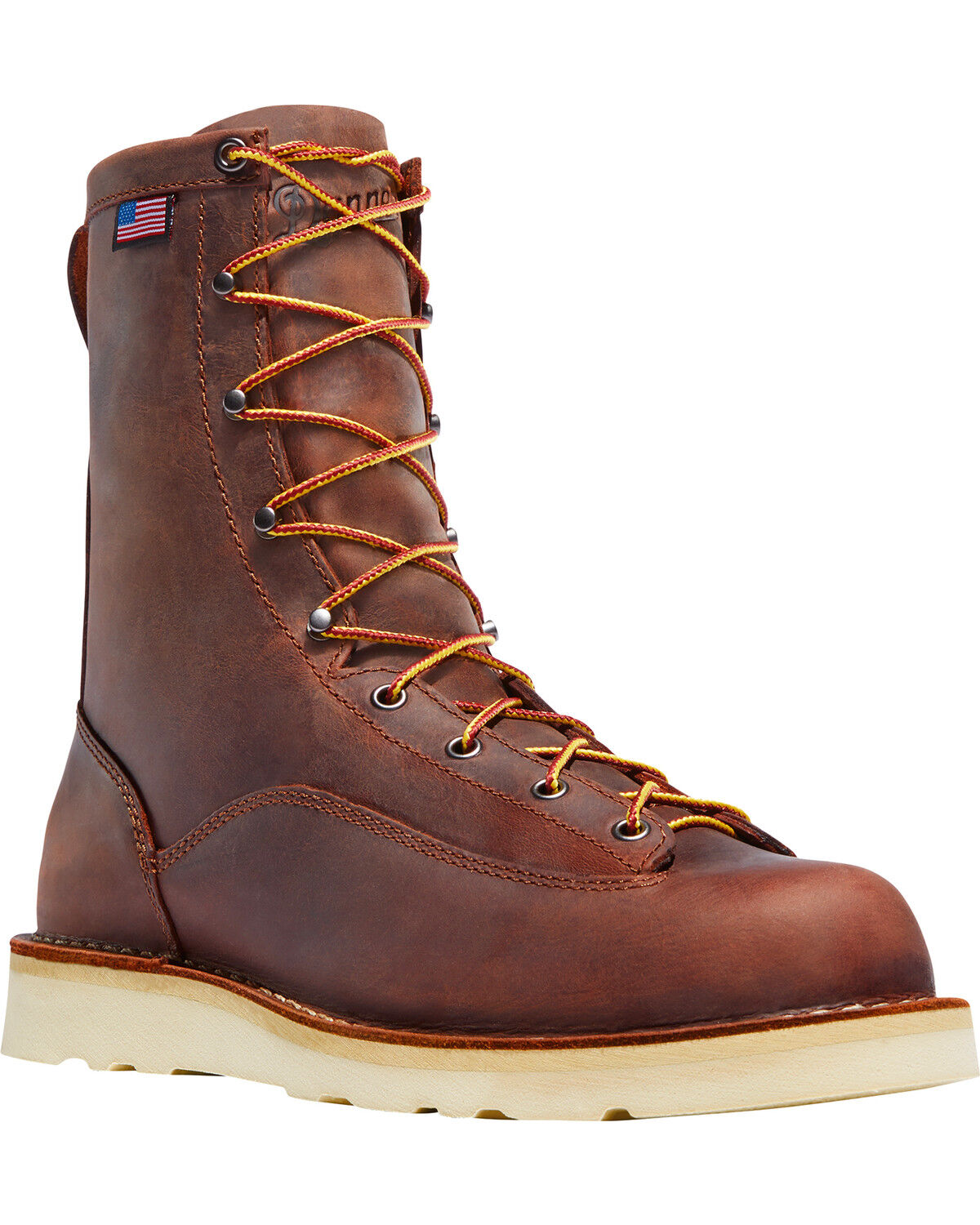
Shoes For Everyday Wear Men

Find men’s shoes for everyday wear that fit your daily routine. Browse everyday footwear for casual plans and daily errands, and compare styles to find a pair that works with the clothes you wear most.

Shop Your Store: Shop Your Store: Find a Store

(Turn off Shop Your Store to see all items)

(Turn off Shop Your Store to see all items)

close
  • Recommended
  • Lowest Price
  • Highest Price
Skip pass products

End of products

Shoes For Everyday Wear Men

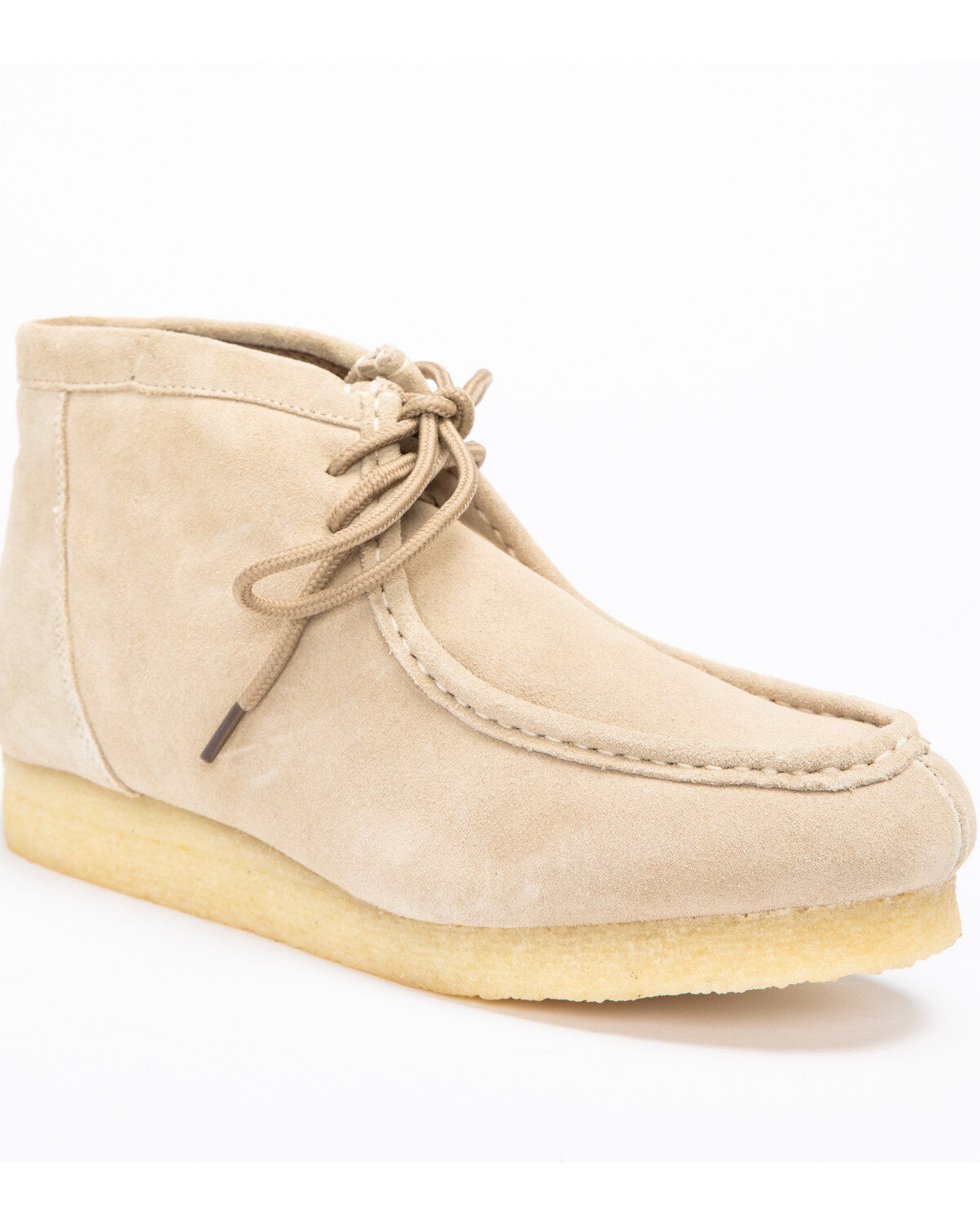
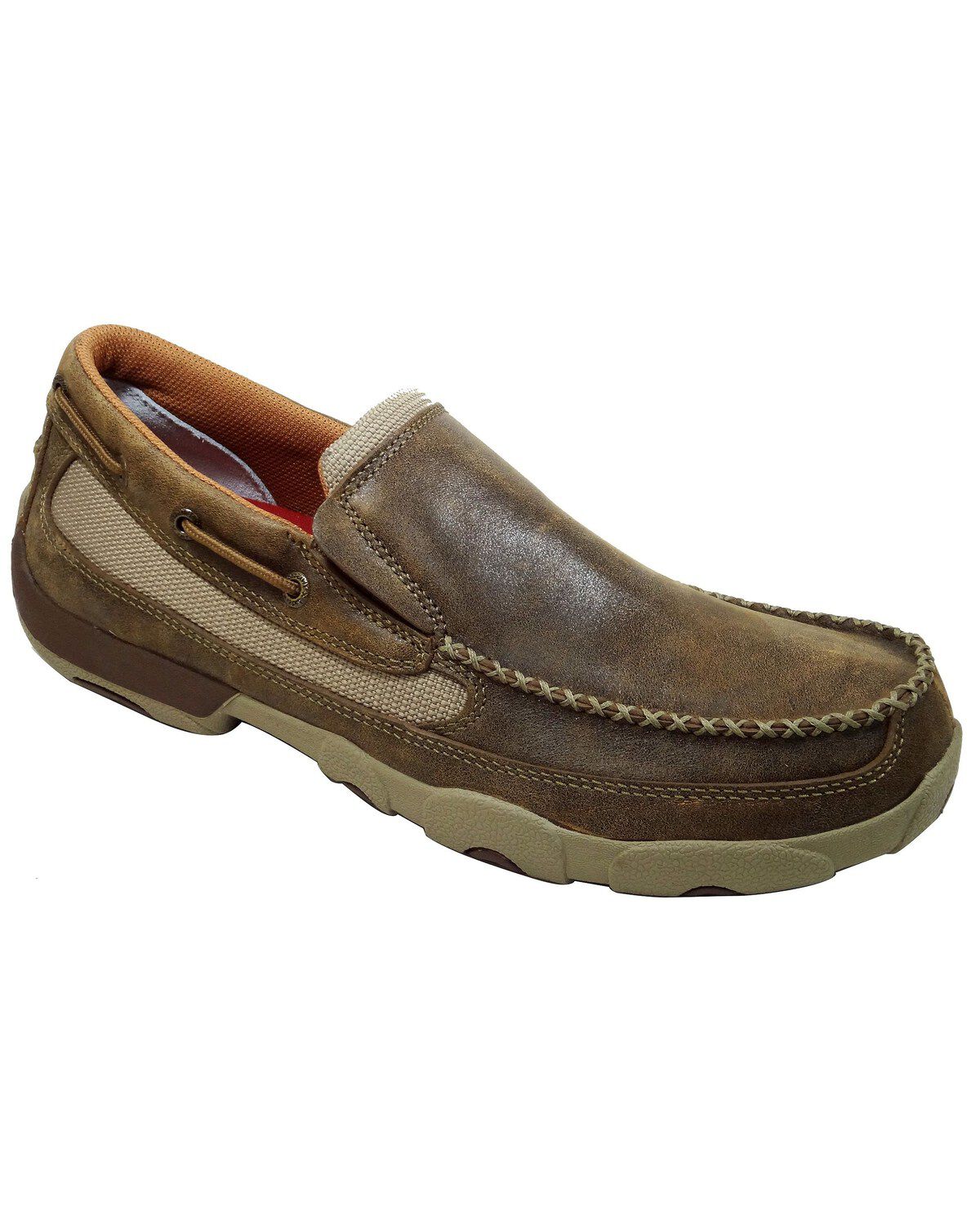
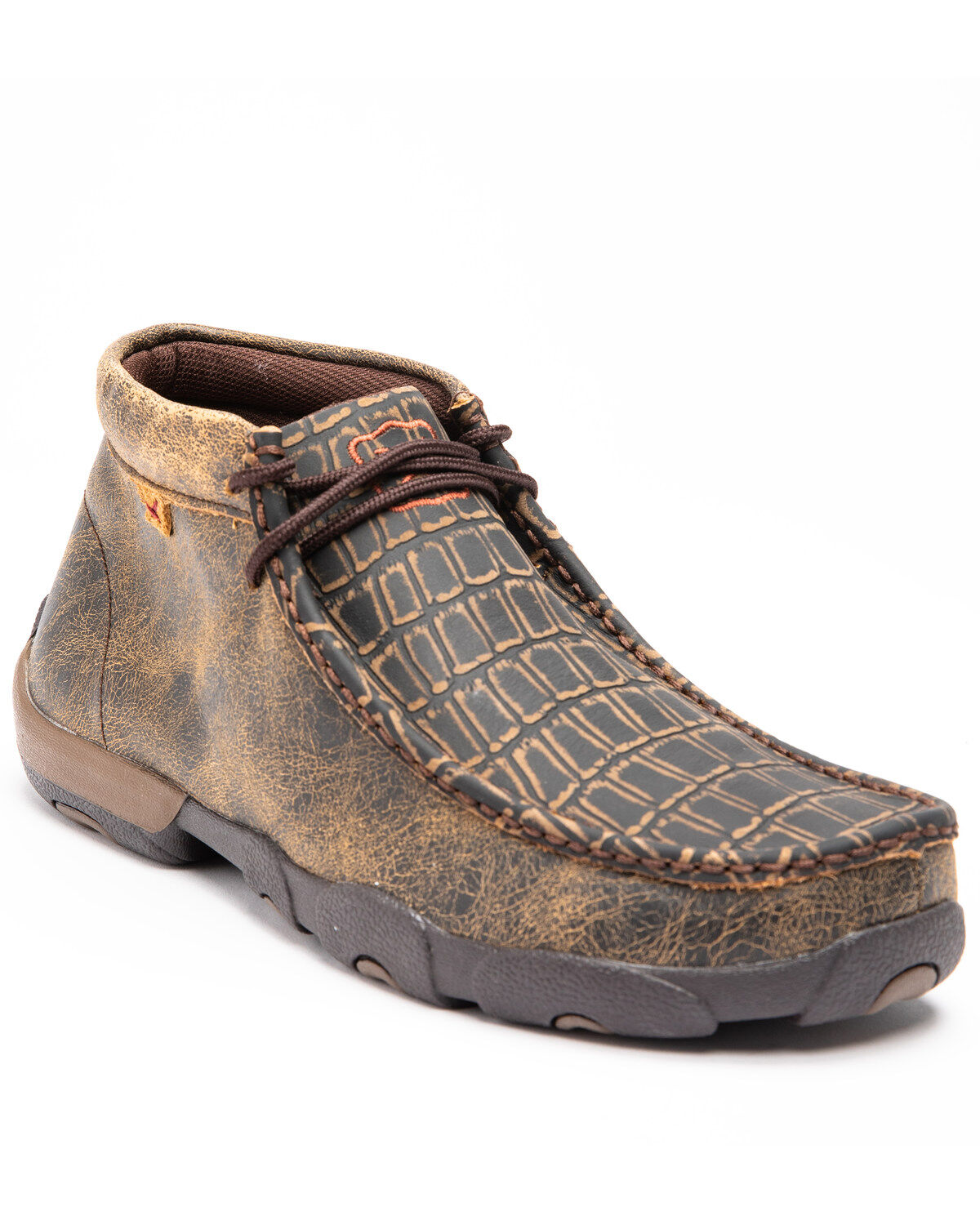
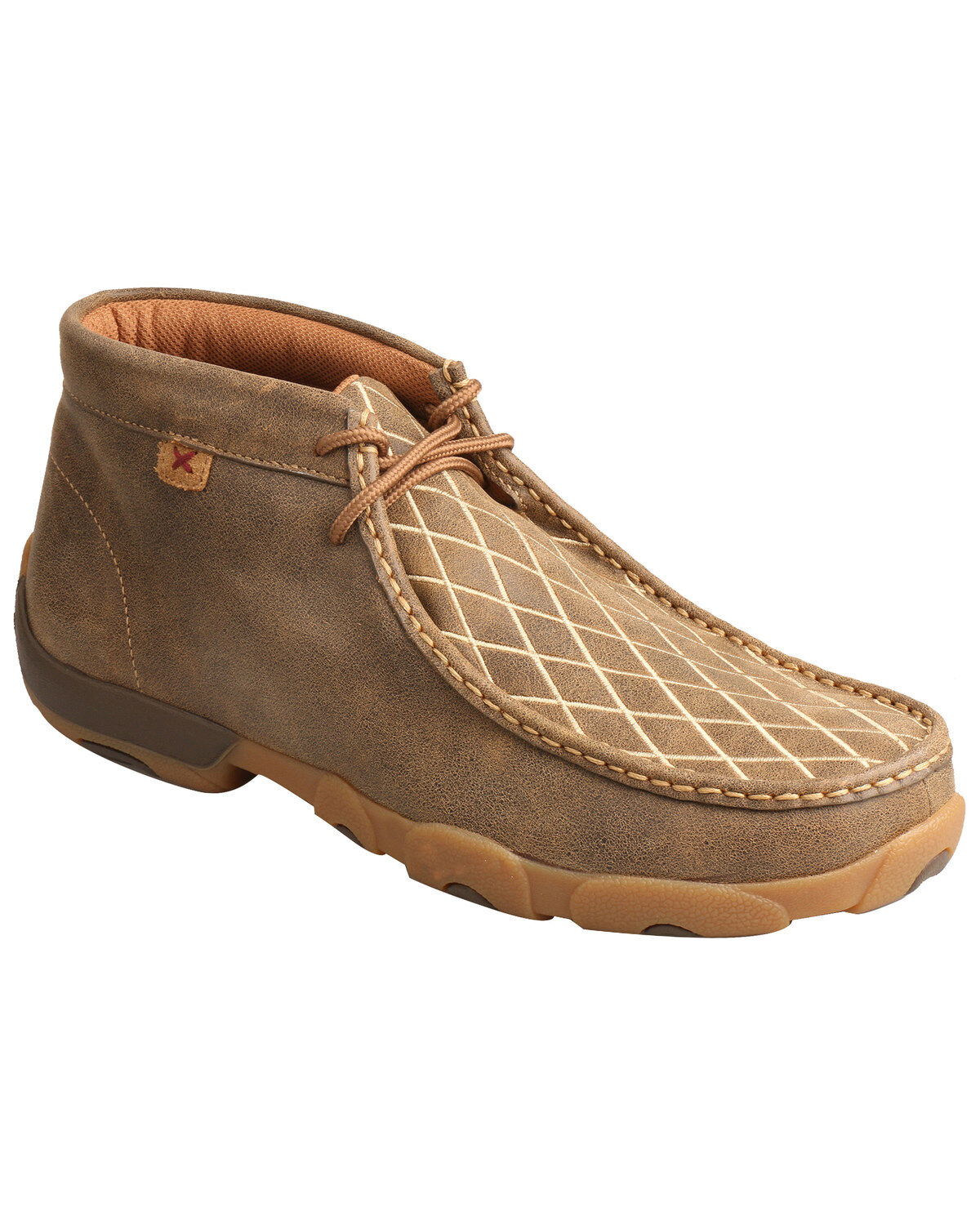
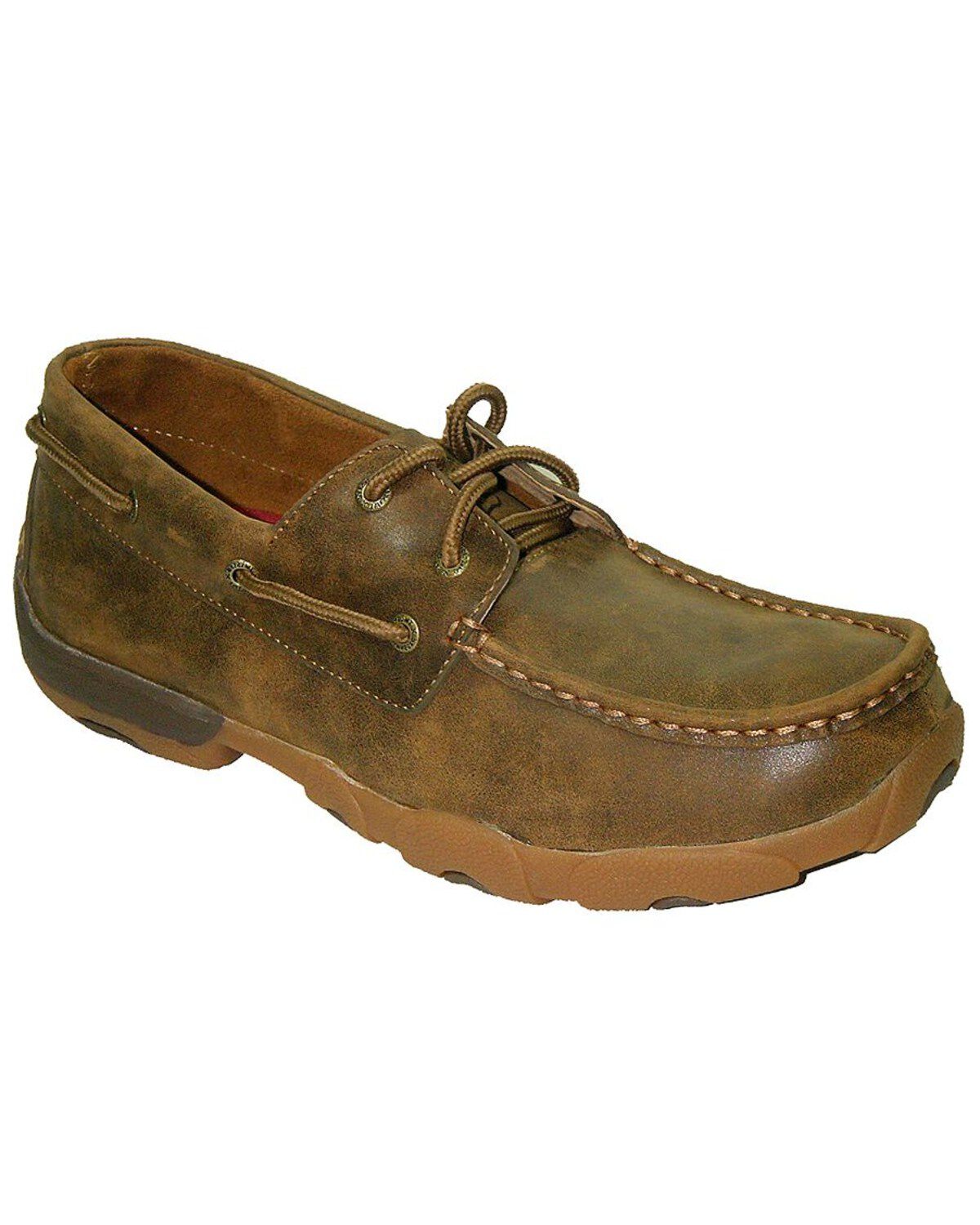
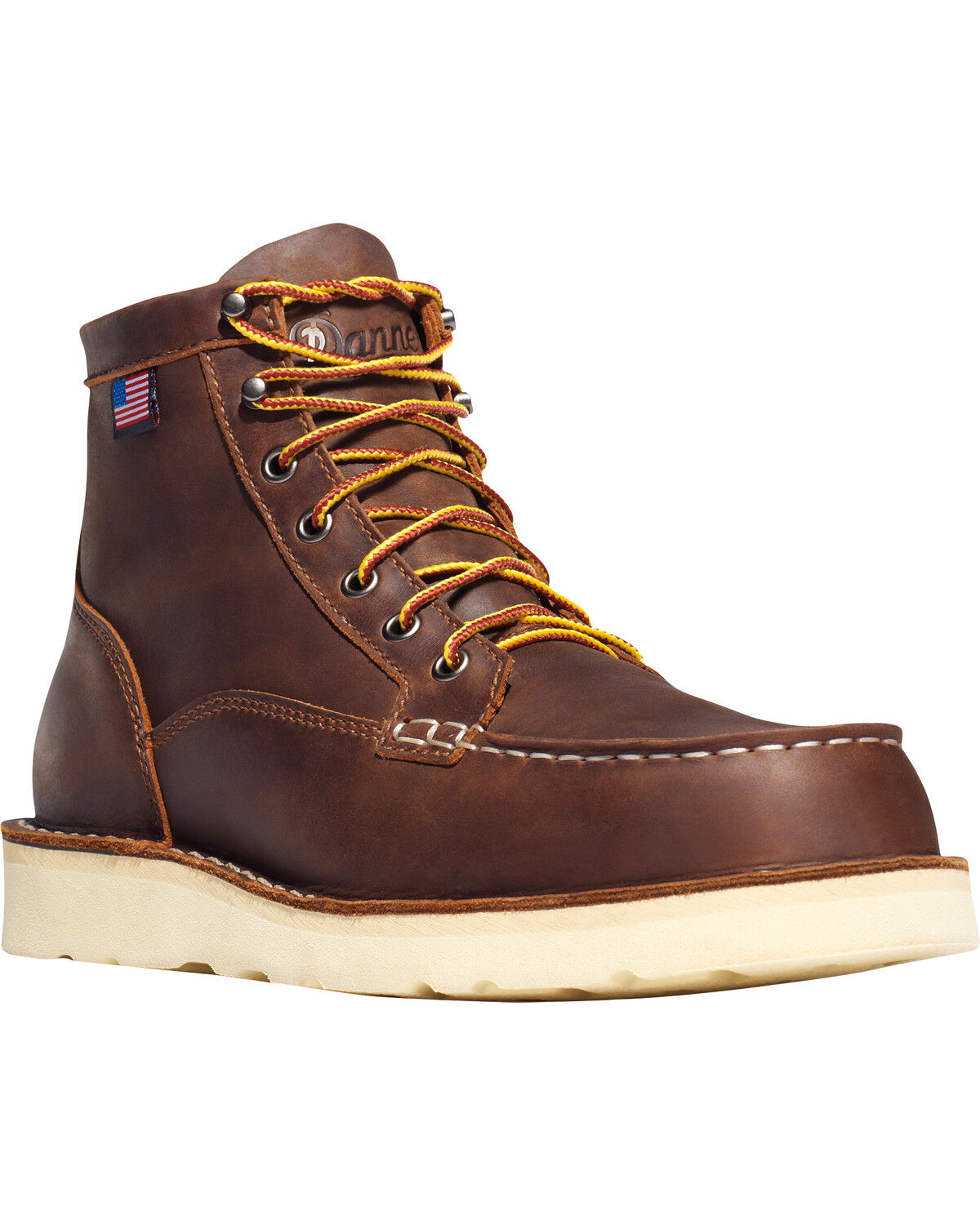
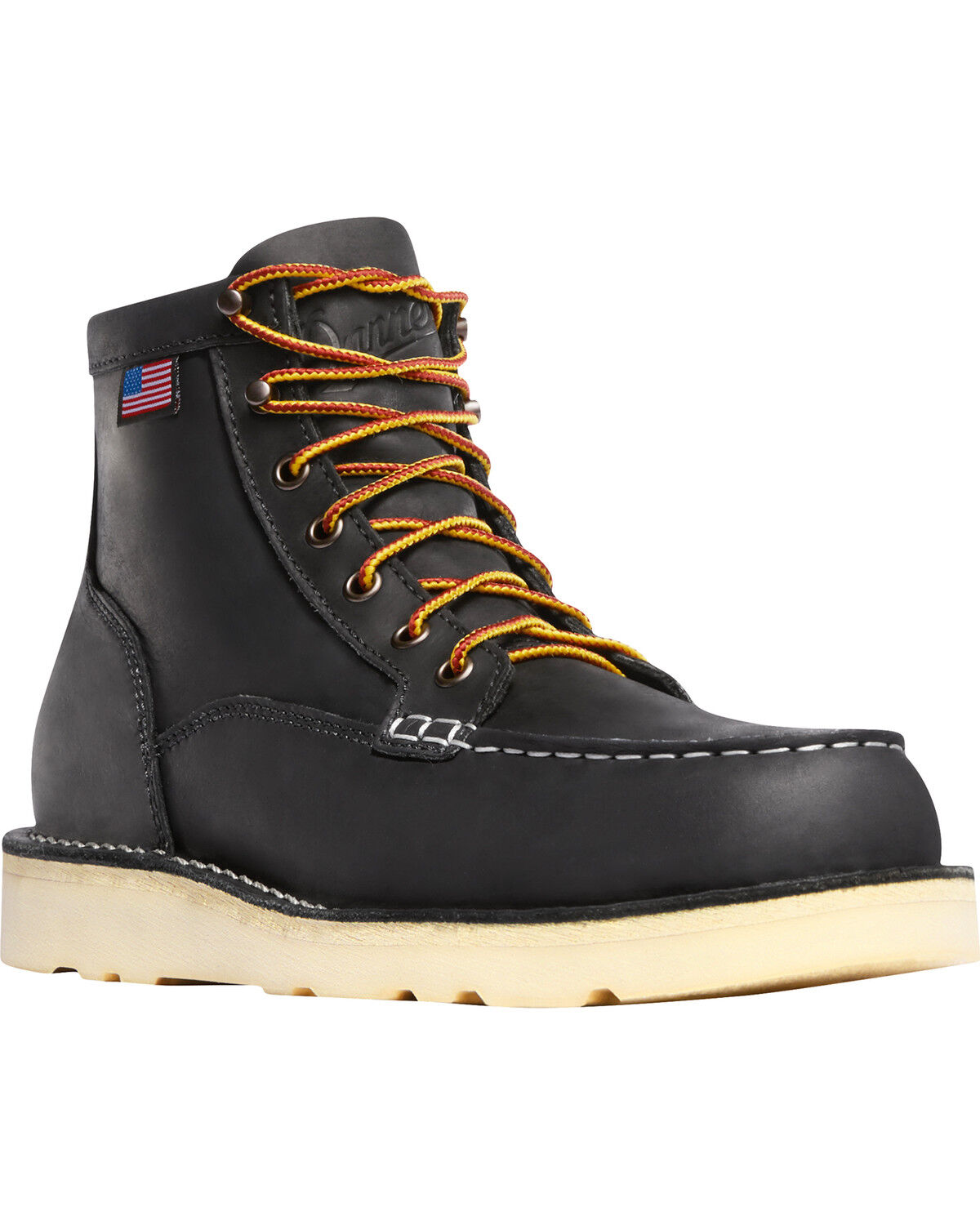
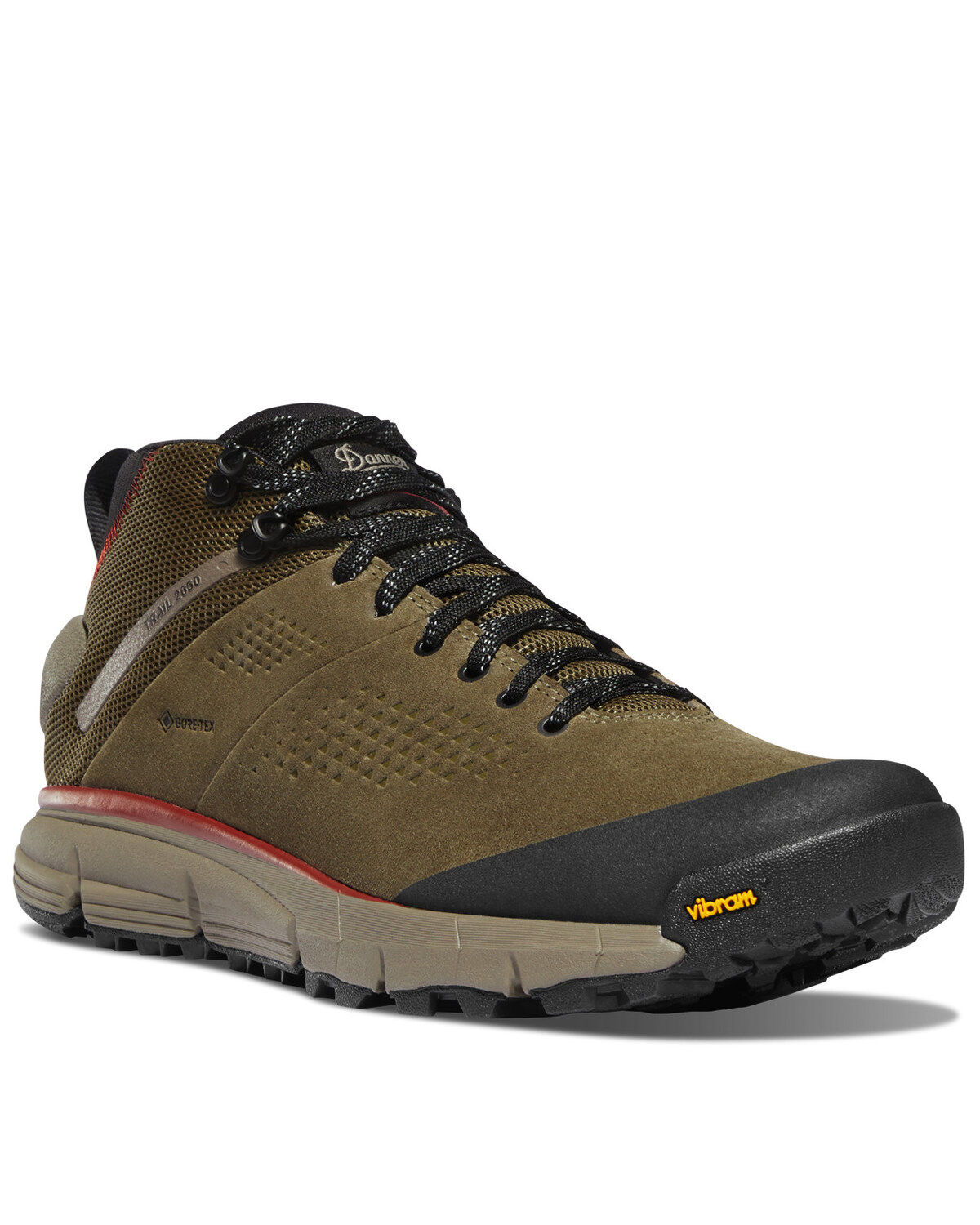
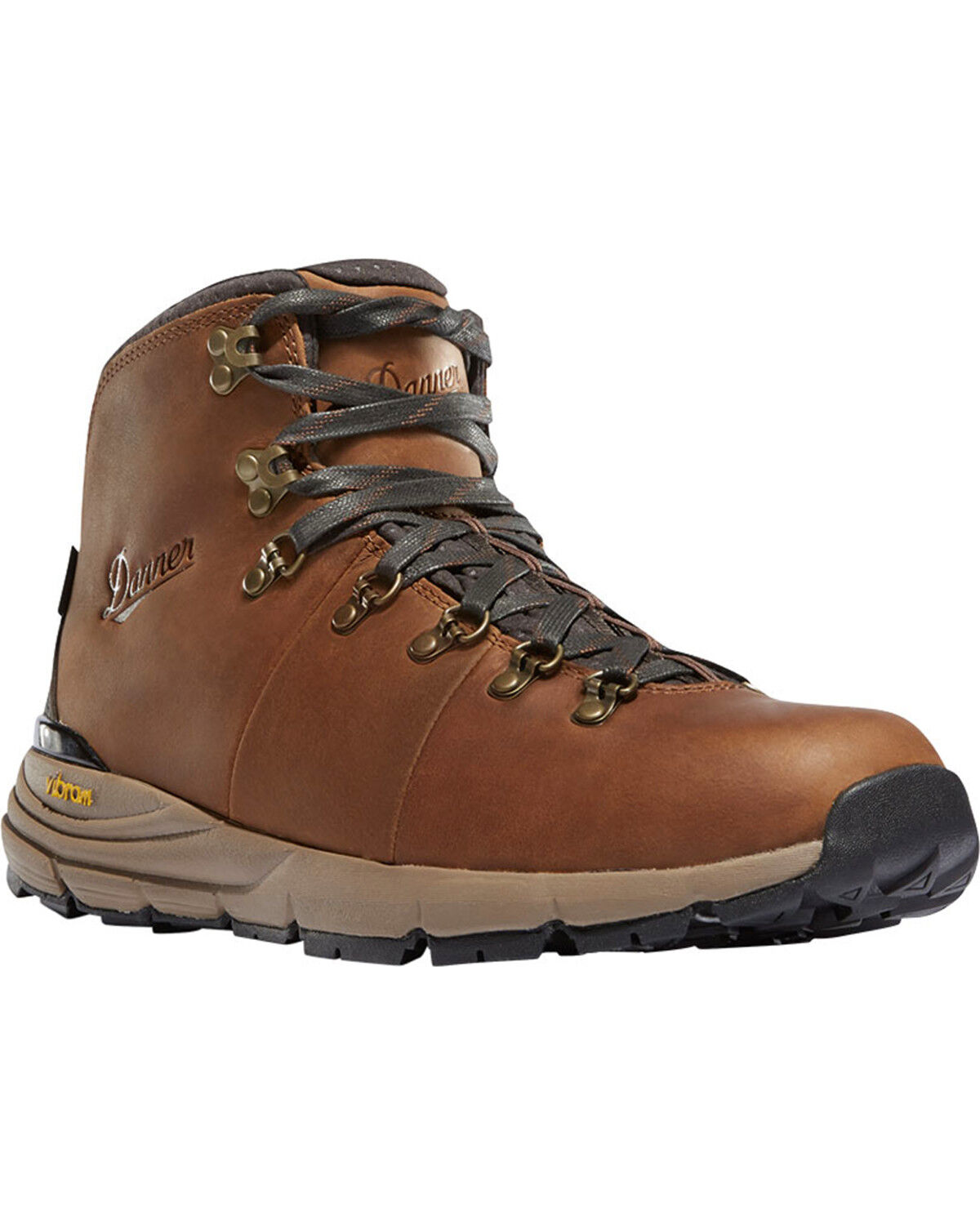
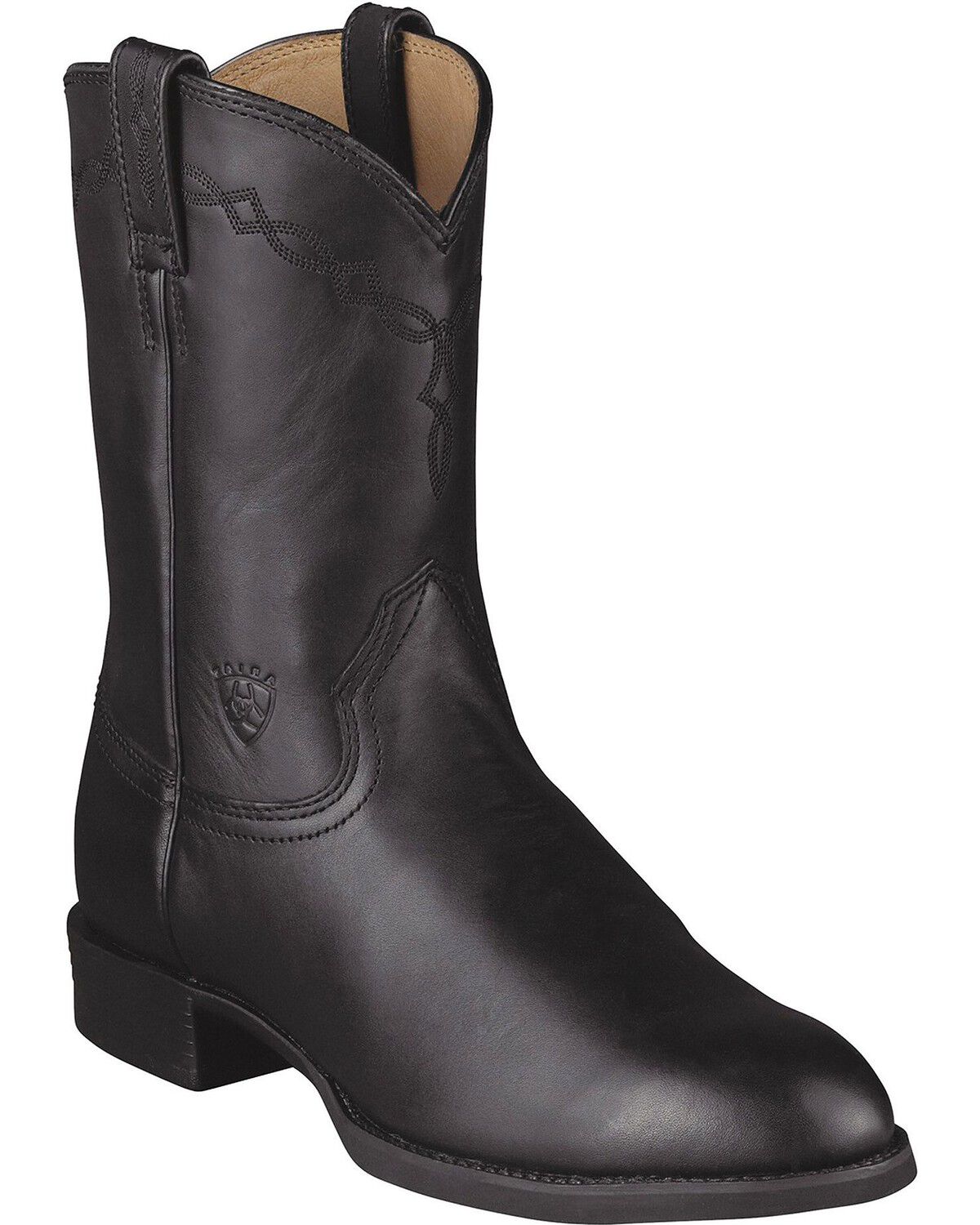
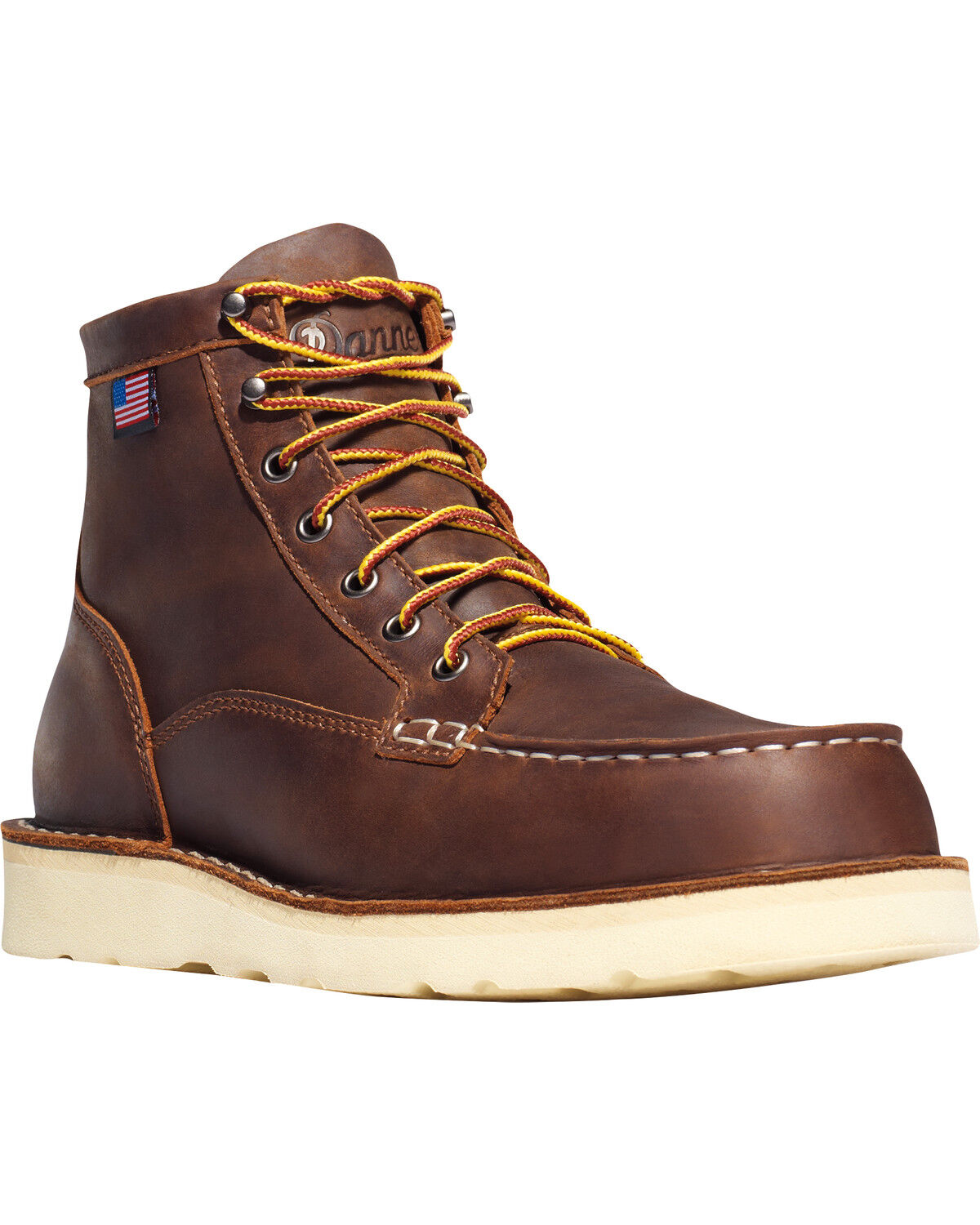
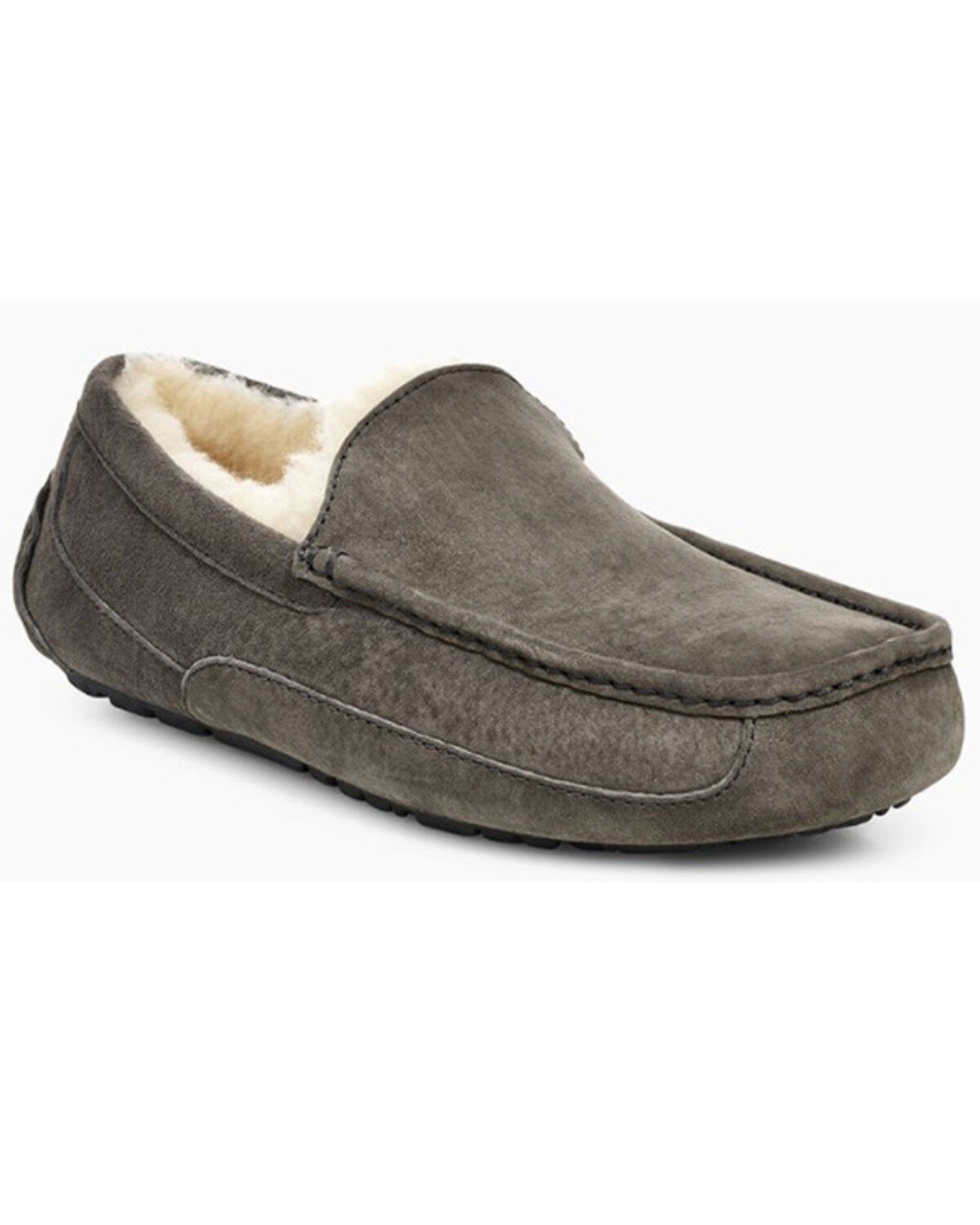
Shoes for everyday wear give men a practical foundation for the parts of the day that do not call for a dress shoe or a heavy-duty boot. They belong by the door, ready for a drive across town, a few hours at a desk, a walk through the hardware store, or dinner with family. A useful everyday pair feels appropriate in each setting without demanding a change of clothes. Simple lace-up shoes, casual sneakers, and slip-on styles can work with straight-leg jeans, canvas pants, and relaxed button-down shirts. The differences are in the details: a smooth leather upper creates a cleaner appearance, a textured suede finish adds depth, and a fabric upper gives the shoe a more relaxed character. Neutral colors are easy to pair with denim and workwear, while understated stitching keeps the focus on the shape and material. Leather can develop creases and character with regular wear, though its feel depends on the thickness, finish, and construction. Suede has a soft, brushed surface that benefits from a little more attention around dirt and spills. Woven fabrics and mesh panels can allow airflow, while reinforced areas around the toe and heel help protect places that take repeated contact. The outsole matters just as much as the upper. Rubber is commonly used for traction and resistance to abrasion, and lighter cushioning materials can reduce the weight carried through each step. A lower-profile sole gives a shoe a streamlined look; a thicker sole may provide more separation from hard floors. Neither appearance tells the whole story about comfort or durability. The way the upper, lining, cushioning, and sole work together determines how the shoe feels through a full day. For men who favor western clothing but do not need boots for every occasion, a straightforward casual shoe keeps the outfit grounded. It is footwear for ordinary routines, with enough versatility to move from a quick stop at the grocery store to an informal gathering.

Fit becomes more noticeable as the hours add up. A shoe that feels fine while seated may feel different after walking several blocks or standing through a long conversation. Everyday shoes should hold the heel securely without pressing hard against the back of the foot, and the toe area should leave enough room for the toes to move naturally. Width deserves the same attention as length. Pressure along the outside of the foot, a pinched little toe, or an upper stretched tightly across the forefoot can indicate that the shape is not a good match. A roomier toe box can help men who need more space up front, while an adjustable lace closure allows a closer fit through the middle of the foot. Slip-on designs depend more heavily on the fit of the opening and upper, since there is less opportunity to adjust them. Socks also change the feel. The thickness worn for an ordinary day should be part of the fit assessment, especially when comparing a close-fitting shoe with a more relaxed style. Cushioning can soften contact with hard surfaces, but an overly soft footbed is not automatically the best choice for every wearer. Some men prefer a firmer platform with a defined heel cup; others appreciate more padding under the heel and forefoot. A flexible forefoot helps the shoe bend during a step, while stability through the middle can contribute to a more controlled feel. Comfortable Shoes For Men are especially relevant to routines that involve repeated trips between a parking lot, office, and shop floor. Removable footbeds may accommodate an insert, provided the shoe has enough depth and the insert does not crowd the foot. Any persistent rubbing or sharp pressure deserves attention rather than an assumption that wear will fix it. Intended use still sets the boundary: casual everyday footwear is not a replacement for protective work shoes when a job requires safety features or a particular outsole rating.

Durability shows up in the areas that get used hardest: the heel lining, the bend across the forefoot, the edge of the sole, and the toe. Well-finished seams and securely joined components contribute to a shoe that holds its shape through repeated wear. Reinforcement in high-contact areas can be useful for men who spend much of the day moving between tasks, while a substantial outsole may stand up better to rough surfaces than a very thin one. Tread shape also affects daily use. A relatively smooth pattern can suit indoor settings, while a more pronounced pattern may offer useful grip on varied surfaces. Traction depends on both the sole material and the surface underfoot, so an aggressive-looking tread alone does not establish a safety rating. Care should match the upper rather than follow one method for every pair. Loose dirt can usually be removed with a soft brush or cloth before it settles into seams and texture. Finished leather may benefit from a compatible cleaner and occasional conditioning, following the footwear maker’s directions. Suede generally calls for a suede brush and treatment intended for that finish. Fabric shoes may allow spot cleaning, but machine washing should not be assumed safe. Excessive soaking can affect adhesives, linings, and the shape of the upper. Letting shoes dry naturally away from direct heat helps avoid damage, and giving a worn pair time to air out supports routine care. Alternating between pairs can give interiors more time to dry and reduce repeated stress on the same shoe. Replacing worn laces or an appropriate removable footbed can address small maintenance needs, though neither restores a damaged sole or broken structure. Everyday shoes can also make a useful gift for a husband, father, brother, or friend whose routines are familiar. The best starting points are his usual size, preferred width, and the styles he already wears comfortably. A pair that suits his actual day will see more use than one chosen for appearance alone. Dependable everyday footwear earns its place through a comfortable fit, practical materials, and a shape that works with the clothes already in the closet.

FAQs