Semi Formal Western Attire

Find semi formal western attire for weddings, dinners, and other occasions that call for a polished look without full formal dress. Explore western-inspired styles to build an outfit that feels put-together and fits the event’s dress code.

Read More

Shop Your Store: Shop Your Store: Find a Store

(Turn off Shop Your Store to see all items)

(Turn off Shop Your Store to see all items)

close
  • Recommended
  • Lowest Price
  • Highest Price
Skip pass products

End of products

Semi Formal Western Attire

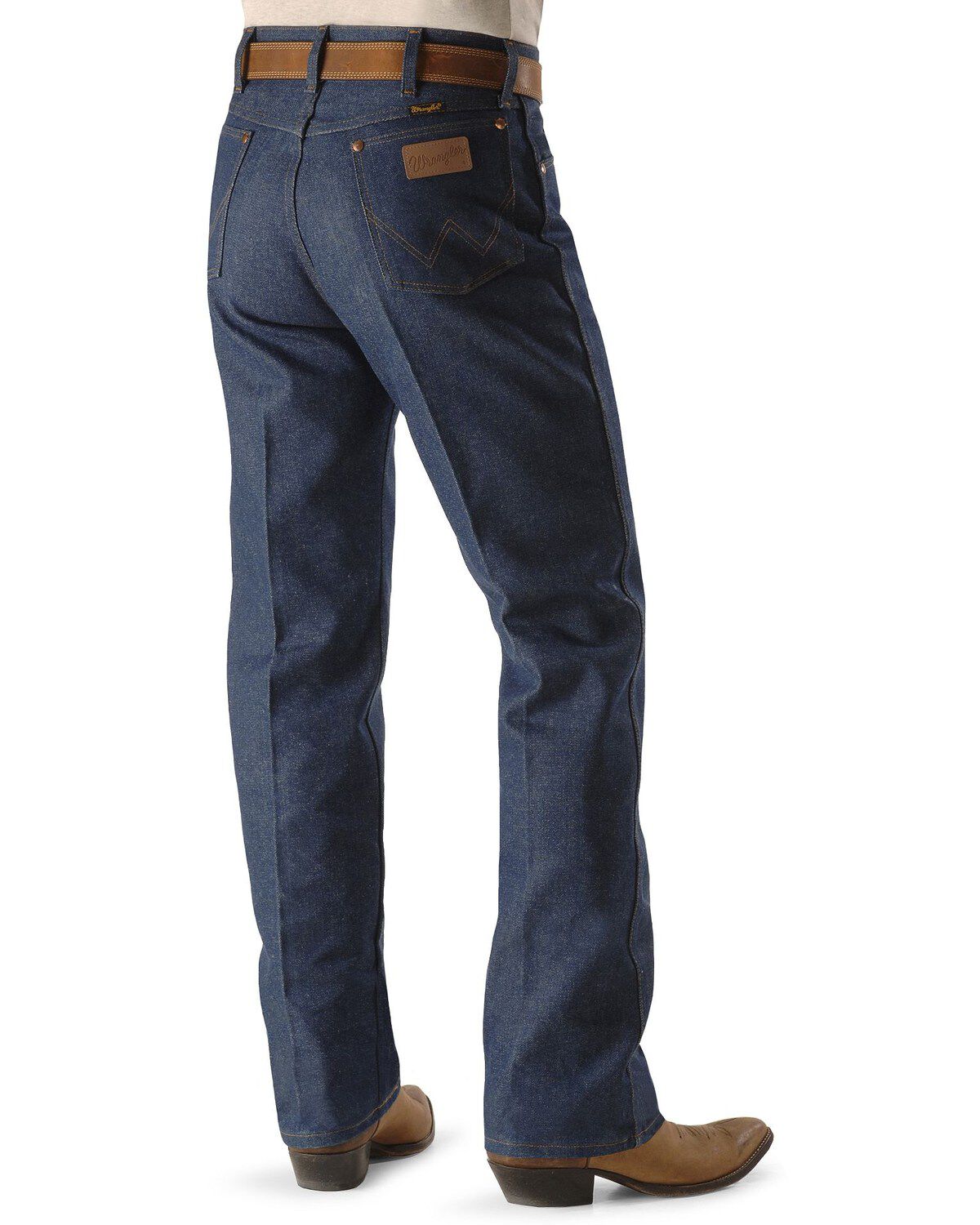
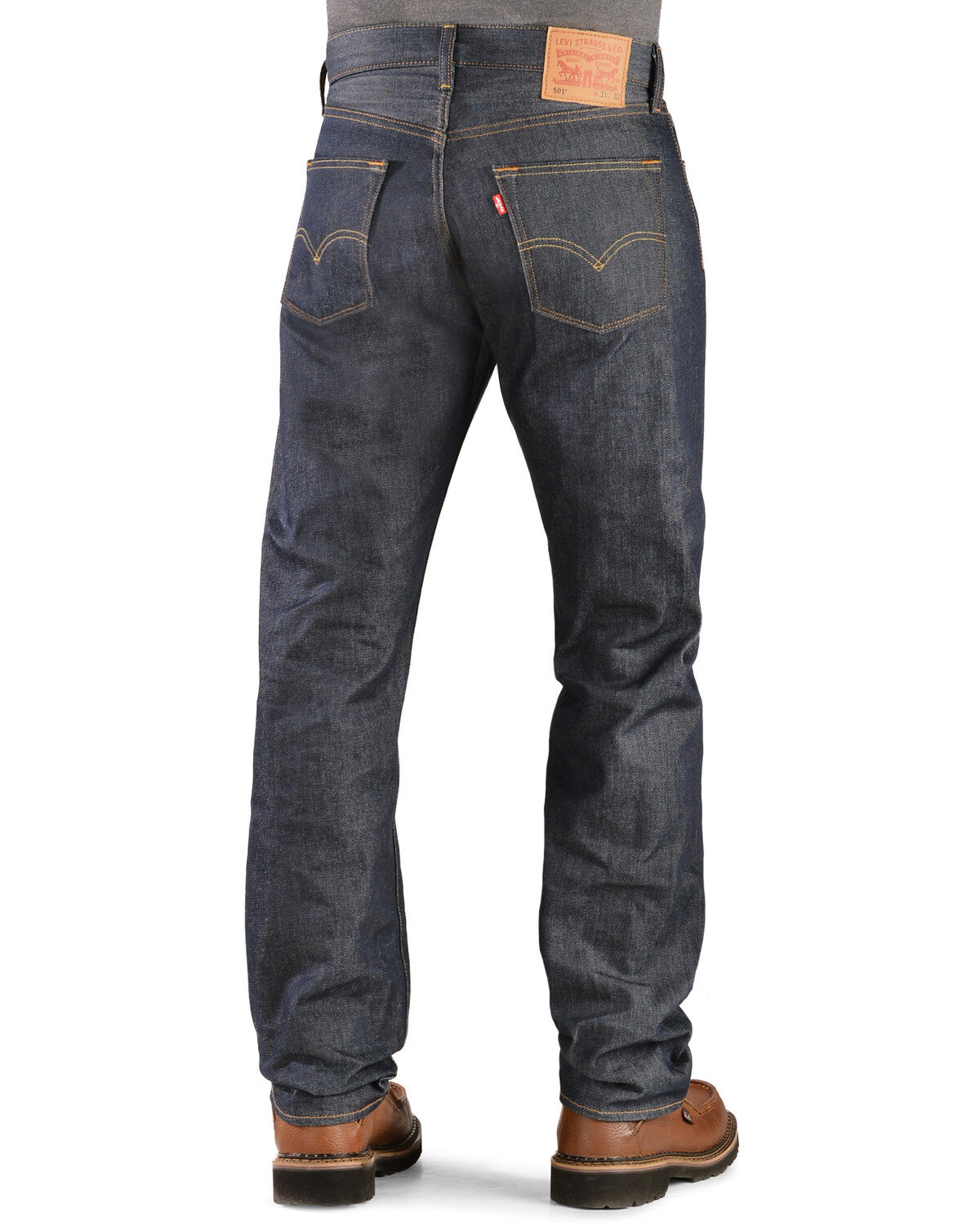
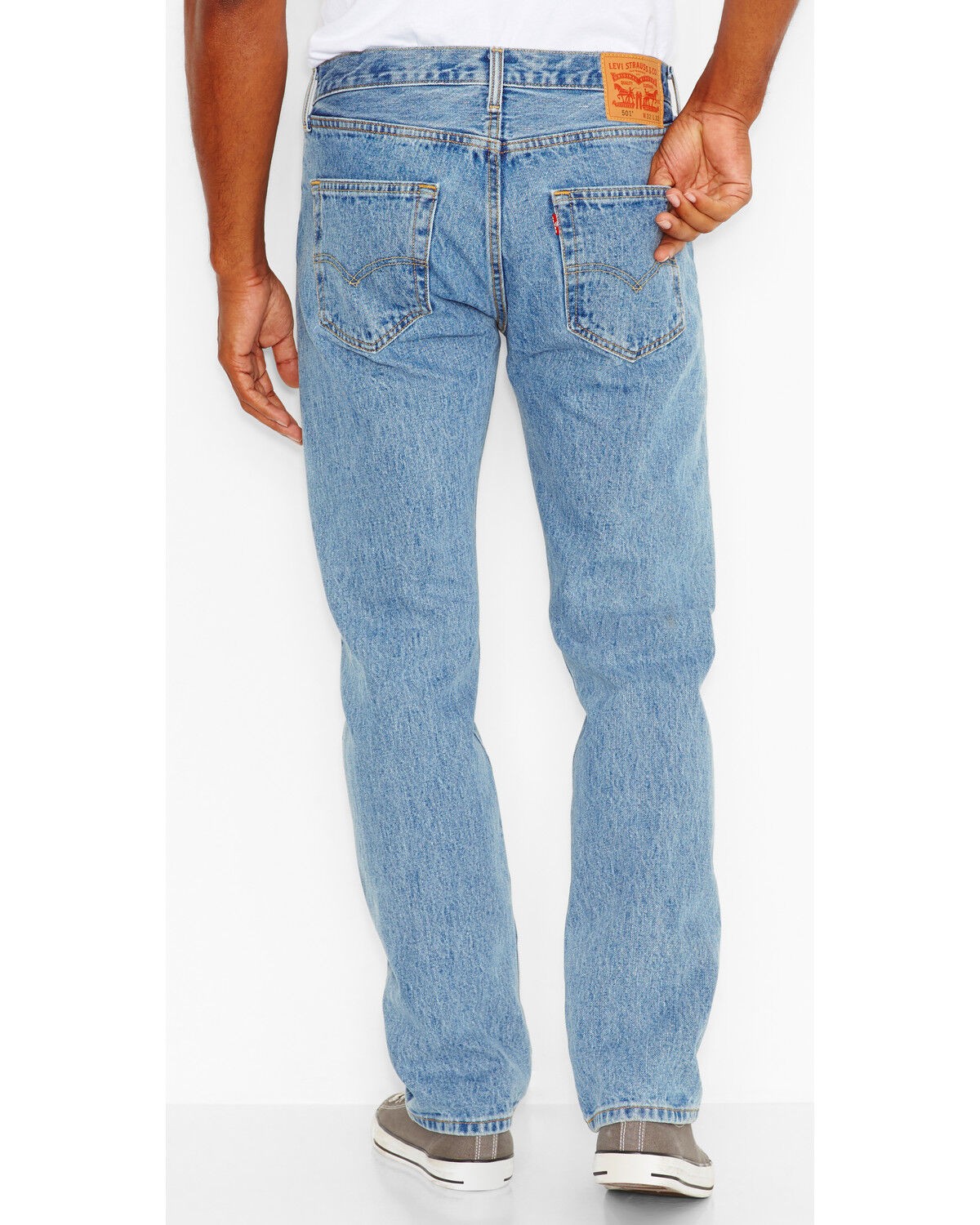
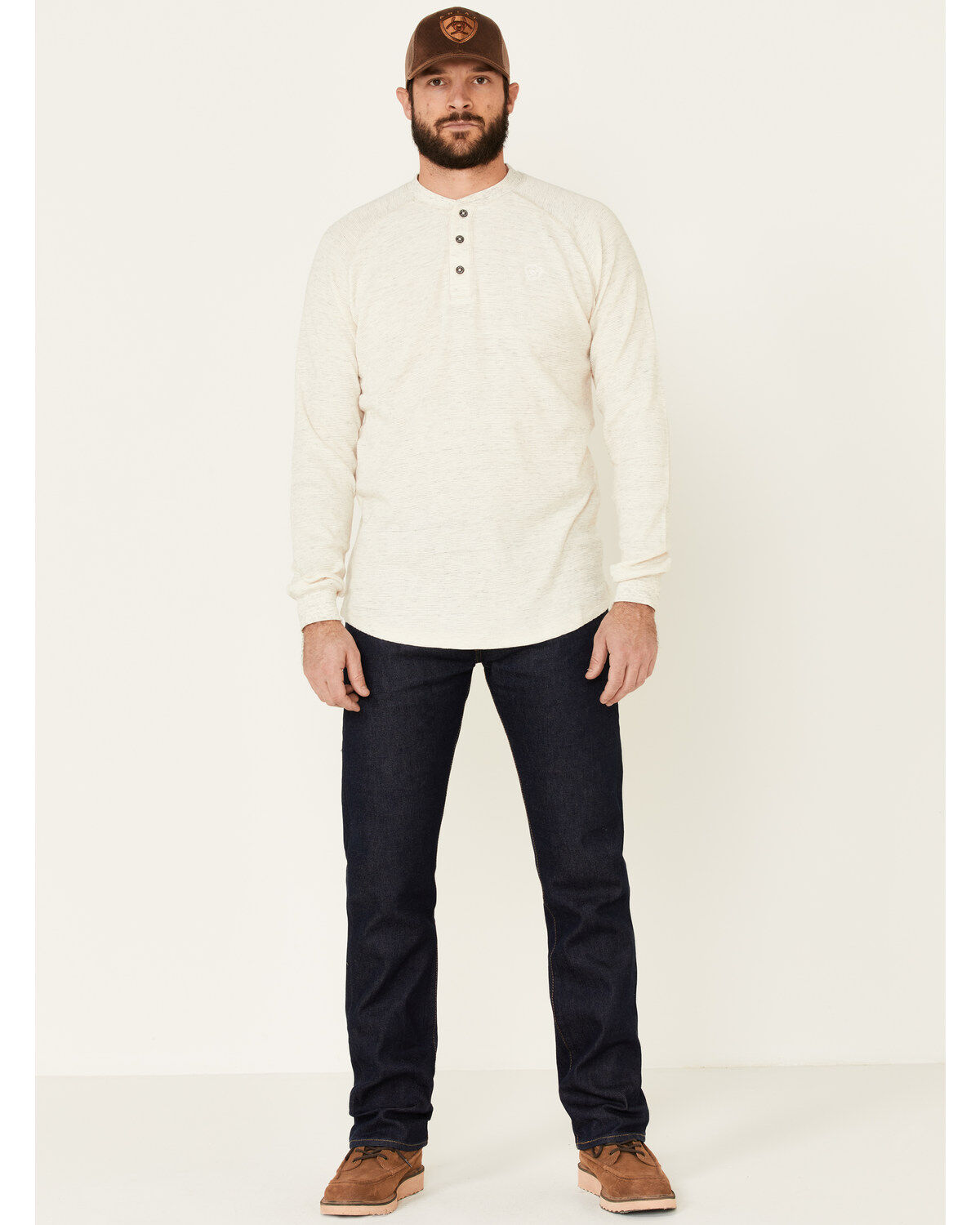
Semi formal western attire combines tailored clothing with western details, such as leather cowboy boots, snap-front shirts, shaped yokes, and restrained embroidery. It is more dressed up than everyday western wear without necessarily calling for a tuxedo or full evening dress. The balance depends on the occasion: a wedding reception, an anniversary dinner, or a dressier gathering at a ranch may each have a different standard. An invitation’s dress code takes priority, especially when the host requests suits, cocktail attire, or a particular level of formality. For men, a well-fitted sport coat, a pressed collared shirt, tailored trousers, and clean leather boots create a dependable foundation. A western-cut suit brings a more coordinated appearance, while subtle stitching or a distinct shoulder yoke adds character without dominating the outfit. For women, a dress, a skirt with a refined blouse, or tailored pants with a structured jacket can work with western footwear and understated accessories. Fluid fabrics, defined waistlines, and thoughtful proportions help these combinations feel intentional rather than like everyday clothing with dress boots added. Dark, even colors tend to look more formal than faded finishes, heavy distressing, or bold graphics. Denim may fit some western celebrations, but it is not a substitute for dress trousers when the invitation calls for them. Where denim is welcome, a dark wash, a clean finish, and a proper hem give it a sharper appearance. The strongest combinations usually give one or two western details room to stand out. A stitched boot shaft beneath a simple dress or a pearl-snap shirt under a solid jacket can establish the look without competing patterns. Rich brown, black, cream, navy, and muted earth tones provide useful foundations, with color introduced through a blouse, neckwear, or a small accessory. The result should feel comfortable in a dining room, at a ceremony, or on a dance floor while still looking appropriate for the event. Western character comes from the construction and details, not from wearing every traditional element at once.

Materials and fit make a noticeable difference in how semi formal western clothing looks over several hours of wear. Cotton shirting offers a crisp surface and familiar feel, while blends can add stretch or help limit wrinkling, depending on their construction. Wool and wool-blend tailoring can provide structure and a smooth drape without the stiff appearance of an overly heavy jacket. Satin, lace, and softly textured fabrics bring contrast to leather footwear, though lining, opacity, and seam placement matter as much as the fabric’s surface. A lined skirt that hangs smoothly or a blouse that stays neatly tucked helps an outfit hold its shape through dinner and dancing. Jackets should sit cleanly across the shoulders, with enough room to reach forward or sit without pulling sharply at the buttons. Shirt fronts should lie flat, and collars should feel comfortable when fastened with neckwear. Pants need enough room through the seat and thigh for sitting, with a hem that works over the intended boots rather than bunching around the ankle. Dress and skirt lengths also change how much of a boot is visible, so the relationship between hem and shaft matters. A shorter hem shows the stitching and shape; a longer one may reveal only the toe and heel. Leather cowboy boots offer a distinctive finish, with smooth uppers and restrained stitching generally reading dressier than heavily distressed surfaces. Suede has a softer appearance but needs care suited to its finish. Toe shape is largely a matter of preference and proportion, while heel height affects both stance and comfort. A proper boot fit feels secure across the instep without pinching the toes; some heel movement can be normal in a new western boot. Boots should not depend on a crowded toe box to stay in place. For an event with long periods of standing, cushioning, support, and a familiar fit deserve as much attention as appearance. A leather outsole may feel different from a rubber outsole, particularly on smooth floors, and traction matters when moving between a walkway, a dining area, and a dance floor.

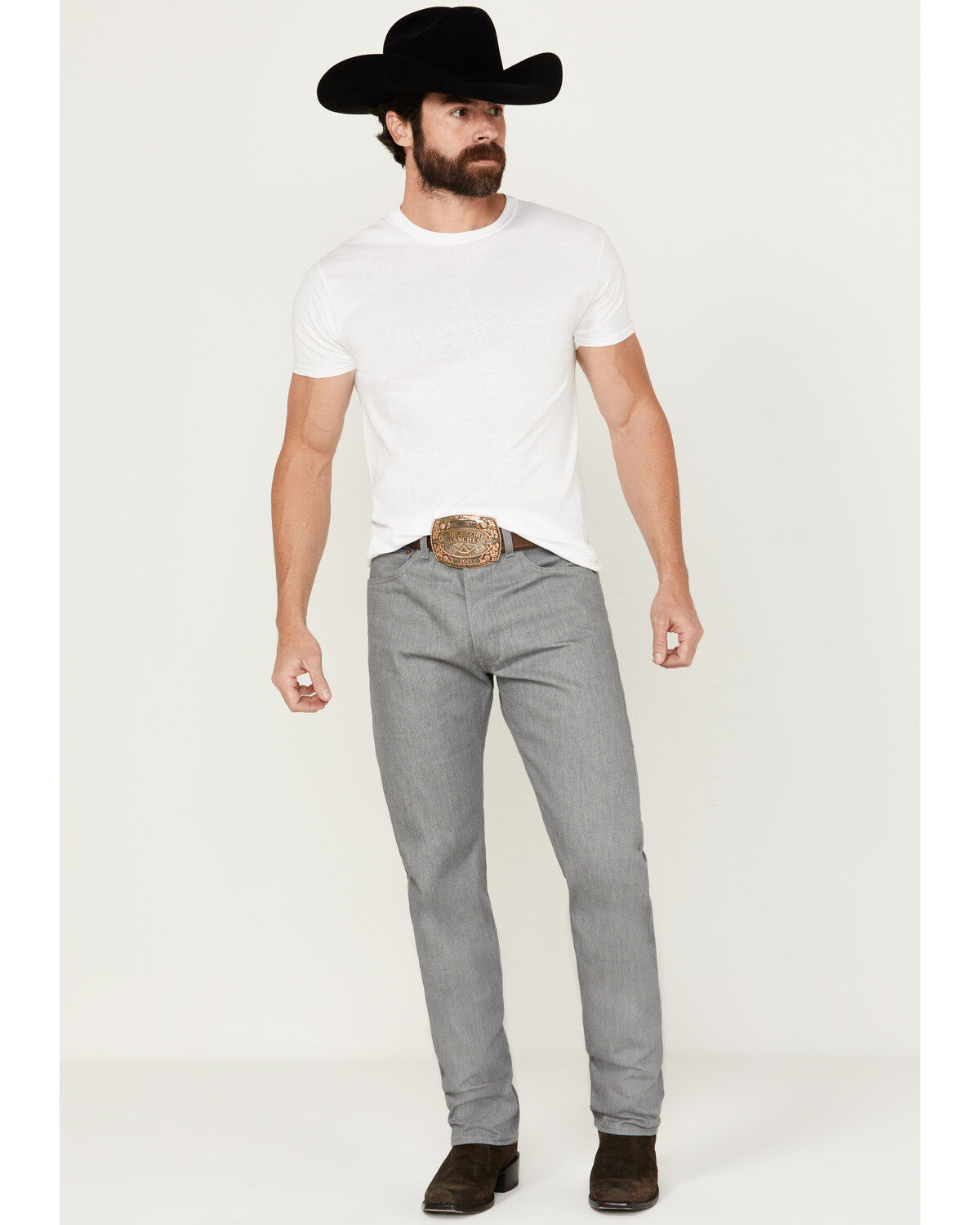
Finishing details bring semi formal western outfits together without adding unnecessary bulk. A leather belt in a tone that works with the boots creates continuity, while a buckle with a restrained profile fits more easily into a dressier setting than an oversized statement piece. Exact color matching is less important than a consistent level of finish: highly polished footwear can look out of place beside a heavily worn belt. Jewelry can add texture through silver tones, stones, or simple metalwork, with scale kept in proportion to the neckline and other details. A western hat may suit the venue and the host’s expectations, though indoor etiquette and seating arrangements can affect when it is worn or set aside. These pieces often serve beyond a single occasion, making versatility and sound construction useful considerations. Even stitching, secure fastenings, smooth linings, and well-finished edges are practical signs to examine in clothing and accessories. Care supports both appearance and durability. Garment labels determine whether a piece needs professional cleaning, hand washing, or machine washing, and pressing should suit the fabric rather than rely on one heat setting for everything. Leather boots benefit from having dust removed before an appropriate cleaner or conditioner is applied. Suede needs its own brush and suitable care products, not the same treatment used on smooth leather. Boots should dry naturally away from direct heat, and storage that supports their shape helps limit creasing and crushed shafts. Clean soles, a brushed jacket, and an unmarked collar can matter more at an event than another accessory. As gifts, belts and simple accessories can be useful when the recipient’s size and preferences are known; boots and tailored clothing require closer attention to fit. Pieces with a quieter finish can also move into less formal settings, where Casual Western Outfits allow more relaxed combinations. For semi formal occasions, the distinction remains clear: considered fabrics, a clean fit, cared-for boots, and western details that belong with the rest of the outfit.
Read More

FAQs