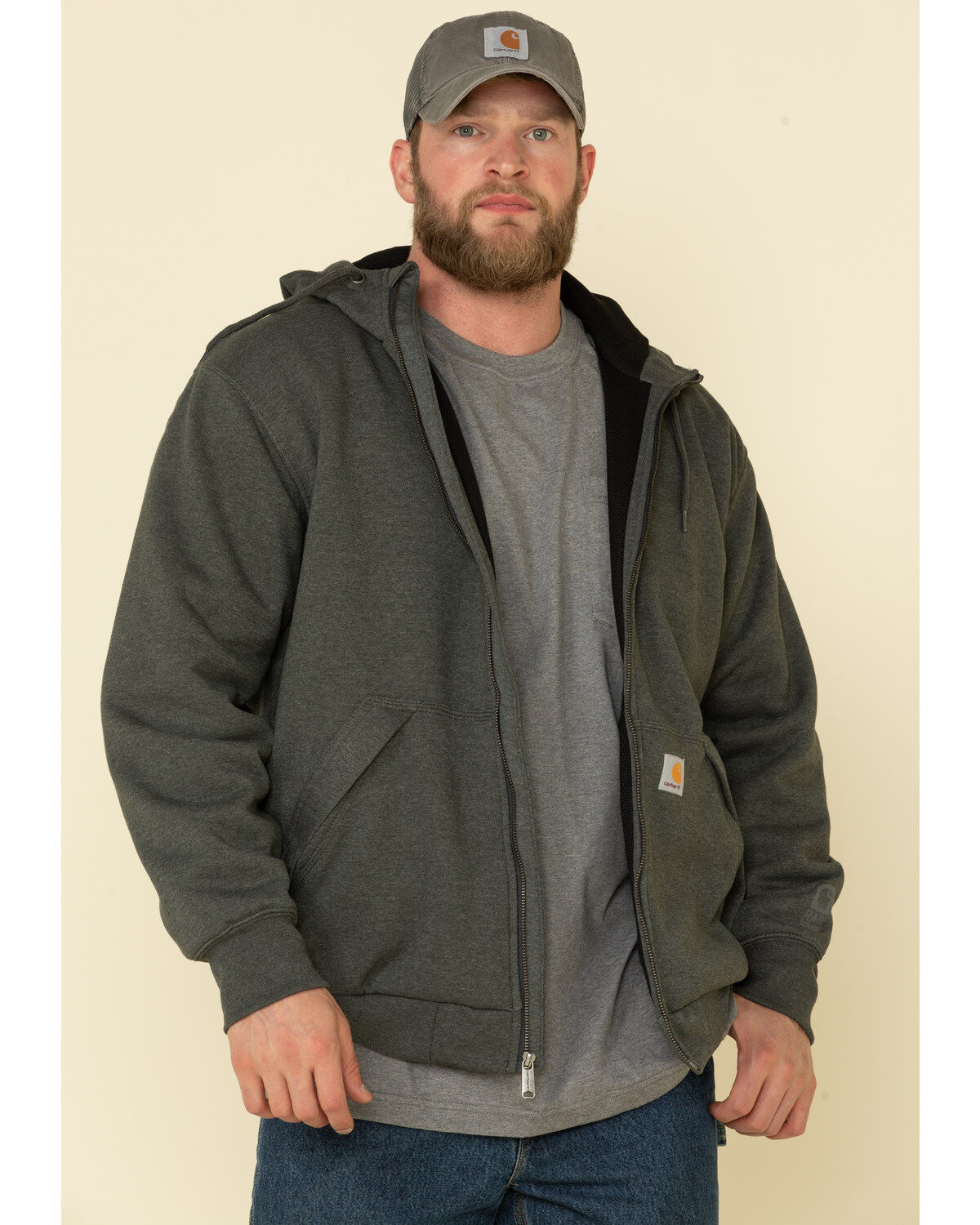
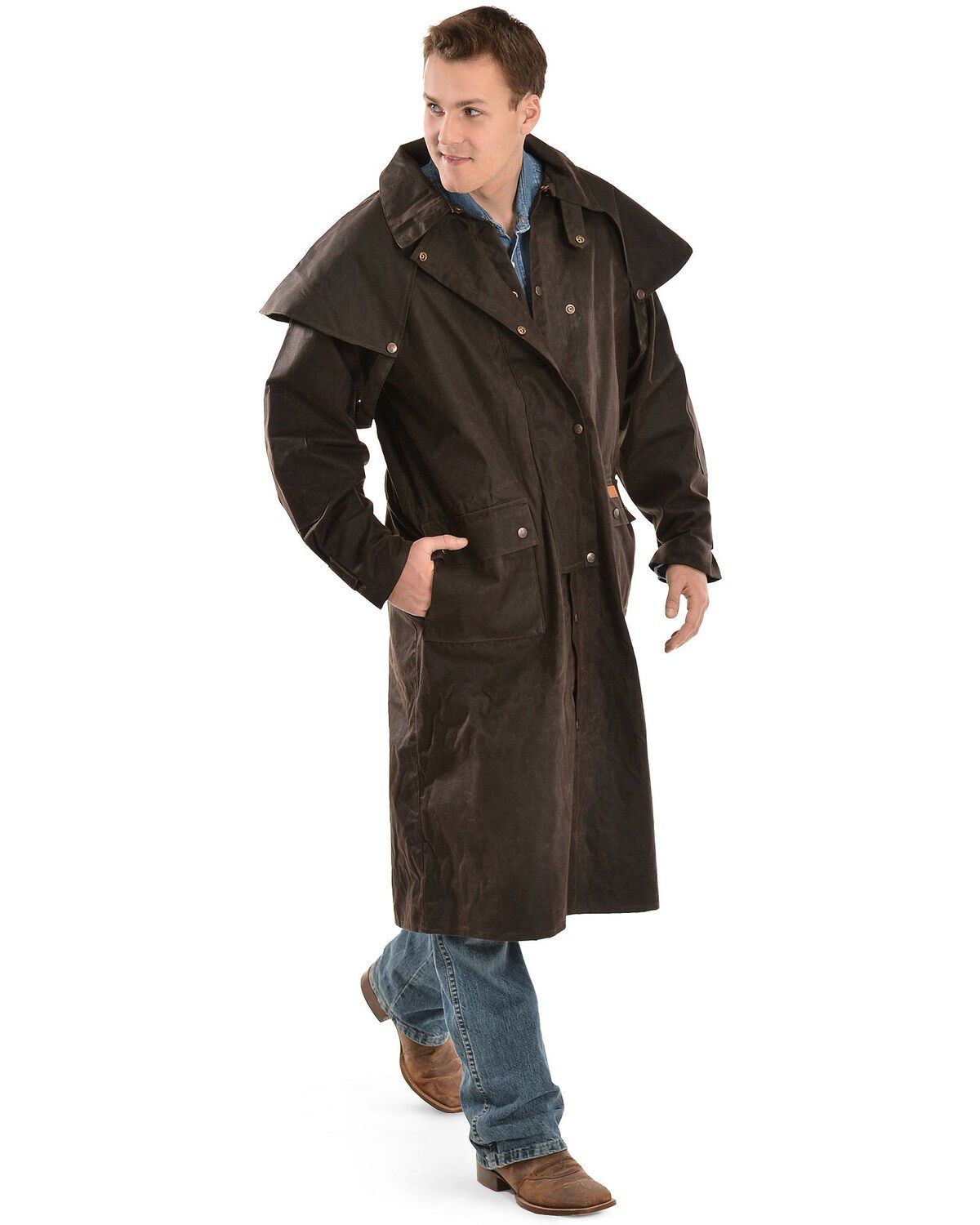
Rustic Farm And Ranch Workwear Apparel

Find rustic farm and ranch workwear apparel for daily chores, barn work, and days in the field. Browse work clothing with a western look, and compare fits and coverage to choose what works for your routine.

Shop Your Store: Shop Your Store: Find a Store

(Turn off Shop Your Store to see all items)

(Turn off Shop Your Store to see all items)

close
  • Recommended
  • Lowest Price
  • Highest Price
Skip pass products

End of products

Rustic Farm And Ranch Workwear Apparel

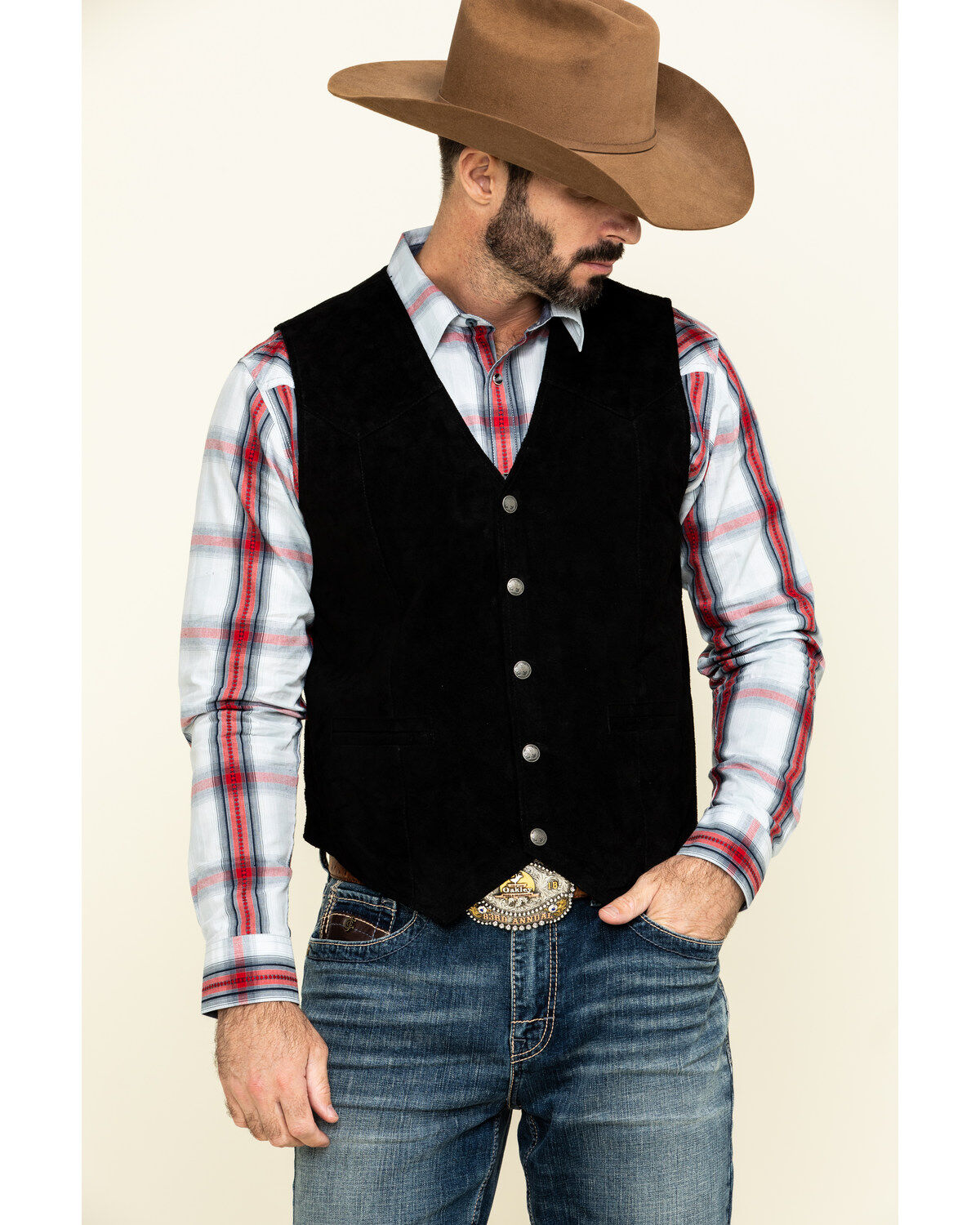
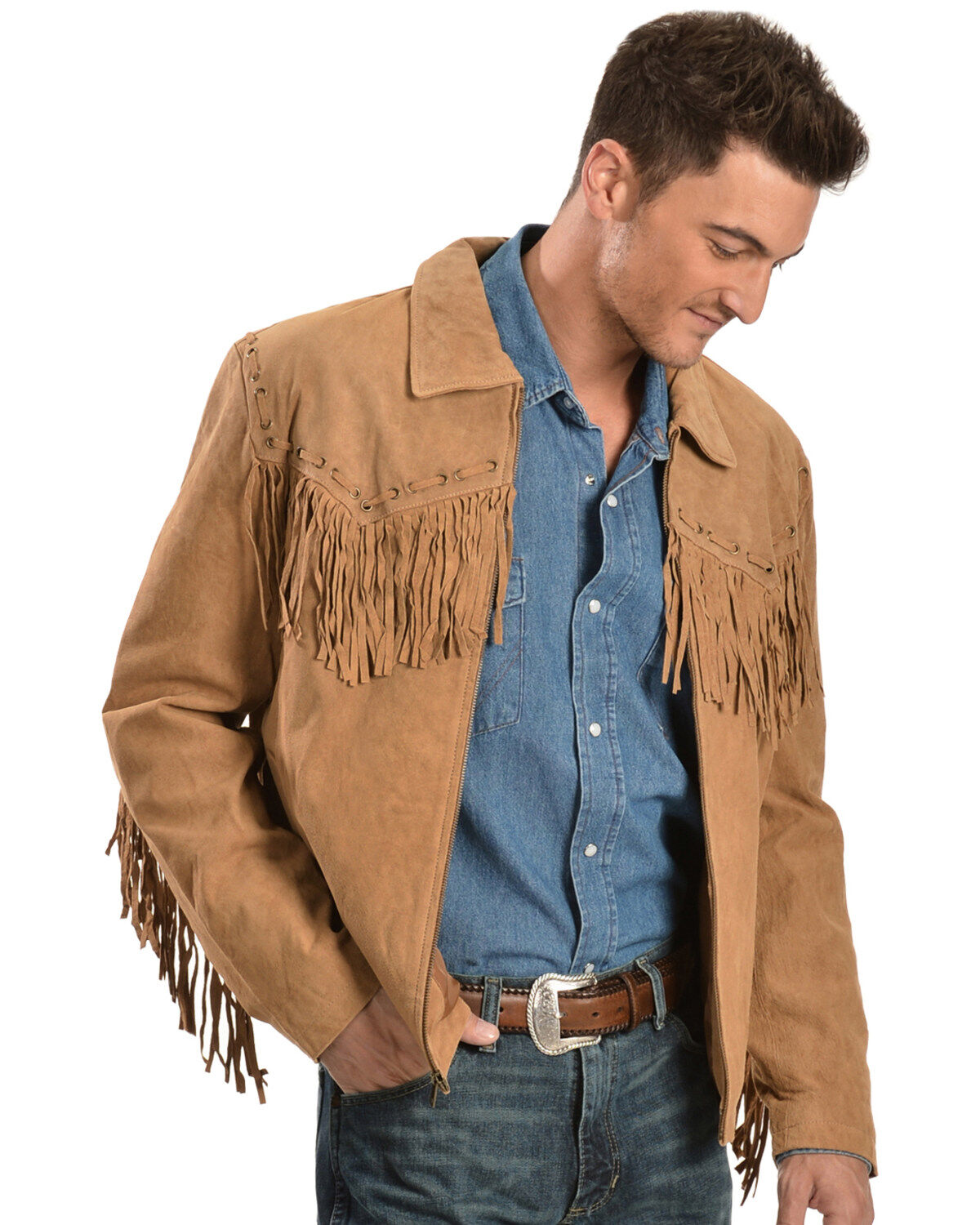
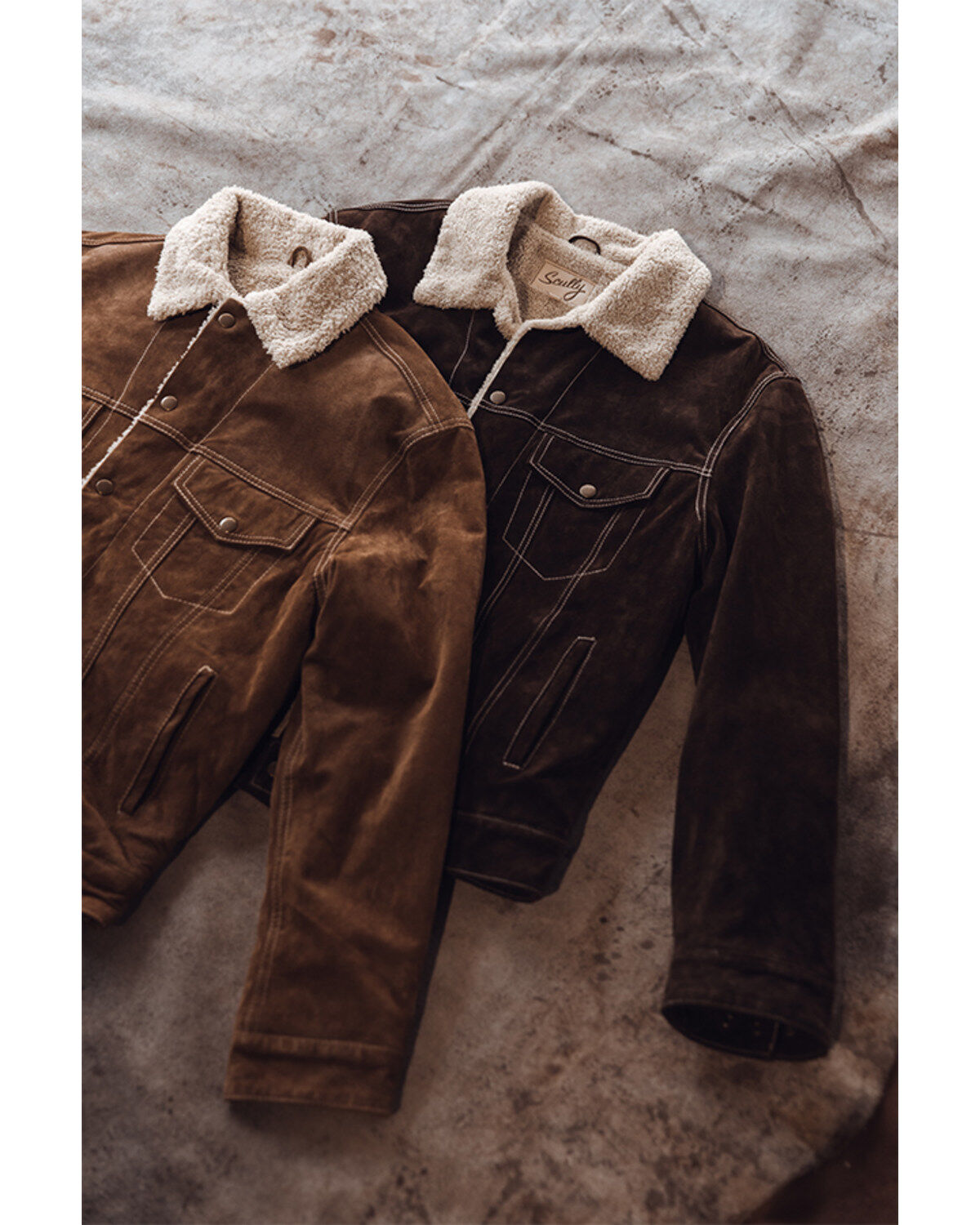
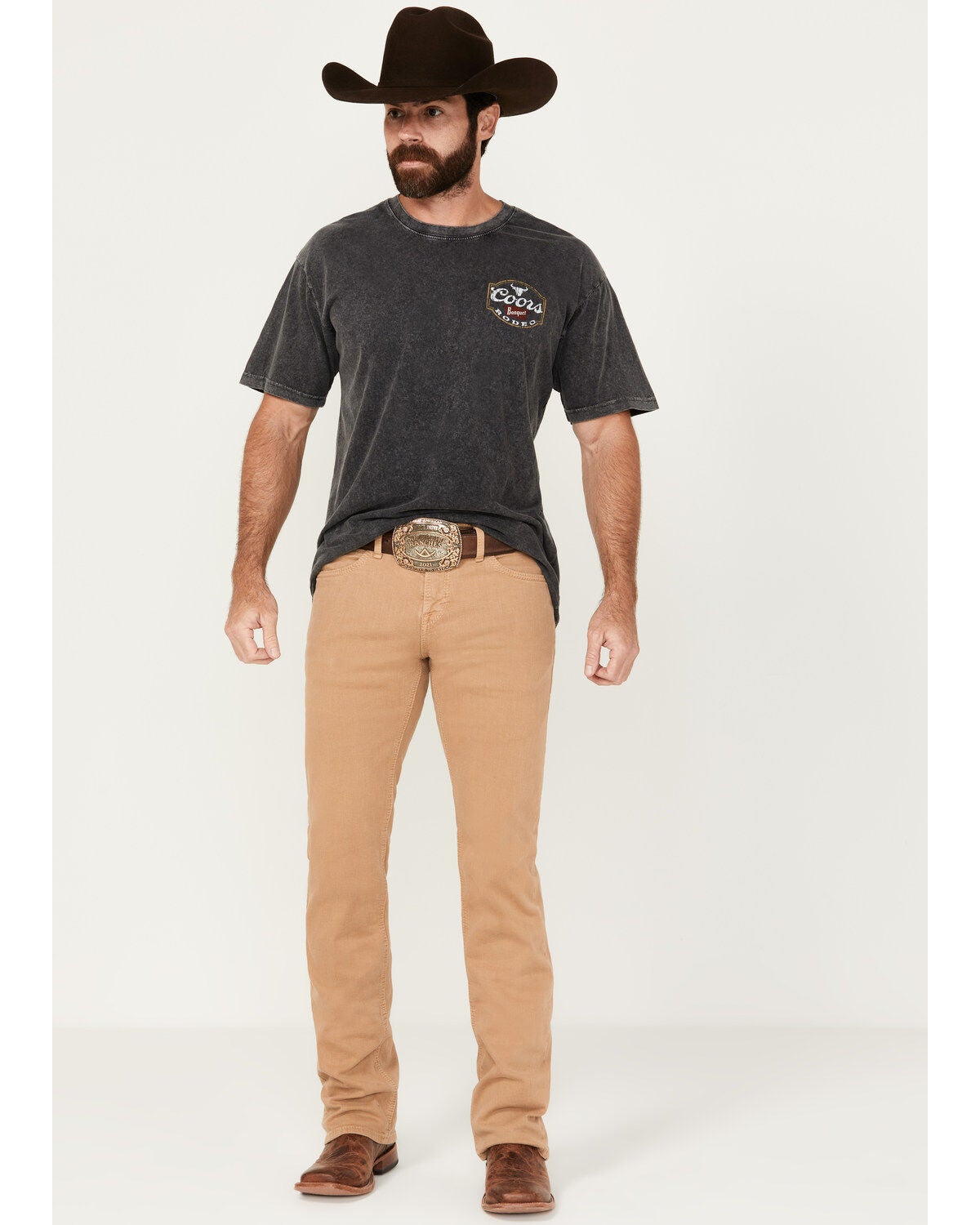
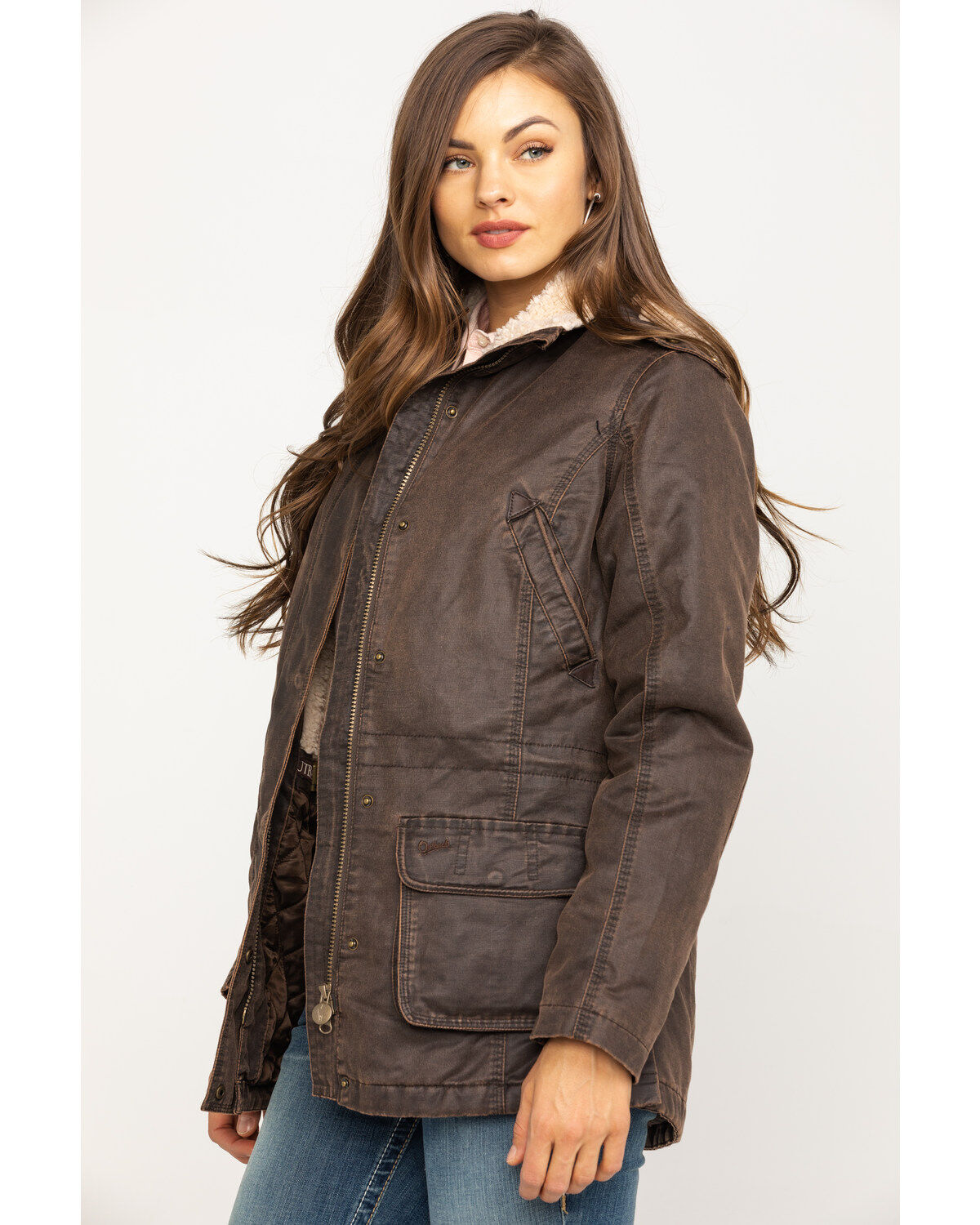
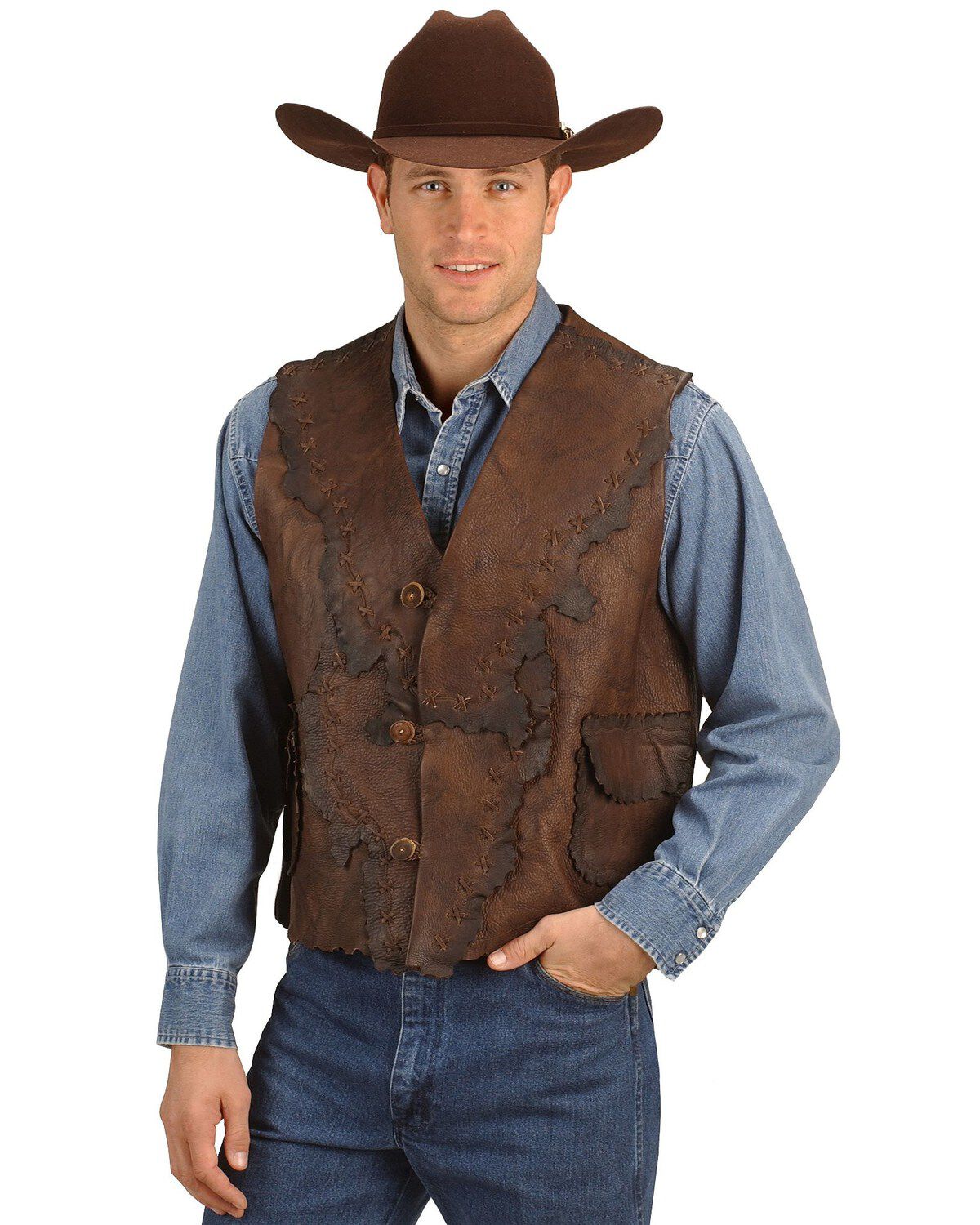
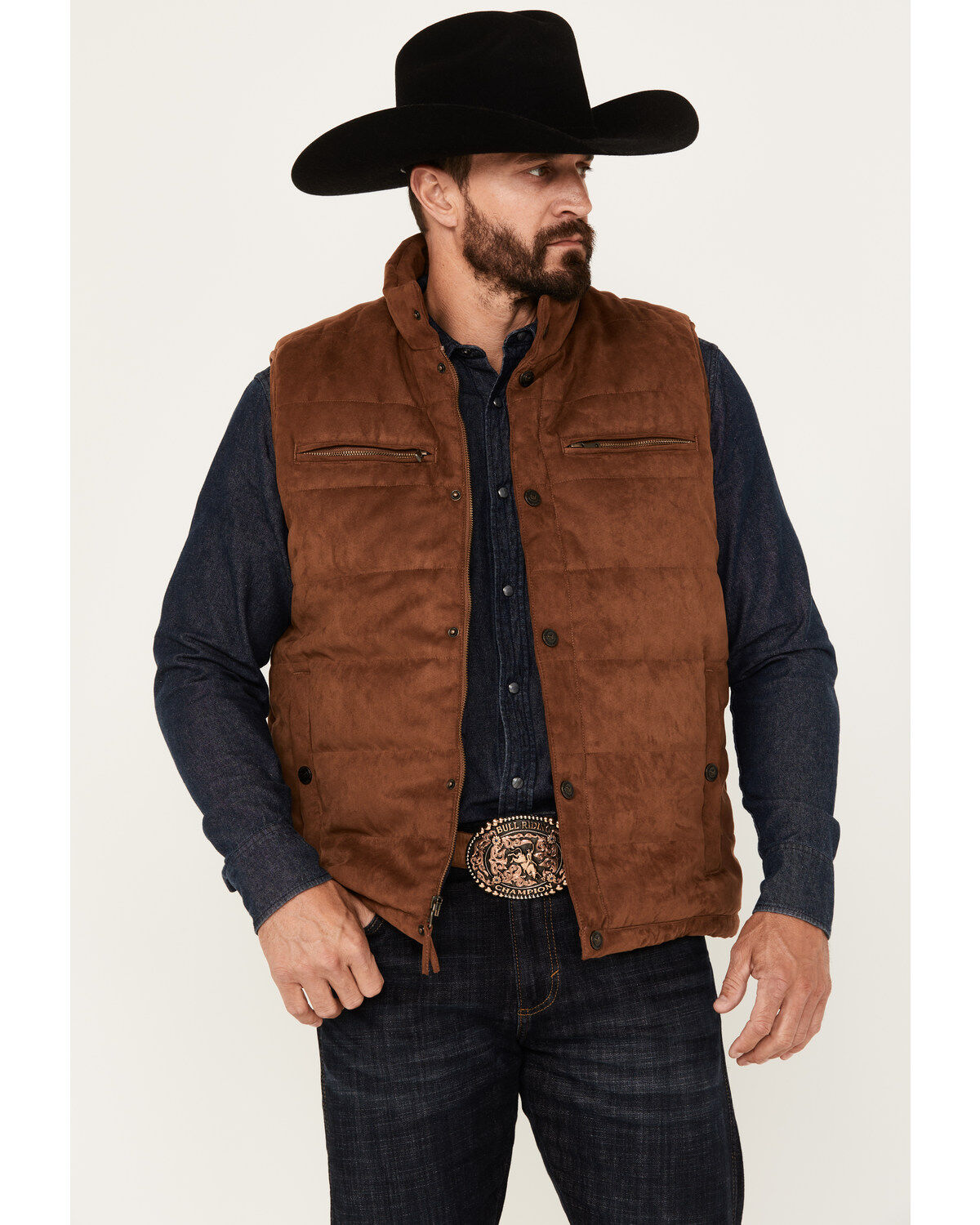
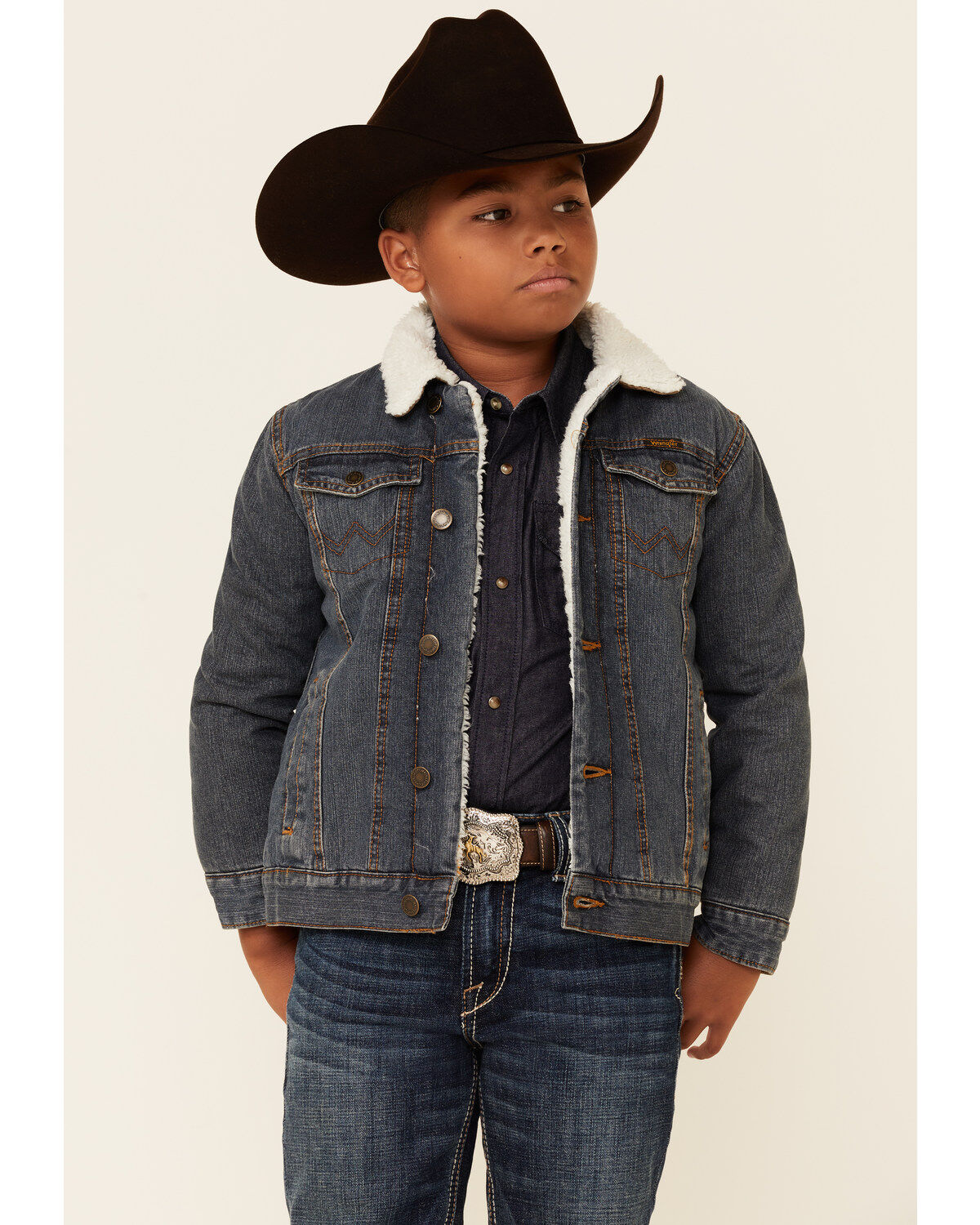
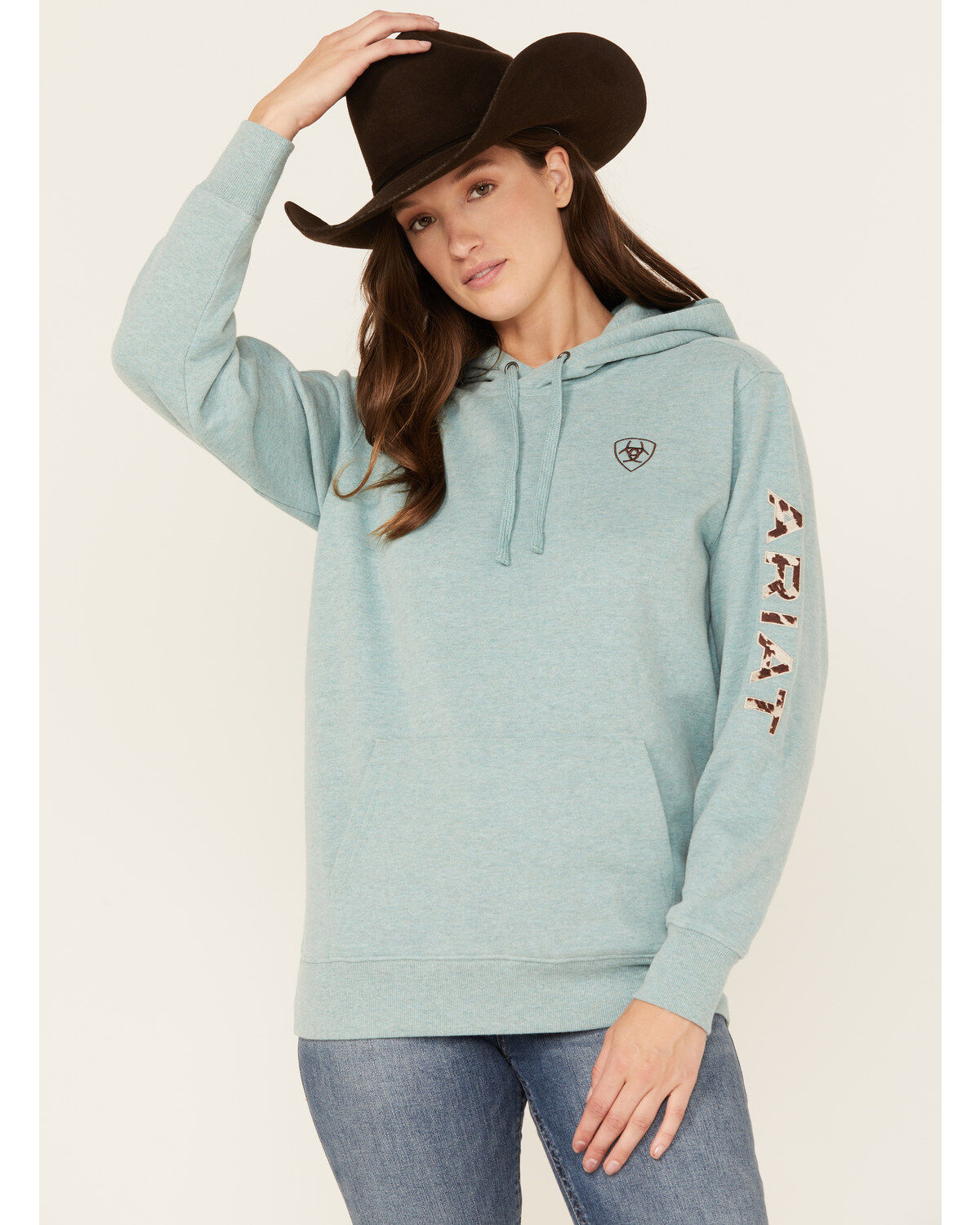
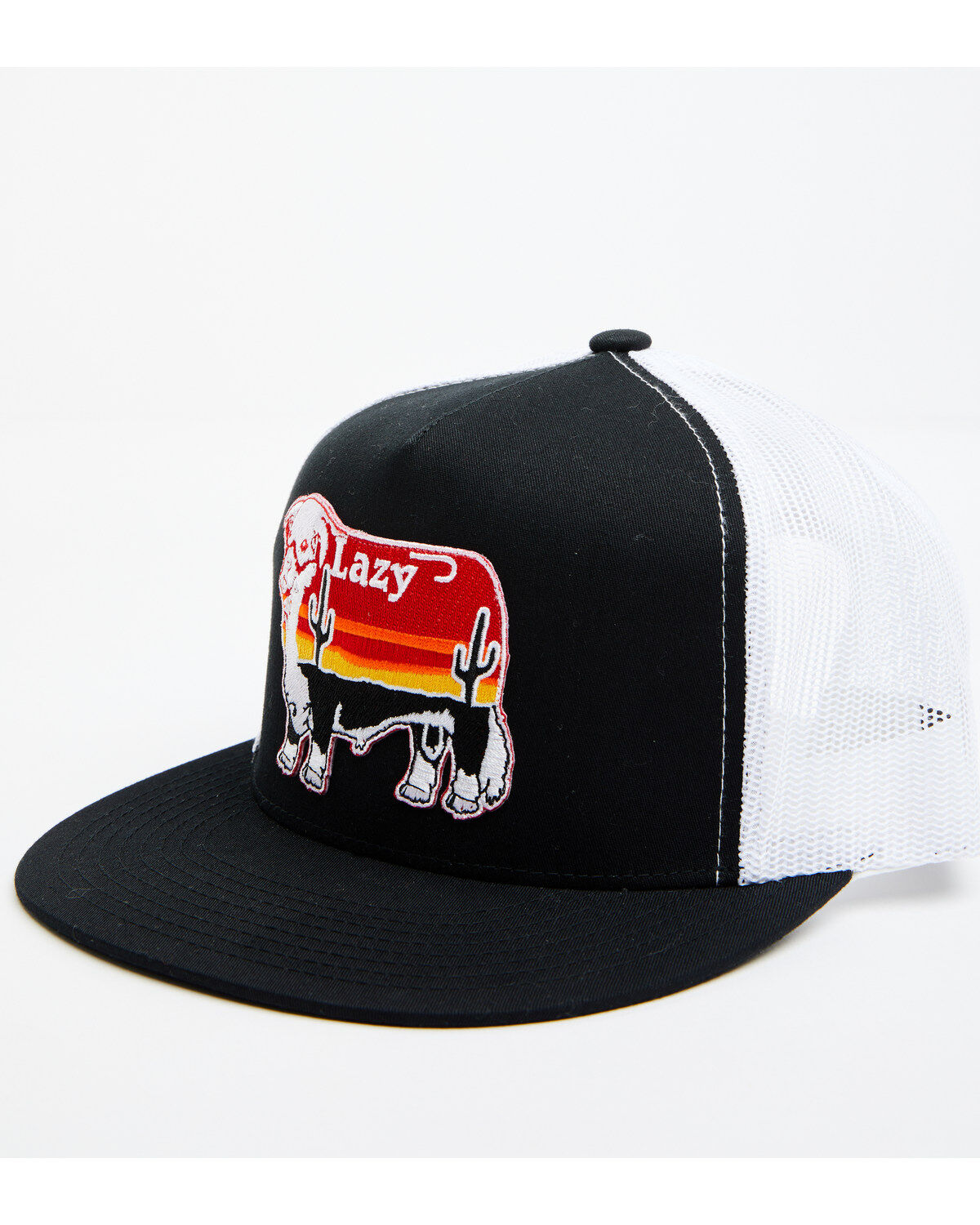
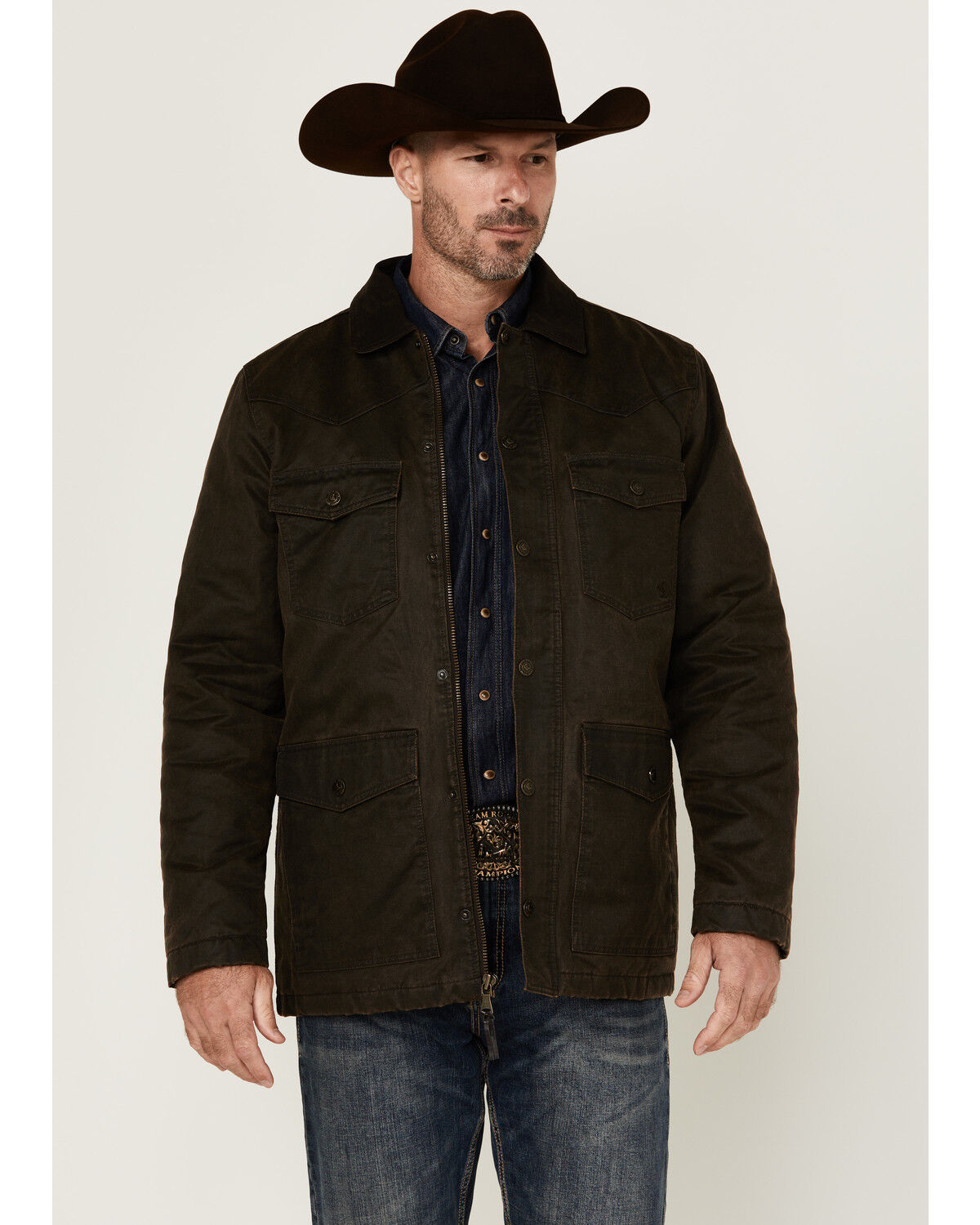
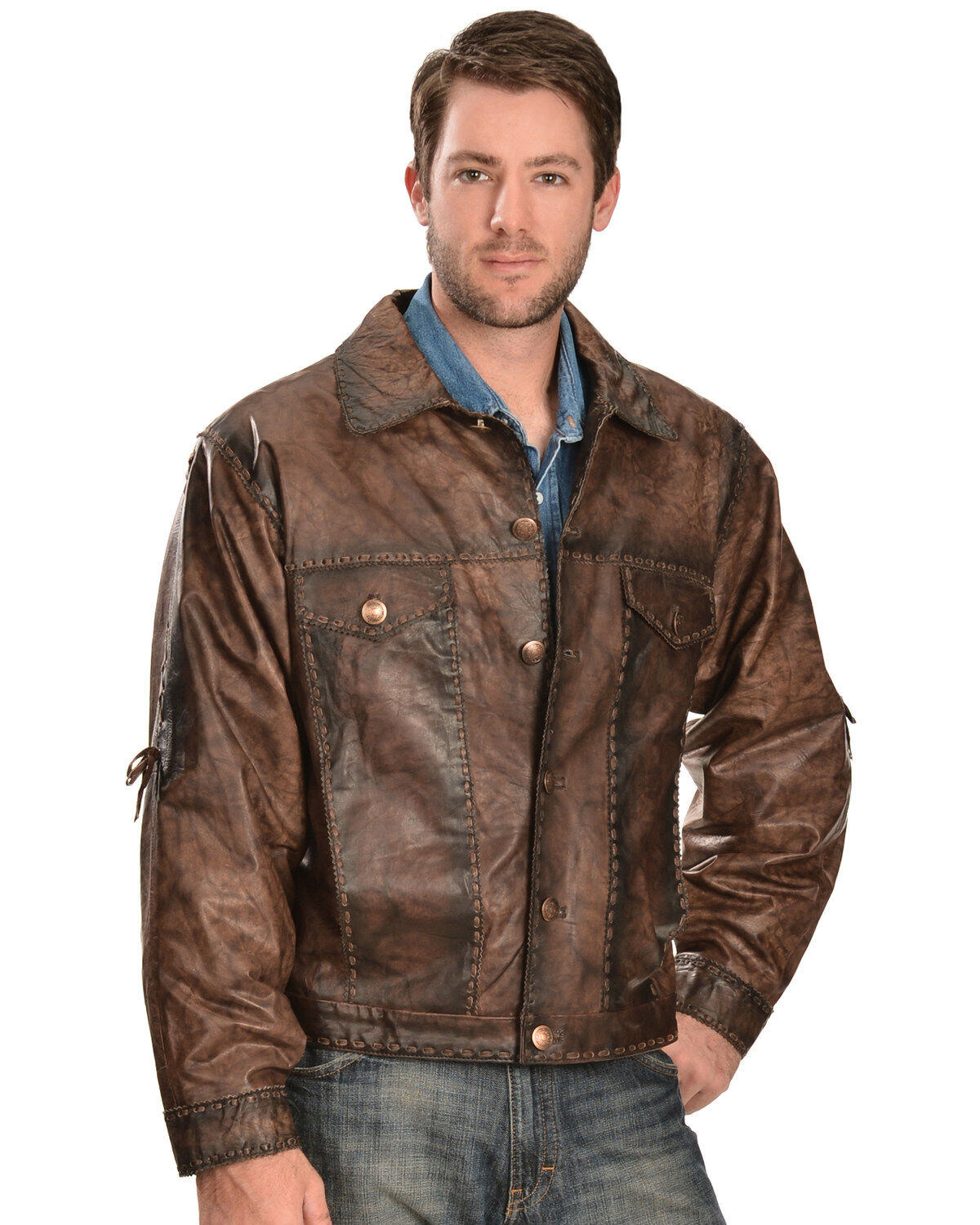
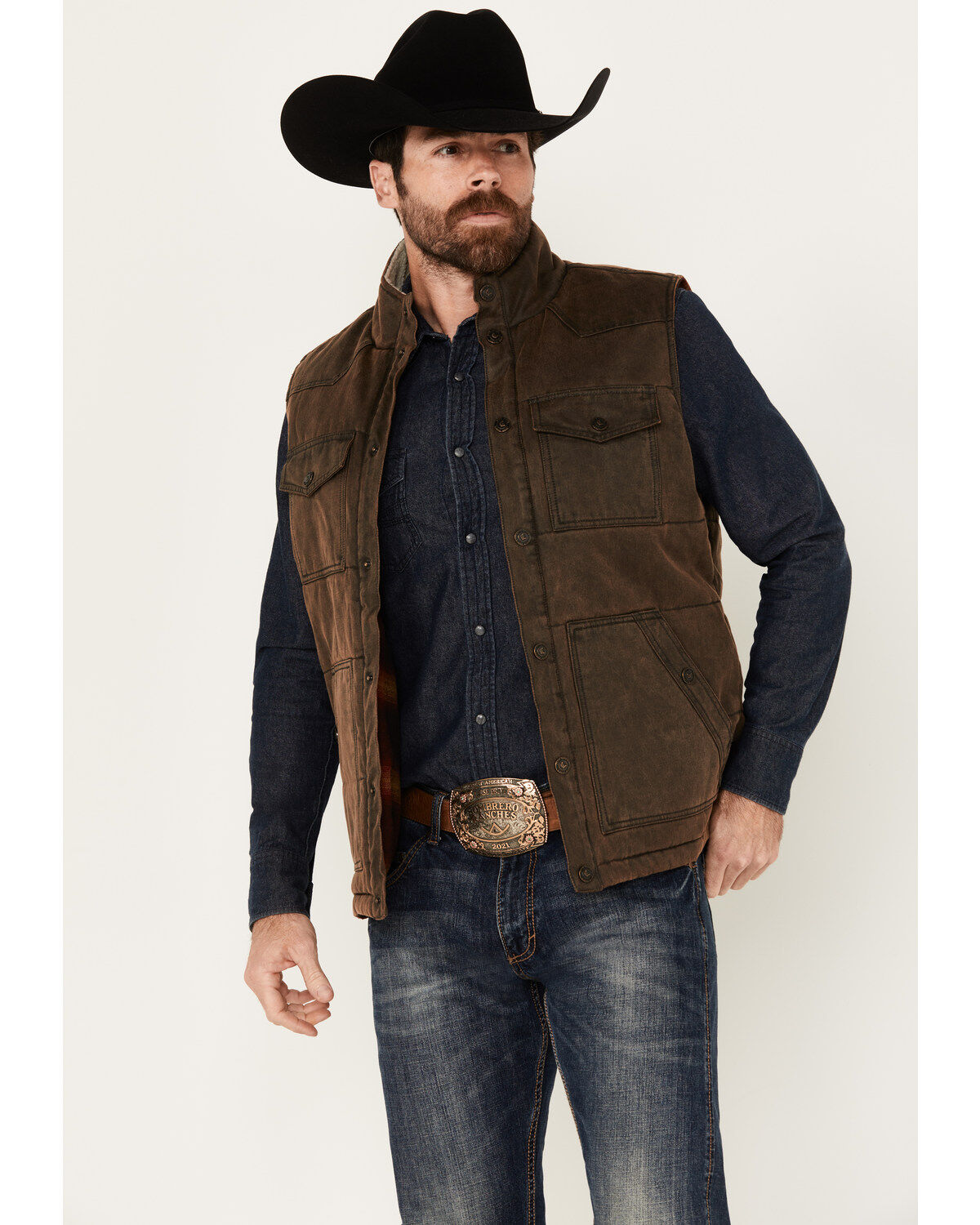
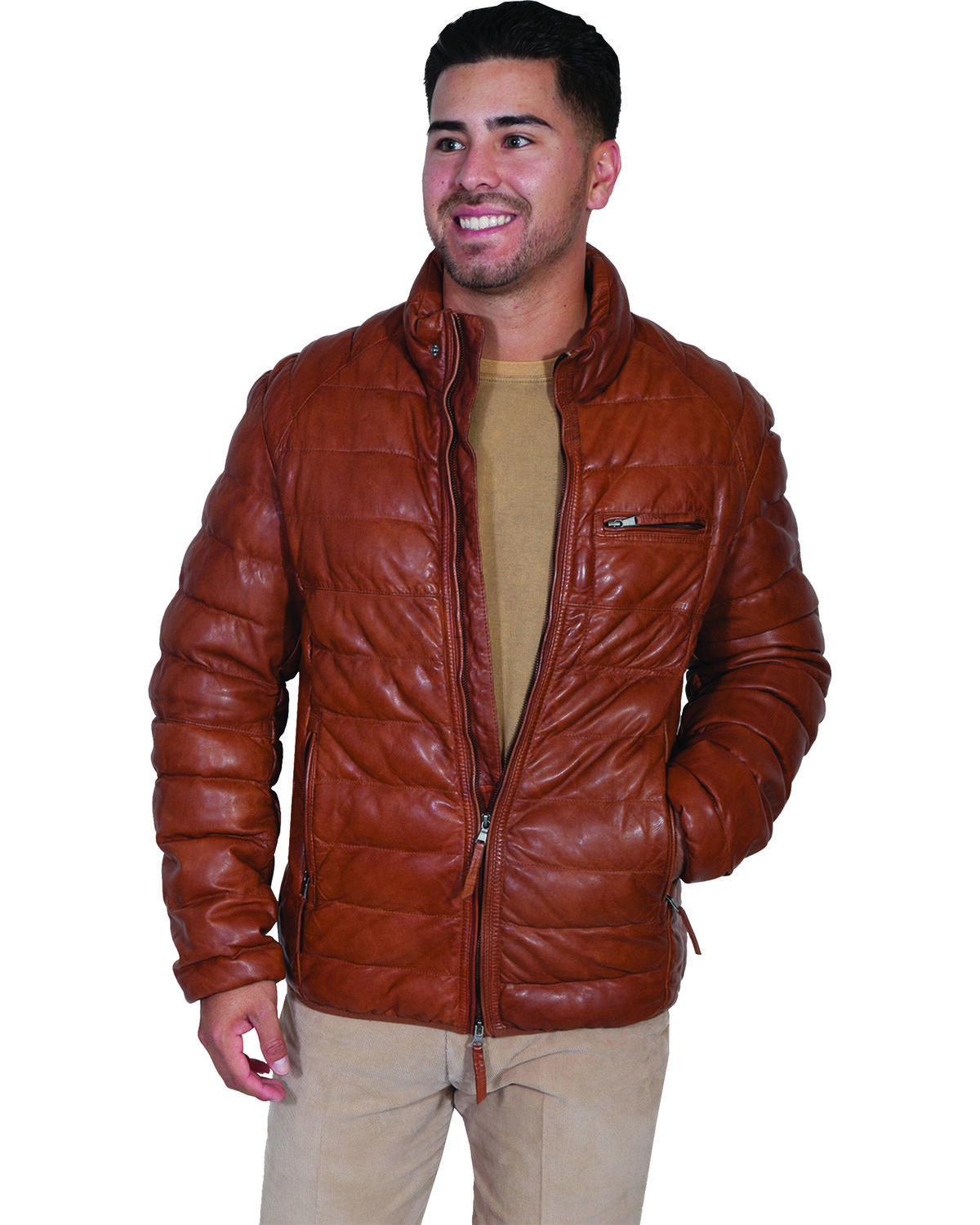
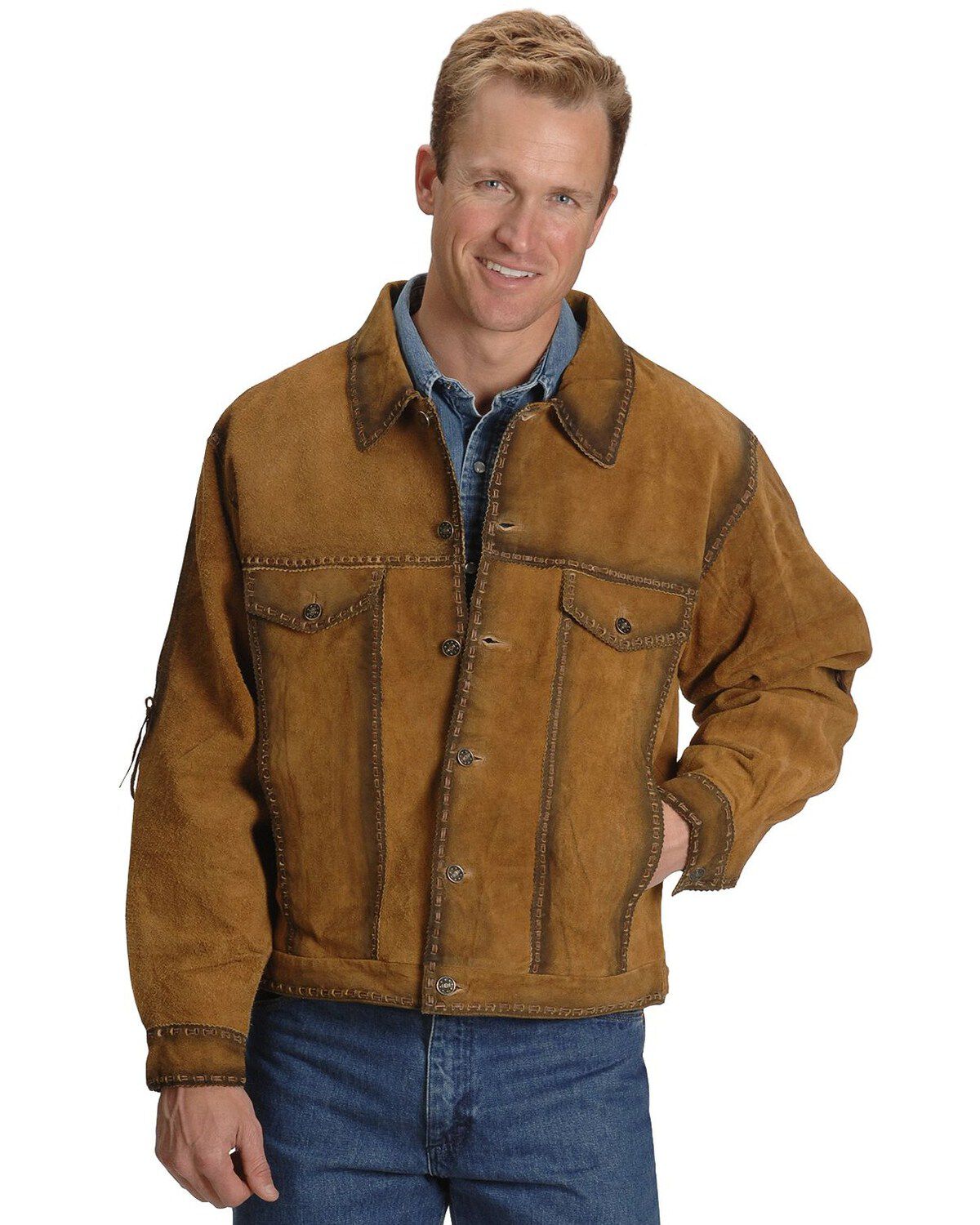
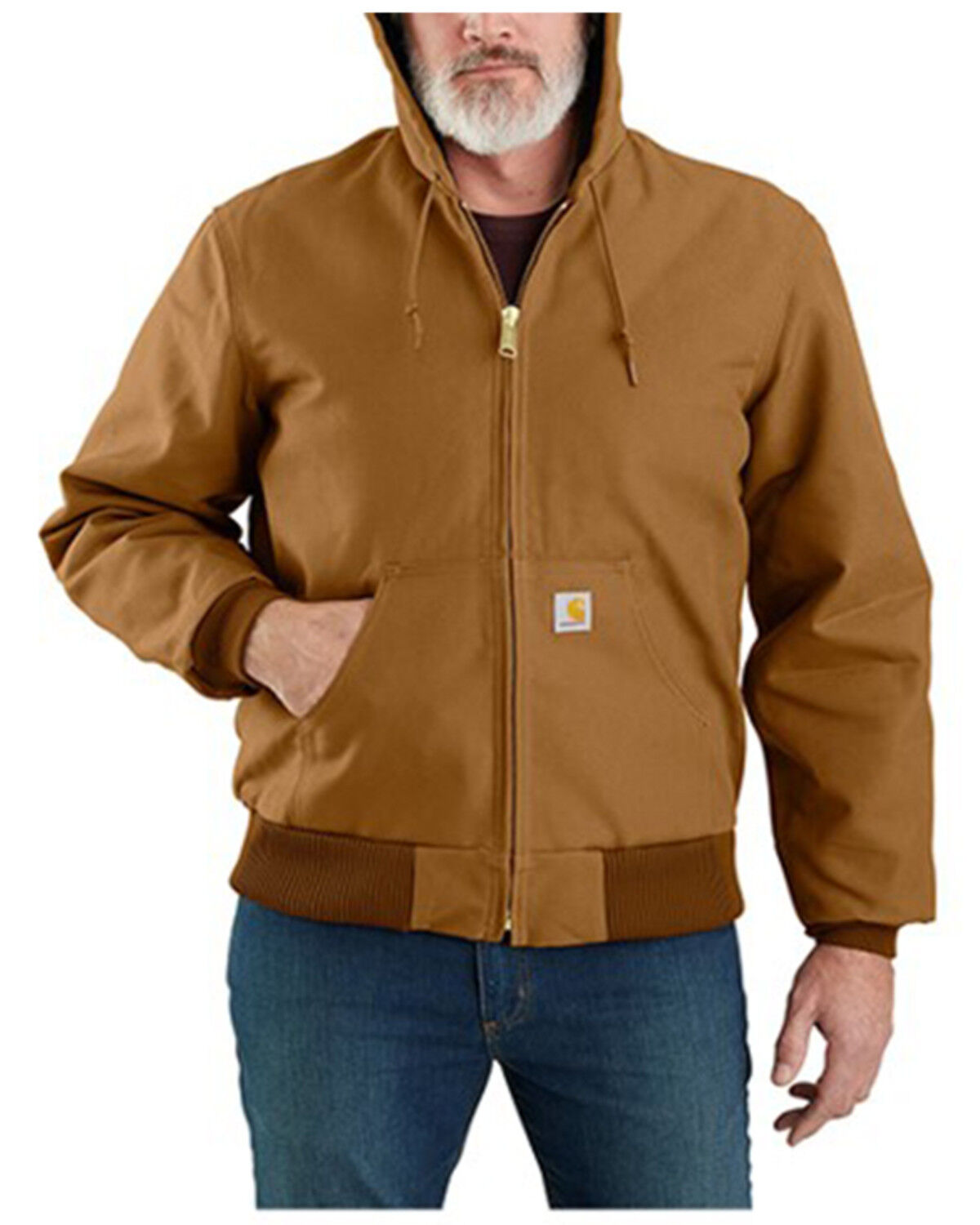
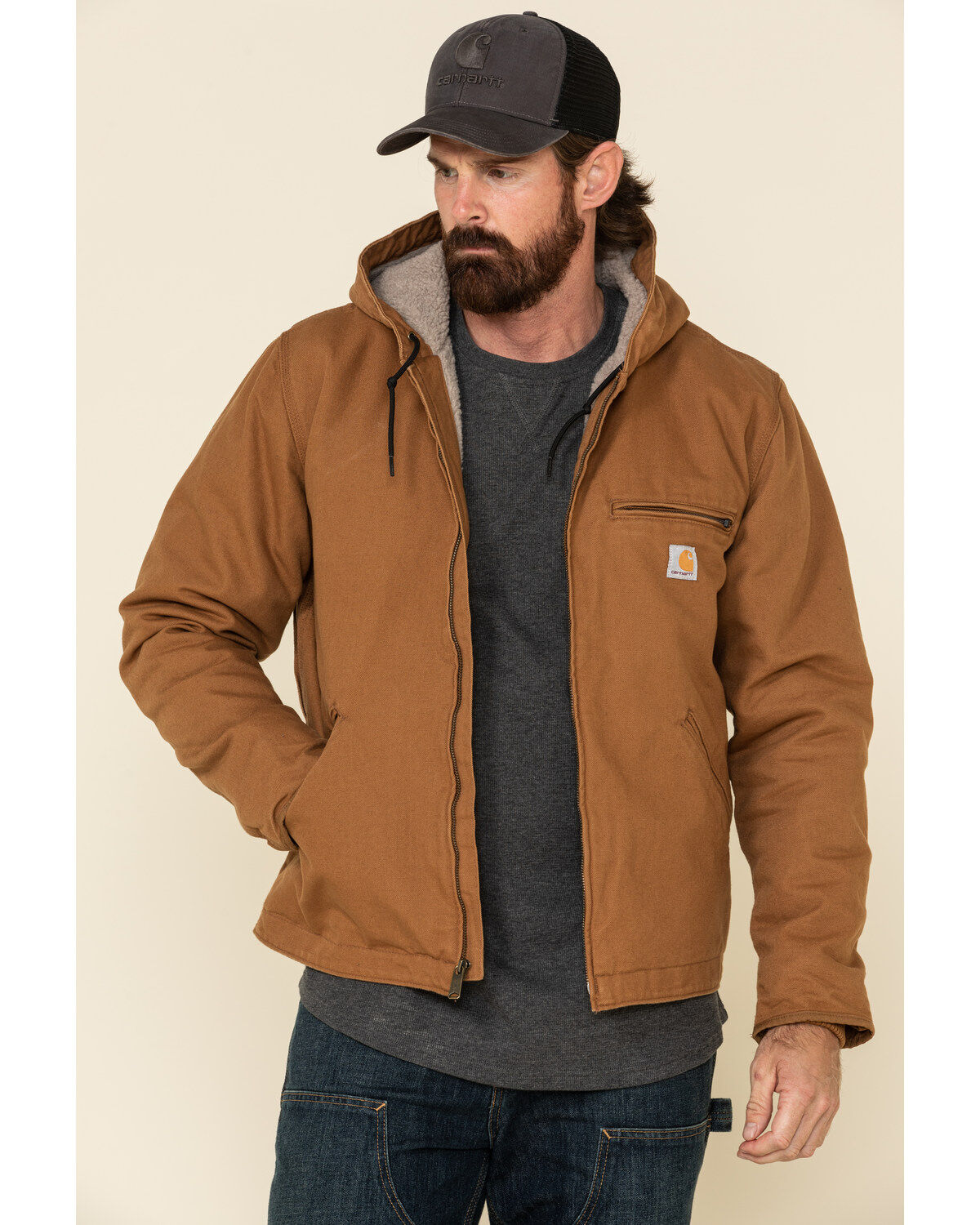
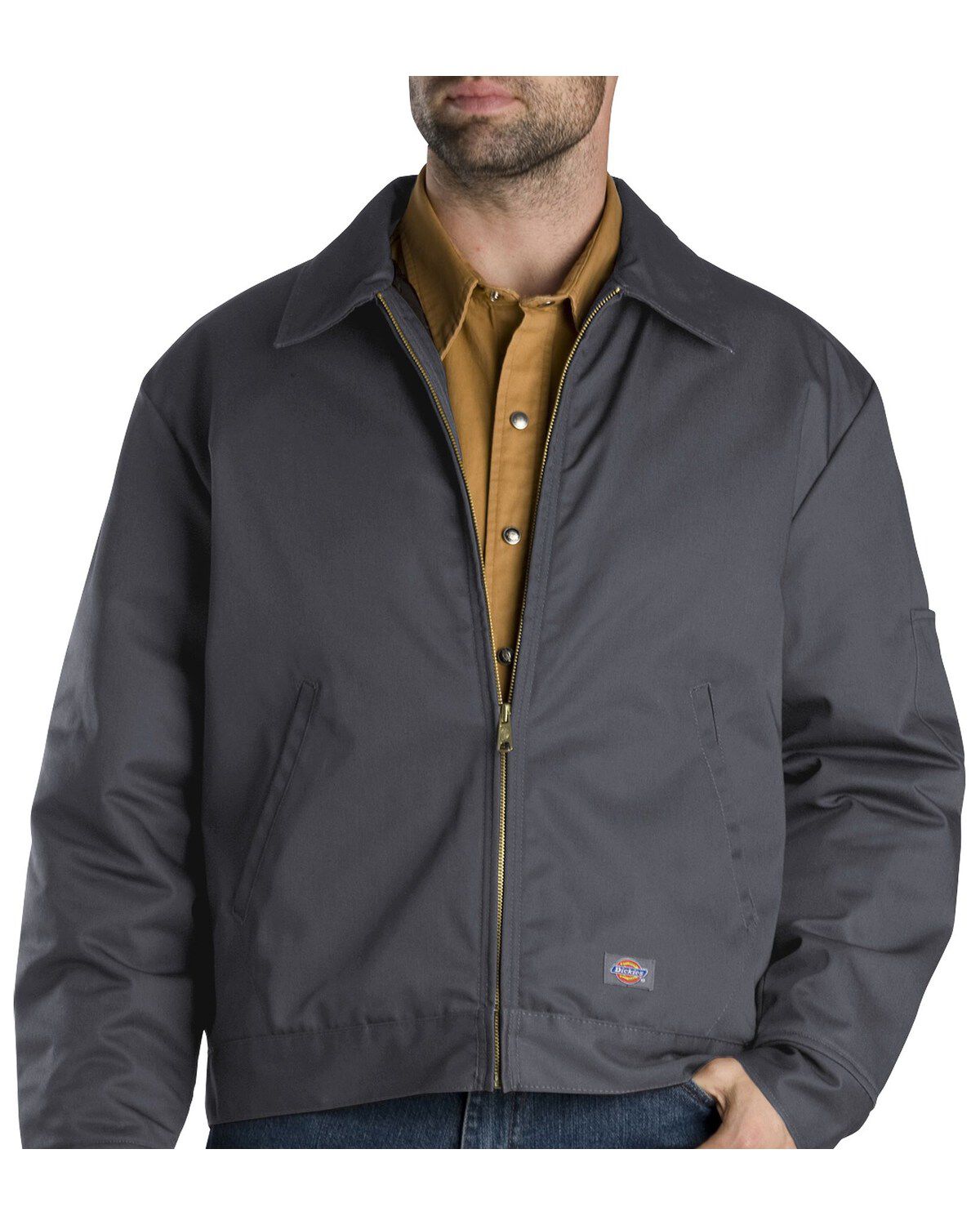
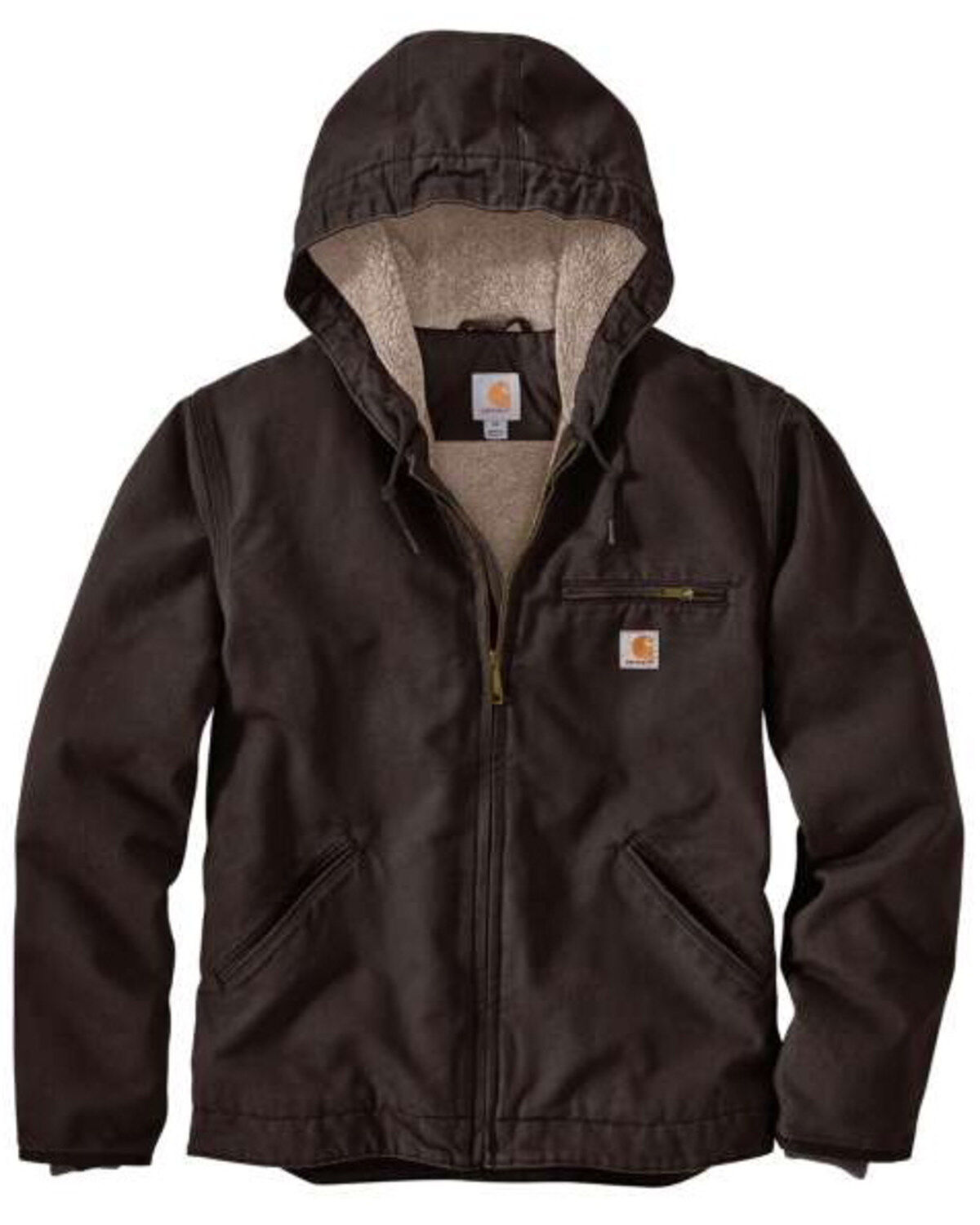
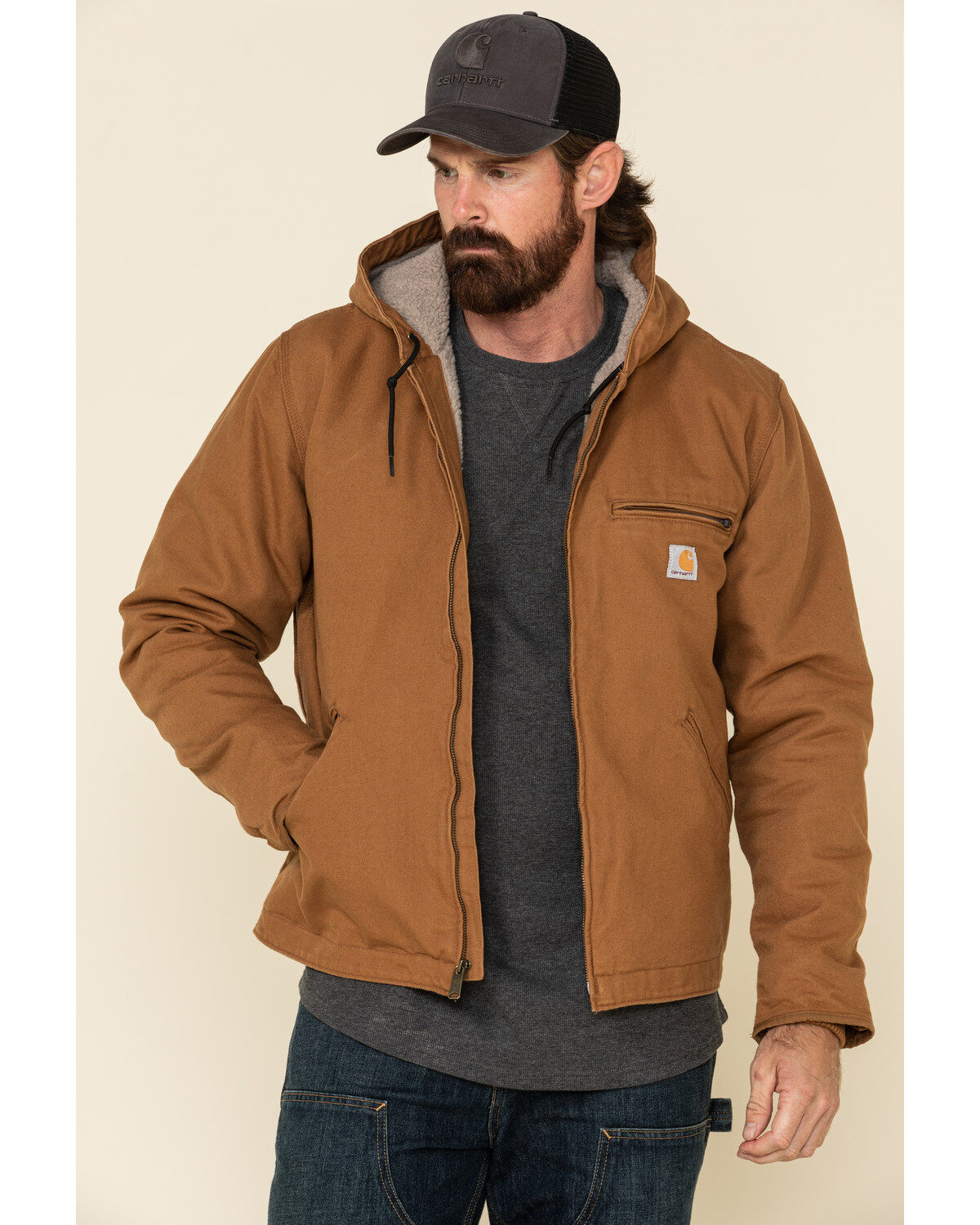
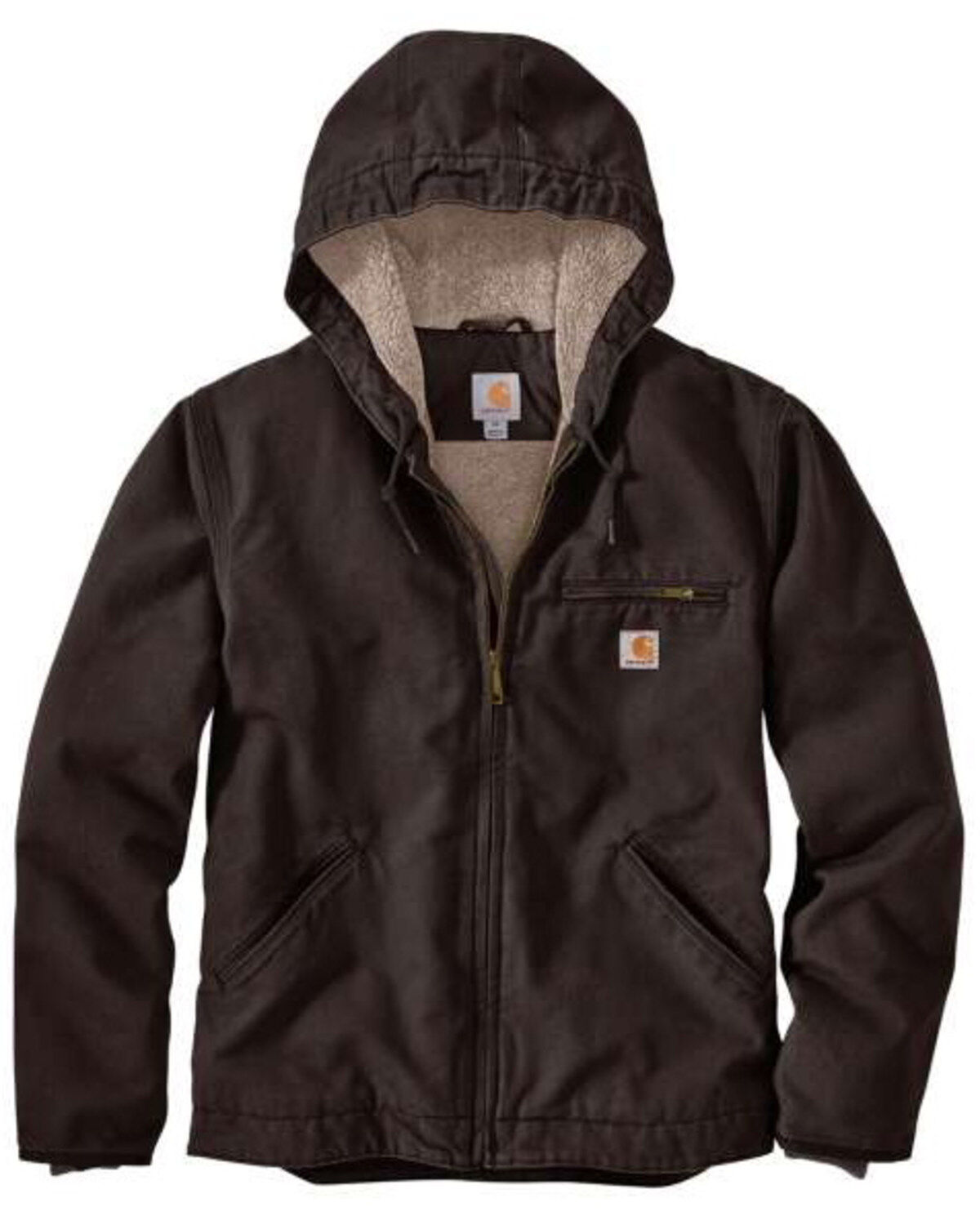
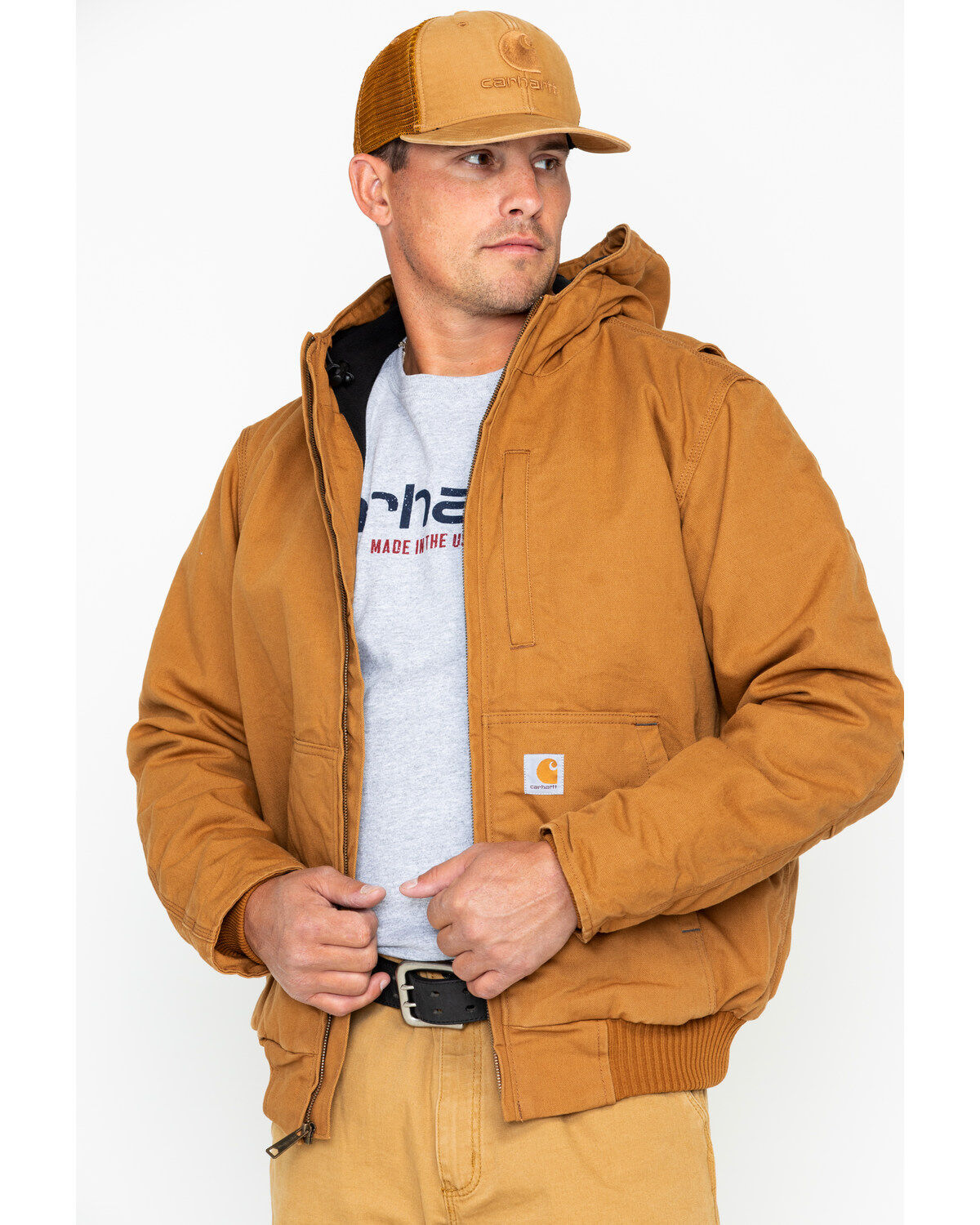
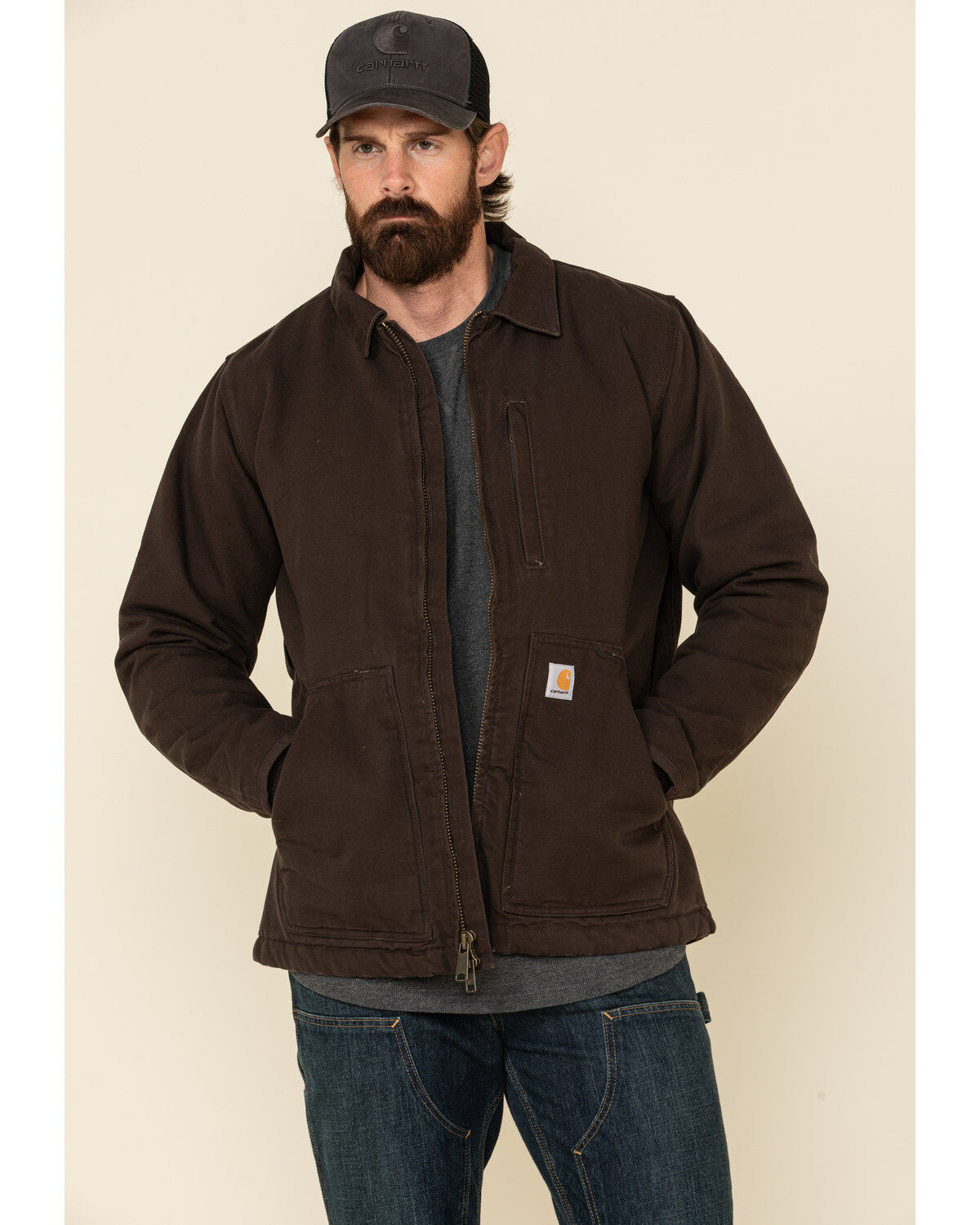
Rustic farm and ranch workwear apparel puts practical clothing at the center of a working day, with sturdy fabrics, useful details, and a straightforward look that belongs around barns, pastures, and equipment sheds. Feeding livestock, stacking feed sacks, checking fence lines, and handling daily maintenance all put different demands on clothing. Fabric needs enough substance for repeated contact with rough surfaces, while the cut needs room for reaching, lifting, and kneeling. Denim, cotton duck, canvas, and twill are familiar workwear materials because they bring different combinations of structure, comfort, and resistance to everyday wear. Heavier fabrics can provide a substantial feel, while lighter constructions may offer easier movement during active chores. Cotton-rich materials often feel comfortable against the skin, and blends can add stretch or help garments hold their shape. The fiber label and fabric construction tell more about performance than a rugged appearance alone. A washed finish may feel familiar from the first wear, while firmer cloth can take time to soften. Neither finish replaces sound stitching or a fit that suits the job. Reinforced seams and added fabric at high-wear areas can help clothing handle regular bending and friction, though those details vary by garment. Earth tones, dark denim, muted checks, and simple patterns give rustic workwear its grounded character without making the clothing look like a costume. The appeal comes from function as much as appearance: fabric with some body, pockets placed within reach, and shapes that allow a full working stride. For farmers, ranch hands, property owners, and people who spend their weekends maintaining acreage, those details have a purpose beyond style. Clothing that moves comfortably from the feed room to a supply run earns its place through repeated use. The same practical character also suits everyday wear for anyone who prefers substantial materials and an understated rural look. A clean finish and restrained detailing can make hardworking apparel feel appropriate away from chores without losing the character that makes it useful in the first place.

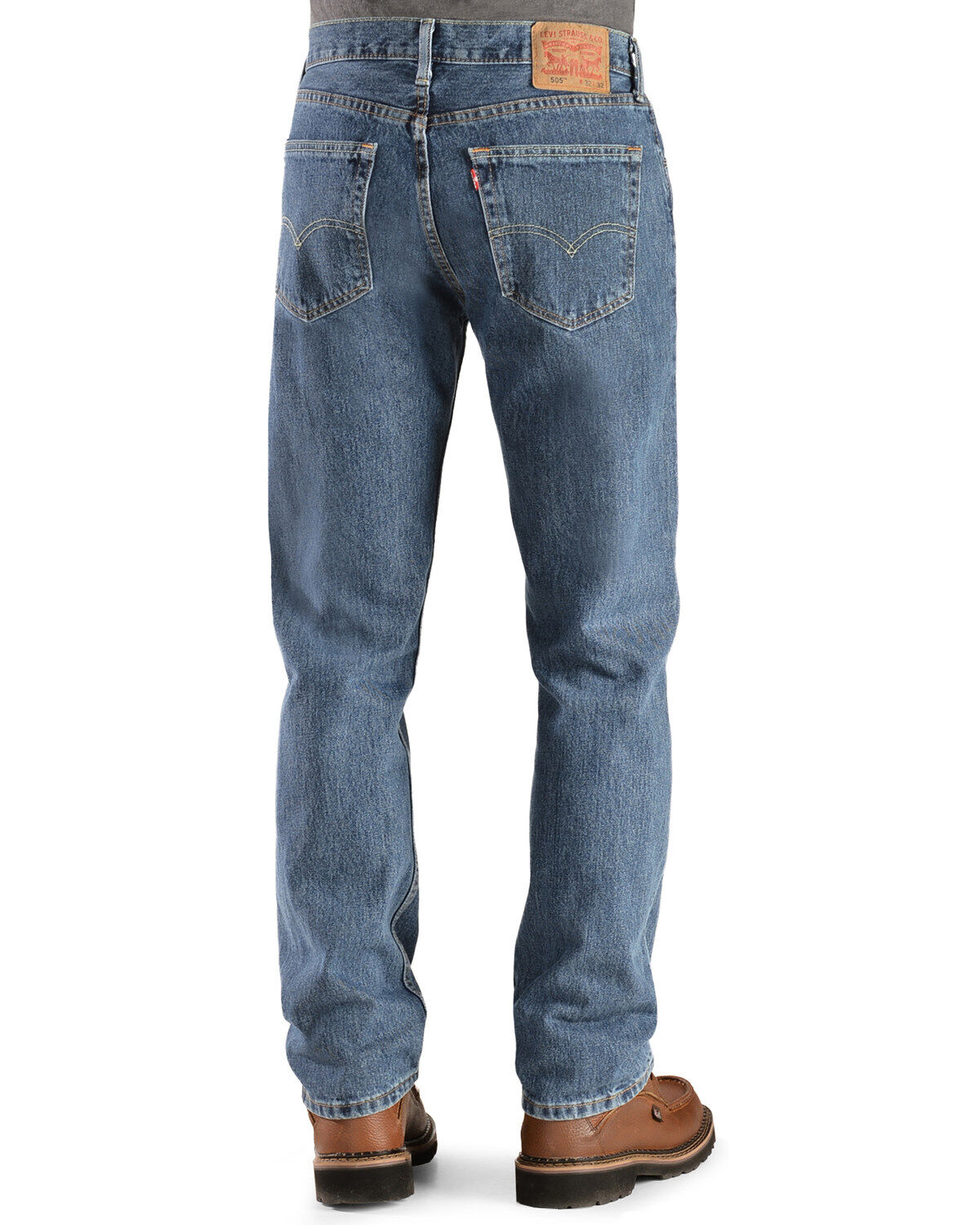
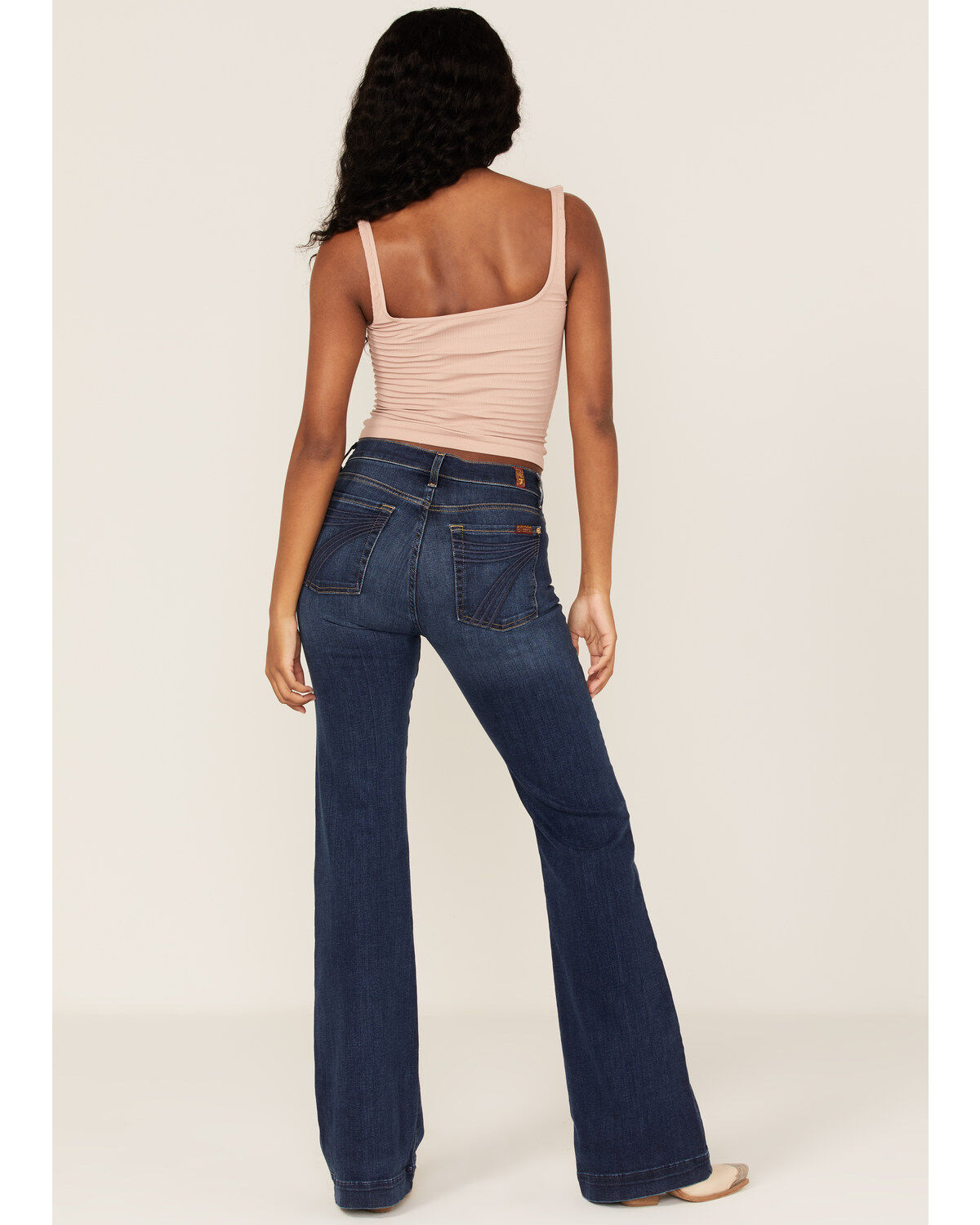
Fit matters most when the work starts. A waistband that feels comfortable while standing may pull when bending to lift a bucket, and a narrow shoulder can limit reach when closing a tall gate. Farm and ranch workwear should allow those ordinary movements without excess fabric getting in the way. Room through the seat and thighs supports crouching and climbing, while an appropriate rise helps maintain coverage through repeated bending. Stretch can add flexibility, but it does not make up for the wrong size. An inseam needs to work with the footwear worn on the job, with enough length for movement and no excess dragging under the heel. Through the upper body, shoulder placement, sleeve length, and room across the back affect how naturally a garment moves. Sleeves should allow a comfortable reach without hanging over the hands. Loose cuffs, dangling cords, and oversized layers can create snagging hazards around moving machinery, so clothing should follow the safety requirements of the task. Pocket design deserves the same practical attention. Deep pockets can keep small essentials close, but placement matters when sitting in a vehicle or kneeling beside a fence post. Secure closures can be useful for small belongings that need to stay put through a full day of movement. Reinforced pocket openings may help with repeated access, while bulky contents can strain even substantial fabric. Hardware should be easy to operate without creating pressure points under a belt or another layer. For anyone moving between chores and errands, a balanced fit offers a cleaner appearance without restricting the motions that make workwear useful. Measurements are more dependable than a familiar size alone, especially when changing between fitted and relaxed cuts. A little extra room may be useful over another garment, but a much larger size can shift seams and pockets away from their intended positions. Everyday ranch clothing also differs from protective workwear. Tasks involving flame, electrical hazards, or other regulated risks call for apparel with the required ratings; a heavy fabric or durable finish does not establish that protection.

Care has a direct effect on how farm and ranch apparel holds up. Soil, grit, and feed dust can collect along seams, cuffs, and pocket edges, where regular friction already puts fabric under strain. Removing loose debris before washing helps keep that buildup from settling further into the cloth. Care labels remain the best reference for wash settings, drying methods, and any limits on cleaning products. Cotton-rich fabrics can shrink under unsuitable washing or drying conditions, and excessive heat can affect stretch fibers and certain finishes. Prompt attention to stains is generally easier on clothing than repeated harsh treatment after a mark has set. Garments exposed to fuel, pesticides, or other chemicals need handling according to the substance’s safety instructions, including any requirements for separate laundering or disposal. Ordinary washing should not be assumed to make contaminated clothing safe. Between washes, checking seams, closures, and pocket corners can reveal small problems before they spread. A loose button or short section of open stitching may be repairable, while damage that affects coverage or safe movement can mean a garment is no longer suited to the task. Durable clothing still needs reasonable care, and rotating frequently worn pieces gives each one time to be cleaned and checked. Intended use helps define what belongs in a working wardrobe. Someone handling daily livestock chores may value washable fabrics and freedom through the shoulders, while a person maintaining fences may pay closer attention to abrasion-prone areas and pocket placement. For time beyond the property, Rustic Lifestyle Apparel brings that same preference for grounded colors and practical comfort into everyday dressing. Farm and ranch apparel can also make a useful gift for someone who values clothing with a clear purpose. Accurate waist, inseam, and chest measurements help, along with knowing whether the recipient prefers a close or relaxed fit. Familiar fabrics and uncomplicated details are sensible choices when the goal is clothing that will get worn, worked in, and cared for over time.

FAQs