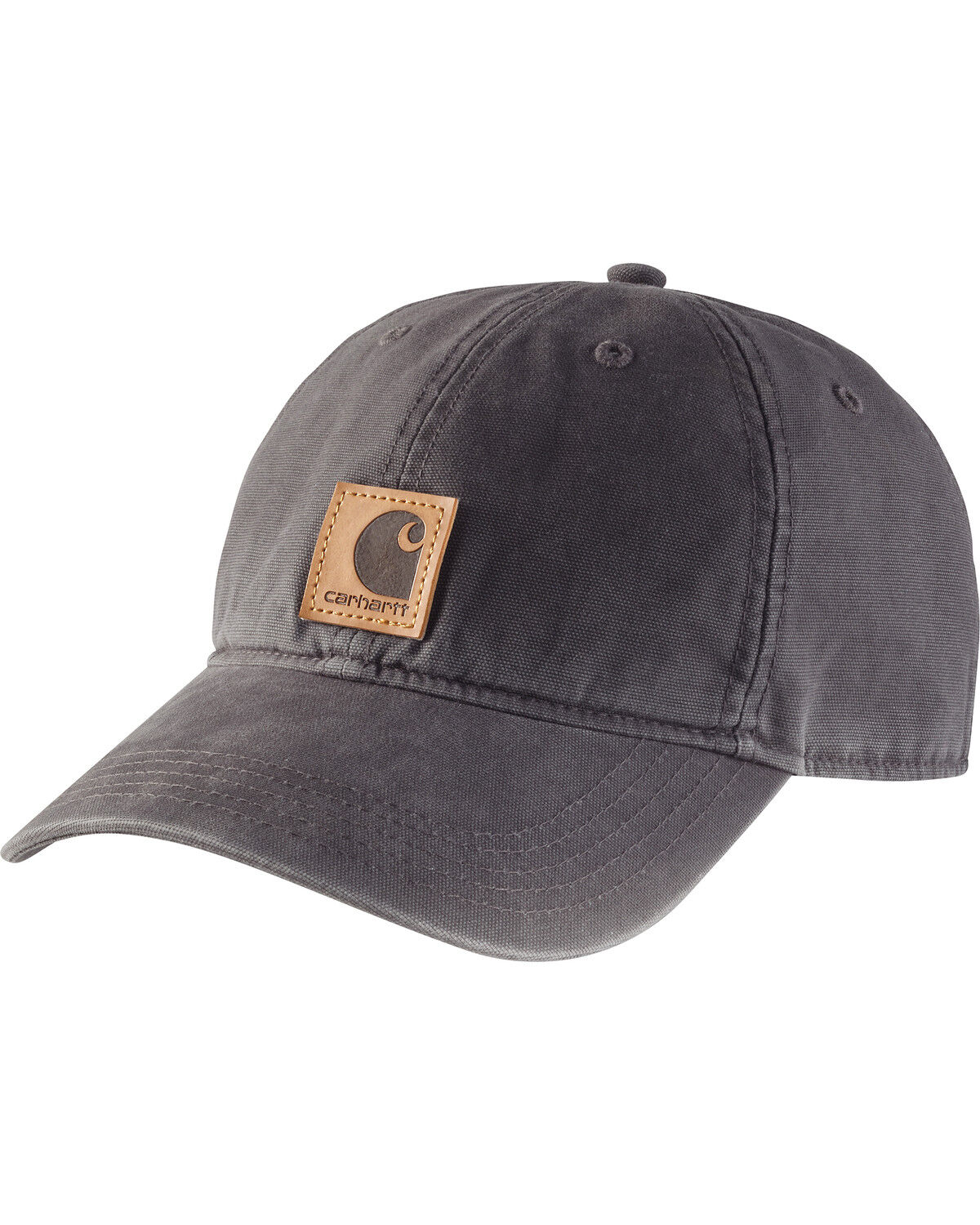
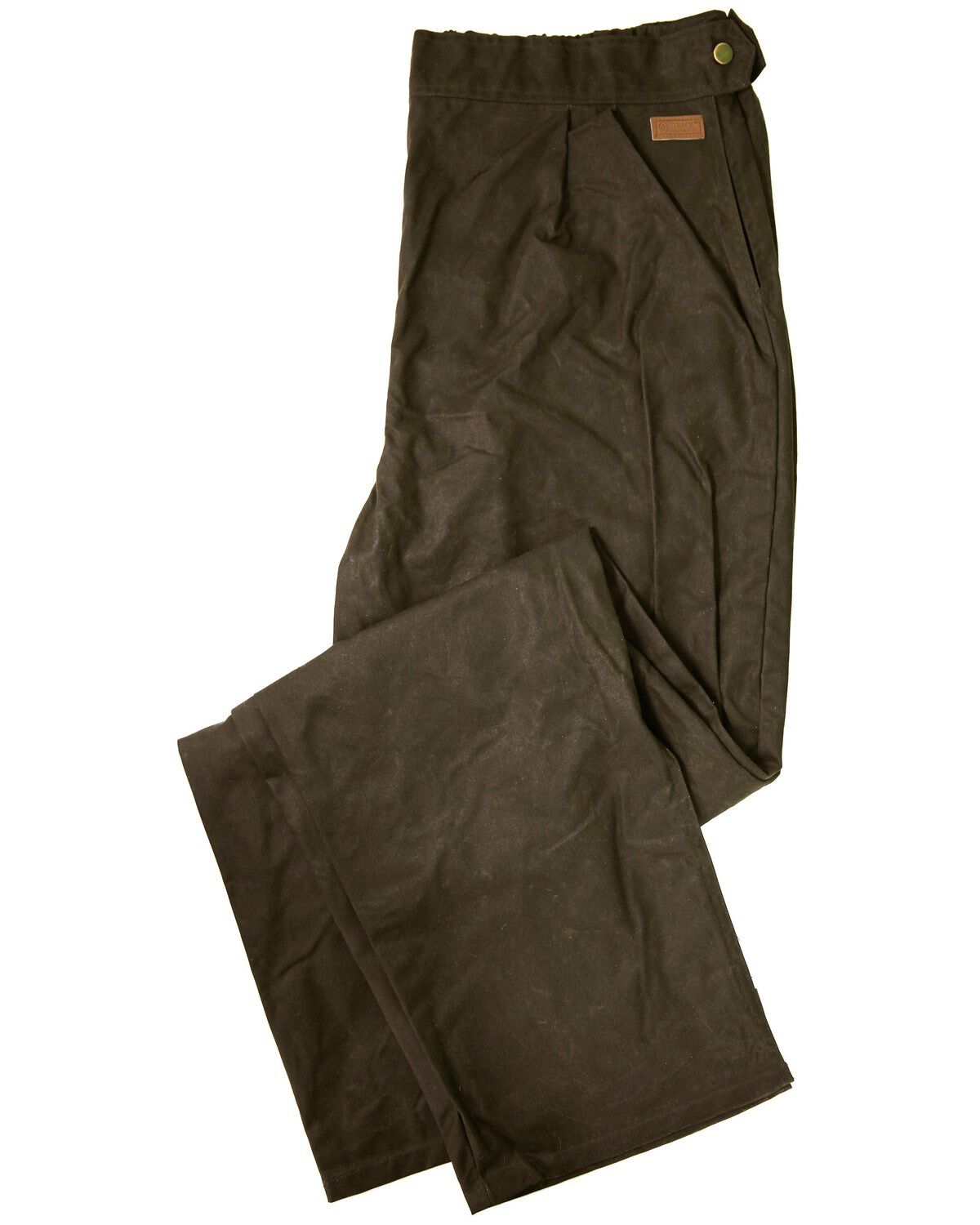
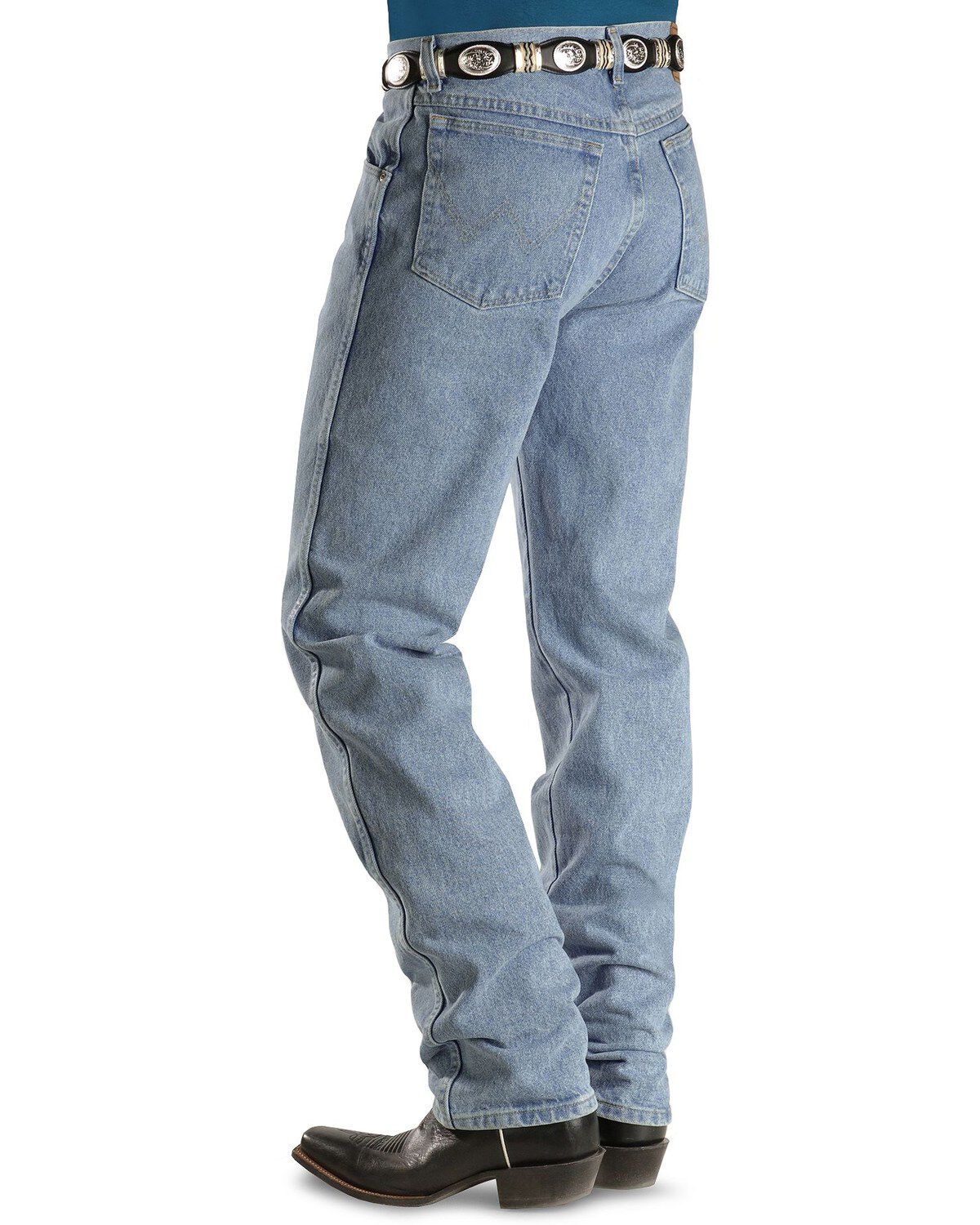
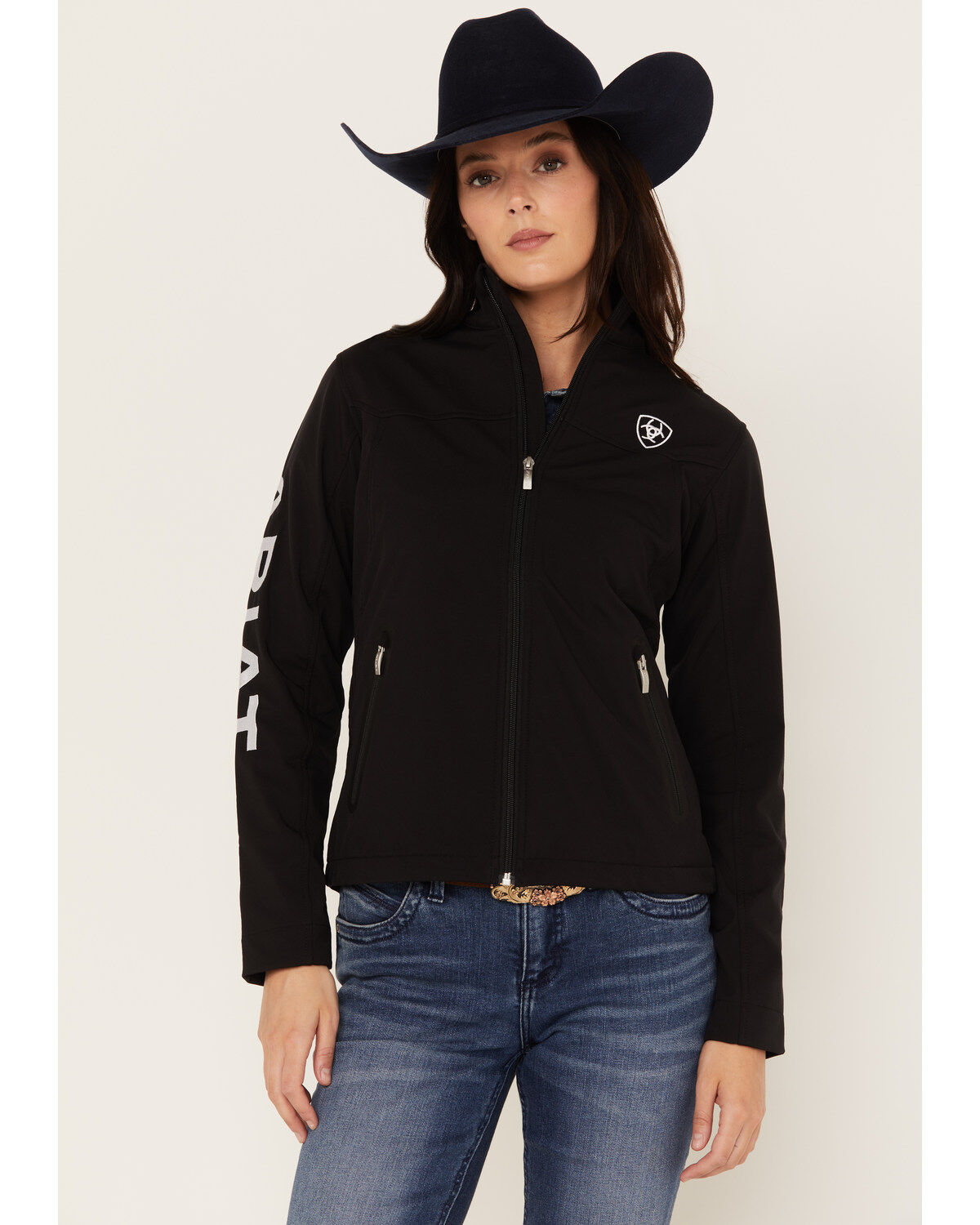
Rugged Outdoor Trail Riding Apparel

Find rugged outdoor trail riding apparel for days in the saddle. Browse western clothing for your riding wardrobe, keeping fit, coverage, and room for layers in mind. Choose pieces that let you move comfortably and suit the weather and length of your ride.

Shop Your Store: Shop Your Store: Find a Store

(Turn off Shop Your Store to see all items)

(Turn off Shop Your Store to see all items)

close
  • Recommended
  • Lowest Price
  • Highest Price
Skip pass products

End of products

Rugged Outdoor Trail Riding Apparel

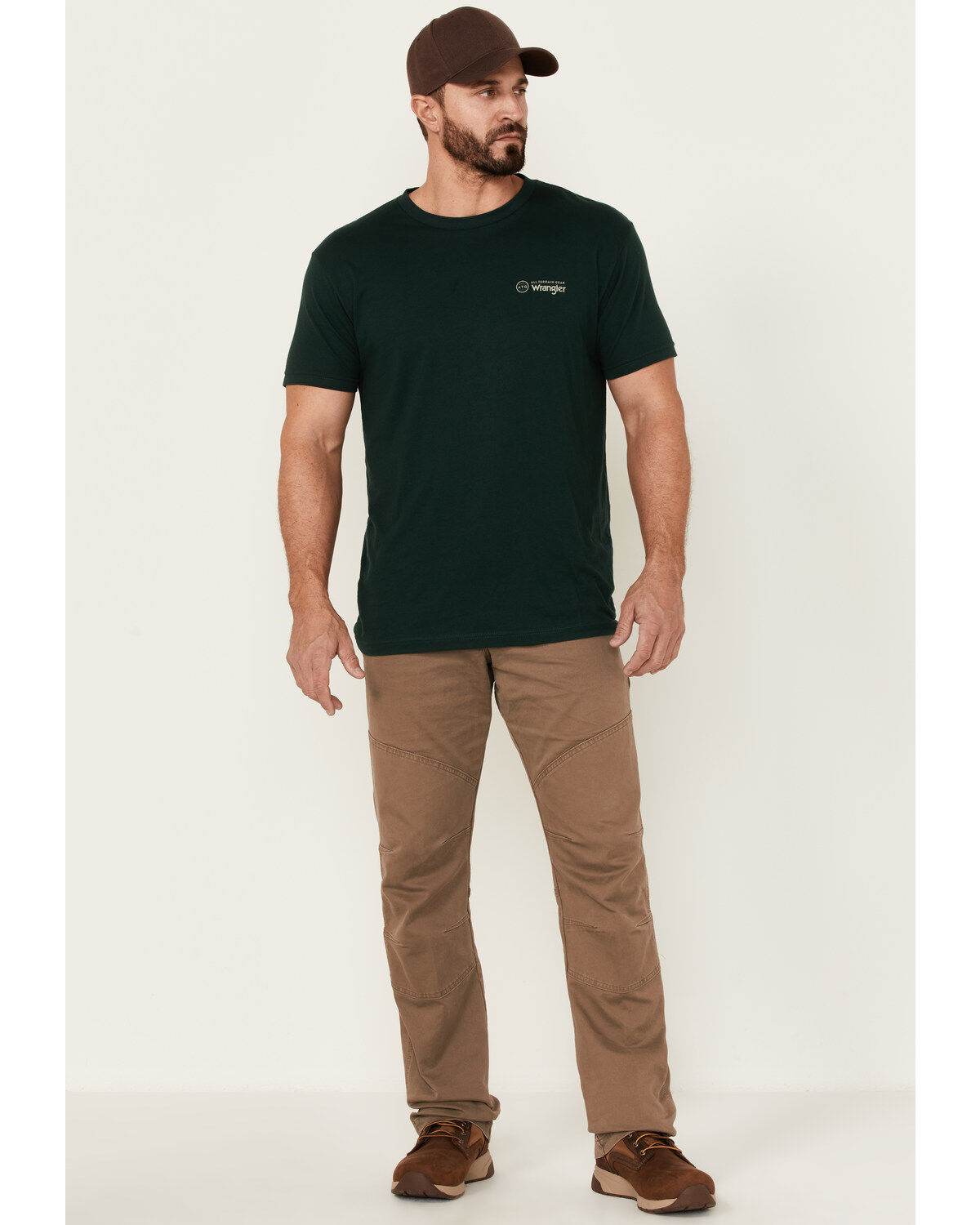
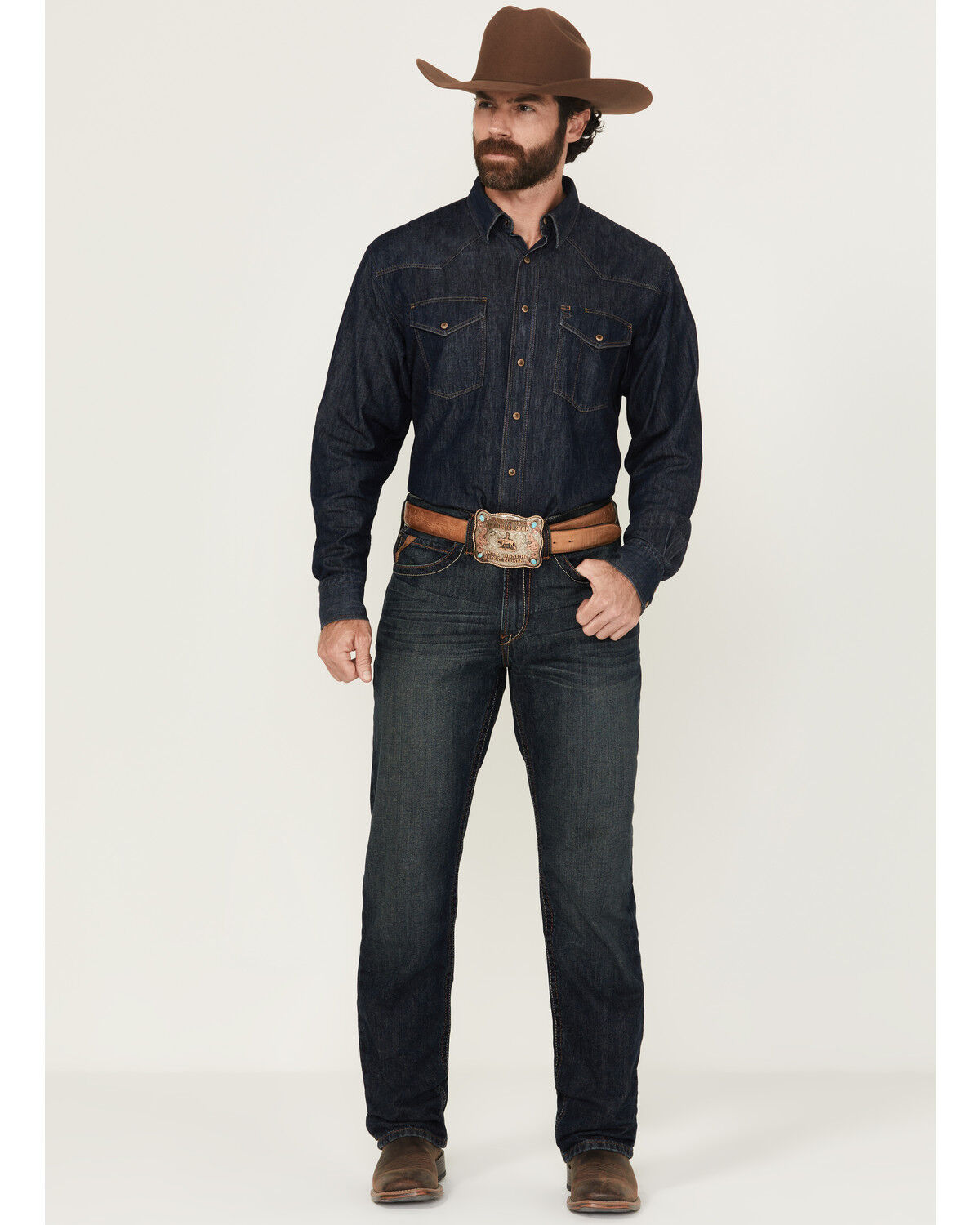
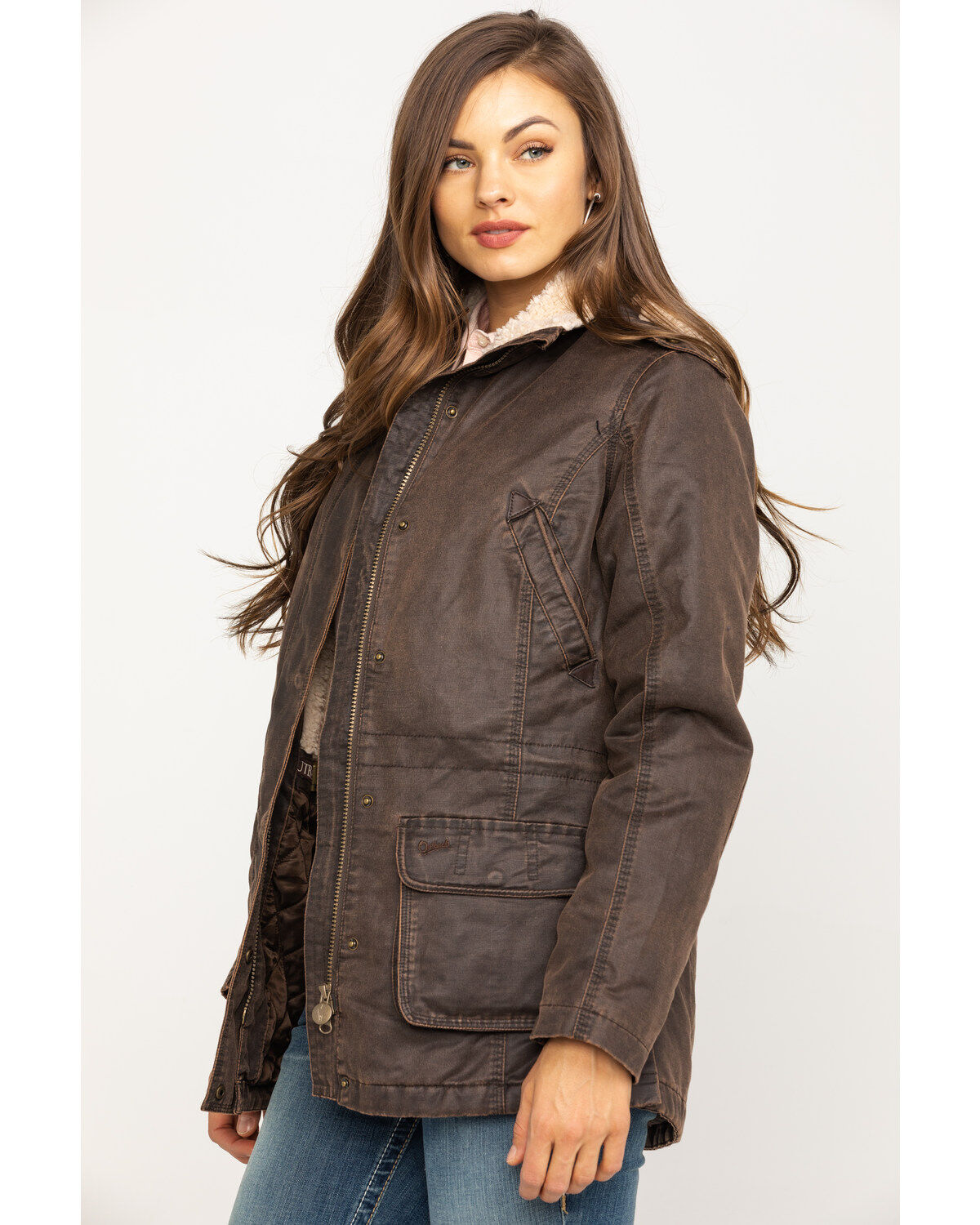
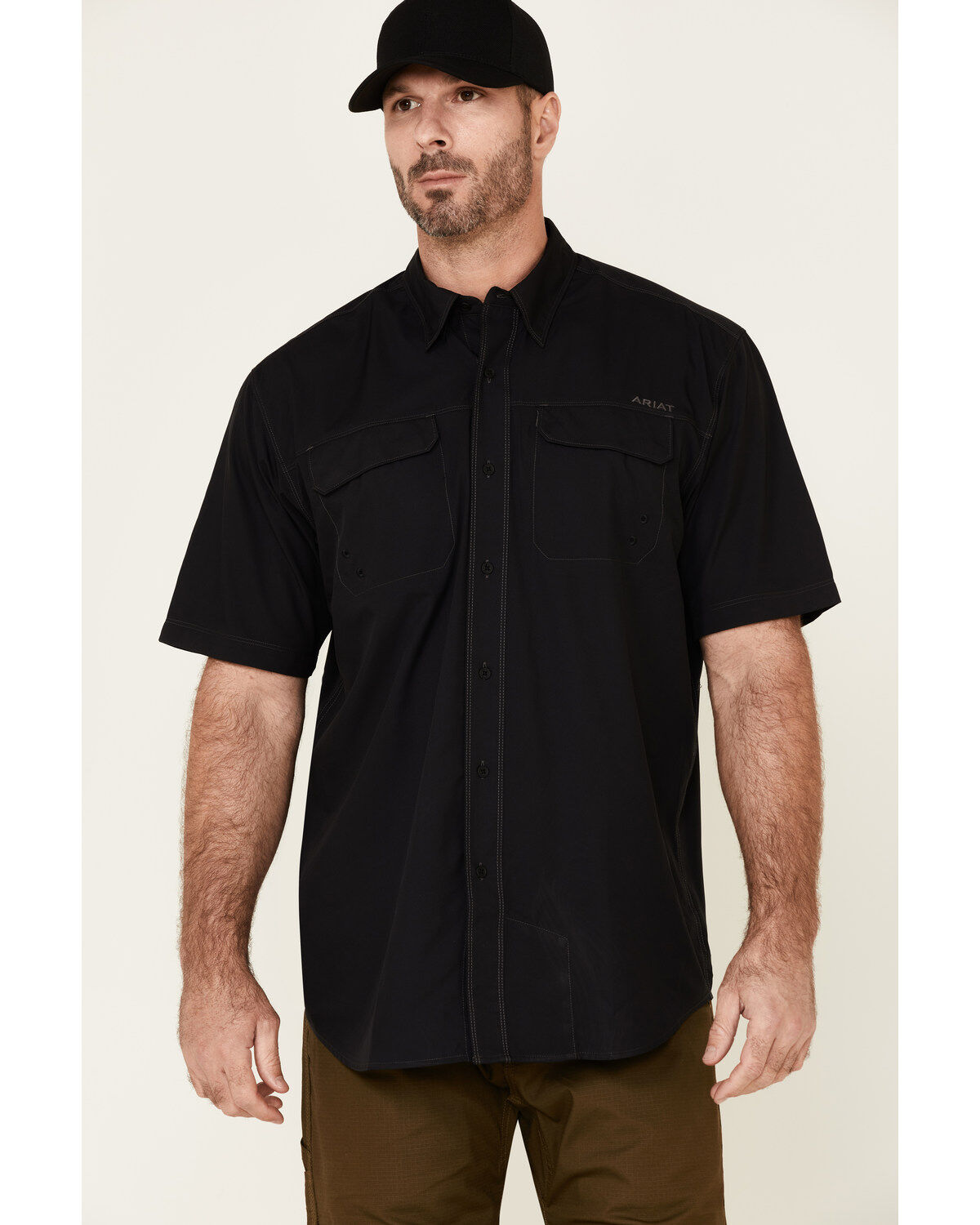
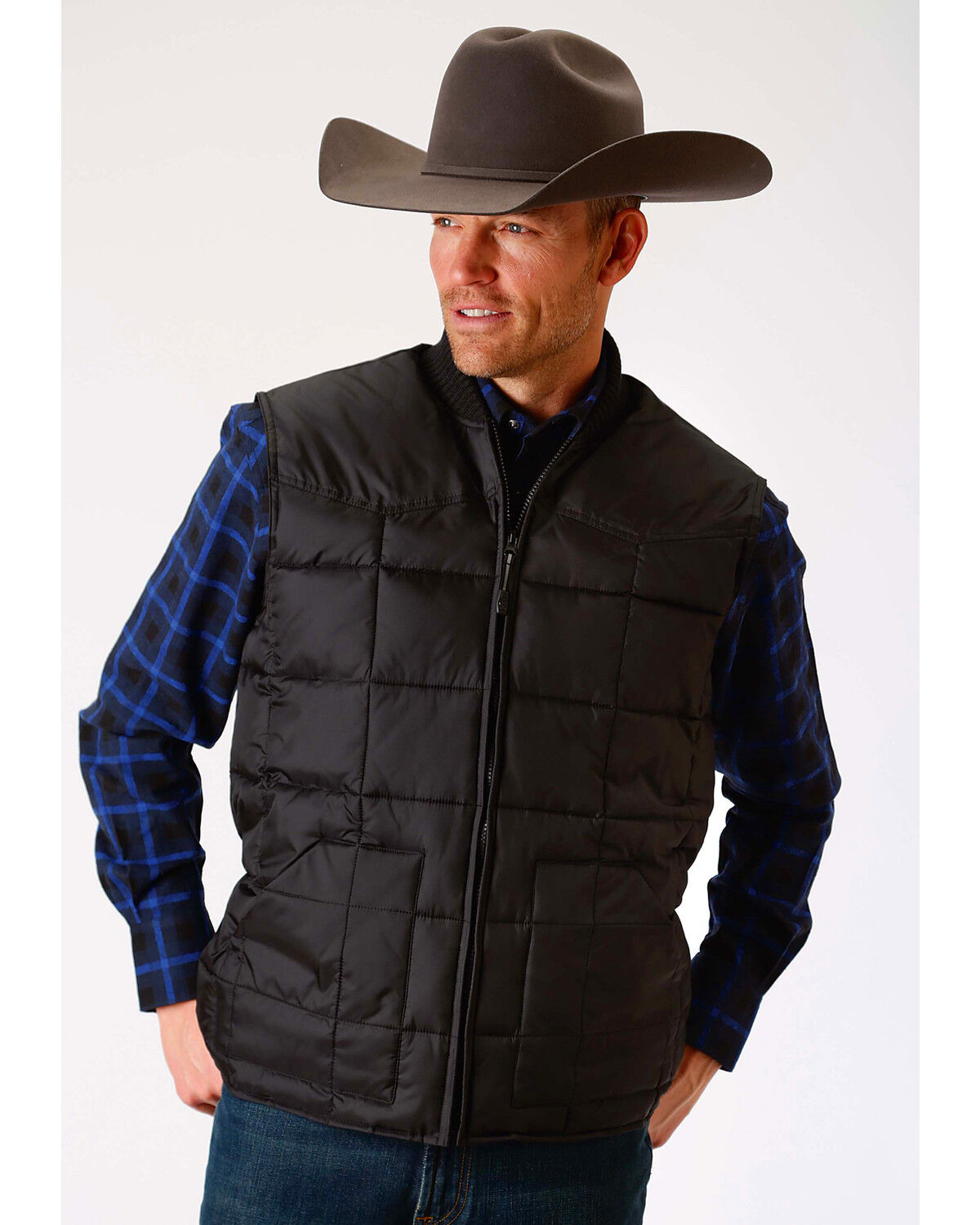
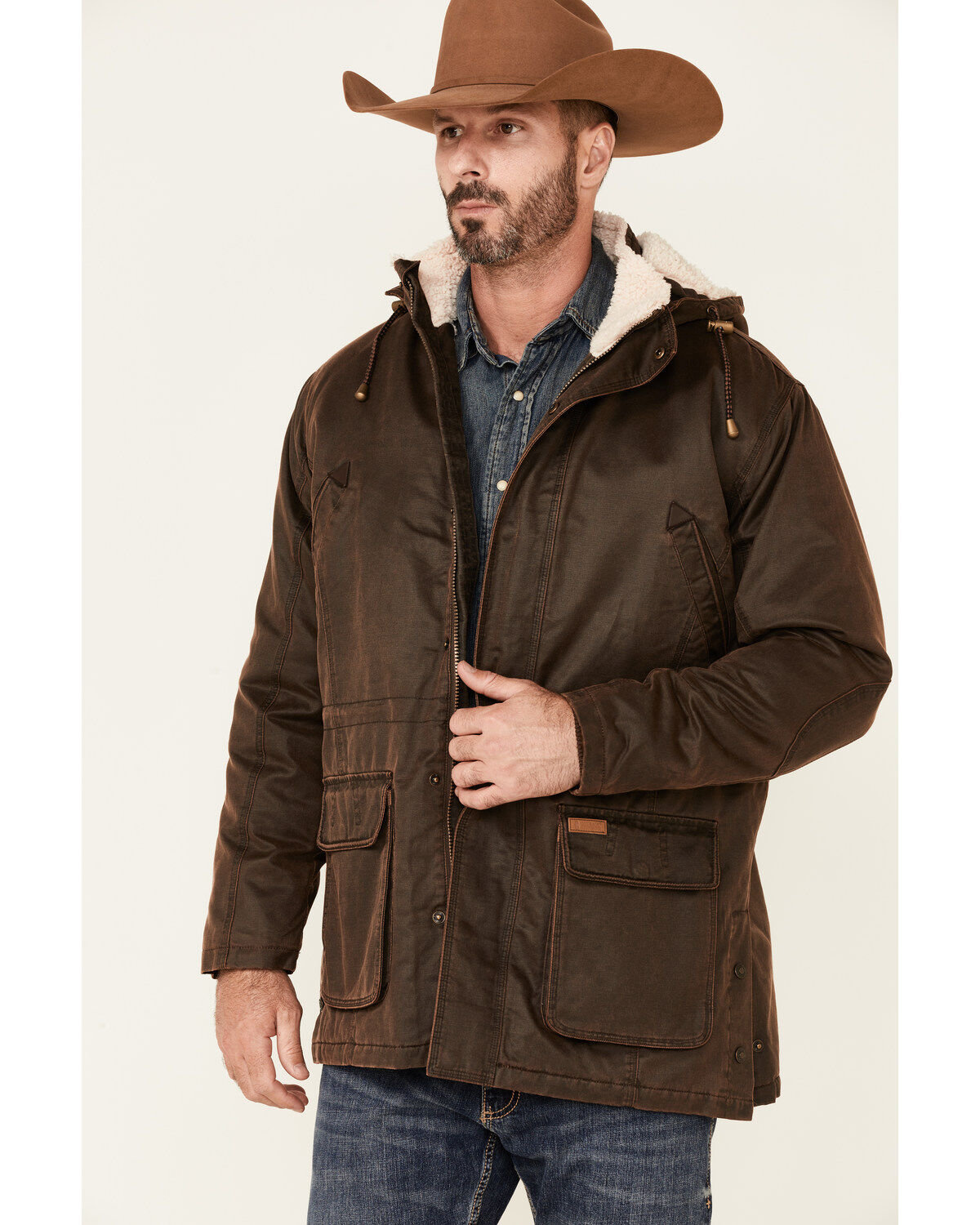
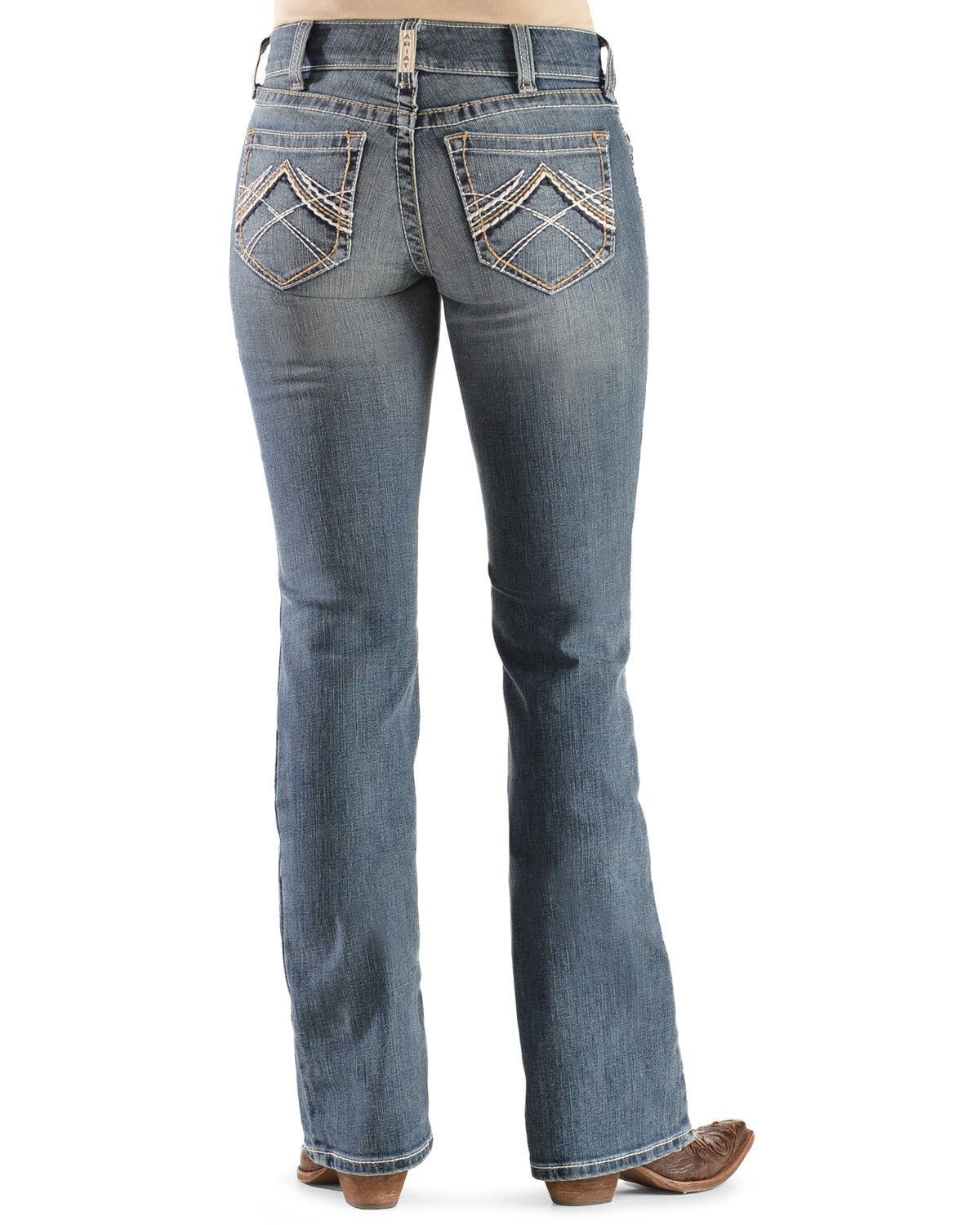
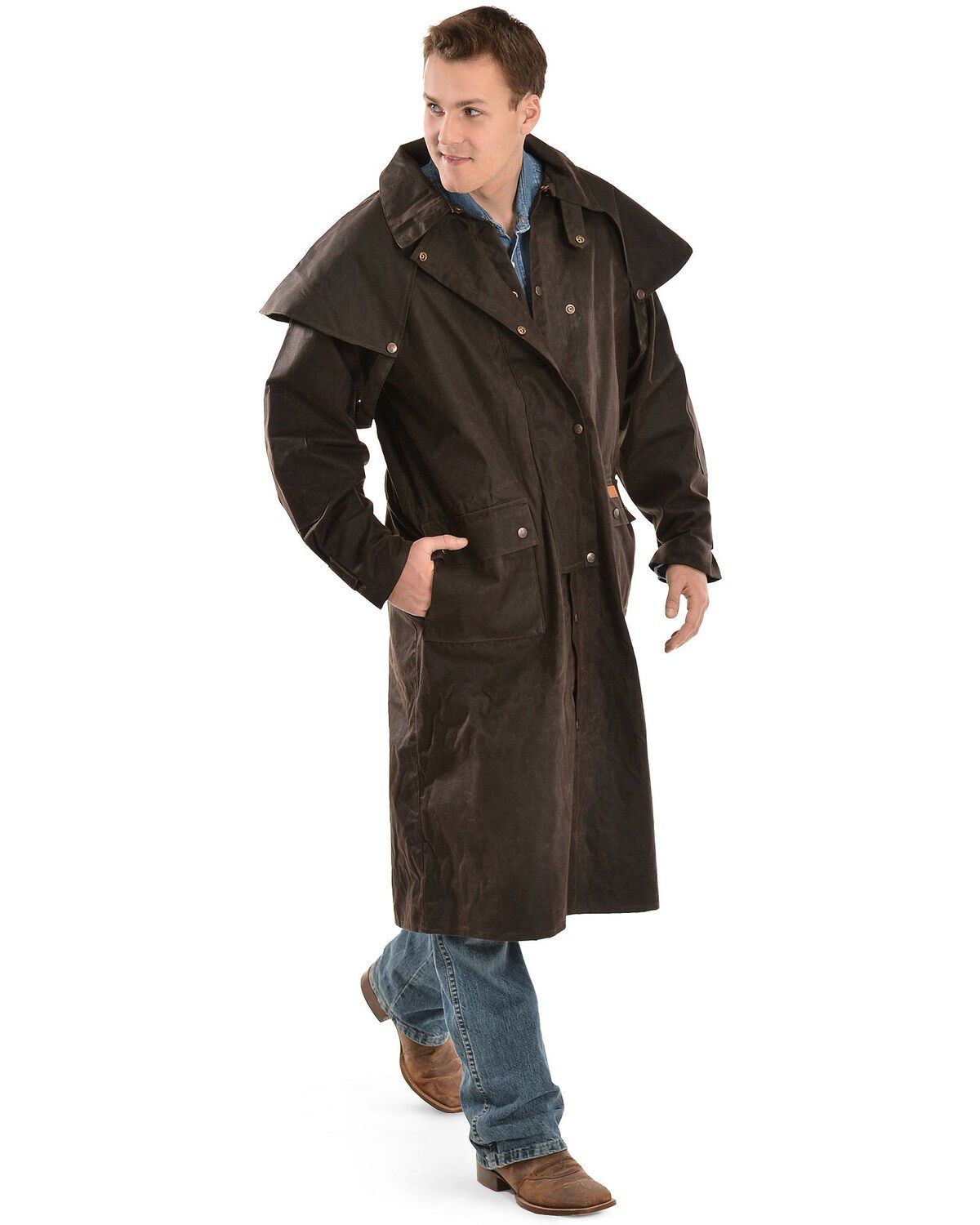
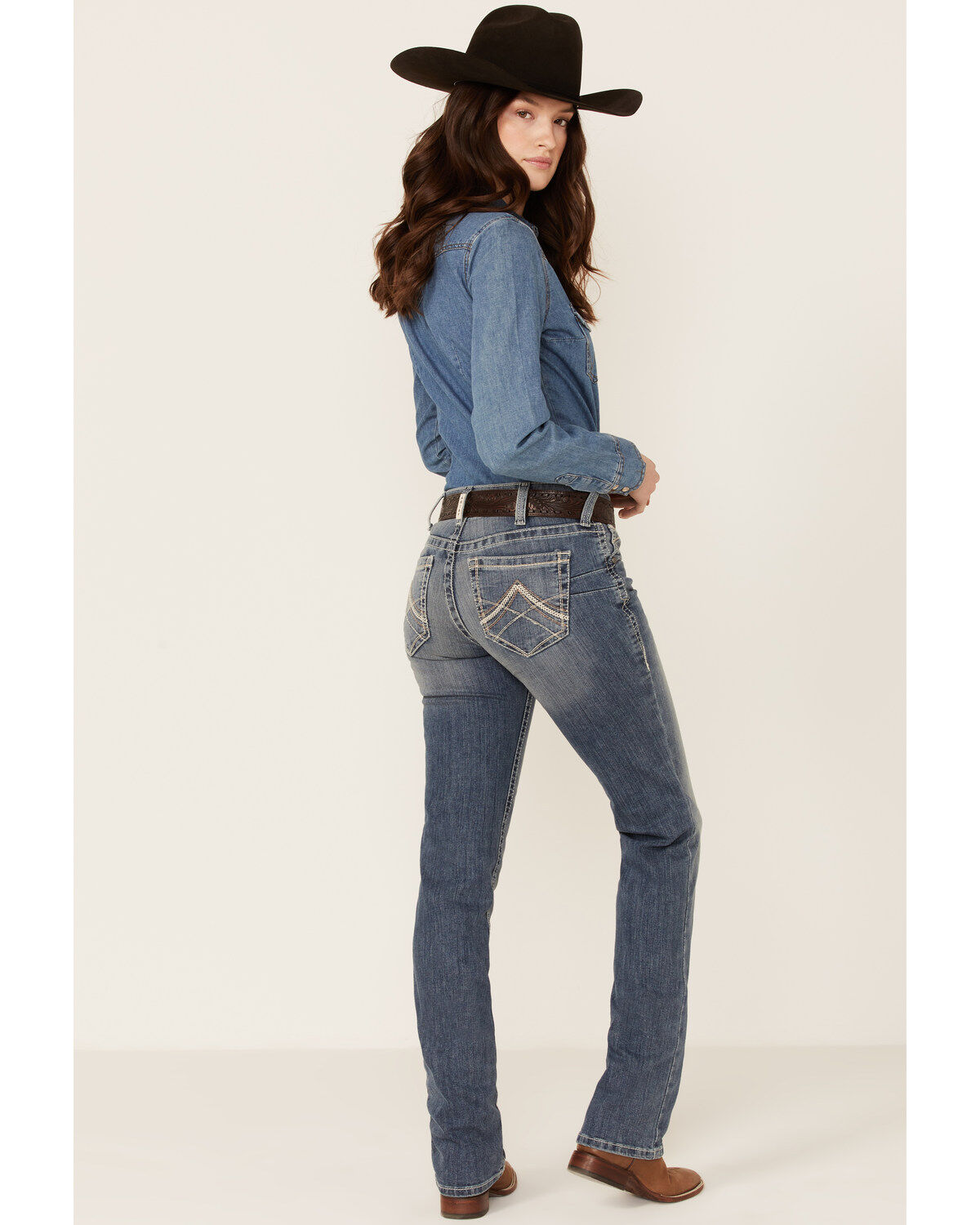
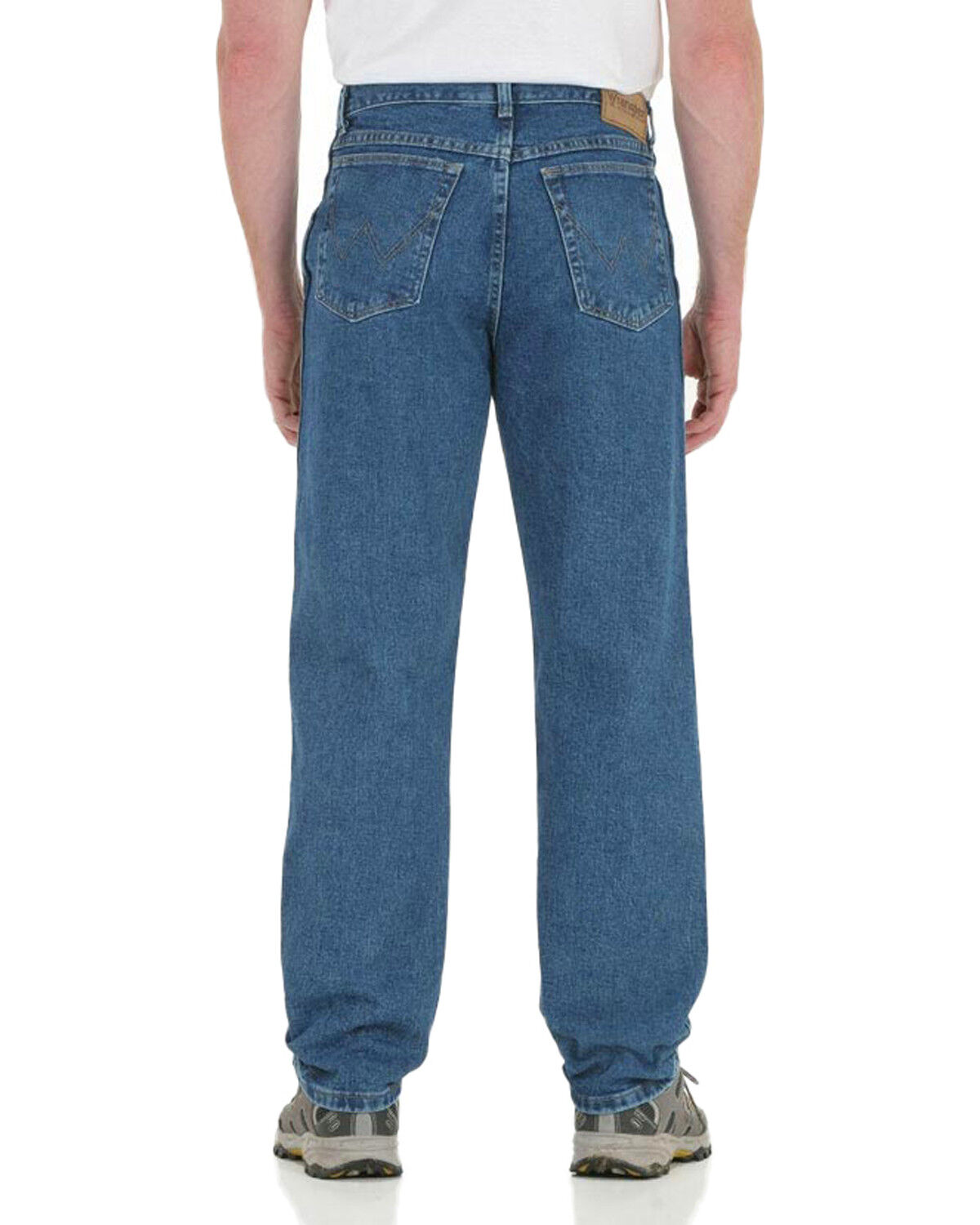
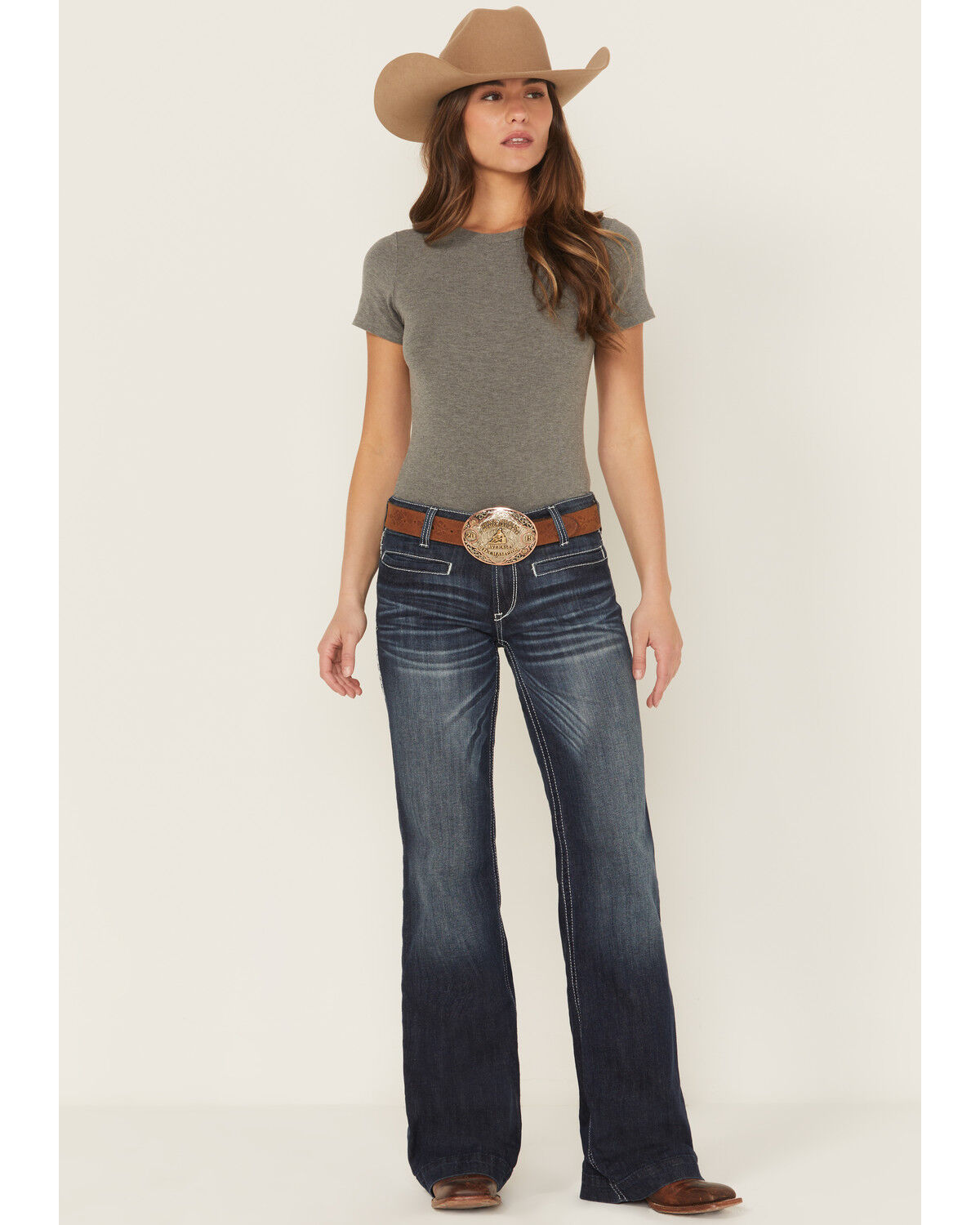
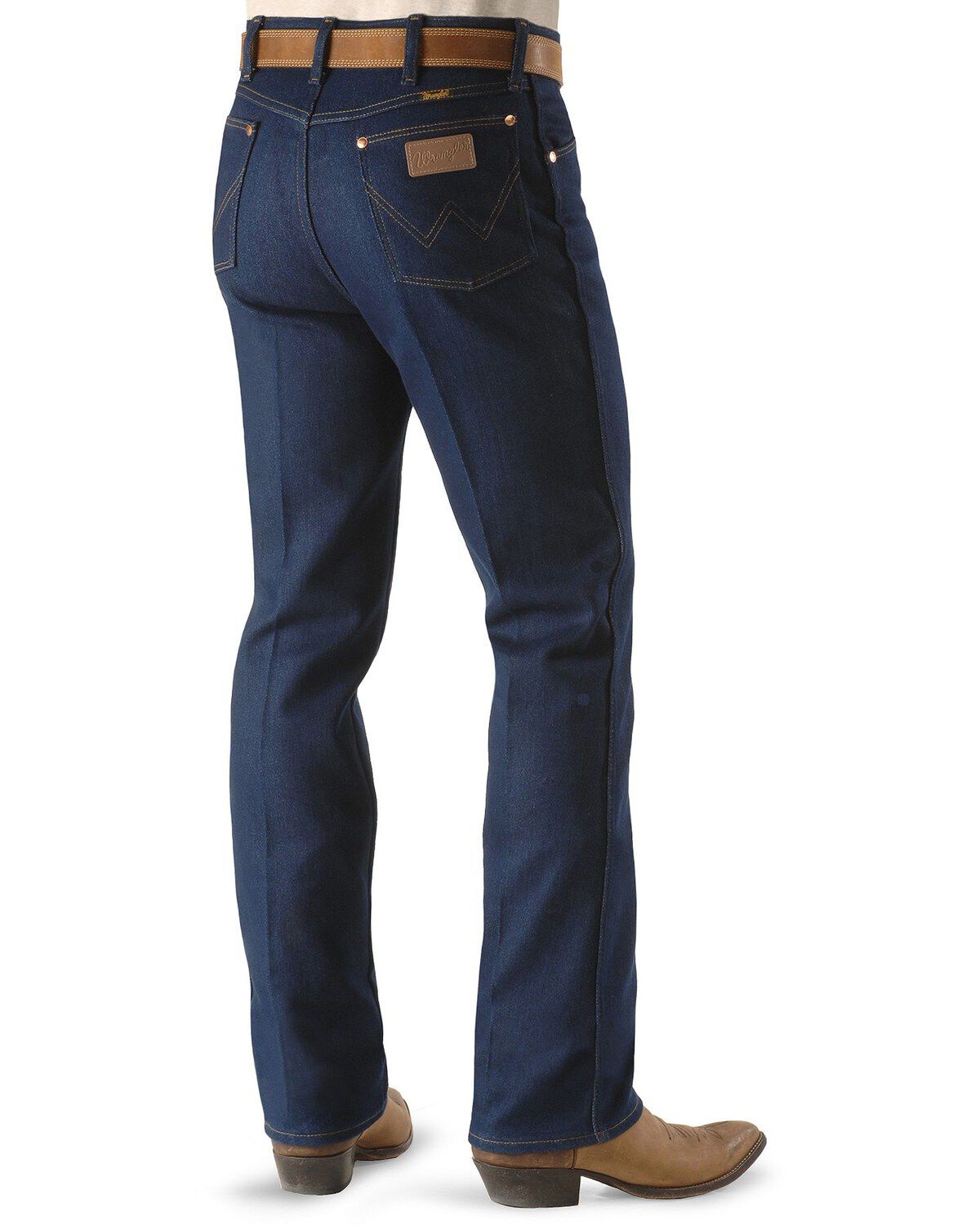
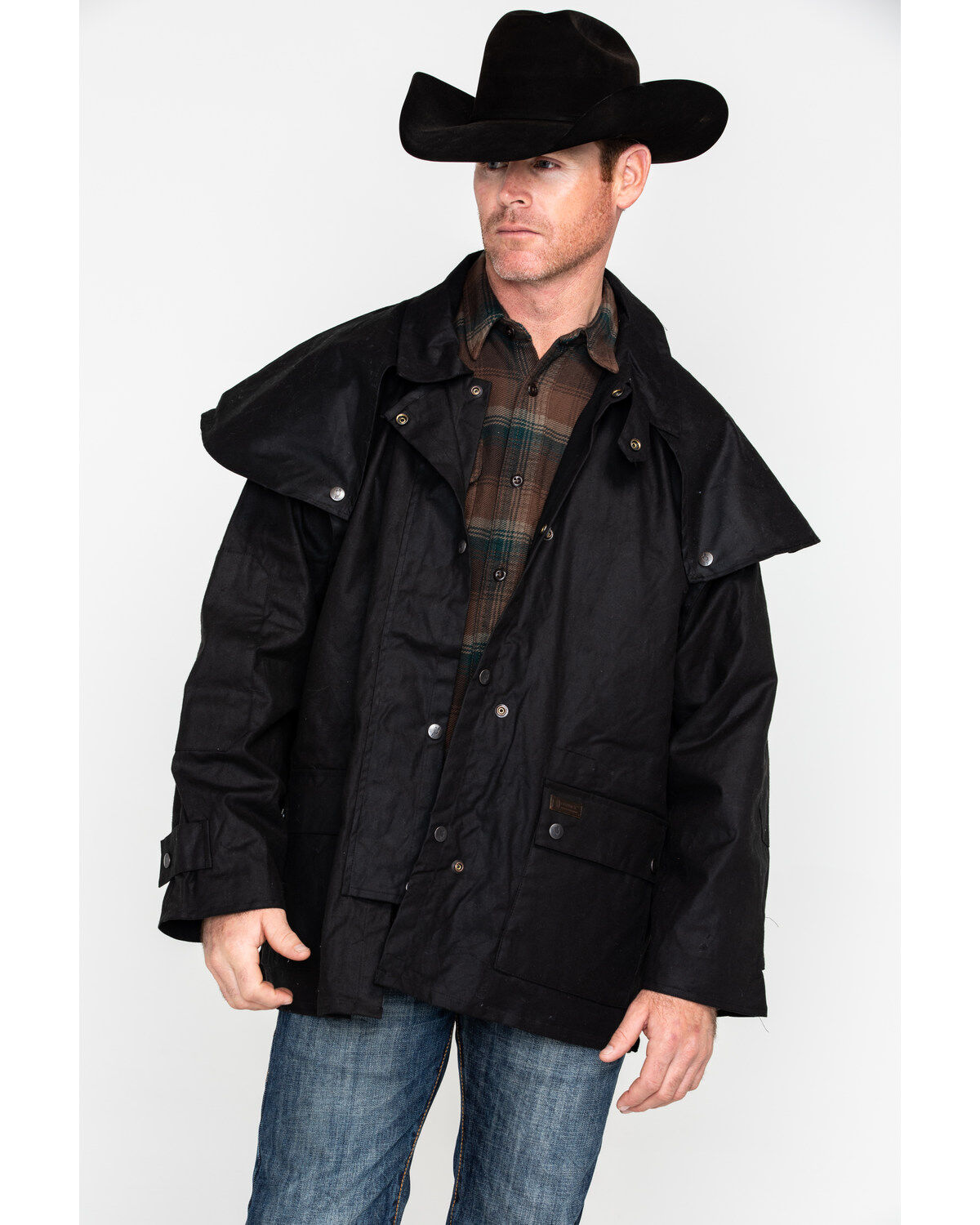
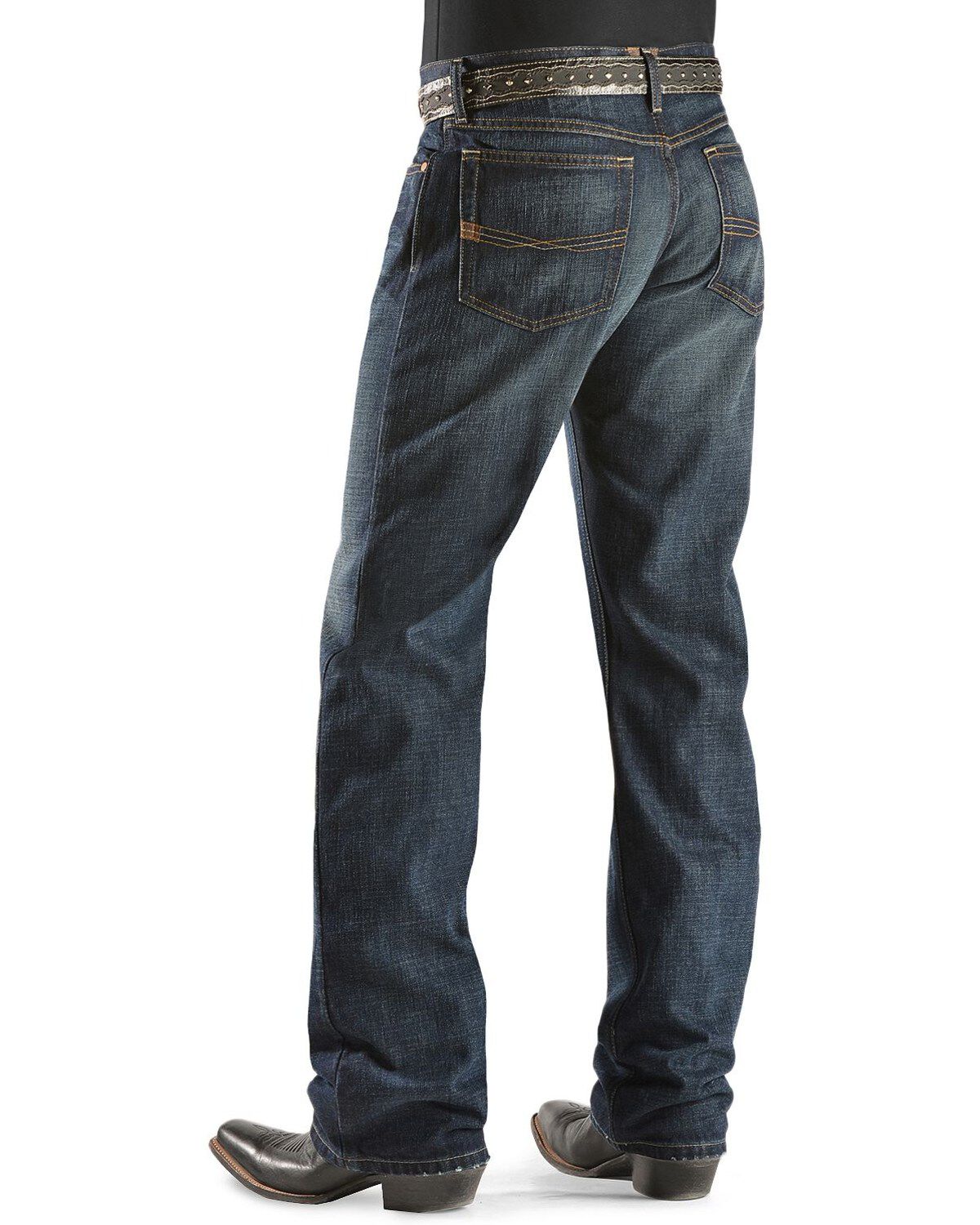
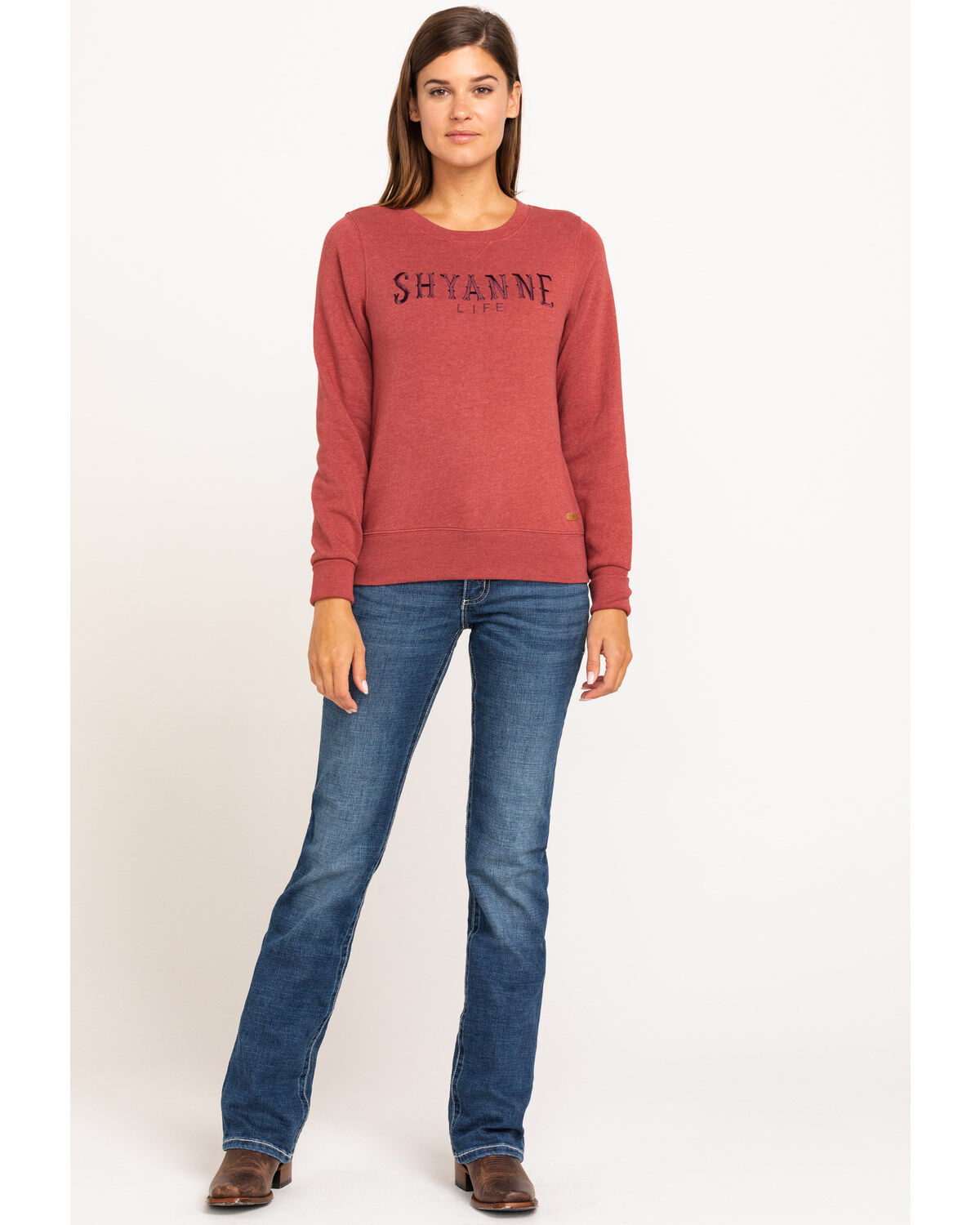
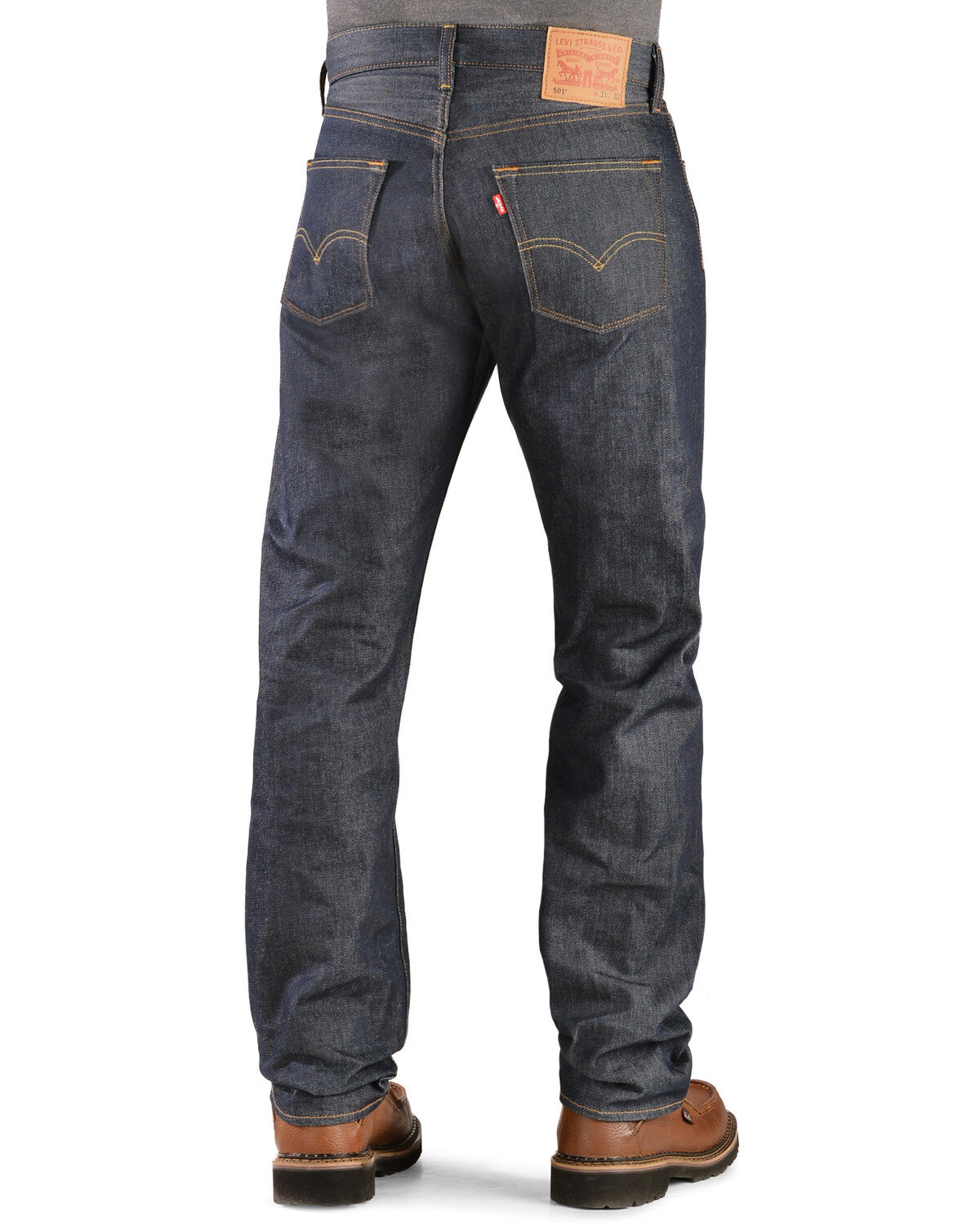
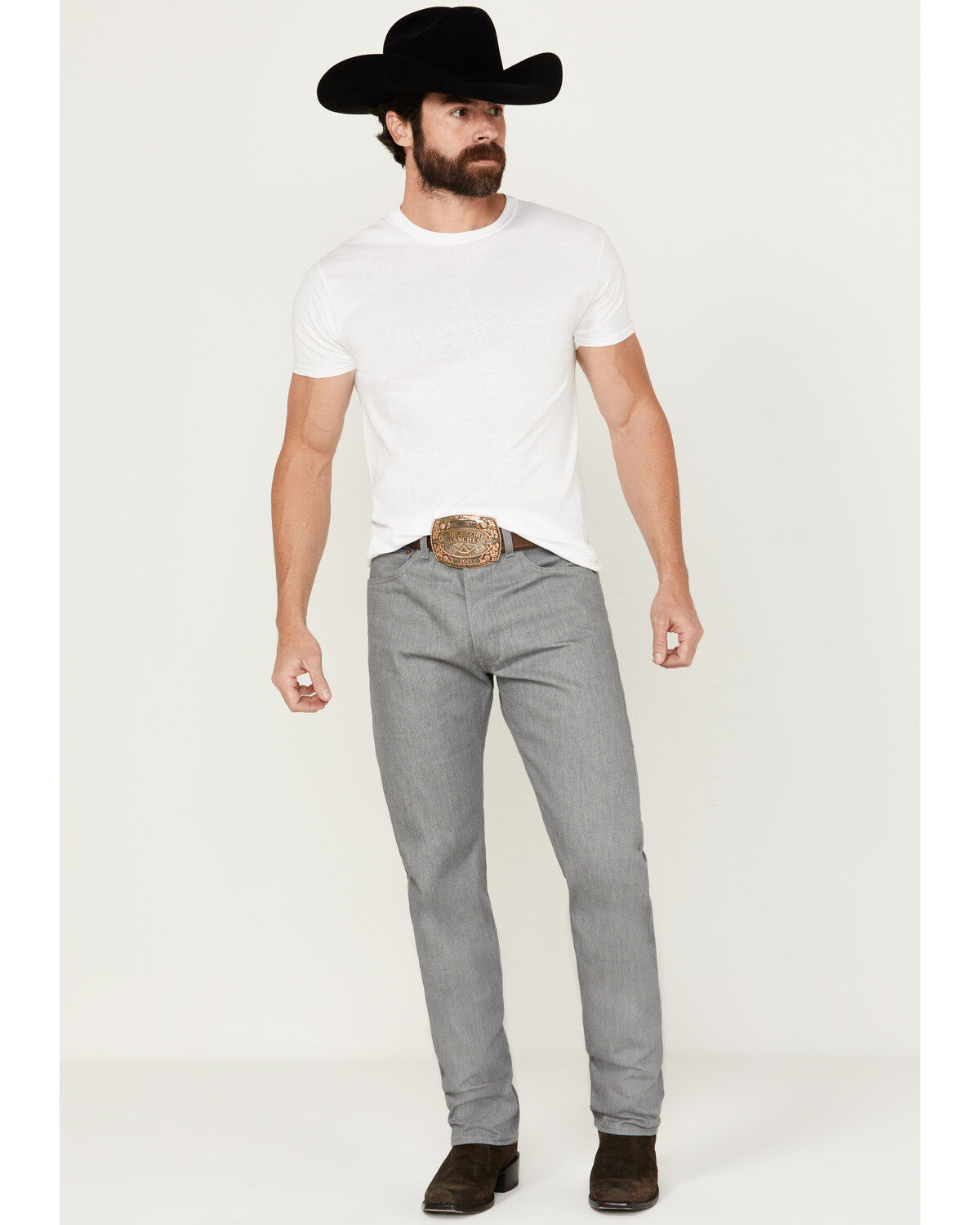
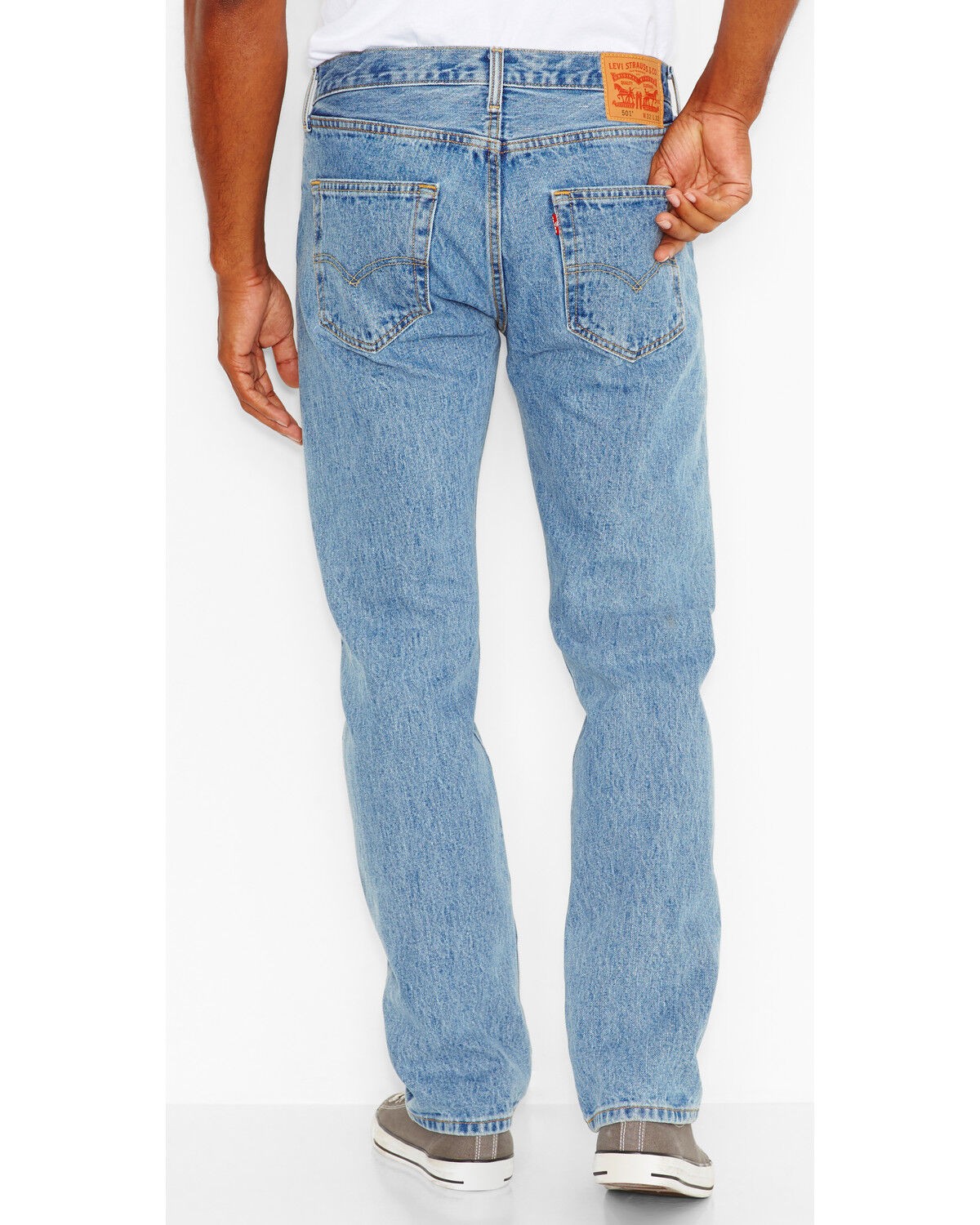
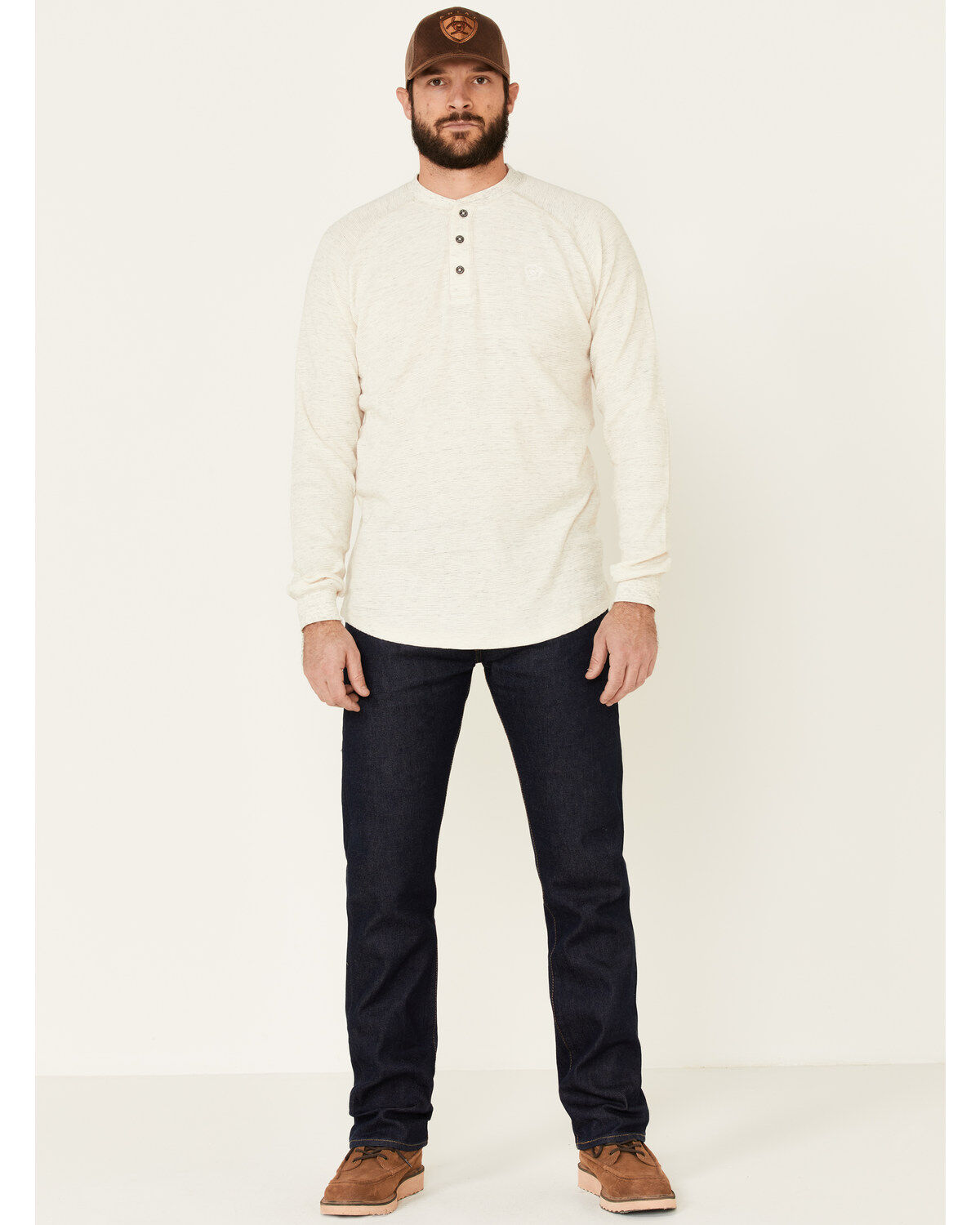
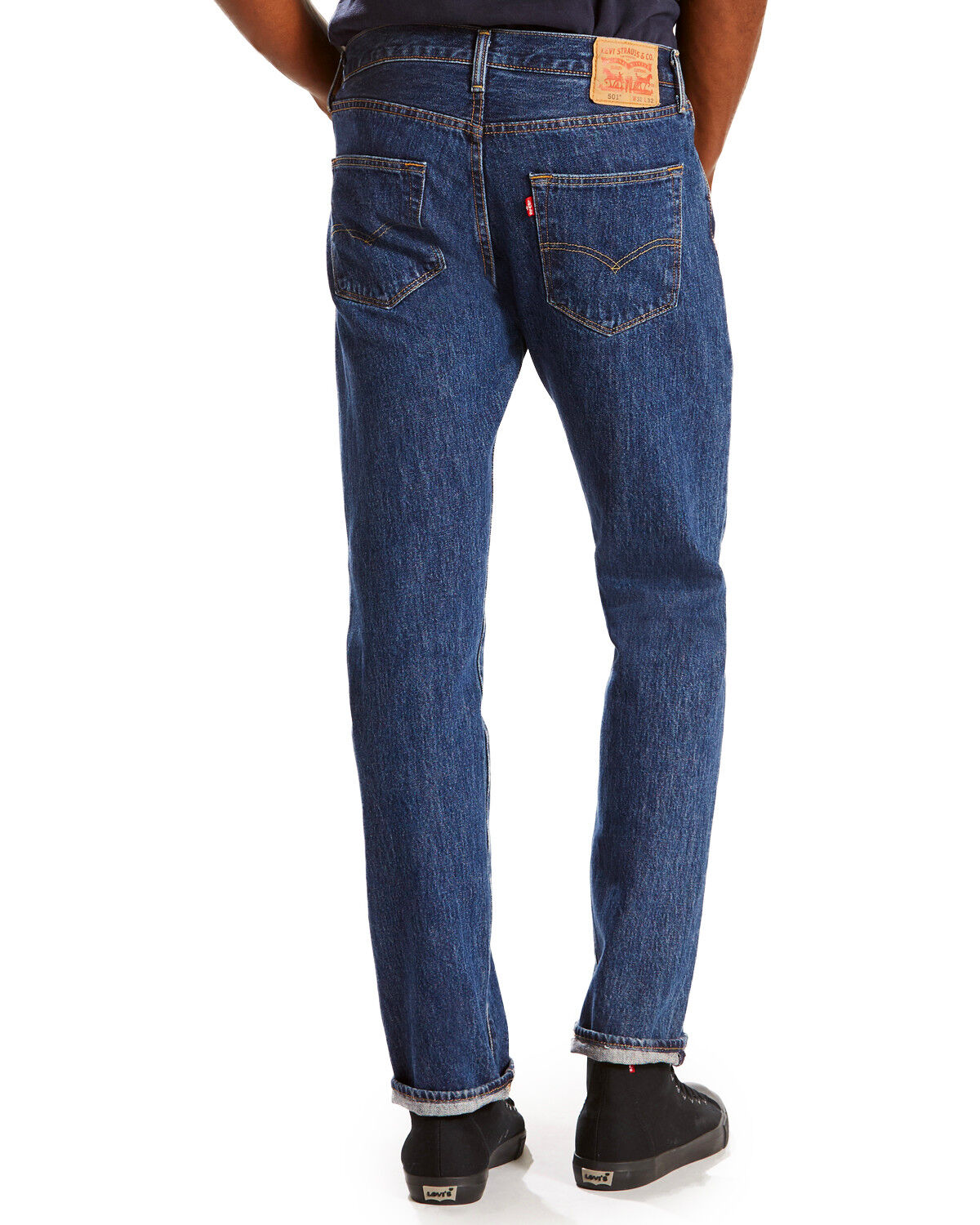
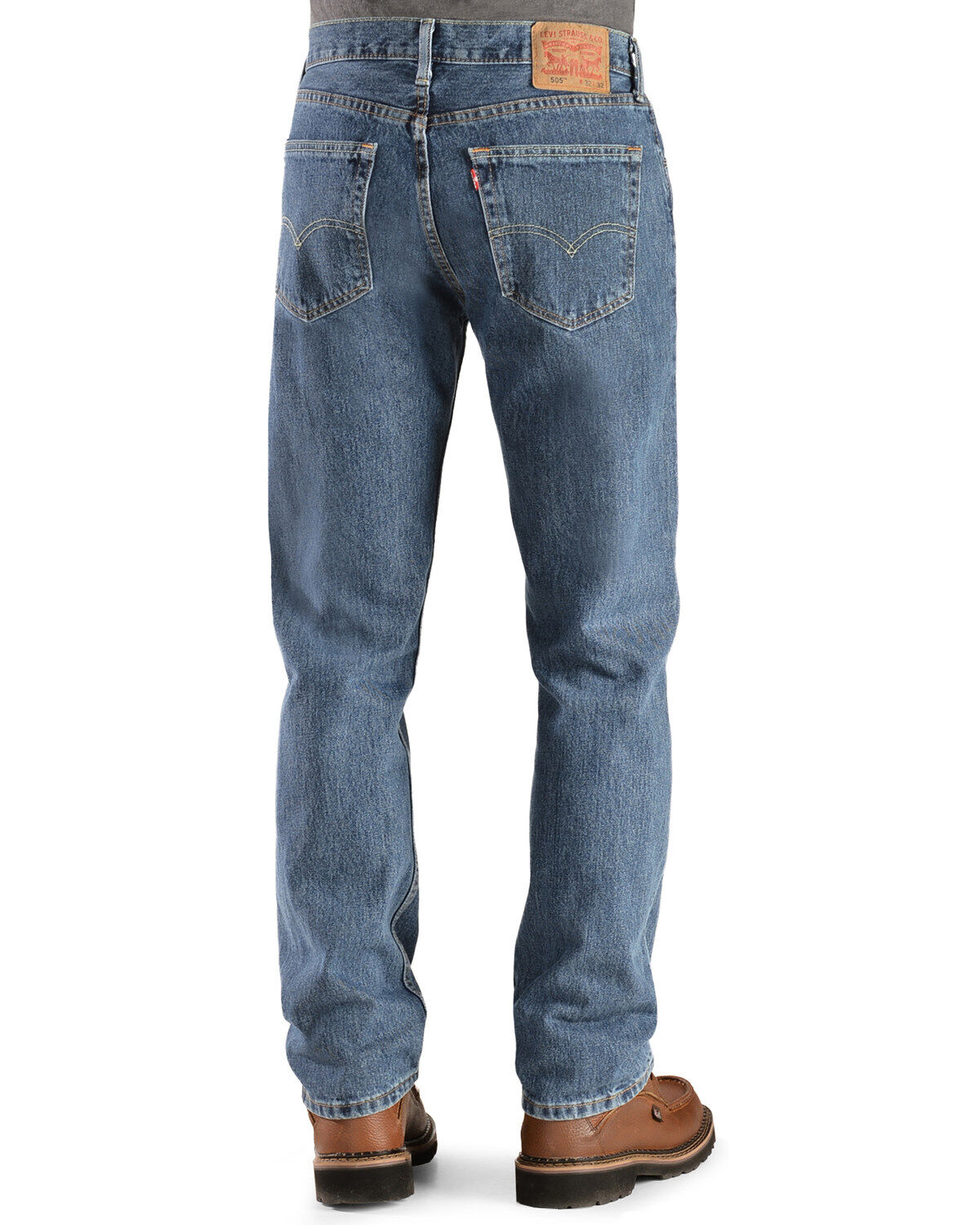
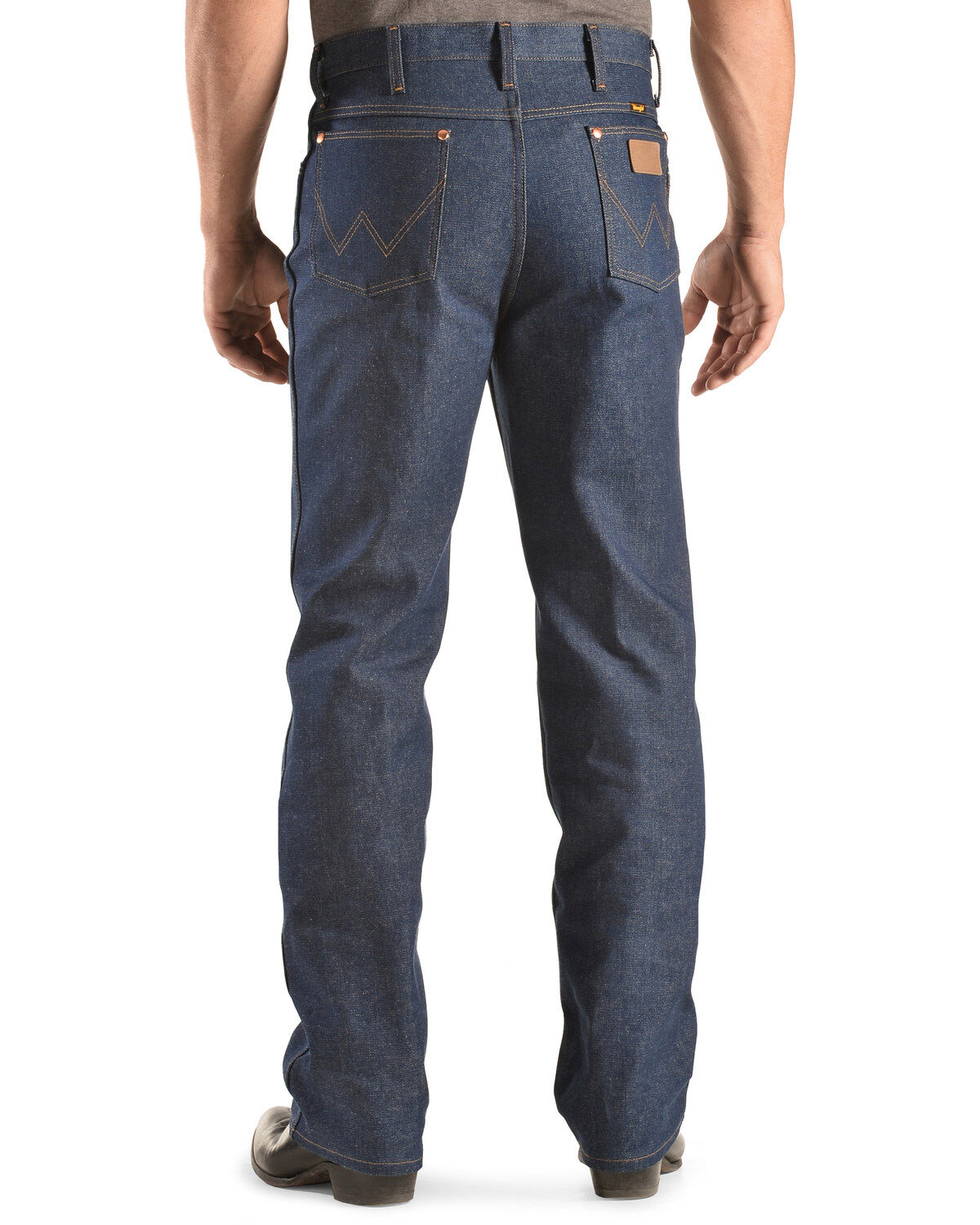
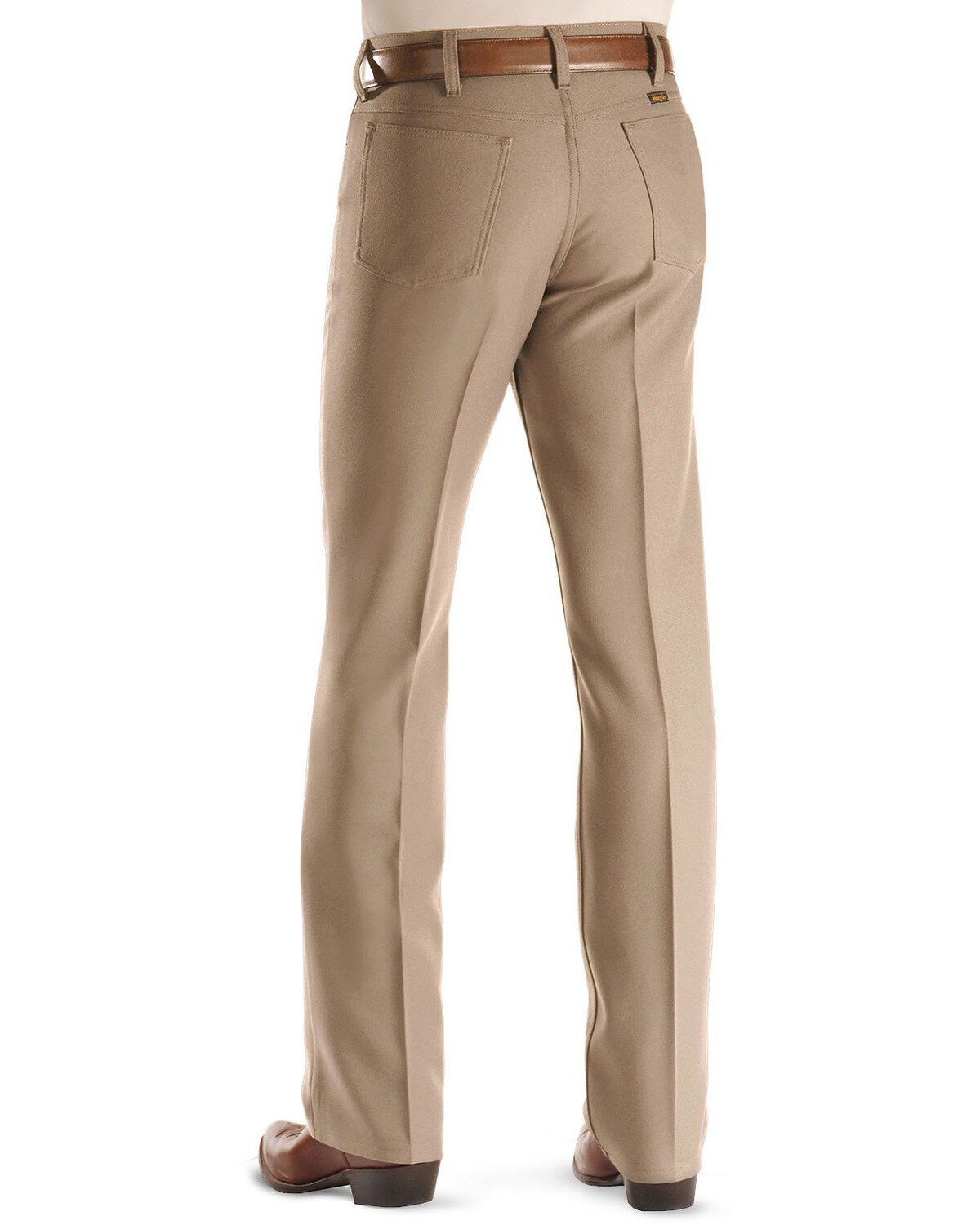
Rugged outdoor trail riding apparel needs to handle more than time in the saddle. There is grooming before the ride, lifting tack, opening gates, and walking a horse over ground that calls for a closer look. Clothing suited to that routine balances durable fabric with enough freedom to reach, bend, and settle comfortably into a seat. Denim, canvas, cotton twill, and blended fabrics each bring something different to the job. Denim has a familiar structure that softens with wear, while canvas and twill can provide a firm feel in areas exposed to friction. Cotton offers softness against the skin. Blends with synthetic fibers may provide faster drying or improved shape retention, depending on their construction. A measured amount of stretch can make mounting and long stretches of seated movement more comfortable without requiring a loose, bulky fit. Fabric weight matters, but weight alone does not determine durability. Tight construction, sound stitching, and reinforcement at stress points also contribute to how clothing holds up. Trail riding puts repeated pressure on the seat, inner legs, knees, and pocket openings, so those details deserve attention. Raised seams and heavy trim can create pressure where the body meets the saddle. Smoother construction in those areas helps keep the focus on the ride rather than a rubbing seam. Shirts need similar consideration through the shoulders, upper back, and elbows. Reaching forward with the reins should not pull sharply across the back or draw the cuffs far up the arms. A useful shirt length stays covered when bending toward a hoof or reaching across a saddle. The overall look remains straightforward: sturdy fabrics, practical coverage, and a fit that works while moving. That combination suits riders who spend a few hours on local trails as well as those whose regular routine includes fence lines, pasture gates, and longer routes away from the barn.

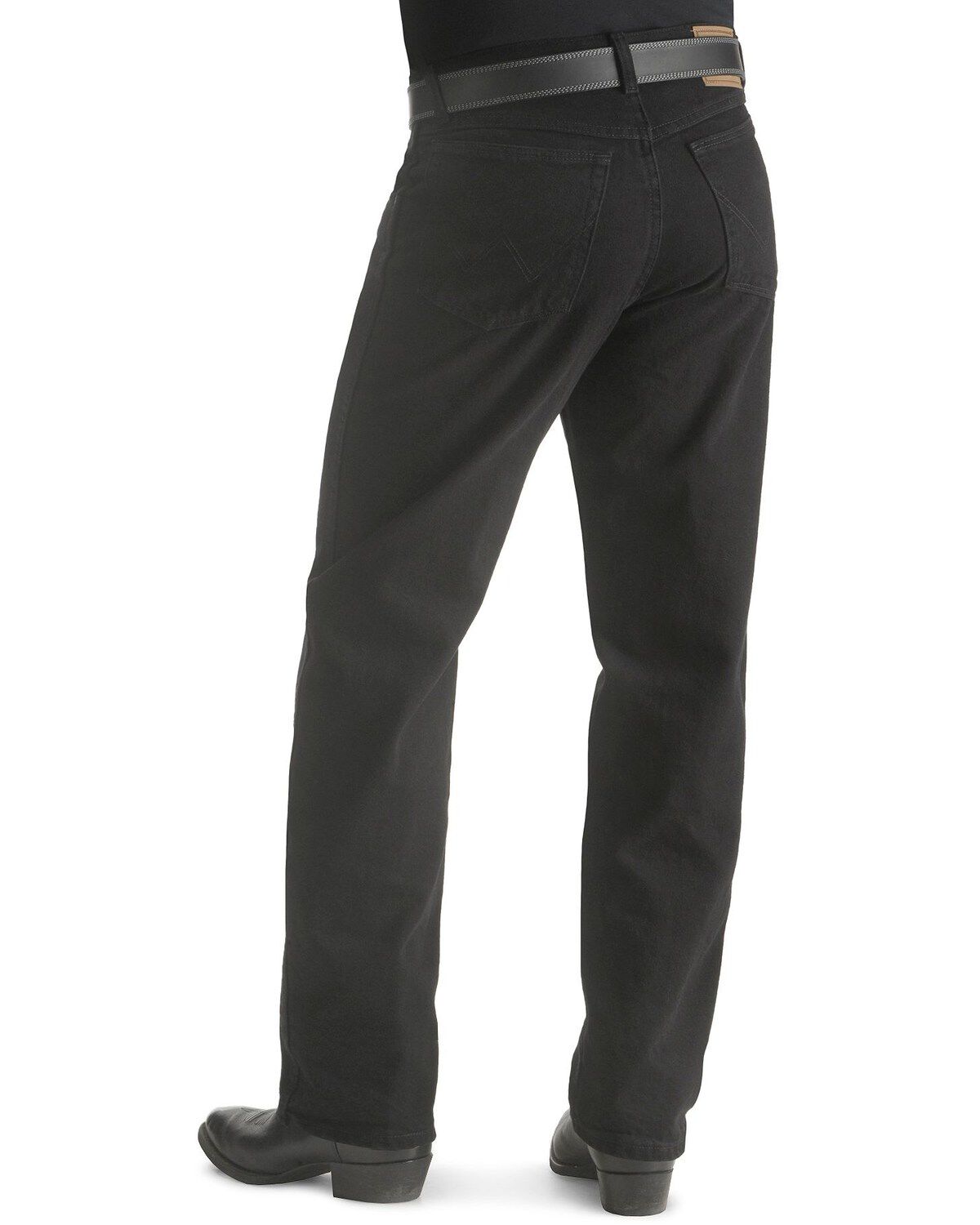
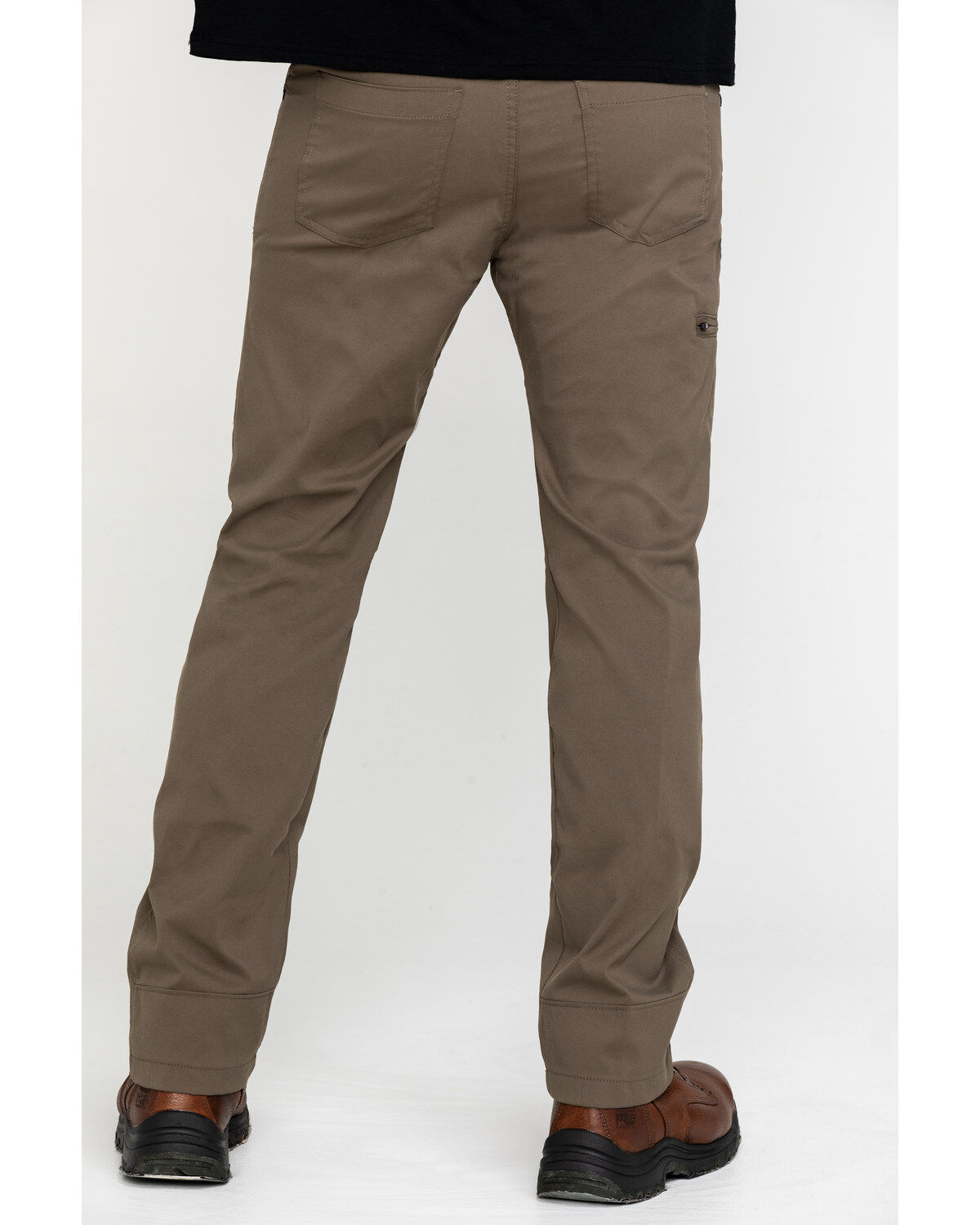
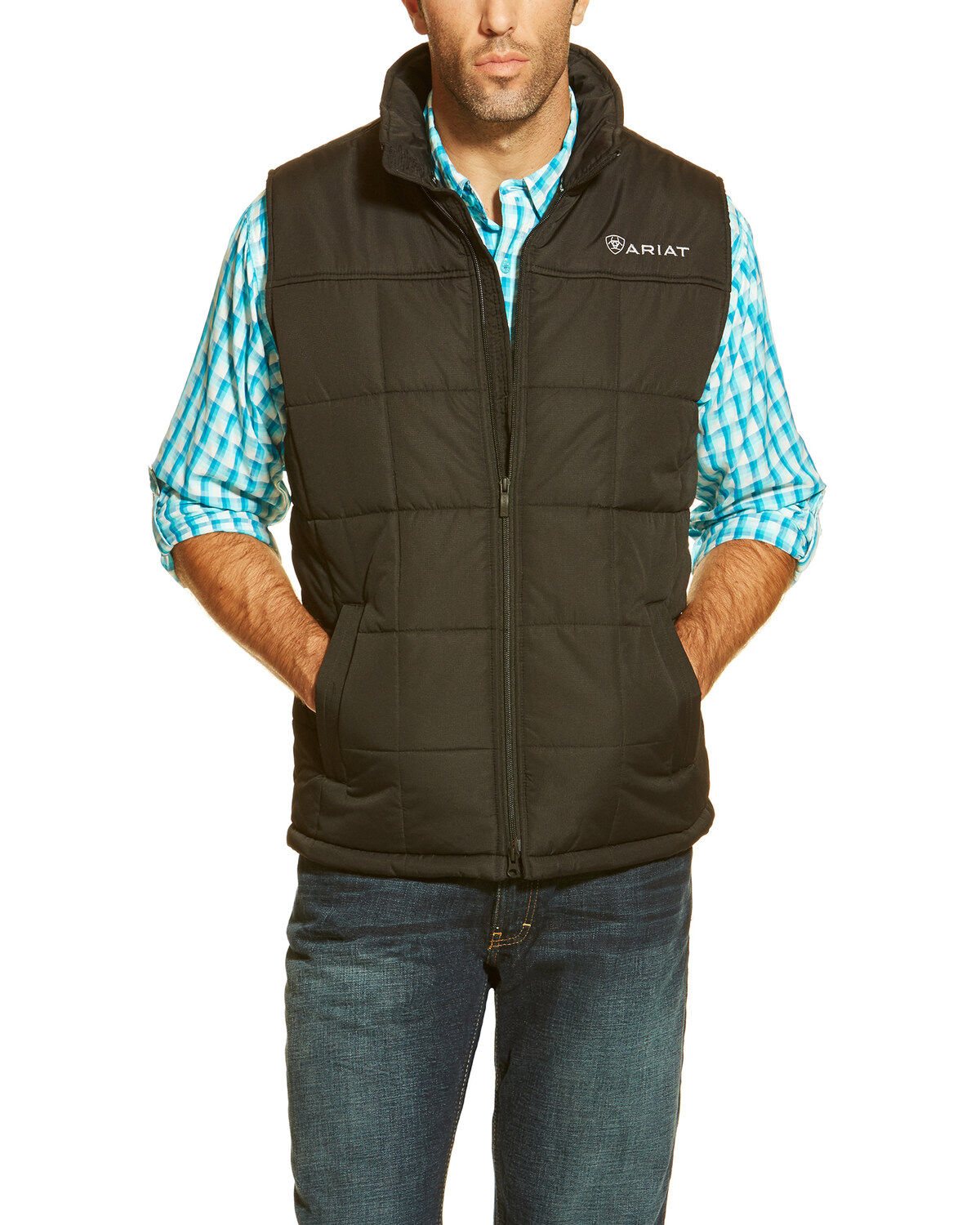
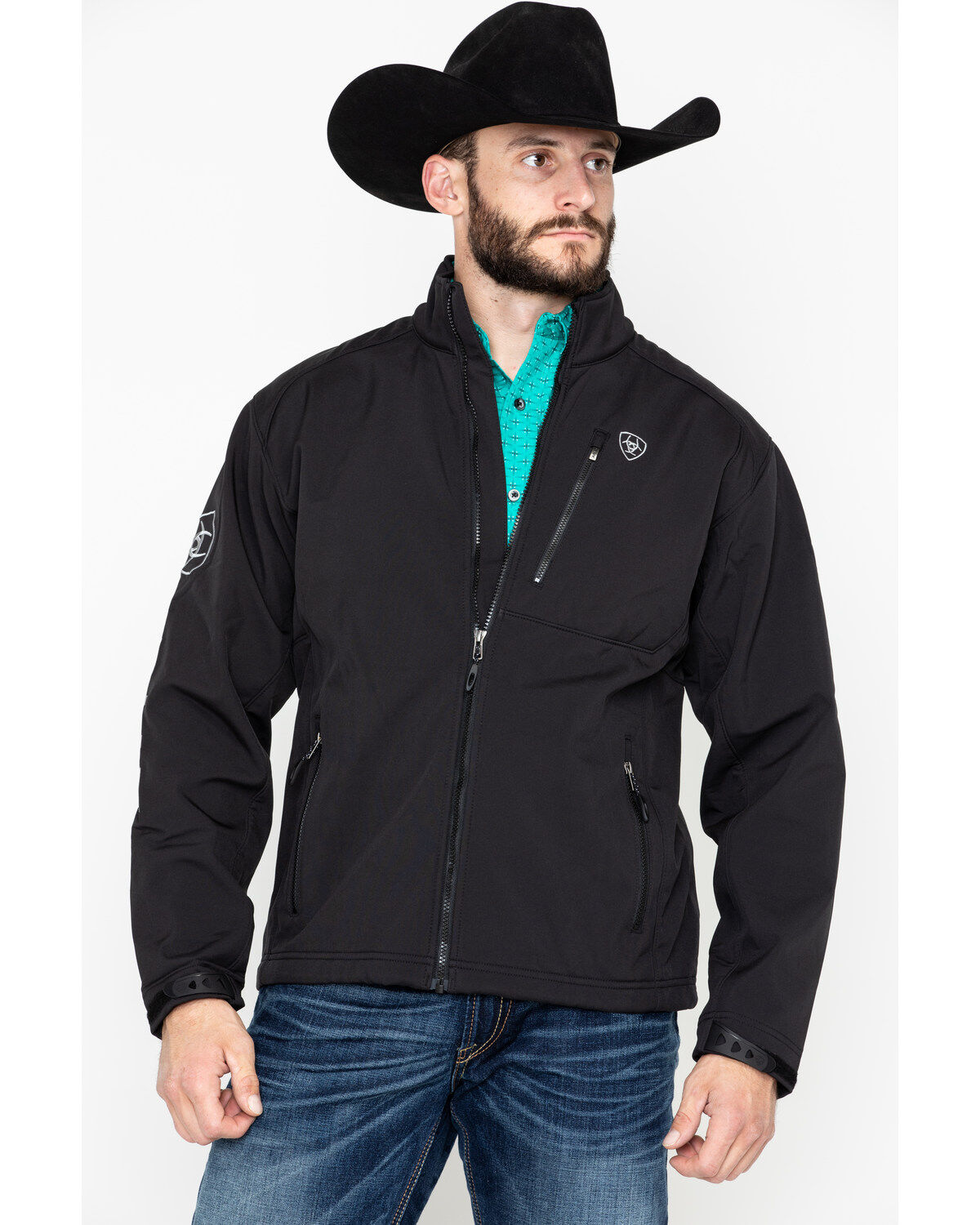
Fit changes once a rider leaves the ground, which is why trail riding clothing needs to do more than look right while standing. Pants that feel roomy on foot can bunch beneath the seat, while a close fit without enough give can pull at the knees and hips. A comfortable waistband stays in place without digging in when seated. The rise should provide coverage through mounting, dismounting, and leaning forward, with enough room to move without excess fabric collecting under a belt. Leg shape matters around riding boots, too. A boot-friendly opening allows the fabric to sit over the shaft without binding, while an appropriate inseam keeps the leg covered in the saddle without leaving a hem dragging underfoot during chores. Pocket placement can make a noticeable difference over several hours. Bulky contents at the hip or back pocket may press against the saddle, and a phone carried in a tight front pocket can restrict movement. Secure storage works best where it remains accessible without creating a pressure point. On shirts, closures and cuffs should stay manageable around reins, tack, and gate hardware. Long sleeves offer coverage from sun, dust, and light contact with brush, but ordinary riding apparel is not protective equipment. Loose straps, dangling trim, and oversized sleeves can interfere with the work at hand. The same practical thinking applies to belts and outer layers: a secure fit and uncomplicated construction leave less material to catch or bunch. Riding footwear also needs to suit the stirrups and the activity rather than simply match the clothing. Boots designed for riding commonly have a defined heel, but their dimensions still need to work with the stirrup opening. A properly fitted equestrian helmet remains a separate safety consideration; a western hat is not a substitute. Together, these details support an outfit that feels settled and functional whether the rider is crossing an open stretch, stepping down at a gate, or leading a horse through a narrow passage.

Durability continues after the ride, and regular care helps rugged apparel stay useful. Trail dust, dried mud, sweat, and repeated friction all affect fabric over time. Care labels provide the right starting point because denim, stretch blends, coated materials, and other constructions do not all tolerate the same washing and drying methods. Brushing away loose dirt before laundering can keep it from working farther into seams. Empty pockets and closed fasteners help prevent avoidable damage in the wash, while prompt attention to stains is generally easier on fabric than allowing them to set. Excessive dryer heat can affect stretch fibers and alter fit, so drying instructions matter as much as washing instructions. Small repairs are worth addressing before the next long ride. A loose belt loop or opening seam can become a larger tear when it catches on equipment or takes another day of strain. Normal fading and softened fabric can be part of well-used riding clothes; thinning material, failing closures, and worn-through seams call for a closer assessment. These are clothes for riders with different routines, from regular barn work followed by a short loop to planned outings with family or friends. They can also make thoughtful gifts for someone who spends meaningful time around horses, provided the recipient’s measurements and riding preferences are known. Familiar sizing alone may not account for preferred rise, inseam, sleeve length, or room through the shoulders. Personal preferences matter just as much as rugged construction when clothing will be worn for hours. Trail riding apparel also fits naturally within Western Wear for Outdoor Adventure, with practical fabrics and easy movement that remain useful beyond the saddle. Restrained stitching, straightforward cuts, and familiar western details carry comfortably between riding, chores, and everyday stops. The strongest choices earn their place through repeated use: comfortable at the waist, free through the shoulders, dependable at the seams, and suited to the way a rider actually spends the day.

FAQs