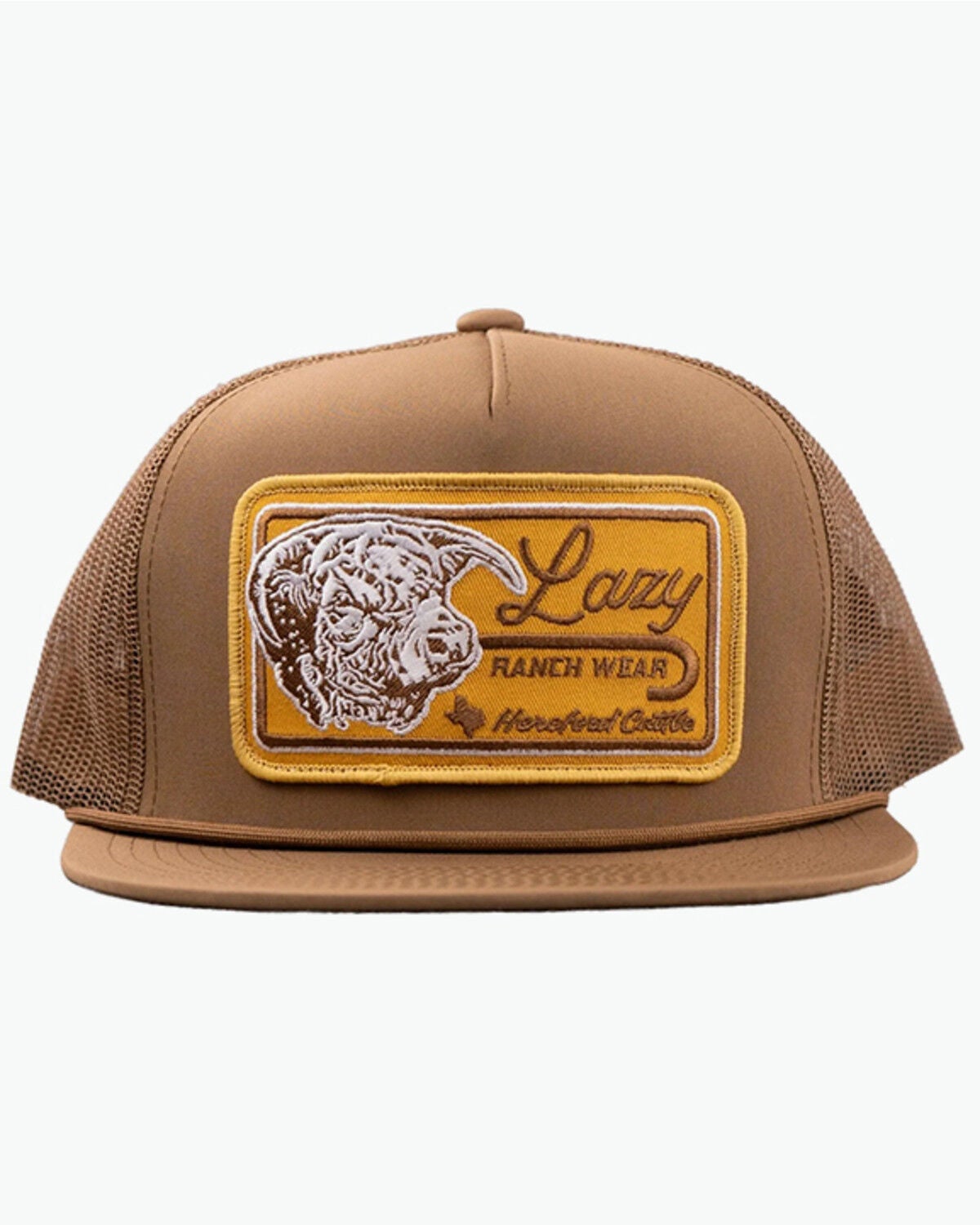
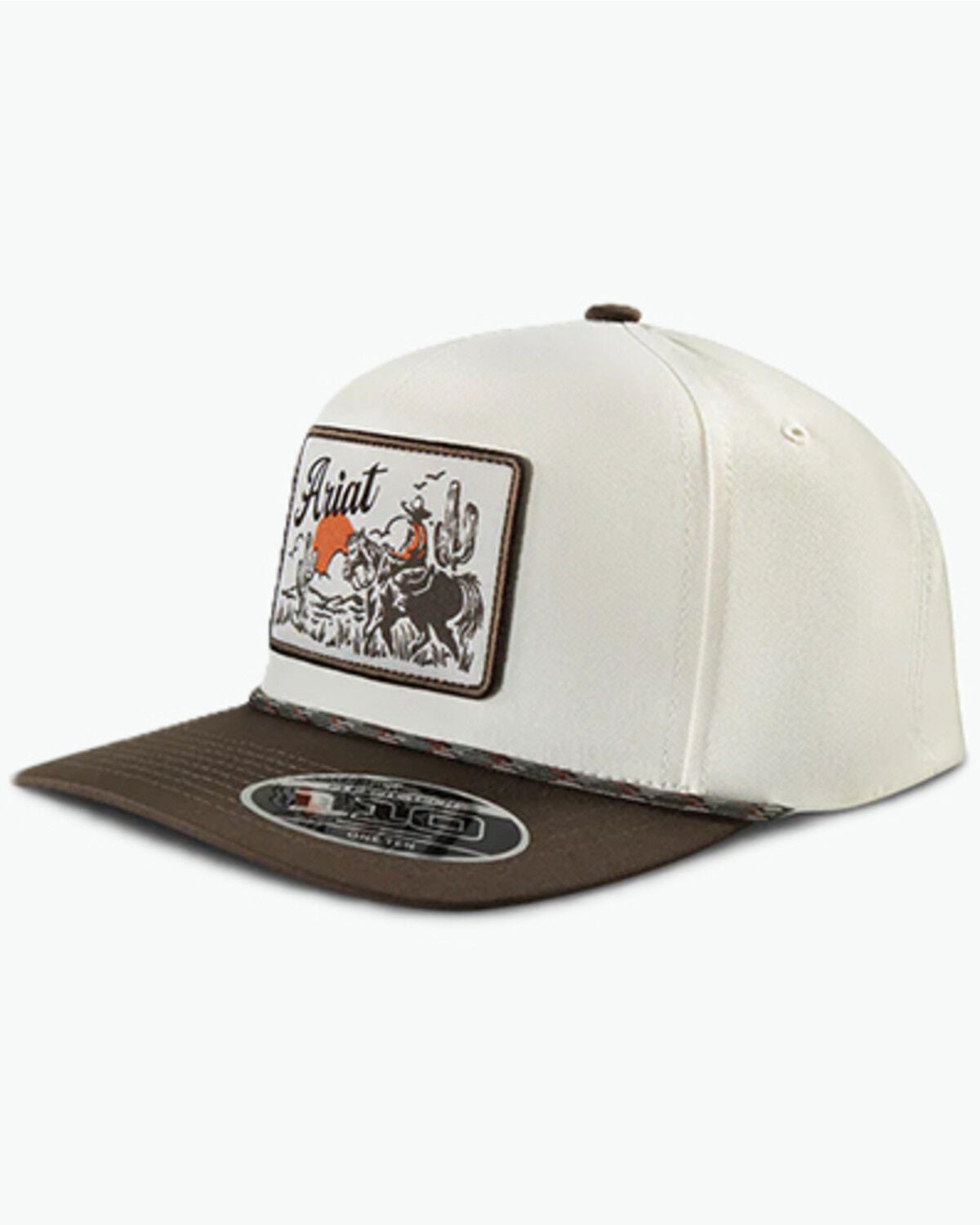
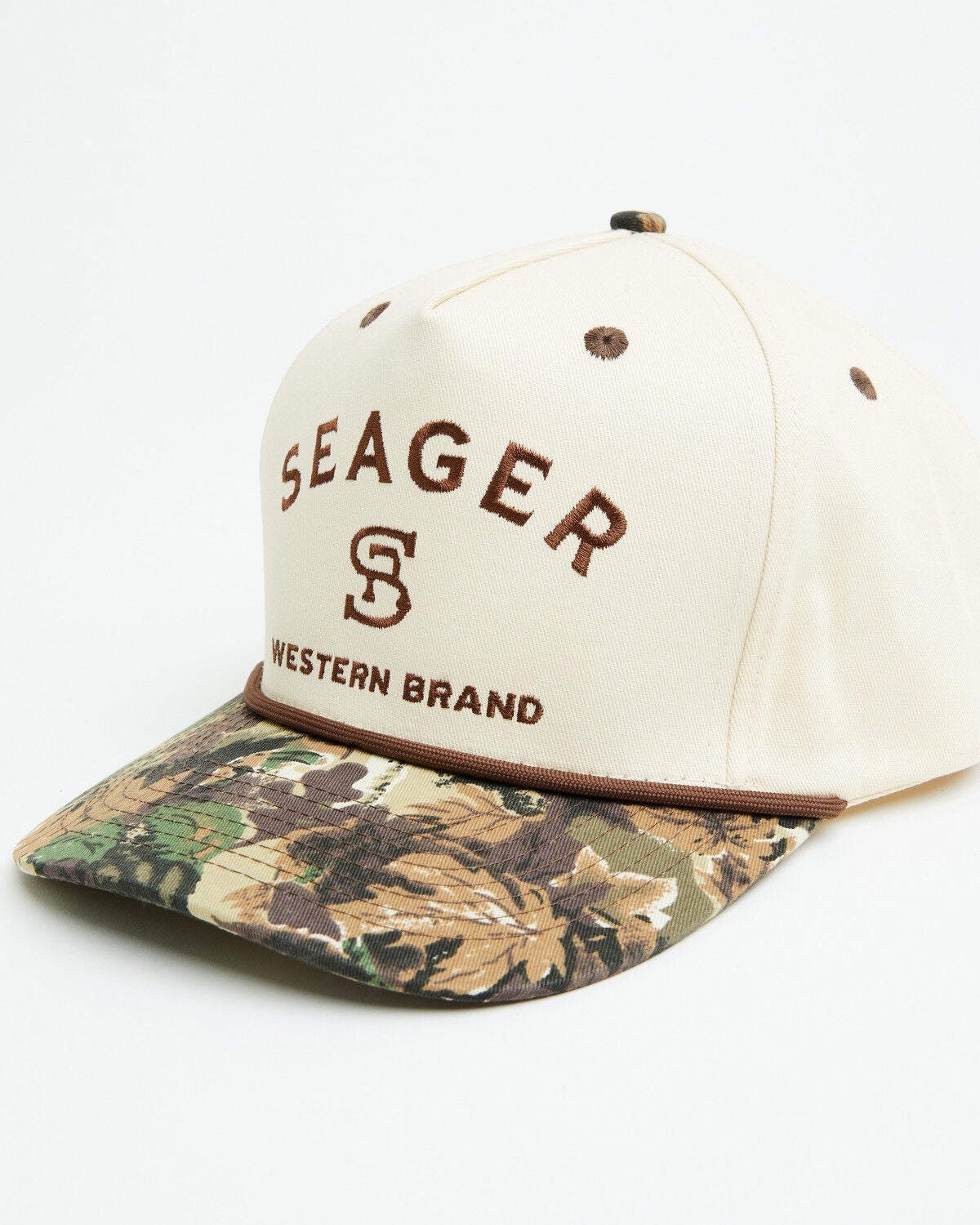
Rope-Trim Western Caps

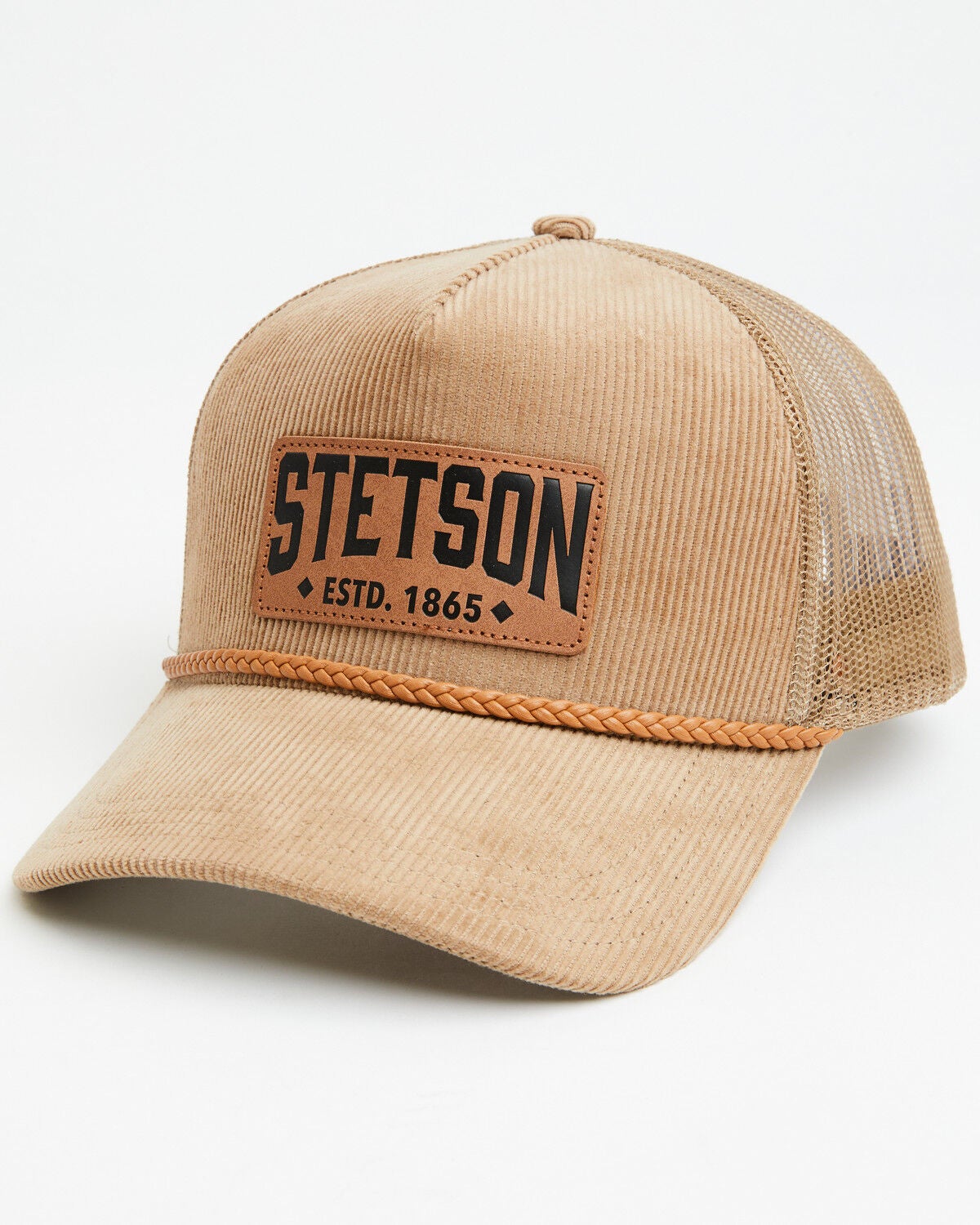
Shop rope-trim western caps for a casual alternative to a cowboy hat. This selection features caps with rope detailing, offering a distinctive accent that pairs naturally with jeans, T-shirts, and western button-downs.

Shop Your Store: Shop Your Store: Find a Store

(Turn off Shop Your Store to see all items)

(Turn off Shop Your Store to see all items)

close
  • Recommended
  • Lowest Price
  • Highest Price
Skip pass products

End of products

Rope-Trim Western Caps

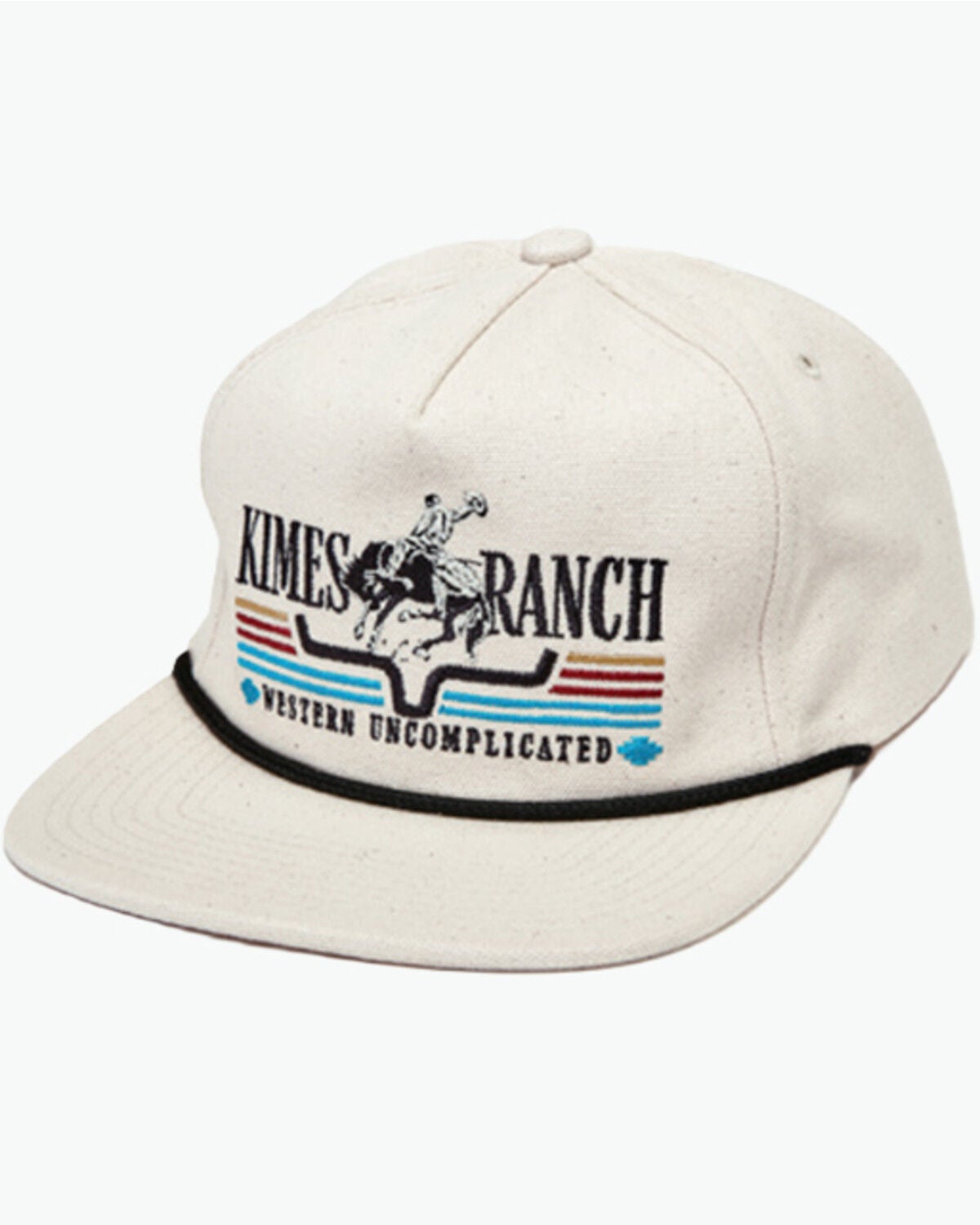
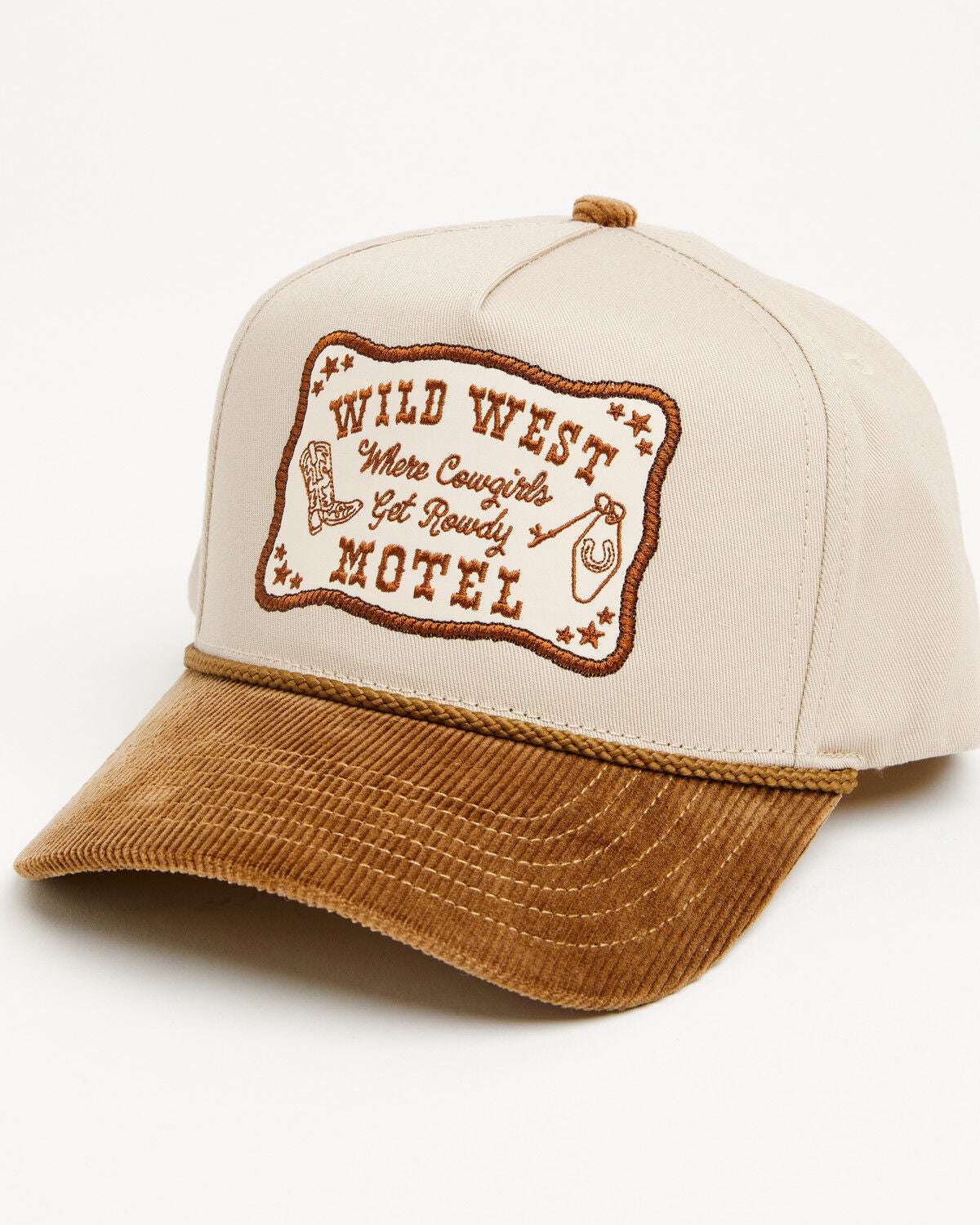
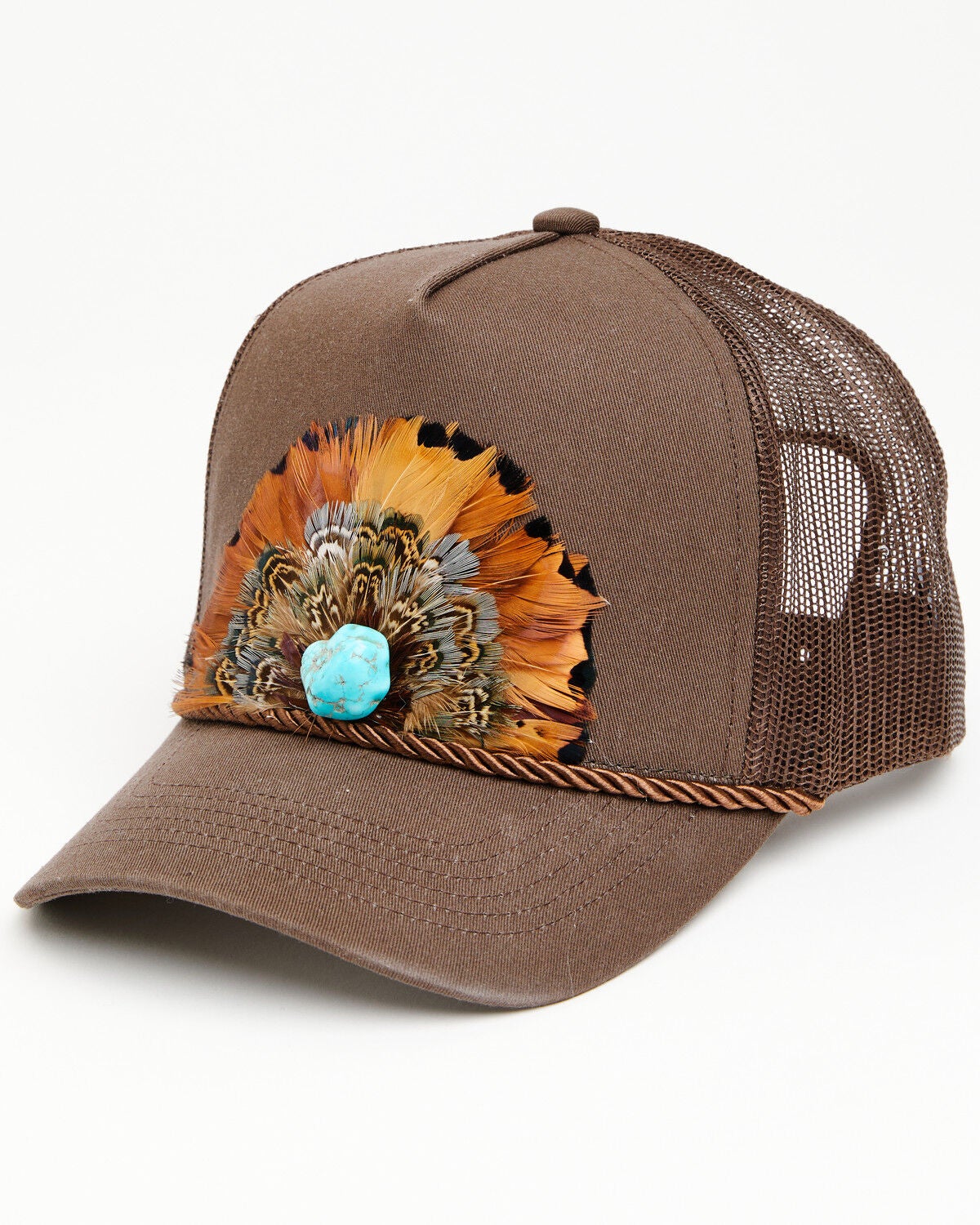
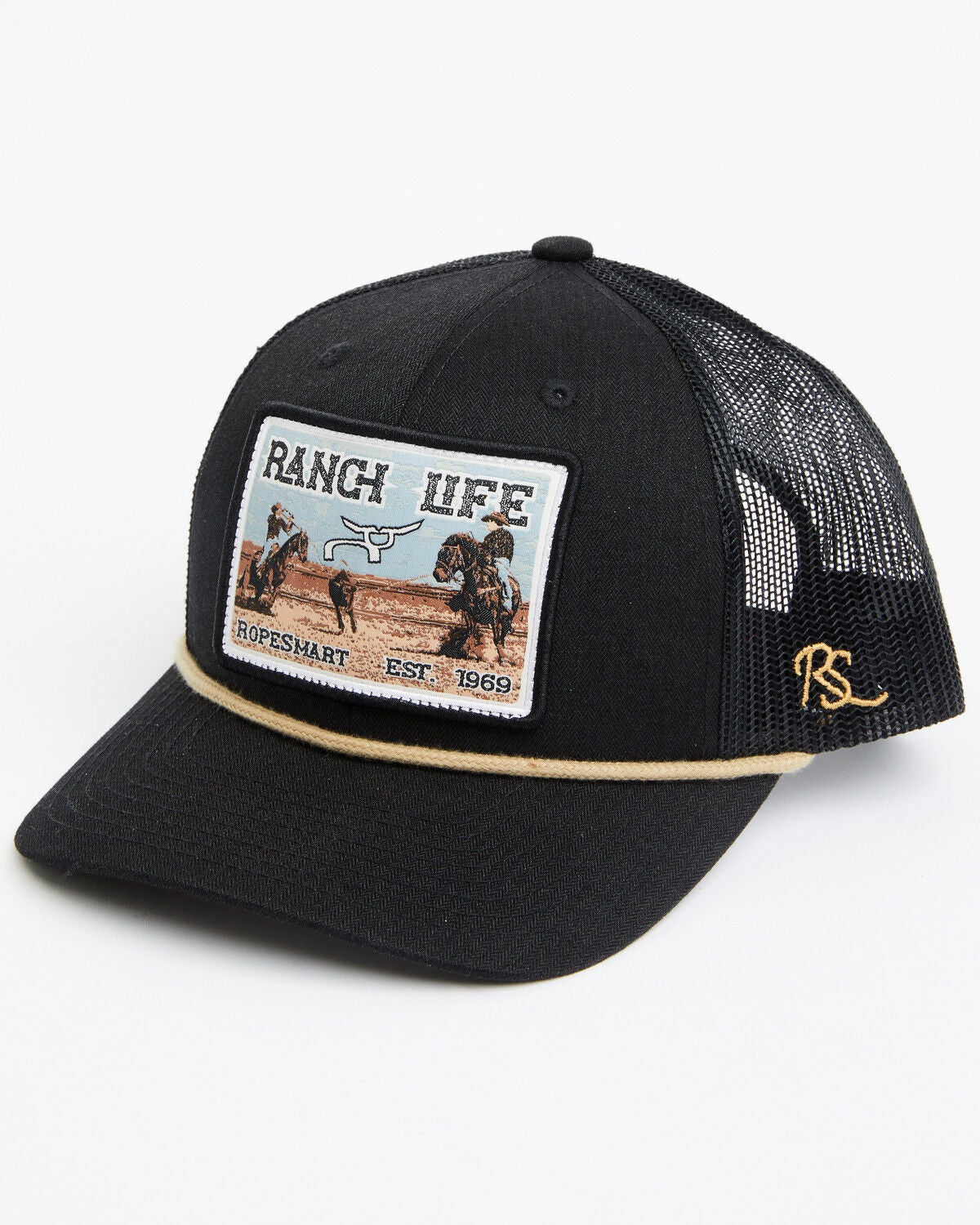
Rope-trim western caps are baseball-style caps with a narrow cord or braid running across the front of the crown, just above the brim. That small detail sets them apart from a plain cap, adding a defined border between the crown and bill. The look brings western graphics and ranch-inspired styling to a familiar everyday shape. Rope trim often appears on trucker caps and snapbacks, though the cord itself does not determine the closure, crown height, or panel construction. A contrasting rope makes the detail more noticeable, while a cord close to the fabric color gives the cap a quieter finish. Twisted strands create a different texture from a tightly woven braid, and the thickness of the trim changes how much attention it draws. Front embroidery, patches, and printed artwork can add another point of interest without changing the basic shape. A taller, structured crown gives those details a broad, upright surface. A lower crown sits closer to the head and creates a less prominent profile. Brims also influence the overall look: a flatter bill creates a straighter line, while a curved bill frames the face more closely. Both can work with jeans, a denim shirt, a plain T-shirt, or a casual work shirt. The rope supplies enough detail that the rest of an outfit can stay simple. These caps suit everyday errands, time at the arena, road trips, and gatherings where a full-brim western hat is not the preferred choice. They also give people who regularly wear western clothing another way to carry that style into a relaxed setting. For someone whose usual outfit is boots and denim, a rope-trim cap feels like a natural part of the same wardrobe rather than a separate statement.

Materials and construction shape how a rope-trim western cap feels and how well it holds its form through repeated wear. Cotton twill has a familiar fabric texture, while canvas generally has a heavier hand. Polyester and blended fabrics can provide a smoother surface and help a structured cap retain its shape, depending on the weave and internal support. Solid fabric backs give the crown a consistent appearance from front to rear. Mesh backs create the open construction associated with trucker caps and allow more air movement around the head. The front panels may include backing that keeps the crown upright, while an unstructured cap relies more on the fabric and the shape of the wearer’s head. Neither construction is automatically better; the difference is noticeable in both the fit and the way the cap looks when worn. Inside, a smooth sweatband and neatly covered seams matter during long stretches of use. A rough seam or stiff edge can become distracting even when the outside of the cap looks right. The rope attachment deserves the same attention as the other stitching. Secure ends and an even line across the front help the trim stay in place instead of lifting away from the crown. Consistent stitching around the bill, closure, and panel joins also contributes to a sound build. Raised embroidery and layered patches add texture, but they can catch on rough surfaces if a cap is tossed into a crowded bag or rubbed against equipment. A cap worn for chores will face different demands than one kept for outings. Repeated handling, abrasion, and how it is stored all affect its appearance over time. Rope trim is an accent rather than reinforcement, so the durability of the cap still depends on the fabric, seams, closure, and care it receives. A well-made cap should feel balanced, with no single detail pulling the front out of shape.

Fit comes down to more than whether the closure reaches the right notch. The crown should sit securely without pressing hard across the forehead, and the sides should not push uncomfortably against the ears. A high-profile cap leaves more space above the head, while a low-profile shape sits closer. Head shape, hair, and personal preference all influence which feels right. Adjustable snap closures use fixed increments, while sliding straps can allow smaller changes; either should hold its setting during ordinary movement. The same fit considerations apply to Mens Adjustable Western Caps, where crown depth and closure style work together rather than serving as substitutes for each other. Tightening a cap cannot correct a crown that is too shallow, and loosening it will not necessarily make a tall front panel feel less prominent. For regular wear, the bill should sit at a comfortable angle without requiring the cap to be pulled down firmly. Care should follow the label because fabric, embroidery, patches, internal supports, and brim materials may respond differently to washing. Gentle spot cleaning with a soft cloth can address small marks without soaking the entire cap. Avoid scrubbing directly across the rope or pulling on it while cleaning the front panel. Detergent left in the braid can be difficult to rinse out, so a light touch matters. Unless the care instructions permit it, machine washing and tumble drying can distort the crown, damage trim, or change the bill’s shape. Let a cleaned cap air-dry with its crown supported, and store it where the front will not be flattened under other gear. Handling it with clean hands also helps limit marks along the bill and closure. As a gift, a rope-trim western cap makes sense for someone who already wears baseball caps and favors western clothing. Familiar crown height, preferred brim shape, and usual colors are more useful clues than choosing the boldest graphic. The strongest choice is one that fits the recipient’s daily routine, feels comfortable, and looks at home beside the boots and denim they already reach for.

FAQs