Rodeo Apparel

Find rodeo apparel for your next day at the arena. Browse western wear to put together a full outfit or round out your usual look, with your style, the weather, and the event in mind.

Shop Your Store: Shop Your Store: Find a Store

(Turn off Shop Your Store to see all items)

(Turn off Shop Your Store to see all items)

close
  • Recommended
  • Lowest Price
  • Highest Price
Skip pass products
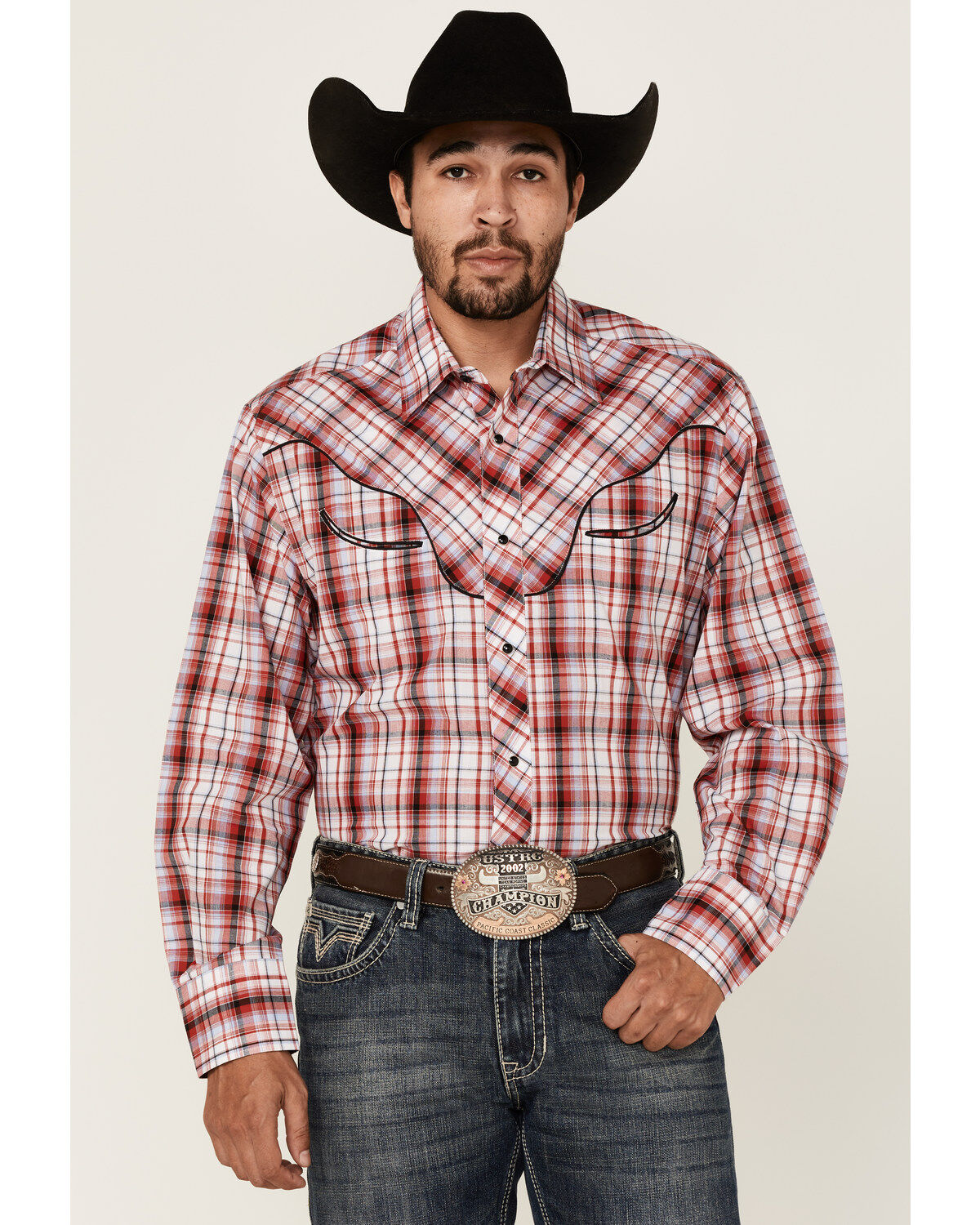
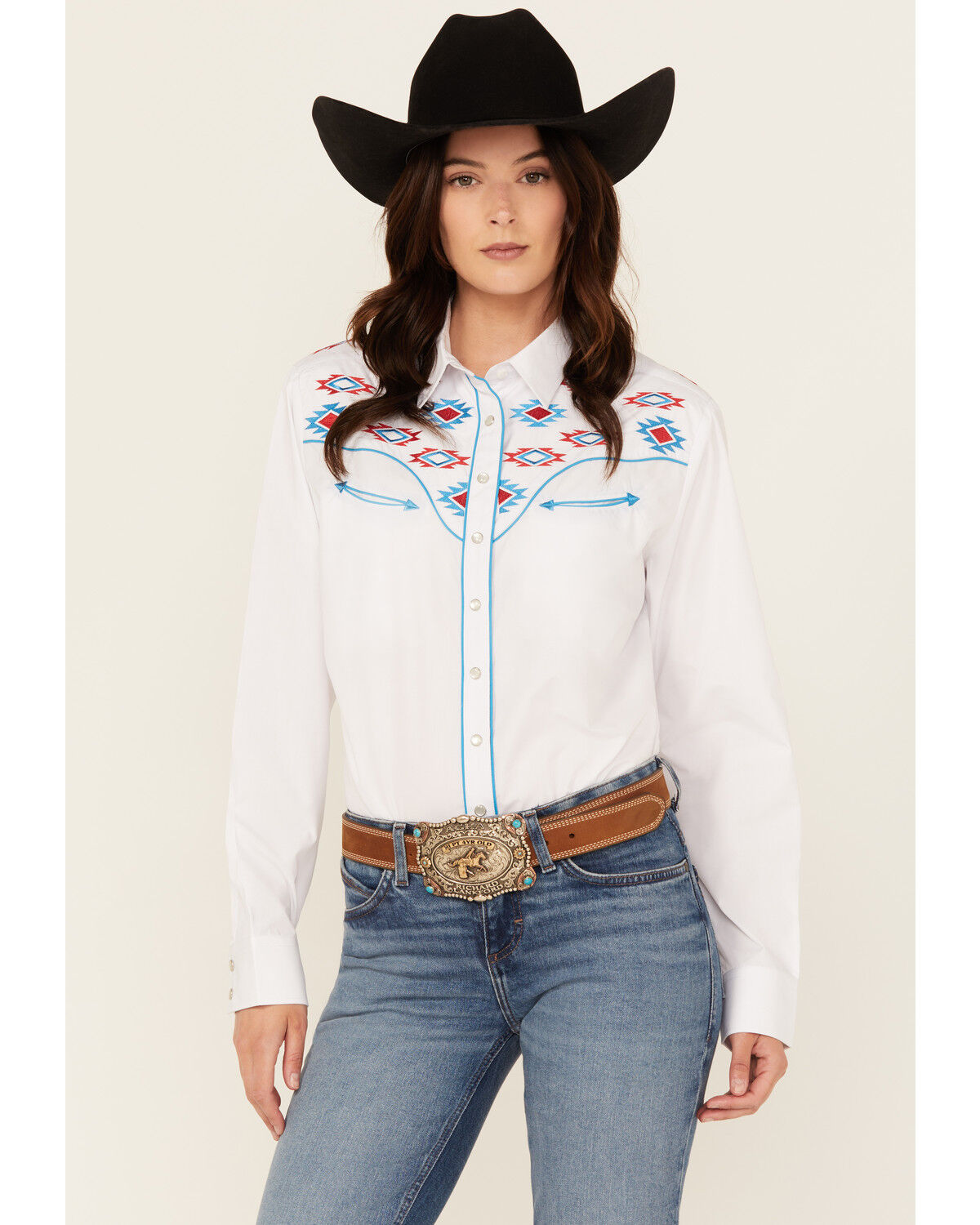
  • Women's RANK 45 Heritage Riding Shirt
    Original Price $46.99 $31.97
    32% Total Savings
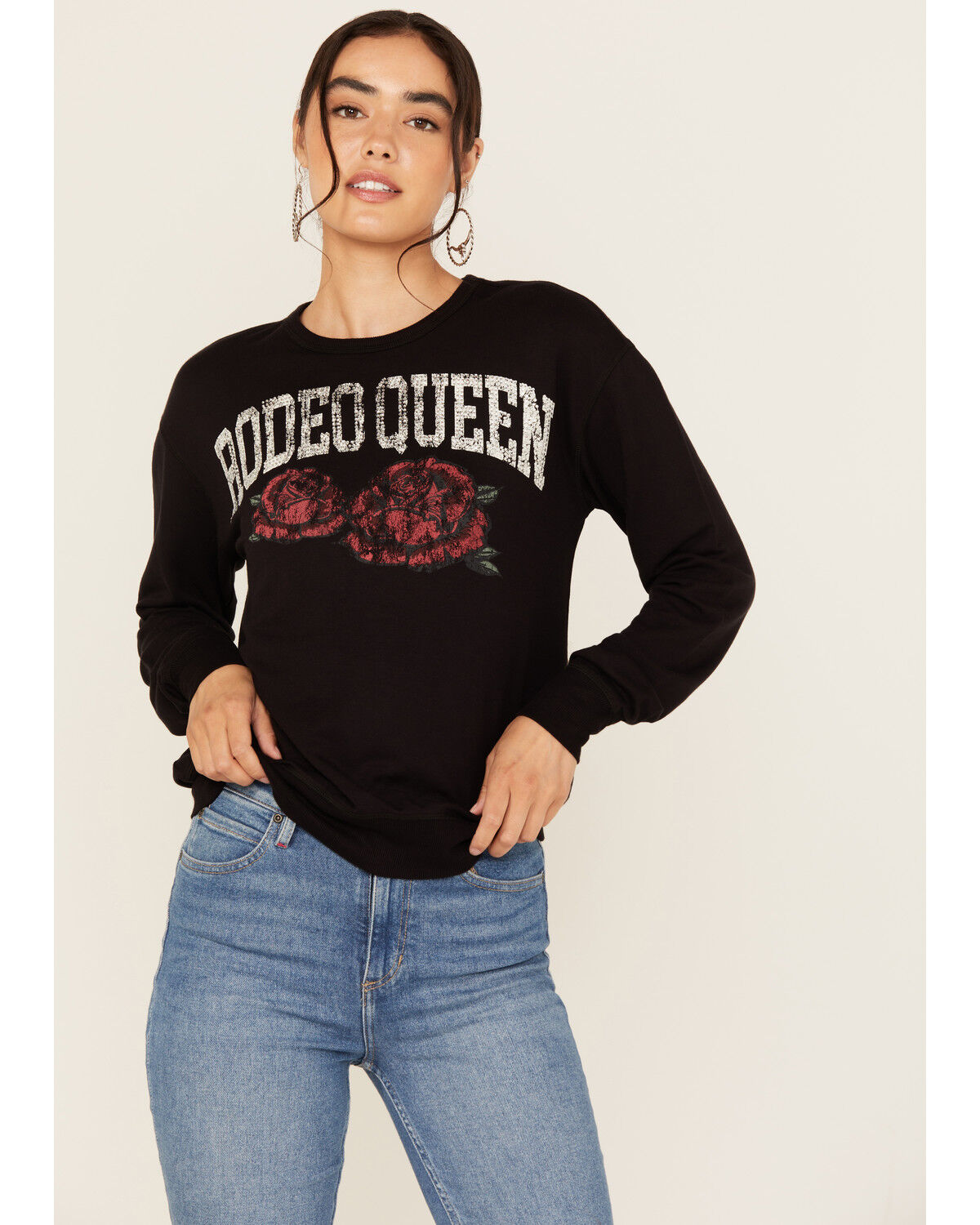
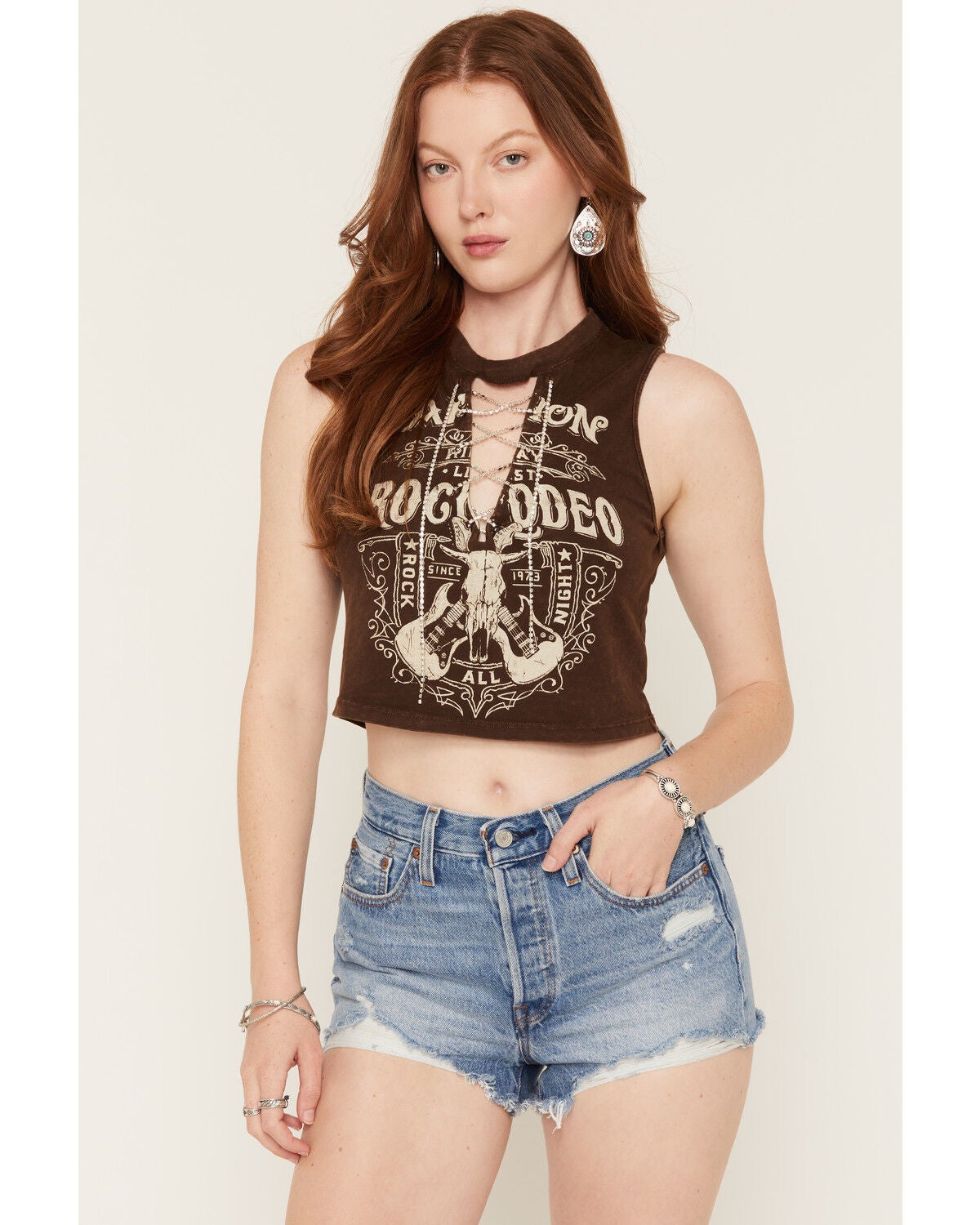
  • Women's Idyllwind Rodeo Queen Pullover Sweatshirt
    Original Price $54.99 $37.97
    31% Total Savings
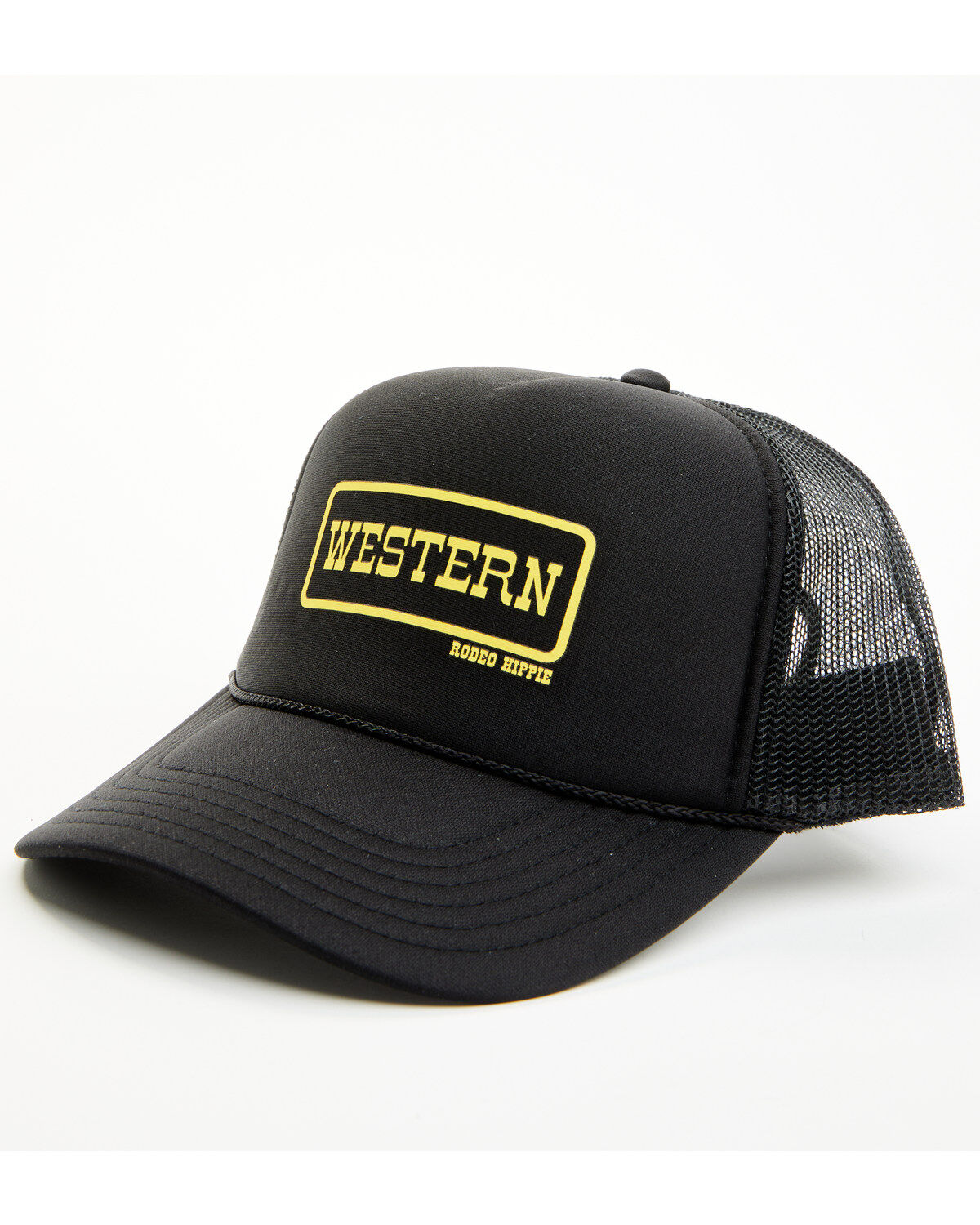
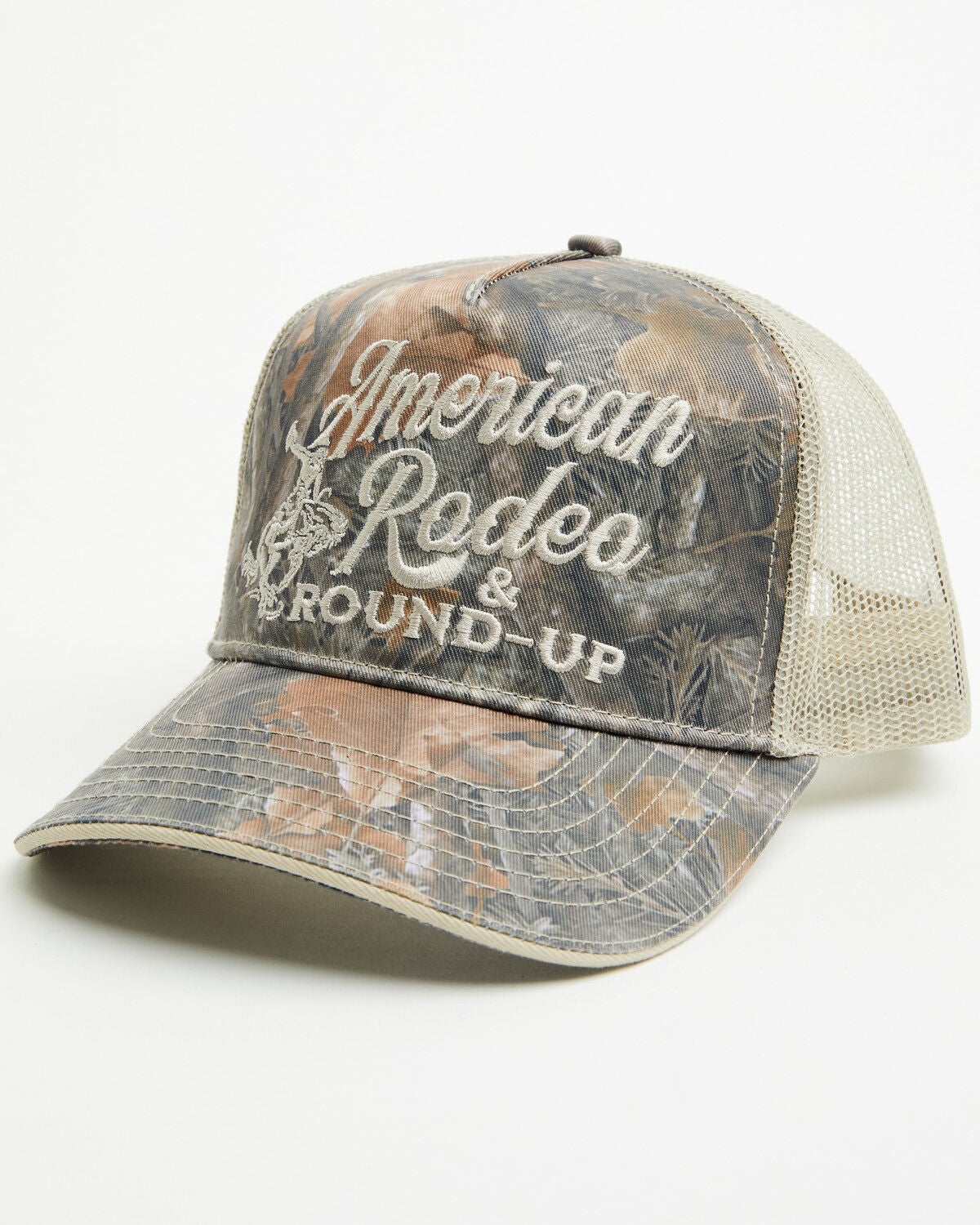
  • Women's Rodeo Hippie Western Ball Cap
    Original Price $29.99 $14.97
    50% Total Savings
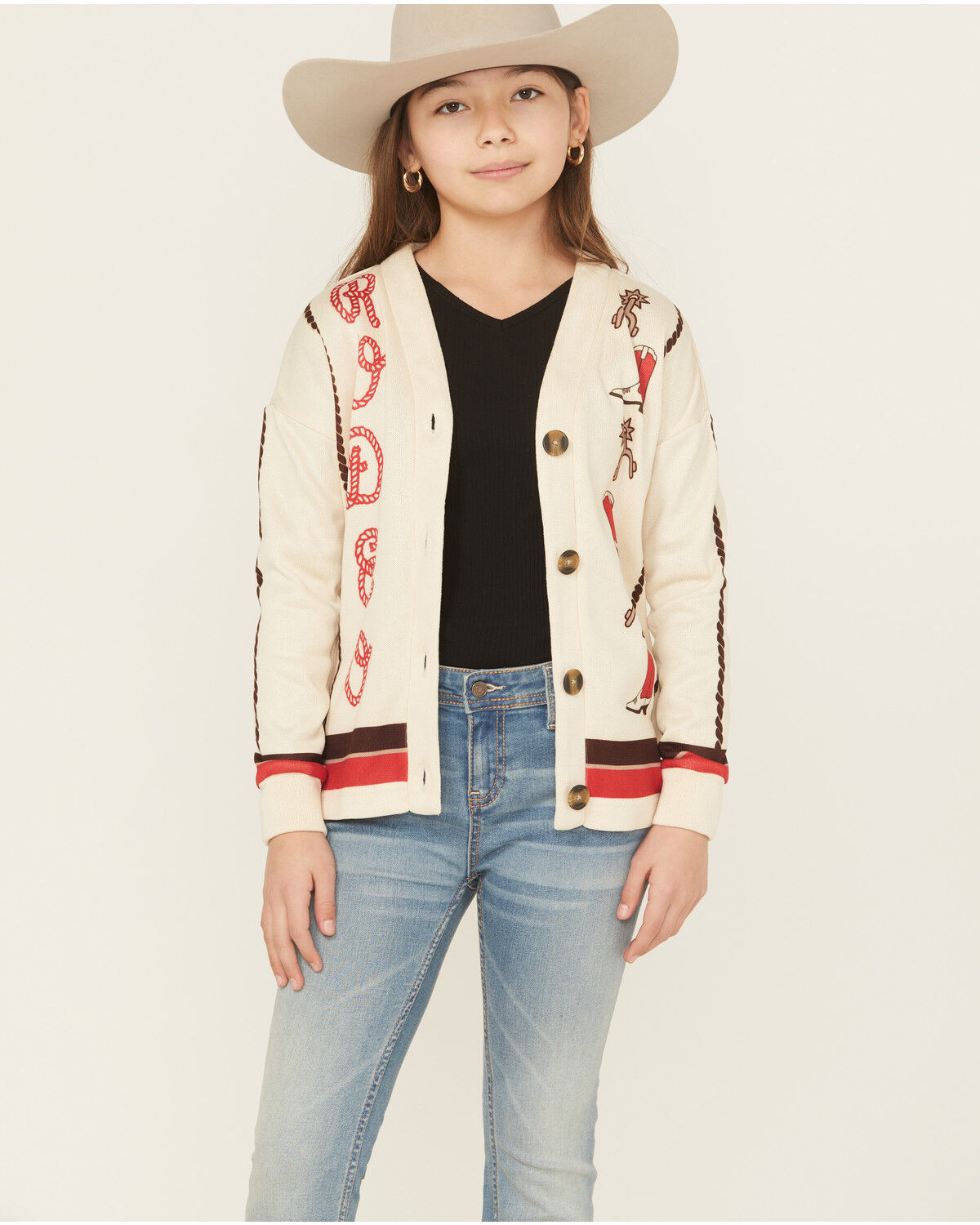
  • Girls' Cruel Girl Rodeo Novelty Cardigan
    Original Price $74.99 $51.97
    31% Total Savings

End of products

Rodeo Apparel

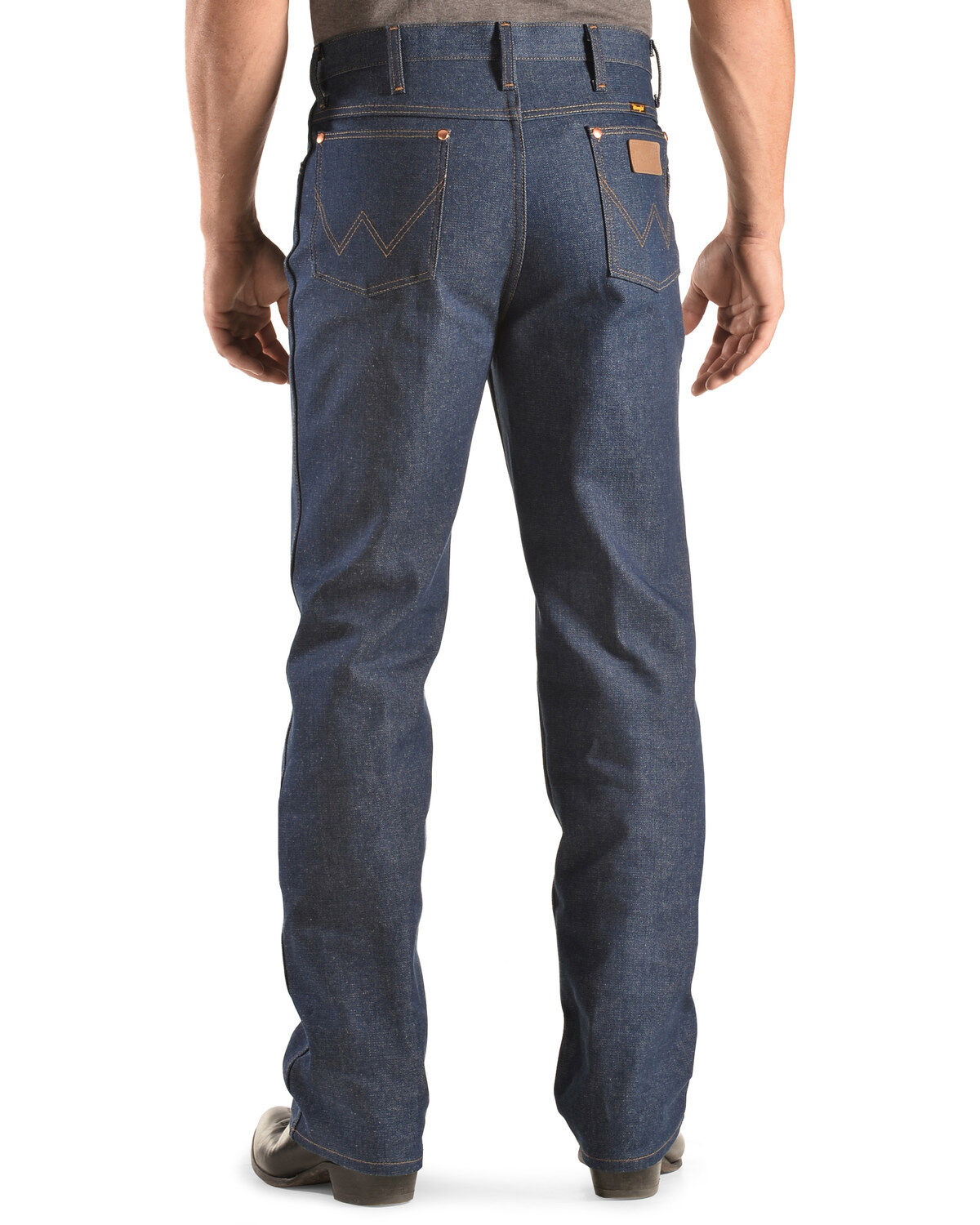
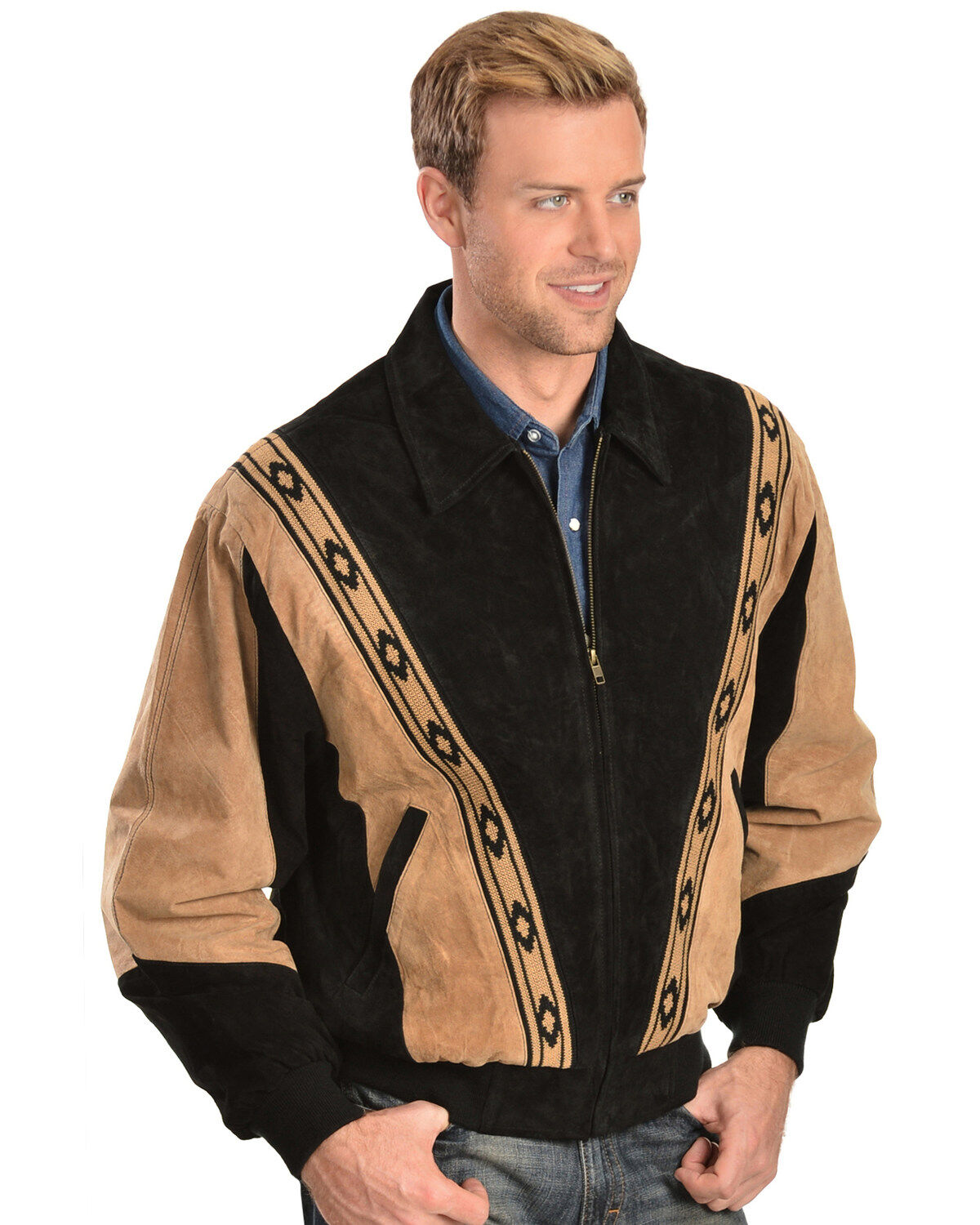
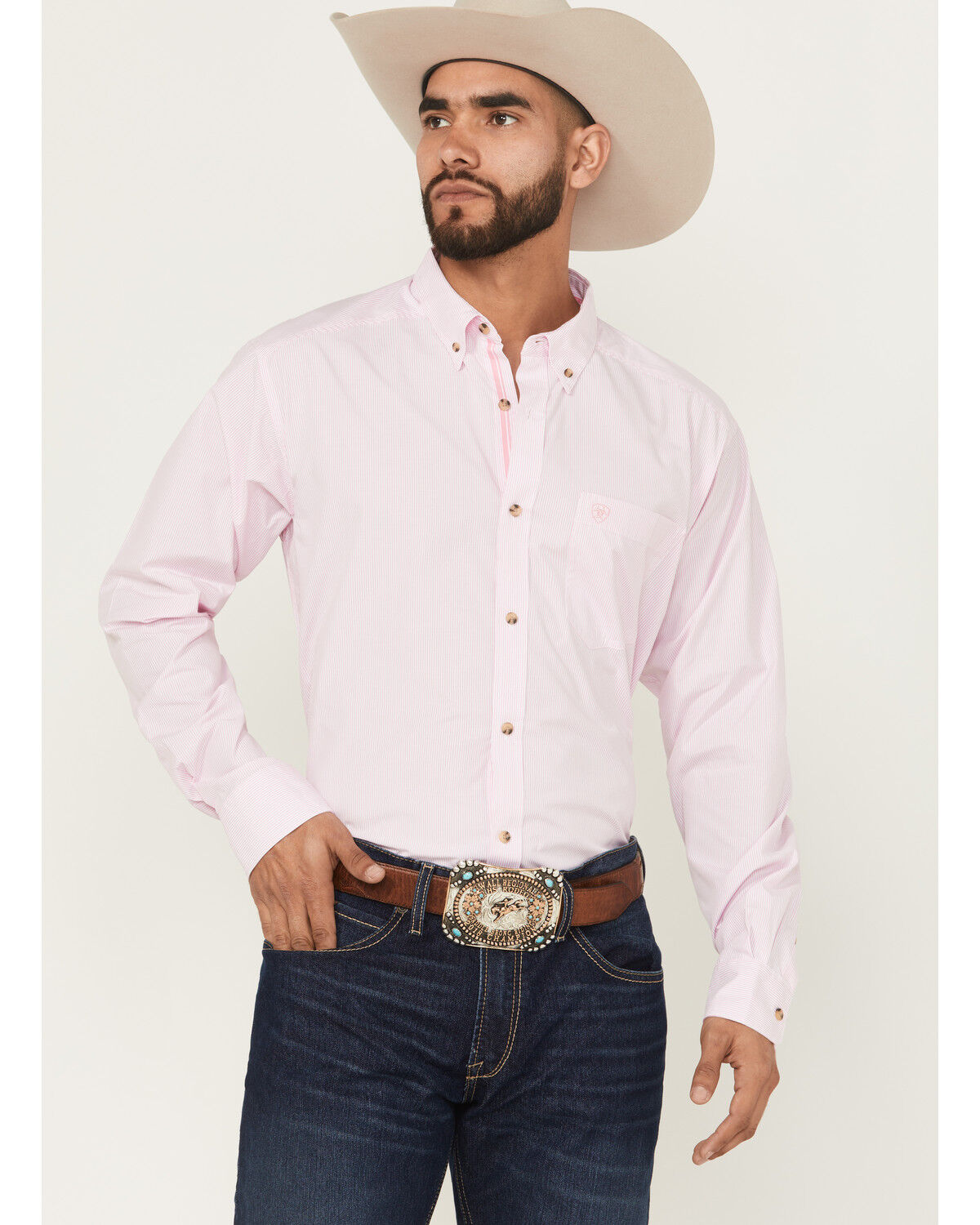
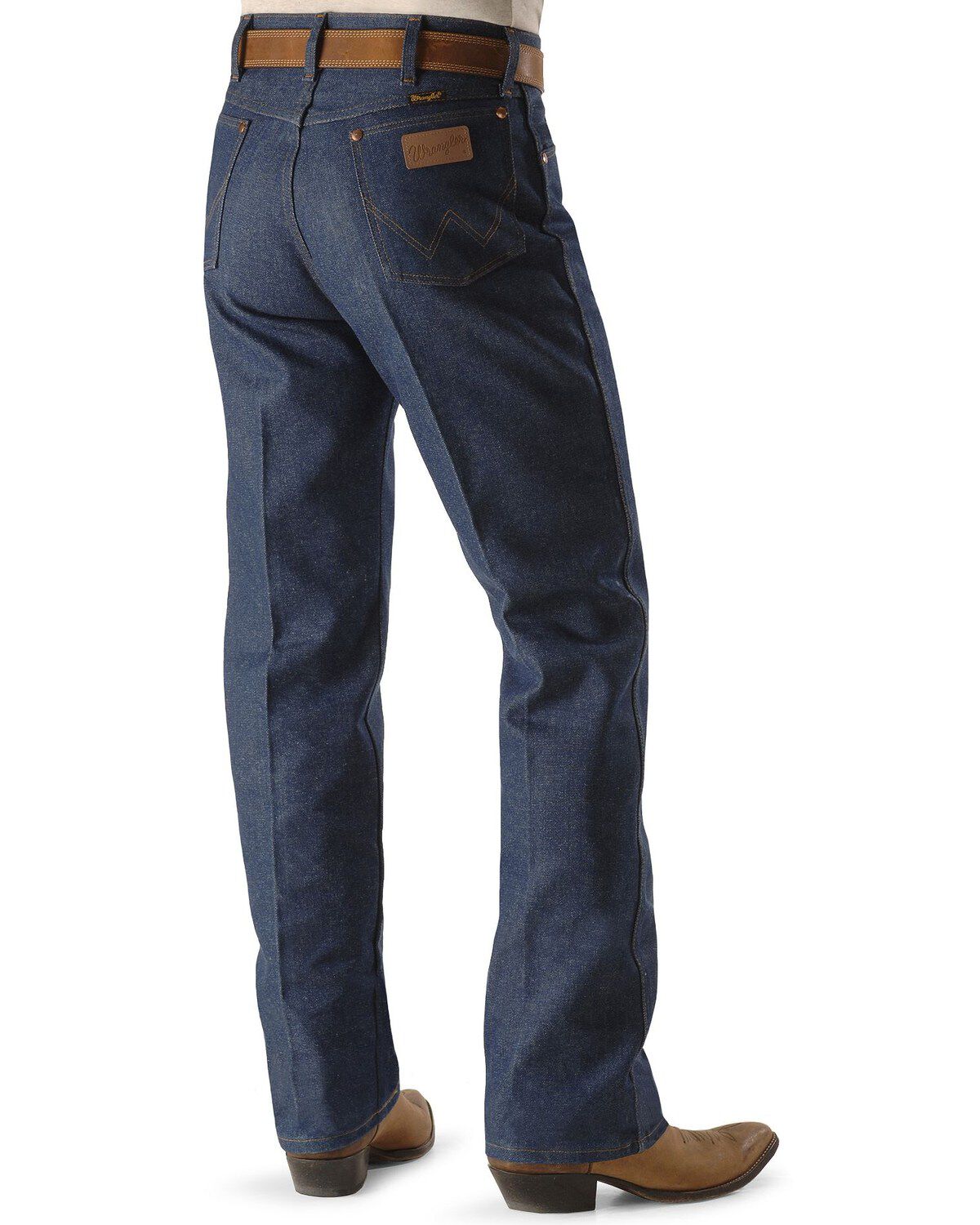
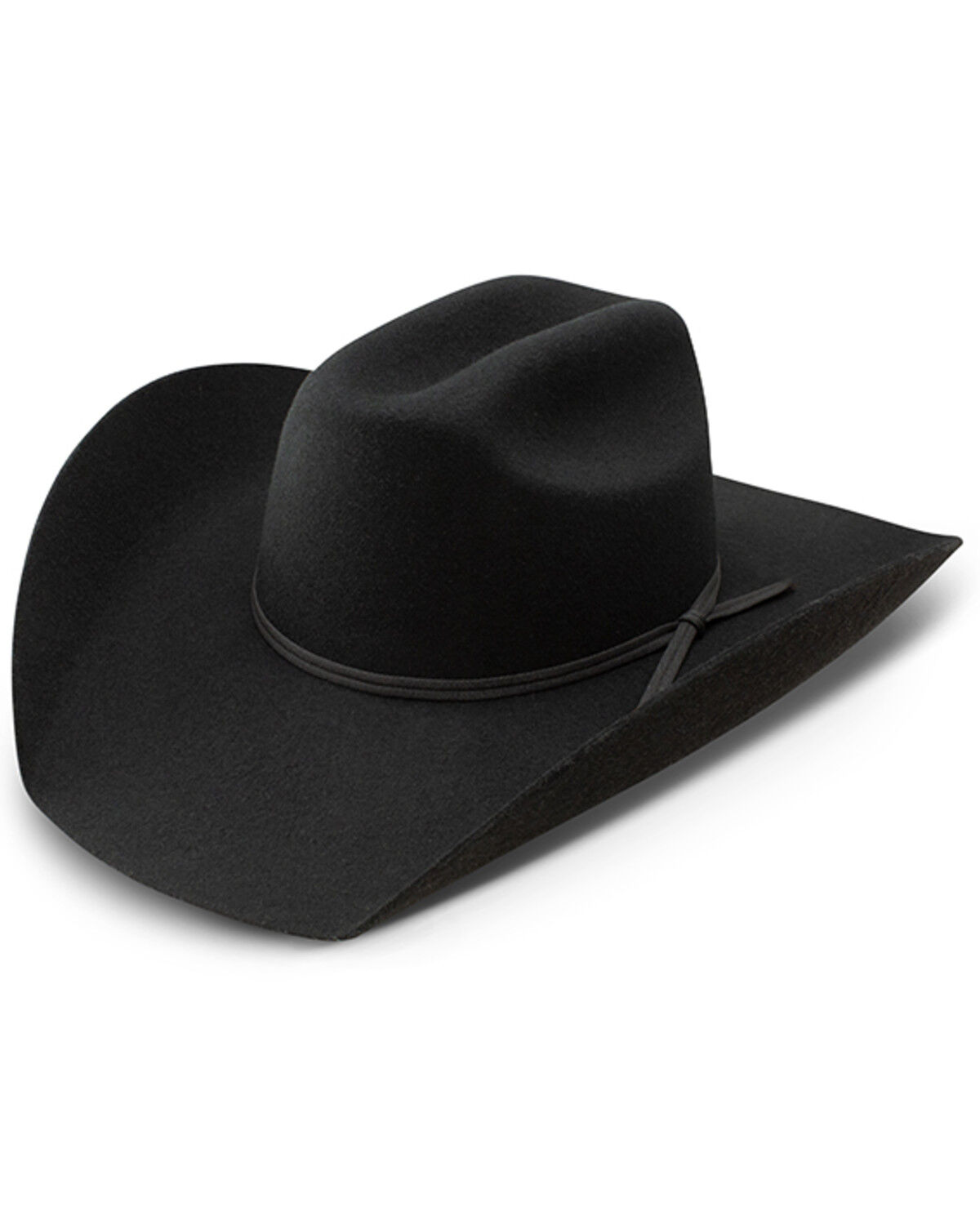
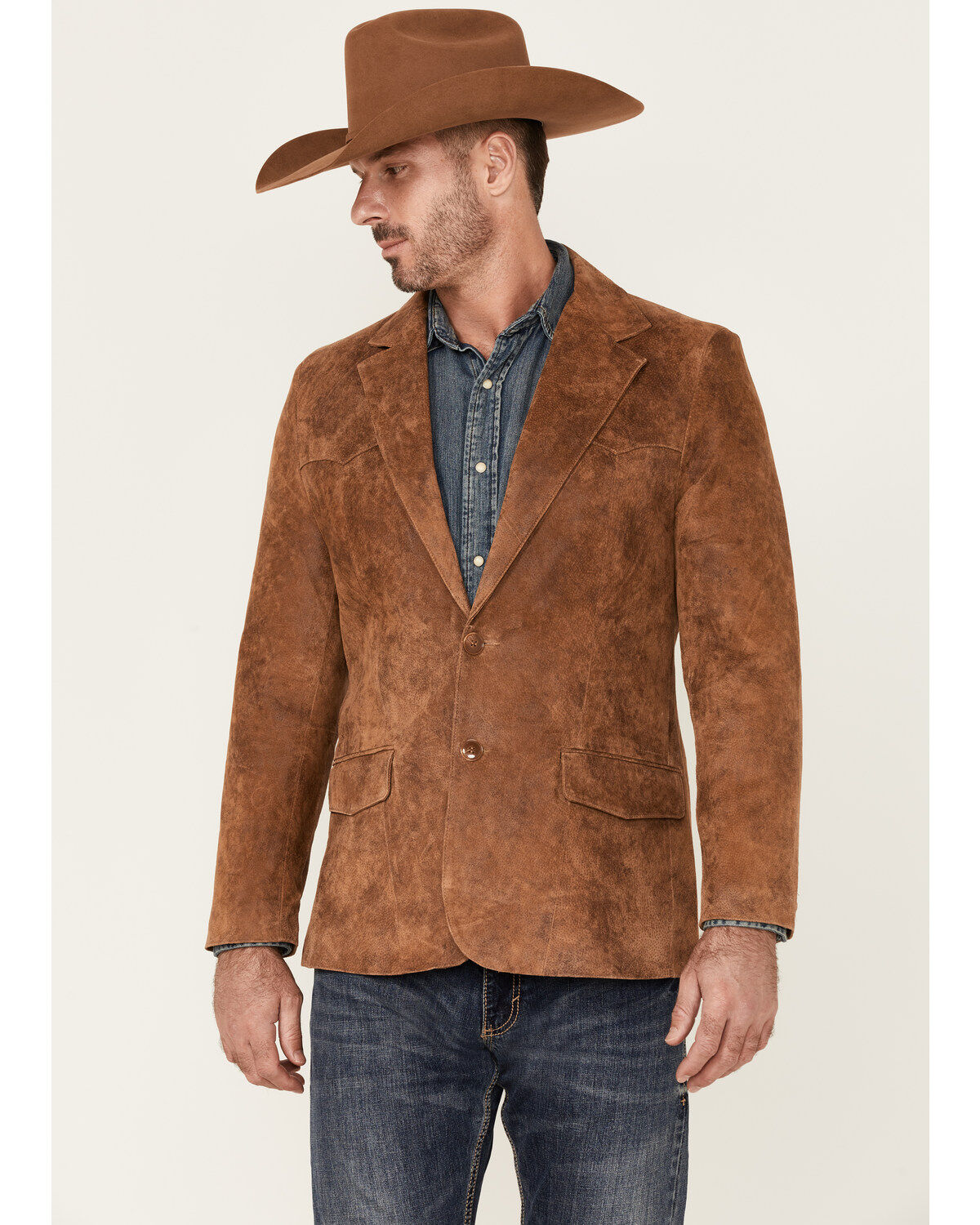
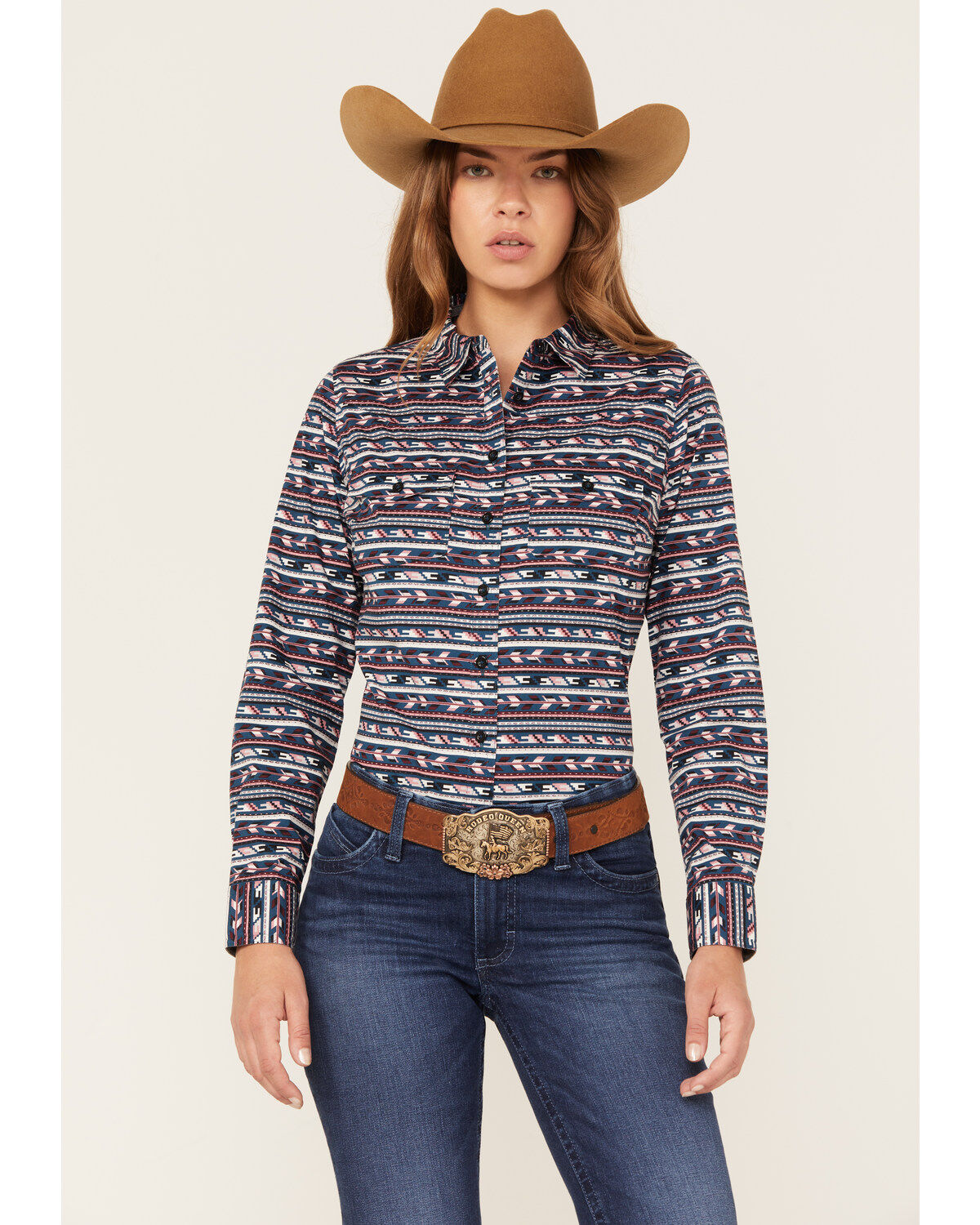
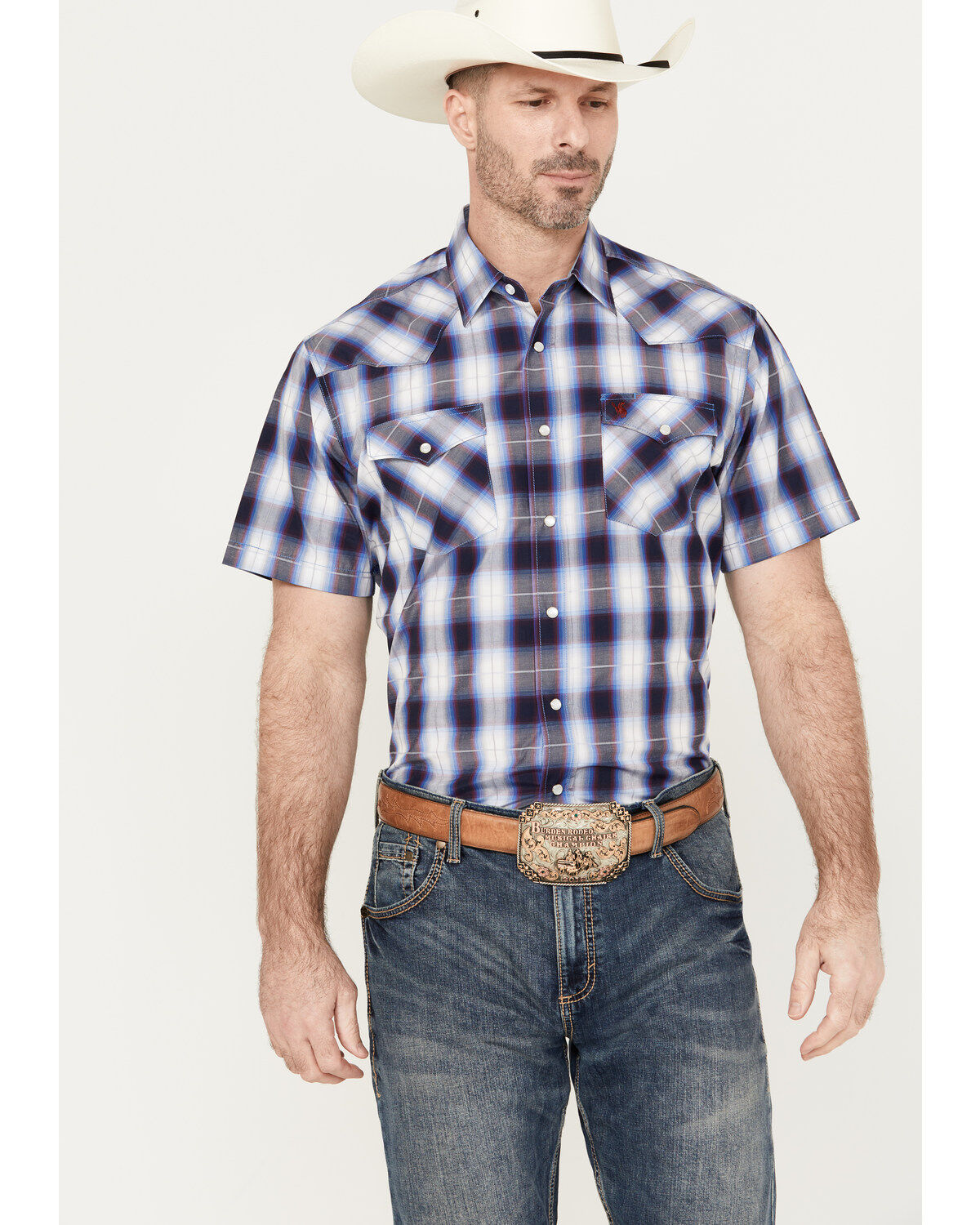
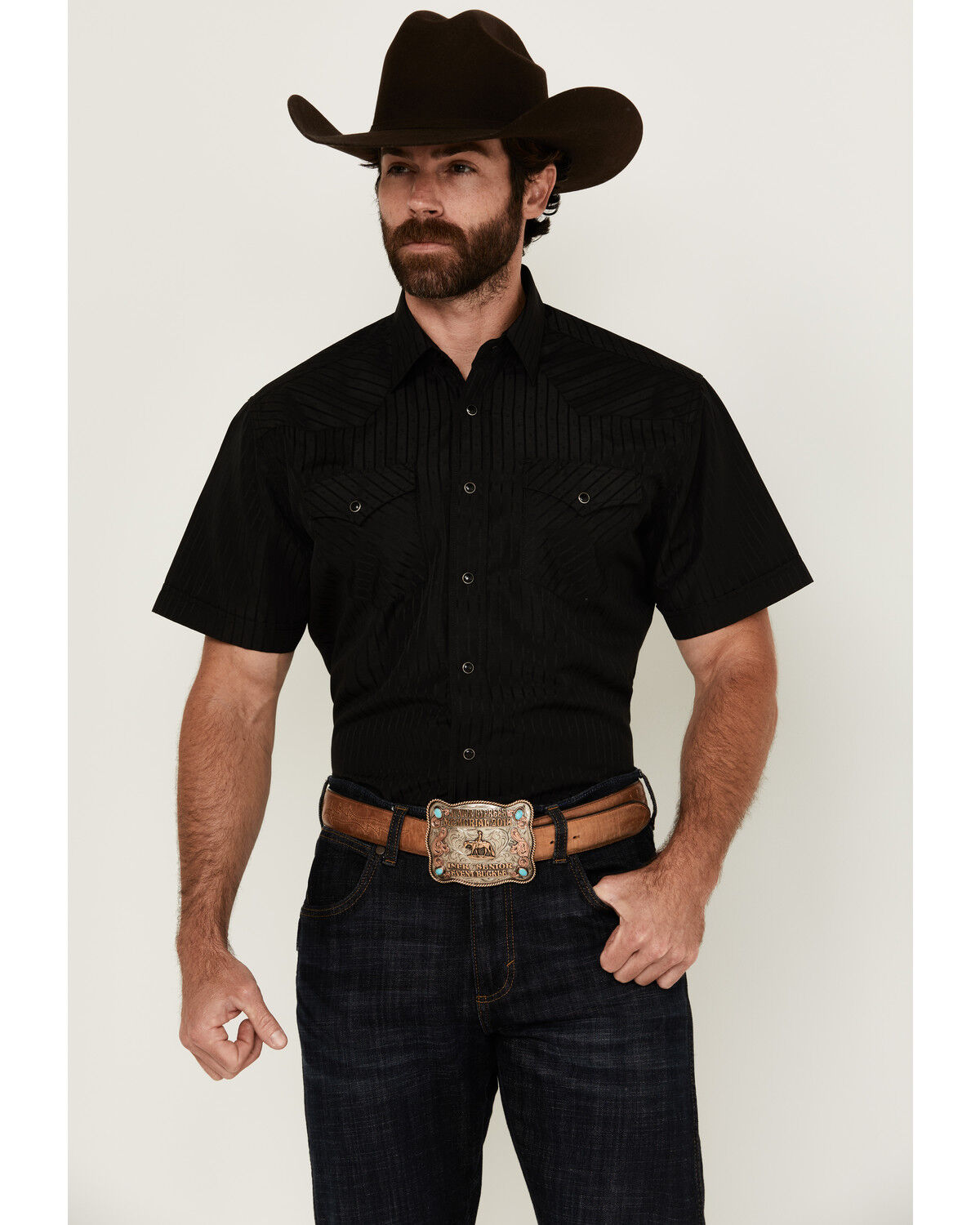
Rodeo apparel is western clothing and accessories worn by competitors, spectators, and people who enjoy the sport’s traditions. A classic rodeo outfit combines denim jeans, a western shirt, cowboy boots, and a cowboy hat, often finished with a leather belt and buckle. Those familiar pieces serve a practical purpose as well as a recognizable style: sturdy fabrics stand up to frequent wear, well-fitted clothing allows movement, and boots provide coverage around dirt, dust, and busy arena grounds. The right combination depends on whether the day involves watching from the stands, working around livestock, or taking part in an event. Competitors need clothing that meets their event’s requirements, along with any required protective equipment; everyday western apparel is not a substitute for that equipment. For spectators, comfort matters through the walk from the parking area, time on the bleachers, and a stop for food between events. Western shirts commonly feature snap or button closures, pointed yokes, and chest pockets, with solids, plaids, and other patterns offering different levels of detail. Cotton feels familiar against the skin, while cotton blends may offer stretch, wrinkle resistance, or easier care, depending on their construction. A shirt should have enough room across the shoulders to reach forward without pulling hard at the back or opening between closures. Sleeves should cover the wrists without bunching excessively, and a shirt intended to stay tucked needs sufficient length through the body. Denim supplies the foundation for many rodeo outfits. Heavier fabric can feel substantial, while denim with stretch may allow more give through the seat and knees. Neither fabric weight nor stretch alone determines durability; stitching, construction, fit, and care all play a part. Straight and bootcut silhouettes can accommodate a boot shaft, but the actual leg opening matters more than the fit name. Jeans should sit comfortably at the waist and fall over the boots without dragging under the heels. Men’s, women’s, and children’s rodeo clothing share these practical considerations, even when their cuts and details differ.

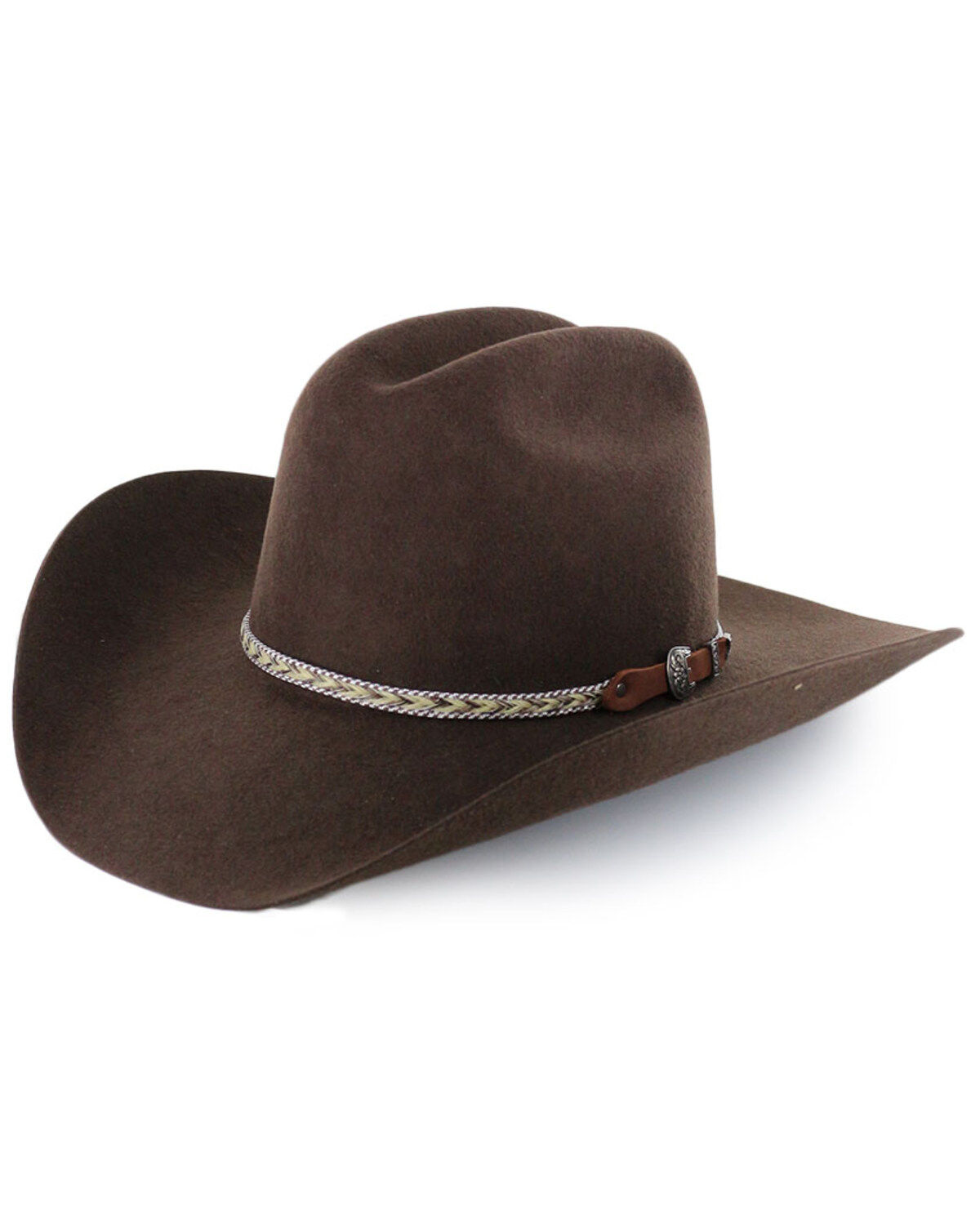
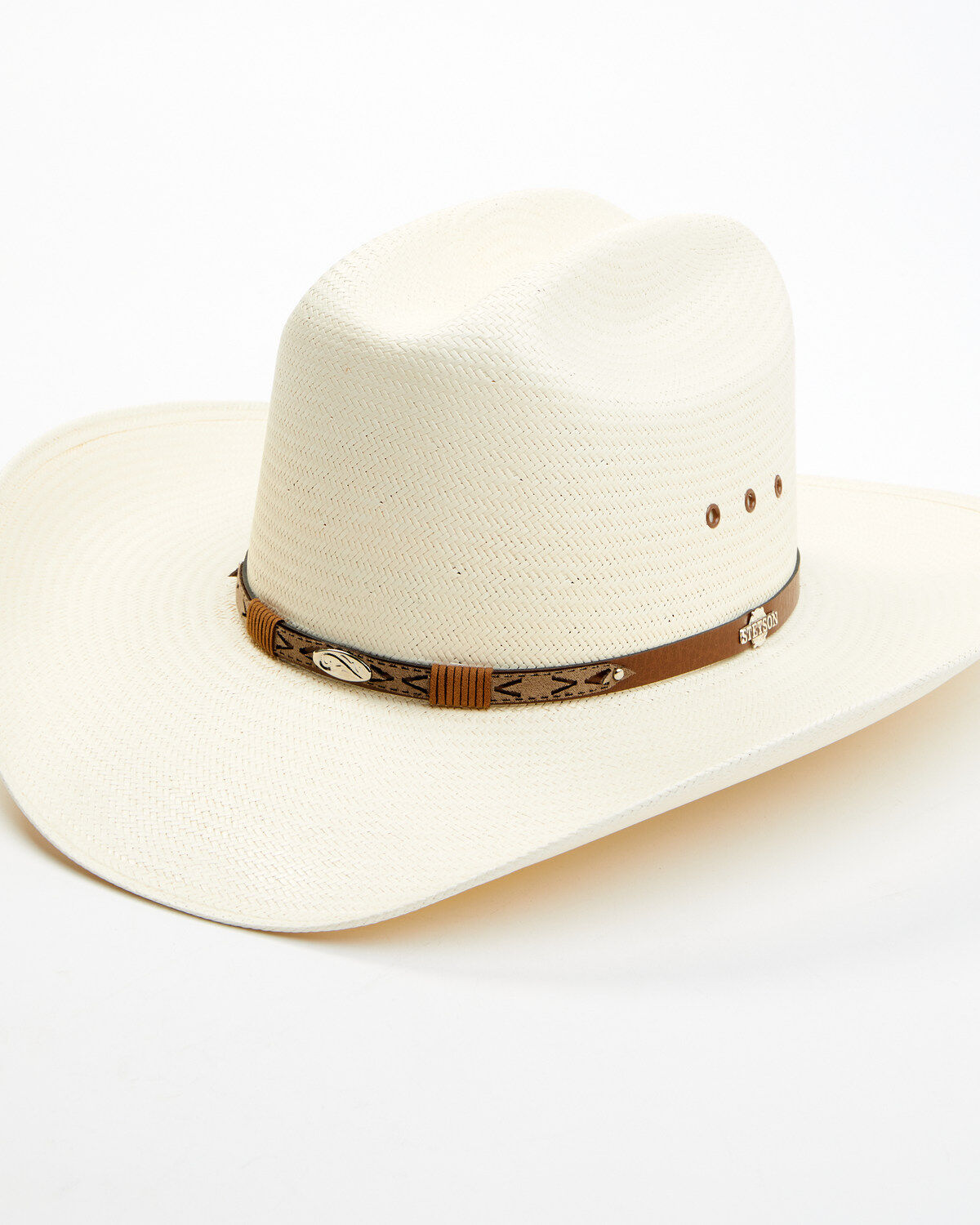
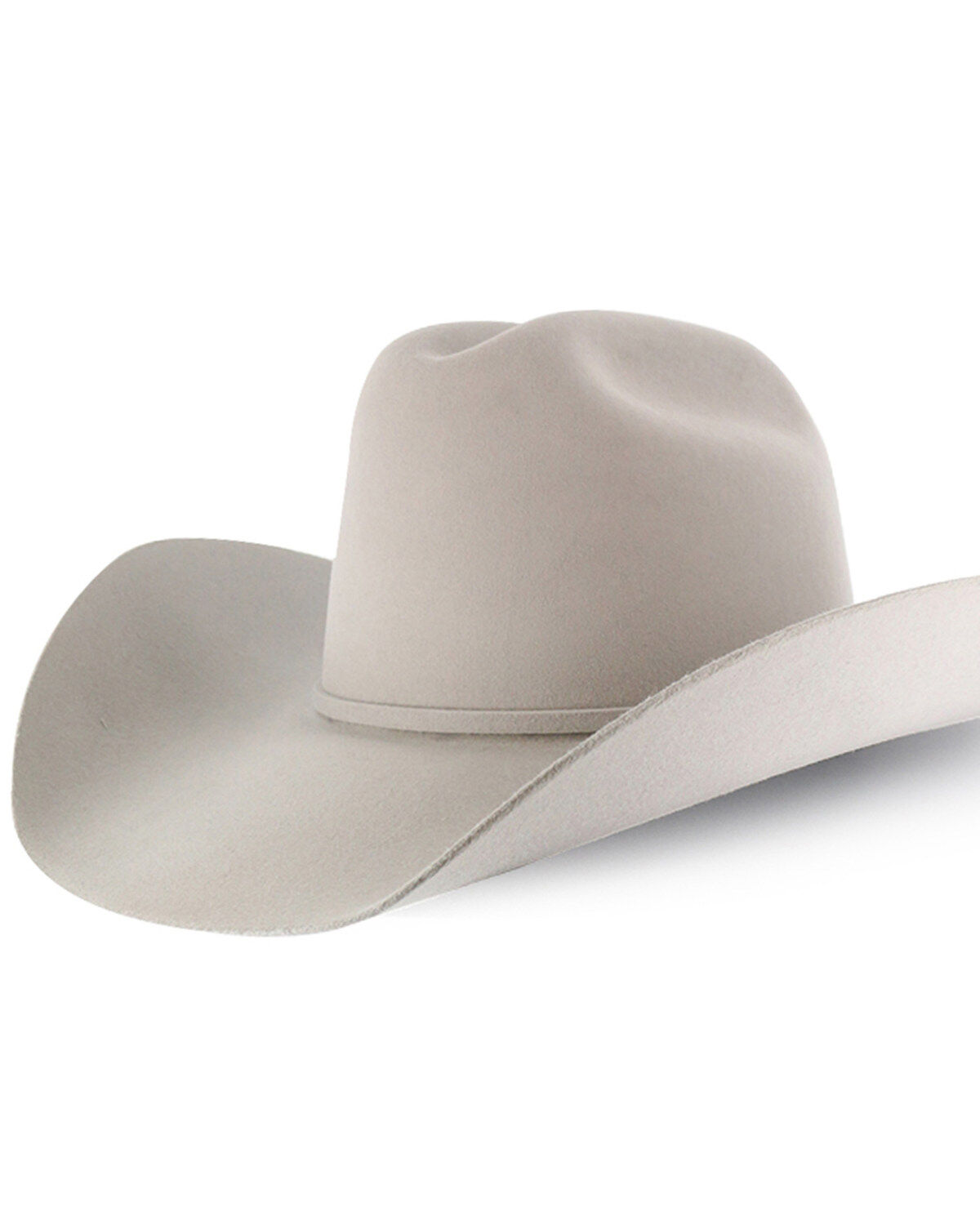
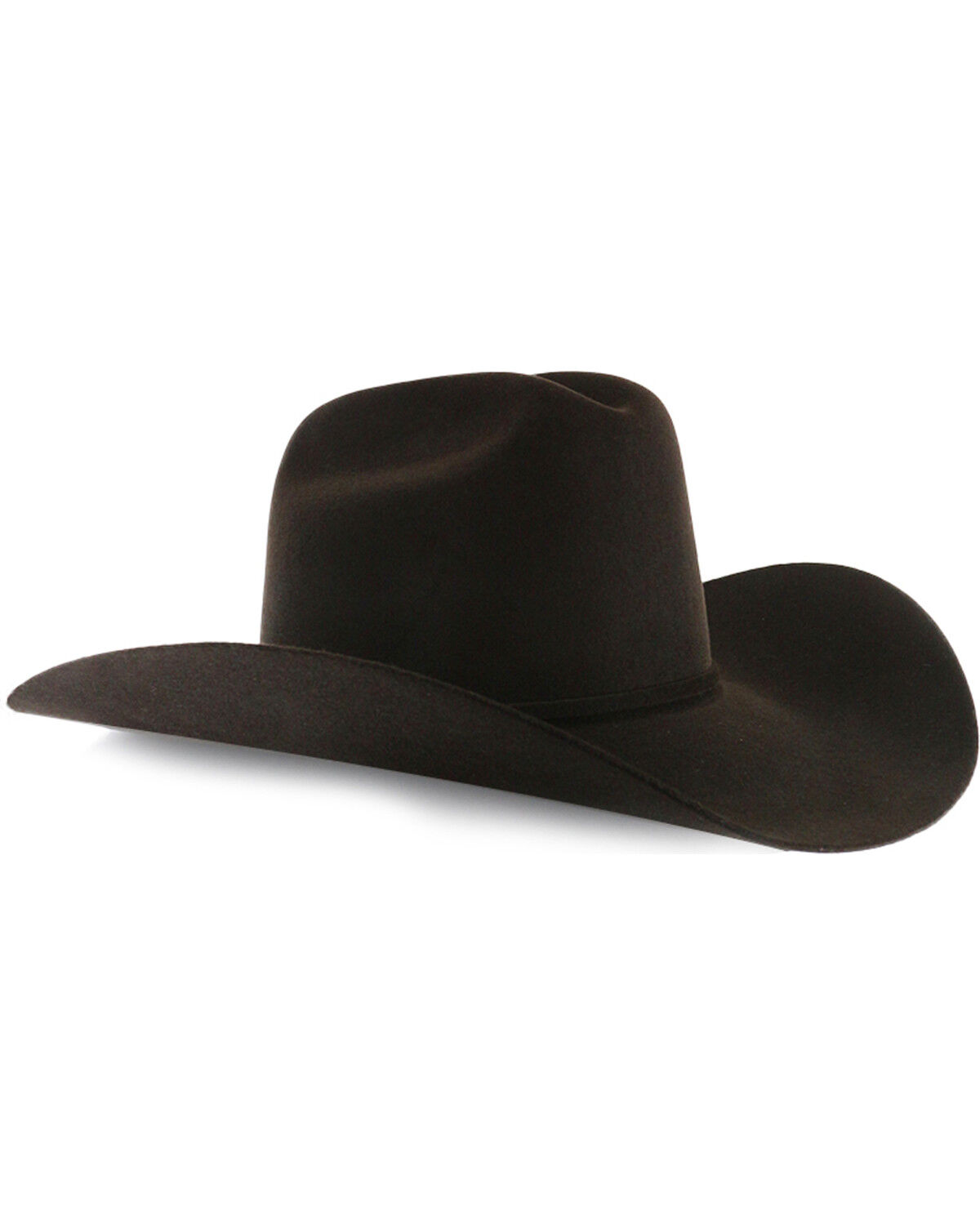
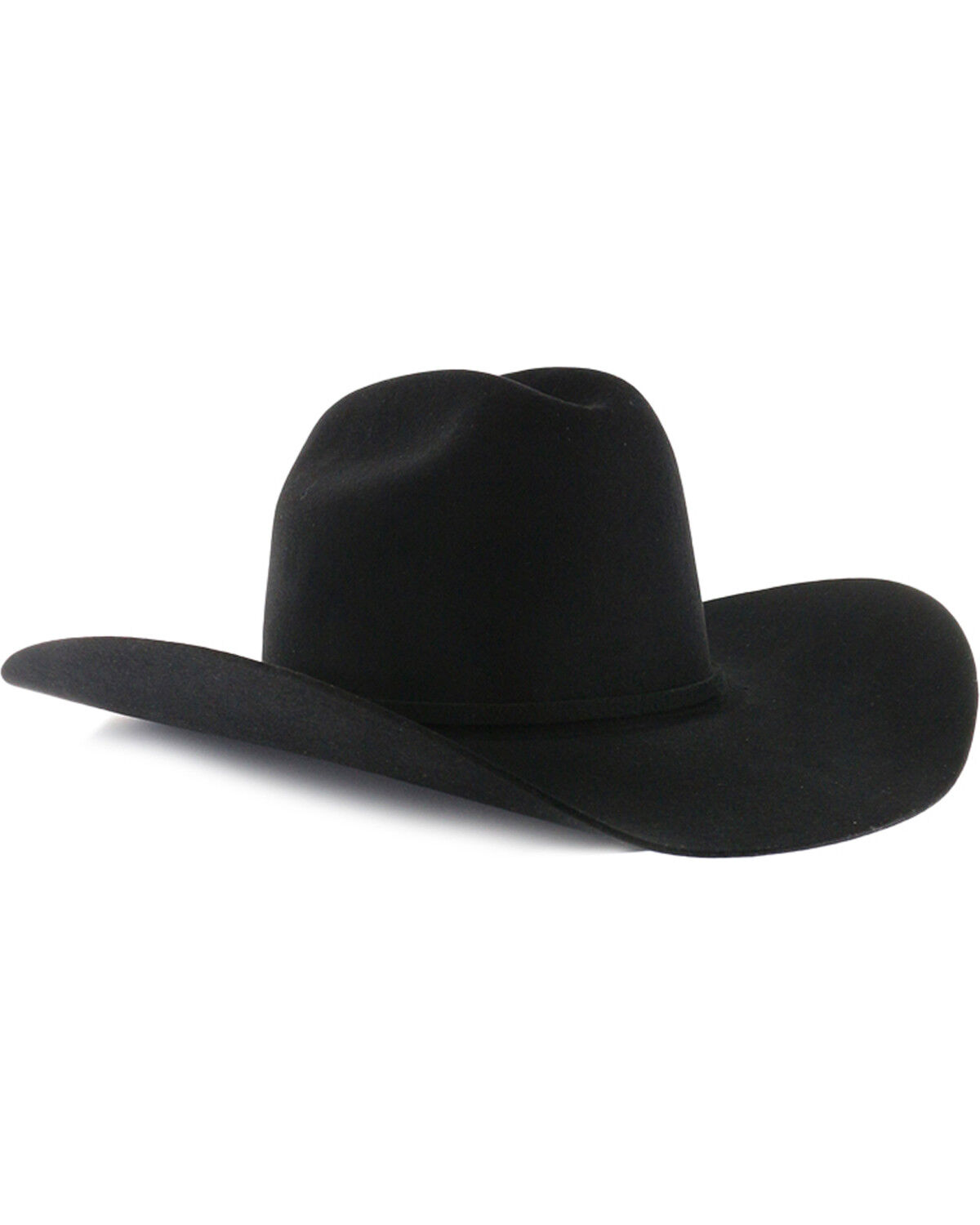
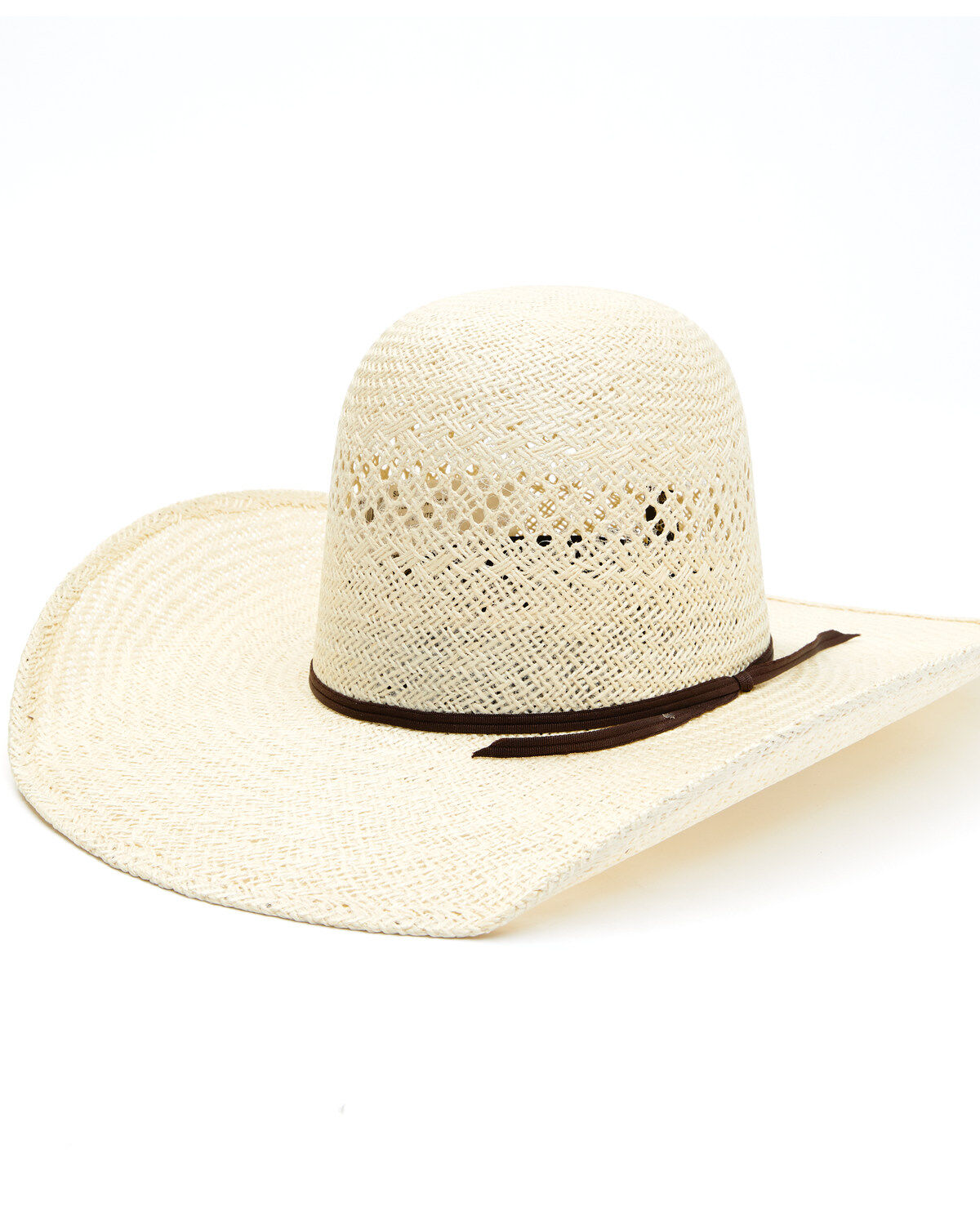
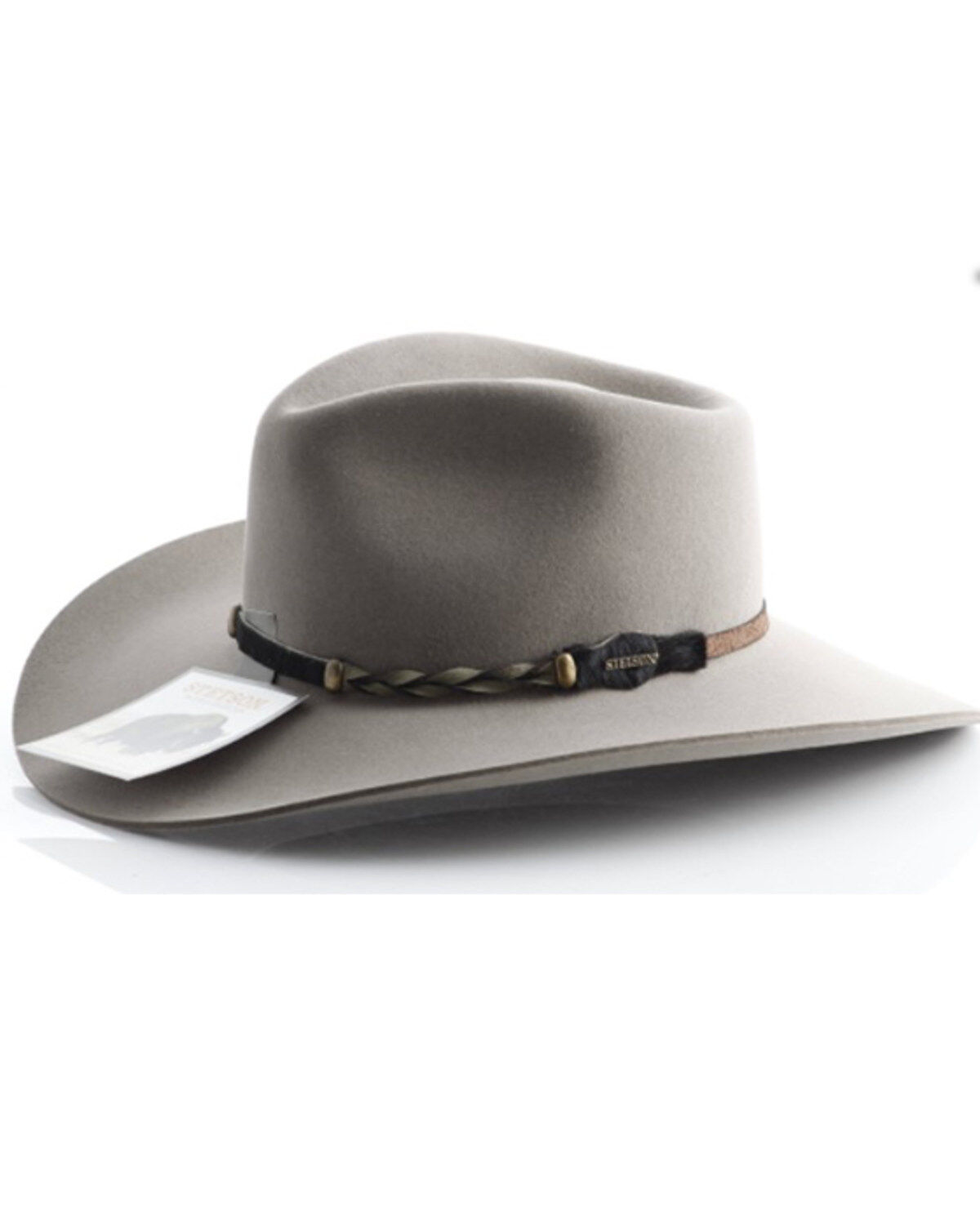
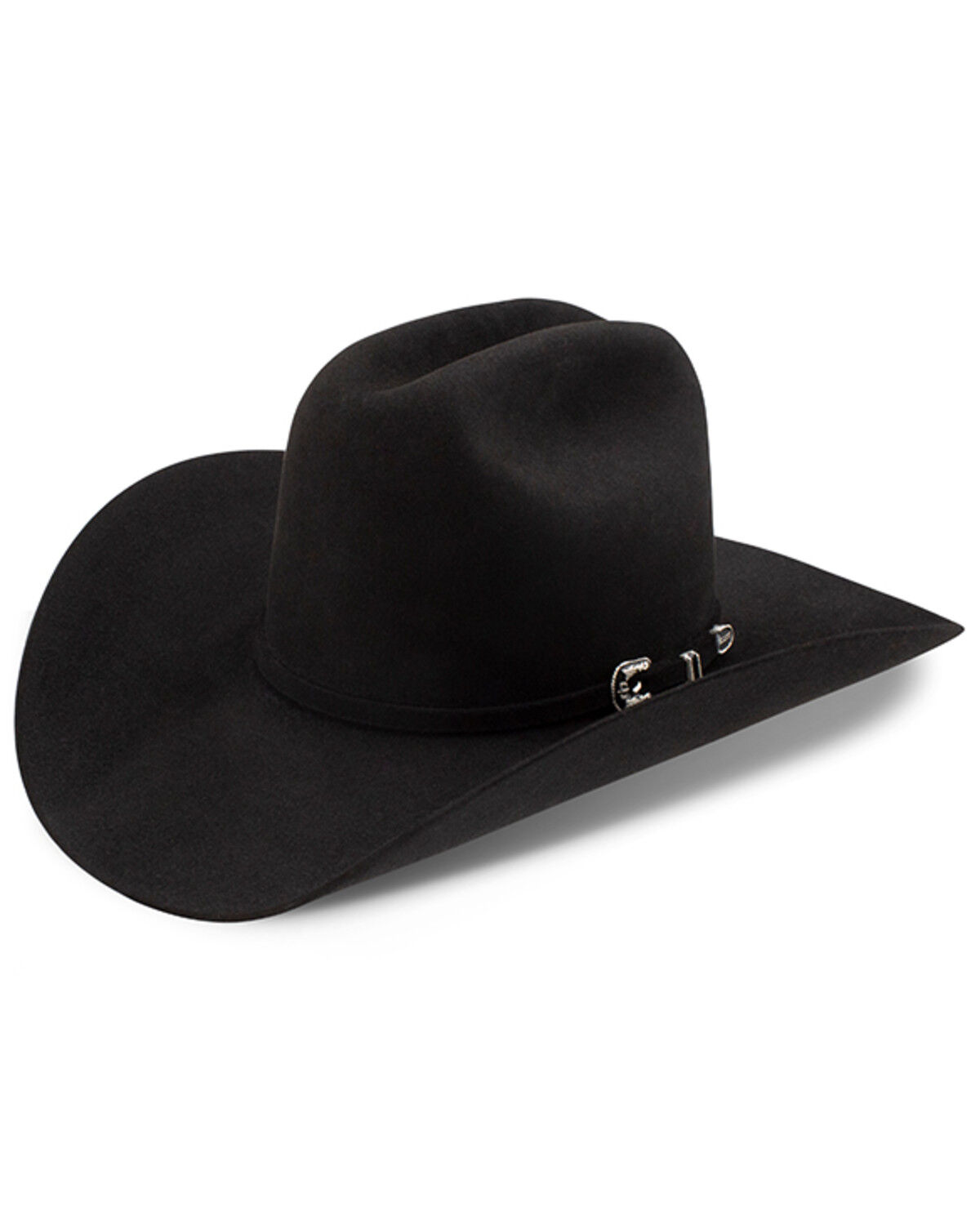
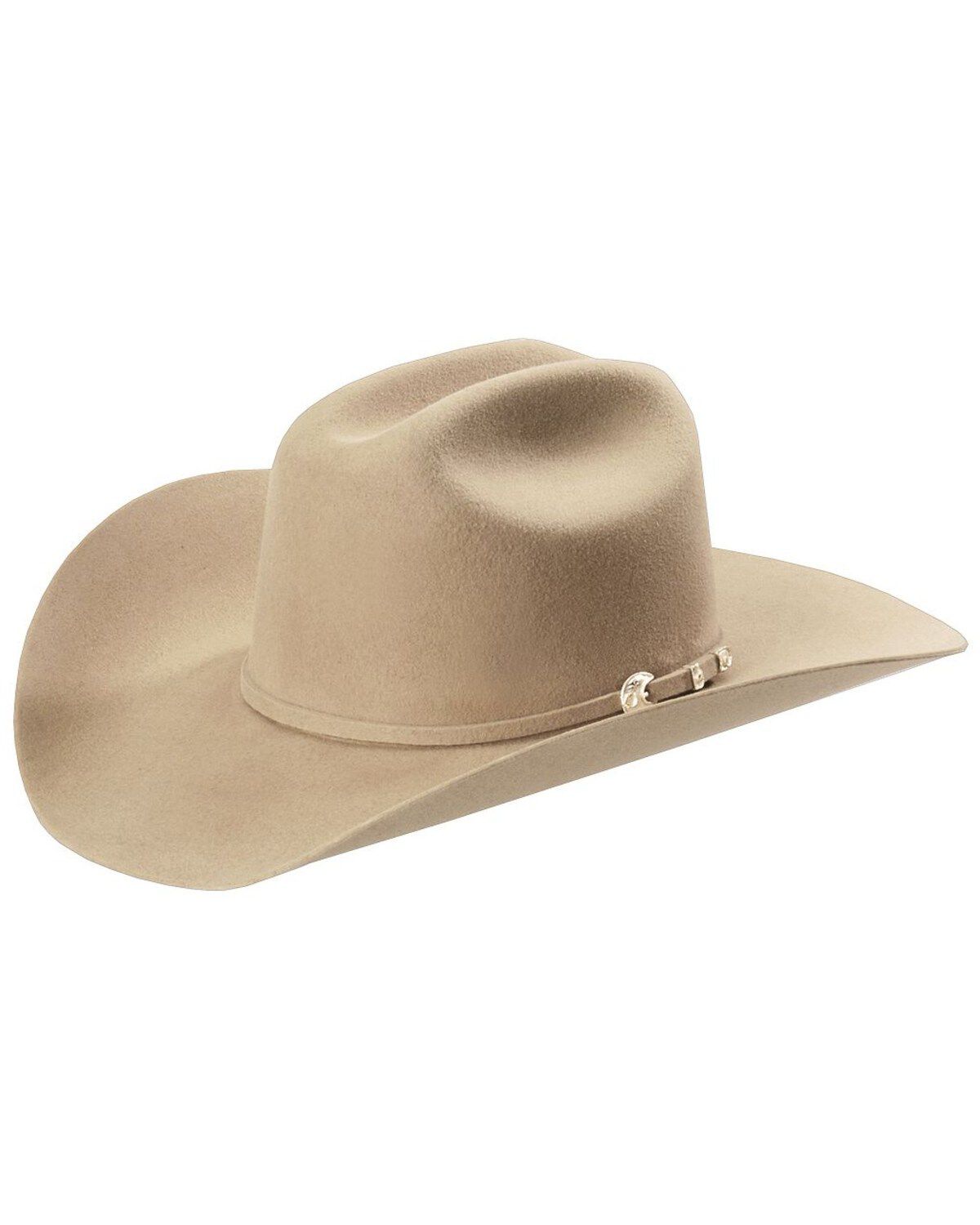
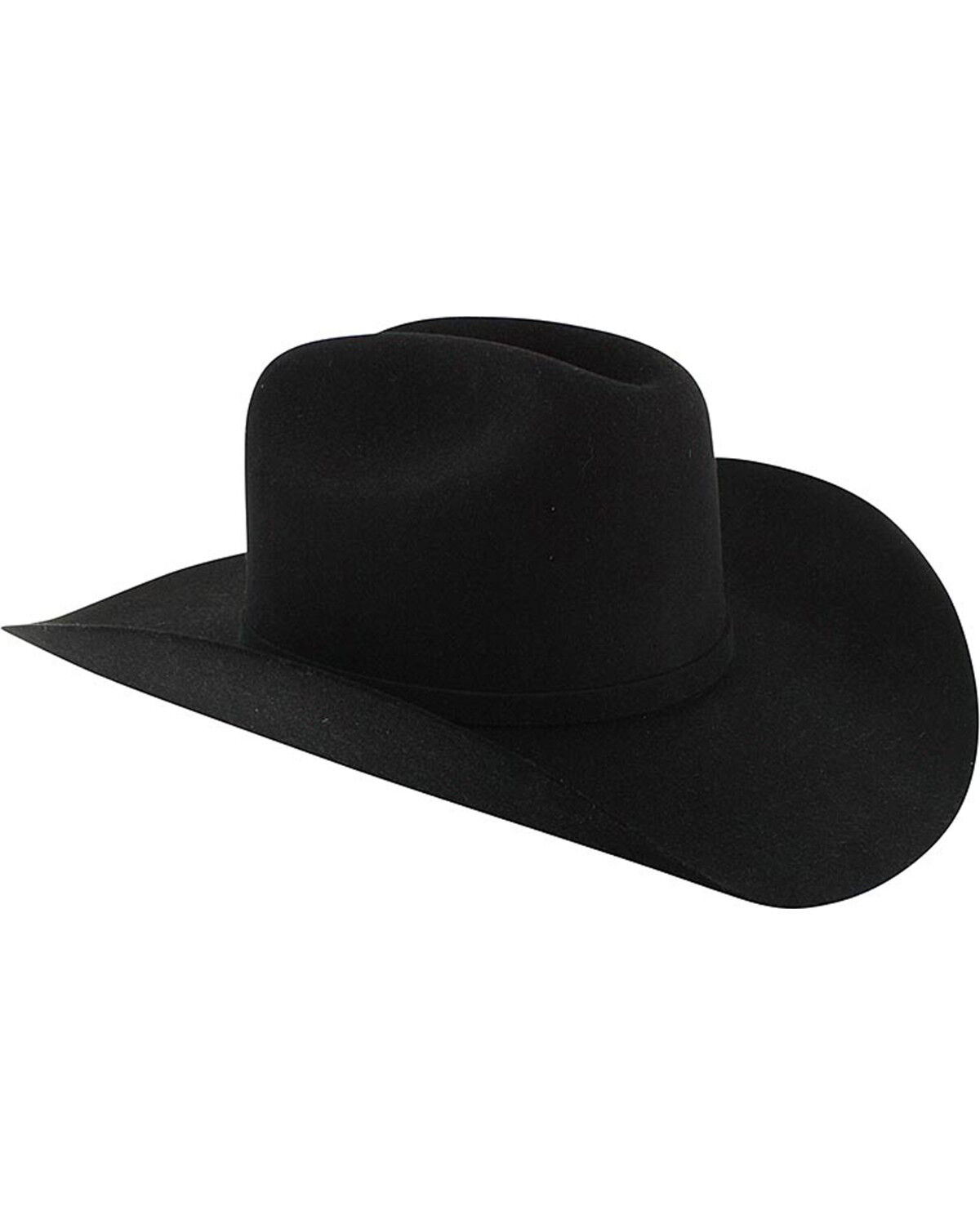
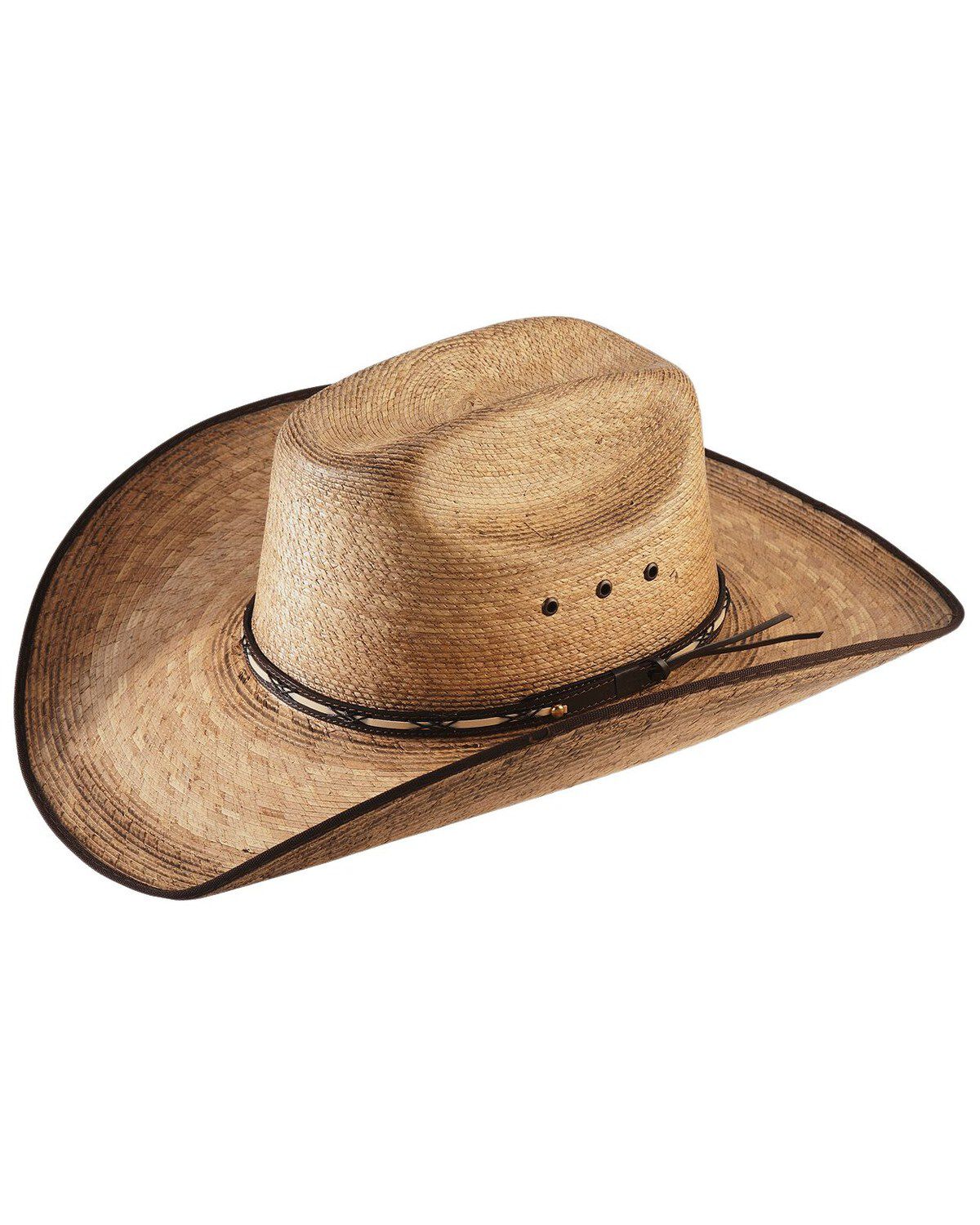
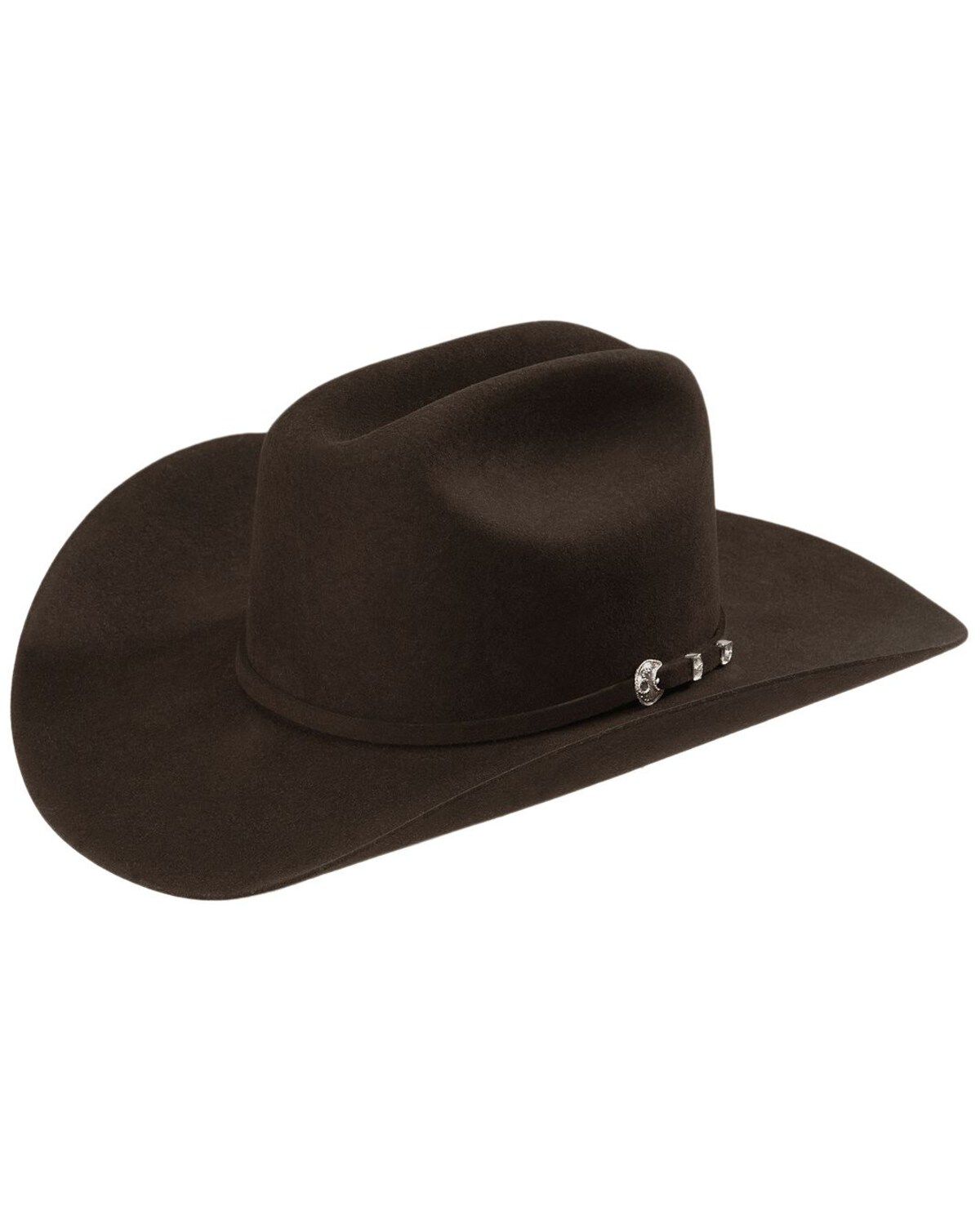
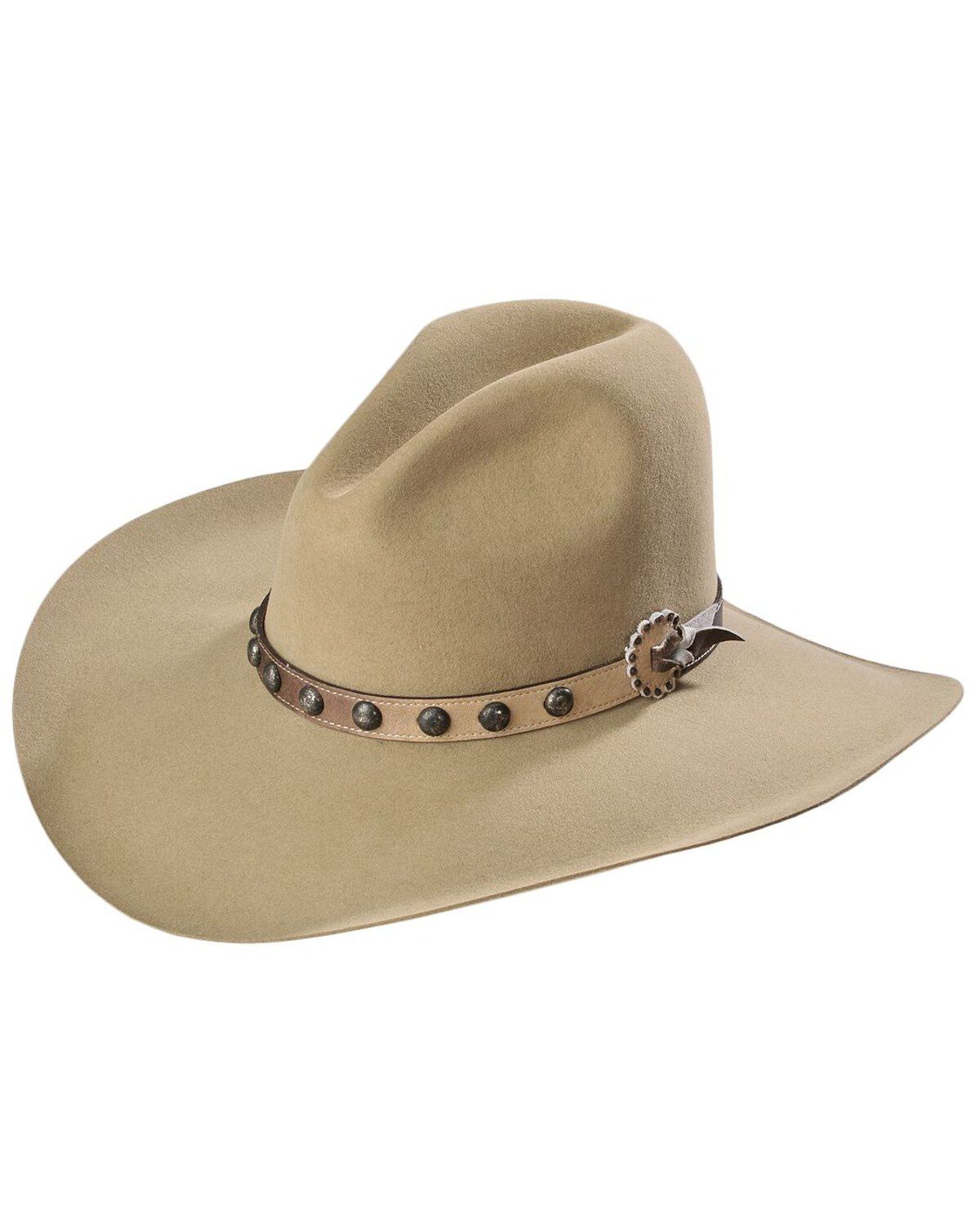
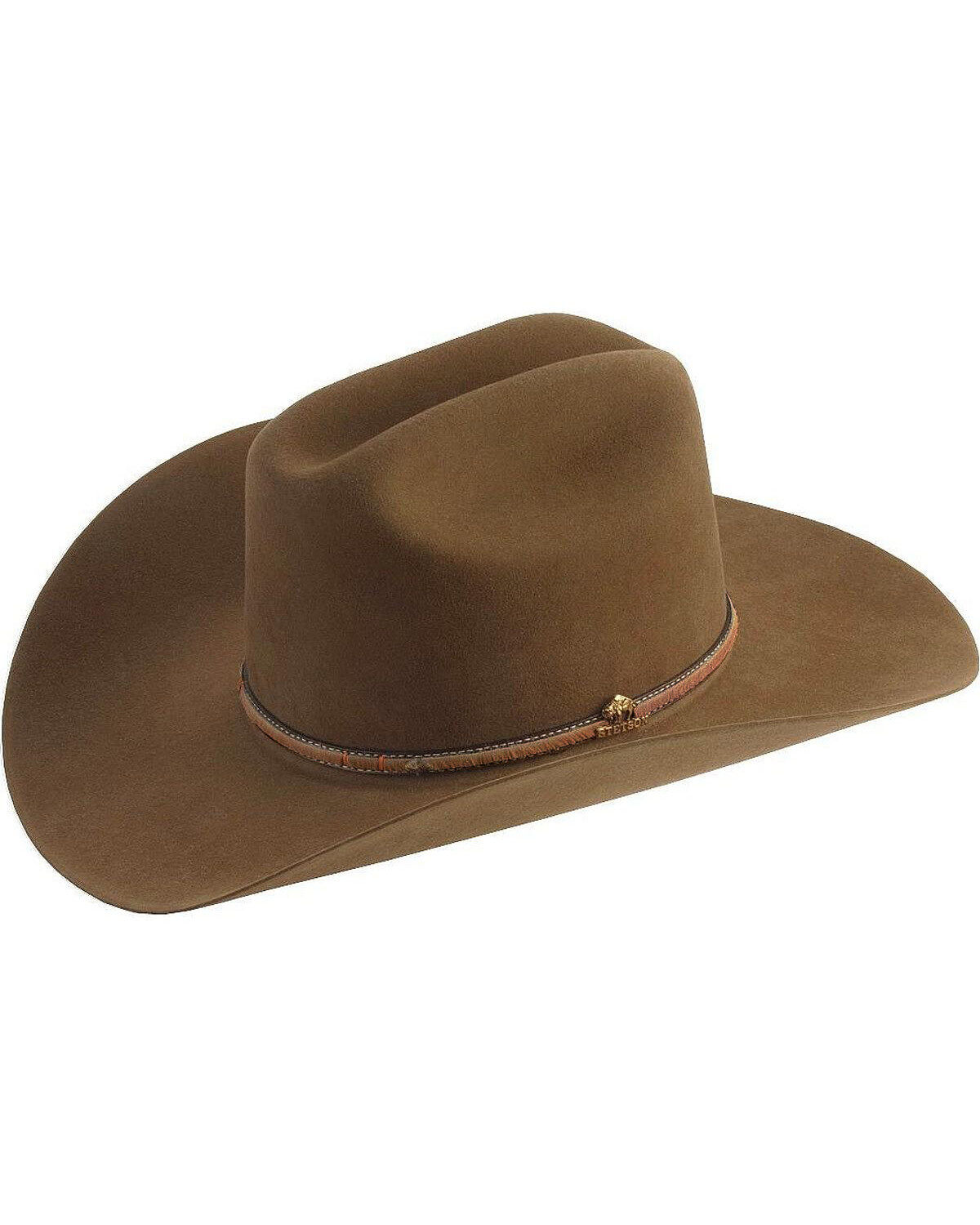
Cowboy boots give rodeo apparel much of its character, but a useful pair needs more than good-looking stitching. Leather type, lining, sole construction, heel shape, and fit affect how boots feel through repeated wear. Smooth leather offers a traditional appearance and can develop a distinctive patina with proper care. Suede and other textured finishes bring a different look and need cleaning methods suited to their surfaces. Leather soles and rubber soles behave differently underfoot, so intended use matters when comparing them. A spectator spending hours walking and standing may value cushioning and dependable traction, while someone riding needs footwear appropriate for the saddle and stirrups. A western shape alone does not establish that a boot is suitable for every activity. Fit should be secure across the instep without squeezing, with room for the toes to rest naturally rather than press against the front. Some heel movement can occur in a new pull-on boot, but excessive slipping or painful pressure deserves attention. Toe shape changes the appearance of a boot and may change how it feels, yet a square, round, or pointed profile is not a reliable substitute for checking width and length. The socks worn with the boots also affect fit and comfort. Cowboy hats complete the traditional silhouette, with felt and straw offering different textures and structures. A hat should sit securely without leaving uncomfortable pressure around the forehead, and brim width should feel manageable in crowded seating. Crown shape, brim shape, and hatband details can make an otherwise simple outfit more distinctive. A leather belt adds another useful layer of structure, especially with tucked shirts and denim. Belt width should work with the jeans’ loops, and a removable buckle needs a compatible attachment. Large buckles are closely associated with rodeo, but smaller designs can be easier to wear for long periods of sitting. Jewelry and other accessories can add personal detail without competing with every other part of the outfit. A patterned shirt, stitched boots, or a bold buckle often provides enough interest on its own.

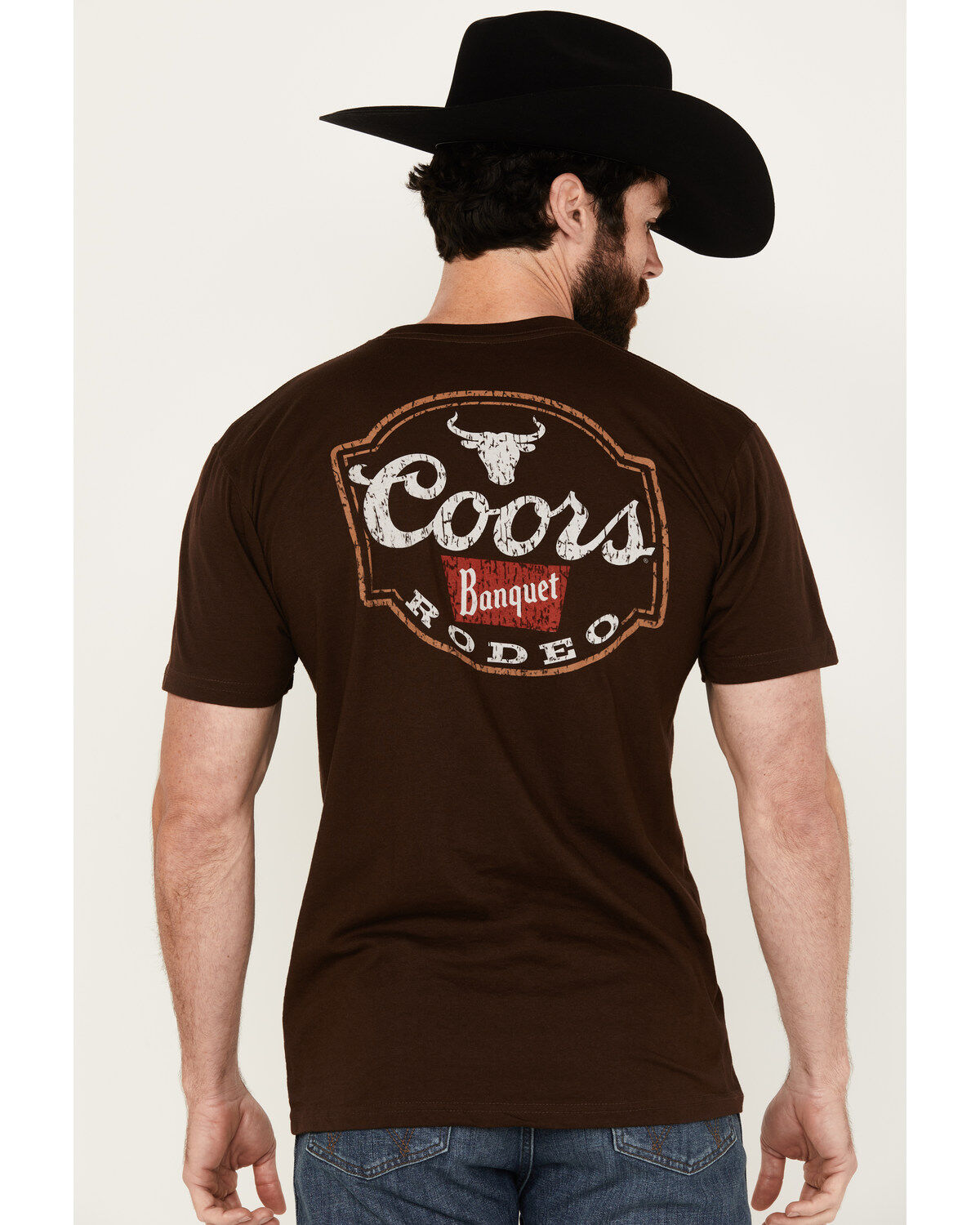
Rodeo clothing also works beyond the arena, especially when the pieces are chosen for regular wear rather than a single occasion. A plain western shirt and dark denim can look more polished, while a relaxed shirt and broken-in jeans suit a casual day at the fairgrounds or time spent with family around the sport. For outfits built around rodeo imagery, Rodeo Graphic Apparel offers a casual expression of those same western roots. Graphic clothing can pair with familiar denim and boots without requiring an elaborate outfit. Comfort still comes down to fabric, cut, and construction: shoulder seams should sit well, necklines should feel comfortable, and the body should allow movement without excess fabric getting in the way. For children, room to move and manageable closures matter more than matching every detail of an adult outfit. Care helps preserve both appearance and usefulness across these categories. Garment labels provide the most reliable washing and drying directions, particularly for stretch denim, printed clothing, and fabrics with special finishes. Washing similar colors together and avoiding unnecessary heat can help limit fading and shrinkage when consistent with those directions. Dust and dirt should be removed from leather boots before applying a conditioner suited to the leather; suede requires different tools and treatment. Saturating leather or using the wrong cleaner can damage the finish rather than improve it. Hats hold their shape better when stored without pressure on the brim or crown, and belts benefit from storage that prevents sharp folds. These small habits matter when clothing sees repeated trips to the arena, long drives, and everyday use. Rodeo apparel can also make a thoughtful gift for a regular spectator, a rider, or someone with a lasting interest in western style. Fit-dependent gifts require attention to actual measurements, preferred cuts, and the recipient’s usual footwear. Familiar colors and comfortable silhouettes tend to be more useful than details chosen only for their appearance. The strongest rodeo outfits bring together recognizable western design, sound construction, and a fit that feels natural throughout the day.

FAQs